
Introduction
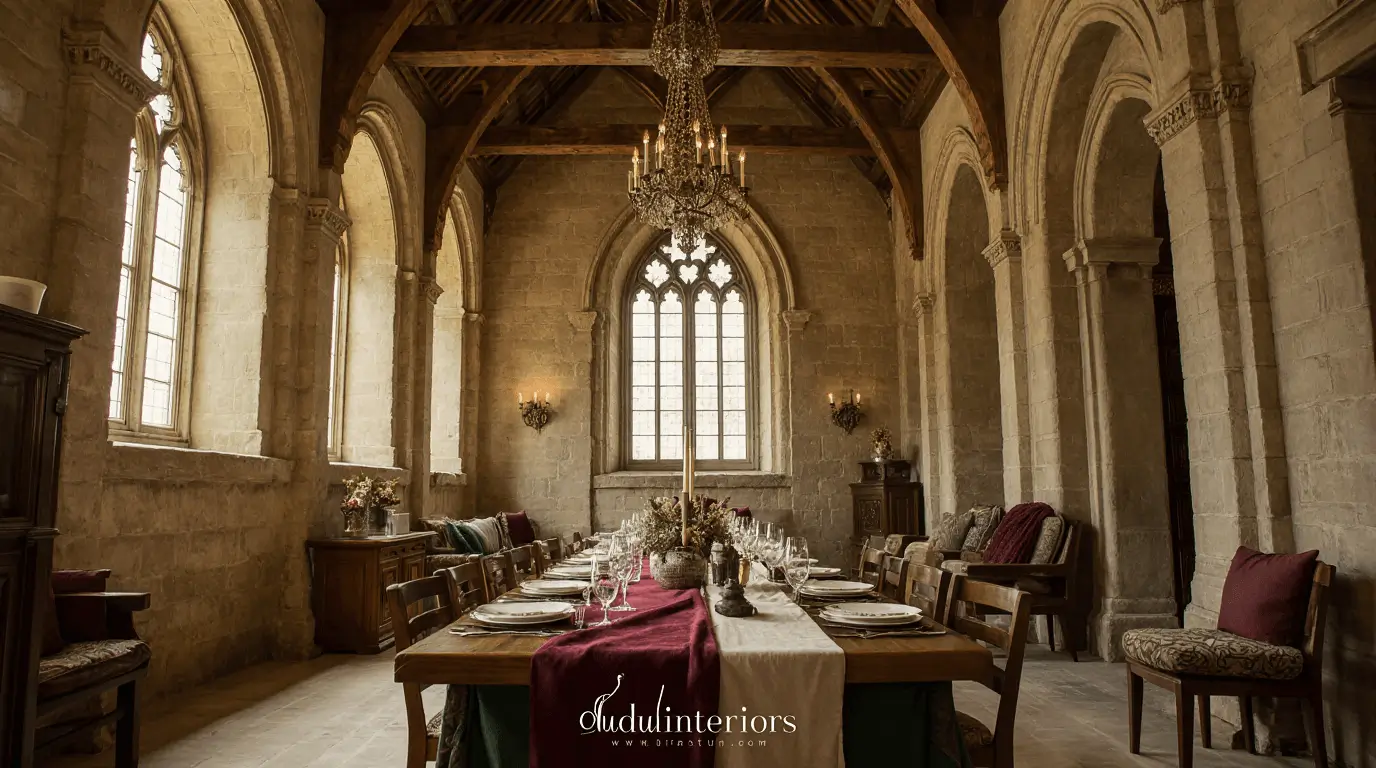
Medieval interior design is more than heavy stone walls and flickering torches—it is a powerful expression of craftsmanship, symbolism, and architectural strength rooted in the Middle Ages. From fortified castles to manor halls, interiors were designed for durability, hierarchy, and atmosphere. Every beam, tapestry, and iron hinge had purpose.
Having studied and worked with historical revival interiors, I’ve found that medieval spaces feel grounded because they prioritize authenticity in materials—solid wood, hand-forged metal, natural stone—and embrace shadow as part of the design language. Whether restoring a period property or reinterpreting the style in a modern home, medieval interior design succeeds when structure, texture, and mood work together.
Below is a complete, expert-level breakdown of essential medieval interior design concepts—each cluster strengthens your understanding and provides a visual direction for implementation.
Medieval Interior Design Architecture Foundations
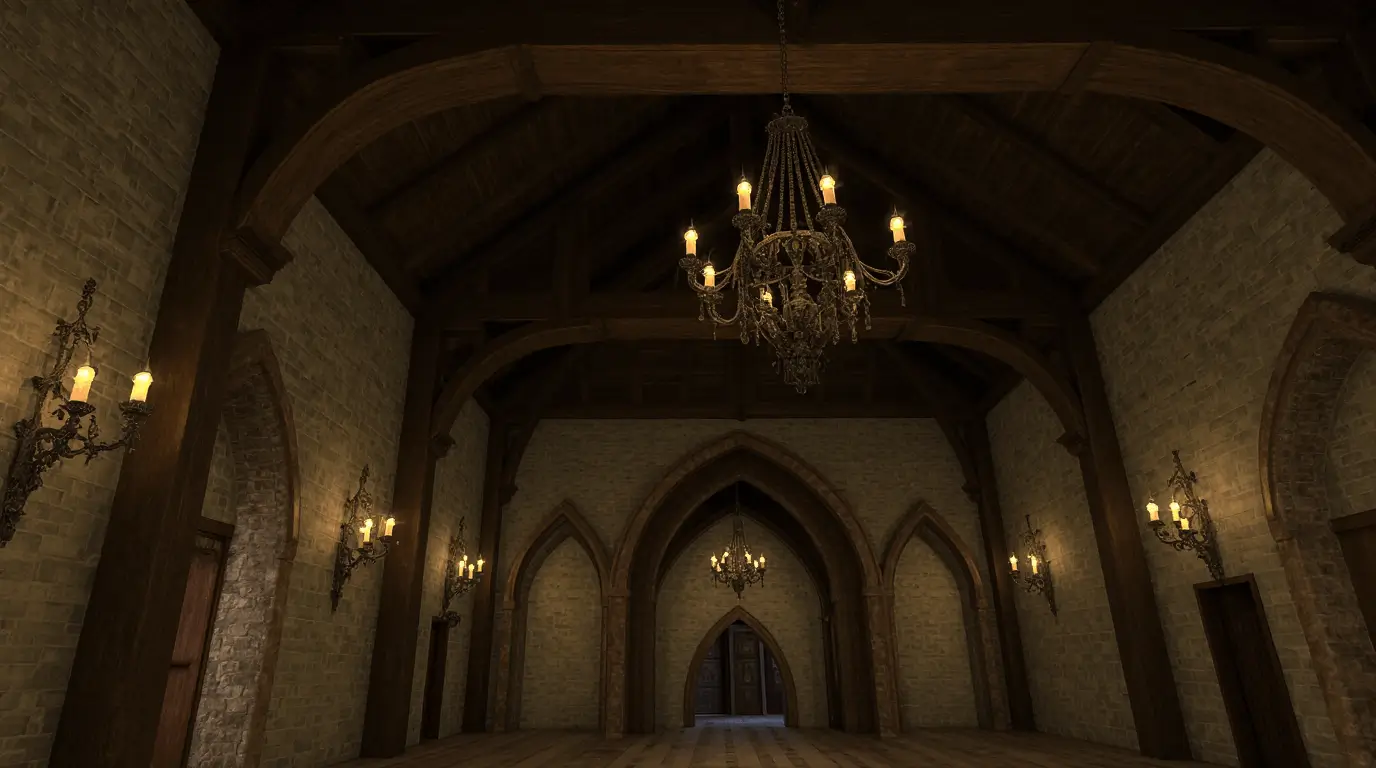
Medieval interior design begins with architecture—thick stone walls, timber beams, arched doorways, and vaulted ceilings. Structure is never hidden; it becomes the aesthetic. Exposed trusses and load-bearing elements define authenticity.
Medieval Gothic Interior Design Influence
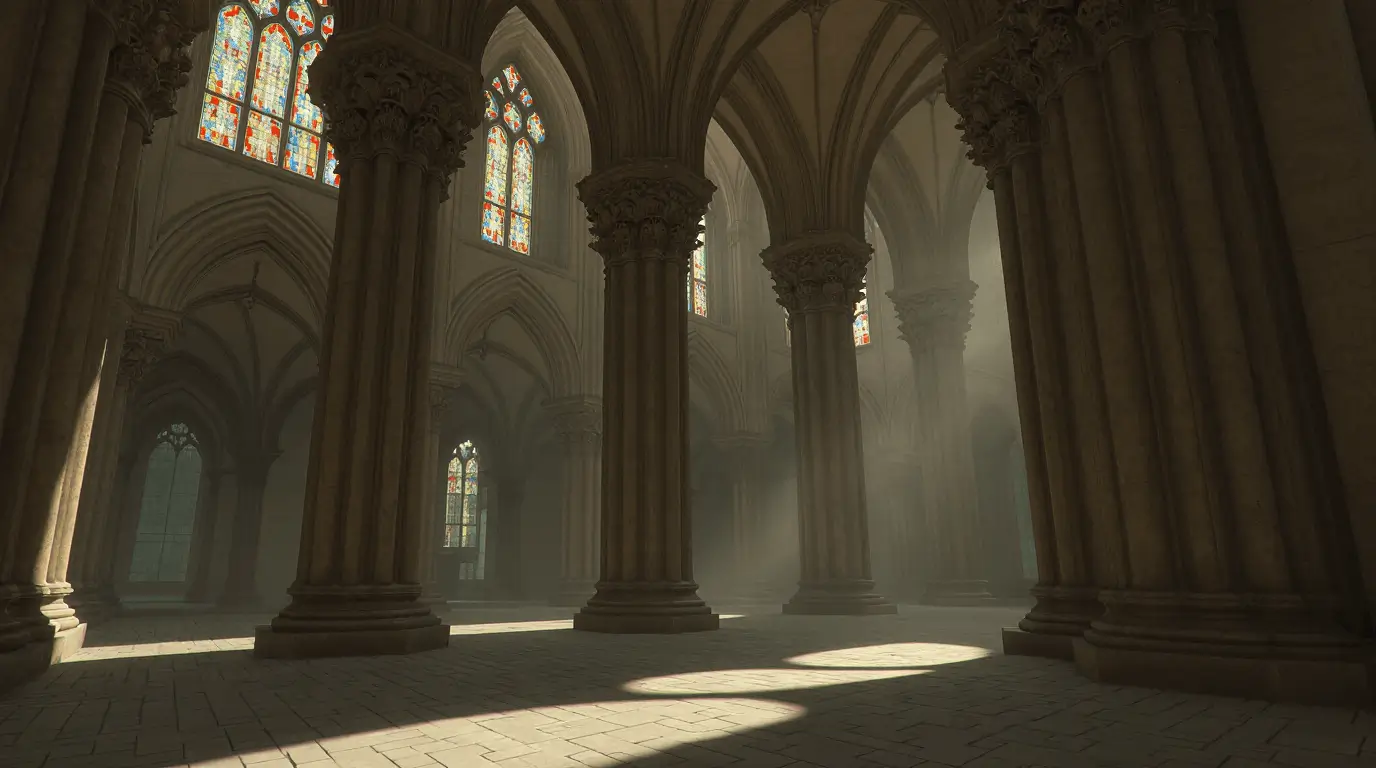
Gothic influence introduced pointed arches, ribbed vaults, and stained glass. Medieval gothic interior design adds vertical drama and spiritual symbolism, often emphasizing height and light filtering through colored glass.
Medieval Living Room Design Concepts
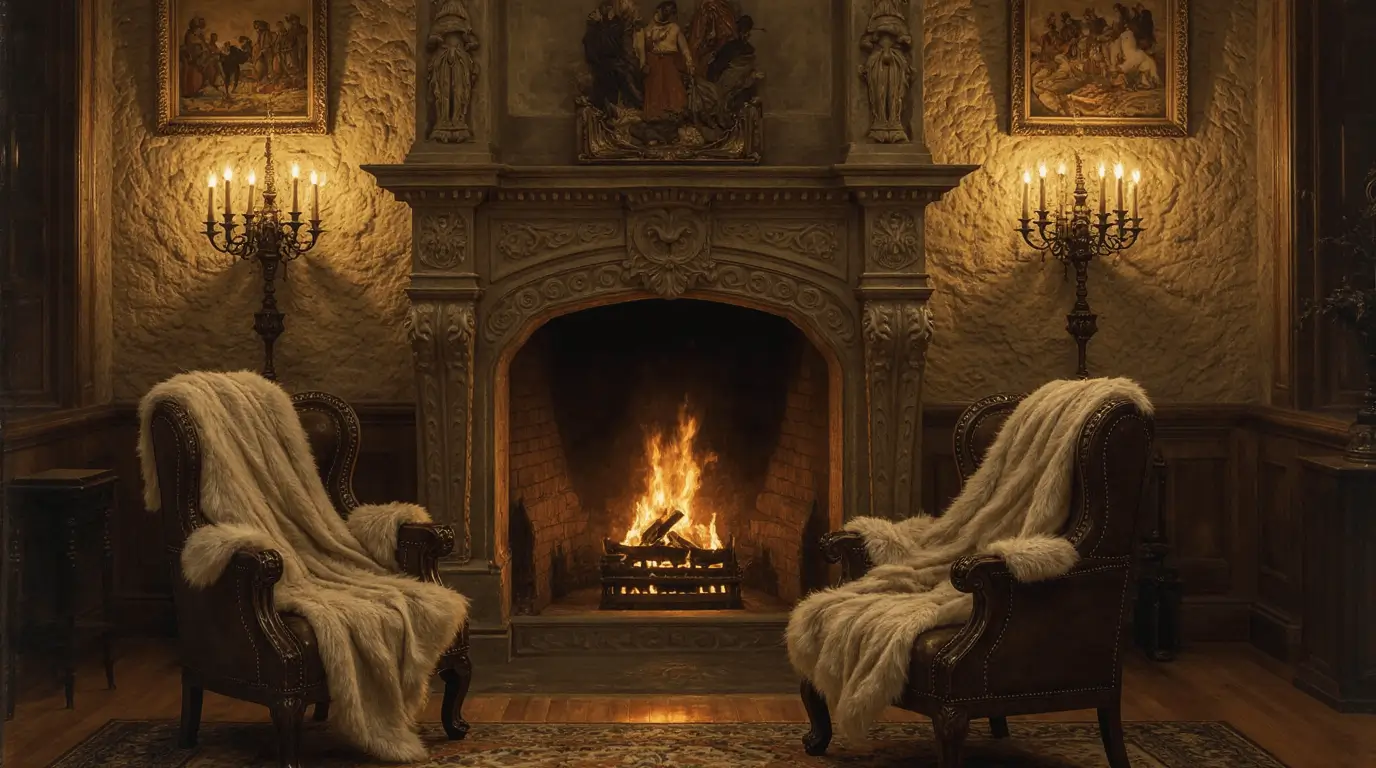
A medieval living room centers around a hearth. Seating is arranged for warmth and conversation, often using high-backed wooden chairs and heavy benches.
Medieval Home Interior Layout Planning
Medieval homes followed a hierarchy—great hall, private chambers, service areas. Circulation was functional and defense-oriented. Open halls with long tables were common in larger homes.
Medieval Interior Materials & Textures
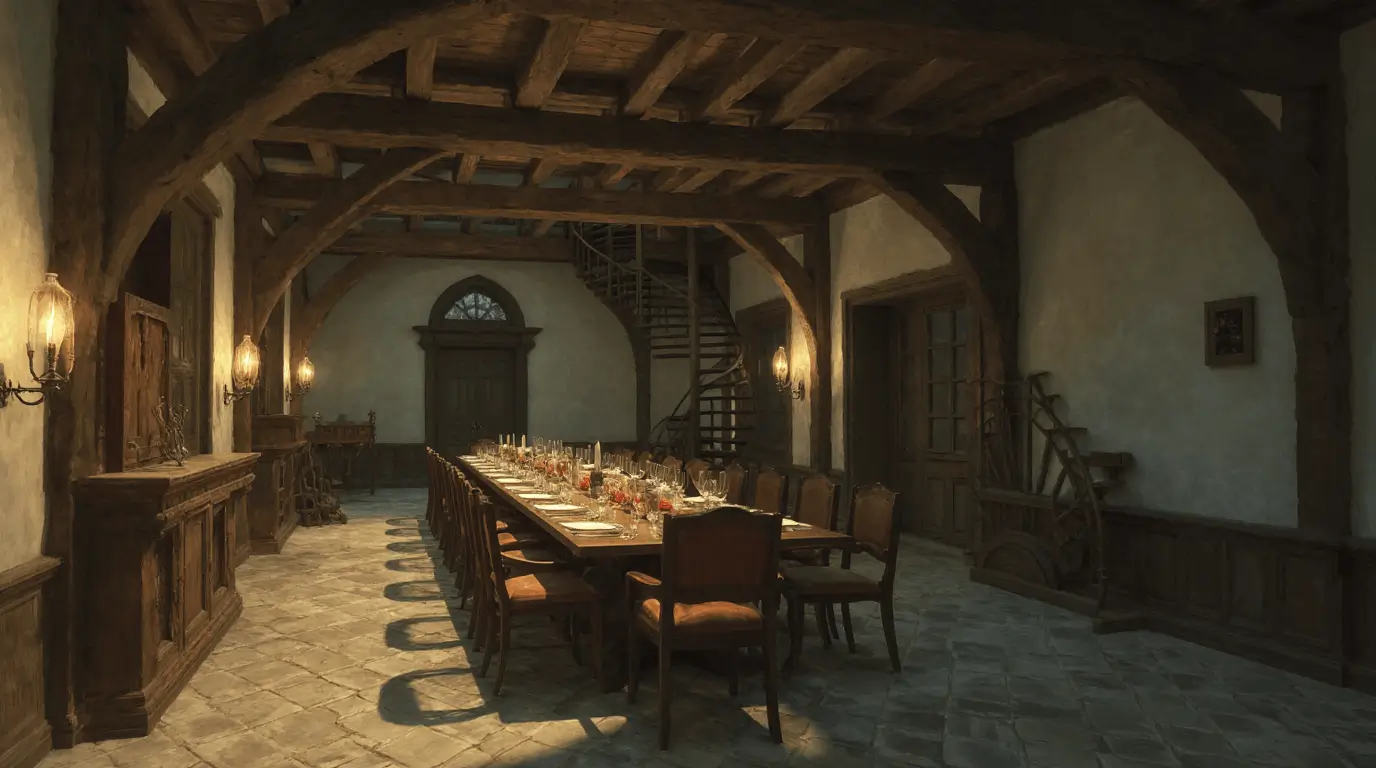
Natural materials dominate: oak, walnut, limestone, wrought iron, wool, and linen. Texture layering—stone against wood, metal against fabric—creates visual depth.
Medieval Interior Color Palette
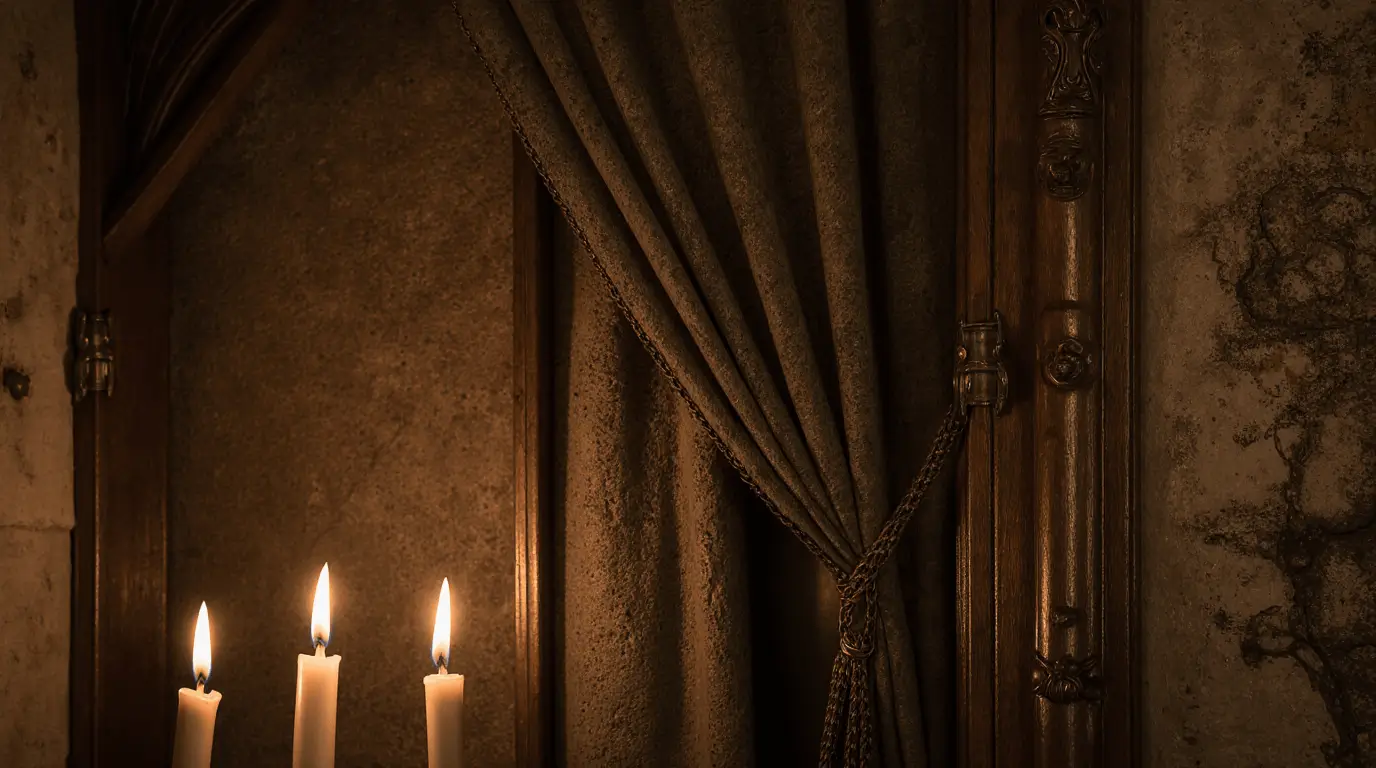
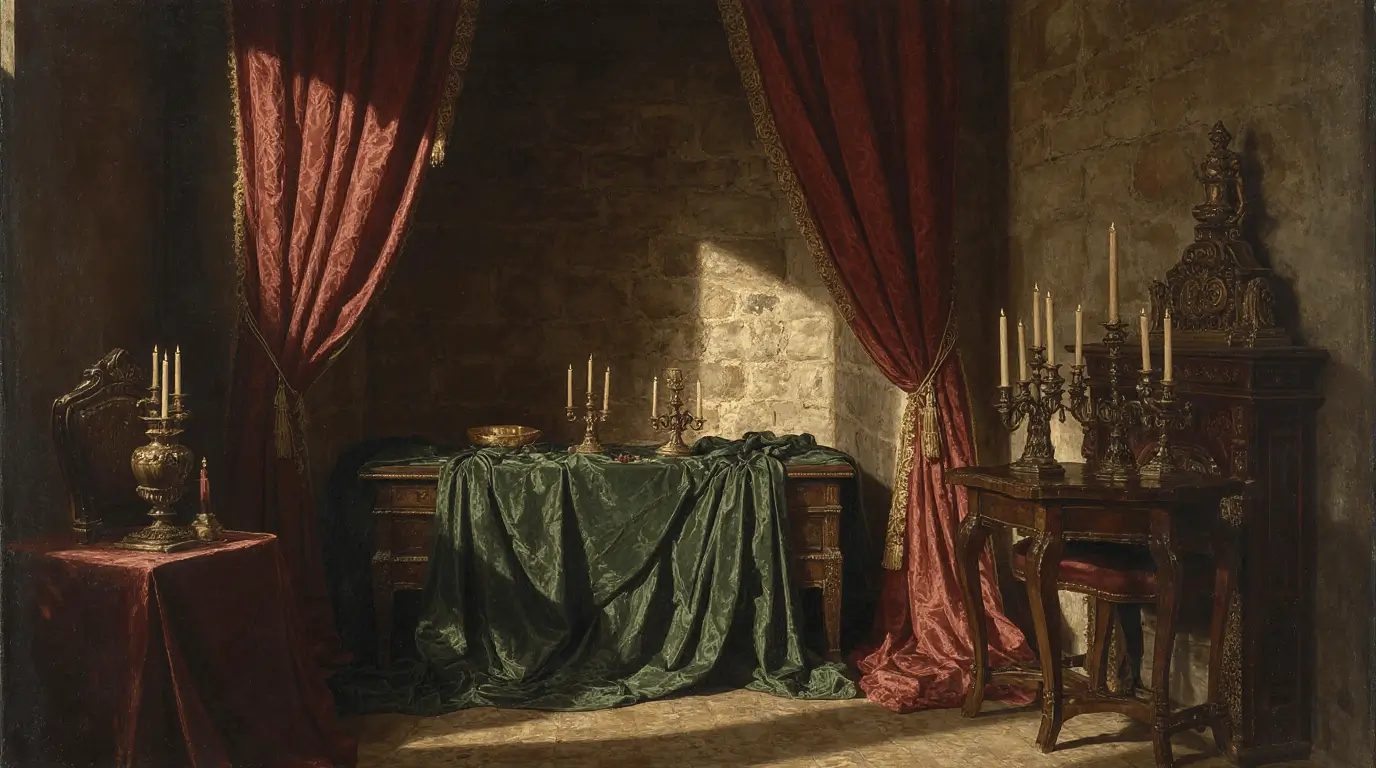
Deep, saturated tones were common—burgundy, forest green, navy, ochre—balanced with earthy neutrals. Colors reflected natural dyes and noble symbolism.
Medieval Furniture Design Principles
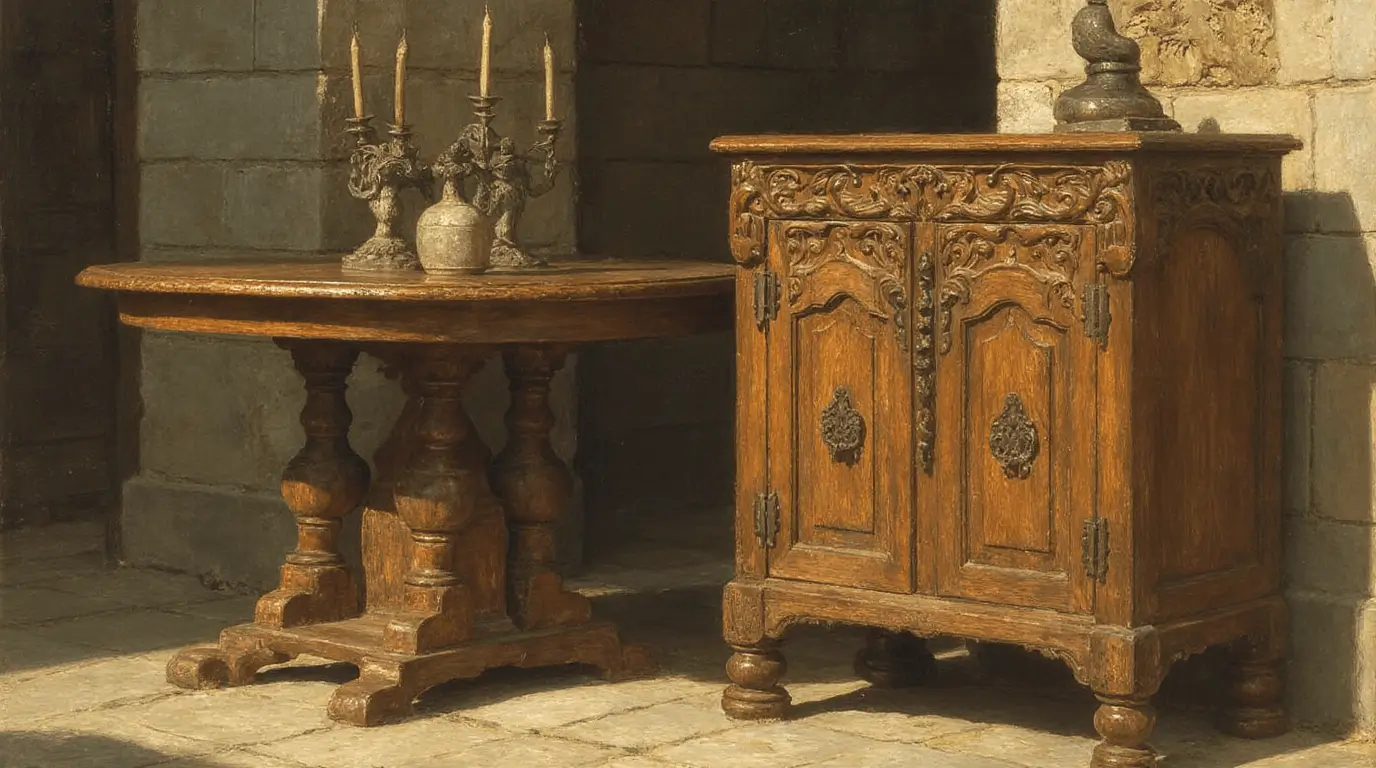
Furniture was heavy, durable, and hand-carved. Chests doubled as seating; trestle tables were practical and movable. Ornamentation often featured heraldic motifs.
Browse the full historical period interior design style database for furniture types, symbolism, and room-by-room breakdowns in one searchable hub.
Furniture was heavy, durable, and hand-carved. Chests doubled as seating; trestle tables were practical and movable. Ornamentation often featured heraldic motifs.
Medieval Lighting & Atmosphere
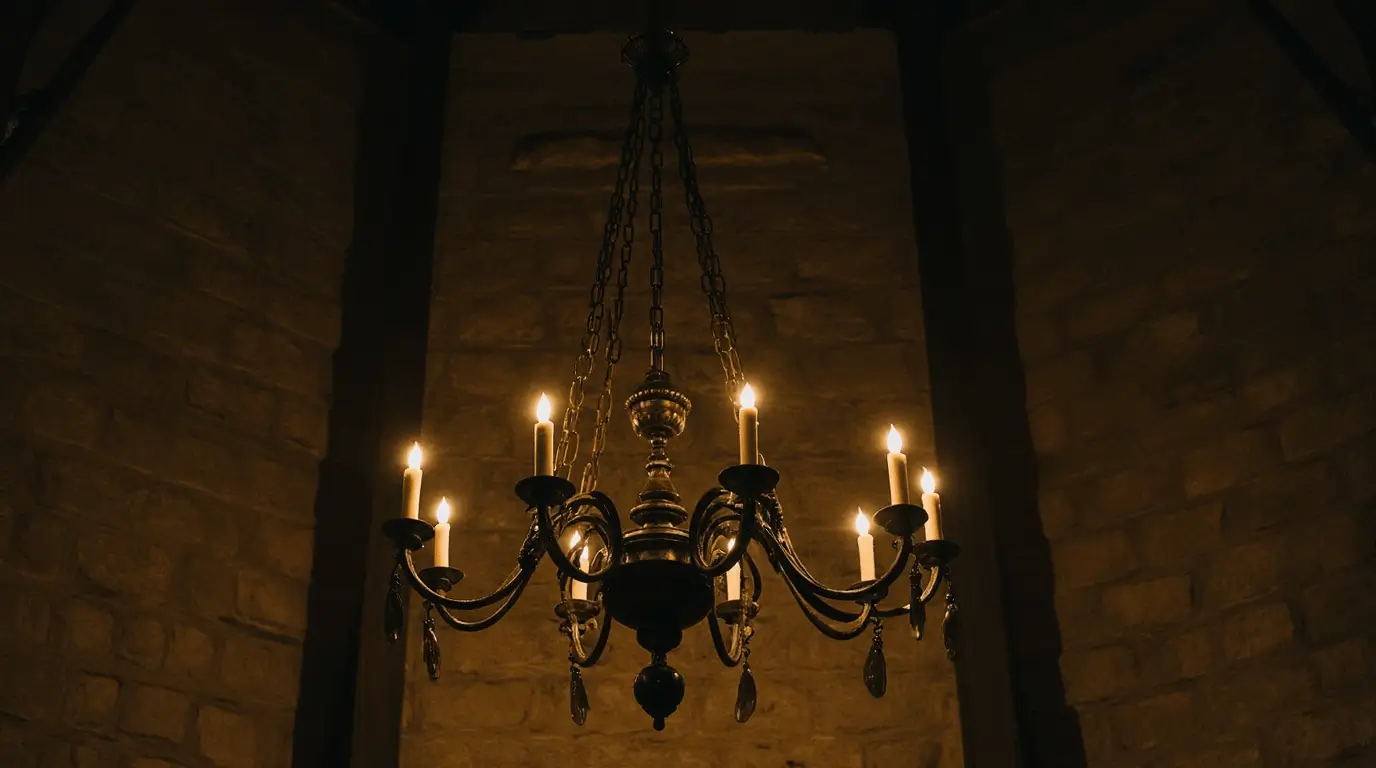
Lighting relied on candles, torches, and iron chandeliers. Shadows were embraced, creating depth and mystery. Light pools rather than floods the space.
Medieval Decorative Elements & Symbolism
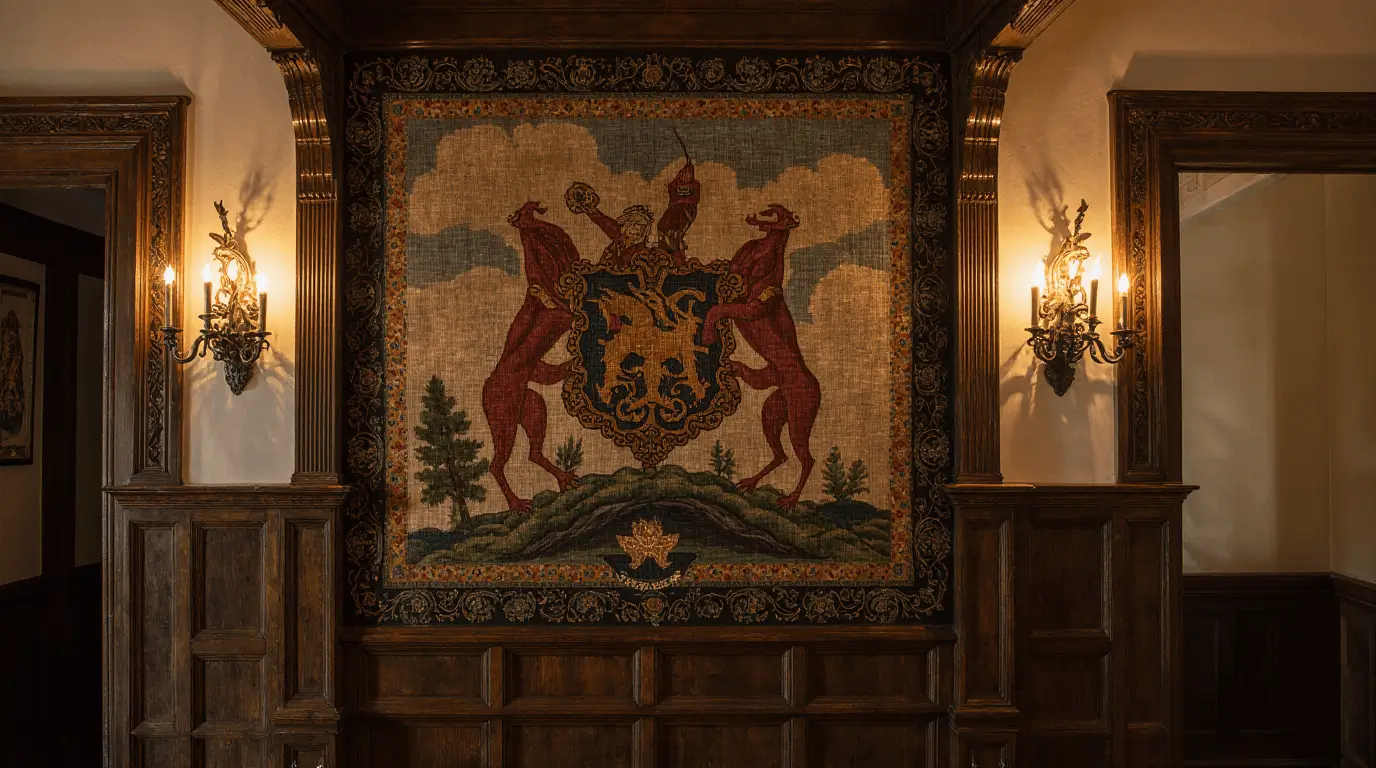
Heraldry, religious motifs, and woven tapestries served decorative and narrative functions. Walls were rarely bare in affluent homes.
Medieval Bedroom Interior Design
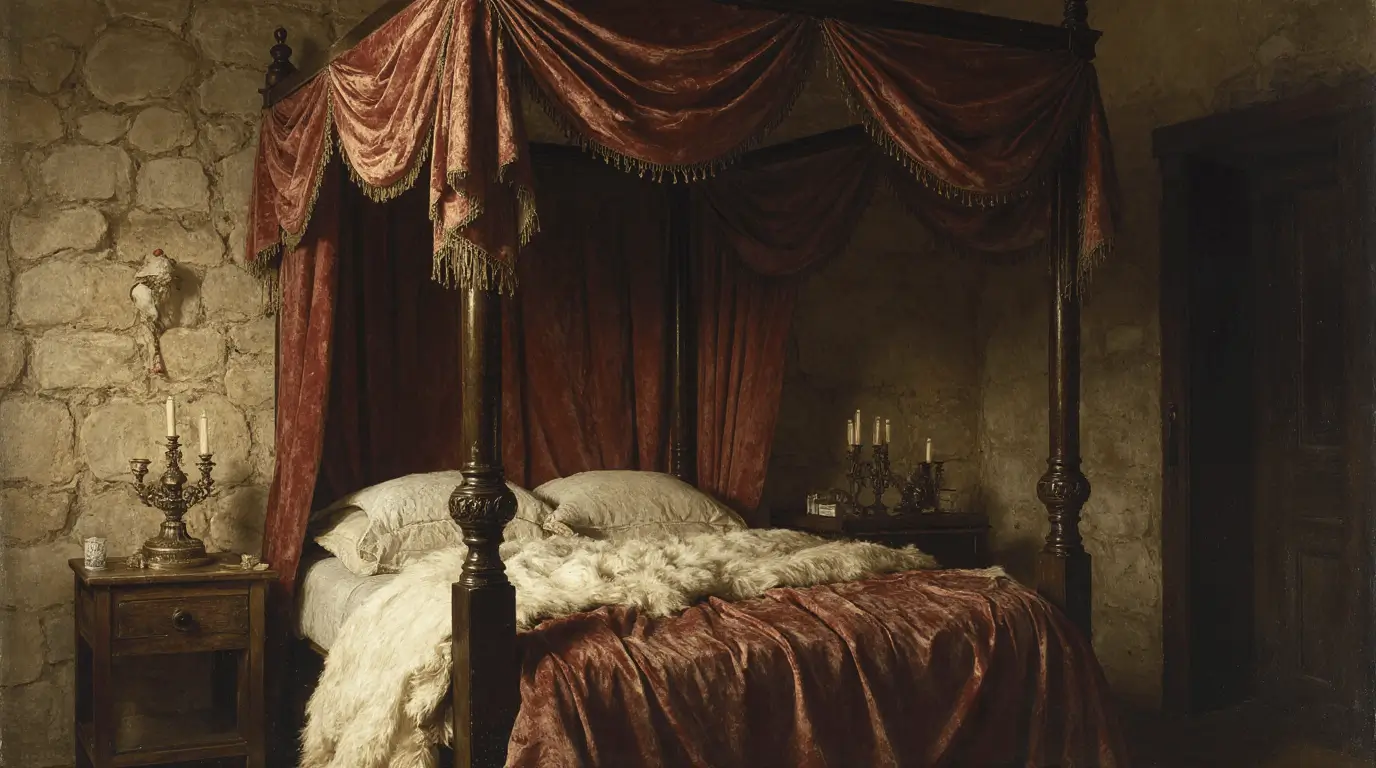
Beds were enclosed or canopied for warmth and privacy. Heavy drapery and layered textiles enhanced insulation and intimacy.
Medieval Kitchen Interior Design
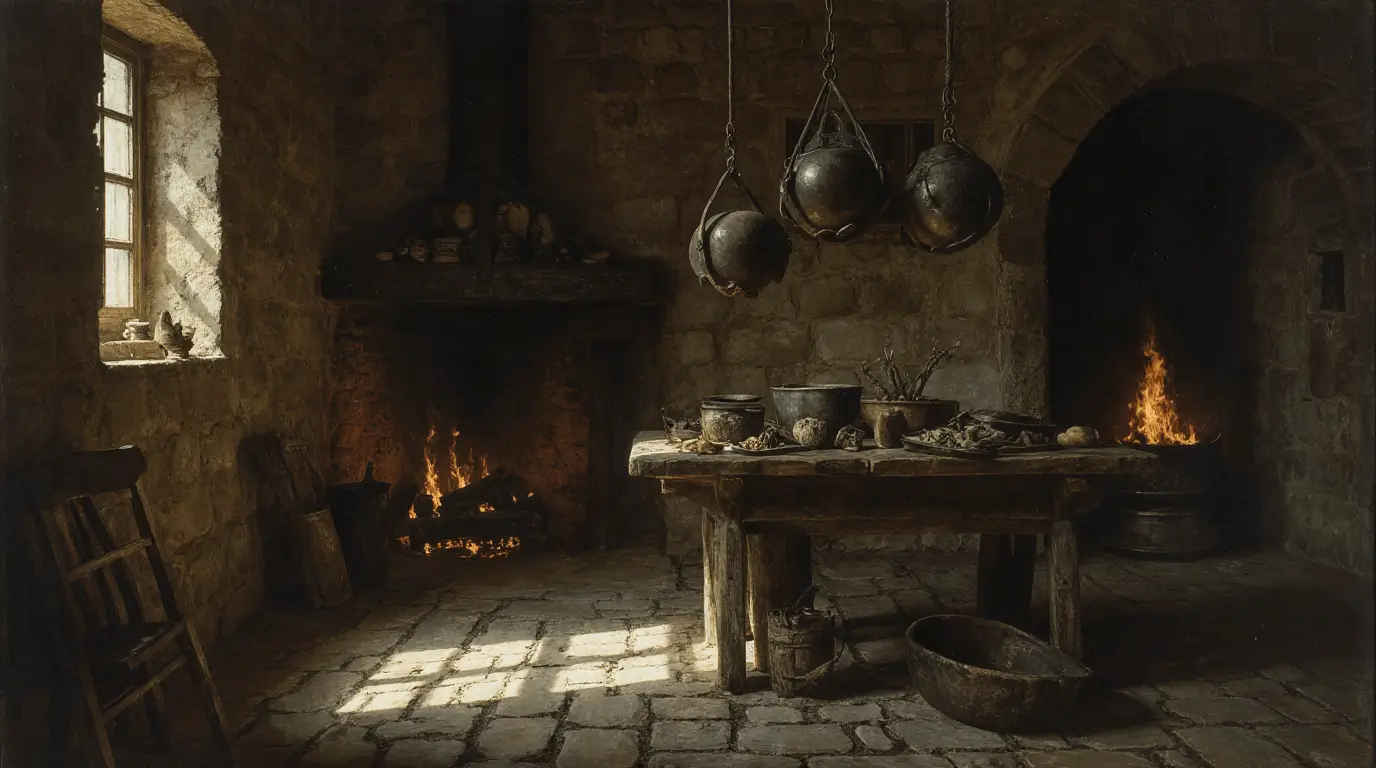
Kitchens were functional, built around open hearths. Iron cookware, wooden preparation tables, and stone flooring dominated.
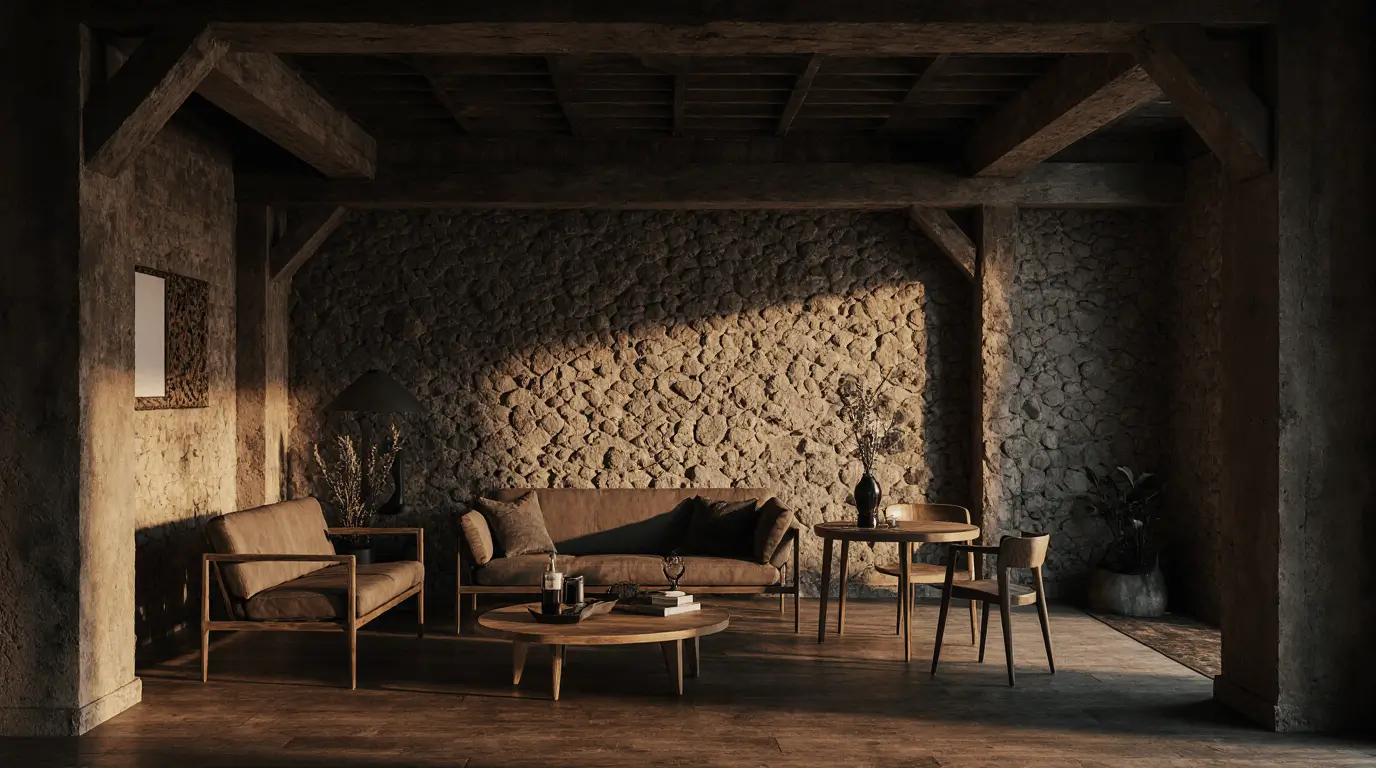
Medieval Modern Interior Adaptation
Modern medieval decor blends structural authenticity with contemporary comfort. Clean-lined furniture pairs with stone accents and timber beams.
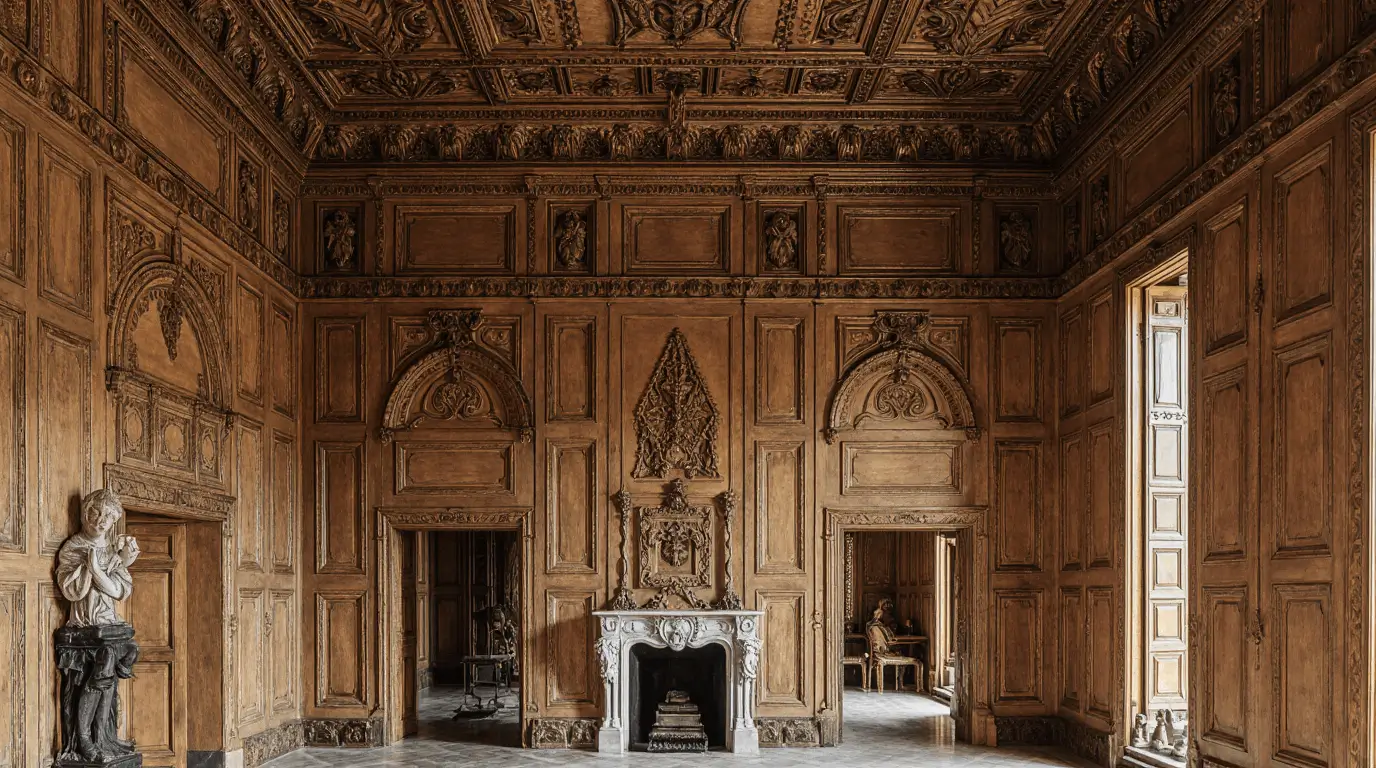
Renaissance Interior Transition from Medieval
Late medieval interiors evolved toward Renaissance refinement—symmetry, proportion, and classical ornament began replacing fortress austerity.
Compare Medieval against Renaissance, Gothic, Tudor, and 18 more styles at a glance in this historical interior style comparison sheet .
Late medieval interiors evolved toward Renaissance refinement—symmetry, proportion, and classical ornament began replacing fortress austerity.
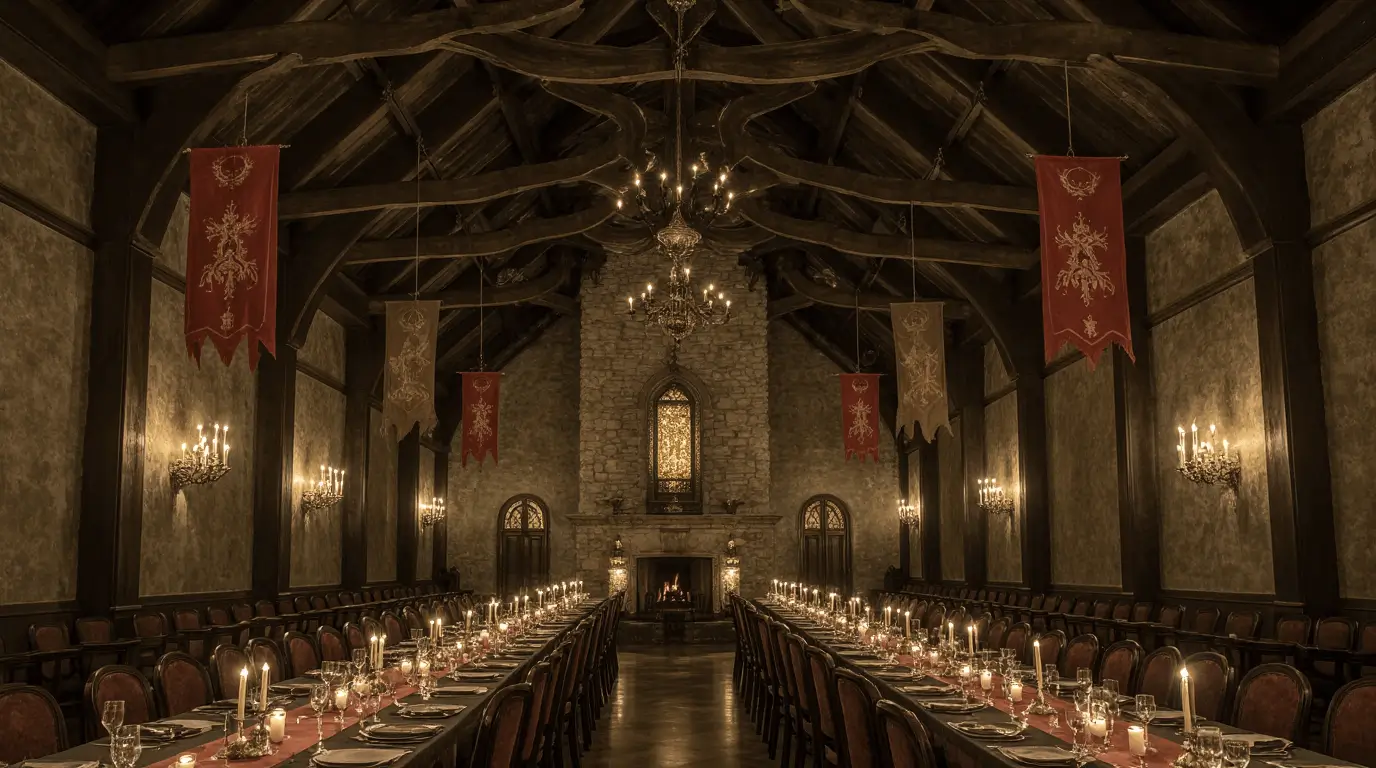
Medieval Great Hall Design
The great hall was the heart of medieval interior design—used for dining, governance, and ceremony. Scale and verticality conveyed power.
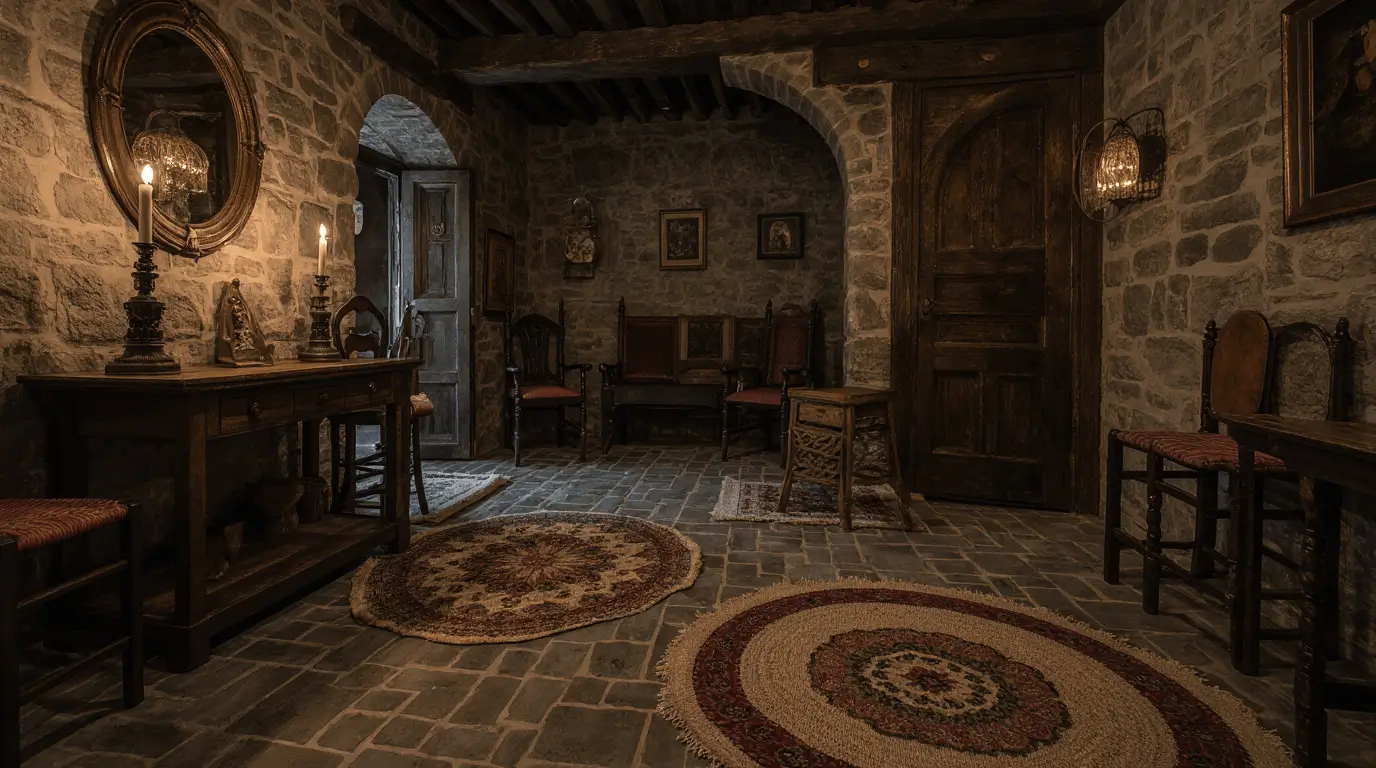
Medieval Flooring & Surface Treatments
Stone slabs, wide wooden planks, and rush-covered floors were typical. Flooring was practical and durable, often softened by layered rugs.
Medieval Interior Doors & Hardware
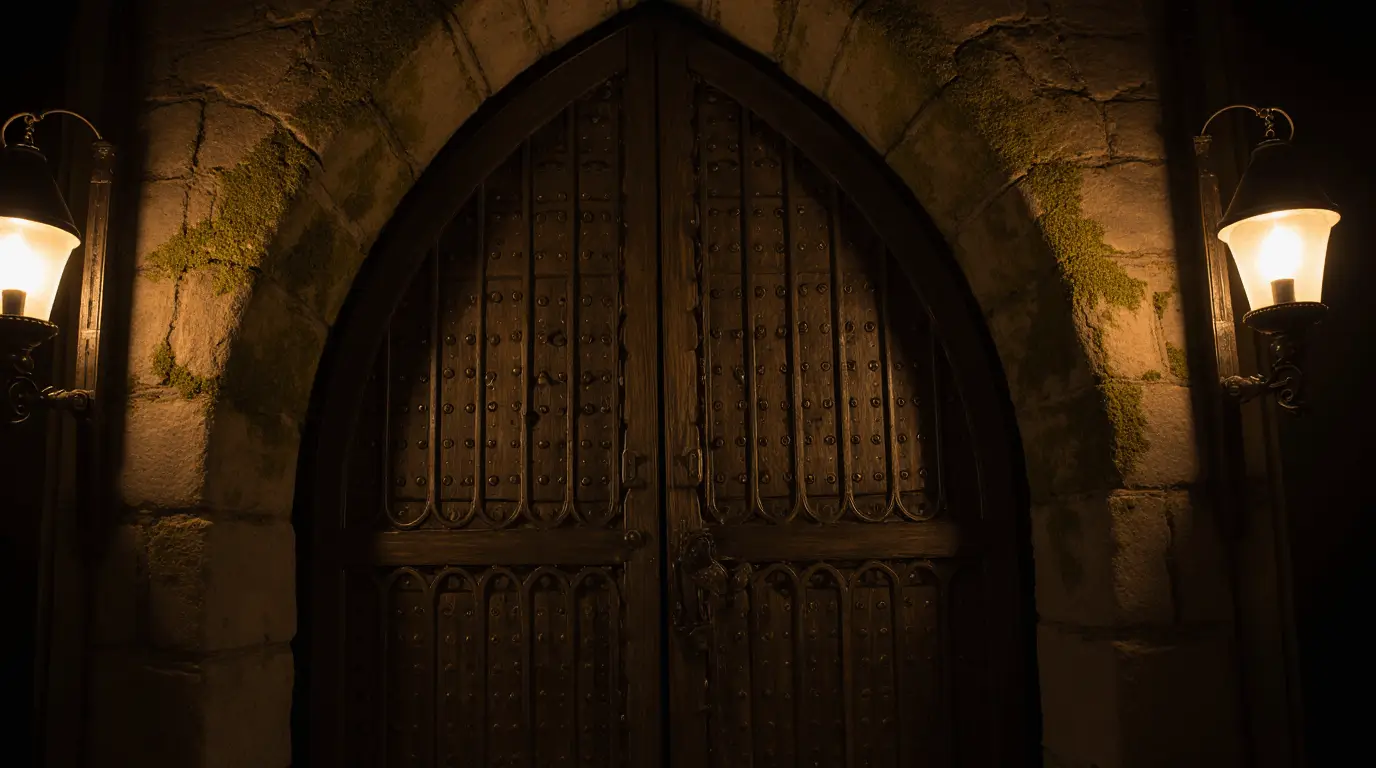
Thick wooden doors with iron studs and hinges were common. Hardware became a visible design feature, reinforcing strength.
Medieval Spiritual & Monastic Interiors
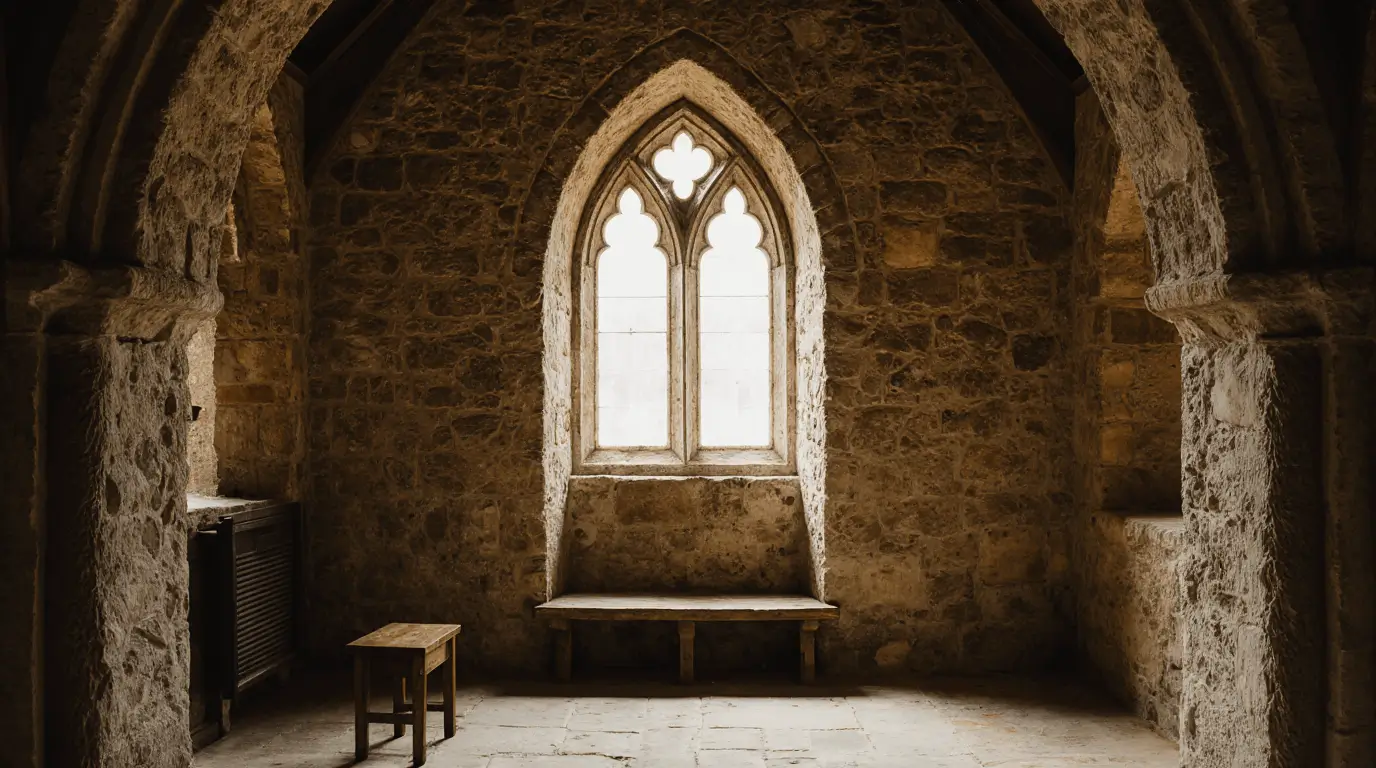
Monastic medieval interiors were minimal and contemplative—stone walls, simple wooden furnishings, and restrained ornamentation.
Conclusion: Bringing Medieval Interior Design into Modern Living
At its core, medieval interior design is about integrity—of materials, structure, and atmosphere. It favors craftsmanship over convenience, permanence over trends, and mood over minimalism. Stone walls, timber beams, iron hardware, and layered textiles are not decorative afterthoughts; they are foundational elements that create depth and authenticity.
In practice, this approach works because it engages the senses. The weight of solid wood furniture, the texture of woven fabric, the warmth of firelight—these elements create interiors that feel grounded and emotionally resonant. Medieval spaces were built to endure, and when interpreted thoughtfully today, they offer the same sense of stability and refuge.
This style benefits homeowners who value character, history, and tactile richness. It also suits those renovating period properties or adding architectural substance to newer builds. The key is restraint and intention: start with structure, choose honest materials, layer texture carefully, and allow light to remain atmospheric rather than overpowering.
If you’re moving forward with medieval interior design, begin with one anchoring feature—a stone fireplace, exposed beams, or hand-forged lighting. Let that element guide your material palette and furnishings. When approached with clarity and respect for proportion, this style becomes less about imitation and more about creating a home that feels timeless, grounded, and deeply personal.
Learn more : 10+ Timeless Secrets of Georgian Interior Design
Frequently Asked Questions
- How can I incorporate medieval interior design without making my home feel dark or heavy?
Balance is essential. While medieval interiors embrace shadow and depth, you can prevent heaviness by introducing lighter stone tones, natural linen textiles, and strategic warm lighting. Keep ceilings visually open and avoid overcrowding furniture. The goal is richness—not darkness.
- Is medieval interior design suitable for small homes or apartments?
Yes, when scaled appropriately. Instead of grand architectural elements, focus on texture and material authenticity—solid wood pieces, iron accents, layered textiles, and a warm color palette. Even a compact space can reflect medieval character without overwhelming proportions.
- What materials are most important for achieving authenticity?
Natural materials define the style. Prioritize solid wood (oak or walnut), natural stone, wrought iron, wool, and linen. Avoid synthetic finishes that mimic these textures. The tactile quality of real materials is what gives the design its credibility and presence.
- Can medieval interior design blend with modern comforts?
Absolutely. Modern heating, discreet lighting, and comfortable upholstery can coexist with historic-inspired elements. The key is to maintain structural honesty—let beams, stone, and handcrafted pieces remain visible while integrating contemporary conveniences subtly.
- How does medieval design differ from Renaissance interiors?
Medieval interiors emphasize fortress-like strength, vertical drama, and symbolic detailing. Renaissance interiors, which evolved later, introduced symmetry, classical proportions, and lighter ornamentation. If you prefer grounded austerity, medieval design will resonate more strongly.
- What is the most impactful feature to start with?
A fireplace or central gathering element makes the strongest statement. Historically, the hearth defined the room’s layout and social function. Building your design around a focal point immediately establishes authenticity and coherence.
- Is this style practical for everyday living?
When thoughtfully adapted, yes. Choose durable materials, comfortable seating, and layered lighting. Medieval interior design is inherently practical—its original purpose was functionality and longevity. With careful planning, it can feel both dramatic and entirely livable.



One Response