
Introduction
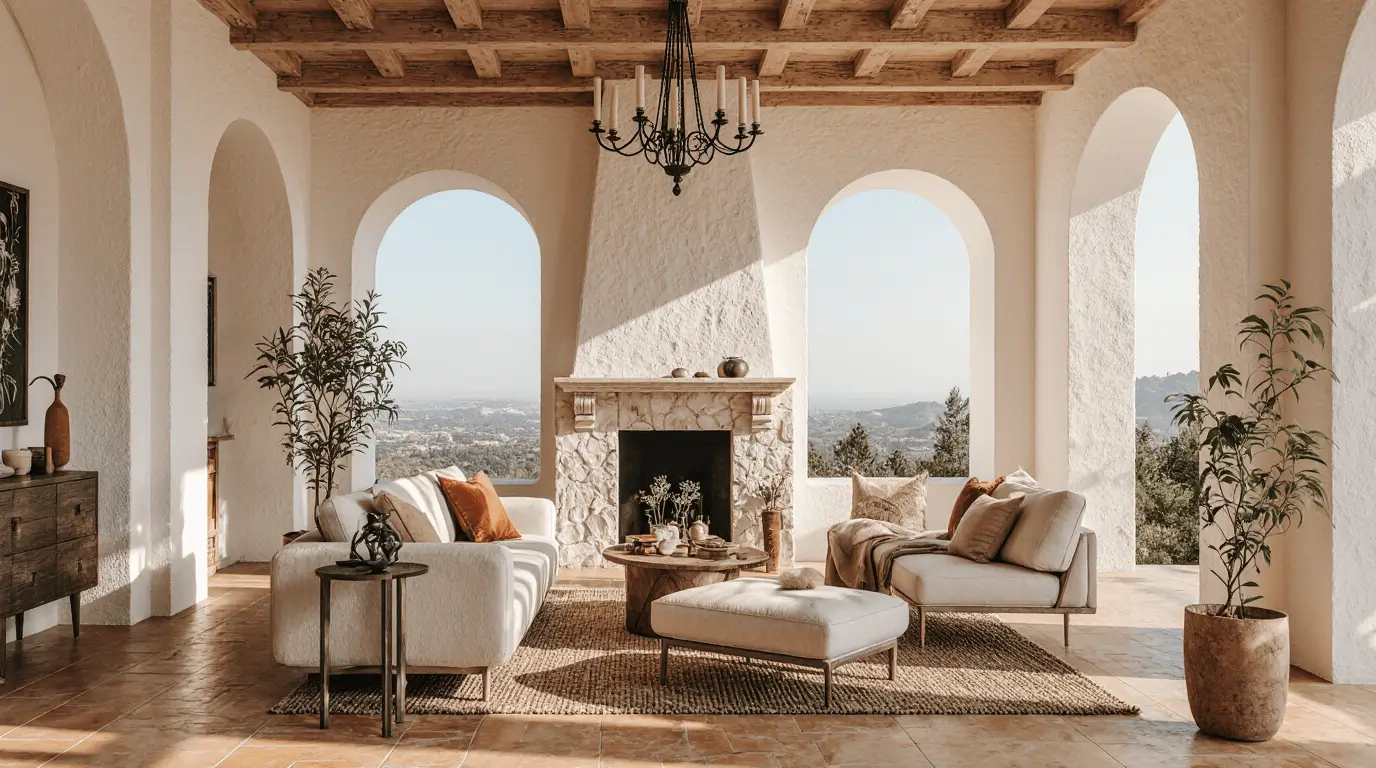
Modern Spanish style interior design blends the romance of Old-World architecture with the calm restraint of contemporary living. Rooted in Mediterranean heritage yet refined for today’s lifestyles, this style celebrates textured walls, warm earthy palettes, and artisally crafted details—without feeling heavy or overly ornate.
In my experience designing Spanish-inspired homes, the key is balance. Traditional elements like arches, terracotta, and wrought iron must be softened with clean lines, open layouts, and thoughtful lighting. When done correctly, modern Spanish interiors feel timeless, grounded, and emotionally warm—yet effortlessly livable.
Below, you’ll find carefully structured design clusters that explore modern Spanish style interior design from architectural foundations to décor details.
Modern Spanish Style Interior Design Foundations
Modern Spanish style interior design begins with architectural authenticity—arched openings, plaster walls, and natural materials. The modern layer introduces simplified silhouettes and open spatial flow.
The goal is warmth without visual clutter, heritage without heaviness.
Modern Spanish Style Living Room Design
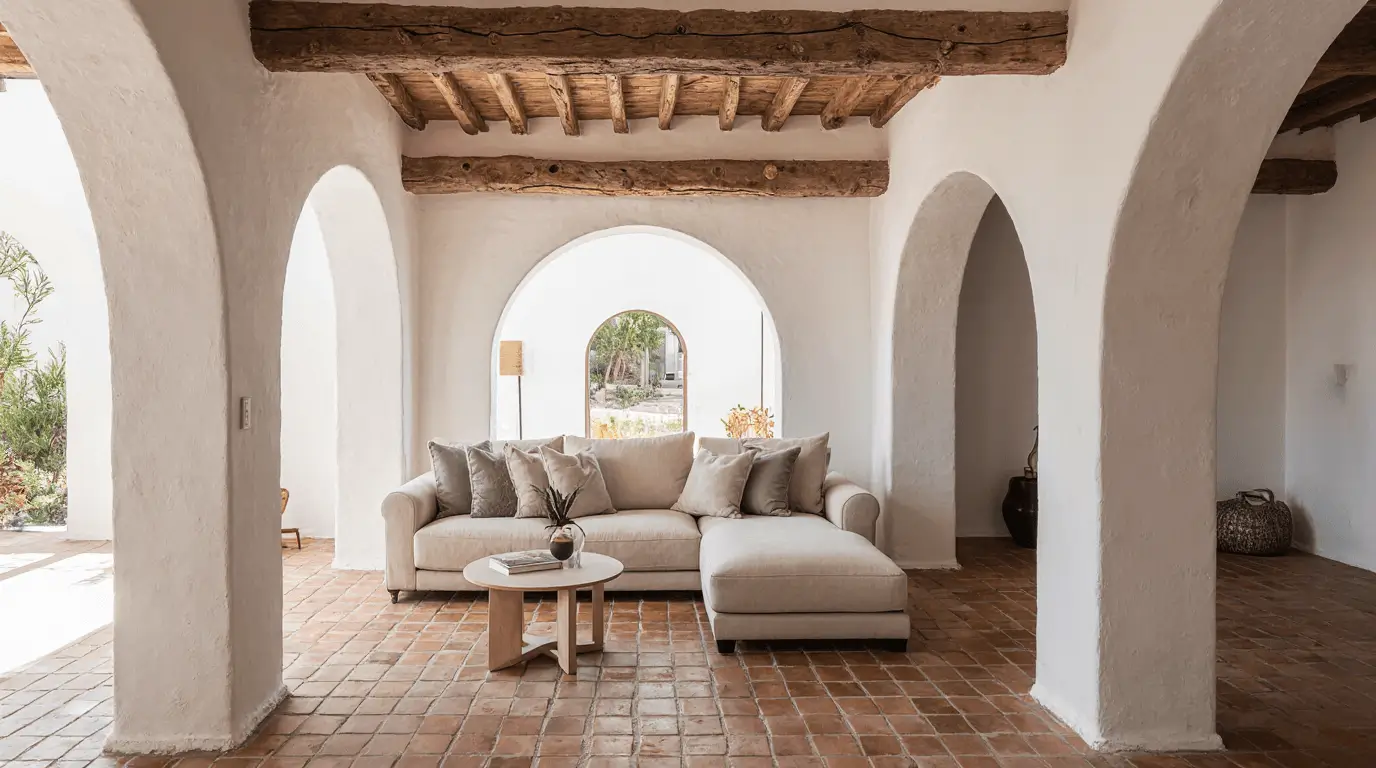
A modern Spanish living room blends comfort with architectural drama. Curved fireplaces, low-profile sofas, and textured textiles create a grounded yet airy environment.
Layered neutrals—cream, clay, caramel—replace overly saturated traditional hues.
Modern Spanish Colonial Interior Design Influence
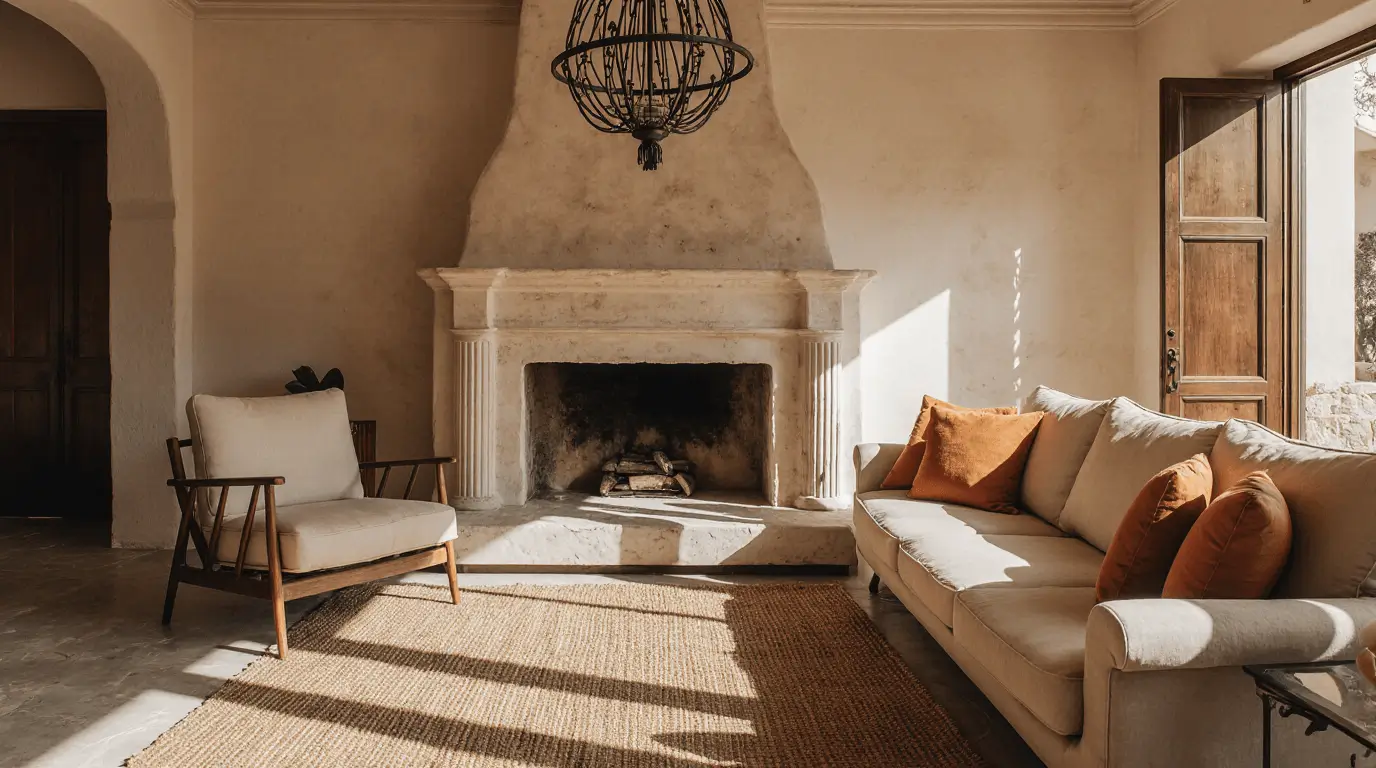
Modern Spanish colonial interior design refines historic Spanish Revival architecture. Heavy carved wood and dark tones are replaced with lighter woods and simplified forms.
This approach honors tradition while improving natural light and spatial openness.
Modern Spanish Home Interior Color Palette
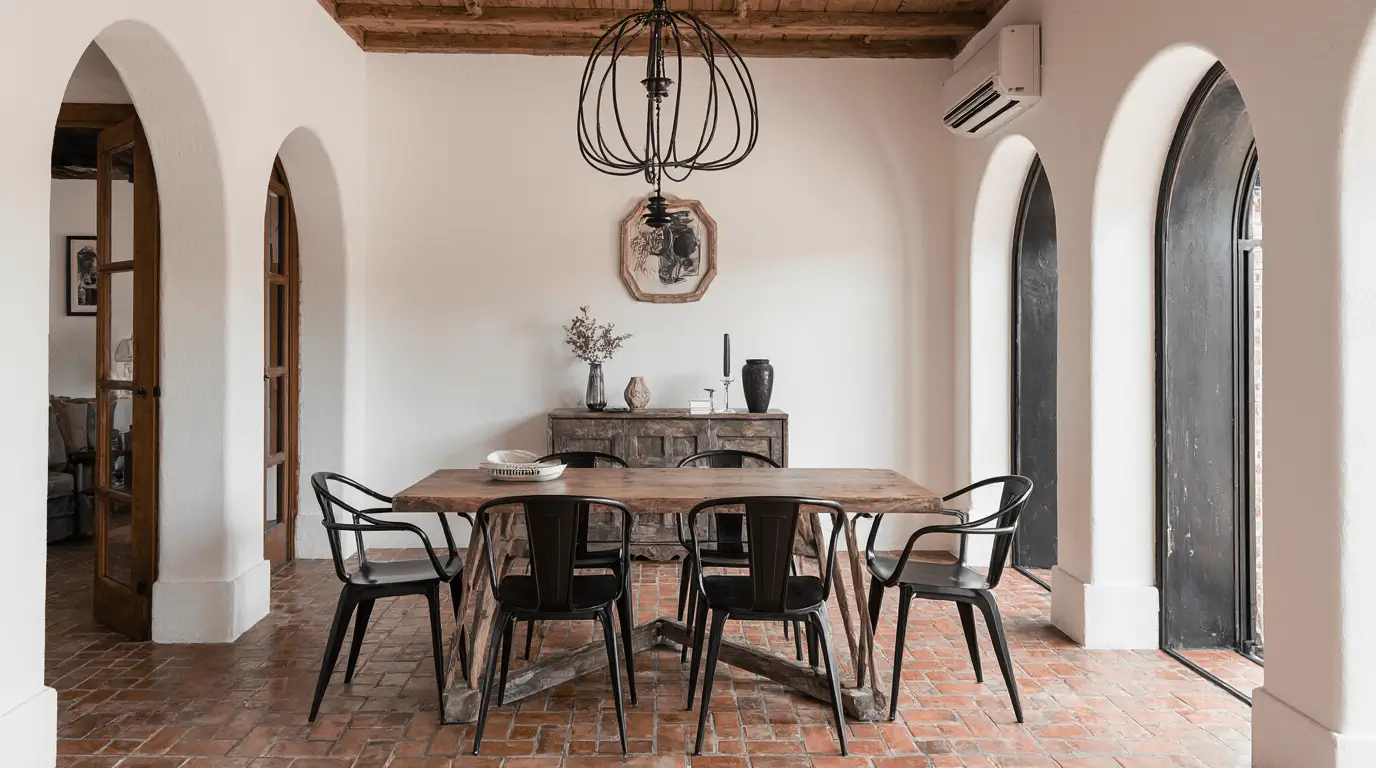
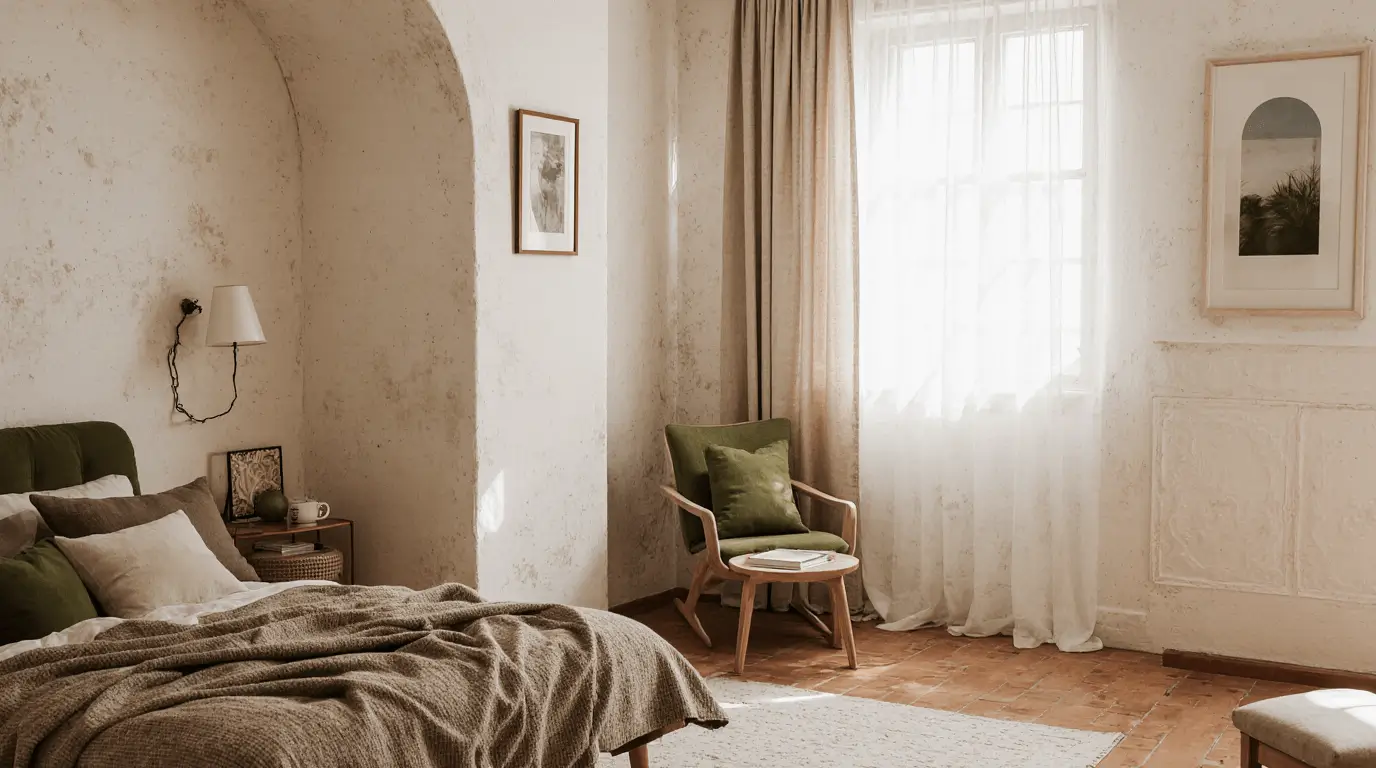
Modern Spanish style interior design relies on earthy, sun-washed tones. Think ivory, sand, olive, muted terracotta, and warm taupe.
These colors reflect natural Mediterranean landscapes while maintaining contemporary restraint.
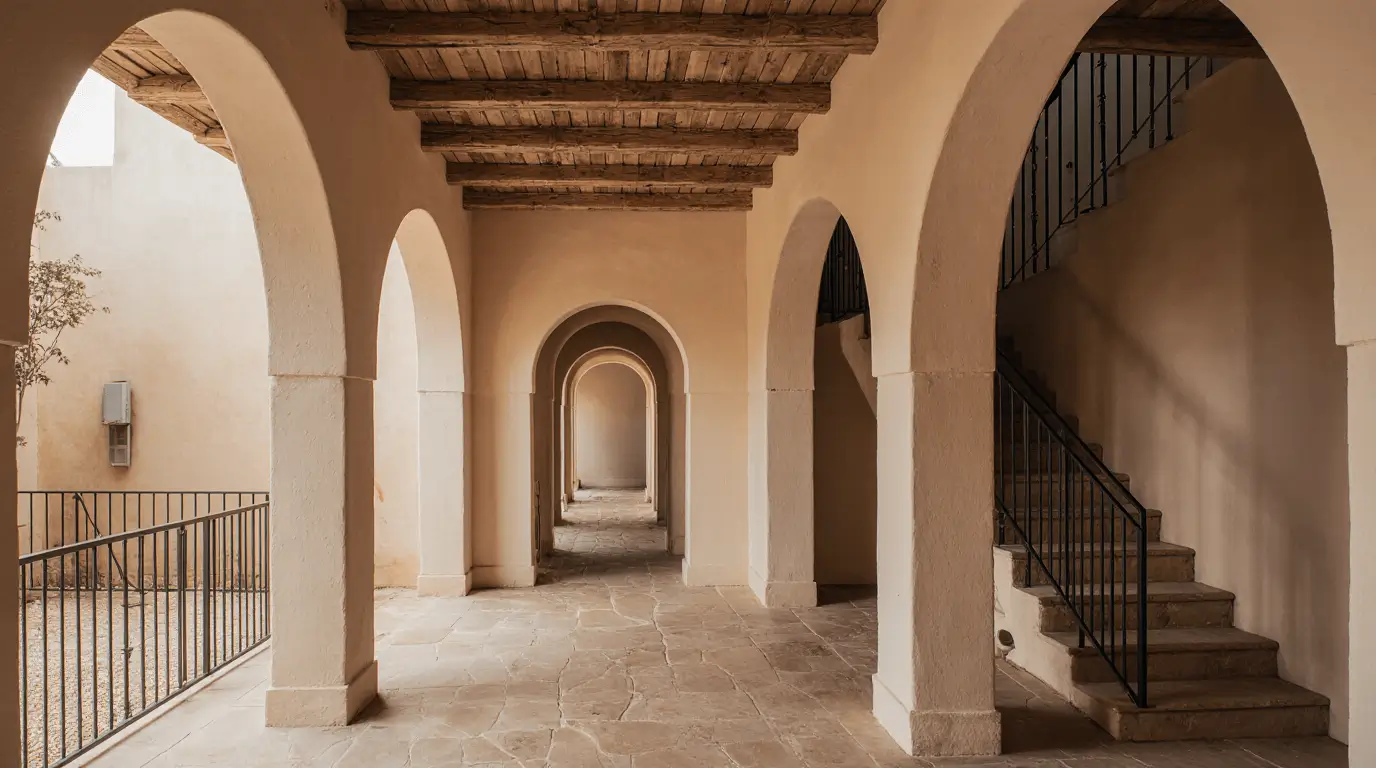
Modern Spanish Style House Interior Architecture
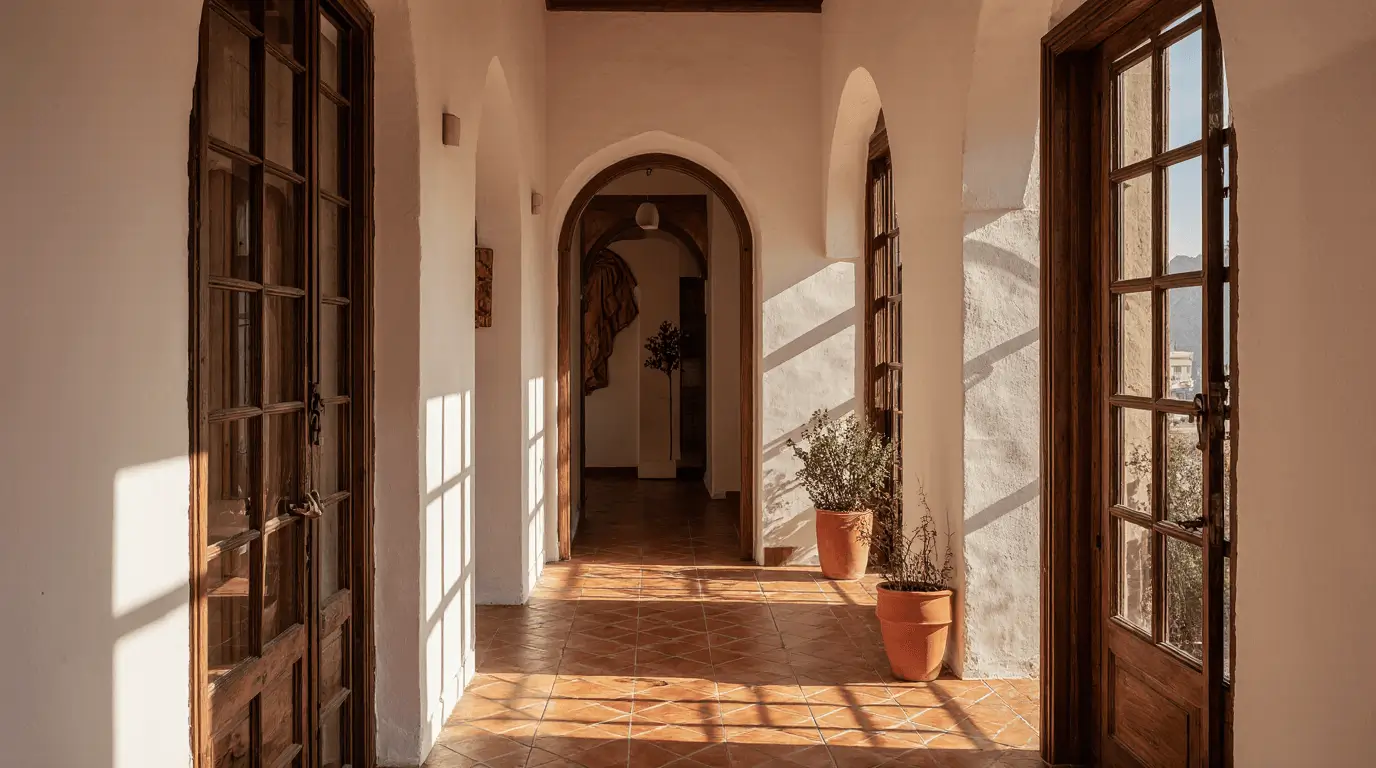
Architectural detailing defines the space—arched doorways, niches, exposed beams, and textured plaster finishes.
In modern Spanish homes, these elements are simplified to avoid ornate excess.
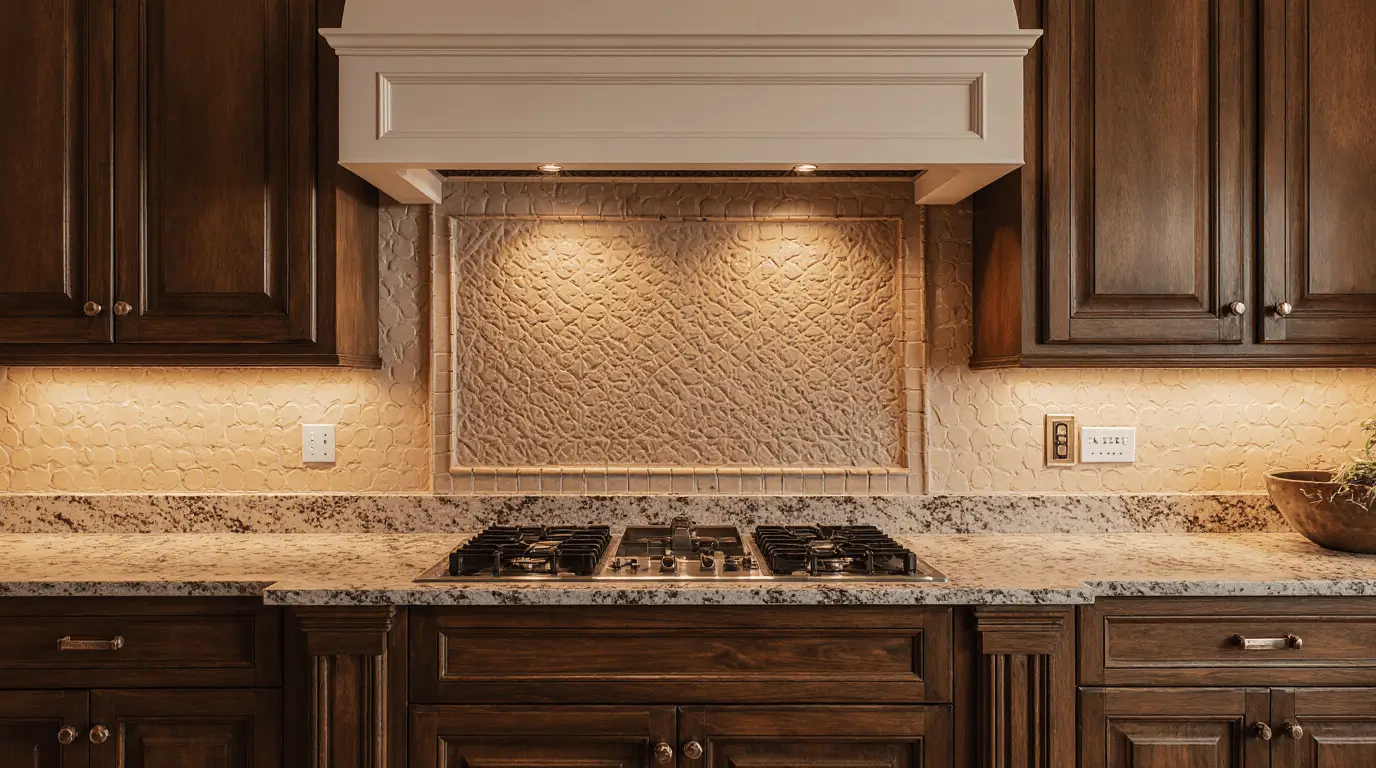
Modern Spanish Kitchen Design
Kitchens in modern Spanish style interior design combine rustic warmth with clean cabinetry.
Arched range hoods, handcrafted tiles, and warm wood tones create a welcoming culinary space.
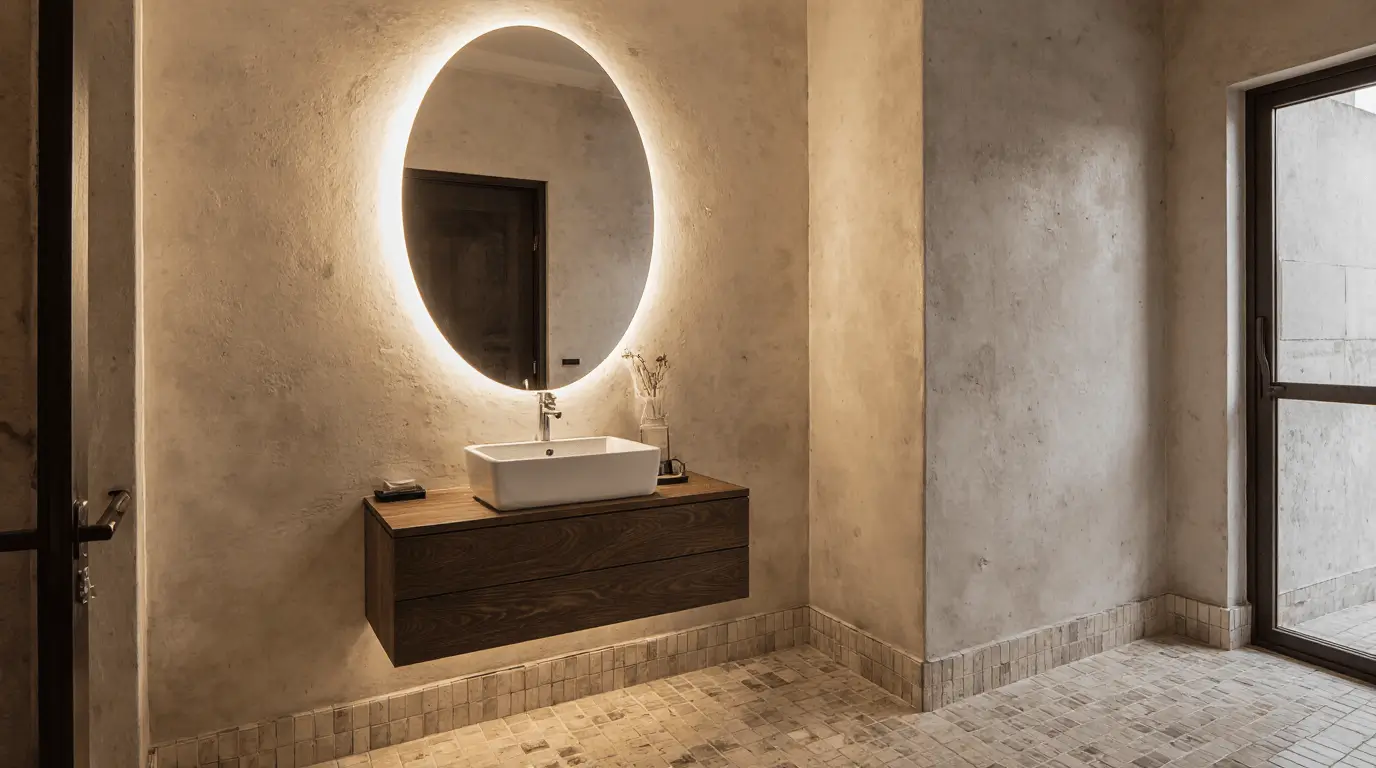
Modern Spanish Bathroom Interiors
Bathrooms reflect spa-like simplicity. Textured plaster walls, curved mirrors, and handmade tiles provide artisanal charm.
The modern approach keeps fixtures sleek and finishes uncluttered.
Modern Spanish Home Décor Elements
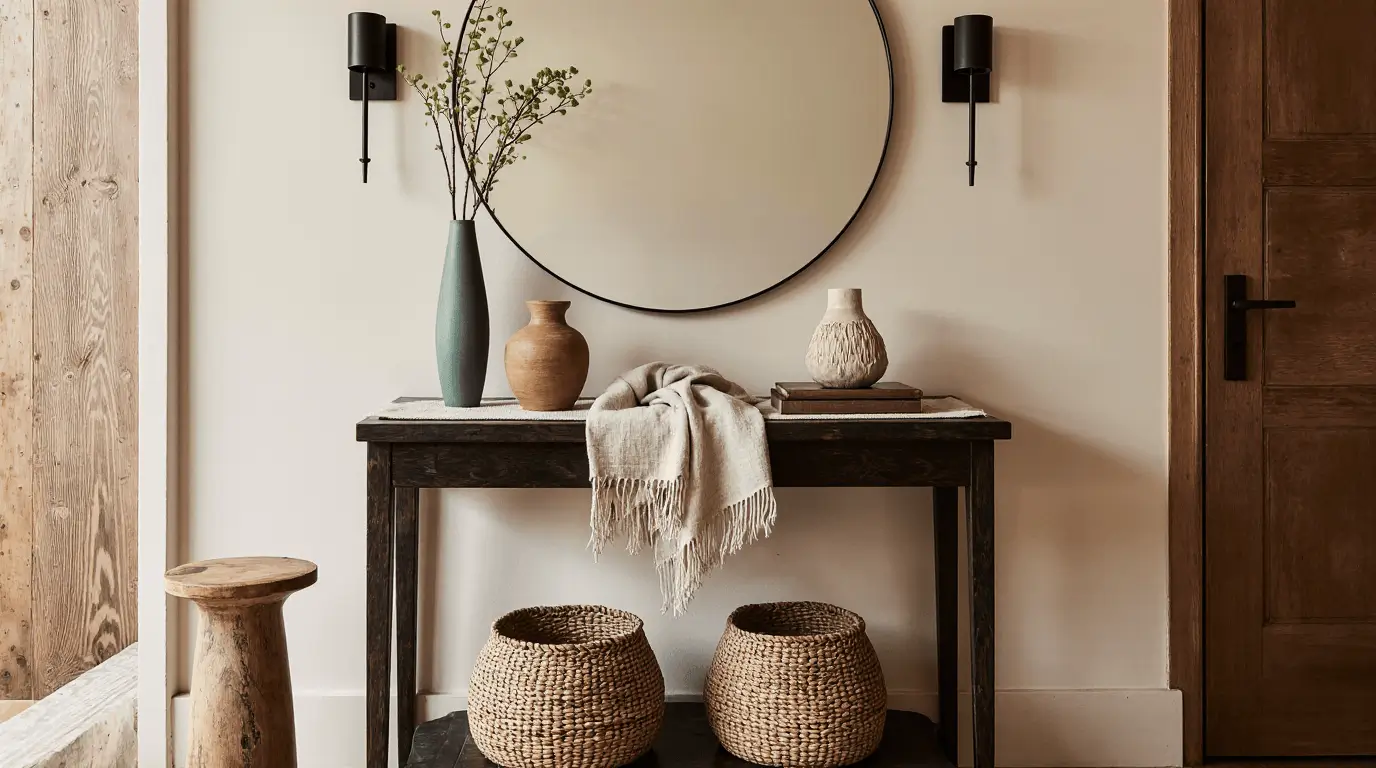
Décor in modern Spanish interiors is intentional and textural. Clay pottery, woven baskets, linen textiles, and wrought iron accents add authenticity.
Less is more—each piece should feel handcrafted and meaningful.
Modern Spanish Style Exterior Connection
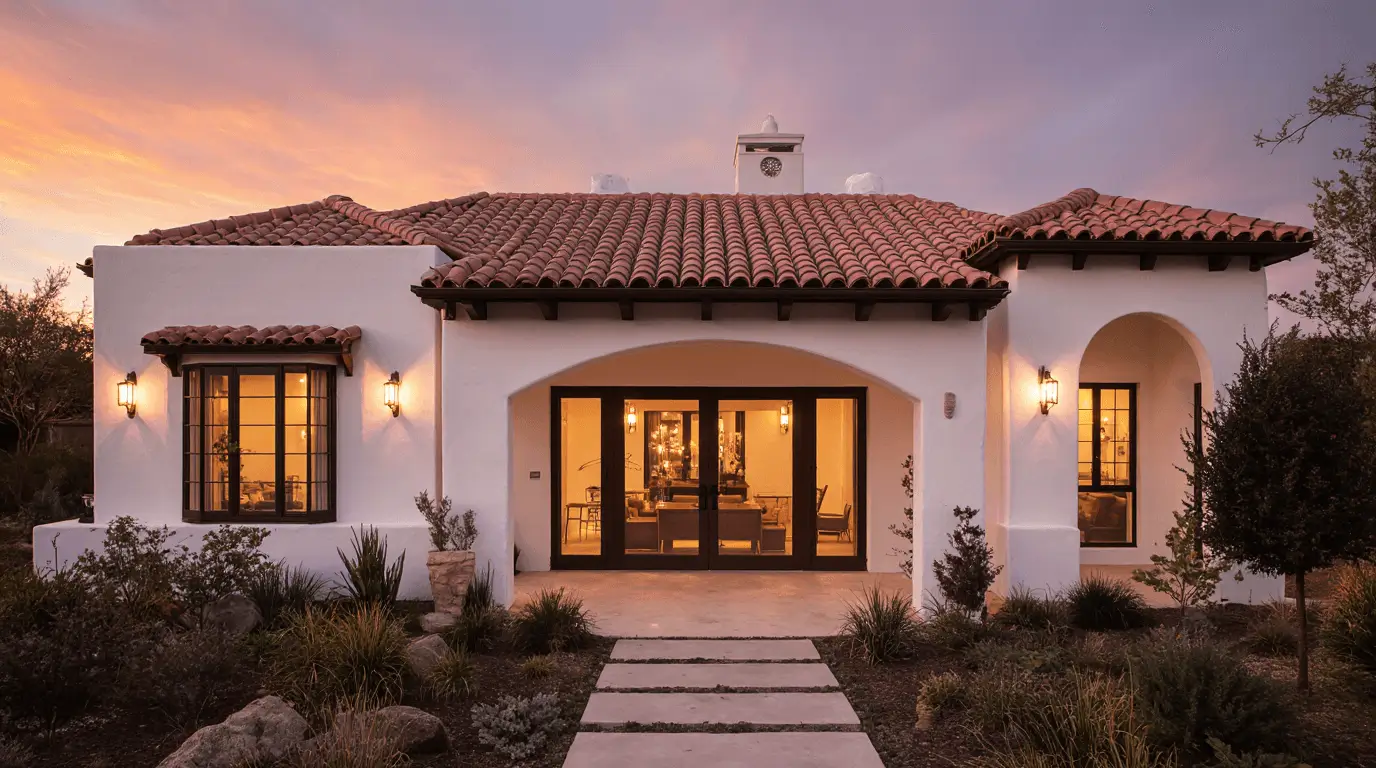
Modern Spanish style interior design often flows seamlessly from exterior to interior. White stucco facades, clay roof tiles, and arched patios create architectural continuity.
Indoor-outdoor living strengthens the Mediterranean spirit.
Modern Spanish Contemporary Interiors
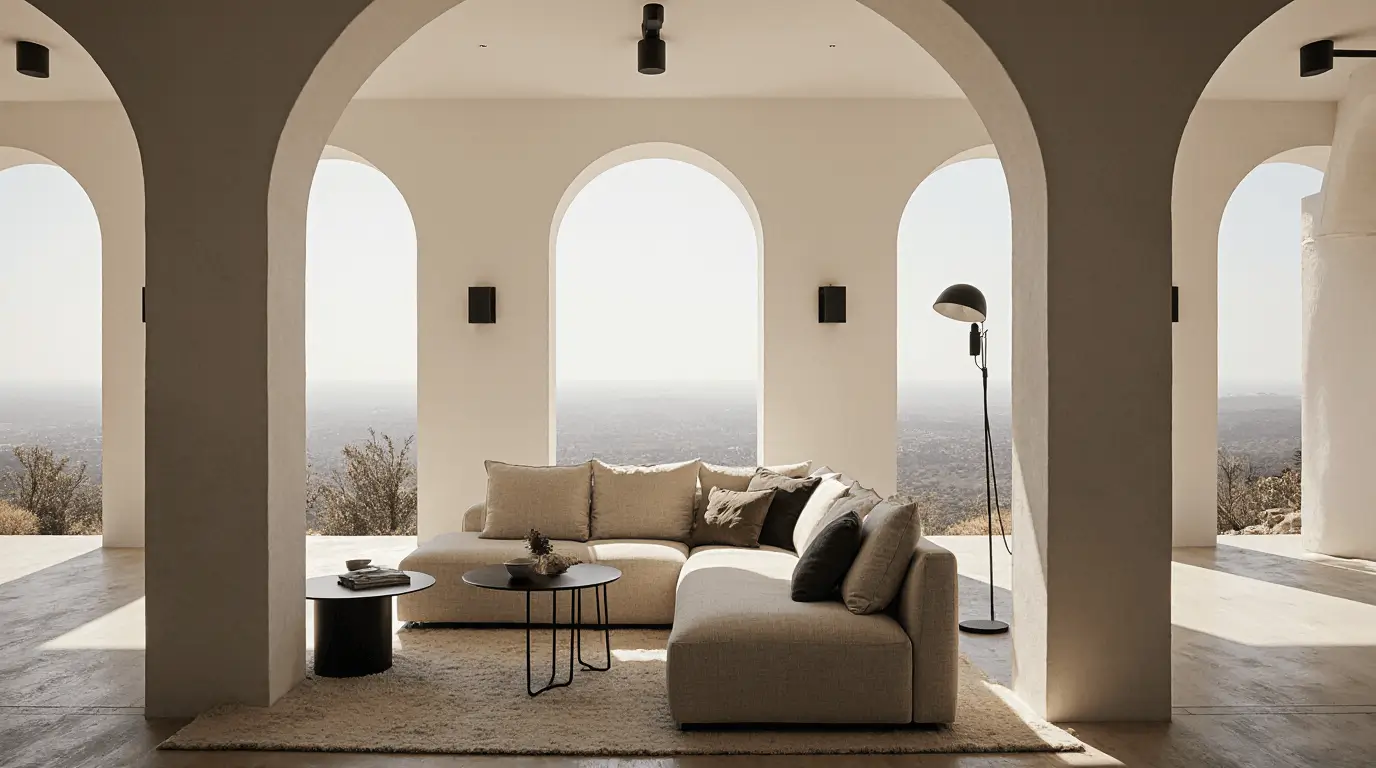
Spanish contemporary interiors lean more minimal while preserving warmth. Clean-lined furniture, subtle curves, and matte finishes create a refined aesthetic.
Texture replaces ornamentation.
Modern Spanish Style Lighting Design
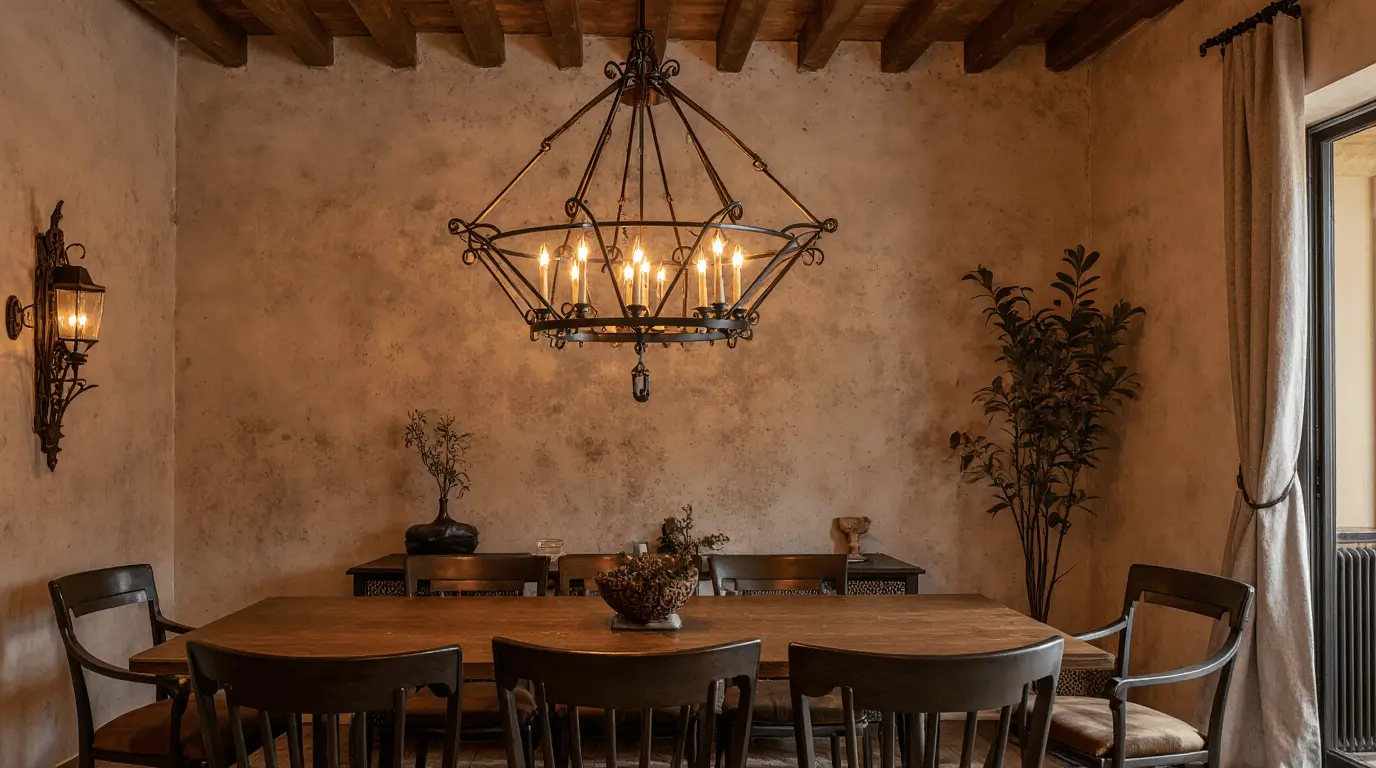
Lighting enhances warmth and texture. Wrought iron chandeliers, lantern-style pendants, and soft wall sconces create layered illumination.
Warm bulbs are essential to maintain authenticity.
Modern Spanish Style Flooring Choices
Flooring grounds the space. Terracotta tiles, light oak planks, and natural stone are foundational materials.
Patterns should feel artisanal rather than overly decorative.
Modern Spanish Style Furniture Selection
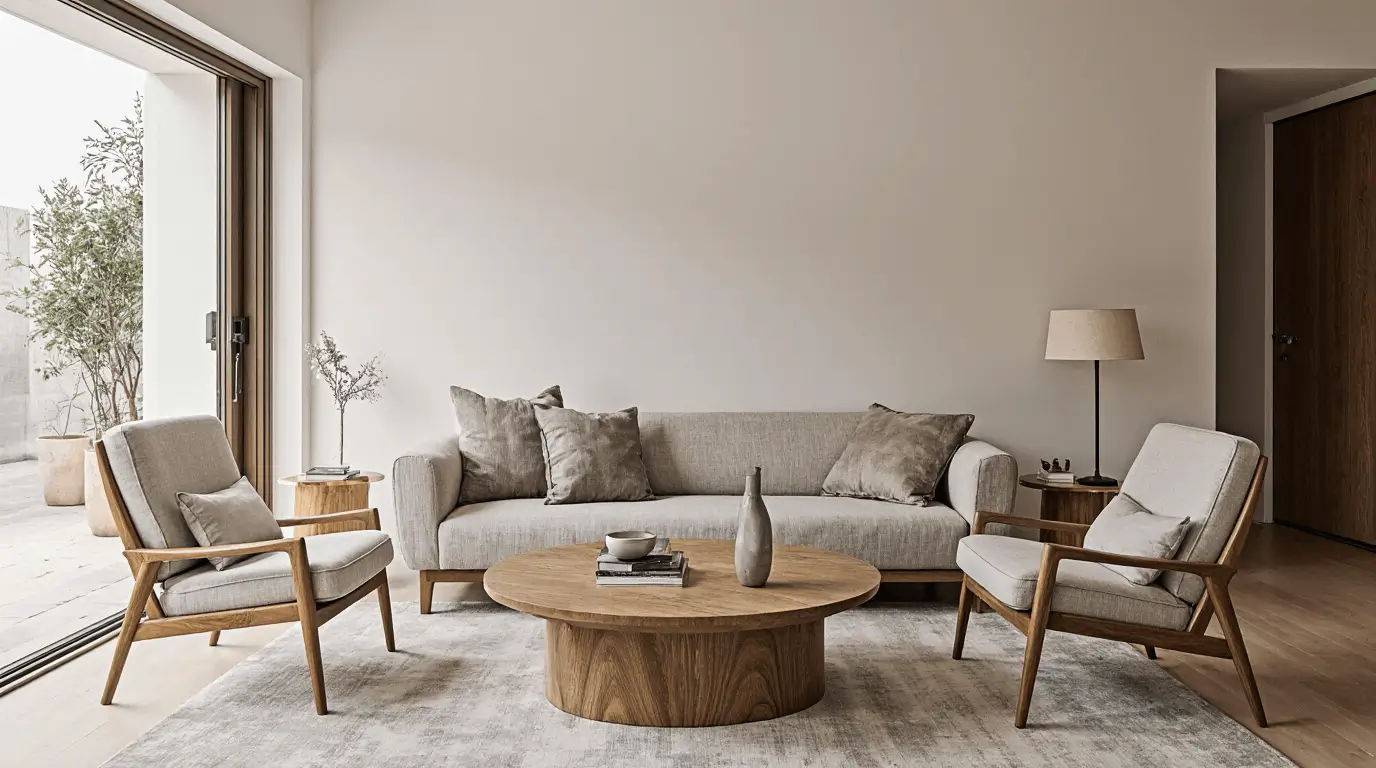
Furniture in modern Spanish style interior design is substantial yet streamlined. Think solid wood tables, linen-upholstered seating, and curved silhouettes.
Avoid ornate carving—focus on craftsmanship and proportion.
Traditional Spanish Interiors Reimagined
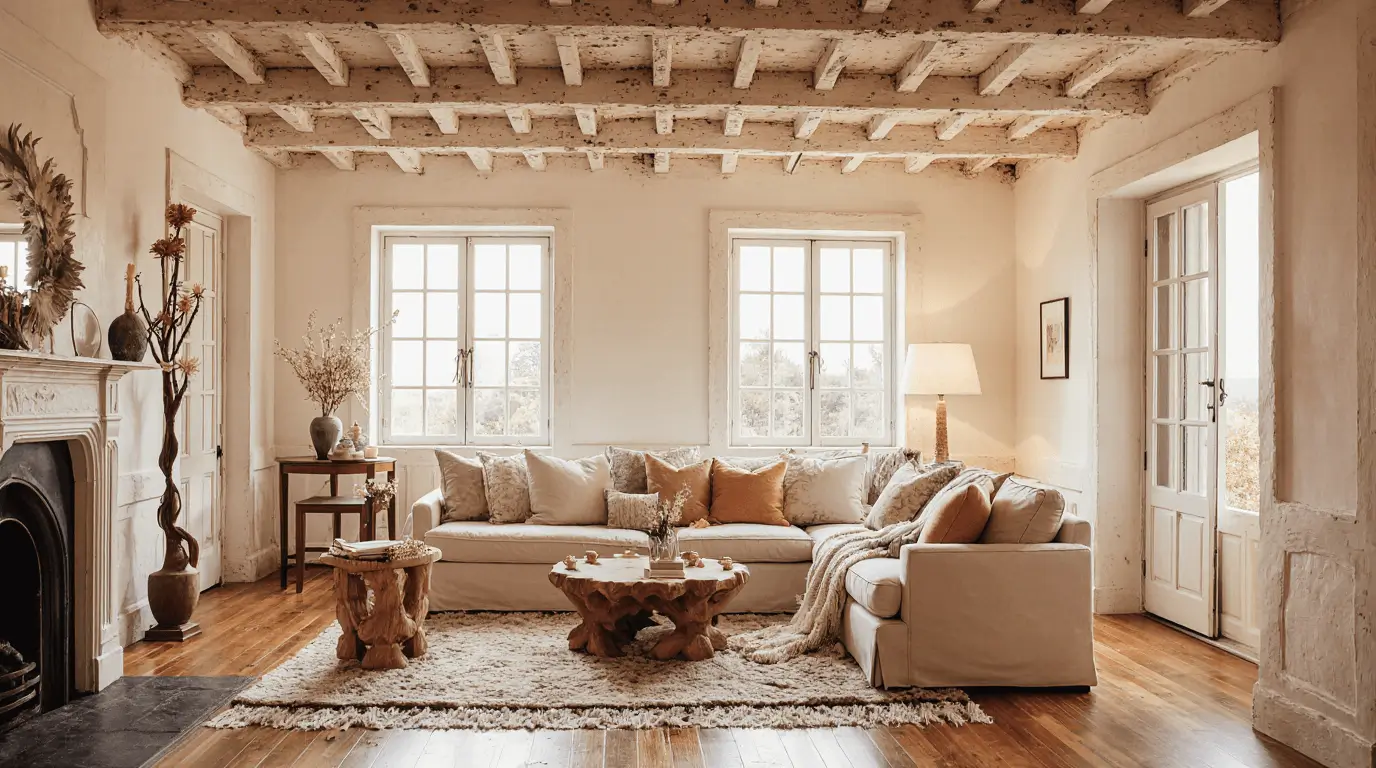
Traditional Spanish interiors were often darker and more ornate. The modern adaptation softens heavy beams, simplifies décor, and brightens finishes.
This reinterpretation keeps cultural integrity intact while improving livability.
Spanish Inspired Modern Living Room Ideas
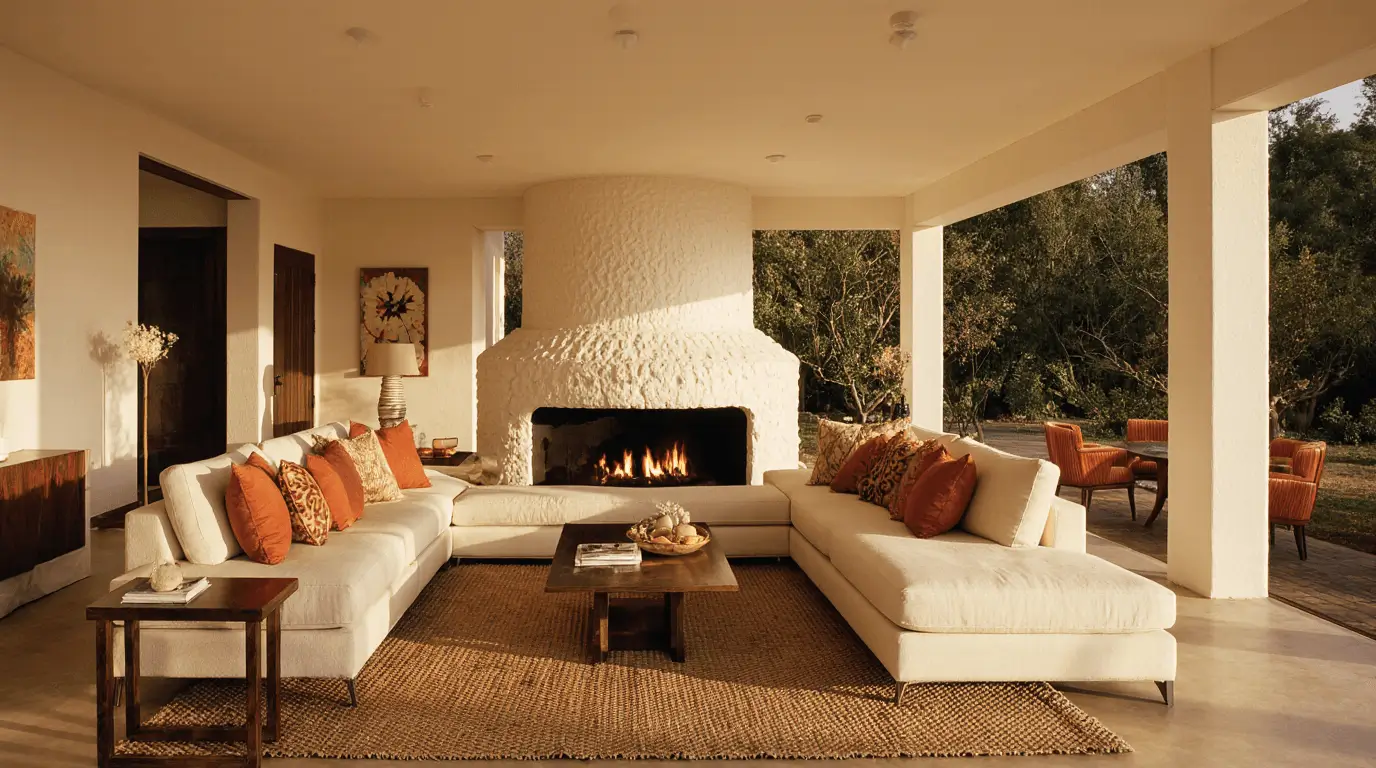
For a Spanish-inspired modern living room, start with architecture or texture as the anchor. Add soft curved forms, warm-toned woods, and handcrafted accents.
Restraint is the defining difference between dated and modern interpretations.
Conclusion: Designing with Warmth, Purpose, and Permanence
Modern Spanish style interior design succeeds because it honors architectural heritage while embracing the clarity of contemporary living. At its core, this approach is about thoughtful restraint—allowing texture, natural materials, and light to do the storytelling rather than relying on ornamentation alone.
In practice, I’ve found that the most successful modern Spanish interiors are not overly styled. They feel grounded because the materials are honest—plaster walls, warm woods, stone surfaces, handcrafted tiles. They feel calm because the color palette reflects nature. And they feel timeless because every curve, beam, and arch has intention behind it.
This design direction benefits homeowners who value character but also crave simplicity. It works beautifully in both new builds and renovated properties, especially where architectural features can be emphasized rather than concealed. Even in smaller homes or urban settings, subtle Spanish-inspired elements—like textured finishes, warm neutrals, and curved silhouettes—can completely shift the atmosphere.
If you’re moving forward with modern Spanish style interior design, begin with structure, not décor. Focus on foundational elements: wall texture, flooring, lighting warmth, and furniture proportion. Once the bones feel authentic, the rest falls into place naturally. The result is a home that feels welcoming, emotionally rich, and quietly sophisticated—built not just to impress, but to live beautifully every day.
Learn more : 12+ Stunning Mountain Modern Interior Design Ideas You’ll Love
Frequently Asked Questions
- How is modern Spanish style different from traditional Spanish interiors?
Traditional Spanish interiors often feature darker woods, heavy ornamentation, and saturated colors. The modern interpretation simplifies these elements. It retains arches, natural materials, and warmth but introduces lighter palettes, cleaner lines, and more open layouts for a brighter, more contemporary feel.
- Can modern Spanish style interior design work in a small home or apartment?
Absolutely. While the style is rooted in architectural character, you can adapt it through finishes and furnishings. Textured plaster paint, warm neutral tones, curved mirrors, terracotta accents, and natural textiles can bring the essence of the style into compact spaces without overwhelming them.
- What colors define this design approach?
The palette is inspired by Mediterranean landscapes—ivory, sand, muted terracotta, olive green, clay, warm taupe, and soft browns. These tones create depth and warmth while maintaining a calm, modern sensibility. High-contrast or overly cool palettes typically disrupt the balance.
- Do I need arches and exposed beams to achieve the look?
Not necessarily. While architectural elements strengthen authenticity, they aren’t mandatory. You can introduce curves through furniture, mirrors, lighting fixtures, or even subtle arched wall niches. Texture and material choice are often more impactful than structural changes.
- What materials are essential for an authentic feel?
Natural, tactile materials are key—limewash or plaster walls, terracotta or stone flooring, oak or walnut wood, wrought iron accents, and linen or cotton textiles. These materials age beautifully and contribute to the grounded, organic atmosphere that defines the style.
- Is modern Spanish style interior design expensive to achieve?
It doesn’t have to be. The look relies more on thoughtful material choices than luxury branding. Prioritize one or two high-impact elements—like quality flooring or statement lighting—and balance them with simple, well-proportioned furnishings. Authenticity matters more than excess.
- How do I keep the space from feeling too rustic or too minimal?
Balance is everything. If the space feels too rustic, introduce cleaner-lined furniture and reduce visual clutter. If it feels too minimal, layer in texture—woven textiles, ceramics, warm lighting, and subtle pattern. The goal is warmth with refinement, never extremes.


One Response