
Introduction
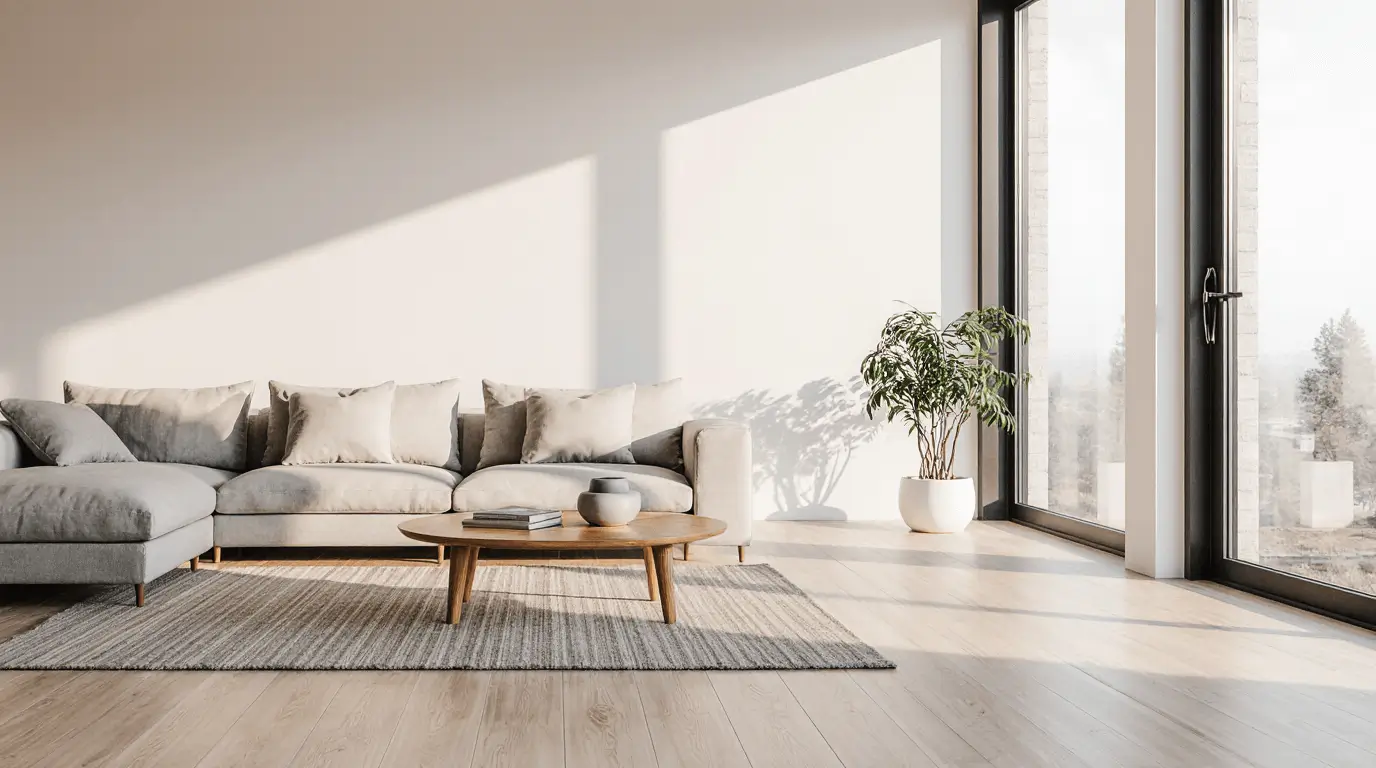
Asian zen interior design is more than a visual style—it’s a philosophy of space rooted in simplicity, balance, and mindful living. Drawing from traditional Japanese aesthetics, Chinese principles of harmony, and broader Eastern design sensibilities, this approach creates interiors that feel grounded, breathable, and deeply restorative.
In my experience designing serene residential spaces, the most successful Asian zen interiors are not about removing everything—they’re about keeping only what carries purpose. Every material, line, and texture contributes to calm. The result is a home that supports stillness in a world that rarely pauses.
Below, you’ll find essential design clusters that define authentic Asian zen interior design—each one practical, intentional, and visually grounded.
Asian Zen Interior Design Philosophy and Foundations
Asian zen interior design is rooted in minimalism, harmony with nature, and intentional spatial flow. It emphasizes balance between emptiness and form, allowing rooms to breathe.
This philosophy works because it reduces visual noise and creates mental clarity—spaces feel lighter, yet emotionally richer.
Minimalism in Asian Zen Interior Design
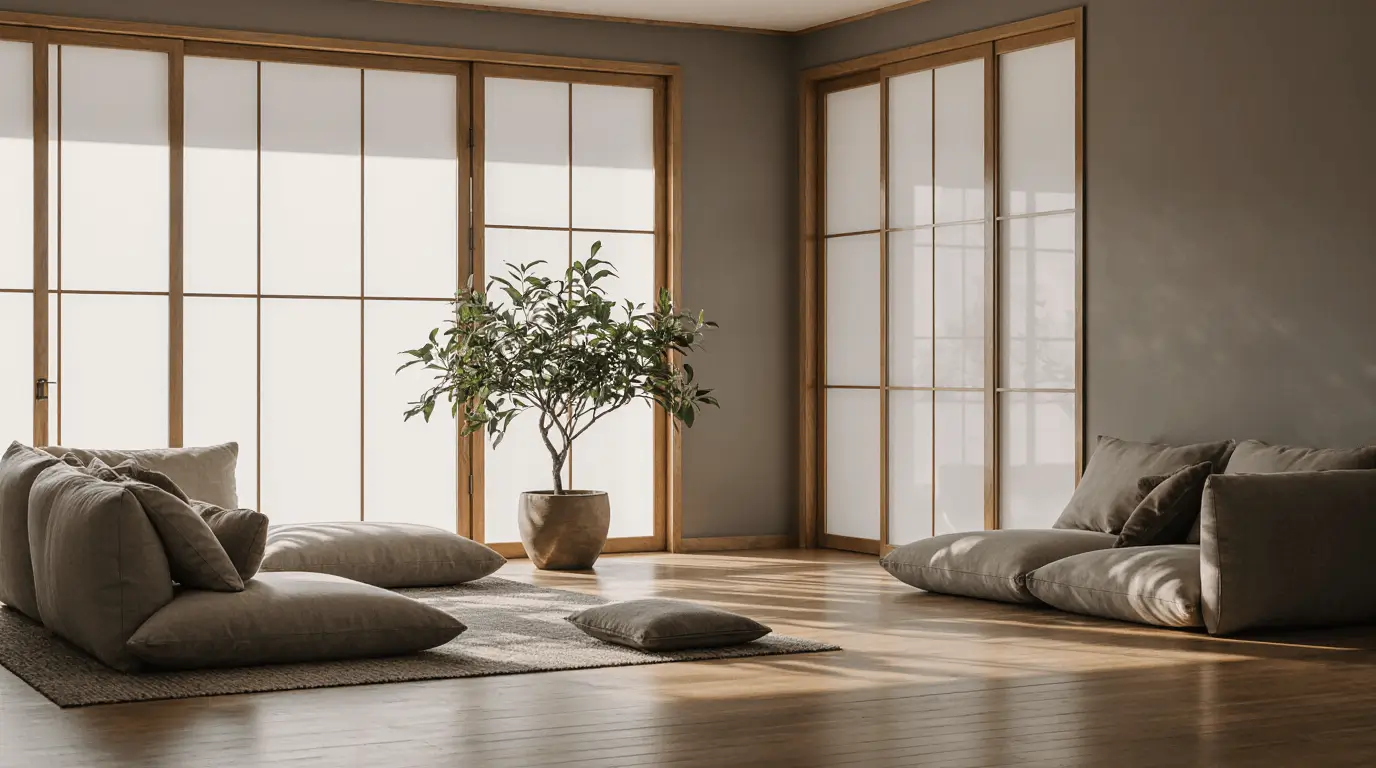
Minimalism in Asian zen interior design focuses on essentials. Furniture is low-profile, décor is sparse, and storage is concealed.
This restraint allows textures and light to become the focal points, reinforcing tranquility rather than distraction.
Natural Materials in Asian Zen Interior Design
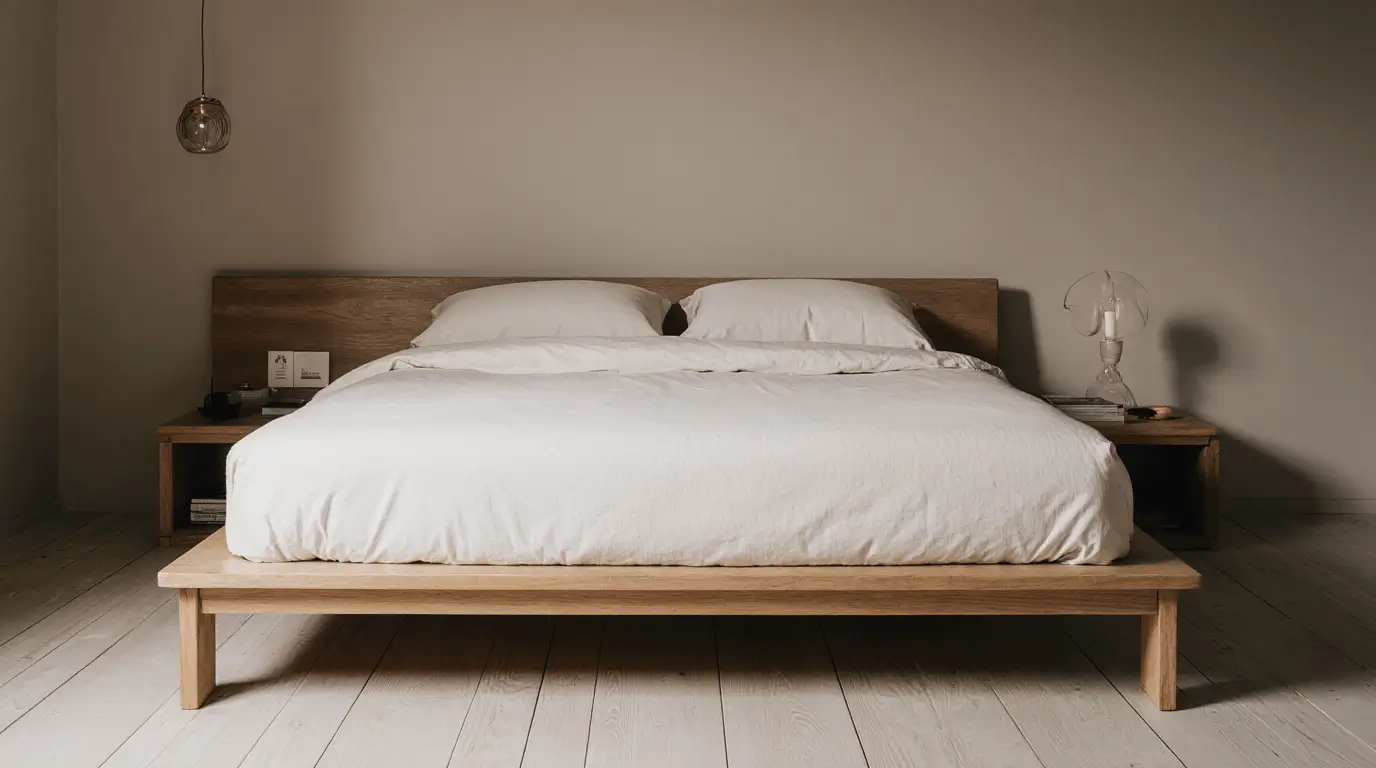
Authentic Asian zen interior design relies on wood, bamboo, stone, linen, and paper. These materials age gracefully and connect interiors to the natural world.
Natural finishes ground the space emotionally and visually, creating warmth without heaviness.
Asian Zen Interior Design Color Palette
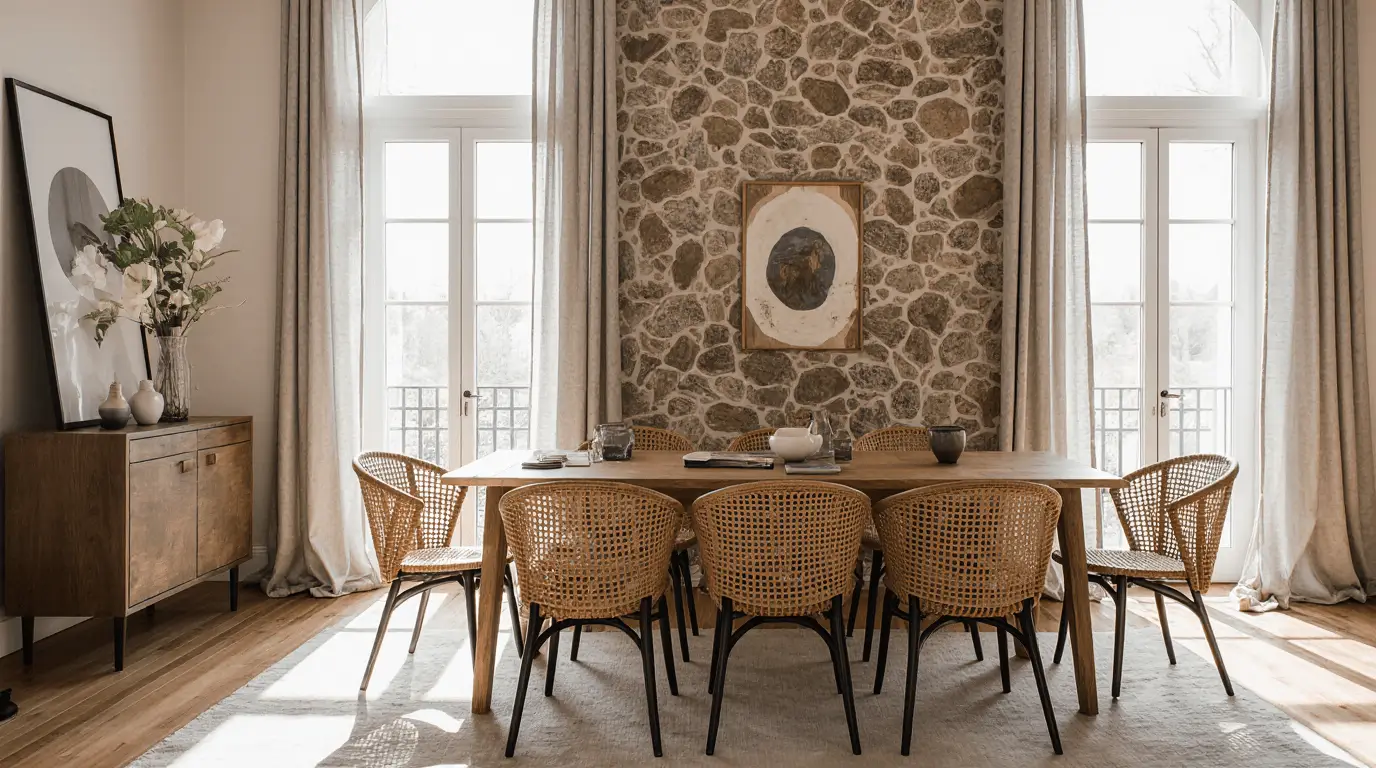
The palette is typically neutral—soft whites, warm beige, muted greys, earthy browns, and gentle greens.
Subtle tones calm the senses and allow shadows and light to define the space rather than bold color contrast.
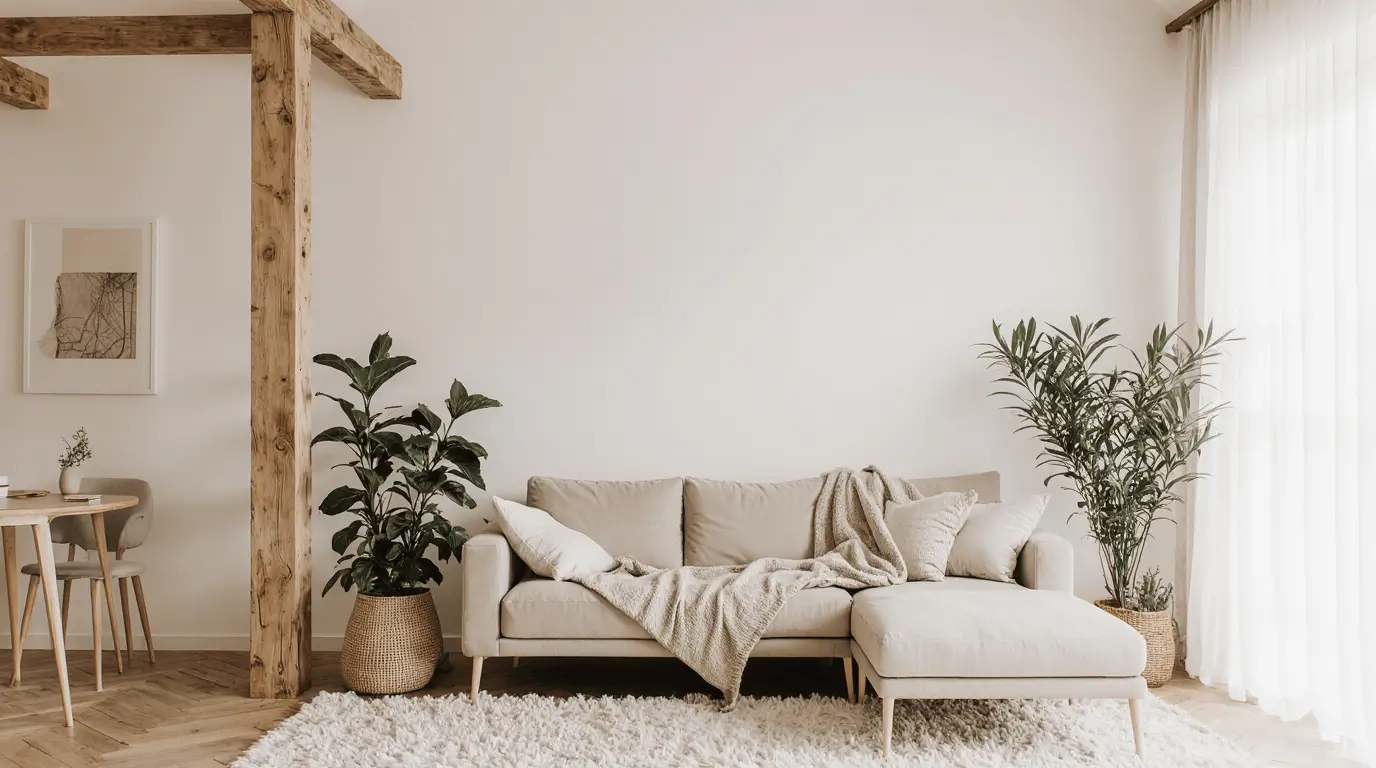
Lighting Principles in Asian Zen Interior Design
Lighting is layered and soft. Paper lanterns, concealed LED strips, and natural daylight define mood.
Indirect lighting reduces glare and sharp contrast, supporting a relaxed, meditative atmosphere.
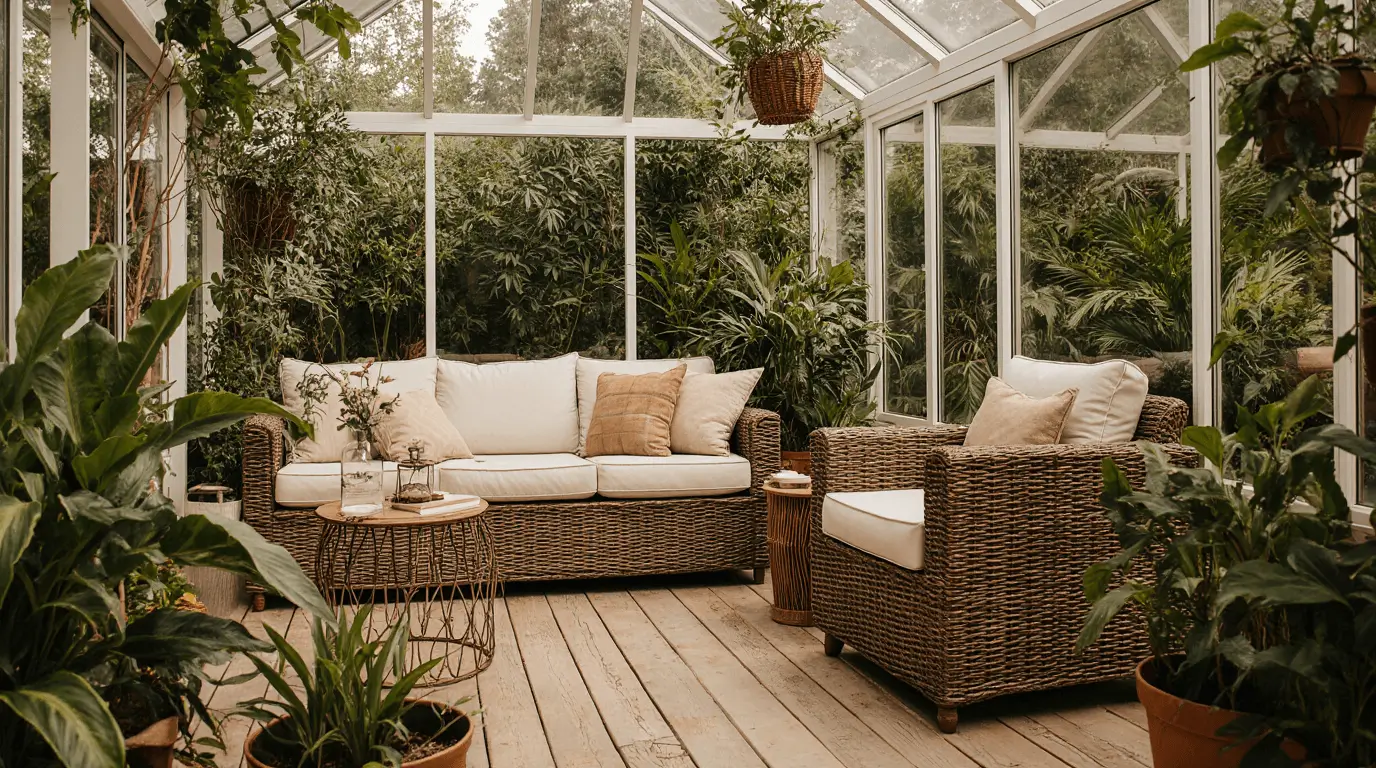
Asian Zen Interior Design and Spatial Flow
Open layouts and unobstructed pathways are essential. Furniture placement respects movement and visual balance.
This thoughtful flow enhances comfort and encourages calm transitions between areas.
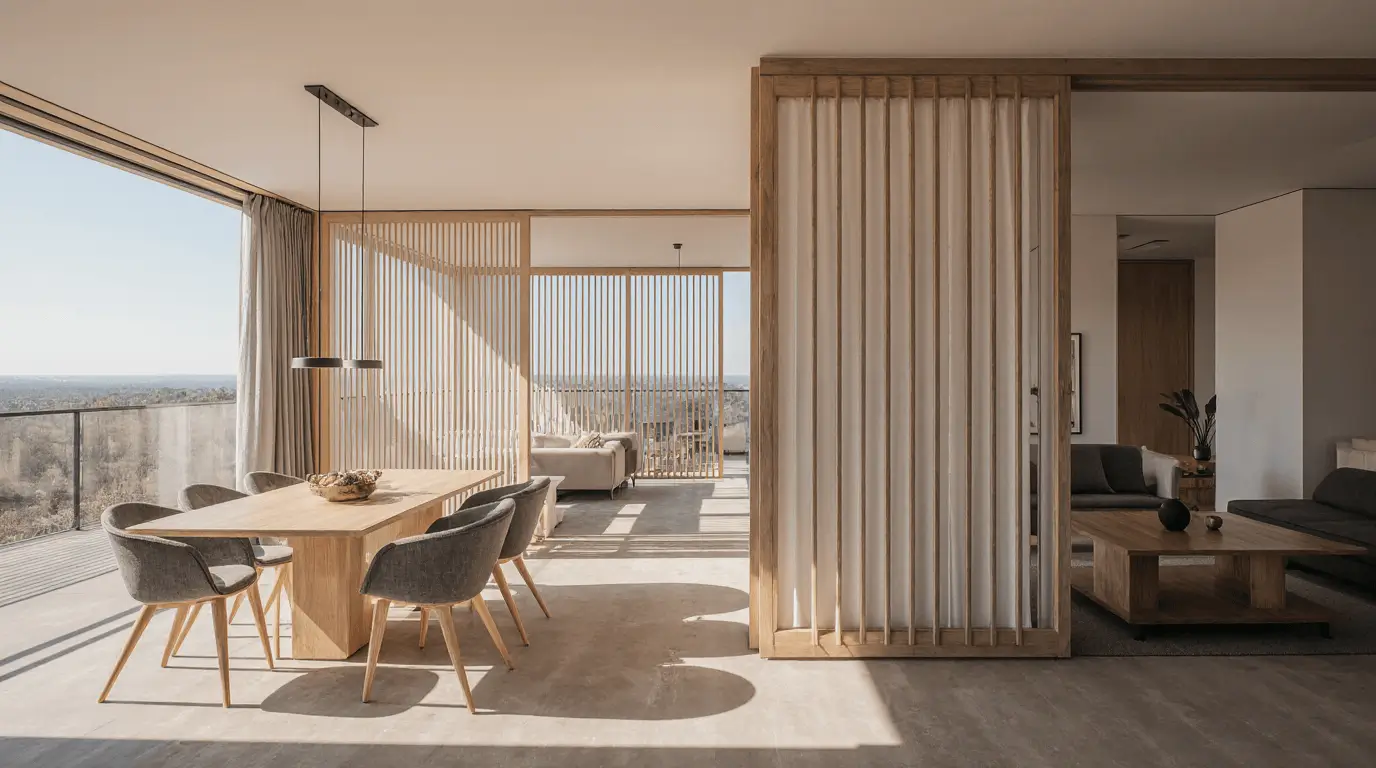
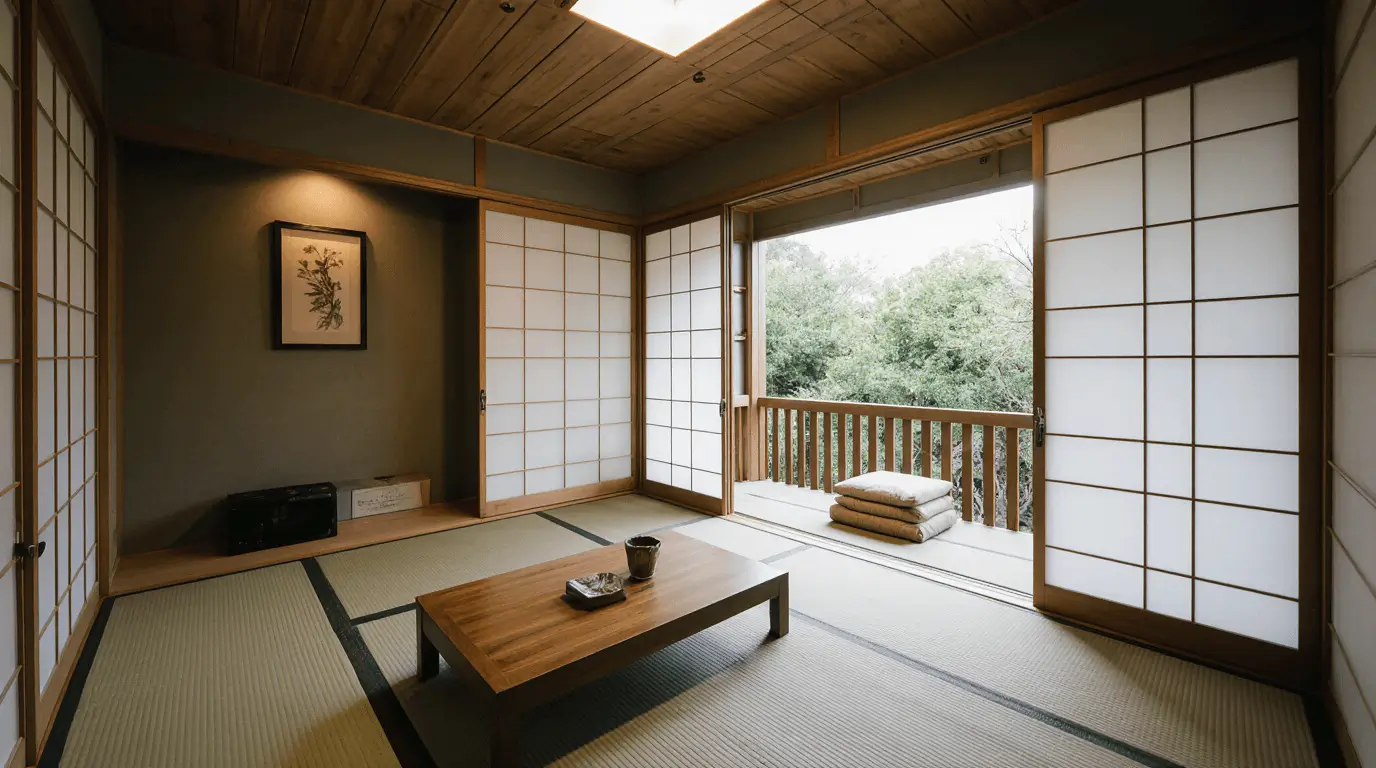
Tatami and Floor-Level Living in Asian Zen Interior Design
Floor-level seating and tatami mats are key elements, especially in Japanese-influenced spaces.
Lower sightlines subtly encourage grounding and relaxation, making rooms feel intimate yet expansive.
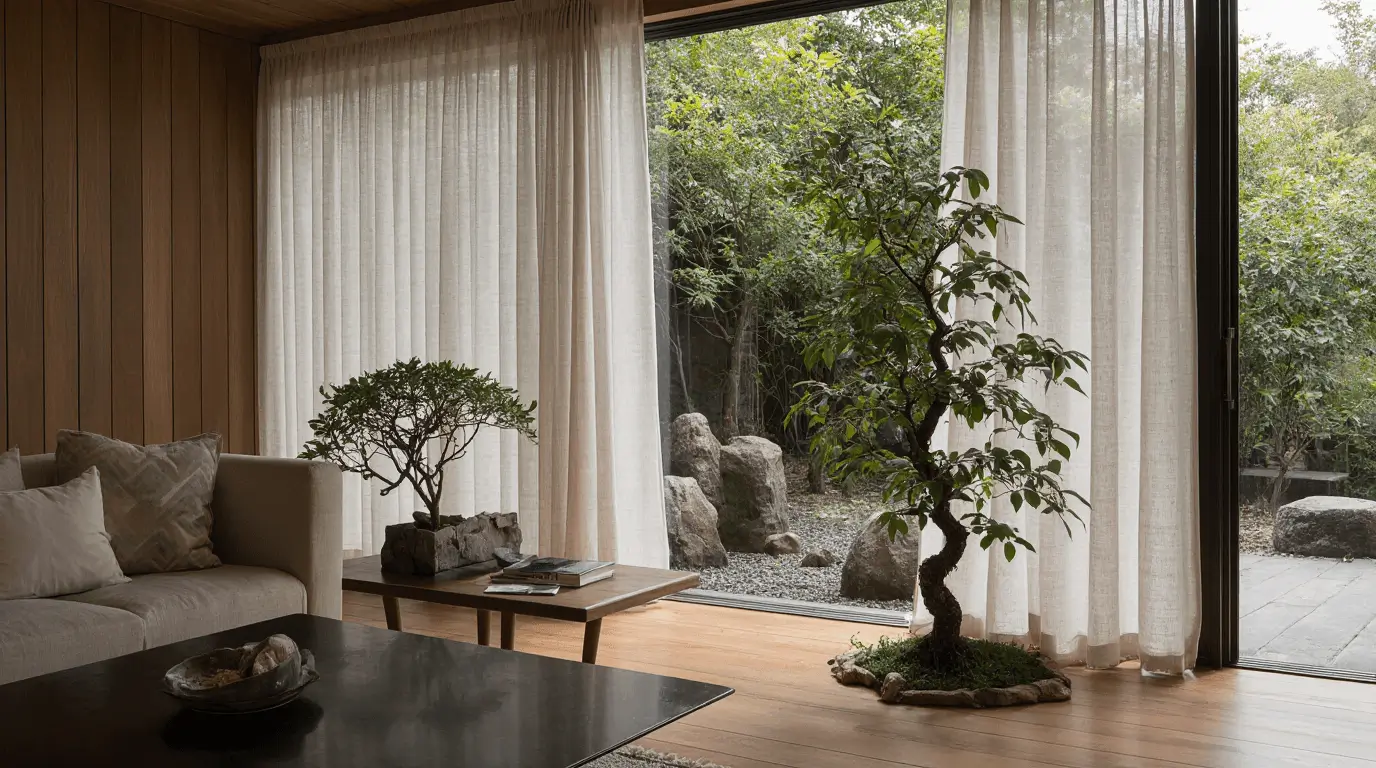
Indoor Nature in Asian Zen Interior Design
Plants, bonsai trees, and indoor rock arrangements bring nature inside.
Living elements soften minimal interiors and reinforce harmony between built and natural environments.
Asian Zen Interior Design and Japandi Influence
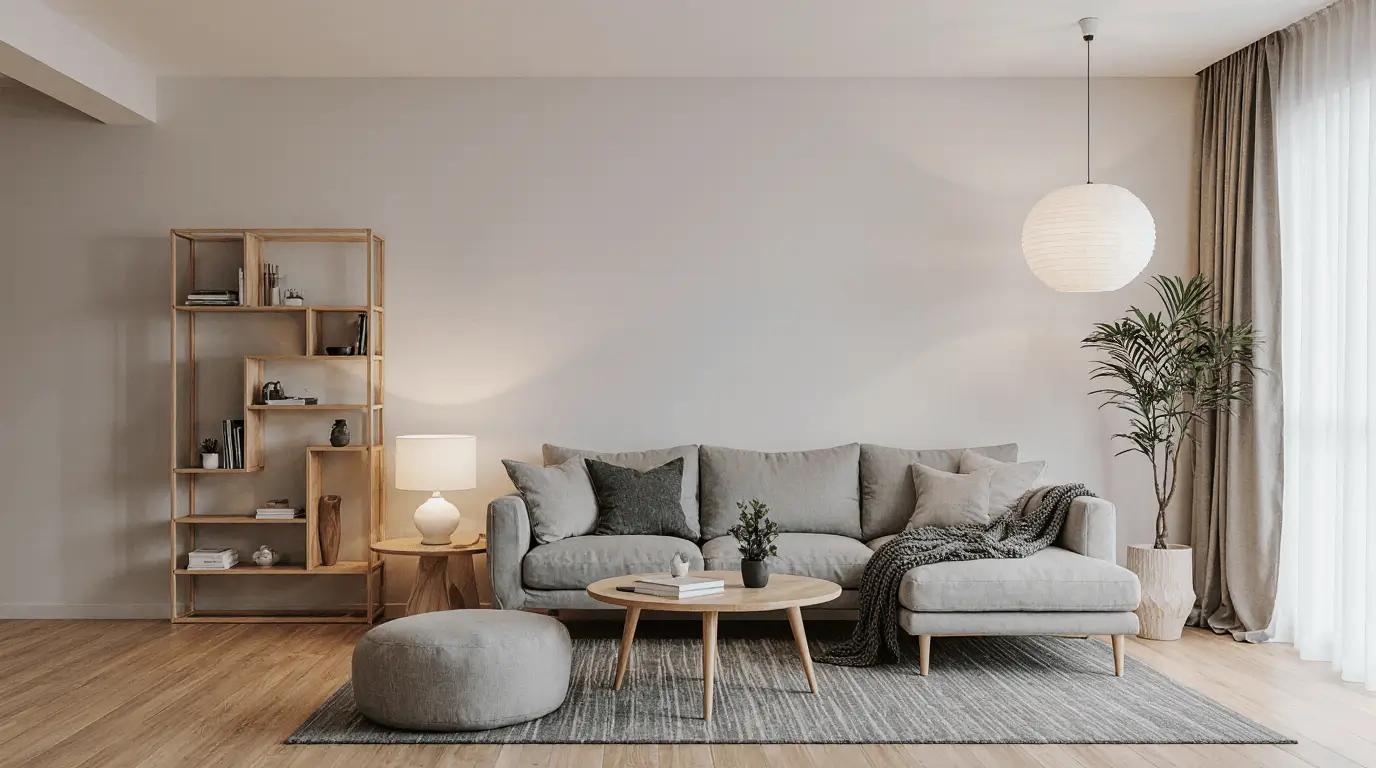
Modern interpretations often blend Asian zen interior design with Japandi principles, combining Japanese minimalism and Scandinavian warmth.
This fusion works beautifully because both prioritize craftsmanship, functionality, and simplicity.
Furniture Selection in Asian Zen Interior Design
Furniture is simple, handcrafted, and proportionate. Clean lines and visible wood grain are preferred.
Each piece should feel intentional rather than decorative.
Texture and Layering in Asian Zen Interior Design
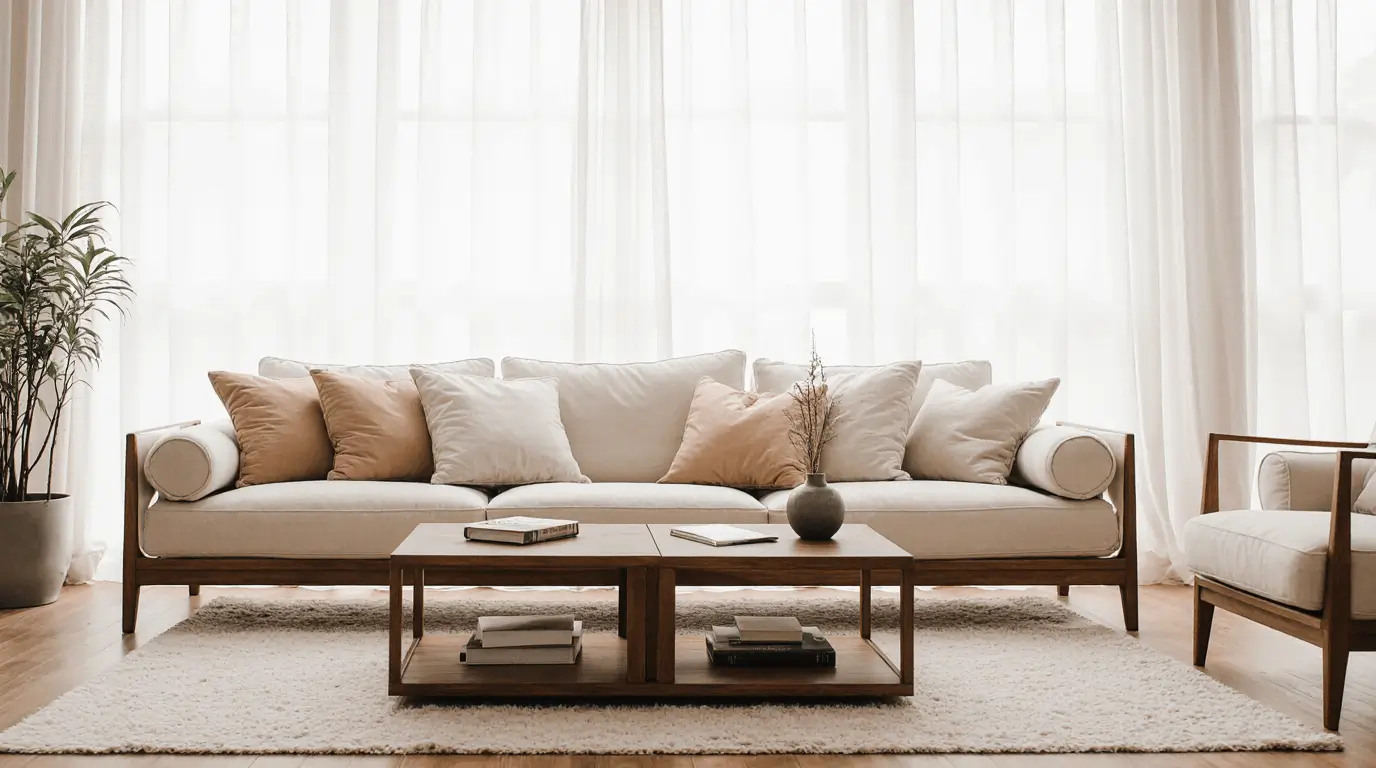
While visually minimal, zen interiors are rich in tactile contrast—smooth wood, woven fibers, soft linens, and stone.
Layering texture adds warmth without compromising simplicity.
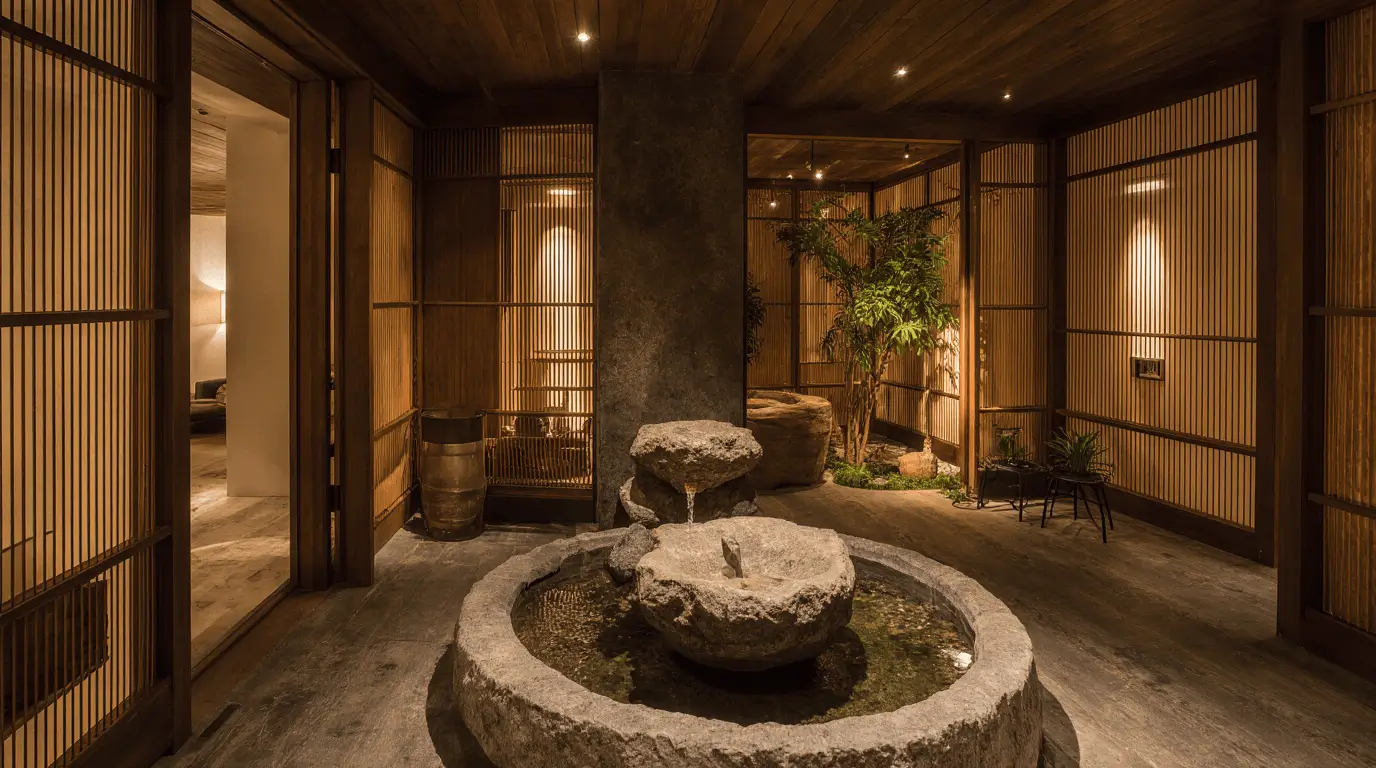
Water Elements in Asian Zen Interior Design
Subtle water features—like indoor fountains—introduce gentle sound and movement.
Water symbolizes renewal and enhances the meditative quality of the space.
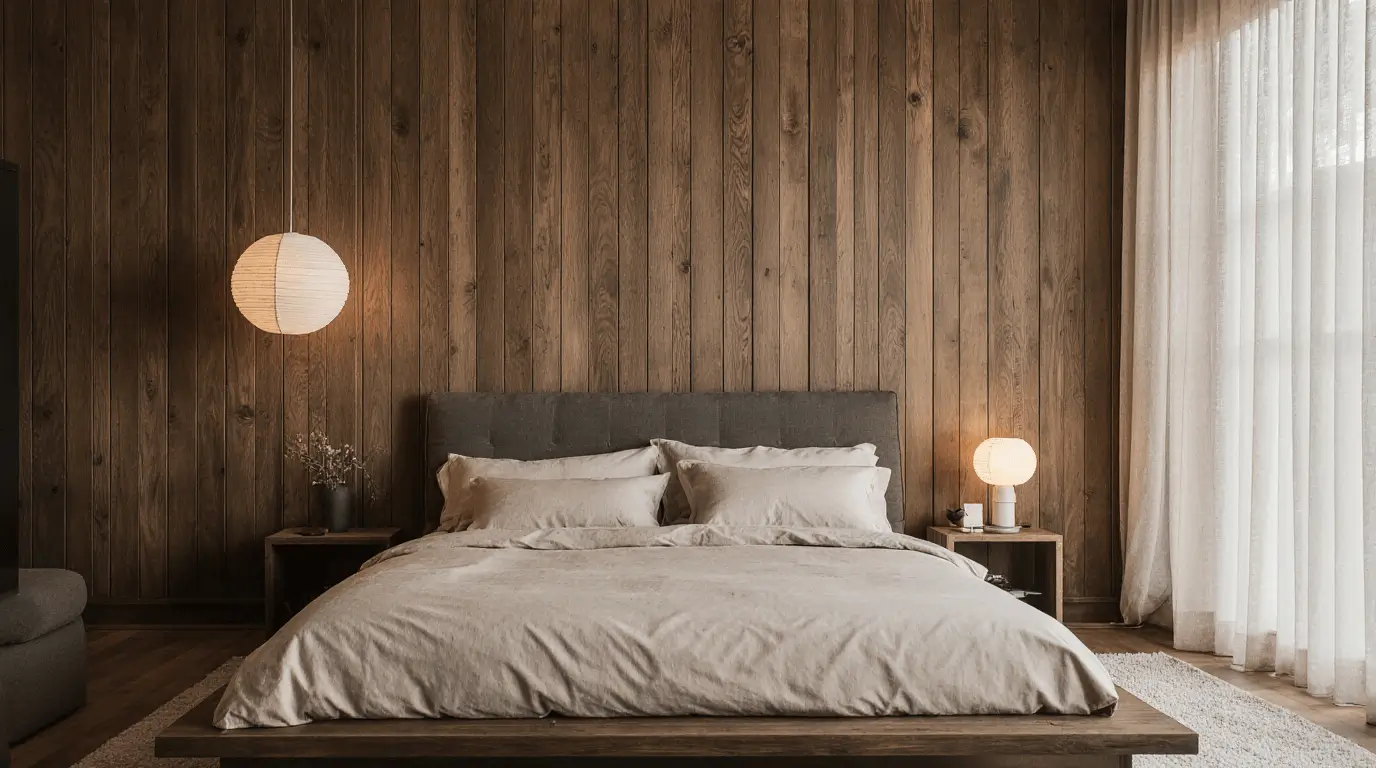
Asian Zen Interior Design for Bedrooms
Bedrooms embrace simplicity: low beds, neutral bedding, minimal artwork, and soft lighting.
The absence of clutter supports deeper rest and emotional ease.
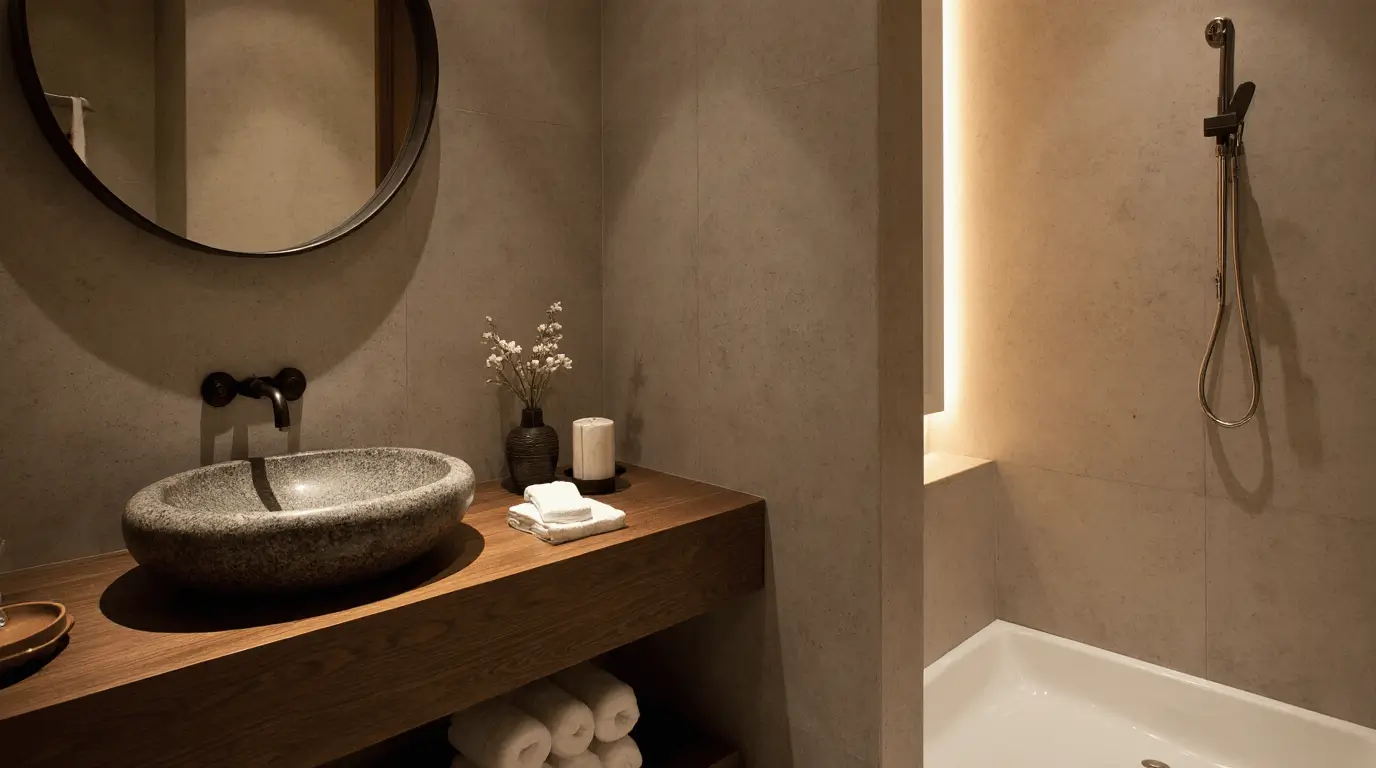
Asian Zen Interior Design in Bathrooms
Bathrooms reflect spa-like serenity with stone basins, wood accents, and neutral palettes.
Organic materials and soft lighting create a retreat-like experience.
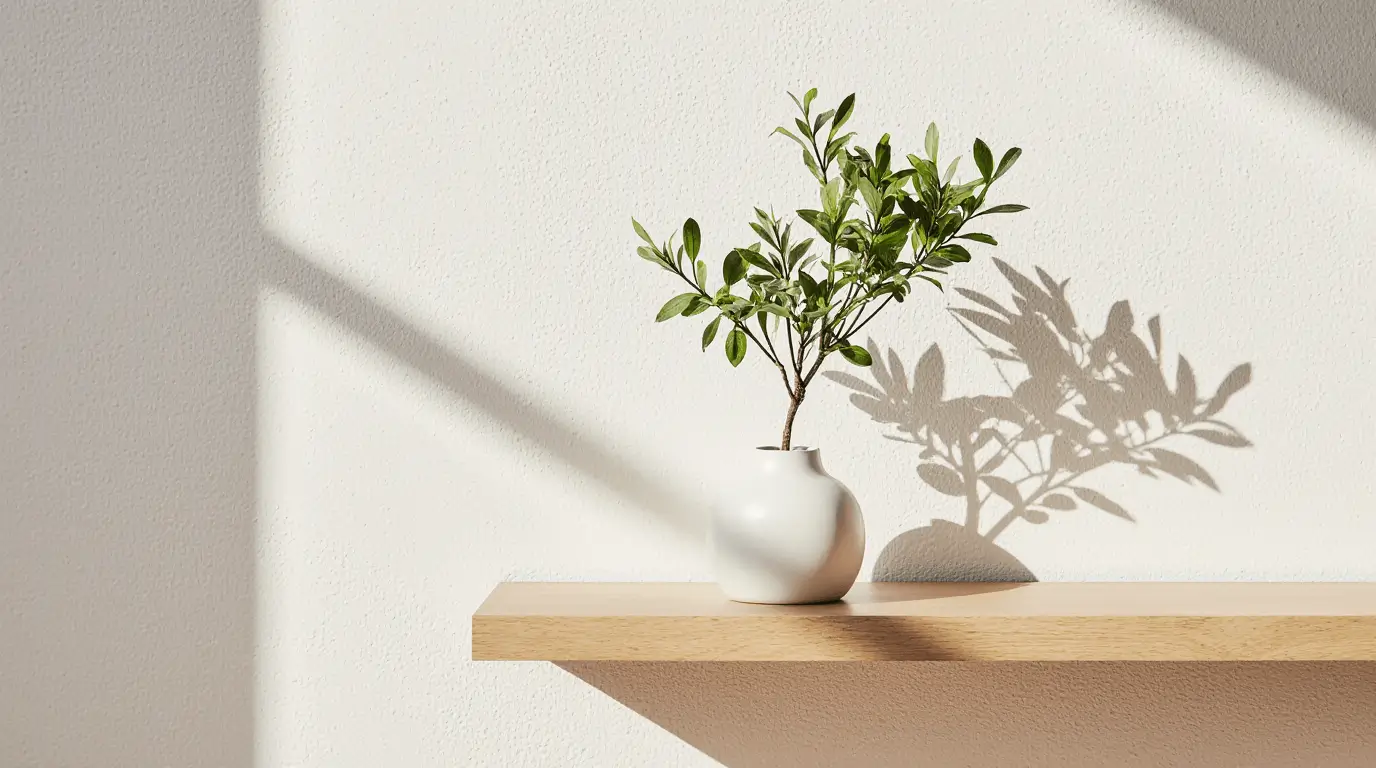
Decluttering and Intentional Styling in Asian Zen Interior Design
Decluttering is foundational. Decorative objects are limited to meaningful pieces—ceramics, calligraphy, or natural sculptures.
Intentional styling ensures every item supports the atmosphere rather than overwhelms it.
Asian Zen Interior Design and Meditation Spaces
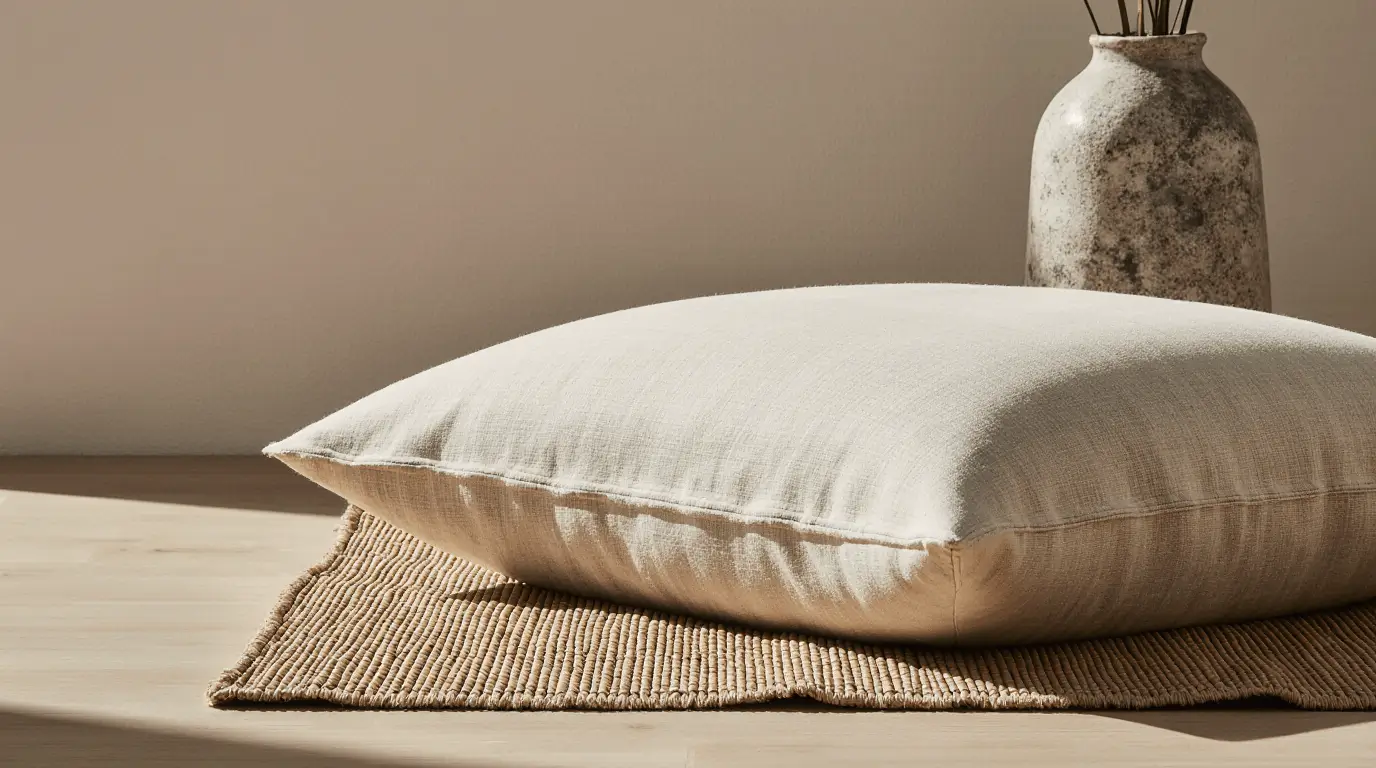
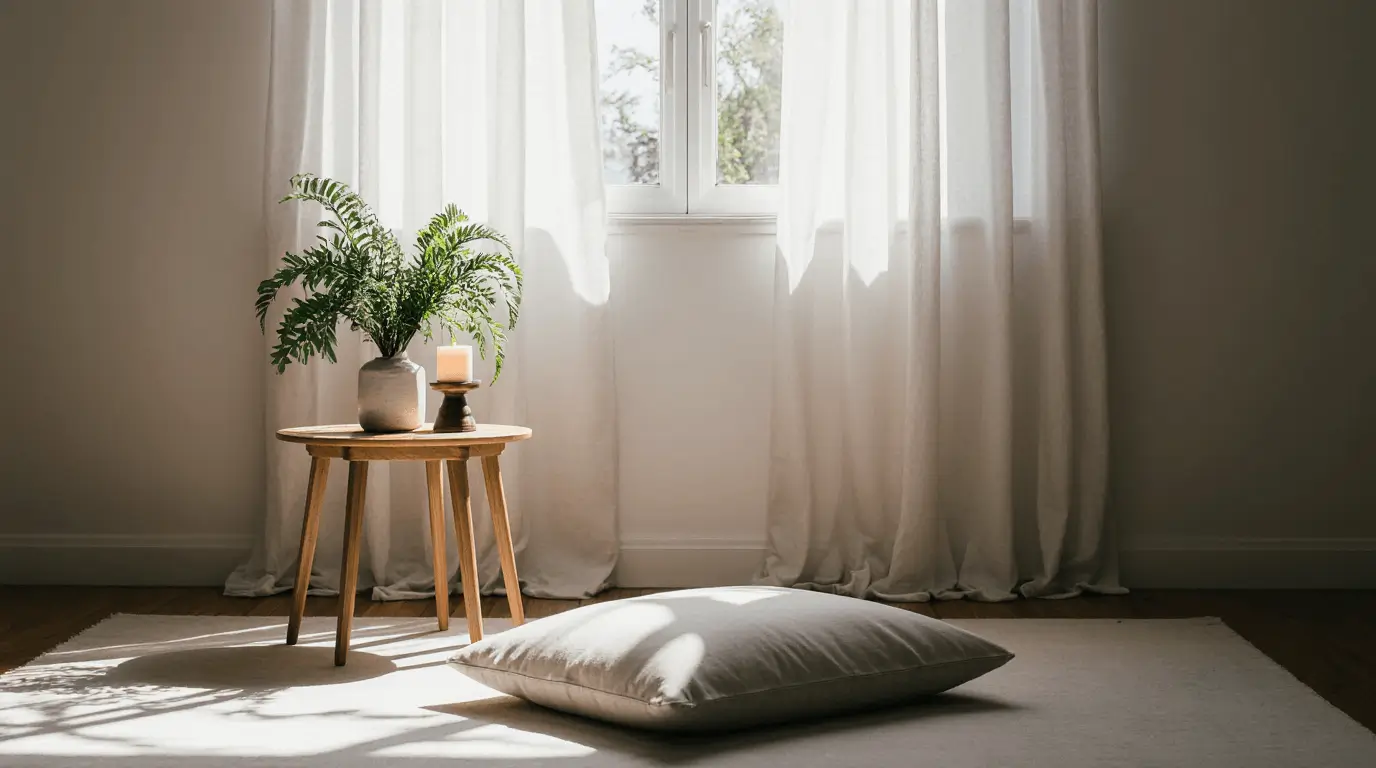
Dedicated meditation corners elevate the philosophy of the home. A floor cushion, low altar, and natural light are often enough.
These quiet zones strengthen the emotional purpose behind the design.
Conclusion: Designing Stillness with Intention
At its core, asian zen interior design is not about achieving a certain “look.” It’s about shaping an environment that supports clarity, calm, and intentional living. When you strip away excess and allow natural materials, balanced proportions, and soft light to lead the design, the space begins to work with you rather than against you.
In practice, this approach works because it aligns visual simplicity with emotional ease. Lower furniture grounds the body. Neutral palettes quiet the mind. Thoughtful spacing reduces overstimulation. Over the years, I’ve seen how even small shifts—removing unnecessary décor, softening lighting, introducing organic textures—can transform how a room feels within days.
Asian zen interior design benefits anyone craving a home that feels restorative rather than reactive. It’s particularly powerful for busy professionals, families seeking calm routines, and individuals who value mindfulness in daily life. You don’t need a complete renovation to begin. Start with one room. Clear surfaces. Introduce natural textures. Choose fewer, better pieces. Let light and space breathe.
When approached with patience and intention, this design philosophy becomes more than aesthetic—it becomes a lifestyle framework rooted in balance, purpose, and quiet confidence.
Learn more : 11+ Stunning Greenhouse Interior Design Secrets
Frequently Asked Questions
- Is asian zen interior design the same as minimalism?
Not exactly. While both embrace simplicity, asian zen interior design is grounded in philosophical principles of harmony, balance, and connection to nature. It’s less about owning fewer items and more about creating emotional clarity through intentional design choices.
- Can this style work in small apartments?
Absolutely. In fact, smaller spaces often benefit most. Low-profile furniture, open floor flow, concealed storage, and soft lighting can make compact rooms feel larger and more breathable. The key is thoughtful arrangement rather than square footage.
- Do I need traditional Japanese architectural elements to achieve this look?
No. While shoji screens or tatami mats can enhance authenticity, the essence lies in proportion, materials, and restraint. Natural wood, neutral tones, organic textures, and uncluttered layouts are enough to create a genuine zen atmosphere in any home.
- How can I make my existing furniture feel more aligned with this approach?
Start by editing your layout. Remove excess accessories, reduce visual clutter, and reposition furniture to create open pathways. Layer in natural textiles—linen throws, woven rugs, wooden accents—to soften modern pieces and introduce warmth.
- Is asian zen interior design suitable for family homes?
Yes, with thoughtful adaptation. Choose durable natural materials, incorporate hidden storage, and maintain clear zones for activity and rest. A calm home environment can positively influence daily routines and reduce household stress.
- How do I prevent the space from feeling too empty or cold?
Texture is essential. Combine smooth wood with woven fibers, stone with soft linen, matte finishes with subtle greenery. Warm, diffused lighting also prevents sterility and adds depth without clutter.
- Where should I begin if I feel overwhelmed?
Begin with one calming corner—a reading nook or bedside area. Declutter the surfaces, simplify the color palette, introduce one natural element, and soften the lighting. Small, intentional changes build confidence and gradually shape a cohesive environment.




One Response