
Introduction
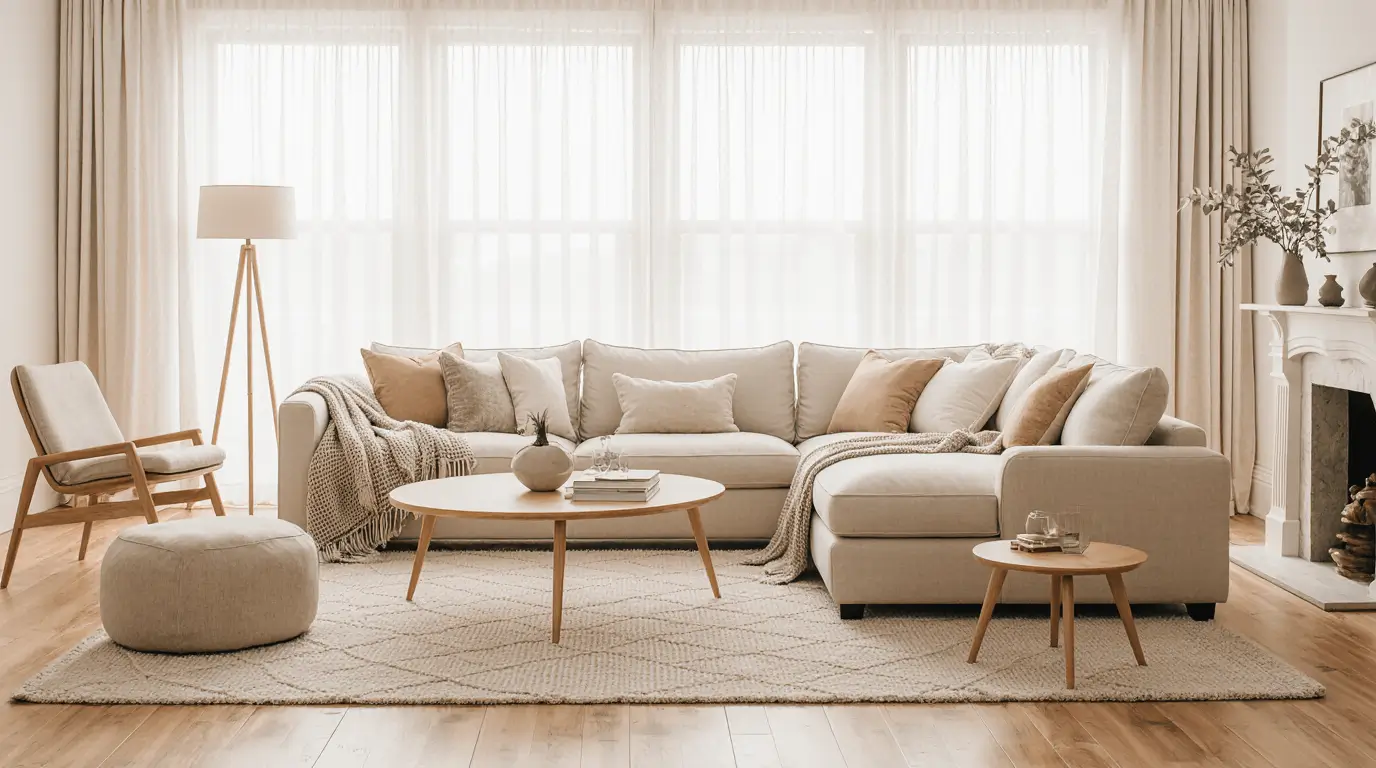
Holistic interior design is more than a decorating trend—it’s a philosophy that considers the home as a living ecosystem. In holistic interior design, every element—light, materials, layout, texture, color, energy flow, and emotional resonance—works together to support well-being. Rather than styling a room in isolation, this approach views the entire home as an interconnected environment designed to nurture body, mind, and spirit.
Over the years, I’ve seen how thoughtfully planned spaces can genuinely shift how people feel in their homes. When materials are natural, layouts intuitive, and lighting layered with intention, the result isn’t just beautiful—it’s restorative. Holistic interior design bridges aesthetics and wellness, ensuring that a space doesn’t just look good but feels balanced, grounded, and deeply supportive of everyday life.
Below are the core clusters that shape a truly holistic interior.
Holistic Interior Design Philosophy
Holistic interior design begins with intention. Every choice is made with awareness of how it affects mood, functionality, and long-term well-being. It integrates architecture, décor, lifestyle, and emotional needs into one cohesive vision.
Holistic Interior Design Approach to Space Planning
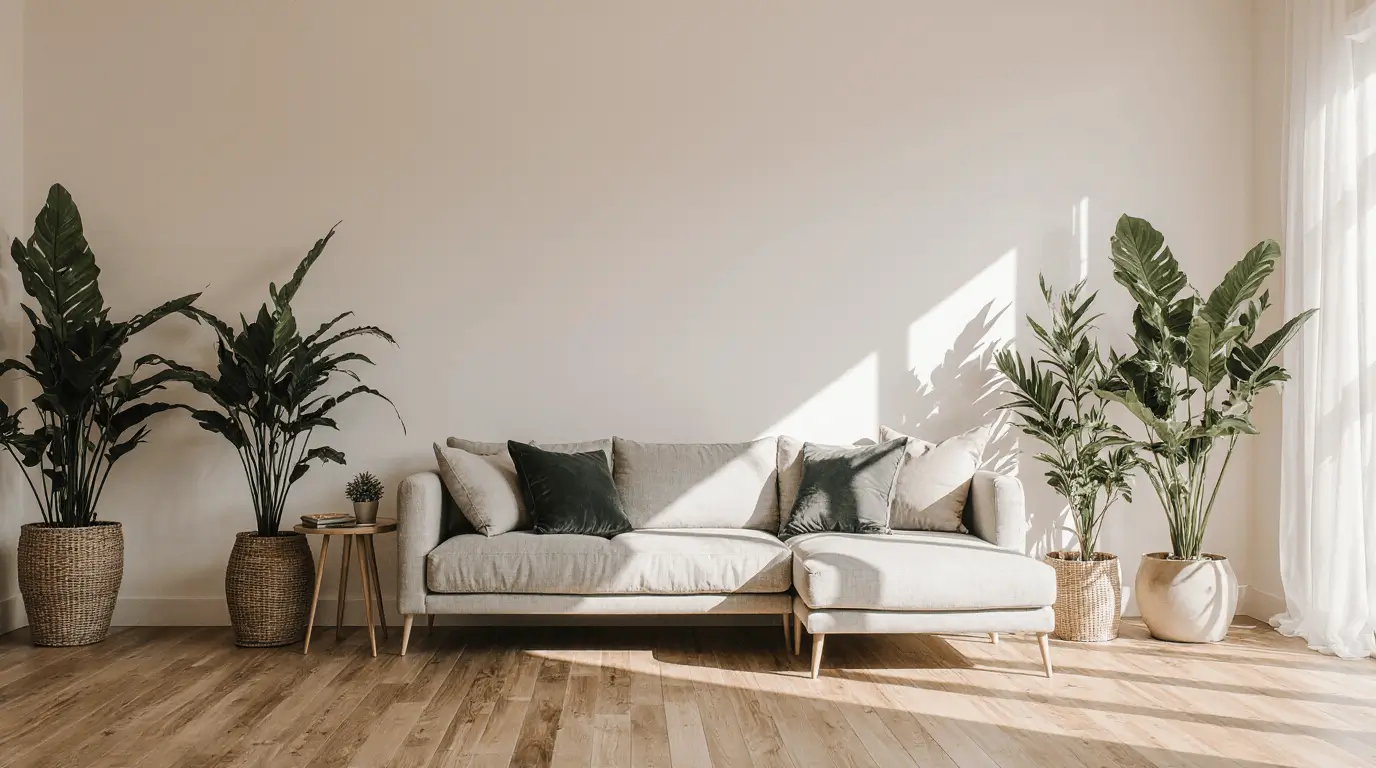
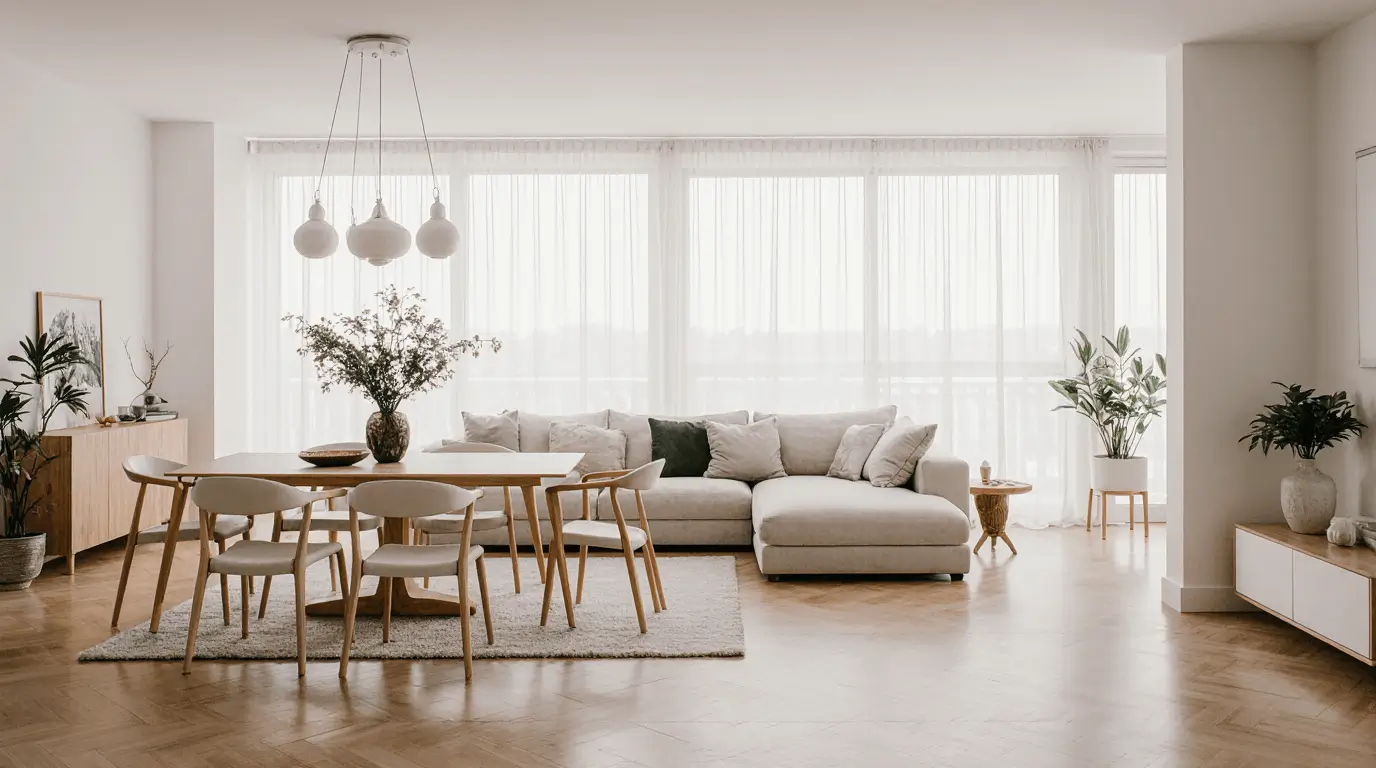
A holistic design approach prioritizes flow and functionality. Spaces should feel intuitive—movement between rooms natural and unobstructed.
Furniture placement considers conversation, comfort, and light access. Nothing feels forced or overcrowded.
Holistic Interior Design and Natural Materials
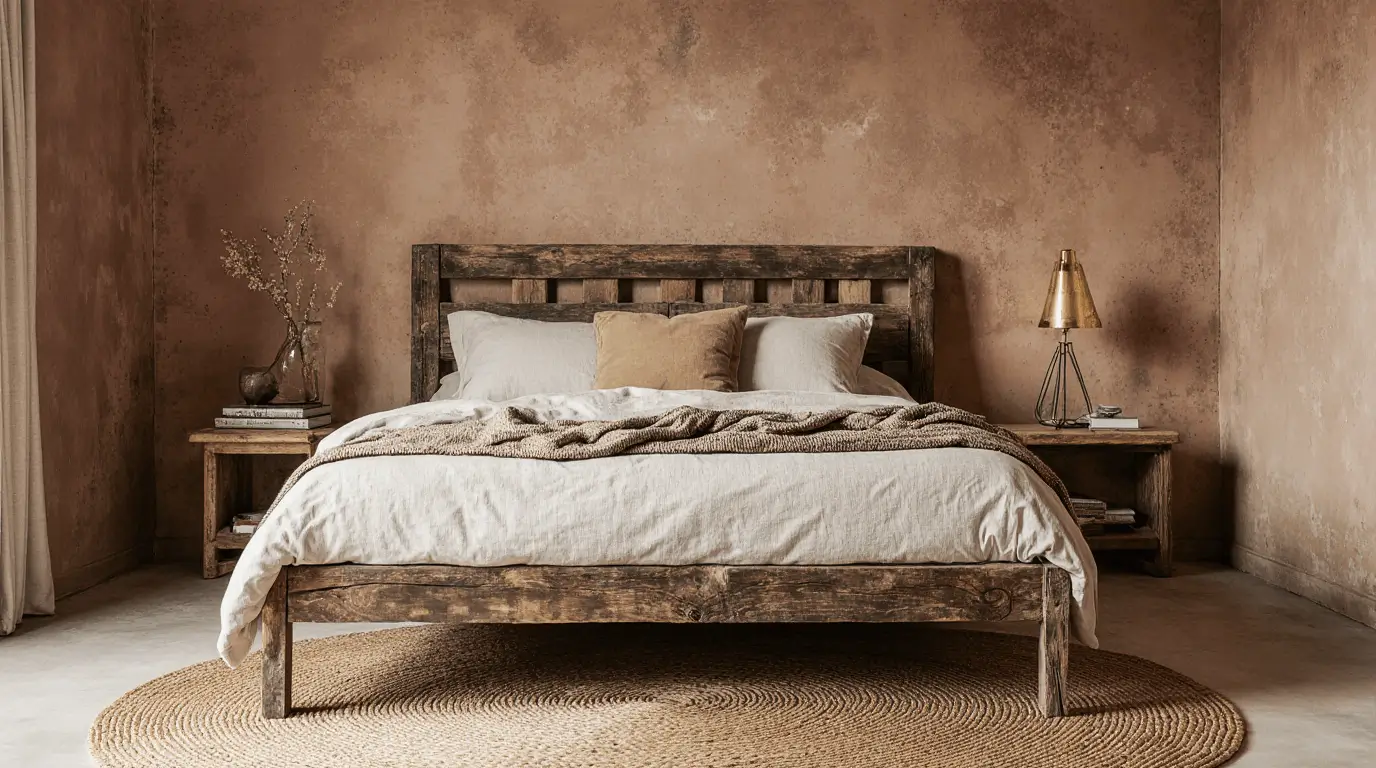
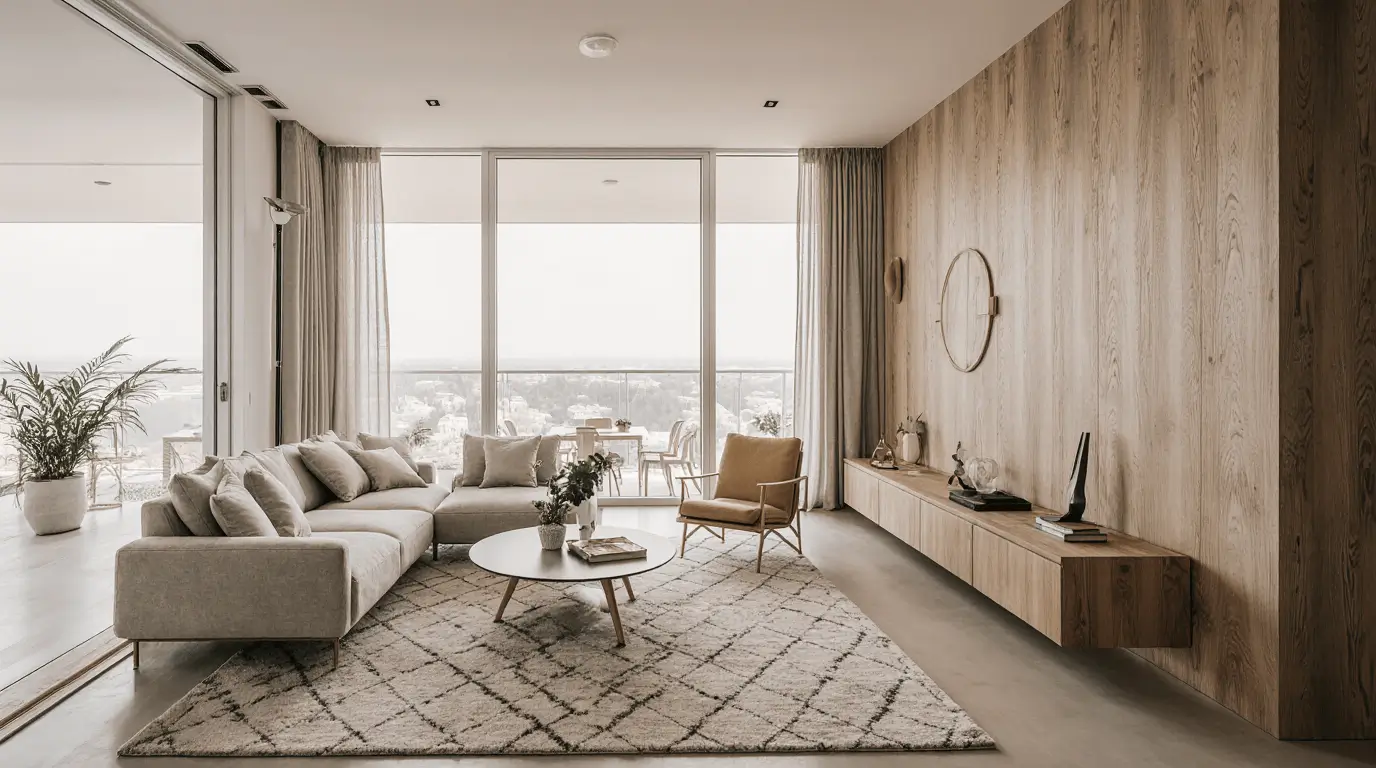
Materials carry energy and sensory impact. Wood, stone, clay, linen, wool, and rattan bring tactile warmth and grounding presence.
Natural finishes age beautifully and contribute to healthier indoor environments.
Holistic Interior Design Color Psychology
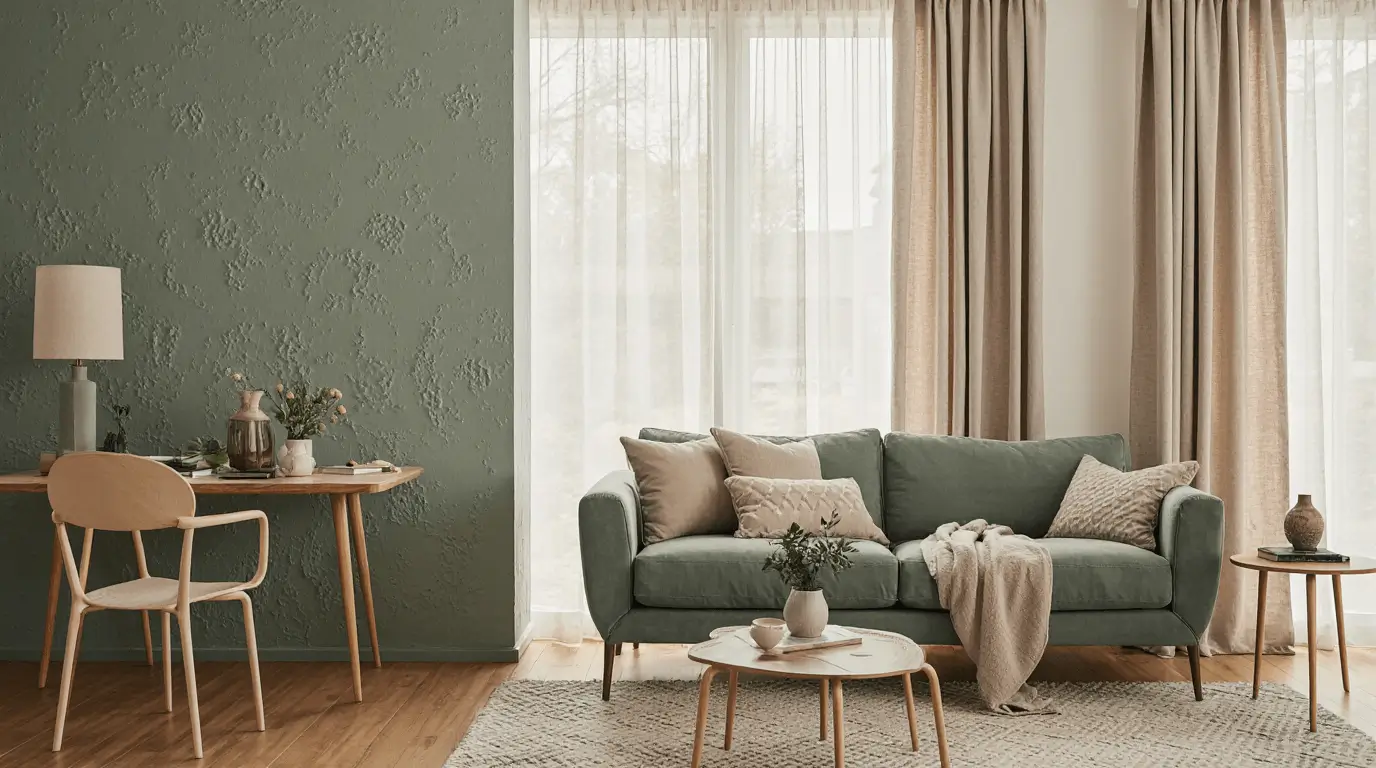
Color influences emotional states. Holistic interior design uses muted greens, warm neutrals, soft blues, and earthy tones to promote calm and clarity.
Color palettes are chosen based on how occupants want to feel, not just visual trends.
Holistic Interior Design and Lighting Layers
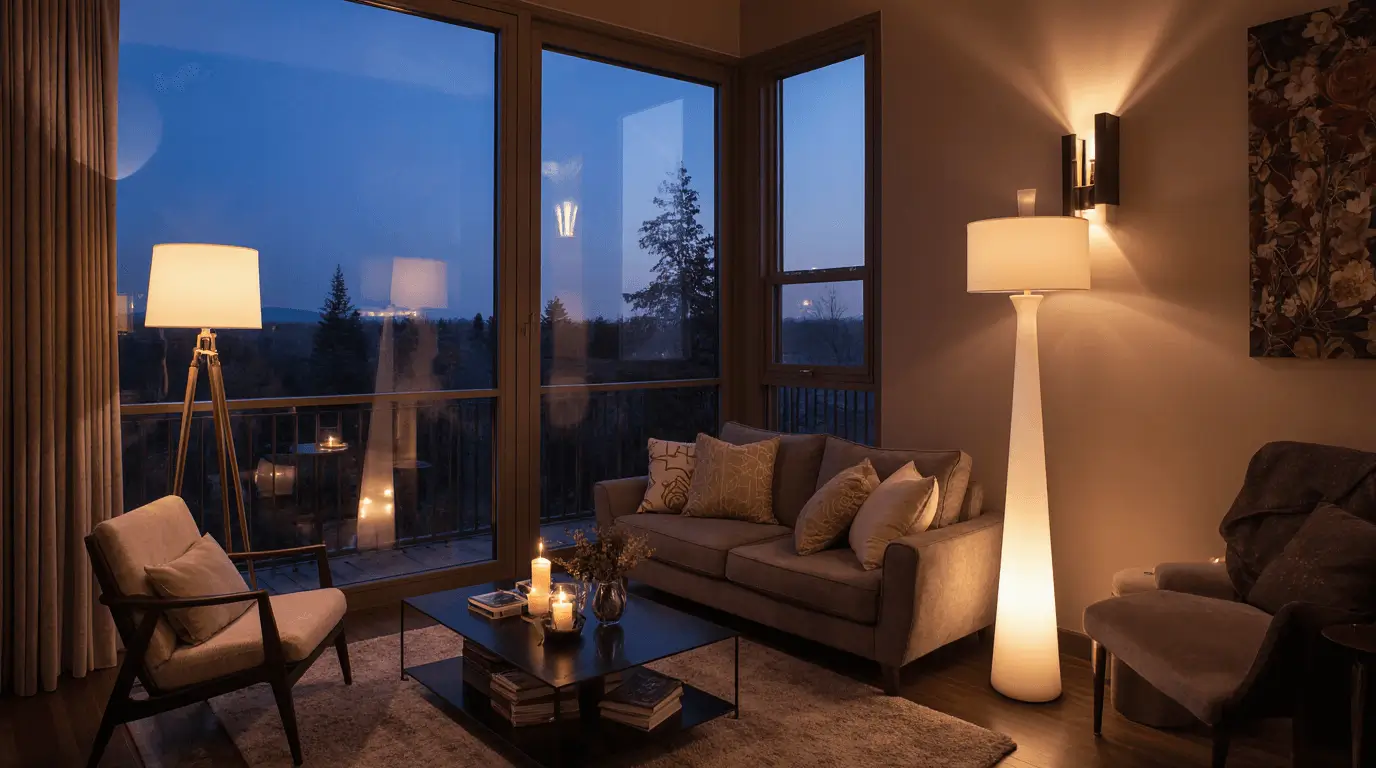
Light affects circadian rhythm and emotional balance. A holistic space blends natural daylight, ambient lighting, task lighting, and soft accent illumination.
Harsh overhead lighting is replaced with layered warmth.
Holistic Interior Design and Biophilic Elements
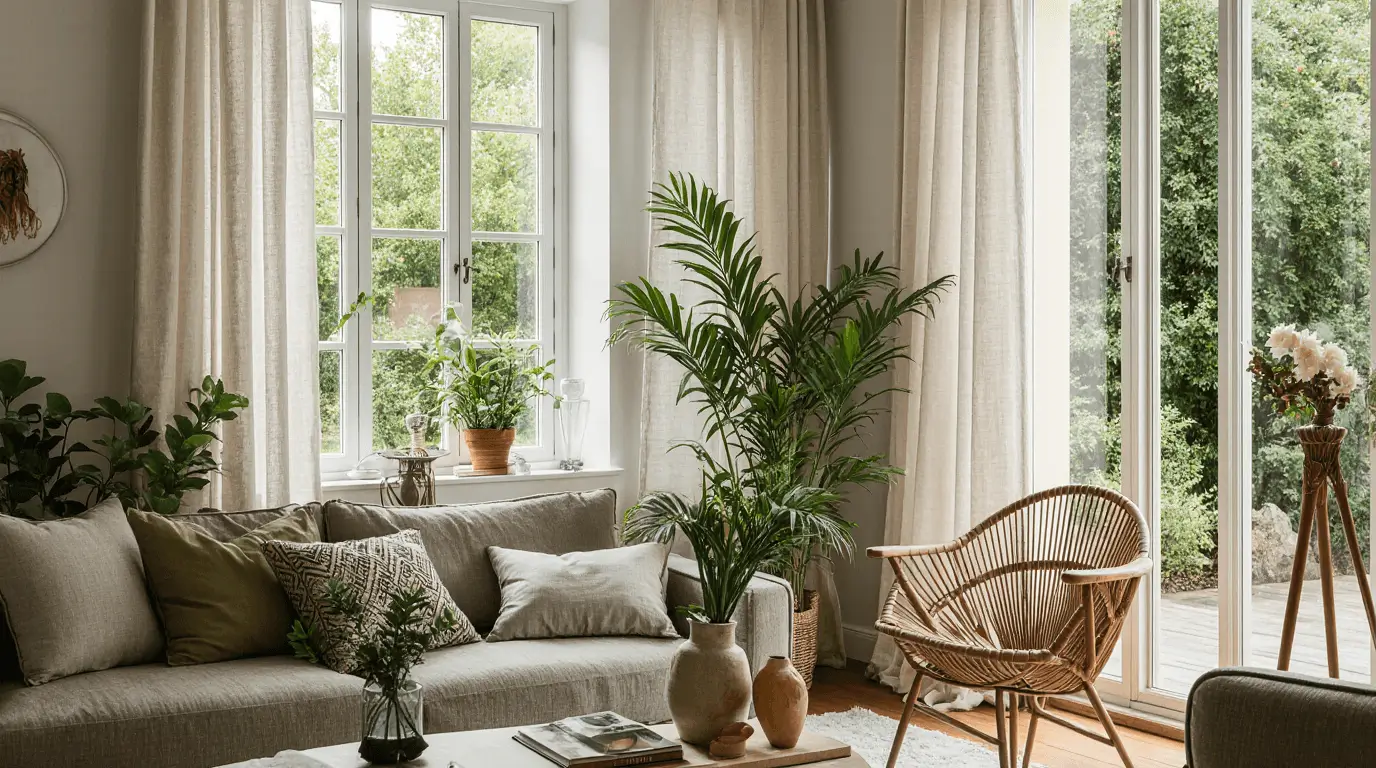
Nature connection is essential. Indoor plants, natural textures, water features, and outdoor views create restorative impact.
Biophilic design reduces stress and enhances creativity.
Holistic Interior Design for Emotional Well-Being
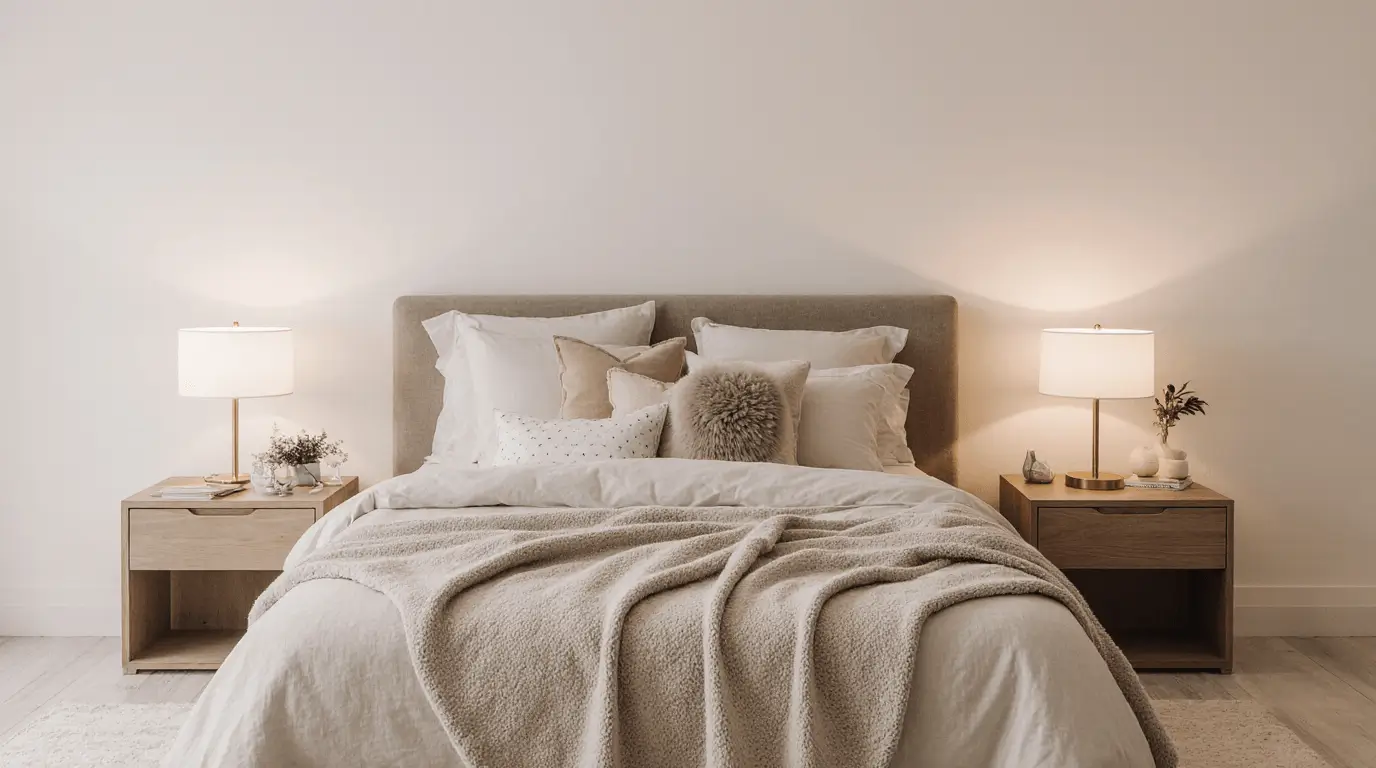
Every room should support emotional needs—rest, focus, creativity, or connection.
Bedrooms feel cocooning. Living areas encourage conversation. Workspaces reduce distraction.
Holistic Interior Design and Mindful Decluttering
Clutter disrupts visual and mental clarity. Holistic design emphasizes thoughtful storage and intentional possessions.
Each object should serve a purpose or hold meaning.
Holistic Interior Design and Sustainable Choices
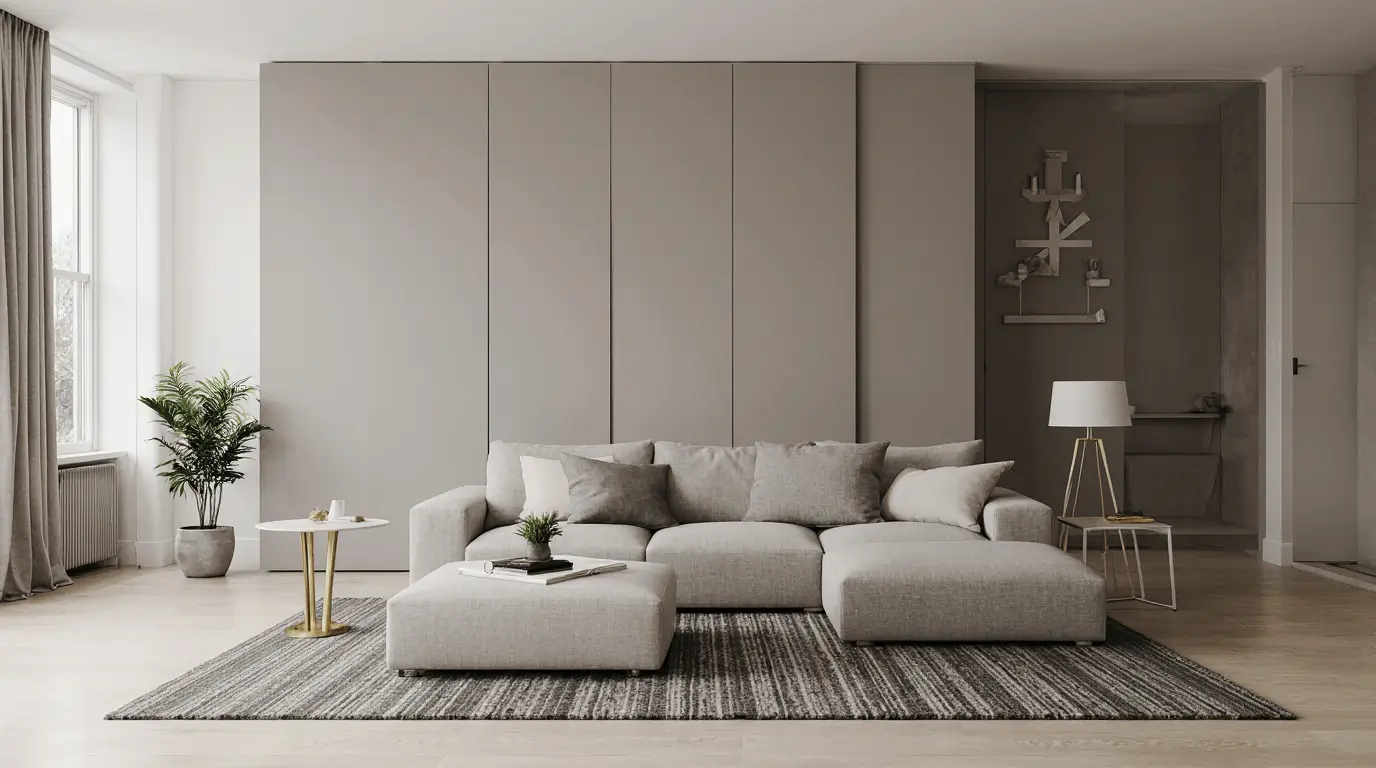
Sustainability aligns naturally with holistic principles. Reclaimed wood, low-VOC paints, durable materials, and ethical sourcing matter.
A home should care for both inhabitants and the planet.
Holistic Interior Design and Sensory Balance
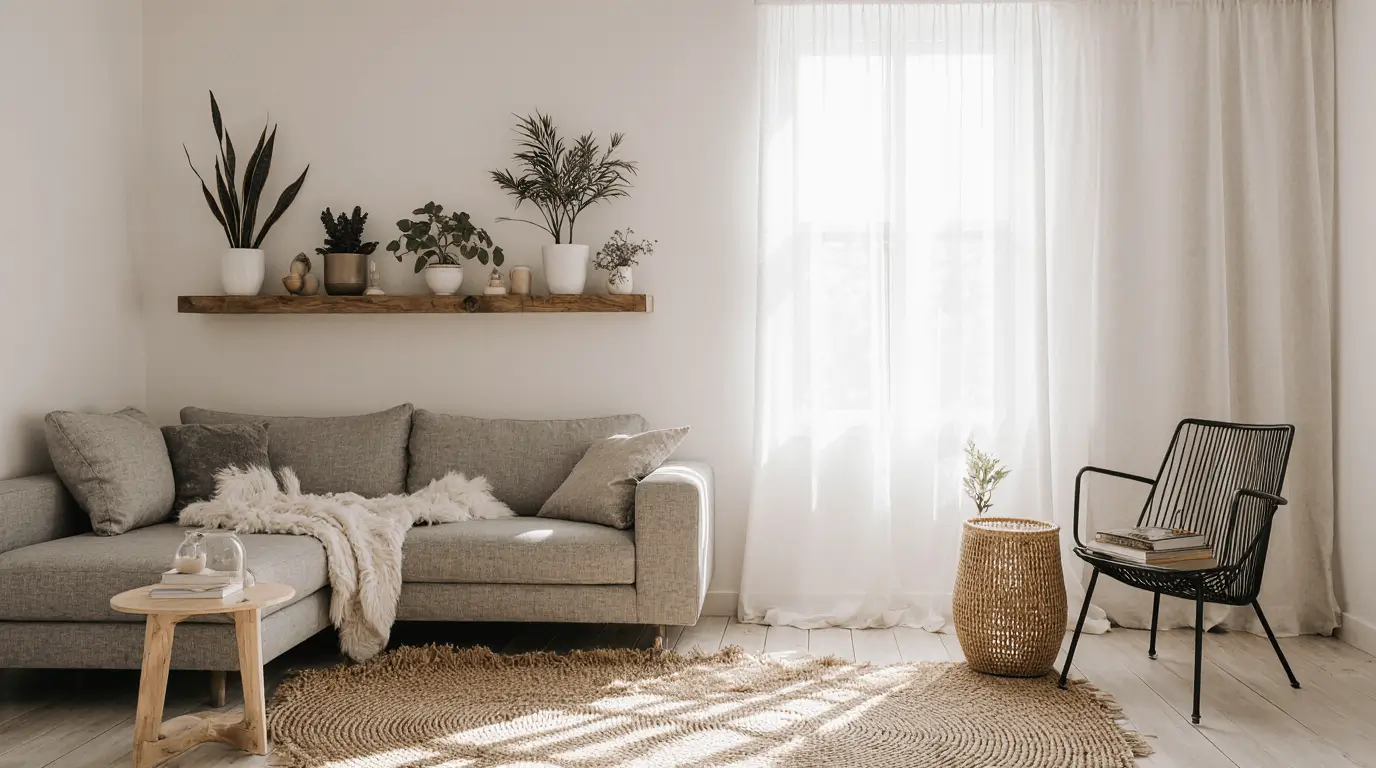
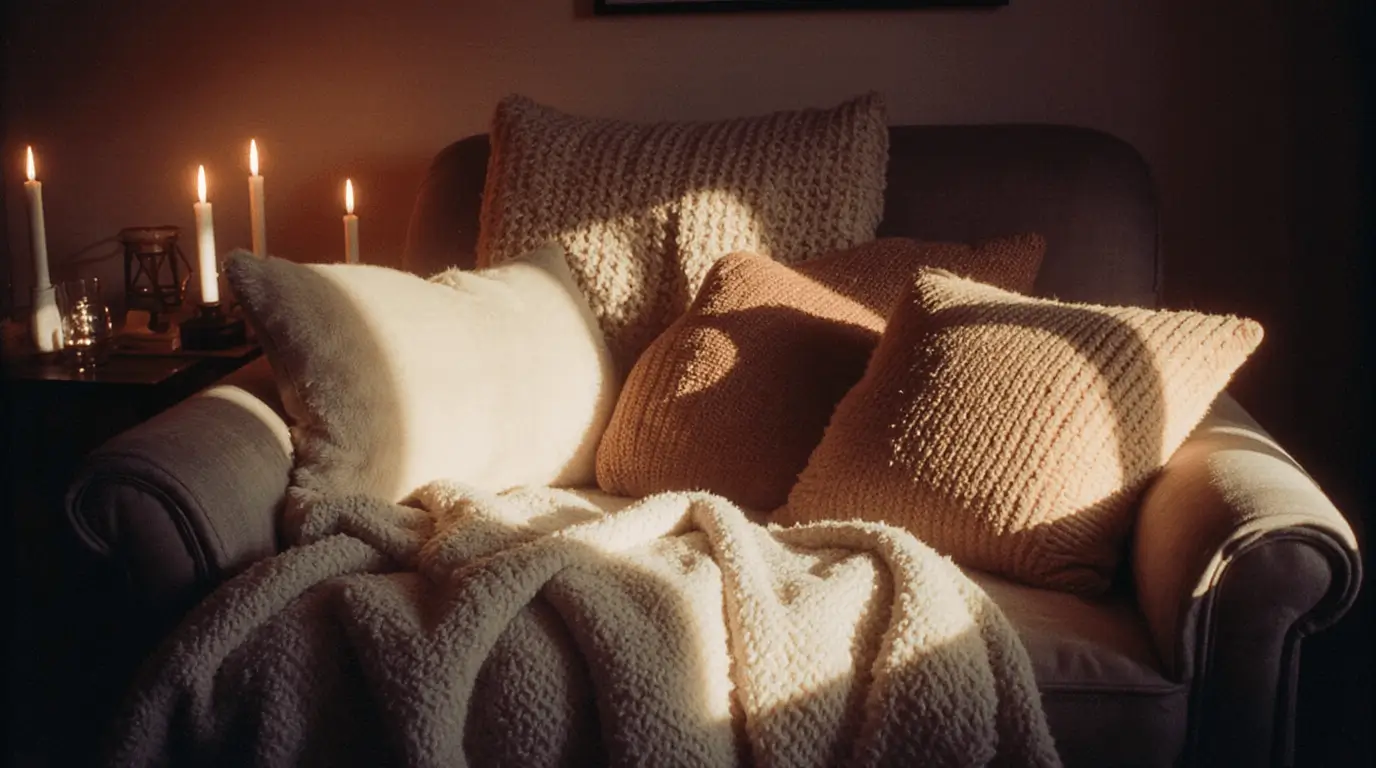
Texture, scent, acoustics, and temperature all influence comfort.
Soft textiles absorb sound. Natural fibers provide warmth. Essential oils subtly enhance mood.
Holistic Interior Design and Spiritual Alignment
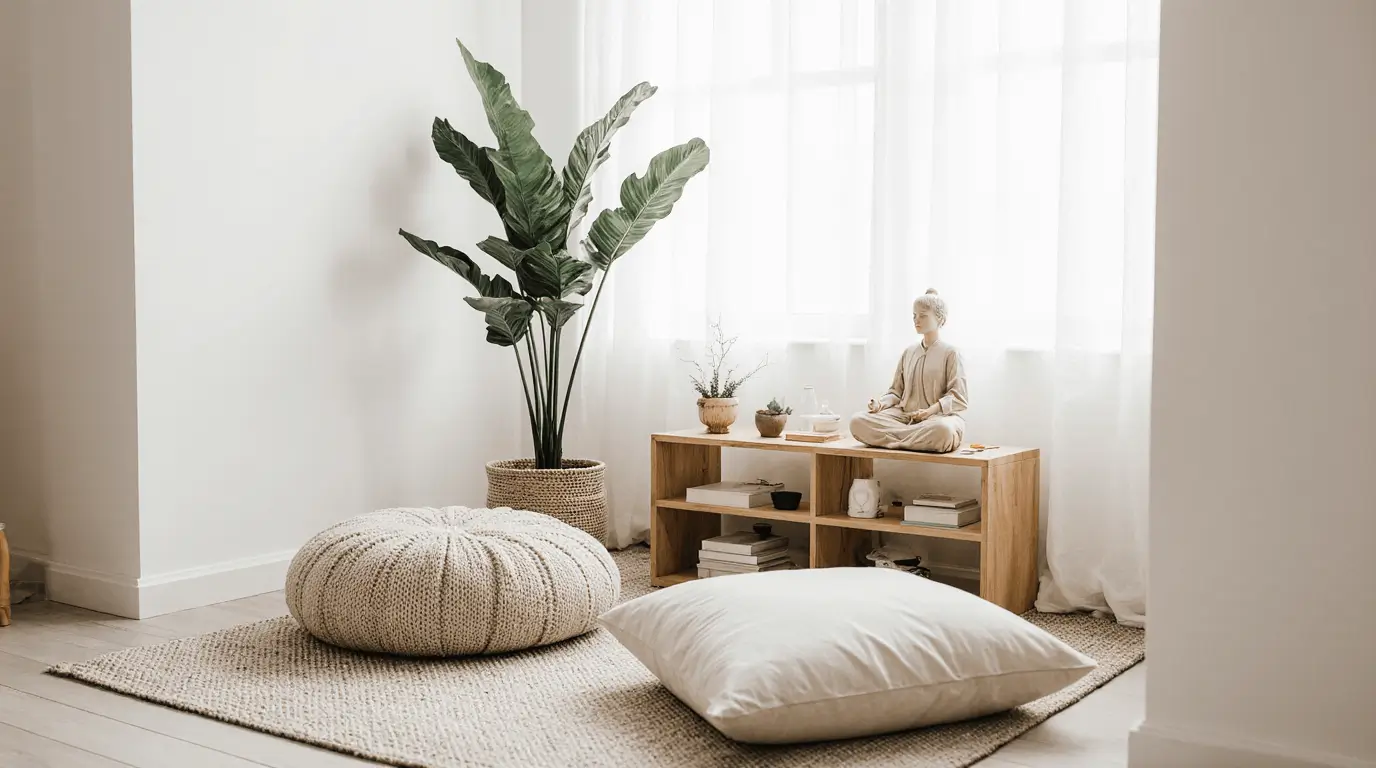
For some, holistic design includes spiritual interior design elements—meditation corners, sacred objects, calming altars.
These areas foster reflection without overpowering the aesthetic.
Holistic Interior Design in the Kitchen
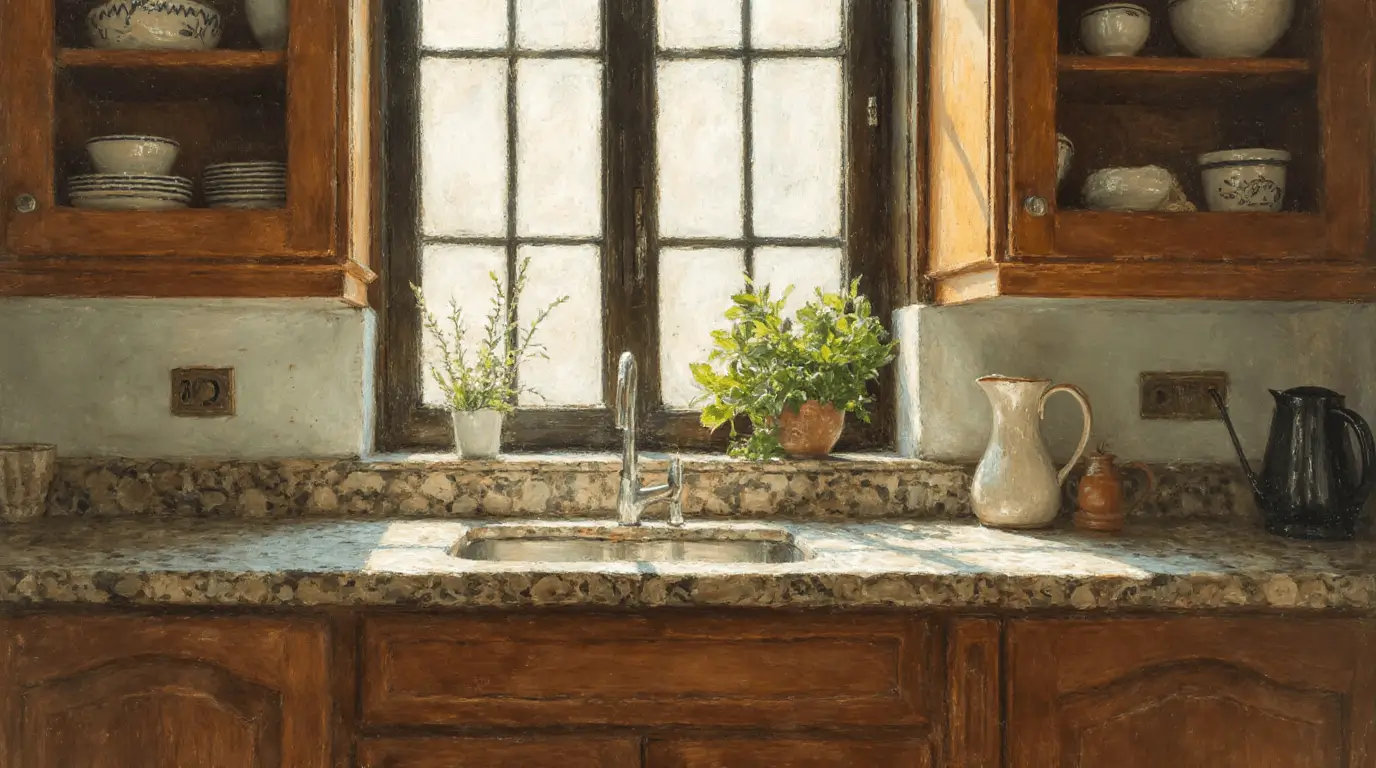
Kitchens designed holistically emphasize nourishment and connection. Clear counters, natural stone surfaces, warm lighting, and comfortable seating invite gathering.
The layout supports ease and flow.
Holistic Interior Design in Bathrooms
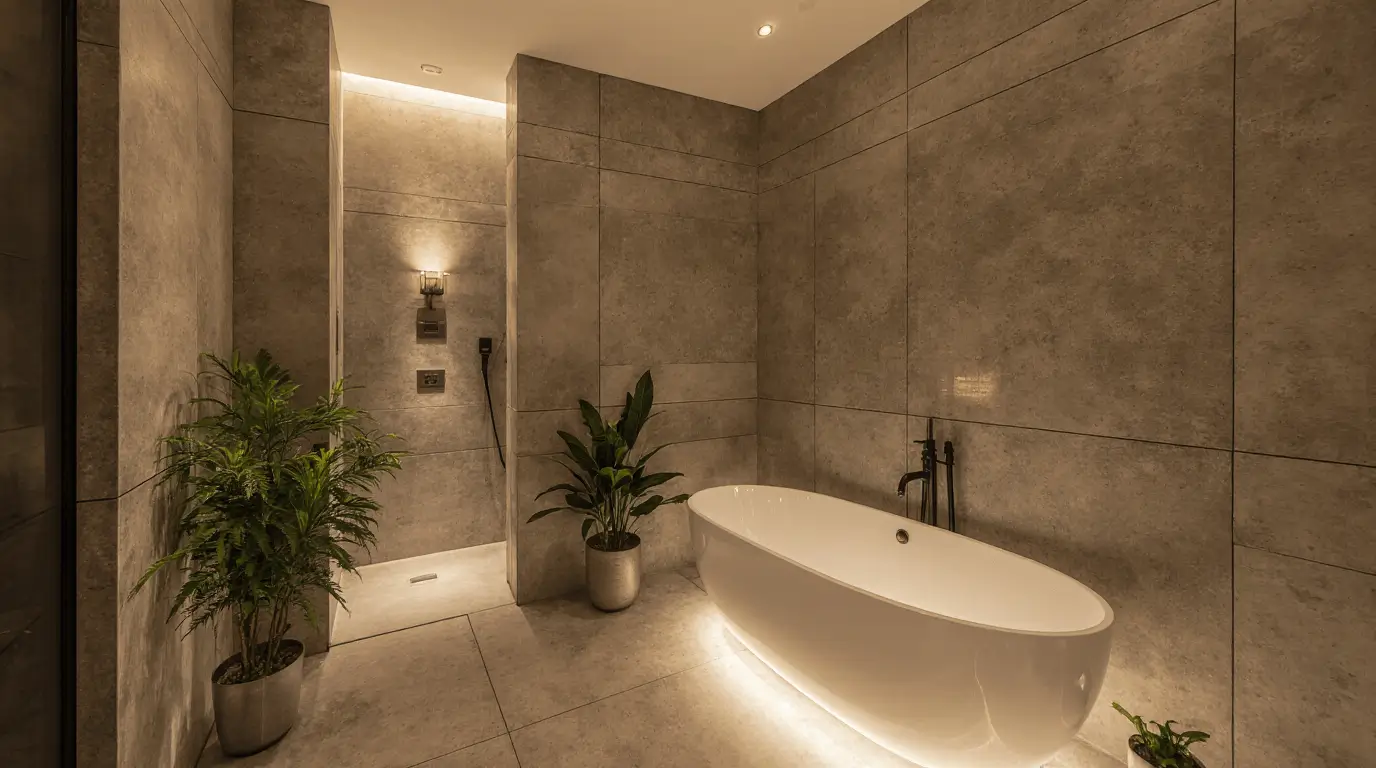
Bathrooms become restorative retreats. Natural stone, soft lighting, greenery, and neutral palettes create spa-like calm.
Wellness rituals are supported through thoughtful design.
Holistic Interior Design and Personalization
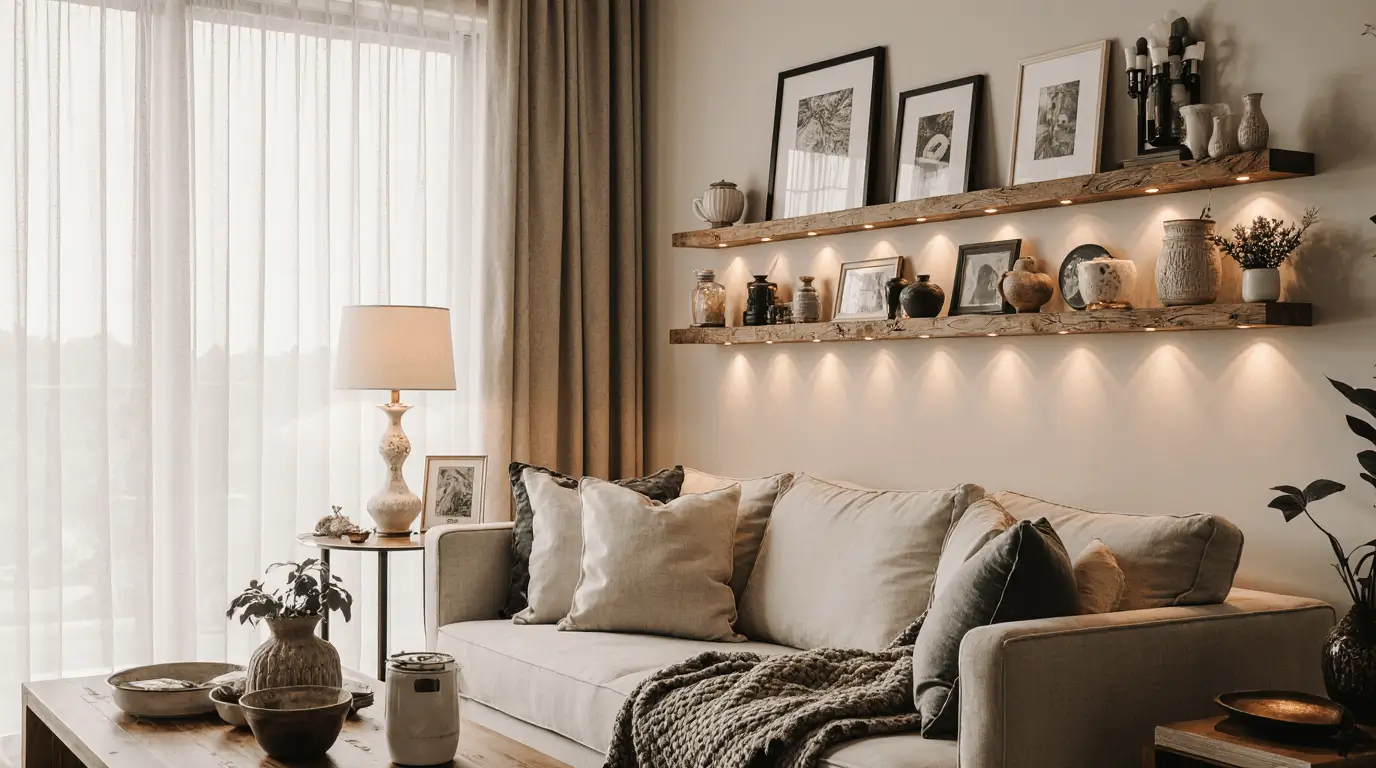
A holistic interior designer focuses on the individual. The space should reflect lifestyle, values, and personality—not just a style category.
Meaningful art and heirloom pieces ground the home emotionally.
Holistic Interior Design and Energy Flow
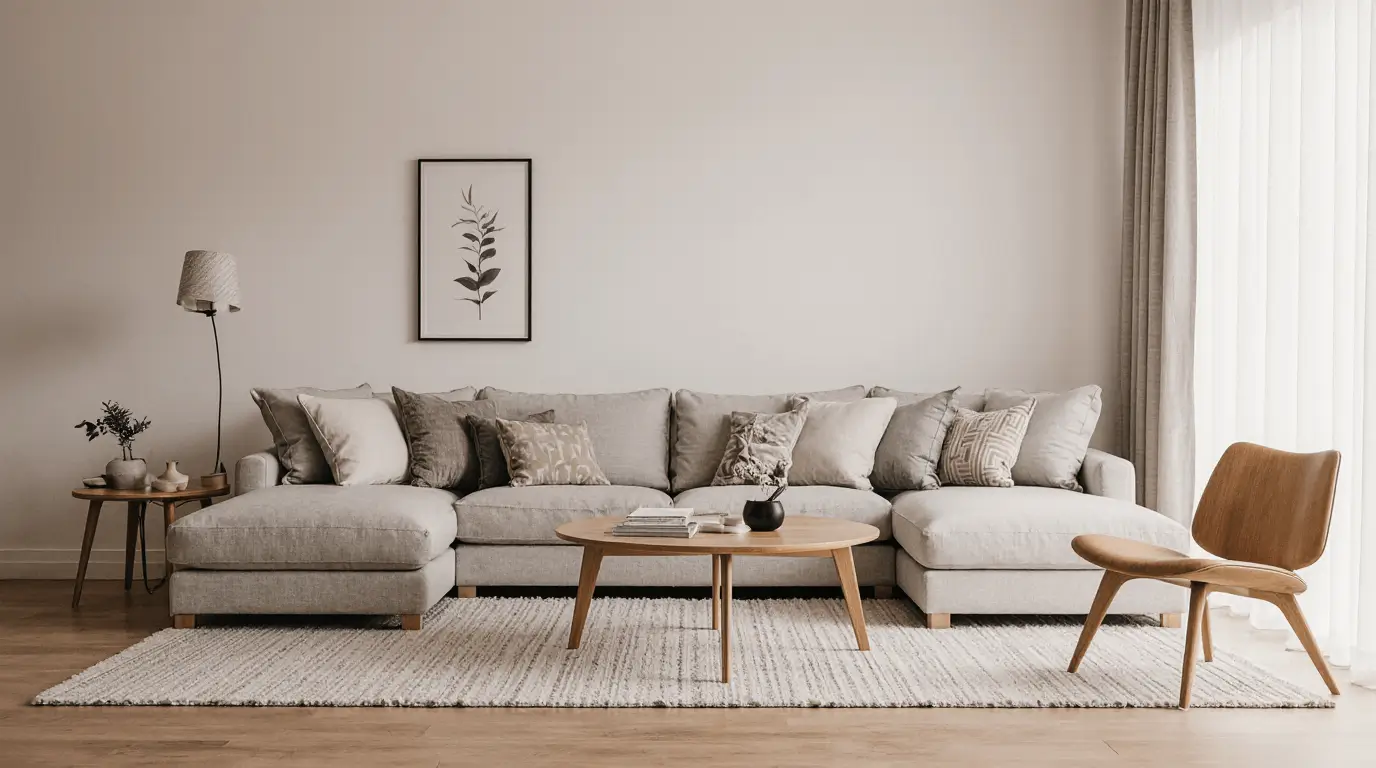
Energy flow—whether interpreted through spatial psychology or traditional systems—guides layout decisions.
Balanced proportions, open pathways, and symmetrical arrangements enhance harmony.
Holistic Home Design for Long-Term Living
Holistic home design considers adaptability. Spaces evolve with changing needs while maintaining cohesion.
Flexible layouts and timeless materials ensure longevity.
Conclusion: Designing With Intention, Living With Balance
Holistic interior design works because it honors a simple truth: our surroundings shape our daily experience. When light supports our rhythm, materials feel grounding, layouts flow naturally, and every object has purpose, the home becomes more than a backdrop—it becomes a source of stability and renewal.
In practice, this approach isn’t about perfection or expensive materials. It’s about alignment. Alignment between how you live and how your space functions. Alignment between your values and what fills your rooms. Alignment between comfort and clarity. When those elements are considered together, decision-making becomes easier. You choose quality over excess, flow over clutter, and meaning over impulse.
I’ve seen firsthand how even small shifts—repositioning furniture for better movement, replacing harsh lighting with layered warmth, introducing natural textures—can noticeably change how a home feels. Holistic interior design benefits anyone seeking calm in a fast-paced world, families wanting more connection, professionals needing restorative downtime, or individuals craving a deeper sense of grounding in their environment.
If you’re ready to move forward, start with awareness. Walk through your home and notice how each room makes you feel. Identify where tension exists—poor lighting, overcrowding, lack of warmth—and address one layer at a time. Thoughtful adjustments accumulate into meaningful transformation. When designed intentionally, your home becomes a place that supports your well-being every single day.
Learn more : 11+ Powerful Focal Point in Interior Design Secrets
Frequently Asked Questions
- Is holistic interior design a specific style?
No. It’s a philosophy rather than a visual style. A space can feel modern, rustic, minimalist, or eclectic and still follow holistic principles. What matters most is cohesion, balance, natural elements, and how the environment supports your physical and emotional needs.
- Do I need a large budget to create a holistic home?
Not at all. Many improvements are about intention rather than cost—decluttering, improving lighting, rearranging furniture for better flow, or incorporating plants and natural textures. Thoughtful choices often have more impact than expensive upgrades.
- How is this different from traditional interior design?
Traditional design often focuses primarily on aesthetics and function. Holistic interior design expands that lens to include emotional comfort, sensory balance, sustainability, and long-term well-being. It asks not just “How does this look?” but also “How does this feel and function over time?”
- Can holistic design improve mental well-being?
While design isn’t a replacement for professional care, environment absolutely influences mood and stress levels. Soft lighting, natural materials, reduced clutter, and calming colors can lower sensory overload and create a more restorative atmosphere.
- Where should I start if my home feels overwhelming?
Begin with one room—ideally the space you use most. Improve lighting, remove unnecessary items, and introduce one grounding material like wood, linen, or stone. Small, focused adjustments create momentum and clarity.
- Is holistic interior design compatible with sustainability?
Yes. In fact, the two often go hand in hand. Choosing durable materials, reducing excess consumption, and prioritizing natural finishes align with the core principle of designing with awareness and long-term impact in mind.
- How do I know if my space is truly balanced?
Pay attention to how you feel when you enter. A balanced space feels calm, functional, and intuitive. You can move easily, the lighting feels comfortable at different times of day, and nothing visually competes for attention. If your home supports rather than drains you, you’re on the right path.


One Response