
Introduction
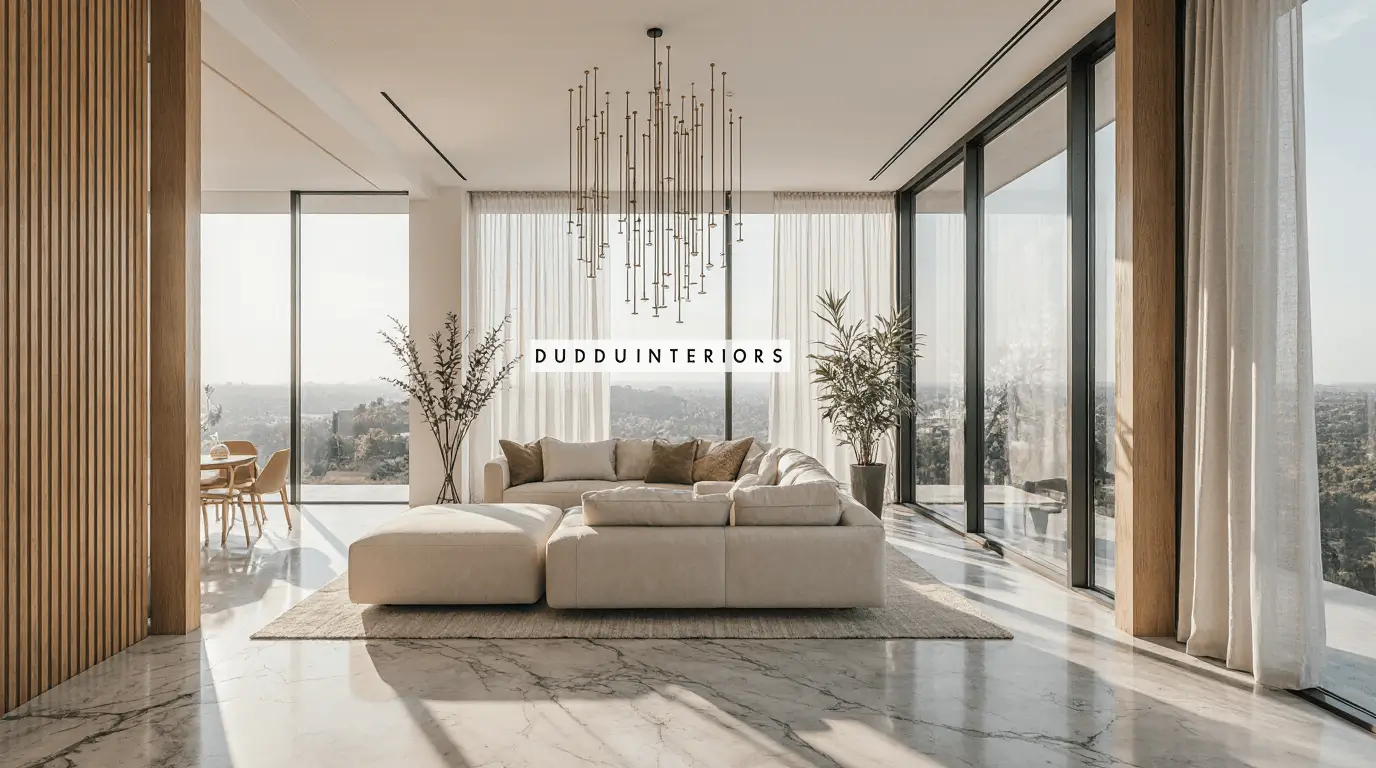
Landed house interior design is about shaping spacious, multi-level homes into cohesive, functional, and emotionally resonant living environments. Unlike apartments, landed properties offer architectural flexibility—higher ceilings, private outdoor areas, staircases, and expansive layouts that demand thoughtful spatial planning.
From years of observing how families actually use their homes, I’ve found that successful landed interiors balance openness with intimacy. It’s not just about filling a larger space—it’s about zoning, proportion, natural light control, and creating flow between indoor and outdoor areas. When designed well, a landed home feels calm, grounded, and deeply personal.
Below are carefully structured design clusters that define exceptional landed house interior design.
Modern Landed House Interior Design
Not sure if modern is the right fit for your layout? Browse the full landed house style lookup to compare it side-by-side against 20+ other interior styles by budget, ceiling height, and materials.
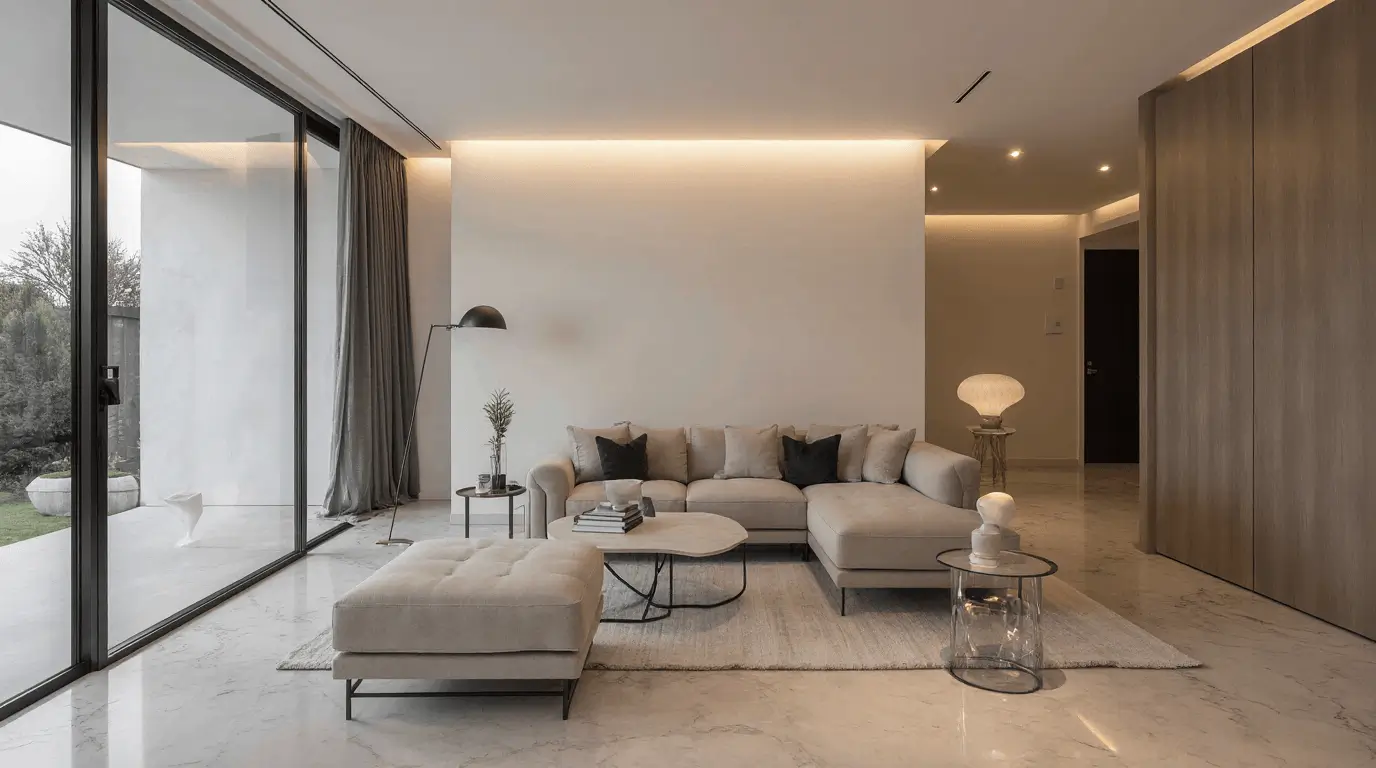
Modern landed house interior design emphasizes clean lines, open layouts, and seamless material transitions. Neutral palettes, architectural lighting, and large-format flooring enhance spatial continuity.
This approach works beautifully in multi-storey homes where visual calm prevents the space from feeling overwhelming.
Small Landed House Interior Design Ideas
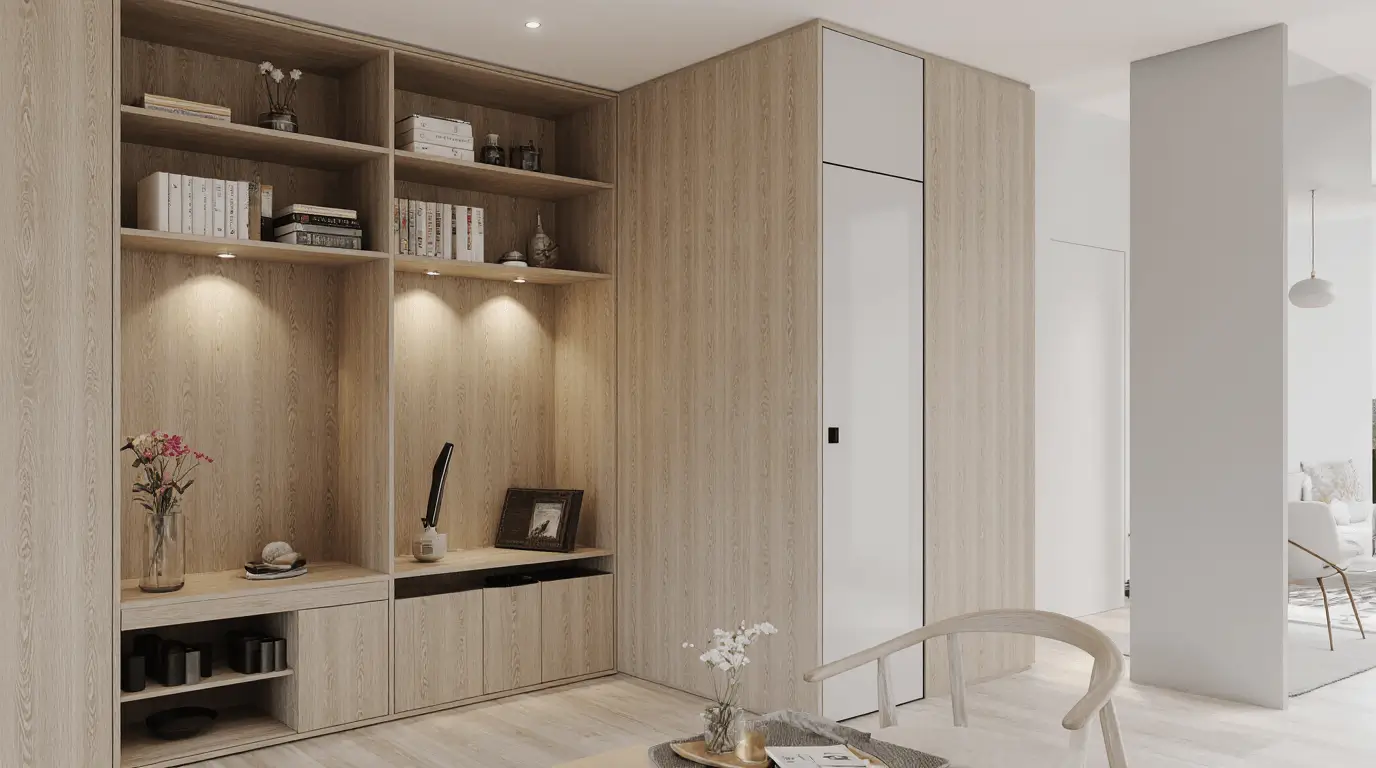
Small landed house interior design requires smart zoning and visual lightness. Built-in storage, multi-functional furniture, and vertical design strategies maximize usable space.
Using lighter tones and reflective surfaces keeps compact layouts feeling open rather than confined.
Luxury Landed House Interior Design
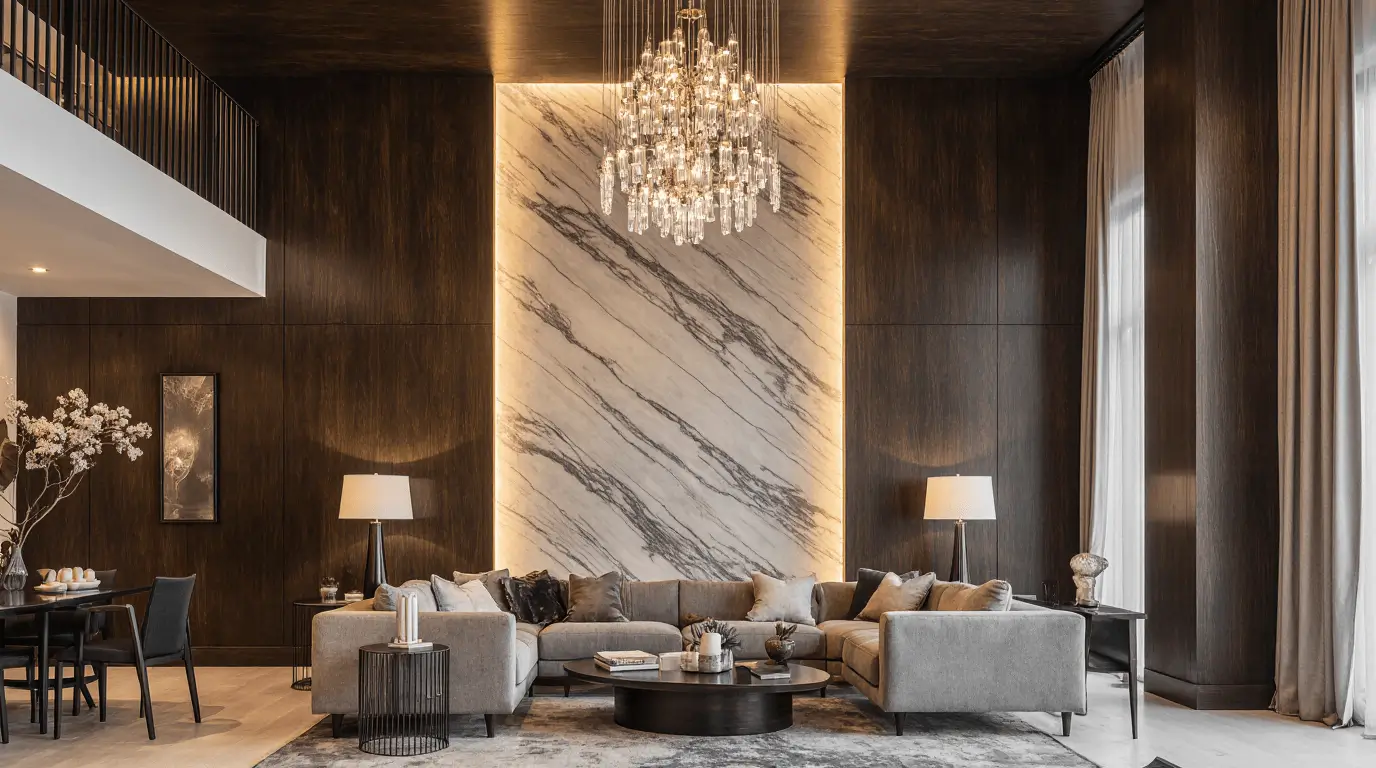
Luxury in landed house interior design is defined by material richness and spatial generosity. Think natural stone, layered lighting, bespoke carpentry, and sculptural furniture.
The goal isn’t excess—it’s refinement and detail-driven craftsmanship.
Contemporary Minimalist Landed House Interior Design
Minimalism works exceptionally well in landed homes with strong architectural structure. Clean volumes, concealed storage, and muted palettes create visual harmony.
Every element must justify its presence—function and form coexist seamlessly.
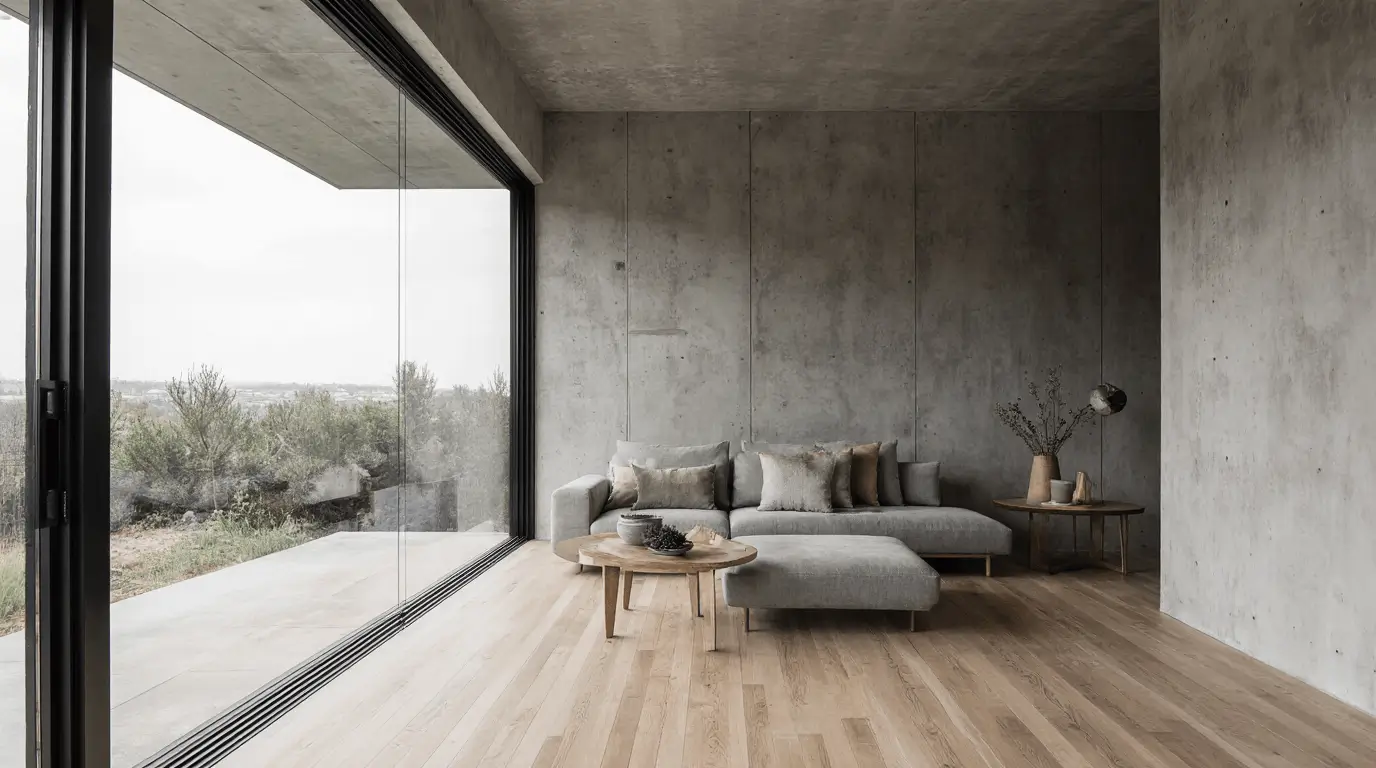
Open-Concept Landed House Interior Design
Open-plan layouts allow fluid movement between living, dining, and kitchen areas. In landed homes, this enhances social connection and visual continuity.
Strategic ceiling treatments or flooring transitions help subtly define zones without adding walls.
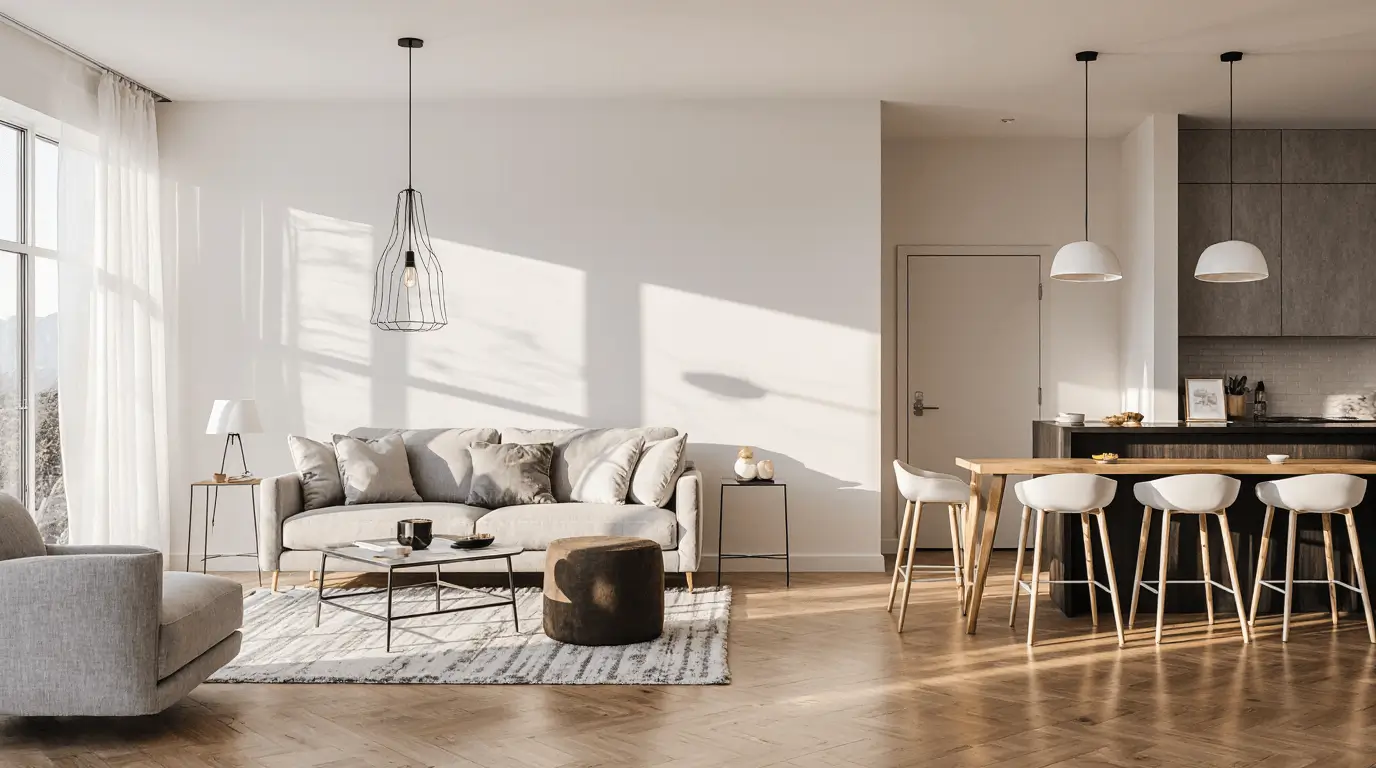
Staircase-Centric Landed House Interior Design
Staircases are architectural focal points in landed properties. Glass balustrades, floating treads, or sculptural railings can define the entire interior aesthetic.
A well-designed staircase enhances vertical flow and becomes a visual anchor.
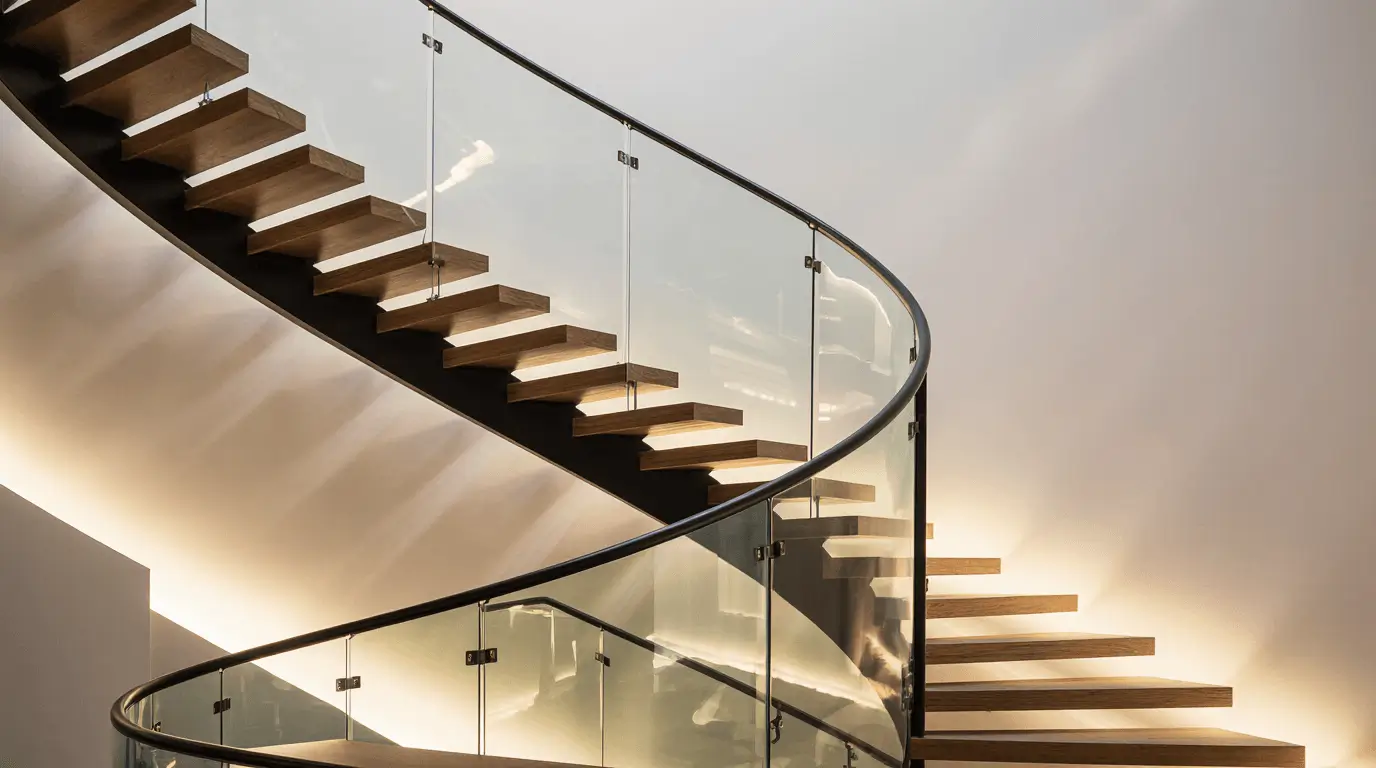
Double-Height Living Room in Landed House Interior Design
Double-volume ceilings create grandeur and openness. Proper lighting layering and acoustic planning prevent the space from feeling echoey or cold.
Tall curtains and statement lighting fixtures balance the scale beautifully.
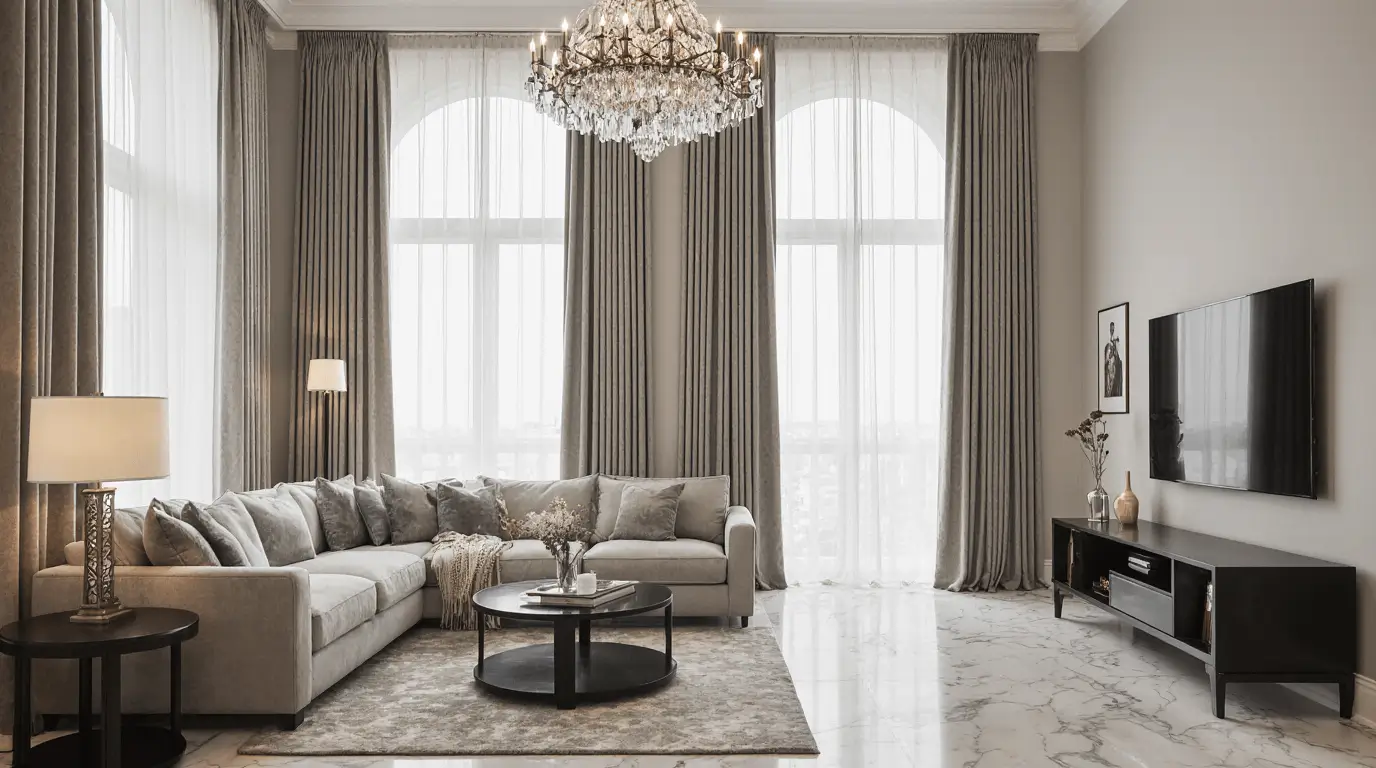
Indoor-Outdoor Flow in Landed House Interior Design
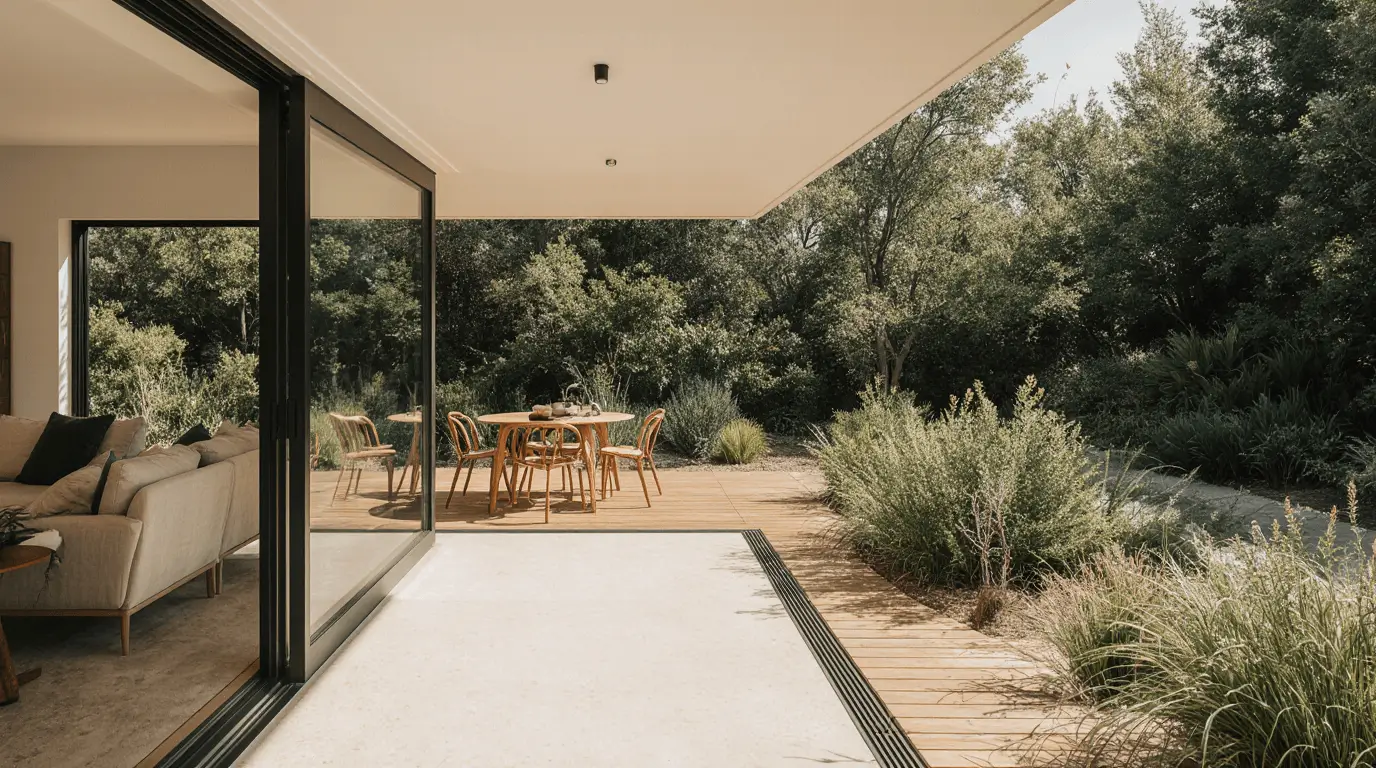
One advantage of landed homes is direct access to gardens or patios. Sliding glass doors, consistent flooring materials, and greenery integration enhance flow.
This design strategy increases natural ventilation and light.
Smart Home Integration in Landed House Interior Design
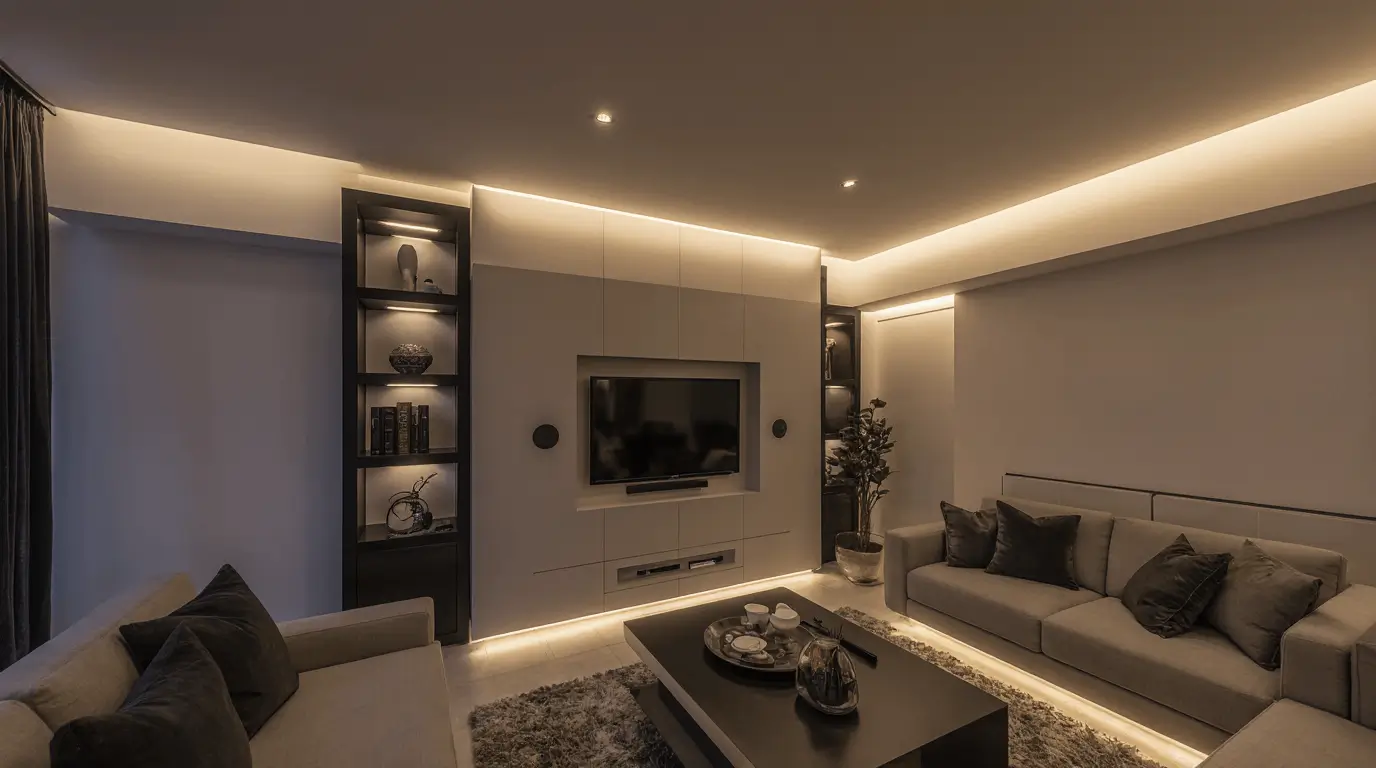
Technology enhances comfort in larger homes. Smart lighting systems, climate control, and automated blinds improve efficiency and lifestyle ease.
The key is integrating tech discreetly without disrupting aesthetics.
Kitchen Design in Landed House Interior Design
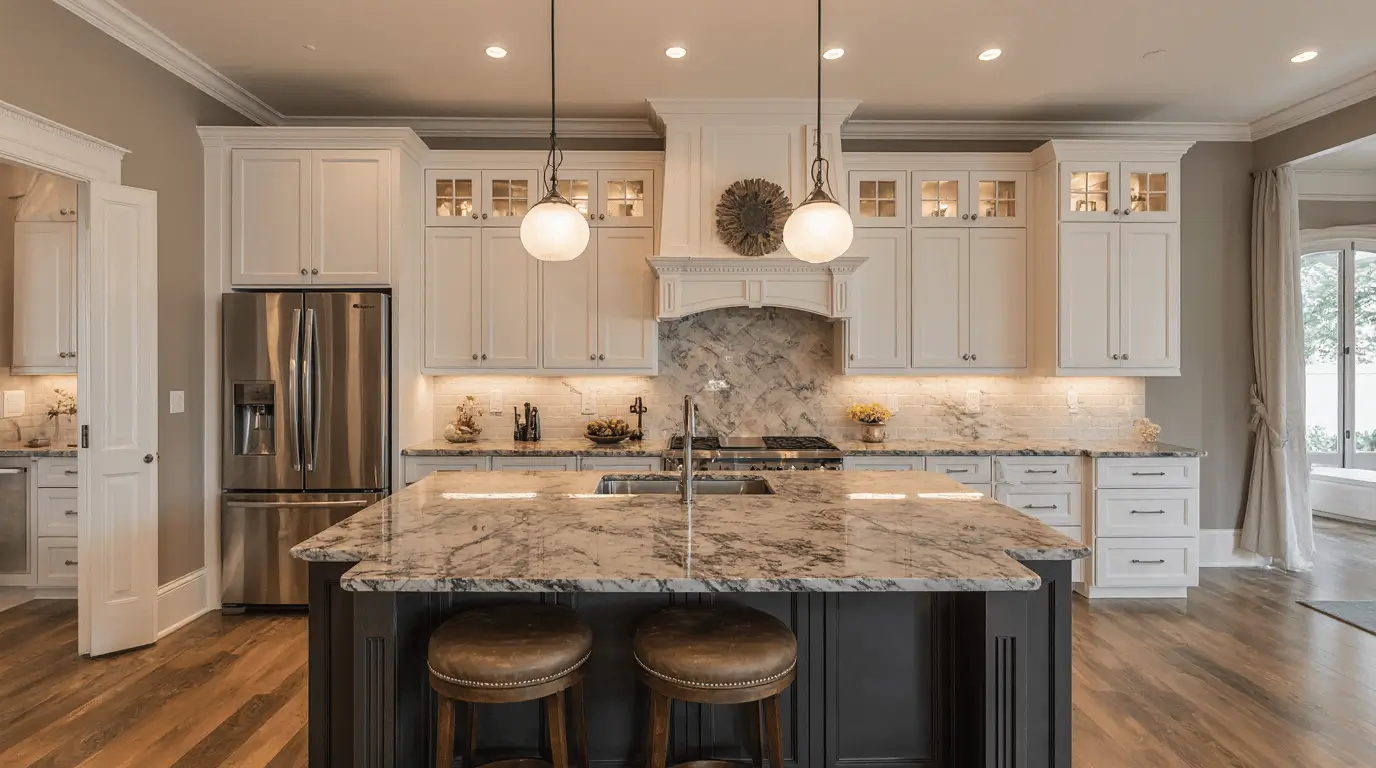
Landed homes allow spacious kitchens with islands and ample storage. Open shelving, stone countertops, and layered lighting enhance usability.
A well-zoned kitchen becomes both functional and social.
Bedroom Styling in Landed House Interior Design
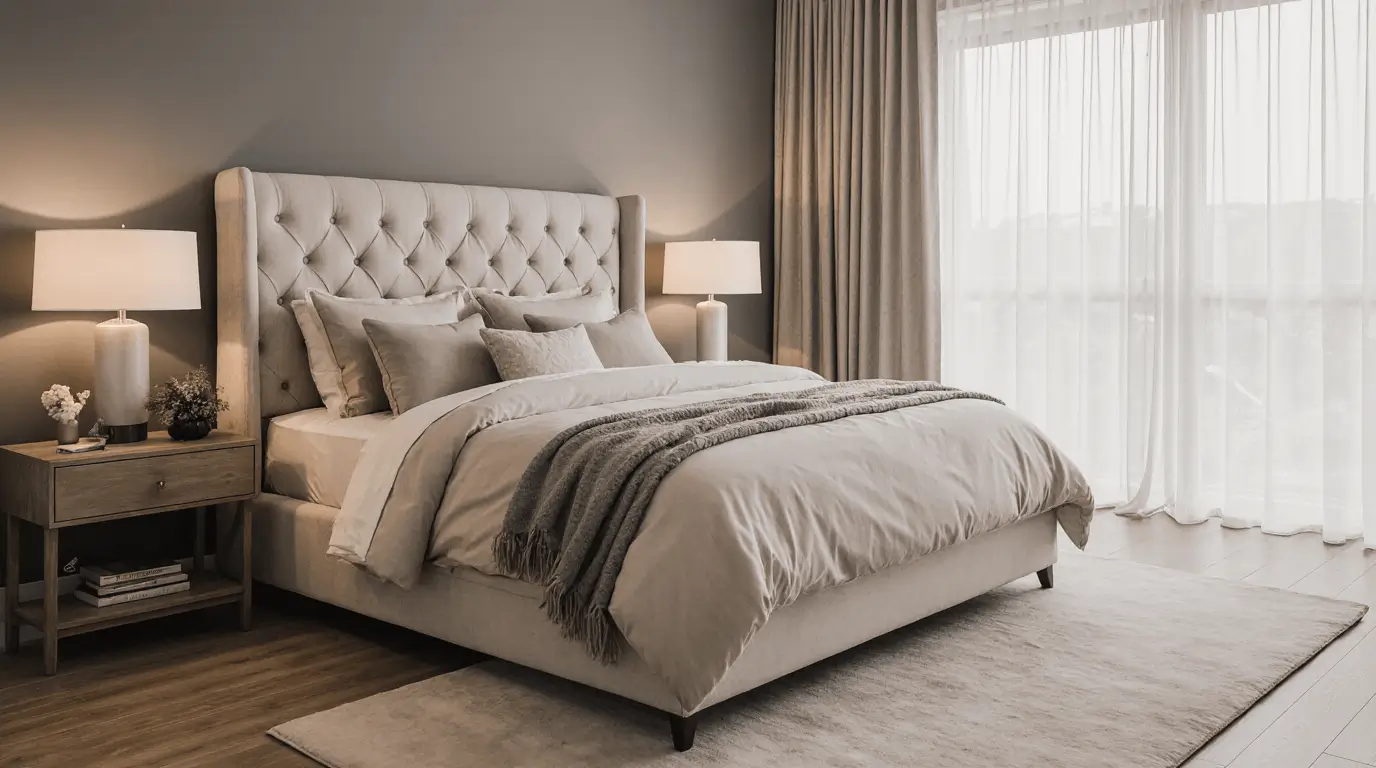
Bedrooms in landed homes should emphasize privacy and tranquility. Upholstered headboards, warm lighting, and soft textures create comfort.
Balancing scale is important—oversized rooms need intentional furniture placement.
Bathroom Concepts for Landed House Interior Design
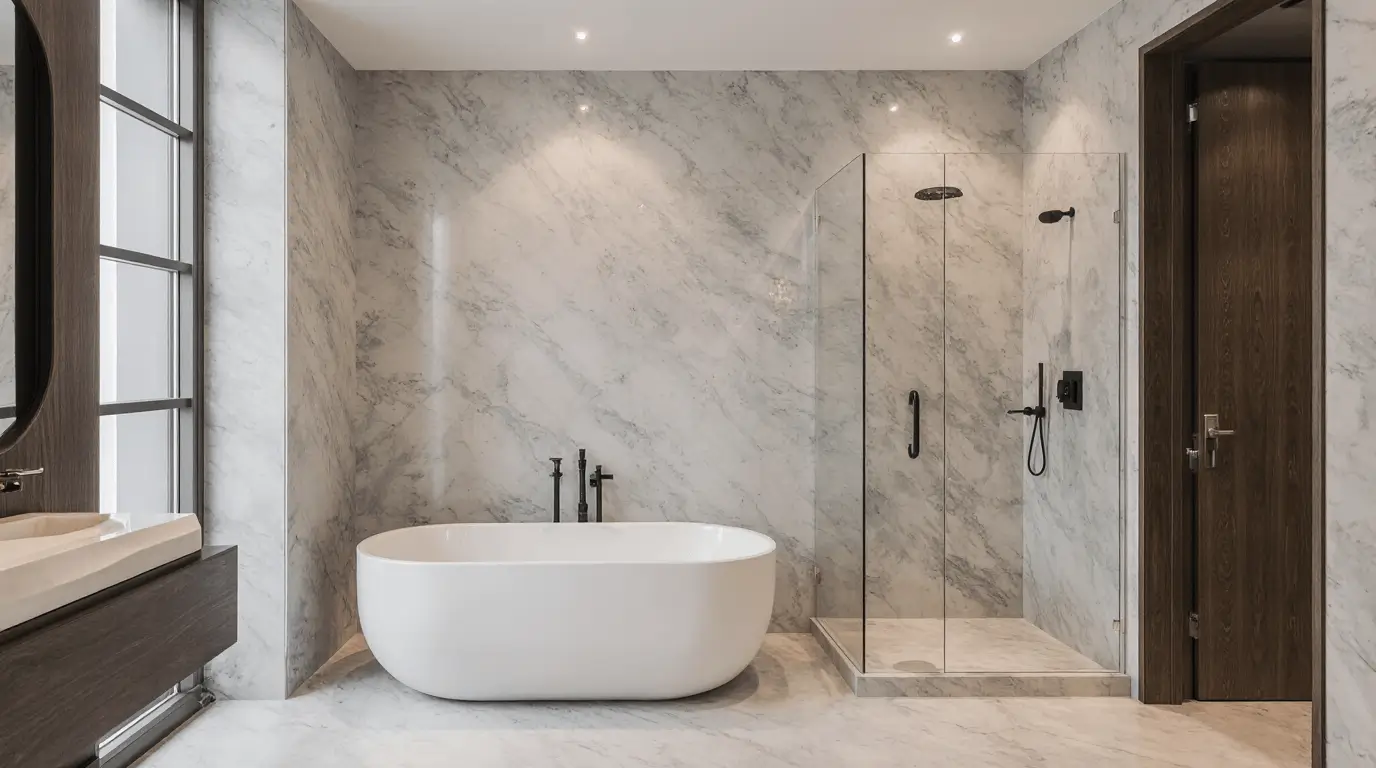
Larger floor areas allow spa-inspired bathrooms. Natural stone, walk-in showers, and freestanding tubs elevate daily routines.
Layered lighting ensures functionality without harshness.
Storage Planning in Landed House Interior Design
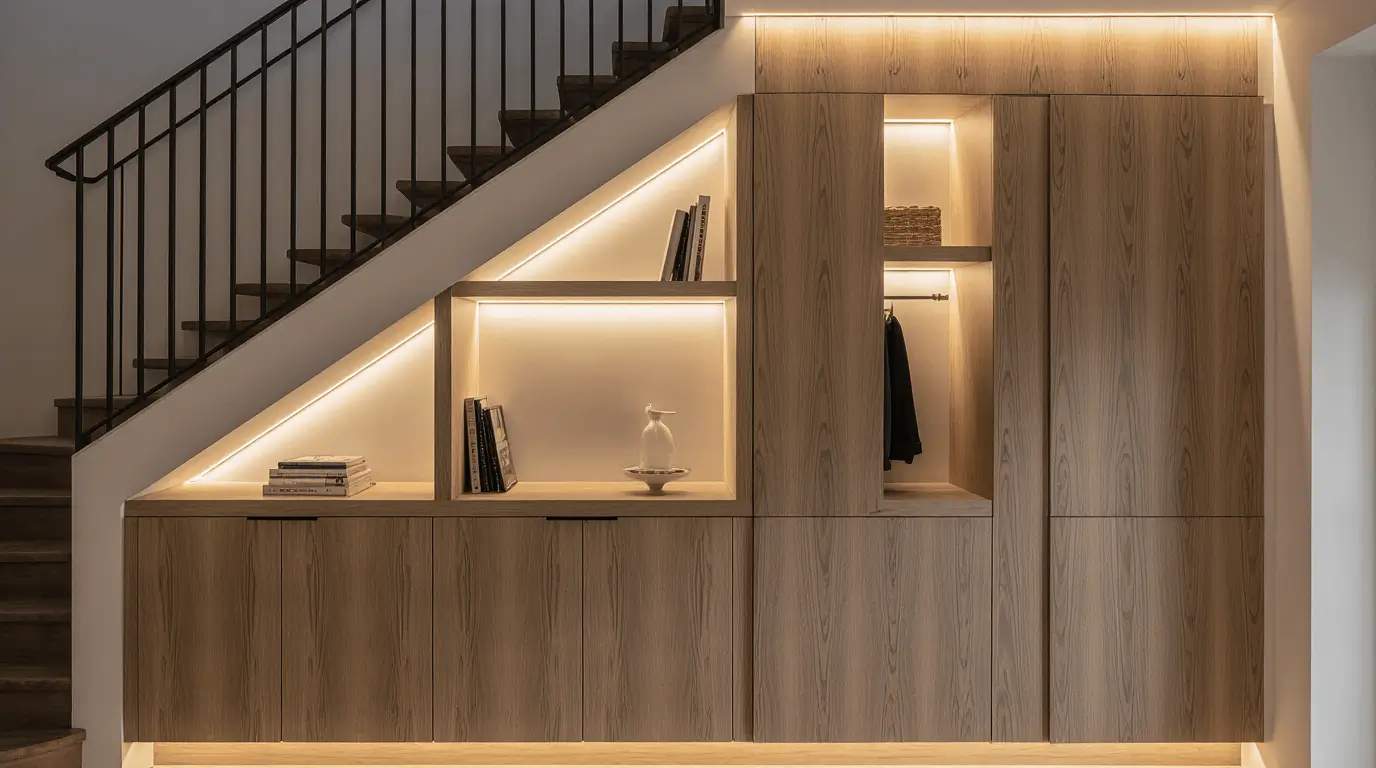
Effective storage maintains visual order in expansive homes. Built-ins, under-stair cabinets, and walk-in wardrobes optimize space.
Thoughtful storage keeps the interior clean and intentional.
Lighting Strategy in Landed House Interior Design
Curious how lighting approach compares across styles? See how lighting strategy, budget tier, and ceiling height stack up across 20+ landed house design styles in this sortable reference sheet.
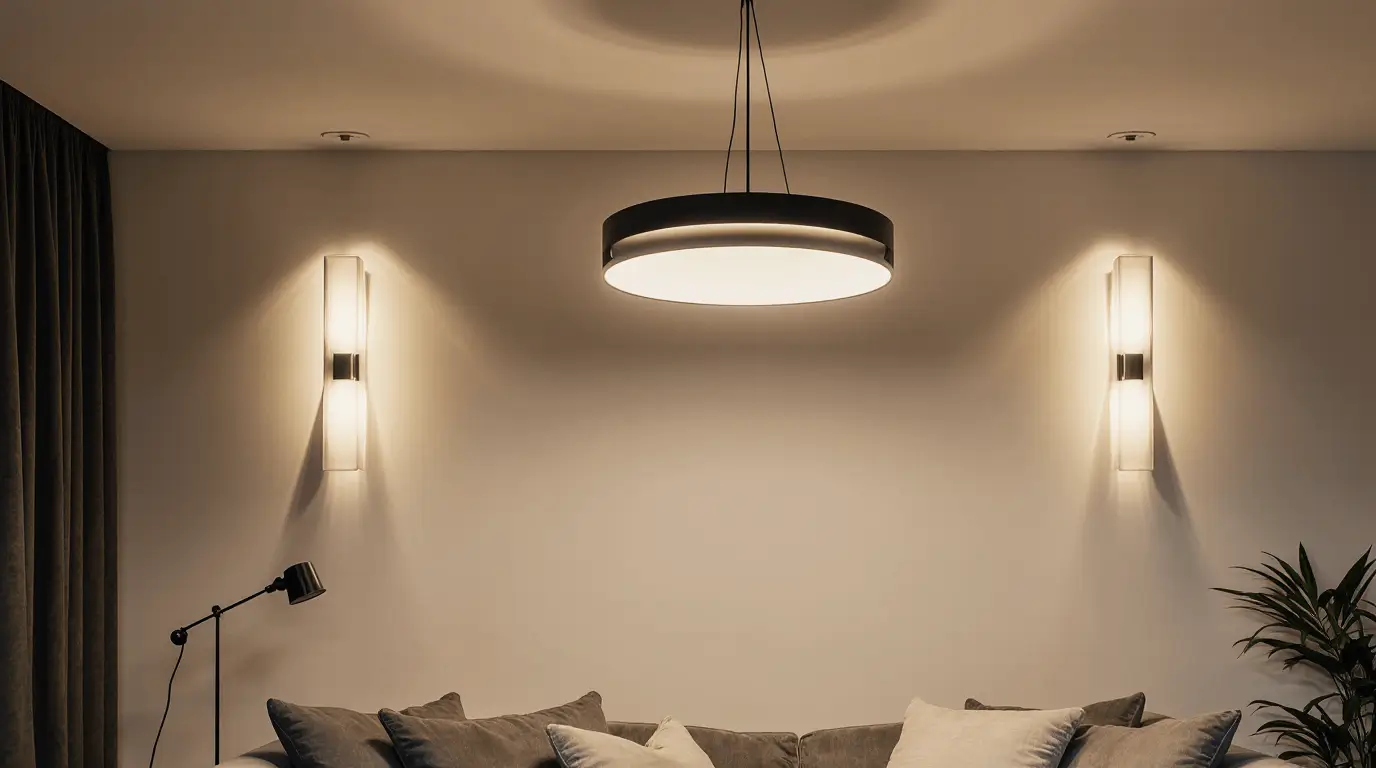
Layered lighting—ambient, task, and accent—is essential in multi-level homes. Larger volumes require intentional light distribution.
Warm tones prevent spacious interiors from feeling sterile.
Material Palette in Landed House Interior Design
For a deeper breakdown of which materials, finishes, and budget tiers pair with each design style, explore the full Landed House Interior Design Style & Zone Reference Database.
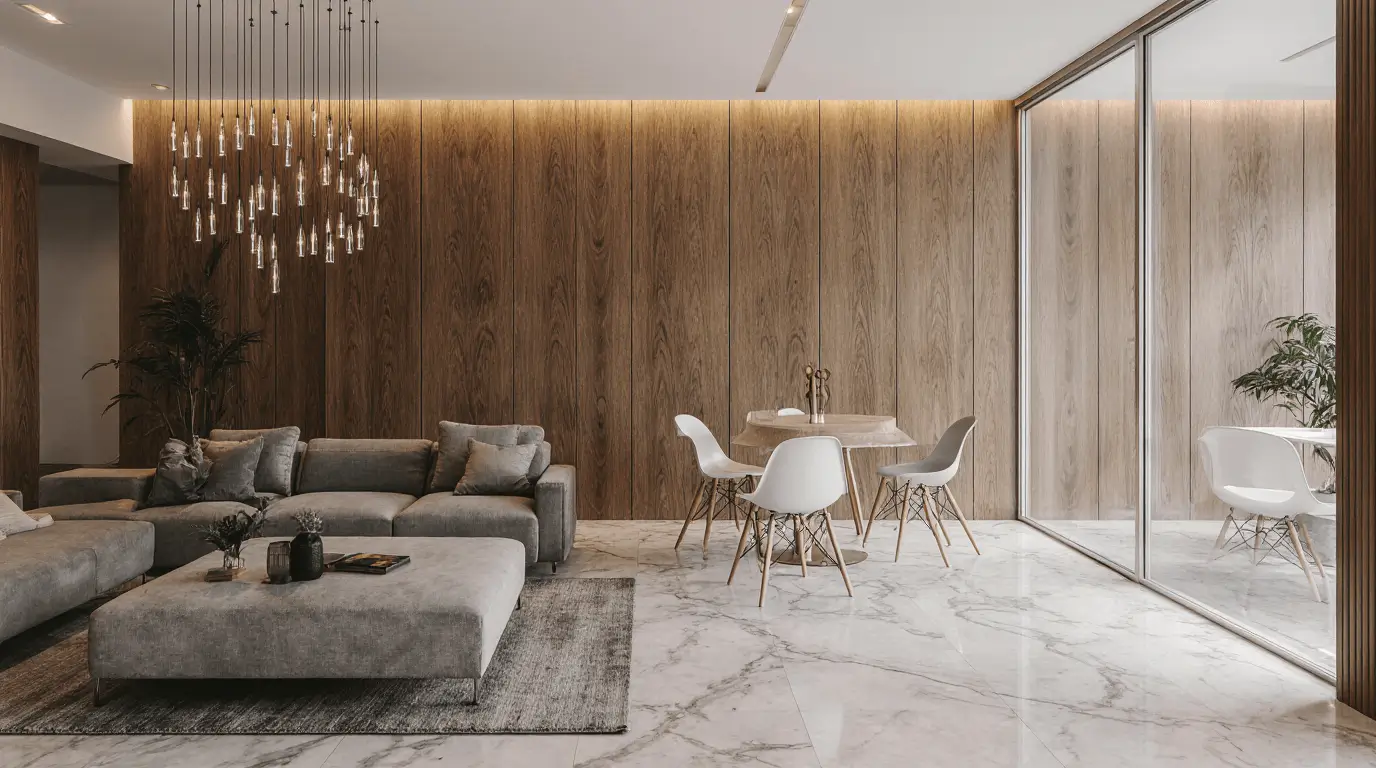
Material consistency ties together multiple floors. Wood, stone, metal, and glass must harmonize to create cohesion.
Natural materials age gracefully and enhance long-term value.
Family-Centered Landed House Interior Design
Landed homes often house multi-generational families. Flexible layouts, study corners, and shared gathering areas support everyday living.
Designing for lifestyle—not just appearance—ensures longevity.
Conclusion: Designing With Scale, Purpose, and Permanence
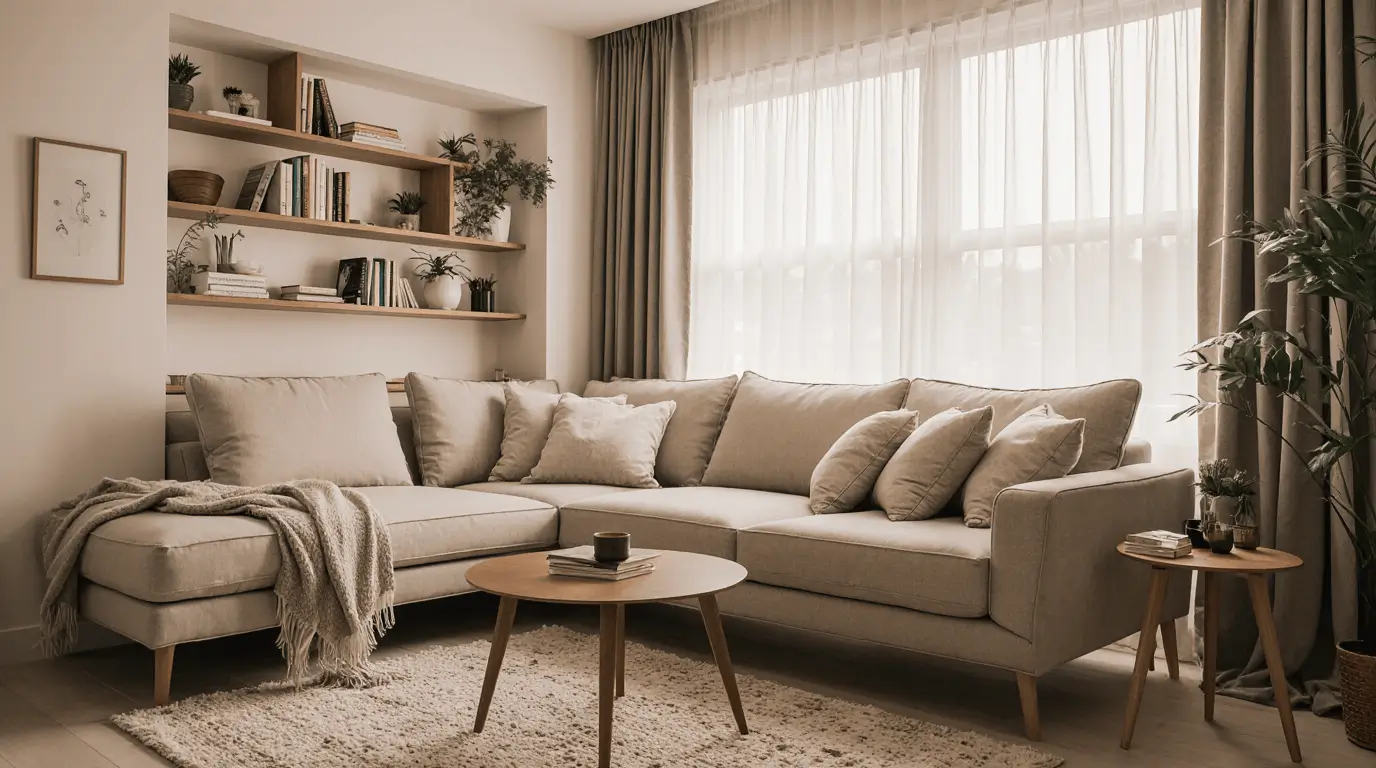
At its best, landed house interior design is about clarity of intention. These homes offer space, verticality, and architectural freedom—but without thoughtful planning, that freedom can quickly turn into visual noise or underutilized square footage. The most successful interiors balance openness with warmth, grandeur with intimacy, and aesthetics with everyday functionality.
In practice, this means thinking beyond furniture placement. It’s about understanding circulation flow between levels, using materials consistently across floors, layering lighting to soften large volumes, and designing storage that protects visual calm. When scale is handled properly, a landed home doesn’t feel cavernous—it feels grounded, comfortable, and deeply livable.
This approach benefits homeowners who value longevity and lifestyle alignment. Whether you’re renovating, building from scratch, or refining an existing layout, start with how you live daily. Map routines. Define gathering zones. Prioritize natural light and material cohesion. When decisions are guided by real-life patterns rather than trends, the result is a home that evolves gracefully over time.
Ultimately, landed house interior design works because it respects both architecture and human behavior. And when those two align, the space feels effortless—never forced.
Learn more : 12+ Stunning Hawaiian Interior Design Ideas to Transform Your Home
Frequently Asked Questions
- What makes landed house interior design different from apartment design?
Landed homes typically offer multiple levels, larger floor areas, and private outdoor spaces. This requires more intentional zoning, vertical circulation planning, and cohesive material strategies across floors. The design must manage scale and flow, not just aesthetics within a compact footprint.
- How can I prevent a large landed home from feeling empty or cold?
Focus on proportion and layering. Use area rugs, textured fabrics, warm lighting, and architectural details like wall paneling or ceiling treatments to humanize larger volumes. Strategic furniture placement also helps create intimate zones within expansive spaces.
- Is open-concept planning always ideal for landed houses?
Not necessarily. While openness enhances flow and social interaction, some separation can improve acoustics and privacy. The key is controlled openness—using partial partitions, level changes, or ceiling differentiation to define spaces without closing them off completely.
- What materials work best for long-term durability in landed homes?
Natural materials such as hardwood, engineered stone, marble, and quality metal finishes tend to age well. They offer structural durability and visual depth. Consistency in material selection across different areas also strengthens cohesion throughout the home.
- How should lighting be approached in multi-level homes?
Layered lighting is essential. Combine ambient ceiling lights, task lighting for functional areas, and accent lighting to highlight architectural features. In taller spaces, consider statement fixtures that balance vertical scale while maintaining warmth.
- Can small landed houses still feel luxurious?
Absolutely. Luxury is not defined by size but by intentional detailing. Built-in storage, refined finishes, proper lighting, and well-proportioned furniture can make compact landed homes feel elevated and highly personalized.
- When should I involve a professional designer?
If you’re restructuring layouts, altering staircases, managing double-height spaces, or coordinating materials across multiple levels, early professional guidance prevents costly mistakes. A designer brings clarity to spatial planning, ensuring both beauty and practicality are addressed from the start.


One Response