

Introduction
Interior design procurement is the strategic process of sourcing, purchasing, coordinating, and delivering all furniture, fixtures, finishes, and equipment required to execute a design vision. It bridges the gap between concept and completion—transforming mood boards into real, tangible spaces.
After years of working with designers, vendors, and contractors, one truth stands out: even the most brilliant design can fail without a structured procurement strategy. Timelines slip, budgets expand, and quality suffers. When handled correctly, interior design procurement protects margins, preserves design integrity, and ensures seamless project delivery.
Below is a complete breakdown of the systems, services, and strategies that define professional procurement in interior design today.
Interior Design Procurement Process Overview
Interior design procurement follows a structured workflow: specification, vendor selection, quoting, purchasing, logistics coordination, inspection, and installation. Each stage safeguards the design intent while managing cost and timeline.
Without a documented procurement roadmap, projects quickly become reactive instead of controlled.
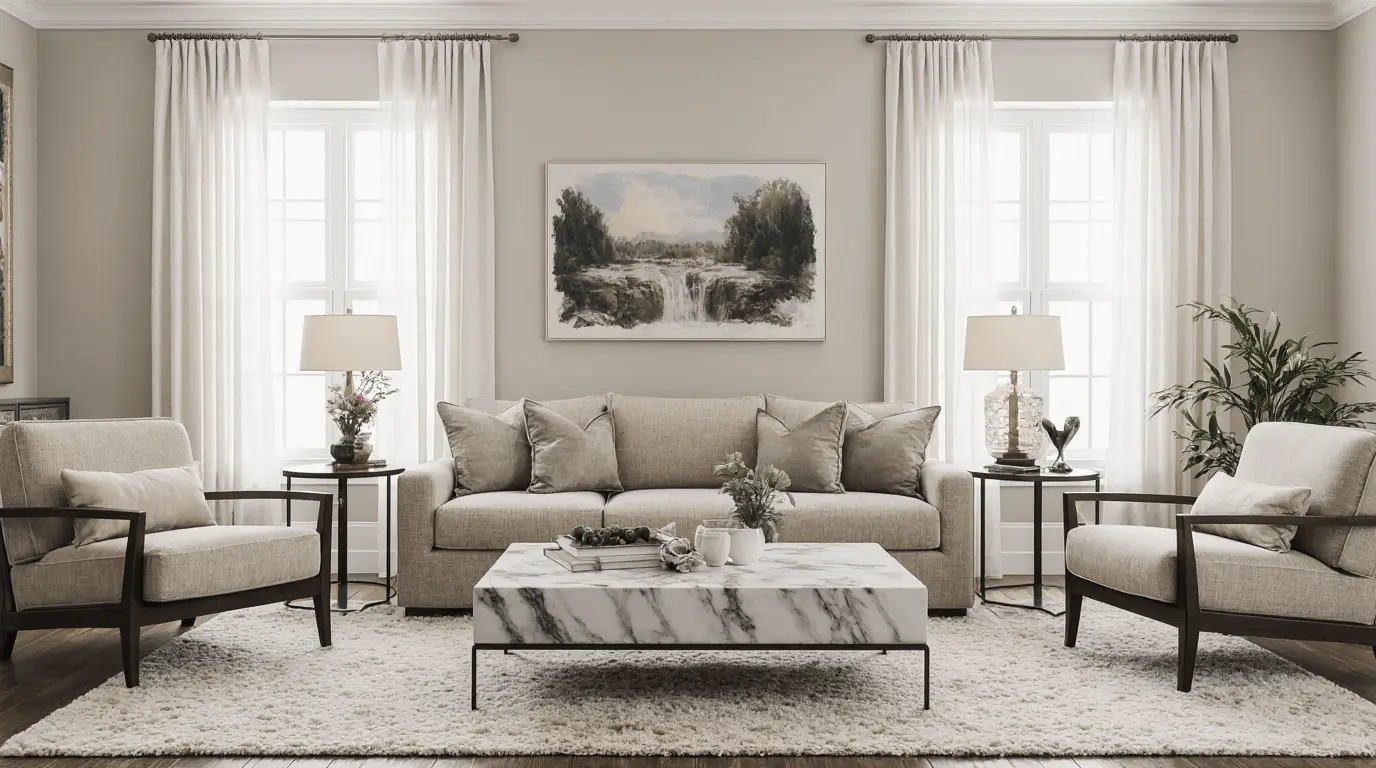
Procurement in Interior Design: Budget Planning & Cost Control
Strong procurement begins with detailed budgeting. Designers create line-item budgets for furniture, lighting, millwork, freight, warehousing, and installation before orders are placed.
Transparent cost tracking protects profitability and builds client trust.
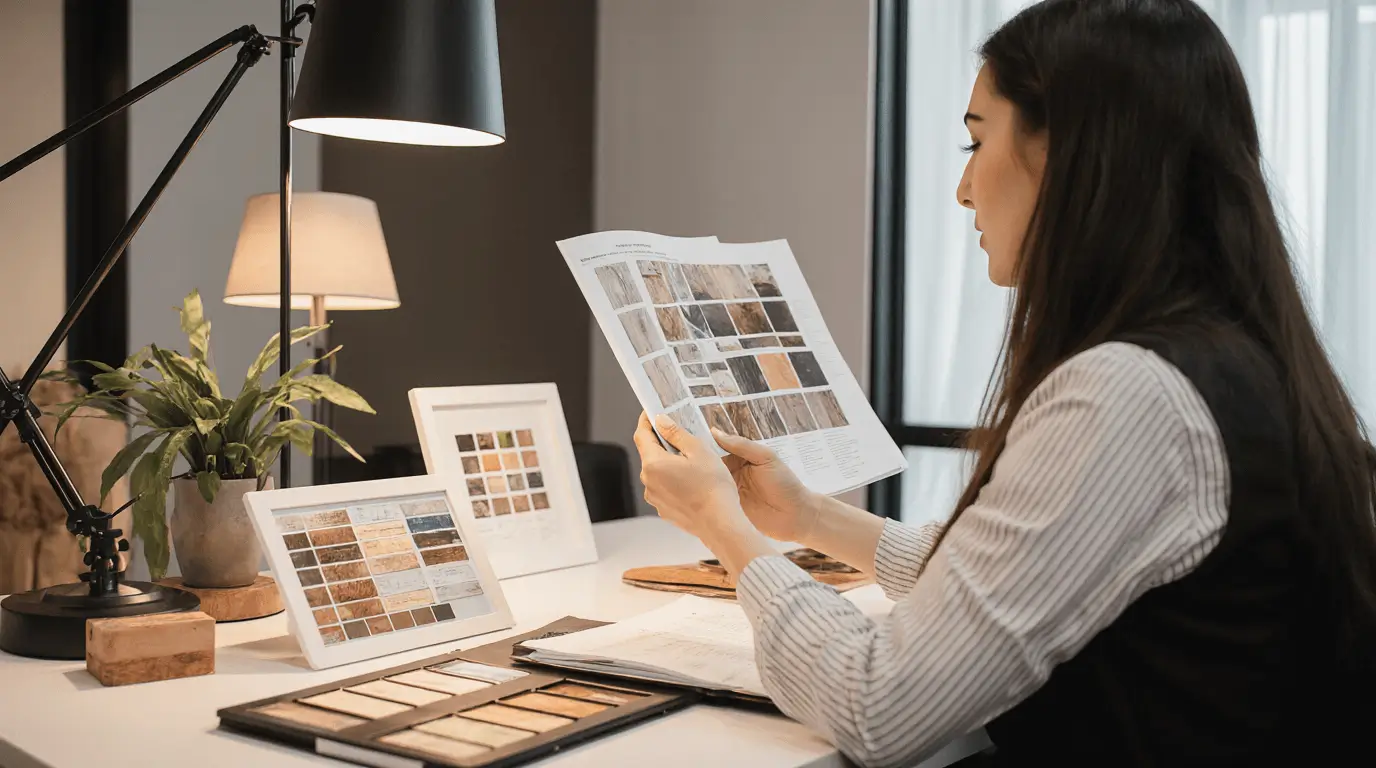
Interior Design Sourcing Strategy
Sourcing is more than shopping—it’s strategic vendor alignment. Designers evaluate lead times, quality standards, customization capabilities, and reliability before specifying products.
Smart sourcing balances aesthetic goals with production realities.
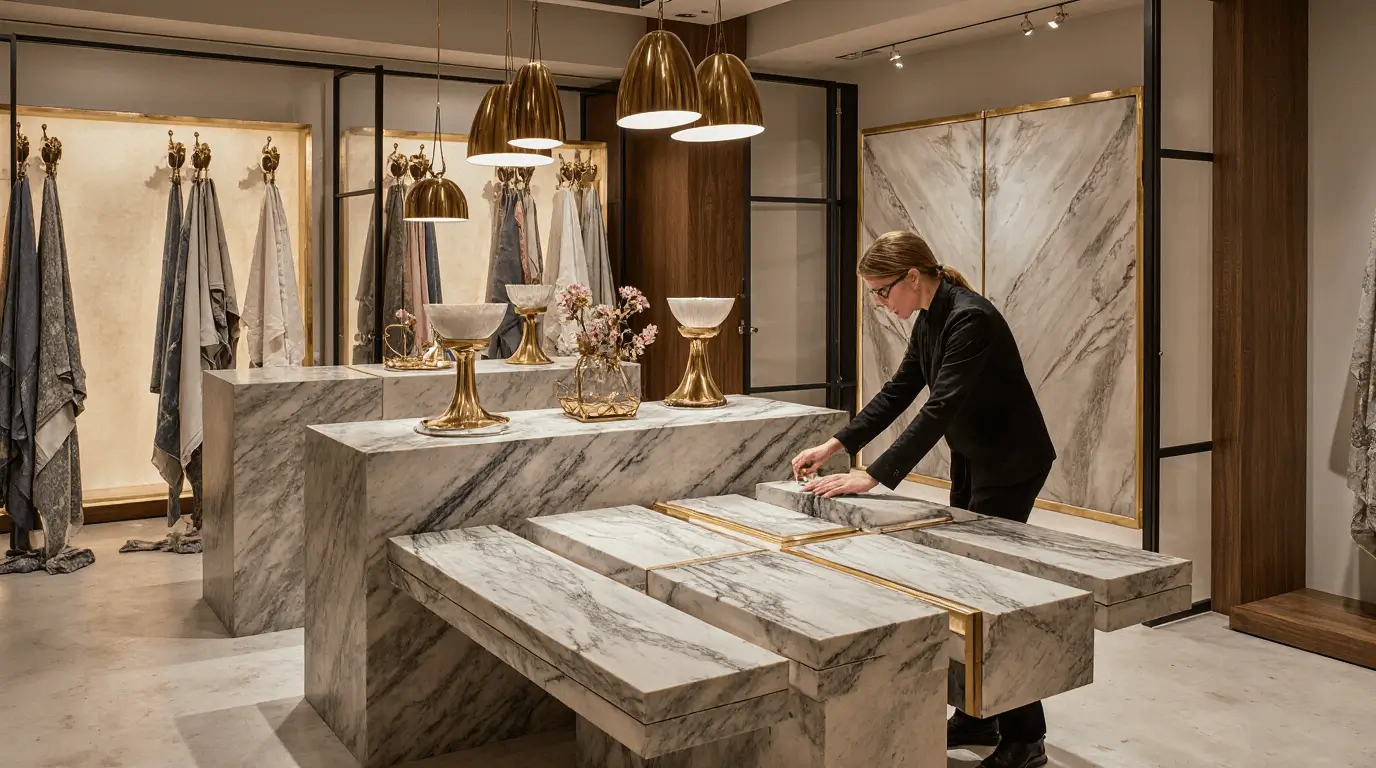
Furniture Procurement in Interior Design Projects
Furniture procurement requires precision in dimensions, finishes, and construction details. Custom pieces demand shop drawings, approvals, and factory coordination.
Well-managed furniture procurement prevents costly reorders and site delays.
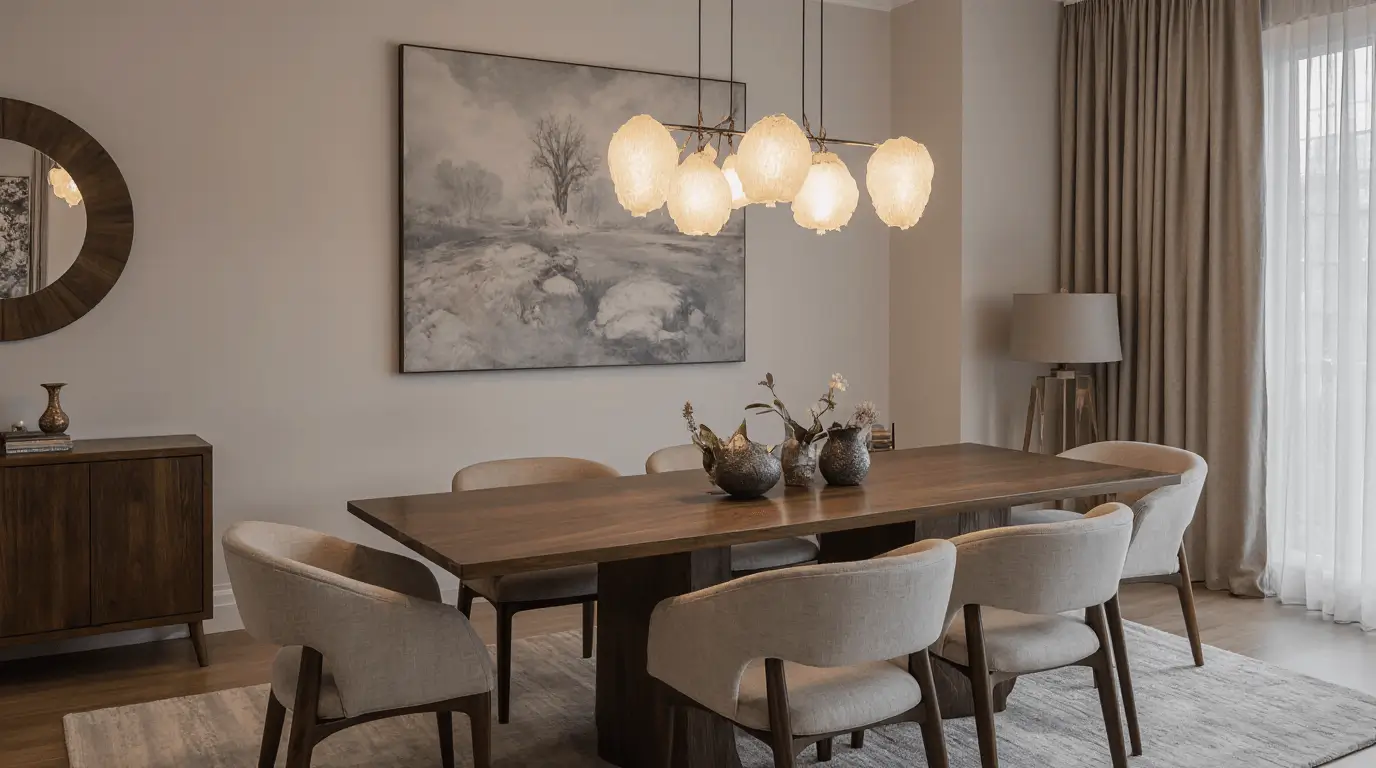
Interior Design Procurement Services for Clients
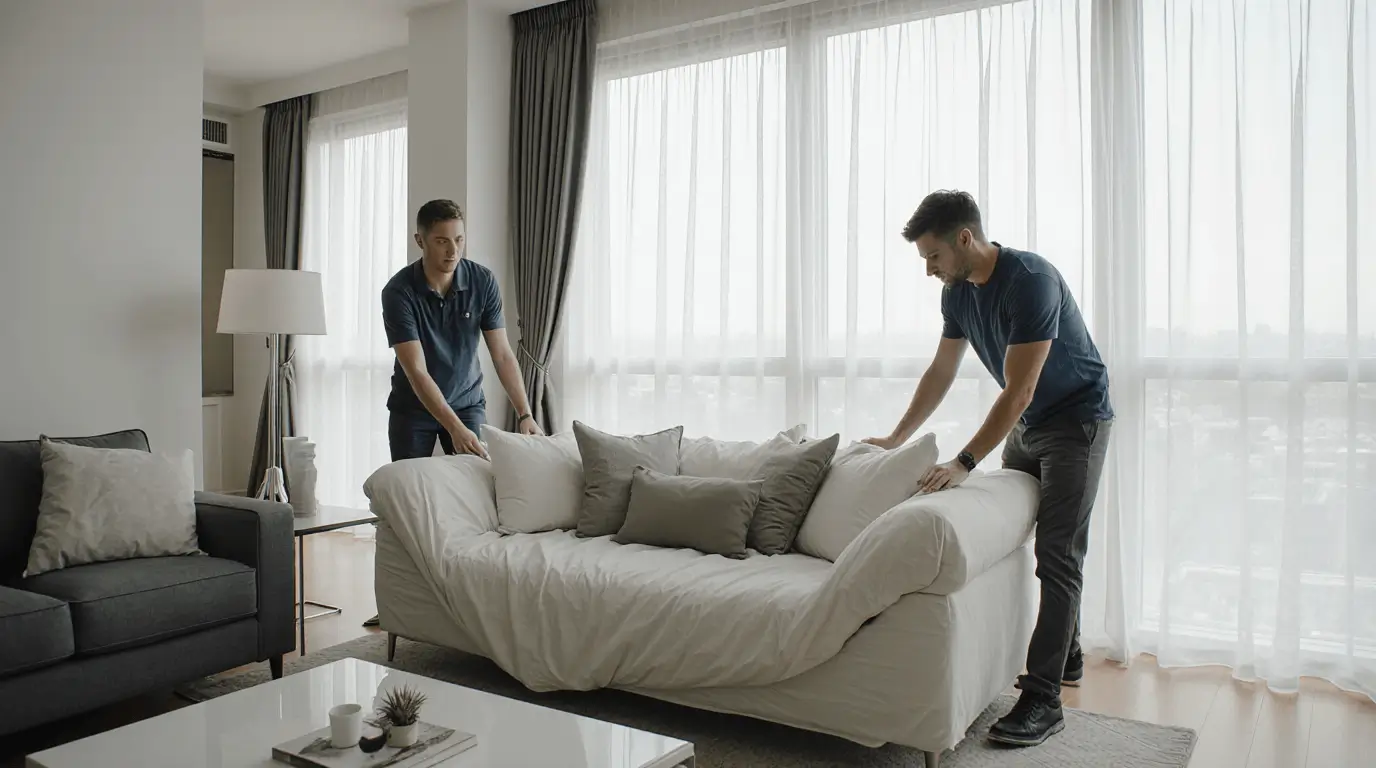
Full-service procurement includes vendor negotiations, order management, freight tracking, warehousing, damage inspection, and white-glove installation.
Clients benefit from reduced stress and protected design consistency.
Interior Design Purchase Orders & Documentation
Professional procurement relies on detailed purchase orders outlining product specifications, finishes, quantities, payment terms, and shipping instructions.
Clear documentation minimizes miscommunication and legal disputes.

Vendor Relationships in Interior Design Procurement
Strong vendor relationships provide access to trade pricing, exclusive collections, and priority production schedules.
Experienced designers cultivate partnerships rather than transactional buying habits.

Sourcing Furniture Globally for Interior Projects
Global sourcing allows access to artisanal craftsmanship, specialty finishes, and competitive pricing. However, it requires careful coordination of customs, freight timelines, and quality inspections.
International procurement demands meticulous oversight.

Interior Design Procurement Software & Systems
Digital procurement platforms help designers track orders, manage invoices, monitor freight, and maintain real-time status updates.
Technology reduces administrative errors and improves operational clarity.

Logistics & Warehousing in Interior Design Procurement
Freight coordination and warehousing ensure items arrive safely and are stored until installation day. Consolidated deliveries prevent site congestion and protect materials.
This stage is often underestimated—but critical.

Quality Control in Procurement Interior Design
Every item must be inspected for damage, finish accuracy, and craftsmanship before installation.
Quality checks protect the design vision and prevent last-minute disappointments.
Interior Design Procurement Timeline Management
Lead times for custom furniture can extend 8–20 weeks or more. Designers create procurement schedules aligned with construction milestones.
Proactive timeline planning prevents costly idle labor or storage overruns.
Sustainable Interior Design Procurement Practices
Sustainable procurement prioritizes responsibly sourced materials, ethical manufacturing, and durable craftsmanship.
Clients increasingly request transparency in material origins and environmental impact.

Procurement for Commercial Interior Design Projects
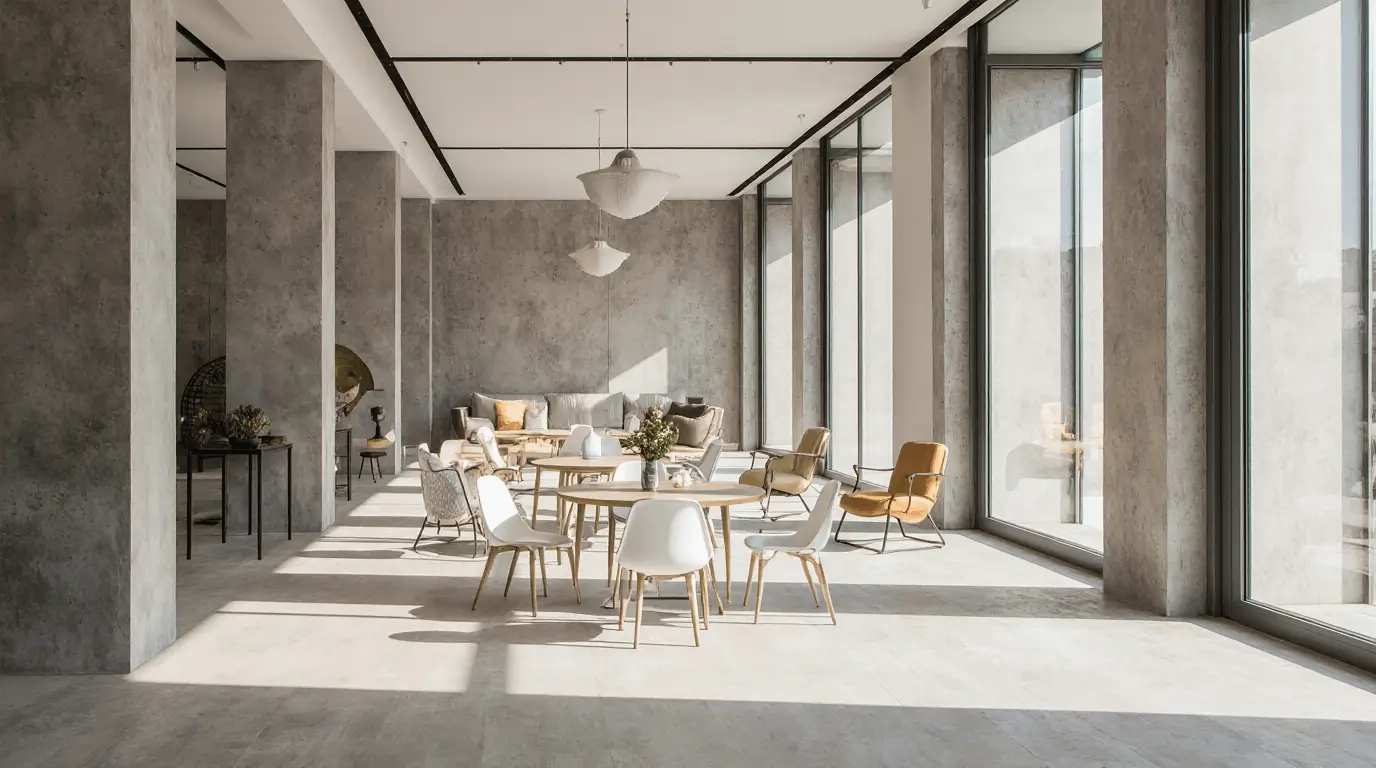
Commercial procurement involves bulk purchasing, code compliance, durability standards, and strict timelines.
Hotels, offices, and retail spaces require scalable sourcing strategies.
Interior Design Procurement for Luxury Residences
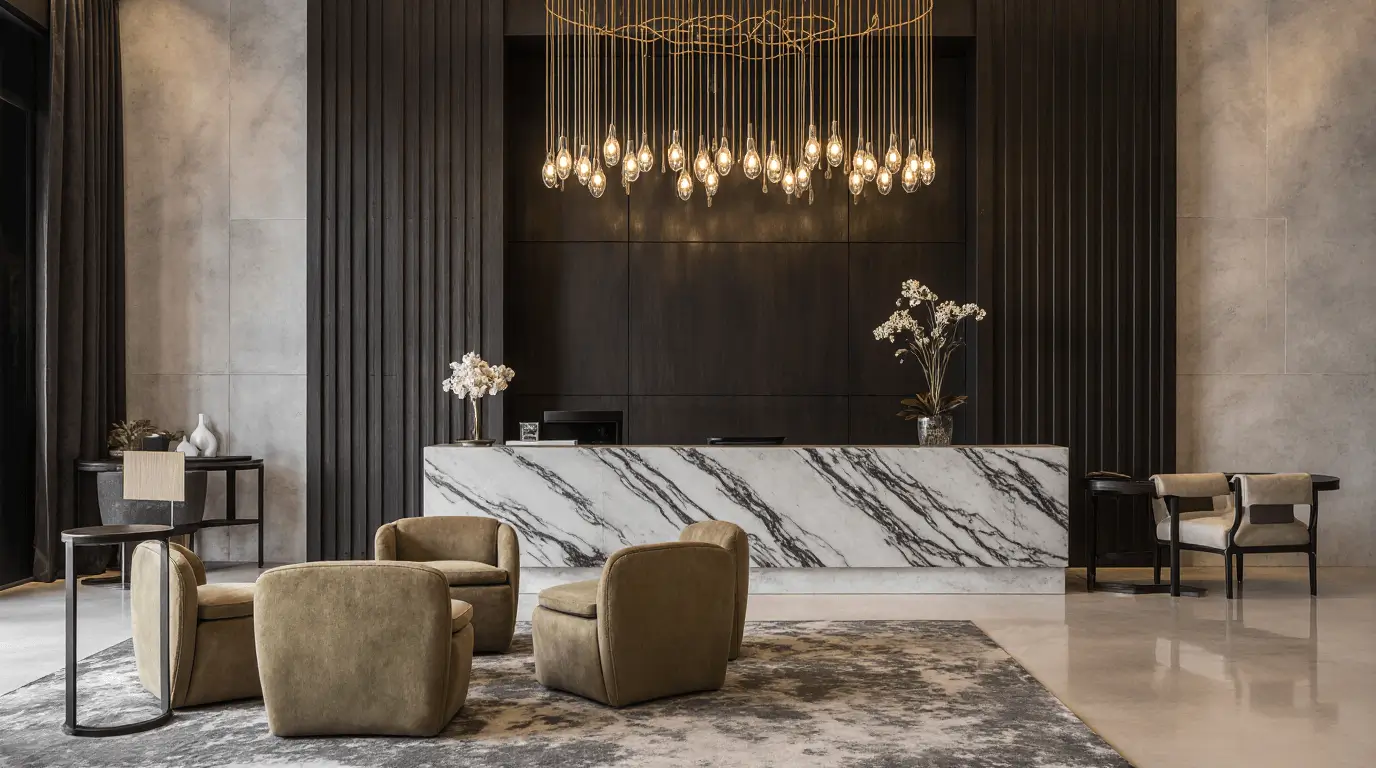
Luxury residential procurement often includes bespoke furniture, artisan finishes, imported stone, and custom lighting installations.
Precision and discretion define high-end procurement services.

Risk Management in Interior Design Procurement
Procurement risks include shipping delays, discontinued products, manufacturing defects, and currency fluctuations.
Experienced designers create contingency plans and alternative sourcing pathways.

Interior Design Procurement Jobs & Career Pathways
Interior design procurement professionals specialize in sourcing, vendor negotiation, budget tracking, and logistics coordination.
This career path blends design sensitivity with operational expertise—ideal for detail-oriented professionals.

Conclusion: Why Interior Design Procurement Defines Project Success
At its core, interior design procurement is where creativity meets accountability. It is the disciplined structure that protects a design vision from budget surprises, shipping delays, product inconsistencies, and installation chaos. When procurement is handled strategically, every decision—from sourcing a custom sofa to coordinating international freight—aligns with the original concept and the client’s expectations.
In real-world practice, procurement is what separates smooth projects from stressful ones. It benefits homeowners investing in their dream residence, developers managing large-scale builds, and commercial operators working under strict deadlines. A well-managed system ensures transparency in costs, clarity in communication, and confidence in delivery.
The approach works because it is proactive rather than reactive. It anticipates lead times, inspects quality before installation day, maintains organized documentation, and cultivates reliable vendor relationships. Instead of scrambling to fix issues, teams prevent them.
For those moving forward with a project—whether residential or commercial—the path is clear: define specifications early, align with trusted vendors, track every order carefully, and treat procurement as an essential design phase, not an afterthought. When interior design procurement is structured thoughtfully, the result is not just a beautiful space, but a professionally executed one that feels effortless to the client.
Learn more : 12+ Stunning Hamptons Interior Design Secrets
Frequently Asked Questions
- How is interior design procurement different from simply purchasing furniture?
Purchasing furniture is a transaction. Procurement is a coordinated system. It includes specification review, vendor negotiation, order tracking, freight management, damage inspection, warehousing, and installation scheduling. The goal is not just to buy items, but to ensure they arrive correctly, on time, and aligned with the design plan.
- When should procurement begin in a design project?
Procurement should begin immediately after final specifications are approved. Lead times for custom furniture and specialty finishes can be significant. Early coordination prevents delays during construction and allows schedules to align seamlessly.
- Do smaller residential projects really need a formal procurement process?
Yes. Even modest projects benefit from organized documentation and tracking. Without structure, it is easy to overlook dimensions, finish selections, or shipping timelines. A scaled version of the same professional process ensures smoother execution.
- How do designers manage risks like shipping delays or discontinued items?
Experienced professionals build contingency plans. They confirm availability before finalizing orders, maintain alternative vendor options, and monitor production schedules closely. Clear communication with suppliers and clients reduces surprises.
- What role does warehousing play in successful project delivery?
Warehousing allows all items to arrive, be inspected, and be stored safely before installation. This prevents partial installations, protects materials from site damage, and ensures the final reveal feels cohesive and complete.
- Is procurement only about logistics, or does it impact design quality too?
It directly impacts quality. Incorrect finishes, inconsistent craftsmanship, or damaged goods can compromise the entire aesthetic. Careful oversight ensures that the finished space reflects the original vision precisely.
- Who benefits most from professional interior design procurement services?
Clients managing complex timelines, custom furnishings, or large-scale installations benefit the most. However, anyone who values organization, transparency, and design integrity will appreciate the clarity and peace of mind that a structured procurement approach provides.




One Response