
Introduction
Dental interior design is no longer just about placing a chair and bright lights in a sterile room. Today, it’s a carefully orchestrated experience that blends clinical precision with emotional comfort. From reception to treatment rooms, every detail influences patient trust, staff efficiency, and long-term brand perception.
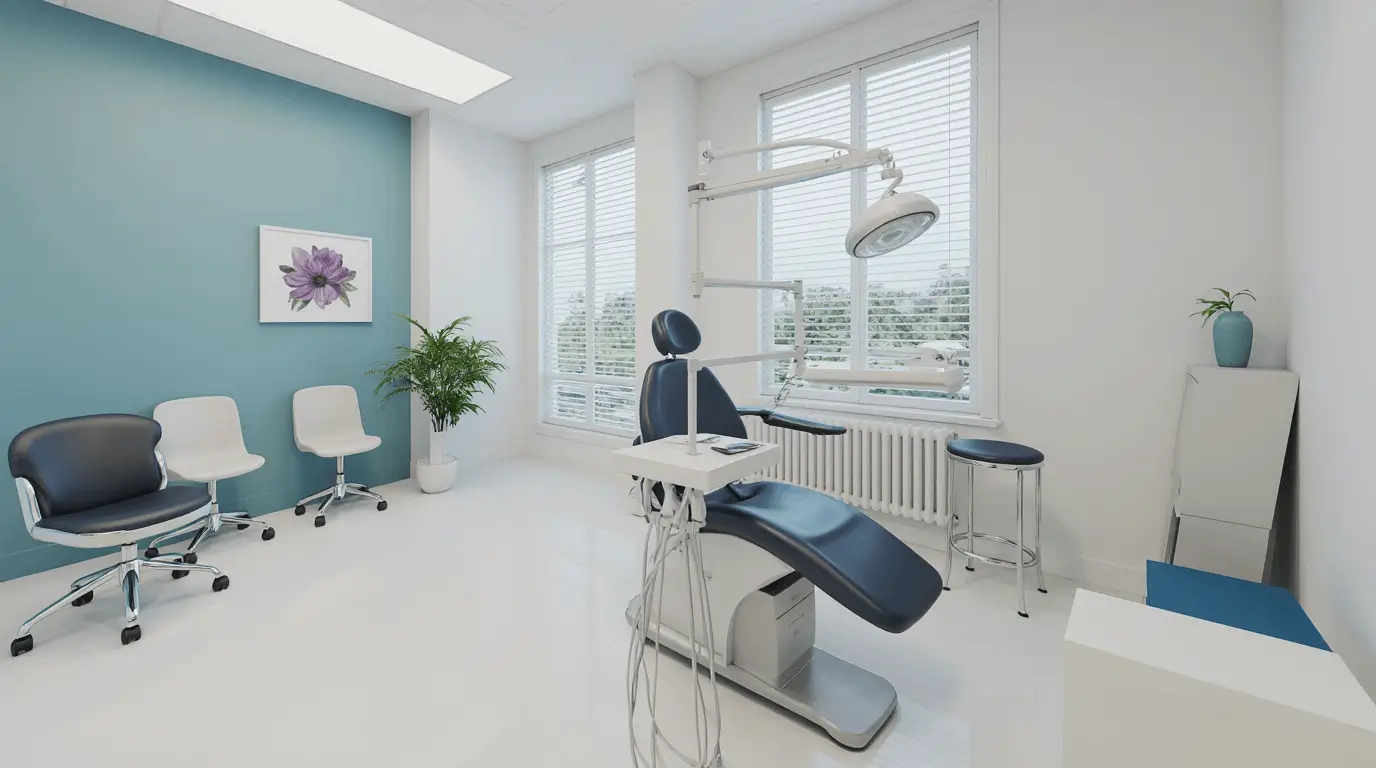
Having worked alongside healthcare planners and observing high-performing practices, one truth stands out: a well-designed dental environment reduces anxiety, improves workflow, and directly impacts patient retention. The most successful dental office interior design strategies combine evidence-based planning, ergonomic layouts, and hospitality-inspired aesthetics—without compromising infection control or compliance.
Below are essential, experience-driven design clusters that define modern dental interior design at its best.
Dental Office Interior Design for Patient Experience
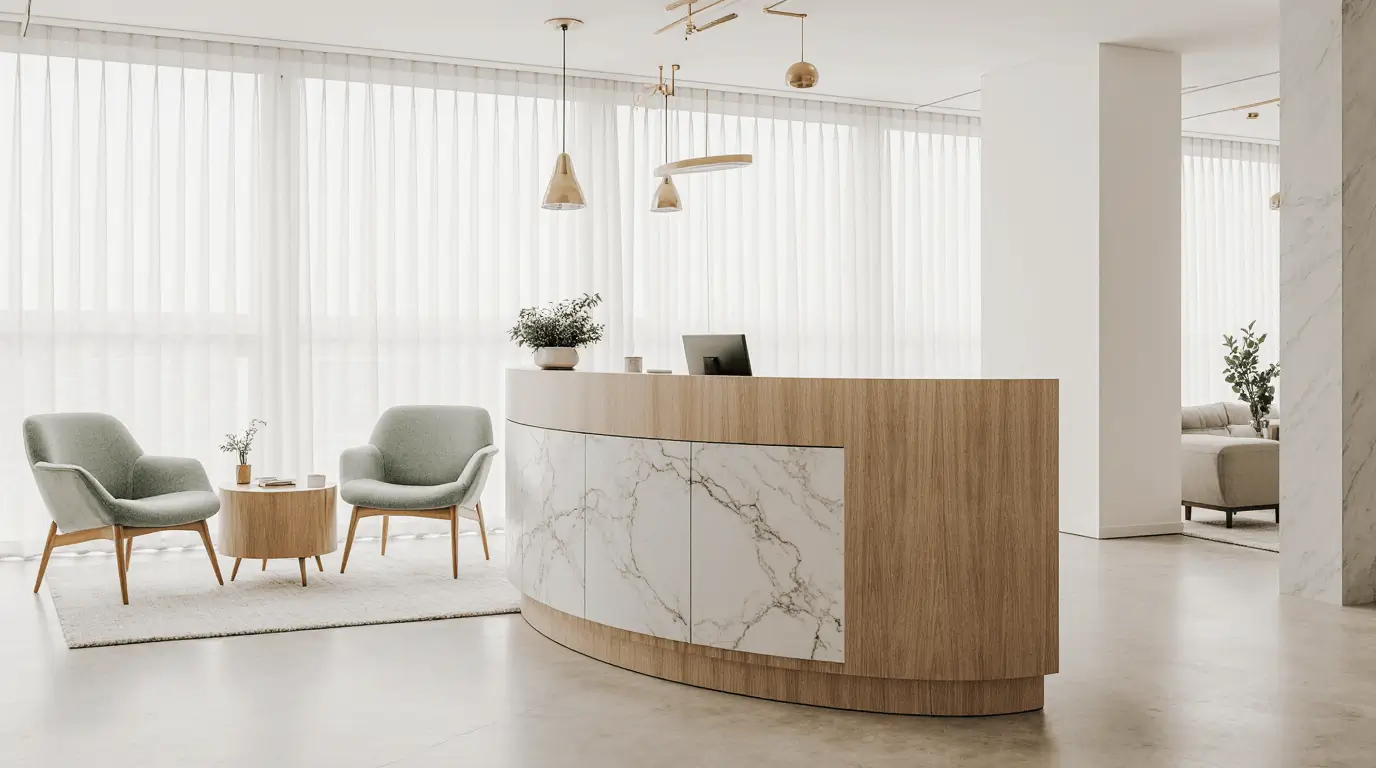
Dental office interior design must prioritize first impressions. Patients often arrive anxious, so calming textures, muted color palettes, and intuitive layouts help reduce stress immediately.
Soft seating, acoustic treatments, and warm lighting transform the waiting area into a welcoming lounge rather than a clinical holding space.
Modern Dental Interior Design Concepts
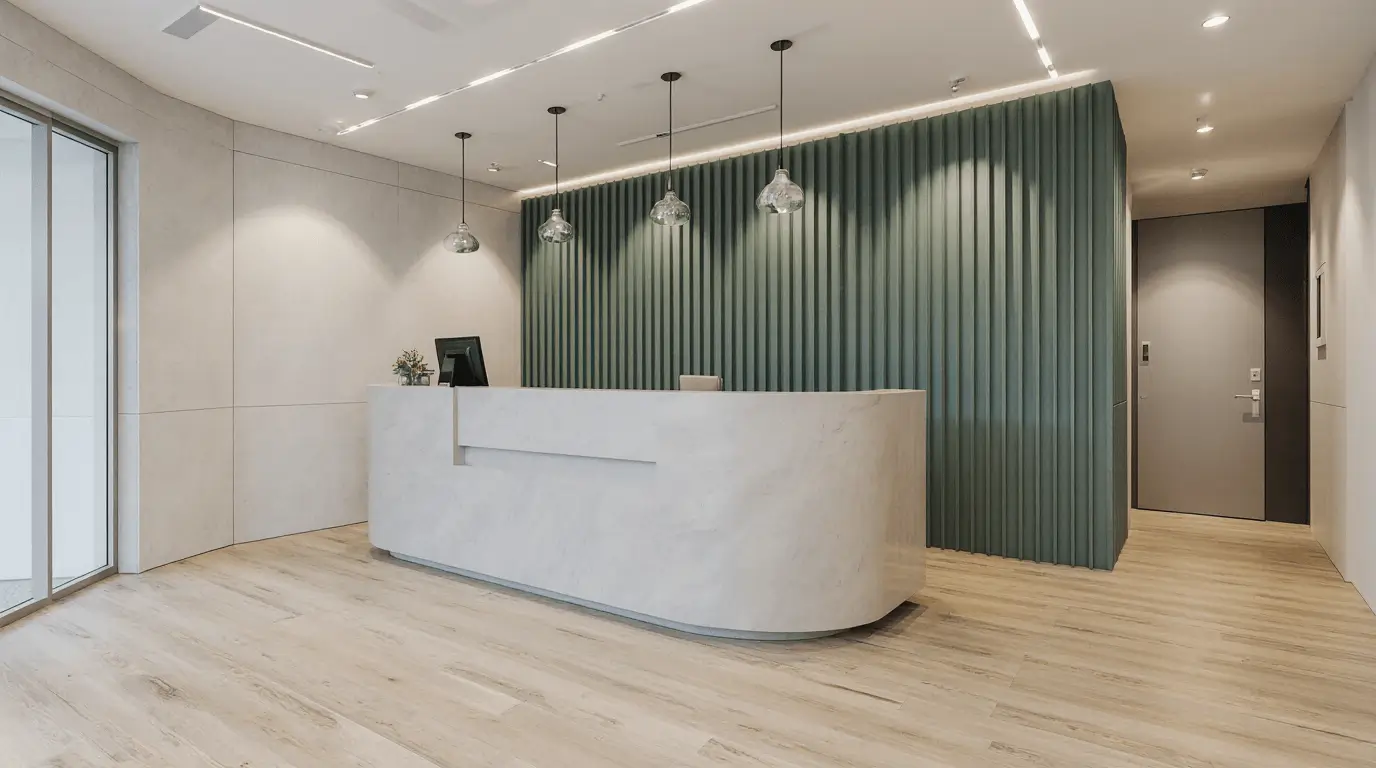
Contemporary dental interior design favors clean lines, minimal clutter, and seamless storage solutions. Integrated cabinetry and concealed equipment maintain a refined aesthetic.
Matte finishes, glass partitions, and subtle branding create a progressive, high-end clinical environment.
Small Dental Interior Design for Compact Spaces
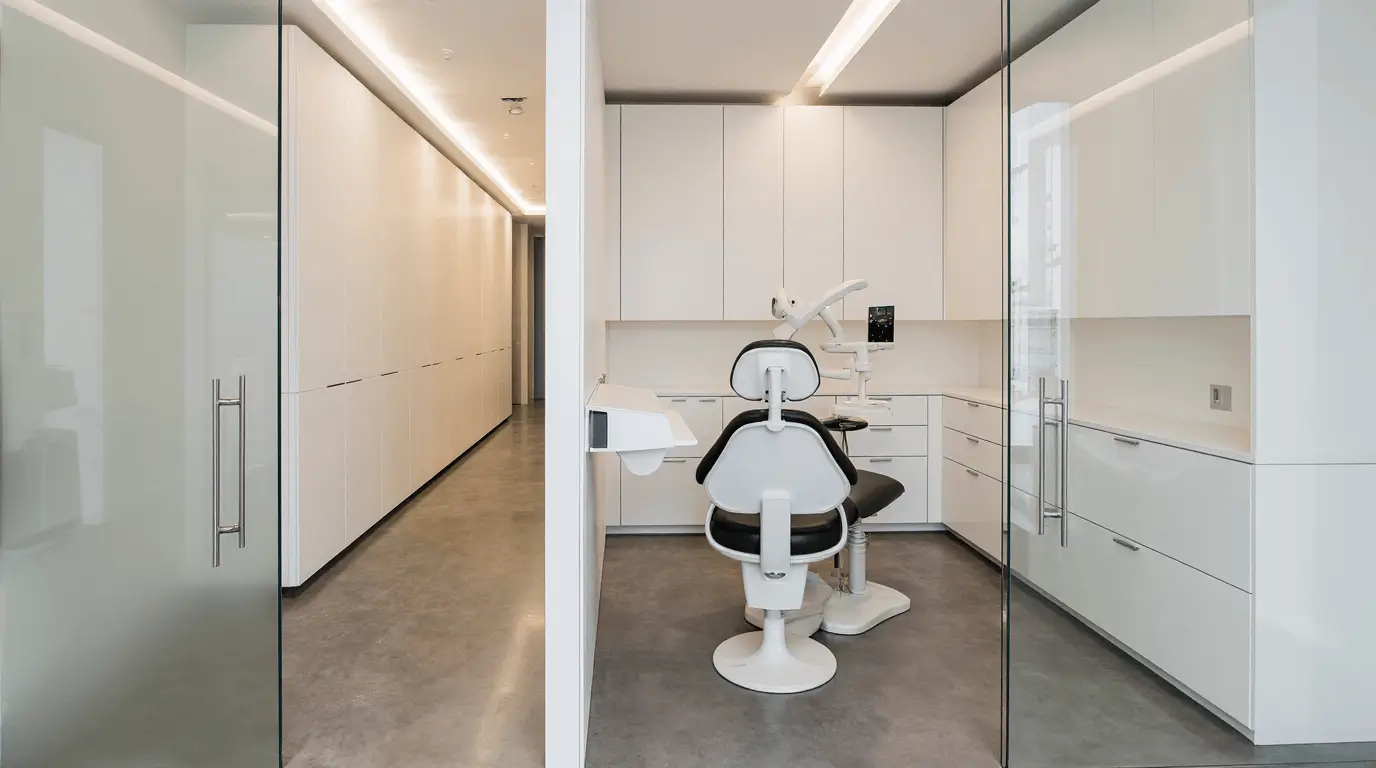
Small dental interior design requires precision planning. Every square foot must serve a purpose without feeling cramped.
Wall-mounted units, sliding doors, and vertical storage maximize efficiency while maintaining a sense of openness.
Dental Clinic Interior Design Plan & Workflow Optimization
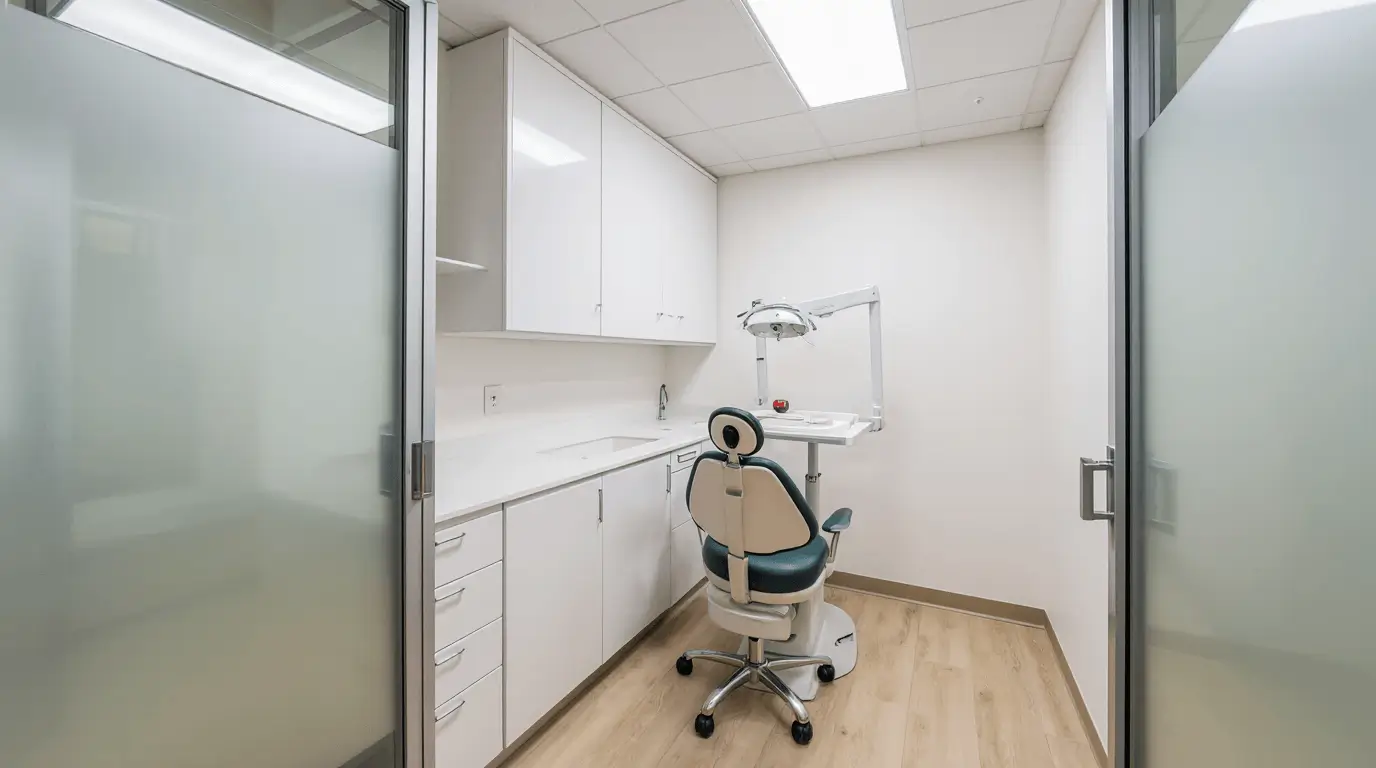
A strong dental clinic interior design plan focuses on flow. Sterilization zones, operatories, and consultation rooms must connect logically to reduce unnecessary movement.
Efficient circulation enhances productivity and supports compliance standards.
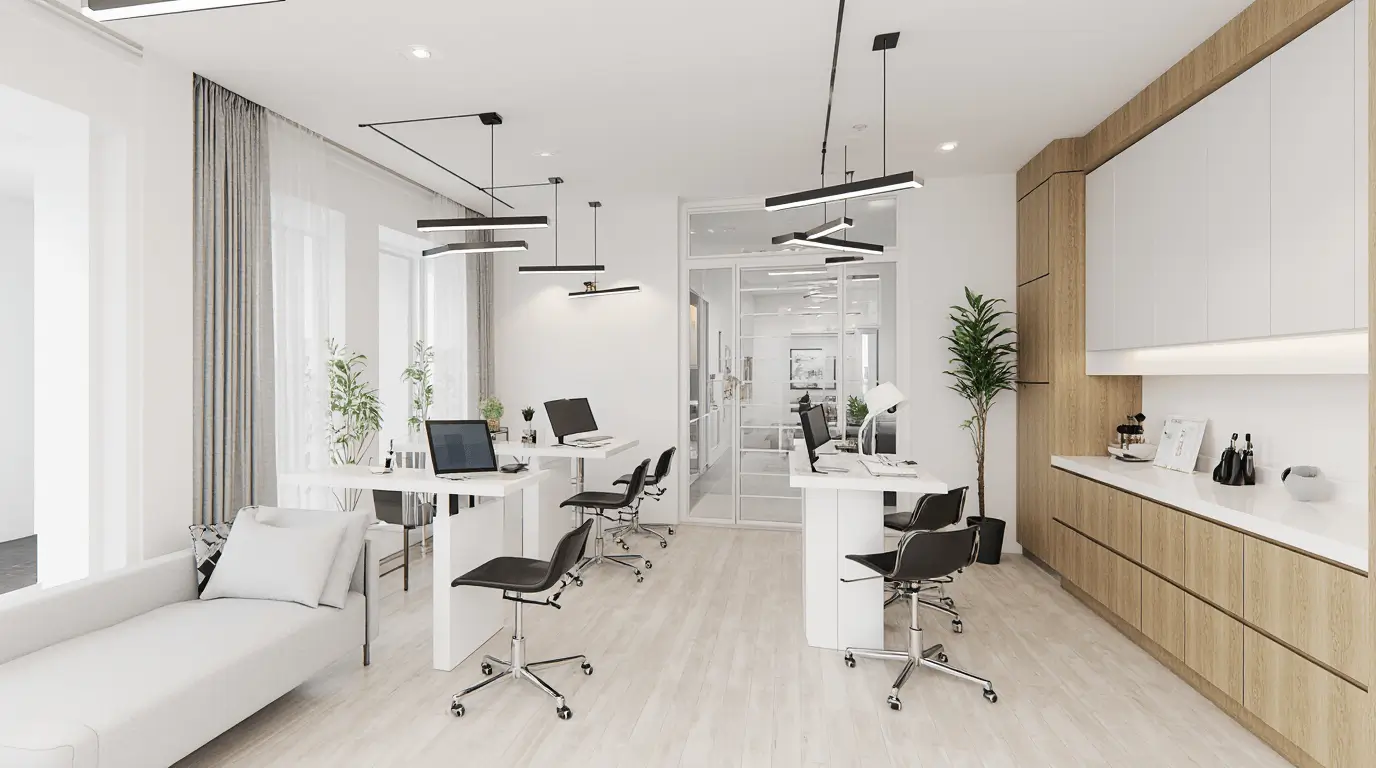
Luxury Dental Interior Design
High-end dental practices embrace luxury dental interior design to differentiate themselves. Marble accents, custom millwork, and designer lighting fixtures elevate perception.
Luxury should feel refined—not overwhelming—while still maintaining medical functionality.
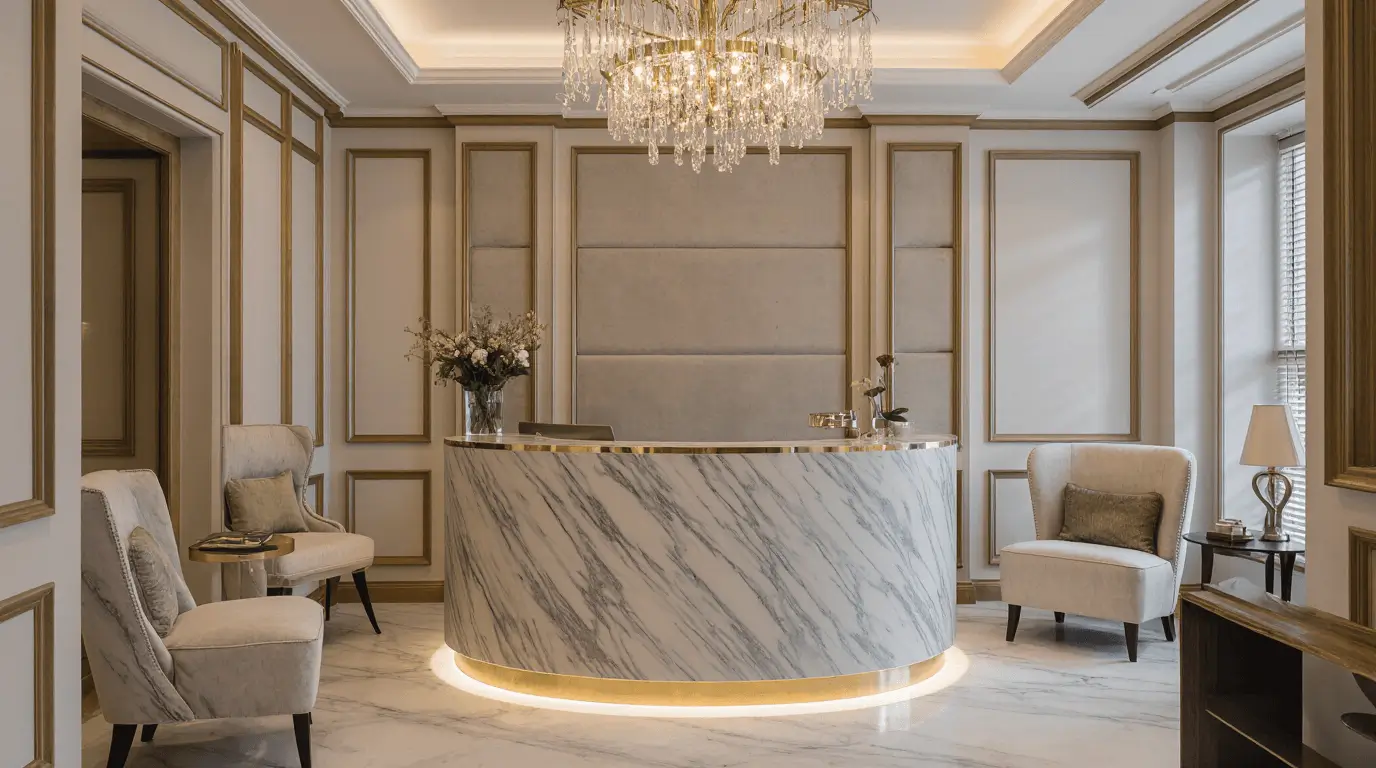
Pediatric Dental Interior Design
Children’s dental spaces require playful yet balanced design. Bright accents, interactive wall features, and friendly graphics help reduce fear.
However, overstimulation should be avoided; soft curves and rounded furniture improve safety and comfort.
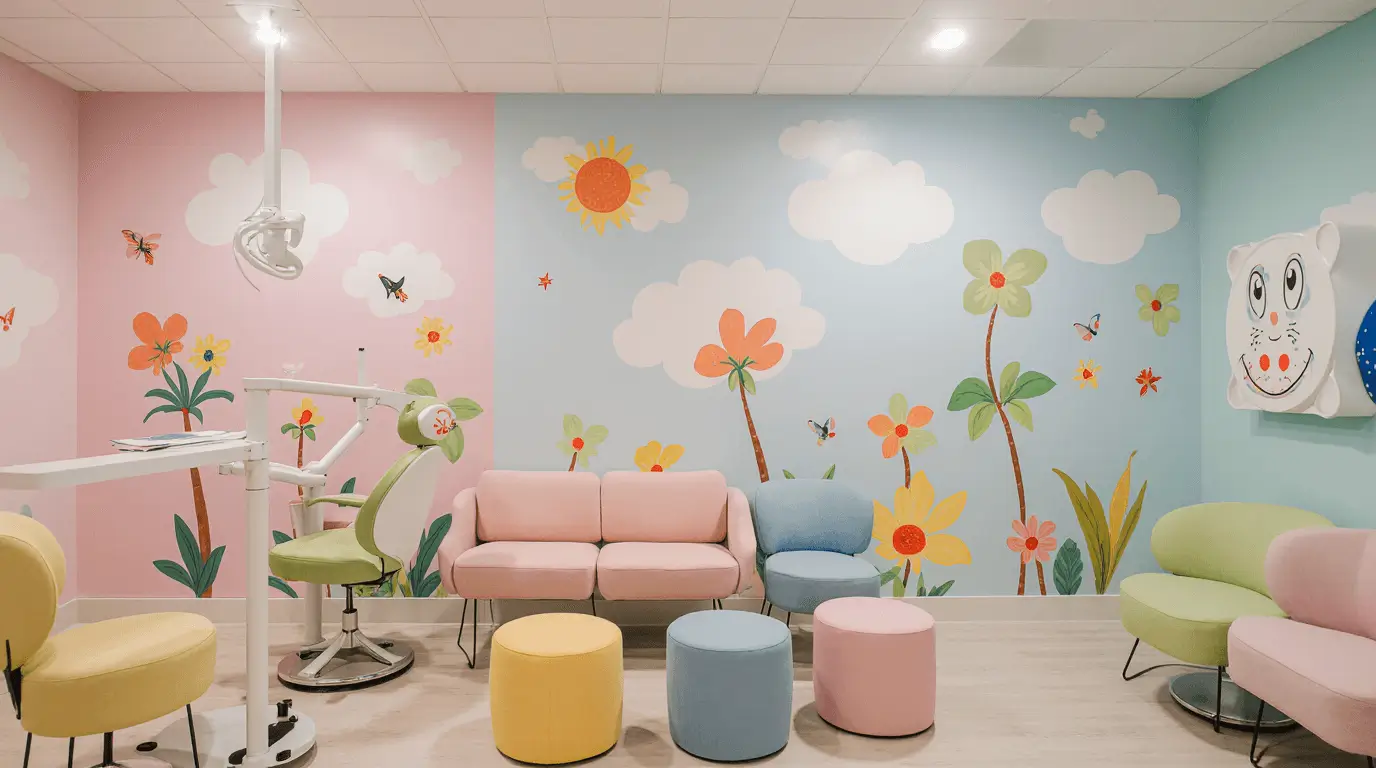
Biophilic Dental Interior Design
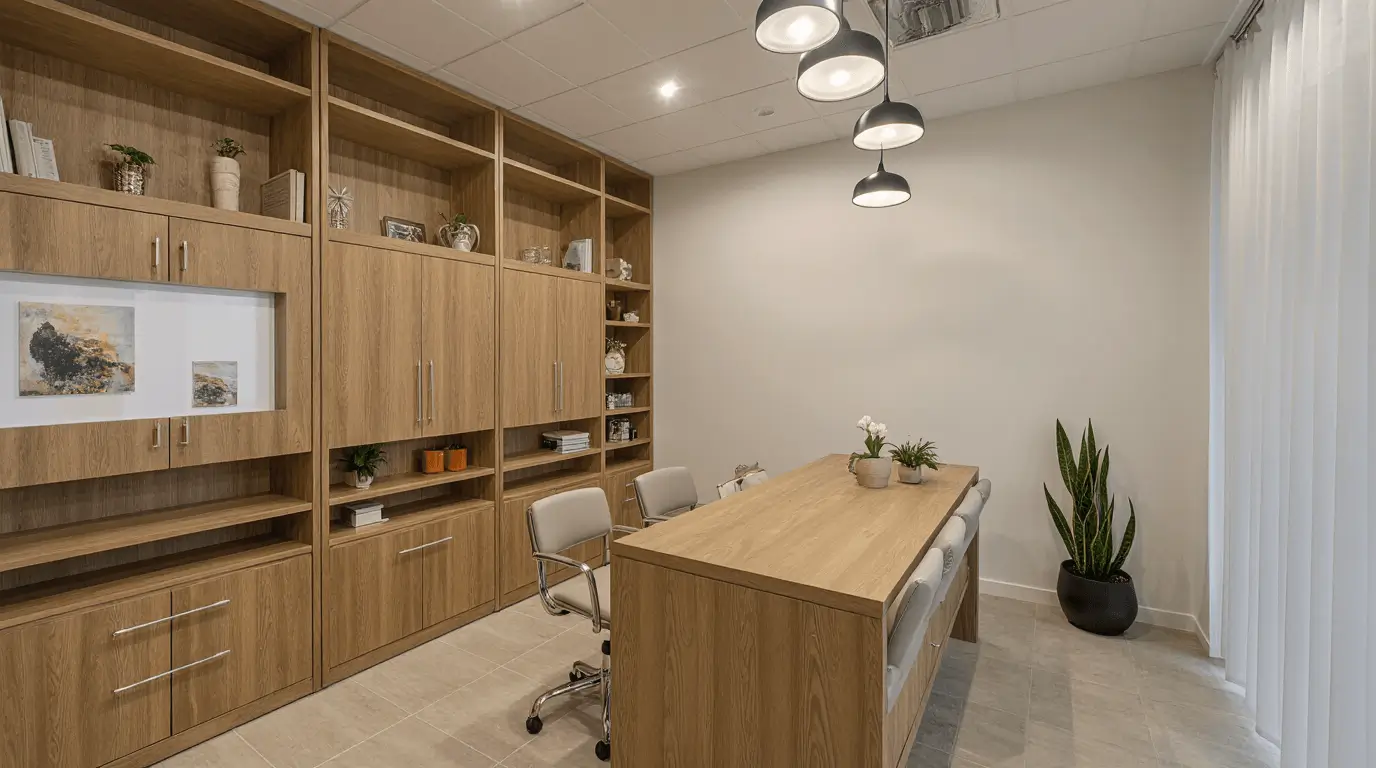
Biophilic design introduces natural elements into dental interior design. Indoor plants, wood textures, and natural light promote relaxation.
Studies show nature-inspired environments reduce patient anxiety and improve overall satisfaction.
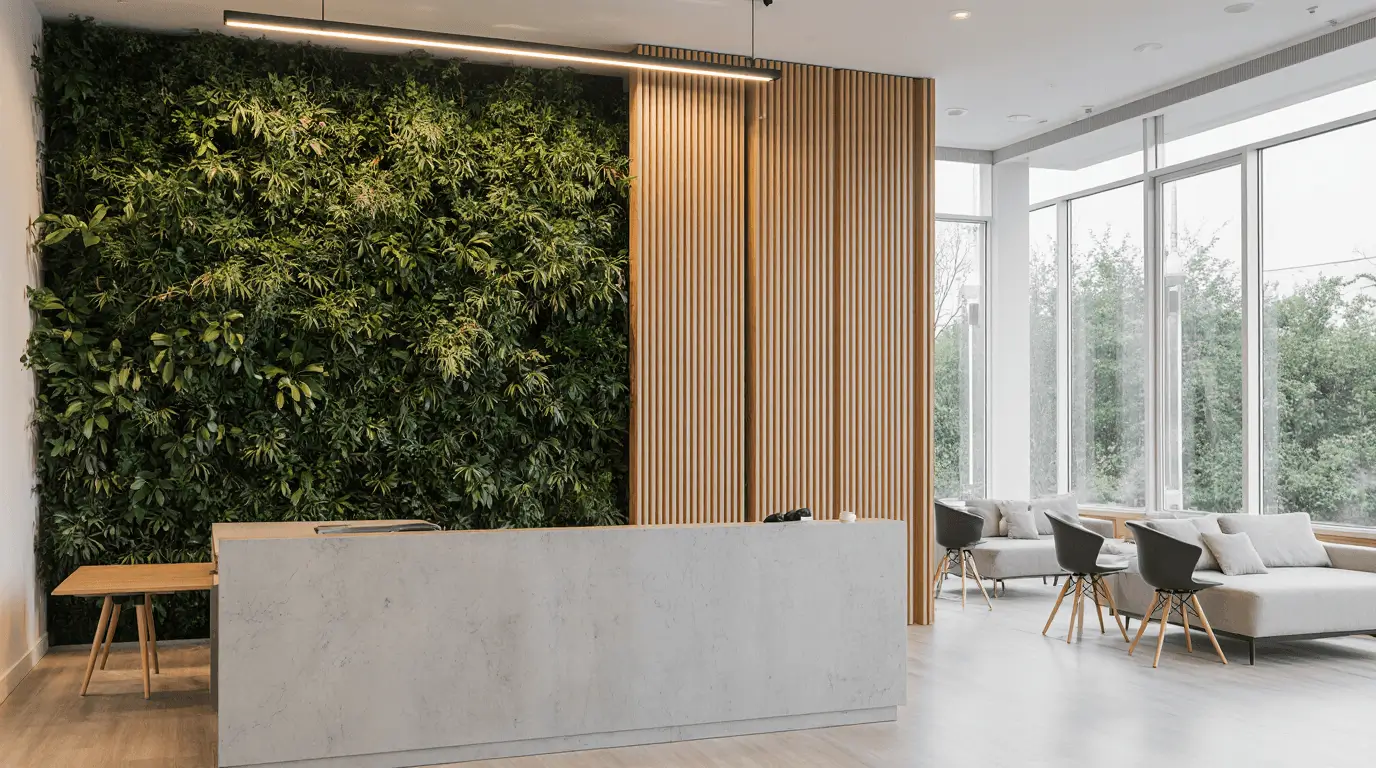
Ergonomic Dentist Office Designs
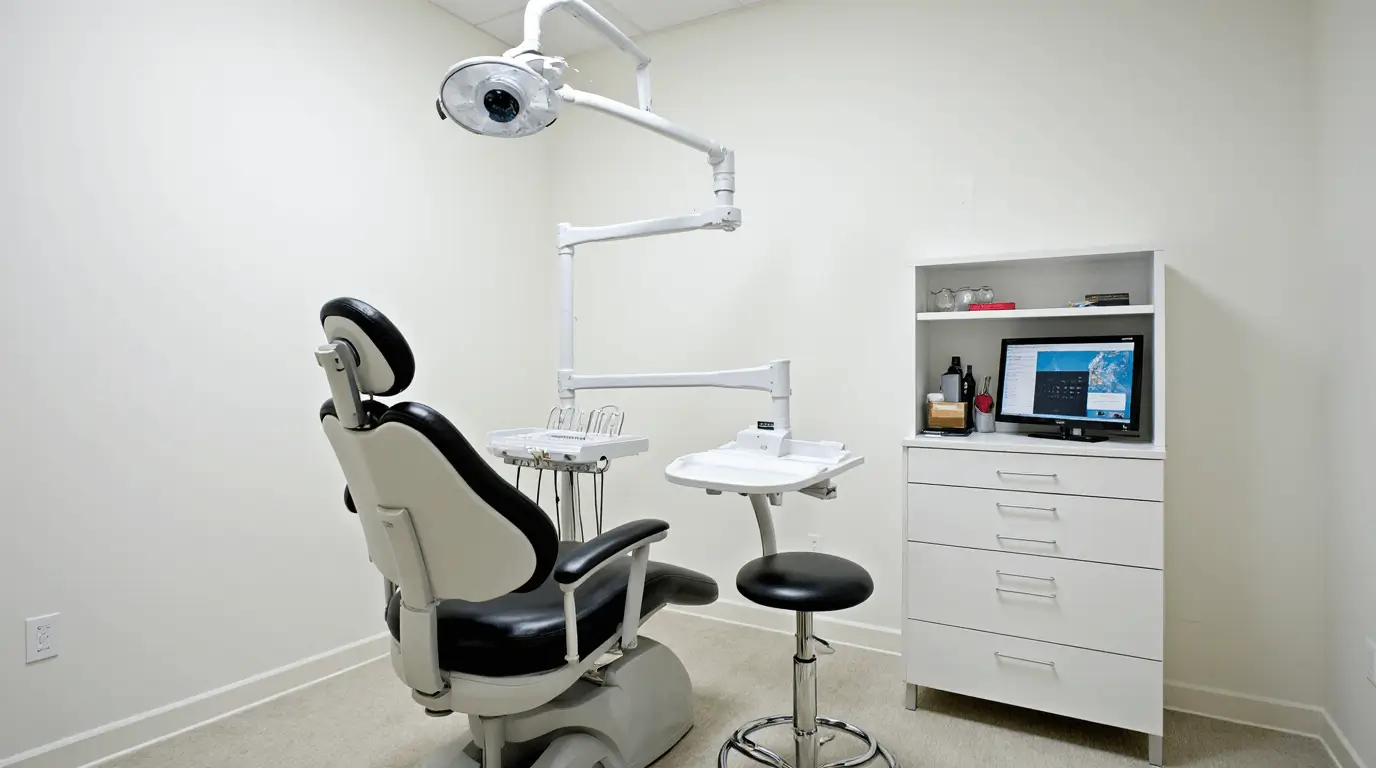
Dentist office designs must prioritize ergonomics. Operatories should allow seamless movement between patient, tools, and assistants.
Adjustable seating, optimal lighting angles, and accessible cabinetry prevent long-term strain for practitioners.
Sustainable Dental Interior Design
Sustainable dental interior design incorporates eco-friendly materials, energy-efficient lighting, and low-VOC finishes.
Recycled surfaces and water-saving fixtures demonstrate environmental responsibility while reducing operational costs.
Technology-Integrated Dental Practice Design
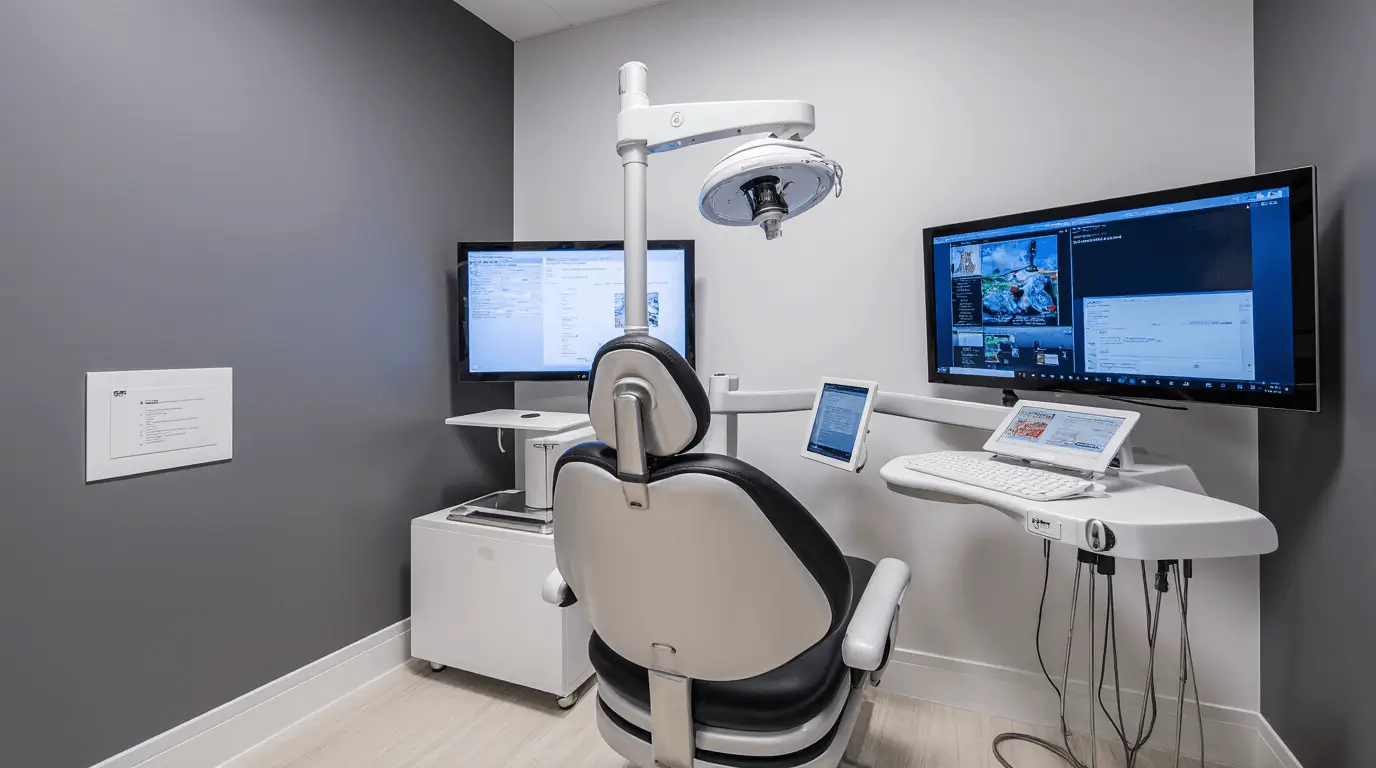
Modern dental practice design integrates digital screens, 3D imaging systems, and concealed wiring.
Technology should enhance patient education while remaining visually streamlined.
Dental Reception Interior Design Strategies
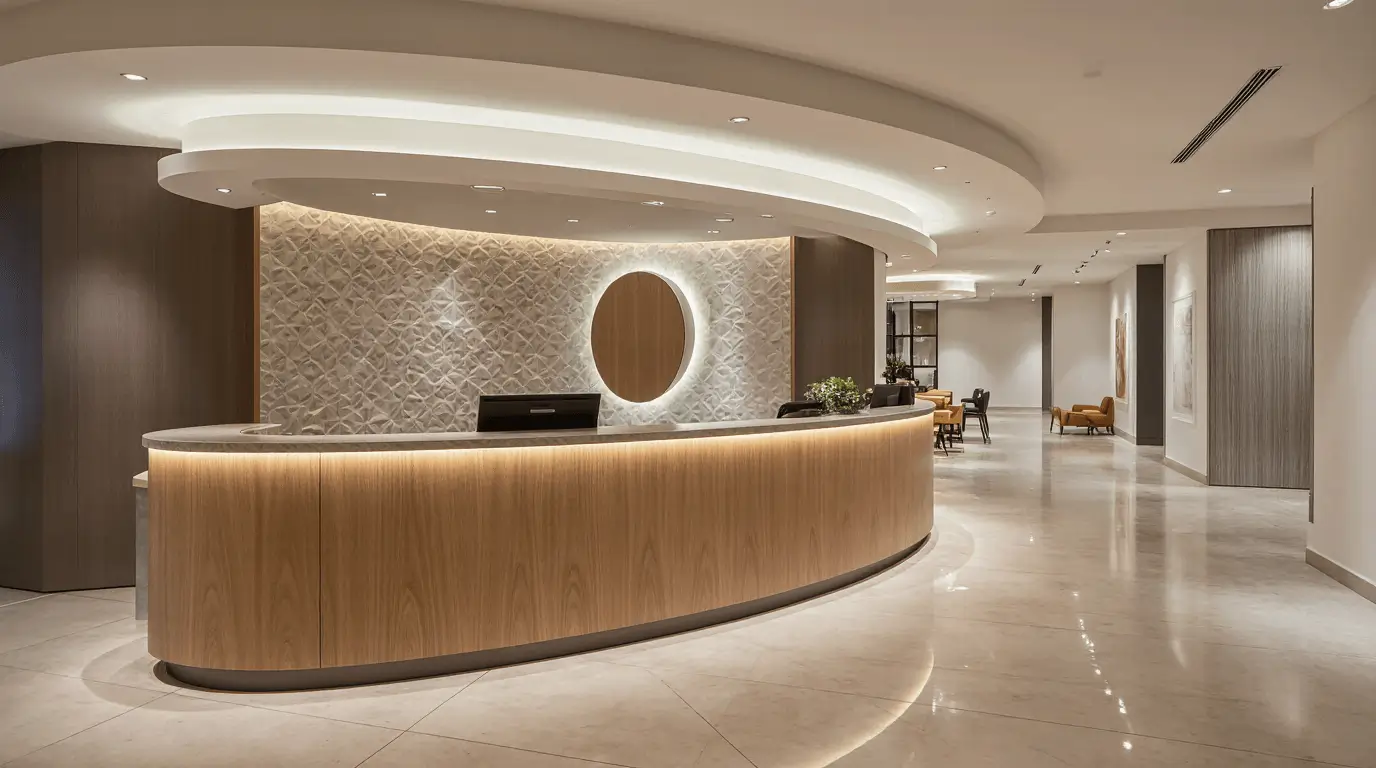
The reception zone anchors the entire dental interior design concept. Clear signage, approachable desk height, and efficient check-in systems improve patient flow.
Acoustic control prevents conversations from echoing across the space.
Dental Interior Design Ideas for Branding
Brand identity should be subtly integrated into finishes and furnishings. Signature colors, logo placement, and cohesive material palettes reinforce professionalism.
Consistency across treatment rooms and public areas builds trust.
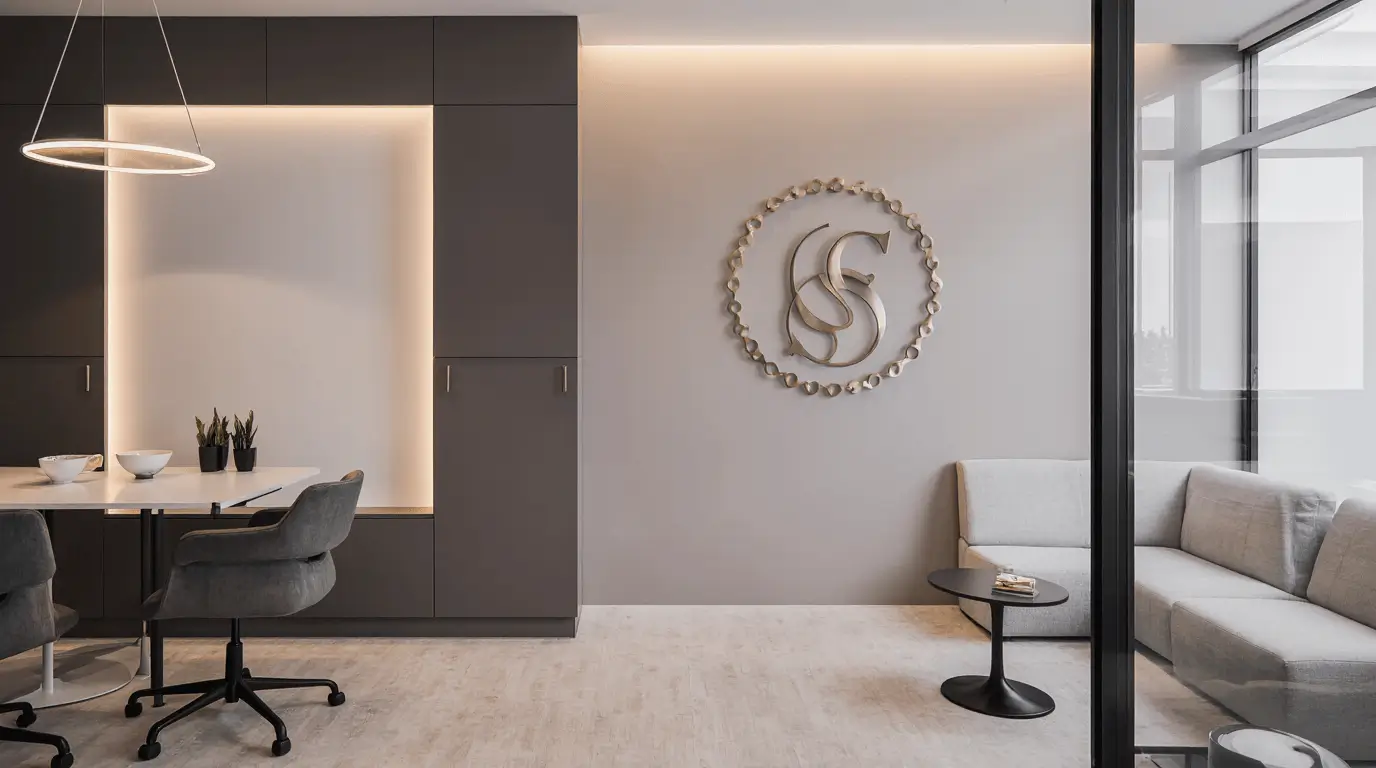
Interior Design for Dental Office Lighting
Lighting in dental interior design must balance clinical precision and ambiance. Layered lighting—task, ambient, and accent—creates both functionality and warmth.
Indirect cove lighting softens ceilings while operatory lights remain highly focused.
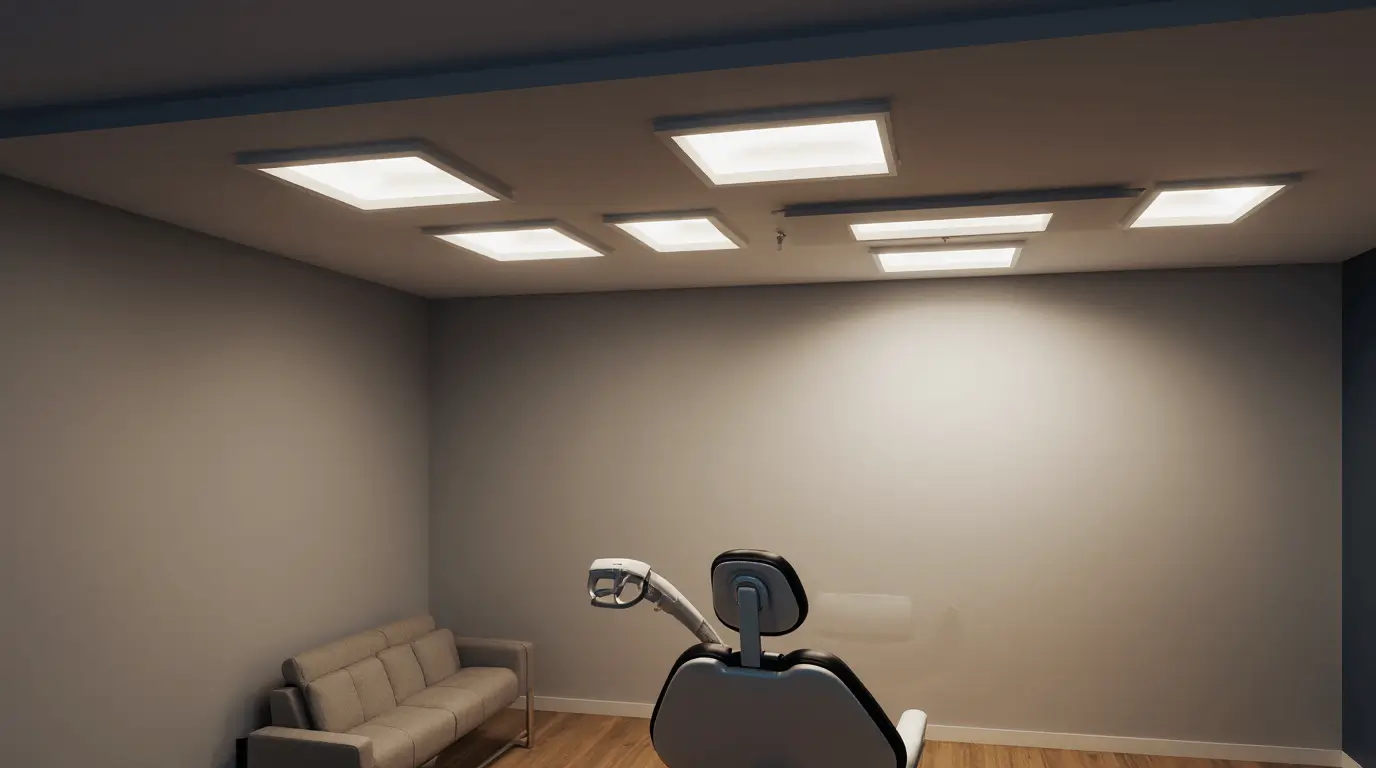
Dental Clinic Interior Design Photos Inspiration Trends
Current trends in dental clinic interior design photos reveal soft neutral palettes, curved forms, and hospitality-driven layouts.
Textured walls and statement artwork elevate the clinical environment into a boutique experience.
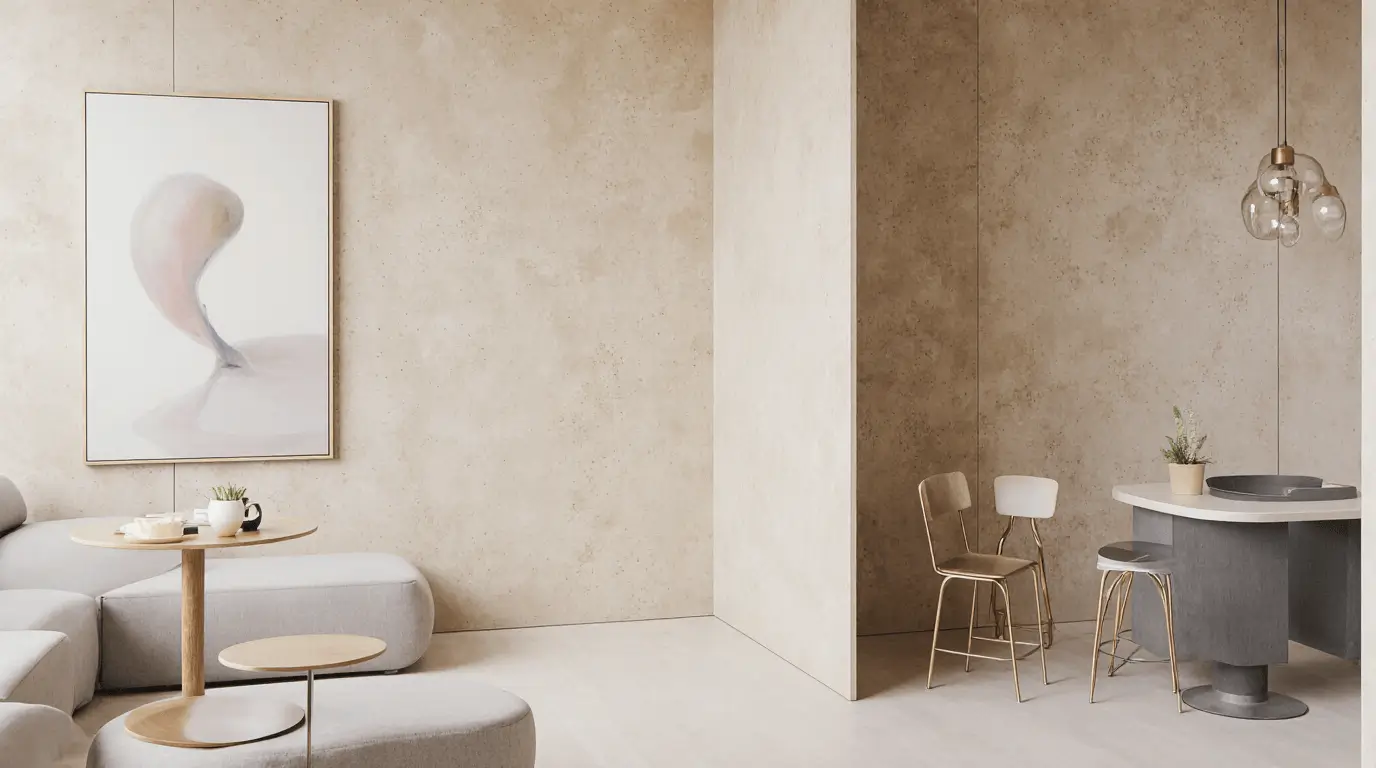
Interior Design Dental Offices for Multi-Room Clinics
Larger interior design dental offices require zoning strategies. Clear separation between staff areas, patient corridors, and clinical spaces improves efficiency.
Glass partitions maintain openness while preserving privacy.
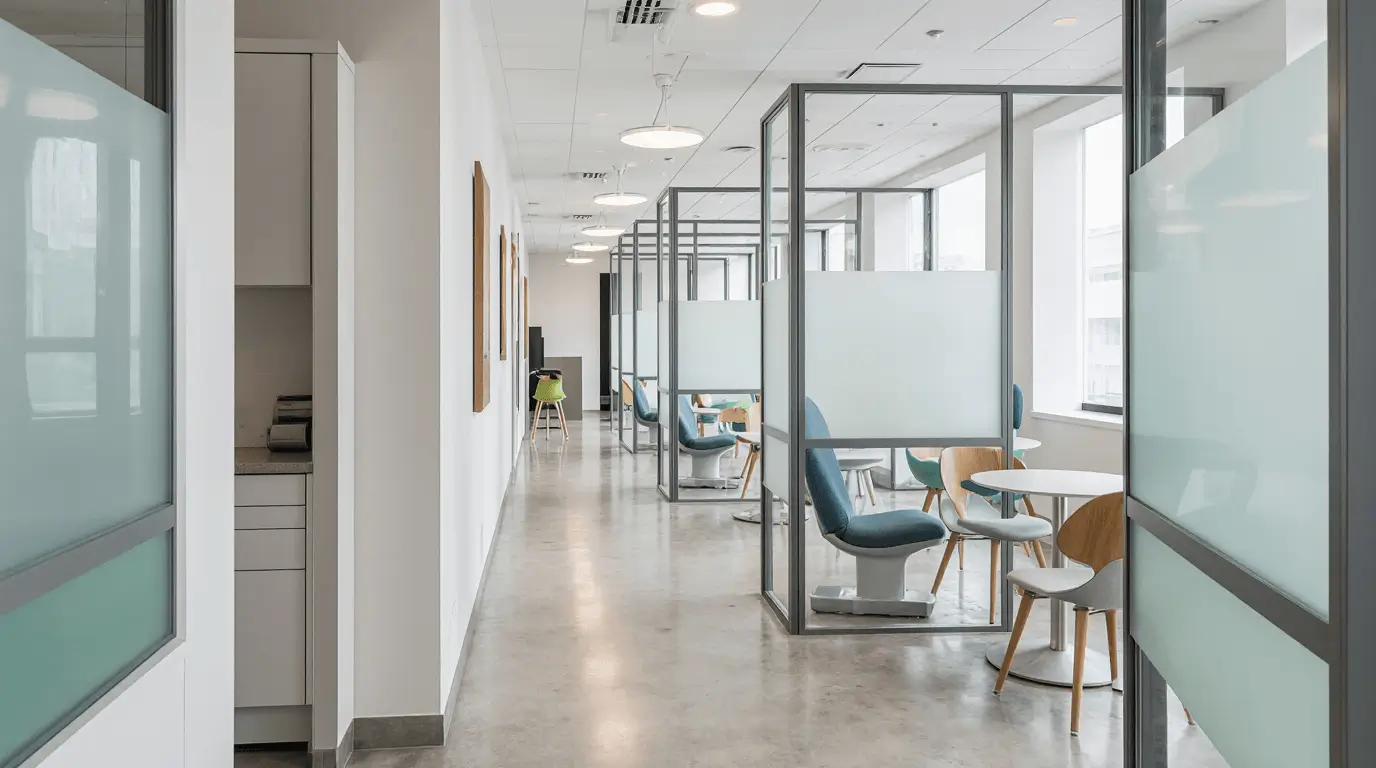
Dental Interior Design Software & Planning Tools
Professional dental interior design increasingly relies on advanced planning software for 3D visualization and workflow simulation.
These tools allow designers and dentists to preview layouts, equipment placement, and patient circulation before construction begins.
Conclusion: Designing Dentistry with Intention and Impact
Dental interior design is ultimately about more than aesthetics—it’s about shaping human experience within a clinical framework. When thoughtfully executed, it balances precision with empathy, efficiency with comfort, and innovation with trust. Every layout decision, lighting choice, and material selection influences how patients feel, how teams perform, and how a practice grows.
In real-world application, the most successful clinics treat design as infrastructure, not decoration. Clear circulation paths reduce daily friction. Calming palettes ease patient anxiety before treatment begins. Ergonomic planning protects practitioners from long-term strain. Integrated technology improves communication and confidence during consultations. These decisions compound over time, creating smoother operations and stronger patient loyalty.
This approach benefits both new practices starting from a blank slate and established clinics ready to evolve. Whether you’re planning a compact neighborhood office or a multi-room specialty center, clarity in vision is essential. Start with workflow. Prioritize comfort without compromising compliance. Invest in materials that perform as beautifully as they look. And above all, design with intention.
When dental interior design is aligned with how dentistry is actually practiced—not just how it photographs—the result is a space that feels calm, capable, and credible. That’s the kind of environment patients trust and professionals are proud to work in.
Learn more : 11+ Stunning Sarasota Interior Design Secrets
Frequently Asked Questions
- How does dental interior design directly affect patient anxiety?
Environmental cues strongly influence emotional response. Soft lighting, acoustic control, natural textures, and intuitive layouts signal safety and professionalism. When a space feels organized and welcoming, patients subconsciously relax, which can make treatments smoother and improve overall satisfaction.
- What should be prioritized first when planning a new clinic layout?
Workflow should always come first. Treatment rooms, sterilization zones, consultation areas, and storage must connect logically. Once circulation and efficiency are resolved, aesthetic decisions can enhance the experience without disrupting daily operations.
- Is it possible to create a high-end feel without overspending?
Yes. Strategic material selection and lighting design can elevate a space without relying on expensive finishes. Thoughtful detailing, cohesive color palettes, and custom millwork in key focal areas often make a stronger impact than excessive luxury materials throughout.
- How can small clinics avoid feeling cramped?
Proportion and organization are key. Built-in cabinetry, wall-mounted equipment, glass partitions, and consistent color schemes help maintain visual openness. Eliminating clutter and maximizing vertical storage can significantly improve perceived space.
- How important is lighting in treatment rooms versus waiting areas?
Lighting serves different purposes in each zone. Operatories require precise, shadow-free task lighting for clinical accuracy. Waiting areas benefit from layered, warmer lighting that reduces tension. Balancing both ensures functionality without creating a harsh atmosphere.
- Should branding be subtle or bold in a dental environment?
Subtle integration typically works best. Cohesive colors, materials, and discreet logo placement create recognition without overwhelming patients. The goal is professionalism and reassurance, not distraction.
- When is the right time to renovate an existing dental office?
Signs include workflow inefficiencies, outdated equipment integration, patient feedback about comfort, or visible wear in high-traffic areas. Renovation becomes worthwhile when design limitations begin affecting performance, perception, or growth potential.





One Response