
Introduction
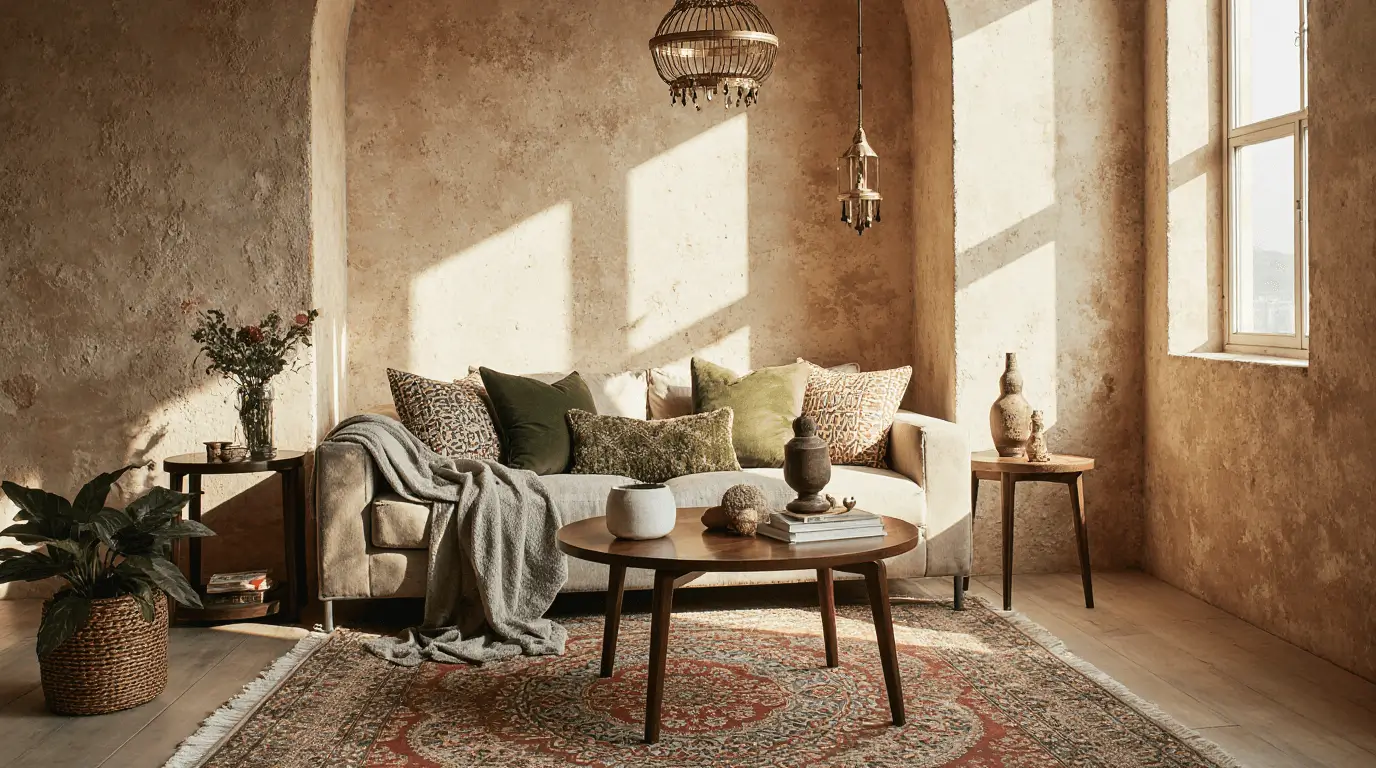
Global heritage interior design is a refined approach that blends cultural authenticity with timeless craftsmanship. It celebrates the layered beauty of traditional interiors while thoughtfully integrating elements from around the world. Rather than replicating a single historic style, it curates meaningful pieces—textiles, furniture, architecture, and art—that reflect global narratives.
In my experience working with culturally inspired spaces, the success of global heritage interior design lies in balance. It respects origin and craftsmanship while ensuring the home feels cohesive, livable, and current. This style is not about collecting souvenirs; it’s about curating heritage with intention and sophistication.
Global Heritage Interior Design Style Foundations
Global heritage interior design style is rooted in traditional craftsmanship, regional materials, and artisanal detail. It merges architectural depth with curated global influences to create interiors that feel storied yet refined.
Heritage Style Interior Design with Cultural Layers
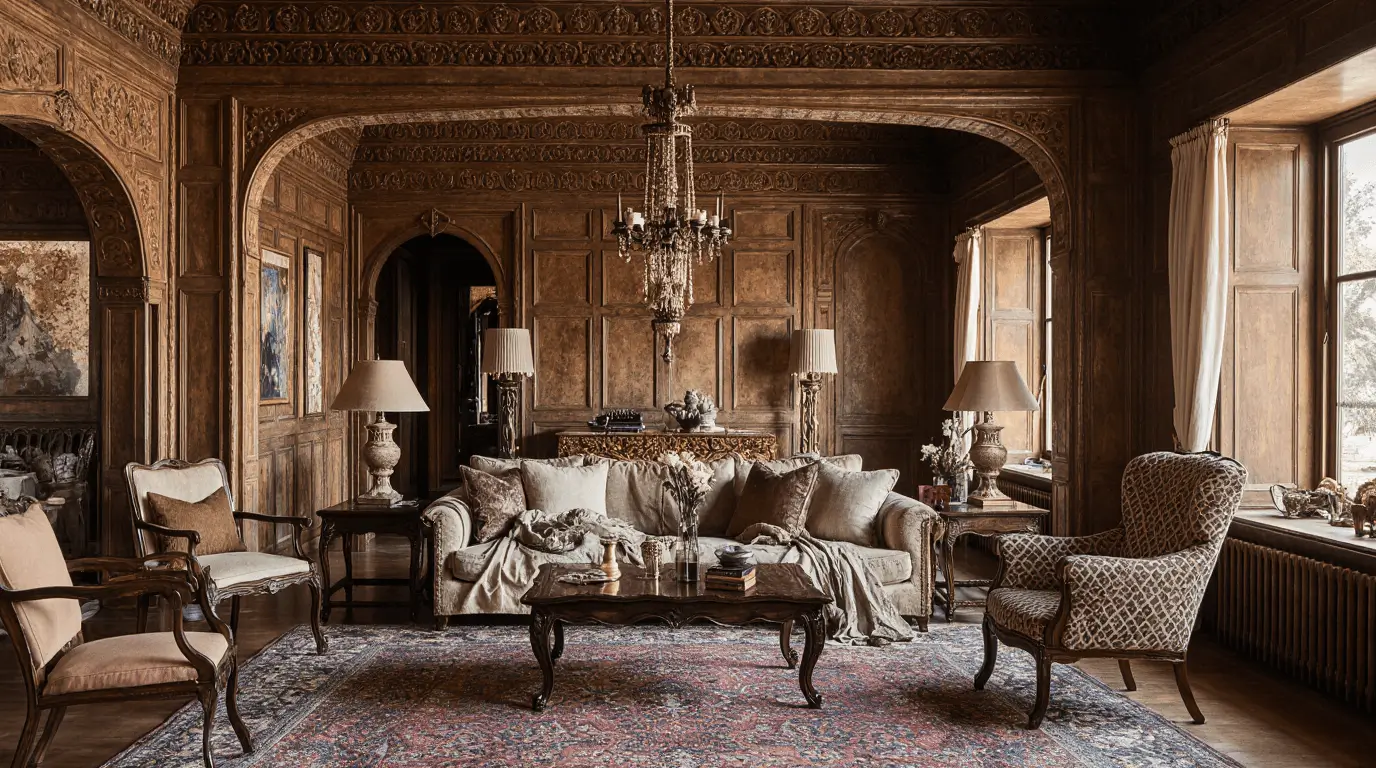
Heritage style interior design focuses on preserving cultural identity through authentic materials and architectural character. Think hand-carved wood, patterned tiles, heirloom furniture, and collected artifacts displayed thoughtfully.
Modern Heritage Interior Design Balance
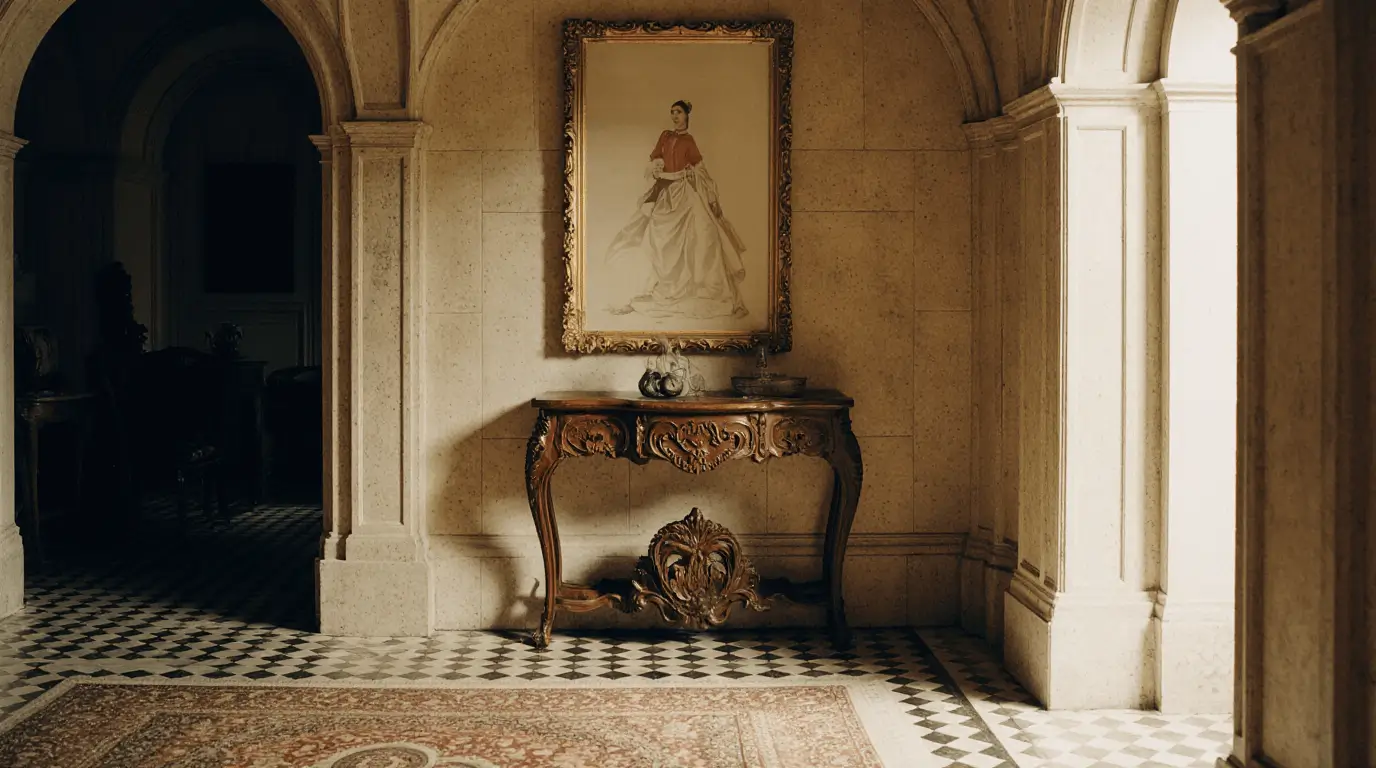
Modern heritage interior design bridges tradition and contemporary living. Clean silhouettes meet classic detailing, creating interiors that feel updated without losing historical depth.
Global Style Interior Design Influence
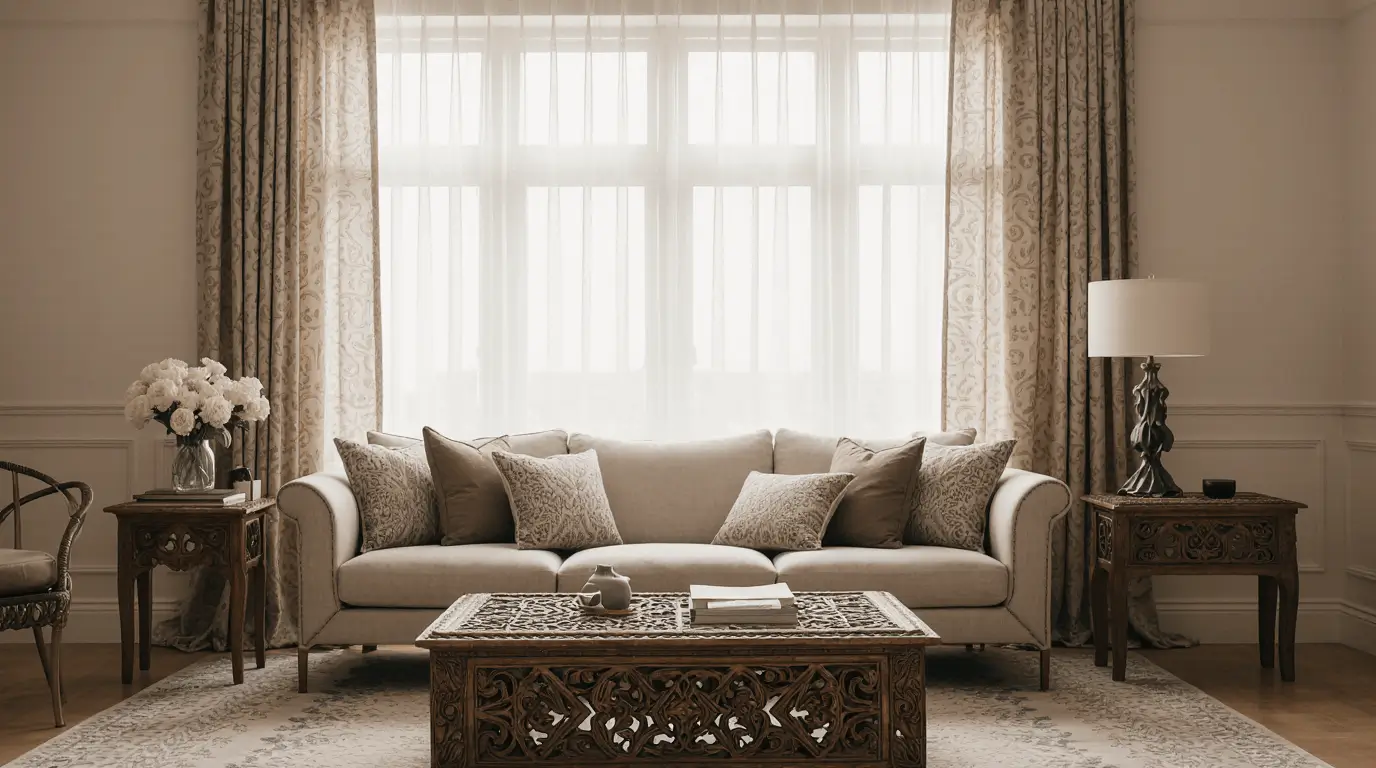
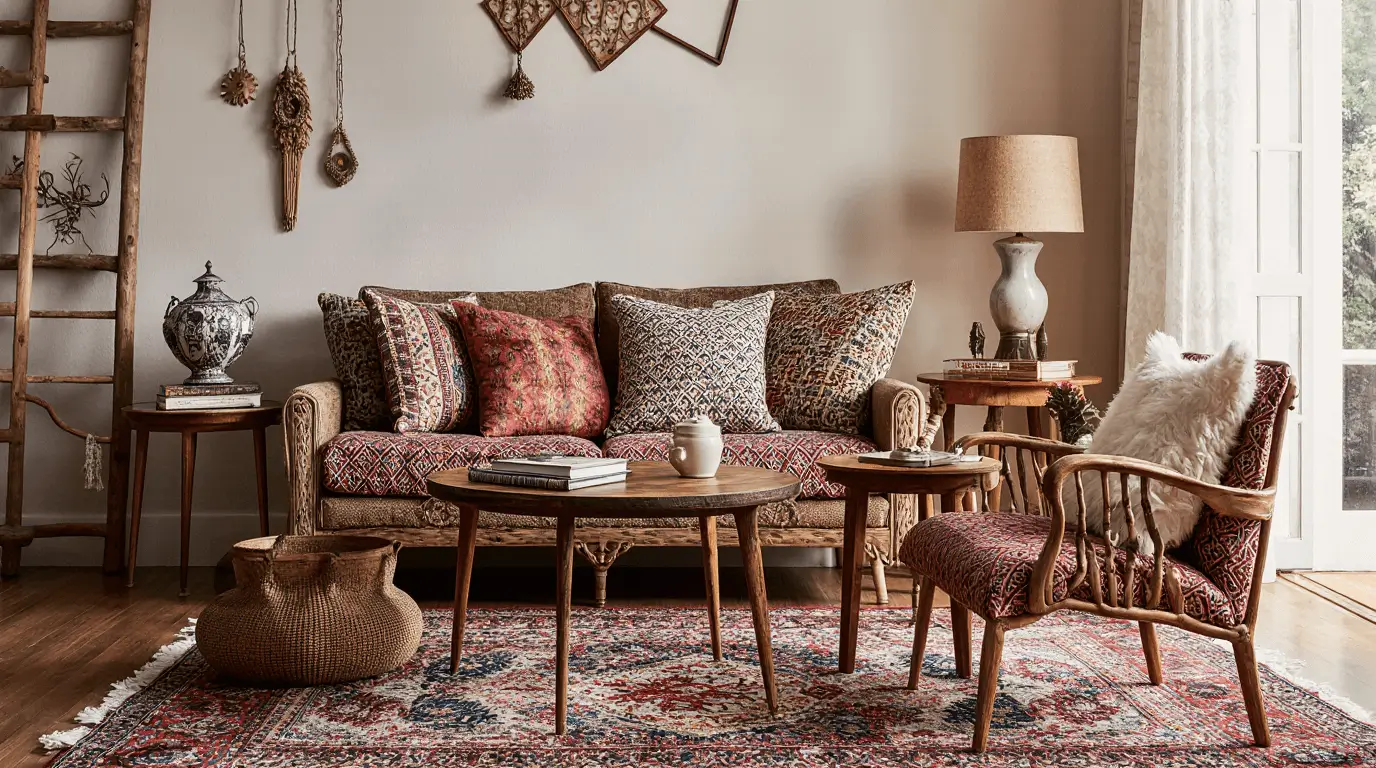
Global style interior design within a heritage framework introduces textiles, artifacts, and patterns from multiple cultures. Moroccan rugs, Indian block prints, and Mediterranean ceramics coexist harmoniously.
Traditional Style Interior Design Elements
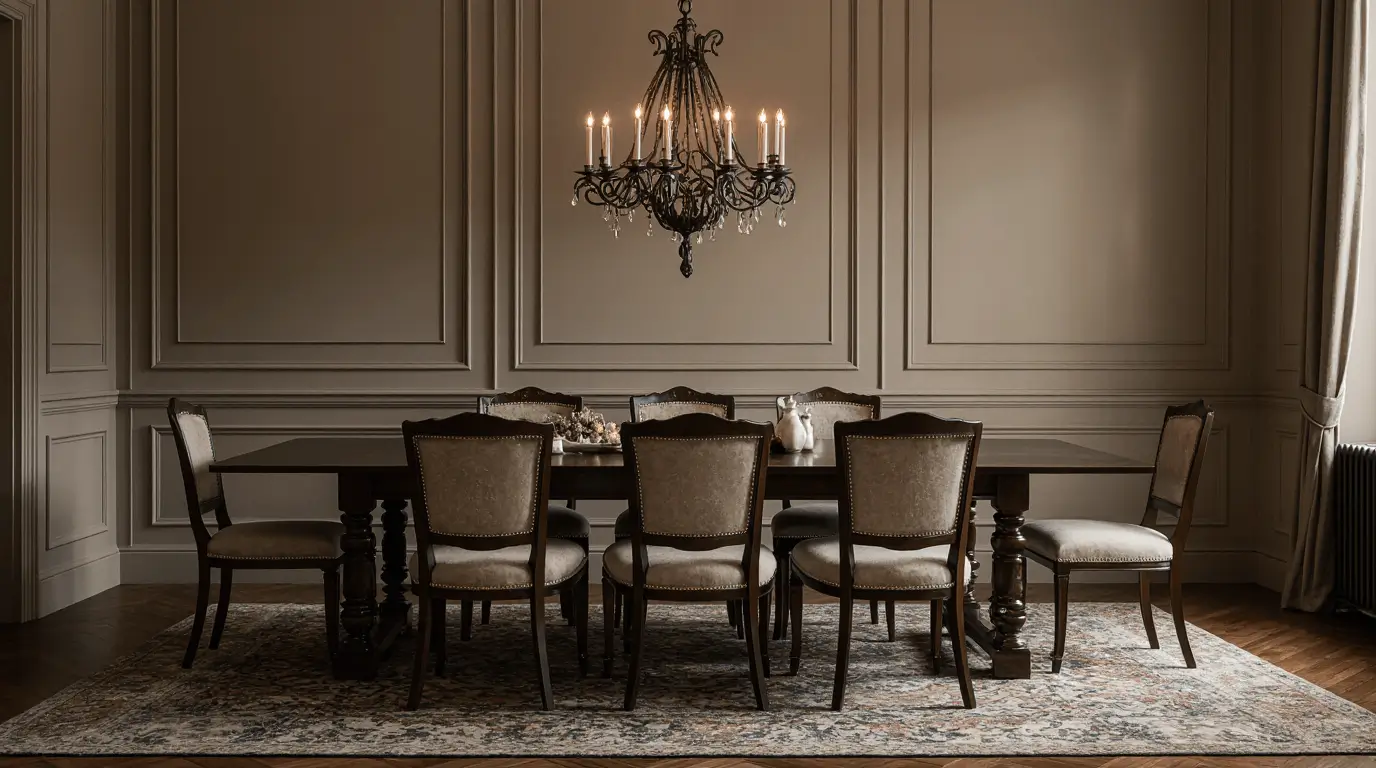
Traditional style interior design contributes symmetry, rich wood tones, detailed molding, and classic layouts. These structured foundations anchor global elements beautifully.
Global Heritage Decorating with Textiles
Textiles are the heartbeat of global heritage decorating. Handwoven rugs, embroidered cushions, and layered drapery add tactile richness and cultural authenticity.
Heritage Interior Design Architecture Details
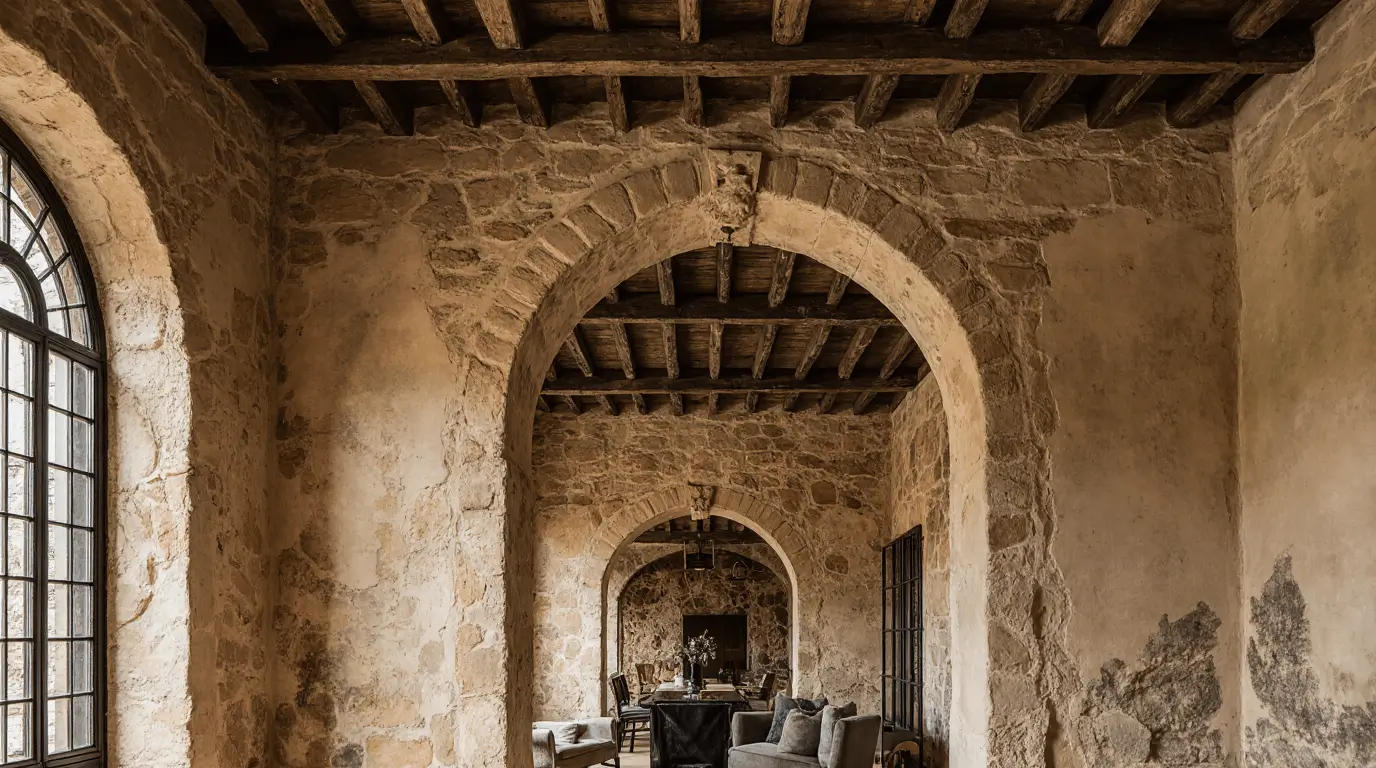
Architectural details define strong heritage interiors—arched openings, exposed beams, decorative ceilings, and stonework create depth and permanence.
Modern Heritage Kitchen Design Integration
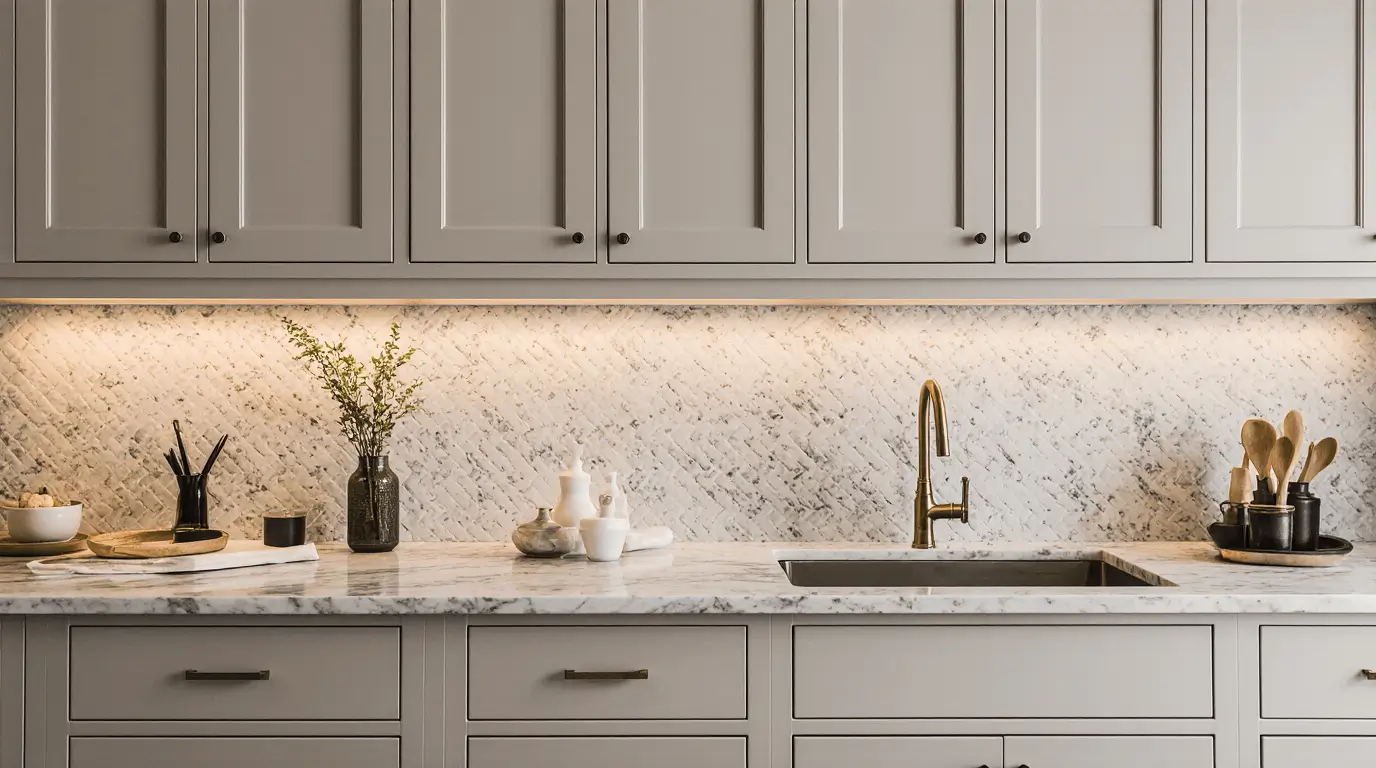
Modern heritage kitchen design blends classic cabinetry with contemporary function. Shaker-style doors, brass hardware, and natural stone surfaces create enduring appeal.
Global Style Home Decor Accents
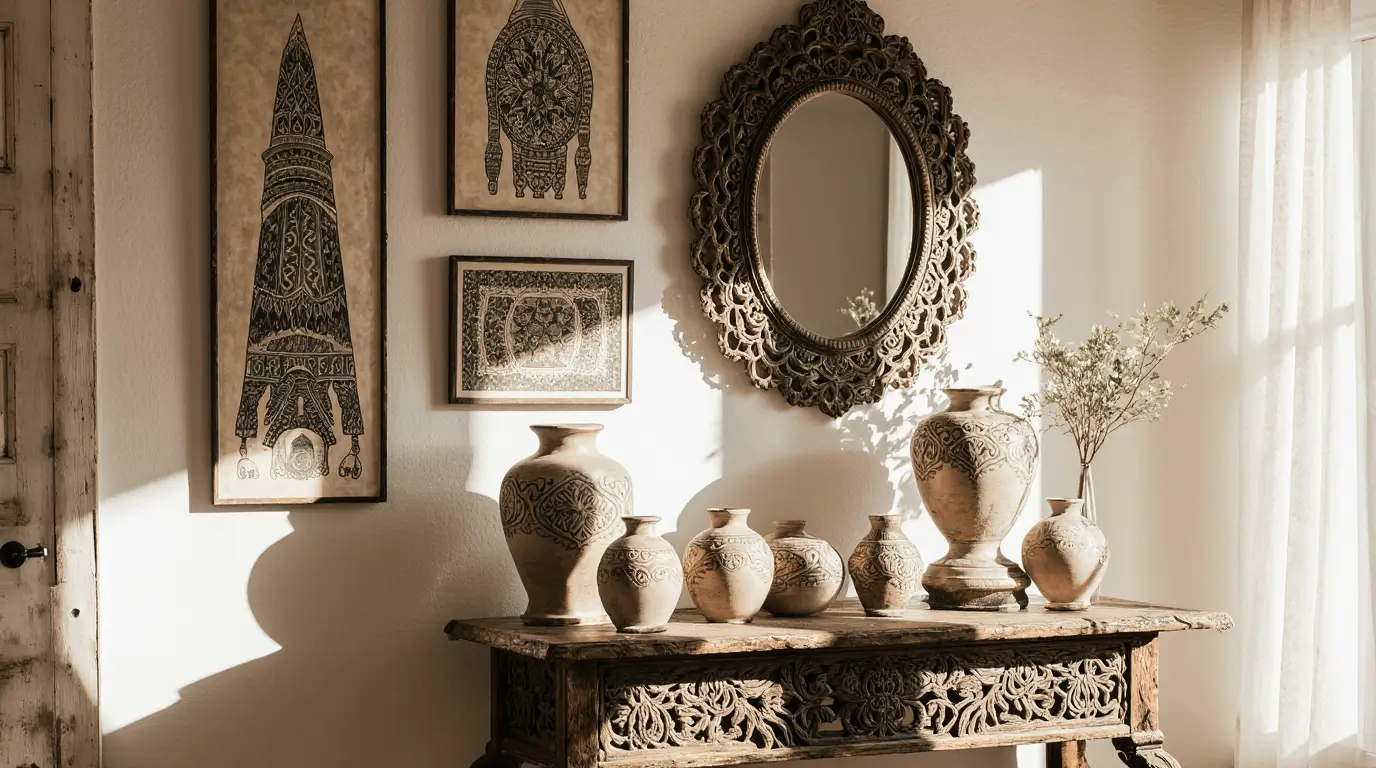
Global style home decor accents—ceramics, tribal art, vintage mirrors, and handcrafted objects—bring authenticity to global heritage interior design.
Heritage Style Decor Color Palettes
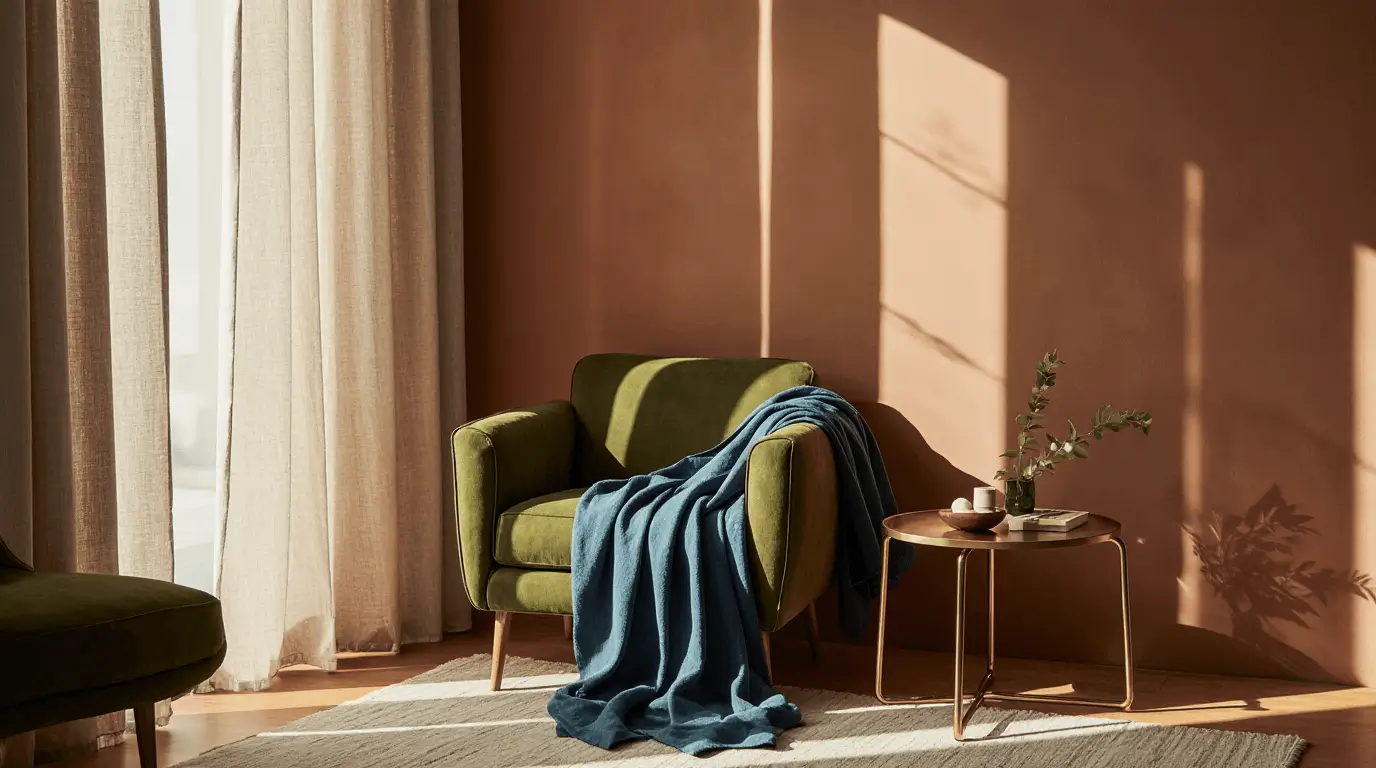
Heritage style decor relies on earthy neutrals, deep indigos, terracotta, olive green, and muted gold. These colors reflect nature and historic craftsmanship.
Traditional Interior Home Design Layout Principles
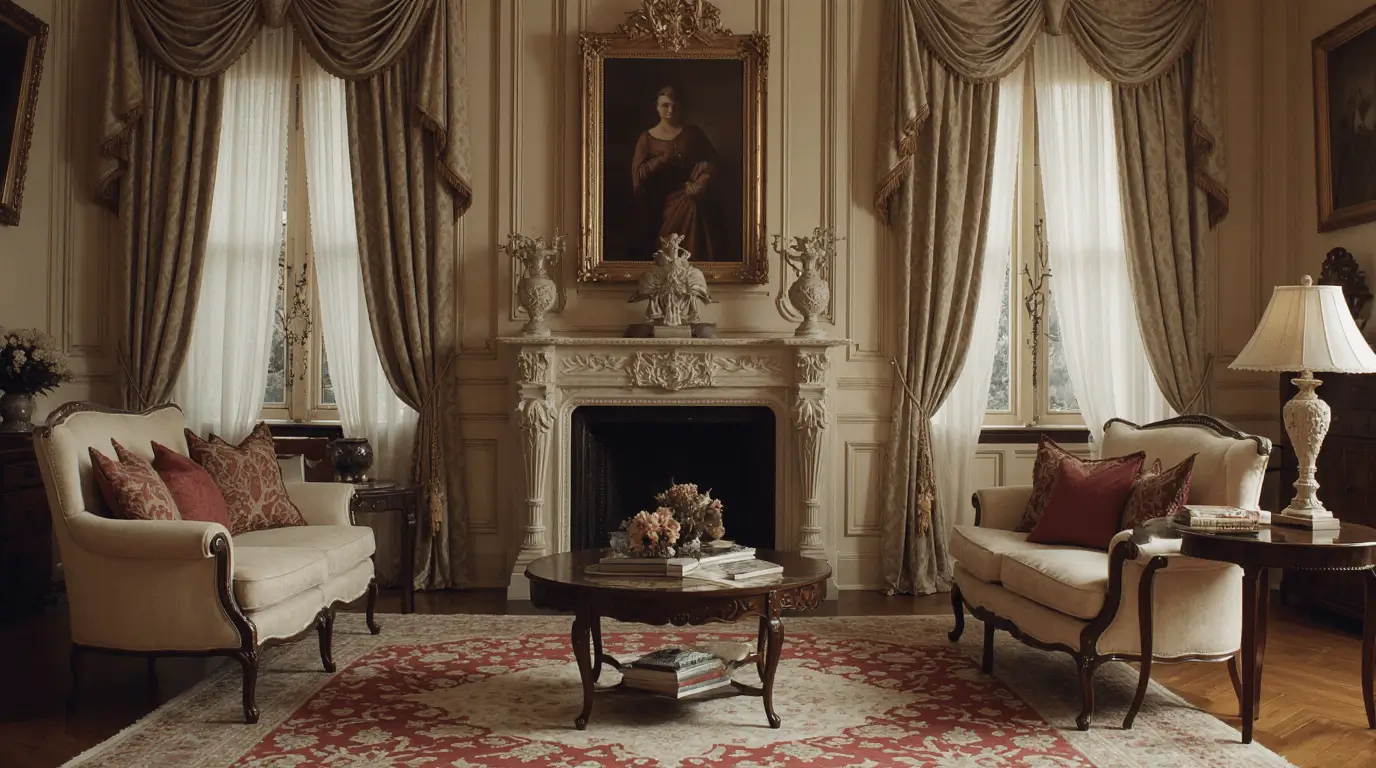
Traditional interior home design emphasizes proportion, symmetry, and defined spaces. In global heritage interior design, this structure prevents visual chaos when layering diverse influences.
New Heritage Design Evolution
New heritage design reinterprets classic elements through a contemporary lens. It preserves craftsmanship while simplifying ornamentation for modern lifestyles.
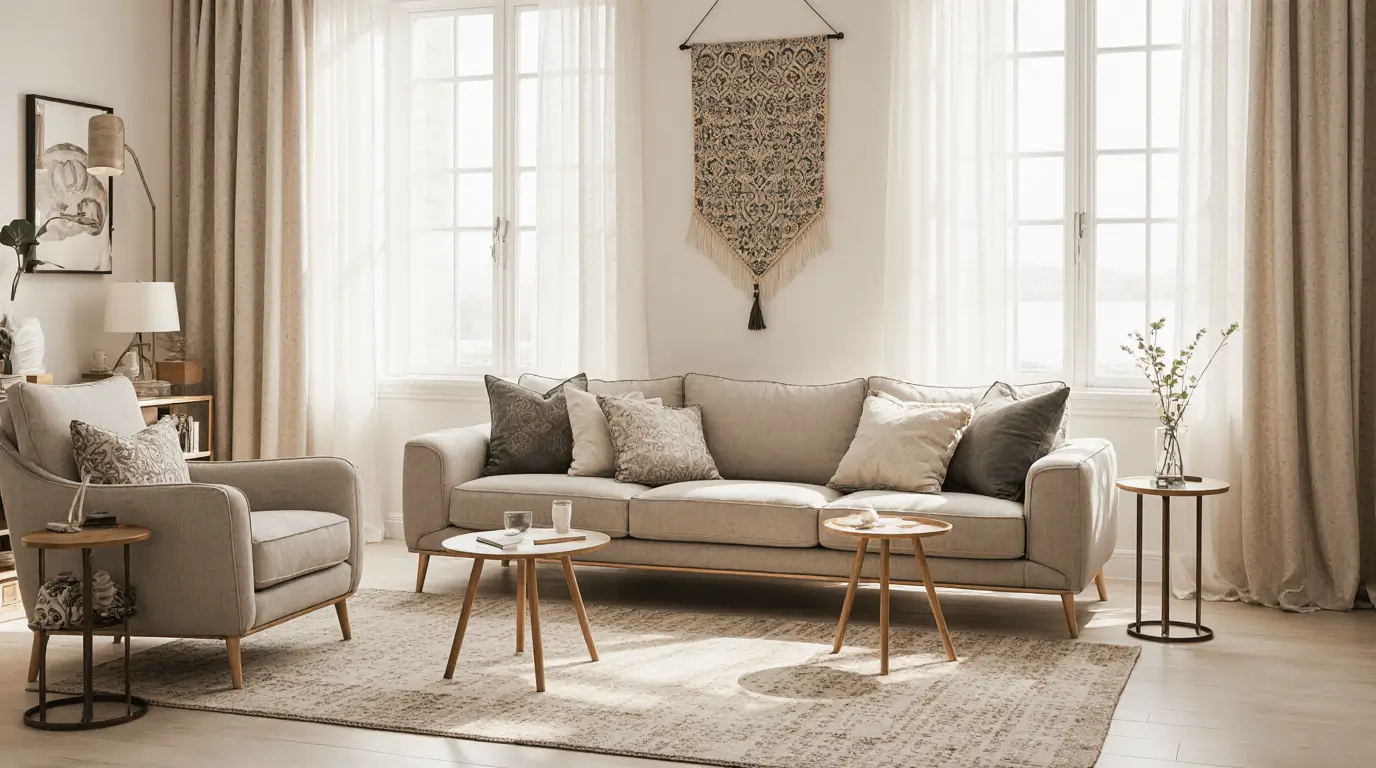
Modern Heritage Bedroom Design Serenity
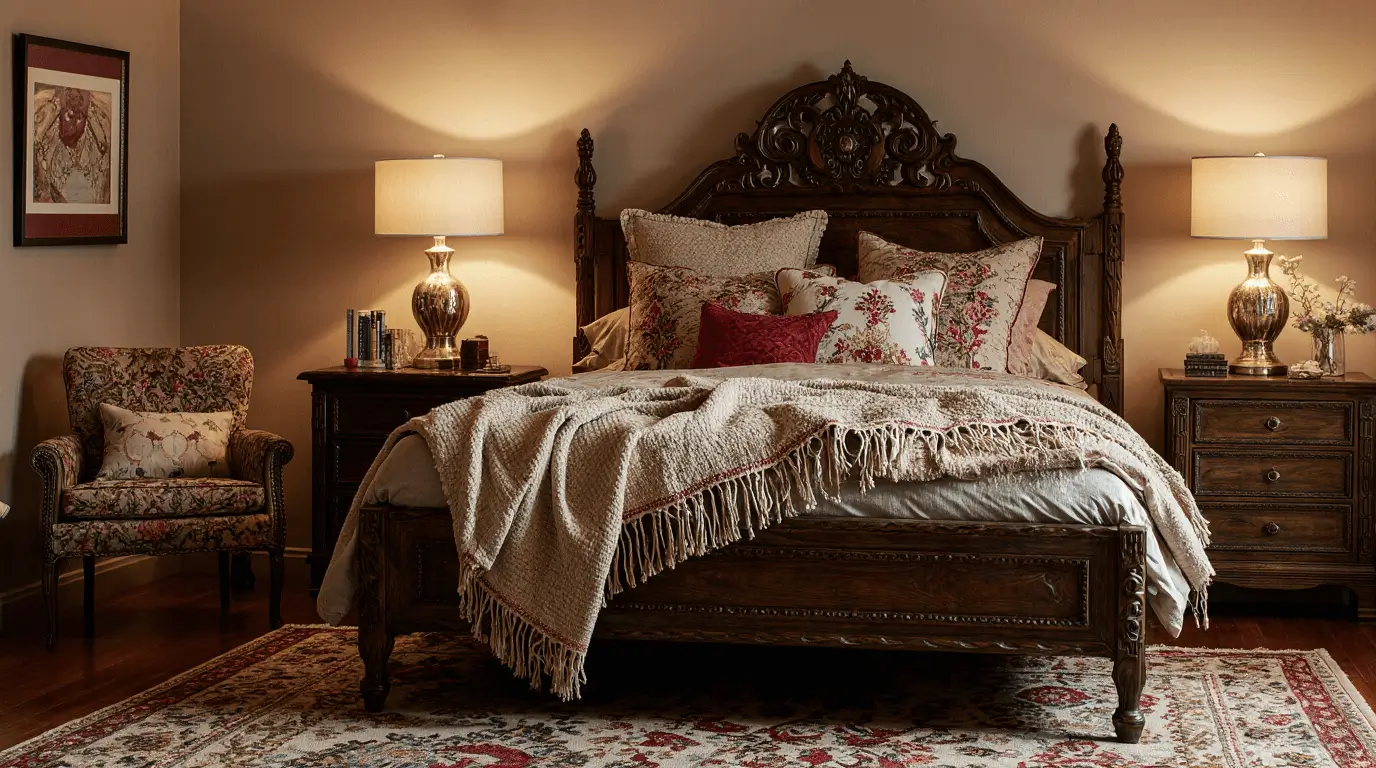
Modern heritage bedroom design combines antique pieces with calming contemporary tones. The result is restful yet layered.
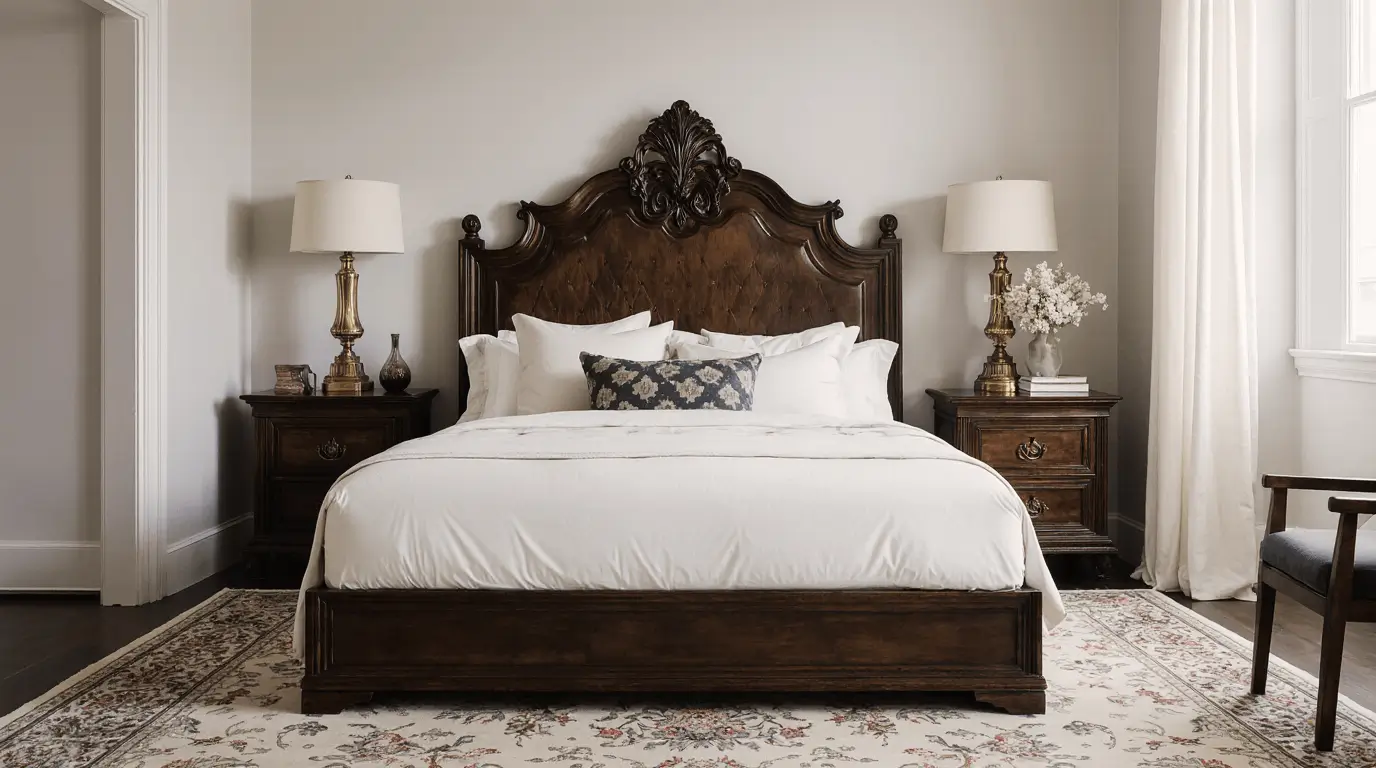
Global Interior Design Style Through Art
Art is central to global heritage interior design. Hand-painted panels, traditional tapestries, and vintage photography tell cultural stories within the space.
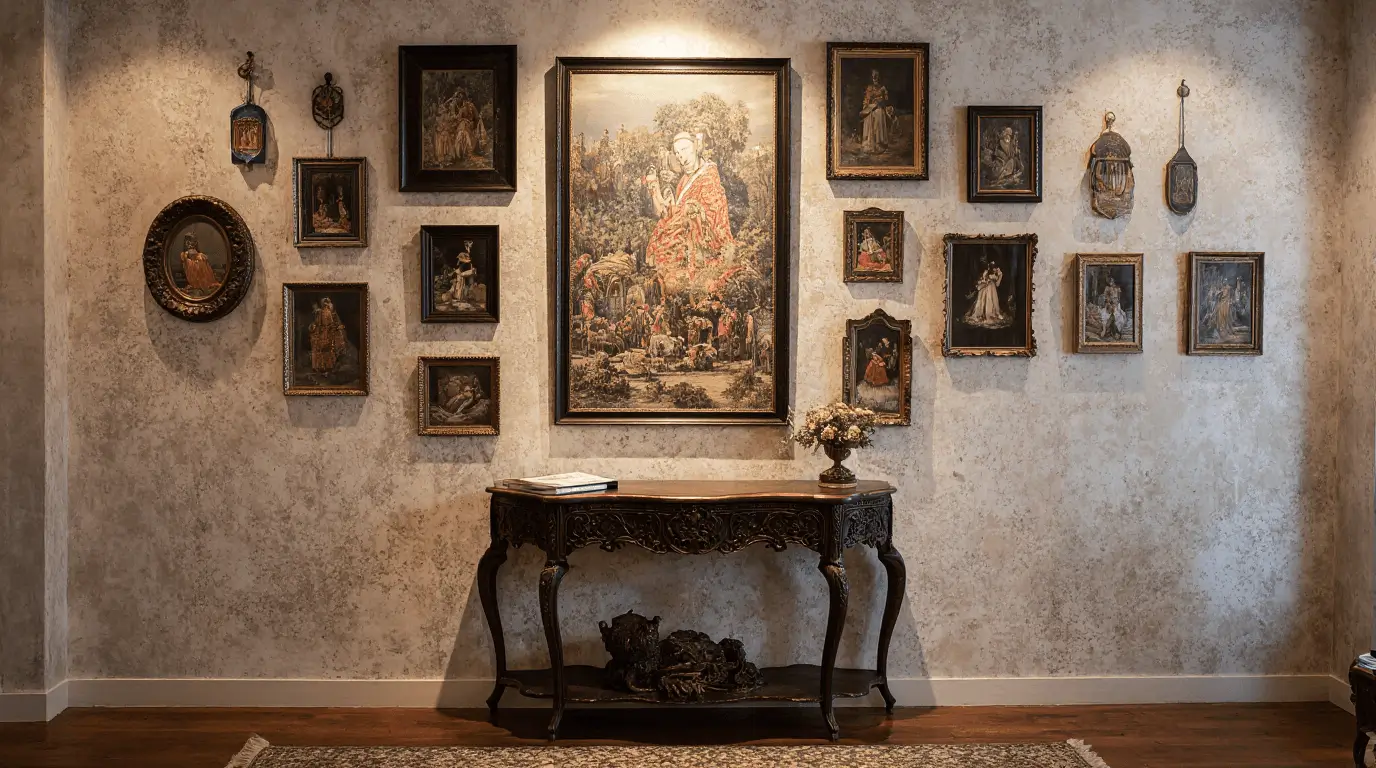
Heritage Decorating with Natural Materials
Authentic global heritage decorating prioritizes wood, stone, clay, linen, wool, and metal. These materials age gracefully and strengthen the sense of permanence.
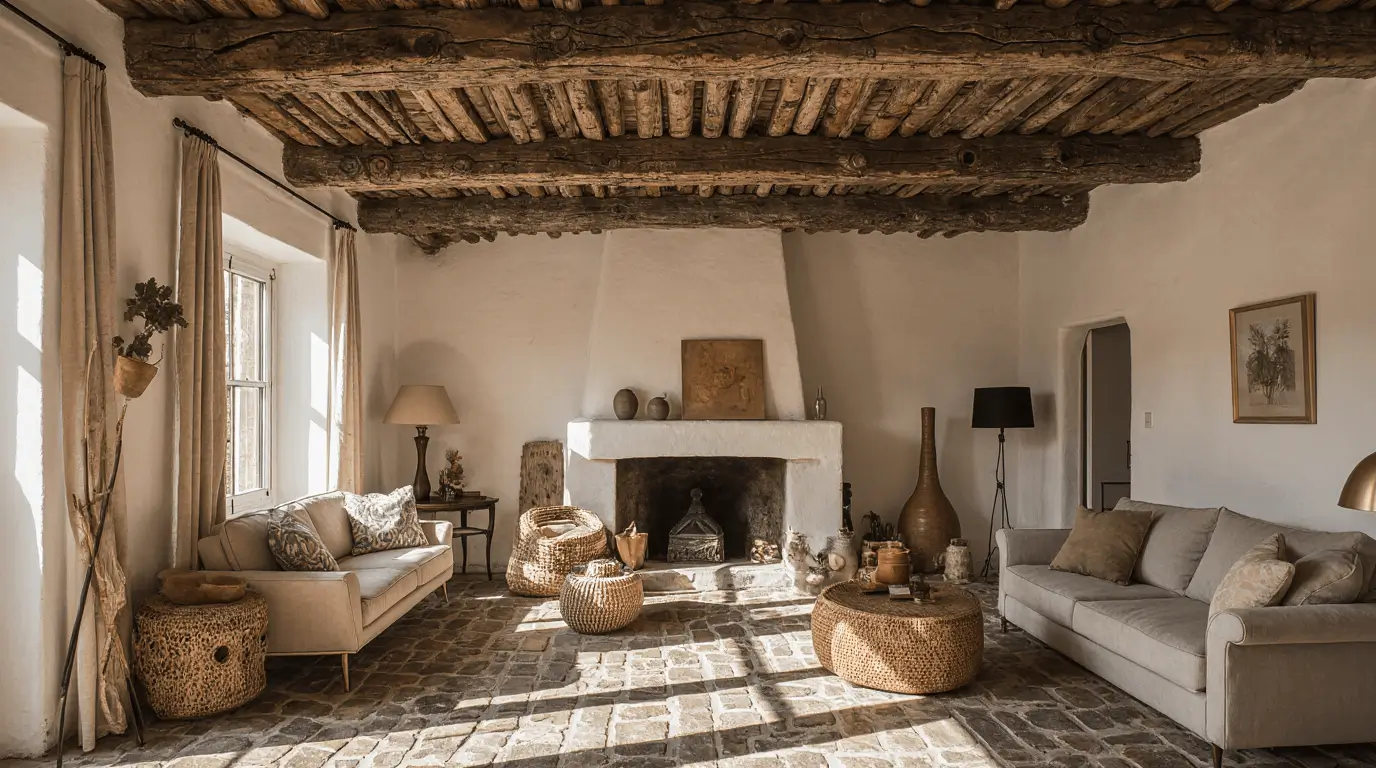
Global Heritage Interior Design Furniture Selection
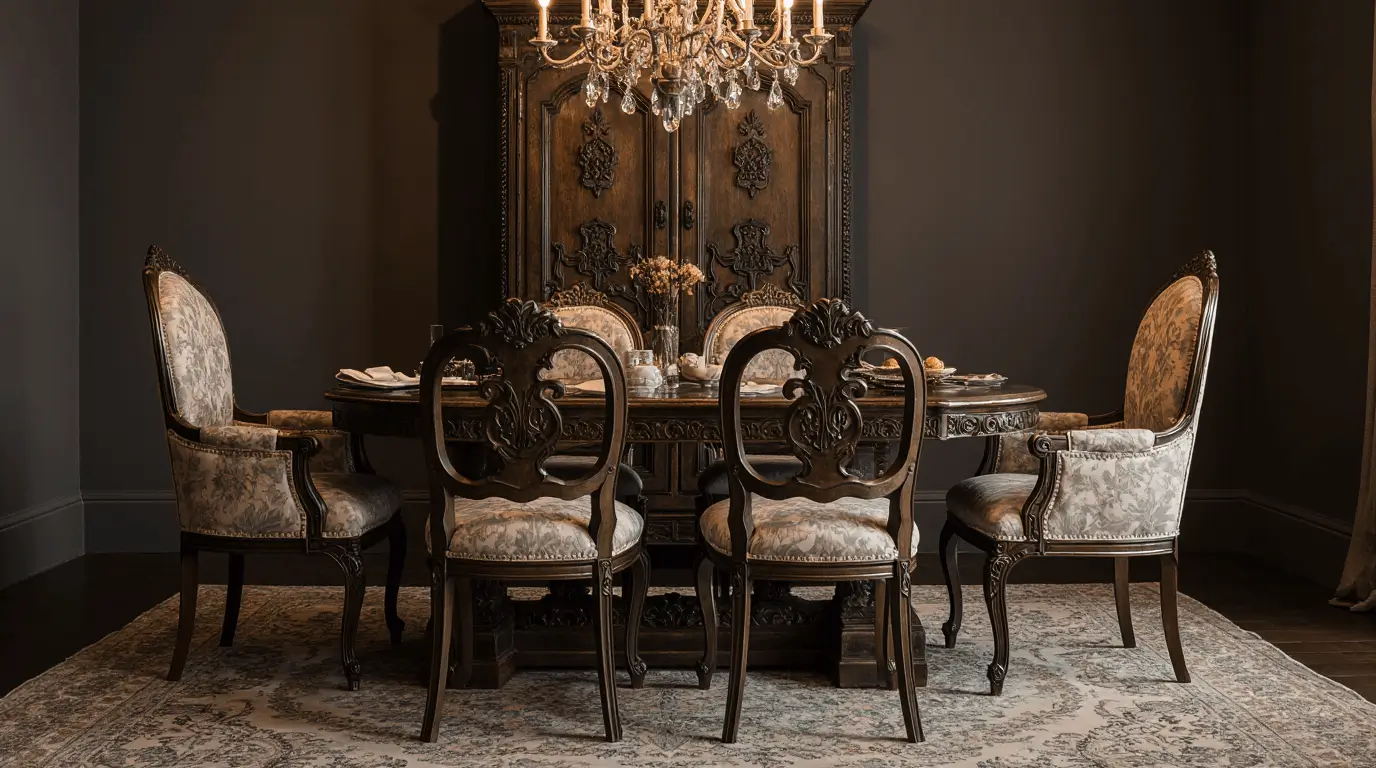
Furniture in global heritage interior design should feel substantial and storied. Solid wood tables, carved cabinets, and handcrafted seating create lasting impact.
Modern Heritage Design Style Lighting Choices
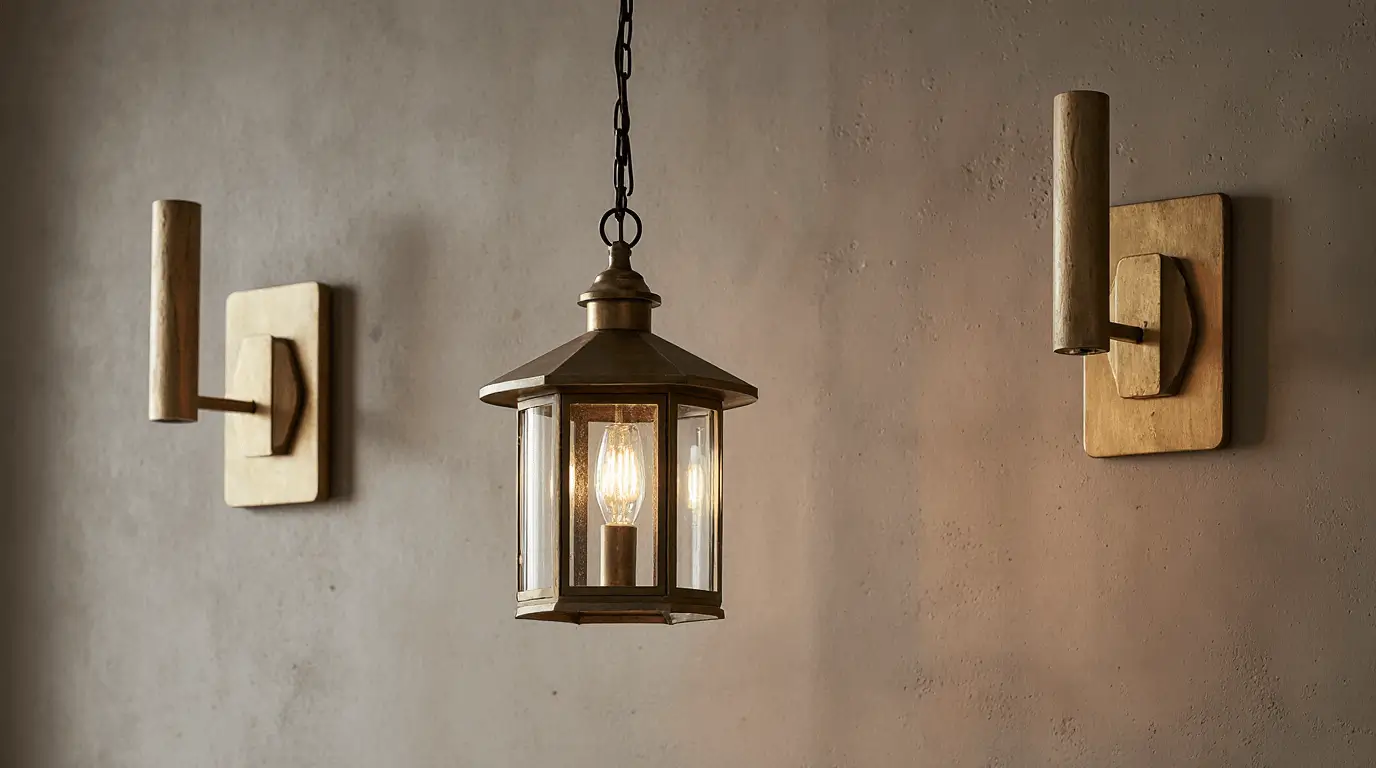
Lighting completes the atmosphere. Lantern-style pendants, wrought iron fixtures, and warm LED accents enhance depth and intimacy.
Conclusion: Designing with Meaning, Not Just Style
Global heritage interior design endures because it honors both memory and modern life. It draws from tradition without becoming rigid, and it embraces global influence without feeling chaotic. When thoughtfully composed, this approach creates interiors that feel rooted, soulful, and entirely personal.
In practice, what makes global heritage interior design work is intention. Each material has integrity. Each piece carries history. Each room is layered with care rather than filled for effect. From carved wood and handwoven textiles to balanced layouts and warm lighting, the design decisions support comfort, cultural storytelling, and longevity.
This style benefits homeowners who value depth over trends—those who want their spaces to reflect travel, ancestry, craftsmanship, or simply a love for timeless detail. It’s particularly powerful for families building a legacy home, collectors curating meaningful pieces, or anyone seeking warmth in an increasingly minimal world.
Moving forward, start with authenticity. Choose quality materials. Preserve architectural character. Layer global elements thoughtfully rather than all at once. When you approach your home with clarity and cultural respect, global heritage interior design becomes more than a look—it becomes a lived experience.
Learn more : 11+ Timeless French Colonial Interior Design Secrets
Frequently Asked Questions
- How is global heritage interior design different from traditional interior design?
Traditional interiors often draw from a single historical period or regional style. Global heritage interior design, by contrast, weaves together multiple cultural influences while maintaining structure and balance. It preserves classic principles—proportion, craftsmanship, quality—while expanding the visual language to include global artistry and layered textures.
- Can global heritage interior design work in a modern home?
Absolutely. In fact, it often thrives in contemporary spaces. Clean architectural lines create a calm backdrop for heritage furniture, textiles, and art. The contrast between modern simplicity and traditional detail produces a rich yet refined atmosphere that feels curated rather than heavy.
- How do I prevent the space from feeling cluttered?
The key is editing with discipline. Focus on quality over quantity. Anchor the room with foundational pieces—solid wood furniture, a statement rug, architectural details—then layer thoughtfully. Leave breathing room between objects so each element can be appreciated. Balance is what transforms layering into sophistication.
- What color palettes work best for this style?
Earth-driven palettes tend to perform beautifully: terracotta, olive green, indigo, warm neutrals, muted gold, and deep wood tones. These shades reflect natural materials and traditional craftsmanship, helping diverse elements feel cohesive and grounded rather than visually fragmented.
- Is global heritage interior design expensive to achieve?
It doesn’t have to be. While investing in quality foundational pieces is wise, many heritage-inspired elements can be sourced over time—vintage finds, artisan textiles, handcrafted ceramics. This style actually benefits from gradual curation, allowing authenticity to build naturally rather than all at once.
- Who is this design approach best suited for?
It resonates most with individuals who appreciate story, craftsmanship, and cultural expression. Collectors, travelers, heritage-focused families, and homeowners seeking warmth and depth often find this style deeply fulfilling. It suits those who prefer meaningful environments over trend-driven décor.
- How do I start incorporating global heritage interior design into my home?
Begin with one room. Introduce a handwoven rug, an heirloom cabinet, or artisanal lighting. Build around architectural strengths—molding, beams, arches—if present. As you layer, ensure each addition supports the room’s balance and narrative. With patience and intention, the space will evolve into something timeless and distinctly yours.




One Response