
Introduction
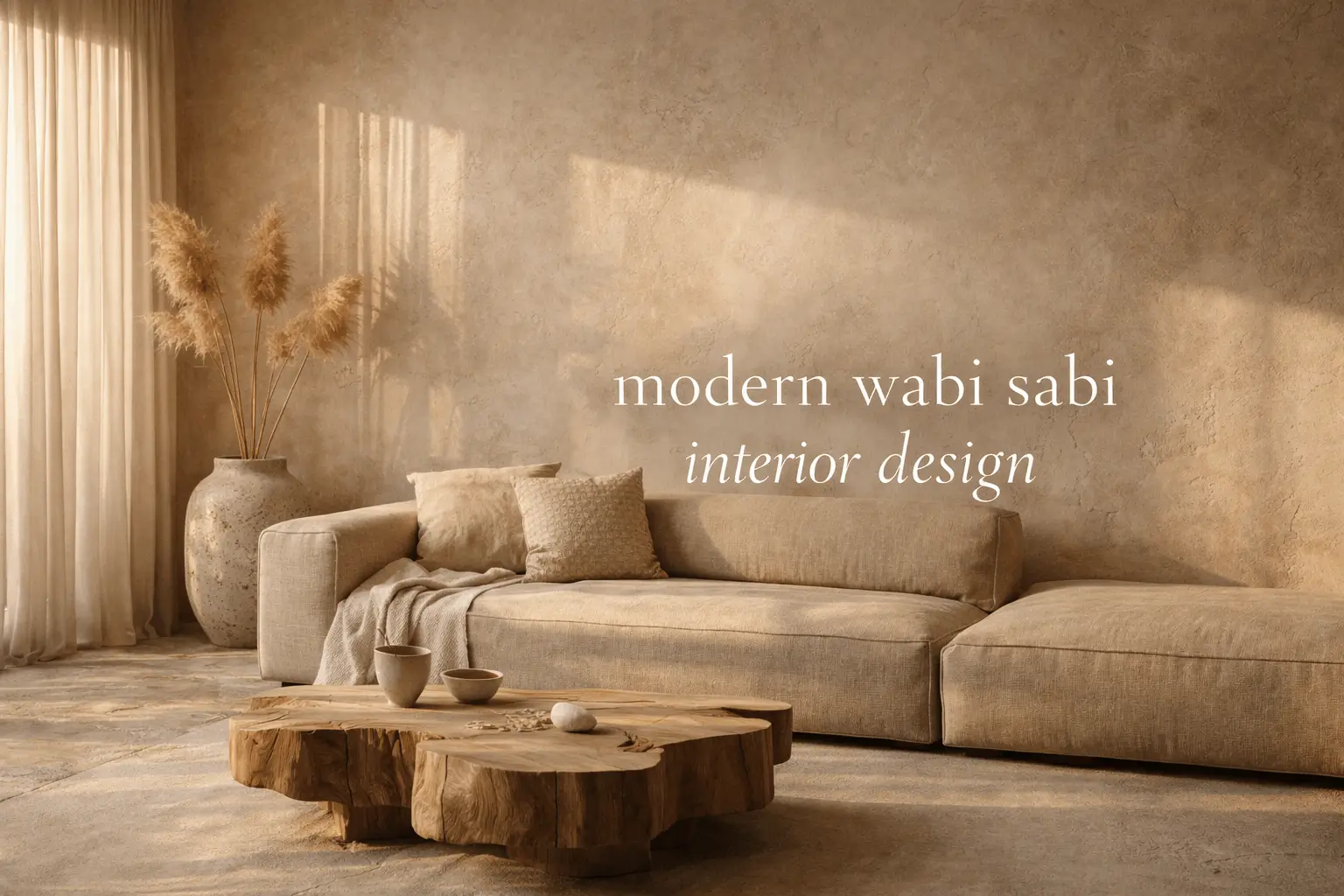
Modern wabi sabi interior design blends the quiet philosophy of Japanese wabi-sabi with contemporary minimalism. It celebrates imperfection, natural materials, and the passage of time—while still feeling relevant, livable, and refined for modern homes. This style isn’t about decoration; it’s about atmosphere, texture, and emotional warmth.
Having worked with clients who crave simplicity but dislike cold minimalism, I’ve seen how modern wabi sabi interior design creates calm without sterility. It prioritizes authenticity over perfection, muted palettes over bold contrast, and craftsmanship over mass production. The result is a space that feels grounded, soulful, and deeply personal.
Below are focused design clusters that define and expand this aesthetic.
Modern Wabi Sabi Interior Design Philosophy
Modern wabi sabi interior design is rooted in impermanence, asymmetry, and natural aging. Unlike strict minimalism, it welcomes subtle irregularities and handmade elements. The philosophy values emotional resonance over visual perfection.
Minimalist Modern Wabi Sabi Interior Design
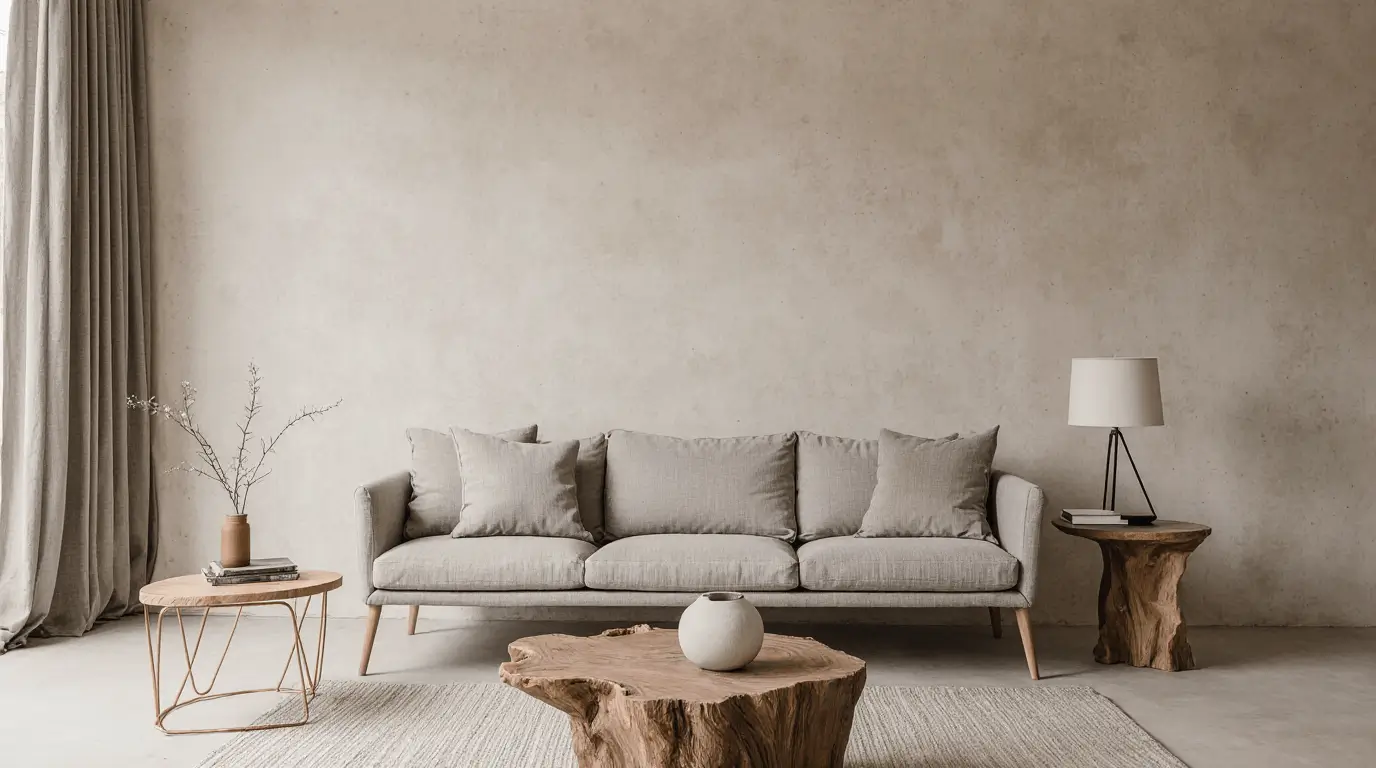
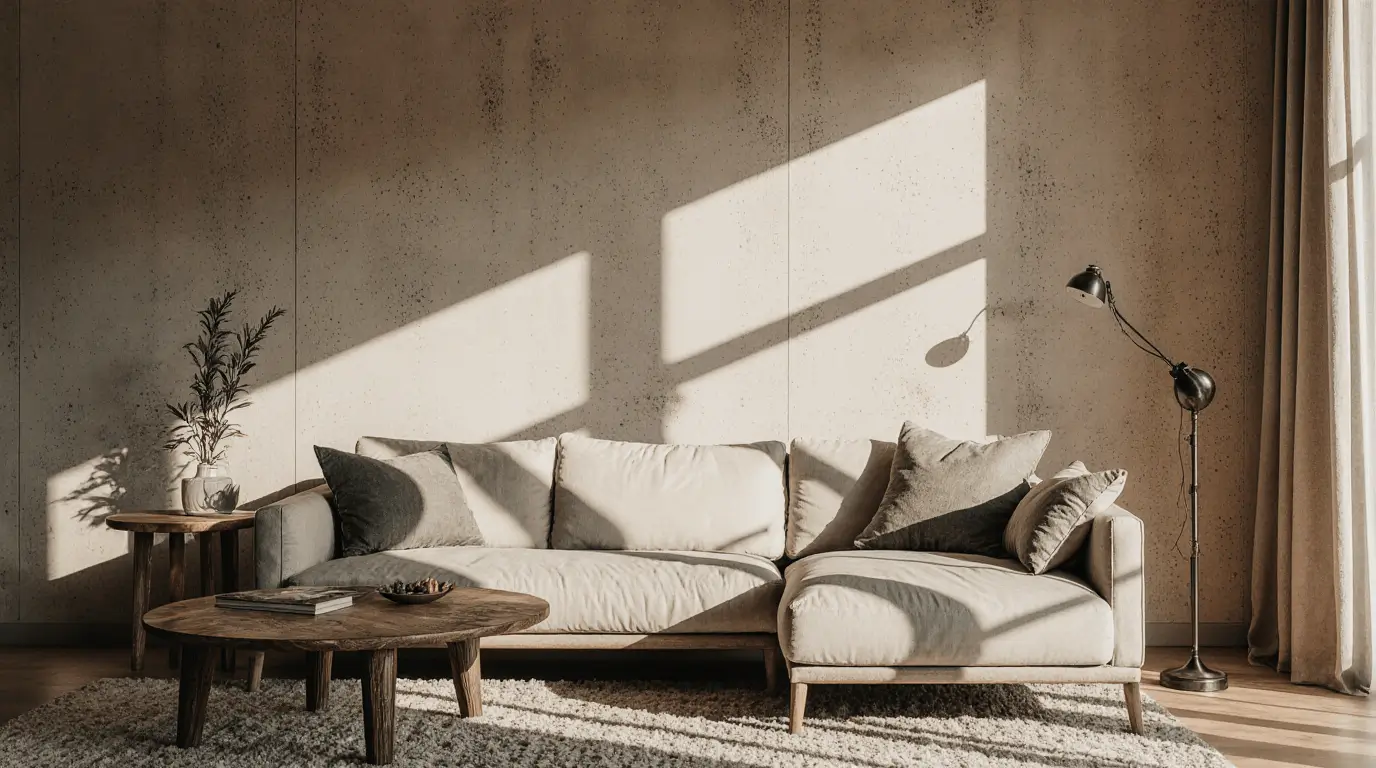
This approach merges minimalist layouts with organic textures. Furniture is sparse, but materials carry depth—limewash walls, textured linen, unfinished wood. Every piece feels intentional rather than decorative.
Modern Wabi Sabi Living Room Design
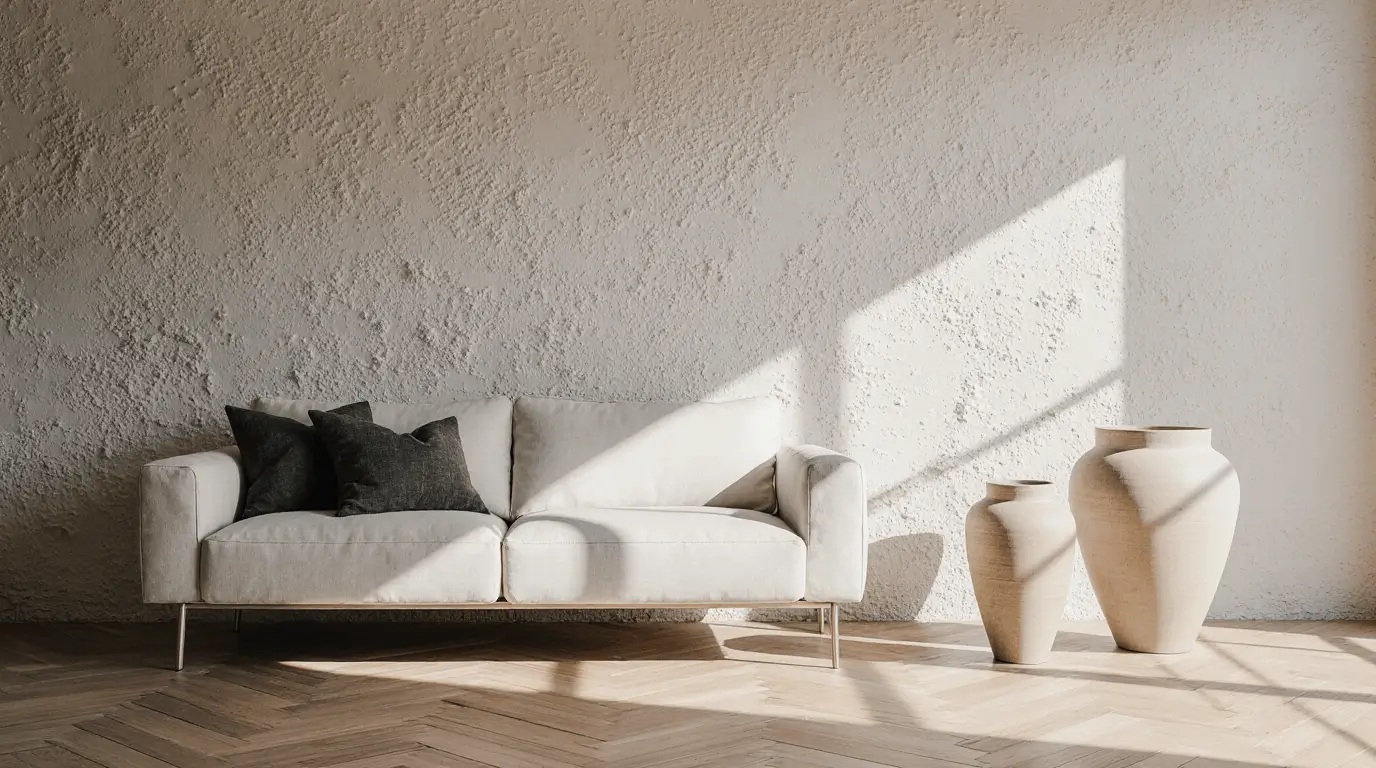
A modern wabi sabi living room focuses on low seating, earthy textiles, and sculptural simplicity. Layered textures replace visual clutter. Soft lighting enhances shadow play, adding dimension to neutral tones.
Modern Wabi Sabi Bedroom Interiors
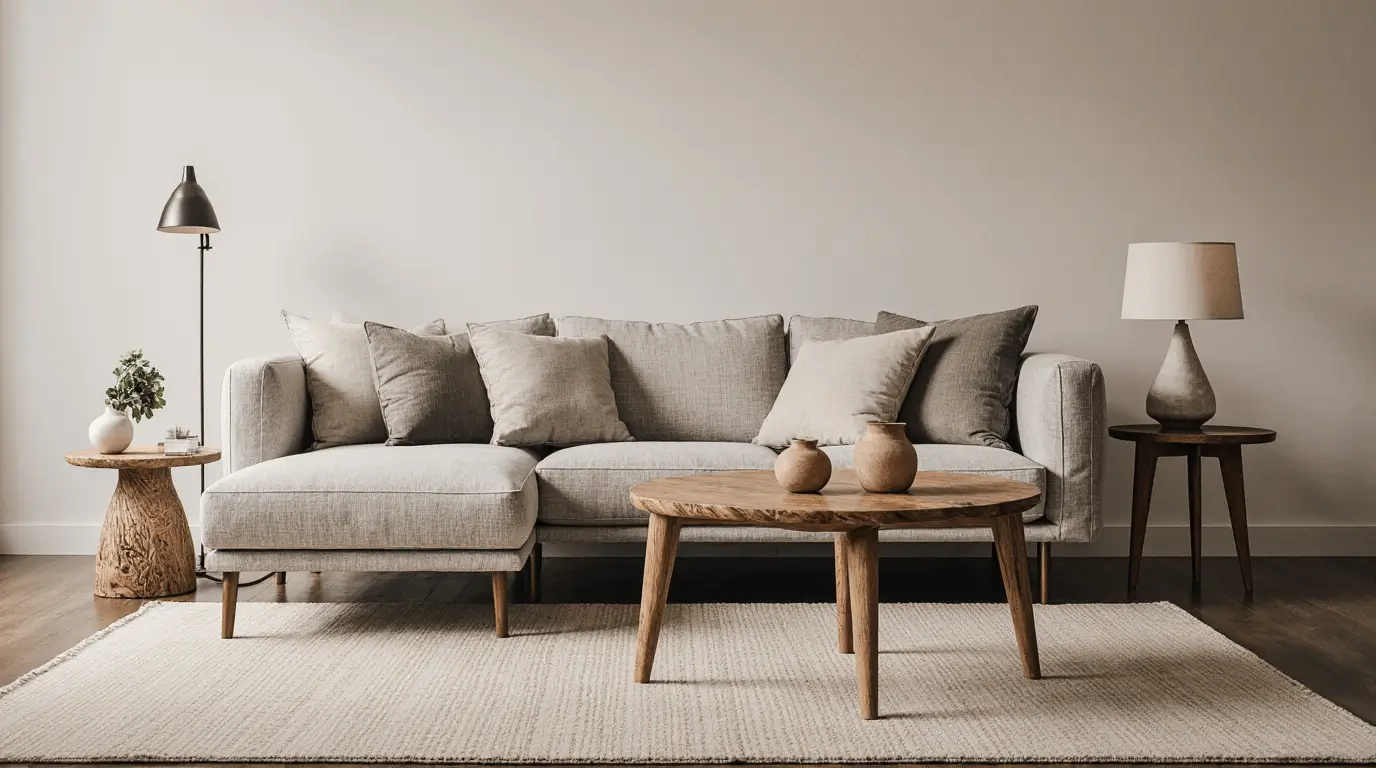
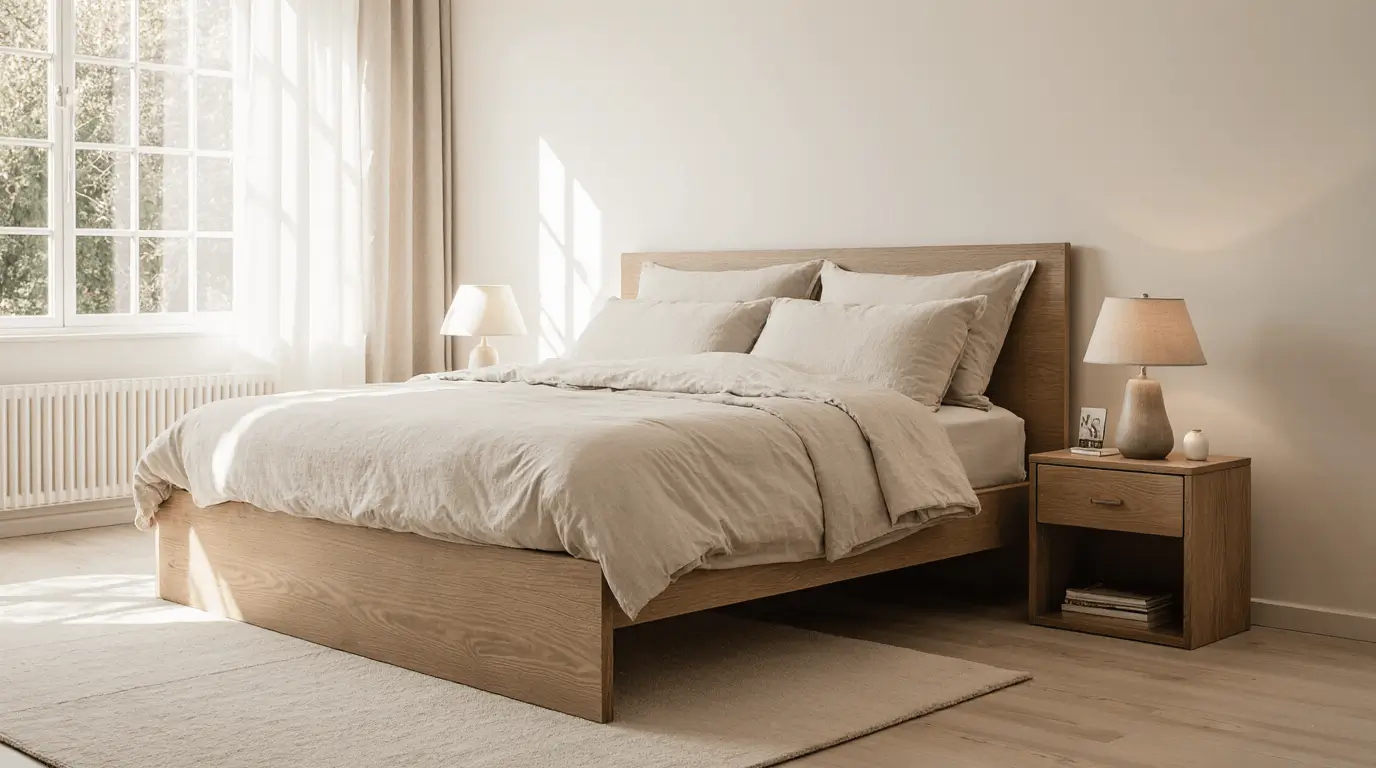
Bedrooms in this style feel restful and grounded. Natural fabrics like cotton and linen dominate. The bed is often low-profile, paired with handcrafted bedside elements.
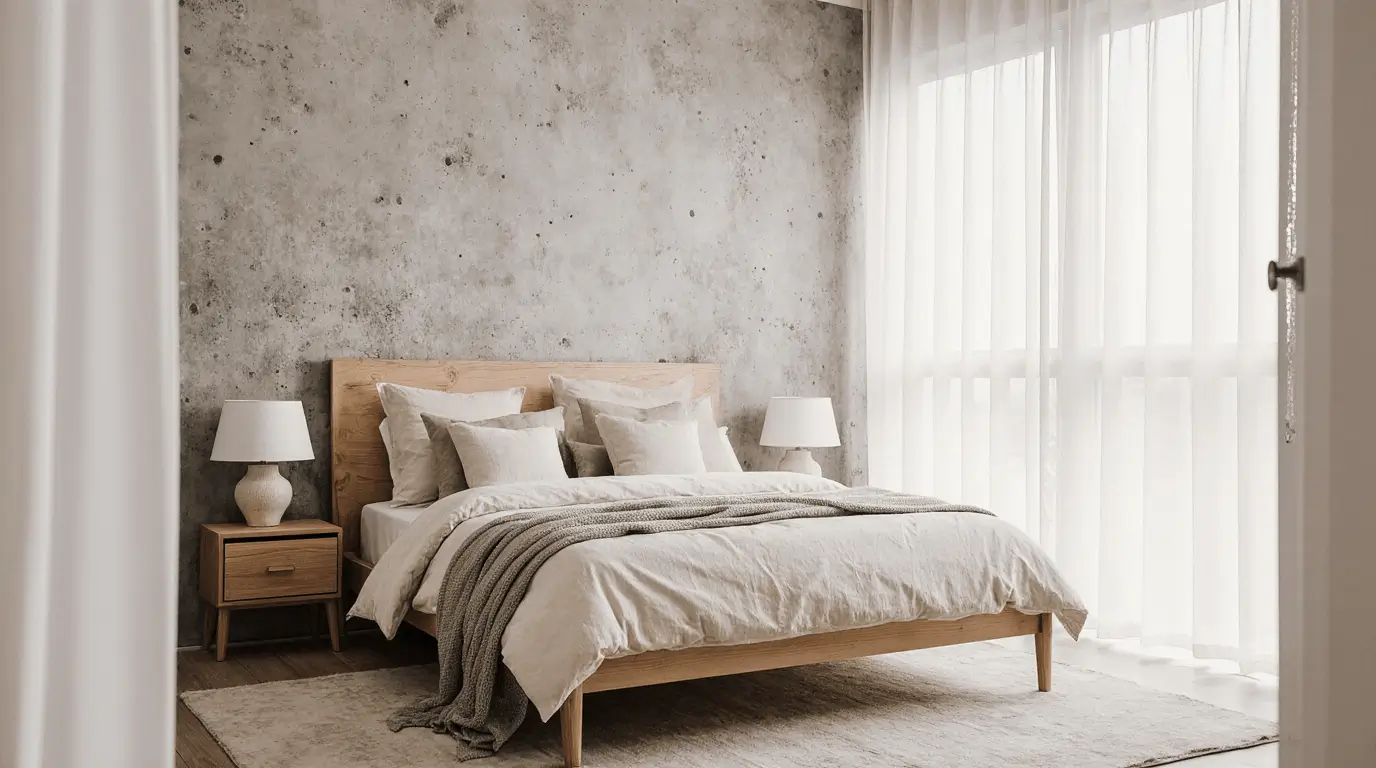
Wabi Sabi Interior Design Characteristics in Modern Spaces
Key characteristics include asymmetry, muted palettes, raw finishes, and visible craftsmanship. Surfaces may show subtle cracks, grain, or patina. The beauty lies in their honesty.
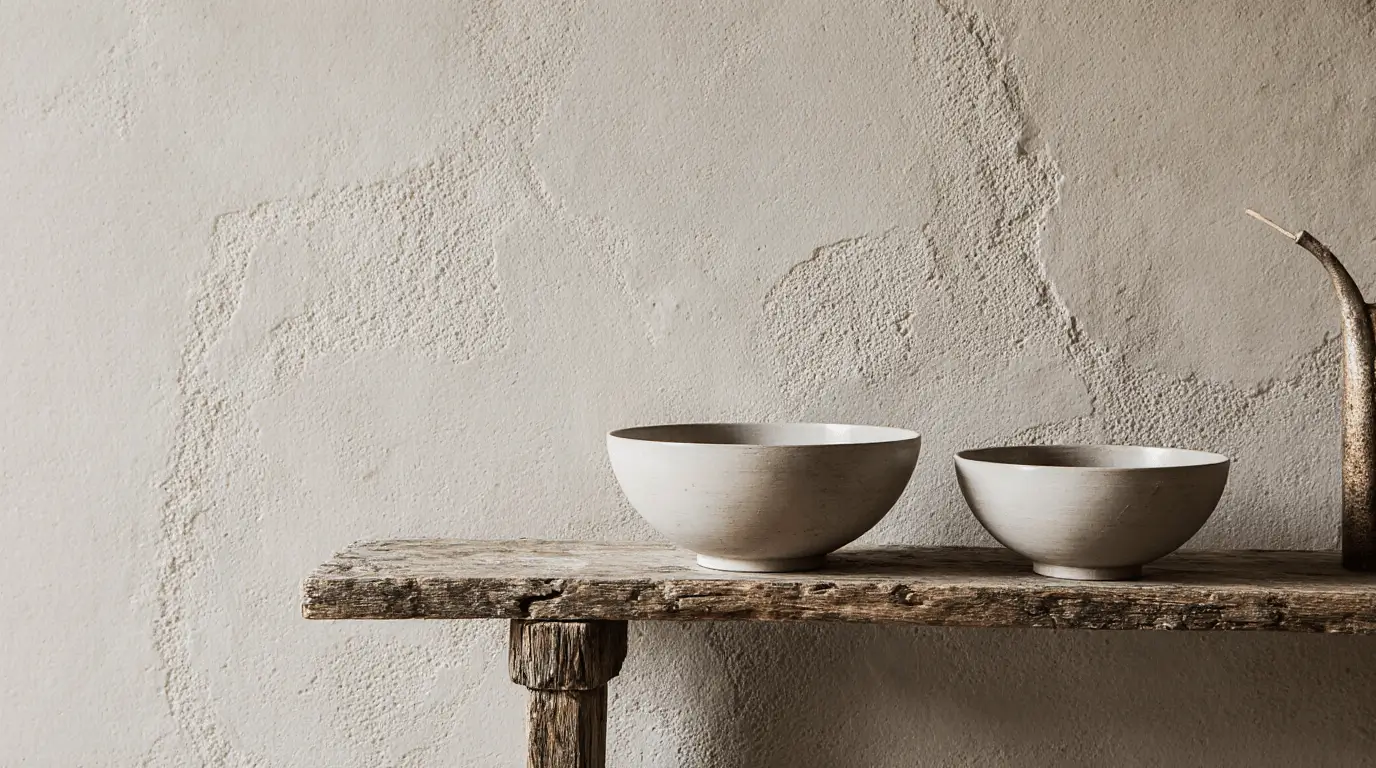
Japandi Influence on Modern Wabi Sabi Interior Design
Japandi design merges Japanese wabi-sabi warmth with Scandinavian functionality. The result is clean yet inviting interiors—light woods, neutral textiles, and restrained décor.
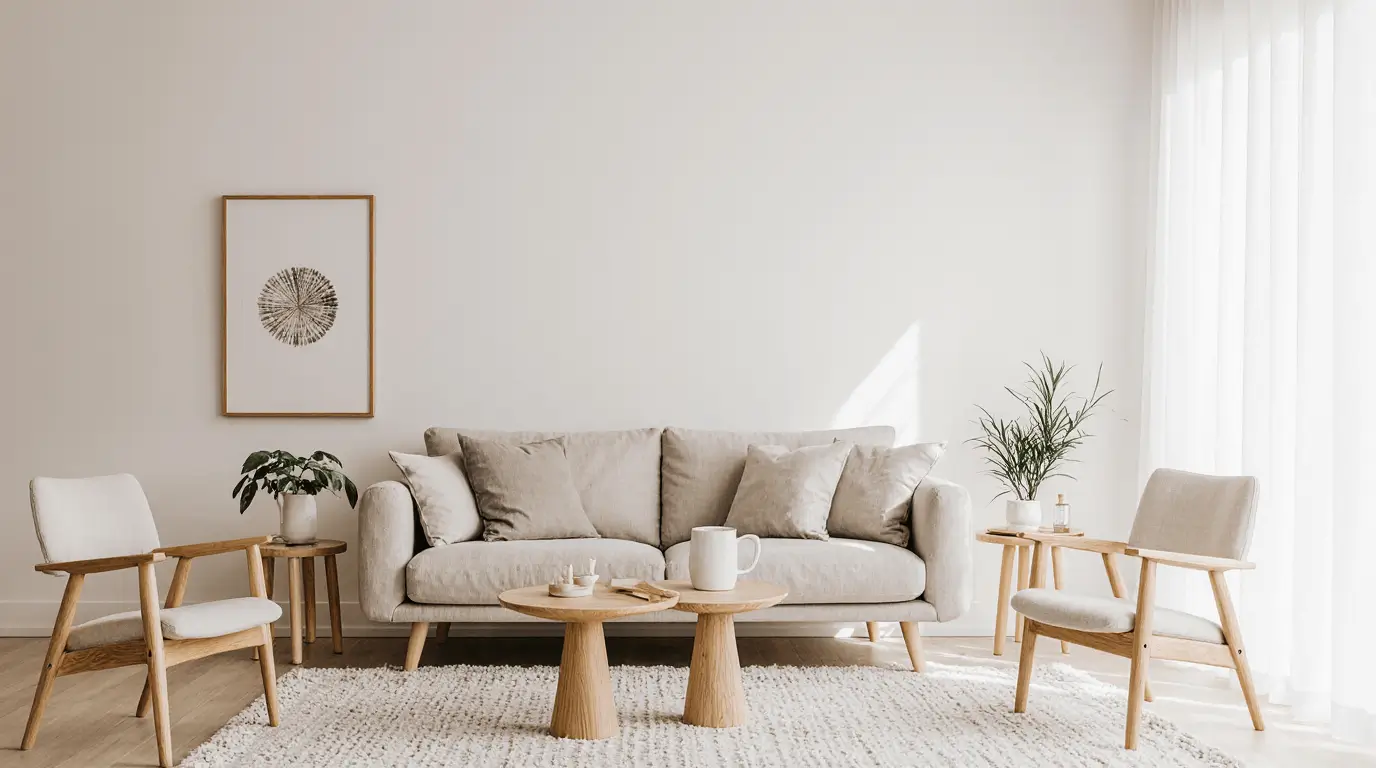
Modern Wabi Sabi Interior Color Palette
Colors are subdued—warm whites, clay, taupe, stone gray, muted greens. These tones enhance texture and natural light rather than dominate the space.
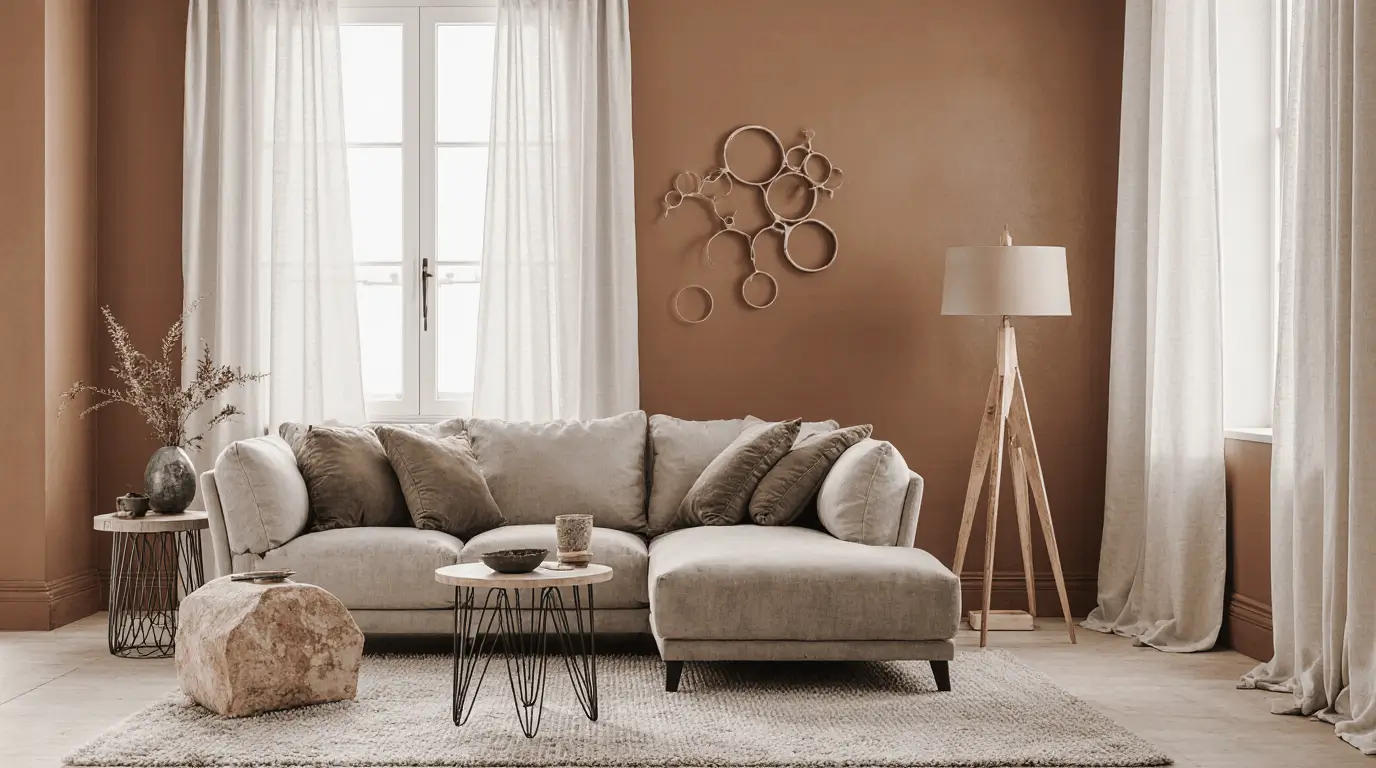
Natural Materials in Modern Wabi Sabi Interior Design
Wood, linen, stone, clay, and handmade ceramics define material selection. Avoid glossy or synthetic finishes. Choose materials that age gracefully.
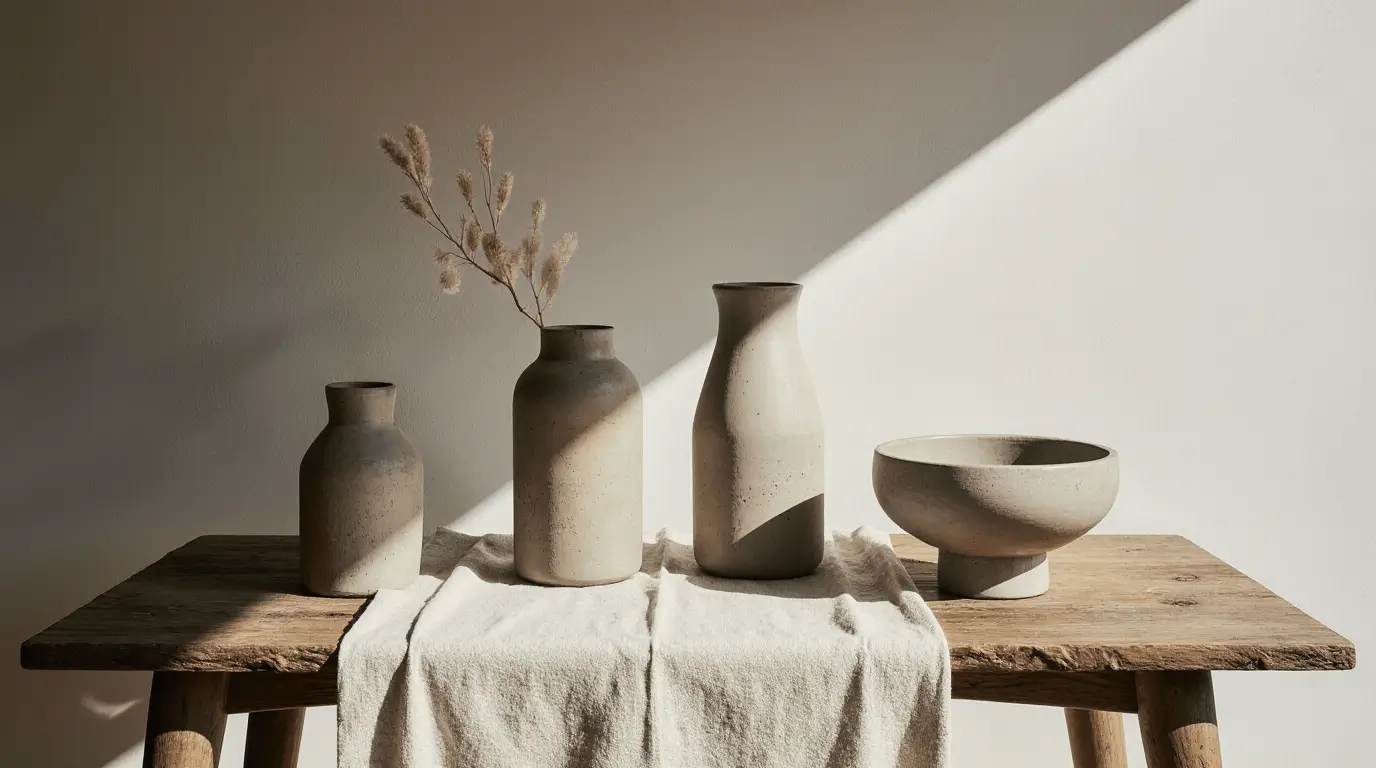
Wabi Sabi Furniture for Modern Homes
Furniture should feel sculptural yet humble—low sofas, organic wood tables, curved silhouettes. Pieces often highlight grain, knots, or handcrafted imperfections.
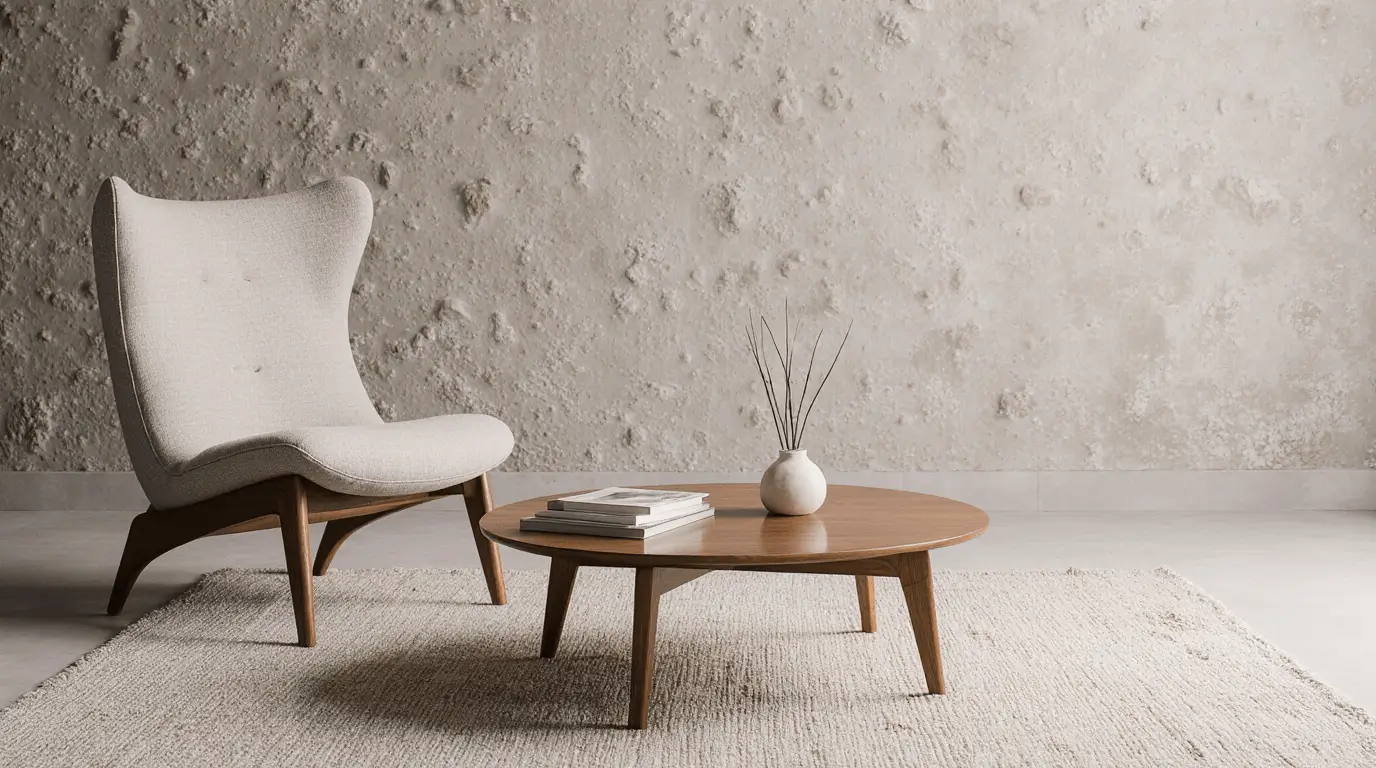
Wabi Sabi Decor Ideas in Modern Interiors
Decor is minimal but meaningful—ceramic vessels, dried branches, textured textiles. Negative space is just as important as objects.
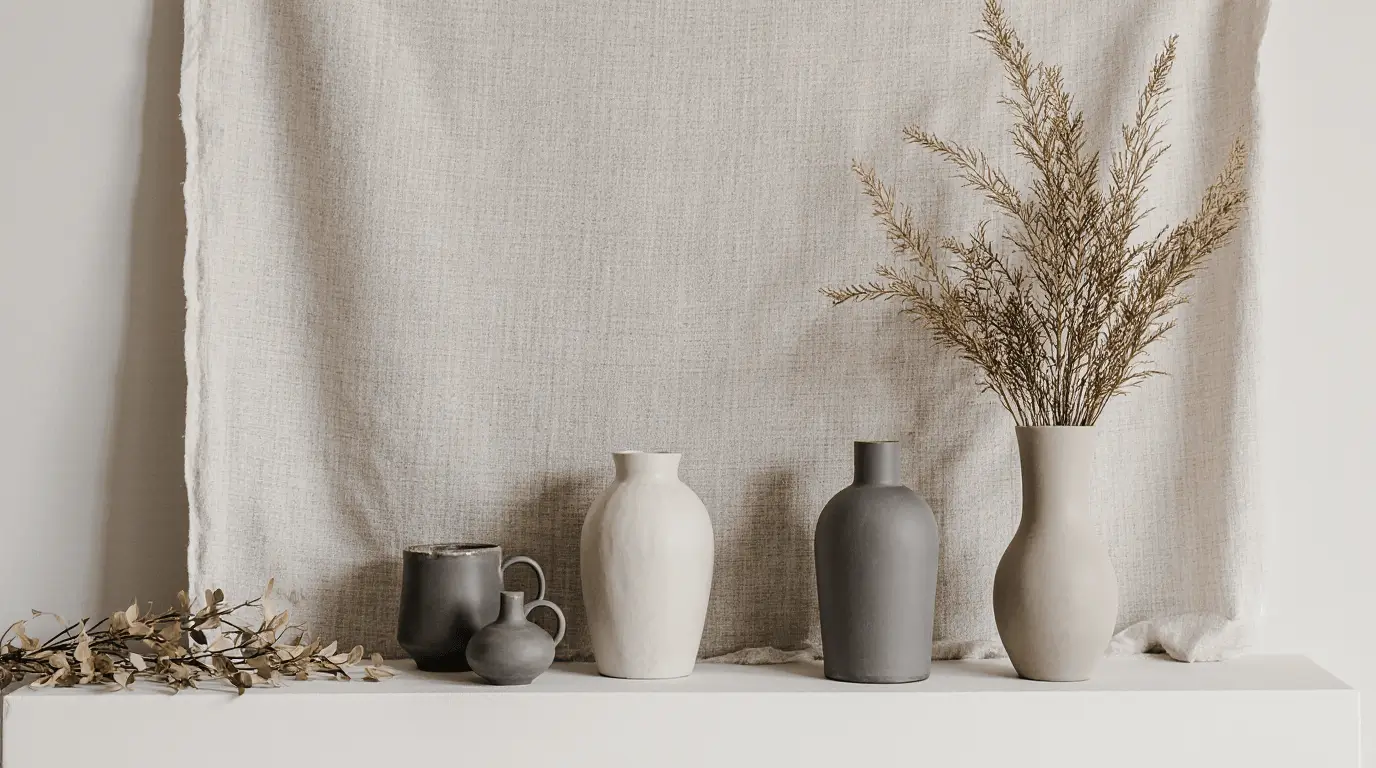
Modern Wabi Sabi Interior Lighting
Lighting is soft, layered, and indirect. Paper lanterns, ceramic lamps, and warm LED tones enhance shadow and mood.
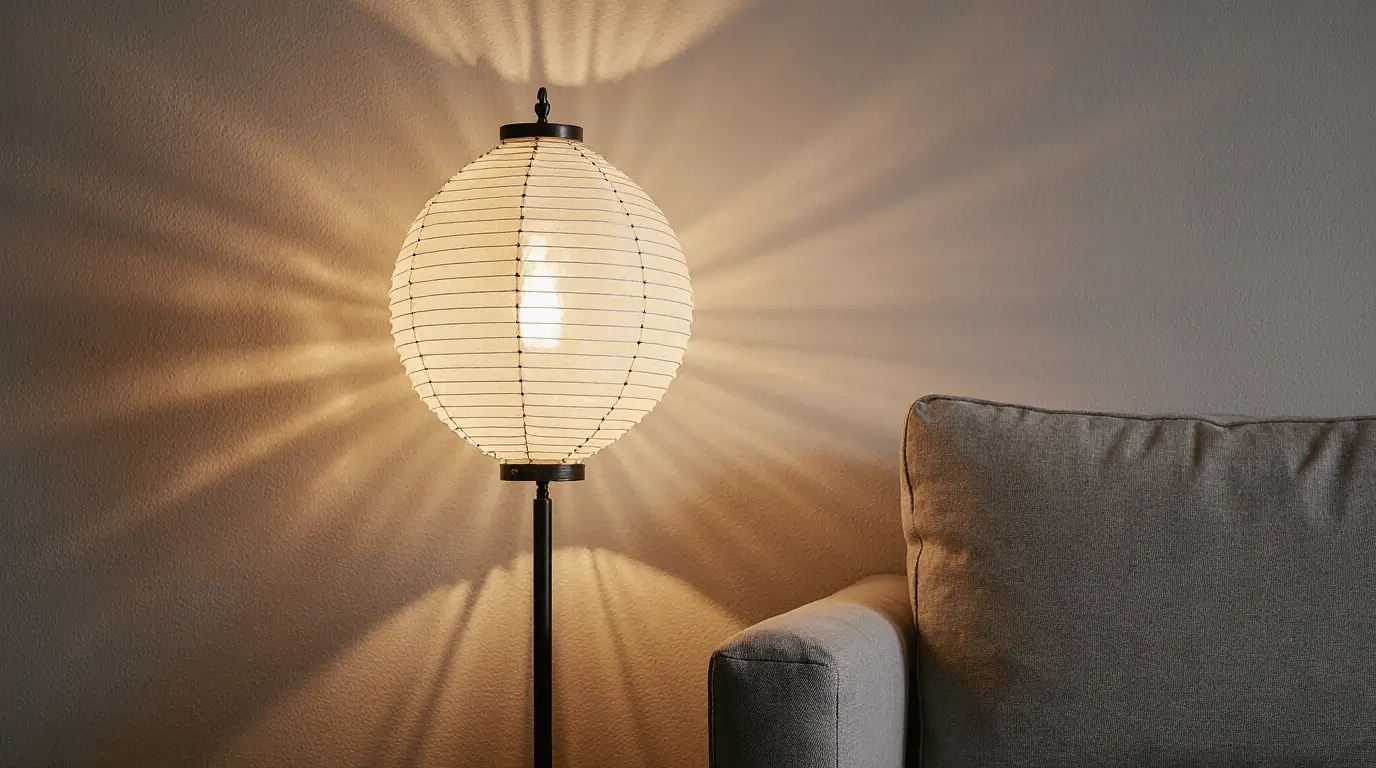
Wabi Sabi Living Room Decor Ideas
Focus on grounding elements—area rugs in natural fibers, imperfect pottery, neutral cushions. Keep layouts open and breathable.
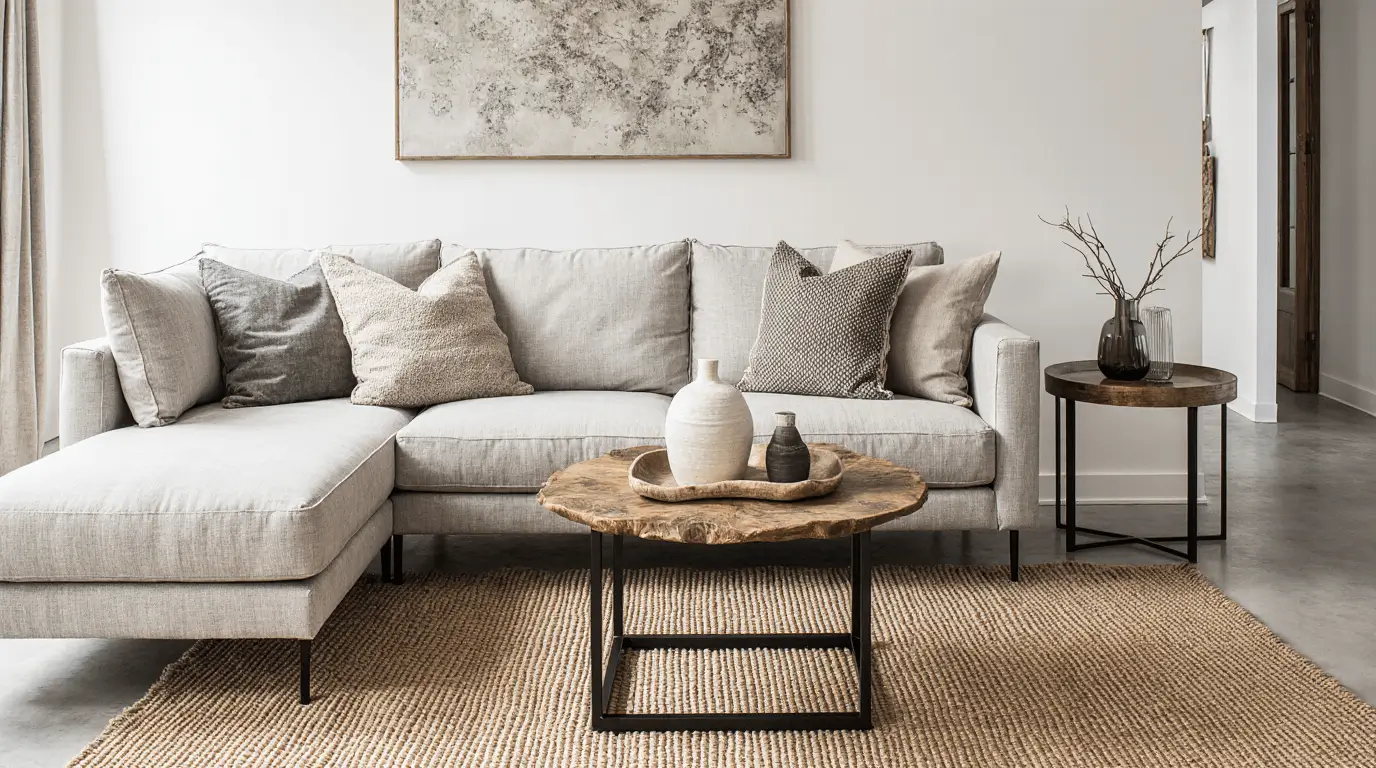
Wabi Sabi Bedroom Furniture Concepts
Choose solid wood beds, minimal nightstands, and soft fabric headboards. Avoid ornate detailing; embrace simplicity.
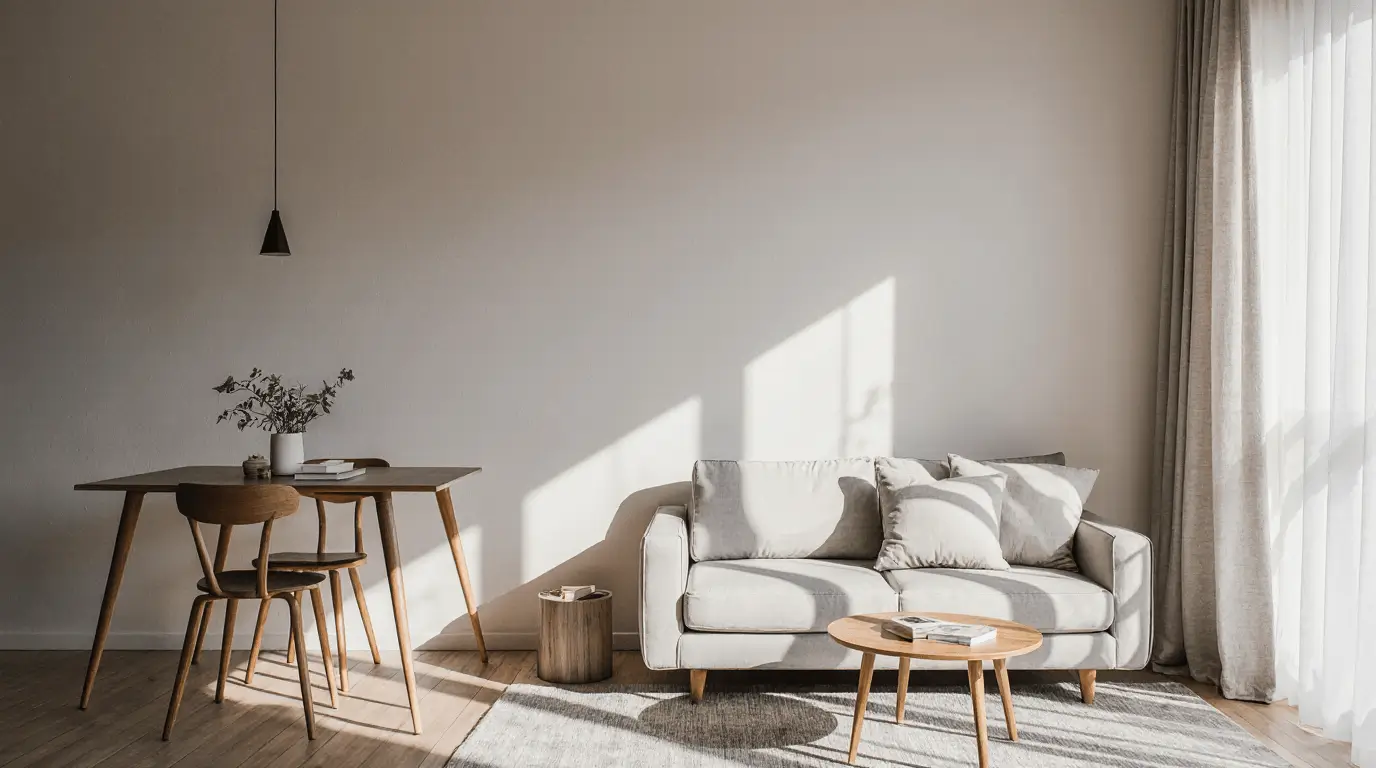
Modern Wabi Sabi Interior Design Ideas for Small Spaces
In compact homes, prioritize texture over quantity. Light neutral walls expand space while natural materials add depth.
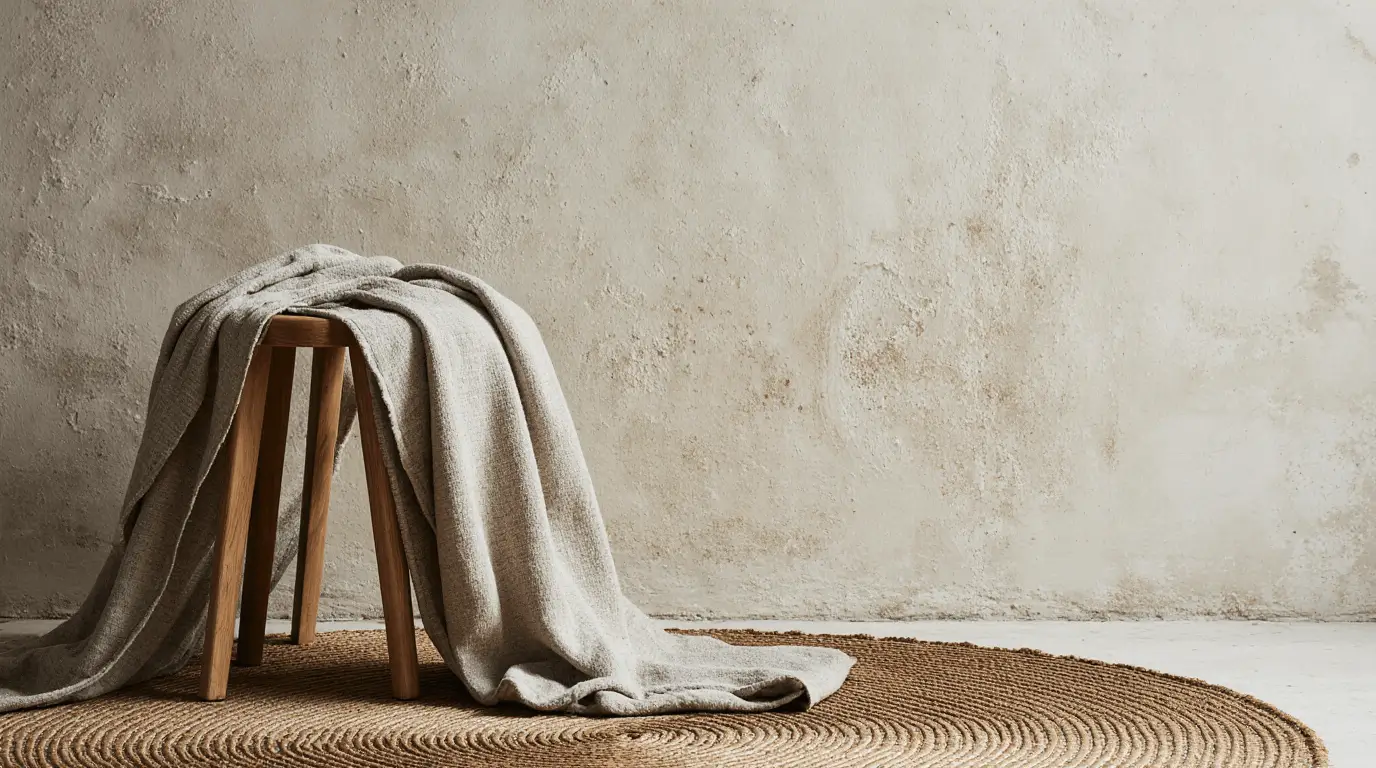
Texture Layering in Modern Wabi Sabi Interior Design
Layering texture—plaster, wood grain, woven textiles—creates richness without visual noise. This is where the design truly comes alive.
What Makes Modern Wabi Sabi Interior Design Timeless
Unlike trend-driven styles, modern wabi sabi interior design evolves with age. Materials develop patina, fabrics soften, and spaces grow more beautiful over time.
This timelessness comes from restraint, authenticity, and emotional connection—qualities that never go out of style.
Conclusion: Designing With Intention, Living With Meaning
Modern wabi sabi interior design endures because it aligns aesthetics with lived experience. It’s not about chasing trends or achieving picture-perfect rooms — it’s about creating spaces that feel honest, grounded, and restorative. By combining contemporary simplicity with natural materials and subtle imperfection, this approach produces interiors that age gracefully and grow more beautiful over time.
In practice, I’ve seen this design philosophy resonate most with people who crave calm but don’t want their homes to feel sterile or overly styled. It works especially well for those seeking a slower, more intentional lifestyle — individuals who value craftsmanship, texture, and emotional warmth over excess. Instead of filling a space, you refine it. Instead of replacing constantly, you choose thoughtfully and allow materials to evolve.
If you’re moving forward with modern wabi sabi interior design, start small but start intentionally. Simplify one room. Replace synthetic finishes with natural ones. Introduce texture before adding décor. Pay attention to light. Edit rather than accumulate. Over time, the home becomes quieter, more balanced, and deeply personal.
Ultimately, this style works because it respects both the space and the person living in it. It reminds us that beauty doesn’t need to shout — it can whisper.
Learn more : Condo Interior Design Singapore: Ideas & Costs
Frequently Asked Questions
How is modern wabi sabi different from traditional Japanese wabi-sabi?
Traditional wabi-sabi is deeply rooted in Japanese philosophy and often reflects rustic, historical elements. Modern wabi sabi interior design adapts those principles to contemporary living — cleaner lines, subtle integration with modern architecture, and a balance between minimalism and warmth. It keeps the soul of the philosophy while making it functional for present-day homes.
- Can this style work in small apartments?
Yes, and often beautifully. Smaller spaces benefit from its emphasis on simplicity and natural light. By limiting furniture, using soft neutral tones, and layering textures instead of objects, compact rooms feel open yet inviting. The key is restraint and intentional placement rather than scale.
- Does modern wabi sabi interior design feel too plain or empty?
When done correctly, it never feels empty — it feels calm. The richness comes from texture, material depth, and light interplay rather than decorative volume. A textured wall, a solid wood table, or a handcrafted ceramic piece adds more presence than multiple decorative accessories.
- What materials are essential to achieve this look?
Natural, tactile materials are foundational: solid wood, linen, cotton, stone, clay, and plaster. The focus should be on authenticity and how materials age. Avoid overly glossy finishes or synthetic surfaces that disrupt the organic feel.
- Is modern wabi sabi compatible with other styles?
It integrates especially well with minimalist and Japandi-inspired interiors. However, it can also soften industrial or contemporary spaces by introducing warmth and texture. The transition works best when you reduce visual clutter first, then layer in organic elements gradually.
- How do I prevent the space from looking unfinished?
Intentionality is the difference between unfinished and refined. Choose fewer, higher-quality pieces. Keep proportions balanced. Use lighting to add depth. Even a single handcrafted object can anchor a room when thoughtfully placed.
- Who benefits most from adopting this design approach?
Those seeking a calm retreat from fast-paced environments often connect strongly with this aesthetic. It suits homeowners who value authenticity, sustainability, and emotional comfort over trend cycles. If you appreciate subtle beauty and meaningful simplicity, modern wabi sabi interior design offers lasting clarity and balance.



One Response