
Introduction
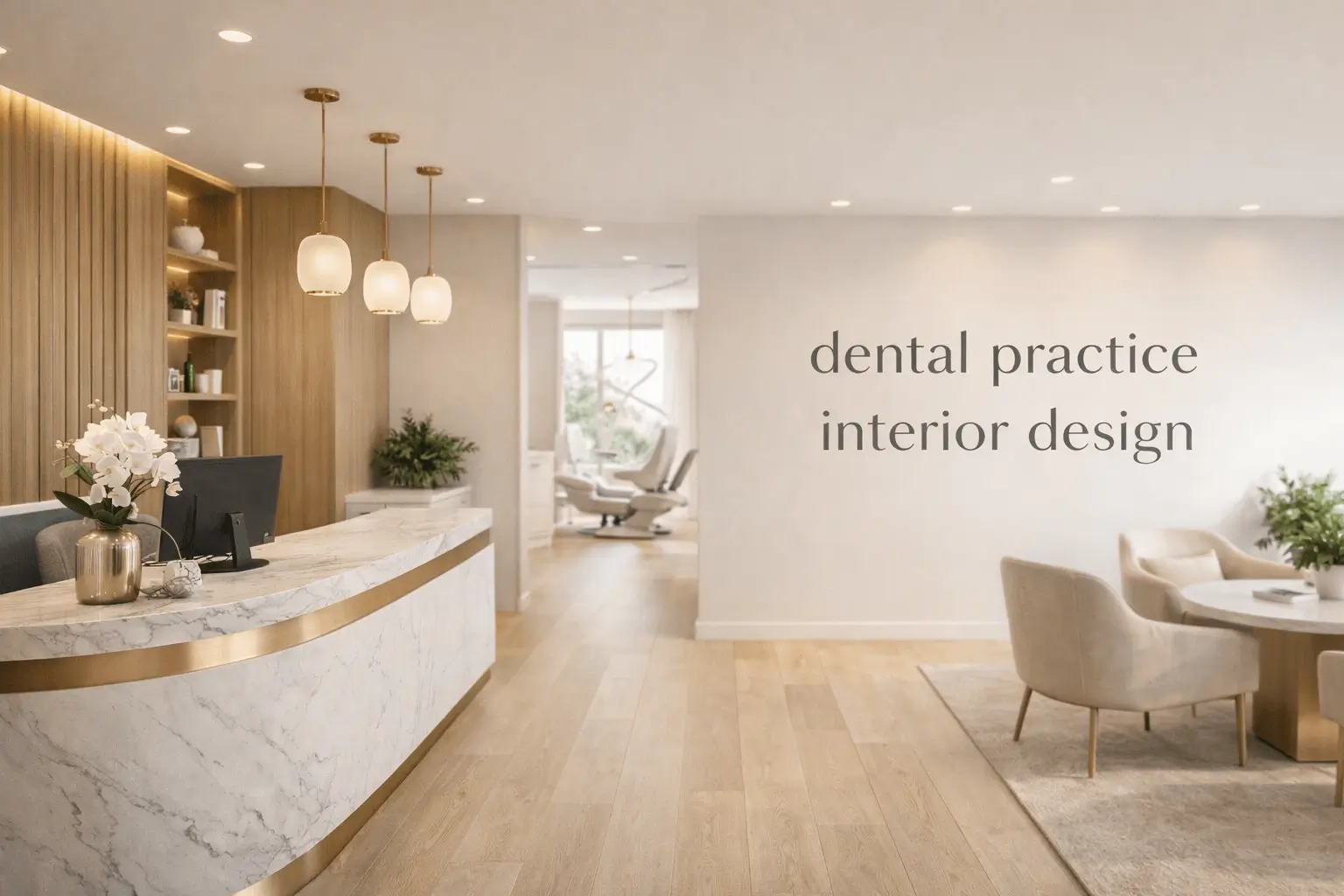
Dental practice interior design is far more than choosing attractive finishes. It is the strategic shaping of space to support clinical efficiency, patient comfort, infection control, brand positioning, and long-term business growth. A well-designed dental environment reduces patient anxiety, improves workflow, enhances staff productivity, and strengthens trust from the moment someone walks through the door.
Having worked alongside clinicians and healthcare planners, one truth stands out: thoughtful spatial planning directly impacts daily performance. From reception flow to operatory ergonomics, every design decision must balance aesthetics with compliance, hygiene, and psychological comfort. Below is a comprehensive guide to the most important components of modern dental practice interior design.
Modern Dental Practice Interior Design
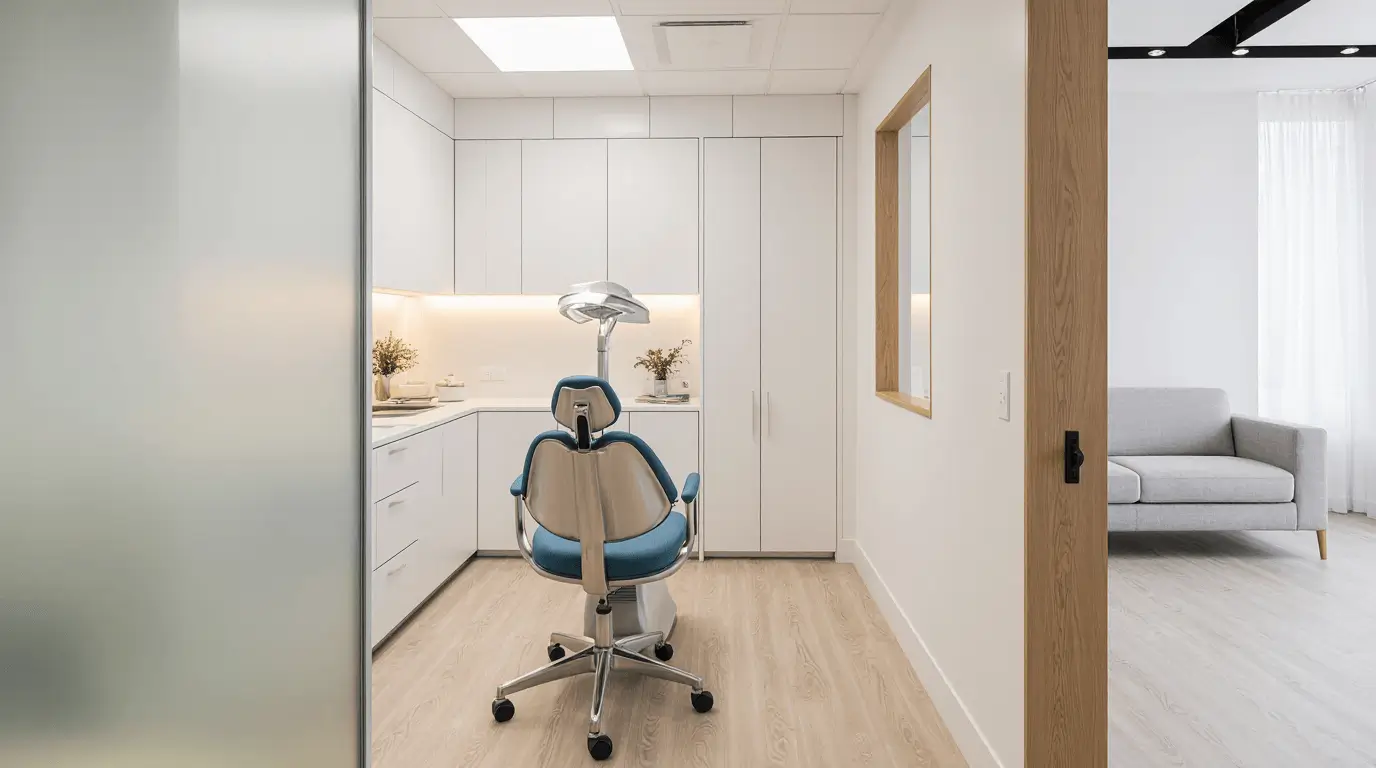
Modern dental practice interior design focuses on clean geometry, minimal clutter, and technology integration. Streamlined cabinetry, concealed wiring, and matte finishes create a forward-thinking clinical atmosphere while remaining welcoming.
Contemporary clinics often combine soft neutral palettes with warm textures to prevent the space from feeling sterile.
Luxury Dental Practice Interior Design
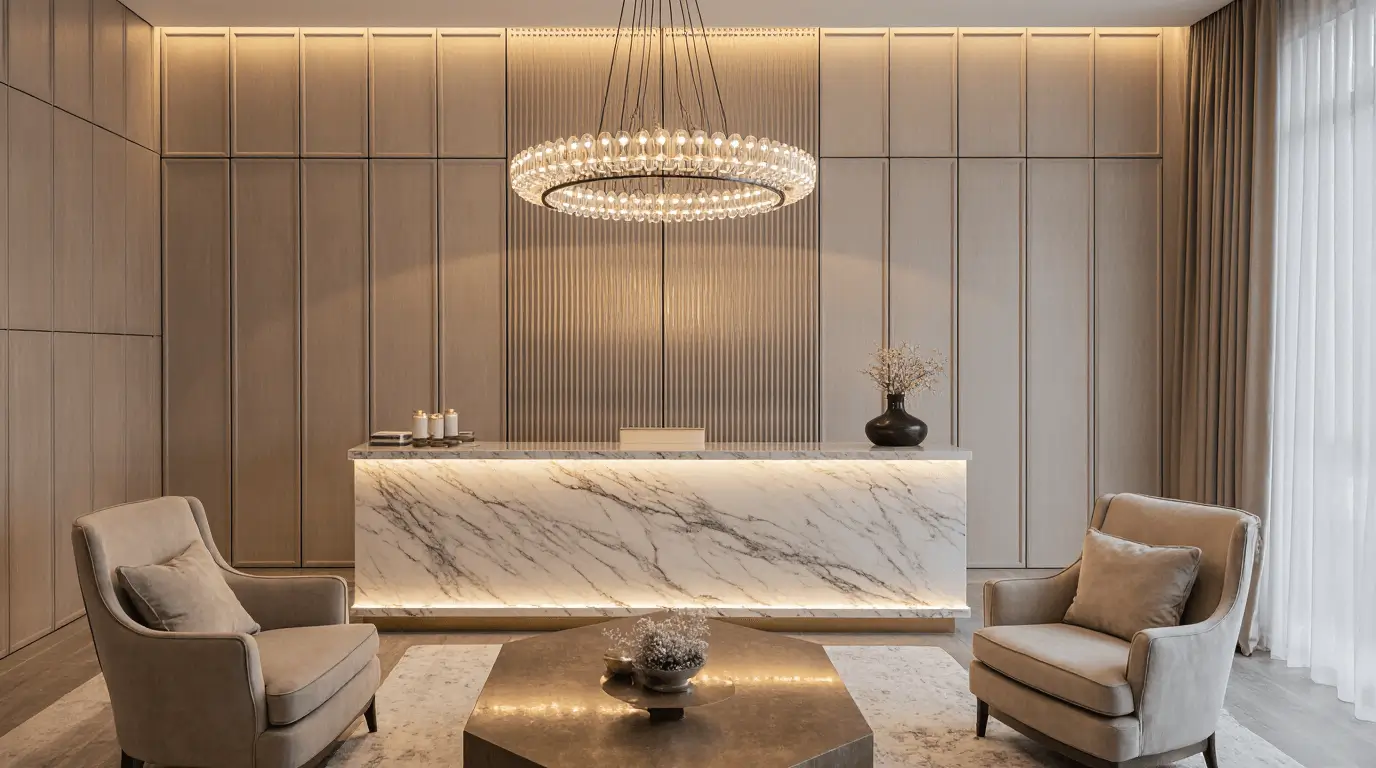
Luxury dental practice interior design elevates the patient journey through premium materials and hospitality-inspired spaces. Think stone reception desks, statement lighting, custom millwork, and curated art.
Upscale finishes communicate trust and exclusivity while maintaining strict clinical standards.
Small Dental Practice Interior Design Solutions
Smaller clinics require strategic spatial efficiency. Compact layouts benefit from built-in storage, sliding doors, mirrored surfaces, and open visual lines to create a sense of spaciousness.
Smart zoning ensures patient privacy without wasting square footage.
Dental Practice Interior Design Layout Planning
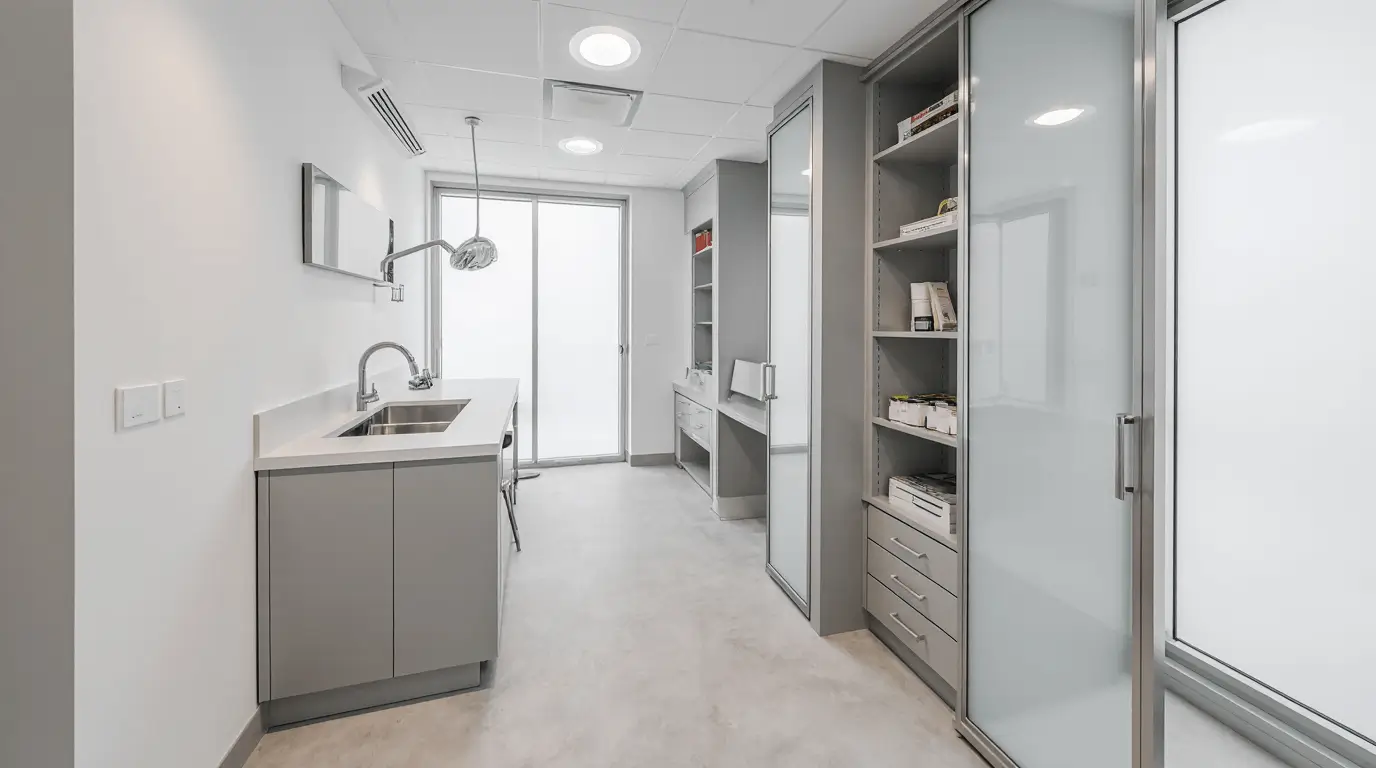
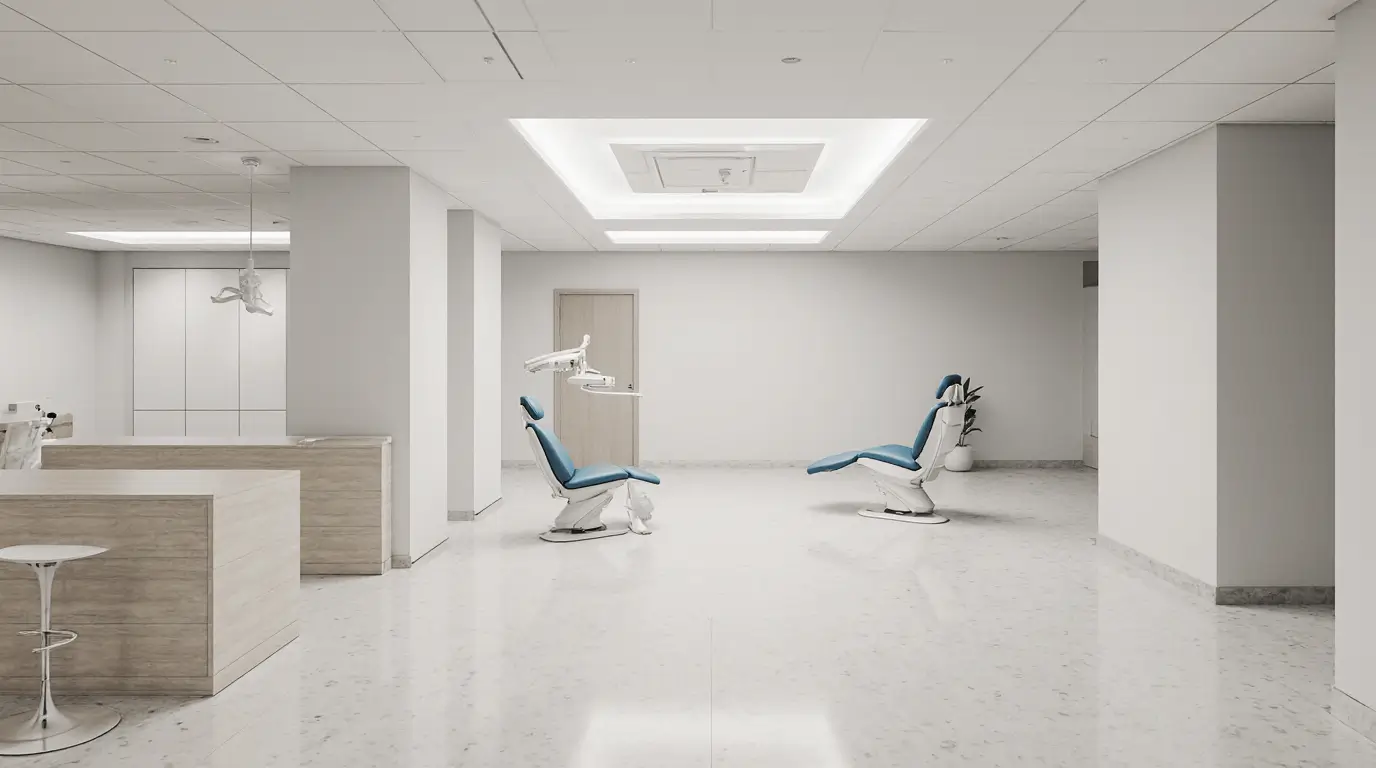
Effective layout planning is the backbone of successful dental practice interior design. Clear separation between public, clinical, and sterilization zones ensures smooth operations and compliance.
Treatment rooms should minimize staff movement while maximizing accessibility to instruments.
Reception Area in Dental Practice Interior Design
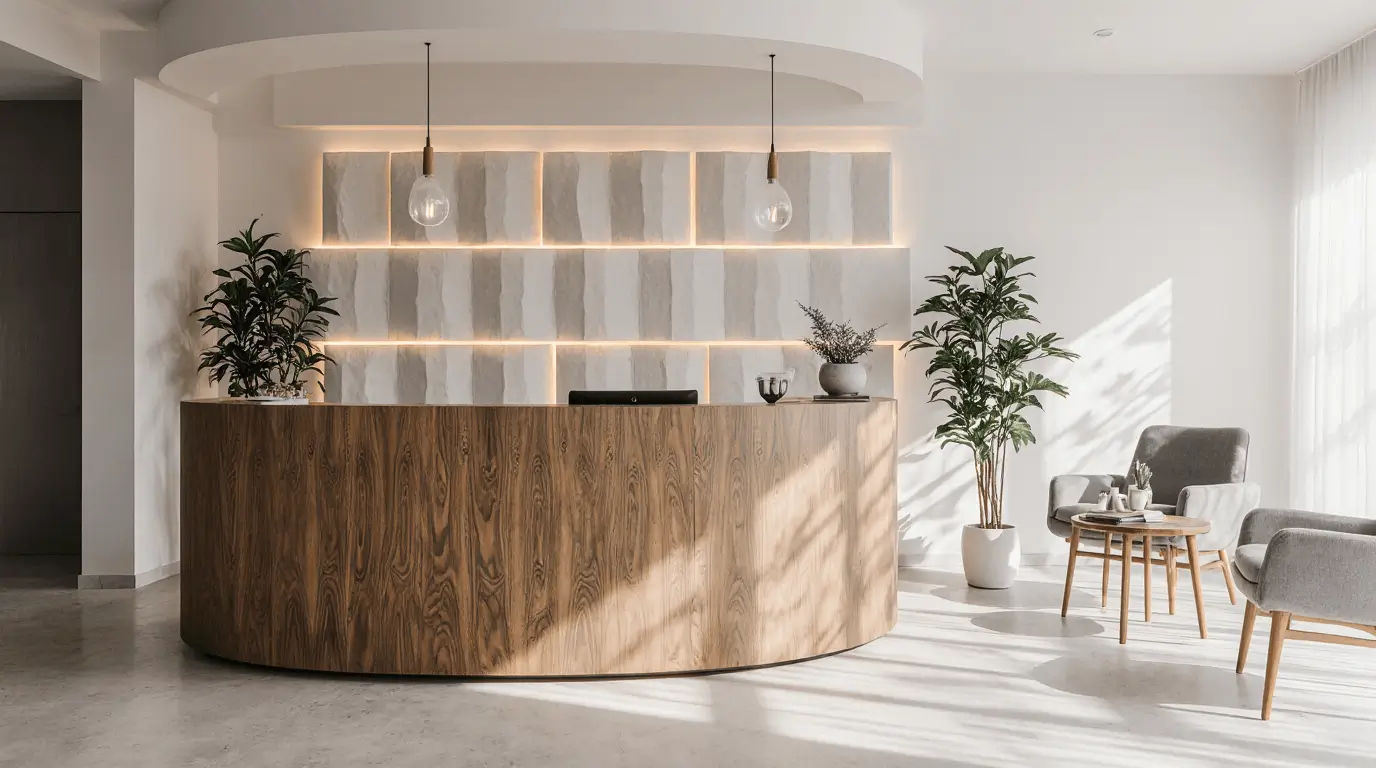
The reception area sets emotional expectations. A calm, hospitality-driven front desk reduces anxiety and establishes professionalism.
Curved desks, acoustic panels, and comfortable seating soften the clinical experience.
Waiting Room Design for Dental Practice Interiors
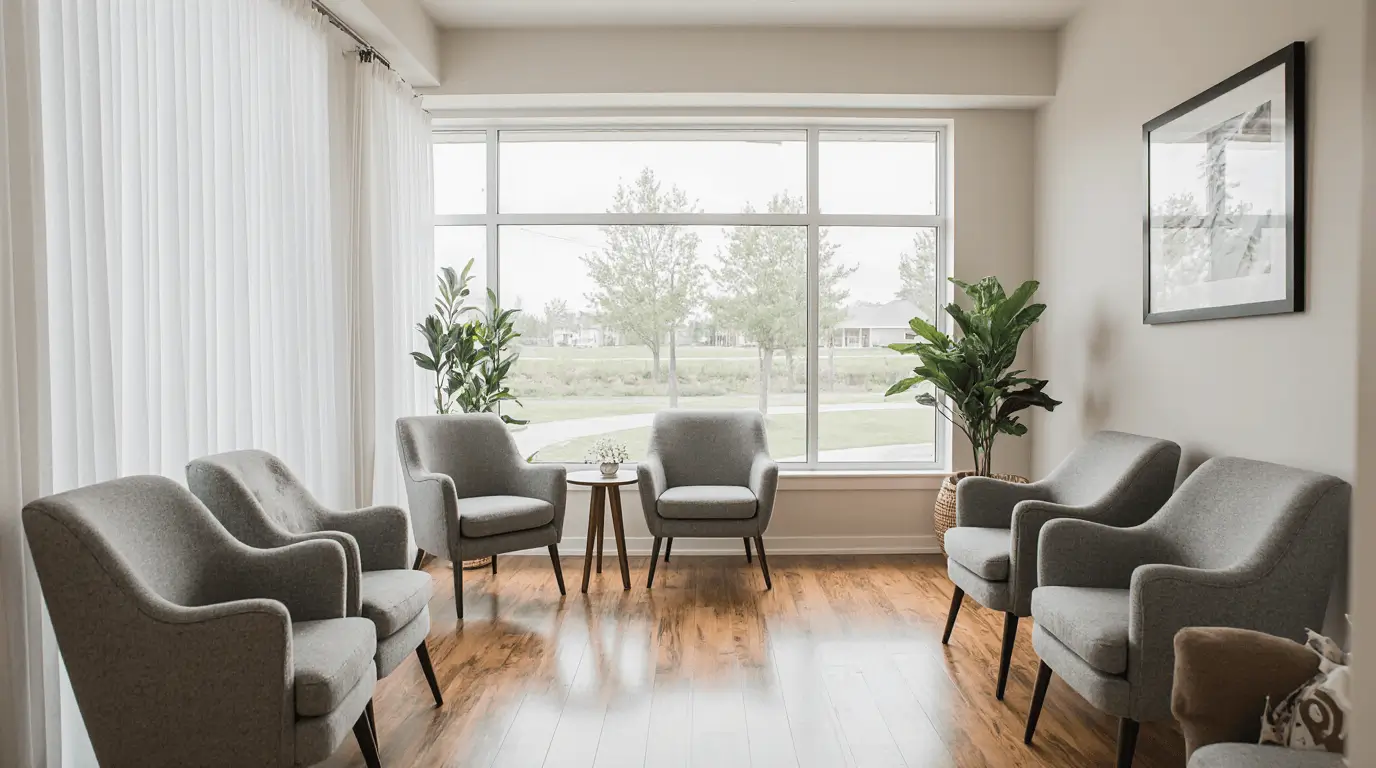
Patients often associate waiting with stress. Biophilic elements, warm textures, and natural light transform this time into a calming experience.
Zoned seating improves privacy and comfort.
Dental Operatory Design Within Dental Practice Interior Design
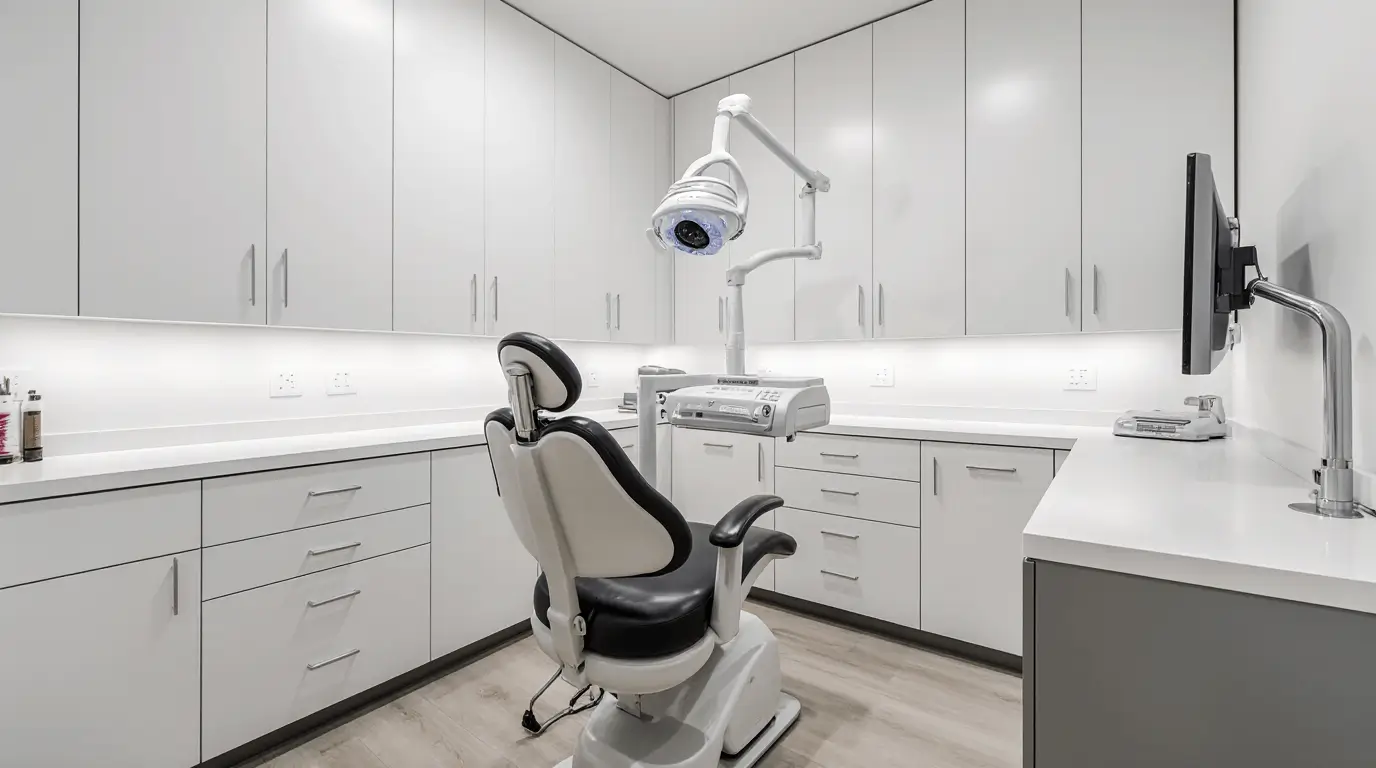
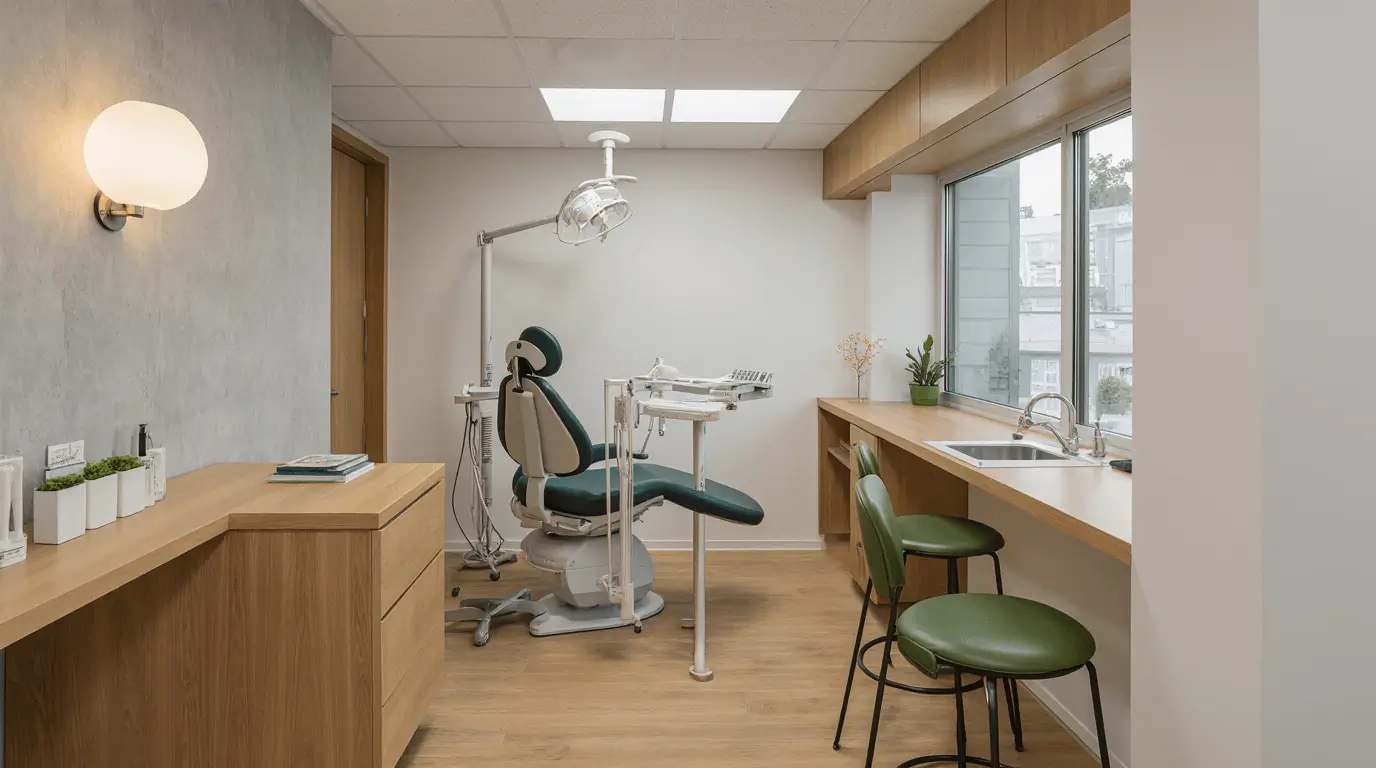
Operatories must prioritize ergonomics and hygiene. Cabinet placement, lighting angles, and patient chair positioning significantly affect clinical efficiency.
Well-planned operatories reduce fatigue and improve workflow precision.
Lighting Strategy in Dental Practice Interior Design
Lighting should layer ambient, task, and accent sources. Clinical precision lighting is essential in operatories, while warm lighting enhances comfort in public areas.
Balanced illumination prevents glare and reduces stress.
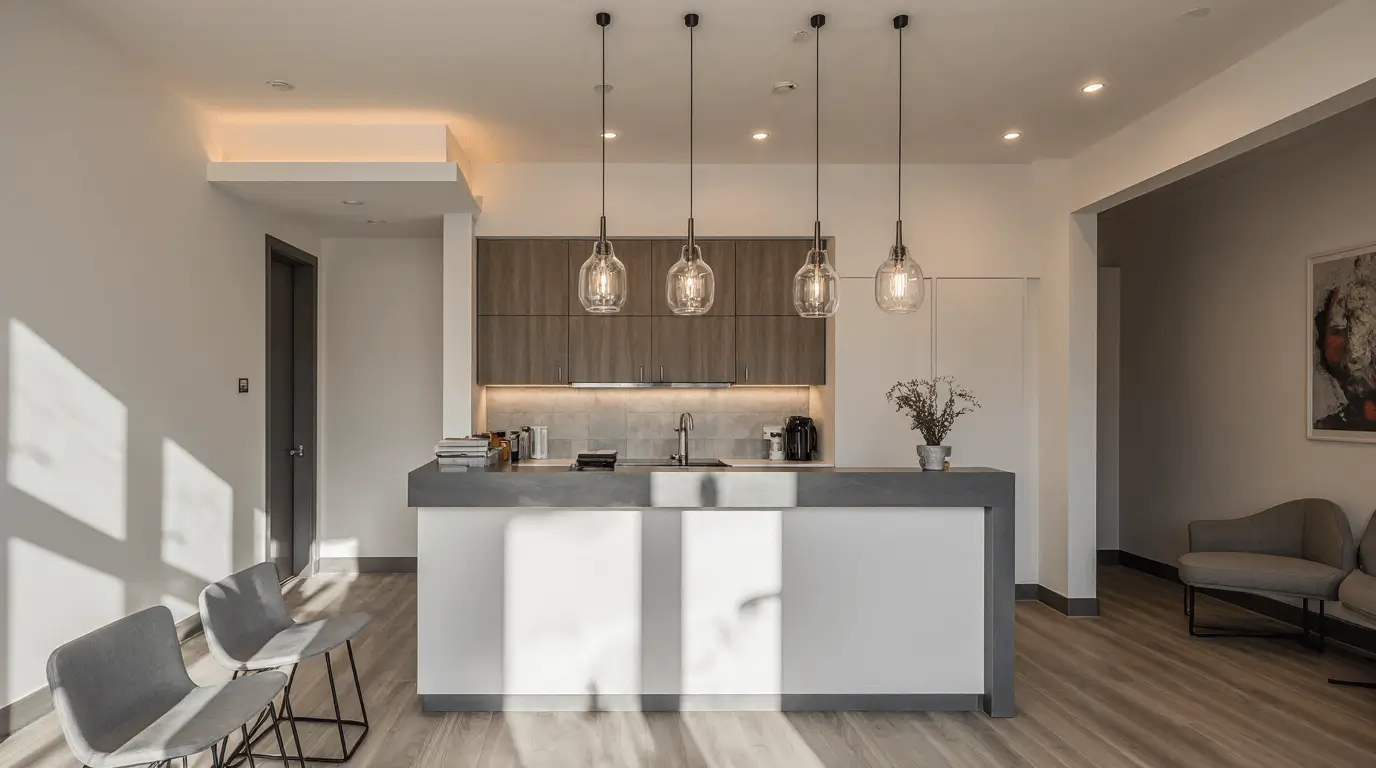
Color Psychology in Dental Practice Interior Design
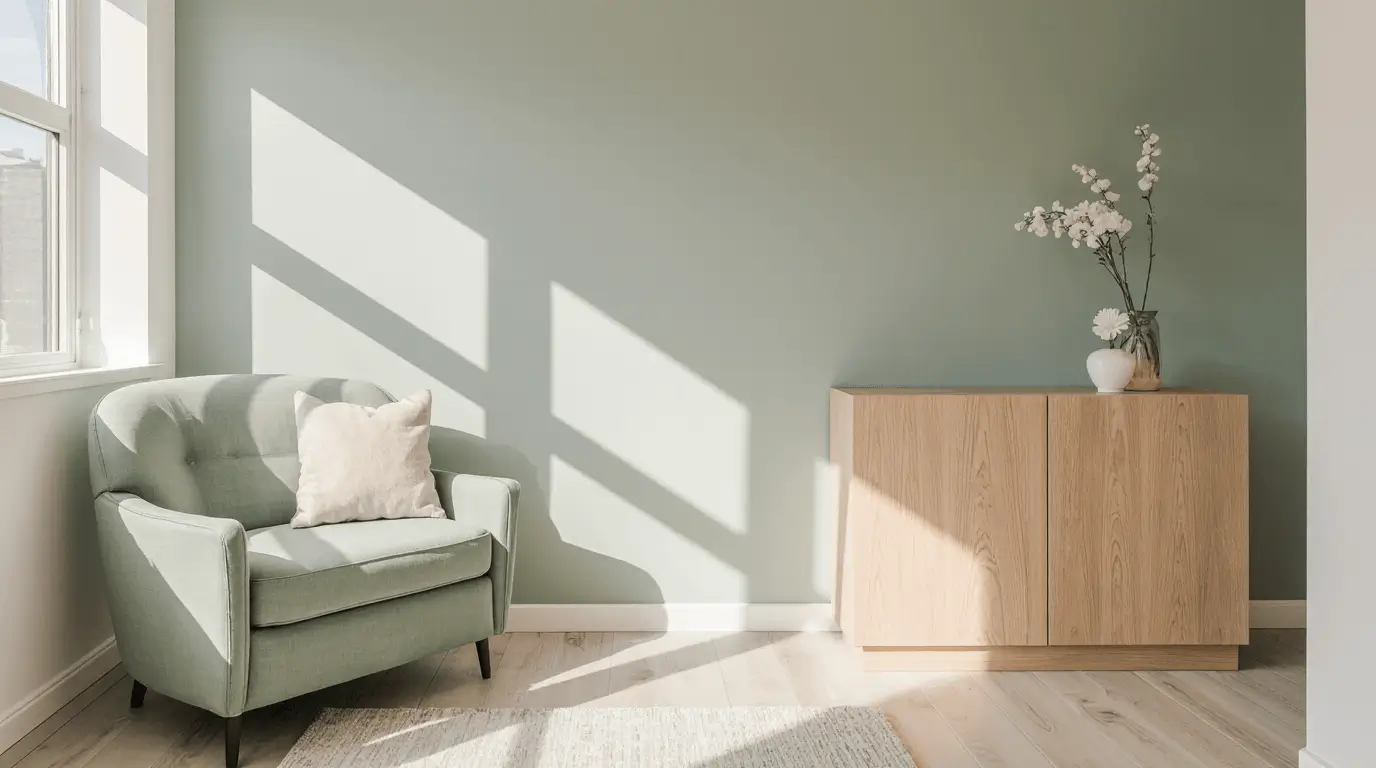
Color choices directly influence patient emotions. Soft blues, sage greens, warm neutrals, and muted earth tones promote calmness and cleanliness.
Avoid overly stark white, which can amplify clinical anxiety.
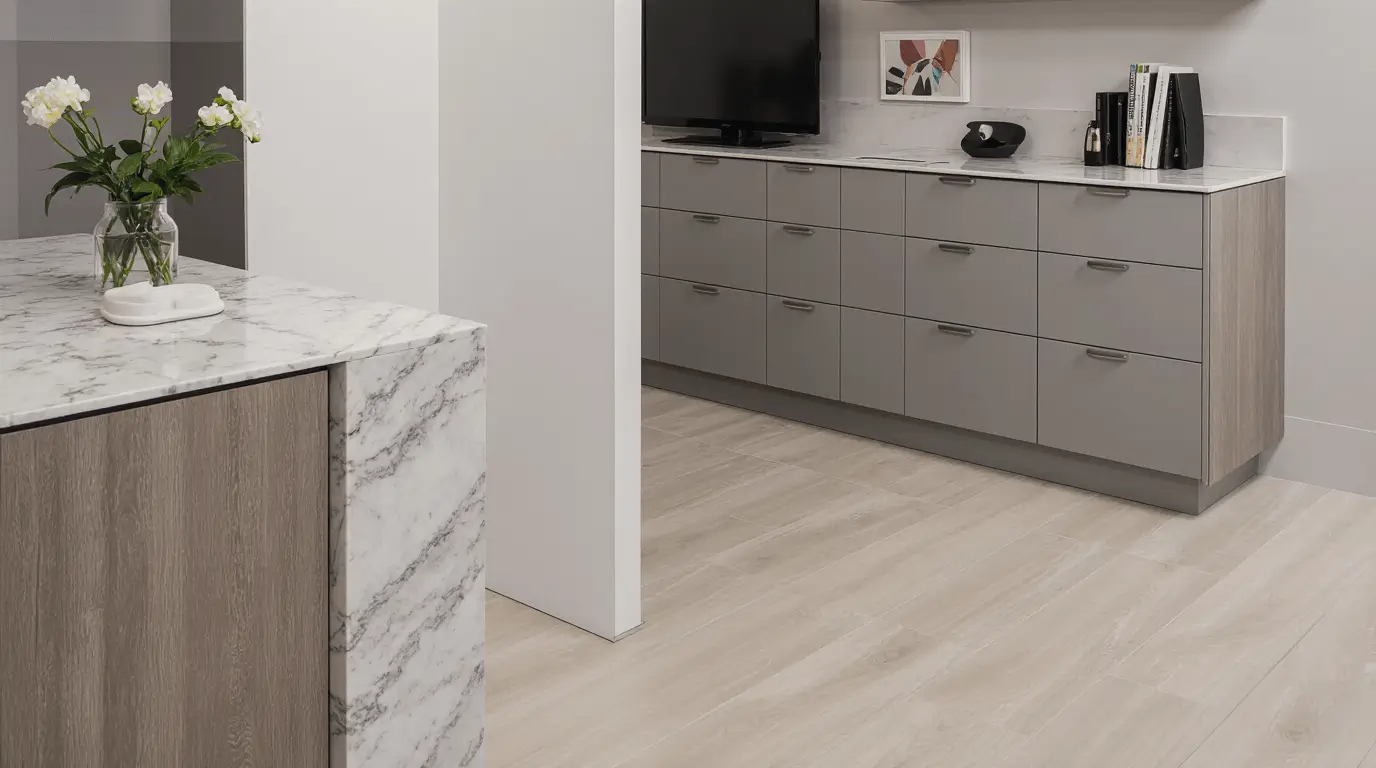
Materials & Finishes for Dental Practice Interior Design
Materials must balance durability, hygiene, and aesthetics. Non-porous surfaces, antimicrobial finishes, and seamless flooring enhance safety.
Quartz, solid surfaces, and vinyl flooring are common professional choices.
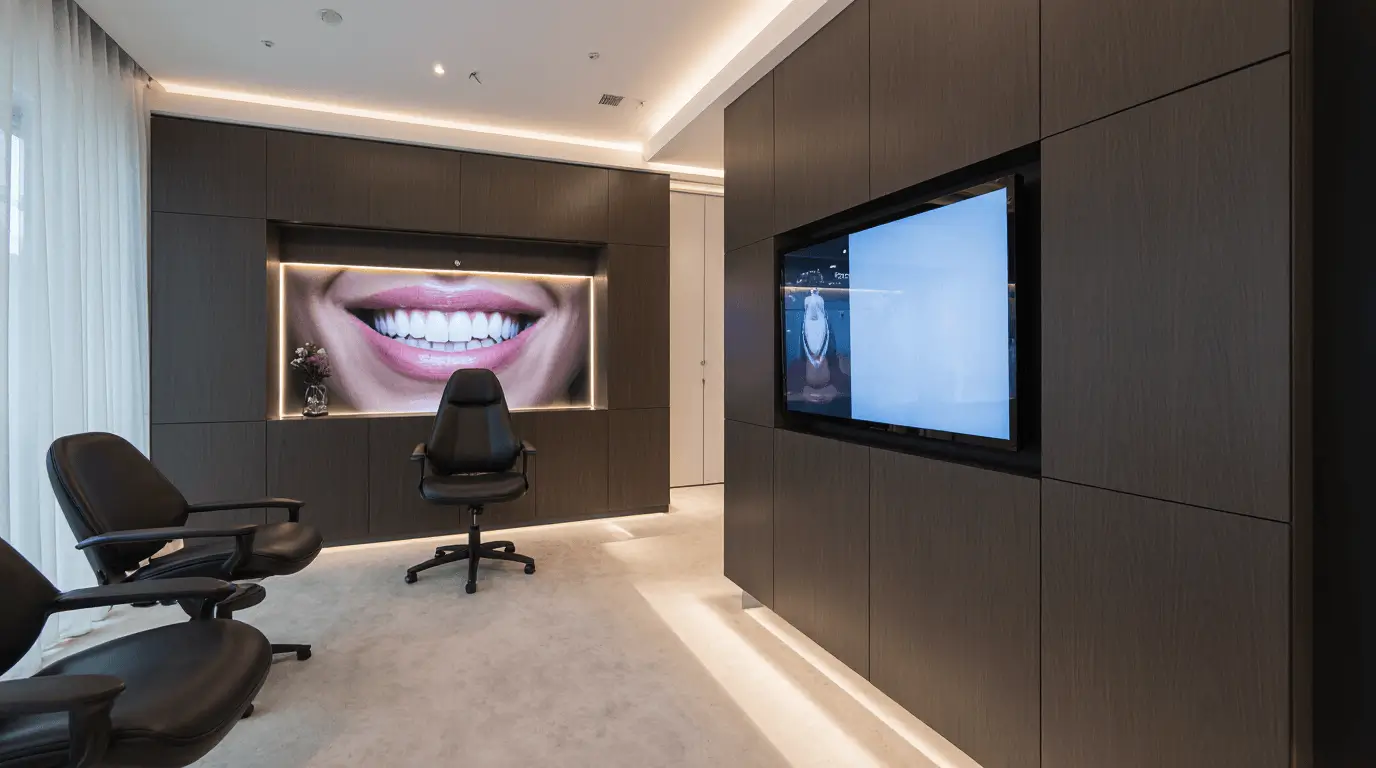
Technology Integration in Dental Practice Interior Design
Modern clinics integrate digital imaging, concealed wiring, and smart storage solutions. Technology should be visible where reassuring but hidden where distracting.
Design should anticipate future upgrades without major renovation.
Biophilic Dental Practice Interior Design
Incorporating nature reduces patient anxiety. Indoor plants, natural wood textures, and daylight improve psychological comfort.
Biophilic design enhances both patient and staff wellbeing.
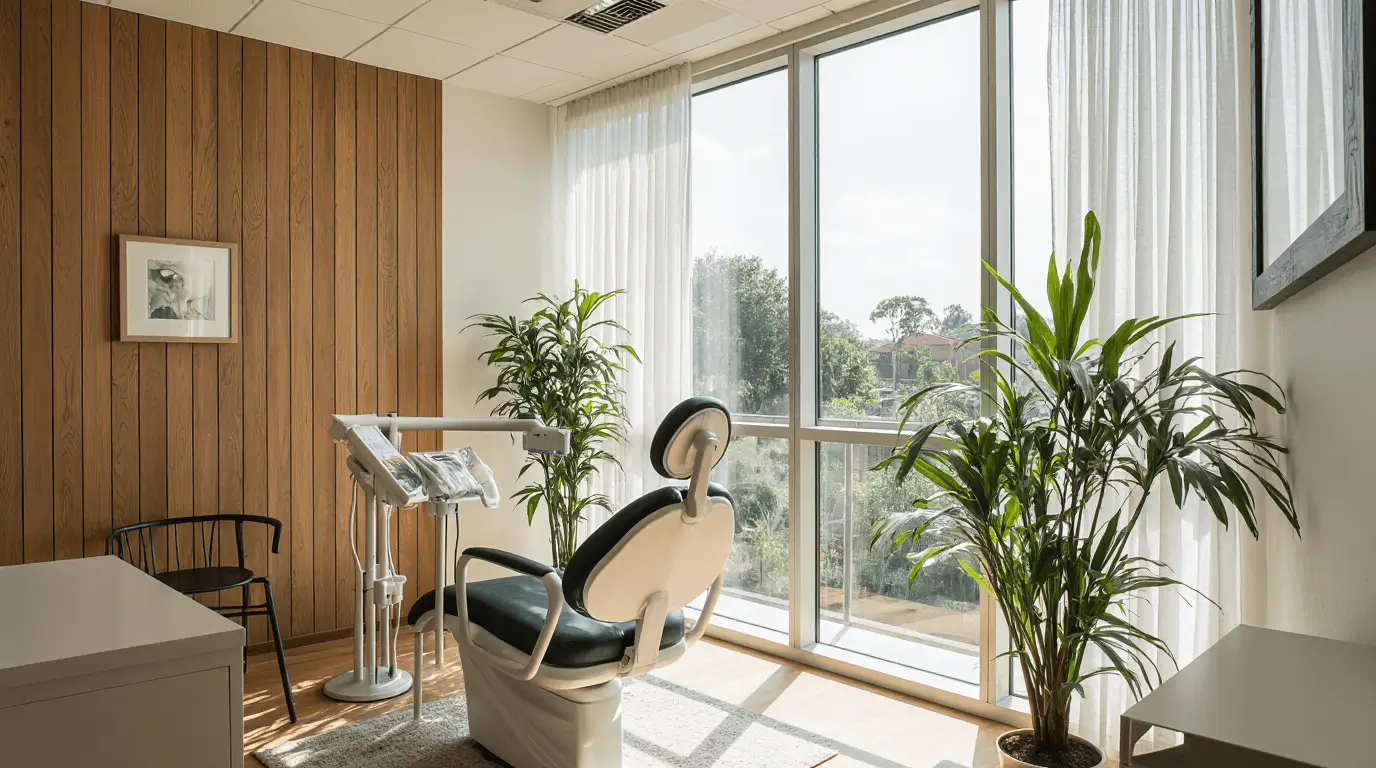
Branding Through Dental Practice Interior Design
Interior design should reflect the clinic’s brand identity. Pediatric practices differ dramatically from cosmetic or implant-focused clinics.
Consistent materials, colors, and graphic elements strengthen brand recall.

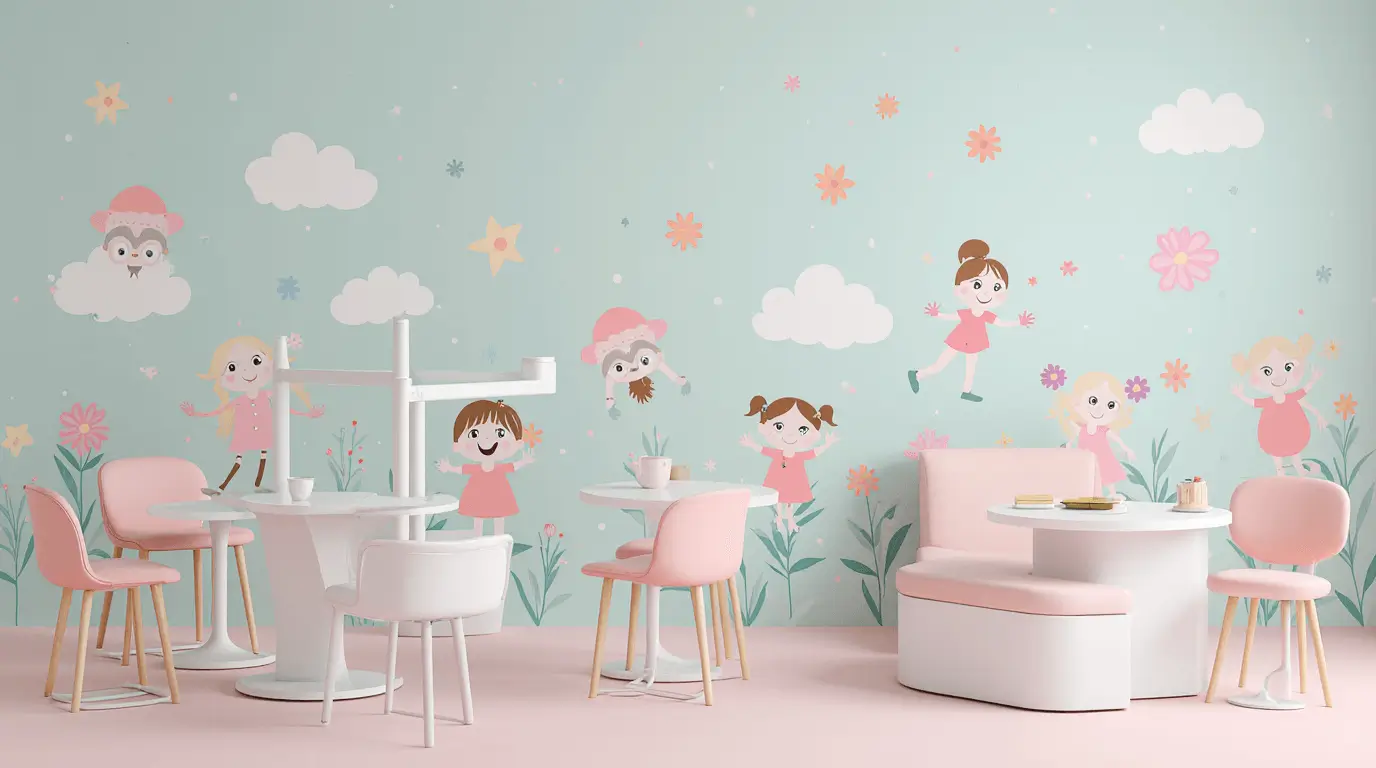
Pediatric Dental Practice Interior Design
Children’s clinics require playful but controlled design. Soft curves, bright accents, and interactive features reduce fear while maintaining hygiene standards.
Balance creativity with professional structure.
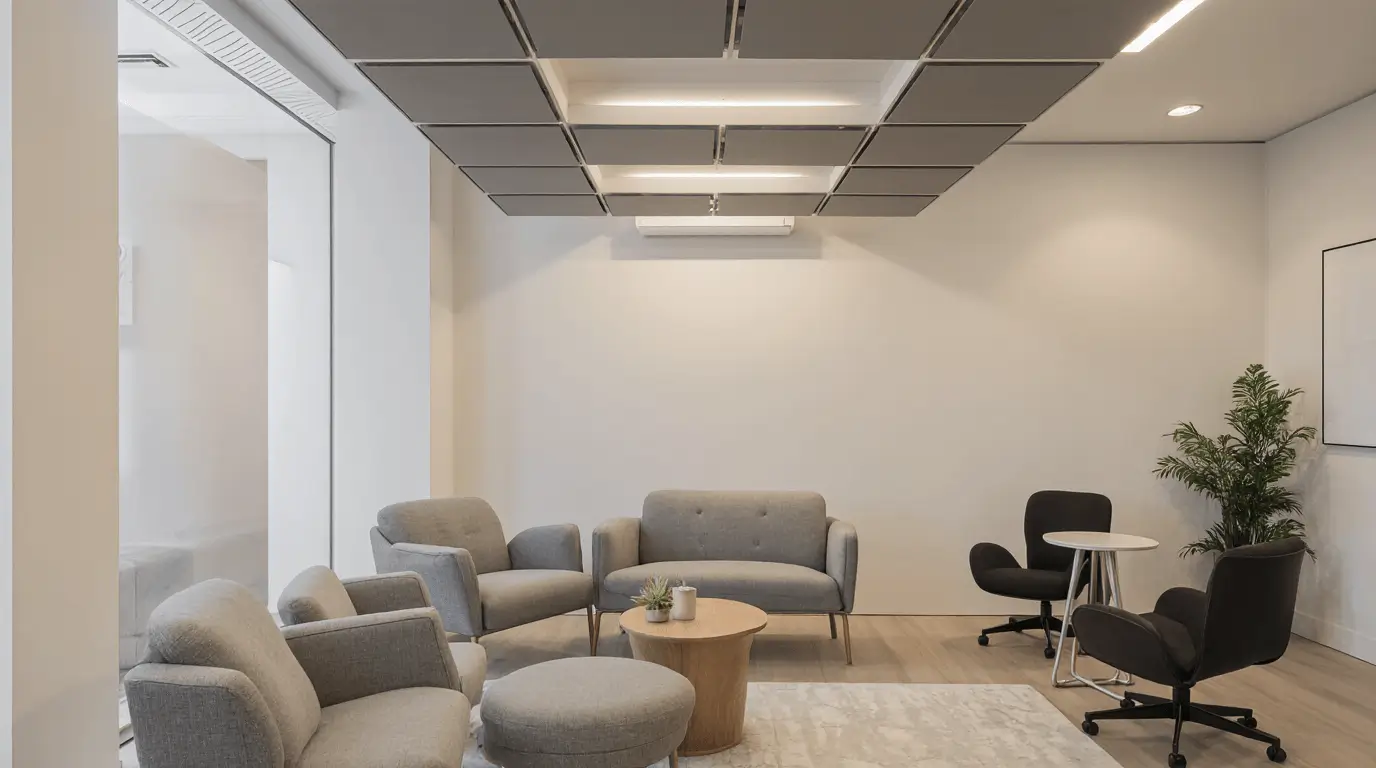
Acoustic Design in Dental Practice Interior Design
Dental equipment noise can increase stress. Acoustic ceilings, upholstered seating, and sound-absorbing panels reduce harsh echoes.
Quiet environments build trust and comfort.
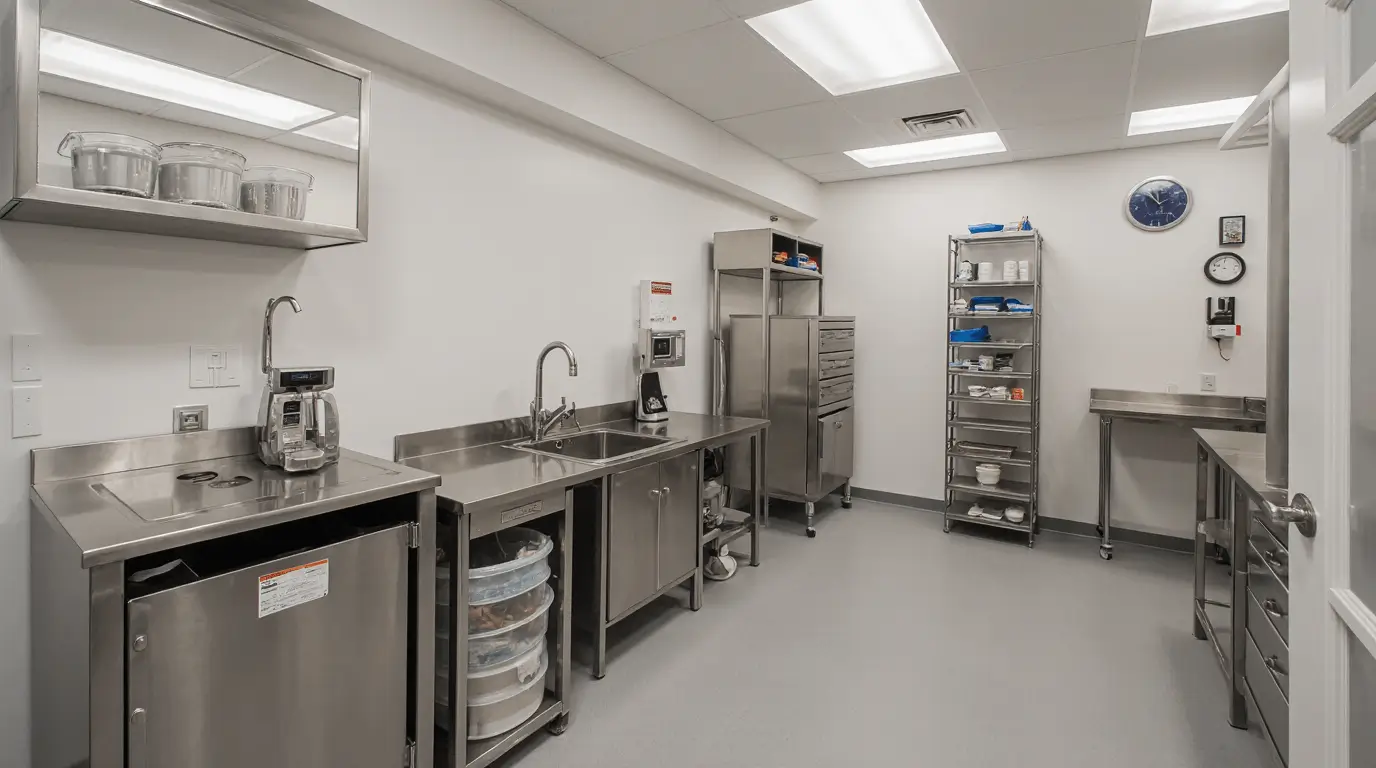
Staff Workflow Optimization in Dental Practice Interior Design
Behind-the-scenes efficiency defines daily success. Sterilization rooms, storage zones, and staff circulation paths must reduce unnecessary movement.
Designing for workflow saves time and prevents burnout.
Sustainable Dental Practice Interior Design
Sustainability is increasingly important. Energy-efficient lighting, low-VOC materials, and sustainable cabinetry improve indoor air quality and reduce environmental impact.
Eco-conscious design also strengthens modern brand perception.
Conclusion
Great dental environments don’t happen by accident. They are the result of deliberate planning, clinical insight, and a deep understanding of how space influences behavior. When dental practice interior design is approached strategically, it does more than improve aesthetics — it transforms how patients feel, how teams perform, and how the practice grows.
From layout efficiency and ergonomic operatories to lighting psychology and material durability, each design layer serves a purpose. Calm waiting areas reduce anxiety before treatment. Well-planned sterilization zones improve safety and save time. Thoughtful branding builds trust before a single procedure begins. These decisions compound daily, shaping patient perception and operational success.
In real-world practice, the clinics that perform best are those where design supports workflow rather than competing with it. Staff fatigue decreases when movement is minimized. Patients return when they feel comfortable and confident in their surroundings. And owners gain long-term value when their space reflects professionalism, clarity, and care.
If you are planning a renovation or launching a new clinic, start with function, build around patient psychology, and refine with material quality and lighting precision. When dental practice interior design is guided by experience and intention, the result is a space that works beautifully — clinically, emotionally, and commercially.
Learn more : Interior Design Flooring: Ideas, Materials & Costs
Frequently Asked Questions
- How much does professional dental practice interior design typically impact patient experience?
Significantly. Patients form impressions within seconds of entering a clinic. Thoughtful spatial flow, calming colors, comfortable seating, and controlled acoustics reduce anxiety and increase trust. Over time, these environmental cues influence reviews, referrals, and overall patient retention.
- What is the most important area to prioritize when designing a new dental clinic?
Start with layout and workflow. Efficient zoning between reception, operatories, sterilization, and staff areas prevents operational bottlenecks. Once movement patterns are optimized, aesthetic upgrades and branding elements can be layered in effectively.
- How can a small dental clinic feel spacious without expanding square footage?
Strategic lighting, light-reflective finishes, wall-mounted storage, sliding doors, and visual continuity between zones can dramatically increase the perception of space. Reducing visual clutter is often more powerful than increasing actual size.
- Which materials are best for long-term durability in a dental setting?
Non-porous, easy-to-clean materials are essential. Quartz countertops, solid-surface cabinetry, seamless vinyl flooring, and antimicrobial finishes offer both durability and hygiene compliance. Investing in quality materials upfront reduces maintenance costs over time.
- How do you balance a calming atmosphere with clinical professionalism?
The key is contrast control. Maintain clean lines and hygienic surfaces while softening the environment with warm lighting, natural textures, and subtle color palettes. The goal is to feel reassuring and precise — not cold or overly decorative.
- Is it worth investing in custom design rather than using a standard clinic layout?
In most cases, yes. Every practice has unique workflow patterns, specialties, and branding goals. Custom design aligns the space with how the team actually works, which improves efficiency and patient comfort. Standard layouts may be faster initially but often require adjustments later.
- How often should a dental practice update its interior design?
Cosmetic updates every 7–10 years help maintain a modern appearance, while layout or infrastructure upgrades may follow longer operational cycles. However, lighting improvements, branding refinements, and furniture upgrades can be phased in gradually to keep the environment fresh without full renovation.





One Response