
Introduction
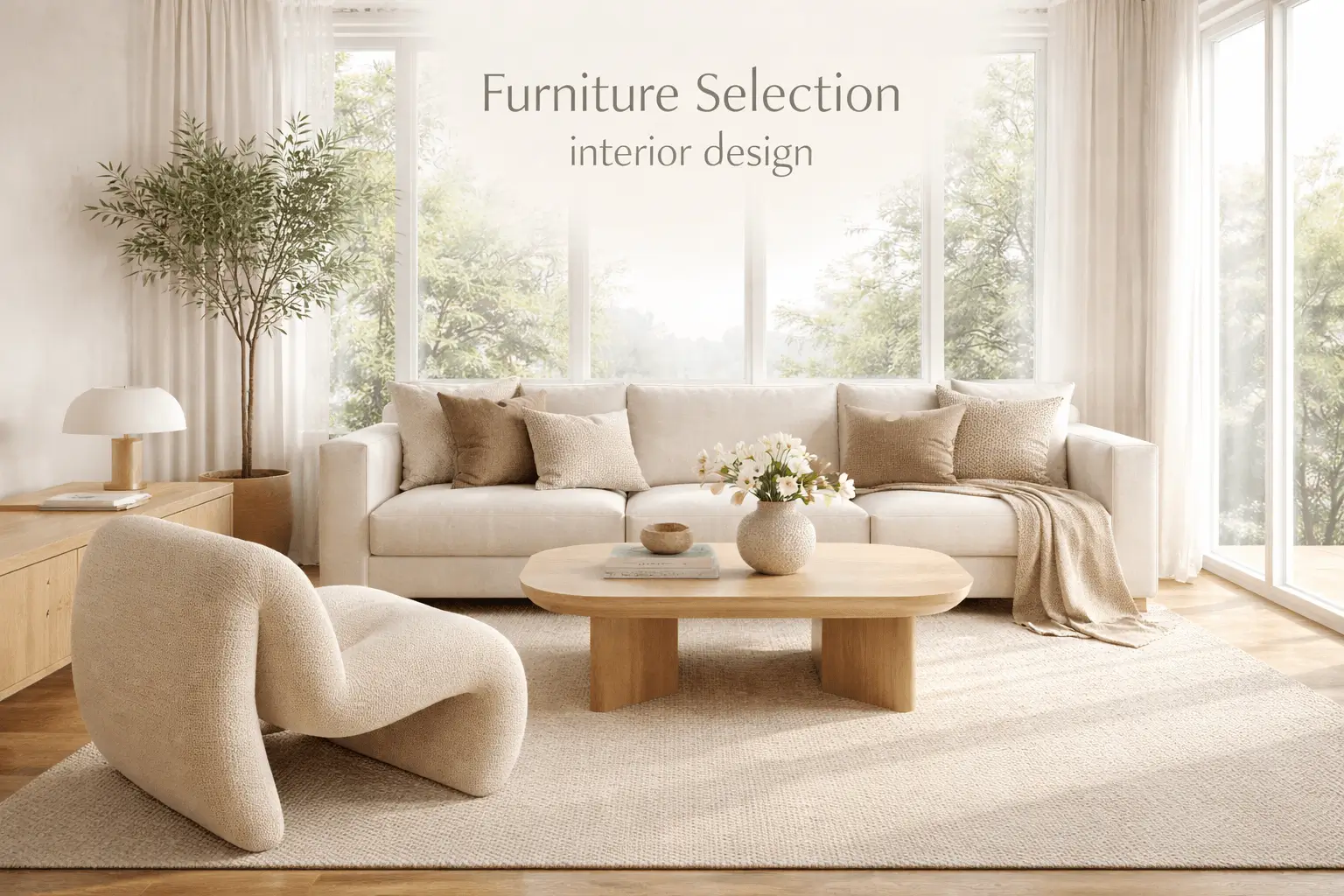
In every well-designed space, furniture selection interior design plays a central role. Furniture does more than fill a room—it defines how people move, relax, work, and interact within a space. The right furniture choices support both functionality and visual harmony, helping a home feel comfortable, balanced, and intentional.
From living rooms to bedrooms, thoughtful furniture selection involves considering scale, materials, layout, and the overall design direction of the interior. Designers approach furniture as the foundation of interior composition, ensuring that every piece contributes to usability, aesthetics, and long-term durability.
When approached strategically, furniture selection interior design transforms ordinary rooms into cohesive environments. Whether designing a modern apartment or a classic home interior, choosing the right furniture allows a space to express personality while maintaining practical comfort.
Furniture Selection Interior Design for Living Rooms
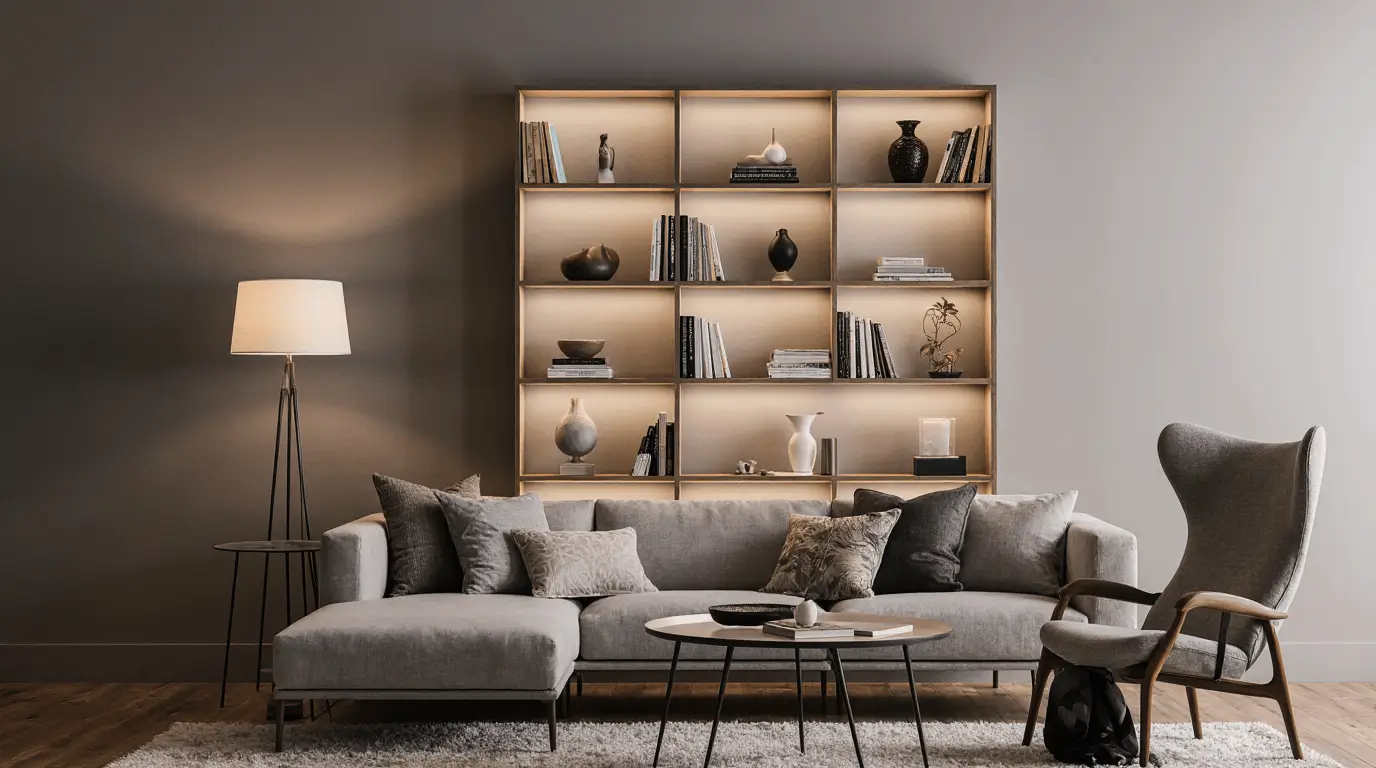
The living room often acts as the social hub of a home, making furniture selection especially important. Sofas, accent chairs, coffee tables, and storage pieces should balance comfort with visual structure.
Designers typically anchor the space with a primary seating arrangement, then layer supporting furniture pieces to create conversation zones and visual flow.
Furniture Selection Interior Design for Small Spaces
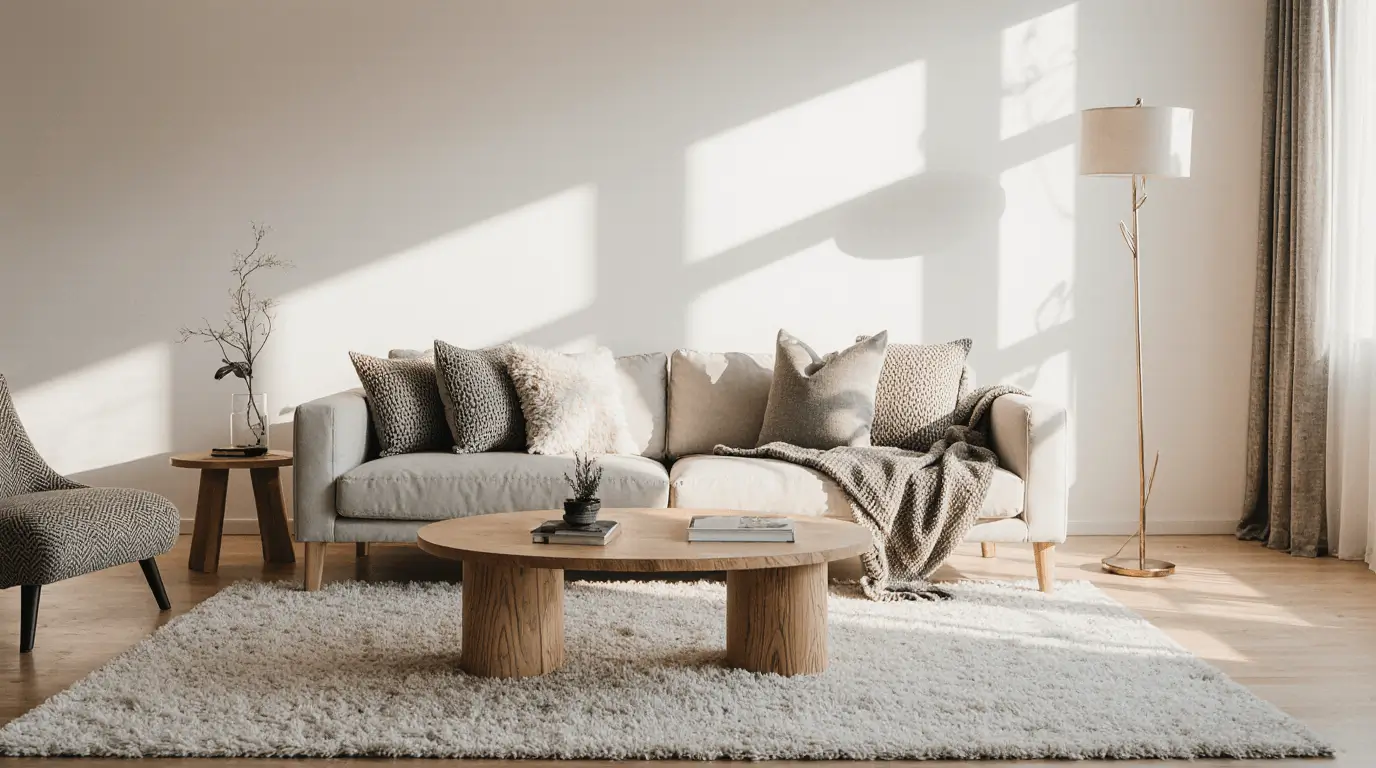
Small homes and apartments require careful furniture choices to avoid overcrowding. Multi-functional furniture—such as storage ottomans, foldable tables, or modular seating—helps maximize usability.
Thoughtful spacing and lightweight furniture silhouettes allow smaller rooms to feel open and breathable.
Furniture Selection Interior Design for Large Rooms
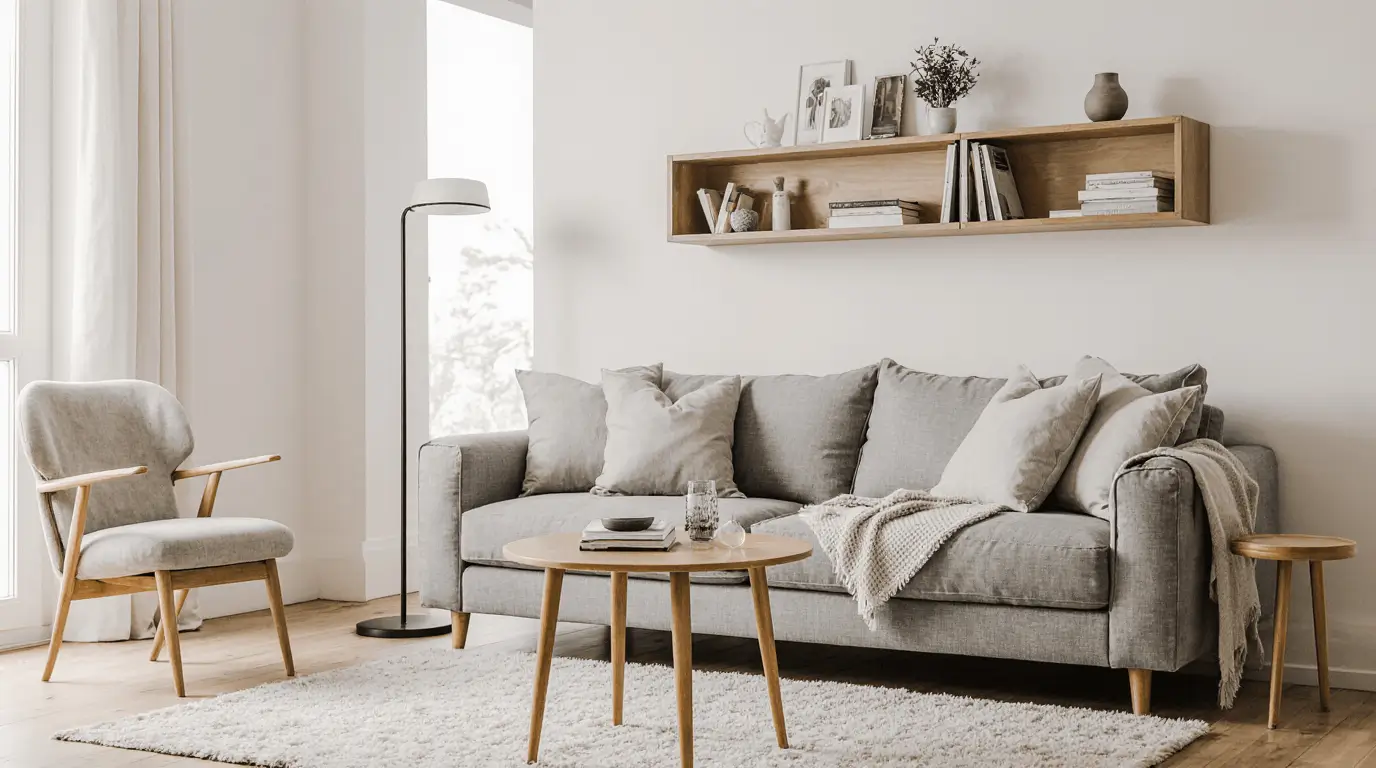
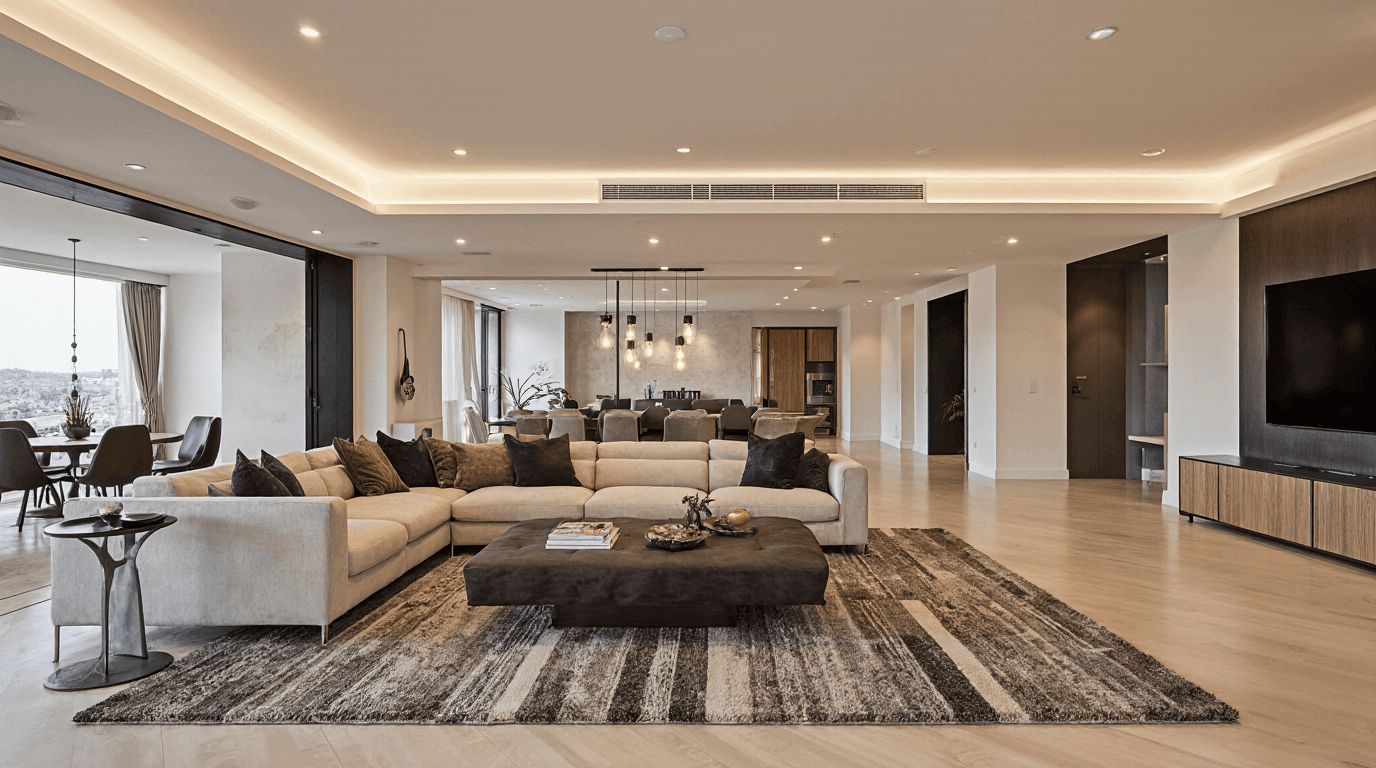
Large interiors provide flexibility but require balance to prevent spaces from feeling empty or disconnected. Oversized sofas, sectionals, and statement tables help fill scale appropriately.
Designers often divide large rooms into functional zones using furniture placement.
Furniture Selection Interior Design Based on Room Function
Furniture must always match how a room will be used. A home office needs ergonomic chairs and work surfaces, while a bedroom focuses on comfort and relaxation.
Selecting furniture with the room’s purpose in mind ensures both practicality and design consistency.
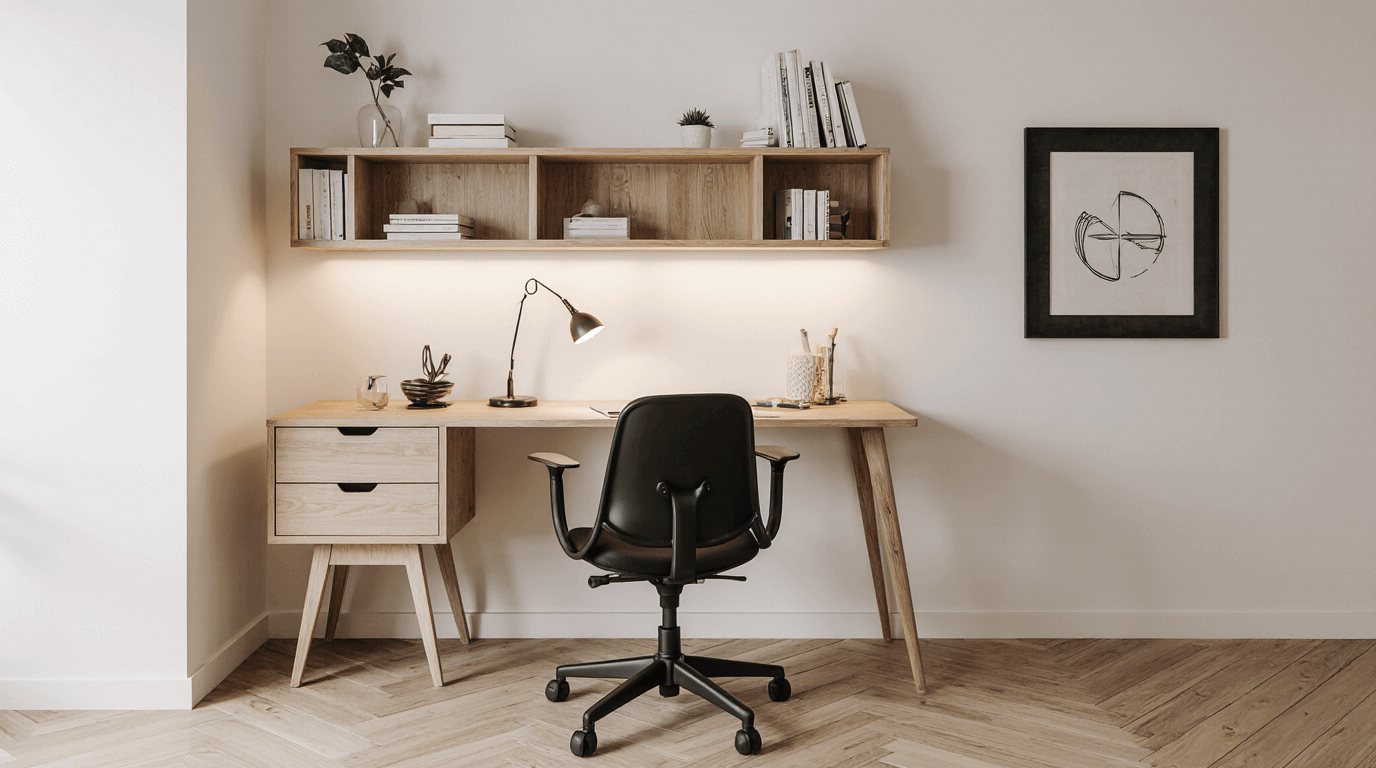
Furniture Selection Interior Design and Proportion
Scale and proportion determine whether furniture fits naturally within a room. Oversized pieces in small rooms can overwhelm the space, while tiny furniture in large rooms appears lost.
Designers measure room dimensions carefully before choosing furniture sizes.
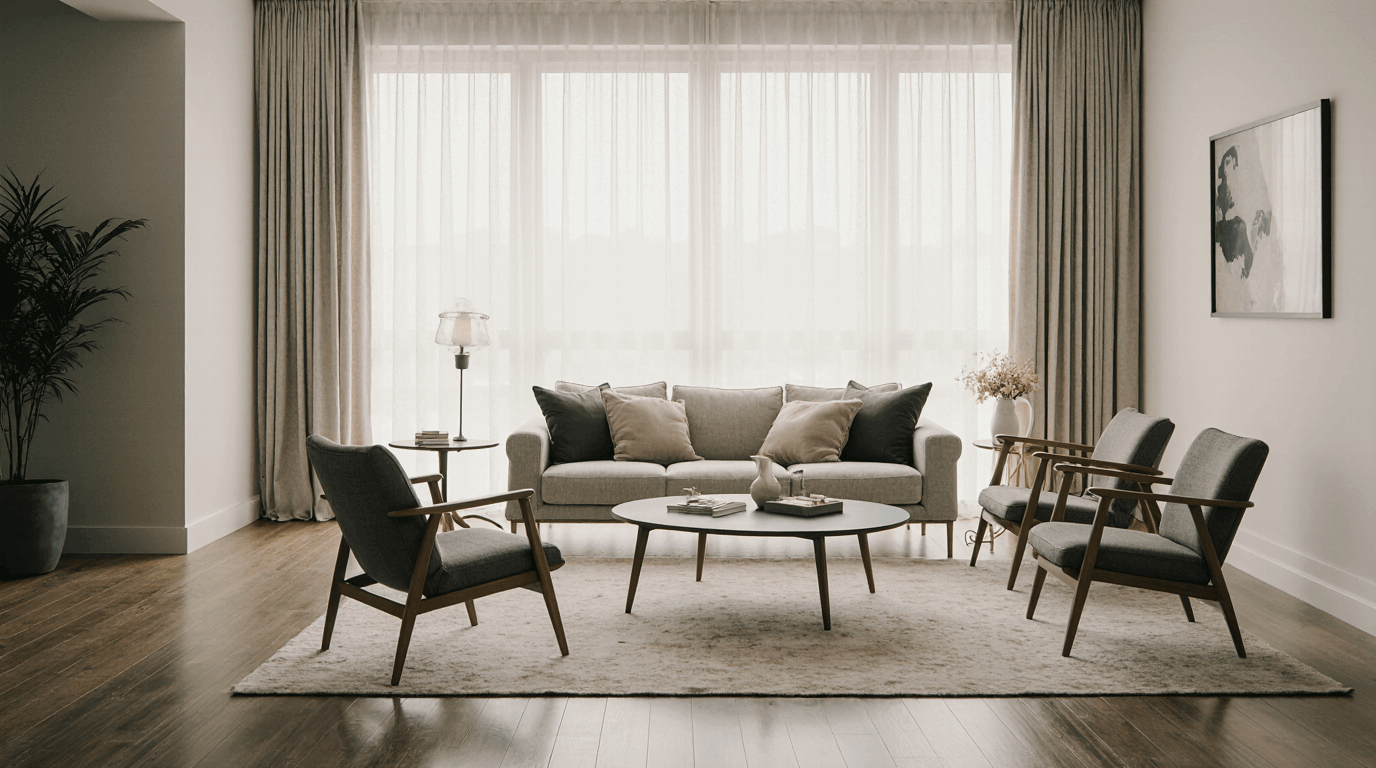
Furniture Selection Interior Design and Layout Planning
Before purchasing furniture, designers map out layout options. Traffic flow, focal points, and seating arrangements guide placement decisions.
A thoughtful layout ensures that furniture supports both movement and visual balance.
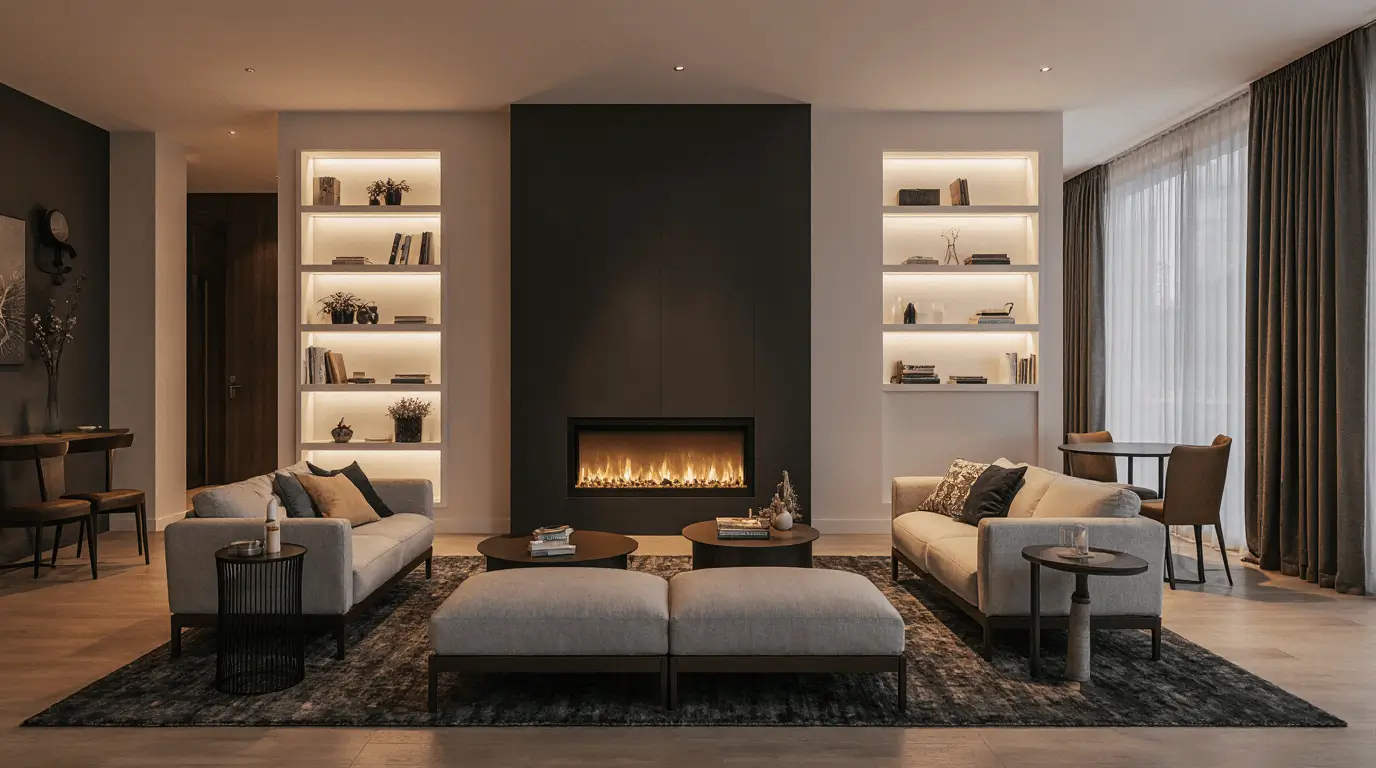
Furniture Selection Interior Design and Material Choices
Materials influence both durability and aesthetic appeal. Wood, metal, upholstery fabrics, and glass each contribute different textures and design styles.
Combining materials thoughtfully creates layered visual interest within the interior.
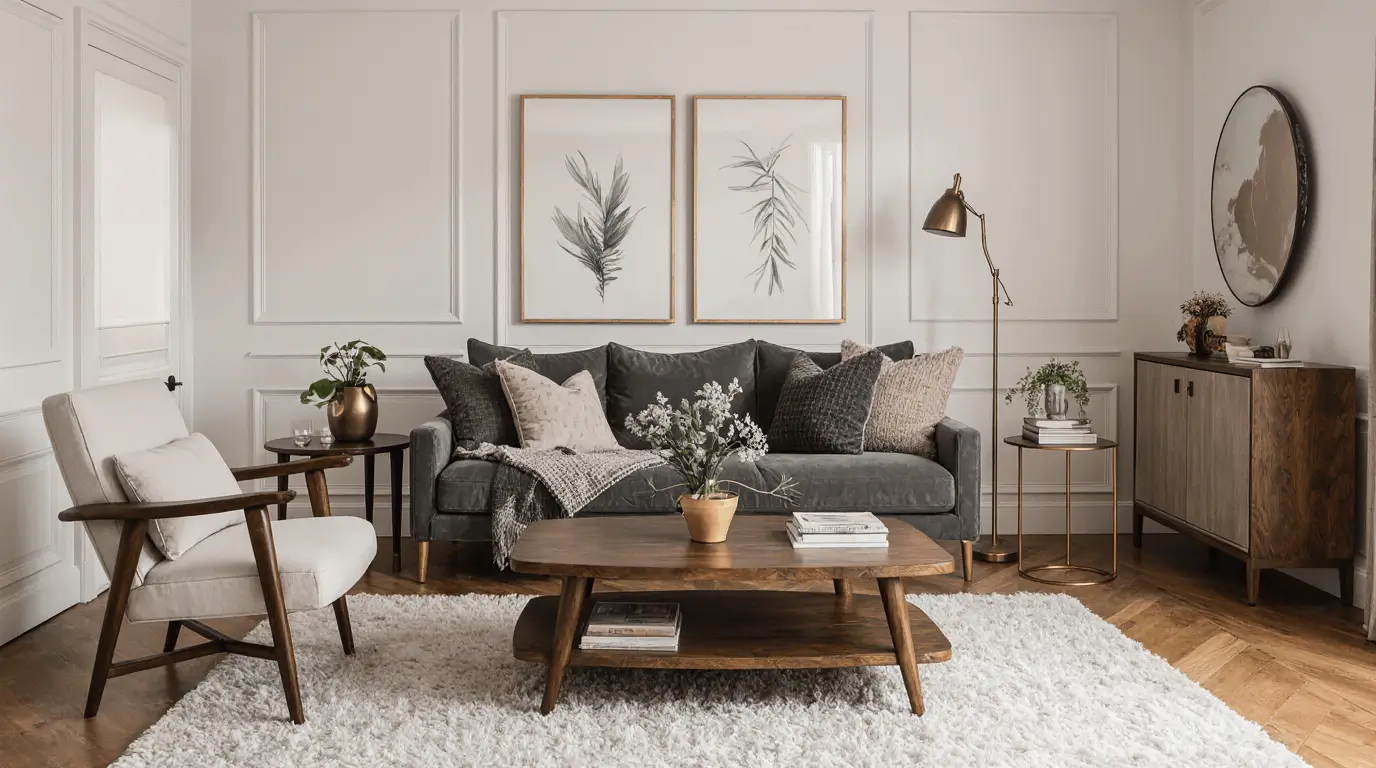
Furniture Selection Interior Design and Color Coordination
Furniture colors should complement wall finishes, flooring, and decorative accents. Neutral furniture offers flexibility, while bold colors can become statement pieces.
Color harmony allows furniture to integrate seamlessly into the overall interior palette.
Furniture Selection Interior Design for Comfort
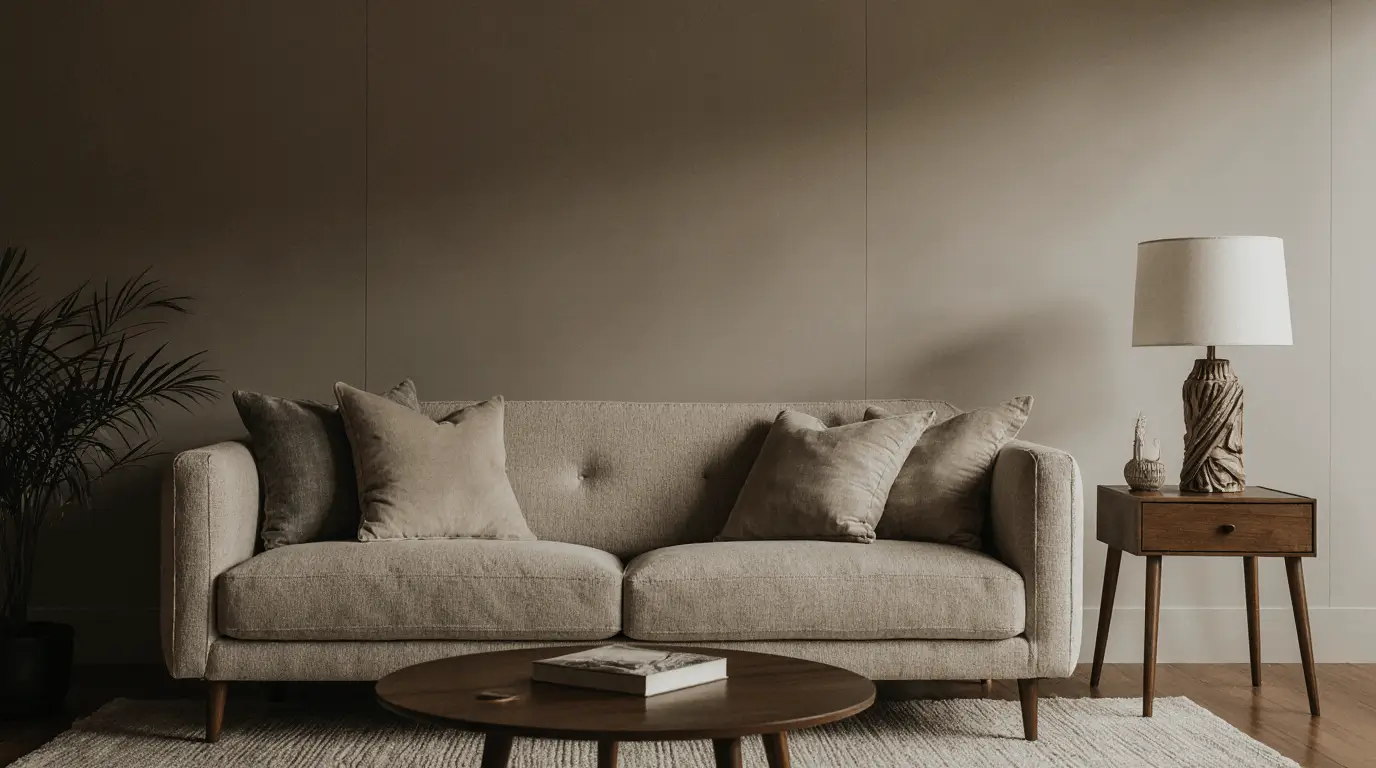
Comfort remains one of the most important considerations when selecting furniture. Seat depth, cushion support, and ergonomic design all affect how a piece performs daily.
Experienced designers test furniture physically before recommending it for long-term use.
Furniture Selection Interior Design and Storage Solutions
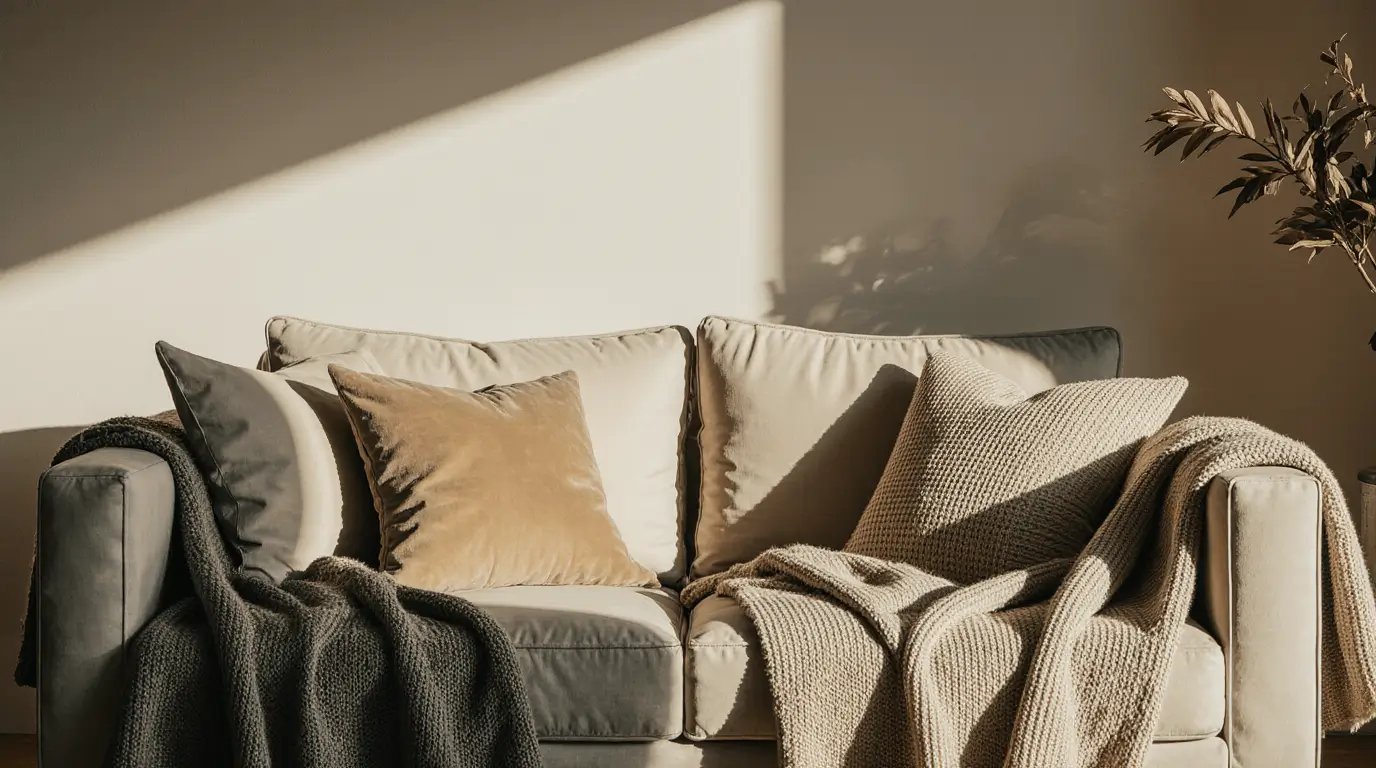
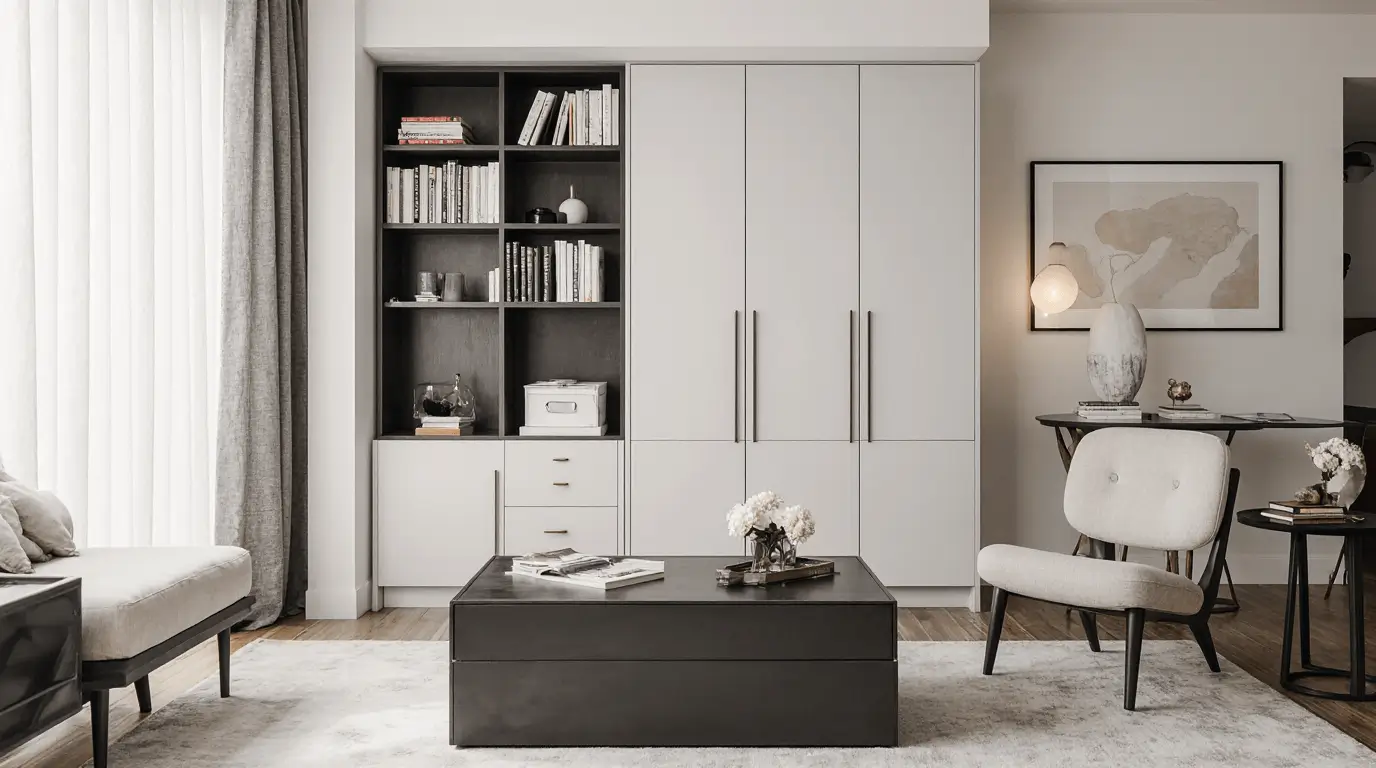
Furniture can provide hidden storage while maintaining visual simplicity. Coffee tables with compartments, storage benches, and media cabinets help organize everyday items.
Smart storage furniture keeps interiors clean and clutter-free.
Furniture Selection Interior Design for Dining Areas
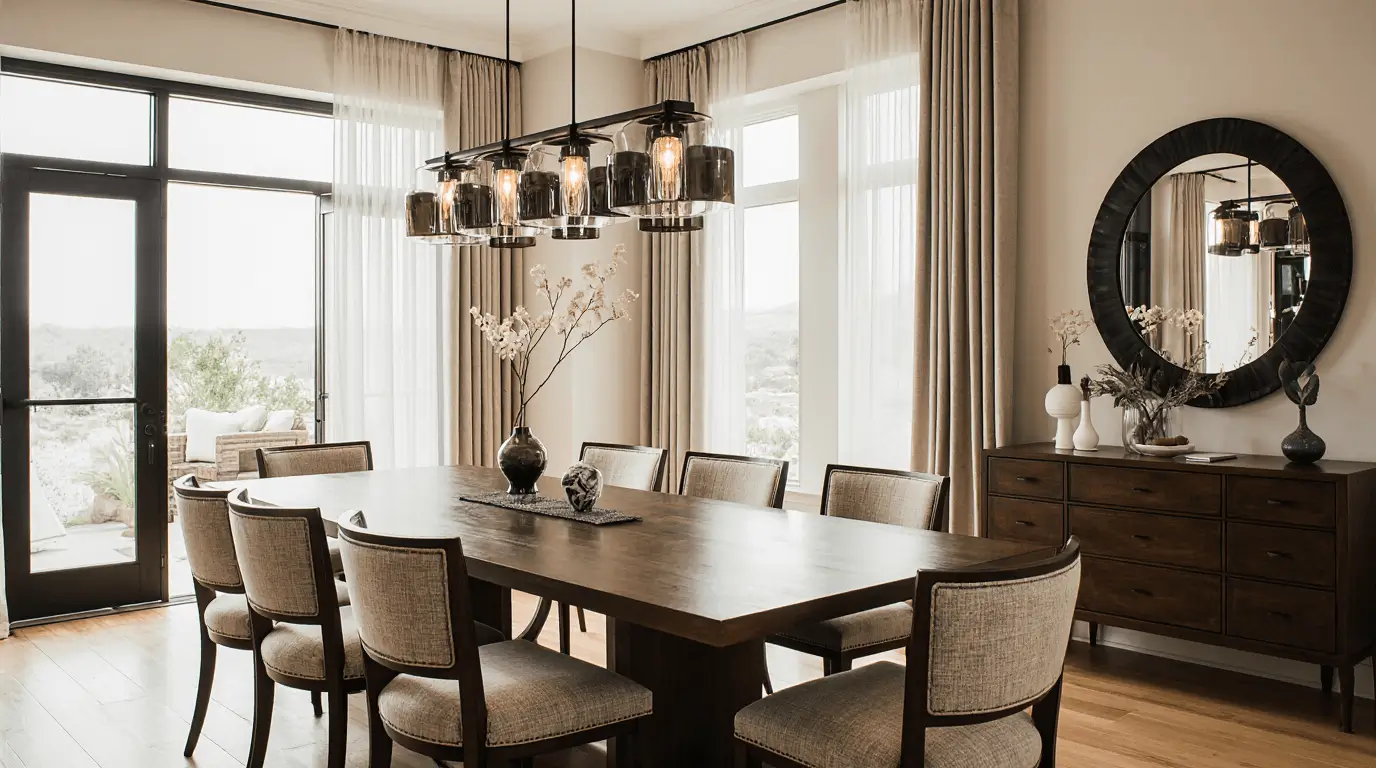
Dining furniture should encourage conversation and comfortable seating. Table size, chair spacing, and lighting placement all contribute to the dining experience.
Round tables work well for smaller rooms, while rectangular tables suit larger gatherings.
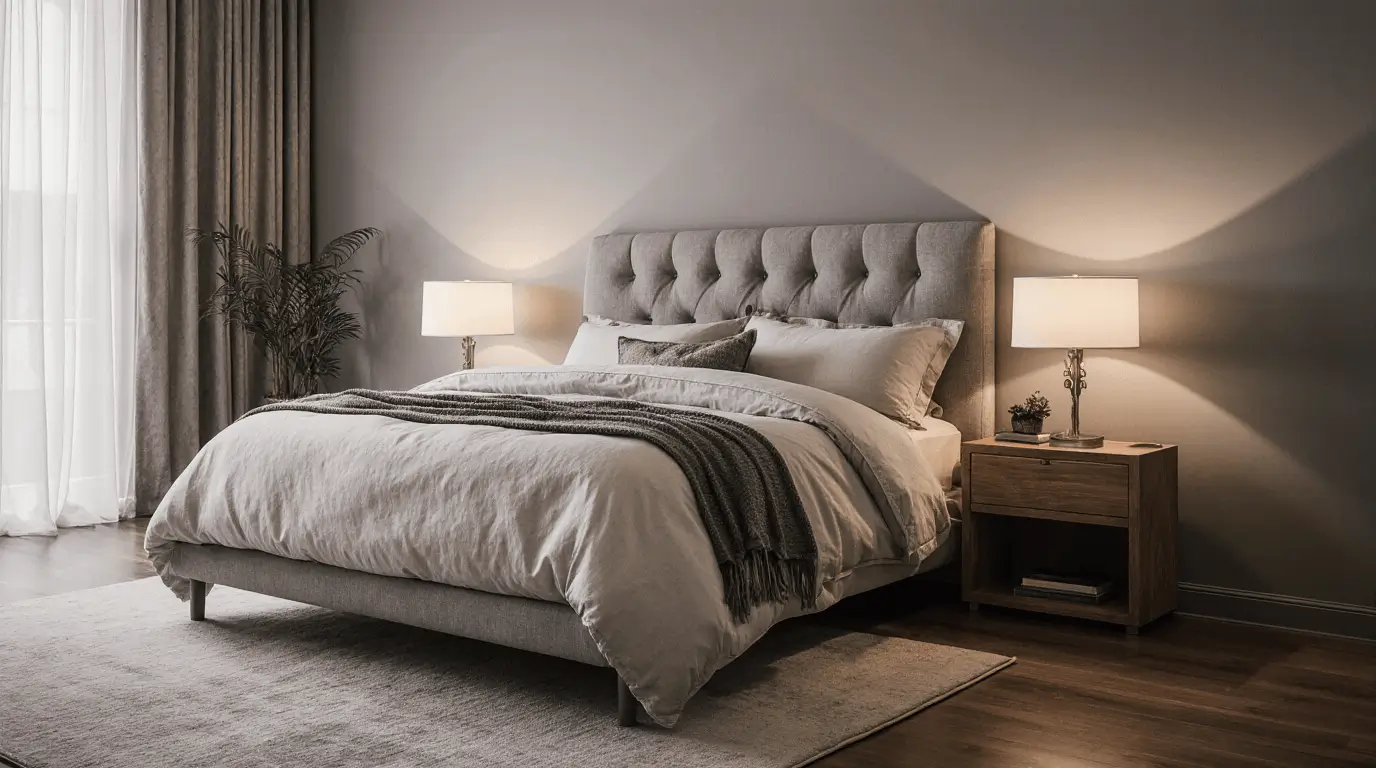
Furniture Selection Interior Design for Bedrooms
Bedroom furniture focuses on relaxation and restful design. Bed frames, nightstands, wardrobes, and seating should create a calm, uncluttered environment.
Soft materials and soothing color palettes support better rest and comfort.
Furniture Selection Interior Design and Style Consistency
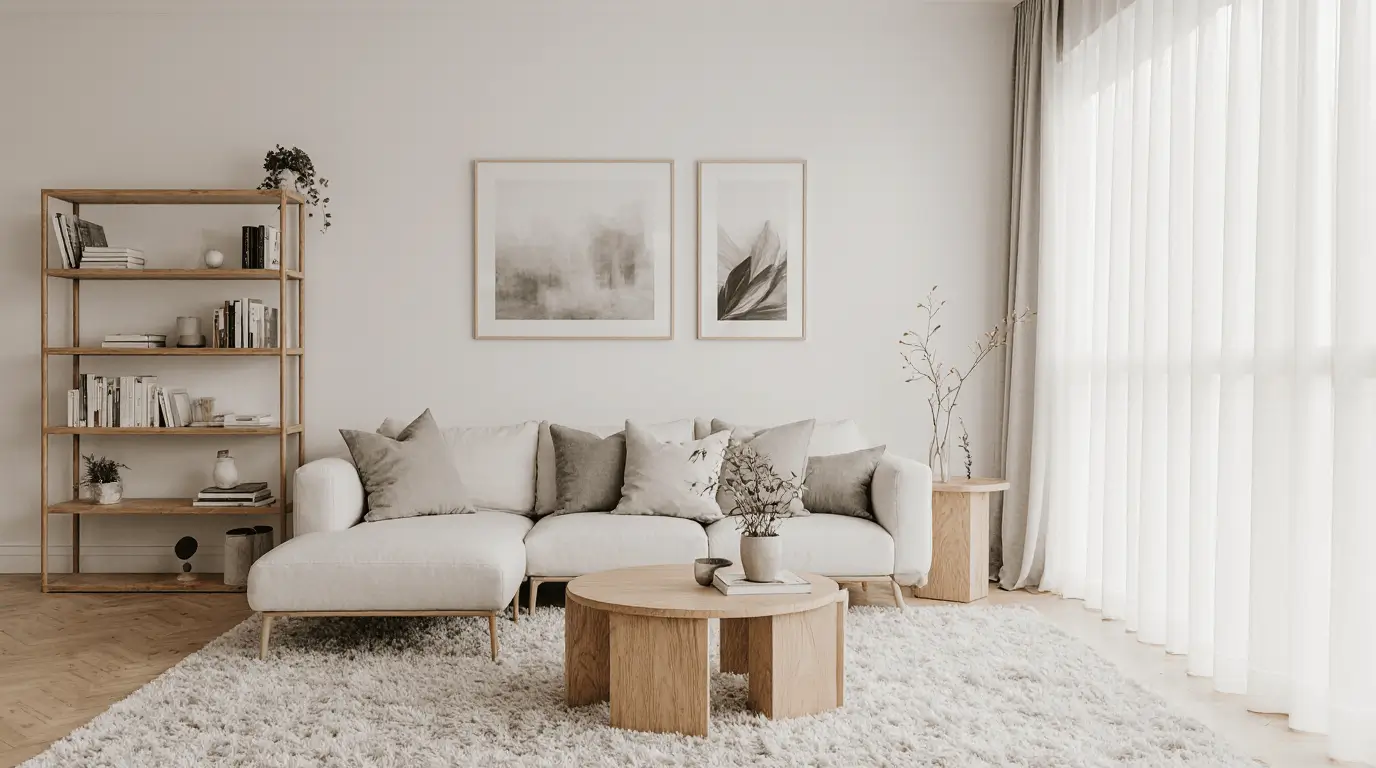
Furniture should support the overall style direction of a home—whether modern, traditional, minimalist, or eclectic. Mixing styles is possible, but balance and cohesion are essential.
Designers often repeat materials, shapes, or colors to maintain visual unity.
Furniture Selection Interior Design and Statement Pieces
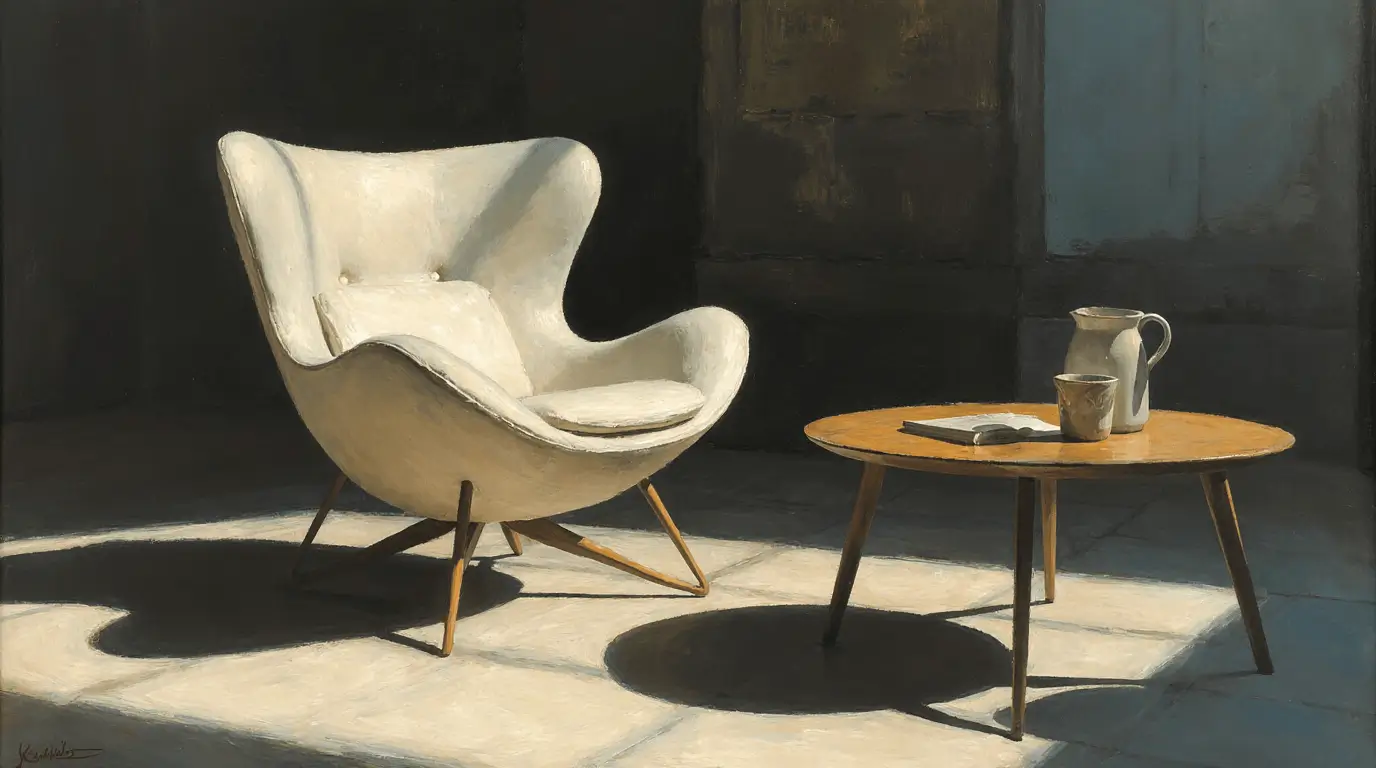
Every room benefits from a focal furniture piece—such as a sculptural chair, designer coffee table, or bold sofa.
Statement furniture adds personality while grounding the room’s visual hierarchy.
Furniture Selection Interior Design for Long-Term Durability
High-quality furniture should withstand daily use for years. Solid wood frames, durable upholstery fabrics, and well-constructed joints contribute to longevity.
Investing in durable furniture pieces ensures both comfort and sustainable design.
Furniture Selection Interior Design and Personal Expression
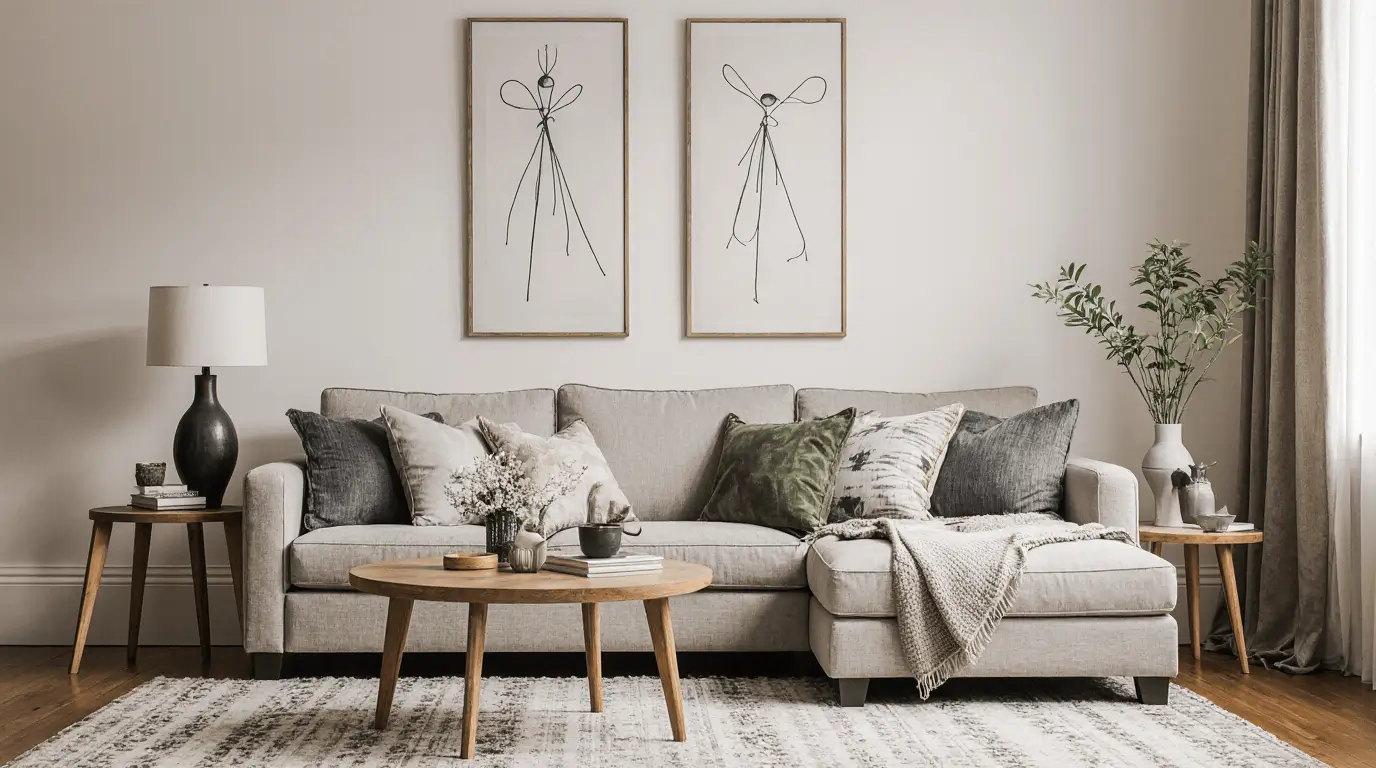
Ultimately, furniture helps express the personality of the people who live in the space. Personal collections, favorite textures, and meaningful décor objects can be integrated through furniture choices.
When furniture reflects lifestyle and taste, interiors feel authentic and welcoming.
Conclusion
Thoughtful furniture selection interior design is what transforms a space from simply furnished to truly well designed. The most successful interiors are not built around trends or individual pieces alone—they come together through deliberate choices that consider scale, comfort, layout, materials, and the way people actually live in the space.
Experienced designers approach furniture as the structural framework of a room. When seating arrangements support conversation, tables fit the room’s proportions, and materials complement the architecture, a home begins to feel balanced and effortless. Each piece serves a purpose while contributing to the overall visual story of the interior.
What makes this approach especially effective is its flexibility. Whether designing a compact apartment, a growing family home, or a spacious open-plan interior, careful furniture decisions help create environments that are comfortable, practical, and visually cohesive. Instead of filling rooms quickly, taking the time to evaluate scale, quality, and function leads to spaces that remain enjoyable for years.
For homeowners and design enthusiasts alike, the path forward is simple: start with the way a room needs to function, choose furniture that supports that lifestyle, and build the design gradually. With thoughtful planning and a focus on quality and proportion, furniture becomes more than decoration—it becomes the foundation of a well-lived home.
Learn more : Student Housing Interior Design: Layouts, Ideas, and Tips
Frequently Asked Questions
- How do interior designers decide which furniture pieces to prioritize first?
Designers usually begin with the largest or most functional pieces in a room. In living spaces, this often means the sofa or main seating arrangement. In bedrooms, it’s the bed, while dining rooms center around the table. Once the primary piece is established, secondary furniture—such as chairs, tables, and storage—can be selected to support the layout and visual balance.
- What is the biggest mistake people make when selecting furniture for a room?
One of the most common mistakes is ignoring scale and proportion. Furniture that is too large can overwhelm a space, while pieces that are too small may make the room feel unfinished. Measuring the room carefully and considering walkways, ceiling height, and overall layout helps ensure that furniture fits comfortably within the environment.
- Should all furniture in a home match exactly?
Not necessarily. A well-designed interior often combines complementary styles rather than identical furniture sets. Mixing materials, textures, or design eras can add depth and personality, as long as there are connecting elements such as color palettes, shapes, or finishes that create cohesion.
- How can furniture improve the functionality of a small space?
In smaller homes, multifunctional furniture can make a significant difference. Pieces such as storage ottomans, extendable dining tables, or modular sofas provide flexibility while saving space. Choosing furniture with lighter visual weight—such as pieces with exposed legs or slimmer frames—also helps maintain an open feeling.
- What factors indicate high-quality furniture?
Quality furniture typically includes solid structural frames, durable joinery, and reliable upholstery materials. For example, solid wood frames, reinforced joints, and dense cushioning tend to last longer and maintain their shape over time. Examining craftsmanship closely often reveals whether a piece is built for longevity.
- How can furniture choices influence the overall mood of a room?
Furniture shapes, materials, and colors strongly influence atmosphere. Soft fabrics and rounded forms create a relaxed, inviting mood, while sleek lines and minimal detailing produce a more modern and structured feel. Thoughtful furniture selection helps set the emotional tone of the interior.
- When is the right time to invest in statement furniture pieces?
Statement furniture works best once the foundational layout of the room is established. After essential pieces like sofas, tables, or beds are chosen, a distinctive chair, sculptural coffee table, or bold cabinet can act as a focal point. This layered approach ensures that statement items enhance the design rather than overwhelm it.




2 Responses