
Introduction
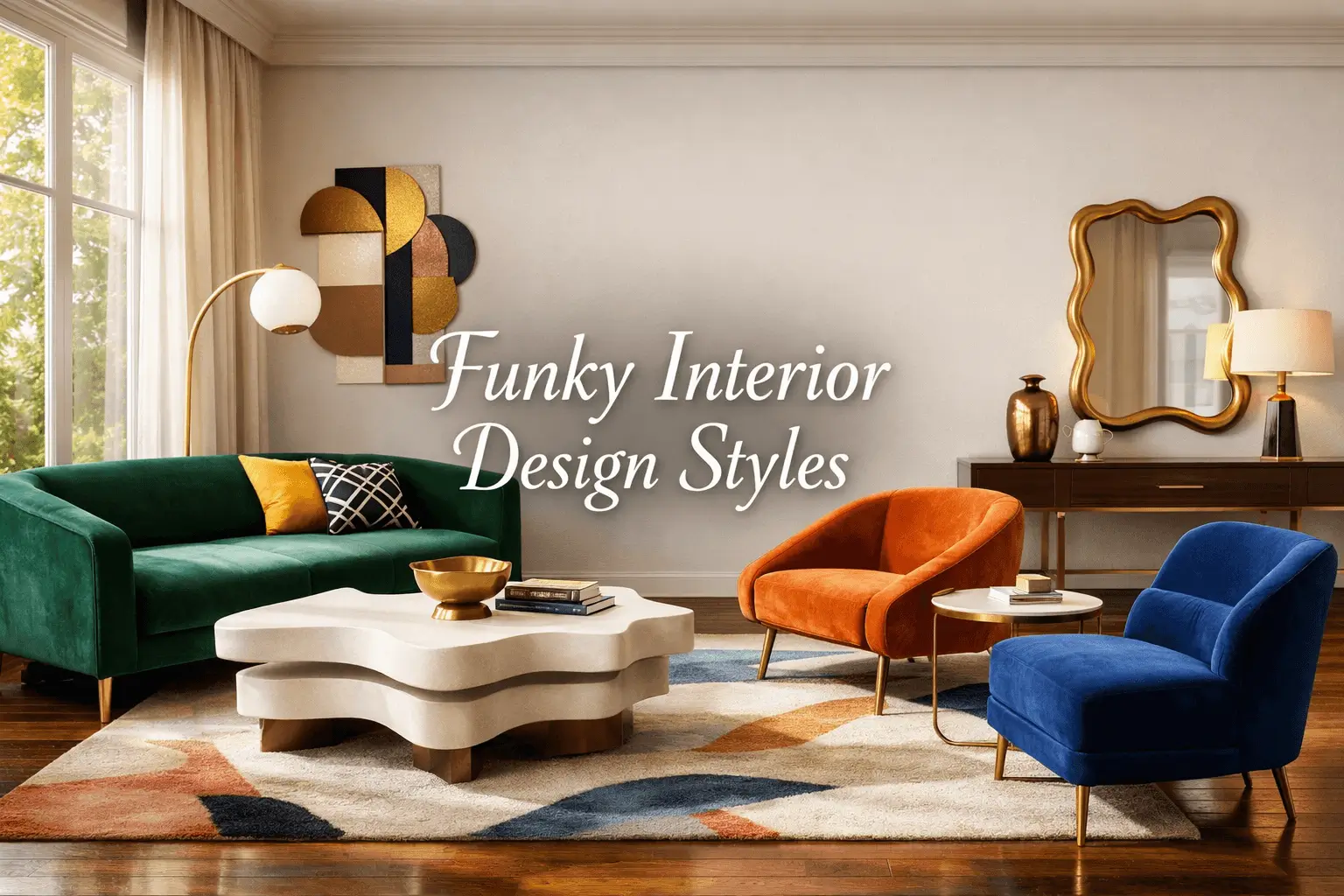
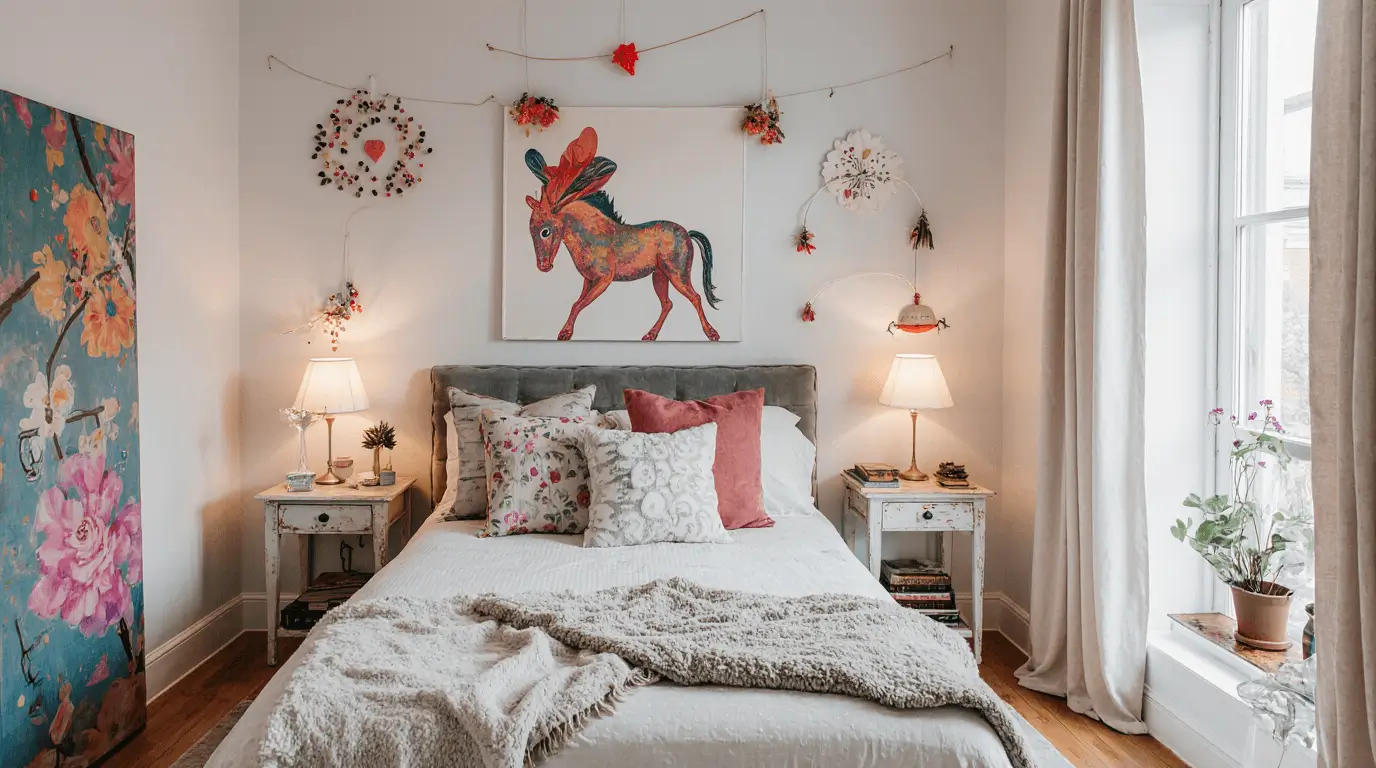
Interior design has evolved far beyond neutral palettes and predictable layouts. Funky interior design styles embrace individuality, unexpected combinations, and a playful sense of creativity. These designs break traditional rules, fusing colors, textures, and eras into spaces that feel alive, personal, and unapologetically vibrant. Whether you’re redecorating a living room, a studio, or an entire home, funky interiors offer freedom to experiment while remaining practical and inviting.
Unlike classic or contemporary designs, funky interiors thrive on contrast. Bold color pairings, whimsical furniture, and daring art pieces define the character of each room. This style encourages mixing retro, modern, and global influences to create spaces that tell a story, spark conversation, and reflect the personality of the occupants. With thoughtful planning, even the most eclectic combinations can feel harmonious and intentional.
Understanding funky interior design requires looking beyond trends and focusing on the principles of contrast, texture, and unexpected harmony. Each design choice should have purpose, from lighting selections to furniture placement, ensuring the space feels dynamic but cohesive. In this guide, we explore 15+ key clusters of funky interior design, complete with practical insights and image prompts to inspire your next project.
Bold Color Funky Interiors
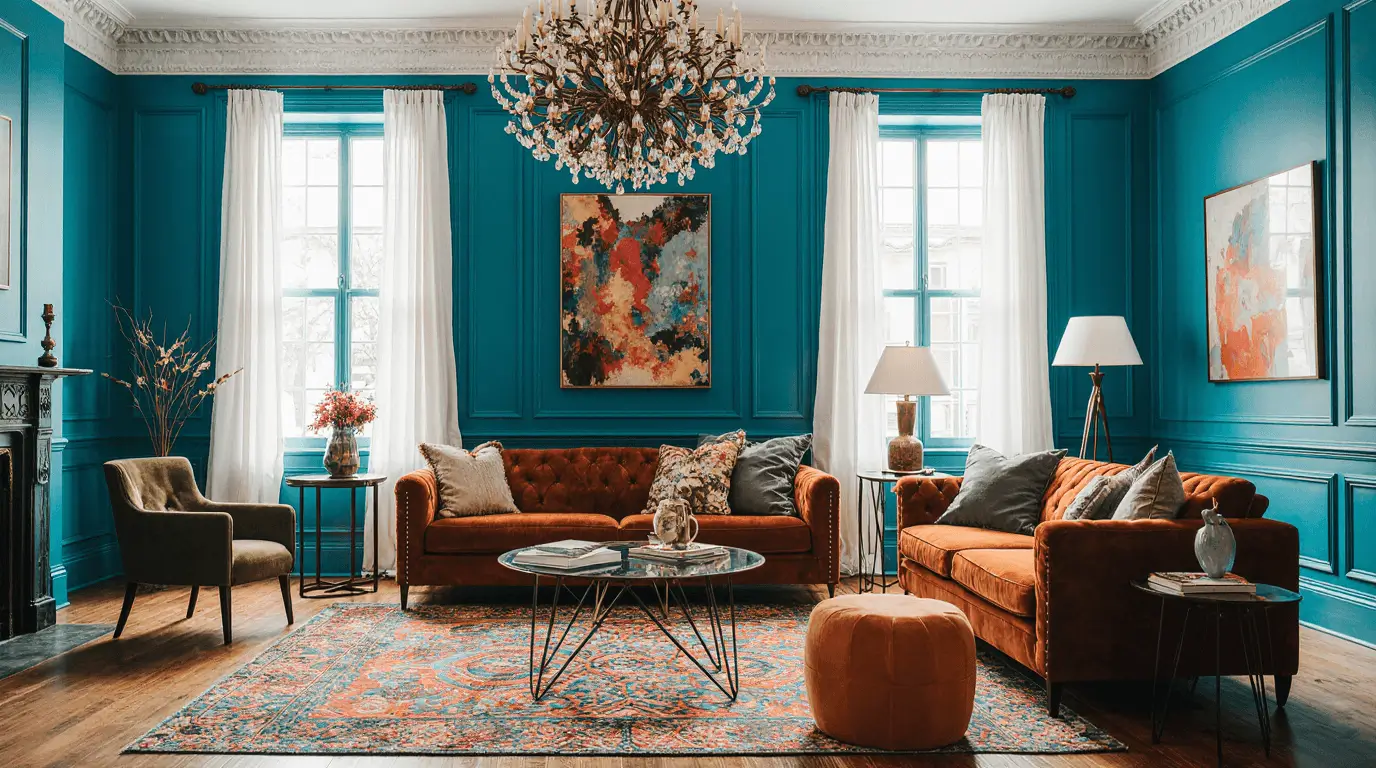
Vibrant hues are the hallmark of funky interior design styles. Bold color palettes—from neon accents to jewel tones—create energy, emphasize key features, and evoke a lively, playful atmosphere. Combining unexpected colors, like turquoise with burnt orange, adds visual excitement while keeping the space balanced with neutral anchors.
Eclectic Furniture Mix
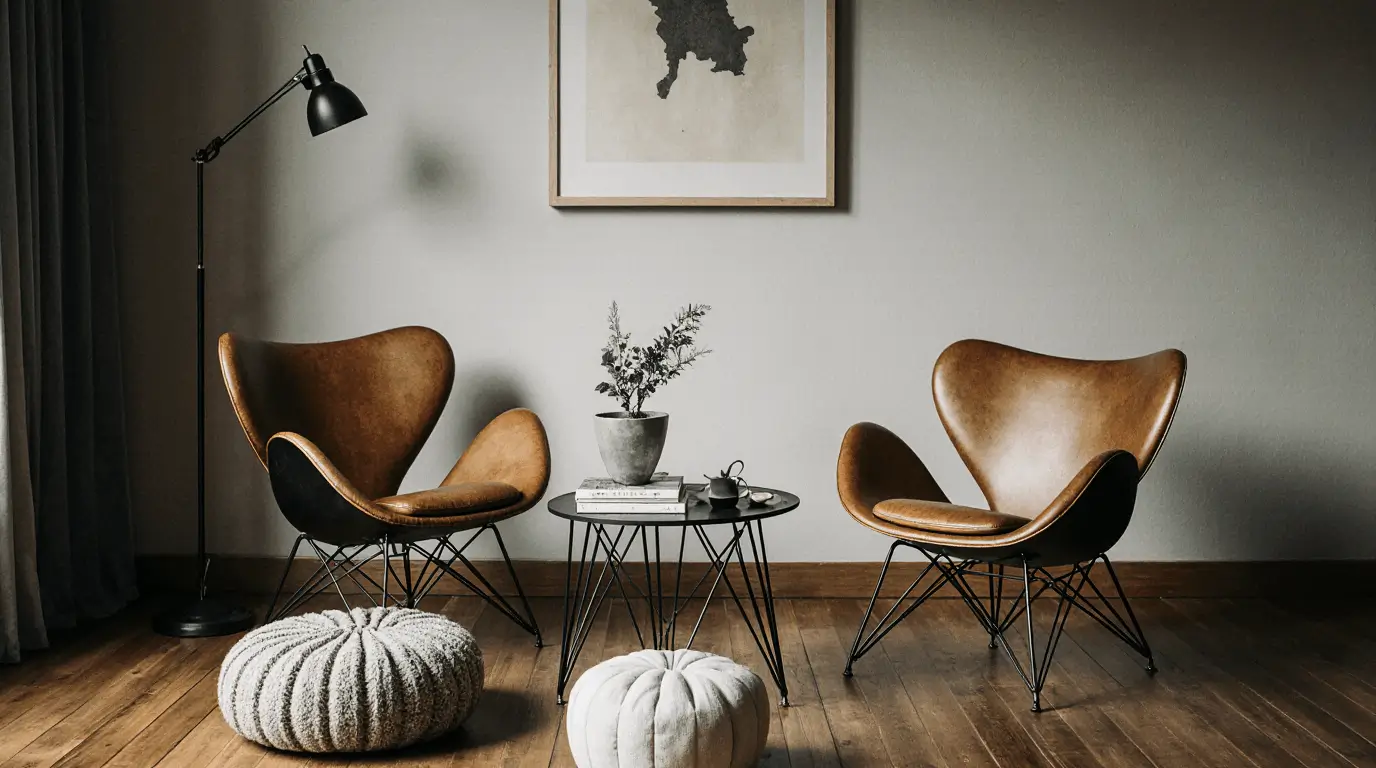
Funky interiors thrive on mixing furniture from different eras and styles. Pairing mid-century modern chairs with vintage industrial tables or bohemian poufs creates a layered, interesting environment that feels curated yet spontaneous.
Artistic Wall Treatments
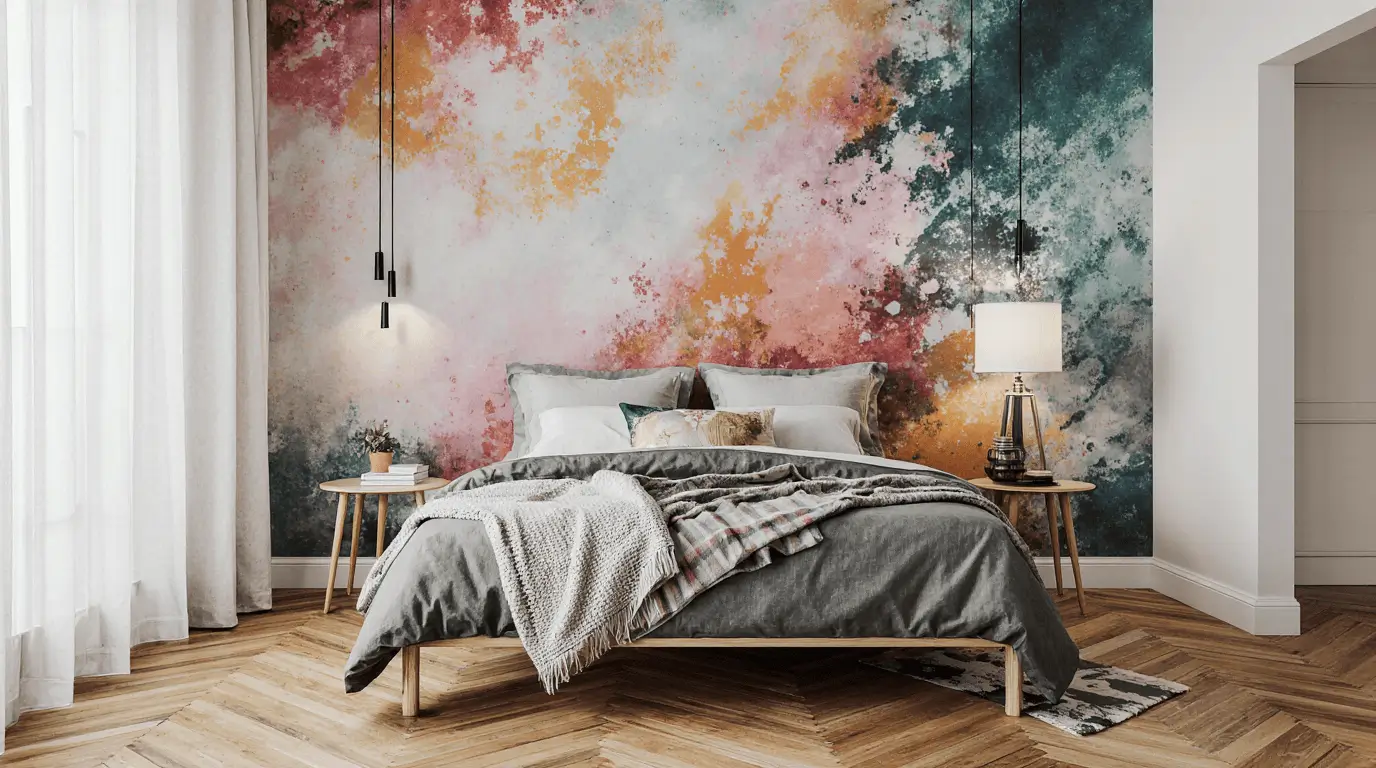
Walls become a canvas in funky interior design. From bold murals and geometric wallpaper to textured paint finishes, the walls set the tone for creativity and personality without overwhelming the space.
Statement Lighting
Unique lighting fixtures—oversized pendants, neon signs, or sculptural lamps—anchor funky interiors. They not only illuminate but serve as art pieces that enhance the eclectic vibe of a room.
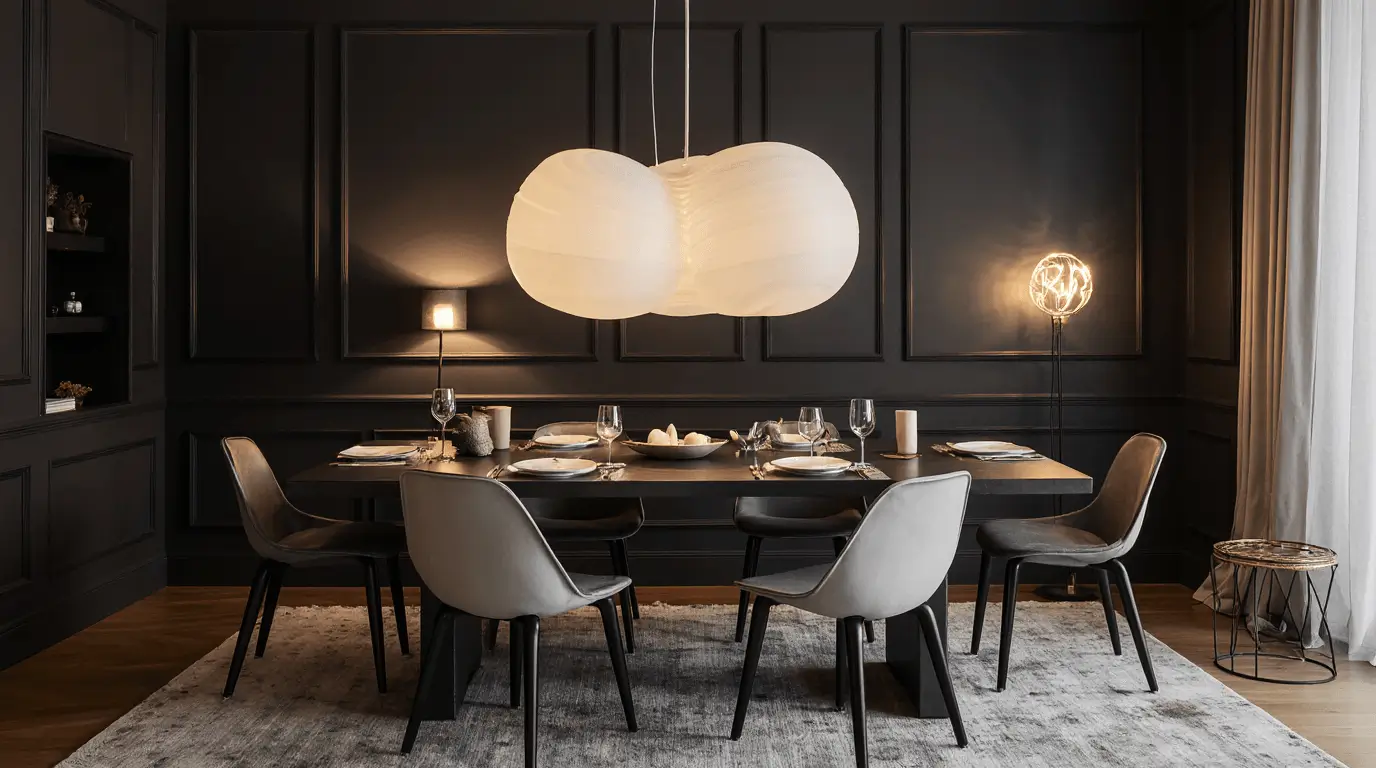
Retro & Vintage Flair
Funky design often draws inspiration from retro eras. Iconic 60s and 70s furniture, bold patterns, and vintage décor items inject nostalgia while maintaining a modern sensibility.
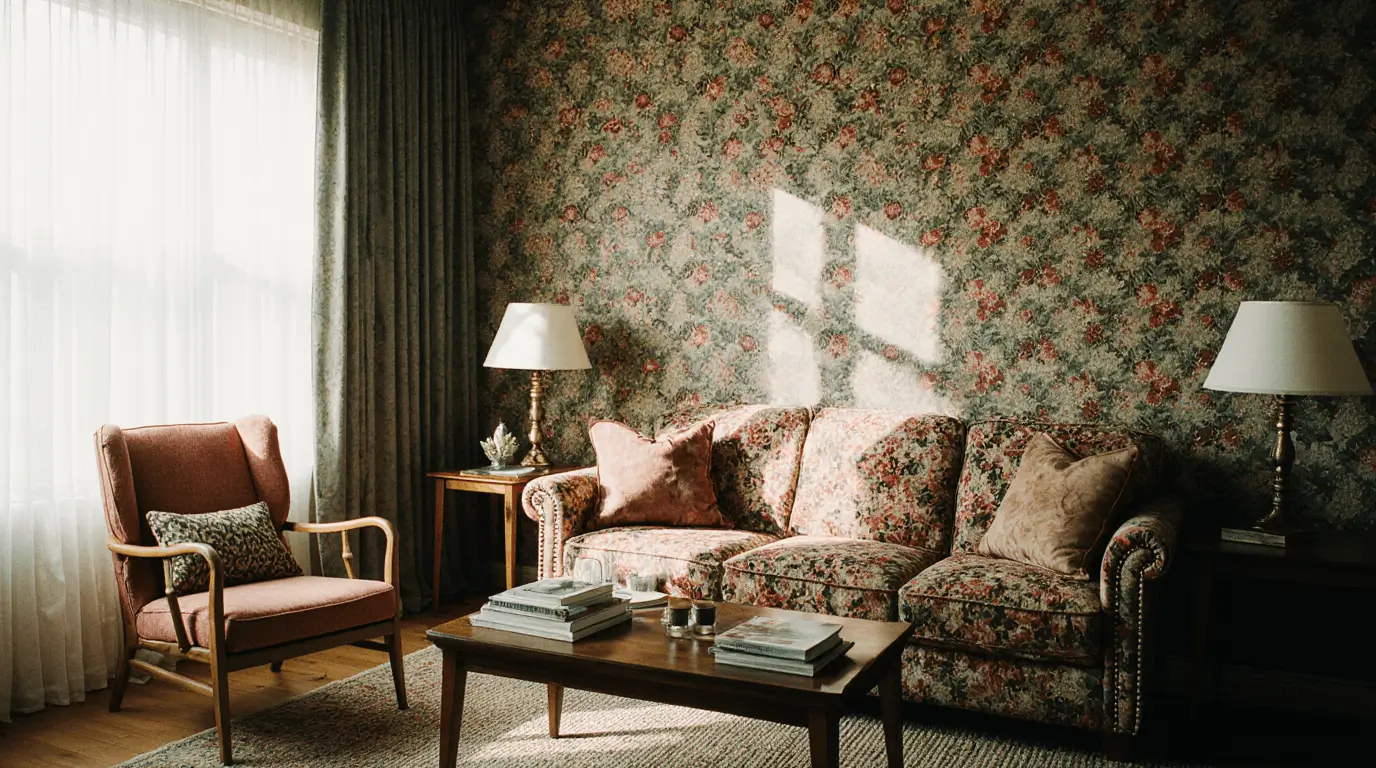
Playful Patterns and Textures
Mixing textures and patterns—from shag rugs to velvet cushions, from striped wallpaper to polka dots—creates visual interest and depth, giving funky interiors a tactile, multidimensional feel.
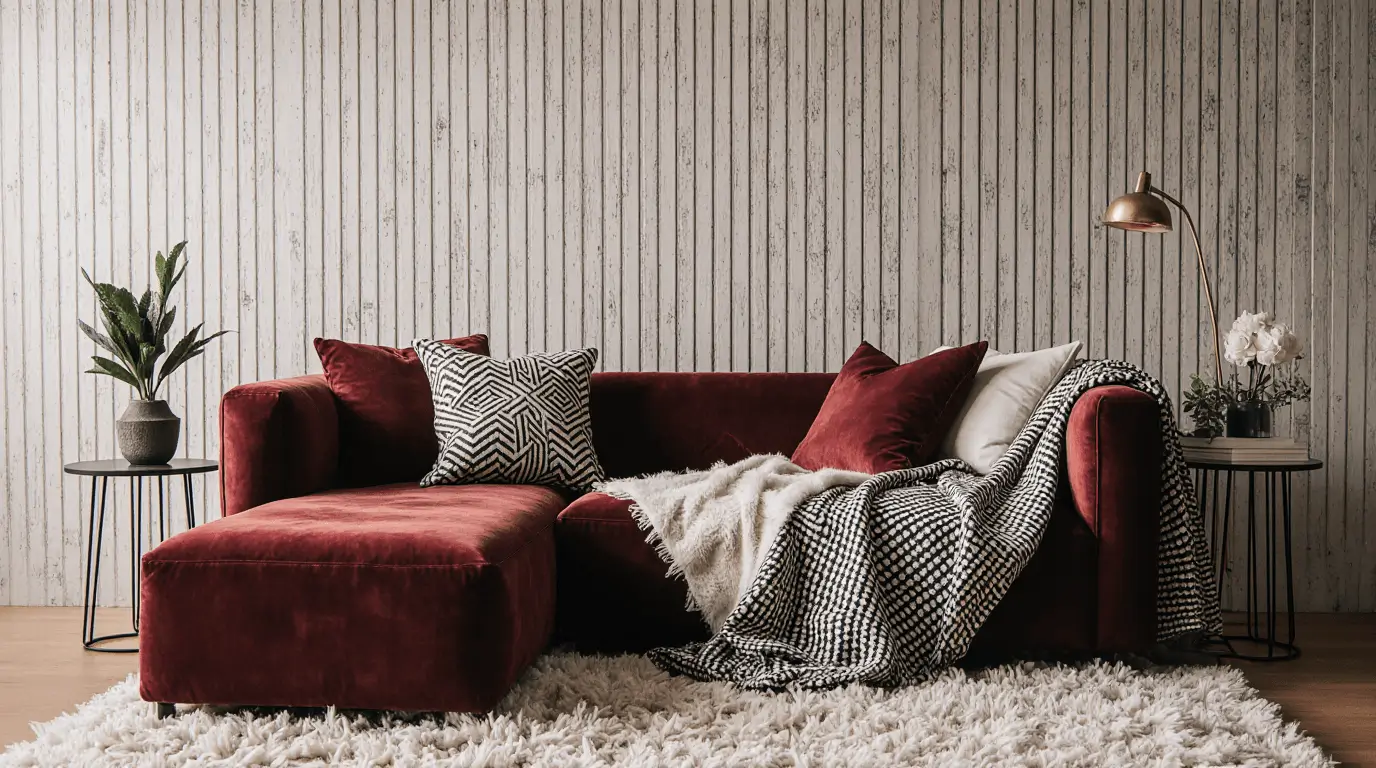
Whimsical Art Installations
Funky interiors welcome unconventional art. Sculptures, wall hangings, and quirky installations add personality and spark curiosity, transforming spaces into experiential environments.
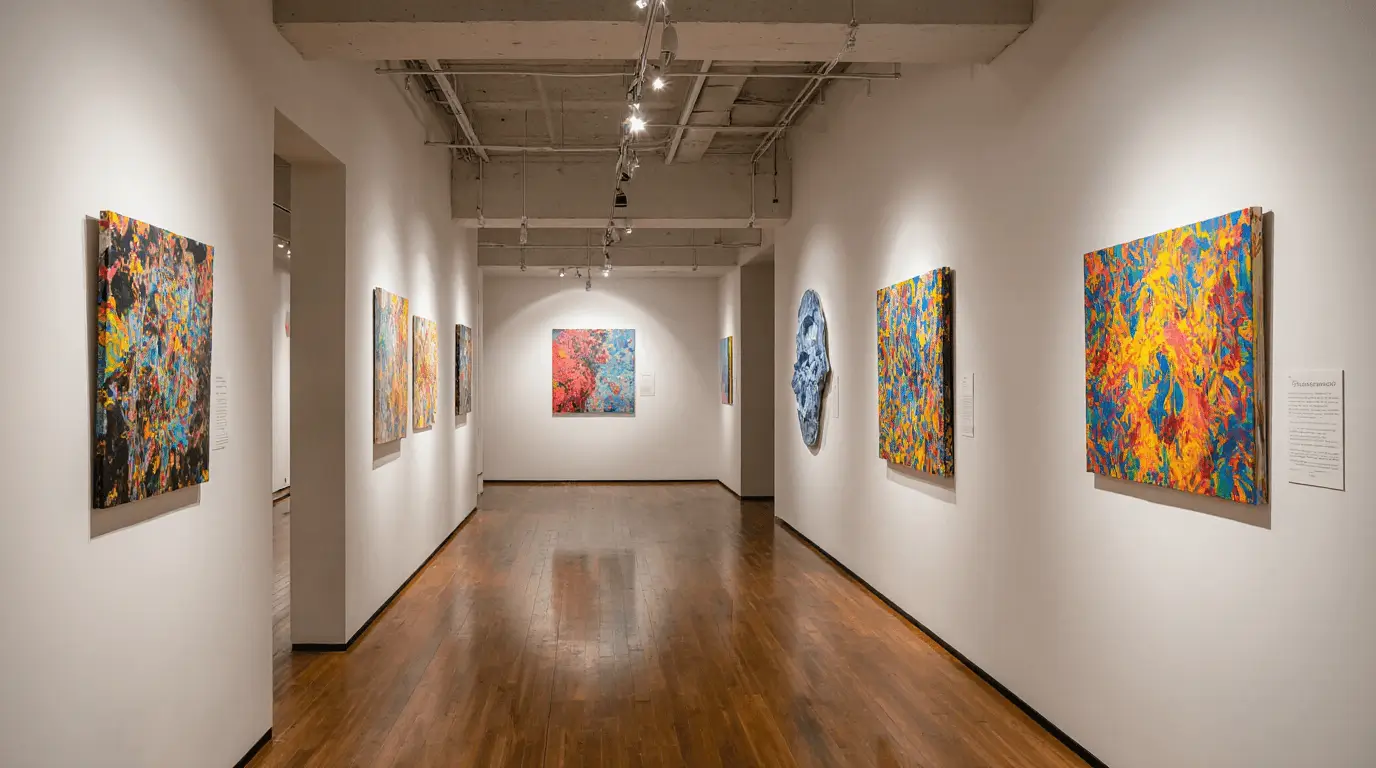
Bohemian Fusion
Funky design often overlaps with bohemian styles—layered textiles, natural fibers, globally inspired décor, and plants. This adds warmth, comfort, and an organic vibrancy.
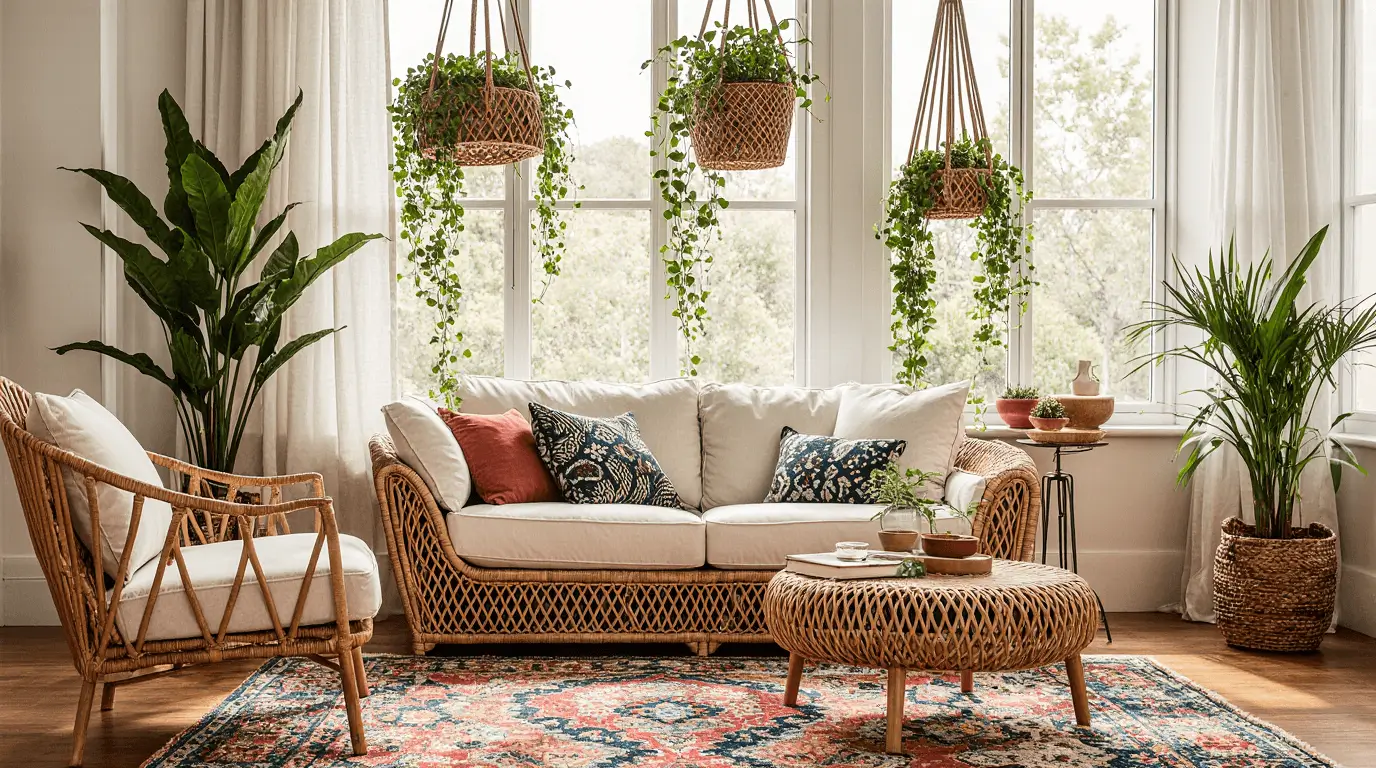
Geometric and Abstract Accents
Abstract forms and geometric shapes are used throughout funky interiors to create focal points and visual rhythm. This approach balances playful chaos with structural coherence.
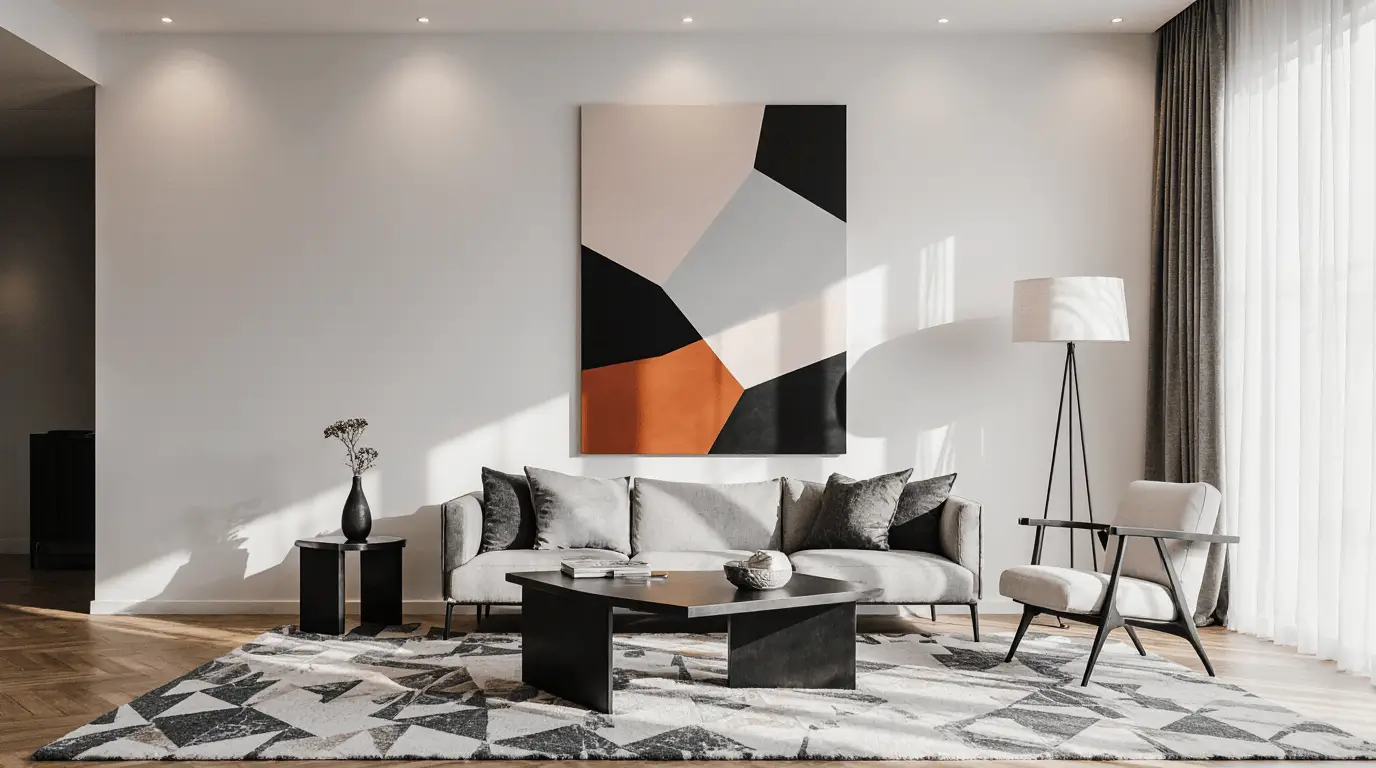
Unexpected Material Pairings
Combining unconventional materials—like concrete with velvet, glass with reclaimed wood, or metal with soft textiles—gives funky interiors a surprising yet sophisticated texture contrast.
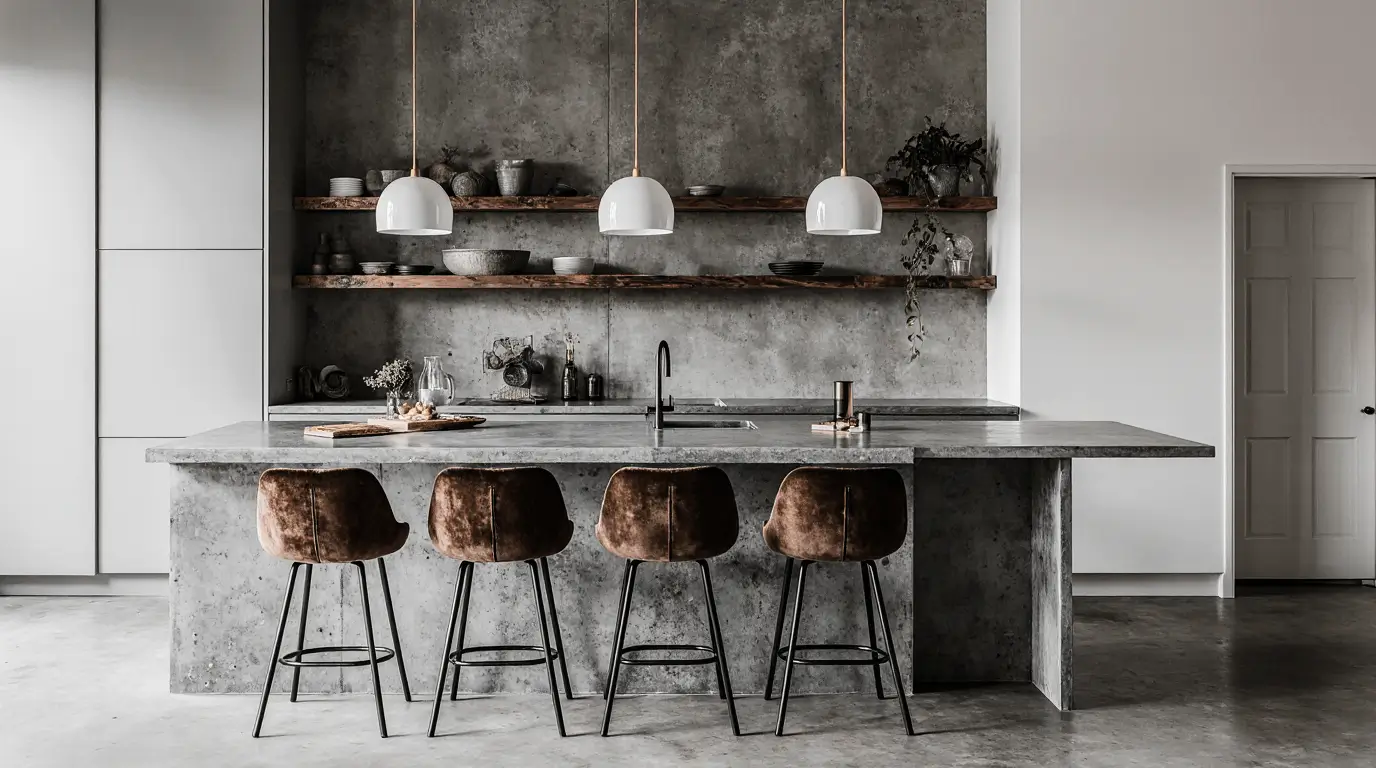
Pop Culture Influences
Funky spaces often reflect personal interests, incorporating pop culture icons, collectibles, and playful memorabilia that make interiors unique and engaging.
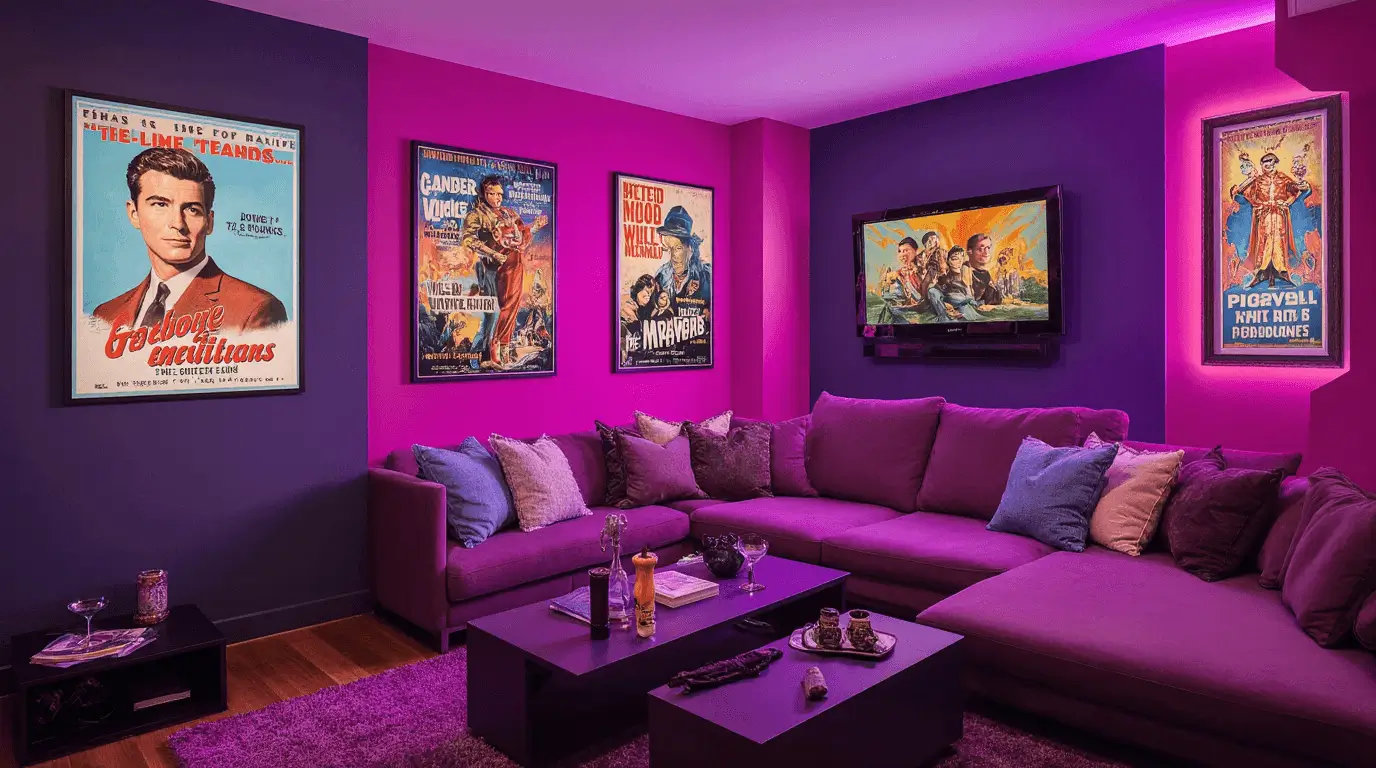
Layered Lighting Concepts
Using multiple layers of lighting—ambient, accent, and task—enhances the funky aesthetic. Lighting guides the eye, highlights textures, and shapes the overall atmosphere.
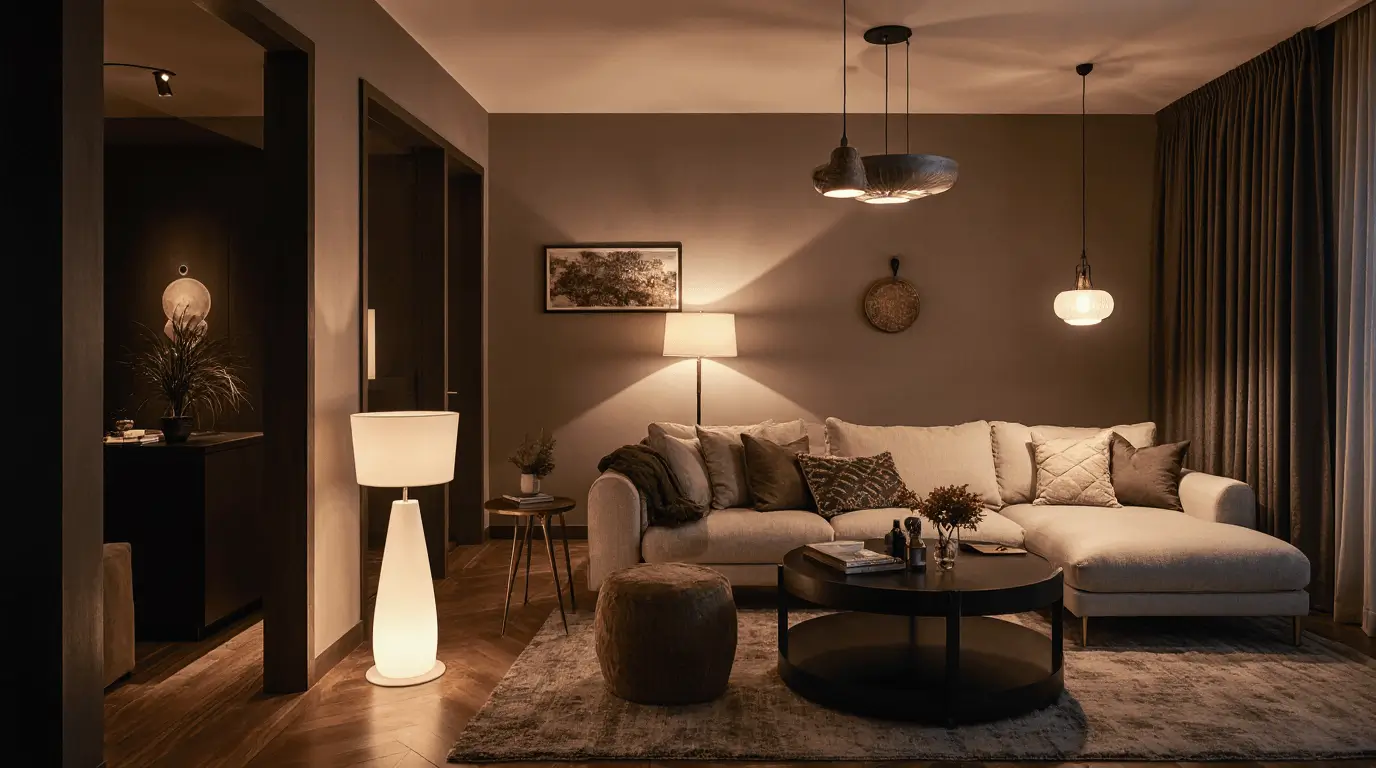
Open-Plan Funky Spaces
Open floor layouts allow for dynamic, multi-functional funky interiors. Distinct zones are defined with rugs, furniture, and lighting rather than walls, creating flow and interaction.
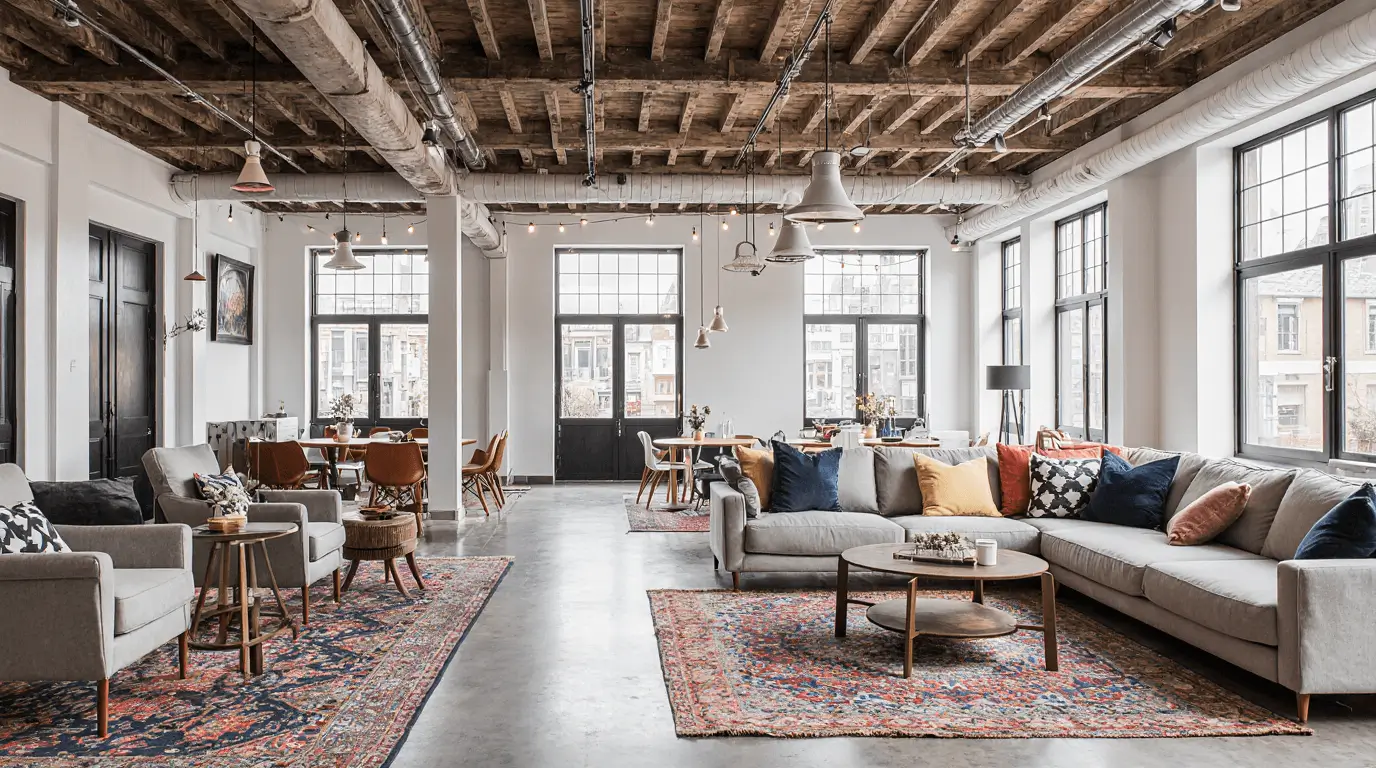
Statement Ceilings and Floors
Floors and ceilings in funky interiors are more than structural—they’re design elements. Bold tiles, painted beams, or patterned flooring add drama and draw attention.
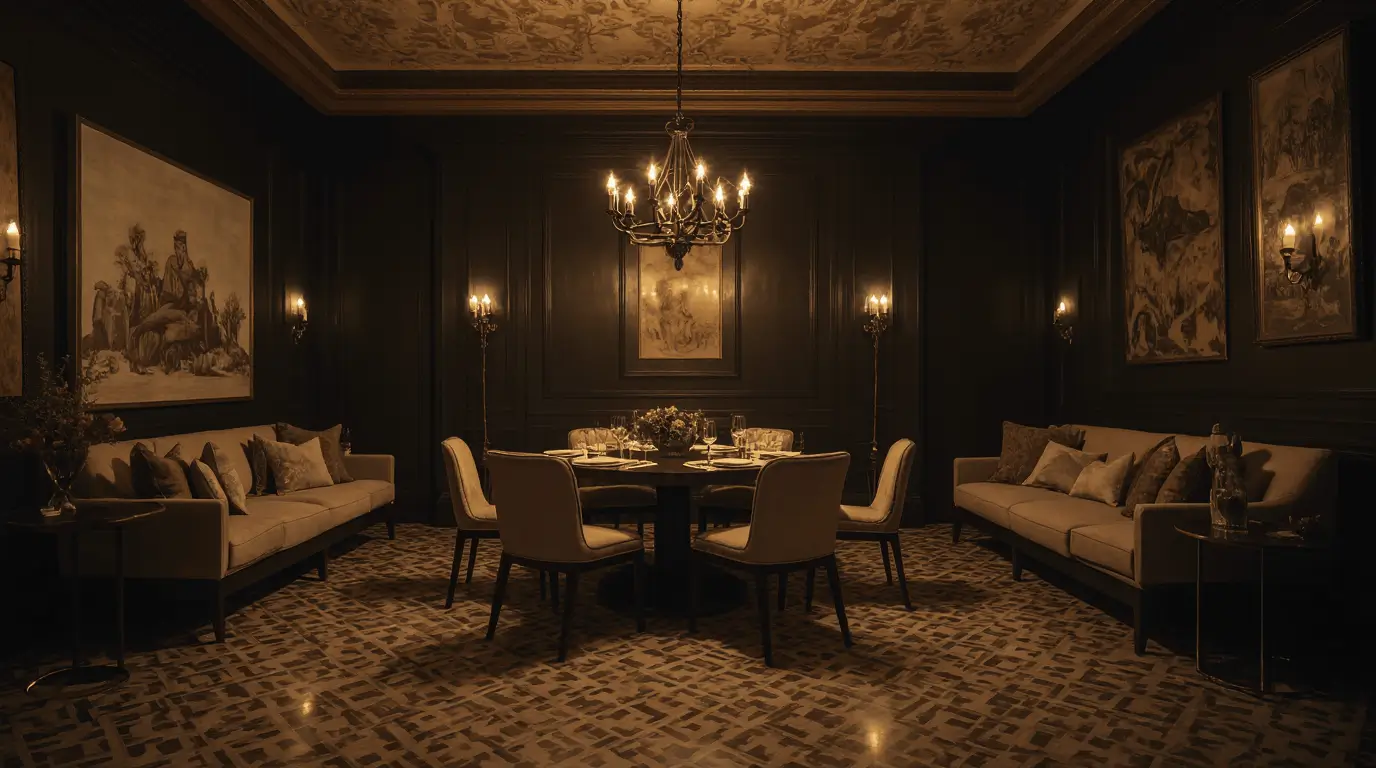
Indoor-Outdoor Fusion
Funky interior design often blurs boundaries between inside and outside. Large windows, indoor plants, and natural materials create a lively, airy, and unconventional feel.
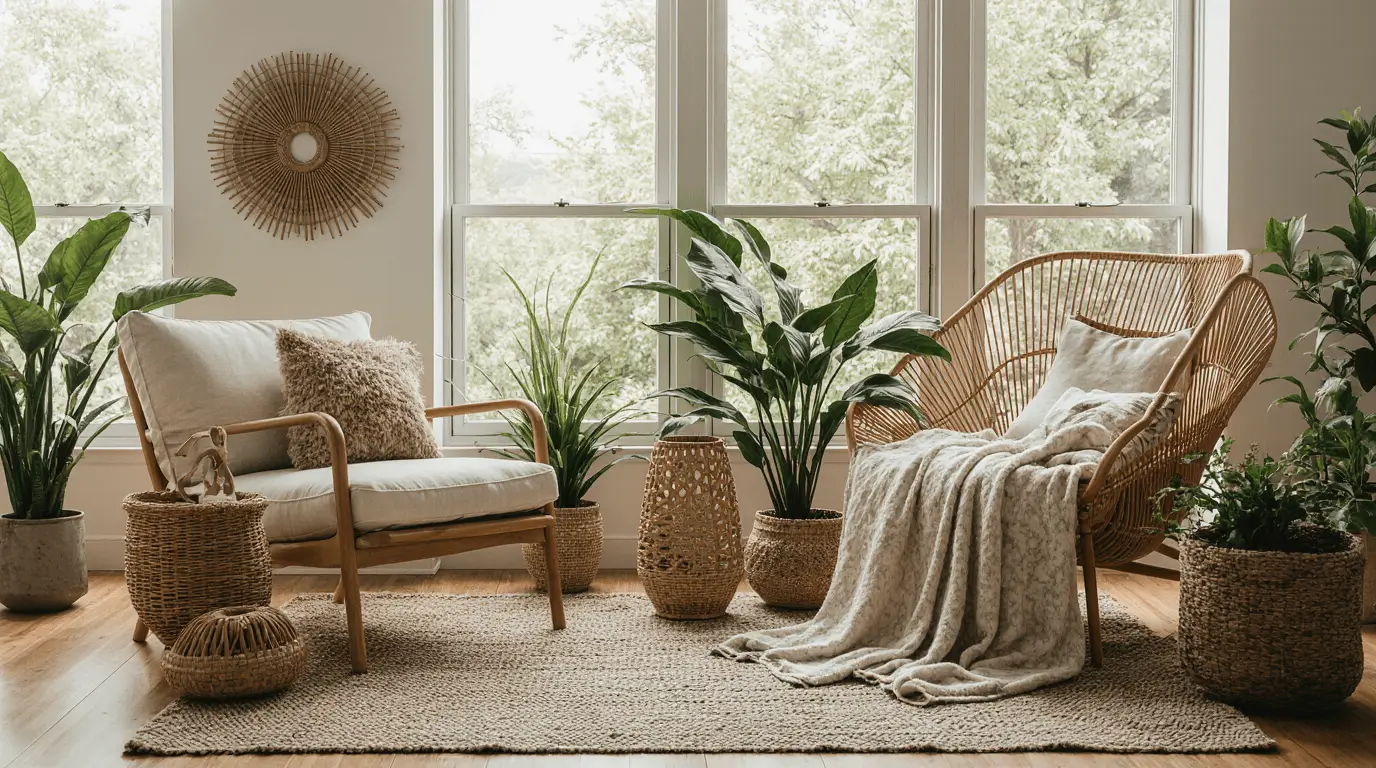
Personalized Quirky Decor
Every funky interior should feel personal. Unique collections, DIY projects, and one-of-a-kind décor pieces make a space unmistakably yours.
Conclusion
Funky interior design styles are more than just a visual choice—they are an approach to living that prioritizes personality, creativity, and authentic expression. By blending bold colors, eclectic furniture, layered textures, and playful art, these interiors transform ordinary rooms into dynamic, engaging spaces that reflect the individuality of those who inhabit them. What makes this style effective is its balance: even in the most unconventional combinations, thoughtful planning of scale, proportion, and lighting ensures cohesion without sacrificing spontaneity.
This design philosophy benefits anyone who values self-expression and wants a home that feels truly alive—whether you’re a first-time decorator or a seasoned interior enthusiast. The key is intentional experimentation: mix eras, textures, and patterns purposefully, highlight standout elements, and integrate personal touches. With these strategies, you can create a home that is both visually exciting and comfortably functional, offering an environment that inspires daily creativity and enjoyment.
By approaching funky interiors with confidence and clarity, readers can move forward knowing that every bold choice—from vibrant murals to quirky décor—has the power to turn a space into a personal statement, fostering an environment that is not only stylish but deeply reflective of your lifestyle.
Learn more : Stunning Coastal Florida Interior Design Ideas for Breezy, Elegant Homes
Frequently Asked Questions
- What defines funky interior design compared to other styles?
Funky interiors prioritize individuality and playfulness over tradition. Unlike minimal or classic designs, they embrace bold colors, eclectic furniture, layered textures, and unexpected combinations, creating spaces that feel personal, vibrant, and dynamic. - How do I make a funky interior look intentional rather than chaotic?
The key is balance. Anchor bold choices with neutral elements, repeat colors or shapes for cohesion, and focus on proportion and scale. Even when mixing eras or patterns, deliberate placement and thoughtful lighting maintain harmony. - Can funky design work in small spaces?
Absolutely. In smaller rooms, focus on selective statement pieces, vertical décor, mirrors, and lighting to create depth. Bold accents or a feature wall can provide personality without overwhelming the space. - How do I incorporate personal style into a funky interior?
Personal touches are essential: art collections, DIY projects, quirky memorabilia, or custom furniture can make a space unmistakably yours. Prioritize pieces that resonate with your tastes while complementing the overall aesthetic. - Which elements are most important for creating a lively funky space?
Color, texture, and lighting are the pillars. Bold or contrasting colors energize a room, layered textures add visual interest, and well-planned lighting highlights focal points, creating atmosphere and depth. - Is funky interior design suitable for family homes or more practical spaces?
Yes. While visually adventurous, funky design can be practical. Choosing durable materials, multifunctional furniture, and easy-to-clean surfaces ensures that the space is both stylish and functional for daily life. - How do I start experimenting with funky interior design?
Begin with one area—a living room wall, a reading nook, or a set of furniture pieces. Experiment with color, texture, and art in small doses, observe how it feels, and gradually expand. This approach builds confidence and ensures each addition feels purposeful.


One Response