
Introduction
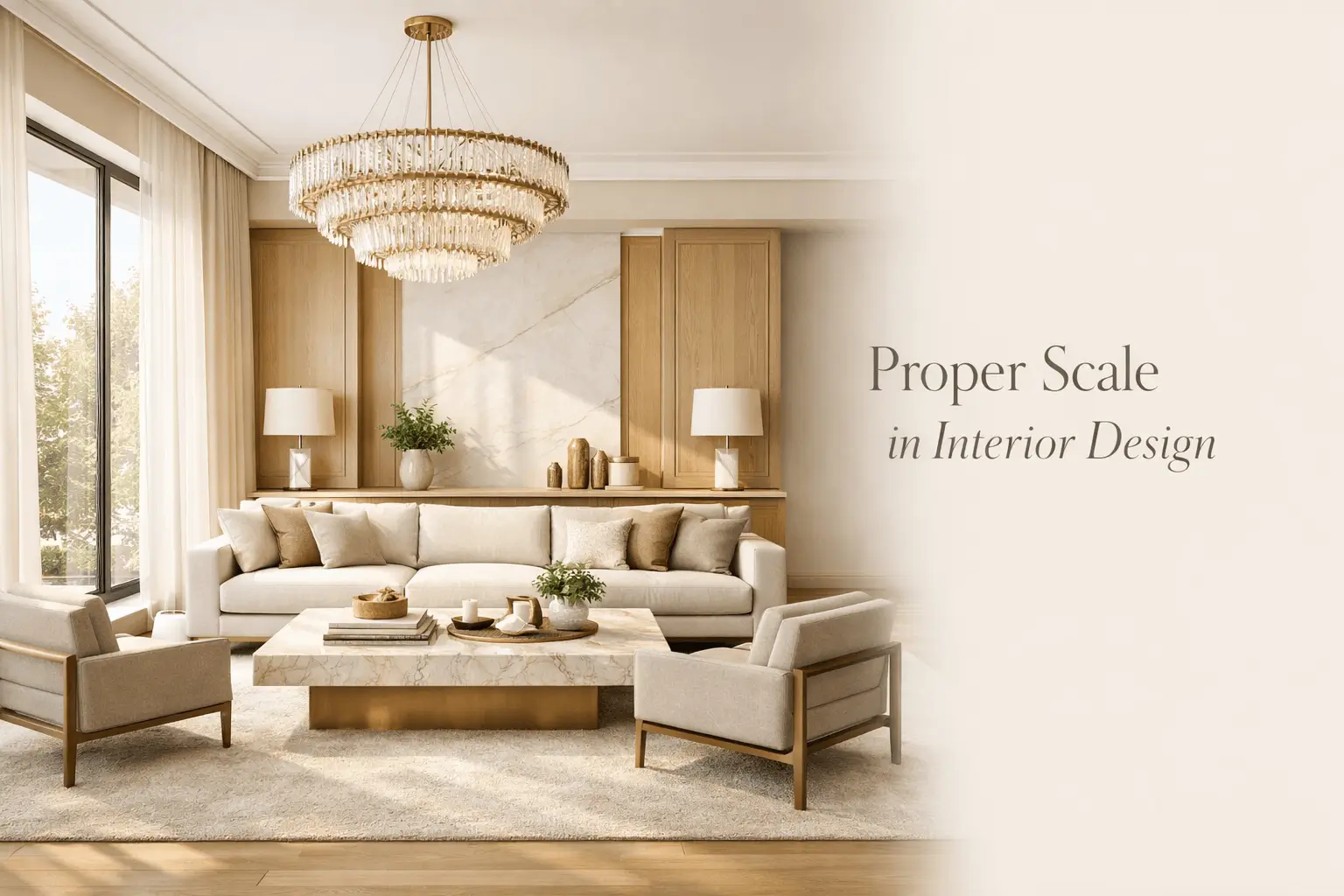
Understanding proper scale in interior design is one of those things that quietly separates amateur spaces from truly refined ones. It’s not about buying expensive furniture or following trends—it’s about how every object relates to the room, to each other, and to the people using the space. When scale is right, a room feels balanced, comfortable, and visually effortless. When it’s wrong, even beautiful pieces can feel awkward or overwhelming.
From years of observing well-designed spaces, one pattern is consistent: designers rarely think about items in isolation. Instead, they consider proportions, spatial relationships, and human interaction. Proper scale is what ensures a sofa doesn’t dominate a small room, or that artwork doesn’t feel lost on a large wall. It’s a subtle discipline, but once you understand it, you start noticing it everywhere.
Below are the most important concept clusters that define and refine proper scale in interior design—each with practical insight and a visual prompt to help you bring the idea to life.
Proper Scale in Interior Design Basics
A well-scaled room begins with understanding how furniture fits the room’s dimensions. Oversized pieces shrink the space, while undersized ones make it feel incomplete. Balance starts with matching furniture size to room volume.
Human-Centered Scale in Interior Design
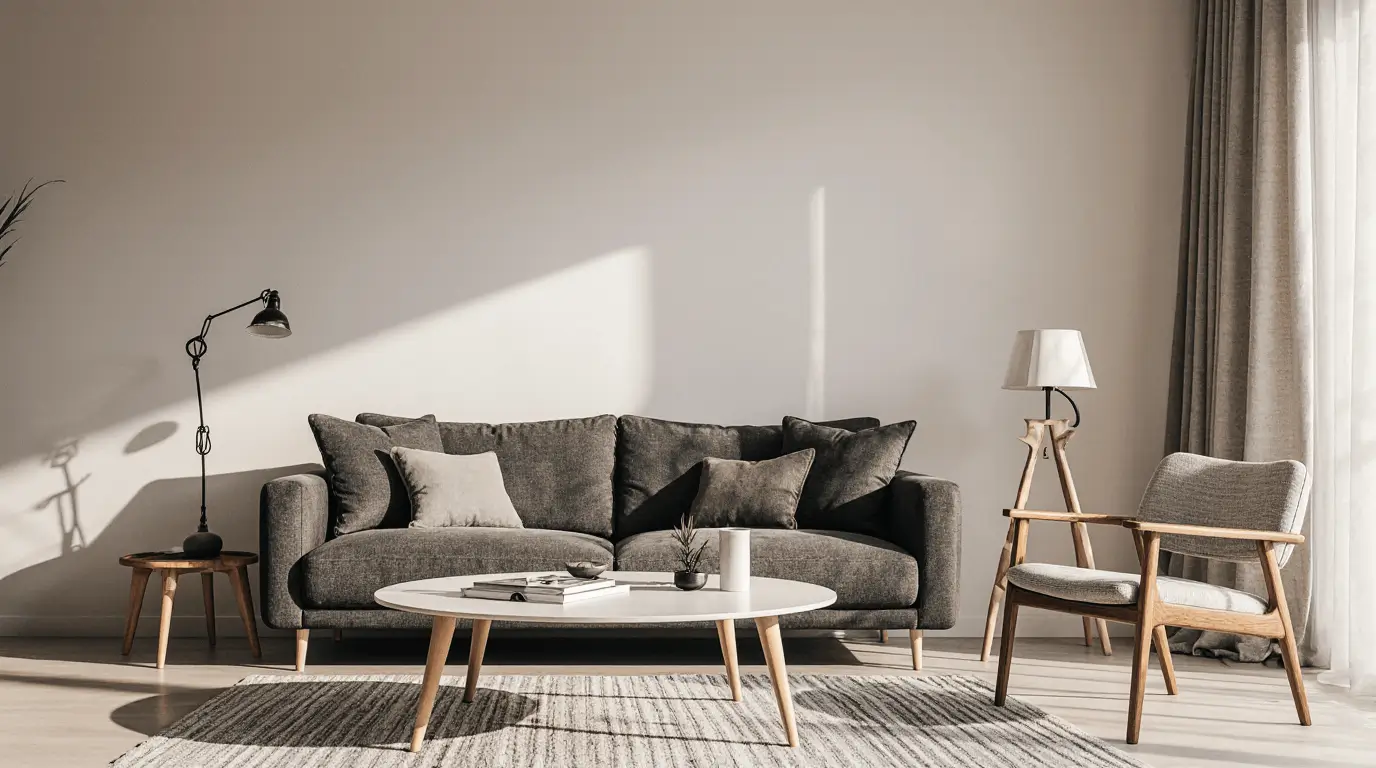
Proper scale in interior design must always consider human comfort. Seating height, table proportions, and walking space should feel natural for everyday use, not just visually appealing.
Furniture-to-Room Scale Relationship
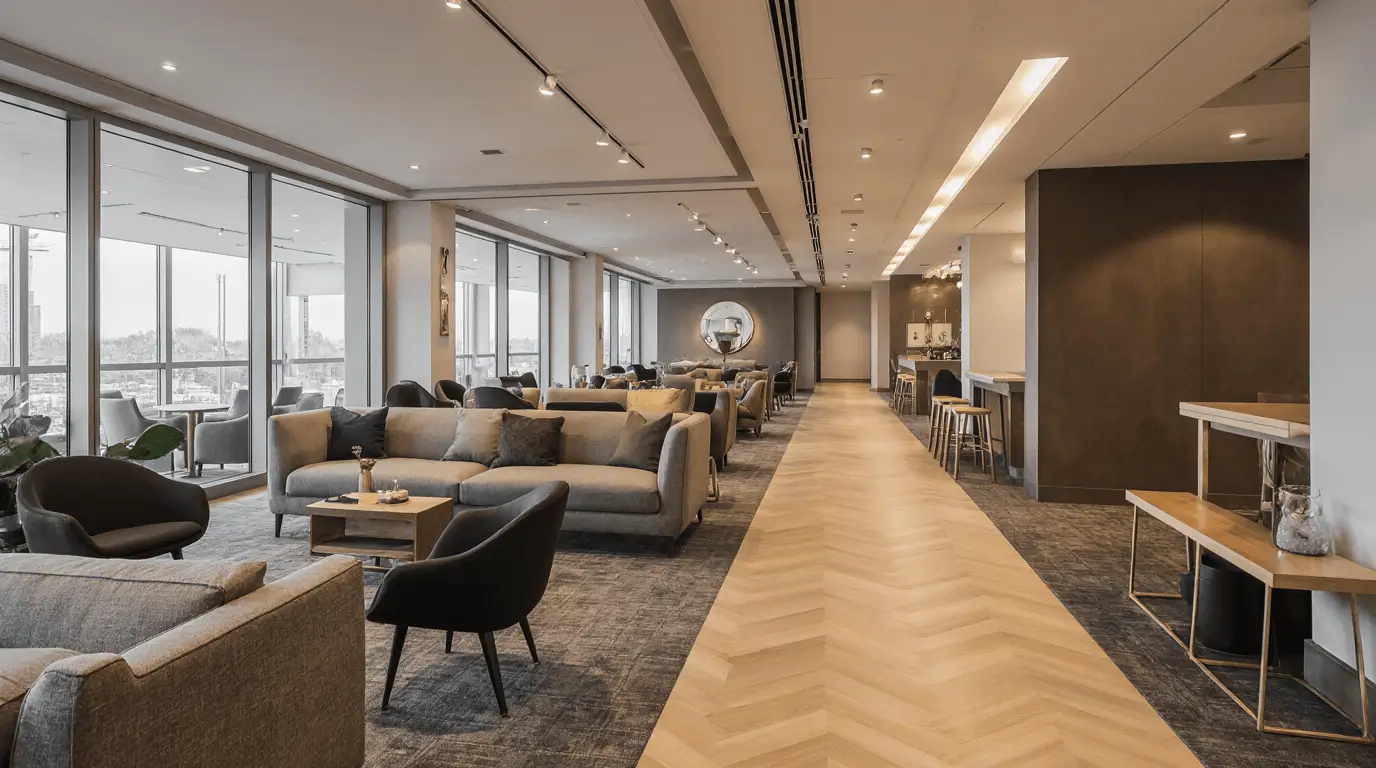
Large rooms require anchor pieces, while smaller rooms benefit from lighter, streamlined furniture. Matching furniture size to room volume prevents visual imbalance.
Wall Décor and Proper Scale in Interior Design
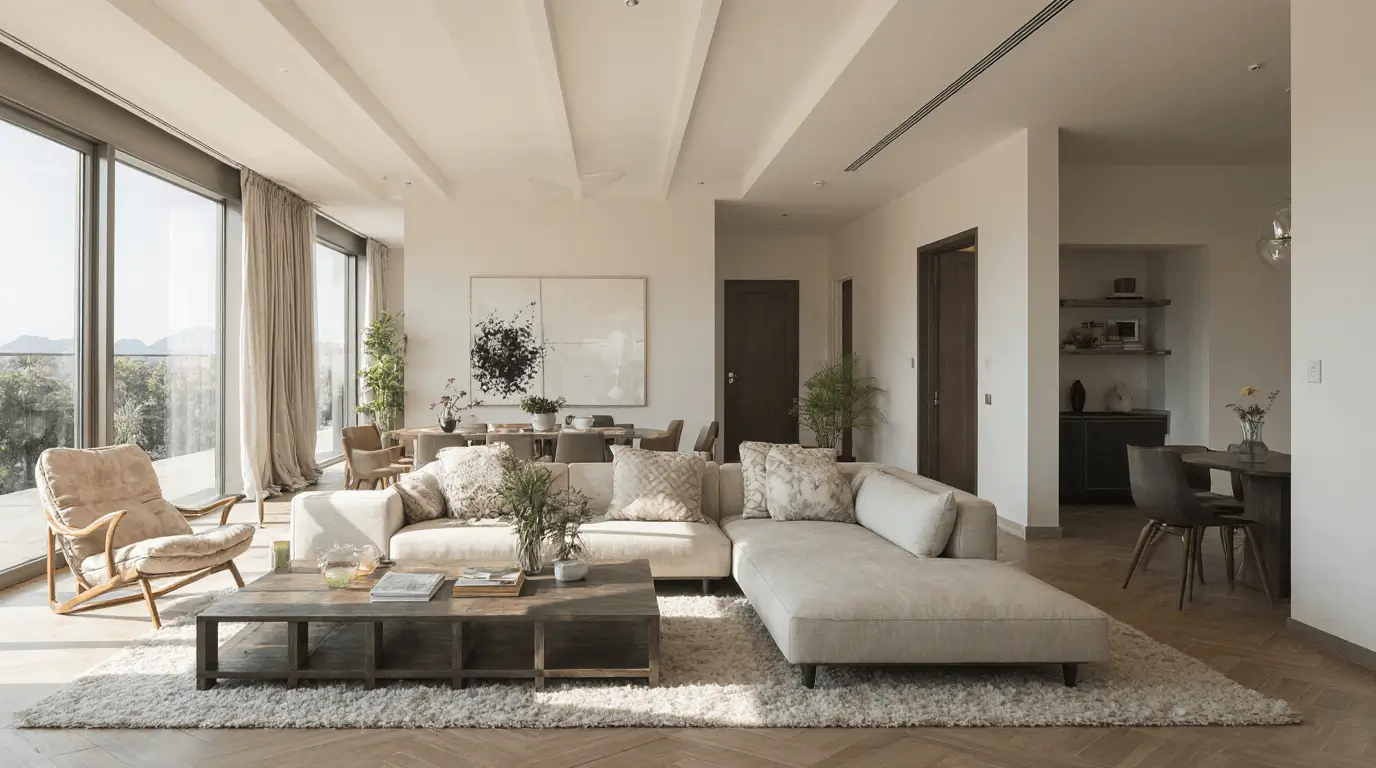
Artwork should relate to wall size and nearby furniture. Too small feels insignificant; too large overwhelms. The sweet spot creates harmony and focus.
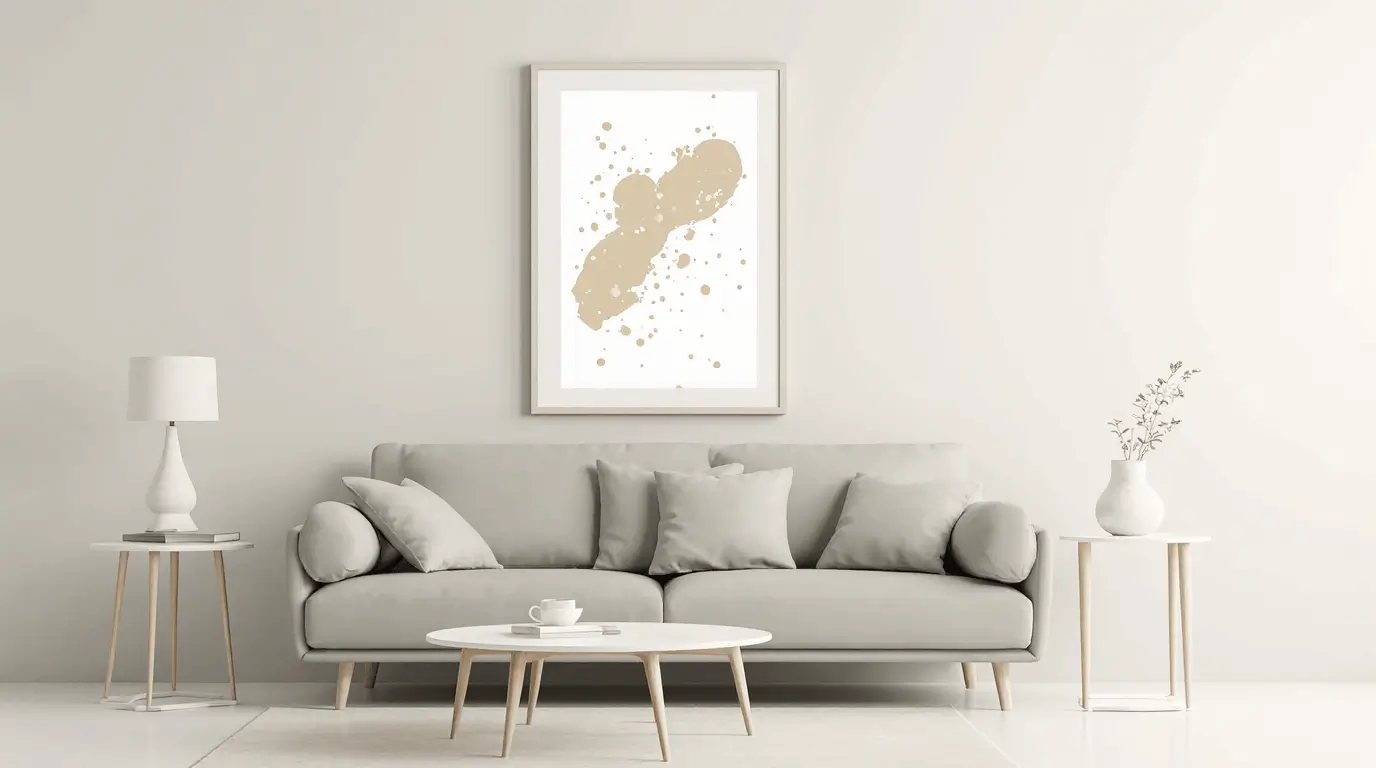
Scale and Proportion in Interior Design
Scale is about size; proportion is about relationships. A coffee table should be proportional to the sofa, not just the room. This creates visual cohesion.
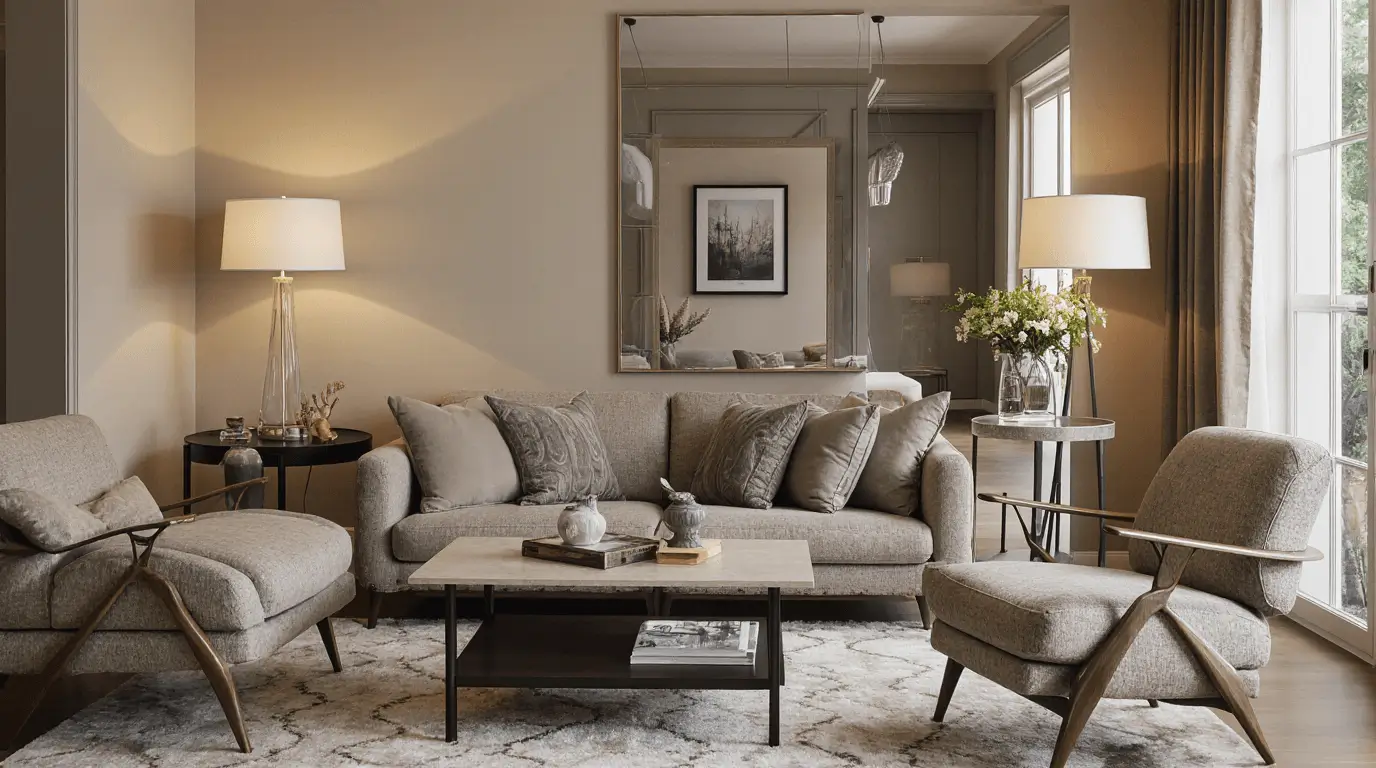
Vertical Scale in Interior Design
Ceiling height plays a major role. Tall rooms benefit from vertical elements like long curtains or tall shelving to maintain visual balance.
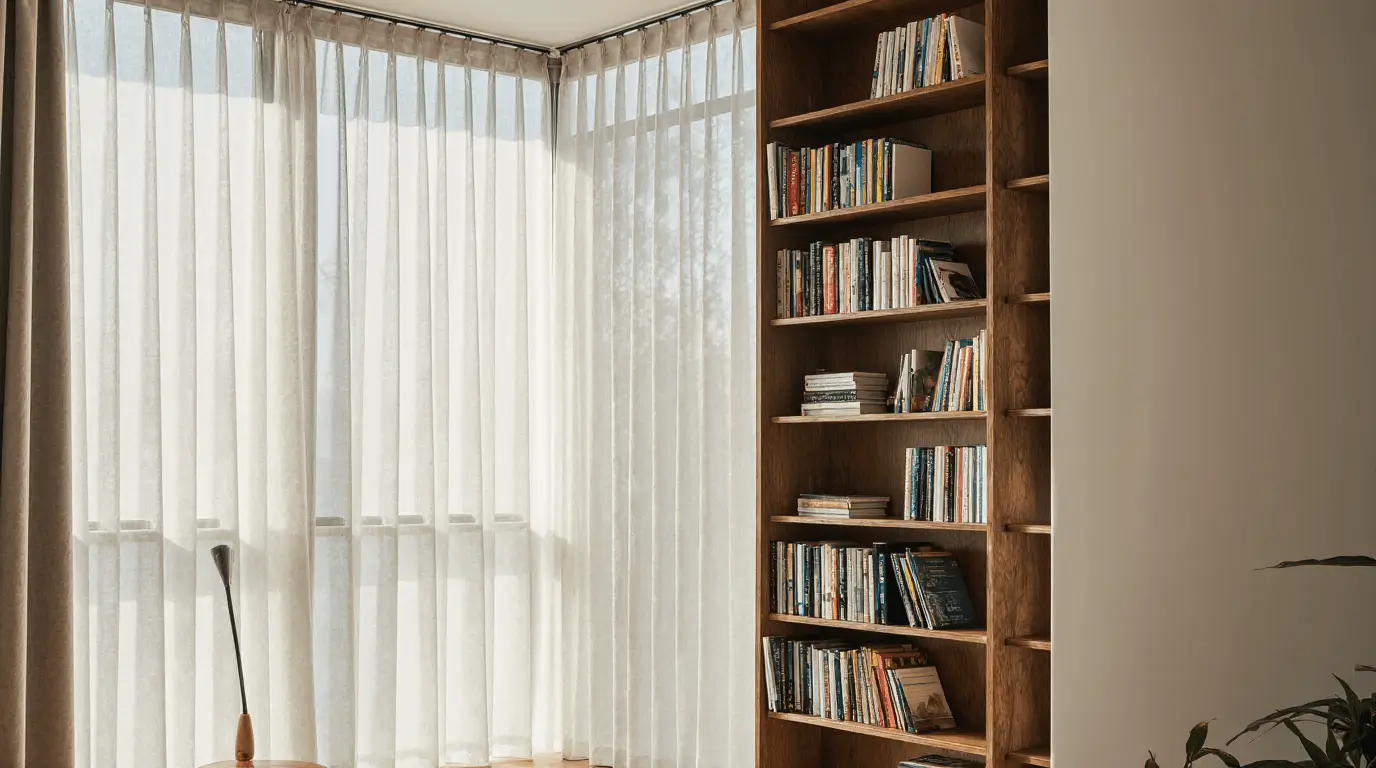
Horizontal Scale in Interior Design
Width and spacing define comfort. Furniture should neither crowd the room nor leave it feeling empty. Proper spacing enhances flow.
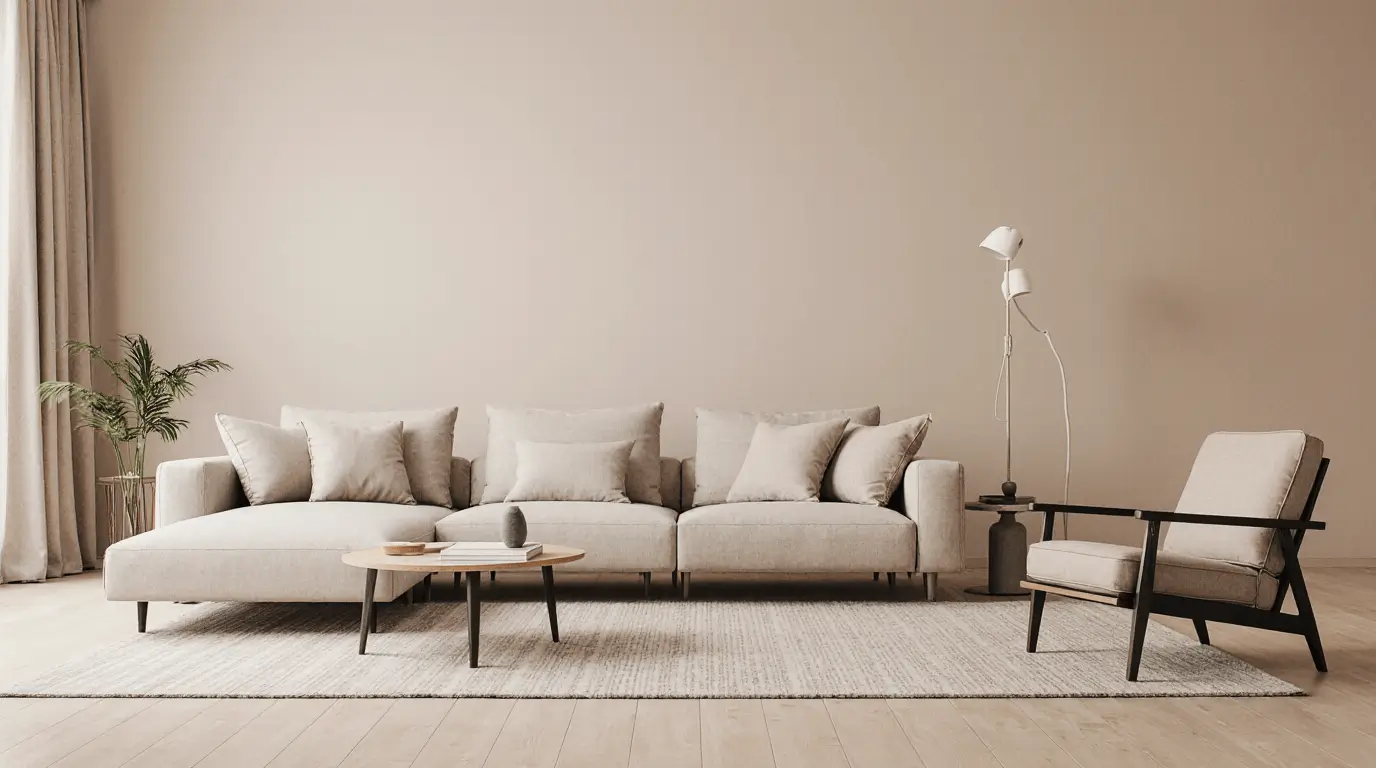
Lighting Scale in Interior Design
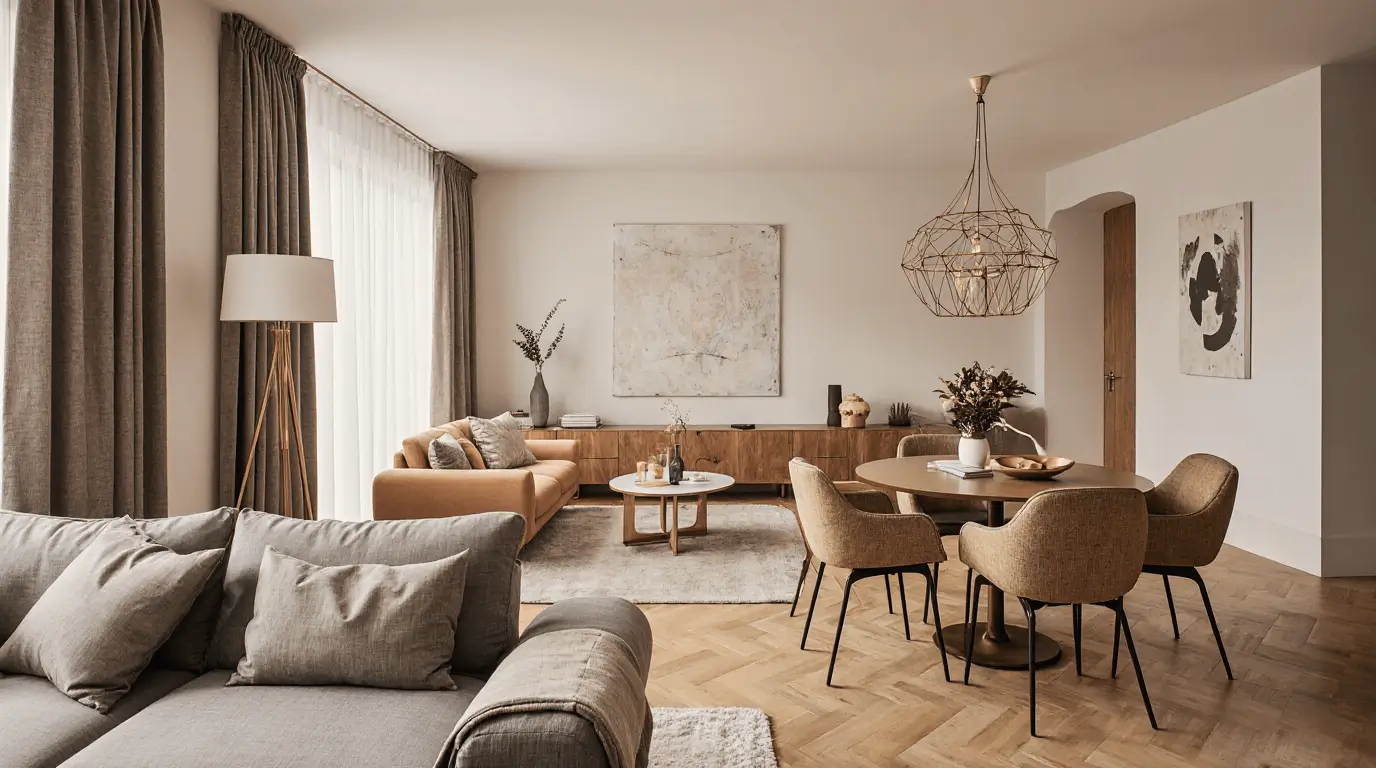
Lighting fixtures must match the room size. A small pendant in a large room feels lost, while oversized lighting in tight spaces overwhelms.
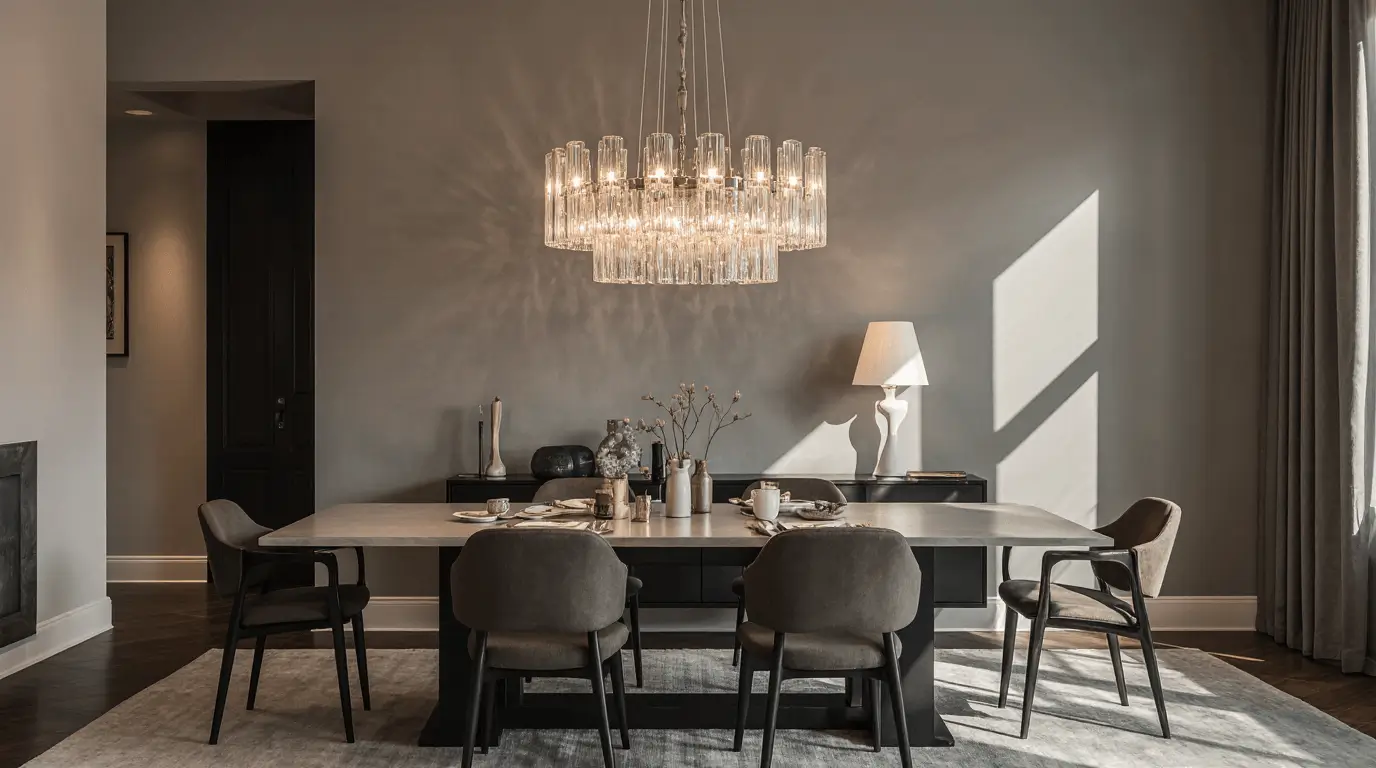
Rugs and Proper Scale in Interior Design
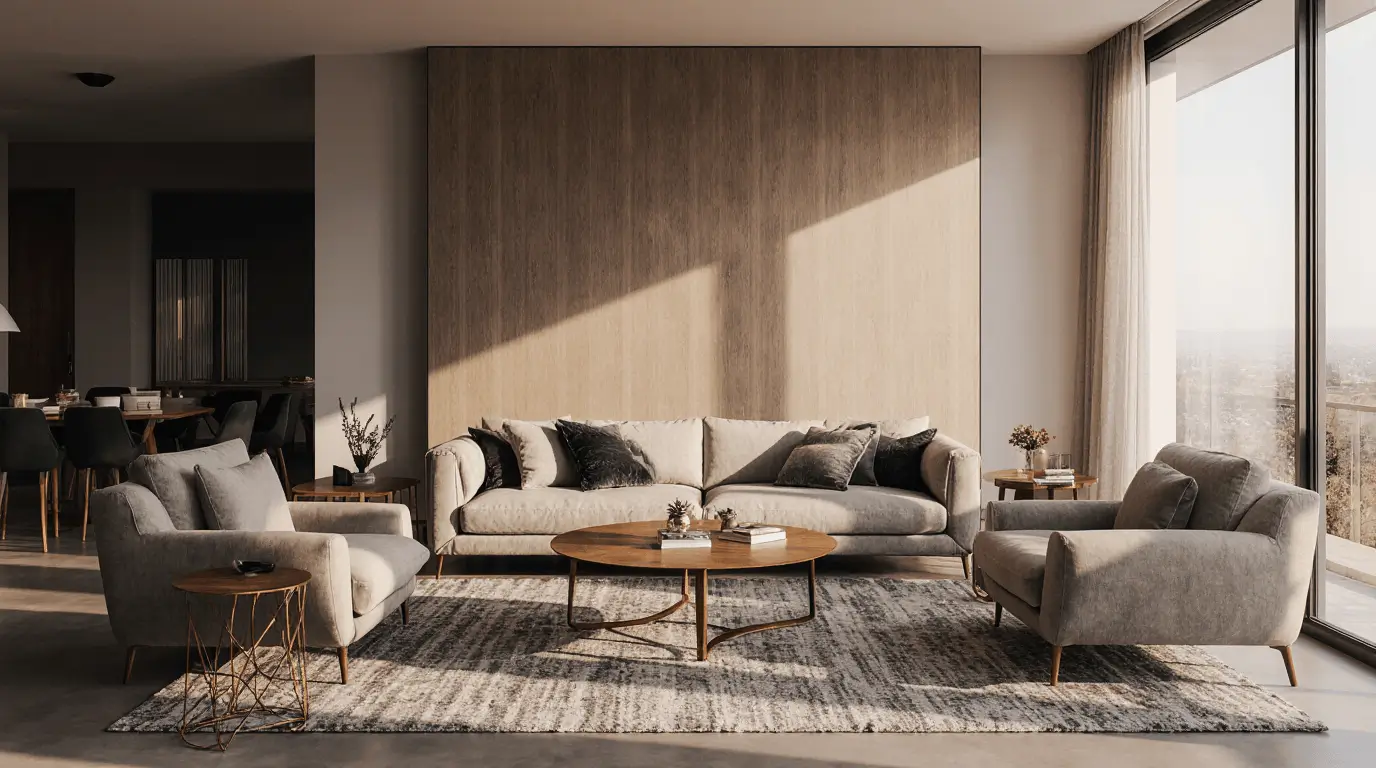
A rug should anchor furniture, not float under it. Ideally, key furniture pieces should sit partially or fully on the rug.
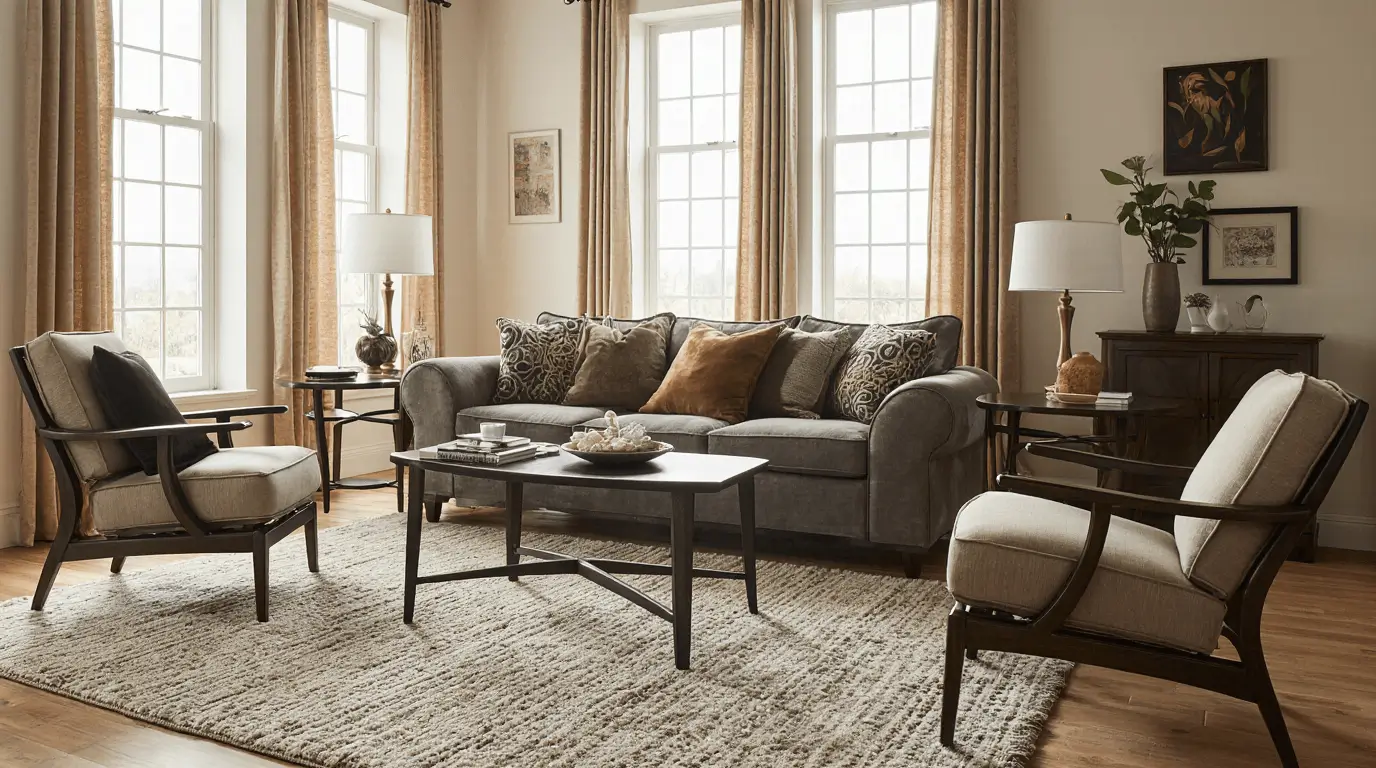
Balance and Proper Scale in Interior Design
Proper scale contributes to visual balance—symmetrical or asymmetrical. Even varied layouts feel stable when scale is handled correctly.
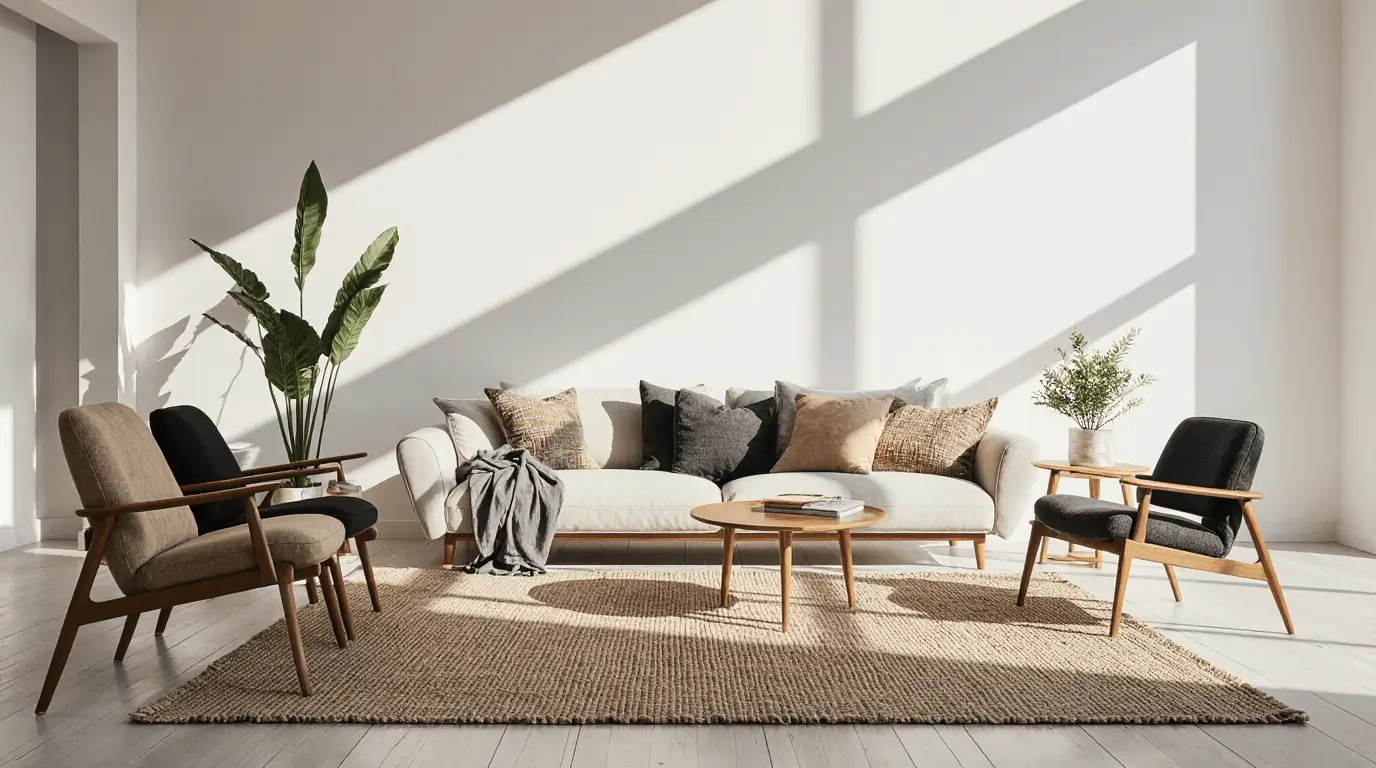
Small Room Scale Optimization
In smaller spaces, choosing multi-functional and visually light furniture maintains openness without sacrificing usability.
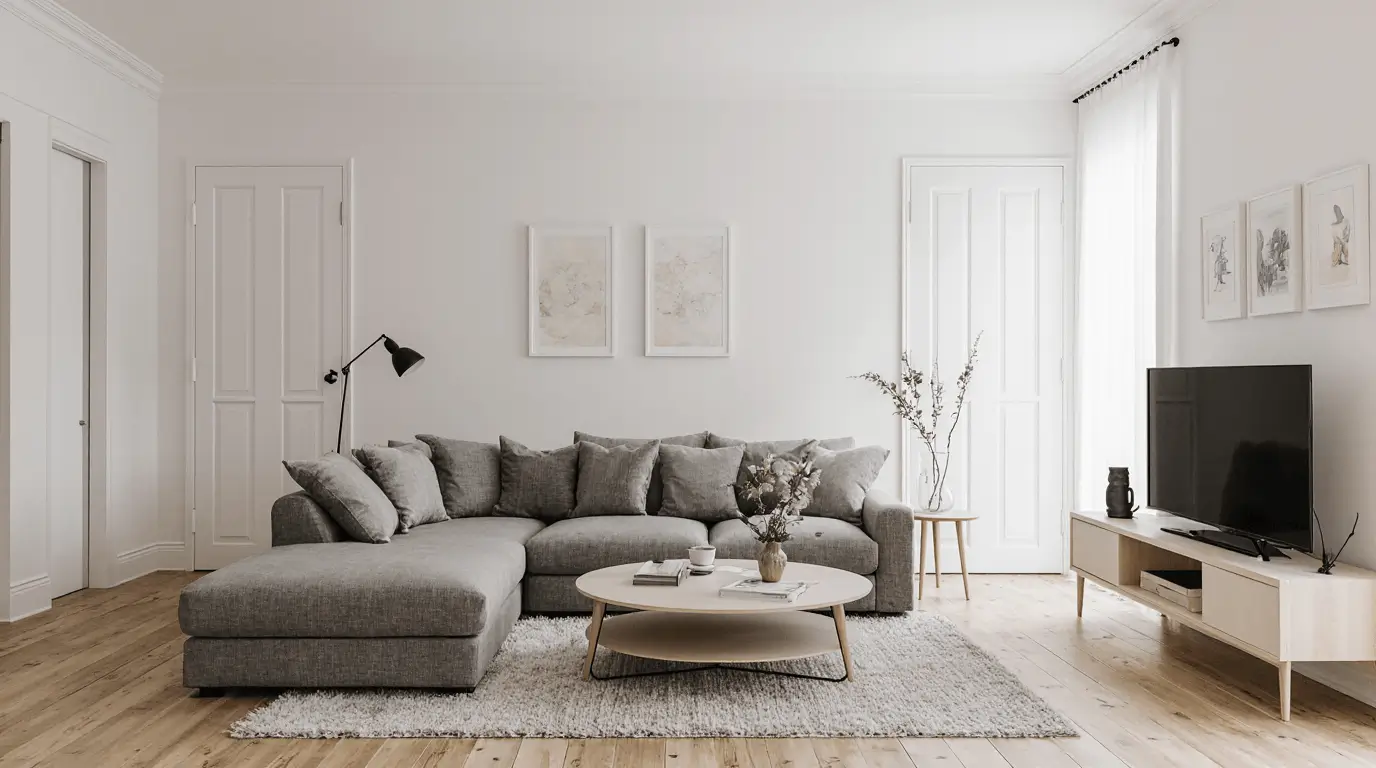
Large Space Scale Strategy
Large rooms require layering—multiple seating areas or larger furniture pieces—to avoid emptiness and create intimacy.
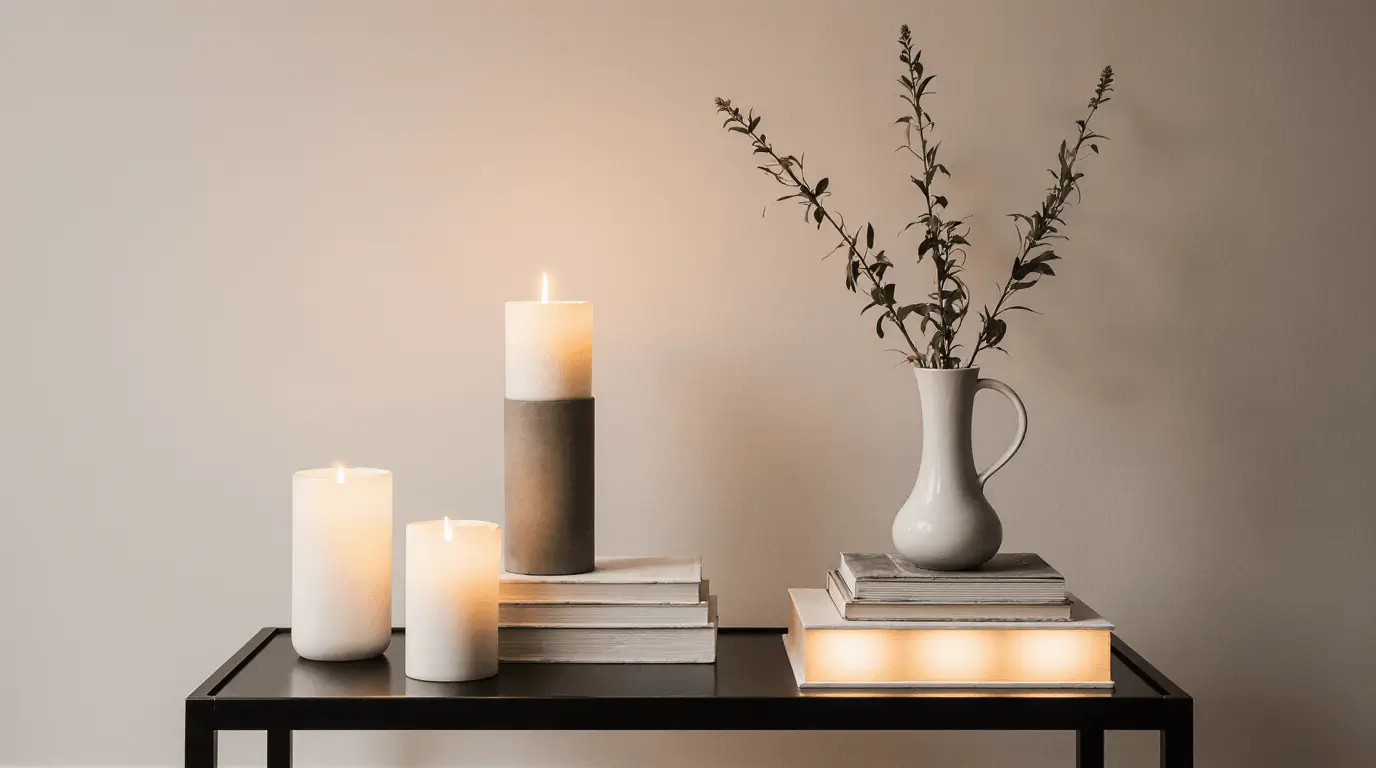
Decorative Accessories and Scale
Accessories should complement, not clutter. Oversized décor can act as a statement, while smaller items work best in grouped arrangements.
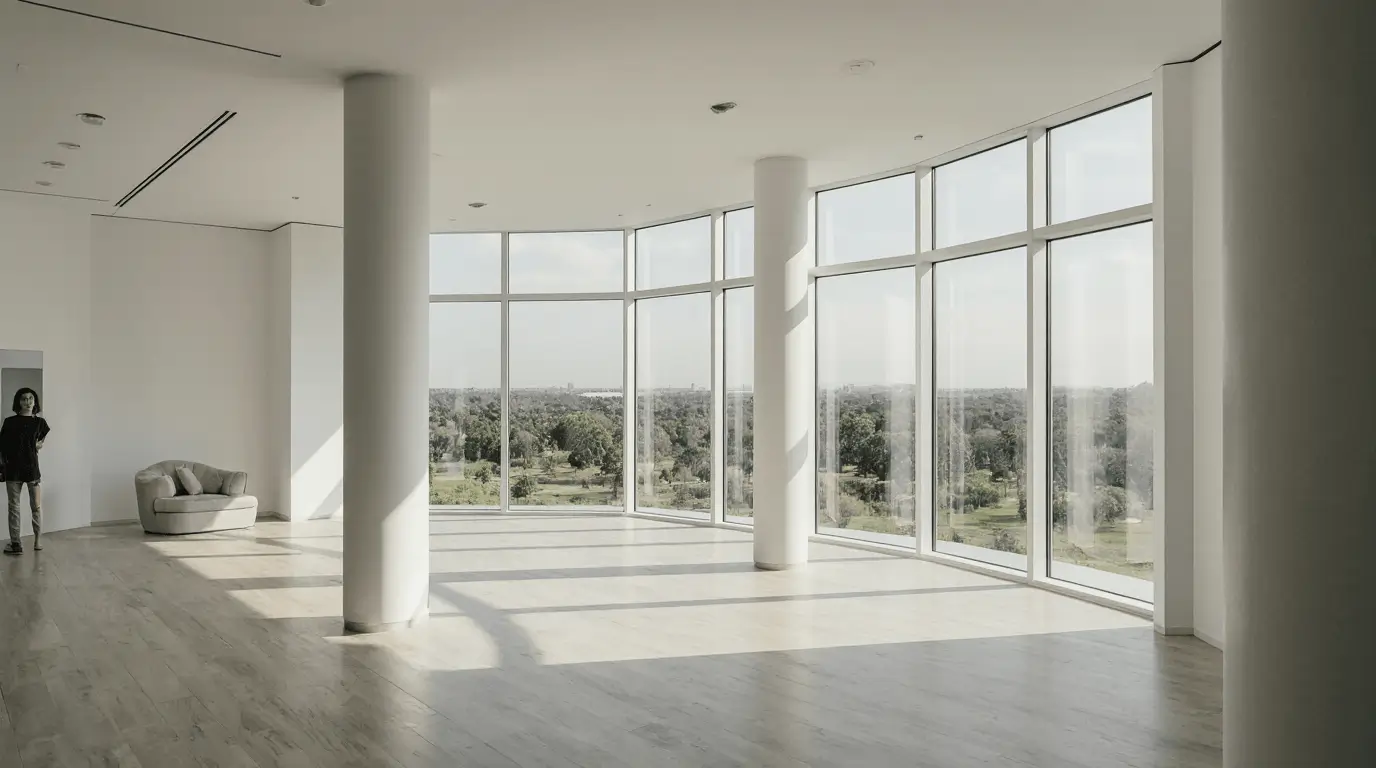
Architectural Elements and Scale
Windows, doors, and built-ins should align with the room’s scale. Oversized windows enhance grandeur, while smaller ones create intimacy.
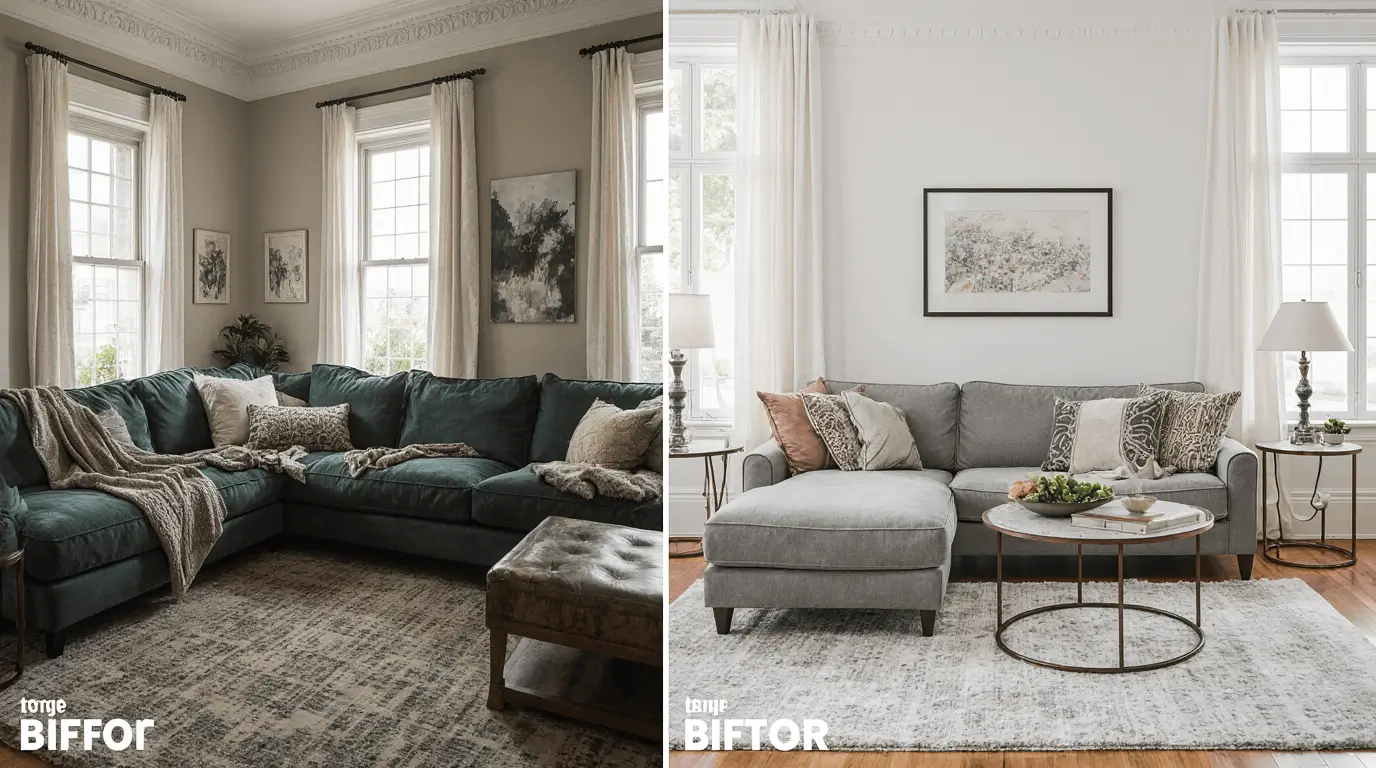
Scale Mistakes in Interior Design
Common mistakes include oversized furniture in small rooms or tiny décor in large spaces. These disrupt flow and visual harmony.
Open-Plan Scale Coordination
In open spaces, maintaining consistent scale across zones ensures visual continuity while allowing functional separation.
Texture and Visual Scale
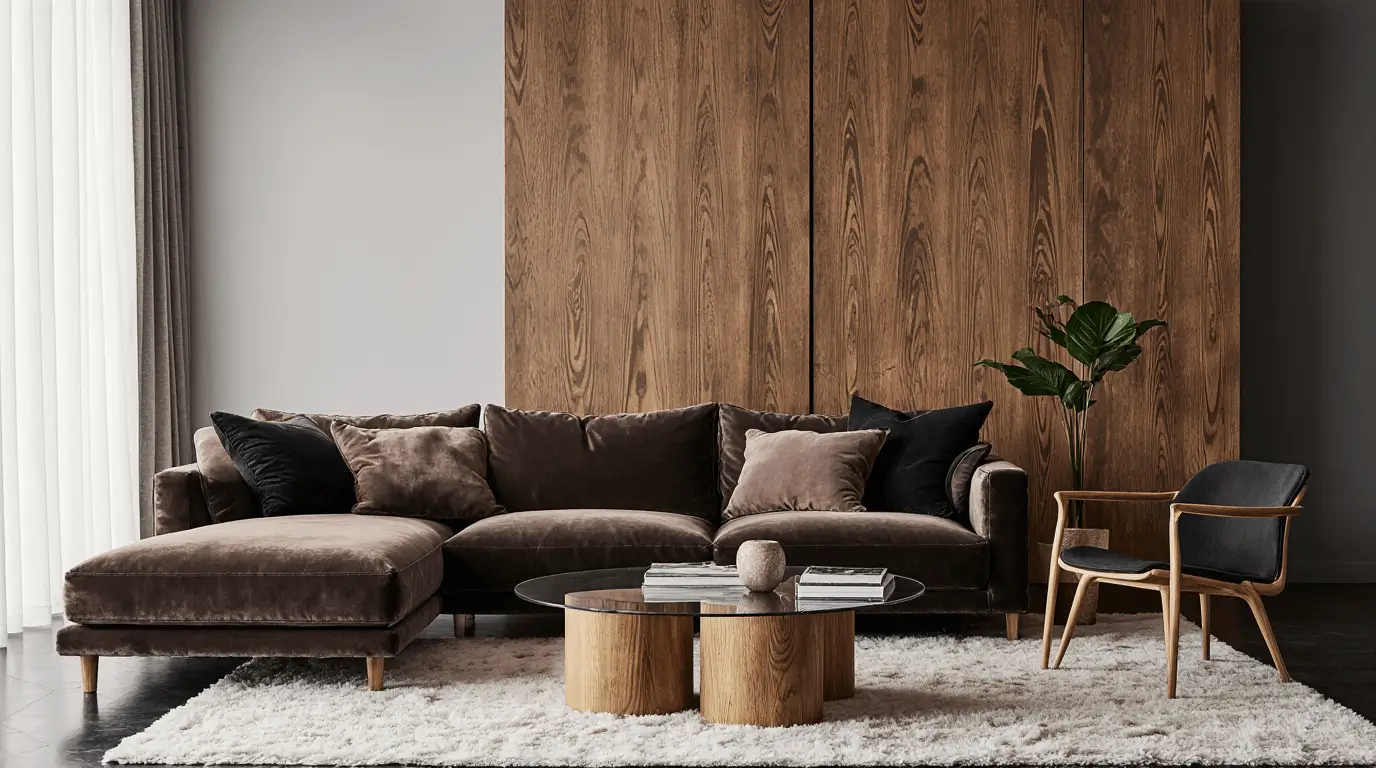
Heavy textures (like velvet or wood) appear visually larger, while light materials (glass, metal) feel smaller and lighter in scale.
Conclusion: Bringing Proper Scale into Everyday Design Decisions
At its core, proper scale in interior design is about awareness—understanding how space, objects, and people interact in a room. It’s not a rigid formula but a trained instinct that develops over time. When scale is handled well, a space feels intuitive. You move through it easily, sit comfortably, and visually absorb the room without distraction. That sense of ease is not accidental—it’s designed.
What makes this approach so effective is that it works across all styles, budgets, and room types. Whether you’re furnishing a compact apartment or refining a large open-plan home, scale gives you a reliable framework for decision-making. It helps you edit better, choose furniture more confidently, and avoid costly mistakes that come from buying pieces that simply don’t “fit,” even if they look good on their own.
In practice, getting scale right often comes down to a few thoughtful habits: measuring before buying, stepping back to view the whole room, and considering how each piece relates to both the space and daily life. Over time, you start to trust your eye. You notice when something feels off—and more importantly, you know how to fix it.
For anyone serious about creating a home that feels both beautiful and functional, mastering scale is one of the most valuable skills you can develop. It’s the quiet foundation behind every well-designed space—and once you understand it, your choices become clearer, more intentional, and far more successful.
Learn more : Knoxville Interior Holiday Design: Cozy & Elegant Ideas
Frequently Asked Questions
- How can I tell if furniture is the right scale for my room before buying it?
Start with measurements—both of your room and the furniture. Then visualize placement using painter’s tape on the floor to outline dimensions. This simple step gives a surprisingly accurate sense of proportion and helps prevent overcrowding or underfilling the space. - What’s the most common mistake people make with scale in interior design?
The biggest mistake is choosing furniture based on appearance alone, without considering room size. Oversized sofas in small rooms and tiny rugs in large spaces are especially common—and both immediately disrupt balance and flow. - Is it okay to mix different sizes of furniture in one room?
Yes, and it’s often necessary. The key is balance. Mixing sizes creates visual interest, but there should always be a sense of hierarchy—larger pieces anchor the room, while smaller ones support and complement them. - How do I choose the right rug size for my living room?
A good rule is that at least the front legs of your main seating should sit on the rug. In larger rooms, a fully anchored rug (with all furniture on it) creates a more cohesive and grounded look. - Does ceiling height affect how I should design a room?
Absolutely. Higher ceilings call for taller elements like long curtains or vertical shelving to draw the eye upward. Lower ceilings benefit from lower-profile furniture and simpler layouts to maintain a sense of openness. - Can proper scale improve how comfortable a room feels, not just how it looks?
Yes, significantly. When furniture is scaled correctly, movement feels natural, seating is more ergonomic, and the room functions better overall. Good scale isn’t just visual—it directly impacts usability and comfort. - How do I fix a room that already feels “off” in scale?
Start by identifying what feels disproportionate—often it’s one or two key pieces. Adjust with layering: add a larger rug, swap out undersized décor, or introduce taller elements. Small changes can quickly restore balance without a full redesign.




One Response