
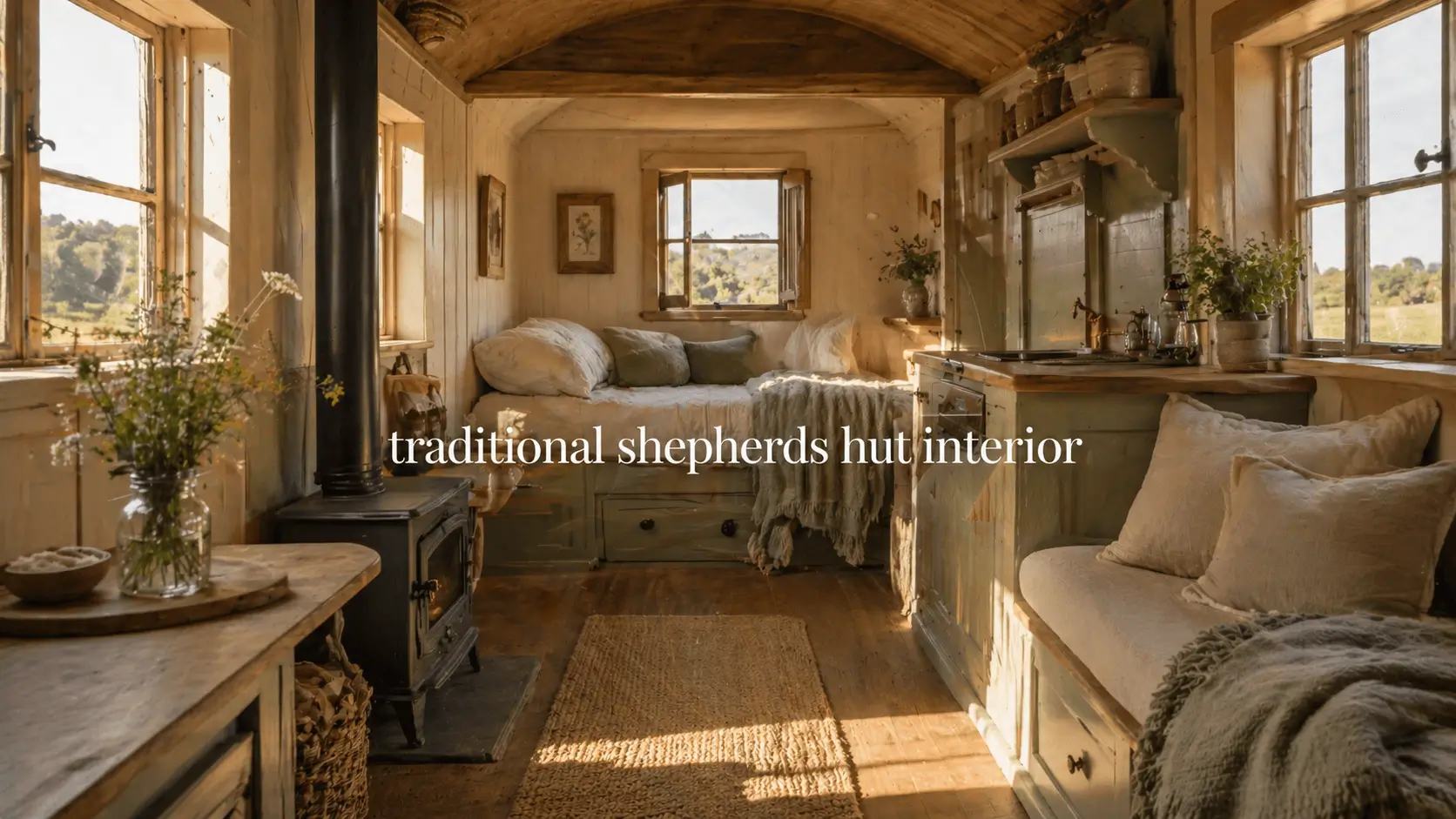
Introduction
A traditional shepherds hut interior blends rustic charm with thoughtful craftsmanship, creating a compact yet deeply inviting space. Rooted in British countryside heritage, these huts were once practical shelters for shepherds tending flocks—today, they’ve evolved into cozy retreats, garden offices, and luxury escapes. What makes them enduringly appealing is their ability to combine simplicity, warmth, and efficient design without sacrificing character.
From my experience working with small-space interiors, the magic of a well-designed shepherd’s hut lies in balance—every inch must serve a purpose while still feeling calm and uncluttered. Natural materials, muted tones, and handcrafted details are key. Whether you’re restoring an old hut or designing a new one, understanding the principles behind traditional interiors will help you create a space that feels both authentic and livable.
Traditional Shepherds Hut Interior Layout Essentials
A successful layout prioritizes flow and functionality. Zoning is subtle—sleeping, seating, and cooking areas often blend seamlessly without rigid divisions. Built-in furniture is essential to maximize every inch.
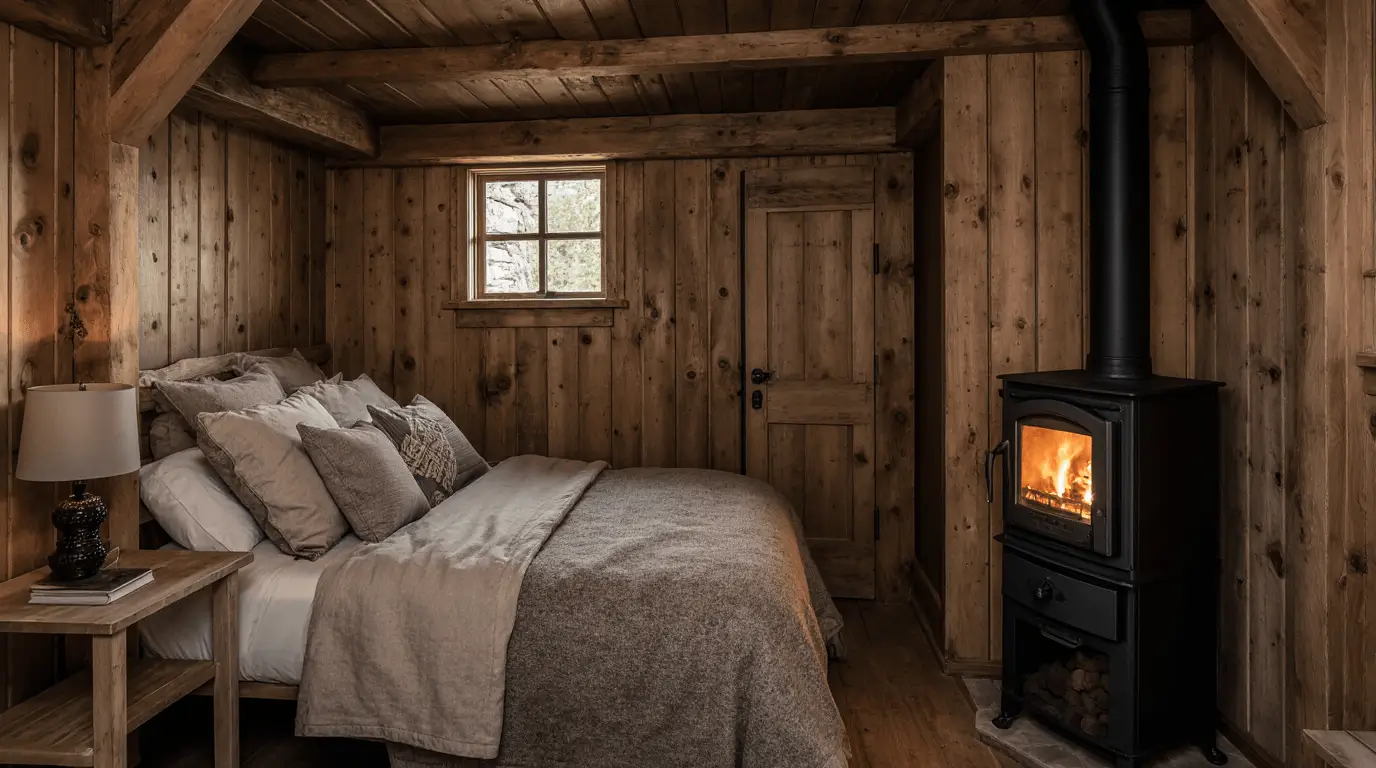
Traditional Shepherds Hut Interior Wood Paneling
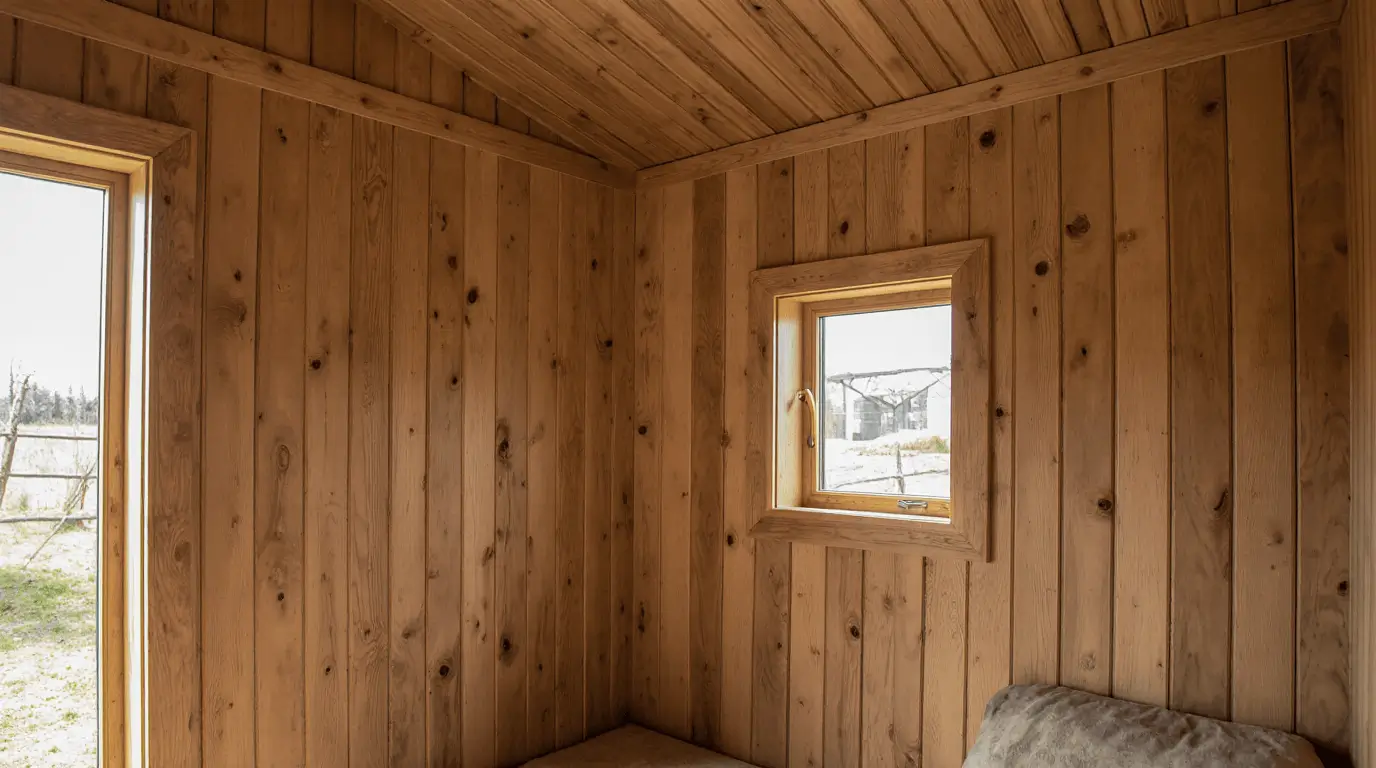
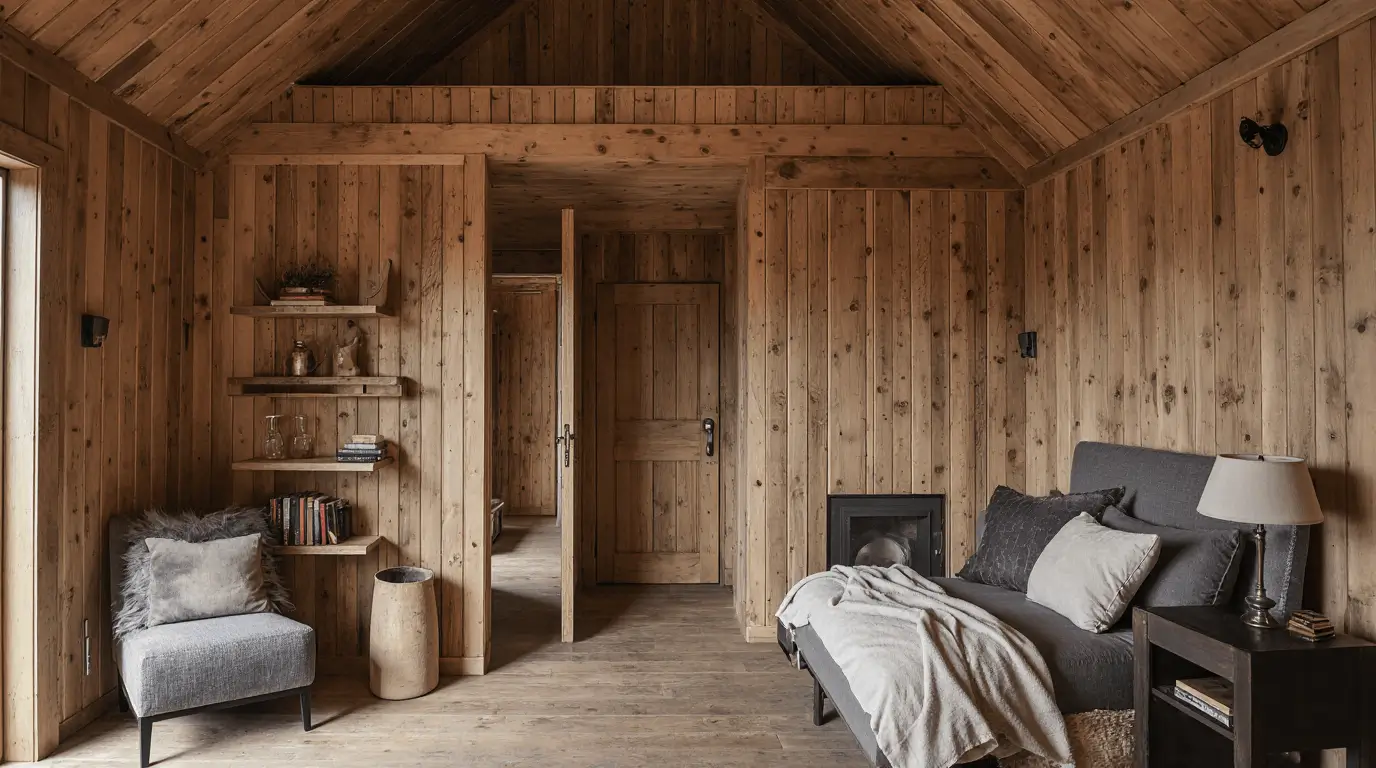
Timber cladding defines the interior character. Use tongue-and-groove paneling in oak, pine, or cedar to create warmth and continuity across walls and ceilings.
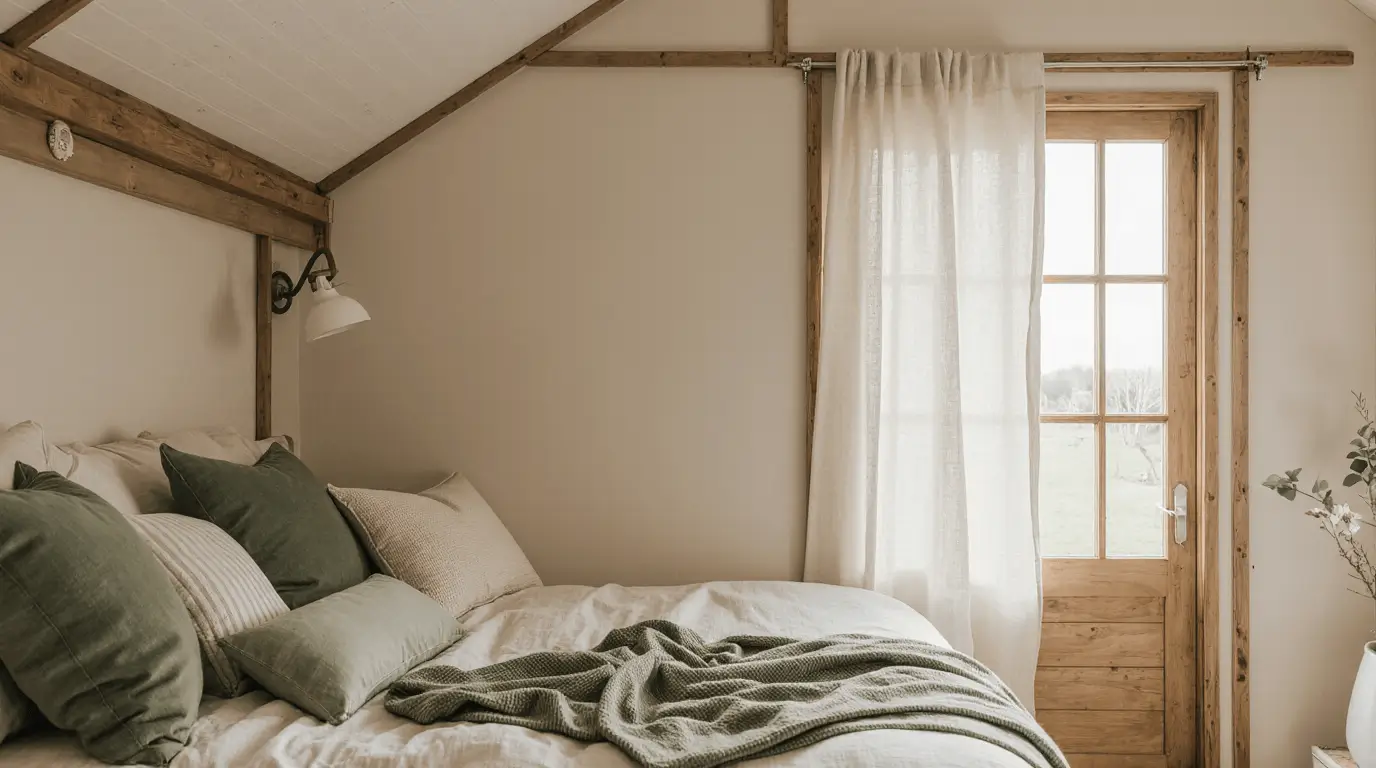
Traditional Shepherds Hut Interior Color Palette
Muted, earthy tones—creams, sage greens, and warm browns—enhance the hut’s calming atmosphere. These colors reflect the surrounding countryside and make the space feel larger.
Traditional Shepherds Hut Interior Built-in Furniture
Custom-built seating, beds, and storage are essential for efficiency. Bench seating with hidden storage and fold-away tables help maintain openness.
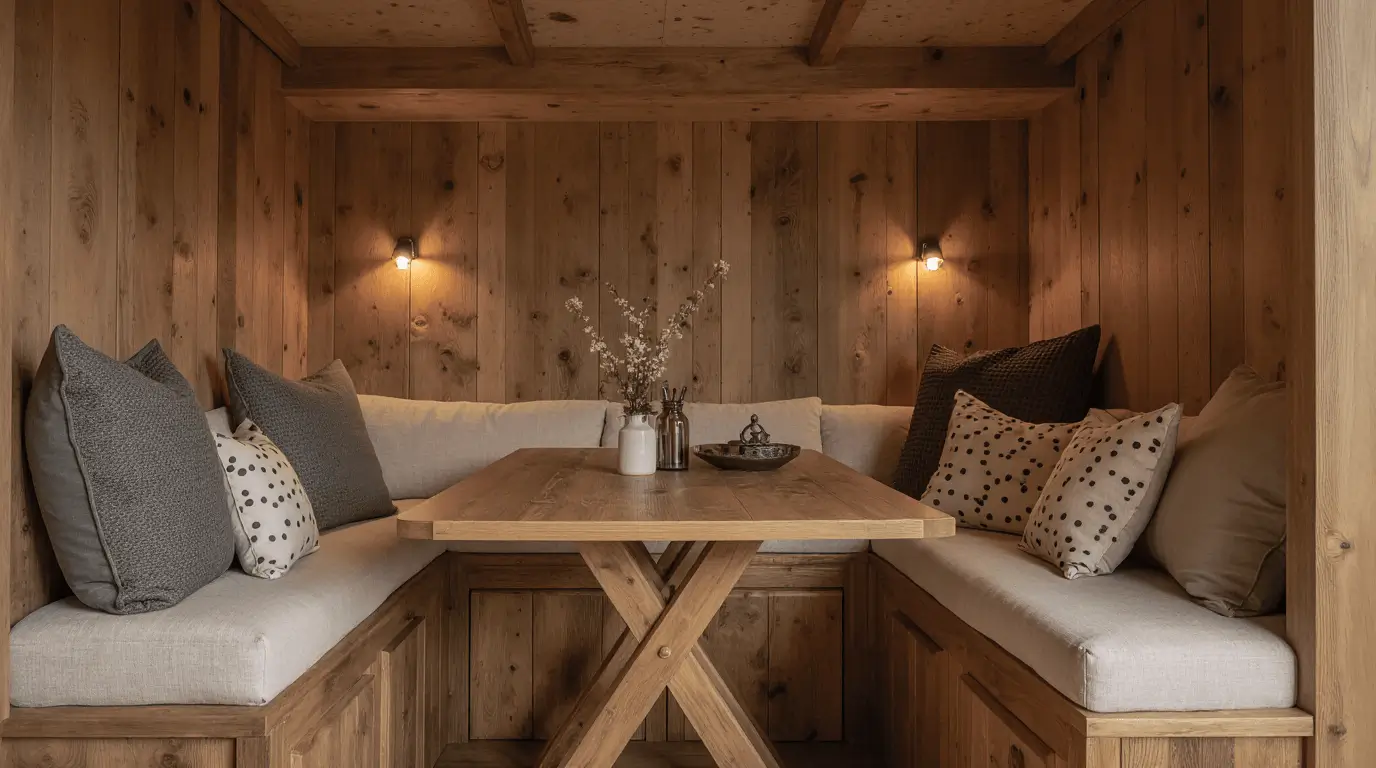
Traditional Shepherds Hut Interior Wood-Burning Stove
A small cast-iron stove is both functional and atmospheric. It becomes the focal point, adding warmth and a nostalgic charm.
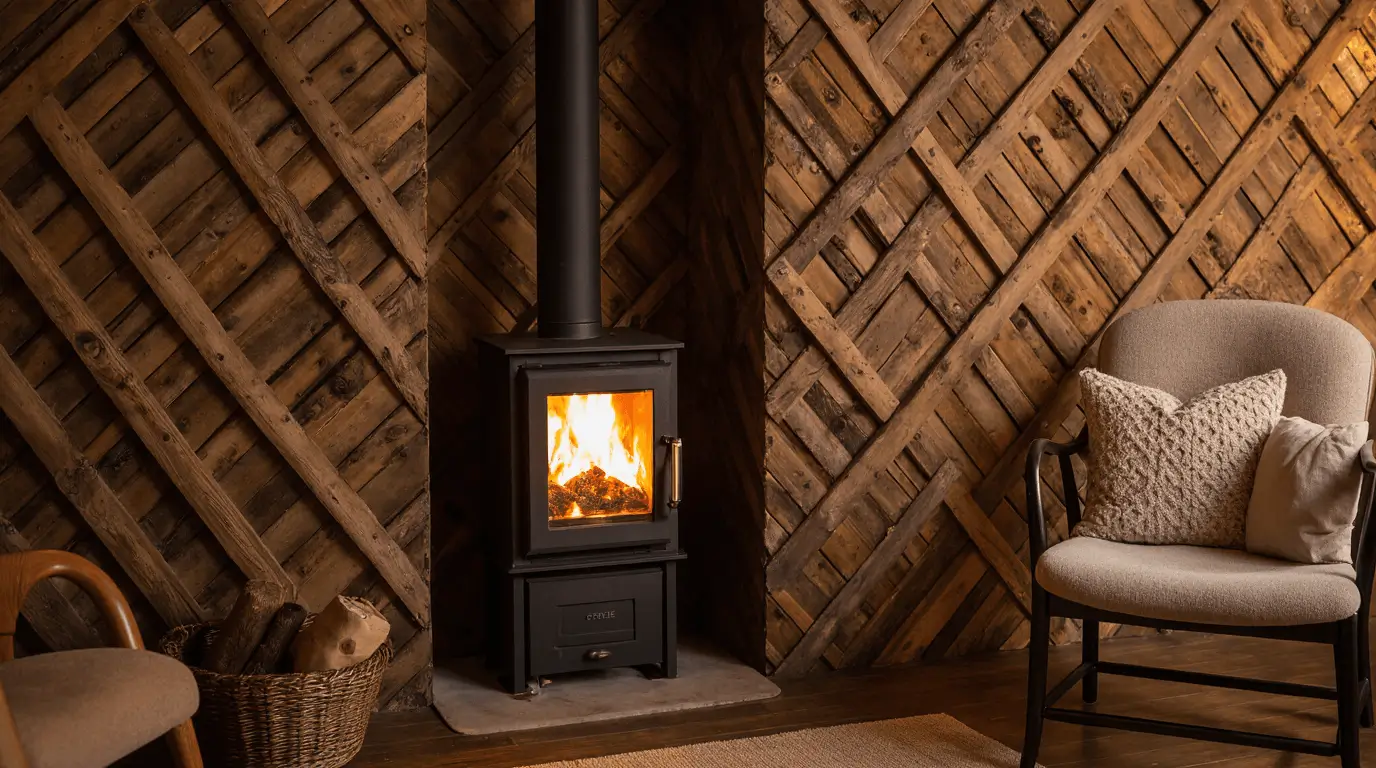
Traditional Shepherds Hut Interior Sleeping Area Design
Sleeping areas are often tucked at one end, sometimes raised or enclosed. Layered textiles add comfort without overwhelming the space.
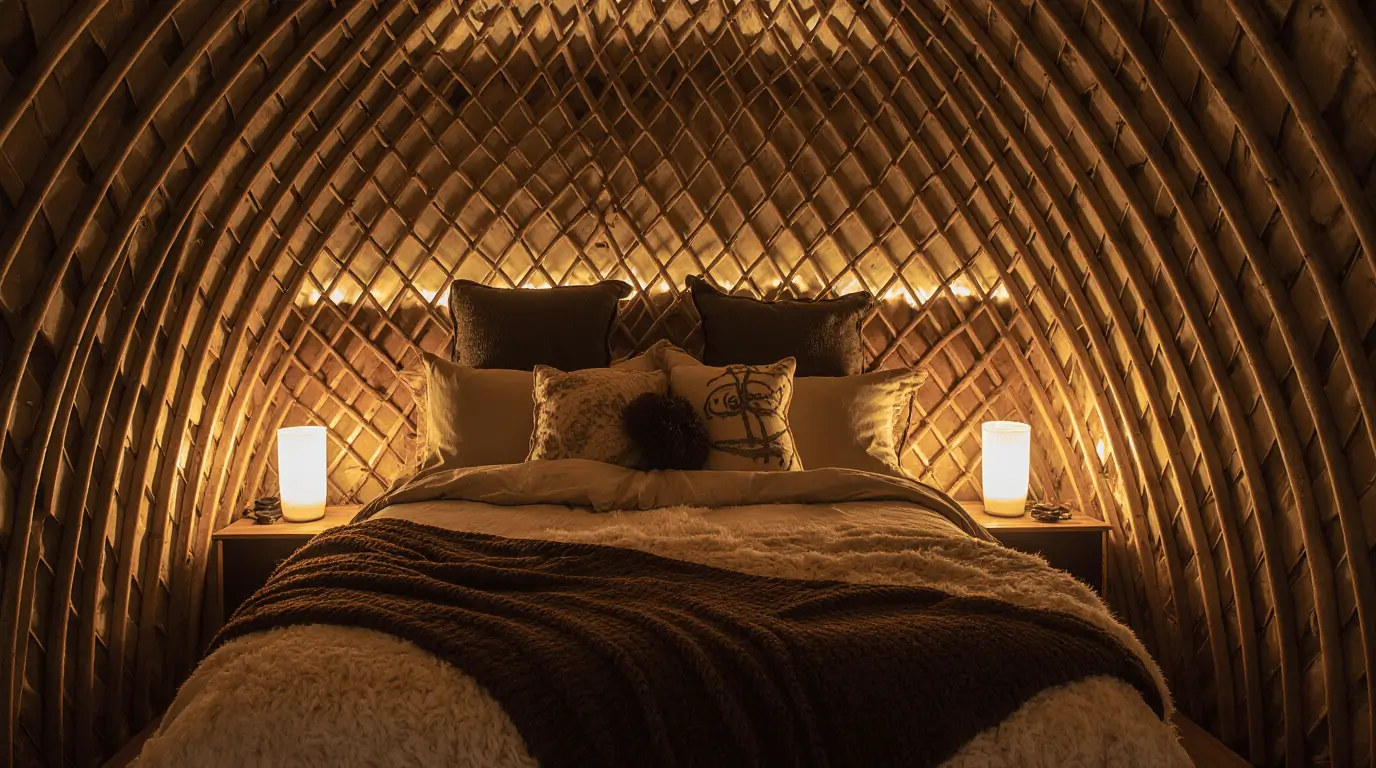
Traditional Shepherds Hut Interior Kitchenette Setup
A compact kitchenette includes a small sink, open shelving, and minimal appliances. Simplicity keeps the space uncluttered.
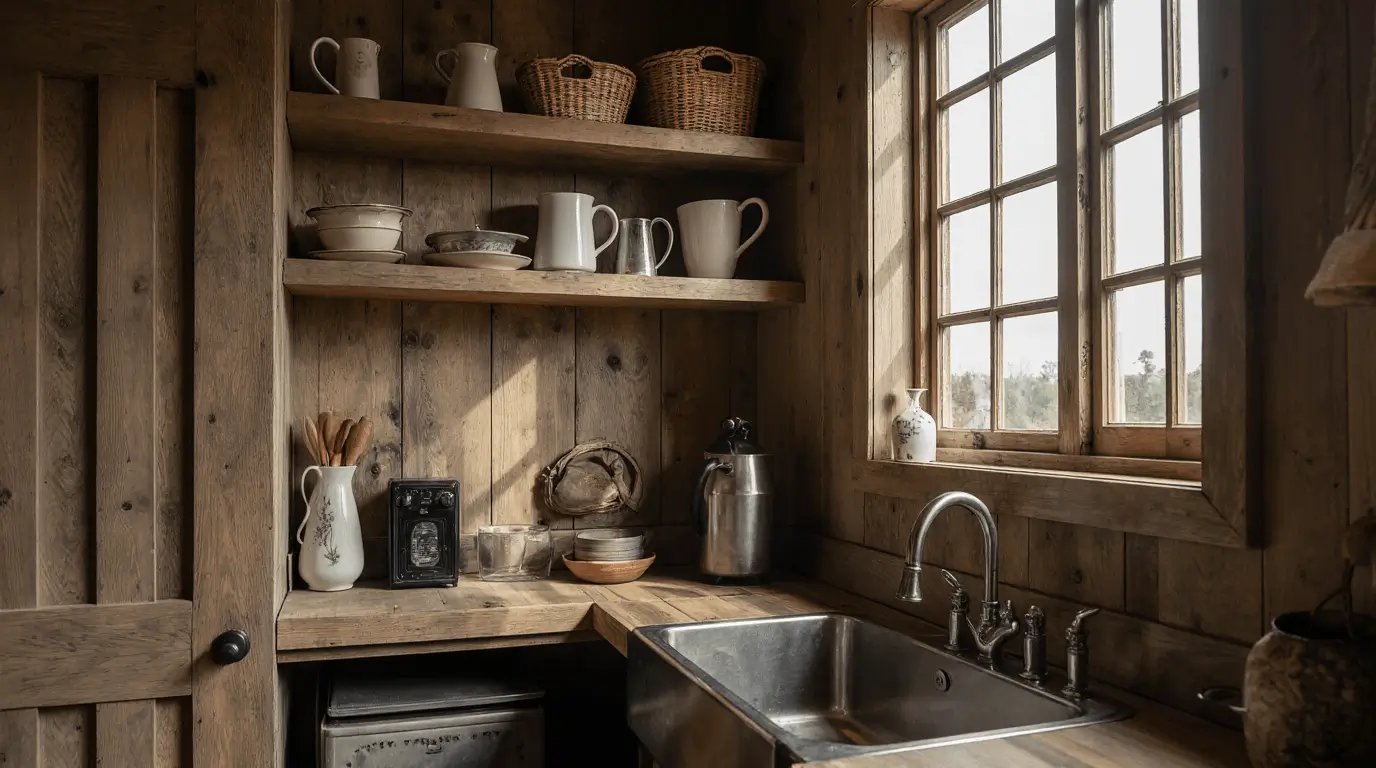
Traditional Shepherds Hut Interior Storage Solutions
Clever storage—under benches, above doors, and within walls—keeps essentials organized while preserving visual simplicity.
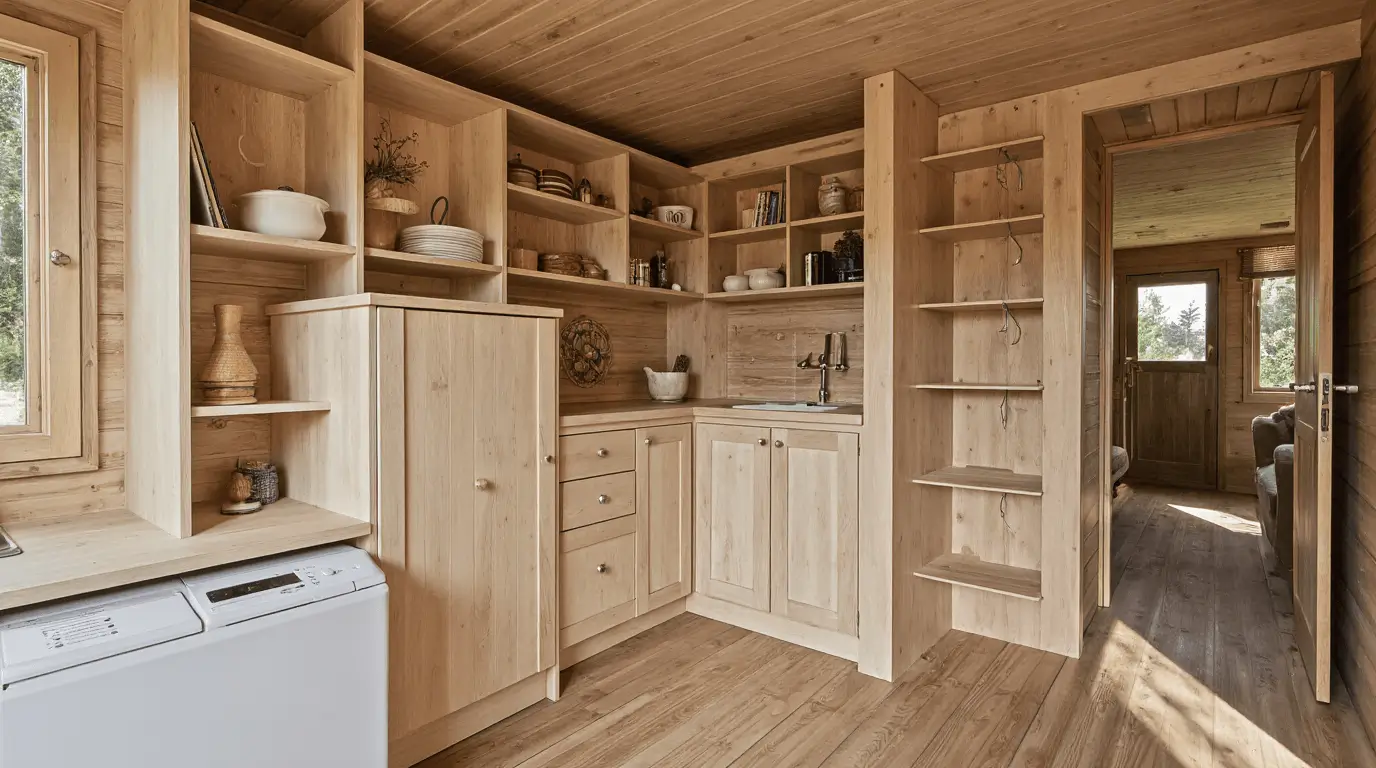
Traditional Shepherds Hut Interior Lighting Design
Soft, layered lighting enhances warmth. Use wall sconces, lantern-style fixtures, and natural daylight through small windows.
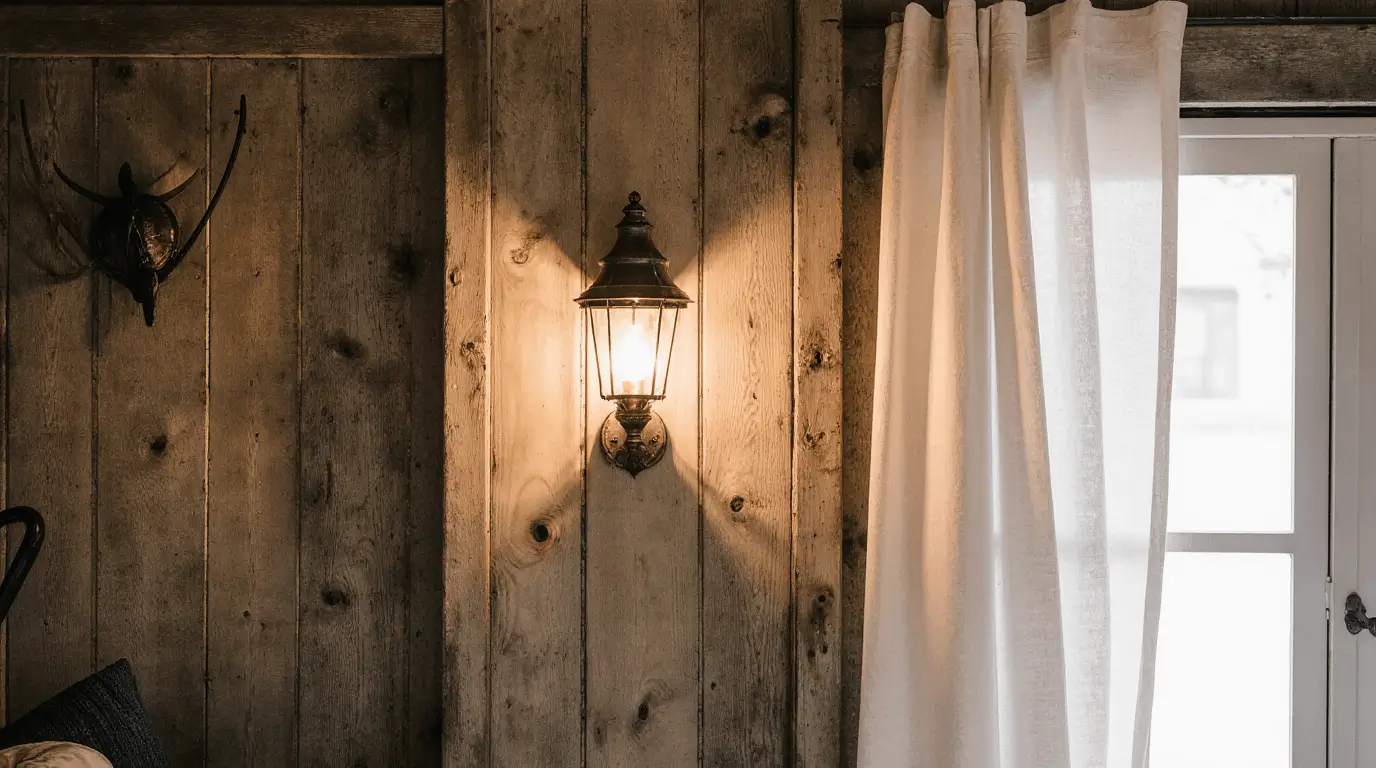
Traditional Shepherds Hut Interior Flooring Choices
Wooden floors are traditional, often in reclaimed or distressed finishes. Rugs add texture and comfort underfoot.
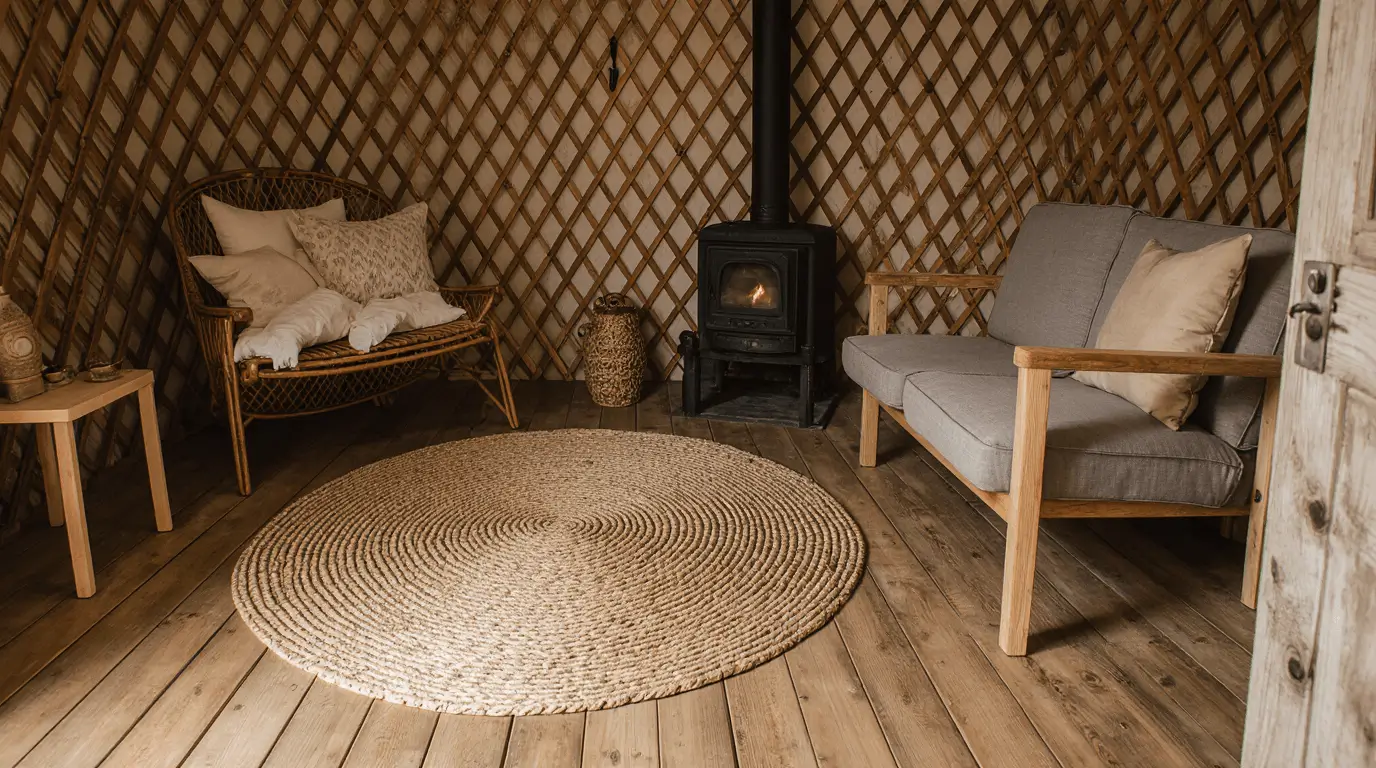
Traditional Shepherds Hut Interior Textiles and Fabrics
Natural fabrics like wool, linen, and cotton bring softness. Layering textiles creates depth without clutter.
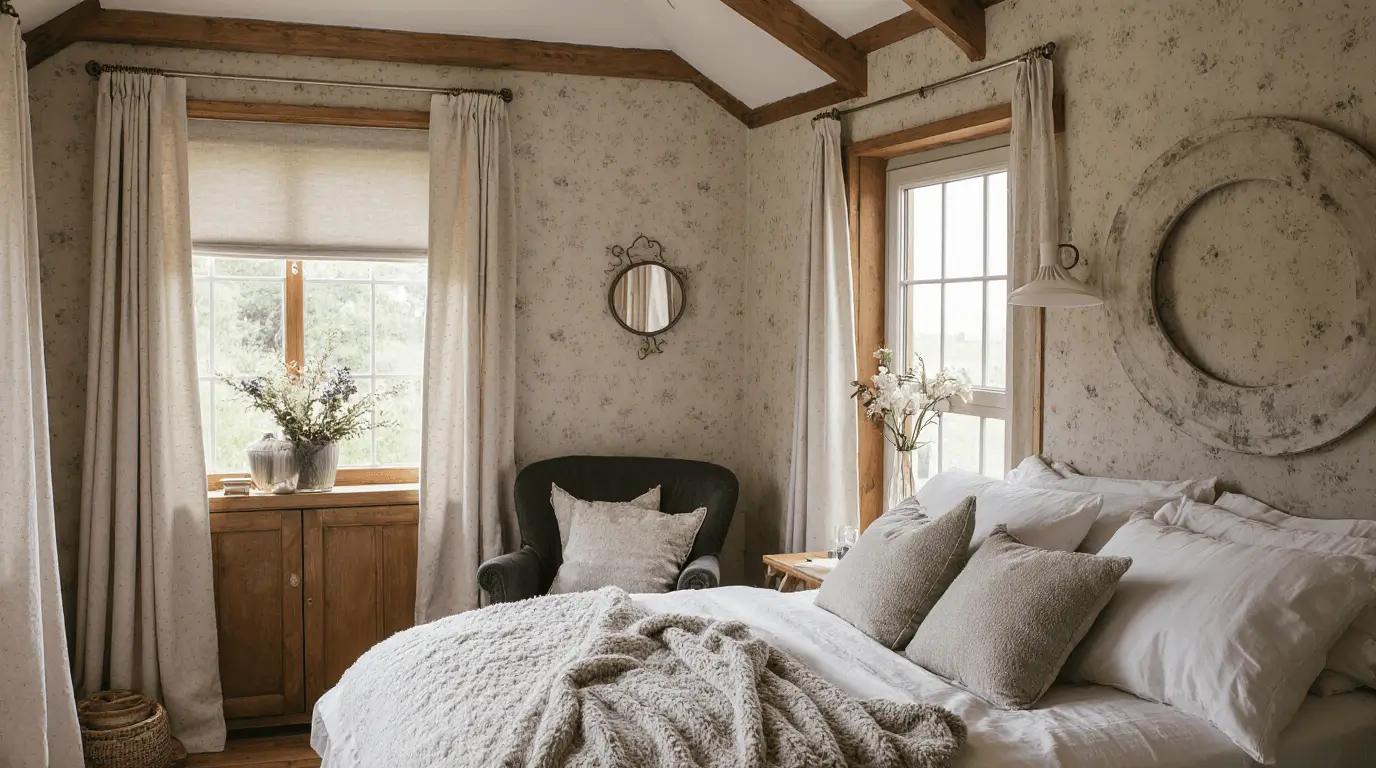
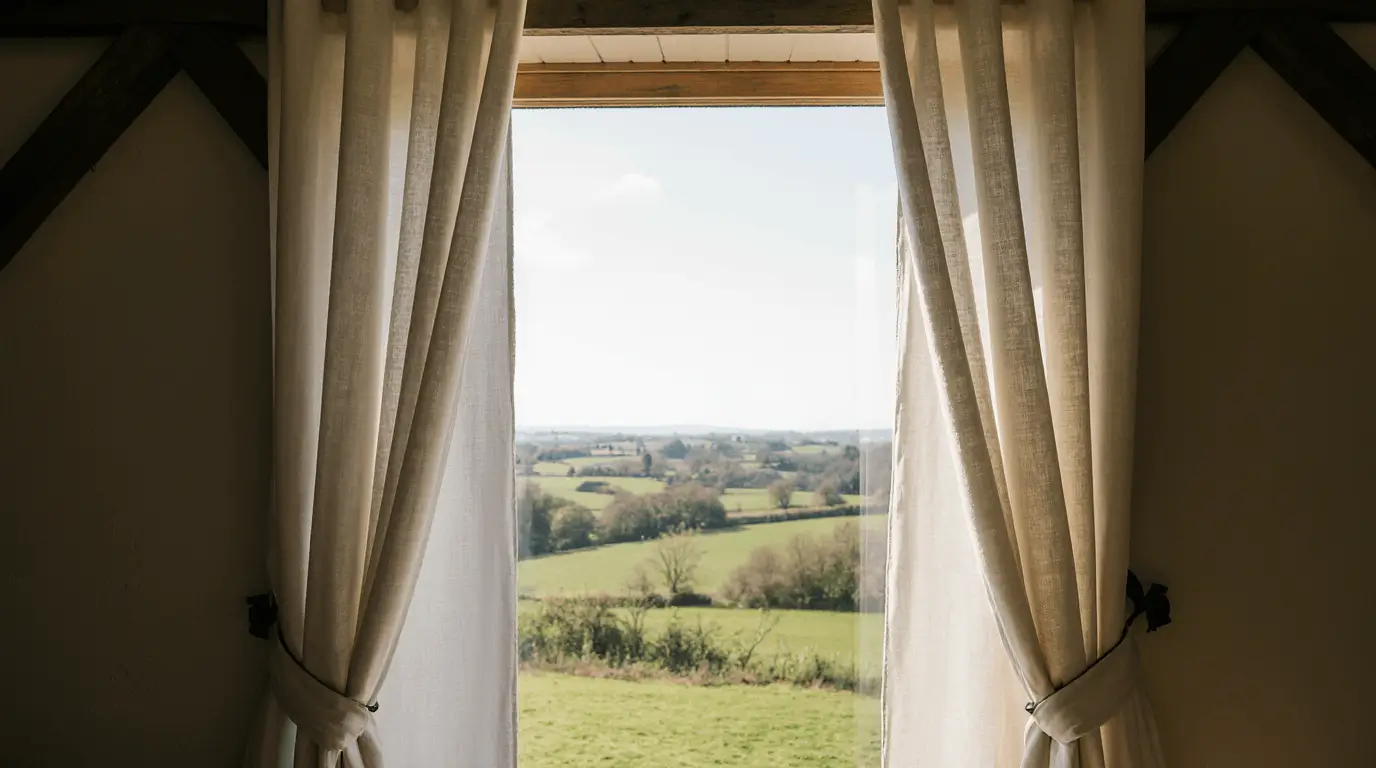
Traditional Shepherds Hut Interior Window Styling
Small windows frame countryside views while maintaining insulation. Simple curtains or shutters enhance the rustic look.
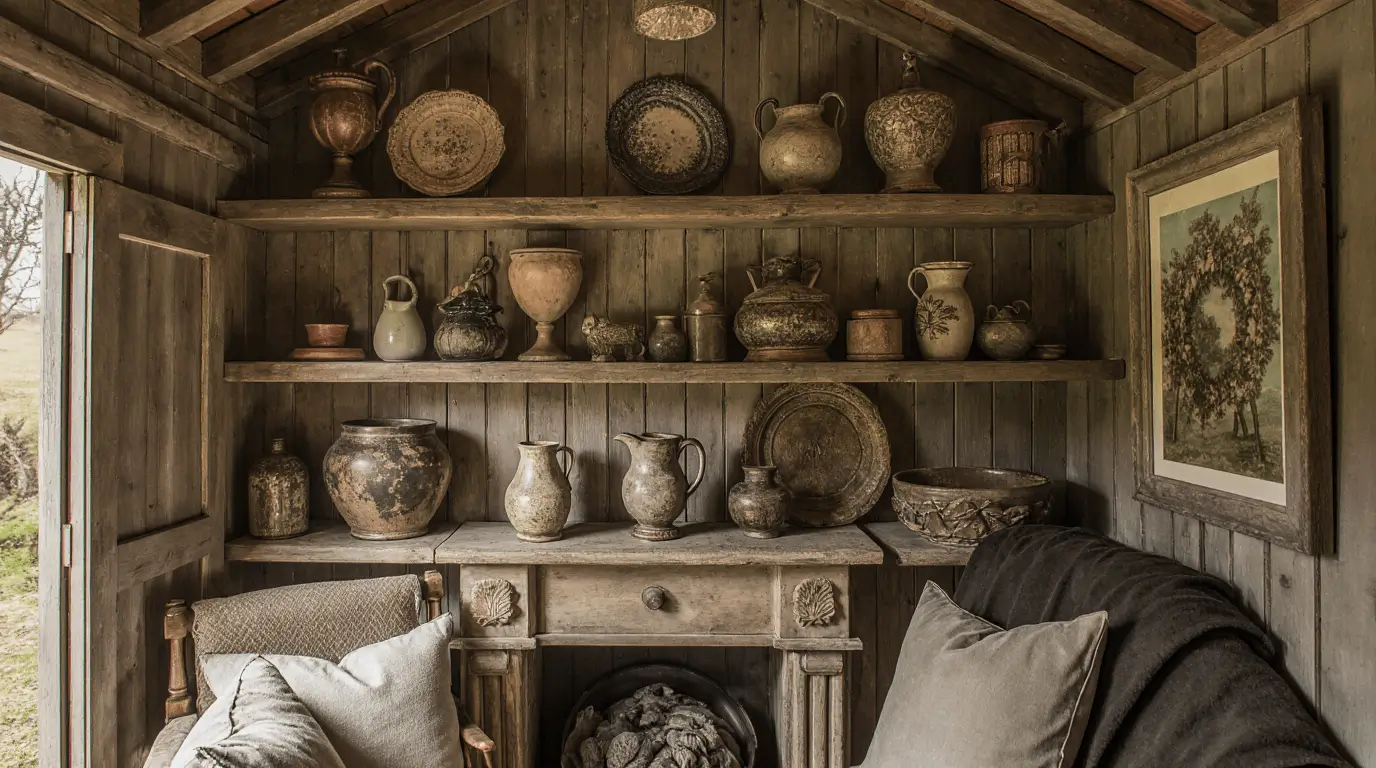
Traditional Shepherds Hut Interior Decorative Accents
Decor is minimal but meaningful—vintage items, handmade pottery, and countryside-inspired art add personality.
Traditional Shepherds Hut Interior Space Optimization
Every design decision should serve multiple purposes. Multi-functional furniture and vertical space usage are key.
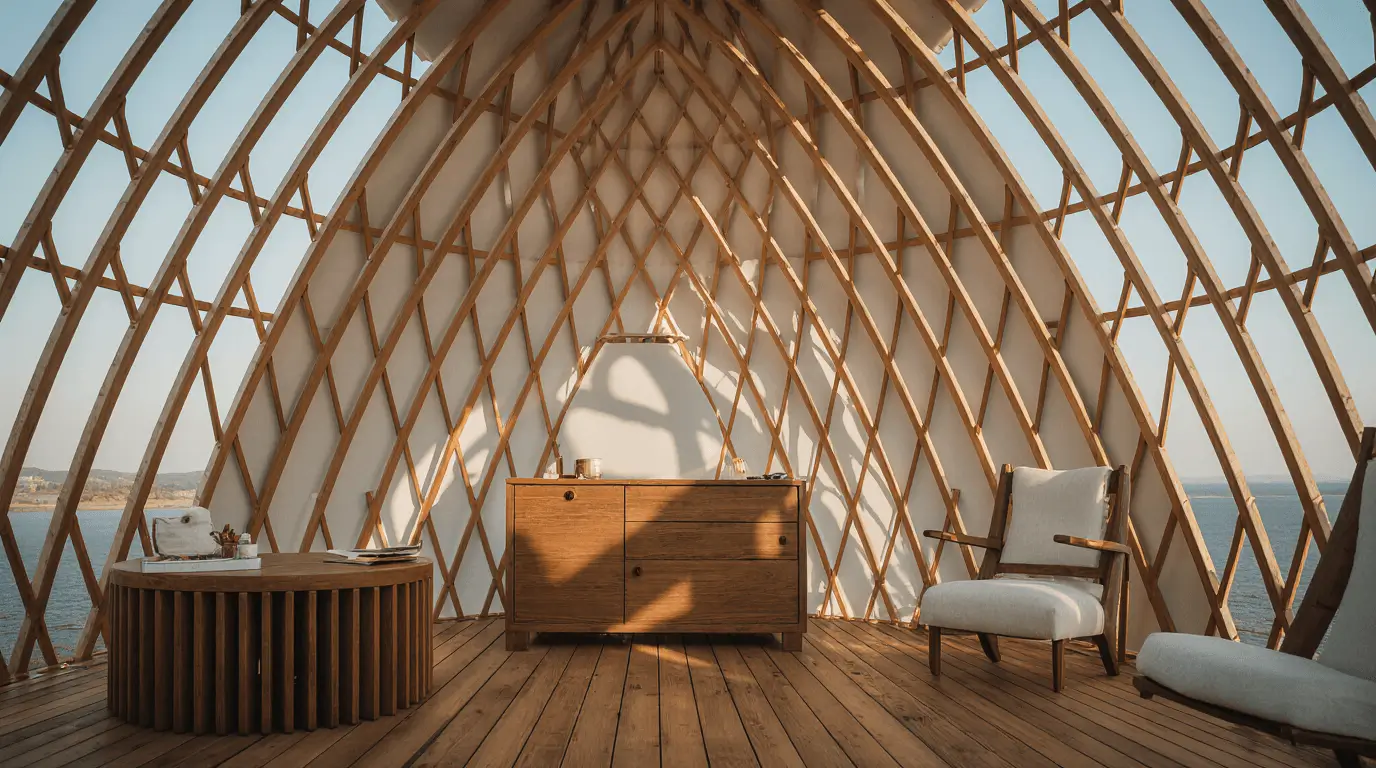
Traditional Shepherds Hut Interior Ceiling Design
Curved ceilings with exposed beams create a sense of height and architectural interest, enhancing the hut’s charm.
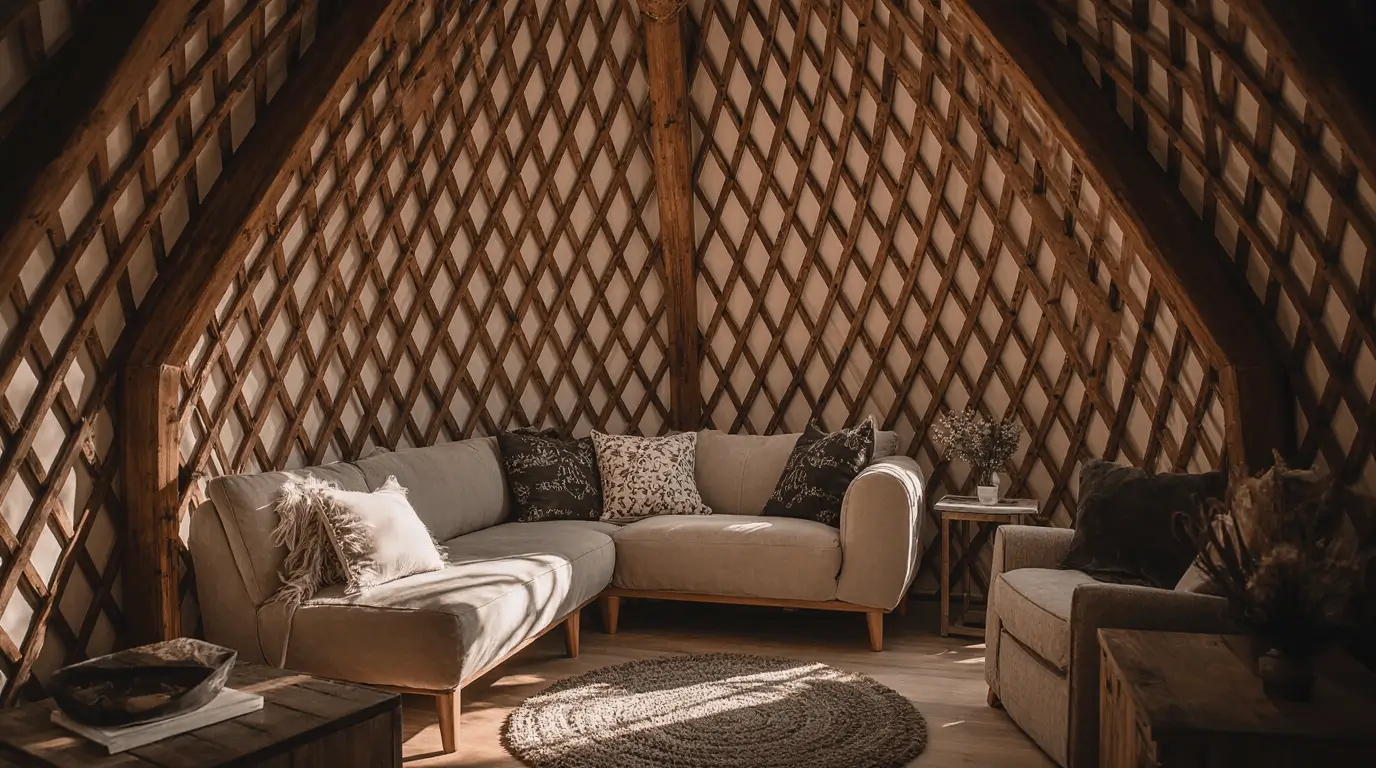
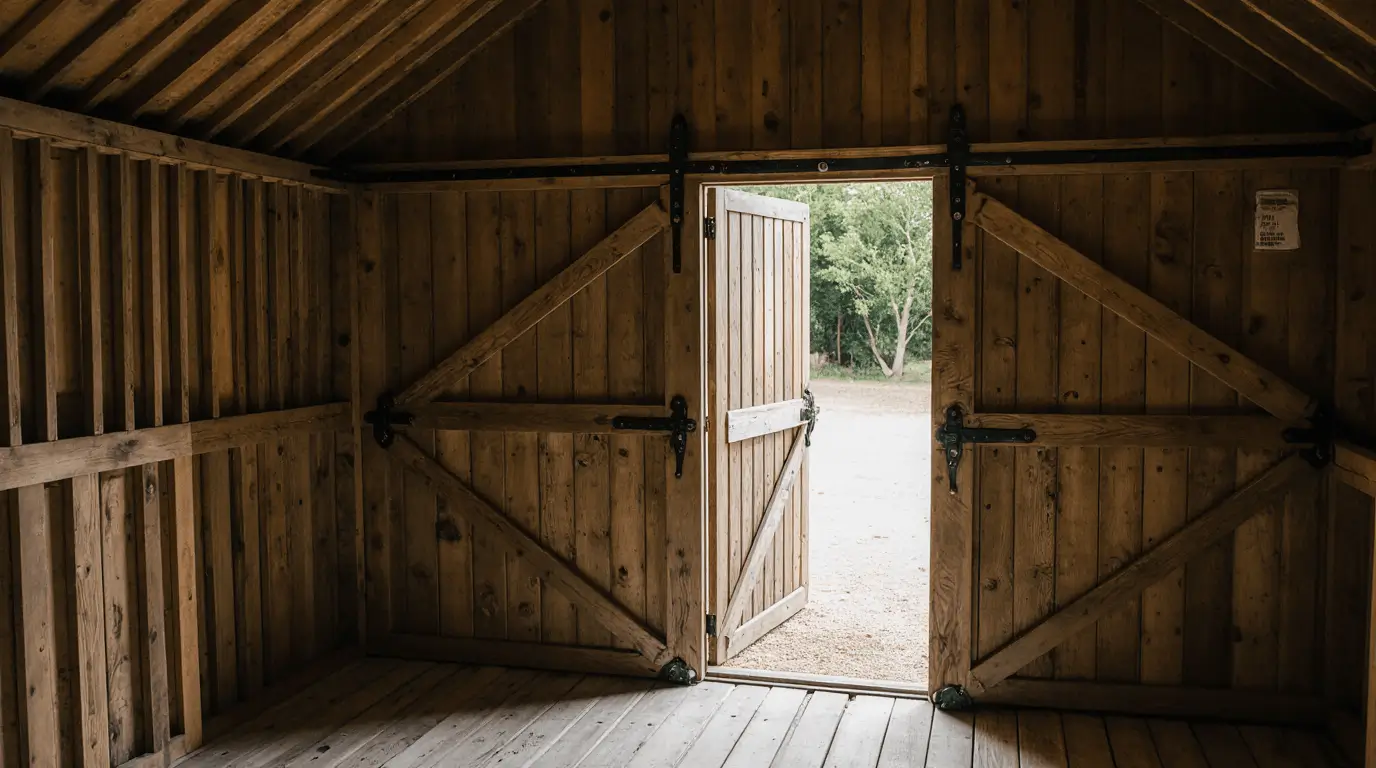
Traditional Shepherds Hut Interior Entrance and Doors
Stable-style doors or half-doors add character and improve ventilation while maintaining a traditional aesthetic.
Traditional Shepherds Hut Interior Modern-Traditional Balance
Blending subtle modern conveniences—like hidden electrics or compact appliances—preserves tradition while improving comfort.
Conclusion: Creating a Space That Feels Timeless and Intentional
A well-designed traditional shepherds hut interior is more than a visual style—it’s a philosophy rooted in simplicity, craftsmanship, and purposeful living. When every element, from the wood paneling to the built-in seating, is chosen with care, the result is a space that feels grounded, functional, and quietly beautiful. These interiors succeed because they respect scale, embrace natural materials, and avoid unnecessary complexity.
From practical experience, the most successful huts are those that prioritize comfort without overfilling the space. Thoughtful layouts, layered textures, and subtle lighting create an environment that feels both efficient and restorative. This approach works particularly well for those seeking a slower, more intentional lifestyle—whether as a countryside retreat, a guest space, or a personal escape from busy routines.
If you’re planning your own shepherd’s hut, focus on clarity over excess. Invest in quality materials, design with purpose, and allow the space to breathe. When done right, even the smallest hut can offer a sense of calm and completeness that larger spaces often struggle to achieve.
Learn more : Interior Concrete Floor That Elevates Modern Homes
FAQs: Traditional Shepherds Hut Interior
- What defines a traditional shepherds hut interior?
A traditional interior is characterized by natural materials, especially wood, compact and efficient layouts, and a warm, rustic aesthetic. It prioritizes practicality while maintaining a handcrafted, countryside charm. - How do you make a small shepherd’s hut feel spacious?
Use light, neutral colors, maximize natural light, and incorporate built-in or multi-functional furniture. Keeping surfaces uncluttered and using vertical storage also helps create a more open feel. - What type of wood is best for the interior?
Pine, oak, and cedar are popular choices due to their durability and warmth. Reclaimed wood can also add character and authenticity while maintaining sustainability. - Can modern features be included without losing the traditional look?
Yes, modern elements like discreet lighting, compact appliances, or hidden electrics can be integrated subtly. The key is to keep them understated so they don’t overpower the traditional aesthetic. - Is insulation important in a shepherd’s hut interior?
Absolutely. Proper insulation ensures comfort throughout the year, especially in colder climates. It also helps maintain energy efficiency without compromising the interior design. - What is the most important design element to get right?
The layout. A well-planned layout ensures that the space feels functional and comfortable. Everything else—materials, colors, and decor—should support that foundation. - How can I add personality without cluttering the space?
Choose a few meaningful decorative items, such as vintage pieces, handmade pottery, or textiles. Keeping decor minimal but intentional maintains the clean, calming atmosphere while adding character.

One Response