
Introduction
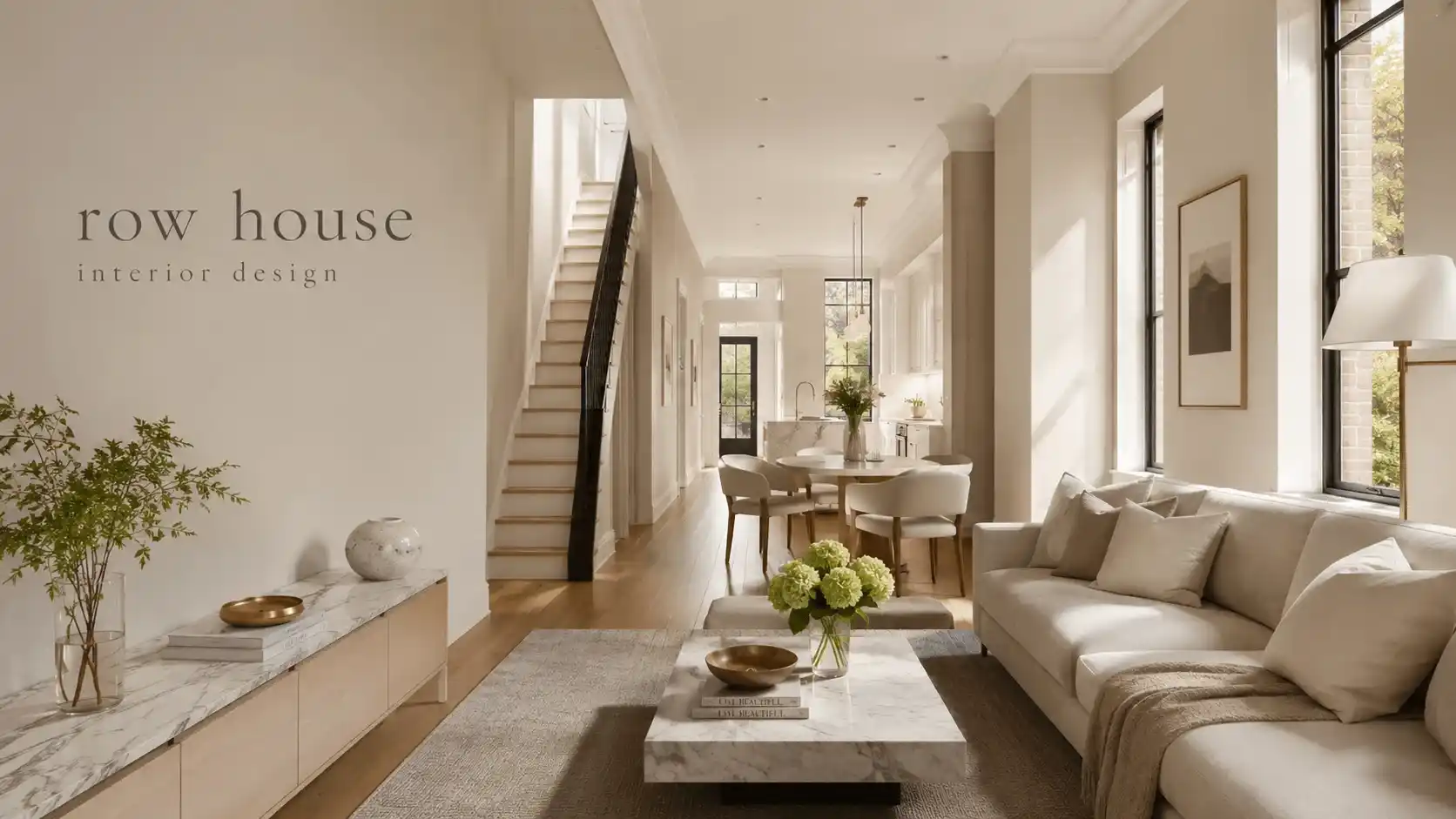
Row house interior design is all about transforming narrow, multi-level homes into beautifully balanced living spaces that feel open, functional, and inviting. These homes often come with spatial limitations, but with the right design approach, every square foot can be elevated into something purposeful and visually appealing.
Whether you’re working with a compact city row home or a more traditional attached house layout, the key is thoughtful planning—balancing light, flow, storage, and style. A well-executed row house interior design doesn’t just decorate rooms; it reshapes how you experience everyday living.
Modern Row House Interior Design Living Room
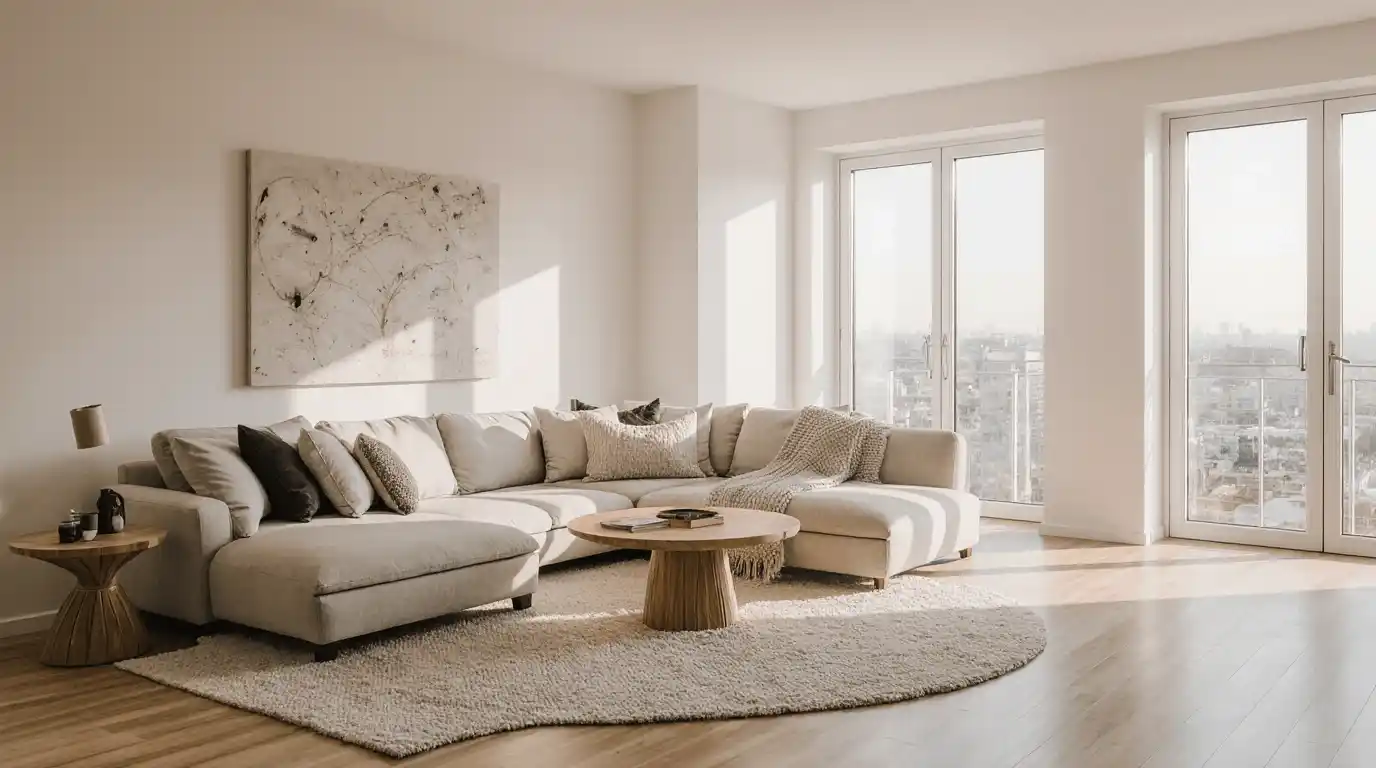
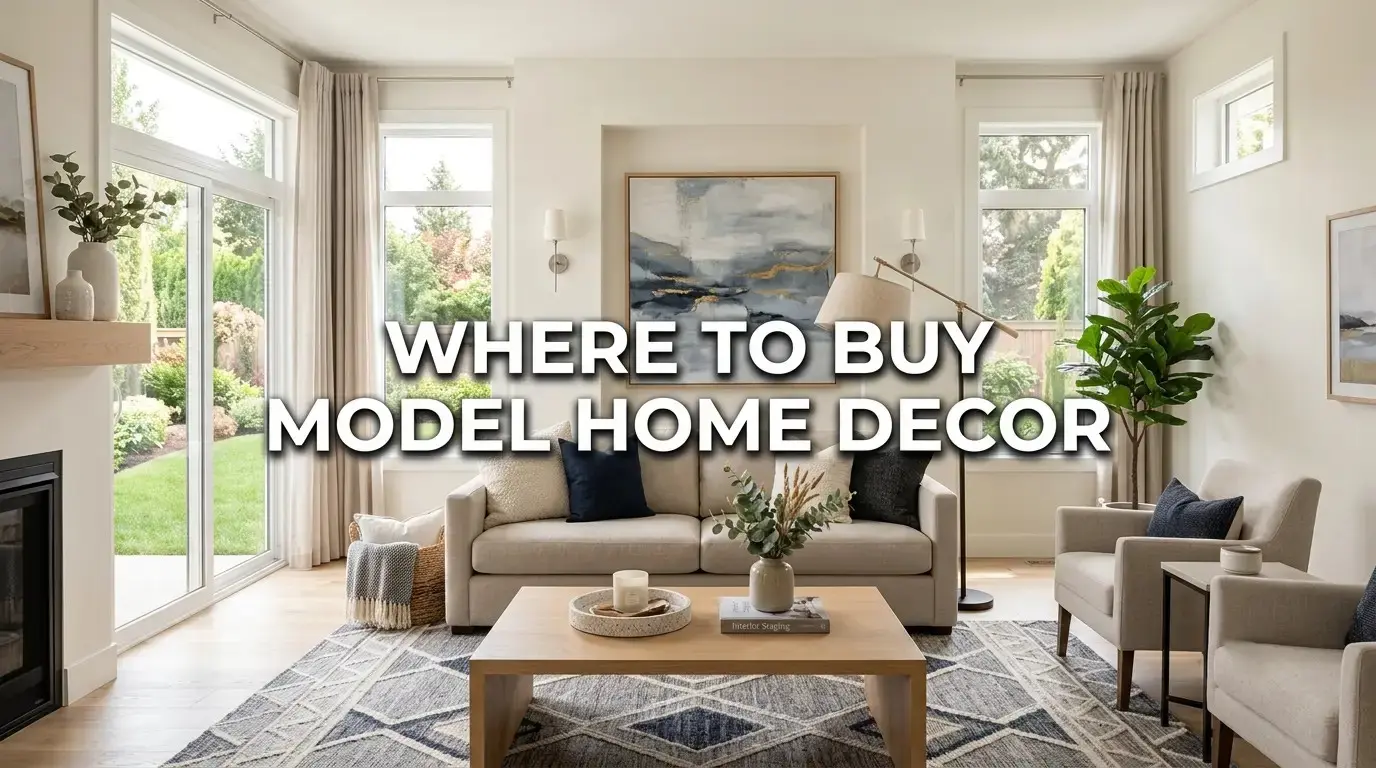
A modern living room in a row house focuses on clean lines, open sightlines, and minimal visual clutter. The goal is to make the space feel wider and brighter, even if the footprint is narrow.
Natural textures, modular seating, and soft neutral tones help create a calm, contemporary environment that still feels warm and lived-in.
Small Row House Interior Design Space Optimization
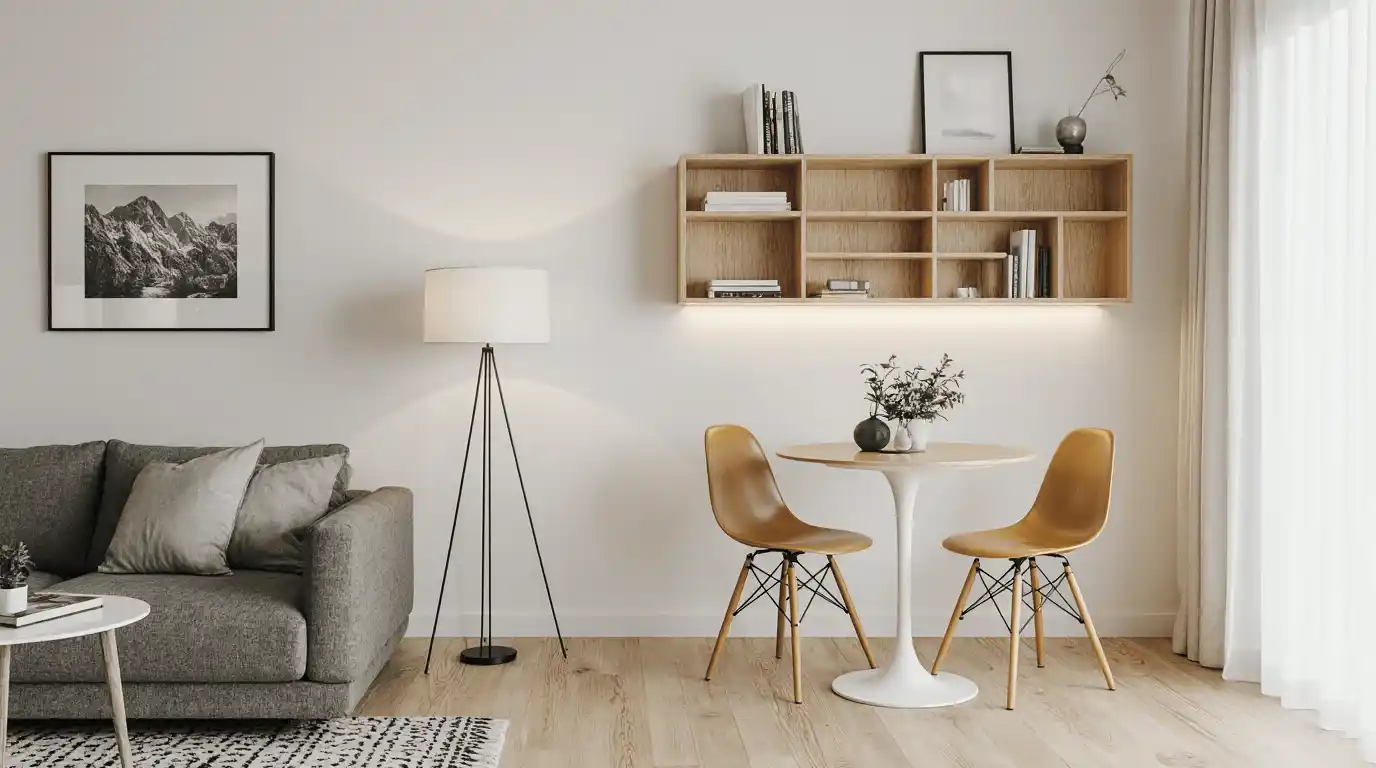
Small row houses require smart zoning where every corner has a purpose. Multi-functional furniture and vertical storage help maximize usable space without overcrowding.
Sliding partitions and open shelving maintain flow while keeping the design visually light.
Row House Kitchen Interior Design
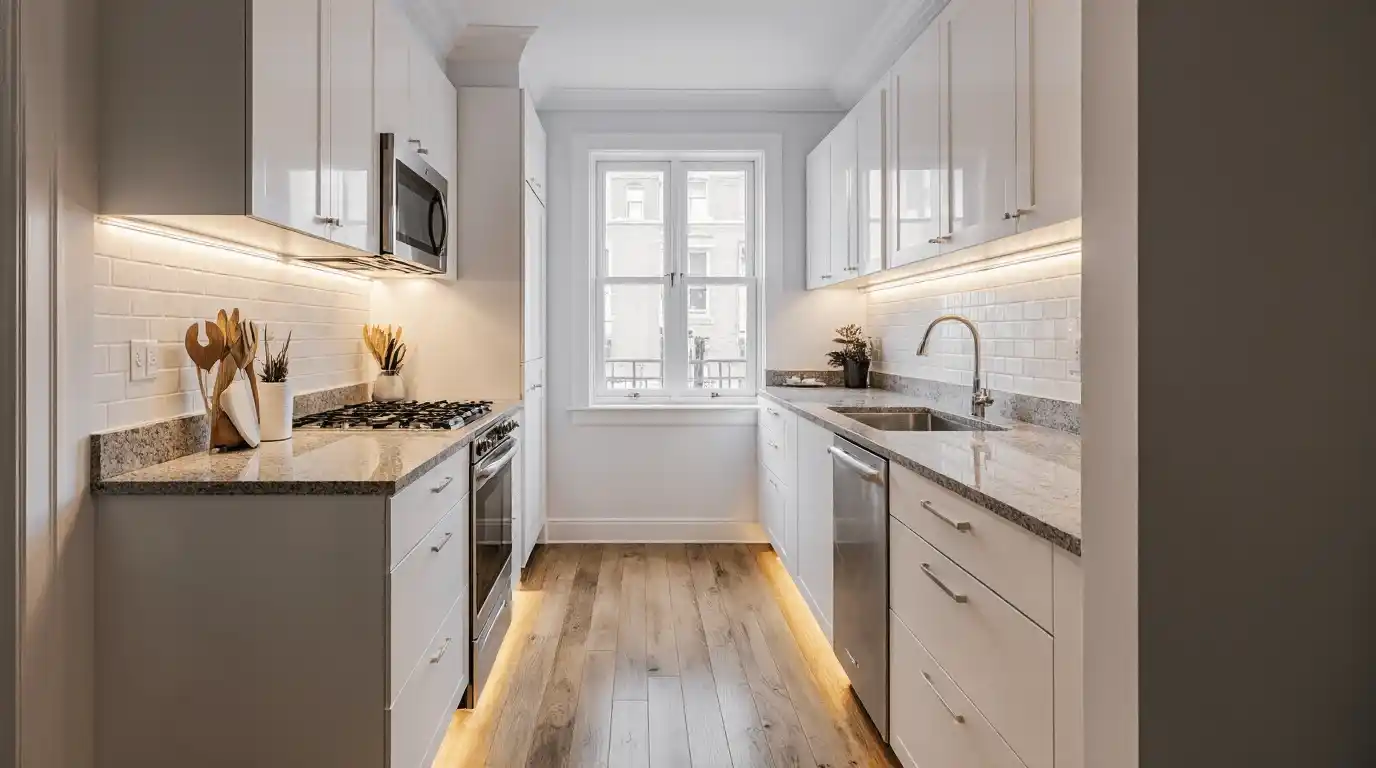
A row house kitchen benefits from linear layouts like galley or L-shaped designs. This ensures smooth workflow while maintaining efficiency in narrow spaces.
Light cabinetry, reflective surfaces, and under-cabinet lighting make the kitchen feel more open and inviting.
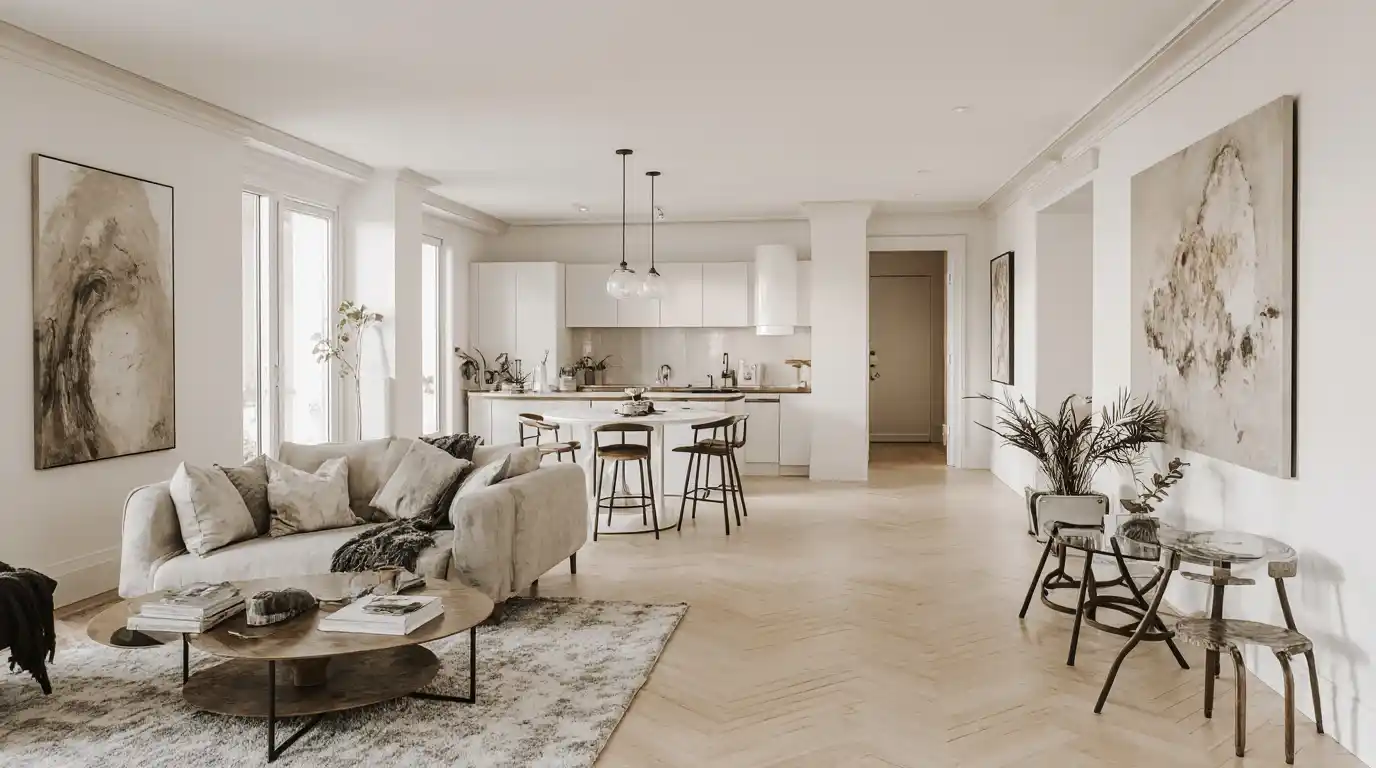
Row House Layout Design Flow
A well-planned layout ensures seamless movement between living, dining, and kitchen areas. Open transitions make the home feel larger and more connected.
Zoning with rugs, lighting, or partial dividers helps define each area without blocking light or flow.
Row House Lighting Design
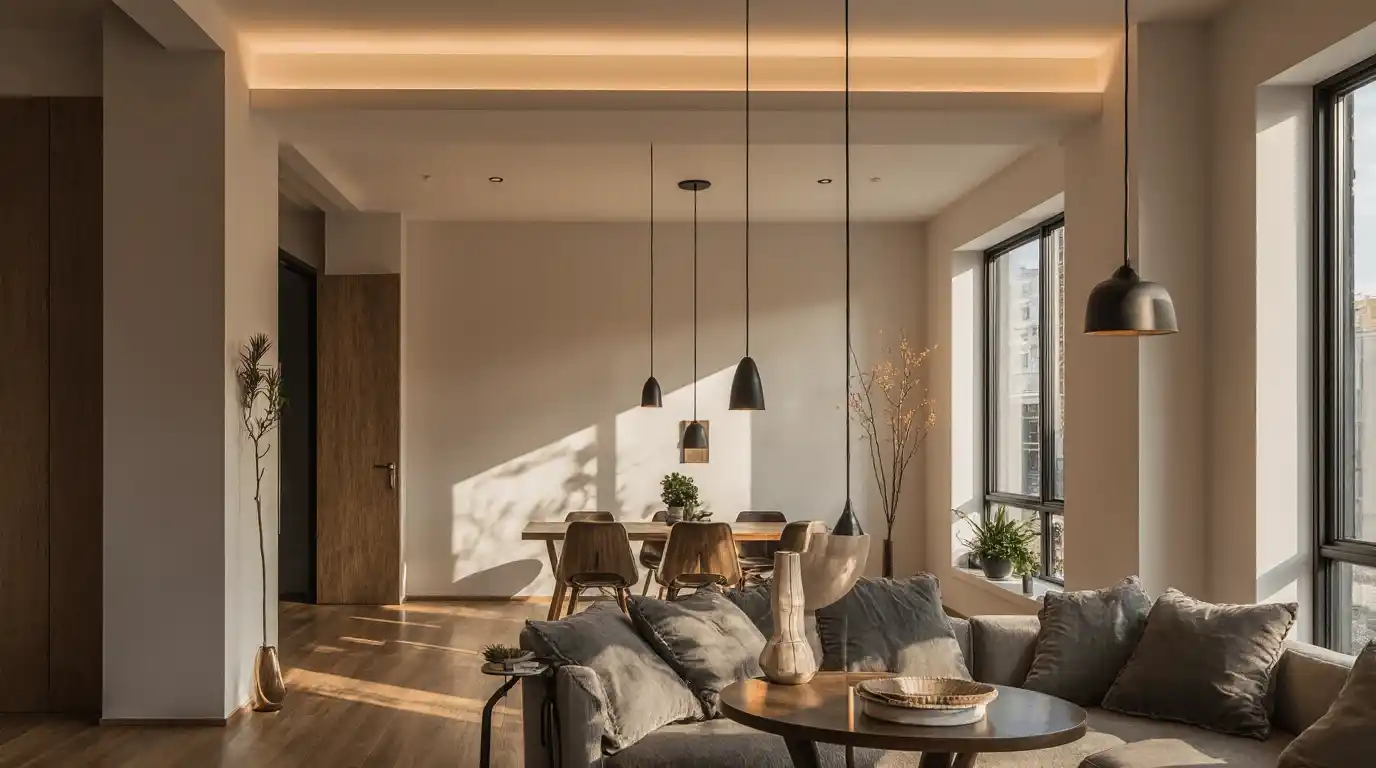
Lighting is essential in row houses where natural light may be limited. Layered lighting using ambient, task, and accent sources adds depth and brightness.
Skylights and tall windows help bring daylight deeper into the home.
Color Palettes Row House Interiors
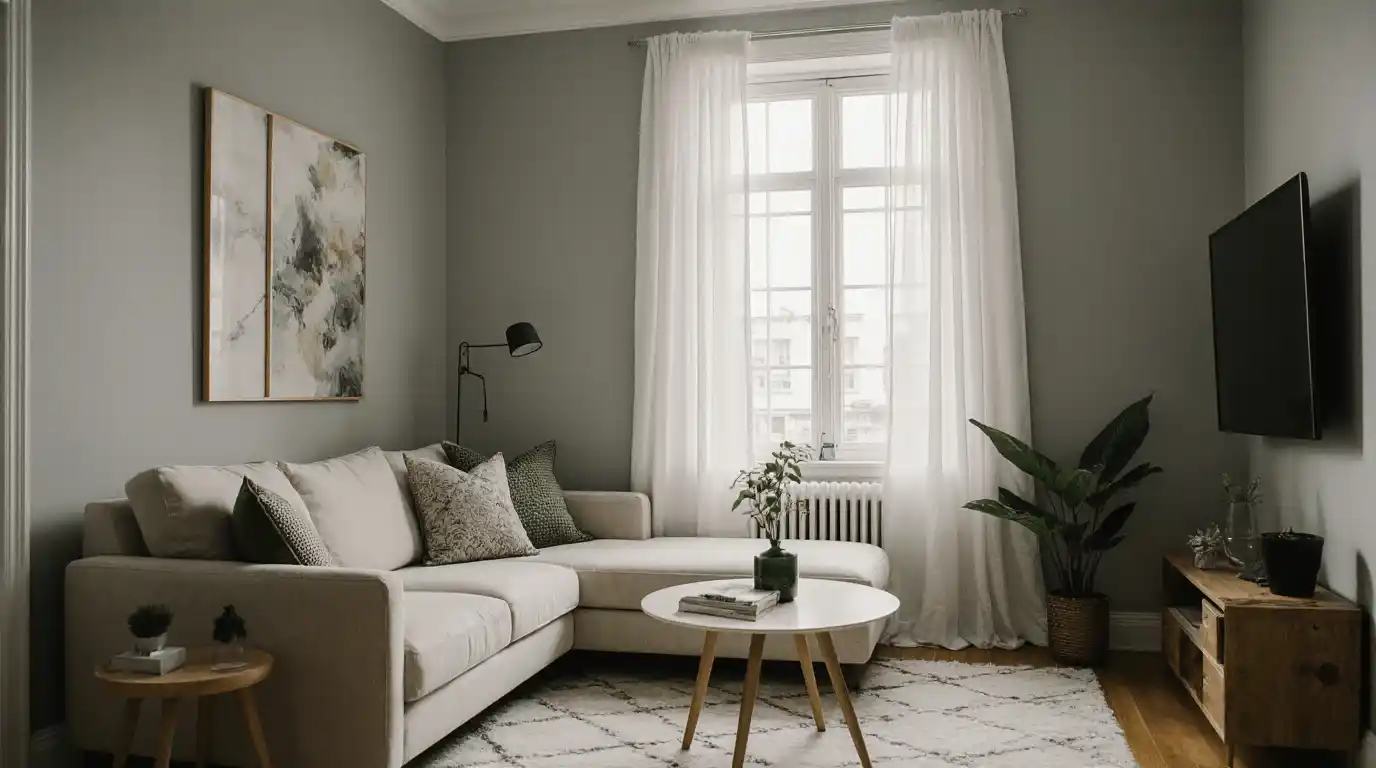
Light and neutral color palettes help visually expand narrow row house interiors. Whites, soft greys, beige, and muted earth tones create a calm foundation.
Accent colors like deep green or navy add personality without overwhelming the space.
Storage Solutions Row House
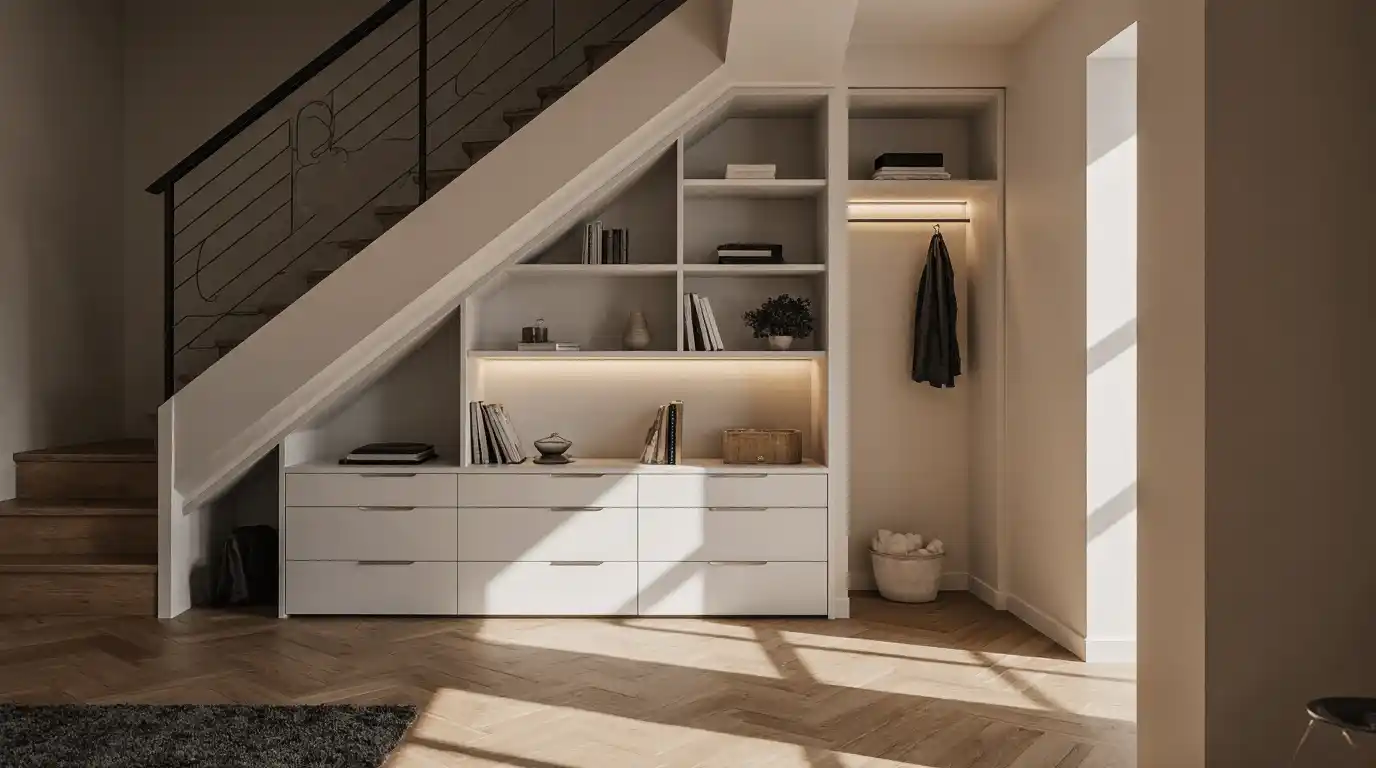
Smart storage is essential in row house design. Built-in cabinets, under-stair drawers, and wall-mounted units keep clutter hidden while preserving space.
Hidden storage solutions maintain clean aesthetics and functional efficiency.
Staircase Design Row House
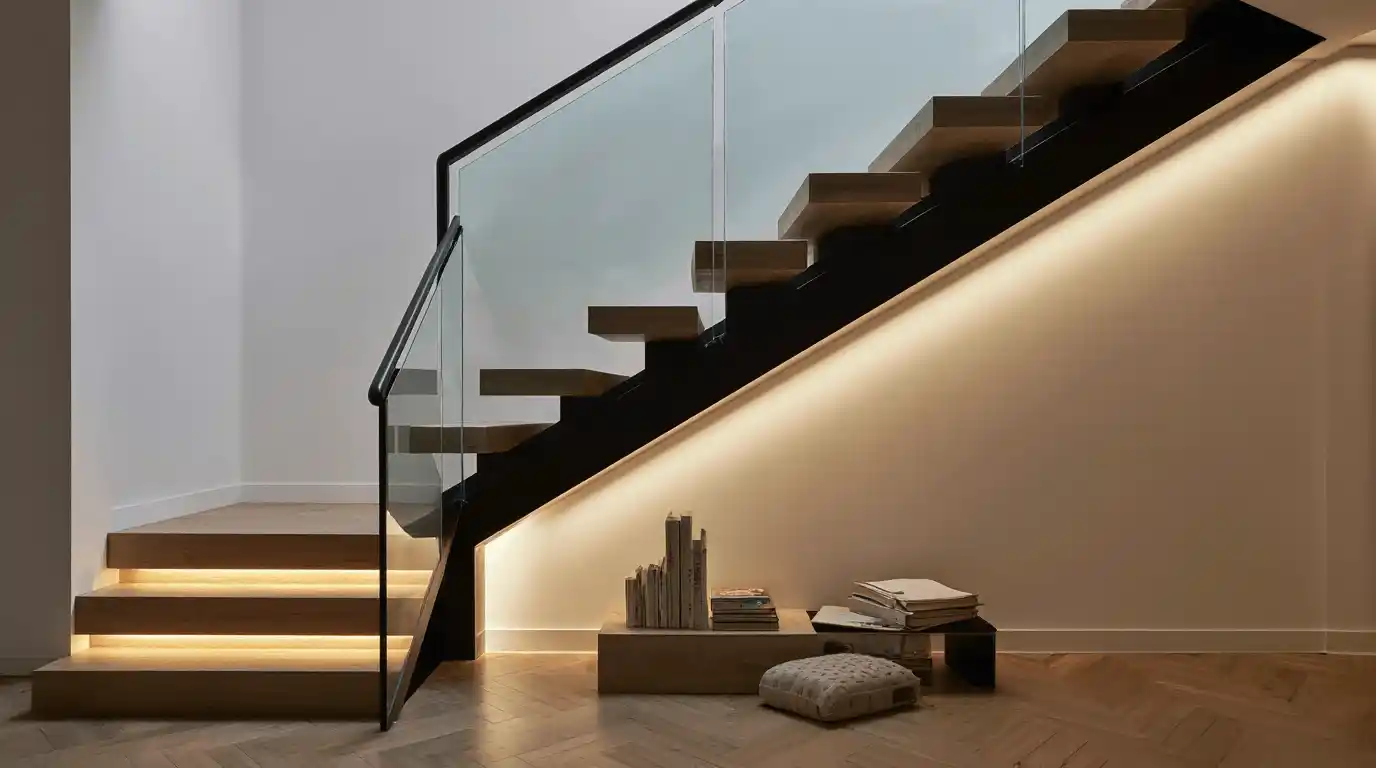
Staircases in row houses can become architectural focal points. Floating steps, glass railings, or wooden finishes add elegance without heaviness.
Under-stair areas can be transformed into storage or reading nooks.
Minimalist Row House Interior Design
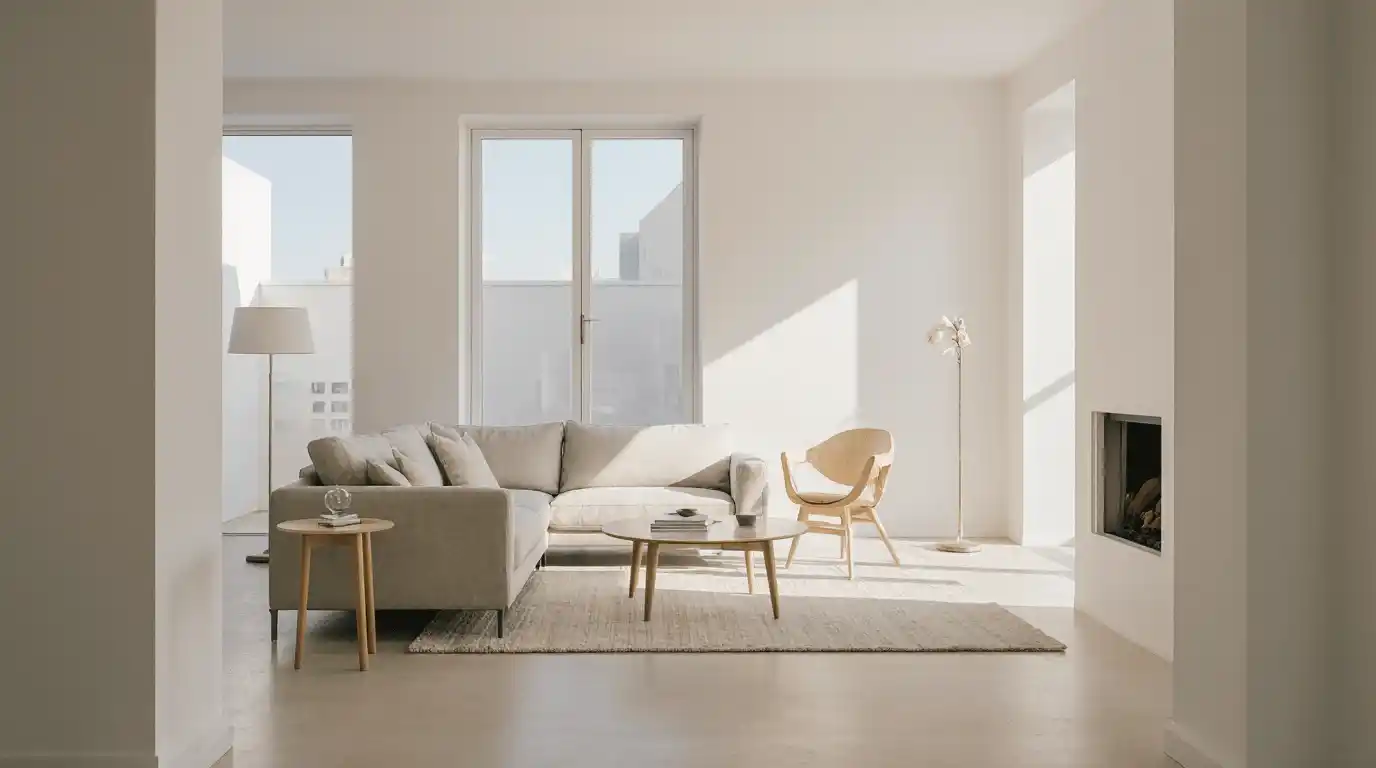
Minimalist design emphasizes simplicity, function, and calmness. Clean surfaces and reduced décor help maintain visual openness in compact row houses.
Every element serves a purpose, creating a clutter-free lifestyle environment.
Luxury Row House Interiors
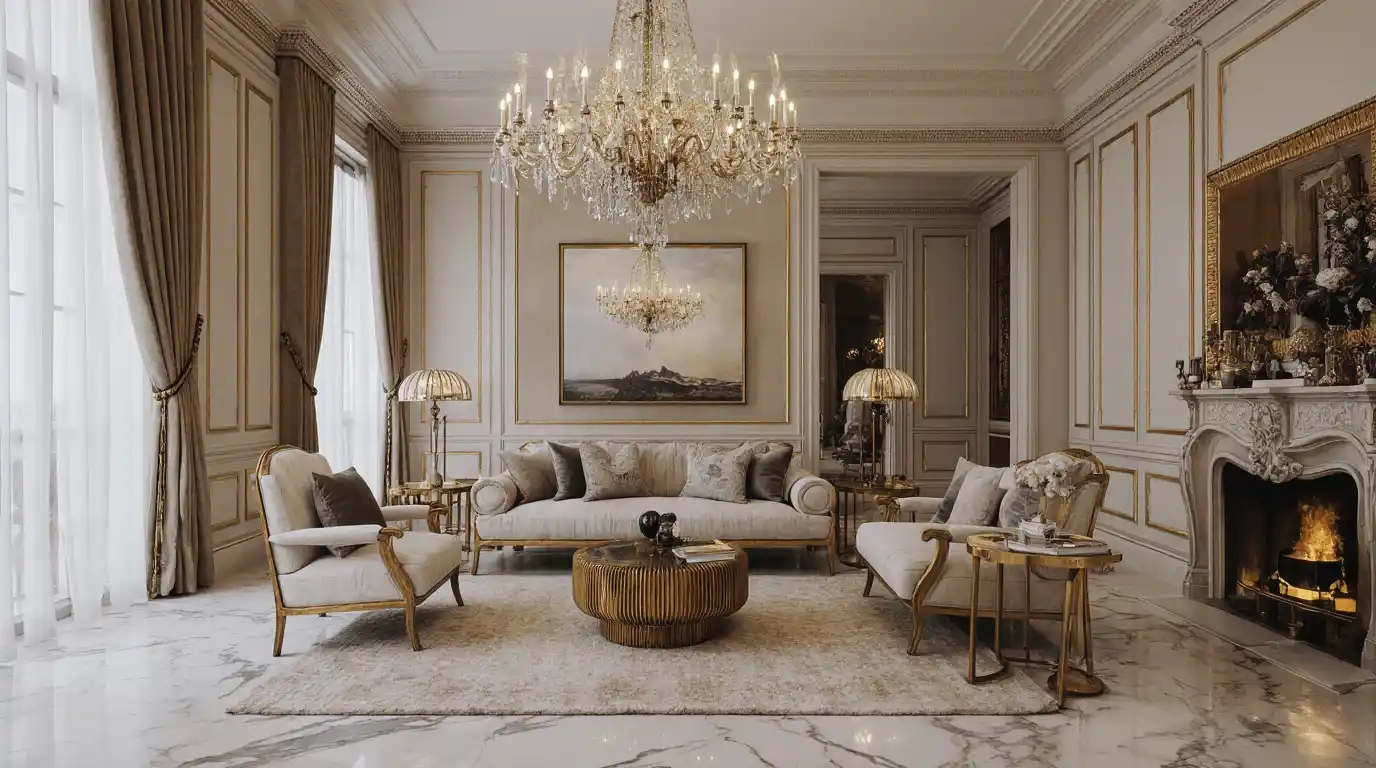
Luxury row house interiors use premium materials like marble, brass, and rich wood finishes. The design focuses on elegance without sacrificing comfort.
Statement lighting and bespoke furniture elevate the entire atmosphere.
Scandinavian Row House Interior Design
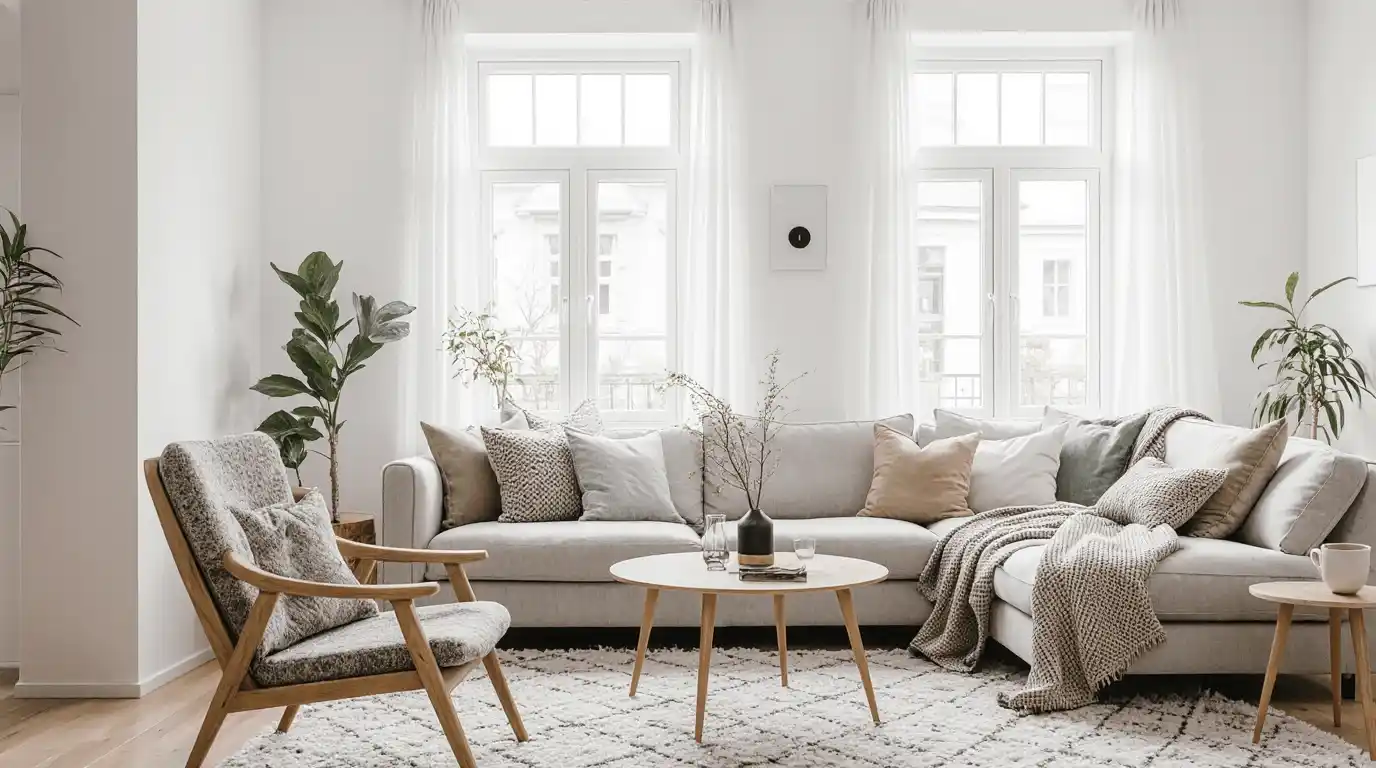
Scandinavian style brings warmth through simplicity. Light woods, soft textiles, and neutral tones create a cozy yet functional home.
Natural light plays a central role in enhancing the airy feel.
Contemporary Row House Decor
Contemporary décor blends modern design with subtle artistic touches. It focuses on balanced proportions, smooth finishes, and curated décor pieces.
The result is a stylish yet livable environment.
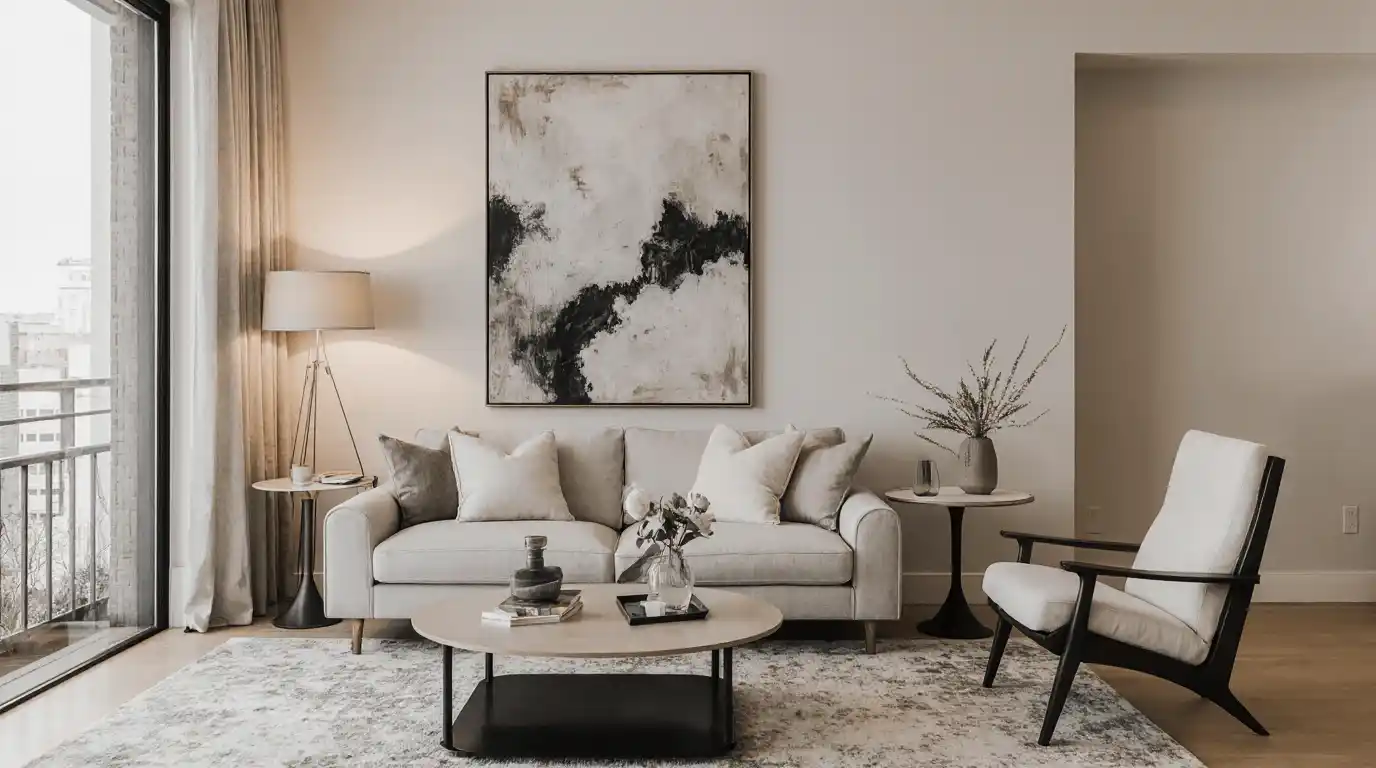
Open Plan Row House Interior Design
Open-plan layouts eliminate unnecessary partitions, creating a continuous flow between rooms. This enhances natural light and spatial perception.
Furniture placement defines zones without physical barriers.
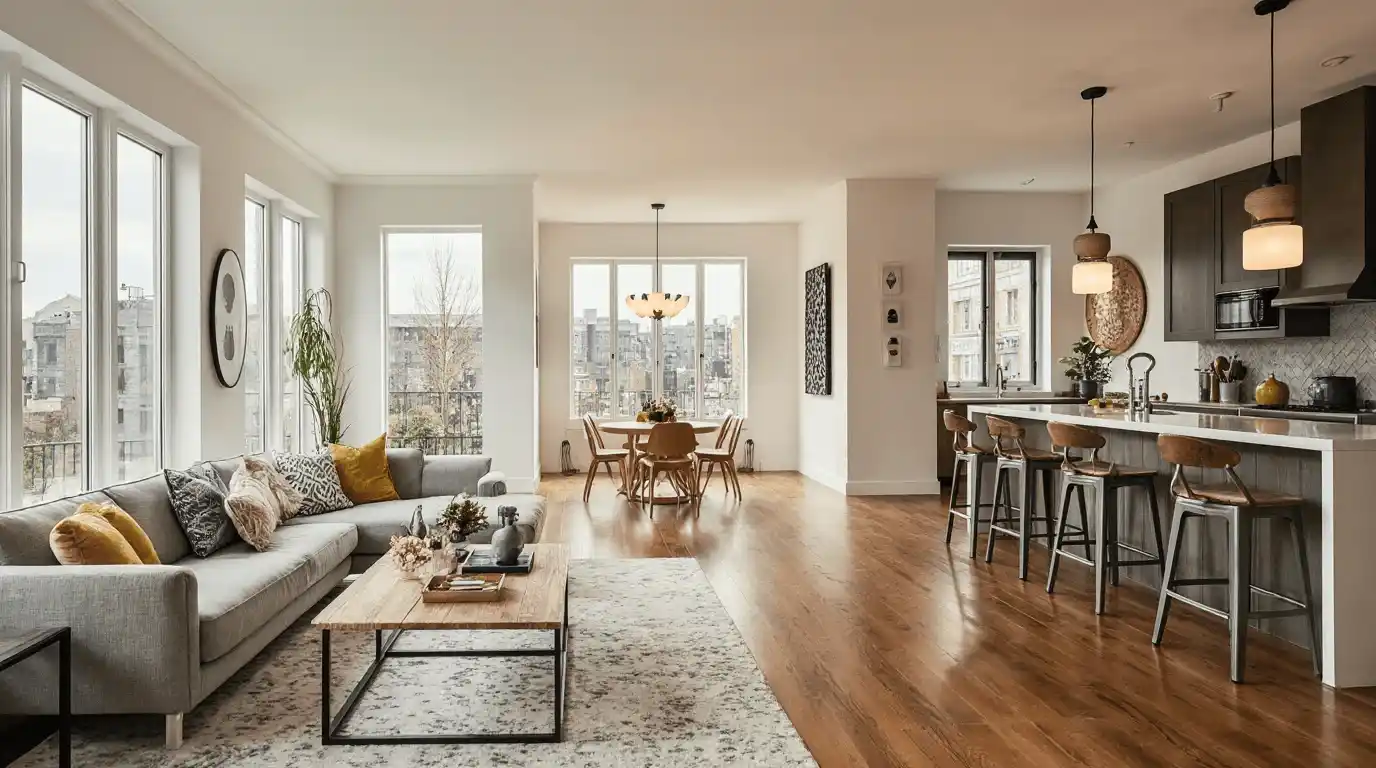
Compact Dining Area Row House
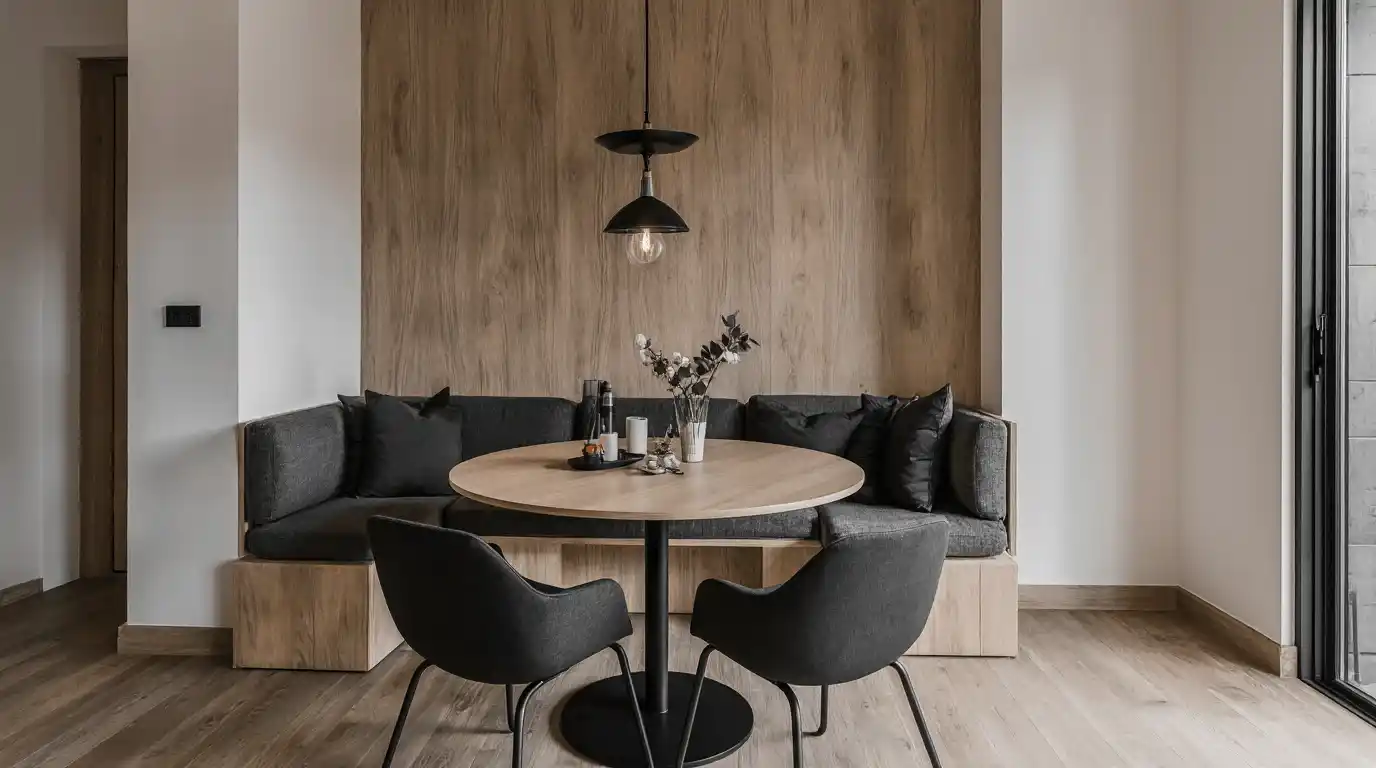
Dining areas in row houses are often compact but can be highly functional. Bench seating and round tables maximize space efficiency.
Strategic lighting makes the area feel more intimate and inviting.
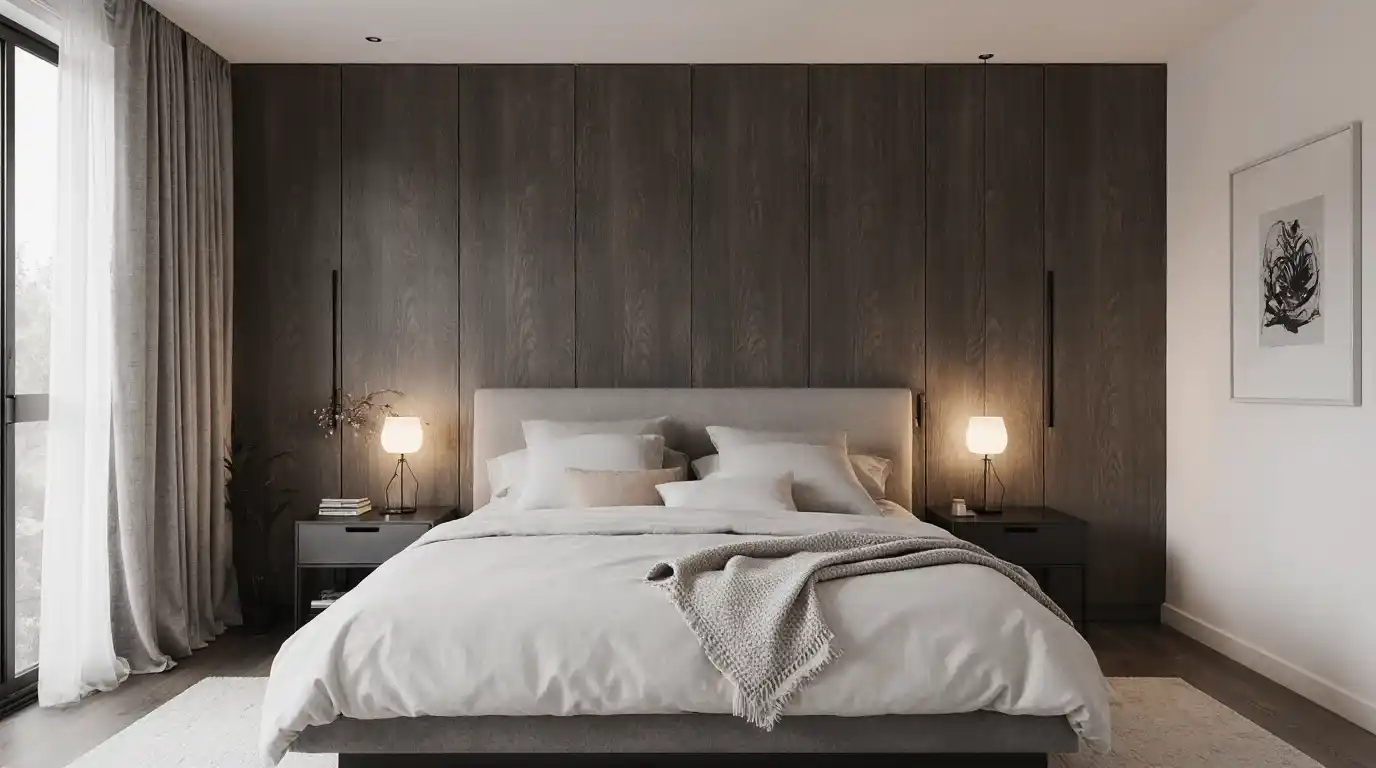
Bedroom Row House Interior Design
Row house bedrooms focus on comfort and storage efficiency. Built-in wardrobes and soft lighting create a restful environment.
Neutral tones help maintain calmness in smaller rooms.
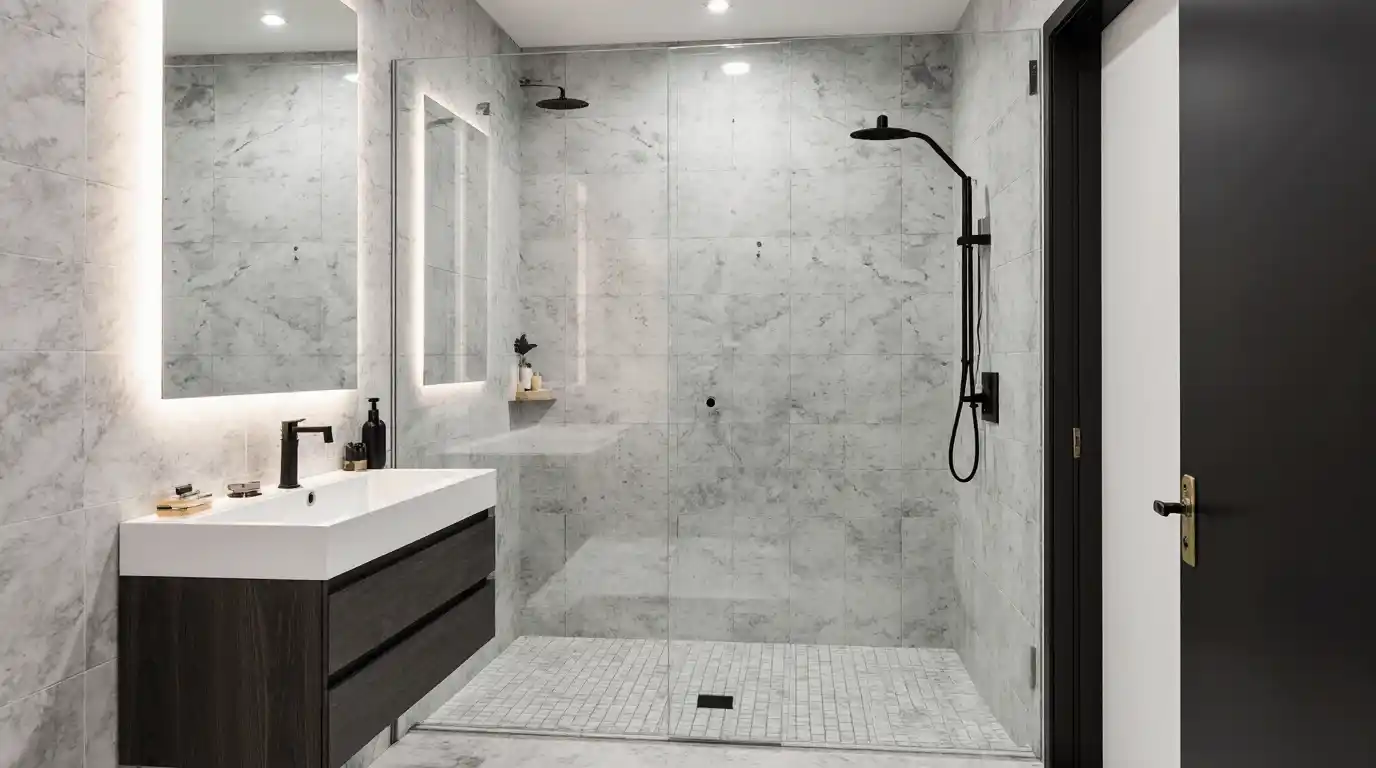
Bathroom Row House Interior Design
Bathrooms in row houses benefit from compact, efficient layouts. Glass showers and wall-mounted fixtures help save space.
Light-colored tiles enhance brightness and cleanliness.
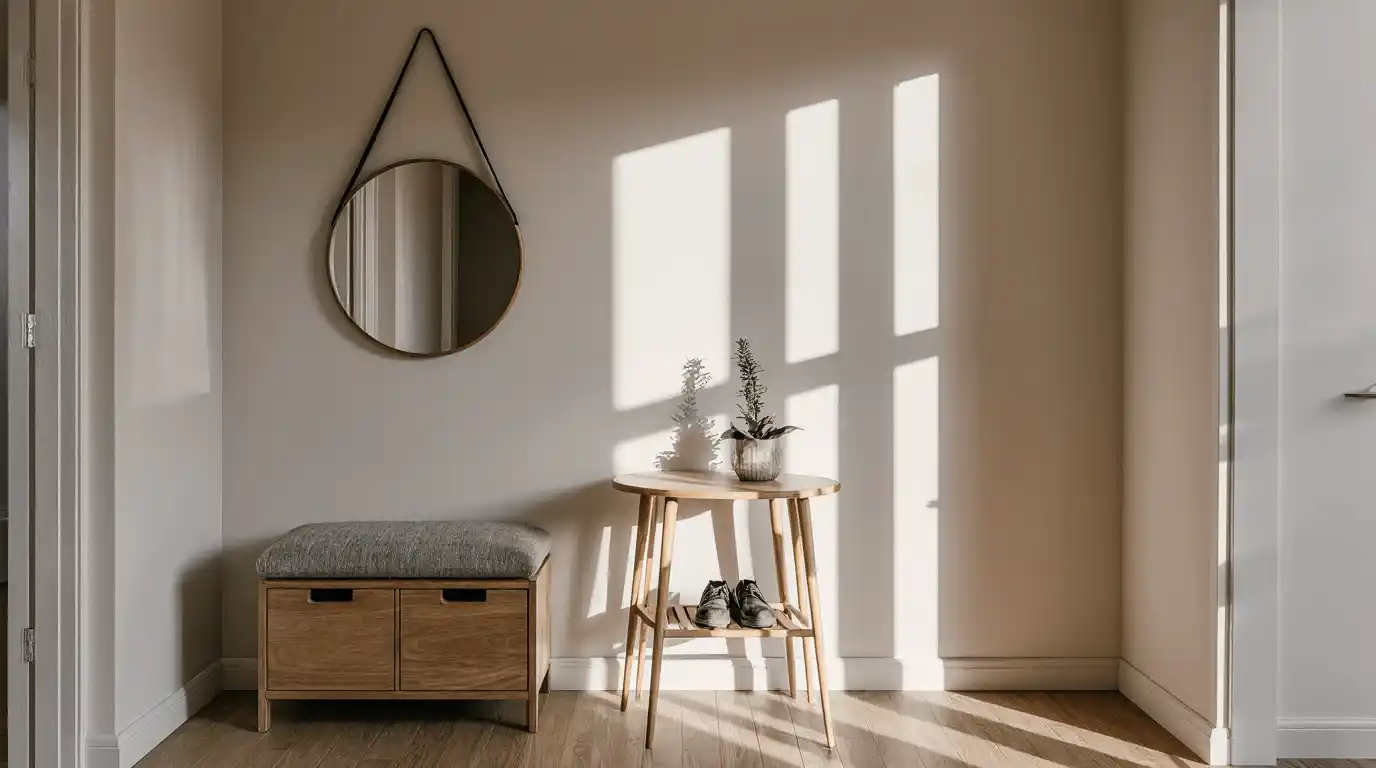
Entryway Row House Design
The entryway sets the tone for the entire home. Slim storage units and mirrors help maximize space while keeping it functional.
A well-lit entry creates a welcoming first impression.
Conclusion
Row house interior design is ultimately about turning architectural constraints into creative opportunities. Narrow layouts, shared walls, and vertical living are not limitations when approached with intentional planning—they become the foundation for highly efficient, stylish, and comfortable homes.
Across all design approaches, a consistent principle emerges: balance openness with function. Light-enhancing color palettes, space-saving furniture, layered lighting, and smart zoning all work together to expand perception and improve everyday usability. When these elements are combined thoughtfully, even compact row houses feel open, organized, and visually calm.
This style of living especially benefits individuals and families who value urban convenience but still want a sense of personal space and aesthetic quality. Whether modern, minimalist, Scandinavian, or luxury-inspired, the right interior approach ensures the home adapts to lifestyle needs rather than forcing compromise. The key is not adding more, but designing smarter—every material, corner, and fixture should serve both beauty and purpose.
Moving forward, the most effective approach is to start with layout clarity, then build layers of lighting, storage, and texture around it. This creates a home that feels naturally cohesive, practical to live in, and timeless in design.
Learn more : Bungalow House Interior Design for Warm Modern Living
Frequently Asked Questions
- What makes row house interior design different from regular home design?
Row house interiors require more strategic planning due to narrow layouts and vertical structures. Unlike detached homes, emphasis is placed on maximizing light flow, efficient zoning, and multi-functional spaces to ensure comfort without overcrowding.
- How can a small row house feel more spacious inside?
Using light color schemes, open layouts, mirrors, and minimal partitions can visually expand space. Furniture with exposed legs and built-in storage also reduces visual weight, making rooms feel more open and breathable.
- What is the best layout for a row house interior?
Open-plan or semi-open layouts work best because they allow uninterrupted light flow between living, dining, and kitchen areas. Vertical zoning and subtle dividers help define spaces without making the home feel closed off.
- How important is lighting in row house design?
Lighting plays a critical role because many row houses have limited side exposure. Layered lighting—combining ambient, task, and accent sources—ensures depth, warmth, and functionality throughout the space.
- Which colors work best for row house interiors?
Soft neutrals like white, beige, light grey, and muted earth tones are ideal because they enhance brightness and create a sense of openness. Accent colors can be added sparingly for personality and contrast.
- How do you add storage without cluttering a row house?
Built-in cabinetry, under-stair storage, wall-mounted units, and hidden compartments are highly effective. These solutions keep essentials organized while preserving clean, open visual lines.
- Can luxury design be achieved in a row house?
Yes, luxury can be achieved through high-quality materials, refined lighting, and carefully selected furniture rather than excessive decoration. Even compact row houses can feel premium when design choices prioritize elegance and restraint.


One Response