Introduction
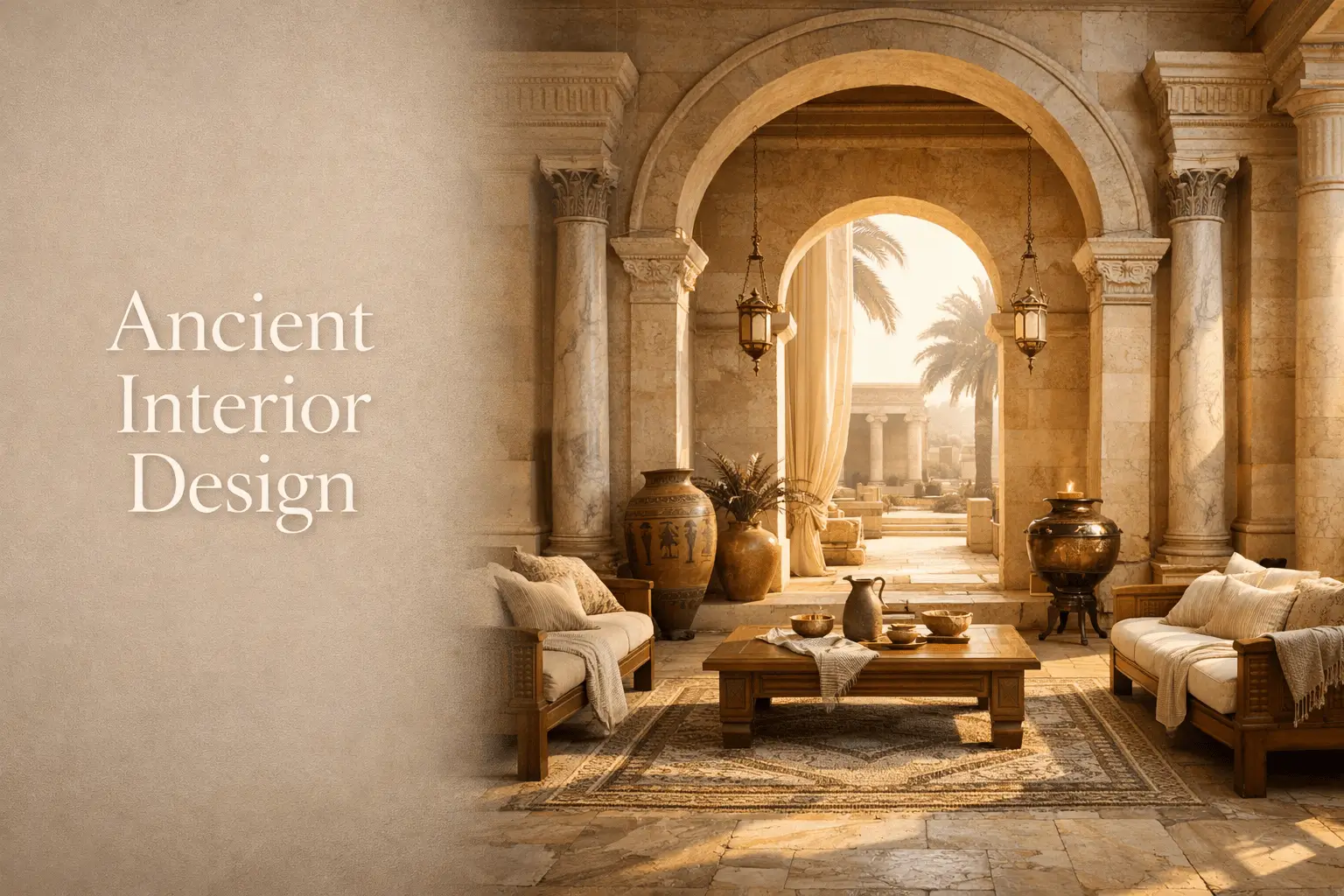
Ancient interior design is more than a historical style—it’s a foundation for how we understand space, beauty, and function today. Rooted in civilizations like Egypt, Greece, and Rome, ancient interior design reflects a deep connection between architecture, culture, and daily life. From structured symmetry to symbolic décor, these interiors were intentionally crafted to communicate status, spirituality, and harmony.
From years of studying classical interiors and their modern adaptations, one thing becomes clear: ancient interior design is not outdated—it’s quietly influencing today’s most refined spaces. Whether it’s the clean geometry of Greek homes or the luxurious detailing of Roman villas, these principles still shape modern design decisions in subtle but powerful ways.
Below are the most important clusters that define ancient interior design, each grounded in real design logic and paired with a visual prompt you can use for inspiration or AI generation.
Ancient Interior Design in Egyptian Style
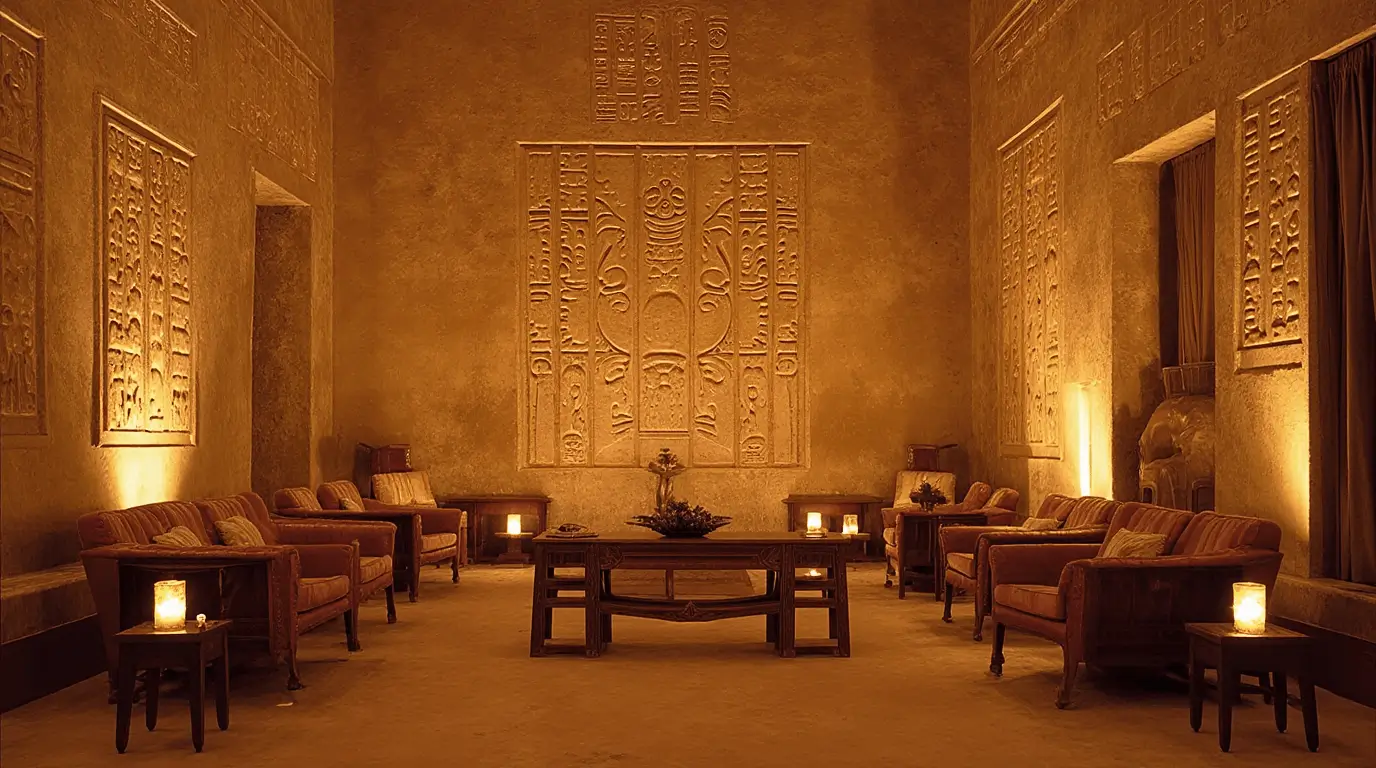
Ancient Egyptian interiors emphasize symmetry, bold geometry, and symbolic storytelling. Spaces often include low furniture, gold accents, and hieroglyphic-inspired patterns that reflect spirituality and hierarchy.
Ancient Interior Design in Greek Style
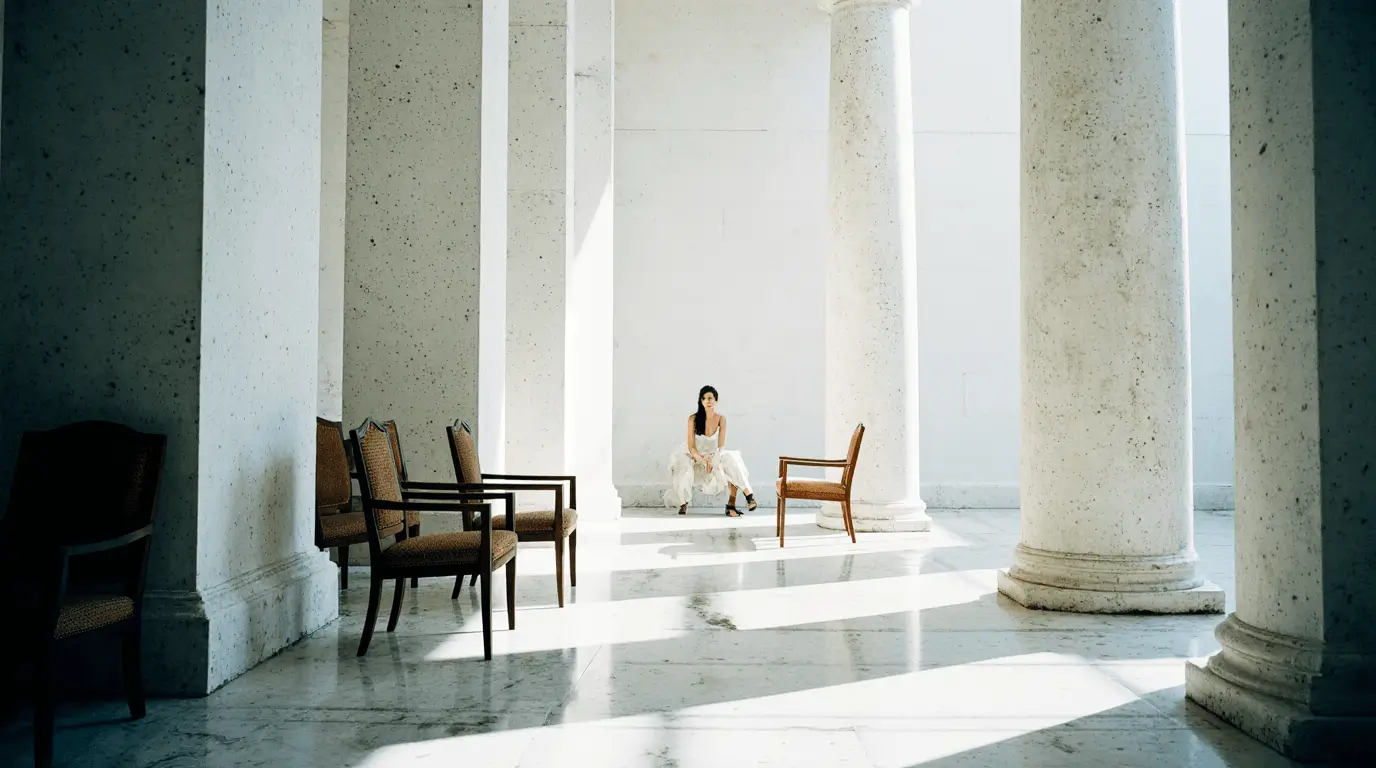
Greek interiors focus on balance, proportion, and simplicity. Clean lines, white tones, and natural materials create calm, breathable spaces centered around function and philosophy.
Ancient Interior Design in Roman Style
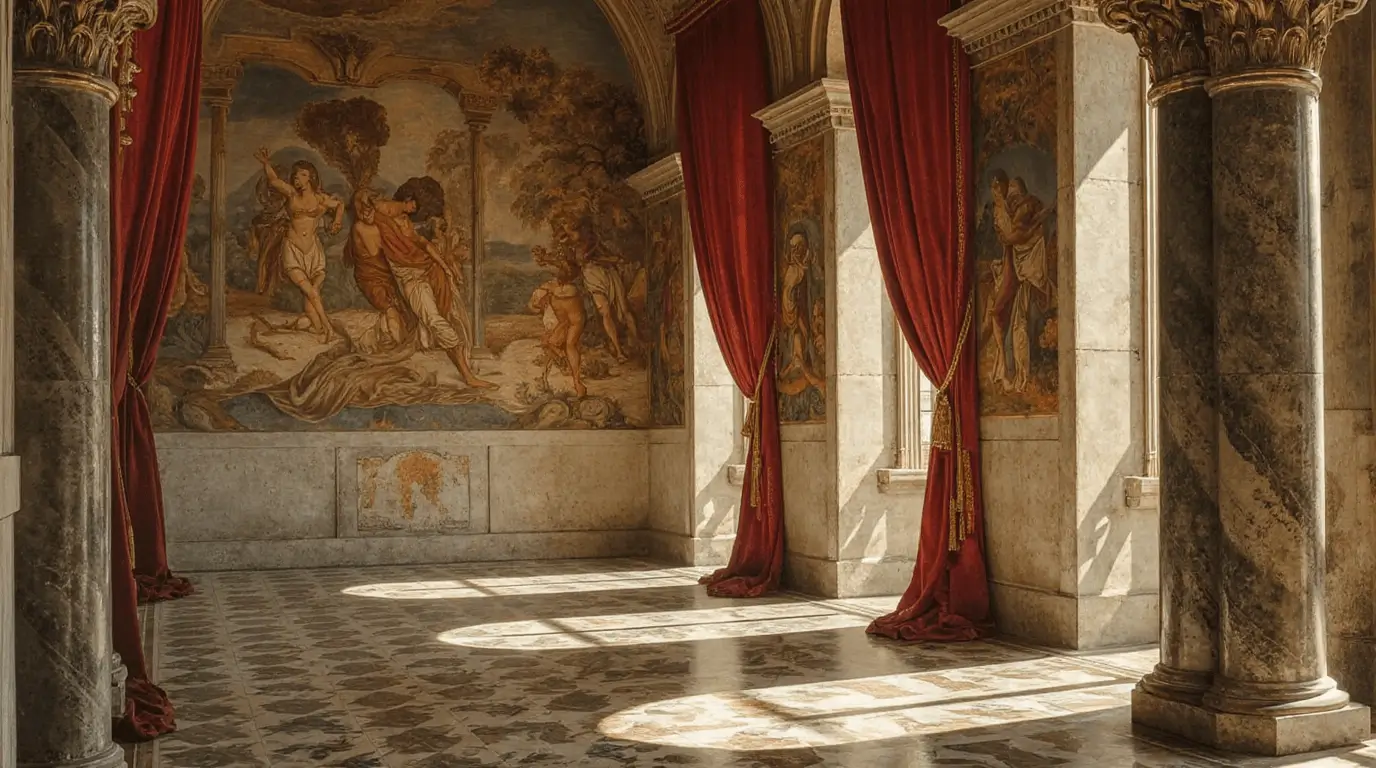
Roman interiors are more decorative and luxurious, featuring mosaics, frescoes, and layered textures. These spaces reflect wealth, comfort, and advanced architectural thinking.
Ancient Interior Design and Furniture Forms
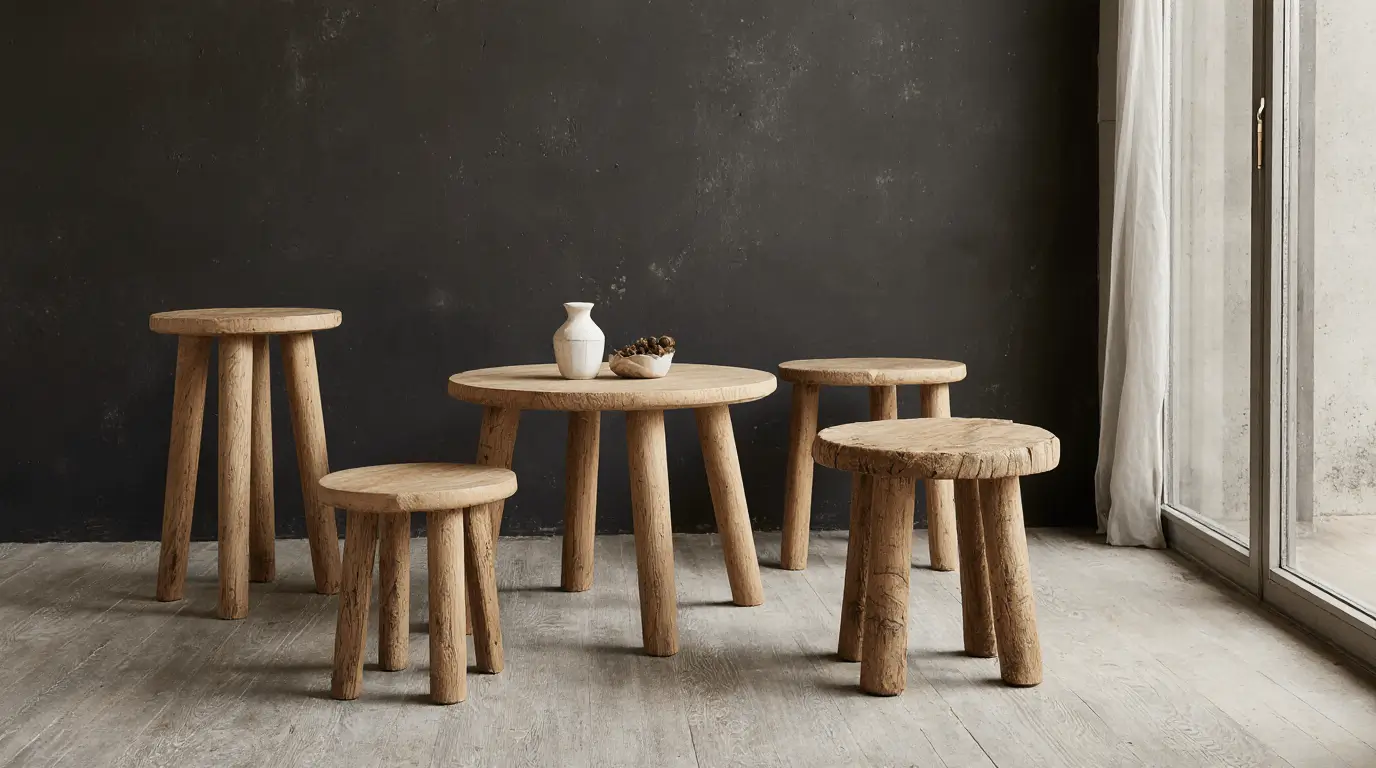
Furniture in ancient interiors was low-profile, functional, and handcrafted. Pieces like stools, benches, and reclining couches were designed for both practicality and social interaction.
Ancient Interior Design and Materials
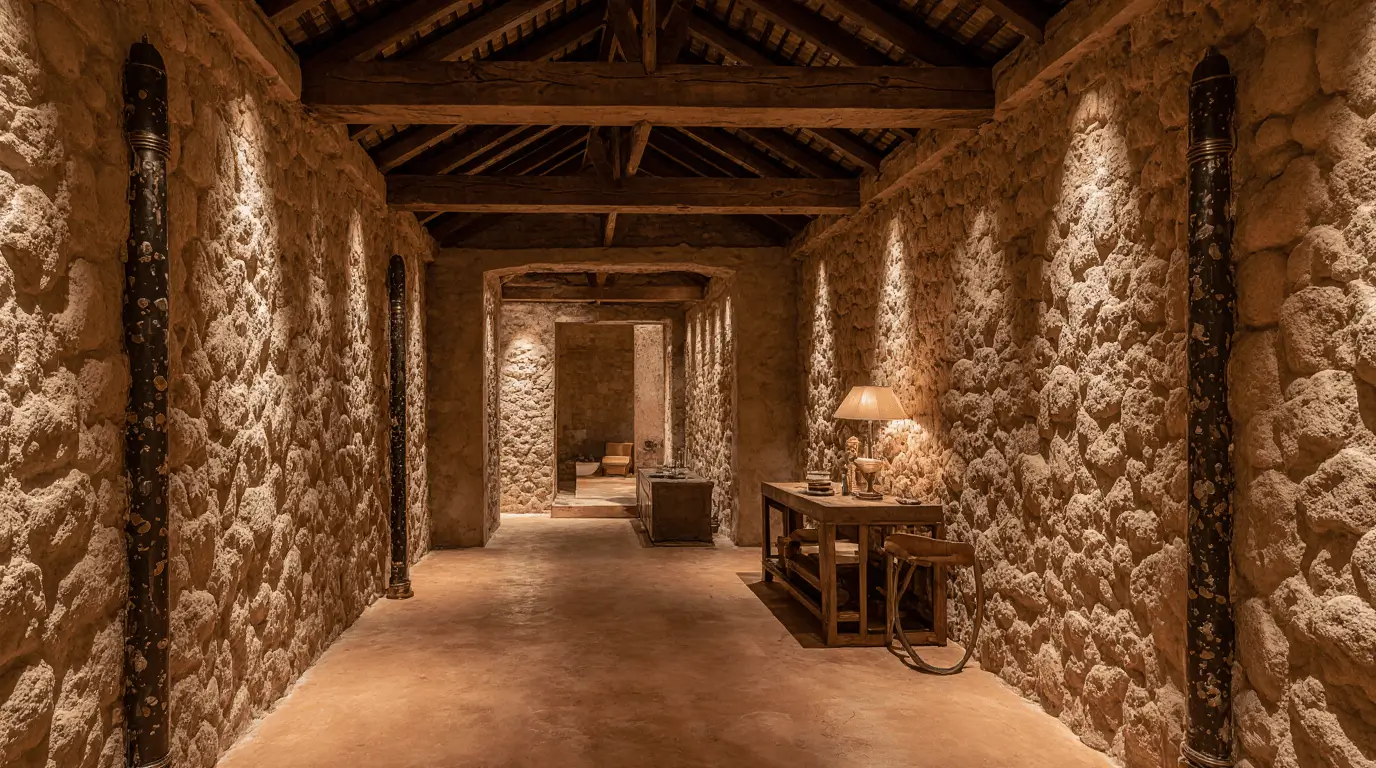
Natural materials define ancient interiors—stone, wood, clay, and metals. These materials not only shaped aesthetics but also ensured durability and climate adaptability.
Ancient Interior Design Color Palettes
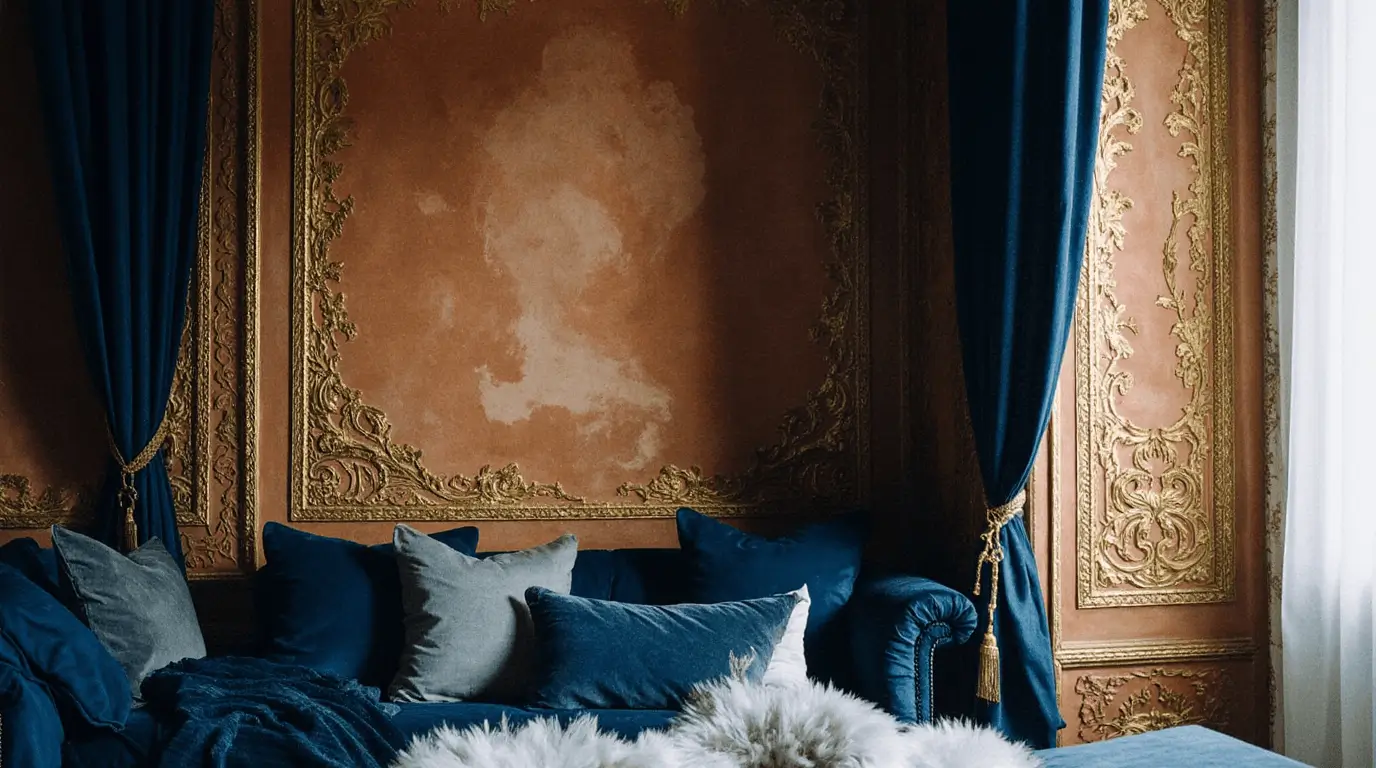
Color in ancient interiors was symbolic and intentional. Earth tones, deep reds, golds, and blues were commonly used to represent power, nature, and divinity.
Ancient Interior Design and Symmetry
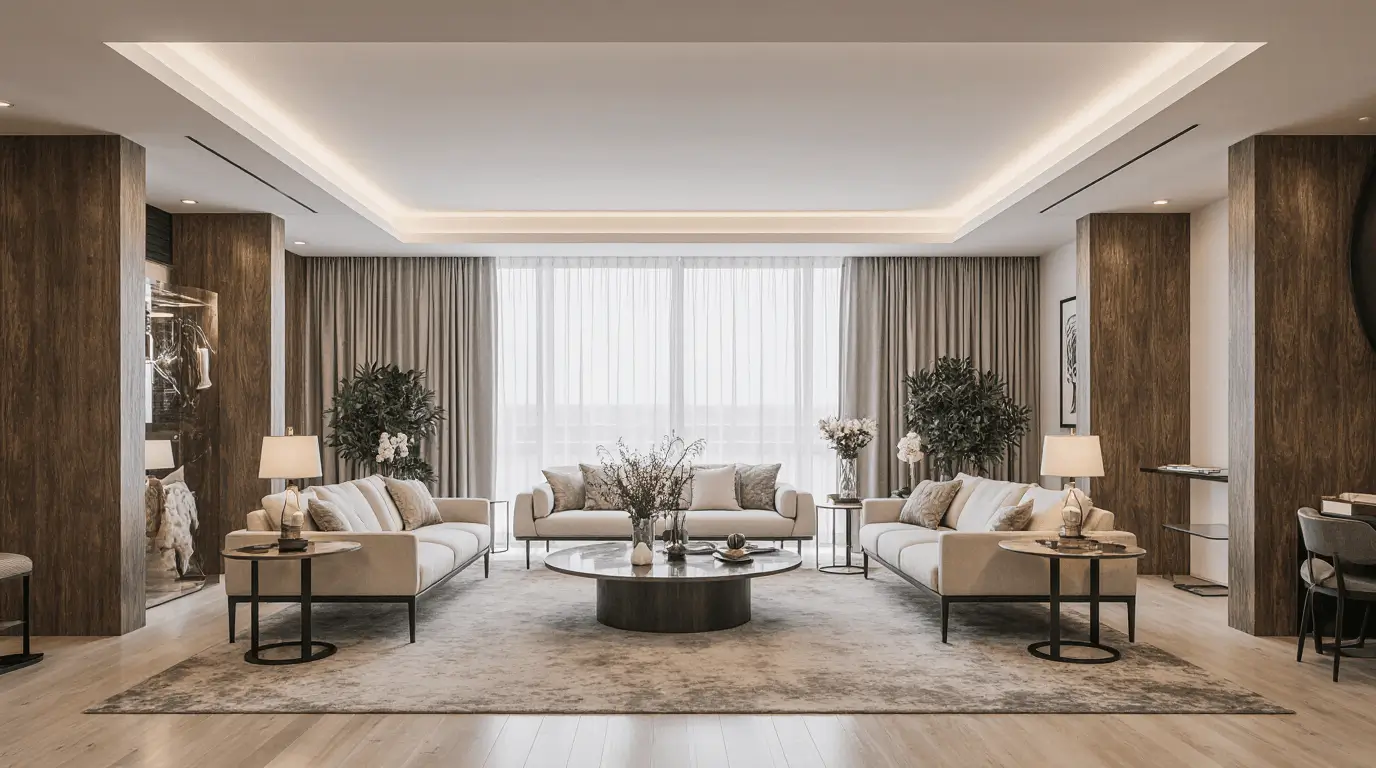
Symmetry was a core principle, especially in Egyptian and Greek spaces. Balanced layouts created visual stability and reflected order in both design and philosophy.
Ancient Interior Design and Architecture Integration
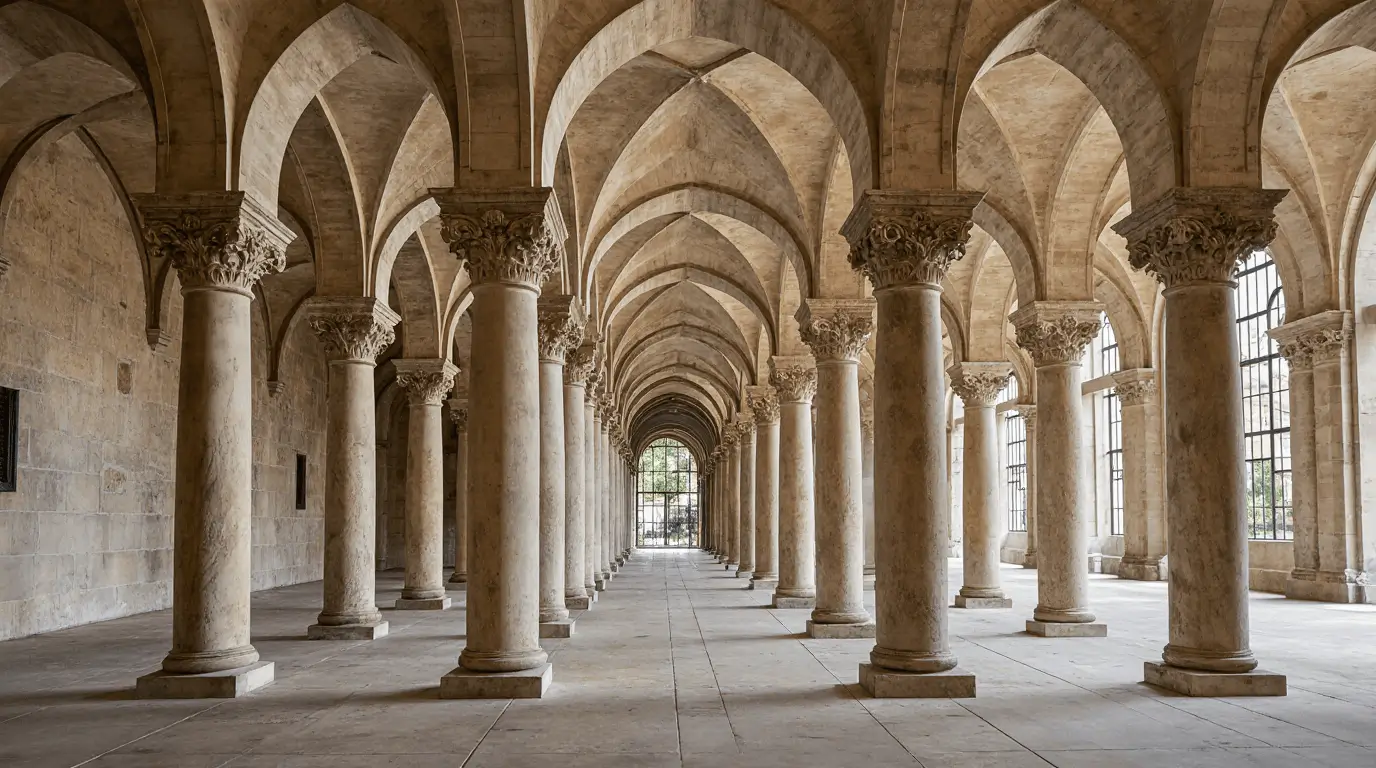
Interior design in ancient times was inseparable from architecture. Columns, arches, and structural elements were integral to the interior aesthetic.
Ancient Interior Design and Decorative Art
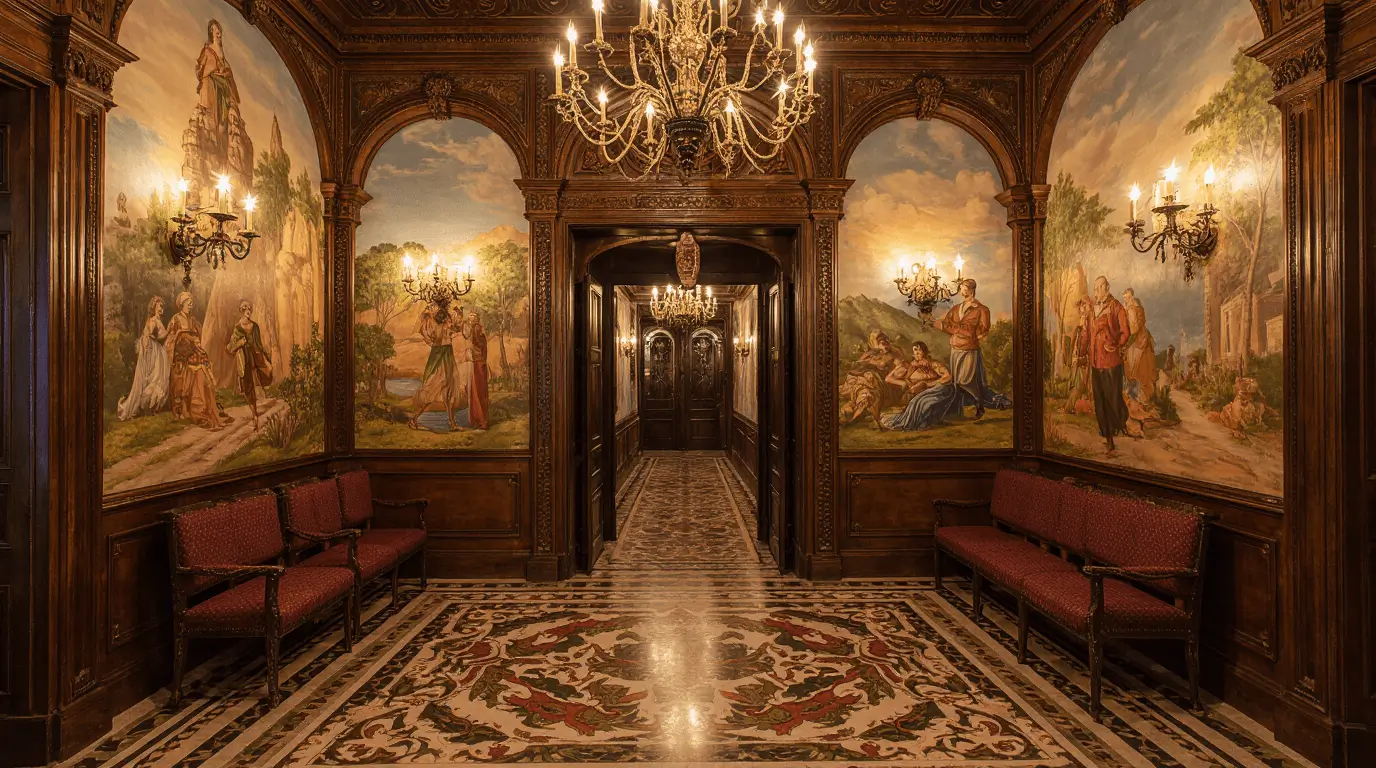
Murals, carvings, and mosaics were essential in storytelling. Interiors often acted as visual narratives of mythology, history, and daily life.
Ancient Interior Design and Lighting Techniques
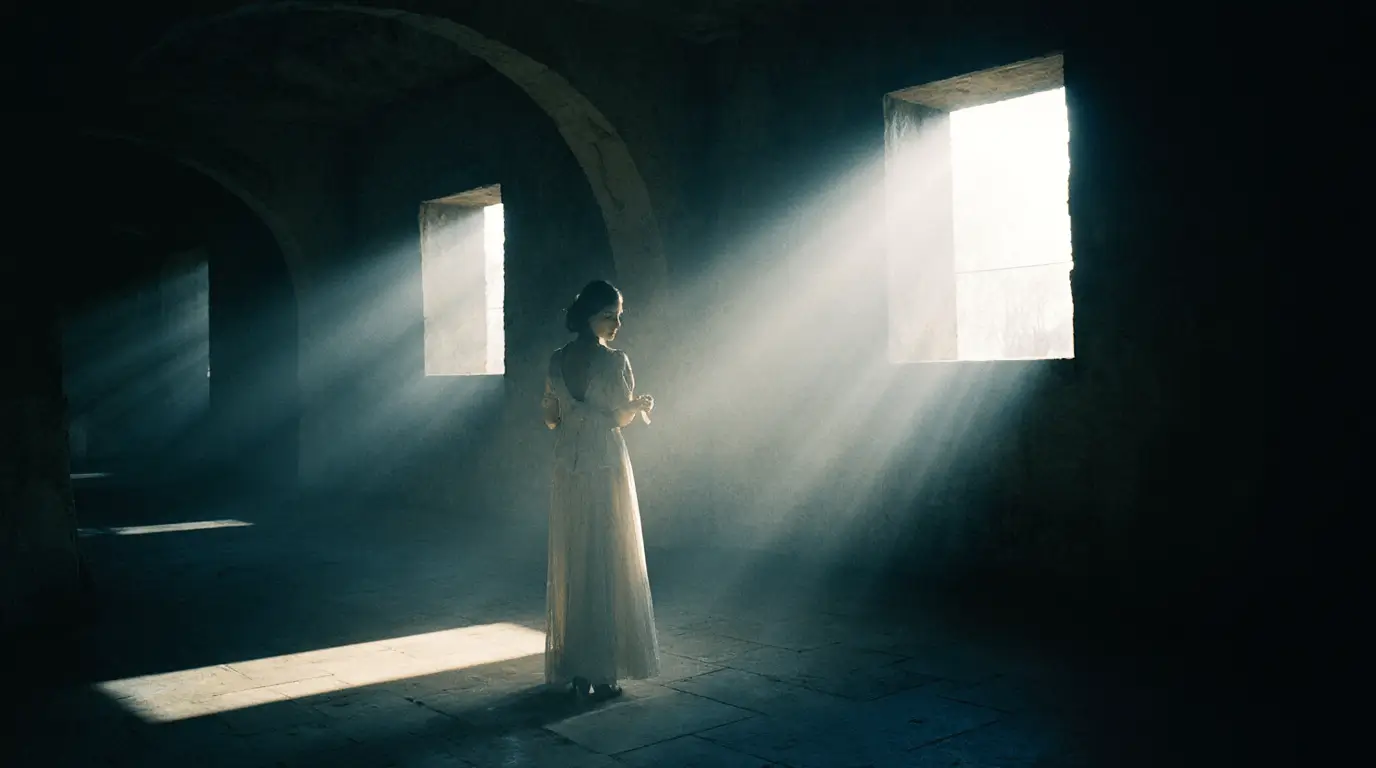
Lighting relied on natural sunlight and fire sources. Open courtyards, windows, and torches created dynamic light and shadow effects.
Ancient Interior Design and Spatial Planning
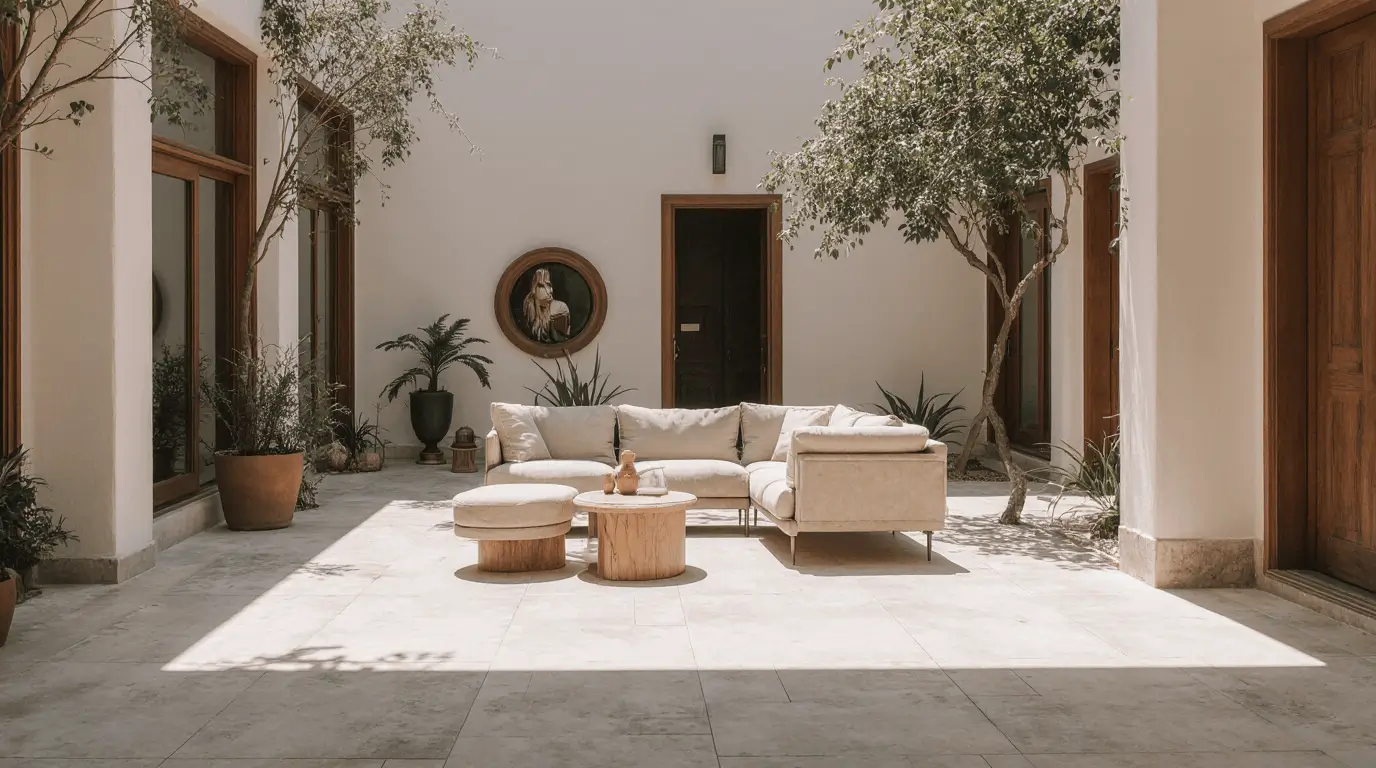
Spaces were designed for purpose—socializing, resting, or rituals. Layouts were intentional, often centered around courtyards or communal areas.
Ancient Interior Design and Cultural Identity
Each civilization expressed its beliefs through interiors. Egyptian spaces emphasized the afterlife, Greek spaces reflected philosophy, and Roman spaces showcased power.
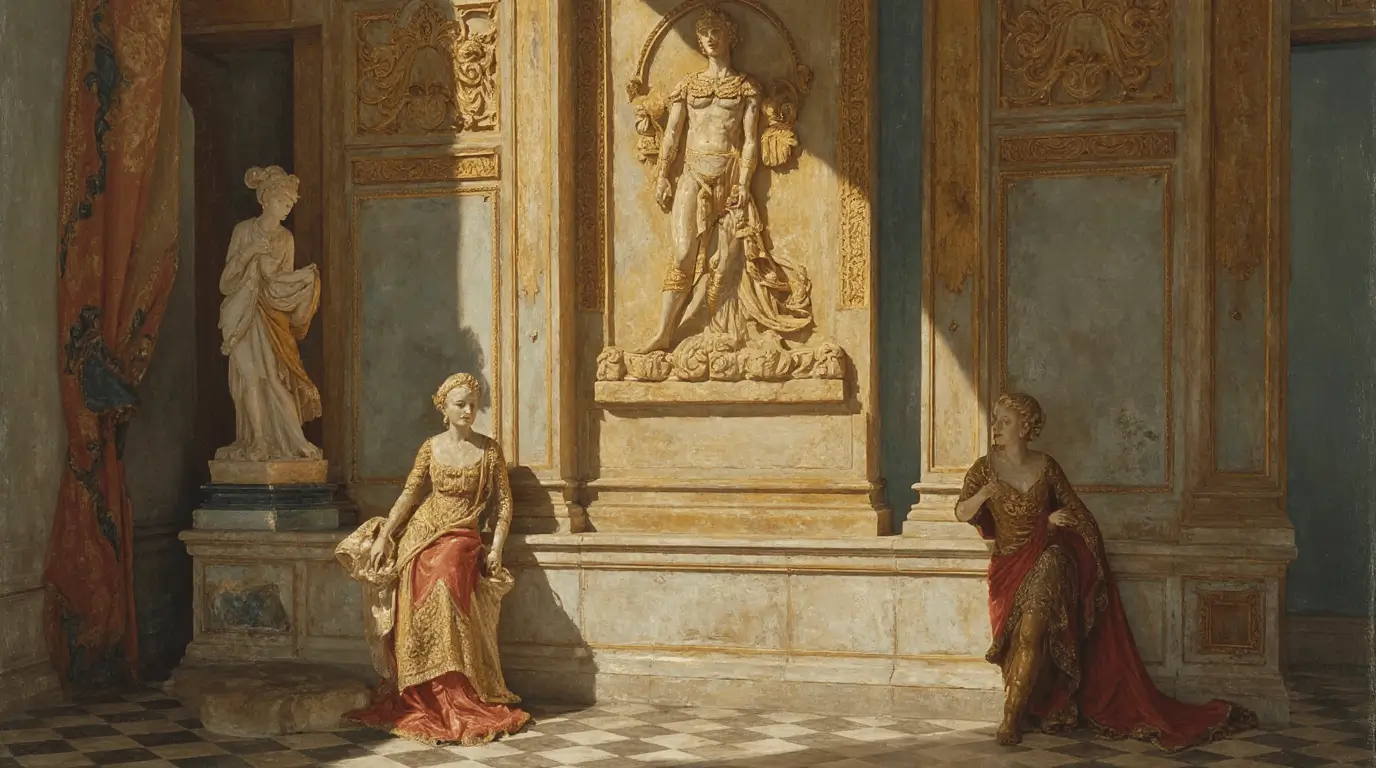
Ancient Interior Design and Textiles
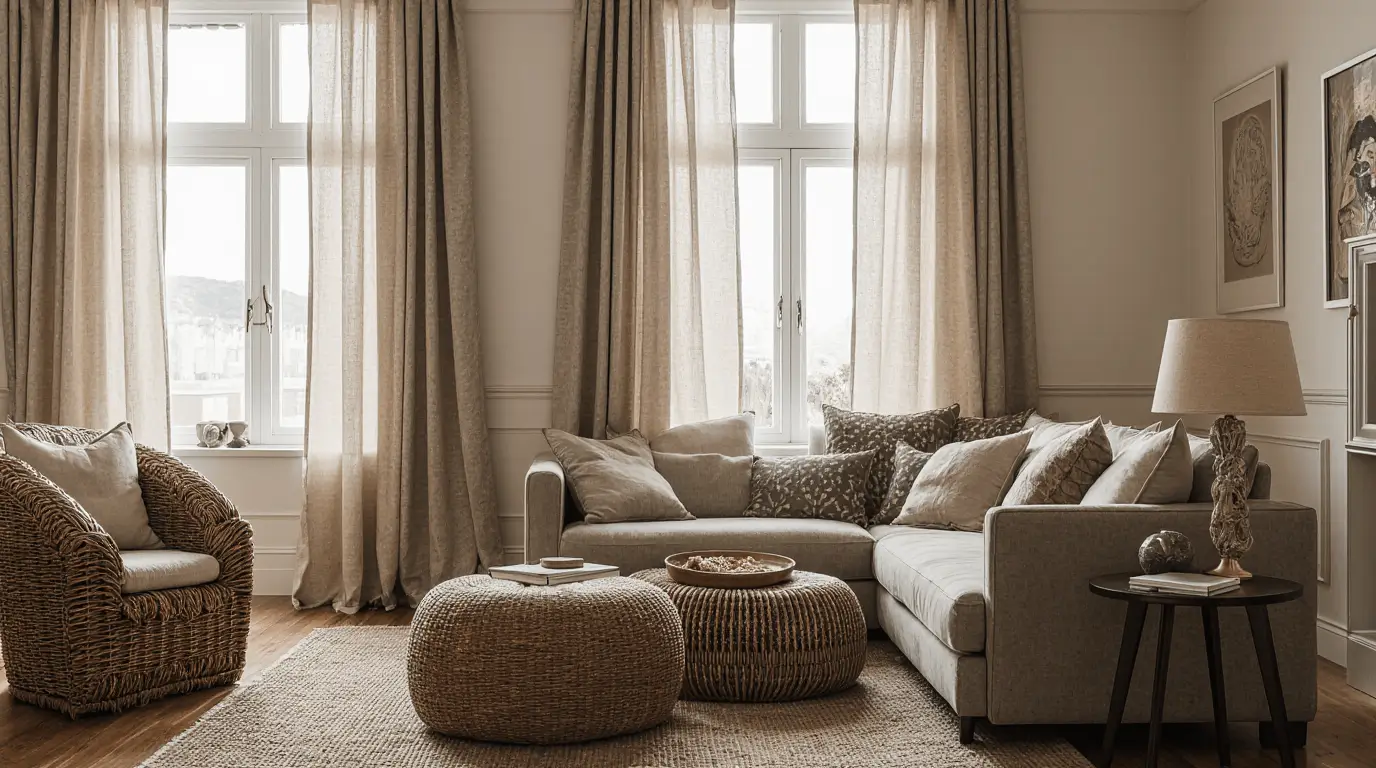
Textiles added warmth and softness to otherwise rigid materials. Linen, wool, and woven fabrics were used for curtains, cushions, and coverings.
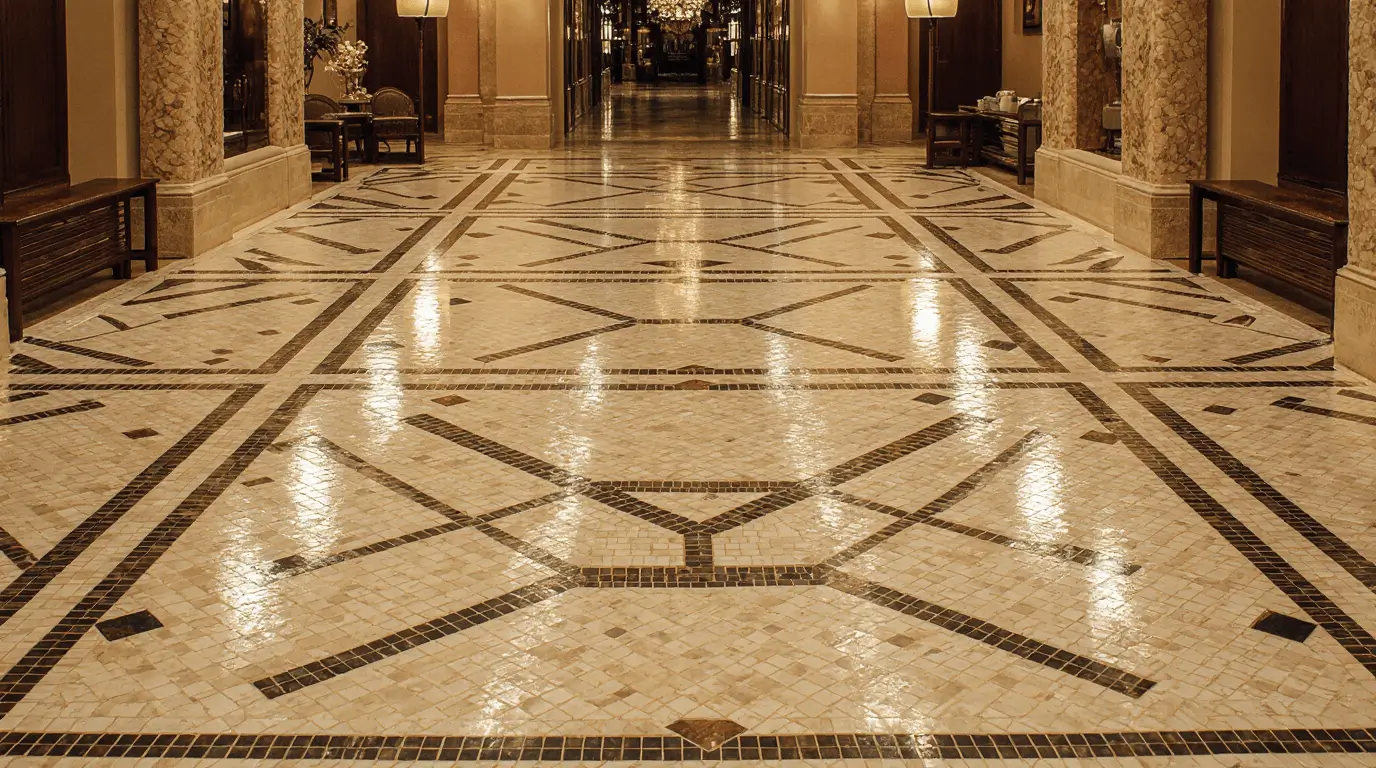
Ancient Interior Design and Flooring
Flooring ranged from simple packed earth to intricate mosaics. Roman interiors especially elevated flooring into a decorative art form.
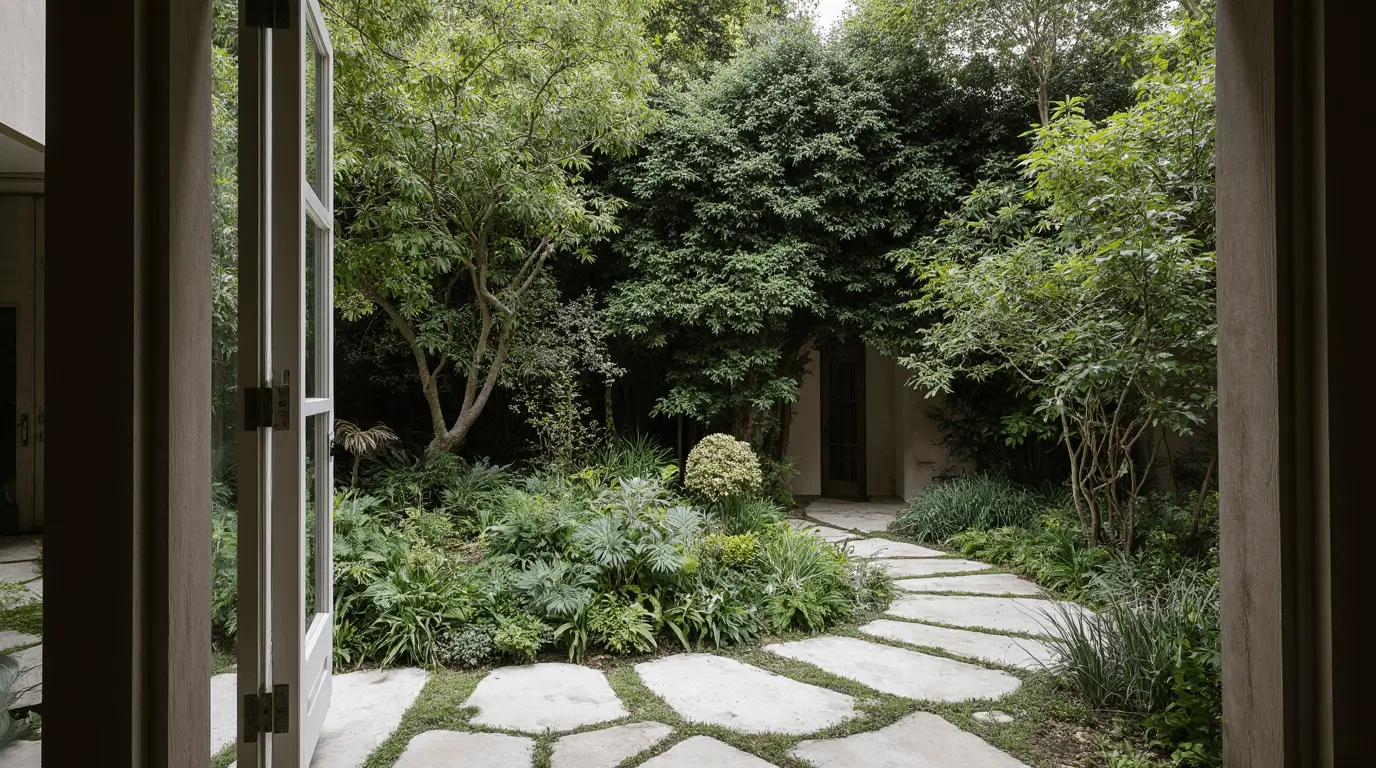
Ancient Interior Design and Outdoor Connection
Ancient homes often blurred the line between indoor and outdoor living. Courtyards, gardens, and open-air spaces were central to design.
Ancient Interior Design in Modern Adaptation
Modern interiors often reinterpret ancient principles—clean lines from Greece, luxury from Rome, and symbolism from Egypt—into contemporary spaces.
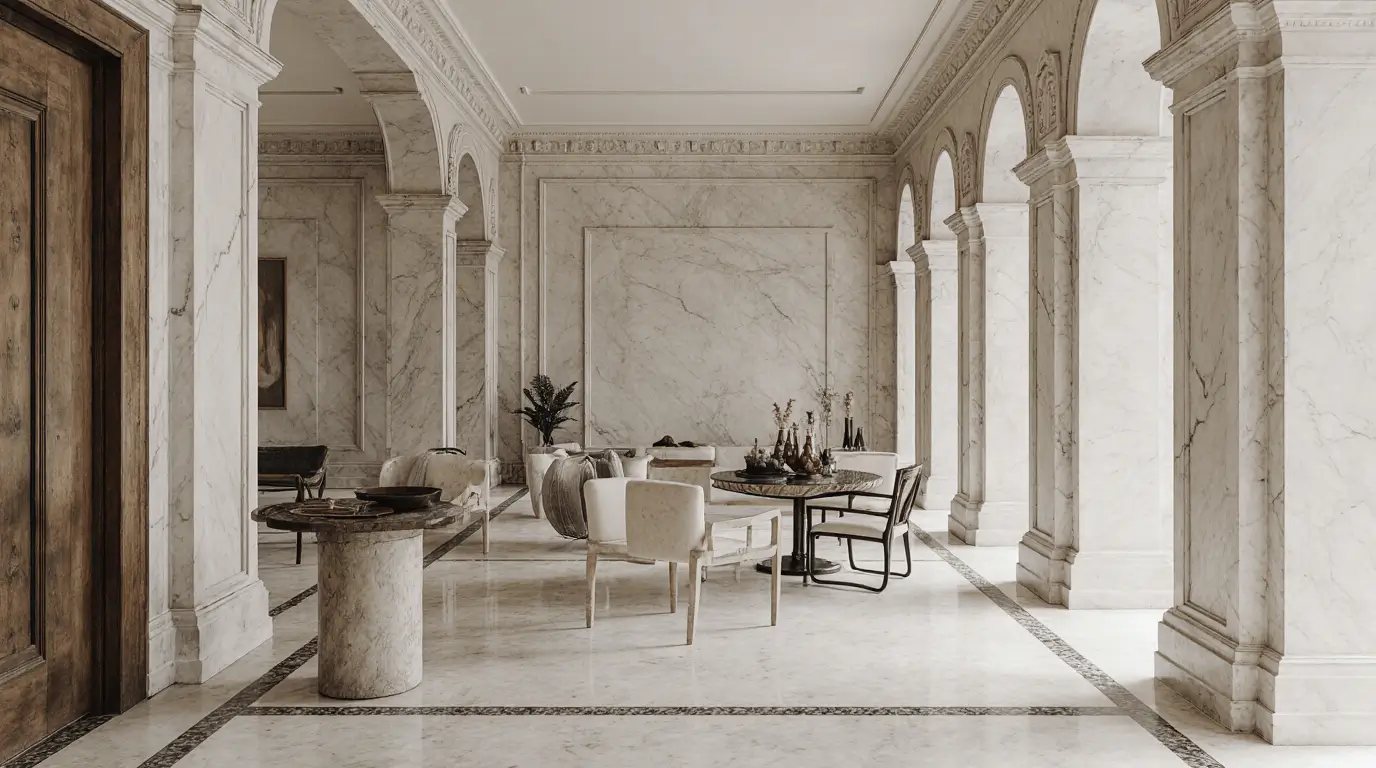
Ancient Interior Design and Furniture Placement
Furniture was arranged for conversation and utility, often around central features like fire pits or open spaces, encouraging social interaction.
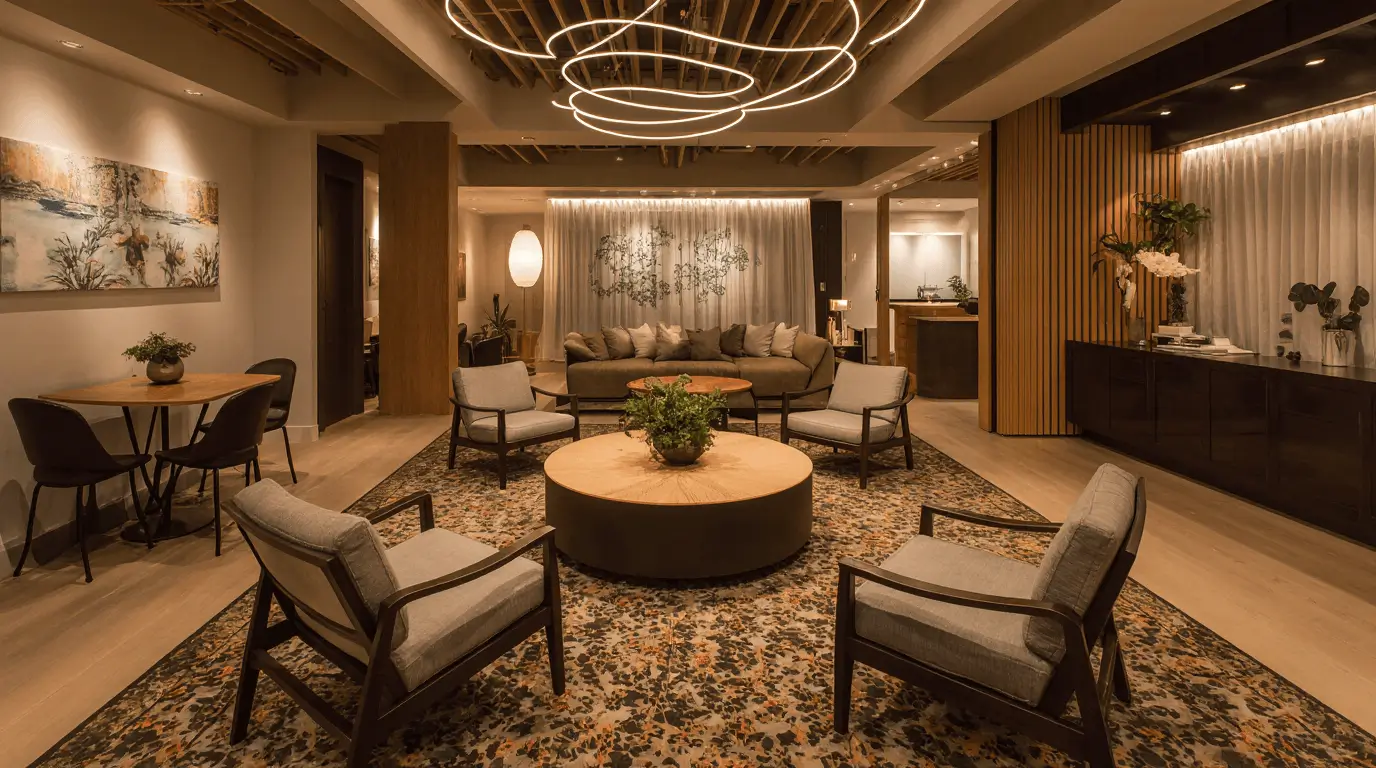
Ancient Interior Design and Minimalism
Despite decorative elements, many ancient interiors—especially Greek—embraced simplicity and intentional design, avoiding unnecessary clutter.
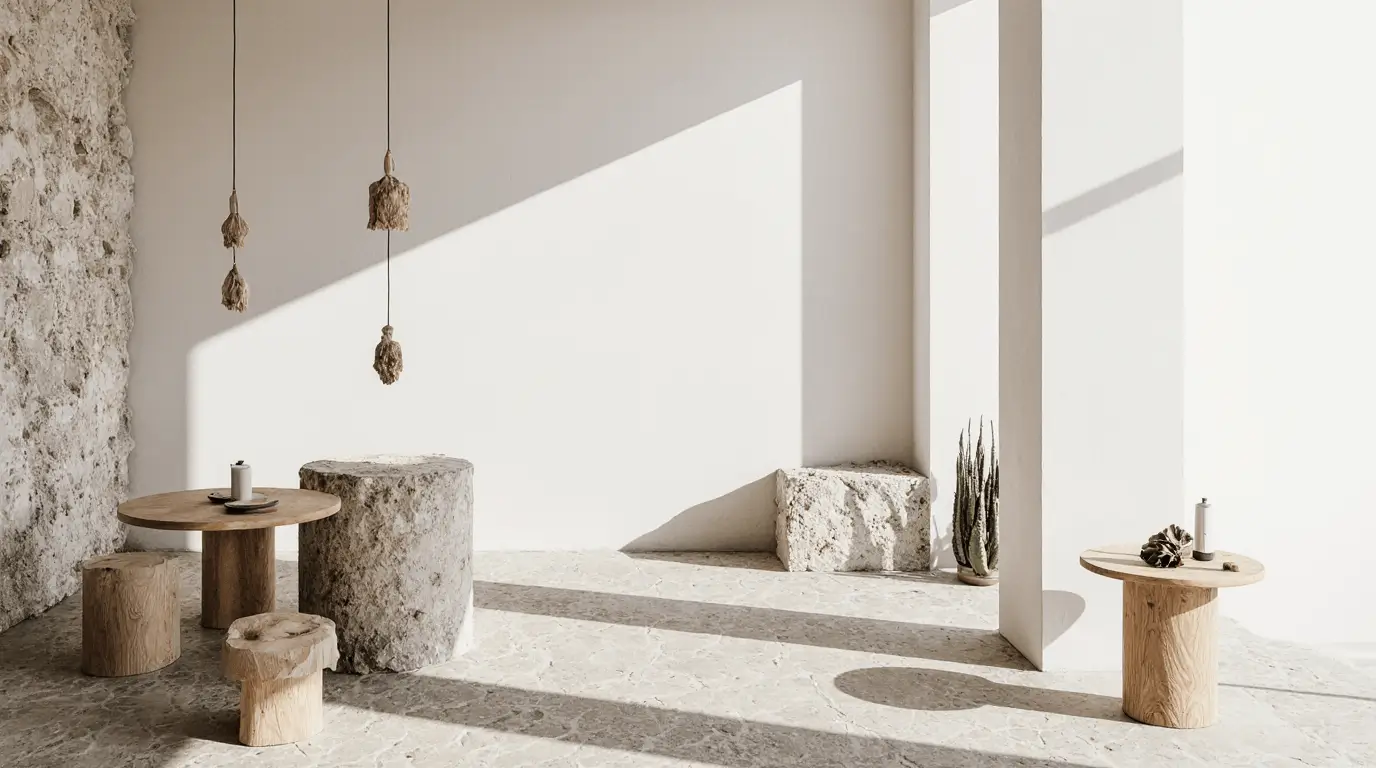
Conclusion
Ancient interior design endures because it was never just about decoration—it was about intention. Every material, layout, and visual element served a purpose, whether practical, cultural, or symbolic. When you look closely at Egyptian symmetry, Greek restraint, or Roman richness, you start to see a shared principle: spaces were designed to support life, not just impress.
What makes ancient interior design especially relevant today is its balance between beauty and function. In real homes—whether compact apartments or larger spaces—these principles translate into smarter layouts, meaningful décor, and materials that age well over time. You don’t need to recreate a historical setting to benefit from it. Even small choices—like simplifying furniture, using natural textures, or creating visual balance—can bring that timeless clarity into a modern environment.
In practice, this approach works best for people who value calm, grounded spaces that feel intentional rather than over-styled. It helps reduce visual noise, improves how a space functions daily, and creates an atmosphere that feels both refined and livable. If you move forward with one idea, let it be this: design with purpose. When every element has a reason to exist, the entire space begins to feel more cohesive, comfortable, and quietly powerful.
Learn more : Interior Design Kitchen Singapore: Modern Space Ideas
FAQs
- What defines ancient interior design compared to modern styles?
Ancient interior design is rooted in purpose, symmetry, and cultural meaning. Unlike many modern trends that prioritize visual appeal alone, ancient spaces were designed around function, storytelling, and long-term use, which gives them a more grounded and timeless quality. - Can I incorporate ancient interior design into a small modern home?
Yes, and it often works surprisingly well. Focus on key principles—like balanced layouts, minimal clutter, and natural materials—rather than trying to replicate historical details. Even small adjustments can make a compact space feel more structured and intentional. - Which ancient style is easiest to adapt today—Egyptian, Greek, or Roman?
Greek-inspired interiors are typically the easiest to integrate because of their simplicity, neutral tones, and clean lines. Roman elements can add richness, while Egyptian details work best as accents rather than full-room themes. - What materials should I use to achieve an authentic ancient feel?
Stick to natural, tactile materials like stone, wood, clay, and linen. These not only reflect historical accuracy but also create a warm, durable environment that feels more connected to nature. - How do I avoid making the space look too “themed” or outdated?
The key is restraint. Instead of copying historical interiors directly, blend ancient principles with modern simplicity. Use subtle references—like textures, forms, or symmetry—rather than obvious decorative motifs. - Is ancient interior design suitable for everyday living?
Absolutely. In fact, it was originally designed for daily life. Its focus on function, comfort, and durability makes it highly practical, especially for people who want spaces that are both beautiful and easy to live in. - What is the biggest mistake people make when trying this style?
Over-decorating. Ancient interiors were intentional, not crowded. Adding too many dramatic elements can overwhelm the space. It’s better to choose fewer, meaningful pieces and let the design breathe.