
Introduction
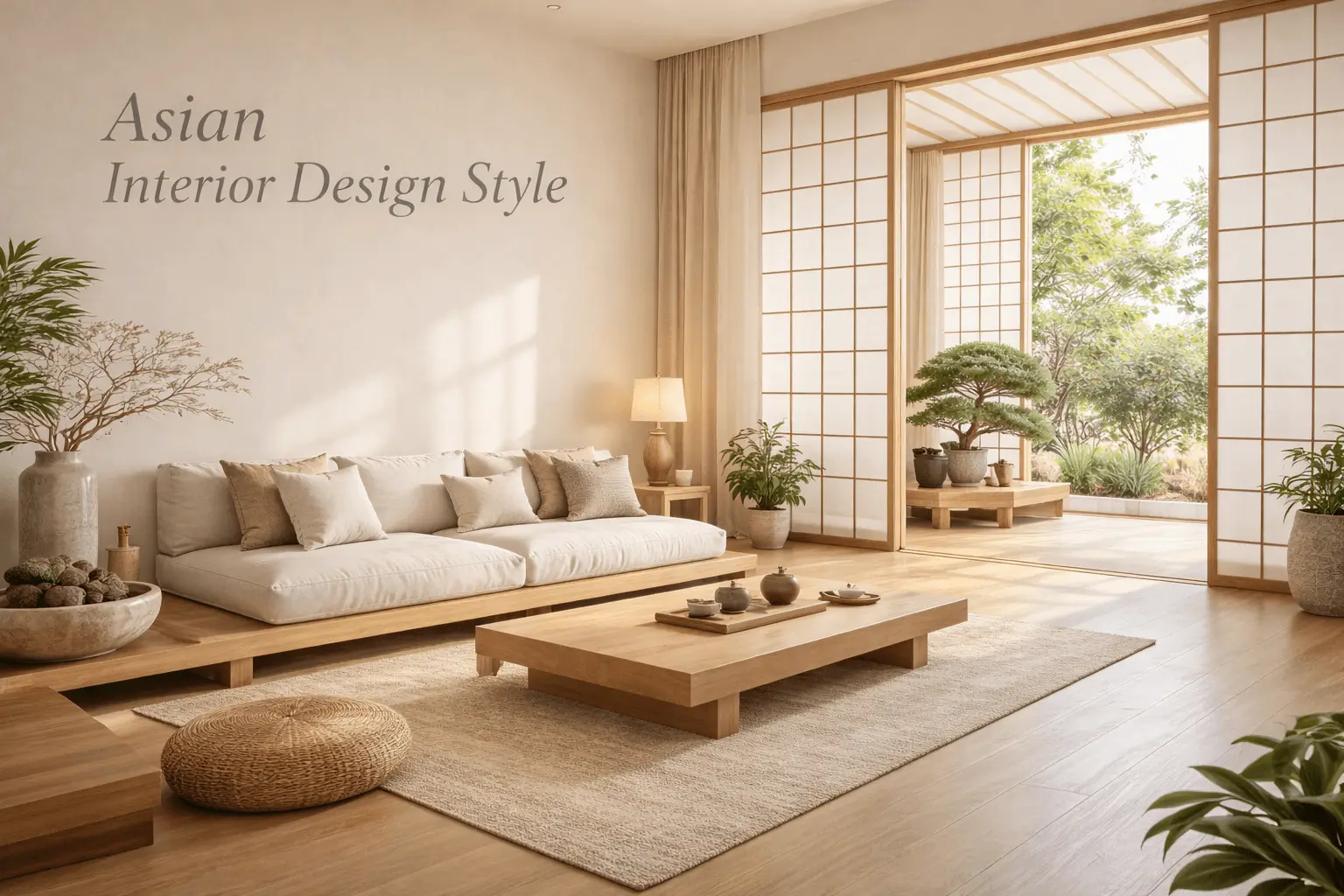
Asian interior design style is rooted in balance, harmony, craftsmanship, and a deep respect for nature. Rather than focusing on ornament alone, it prioritizes spatial flow, intentional simplicity, and materials that age beautifully over time. From traditional Eastern homes to modern urban spaces, this design philosophy creates interiors that feel calm, grounded, and meaningful.
In my experience working with globally inspired interiors, Asian design works best when it’s treated as a philosophy rather than a trend. It’s about restraint, proportion, light, and connection to the outdoors. Whether you’re designing a serene bedroom, a contemporary living room, or planning a full home concept, this guide will help you understand how to apply the principles properly.
Asian Interior Design Style Foundations
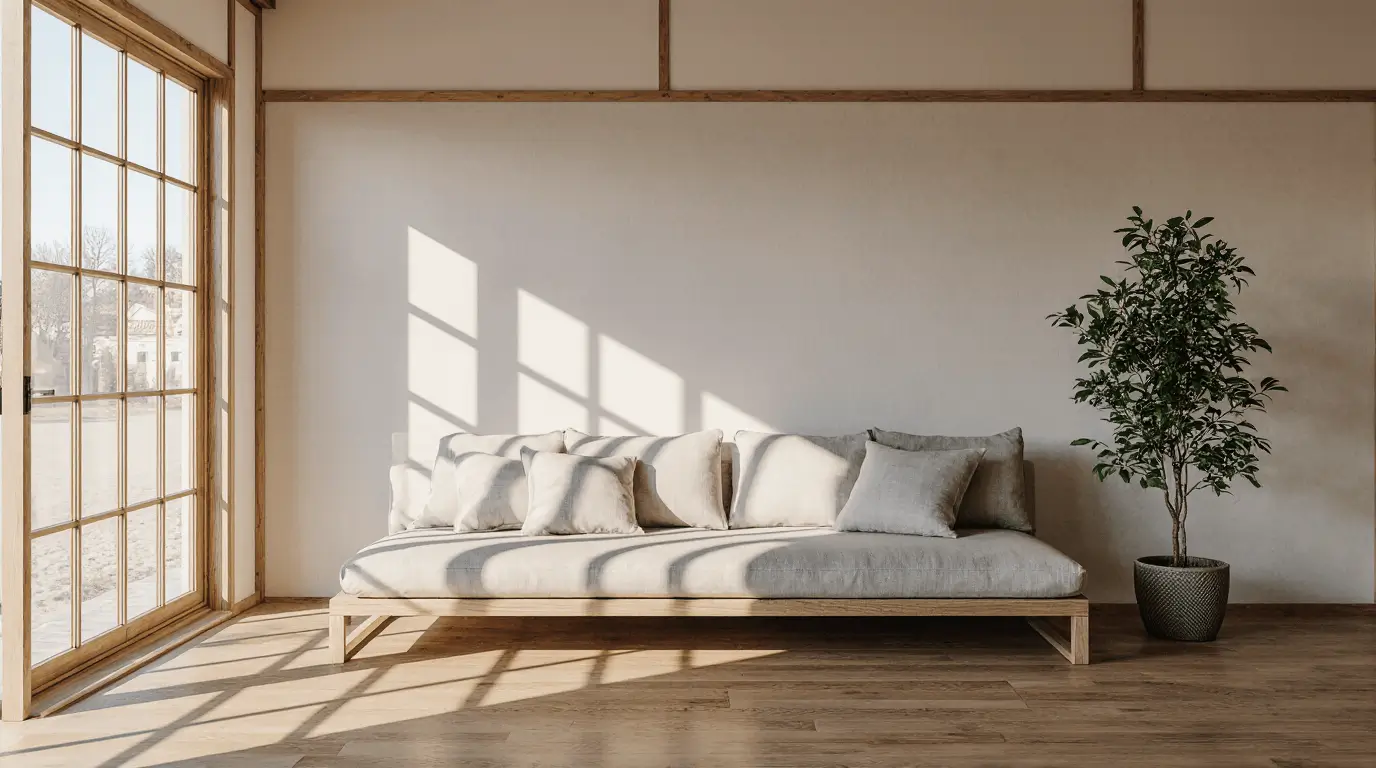
Asian interior design style is built on harmony, balance, and spatial clarity. Clean lines, low furniture, and negative space allow rooms to breathe. Every element serves a purpose.
The goal isn’t minimalism alone — it’s intentional living supported by thoughtful design.
Traditional Asian Interior Design Style Elements
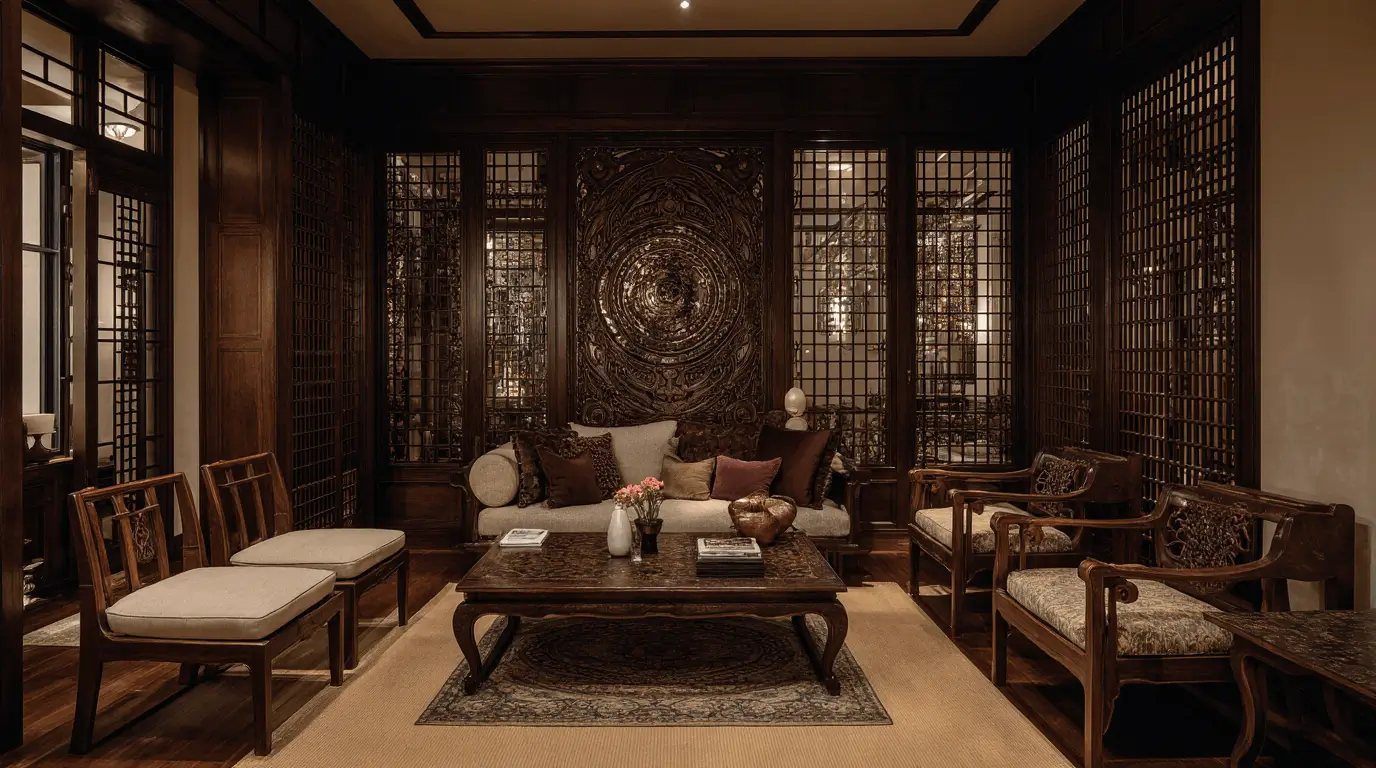
Traditional Asian interior design reflects heritage craftsmanship, symmetry, and symbolic décor. Carved wood panels, lattice screens, and handcrafted furniture create depth and cultural identity.
Rich woods and silk textiles add warmth without overwhelming the space.
Modern Asian Interior Design Style Approach
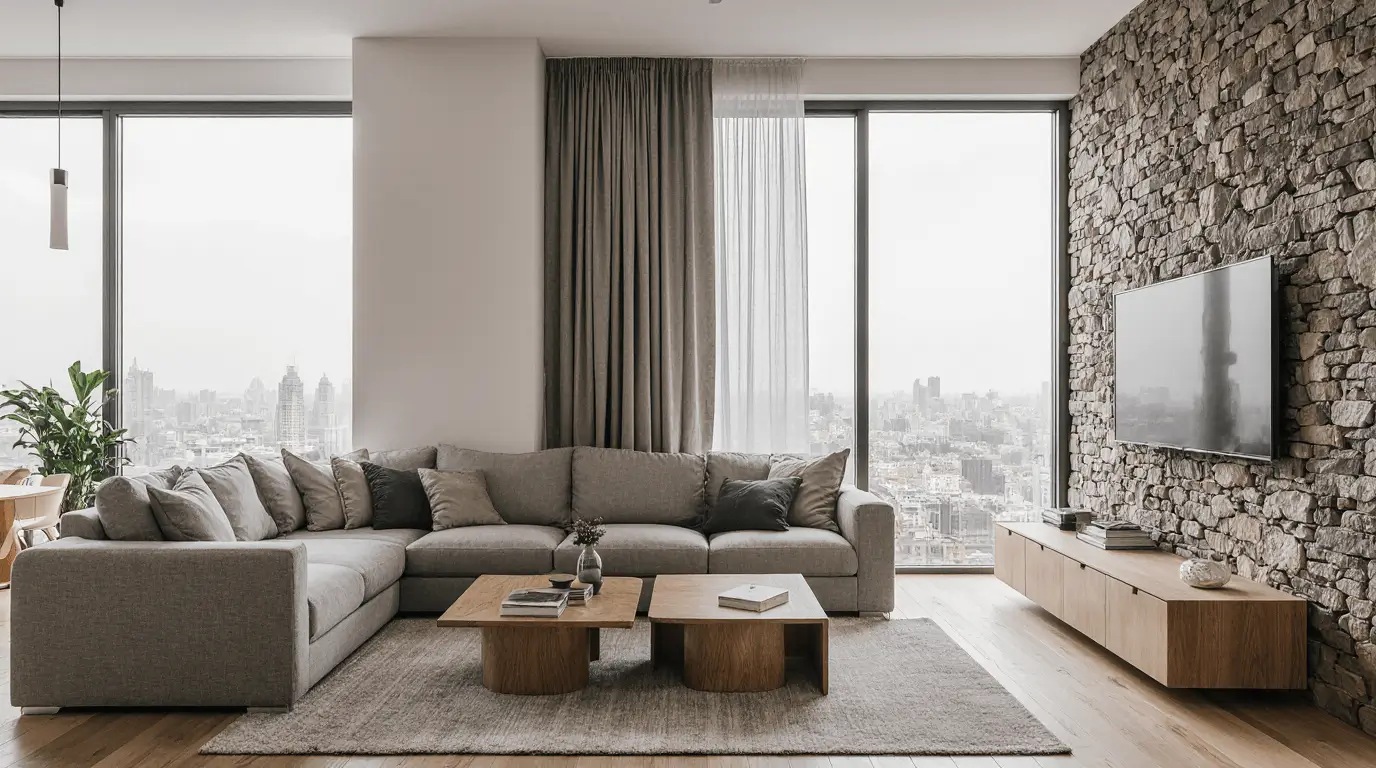
Modern Asian interior design blends simplicity with contemporary materials. Concrete, glass, and steel are softened by natural wood and neutral textiles.
It’s ideal for urban homes seeking serenity without losing modern sophistication.
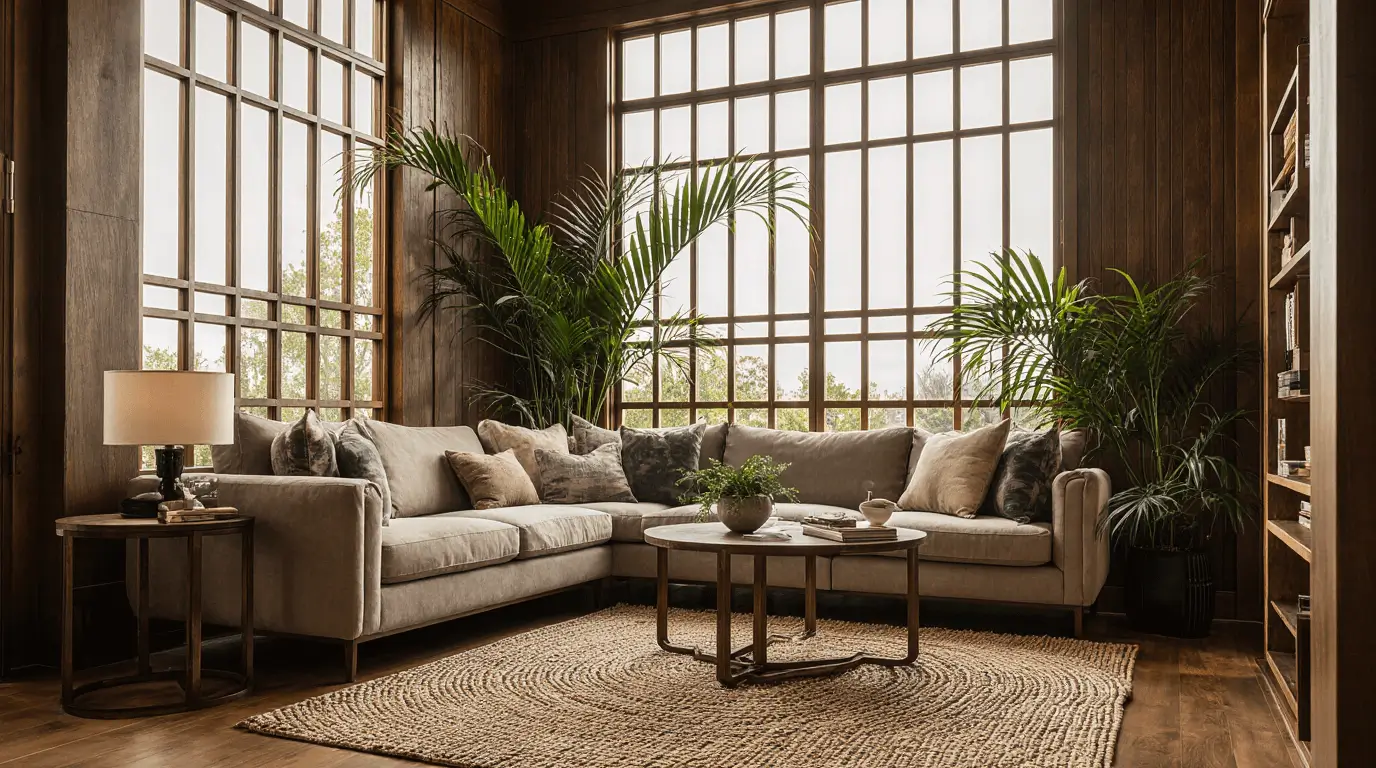
Asian Interior Design Style Living Room Concepts
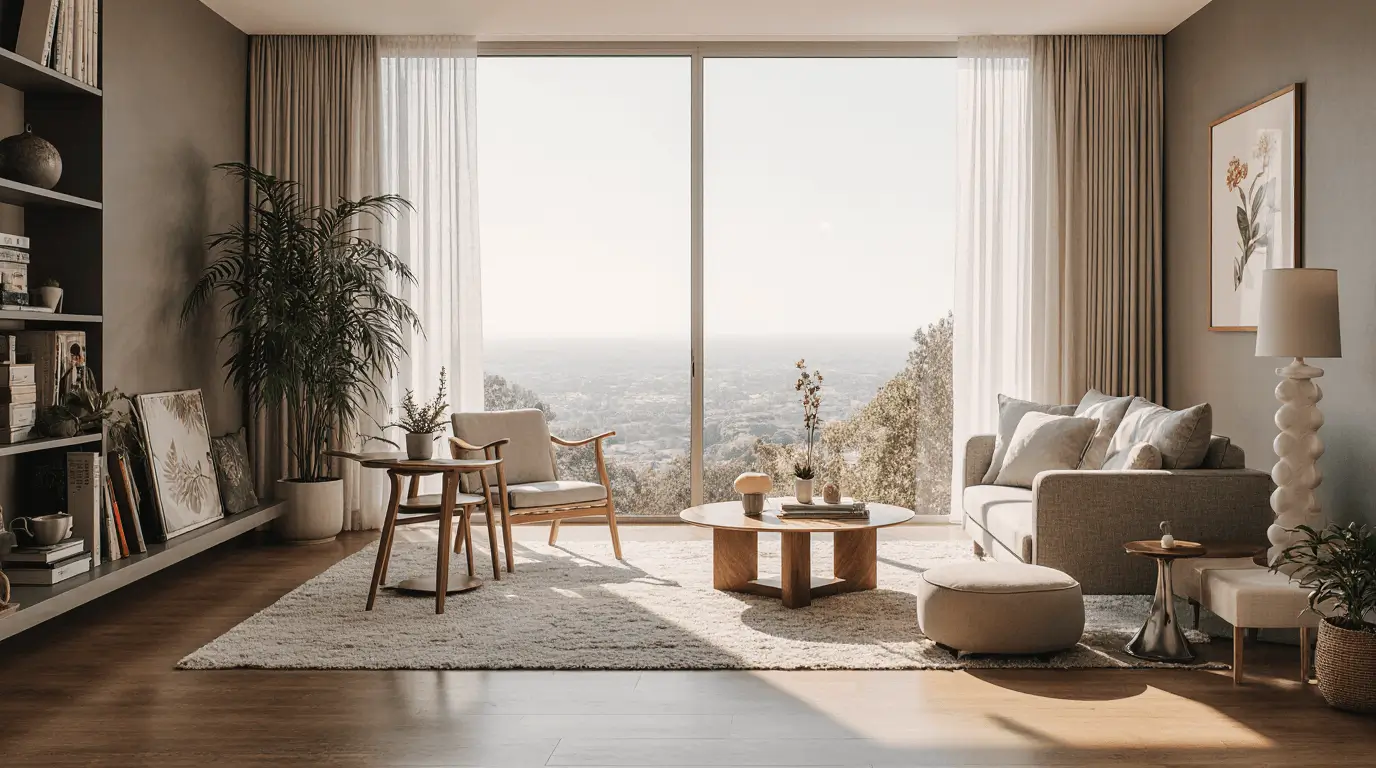
The living room in Asian design prioritizes low seating, symmetry, and fluid circulation. Furniture placement encourages conversation while maintaining openness.
Layered textures add warmth without visual chaos.
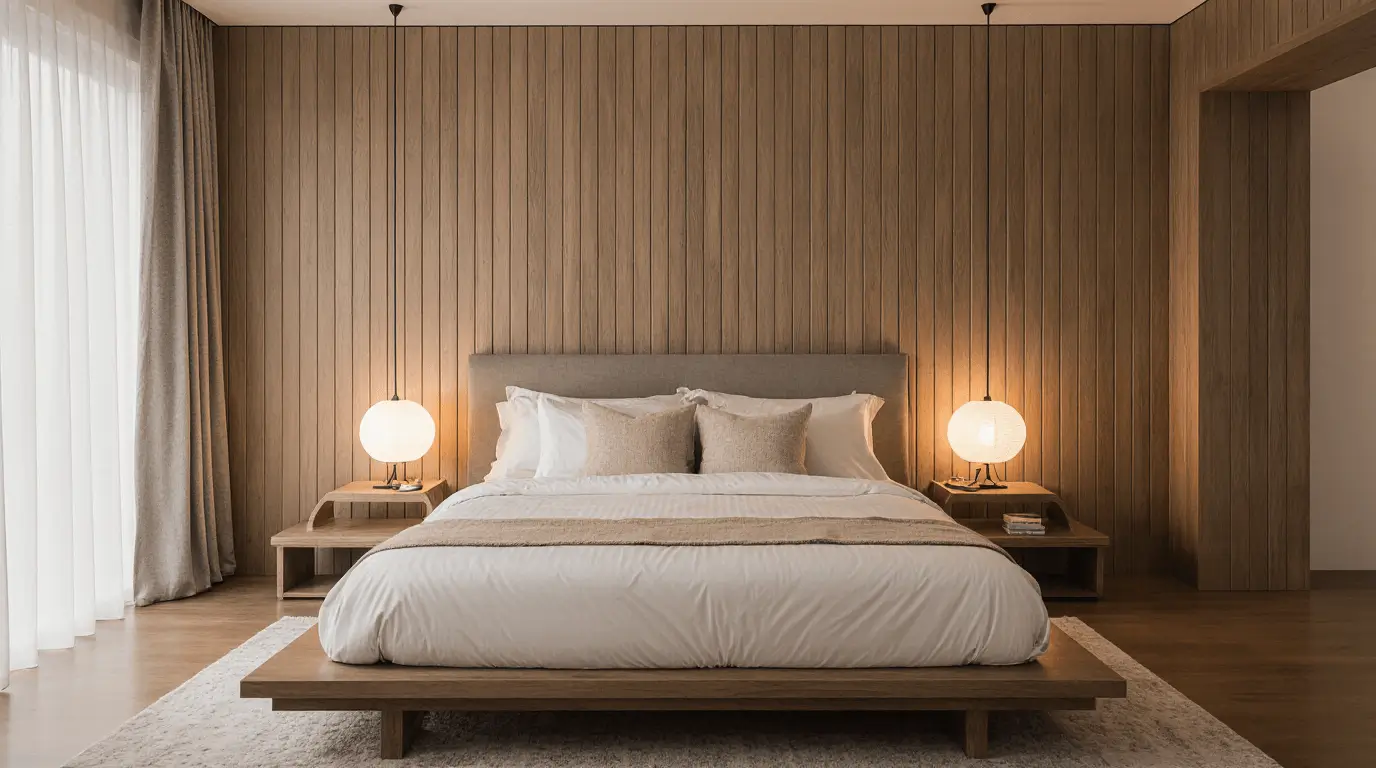
Asian Interior Design Style Bedroom Serenity
Bedrooms emphasize tranquility and simplicity. Platform beds, neutral bedding, and soft lighting support rest and mindfulness.
Avoid clutter; instead, focus on material quality and balance.
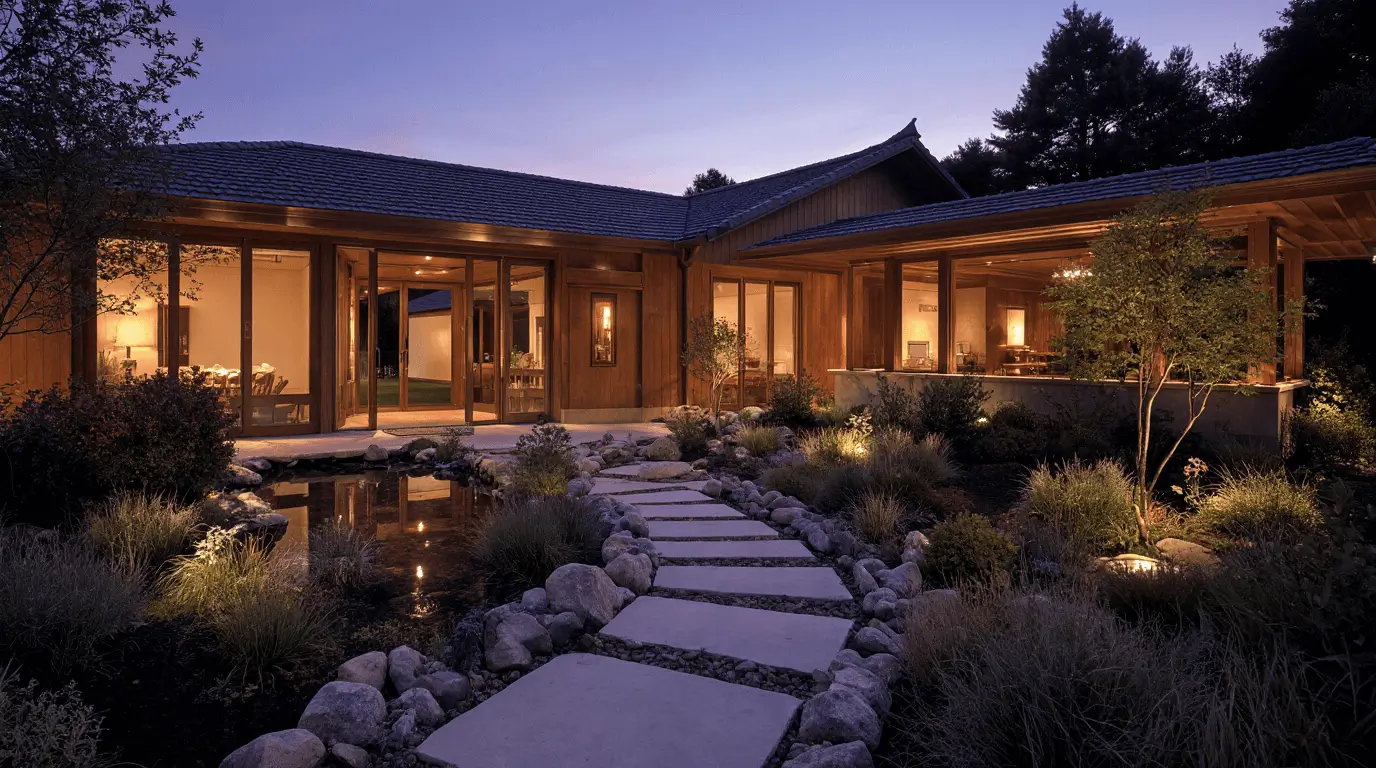
Asian Interior Design Style Exterior Harmony
Exterior design reflects the same principles: connection to nature, horizontal lines, and integrated landscaping.
Covered walkways, natural stone, and wooden facades blend architecture with surroundings.
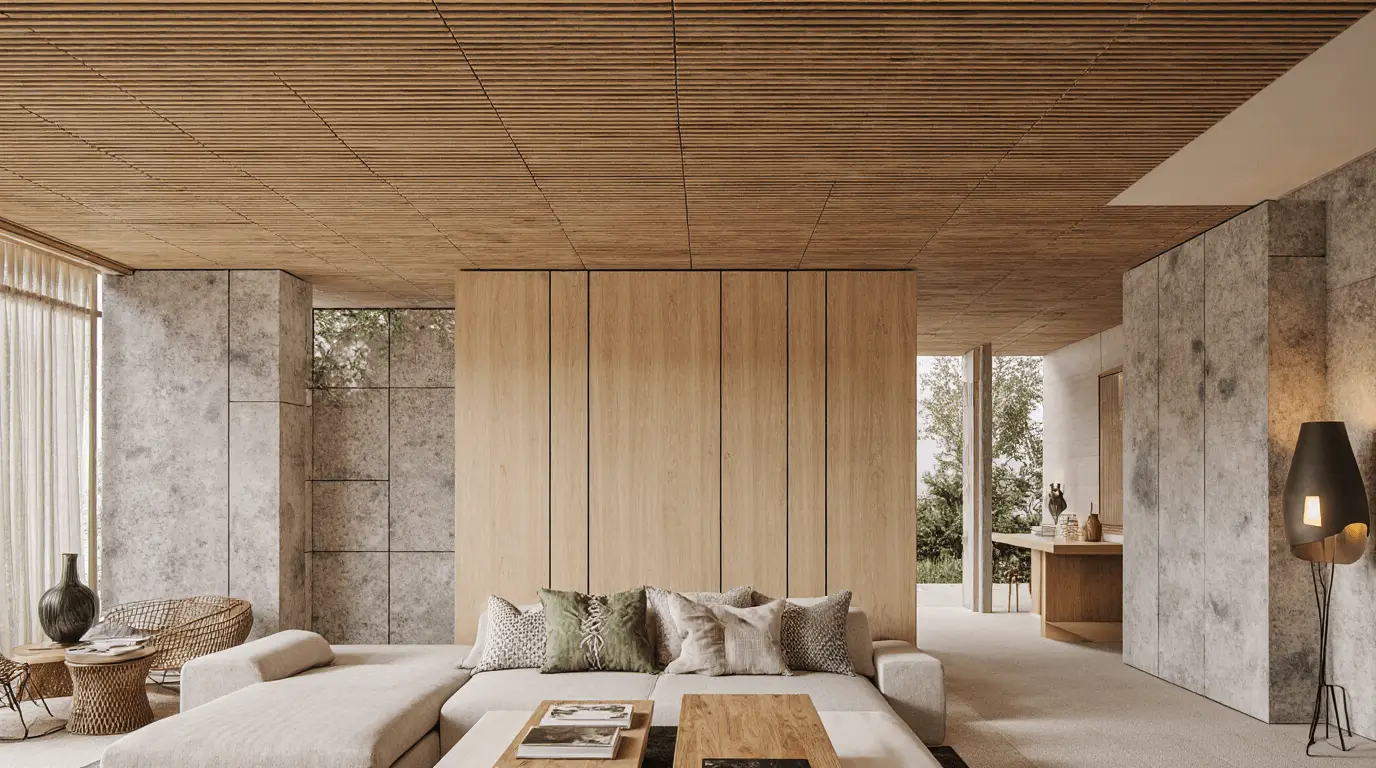
Asian Interior Design Style Materials & Textures
Natural materials define the aesthetic: bamboo, teak, stone, silk, and paper. These materials introduce authenticity and tactile richness.
Layering soft and hard surfaces creates subtle contrast.
Asian Interior Design Style Color Palette
Earth tones dominate — beige, sand, warm brown, charcoal, muted greens. The palette supports relaxation and visual balance.
Accent colors appear subtly through art or textiles.
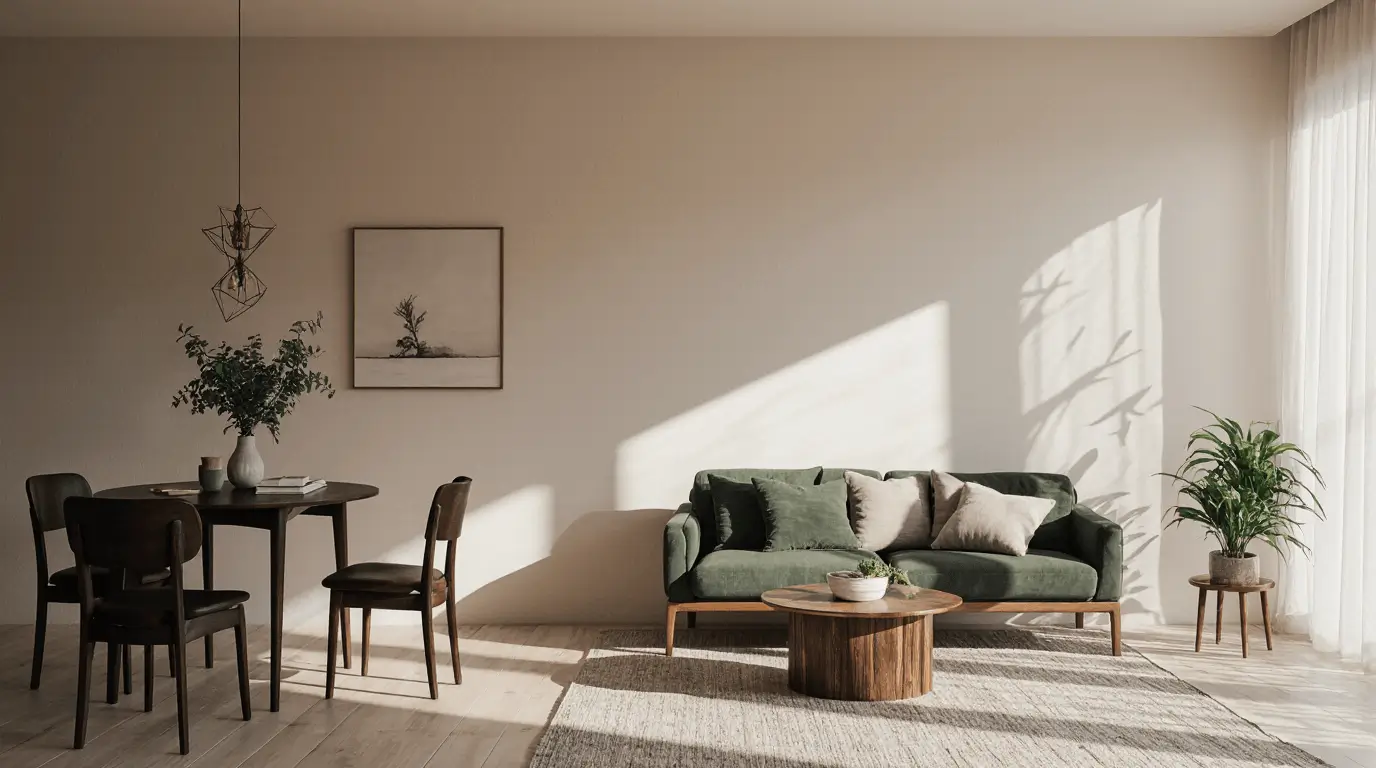
Asian Interior Design Style Furniture Principles
Furniture is typically low-profile, clean-lined, and proportionally balanced. Platform beds and low coffee tables create grounded energy.
Overly bulky pieces disrupt harmony.
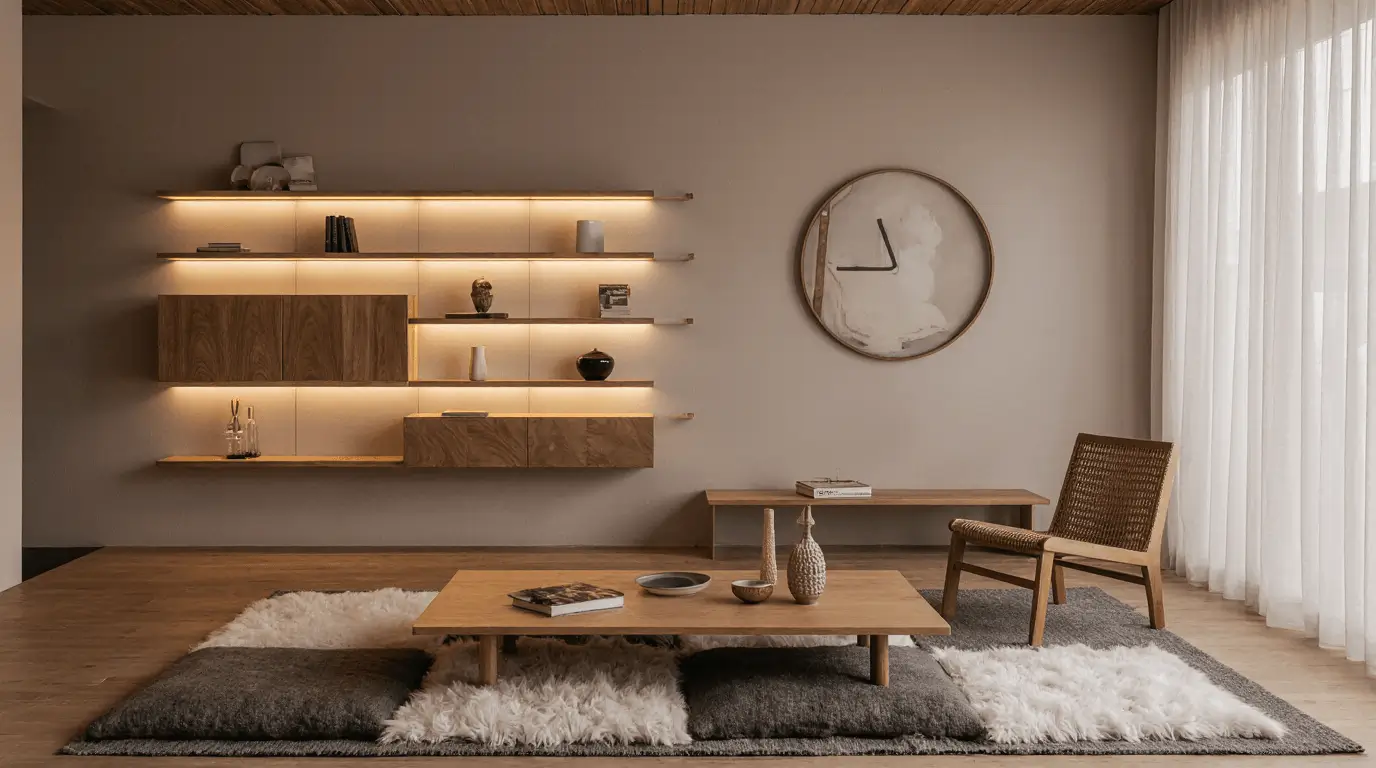
Asian Interior Design Style and Nature Integration
Nature is central to the philosophy. Indoor plants, courtyards, water features, and large windows reinforce connection to the outdoors.
This relationship enhances emotional well-being.
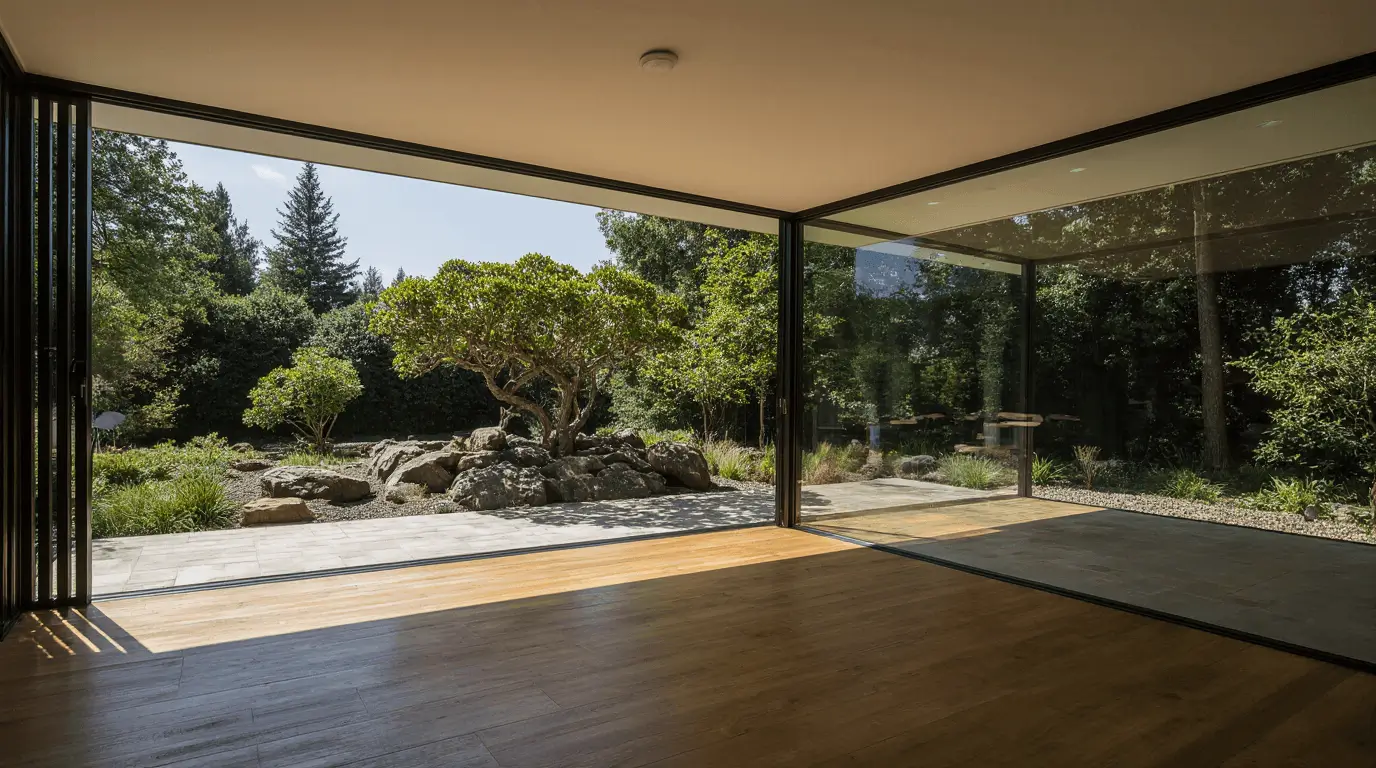
Contemporary Asian House Design Concepts
Contemporary Asian homes combine tradition with open floor plans and modern engineering.
They maintain warmth while embracing spatial efficiency.
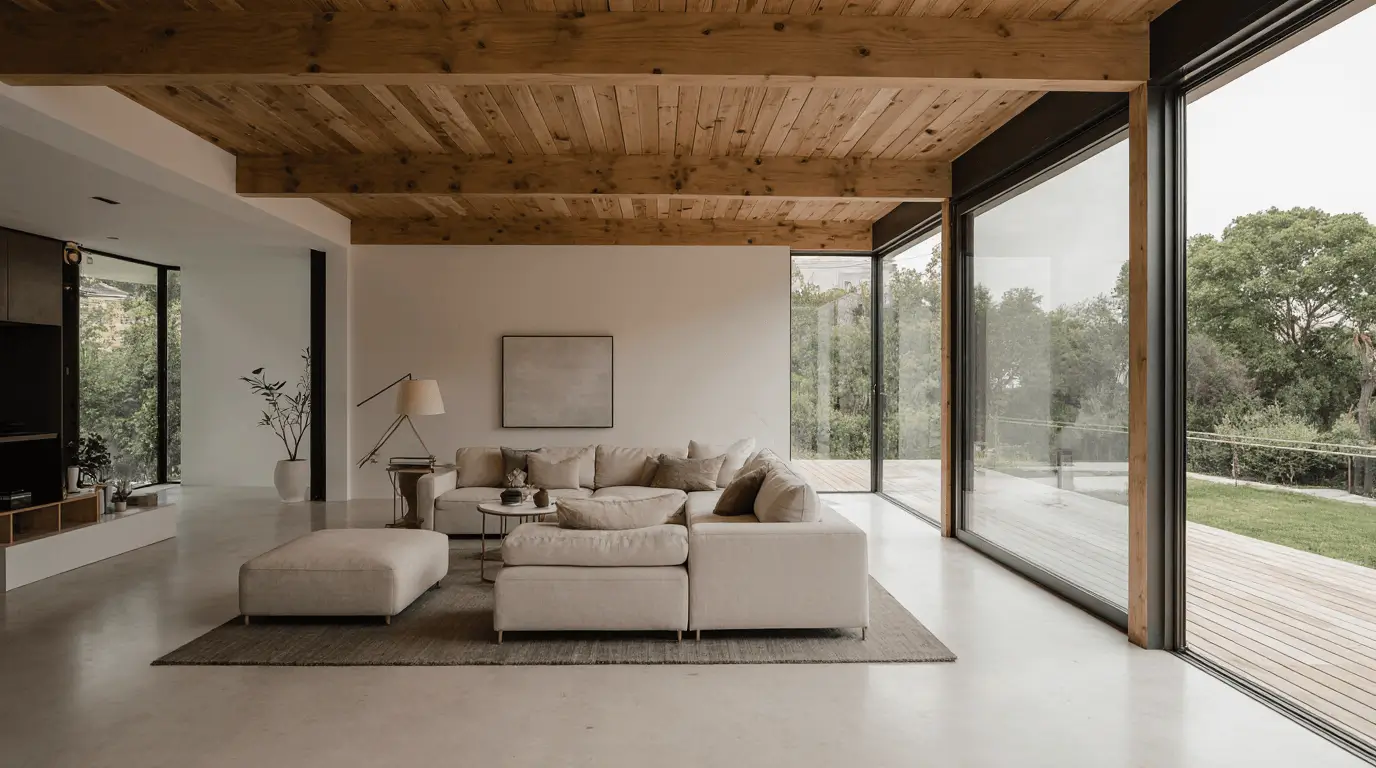
Traditional Asian House Design Inspiration
Traditional Asian houses emphasize courtyards, symmetry, and wood craftsmanship.
The structure itself becomes part of the interior experience.
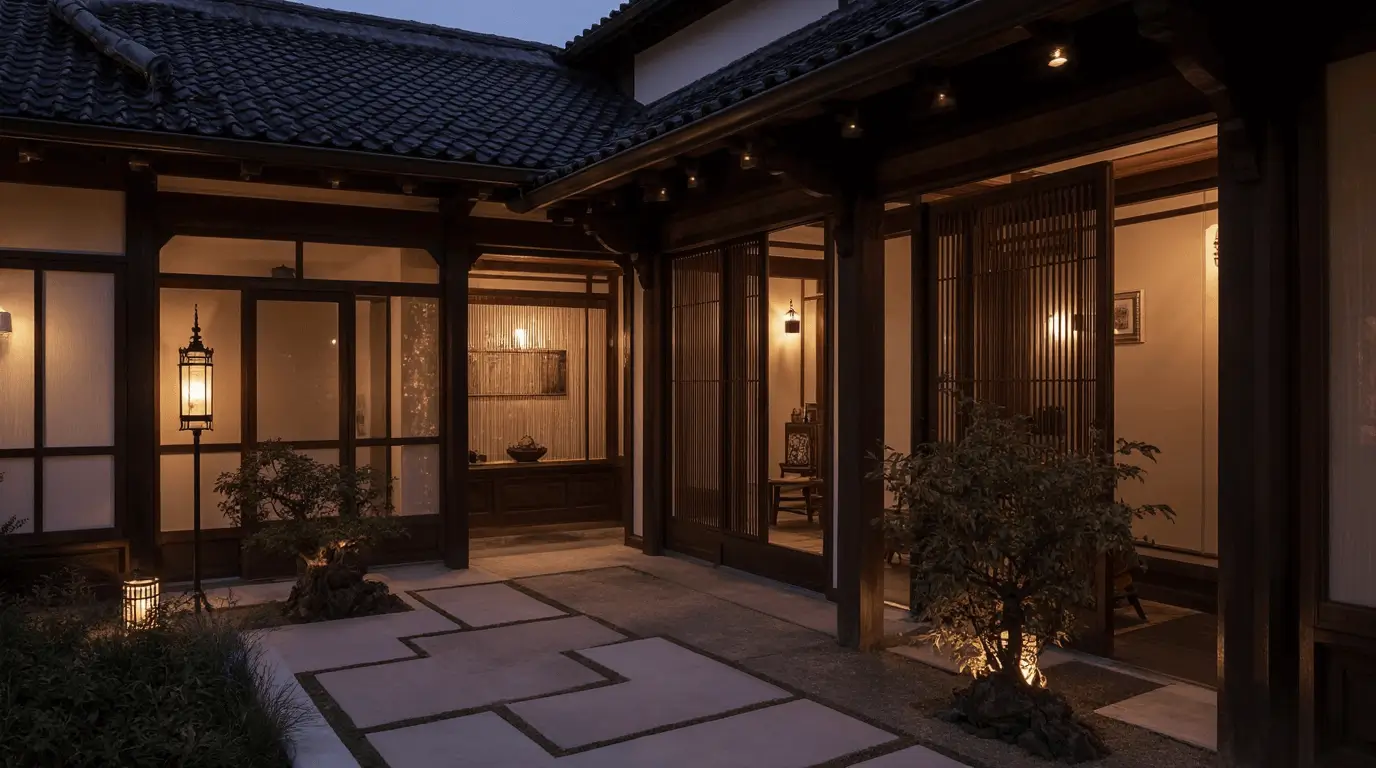
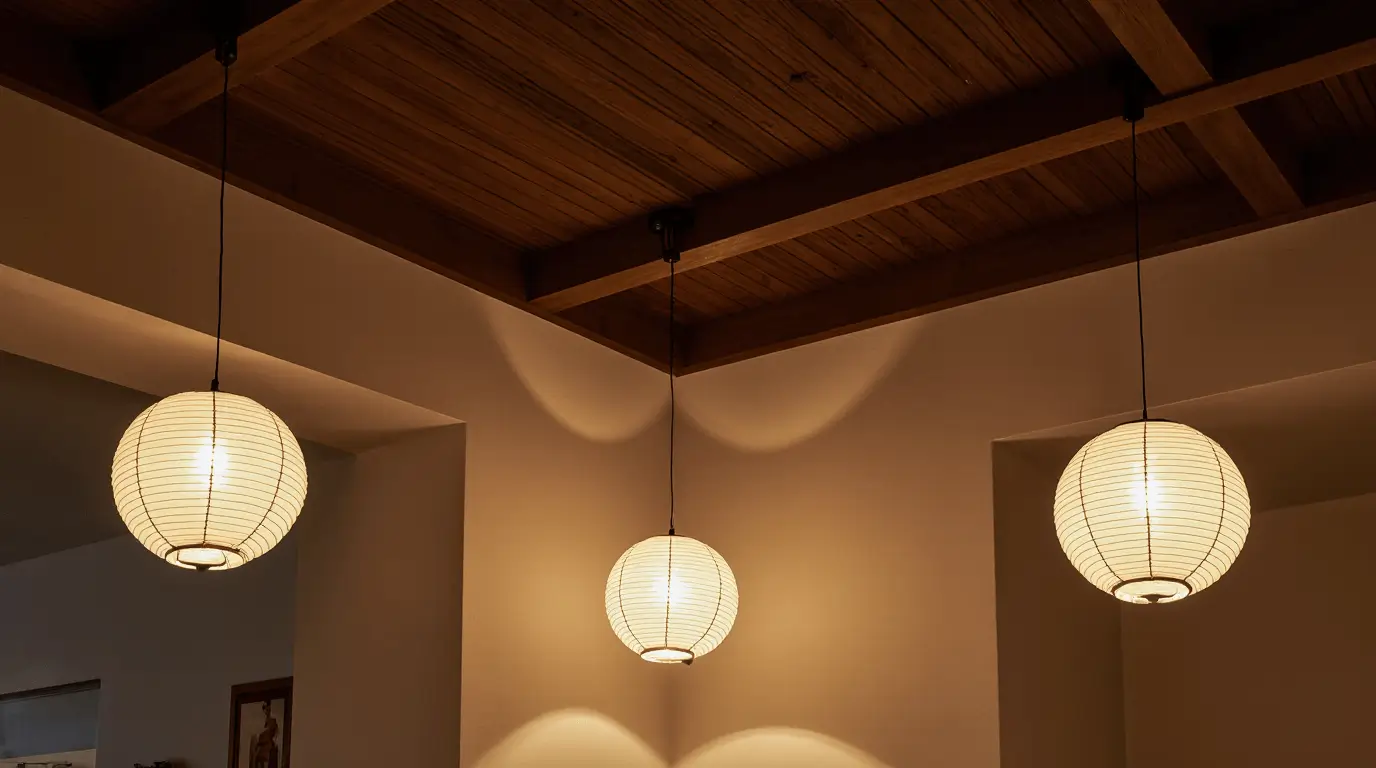
Asian Interior Design Style Lighting Philosophy
Lighting is layered and soft. Paper lanterns, concealed LEDs, and warm-toned fixtures create intimacy.
Avoid harsh overhead lighting that breaks serenity.
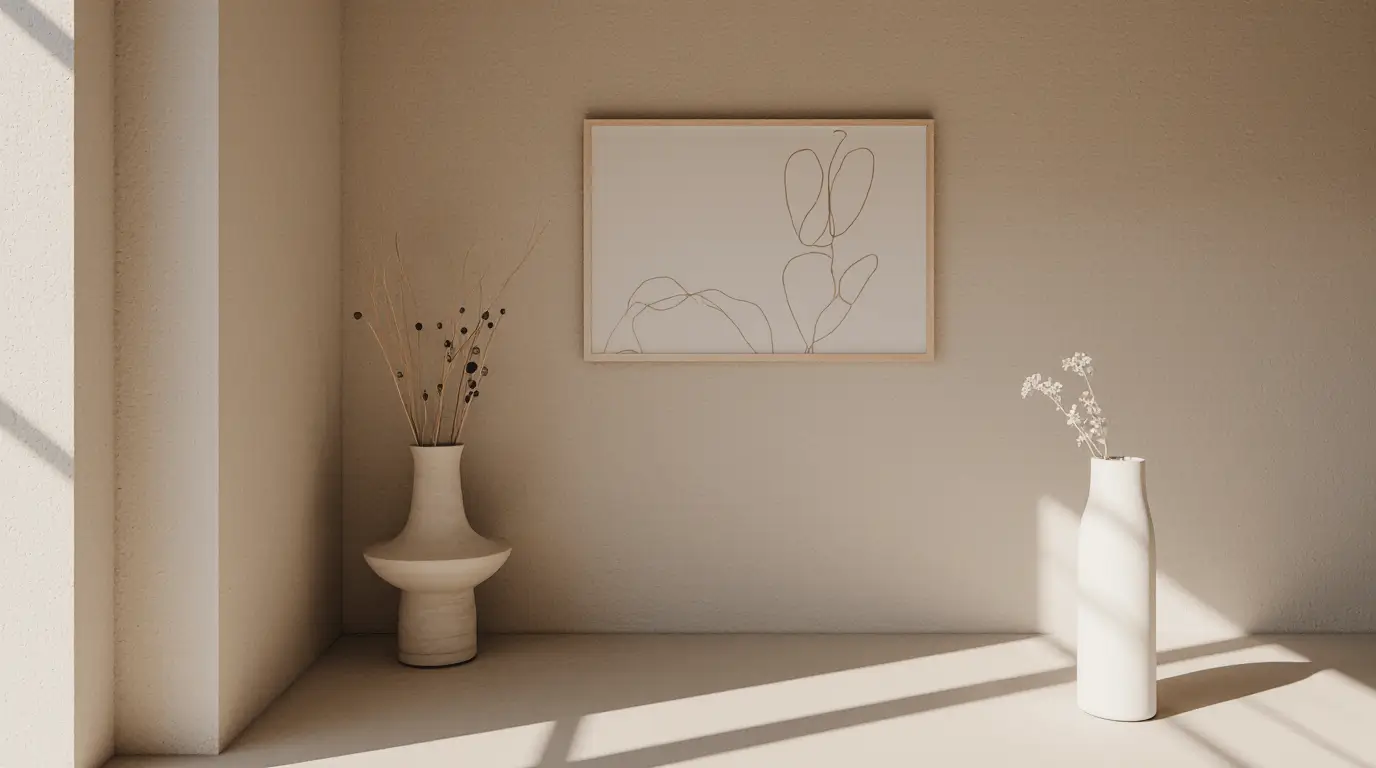
Asian Interior Design Style Minimalism vs Ornamentation
While minimalism dominates, subtle ornamentation adds character — calligraphy art, ceramic vases, or handcrafted screens.
The key is restraint.
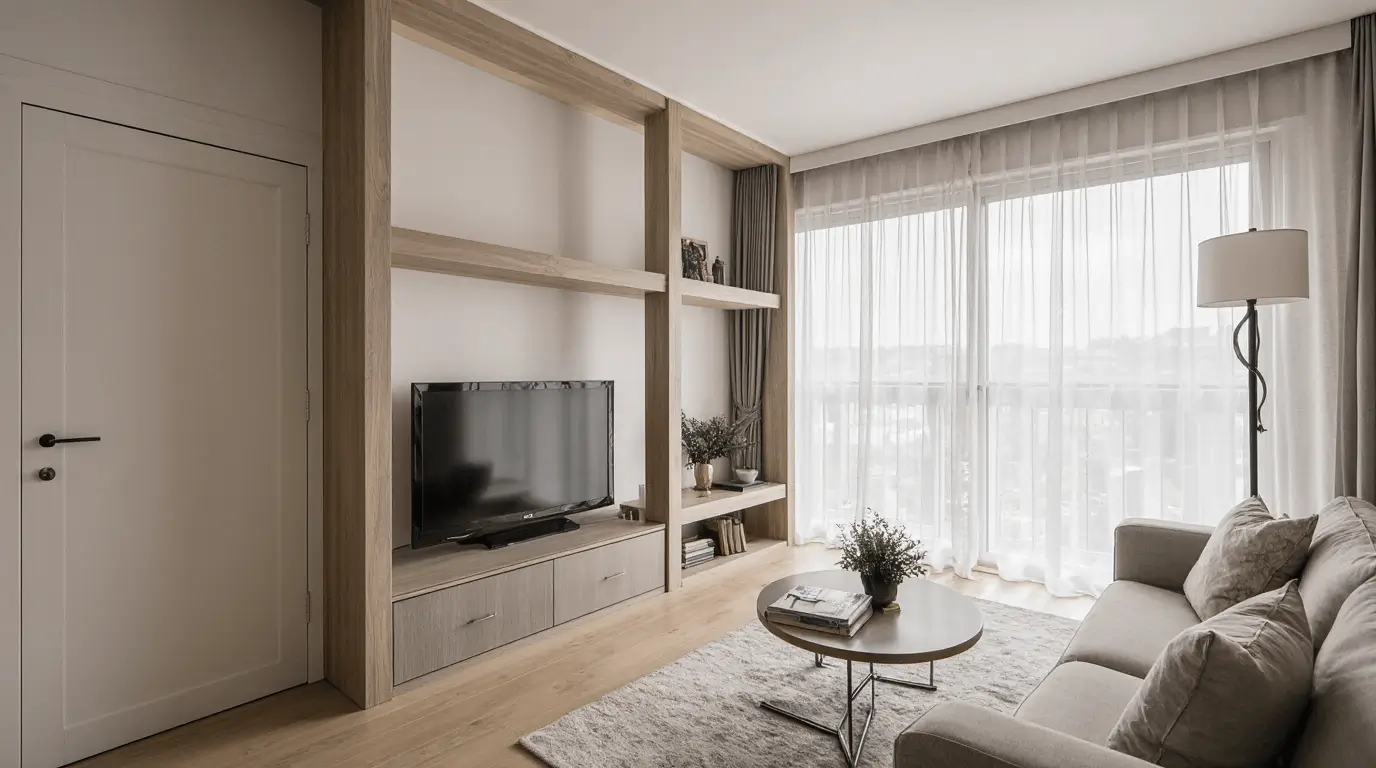
Asian Interior Design Style for Small Spaces
Asian principles work beautifully in compact homes. Smart storage, sliding panels, and multifunctional furniture maximize efficiency.
Clarity of layout prevents overcrowding.
Asian Interior Design Style Characteristics Summary
Core characteristics include harmony, natural materials, low furniture, spatial clarity, and connection to nature. The philosophy prioritizes emotional comfort over decoration.
When executed properly, Asian interior design style creates interiors that feel timeless rather than trendy.
Conclusion: Designing with Intention, Balance, and Cultural Depth
At its core, asian interior design style is not about copying a look — it’s about embracing a philosophy. The most successful spaces I’ve seen grounded in this approach share one thing in common: intentional restraint. Every material, line, and object feels considered. Nothing competes for attention, yet the room never feels empty. That quiet balance is what makes this style enduring.
What truly sets this design approach apart is its ability to support daily life. Low-profile furniture encourages grounded comfort. Natural materials age gracefully and add tactile warmth. Soft, layered lighting reduces visual stress and enhances calm. When these elements work together, a home becomes restorative rather than overstimulating. It’s particularly beneficial for those who value simplicity, mindfulness, and a deeper connection to nature within their living environment.
If you’re considering integrating this aesthetic into your home, start with clarity rather than decoration. Simplify the layout. Invest in quality materials. Let light and negative space do the heavy lifting. When applied thoughtfully, asian interior design style doesn’t just transform rooms — it shifts how you experience them. And that’s where its true power lies.
Learn more : Luxury Villa Interior Design: Ideas and Principles
Frequently Asked Questions
- Is asian interior design style the same as minimalism?
Not exactly. While both emphasize simplicity, Asian design is rooted in cultural philosophy and spatial harmony. Minimalism often focuses purely on reduction, whereas asian interior design style balances simplicity with warmth, symbolism, craftsmanship, and a strong connection to nature.
- Can I incorporate this style without fully redesigning my home?
Absolutely. You can begin by decluttering surfaces, lowering visual noise, and introducing natural materials like wood, stone, or linen. Adjusting lighting to softer, warmer tones and adding a few intentional decorative pieces can gradually shift the atmosphere without major renovation.
- What colors work best in this design approach?
Earth-inspired tones tend to work best — warm beige, soft browns, muted greens, charcoal, and off-whites. These shades create a grounded base that supports tranquility and allows natural textures to stand out without overwhelming the space.
- Does this style work in small apartments?
Yes, and often exceptionally well. Its emphasis on low furniture, sliding partitions, multifunctional pieces, and uncluttered layouts helps smaller homes feel more open and breathable. Thoughtful spatial planning is more important than square footage.
- How do I avoid making the space feel too stark or empty?
Focus on layering texture rather than adding excess décor. Combine wood with linen, stone with soft textiles, or matte surfaces with subtle sheen. Warm lighting and organic elements like plants or handcrafted ceramics add depth without disrupting simplicity.
- Is asian interior design style suitable for modern homes?
Very much so. In fact, the style adapts beautifully to contemporary architecture. Clean-lined furniture, natural finishes, and restrained detailing pair seamlessly with modern materials like glass and concrete when balanced properly.
- What’s the biggest mistake people make when trying this style?
Overdecorating or leaning too heavily on themed accessories. Authentic asian interior design style relies on proportion, flow, and material quality — not symbolic objects alone. When the structure and layout are correct, the atmosphere follows naturally.

One Response