
Introduction
Assisted living interior design is far more than decorating a space — it is about creating environments that support aging with dignity, independence, and emotional well-being. From mobility-friendly layouts to calming color palettes, every design decision influences safety, cognitive clarity, and quality of life.
With years of observing senior living communities evolve, one thing remains constant: good design directly impacts residents’ happiness and health. Thoughtful interior design for senior living blends residential warmth with clinical-level functionality, ensuring that spaces feel like home — not institutions.
Below is a comprehensive guide to the most important design clusters shaping modern assisted living interiors.
Assisted Living Interior Design for Safety & Accessibility
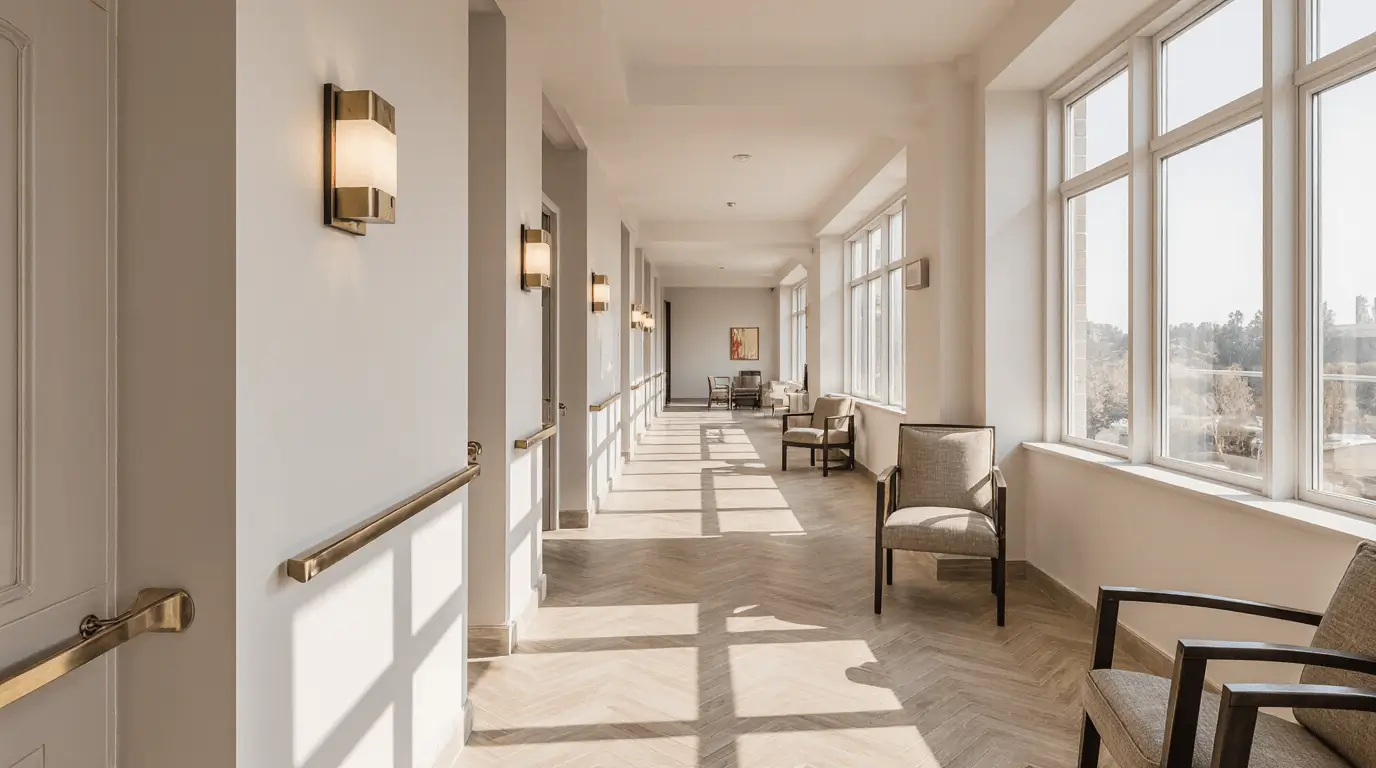
Safe circulation paths, slip-resistant flooring, and zero-threshold transitions are foundational. Clear wayfinding and ergonomic hardware reduce fall risks while preserving independence.
Design works best when safety features feel invisible rather than clinical.
Assisted Living Room Design for Social Connection
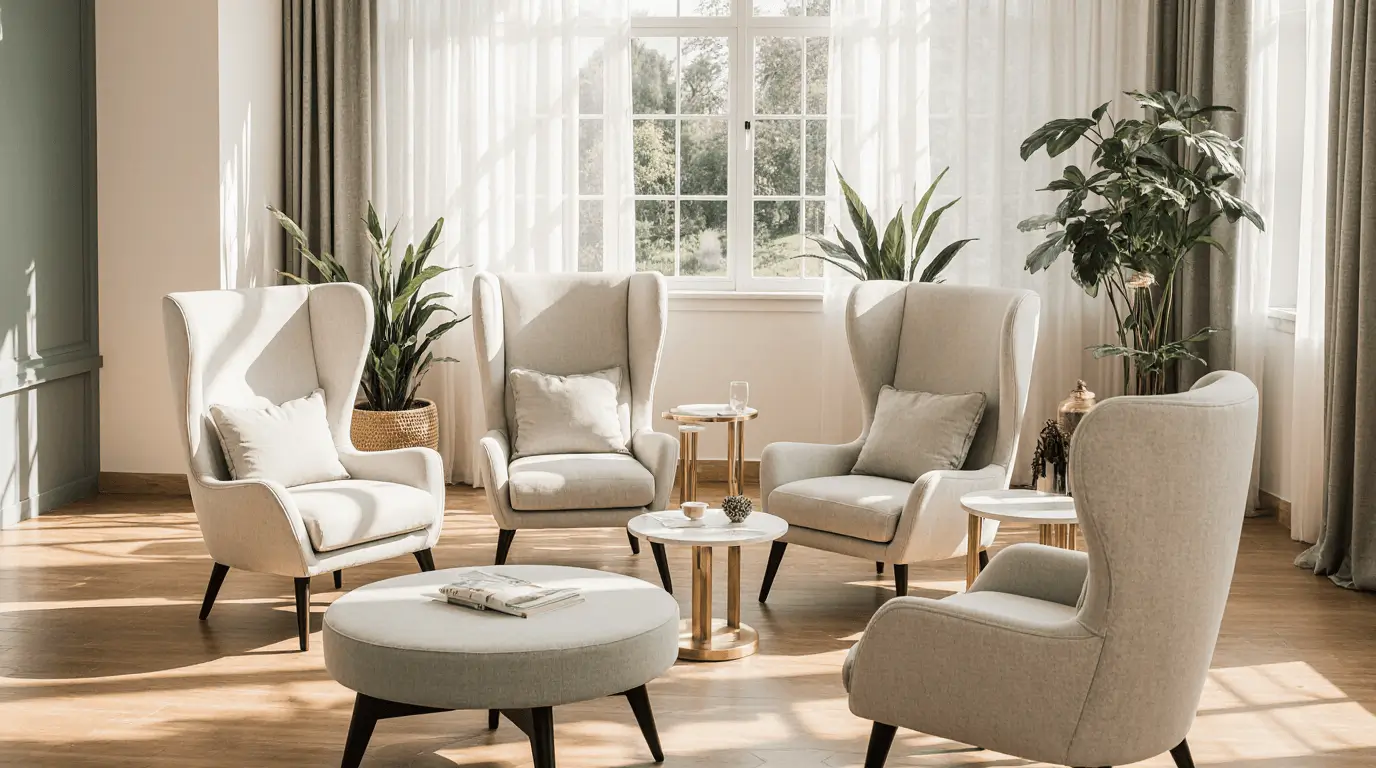
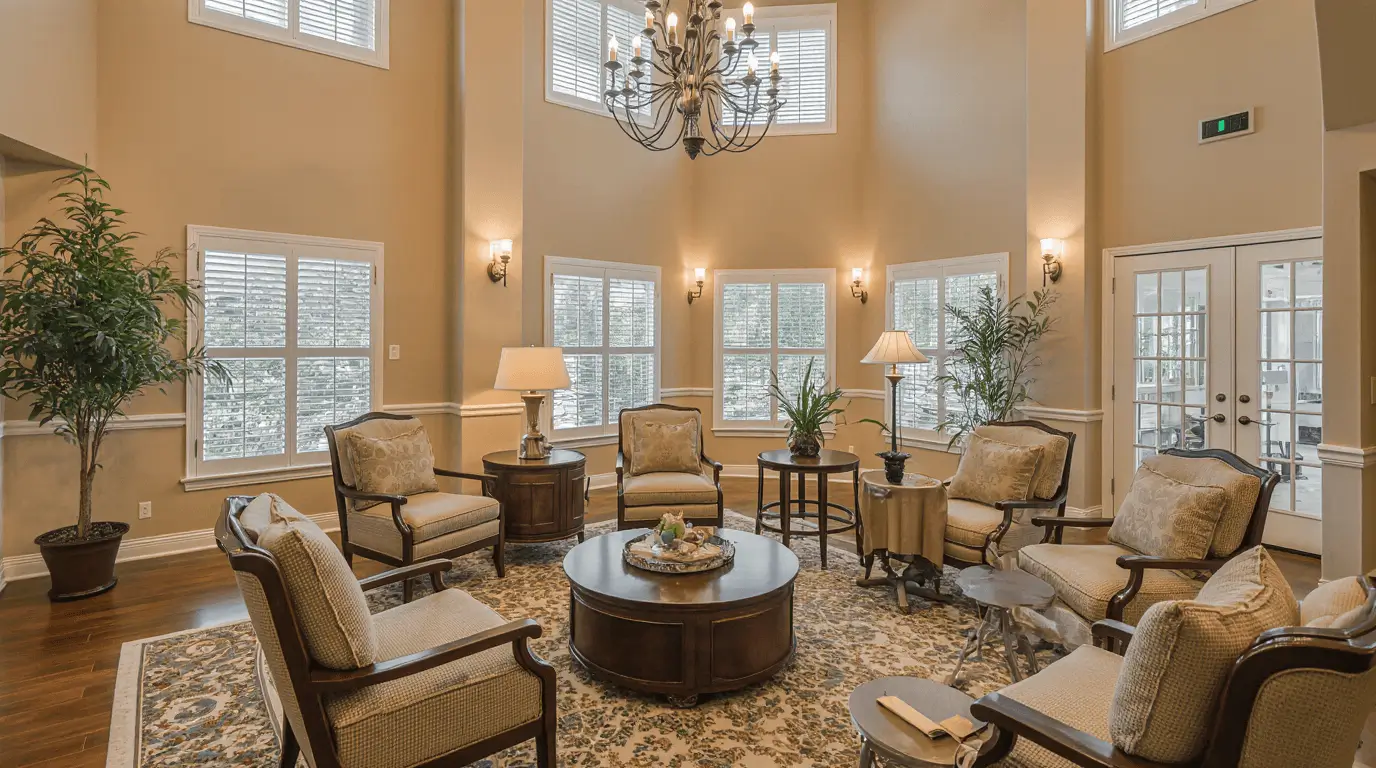
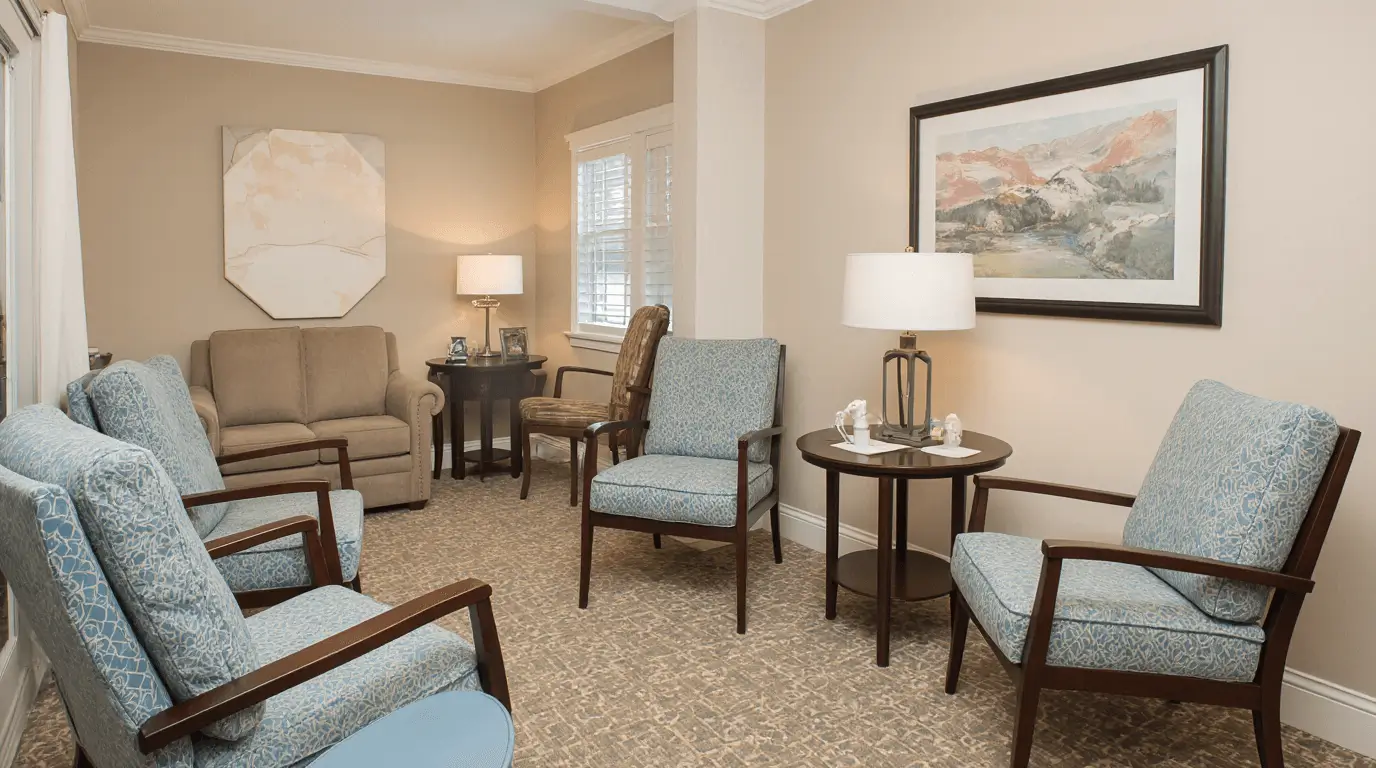
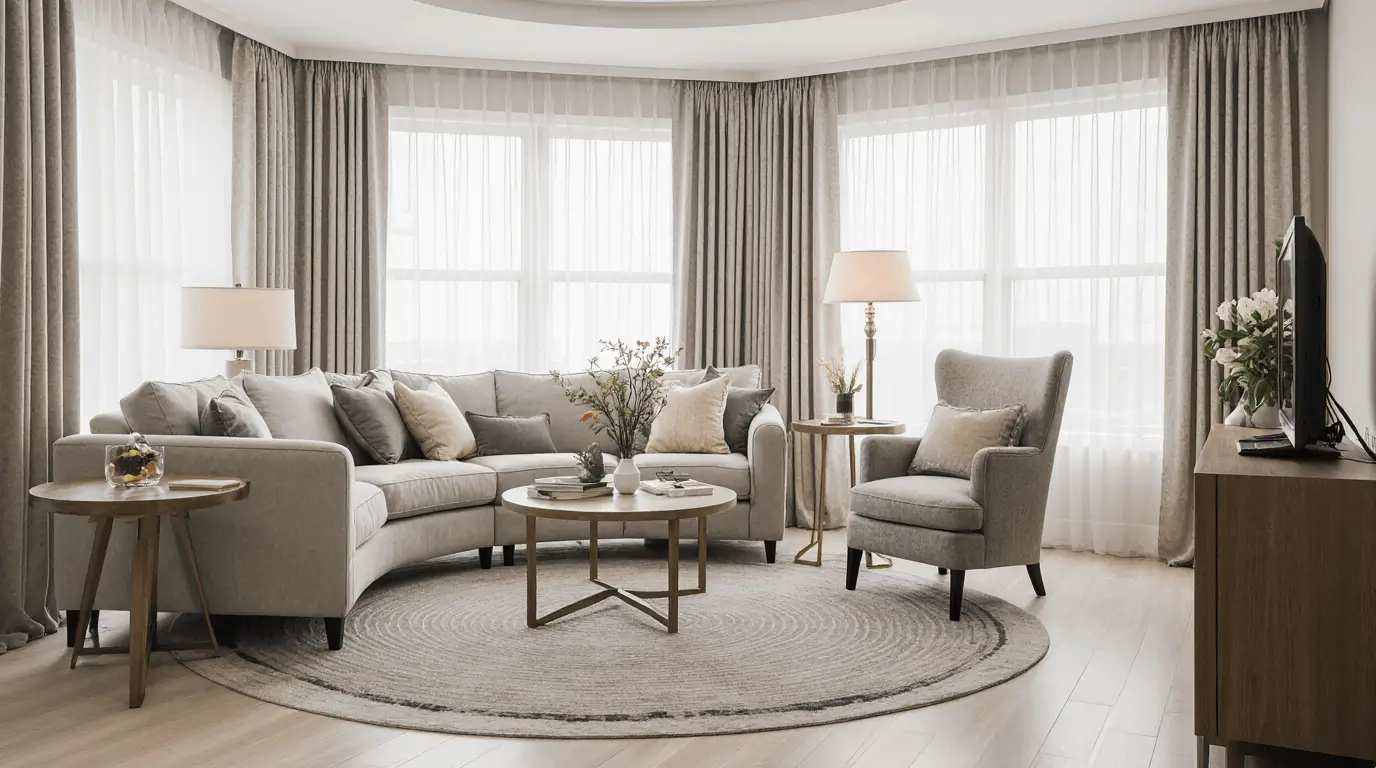
Common living rooms should encourage interaction without overwhelming residents. Furniture arranged in small conversational clusters creates comfort and intimacy.
Acoustic balance and layered lighting enhance usability.
Assisted Living Studio Apartment Decorating
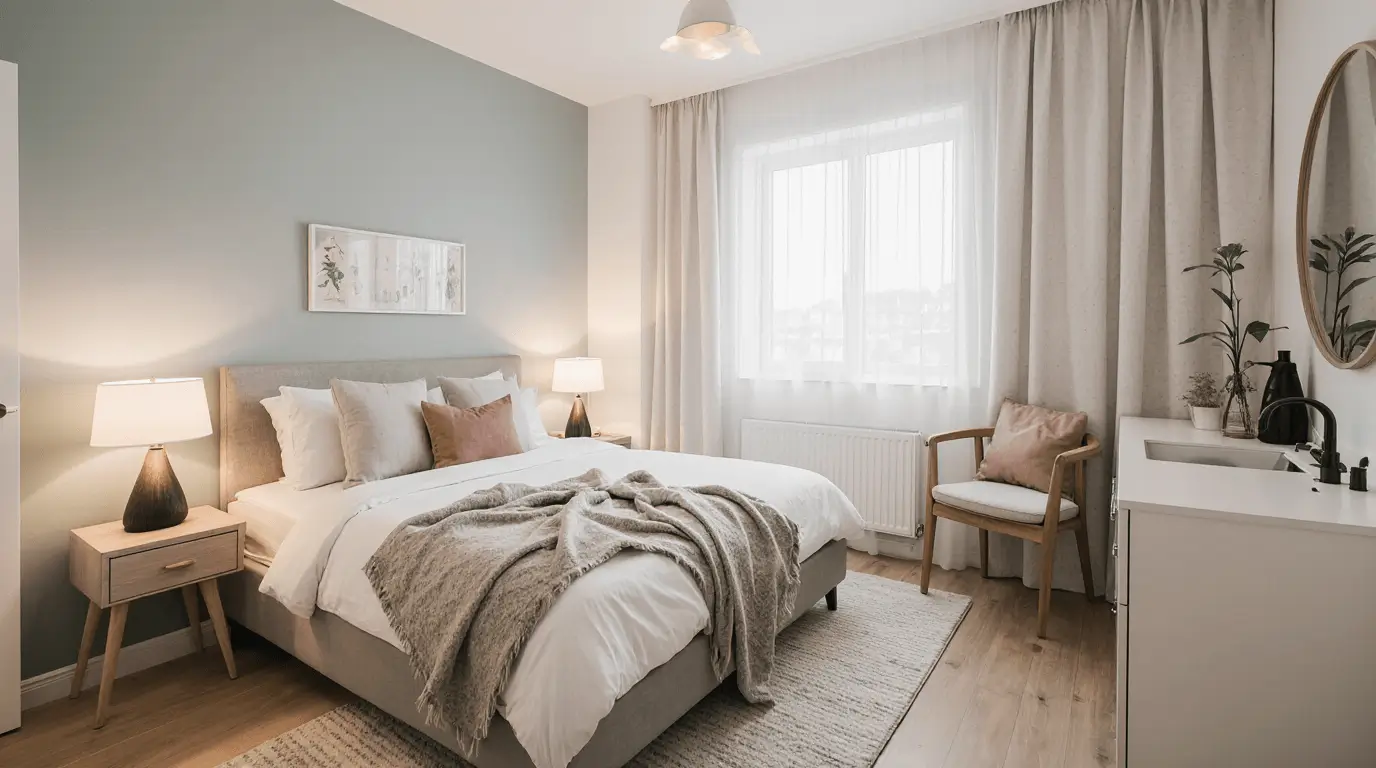
Private studio apartments must balance personalization with functionality. Built-in storage, compact layouts, and familiar décor reduce anxiety.
Residents feel empowered when their personal belongings are integrated thoughtfully.
Assisted Living Furniture Ideas for Comfort
The best furniture for assisted living includes high-back chairs with arm support, firm cushions for easy standing, and rounded edges for safety.
Materials should be durable, antimicrobial, and easy to clean.
Interior Design for Senior Living Wayfinding
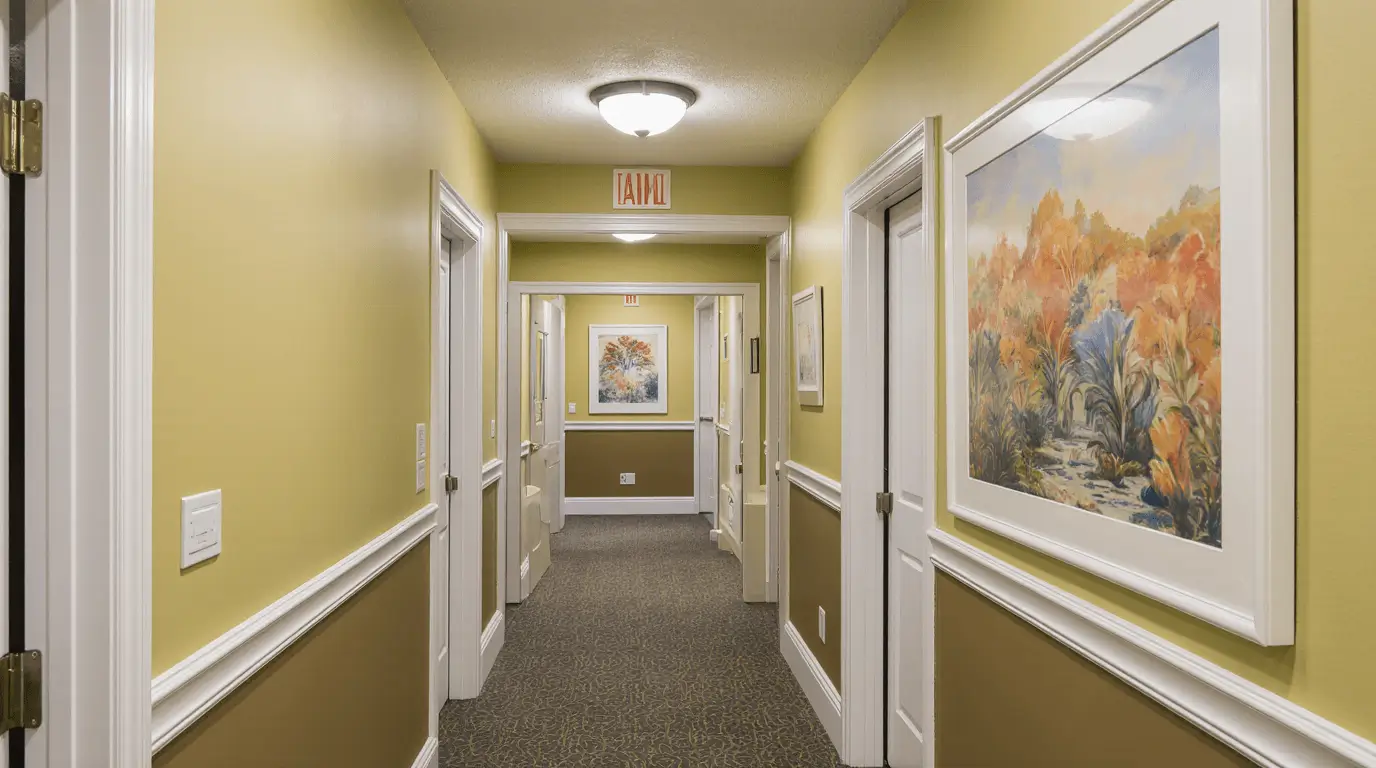
Subtle color zoning and visual landmarks help residents navigate independently. Contrasting trim and doors improve depth perception.
Wayfinding reduces cognitive stress and builds confidence.
Assisted Living Decor That Feels Like Home
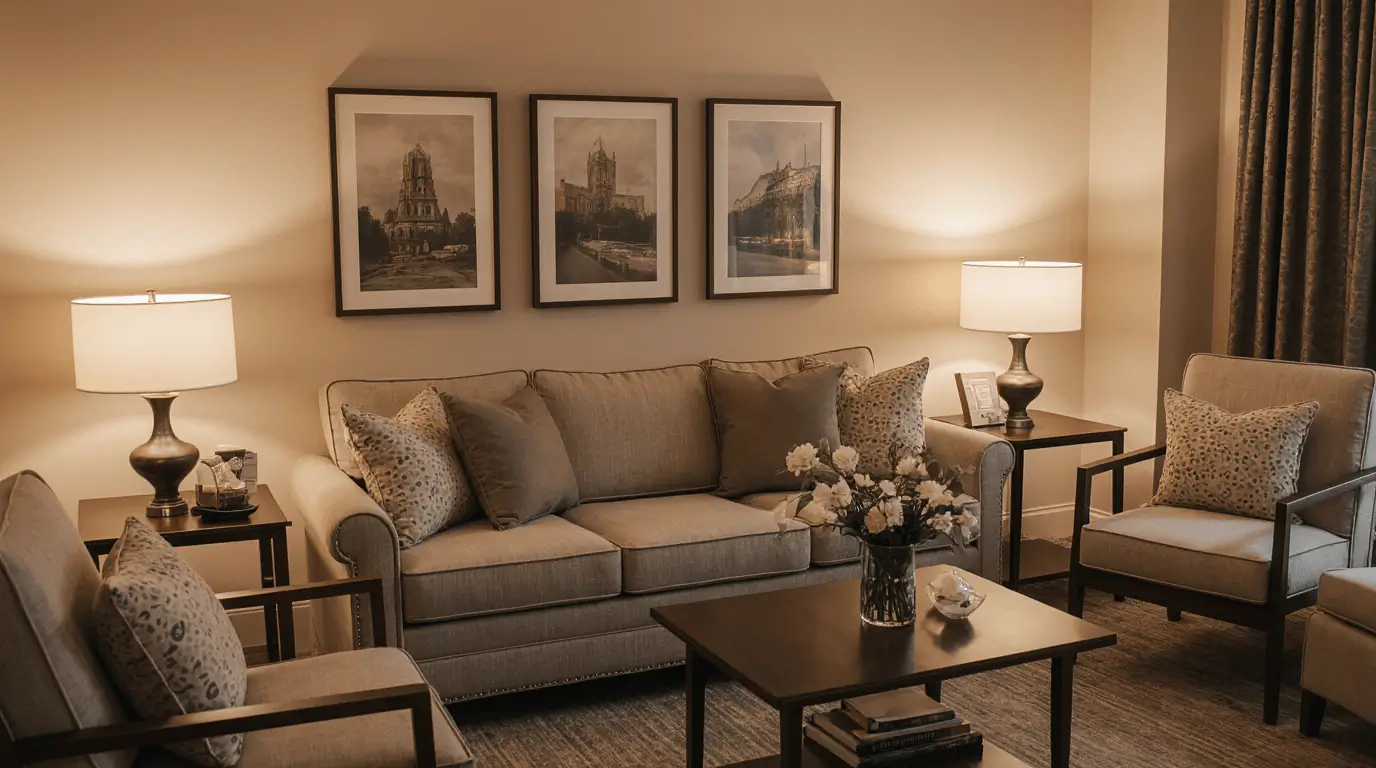
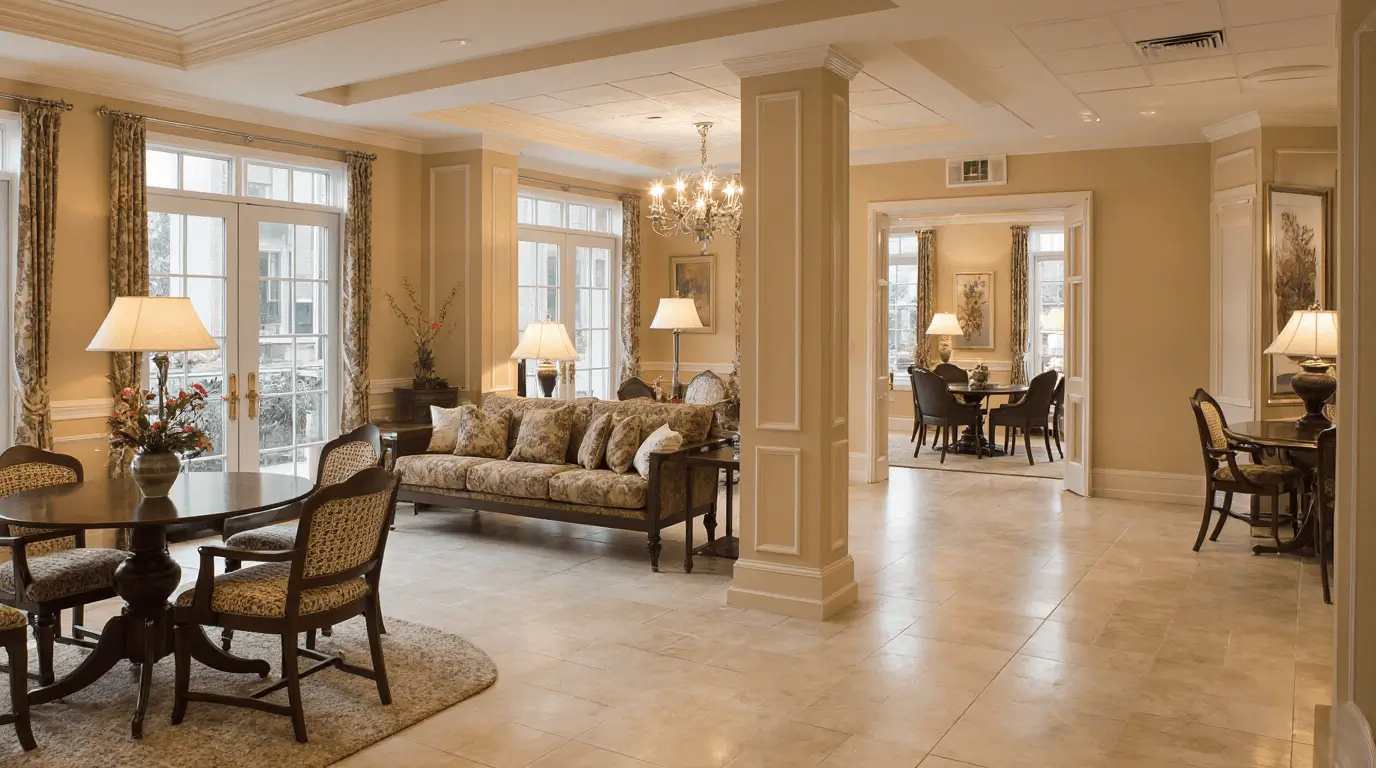
Residential-style décor — artwork, textured fabrics, and layered lighting — prevents institutional coldness. The goal is familiarity.
Soft materials and personal touches create emotional comfort.
Senior Housing Design for Small Spaces
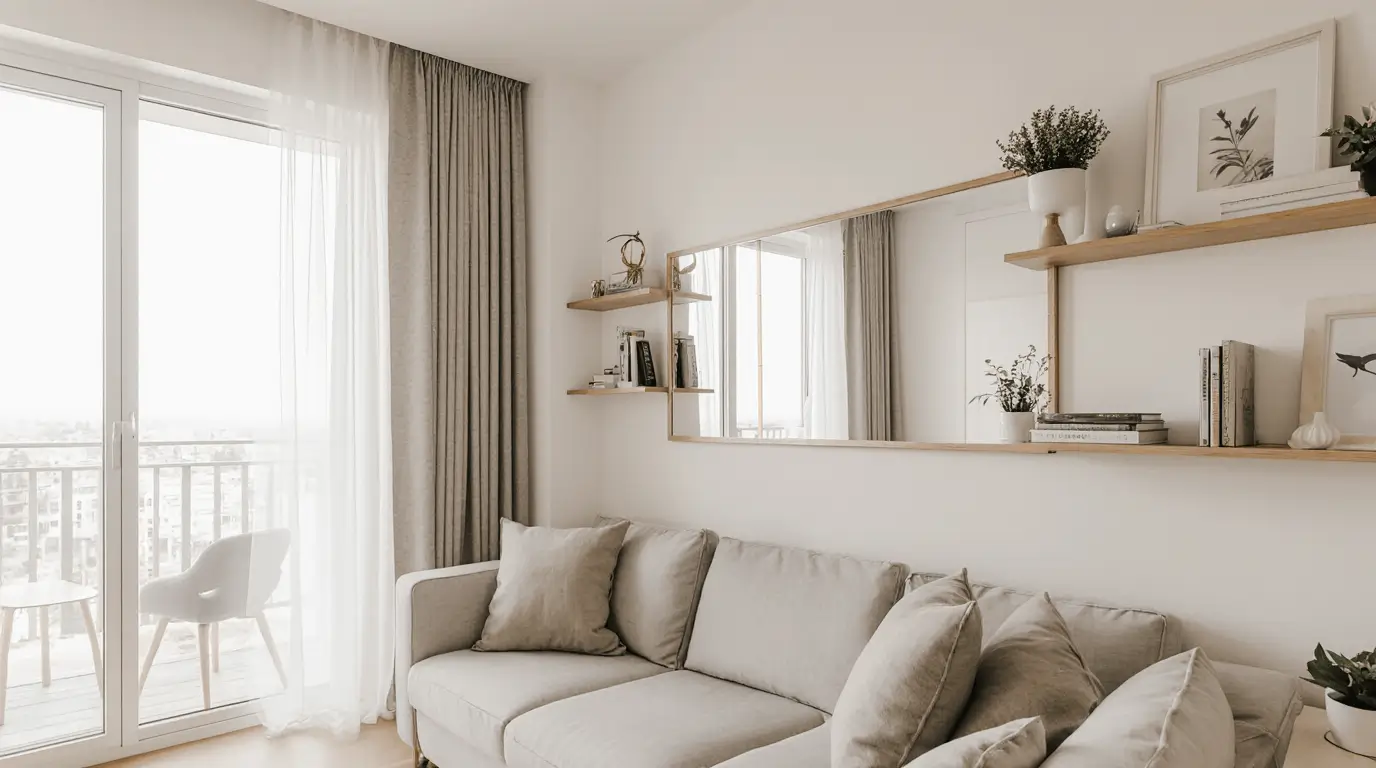
Decorating small assisted living apartments requires strategic scale. Vertical storage and light-reflecting surfaces enhance openness.
Clutter-free design improves safety and mental clarity.
Assisted Living Interior Designers’ Approach
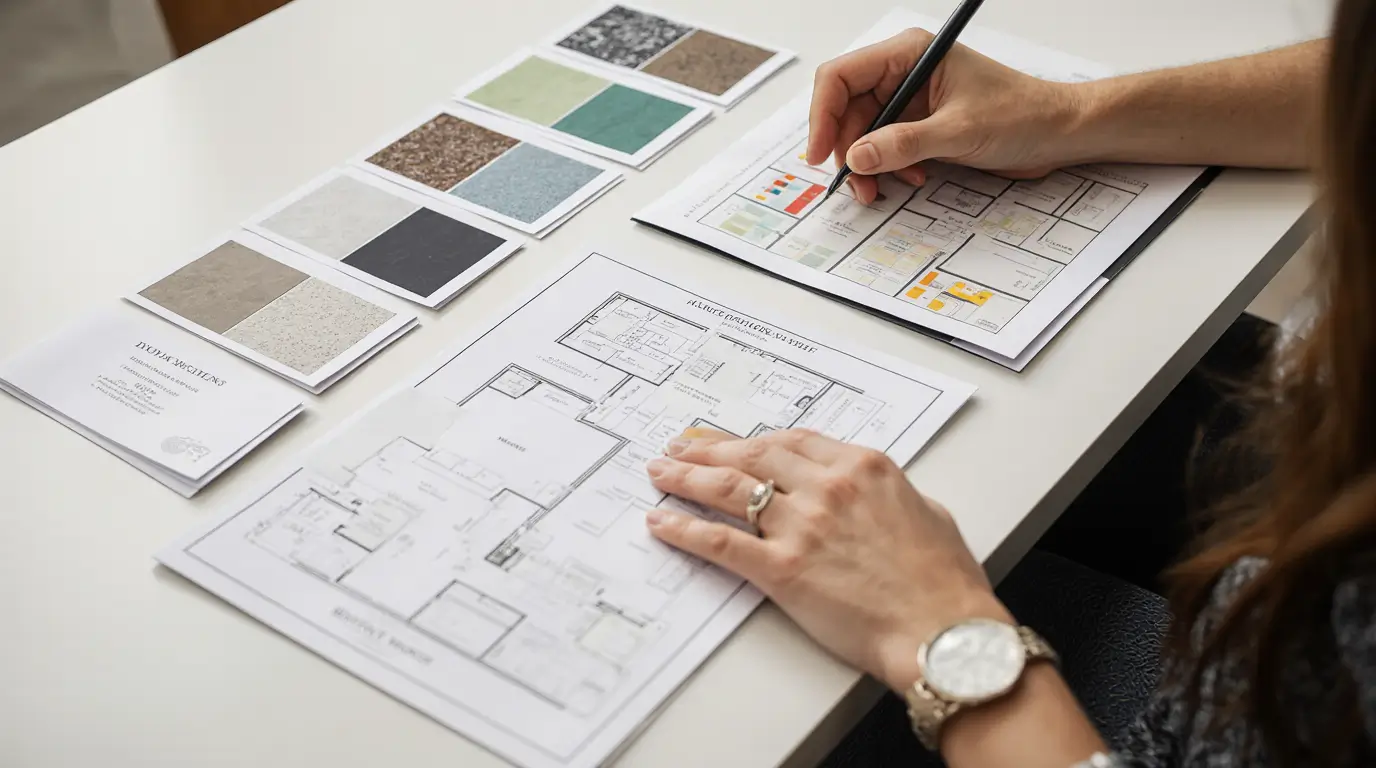
Professional assisted living interior designers focus on behavioral psychology, aging ergonomics, and healthcare compliance.
Design decisions are informed by evidence-based research and real-life senior experiences.
Senior Living Interiors with Biophilic Design
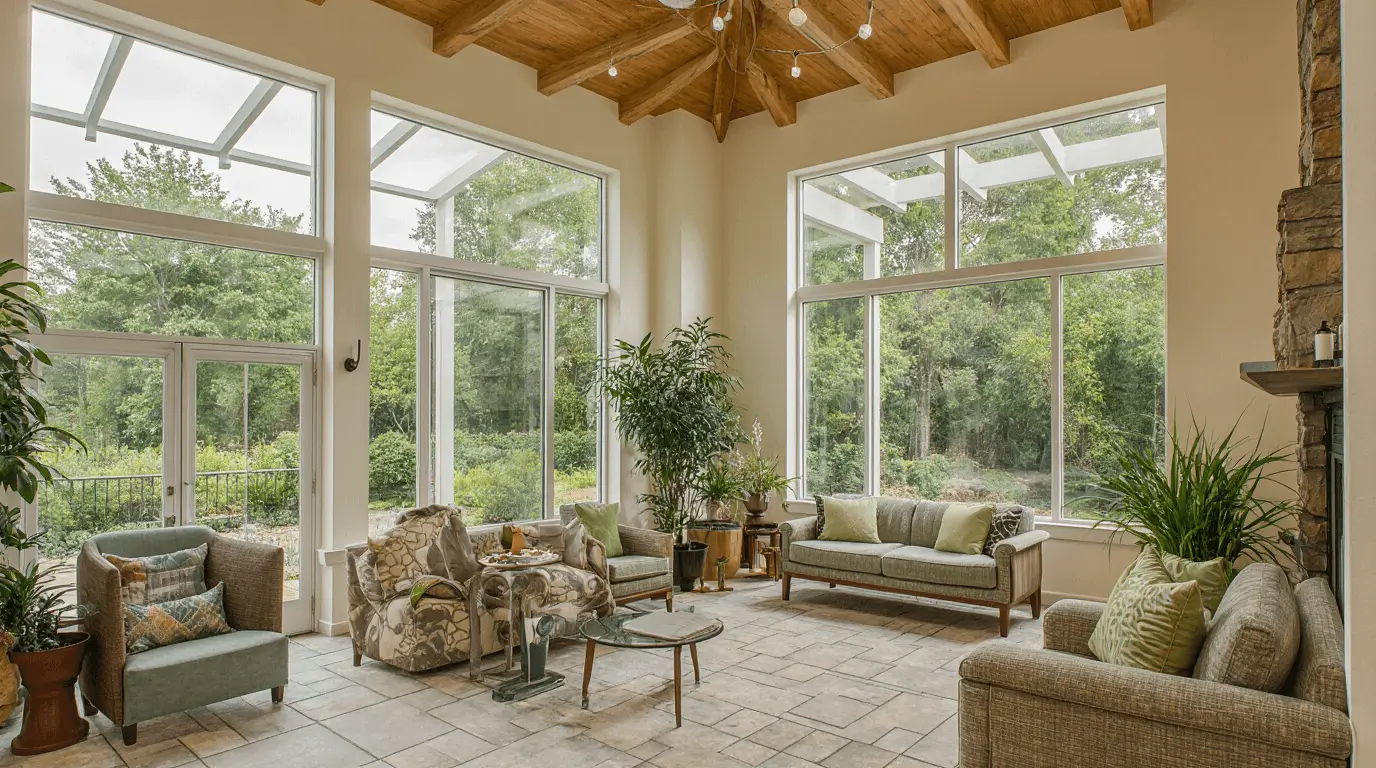
Natural light, indoor plants, and nature-inspired textures improve mood and cognitive health. Access to outdoor views reduces stress.
Biophilic principles bring vitality into assisted living interiors.
Retirement Home Interior Layout Planning
Assisted living room layouts should allow wheelchair turning radiuses and easy caregiver access.
Clear zoning between private and shared areas promotes autonomy.
Decorating an Assisted Living Apartment with Personal Identity
Residents thrive when surrounded by meaningful objects — photos, heirlooms, familiar textiles.
Thoughtful placement ensures safety without removing personality.
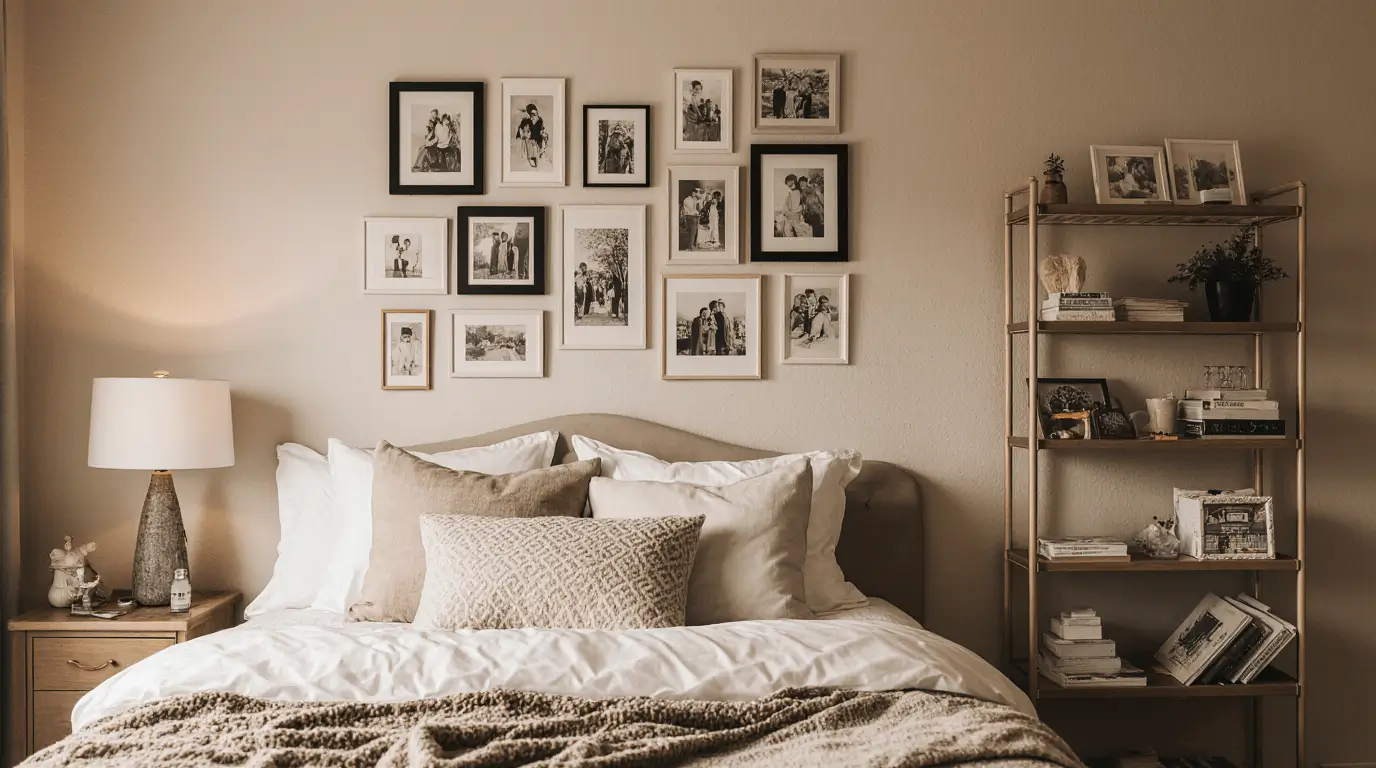
Nursing Home Decoration Ideas for Comfort
In higher-care environments, soothing color palettes and indirect lighting reduce agitation.
Simple patterns and calm visual rhythm help residents with cognitive sensitivities.
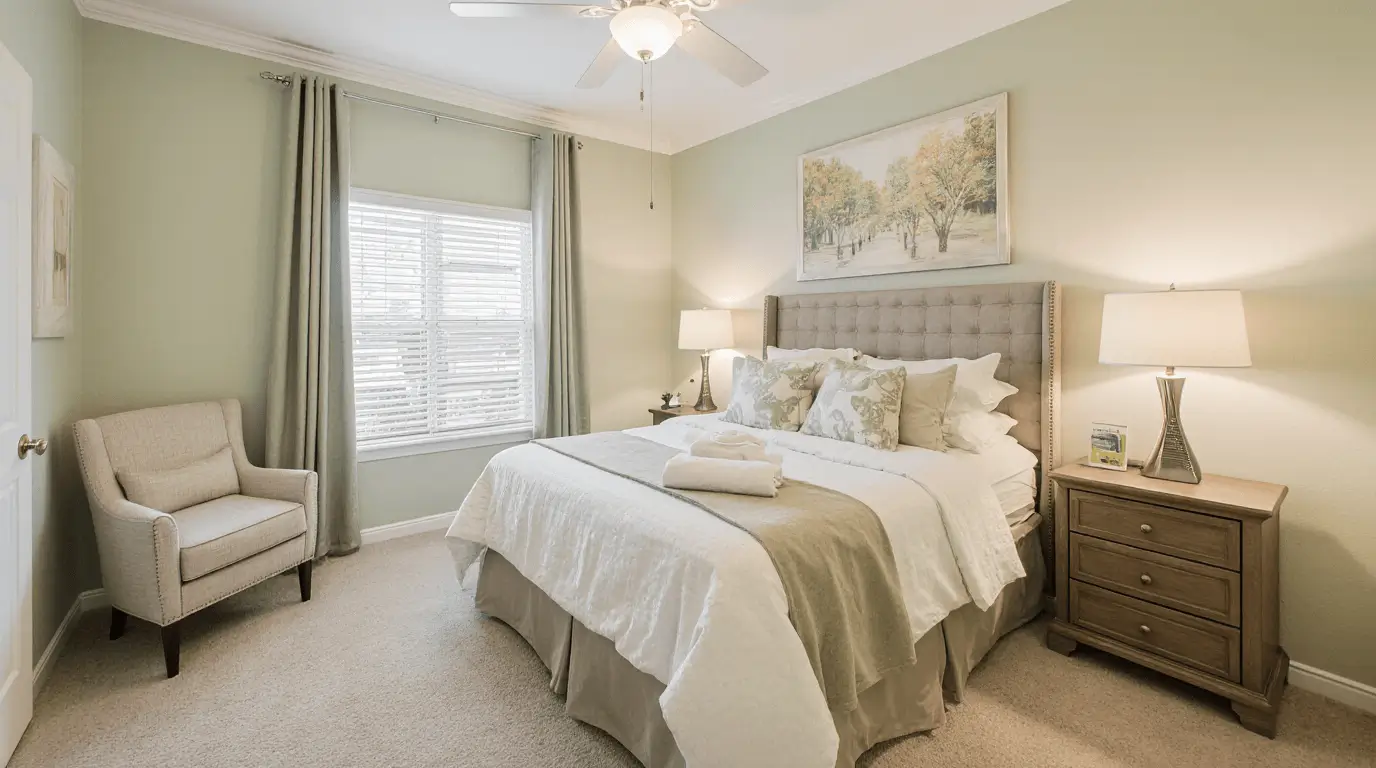
Senior Living Interior Design Firm Strategy
Top senior living interior design firms integrate architecture, interiors, and healthcare standards seamlessly.
Collaboration between caregivers and designers results in practical yet beautiful spaces.
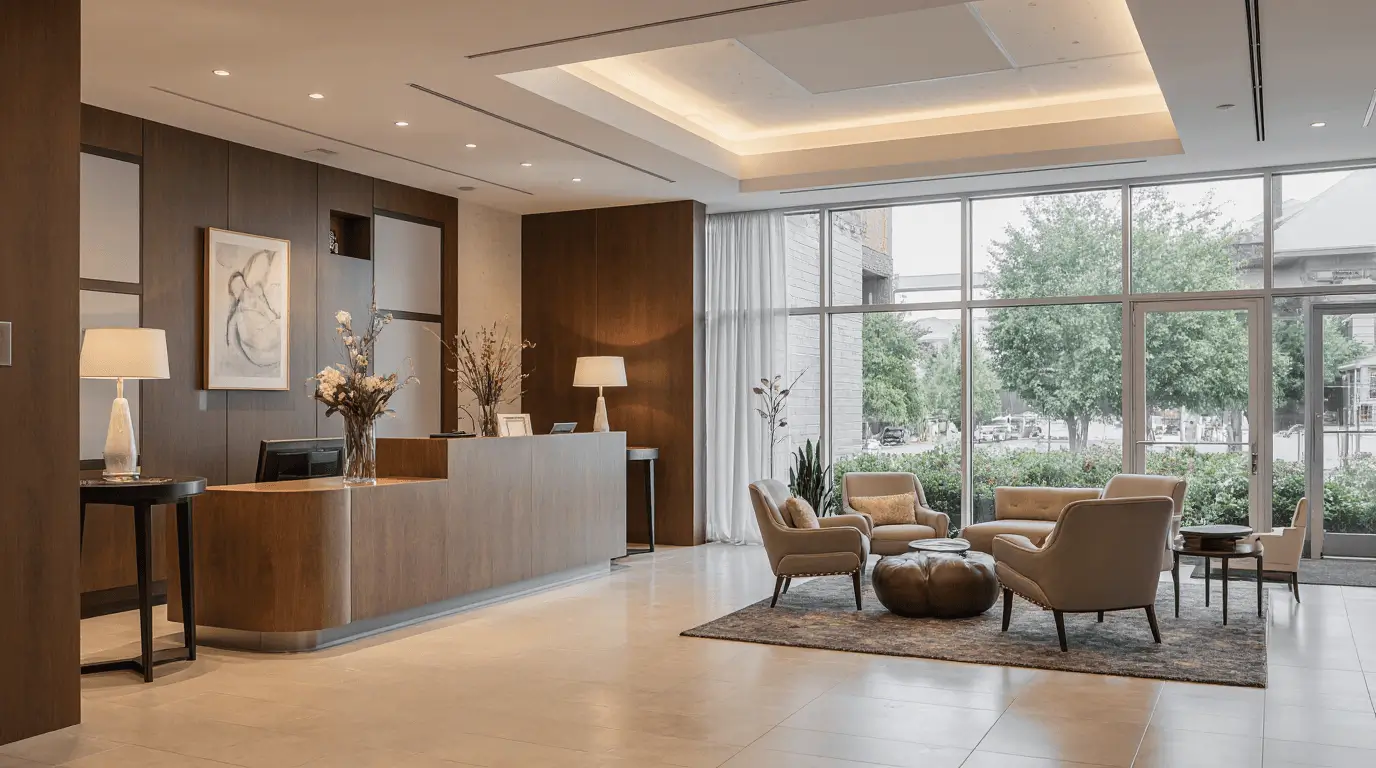
Assisted Living Room Ideas for Memory Care
Memory care environments use circular pathways, reduced visual clutter, and familiar residential cues.
Soft contrasts and simplified décor support cognitive function.
Decorating for Senior Citizens with Sensory Comfort
Lighting should minimize glare while enhancing visibility. Layered ambient, task, and accent lighting creates flexibility.
Textures should be tactile but non-irritating.
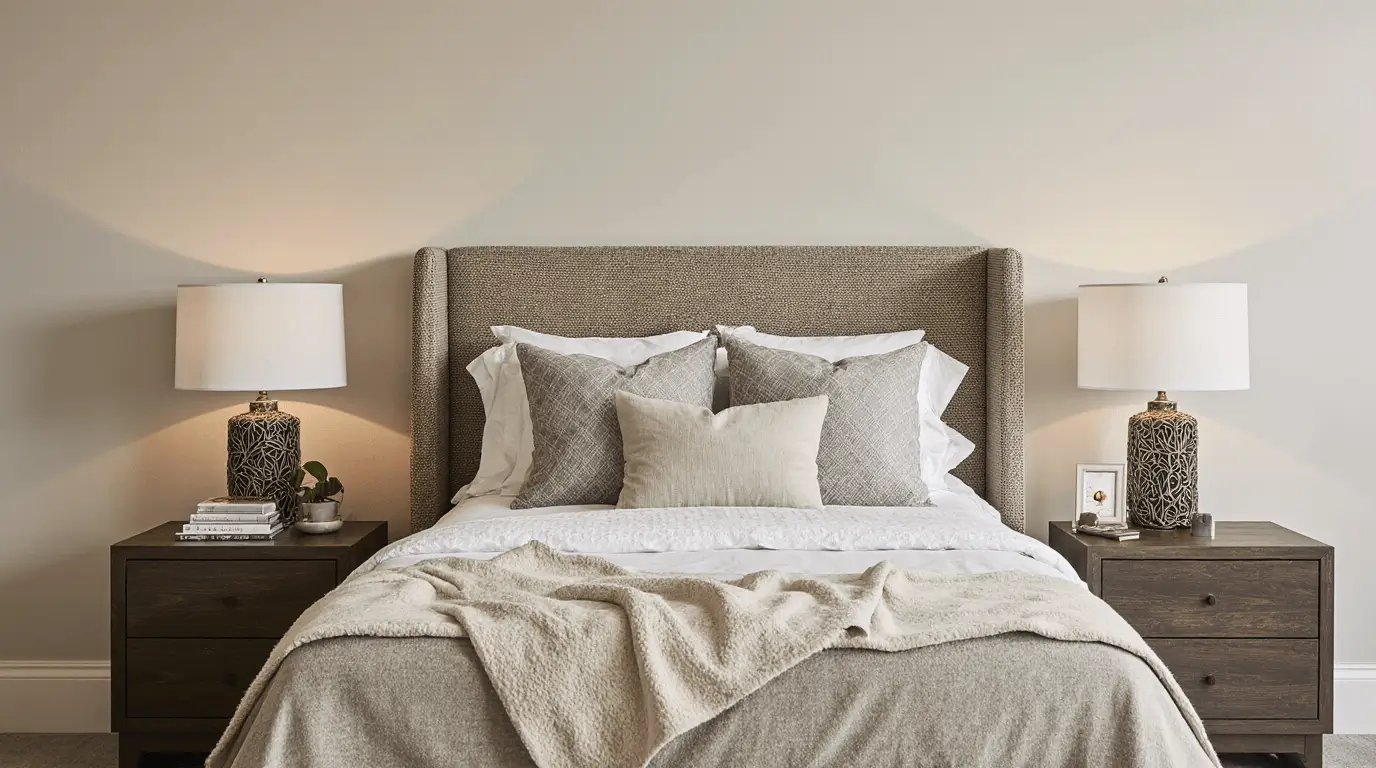
Assisted Living Interiors Focused on Community Engagement
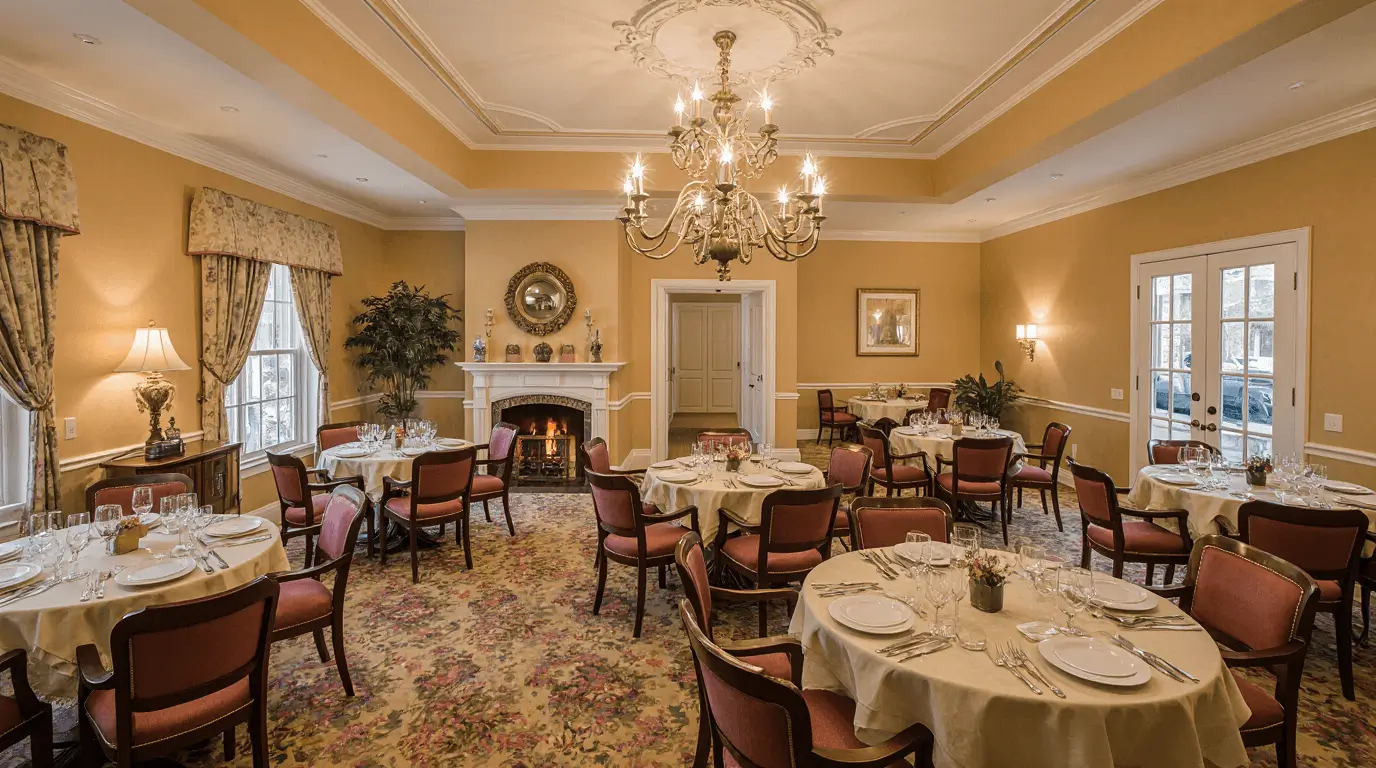
Dining rooms, activity spaces, and lounges must encourage participation.
Flexible furniture arrangements allow easy reconfiguration for events.
Conclusion: Designing with Dignity, Purpose, and Practical Wisdom
At its best, assisted living interior design is an act of care. It translates medical, emotional, and social needs into spaces that feel intuitive, comforting, and empowering. When layouts support mobility, lighting enhances clarity, and furnishings encourage independence, residents experience daily life with greater ease and confidence.
From studio apartments to shared lounges, the most successful environments are those that quietly anticipate challenges before they arise. Wide circulation paths reduce fall risk. Thoughtful color contrast aids visibility. Residential-style décor softens transitions and preserves identity. These choices are not aesthetic luxuries — they are practical tools that improve well-being.
In real-world application, this approach benefits everyone involved. Residents feel safer and more at home. Families gain peace of mind. Care teams work more efficiently in spaces designed to support them. And communities build reputations rooted in comfort, dignity, and trust.
Whether you are furnishing a single apartment or planning an entire senior living facility, clarity begins with one principle: design must serve the person first. When safety, accessibility, and warmth coexist, assisted living environments stop feeling institutional and start feeling like home. That is where thoughtful design truly makes a difference.
Learn more : 11+ Powerful Commercial Restaurant Interior Design Secrets
Frequently Asked Questions
- What makes assisted living interiors different from standard residential design?
The primary difference lies in how safety and accessibility are integrated without compromising comfort. Assisted living spaces require wider pathways, supportive furniture, non-slip flooring, and carefully planned lighting. The goal is to create a home-like environment that quietly supports mobility, vision changes, and cognitive needs.
- How can a small assisted living apartment feel spacious and comfortable?
Strategic layout planning makes the biggest impact. Multi-functional furniture, wall-mounted storage, light-reflective finishes, and uncluttered surfaces create openness. Keeping walkways clear and maintaining consistent lighting also improves both safety and perceived space.
What type of furniture works best in senior living environments?
Supportive seating with arms, firm cushions, and stable frames is essential. Rounded edges reduce injury risk, and upholstery should be durable yet soft to the touch. Furniture height matters as well — pieces that are too low can make standing difficult and unsafe.
- How important is lighting in assisted living spaces?
Lighting is critical. Aging eyes require higher illumination levels, but glare must be minimized. Layered lighting — combining ambient, task, and accent sources — improves visibility while maintaining warmth. Proper lighting reduces falls, eye strain, and confusion.
- Can assisted living spaces still reflect personal style?
Absolutely. Personal photographs, familiar textiles, favorite artwork, and meaningful décor items help residents maintain identity and emotional comfort. The key is thoughtful placement that preserves accessibility and avoids overcrowding.
- What design considerations support residents with memory challenges?
Clear visual cues, simplified layouts, soft color contrasts, and minimal visual clutter are highly beneficial. Circular pathways reduce frustration, while consistent design language helps with orientation. The environment should feel calm, predictable, and reassuring.
- When should families or operators hire a professional designer?
Professional guidance is especially valuable when planning larger renovations, addressing accessibility upgrades, or designing an entire senior living community. Experienced designers understand regulatory requirements, aging ergonomics, and behavioral needs — ensuring that design decisions are both beautiful and functionally sound.


One Response