
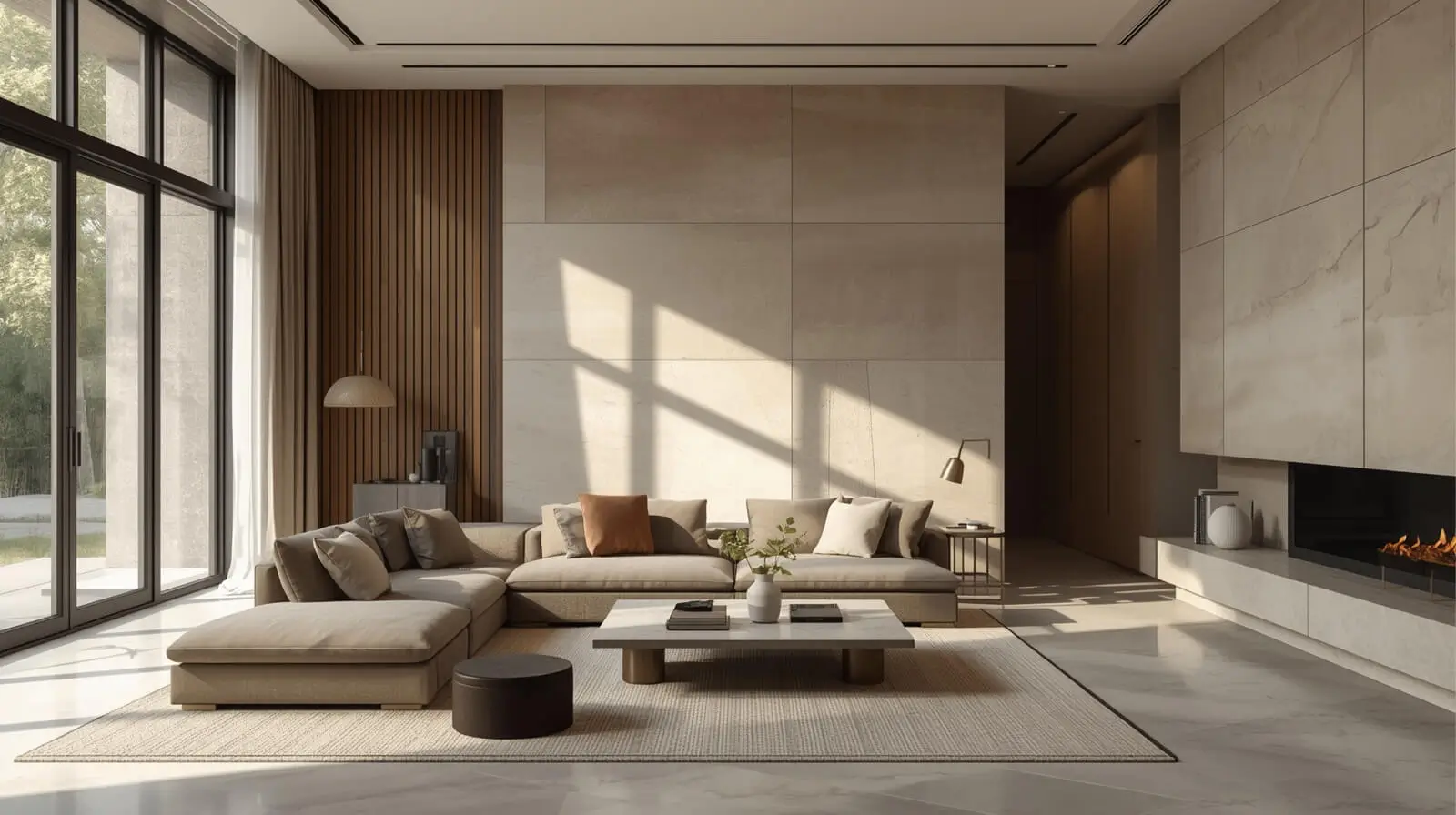
Introduction
Bespoke interior design is the highest expression of personalization in the built environment. Unlike standardized interiors or trend-led styling, bespoke interior design is crafted around the individual—your lifestyle, habits, preferences, and emotional connection to space. Every element is intentional, refined, and created specifically for one client and one setting.
From my professional experience working on custom residences and private commissions, bespoke interior design is not about luxury alone—it is about relevance. It aligns architecture, materials, craftsmanship, and function into a seamless narrative that feels effortless yet deeply considered. No two bespoke interiors are ever alike, because no two clients live the same way.
At its core, bespoke interior design transforms spaces into personal ecosystems. It blends design intelligence with craftsmanship, ensuring that every room not only looks distinctive but performs beautifully over time.
Bespoke Interior Design Philosophy
Bespoke interior design begins with understanding people before designing spaces. The philosophy centers on translating personal values, routines, and aesthetics into physical form. Design decisions are driven by purpose, not trends.
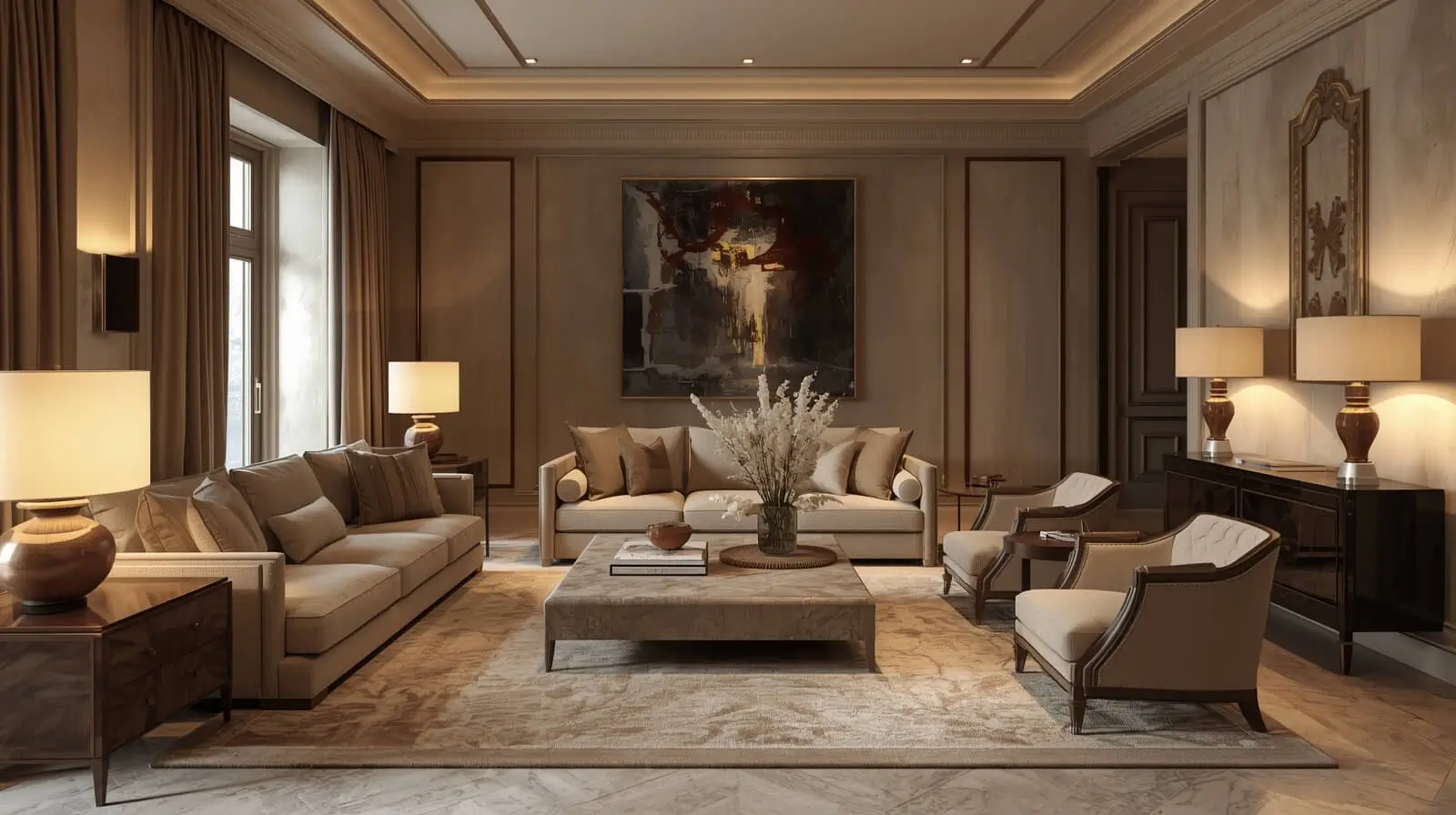
Custom Space Planning in Bespoke Interior Design
Space planning in bespoke interior design is tailored to how clients truly move, live, and interact. Layouts are developed from scratch, ensuring balance, flow, and comfort without compromise.
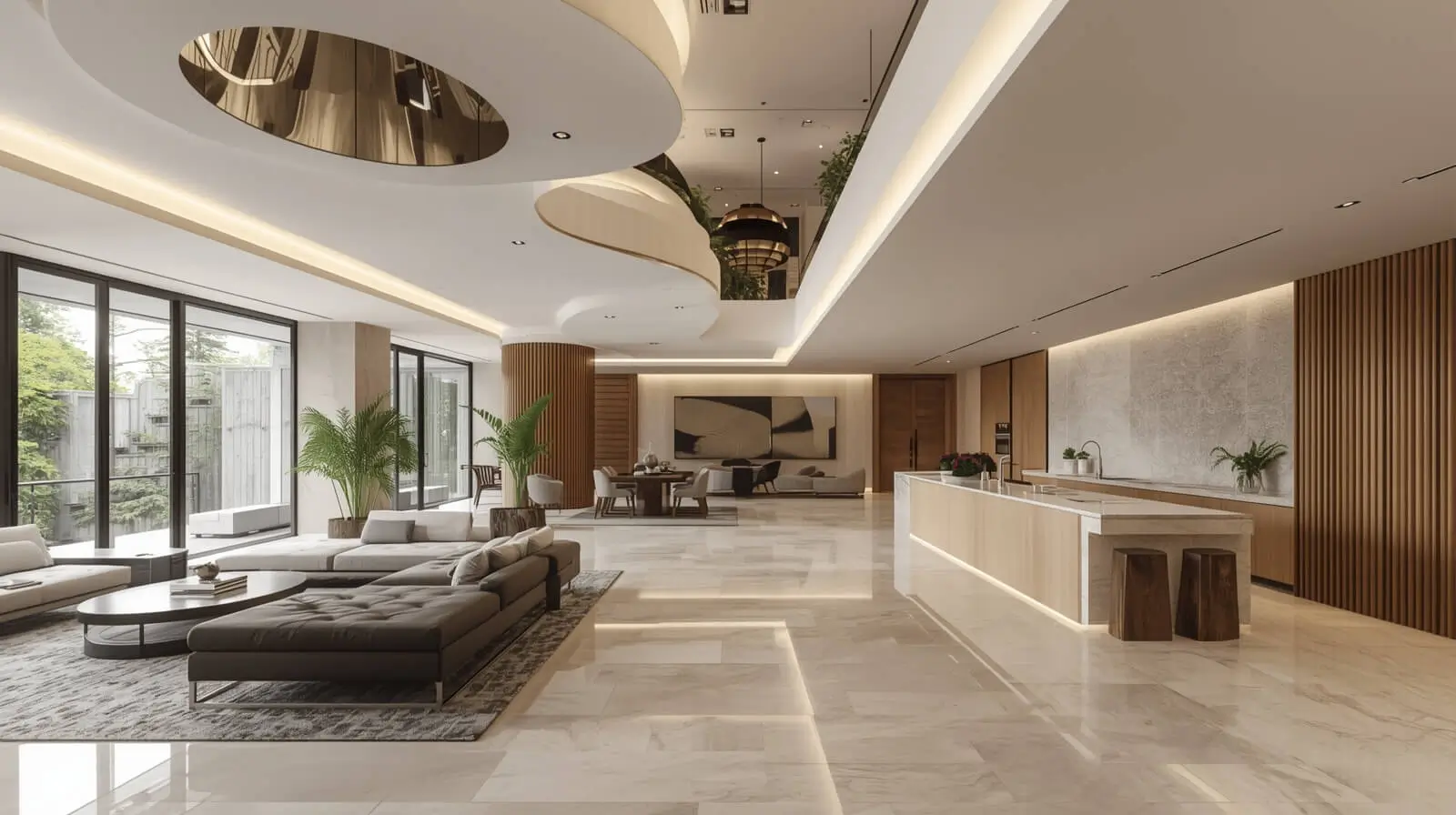
Bespoke Interior Materials Selection
Material selection defines the tactile experience of bespoke interior design. Designers curate finishes based on durability, texture, aging quality, and emotional warmth rather than mass appeal.
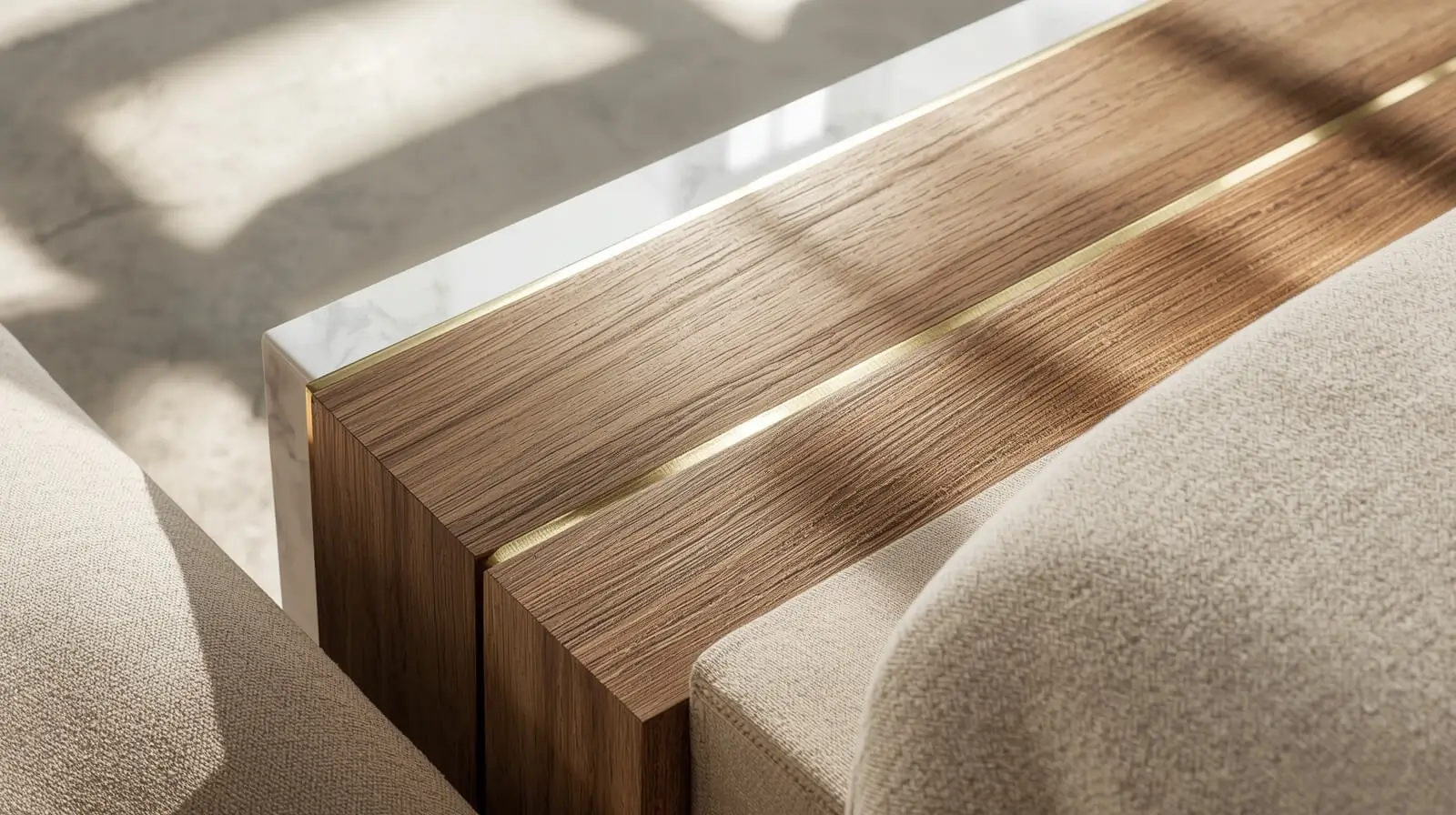
Bespoke Furniture Design
Furniture in bespoke interior design is designed for specific spaces and bodies. Scale, ergonomics, and craftsmanship are carefully calibrated to ensure comfort and visual harmony.
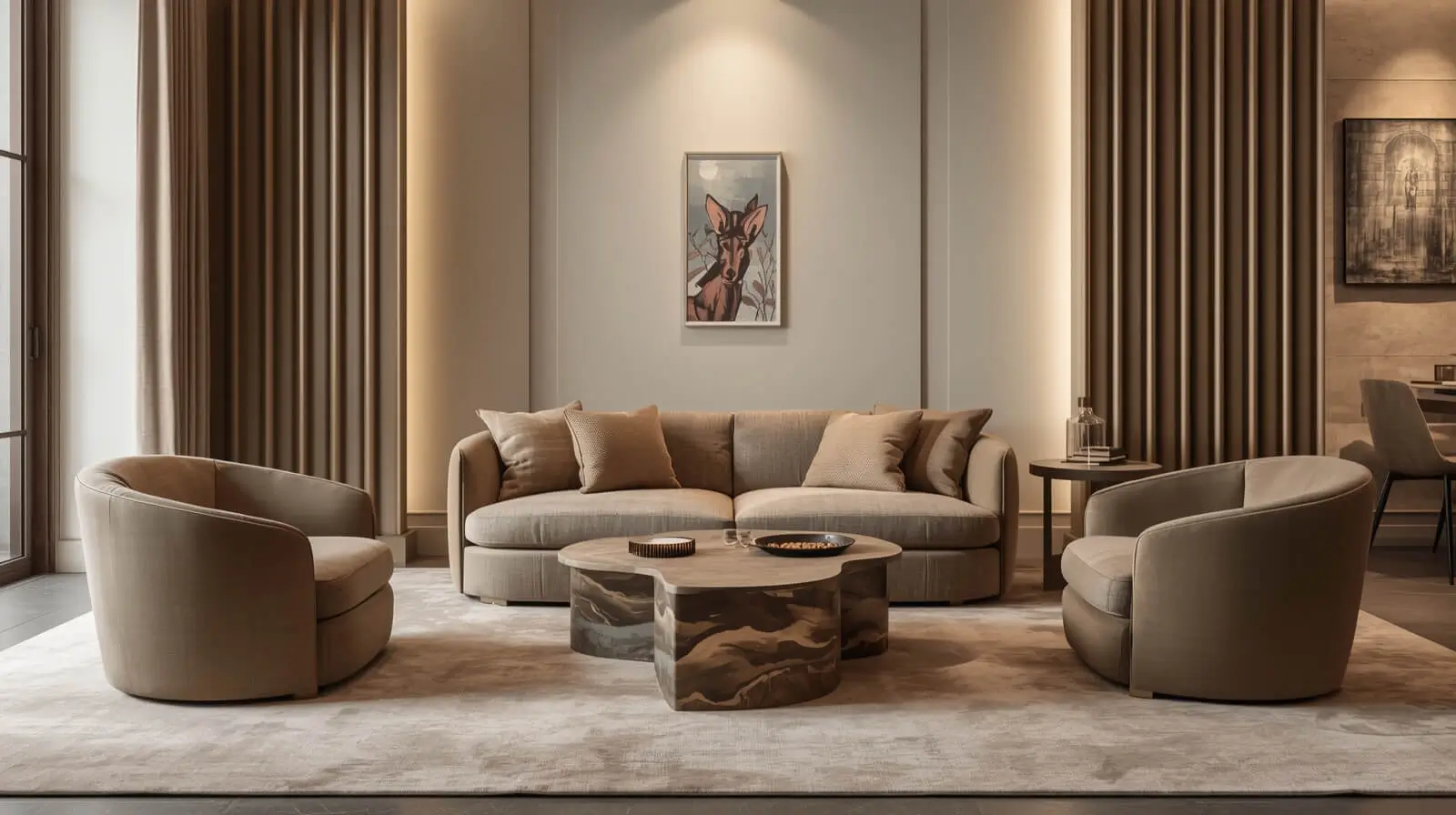
Bespoke Interior Color Strategy
Color palettes in bespoke interior design are layered, intentional, and timeless. Shades are chosen based on light conditions, emotional impact, and spatial proportions.
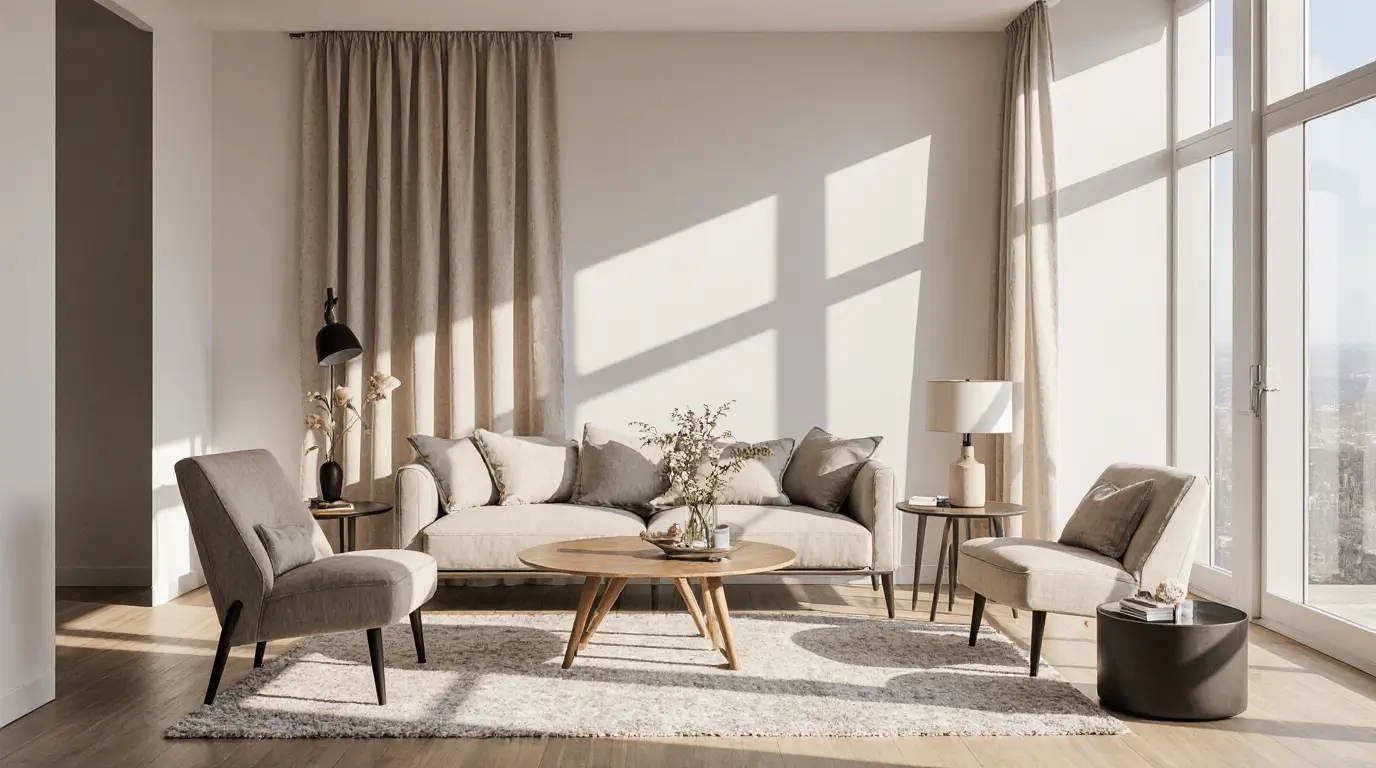
Bespoke Interior Lighting Design
Lighting is a defining element in bespoke interior design. Each lighting layer is planned to enhance architecture, highlight textures, and support daily activities.
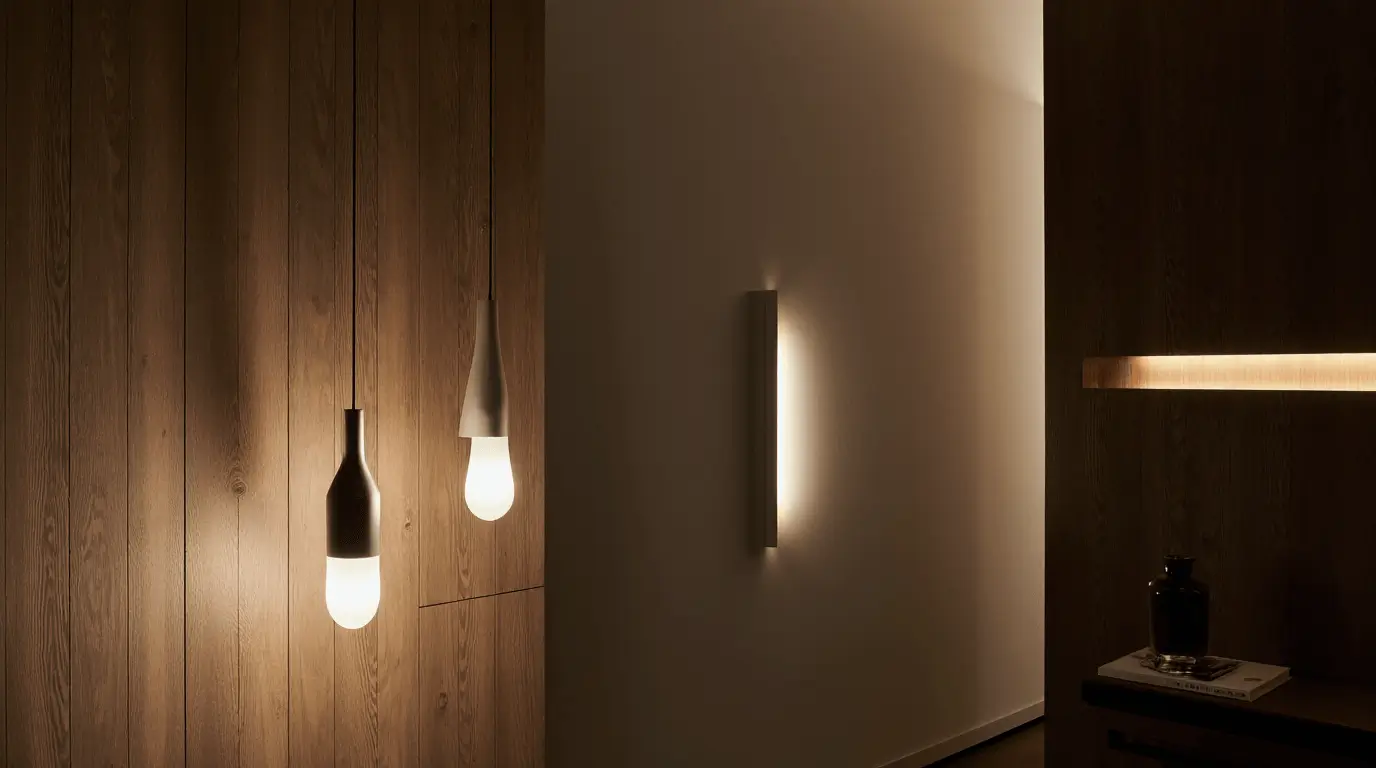
Bespoke Interior Joinery & Millwork
Custom joinery elevates bespoke interior design through precision and continuity. Built-in storage, wall panels, and cabinetry are crafted to integrate seamlessly with the architecture.
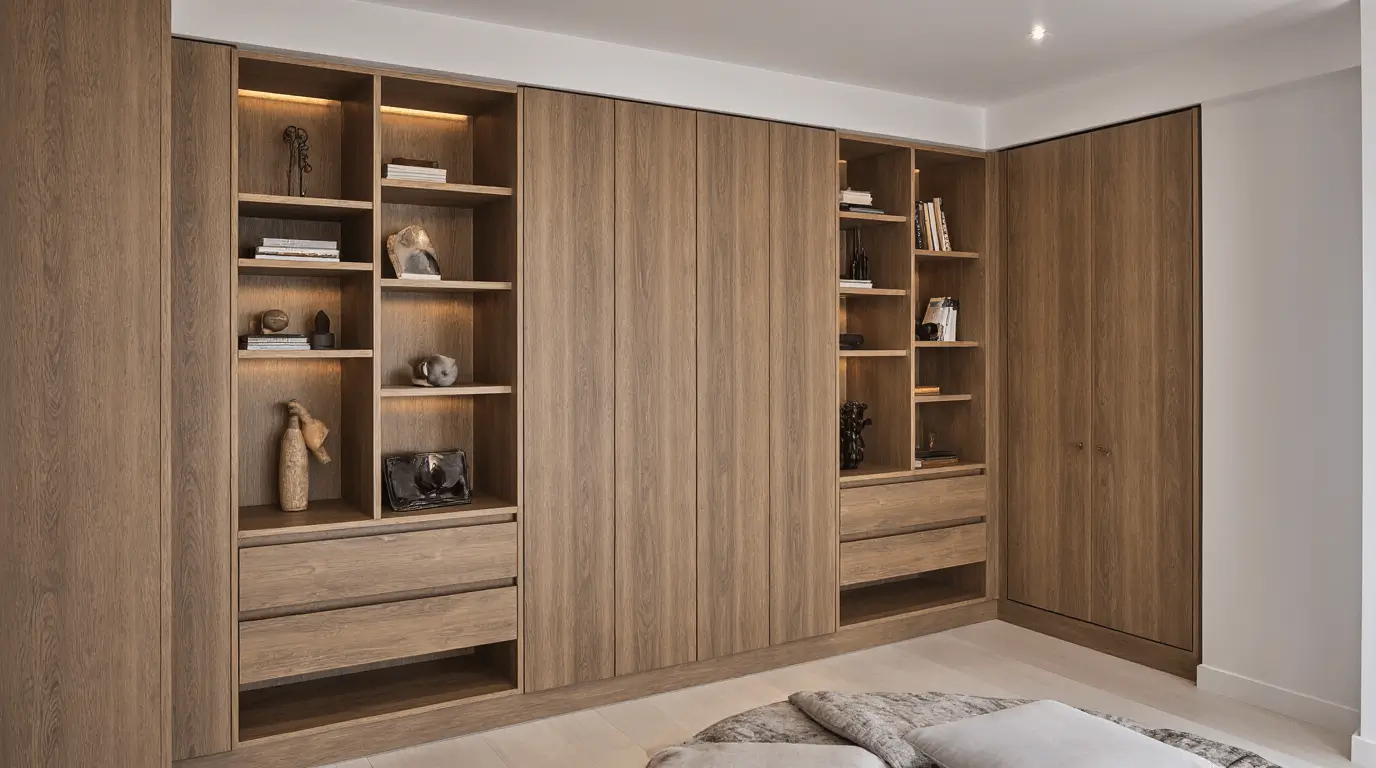
Bespoke Interior Design for Living Rooms
Living rooms in bespoke interior design balance comfort with elegance. Seating, circulation, and focal points are designed around social interaction and relaxation.
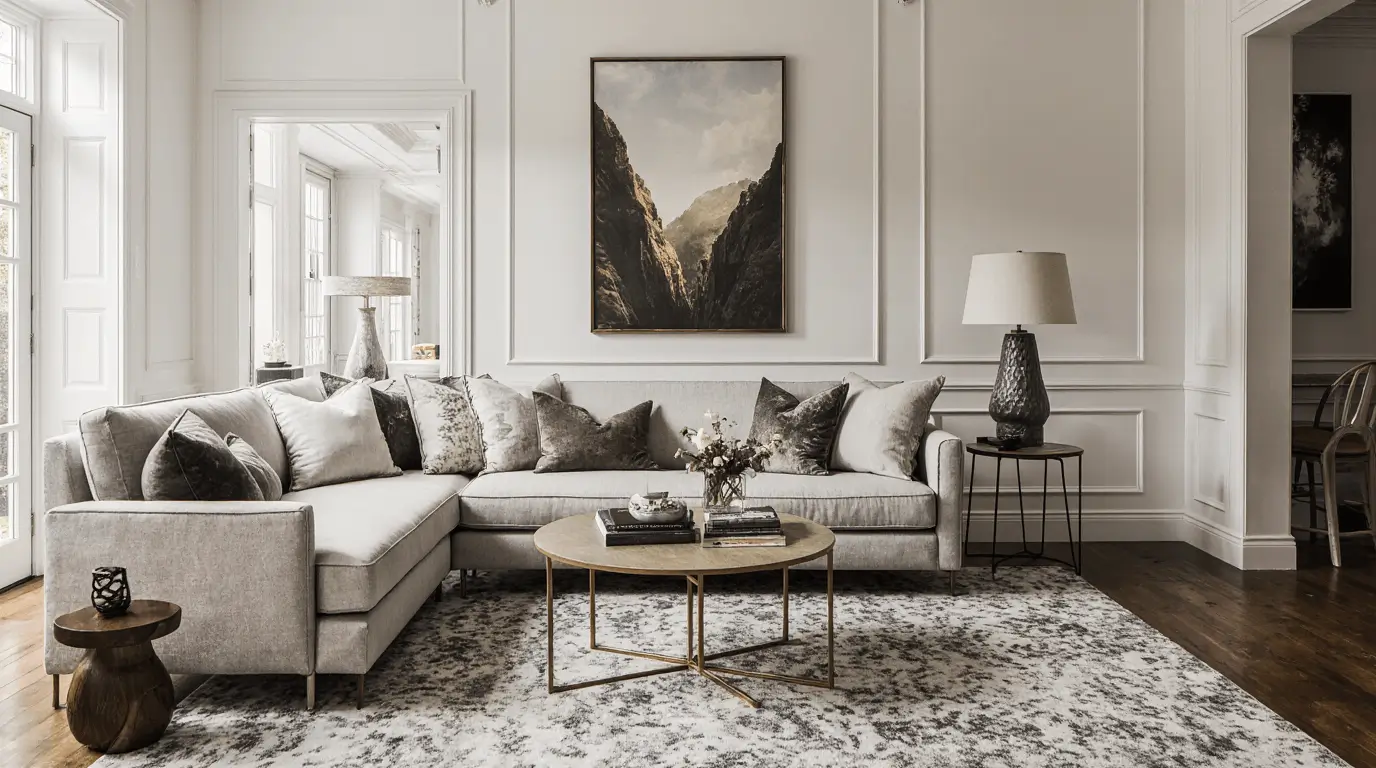
Bespoke Kitchen Interior Design
A bespoke kitchen is designed around how clients cook, host, and move. Storage, workflow, and finishes are customized for efficiency and beauty.
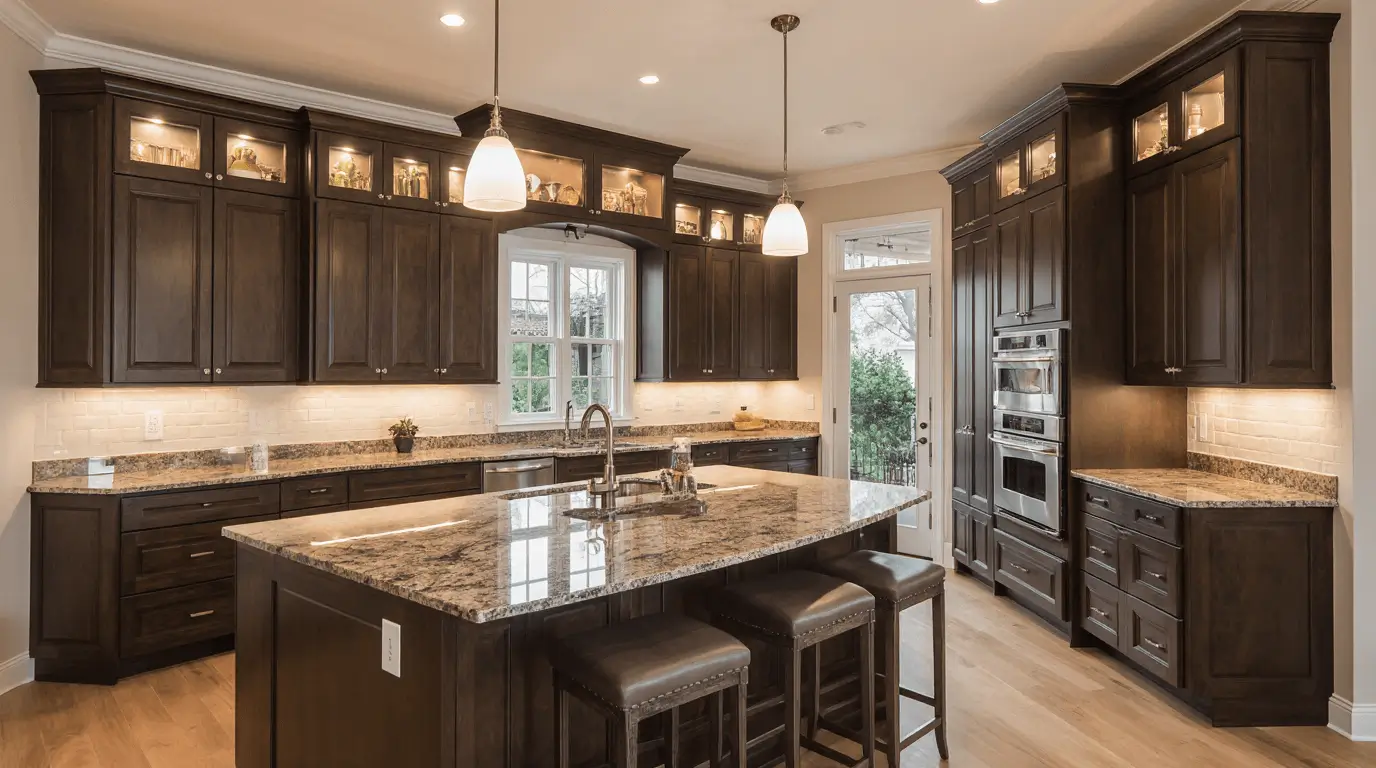
Bespoke Bedroom Interior Design
Bedrooms in bespoke interior design are deeply personal sanctuaries. Acoustics, lighting softness, material comfort, and visual calm are carefully considered.
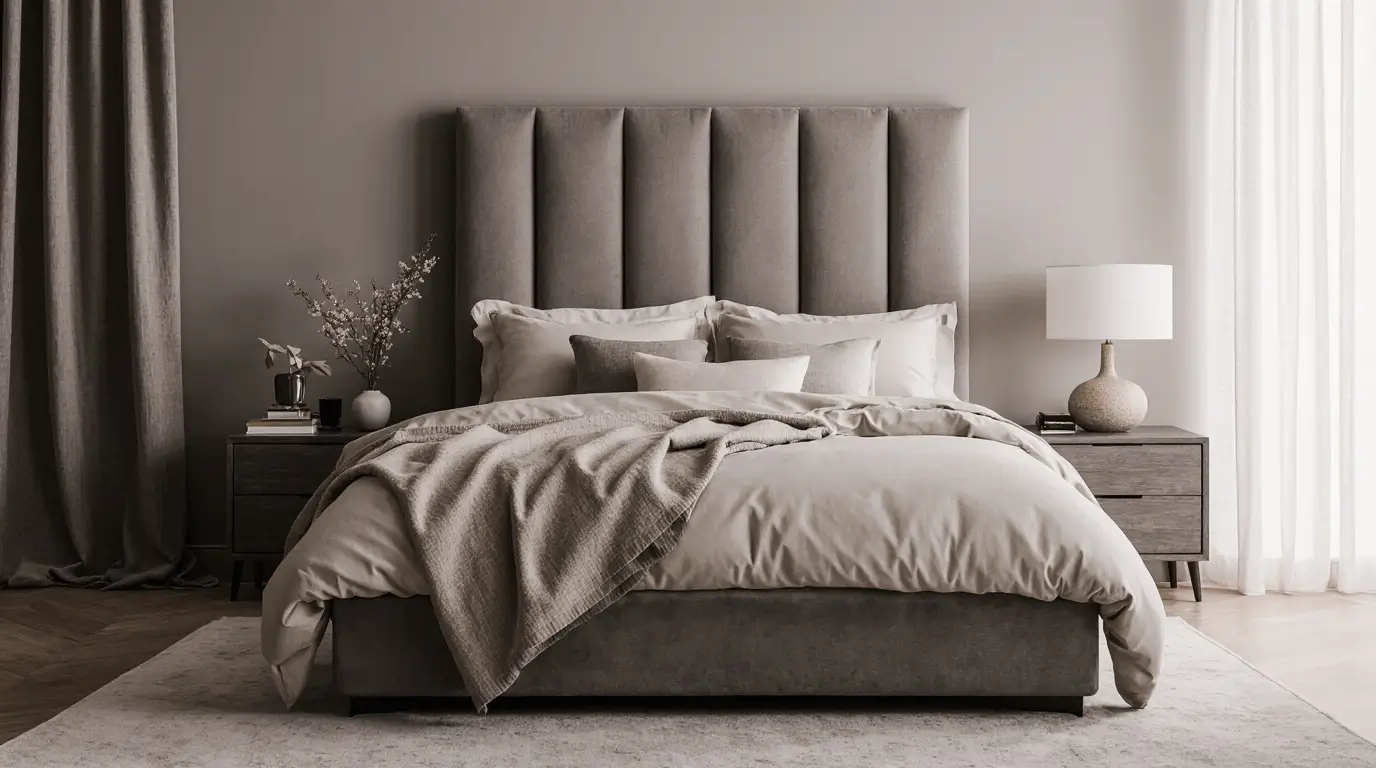
Bespoke Bathroom Interior Design
Bespoke bathrooms prioritize sensory comfort. Material temperature, lighting tone, and spatial privacy are orchestrated to create a spa-like experience.
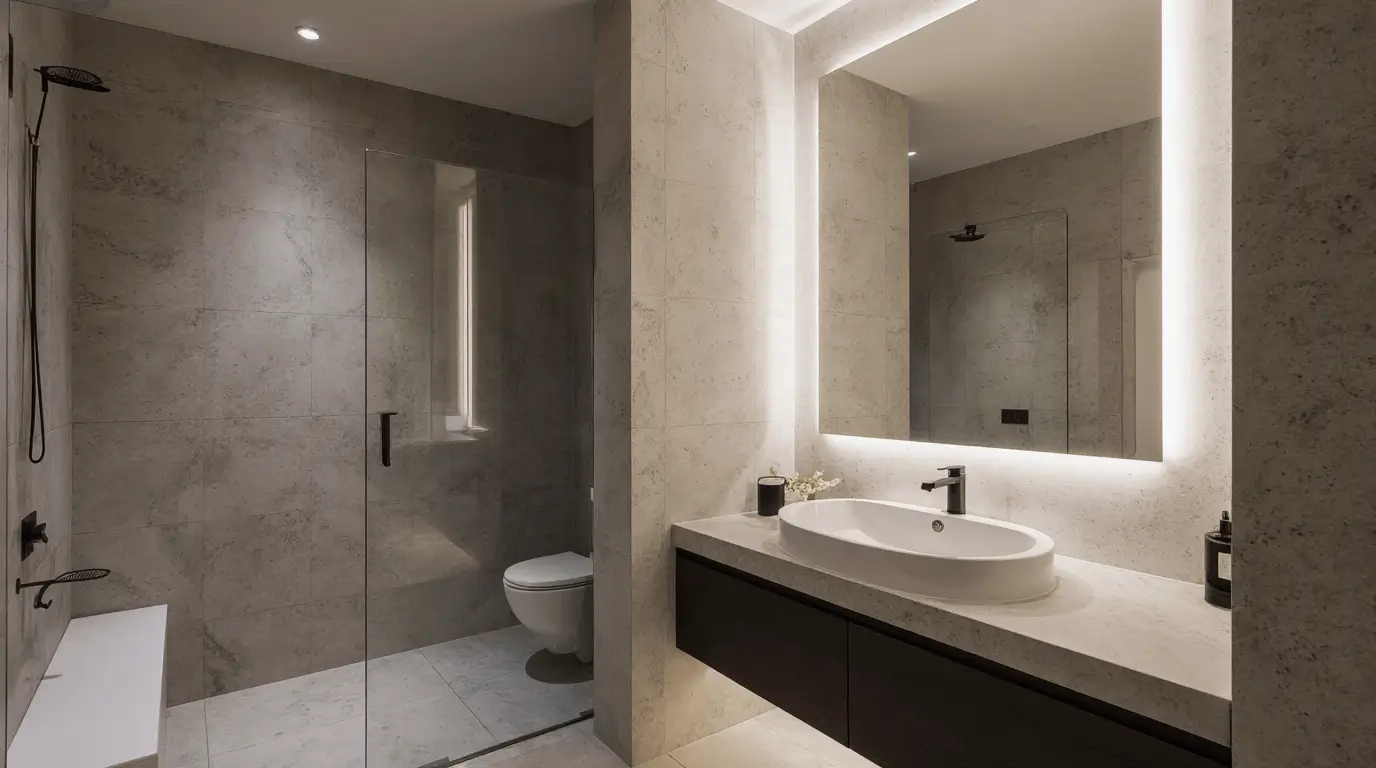
Bespoke Interior Details & Craftsmanship
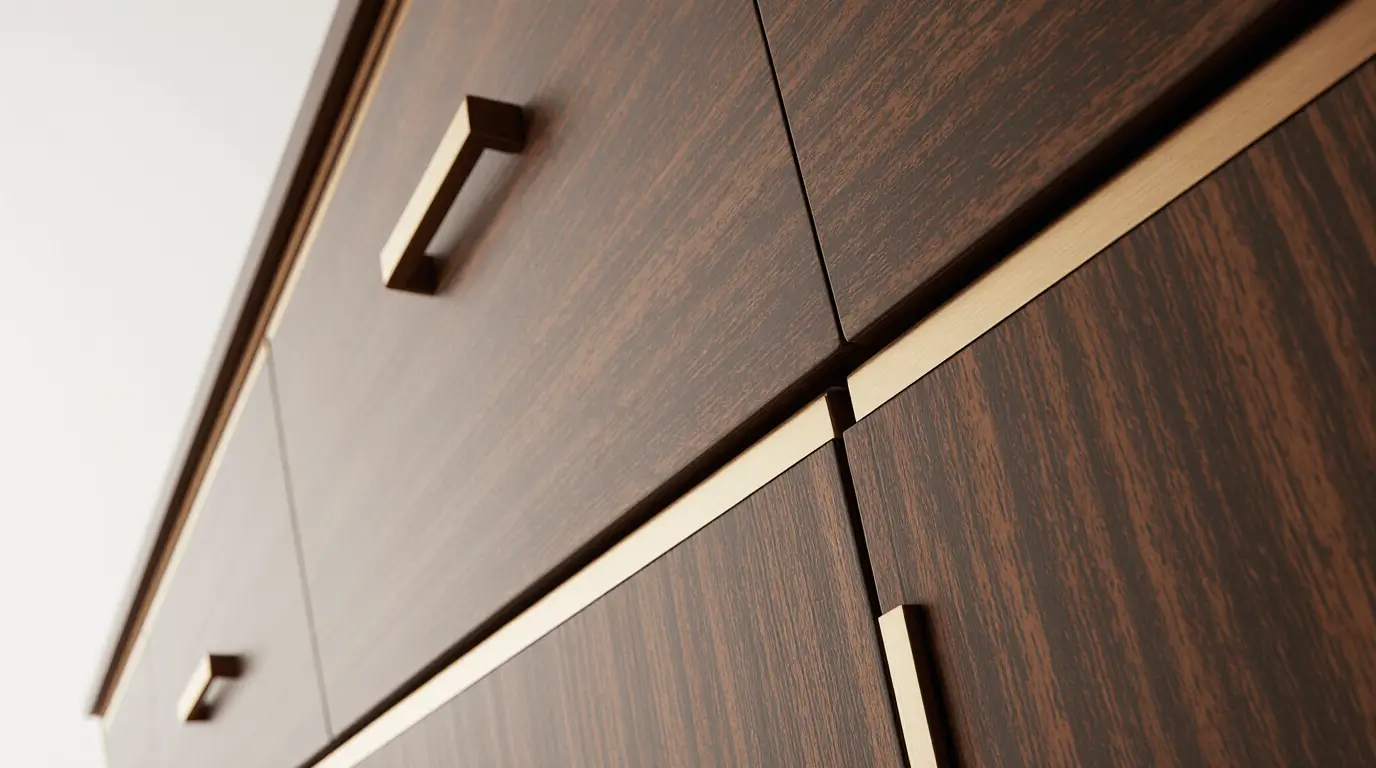
Details define bespoke interior design. Hand-finished edges, custom hardware, and precise alignment reflect craftsmanship that cannot be replicated by mass production.
Bespoke Interior Design Process
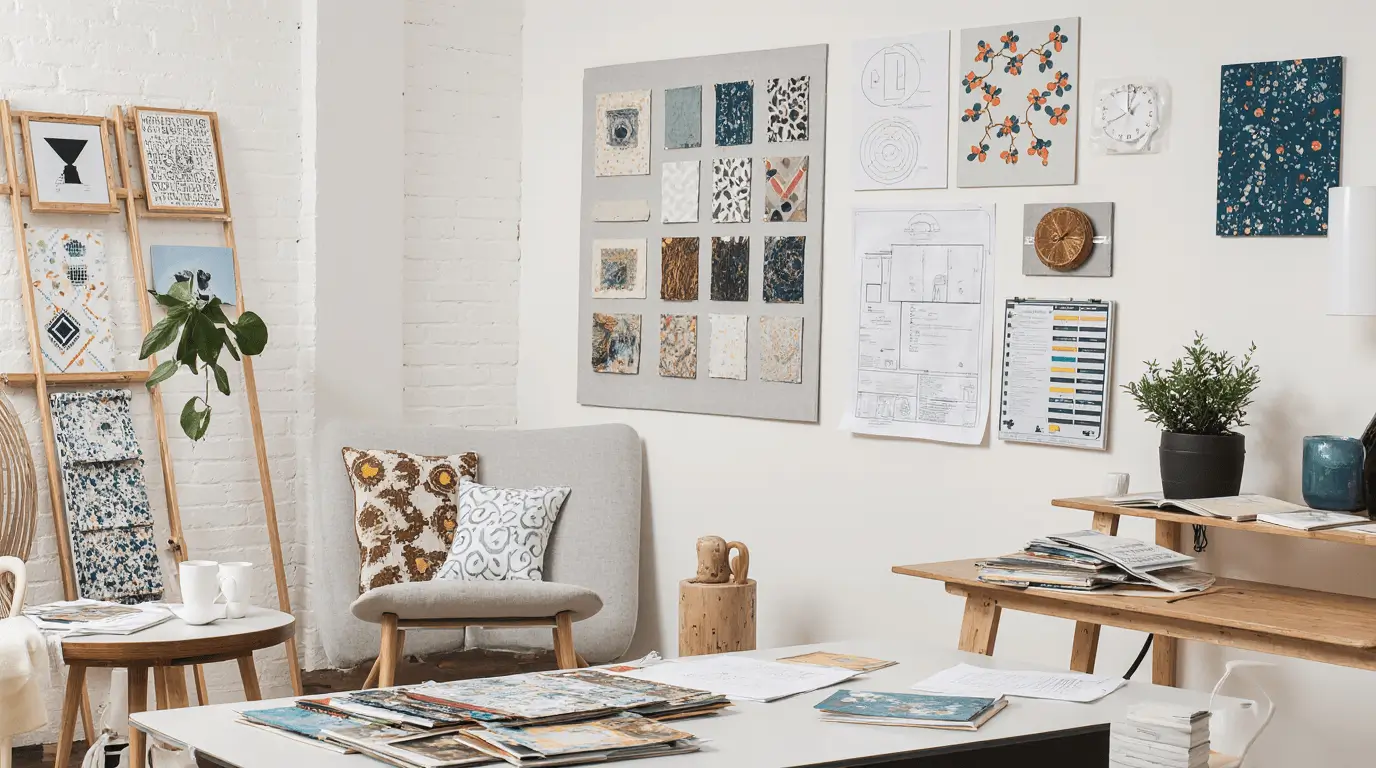
The bespoke interior design process is collaborative and iterative. It involves deep consultation, concept refinement, prototyping, and execution with constant attention to detail.
Bespoke Interior Design vs Standard Interiors
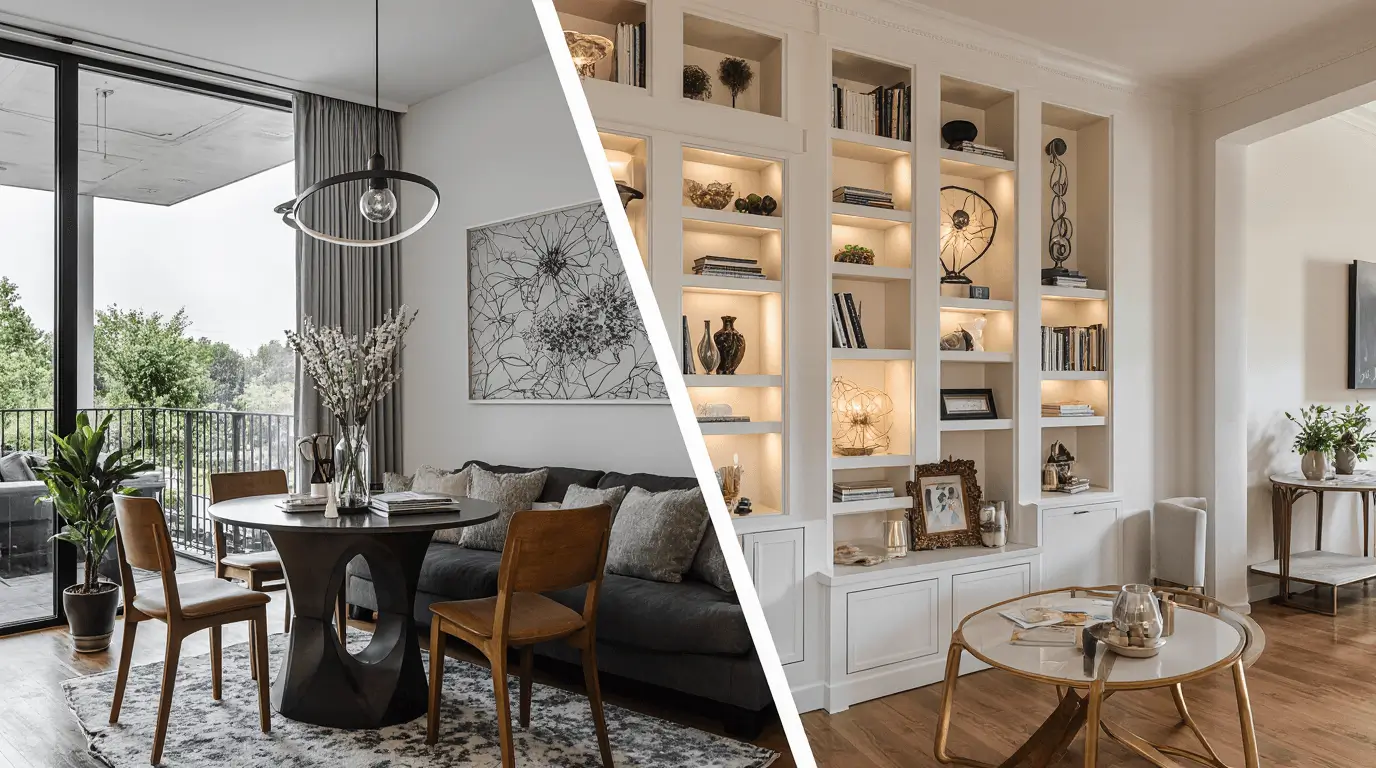
Unlike standard interiors, bespoke interior design evolves from the inside out. It adapts to the client instead of forcing the client to adapt to the space.
Bespoke Interior Design Longevity
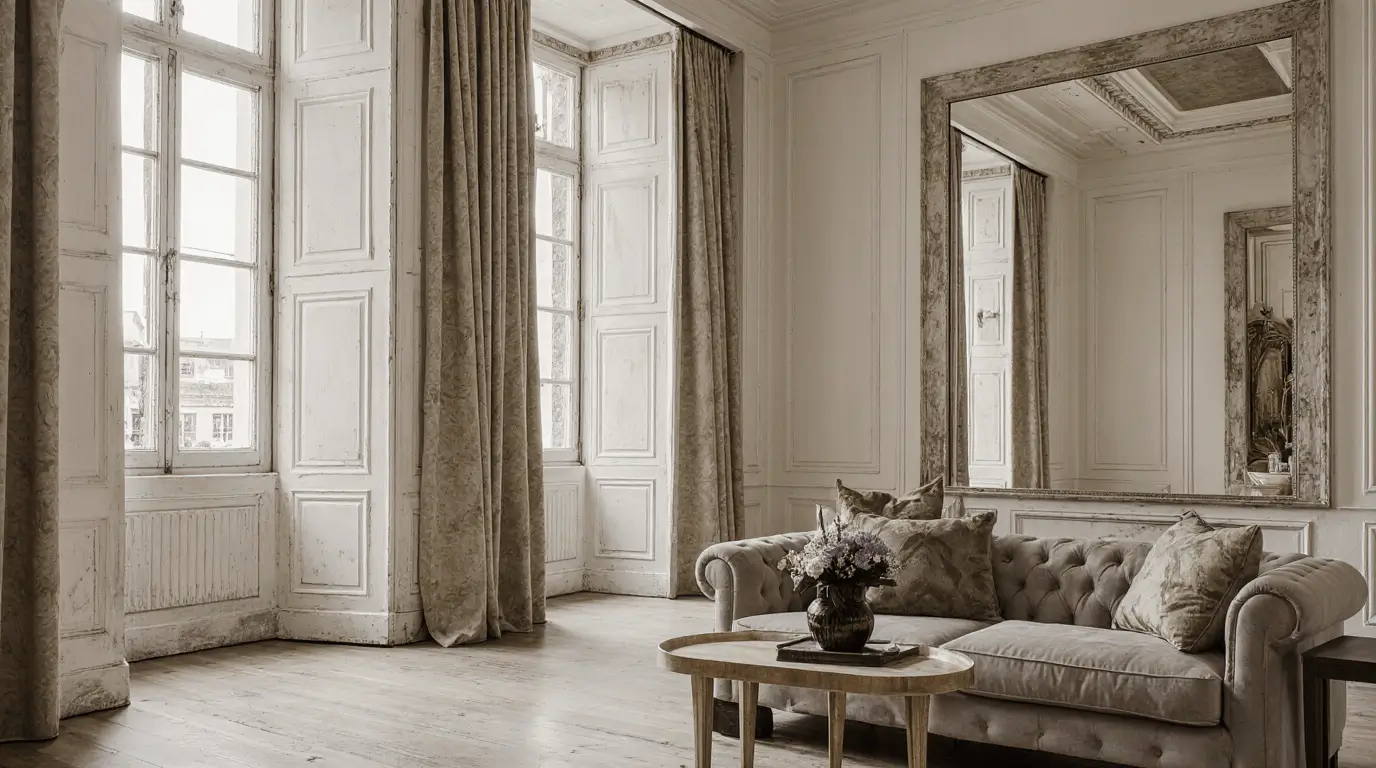
Bespoke interior design is built to last. Timeless proportions, durable materials, and adaptable layouts ensure relevance for decades, not seasons.
Why Bespoke Interior Design Creates Emotional Value
The true success of bespoke interior design lies in emotional connection. Spaces feel intuitive, personal, and deeply comfortable because they are designed with intention and care.
Conclusion: Why Bespoke Interior Design Endures
Bespoke interior design succeeds because it starts with people, not products. When a space is shaped around how you live, move, and think, design stops being decorative and becomes quietly supportive. Rooms feel intuitive. Materials age well because they were chosen with intention. Layouts remain relevant because they were built on real habits rather than passing ideas.
In practice, bespoke interior design benefits those who value clarity, longevity, and emotional comfort in their surroundings. It is especially meaningful for homeowners and clients who want their spaces to reflect personal identity without feeling overdesigned. By aligning architecture, craftsmanship, and daily function, bespoke interiors reduce friction in everyday life and create environments that feel calm, coherent, and grounded.
Moving forward with bespoke interior design is less about chasing perfection and more about making informed, thoughtful decisions. When you invest time in understanding your needs and work with professionals who respect process and detail, the result is a space that continues to serve you well—quietly, beautifully, and for years to come.
Learn more : 11+ Stunning Elevator Cab Interior Design Ideas You’ll Love
Frequently Asked Questions
- What makes bespoke interior design different from custom or luxury interiors?
Bespoke interior design goes beyond customization by starting from a blank slate. Instead of adapting existing solutions, every element is conceived specifically for the client, the space, and how it will be used over time.
- Is bespoke interior design only suitable for large or high-end homes?
Not at all. Bespoke interior design is especially valuable in smaller or complex spaces, where thoughtful planning and tailored solutions can significantly improve functionality and comfort.
- How involved should a client be in the bespoke design process?
Clients don’t need design expertise, but their input is essential. The most successful bespoke interiors come from open dialogue—sharing routines, preferences, and priorities allows designers to make informed decisions on your behalf.
- Does bespoke interior design take longer than standard interior projects?
It often does, because time is invested upfront in planning, detailing, and coordination. This approach reduces costly revisions later and results in a more resolved, long-lasting outcome.
- How do bespoke interiors remain timeless rather than trend-driven?
Timelessness comes from proportion, material quality, and restraint. Bespoke interior design focuses on what will feel right long-term, allowing subtle evolution without requiring complete redesigns.
- Can bespoke interior design adapt to future lifestyle changes?
Yes. Well-executed bespoke interiors anticipate change by using flexible layouts, adaptable storage, and durable materials that evolve with the client’s life rather than limiting it.
- How do I know if bespoke interior design is the right approach for me?
If you value intentional living, long-term comfort, and spaces that feel personally meaningful rather than generic, bespoke interior design is likely a strong fit for your goals.

One Response