Introduction
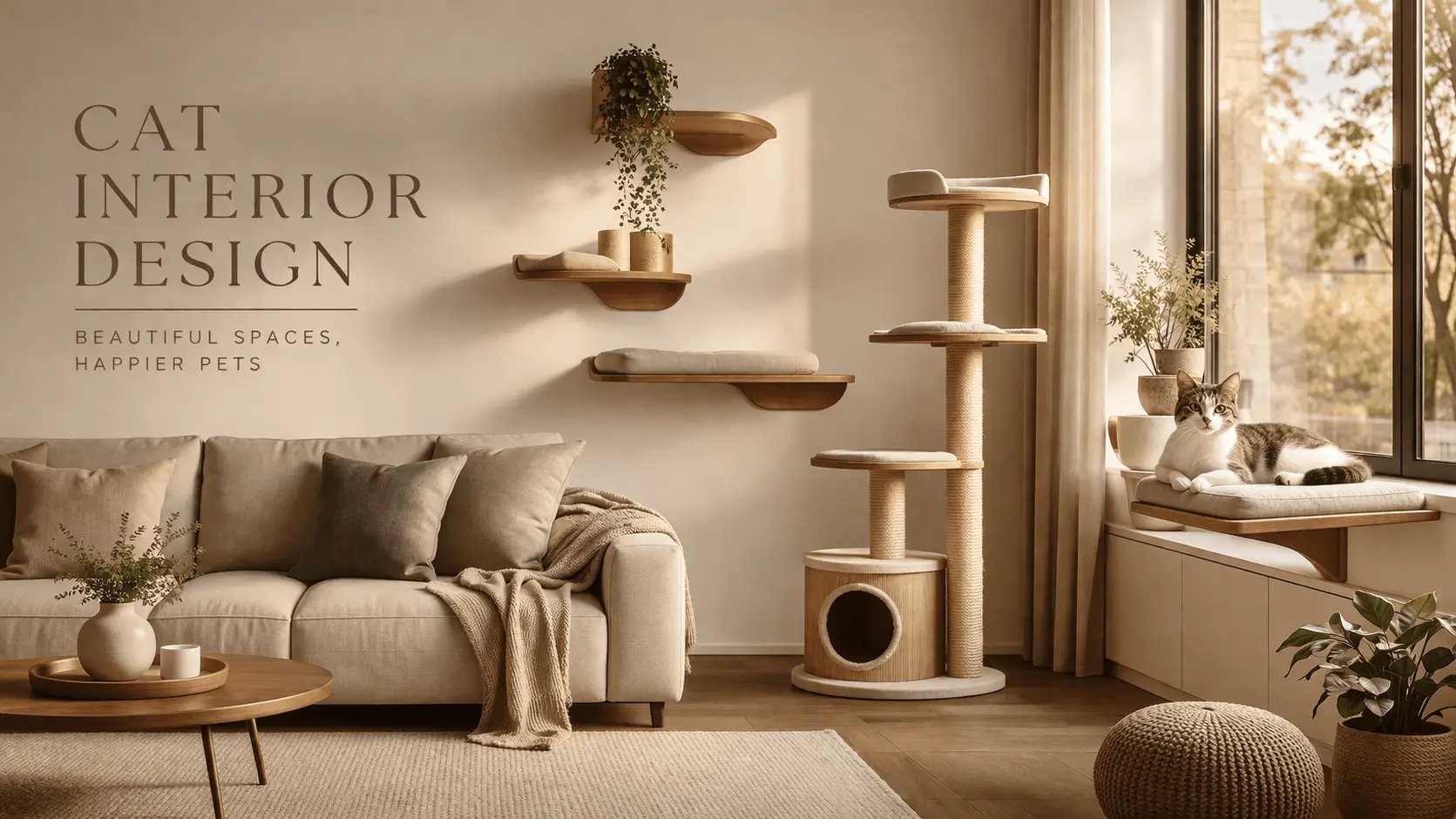
Designing a home that feels beautiful to you and functional for your cat isn’t about compromise—it’s about intention. Cat interior design blends aesthetics with instinct-driven spaces, creating an environment where your cat can climb, rest, observe, and play without disrupting your overall style.
From years of observing how cats naturally interact with spaces, one truth stands out: cats don’t just live in your home—they actively use vertical space, textures, and hidden corners. When you design with that in mind, your home becomes calmer, more organized, and surprisingly more elegant.
The goal isn’t to “add cat stuff.” It’s to integrate cat-friendly elements so seamlessly that they feel like part of the design language.
Cat Interior Design for Vertical Living Spaces
Cats are natural climbers, and vertical territory gives them confidence and security. Wall-mounted shelves, floating steps, and tall cat trees allow them to explore without cluttering your floor.
Cat Interior Design with Minimalist Cat Furniture
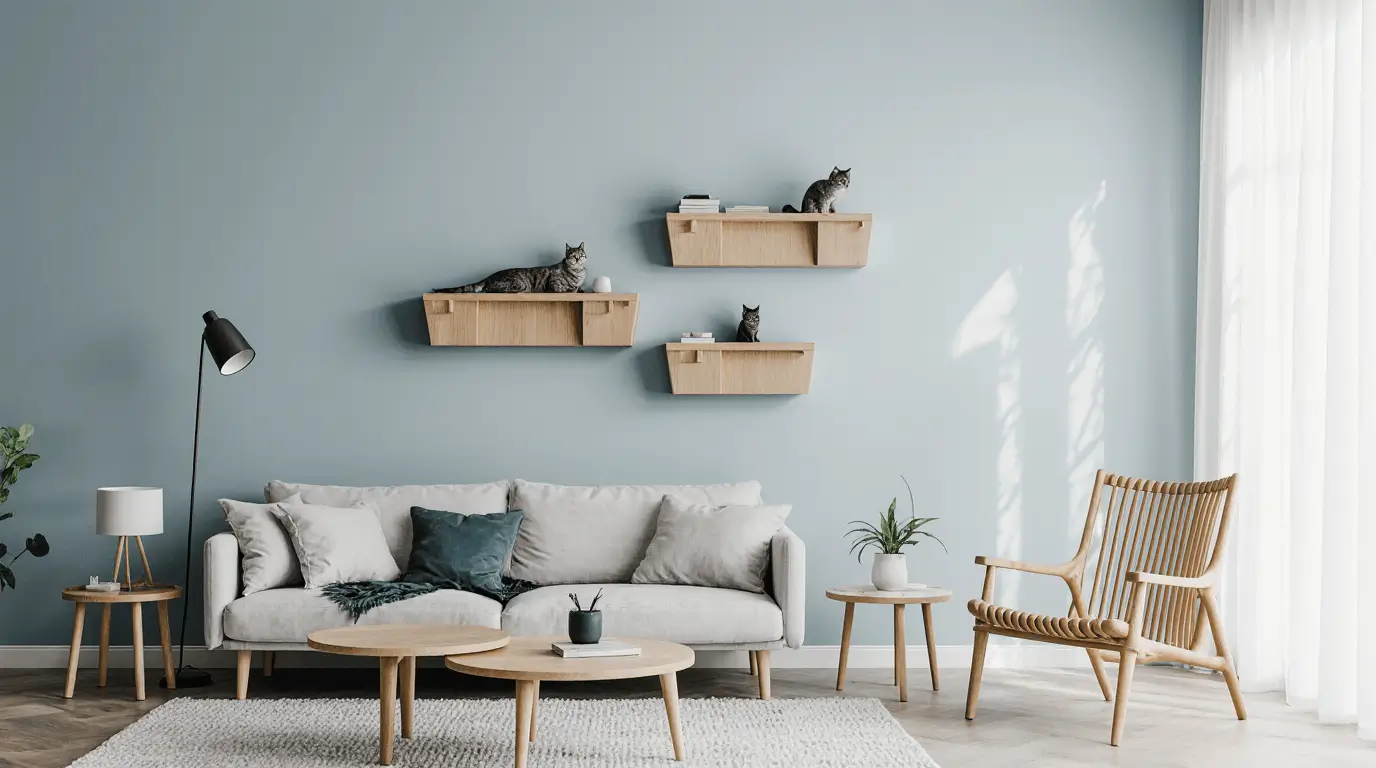
Minimalist cat furniture blends into your home rather than standing out. Think clean lines, neutral fabrics, and hidden functionality that doubles as décor.
Cat Interior Design Using Aesthetic Cat Furniture
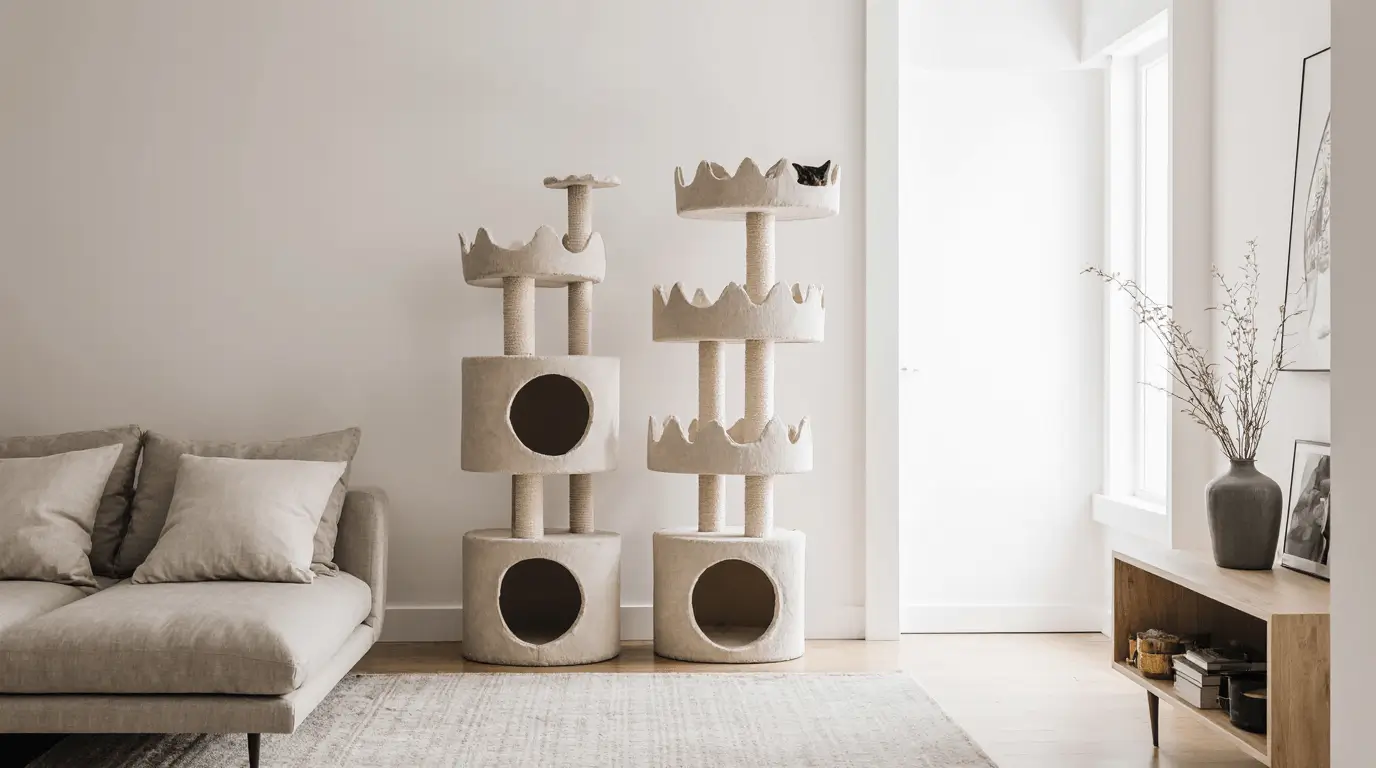
Aesthetic cat furniture focuses on form as much as function—sculptural pieces, curved loungers, and elegant materials that elevate the entire room.
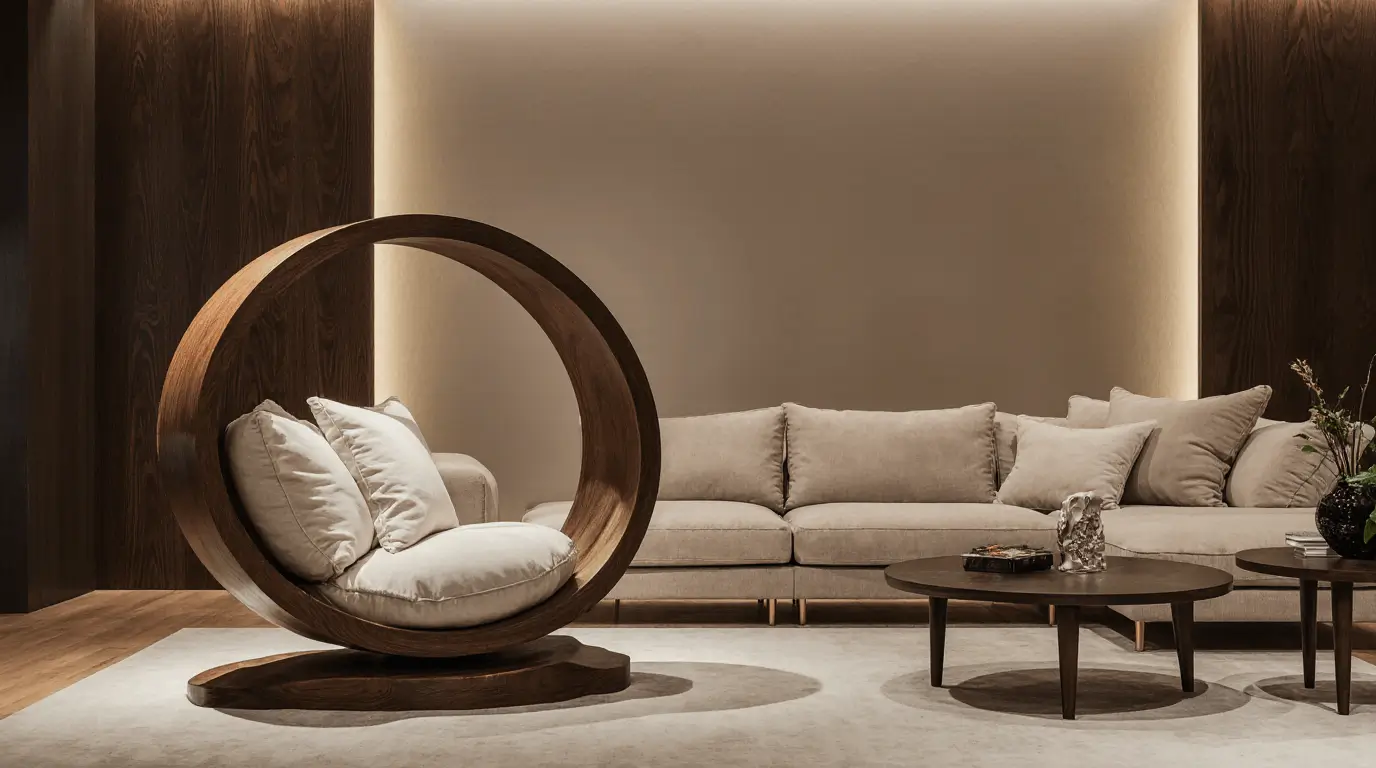
Cat Interior Design for Stylish Cat Trees
A stylish cat tree should feel like a design statement, not an afterthought. Choose textures and tones that match your palette.
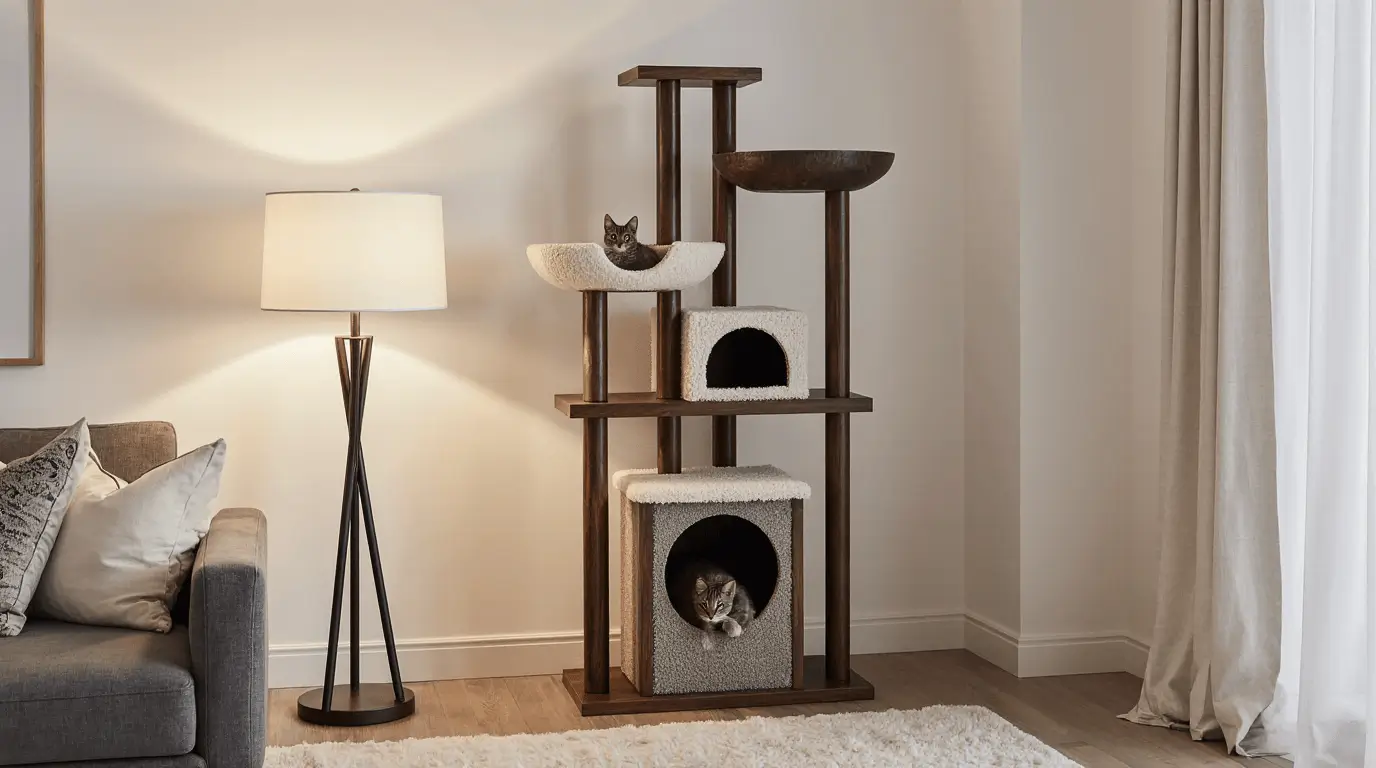
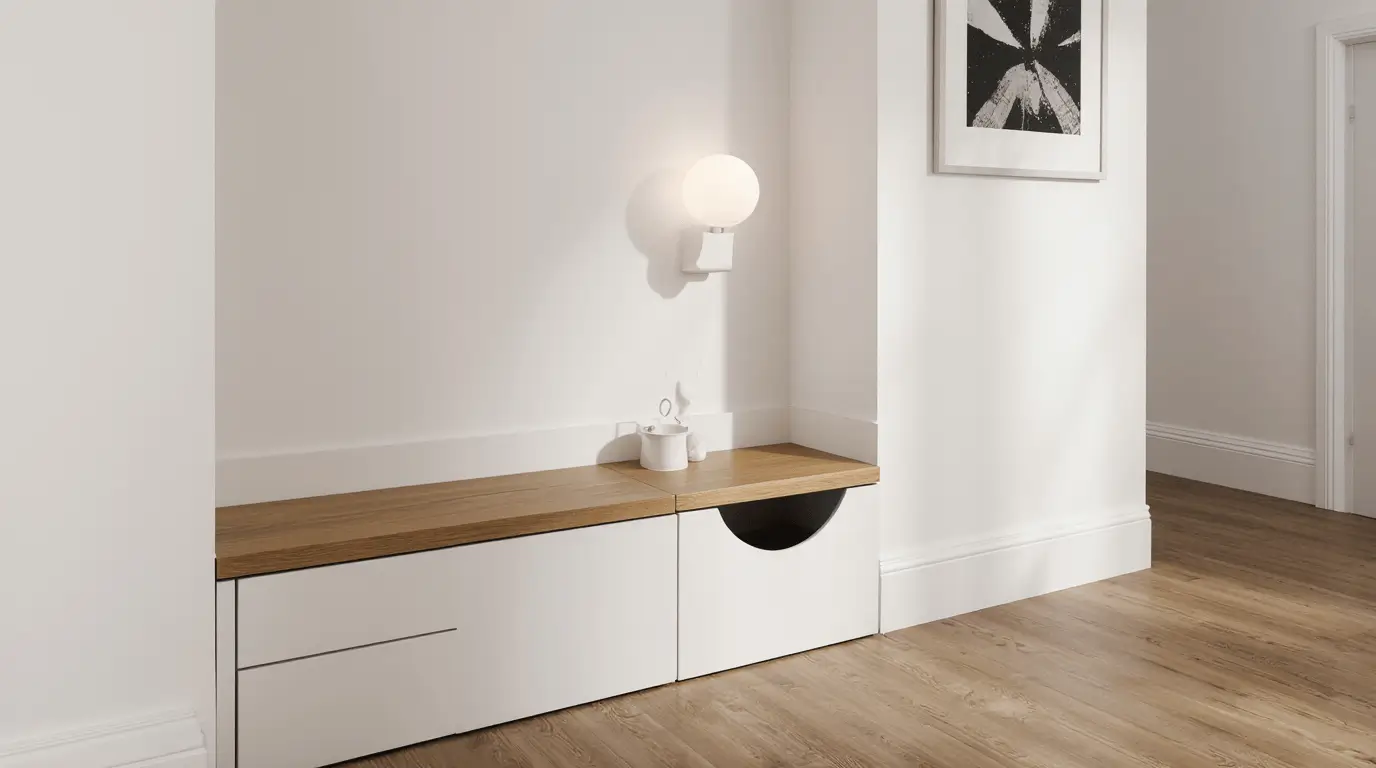
Cat Interior Design with Hidden Litter Solutions
One of the biggest design wins is hiding the litter box. Use cabinets, benches, or built-in compartments to keep things discreet and odor-controlled.
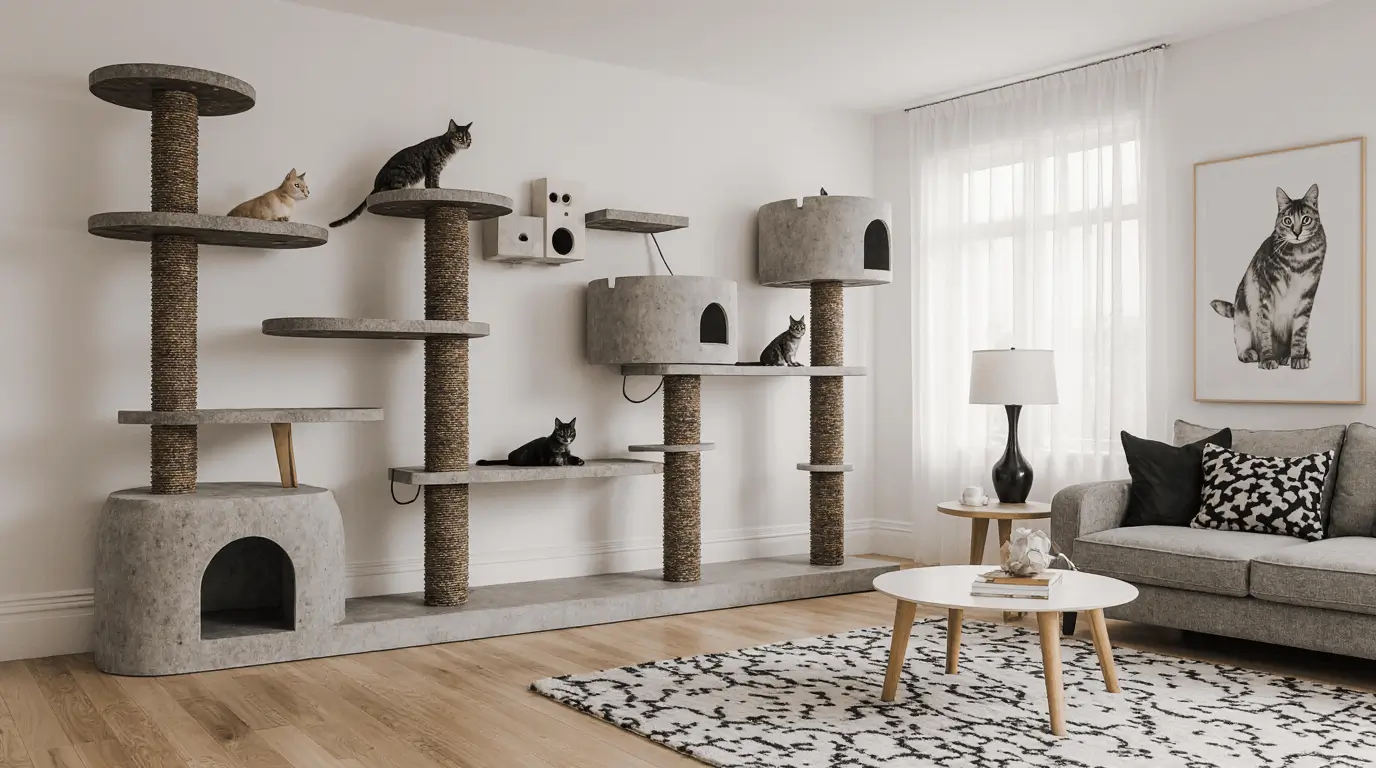
Cat Interior Design for Multi-Cat Homes
In homes with multiple cats, territory matters. Providing separate zones reduces stress and encourages harmony.
Cat Interior Design with Natural Materials
Cats are drawn to natural textures like wood, sisal, and cotton. These materials also add warmth and authenticity to your space.
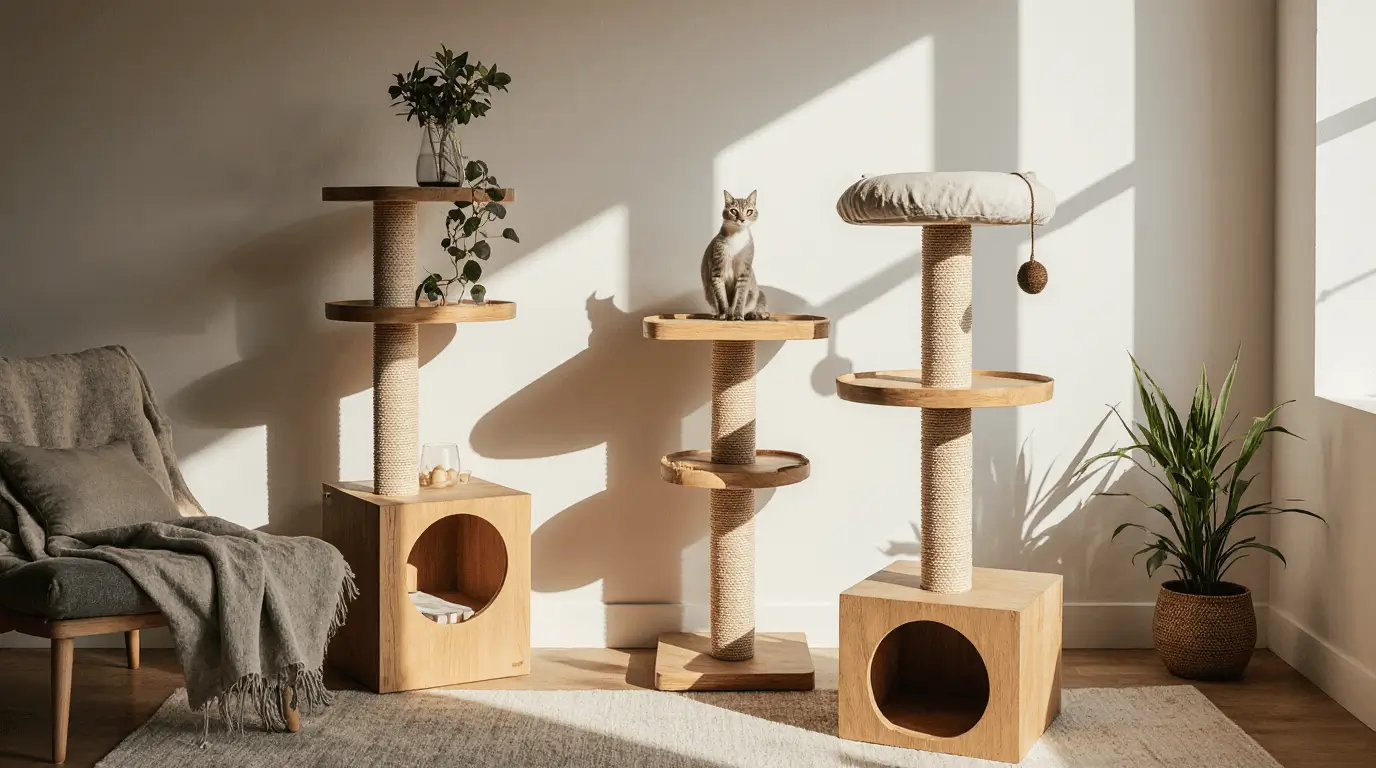
Cat Interior Design for Window Perches
Cats love observing the outside world. Window perches give them a safe and enriching vantage point.
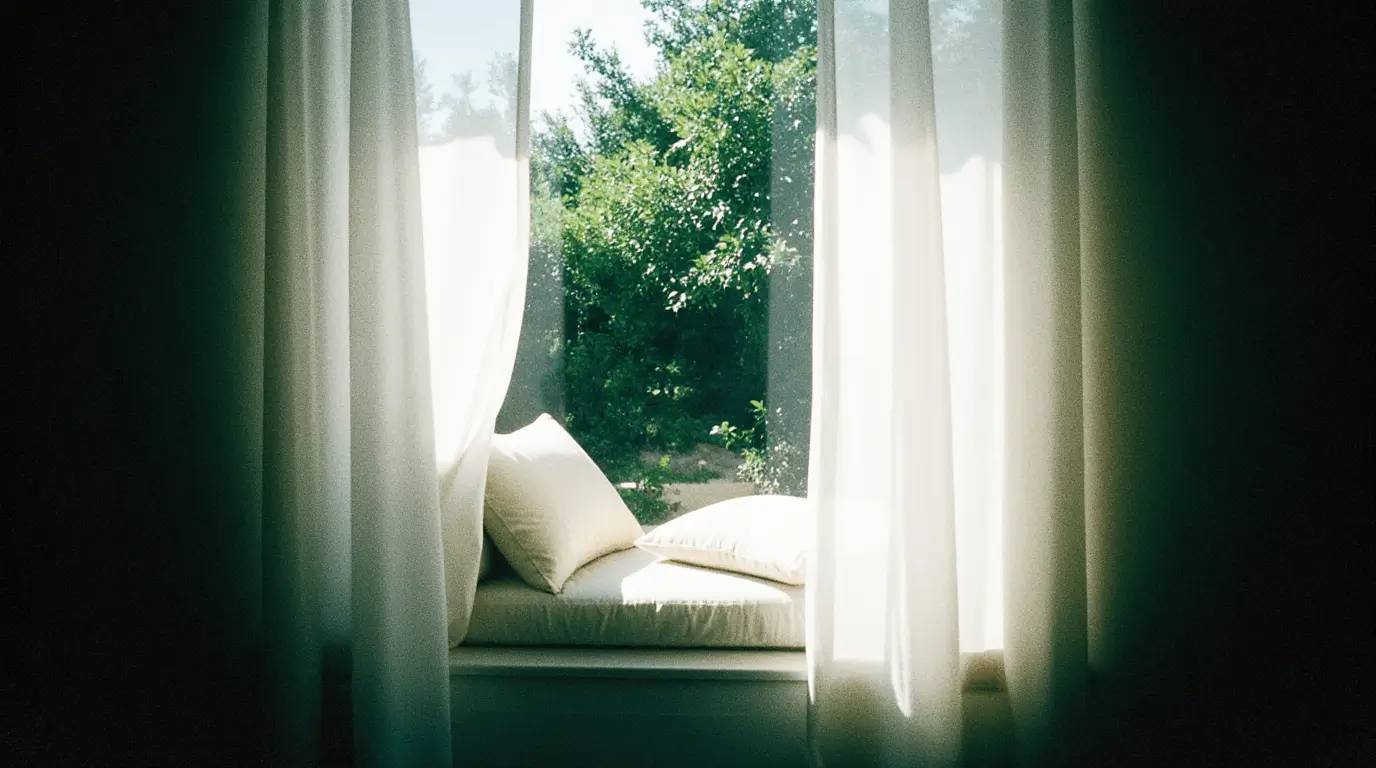
Cat Interior Design with Built-In Cat Furniture
Built-in designs create a seamless look—think integrated shelves, hidden tunnels, and custom cabinetry.
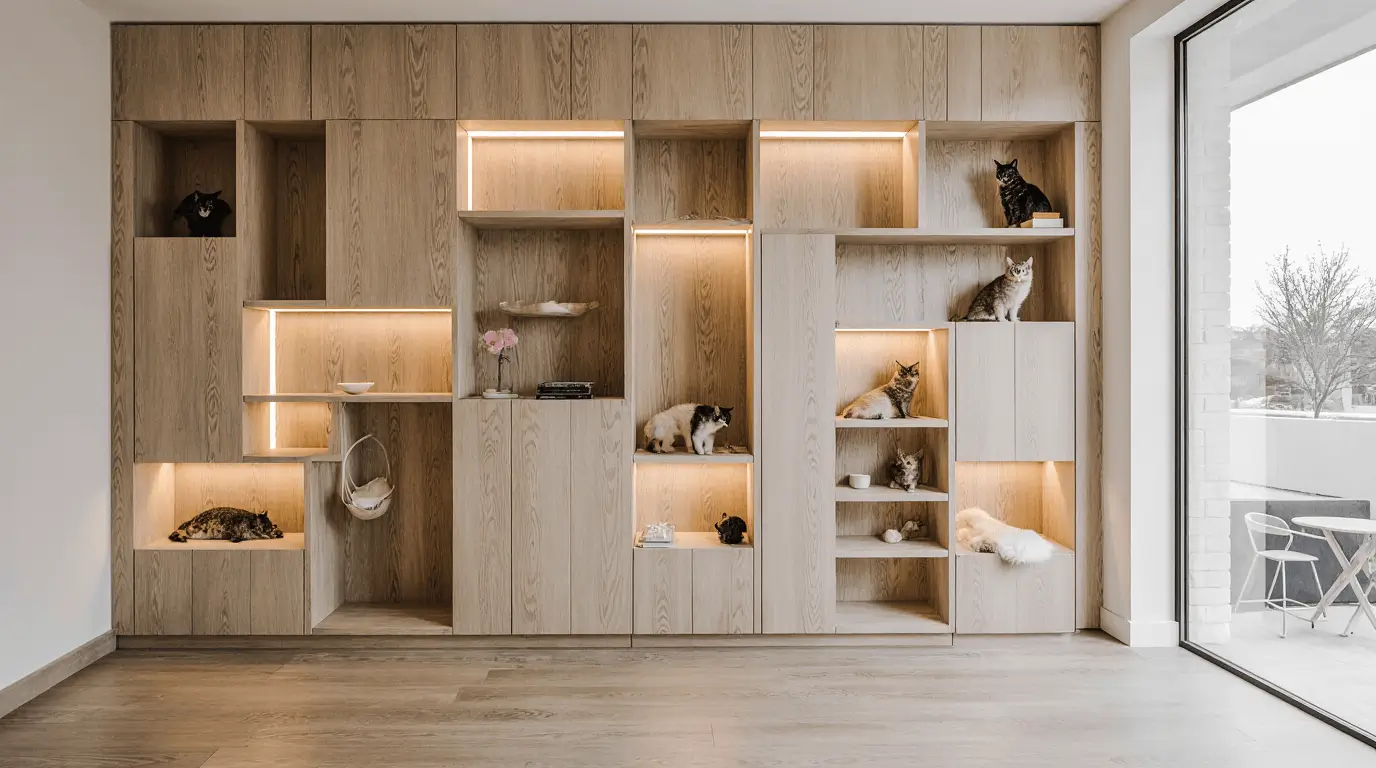
Cat Interior Design for Small Spaces
Even small apartments can feel cat-friendly with smart planning. Vertical solutions and multifunctional furniture are key.
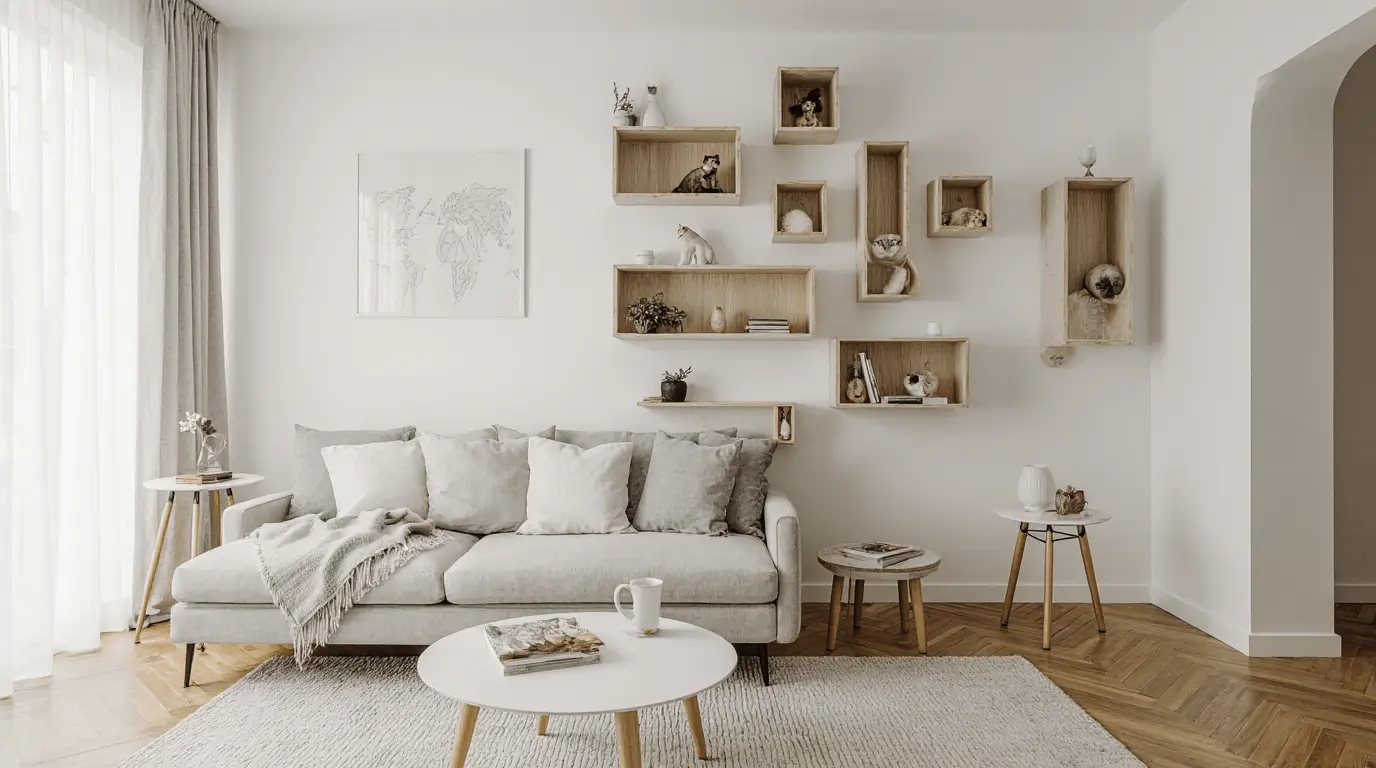
Cat Interior Design with Luxury Cat Furniture
Luxury pieces combine premium materials with refined design, offering both comfort and visual appeal.
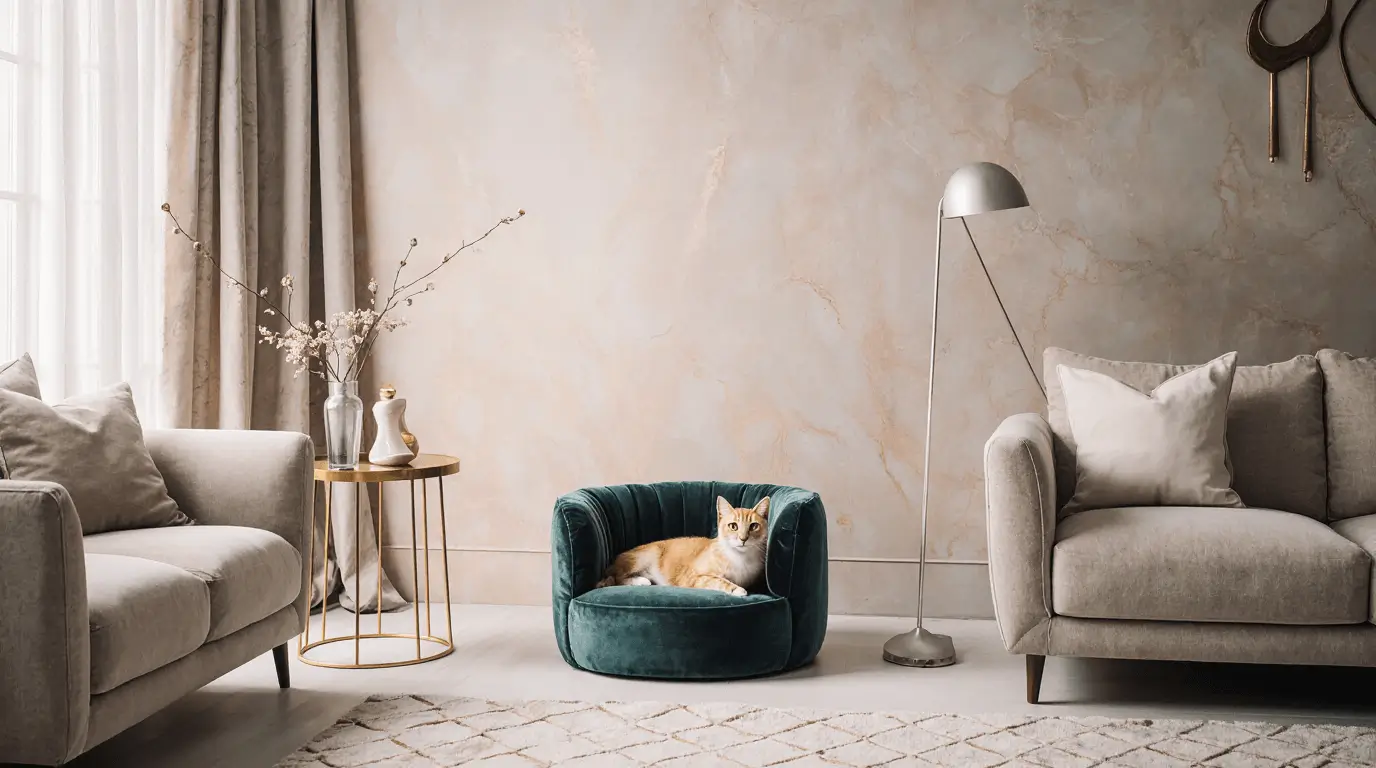
Cat Interior Design for Play and Enrichment
A well-designed space includes play zones to keep your cat mentally and physically stimulated.
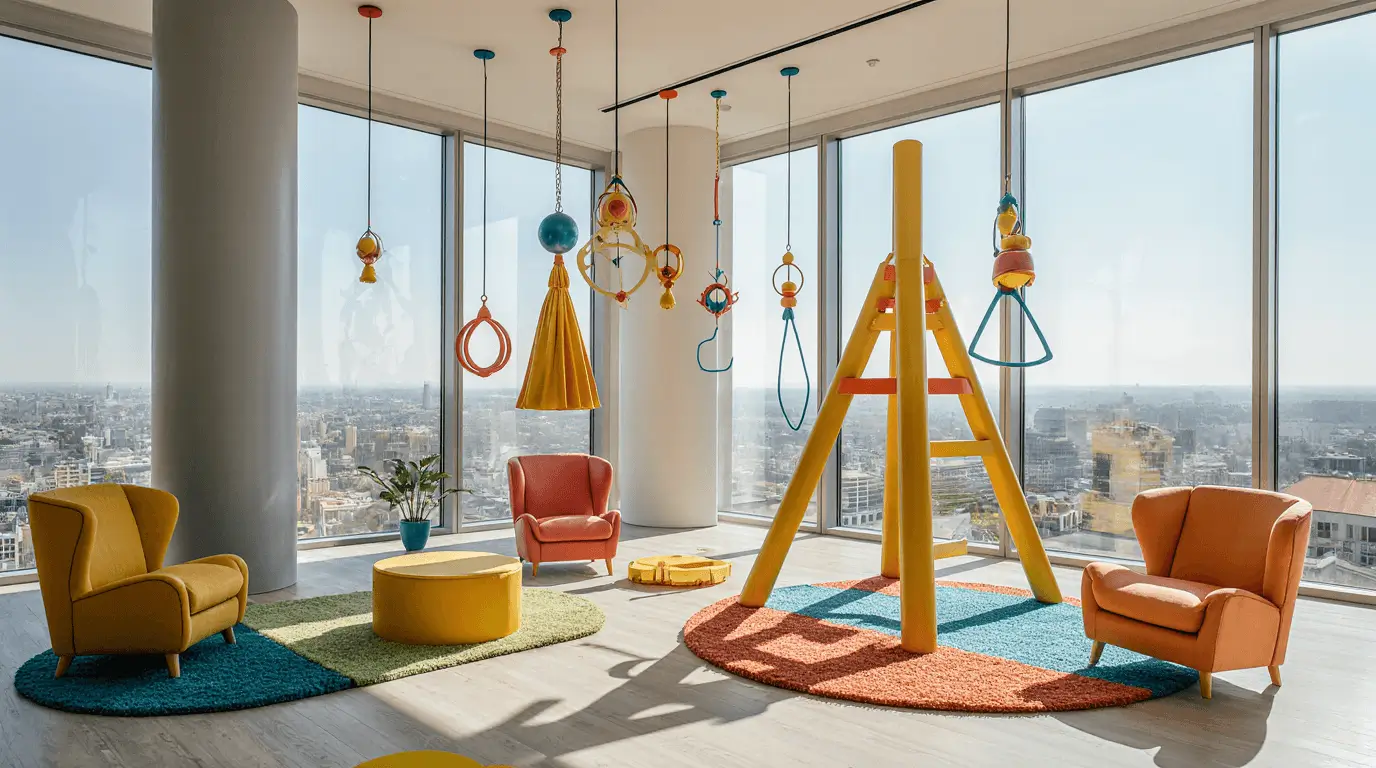
Cat Interior Design with Cozy Resting Zones
Cats need quiet, soft areas to recharge. These spaces should feel safe, warm, and slightly tucked away.
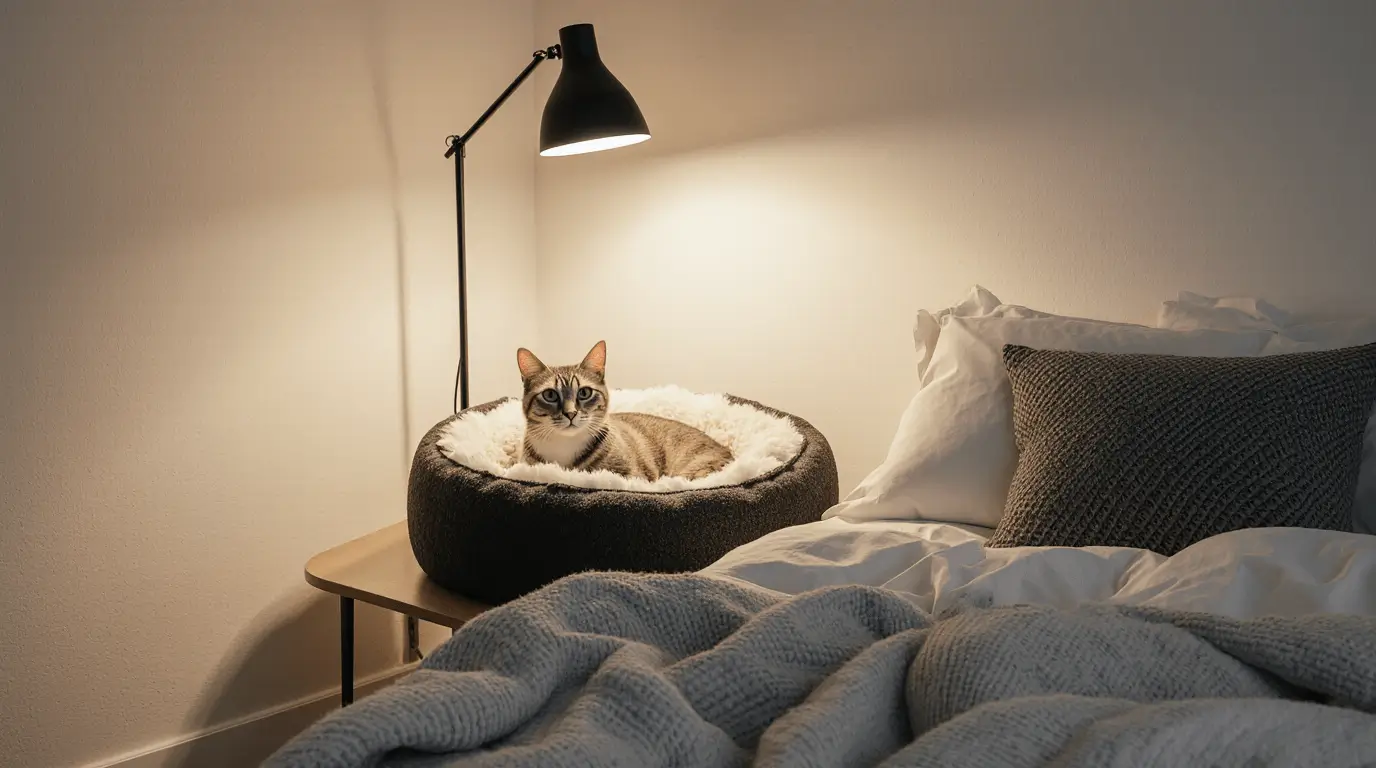
Cat Interior Design for Scratch-Friendly Surfaces
Scratching is essential behavior, not a problem. Designate stylish scratching zones to protect your furniture.
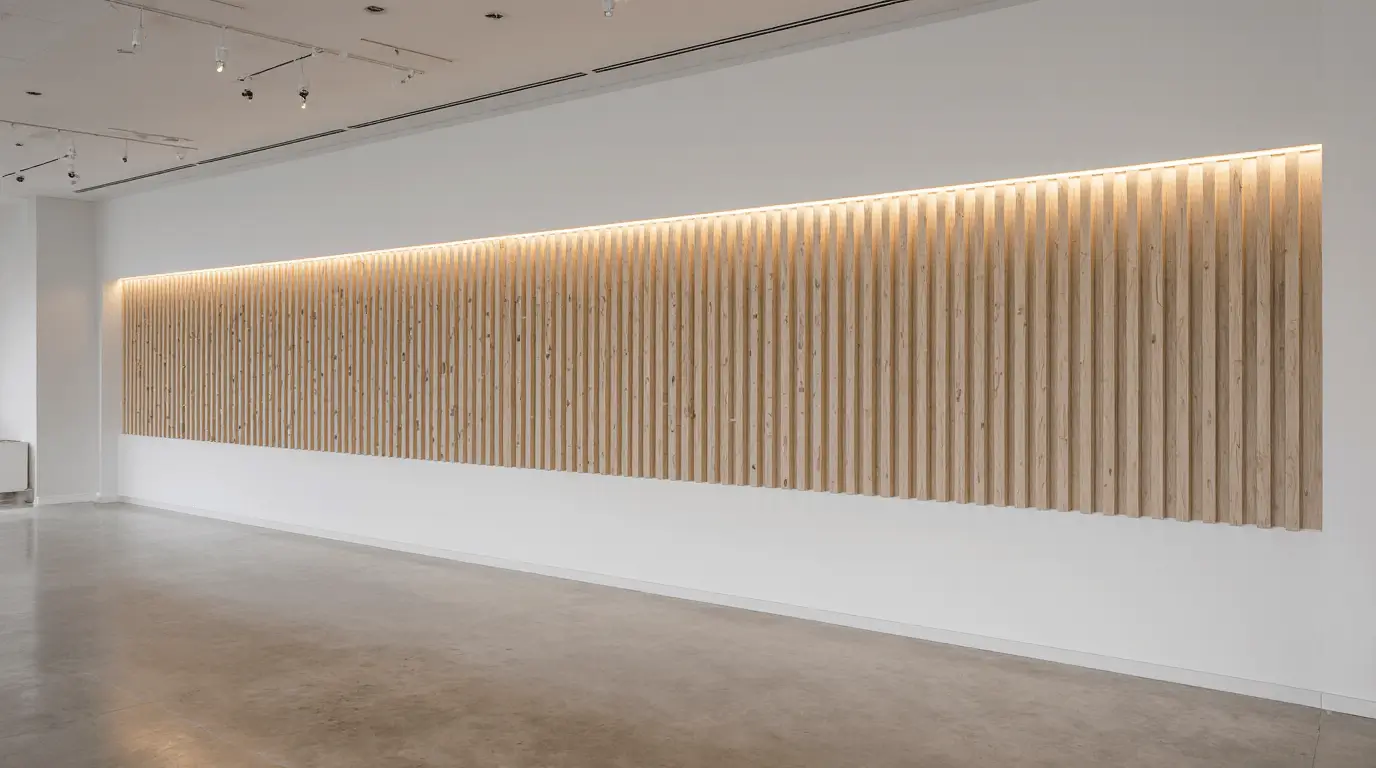
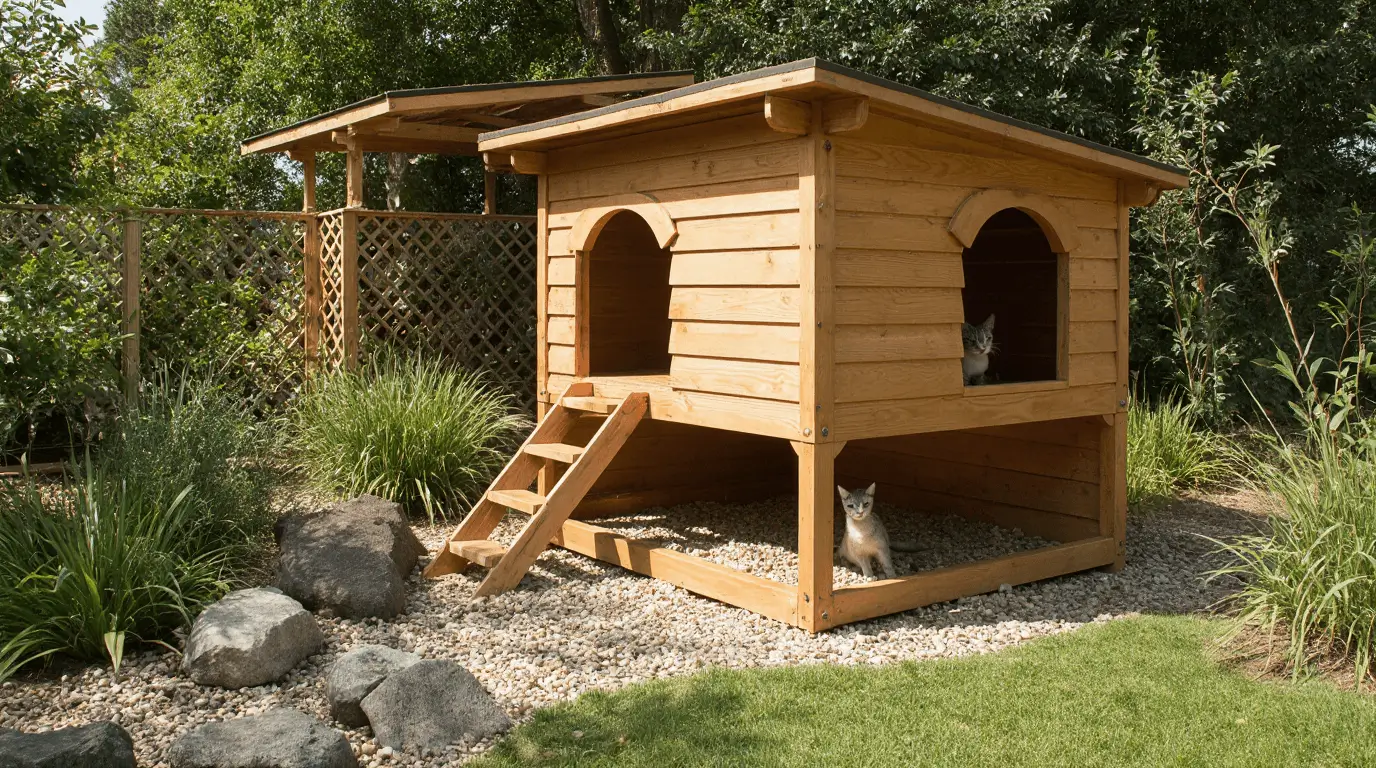
Cat Interior Design with Outdoor Cat Houses
If you have outdoor space, a well-designed cat house provides safety and comfort while maintaining visual harmony.
Cat Interior Design with Statement Cat Furniture
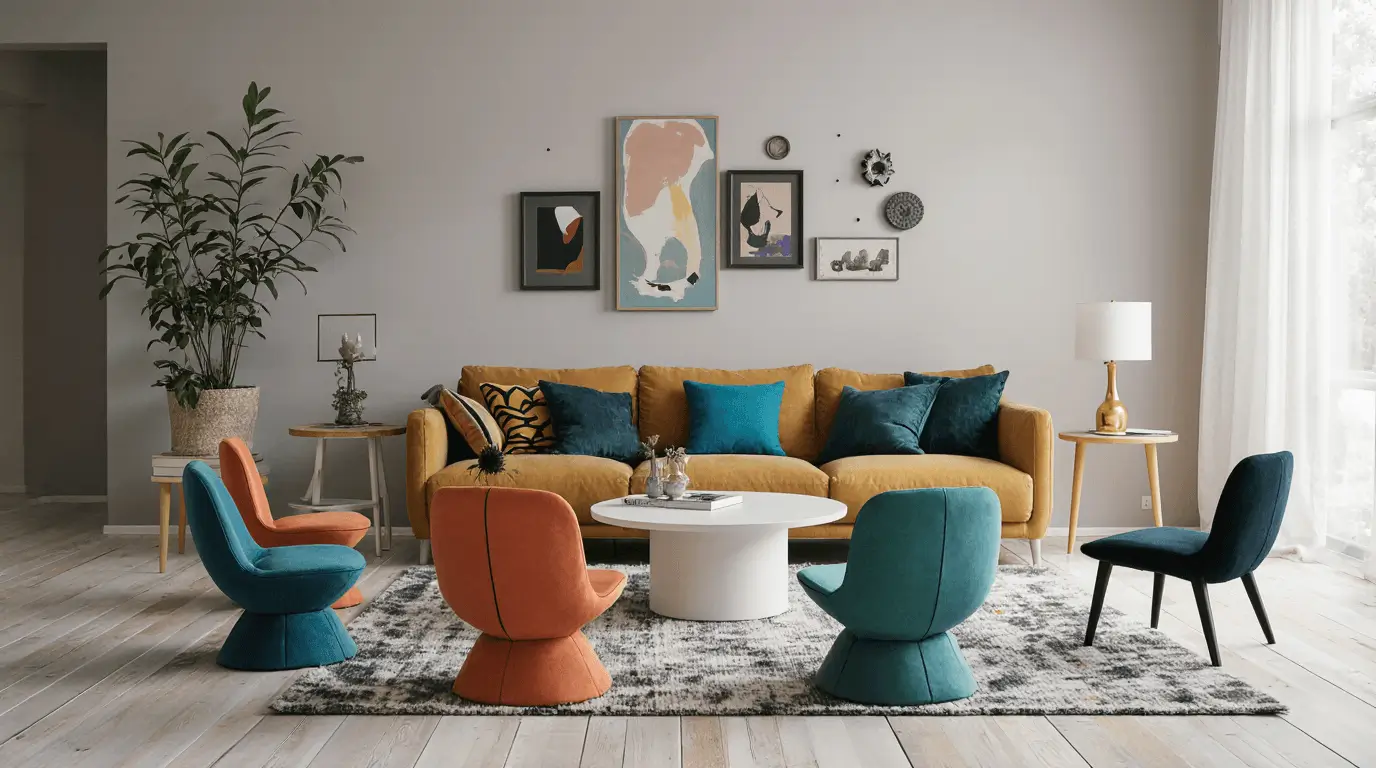
Sometimes, bold pieces like a cat-shaped sofa or artistic furniture can become conversation starters.
Cat Interior Design for Calm, Stress-Free Living
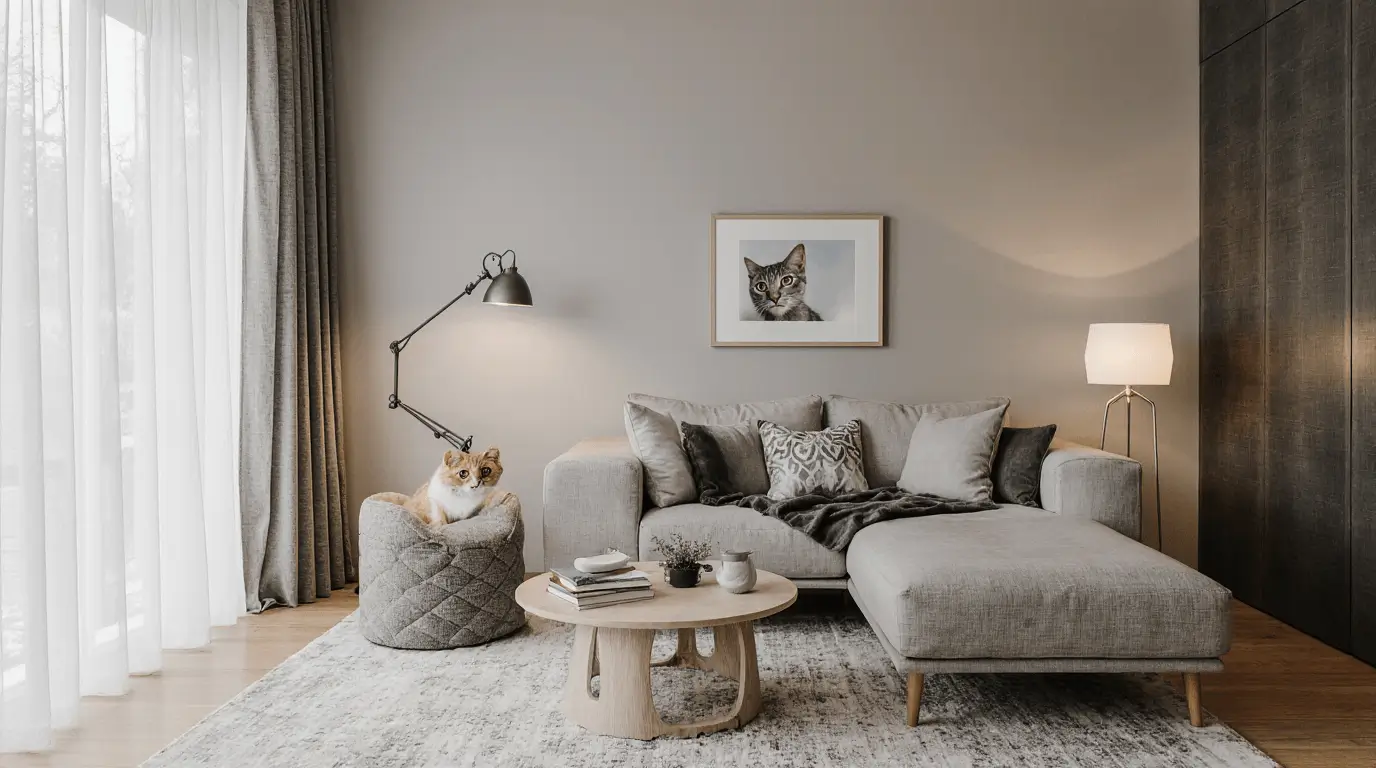
Ultimately, the best designs reduce stress—for both you and your cat. Balanced layouts, soft lighting, and thoughtful zoning make a huge difference.
Conclusion
At its best, cat interior design isn’t about adjusting your home for your pet—it’s about designing a space that works with natural behavior instead of against it. When you understand how cats move, rest, and observe their surroundings, the design decisions become obvious: elevate their world, soften their resting areas, and give them places to scratch, hide, and explore without disrupting your space.
What I’ve seen consistently is that homes designed this way feel calmer and more intentional. Cats become less destructive because their needs are met. Owners feel less frustrated because the space stays organized and visually cohesive. It’s a subtle shift—from reacting to your cat’s behavior to proactively designing for it—but it changes everything.
This approach works especially well for people who value both aesthetics and functionality. Whether you live in a compact apartment or a larger home, the principles remain the same: integrate, don’t isolate. When cat-friendly elements are part of the design language, your home doesn’t look like it was “adapted” for a pet—it looks thoughtfully designed from the start.
If you’re moving forward with this, start small. Add one vertical feature, one intentional resting zone, and one designated scratching area. Once you see how your cat responds, the rest of the design naturally falls into place.
Learn more : Ancient Interior Design: Elegant Ideas for Timeless Homes
FAQs
- How do I start incorporating cat interior design without redesigning my entire home?
Begin with high-impact, low-effort changes—like a window perch or a wall-mounted shelf. Focus on one area your cat already uses and improve it. This lets you test what works before expanding into larger design changes. - What is the biggest mistake people make in cat-friendly interiors?
Most people focus only on floor-level solutions. Cats live vertically, so ignoring height creates frustration and behavioral issues. Adding vertical pathways often solves problems more effectively than adding more toys or beds. - Can cat interior design still look modern and stylish?
Absolutely. The key is choosing materials and forms that match your existing décor—wood tones, neutral fabrics, and clean lines. When done right, cat furniture looks like intentional design rather than an add-on. - How do I manage litter boxes without ruining the aesthetic?
Use concealed solutions like cabinets, benches, or built-ins. Proper ventilation and easy access are essential, but visually, these can blend seamlessly into your home when designed thoughtfully. - Is cat interior design suitable for small apartments?
It’s actually more important in small spaces. Vertical solutions—like wall shelves and compact climbing systems—allow your cat to use space efficiently without crowding your living area. - What materials work best for both durability and comfort?
Natural materials like wood, sisal, and cotton are ideal. They’re durable, visually warm, and appealing to cats. Avoid overly slick or fragile materials in areas your cat frequently uses. - How can I make sure my cat actually uses the new design features?
Place new elements along your cat’s existing pathways—near windows, favorite corners, or commonly used routes. Cats are creatures of habit, so aligning design with their current behavior increases adoption naturally.