Introduction
Circulation interior design is the invisible framework that determines how people move through a space—how effortlessly they navigate, interact, and experience it. Whether designing a compact apartment or a large commercial layout, circulation is what transforms a static arrangement of furniture into a living, breathable environment.
From my experience working with residential and commercial layouts, poor circulation is often the hidden reason why a space feels “off.” Even beautifully styled interiors can feel cramped or confusing if movement paths are blocked or unclear. On the other hand, well-planned circulation creates a natural flow, improves usability, and enhances the overall aesthetic without drawing attention to itself.
Understanding circulation interior design is not just about spacing—it’s about designing movement with intention, ensuring every step feels intuitive and every area connects seamlessly.
Circulation Interior Design Basics
Circulation interior design refers to how people move through a space, including pathways, transitions, and spatial connections. It ensures that movement feels natural and unobstructed.
A well-designed circulation plan balances functionality with visual harmony.
Horizontal Circulation in Interior Design
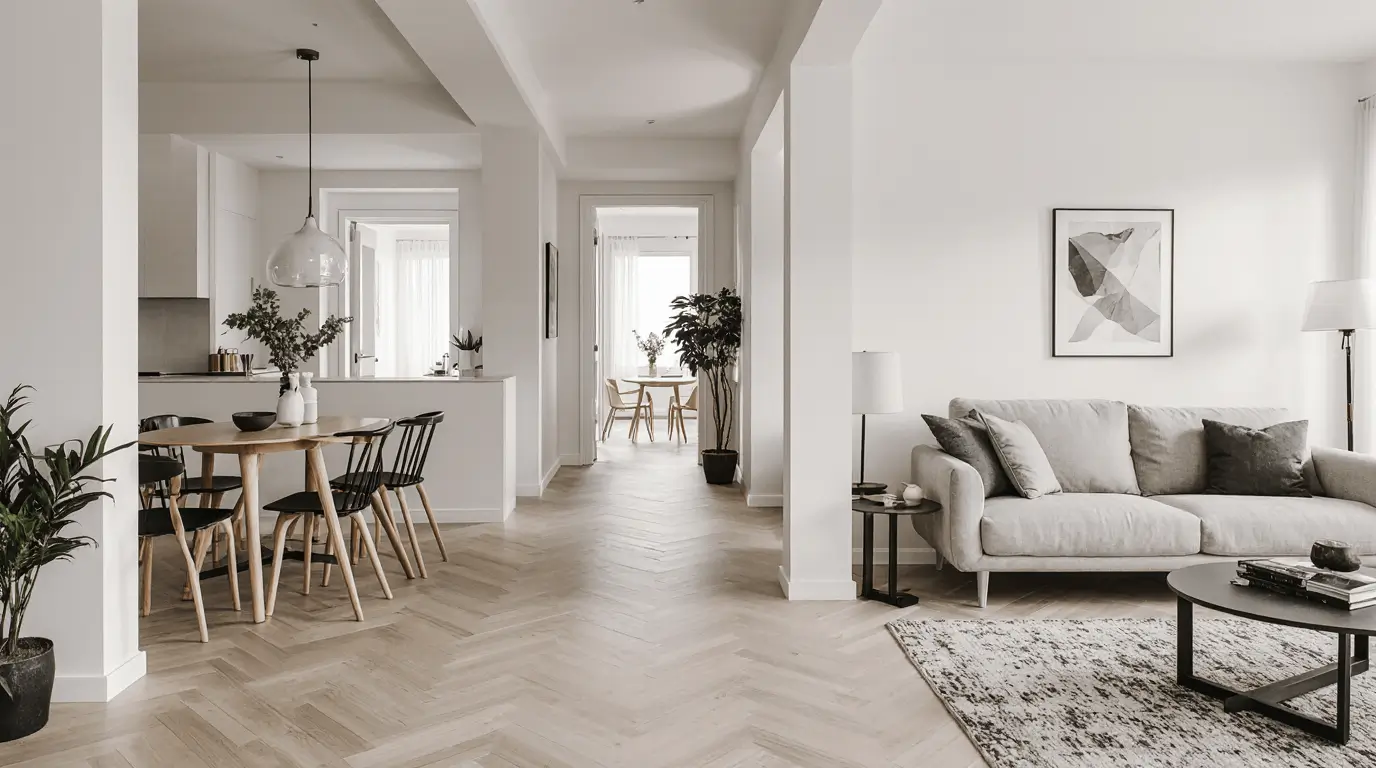
Horizontal circulation focuses on movement across a single level—hallways, living rooms, and open-plan areas.
Proper spacing between furniture ensures smooth navigation without congestion.
Vertical Circulation in Interior Design
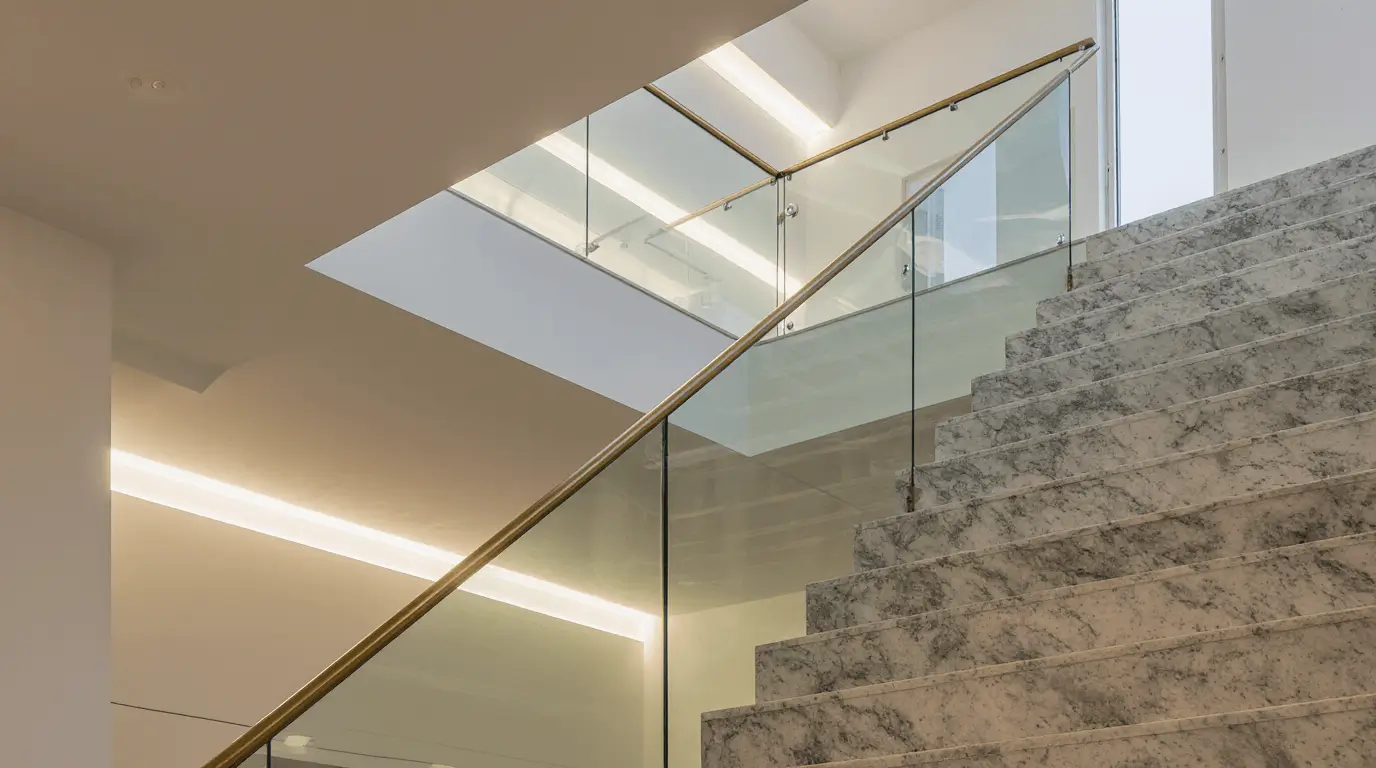
Vertical circulation includes stairs, lifts, and level changes within a space.
It must be both functional and visually integrated into the design to avoid disruption.
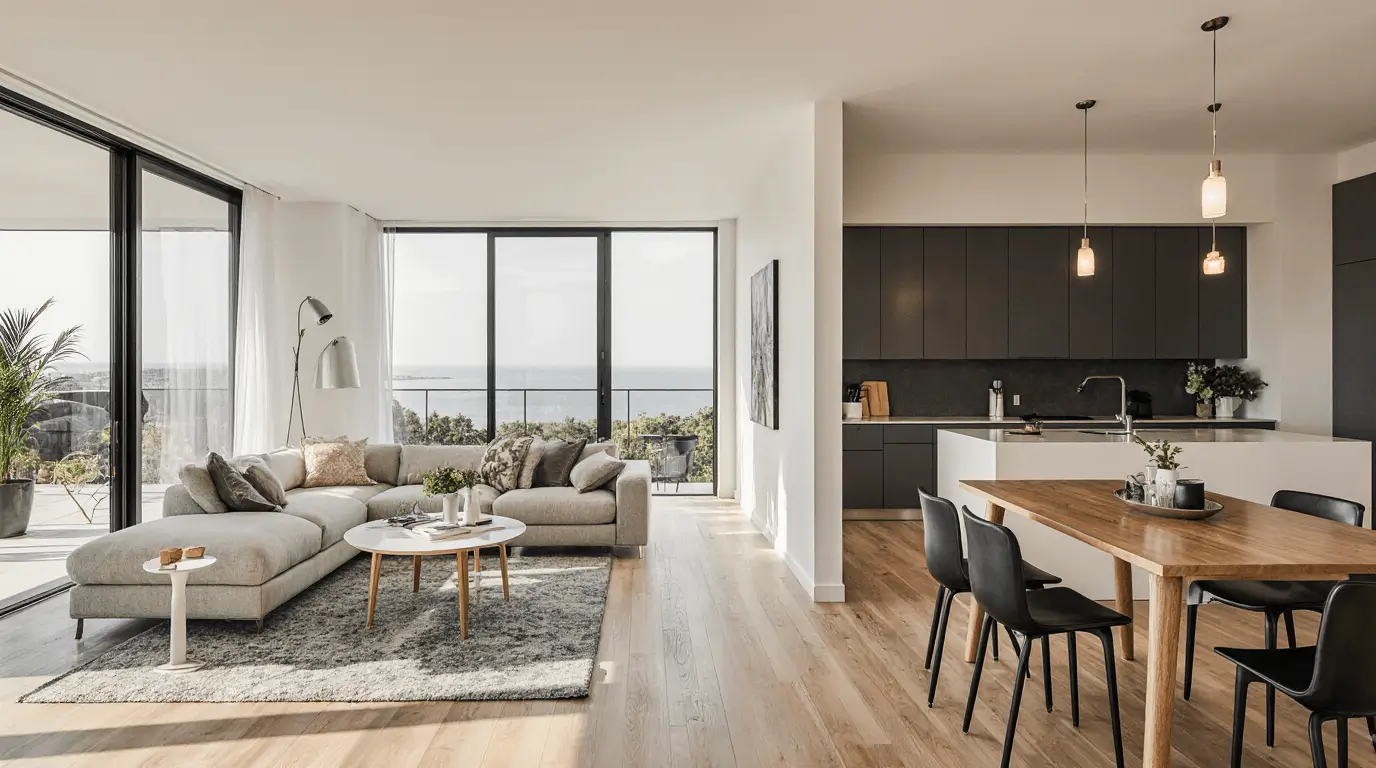
Open Circulation Interior Design Layouts
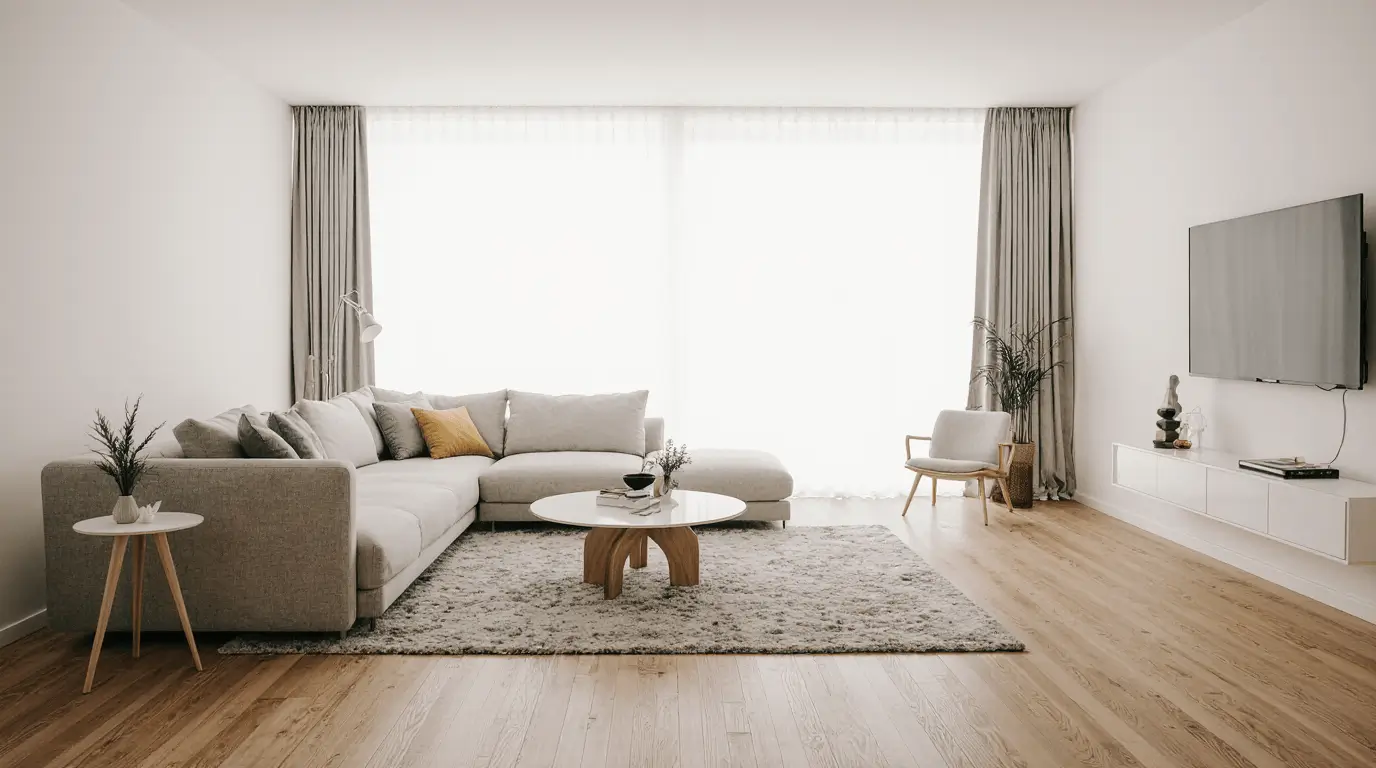
Open circulation eliminates barriers, allowing spaces to flow into each other.
This approach enhances spaciousness and encourages interaction.
Closed Circulation Interior Design Layouts
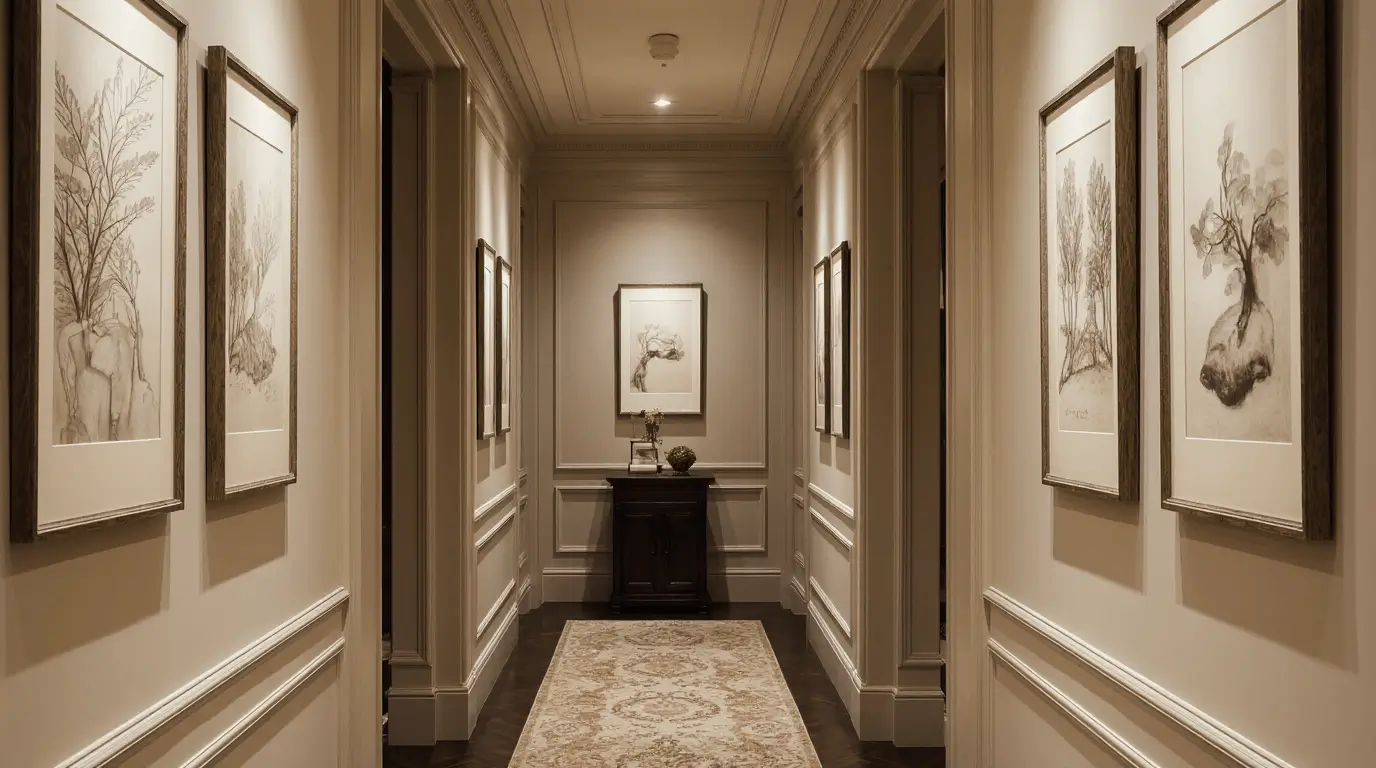
Closed circulation uses defined pathways like corridors and enclosed rooms.
It offers privacy and structure but requires careful planning to avoid tight or dark spaces.
Circulation Paths in Interior Design
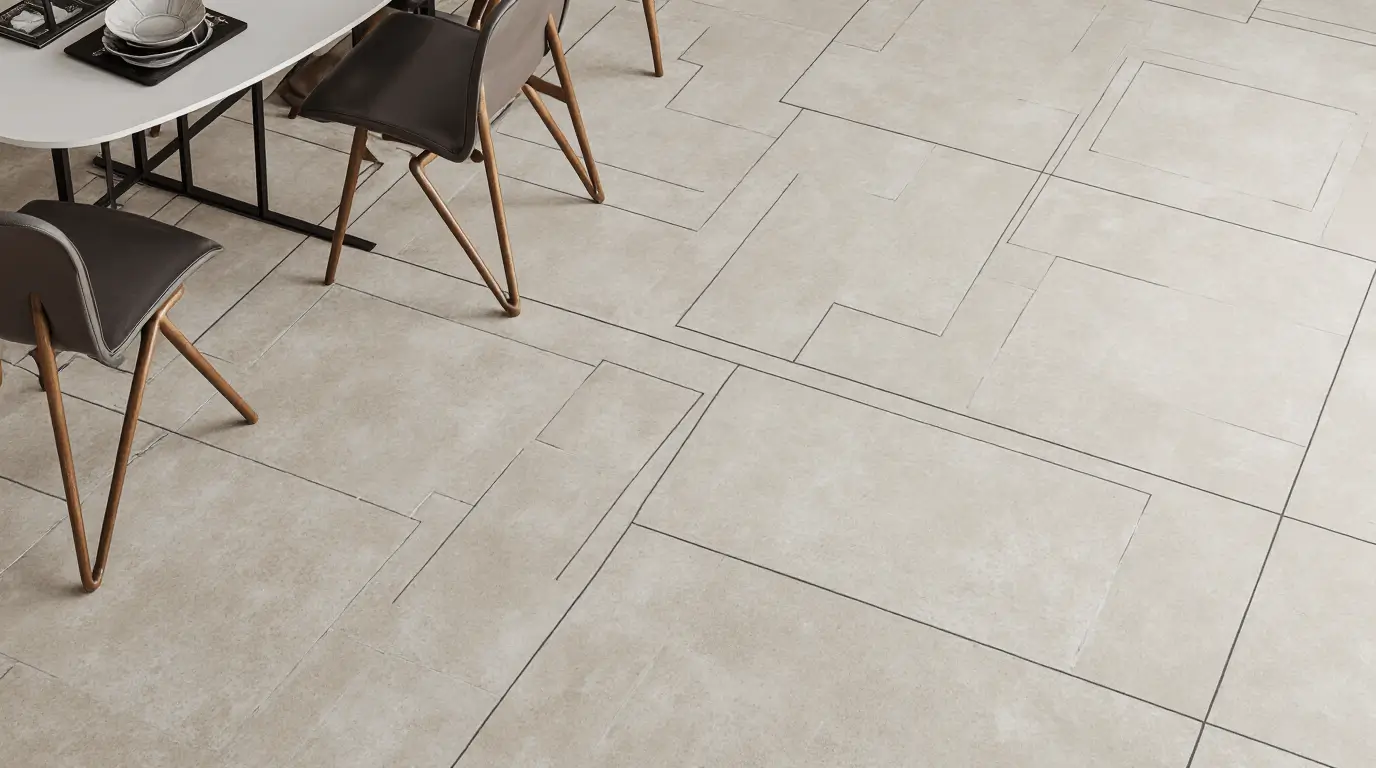
Circulation paths are the routes people naturally follow within a space.
These paths should be intuitive, unobstructed, and aligned with how the space is used.
Primary vs Secondary Circulation
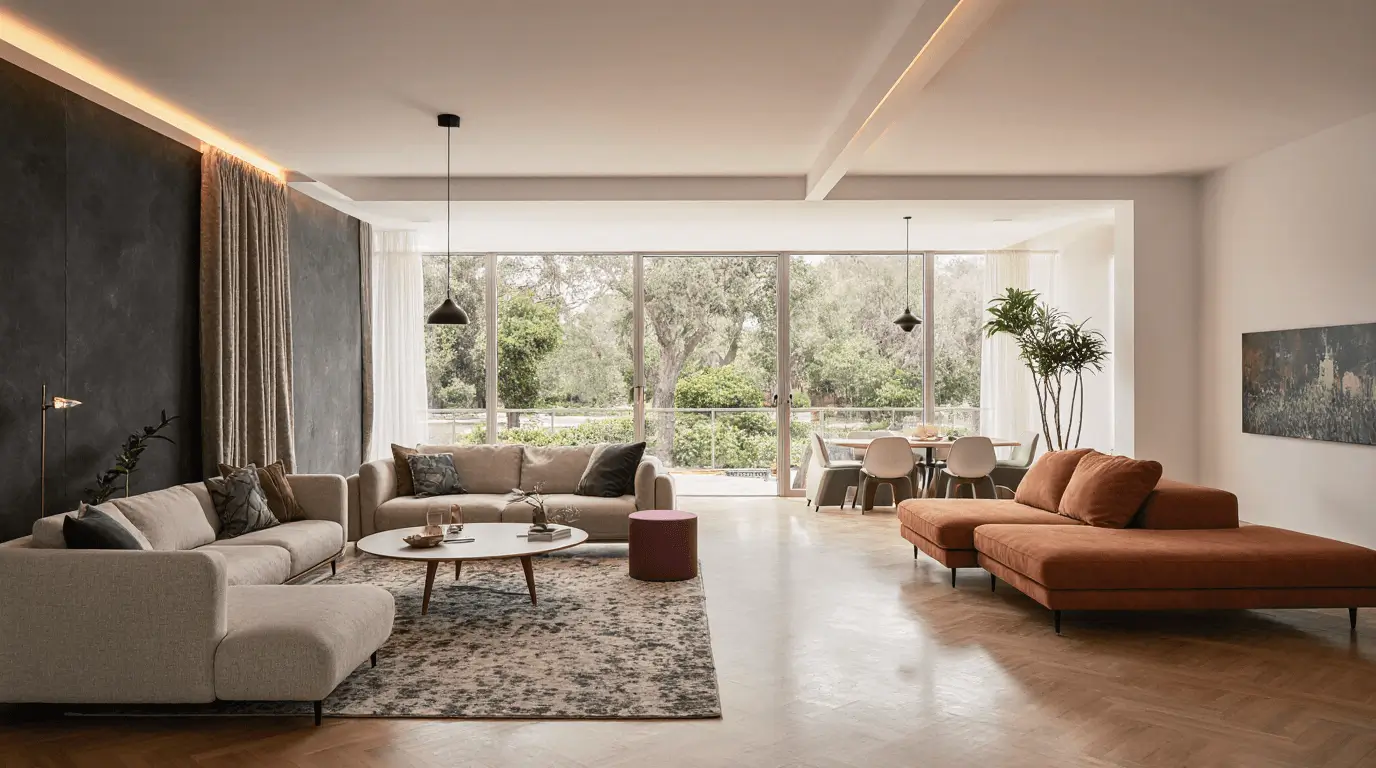
Primary circulation routes are the main pathways used frequently, while secondary paths support less frequent movement.
Balancing both ensures efficiency without overcrowding.
Space Planning and Circulation Interior Design
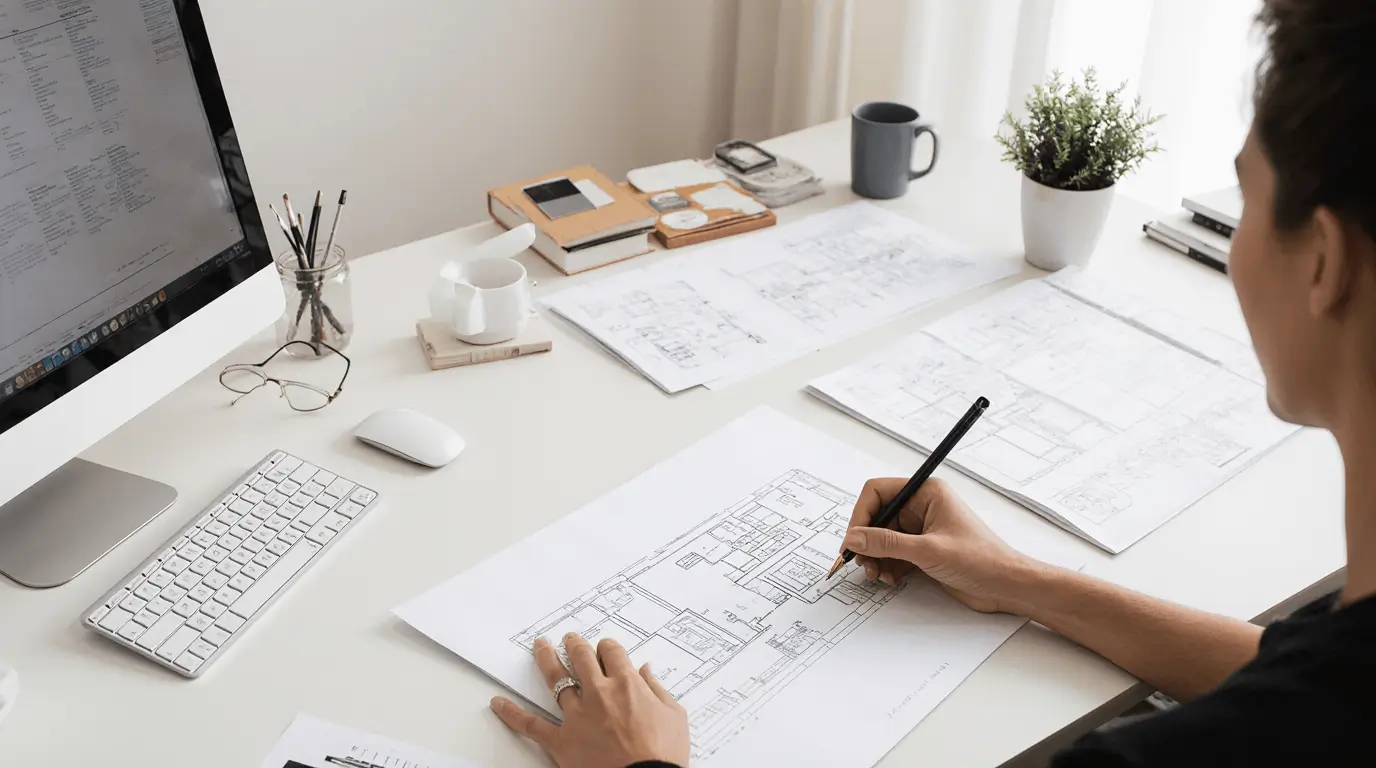
Effective space planning integrates circulation from the beginning.
Furniture placement should support movement rather than block it.
Circulation Space Design Principles
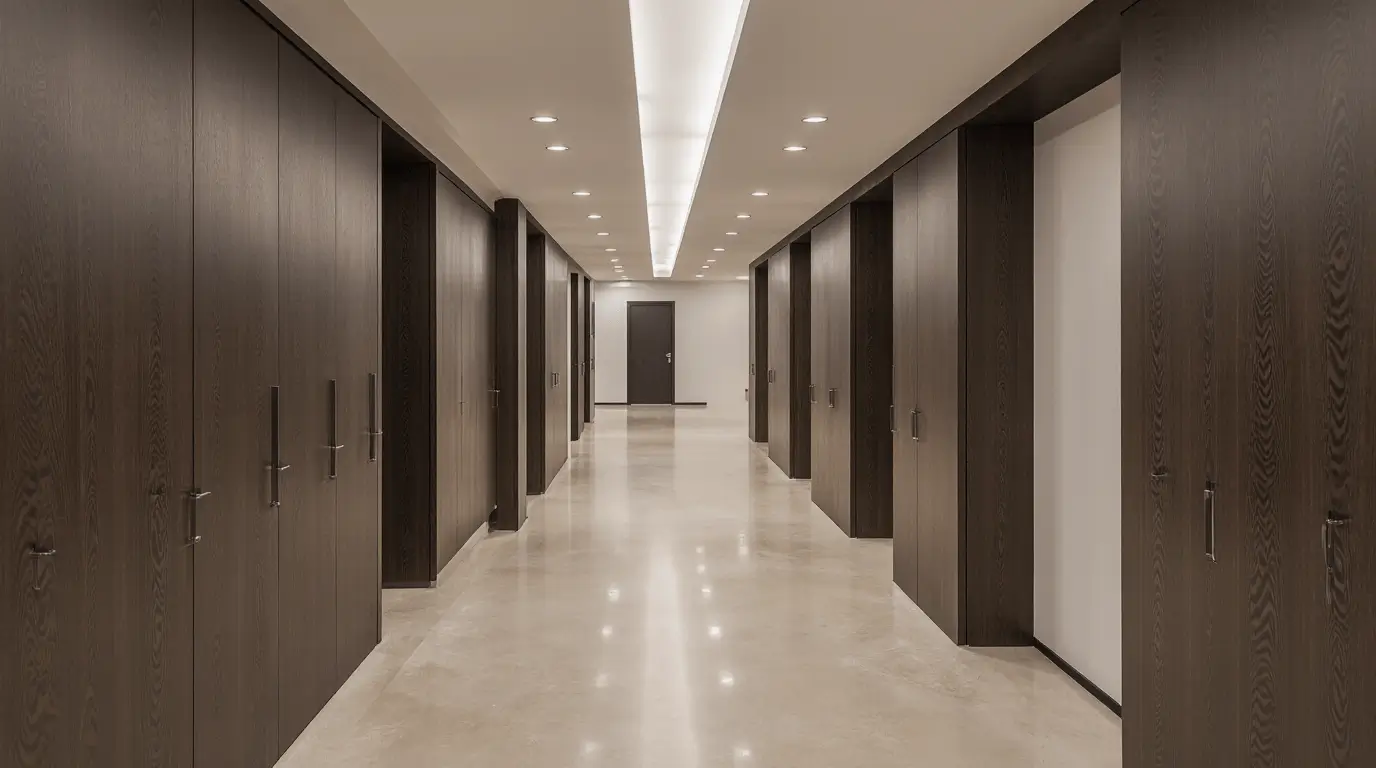
Circulation spaces should feel open, accessible, and proportional to the room size.
Overcrowding disrupts flow and creates discomfort.
Furniture Placement and Circulation
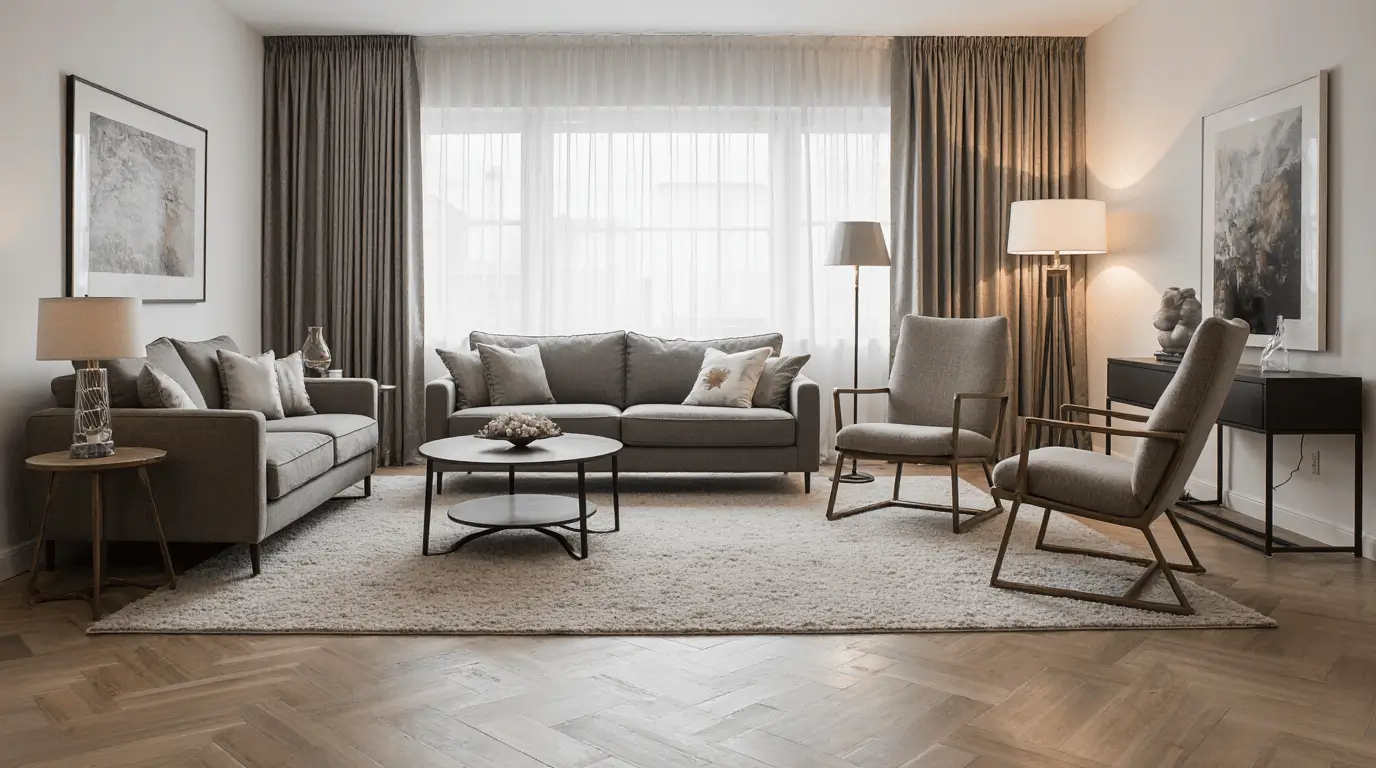
Furniture should guide movement, not obstruct it.
Strategic placement creates natural pathways and improves usability.
Circulation in Small Interior Spaces
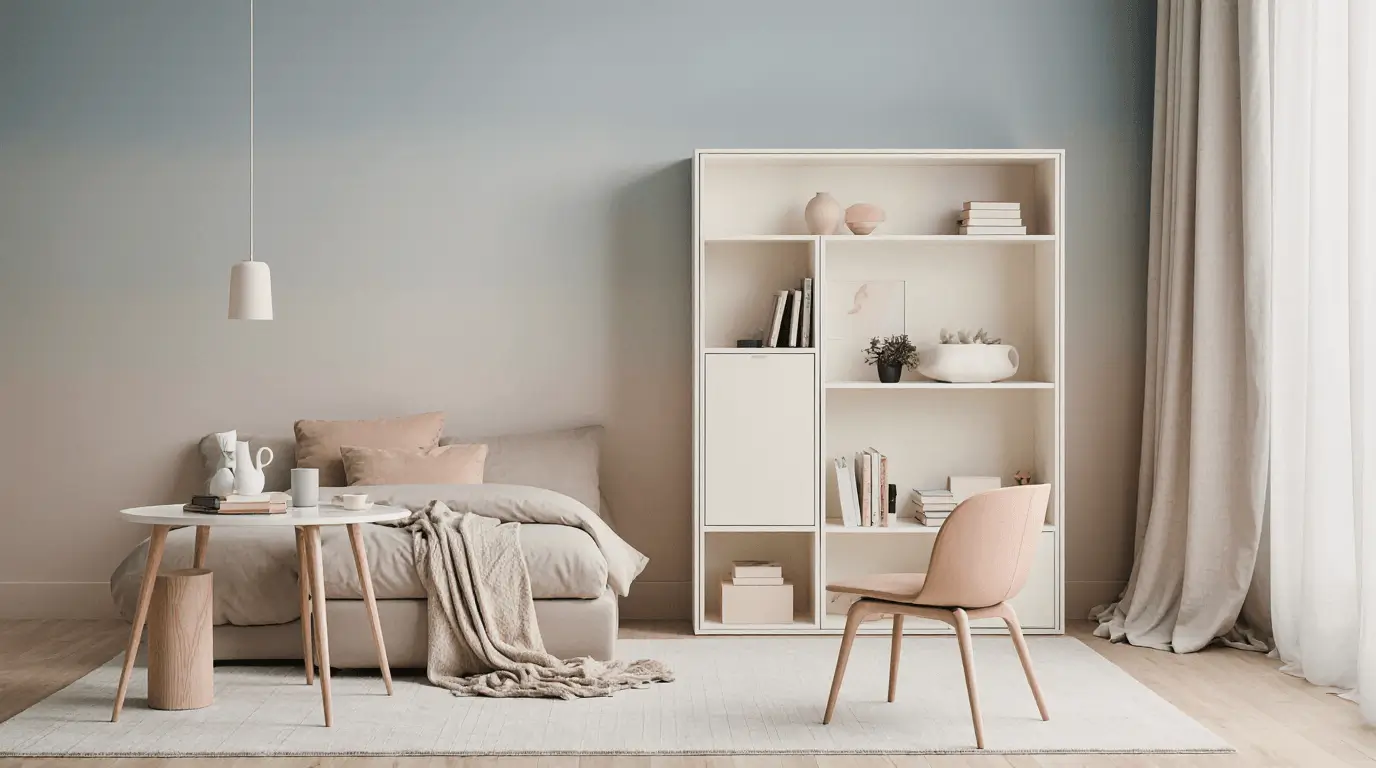
In compact spaces, circulation becomes even more critical.
Multi-functional furniture and smart layouts help maintain flow without sacrificing utility.
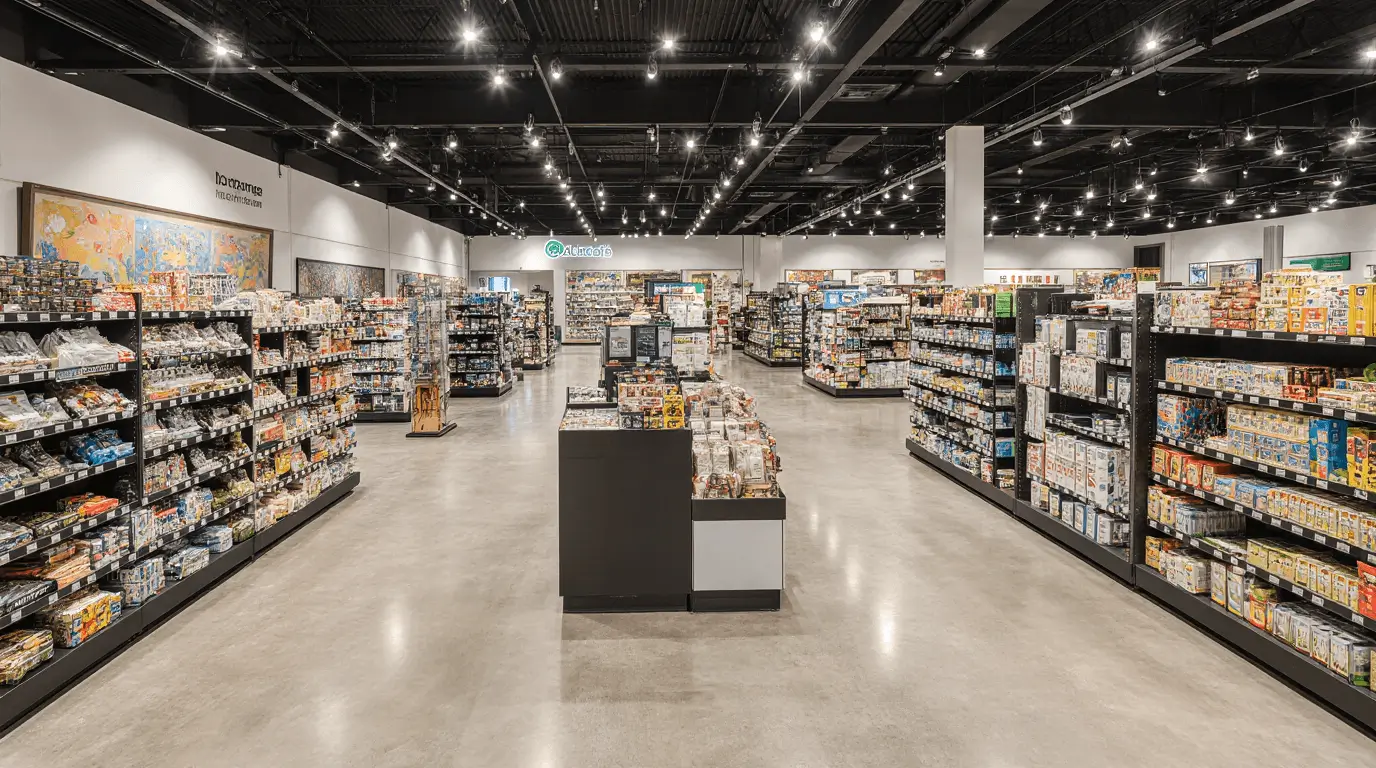
Circulation in Commercial Interior Design
Commercial spaces require highly efficient circulation to handle high traffic.
Clear pathways improve customer experience and operational flow.
Circulation and Lighting Design
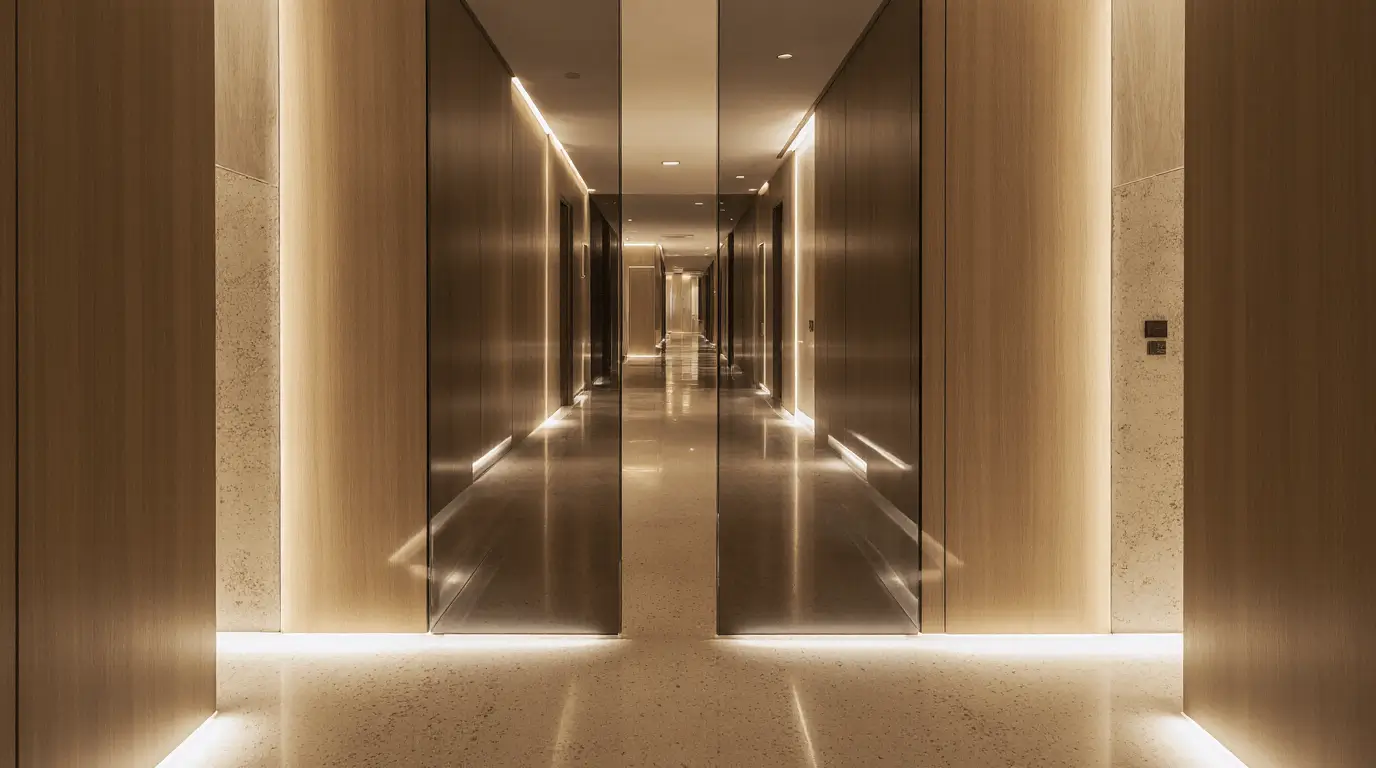
Lighting plays a key role in guiding movement.
Well-lit pathways enhance safety and subtly direct flow.
Circulation and Visual Balance
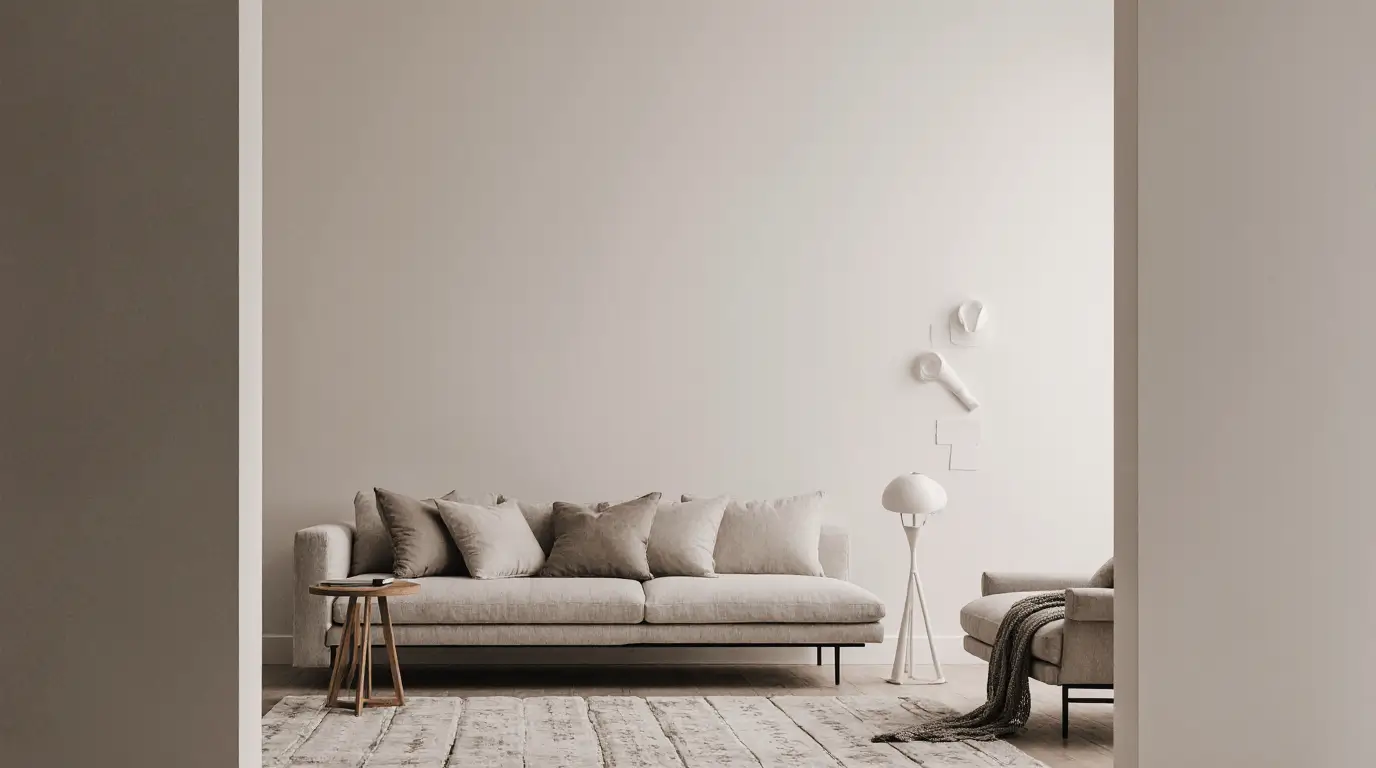
Good circulation contributes to visual harmony.
Balanced spacing prevents clutter and enhances the overall aesthetic.
Circulation Flow in Open-Plan Homes
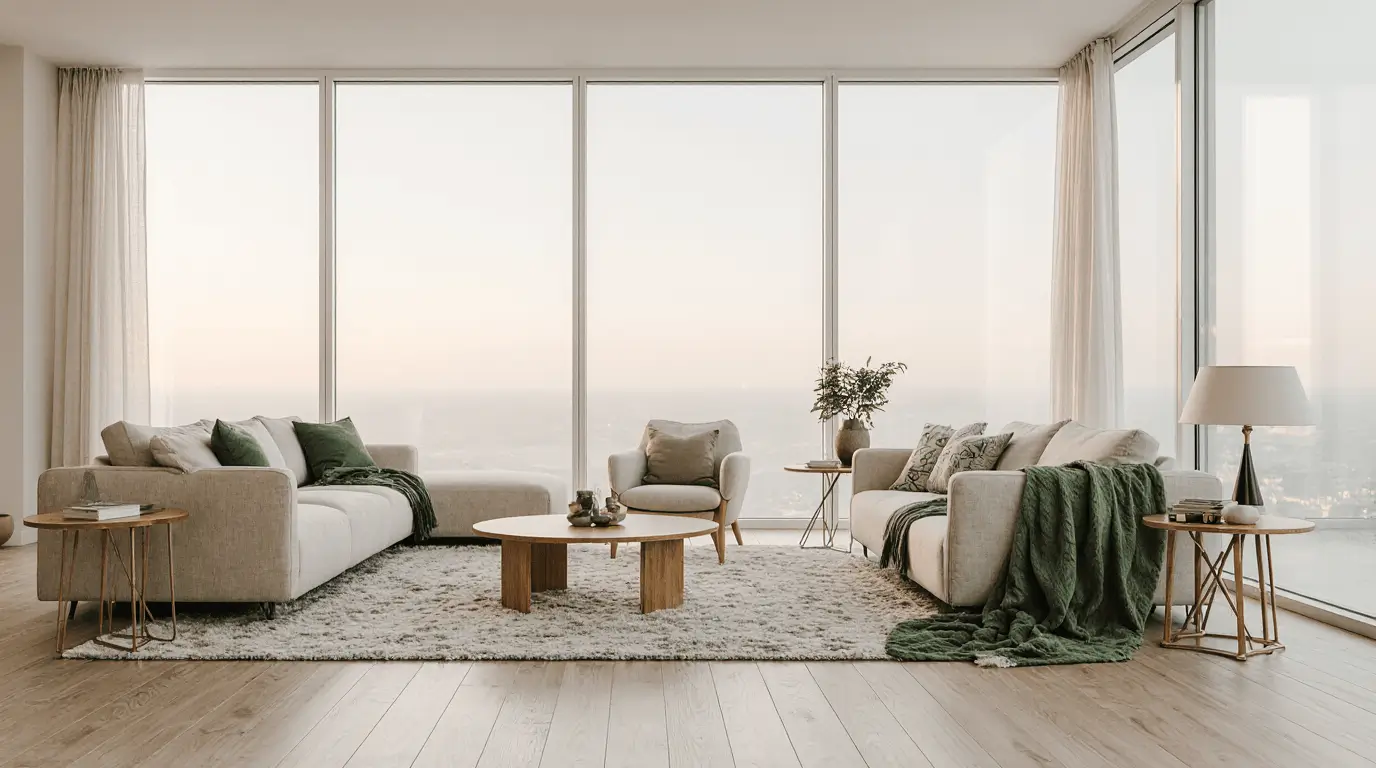
In open-plan designs, circulation defines zones without walls.
Rugs, furniture, and lighting help guide movement naturally.
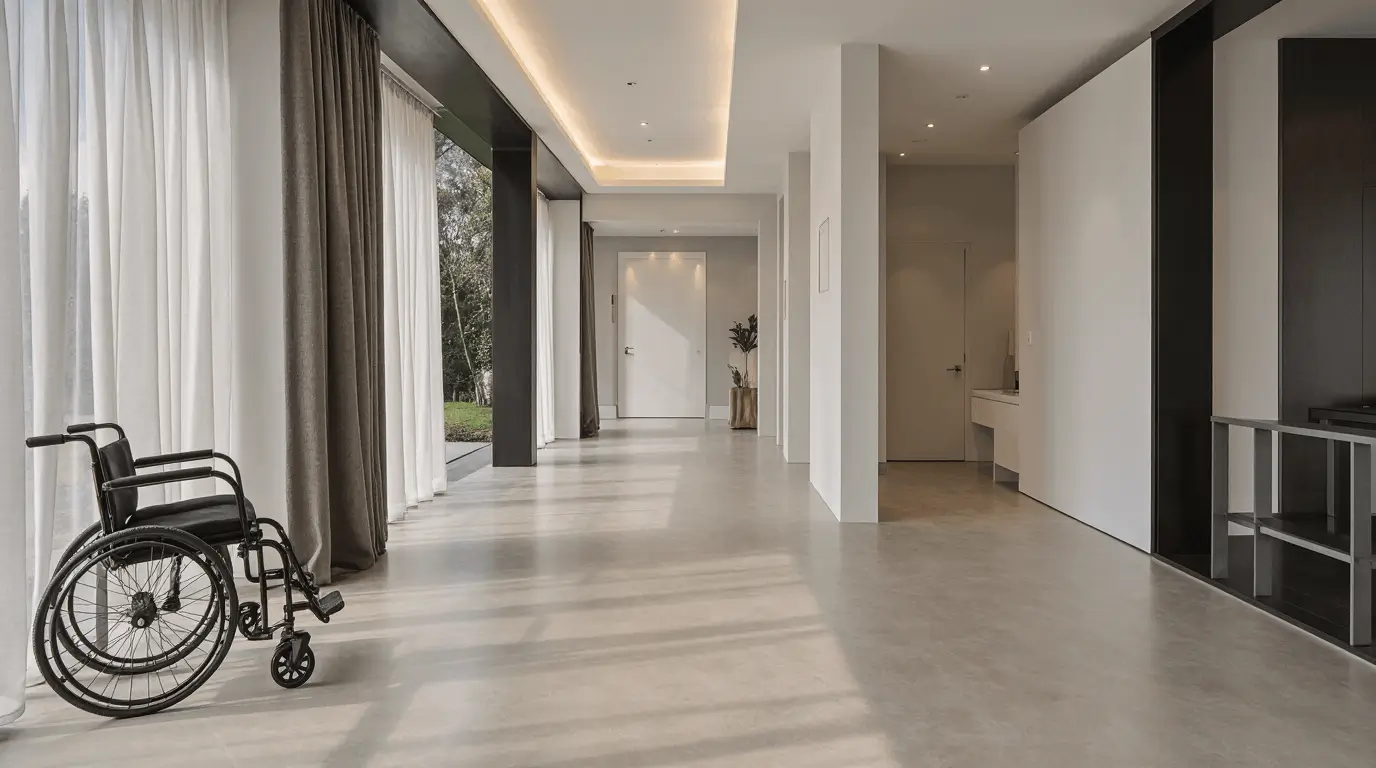
Circulation and Accessibility
Accessible circulation ensures spaces are usable for everyone.
Wider pathways and barrier-free design improve inclusivity.
Circulation Diagrams in Interior Design
Circulation diagrams visually map movement patterns within a space.
They help designers identify inefficiencies and improve layouts.
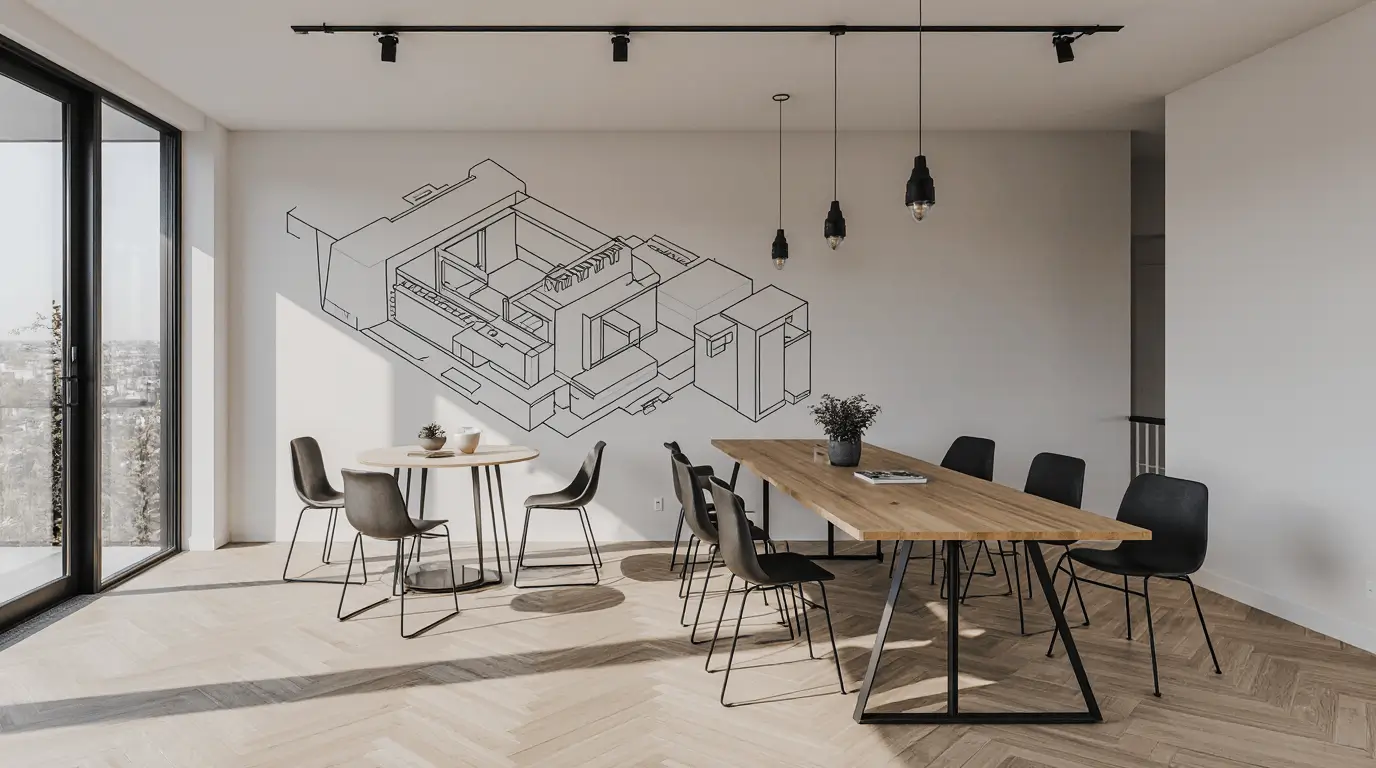
Circulation and Interior Zoning
Zoning organizes spaces based on function while maintaining smooth transitions.
Effective circulation connects these zones seamlessly.
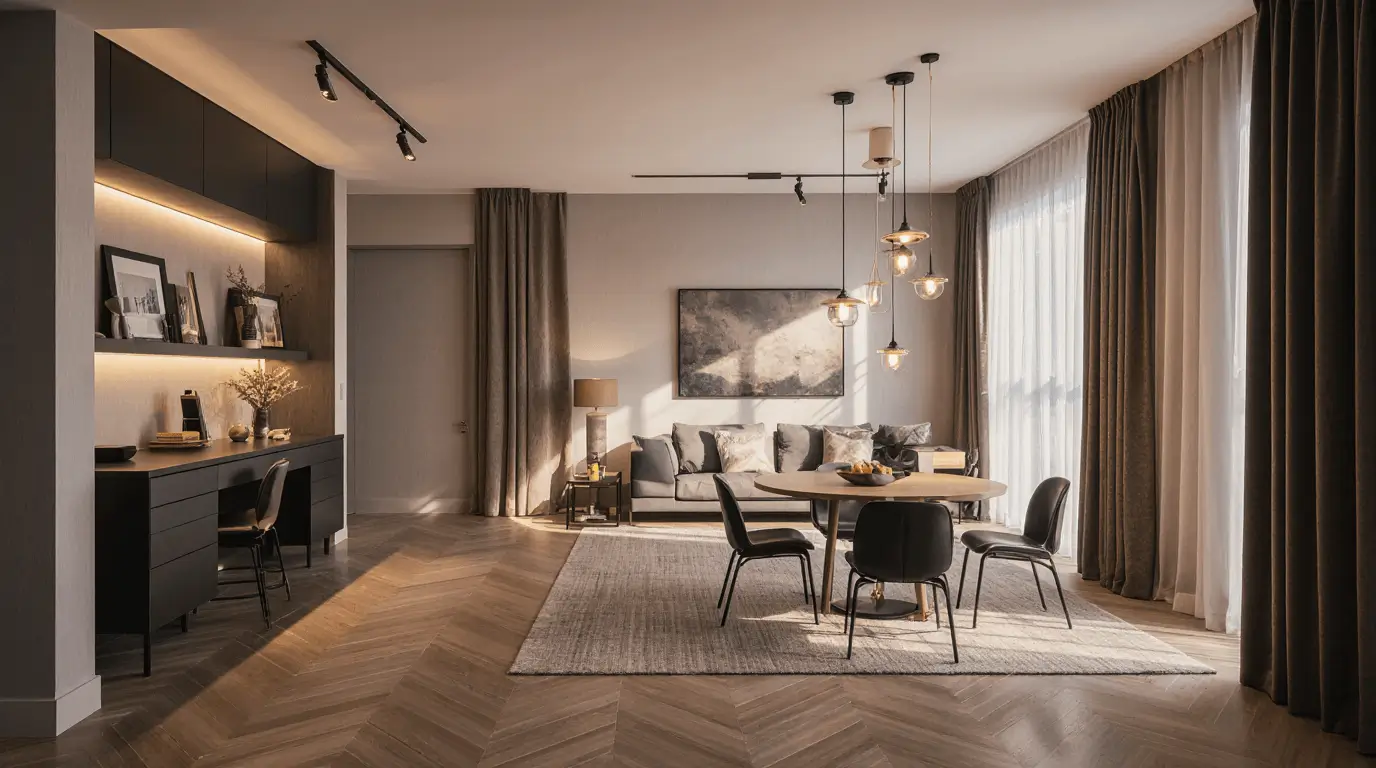
Why Circulation Interior Design Matters
Circulation interior design is what makes a space truly functional.
It enhances comfort, improves usability, and creates a seamless experience.
Conclusion: Designing Movement That Feels Effortless
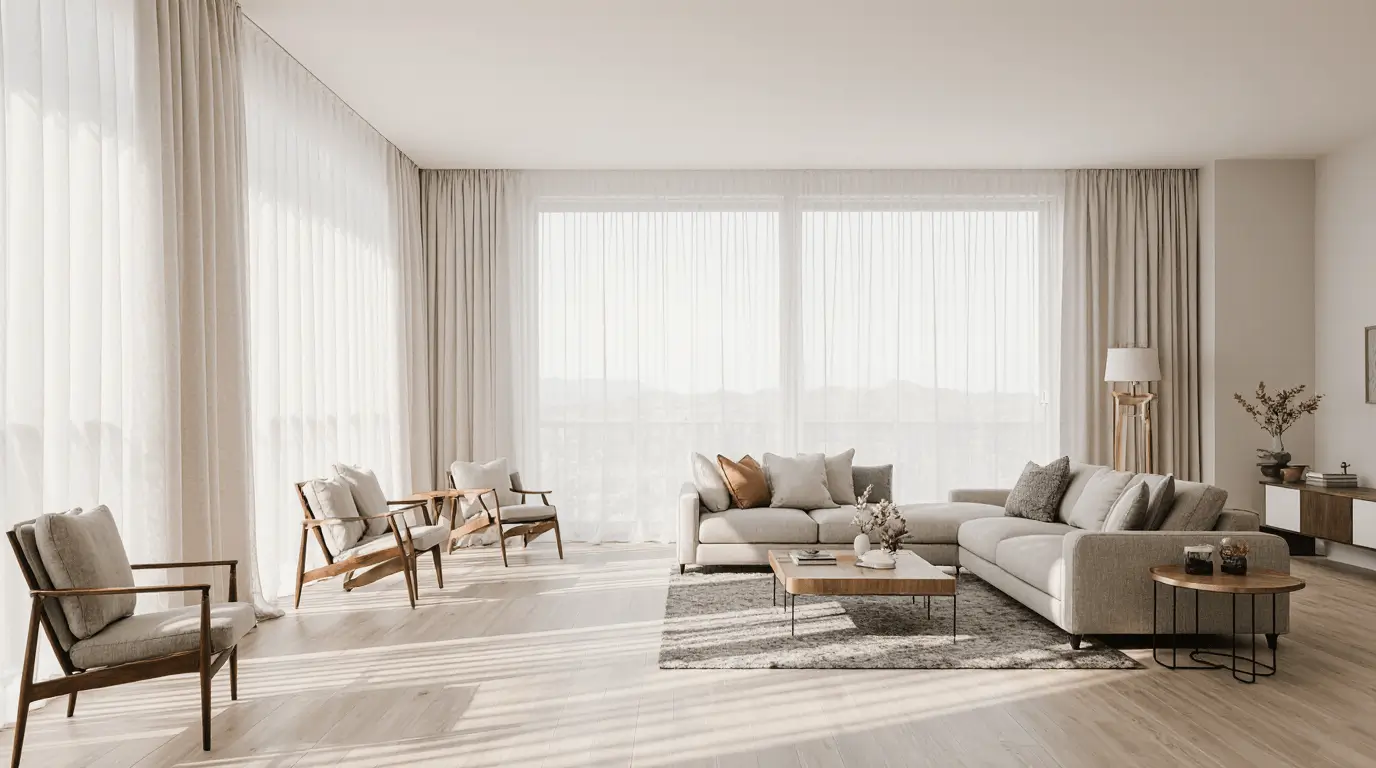
At its core, circulation interior design is about creating spaces that work with people—not against them. When movement flows naturally, everything else begins to align: rooms feel larger, layouts feel calmer, and daily routines become smoother without conscious effort. It’s the difference between a space that simply looks good and one that genuinely supports how you live or work.
In practice, the most successful interiors are those where circulation has been considered from the very beginning—not adjusted as an afterthought. Clear pathways, intentional furniture placement, and balanced spacing allow a space to breathe. This approach benefits everyone, from homeowners seeking comfort in compact layouts to businesses aiming to improve user experience and efficiency.
If you’re refining your own space, start by observing how you move through it. Notice where you hesitate, where things feel cramped, or where transitions could be smoother. Small adjustments—like repositioning furniture or opening up pathways—can have a surprisingly transformative impact. When circulation is thoughtfully designed, the result is not just a functional layout, but a space that feels intuitive, welcoming, and complete.
Learn more : Interior Design Firms in Hebbal: 18 Stylish Ideas
FAQs: Circulation Interior Design
- What is the ideal amount of space needed for comfortable circulation?
In most interiors, allowing at least 75–90 cm (30–36 inches) for main walkways ensures comfortable movement. In high-traffic areas, slightly wider paths improve ease and prevent congestion, especially in shared or commercial spaces. - How can I improve circulation in a small room without removing furniture?
Focus on repositioning rather than reducing. Align furniture along walls, use multi-functional pieces, and keep central pathways clear. Even small shifts—like angling a chair or downsizing a table—can significantly improve flow. - Does open-plan design always improve circulation?
Not necessarily. While open layouts can enhance flow, they still require structure. Without defined zones or clear pathways, they can feel chaotic. Thoughtful placement of rugs, lighting, and furniture helps guide movement effectively. - How do I know if my space has poor circulation?
Common signs include bumping into furniture, awkward navigation, blocked pathways, or rooms that feel cramped despite adequate size. If movement feels forced or unclear, circulation likely needs improvement. - What role does lighting play in circulation design?
Lighting subtly directs movement. Well-lit pathways feel safer and more inviting, while darker areas can disrupt flow. Layered lighting—especially along walkways—helps guide users naturally through the space. - Is circulation important in decorative or styled spaces?
Absolutely. Even the most visually appealing space can feel uncomfortable if movement is restricted. Good circulation enhances both functionality and aesthetics, making the design feel intentional and livable. - Can circulation design impact mood or comfort?
Yes, significantly. Smooth, unobstructed movement creates a sense of ease and calm, while cluttered or tight layouts can feel stressful. Well-planned circulation contributes to both physical comfort and psychological well-being.