
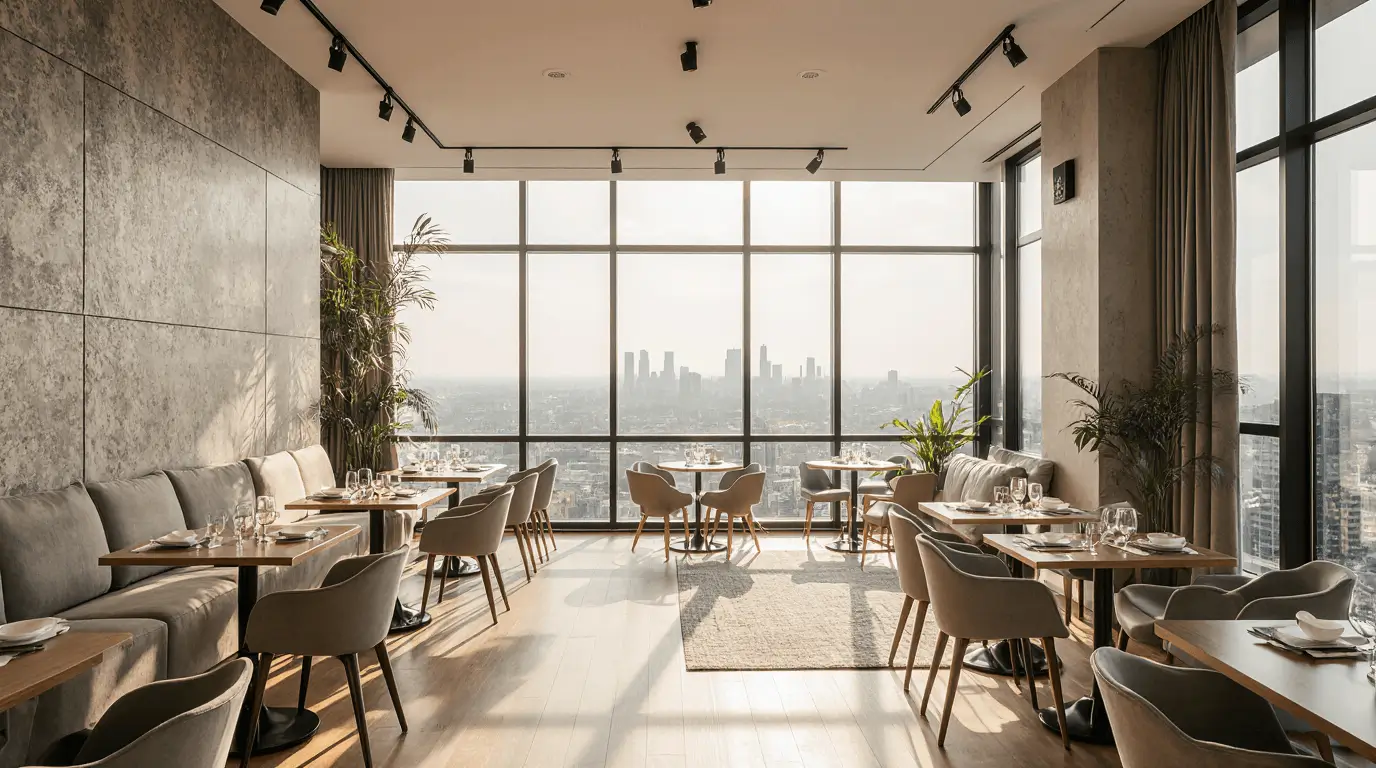
Commercial interior design Montreal reflects a unique blend of creativity, culture, and functionality. In a city known for its vibrant business districts, diverse dining scene, and thriving creative industries, well-designed commercial spaces are more than aesthetics—they shape customer experience, employee productivity, and brand identity. Businesses across Montreal increasingly recognize that thoughtful interior design can transform a simple space into a powerful business asset.
From boutique offices to dynamic restaurants and retail environments, commercial interior design Montreal balances visual appeal with operational efficiency. Designers carefully consider layout, materials, lighting, and atmosphere to ensure that every element supports the purpose of the space. With Montreal’s rich architectural heritage and modern design influence, commercial interiors often combine contemporary innovation with timeless character.
Drawing from real-world design experience, successful commercial interiors focus on how people move, interact, and feel within a space. Whether creating welcoming hospitality environments or high-performing workspaces, the goal is always the same: deliver spaces that are memorable, functional, and aligned with the brand’s story.
Commercial Interior Design Montreal for Modern Office Spaces
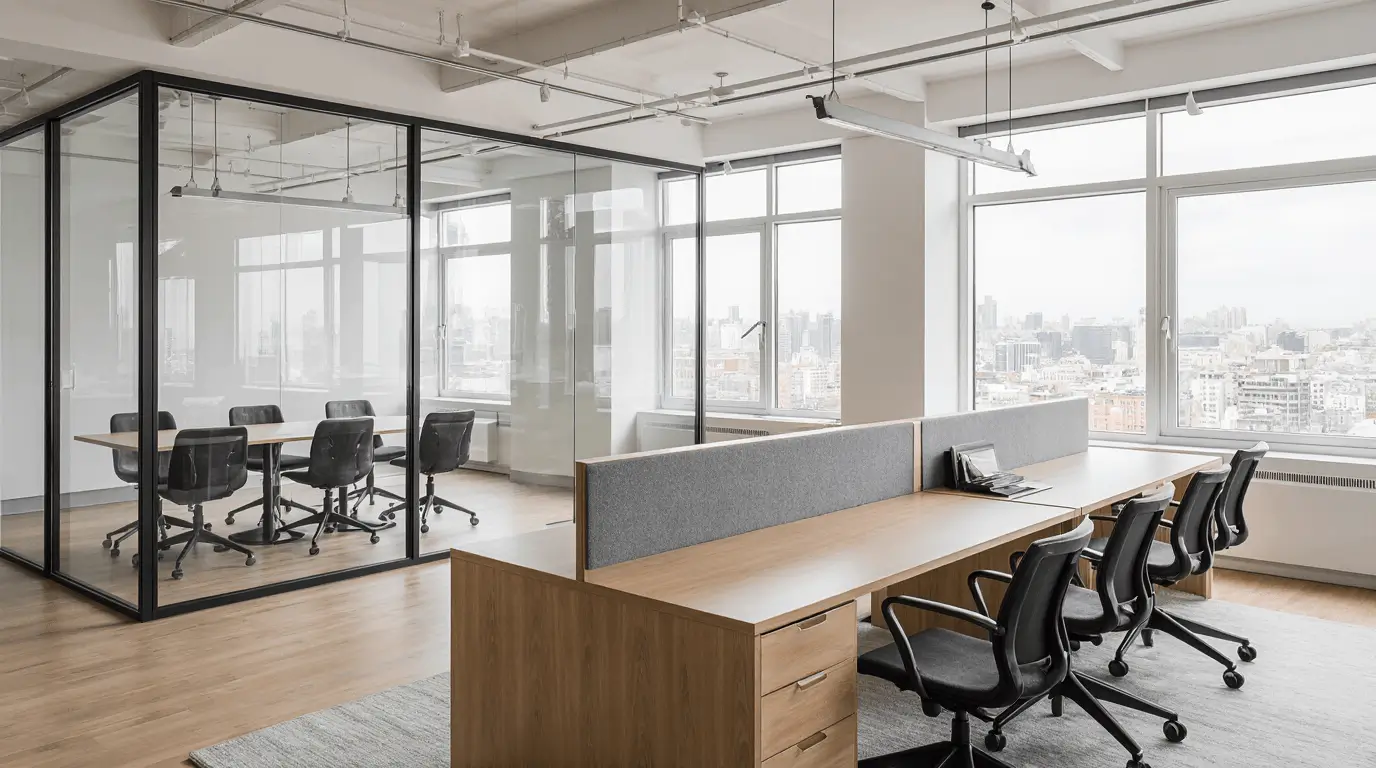
Modern office environments prioritize collaboration, flexibility, and employee well-being. Commercial interior design Montreal often incorporates open layouts, modular workstations, and informal meeting zones that encourage communication and creativity. Designers frequently use natural materials, soft lighting, and ergonomic furniture to create productive workplaces while maintaining visual warmth.
Small Commercial Interior Design Montreal for Boutique Businesses
Small commercial spaces in Montreal require thoughtful planning to maximize every square foot. Designers focus on efficient layouts, built-in storage, and multifunctional furniture to ensure both style and practicality. Smart spatial planning allows small boutiques, studios, or cafés to feel spacious and inviting despite limited footprints.
Best Commercial Interior Design Montreal for Brand Identity
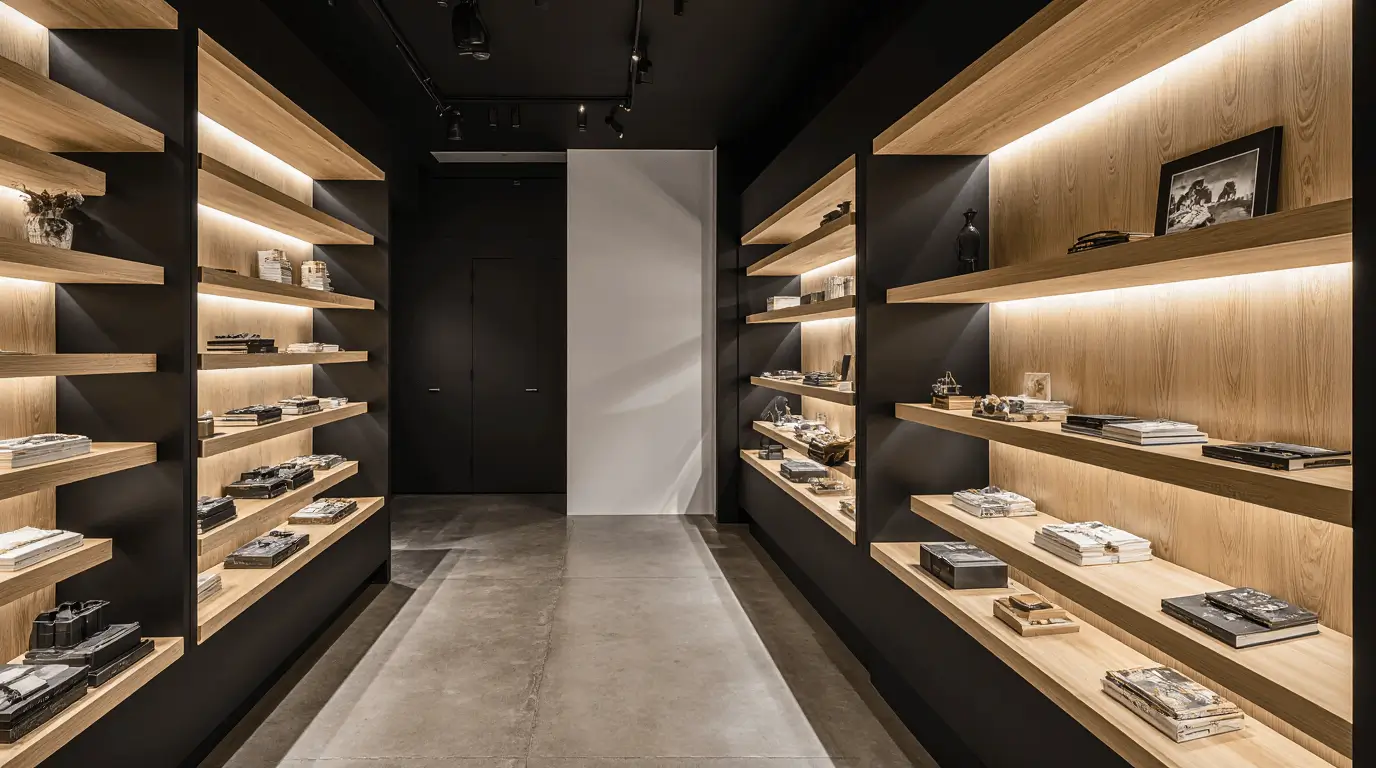
Exceptional commercial interior design reflects a company’s personality and values. In Montreal’s competitive market, businesses often use interior design to strengthen brand recognition and create memorable experiences. Color palettes, materials, signage, and spatial design are strategically selected to reinforce brand storytelling.
Commercial Interior Design Montreal for Restaurants
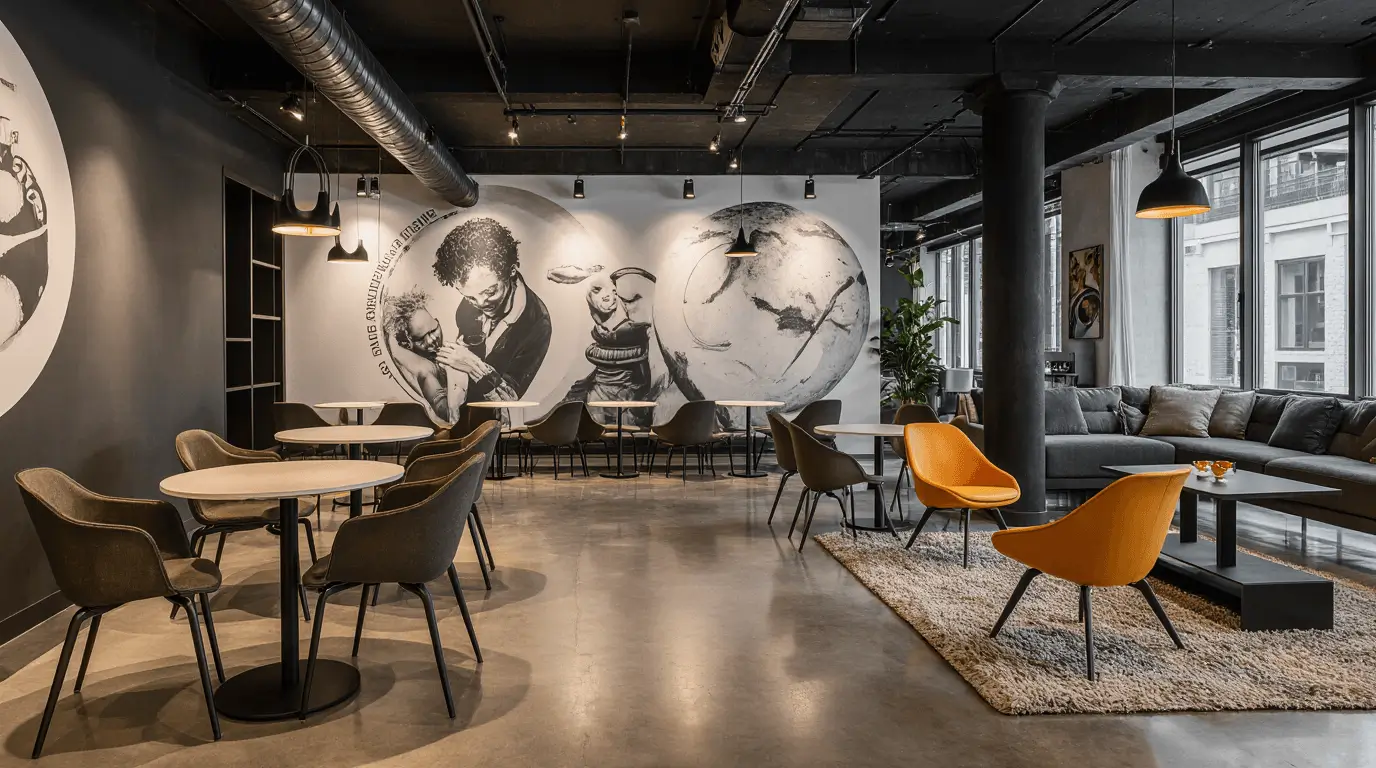
Restaurant environments demand a balance between visual appeal and operational efficiency. Commercial interior design Montreal frequently blends ambiance with practical considerations such as circulation flow, seating density, and kitchen accessibility. Thoughtful lighting and material choices help establish atmosphere while ensuring durability in high-traffic dining spaces.
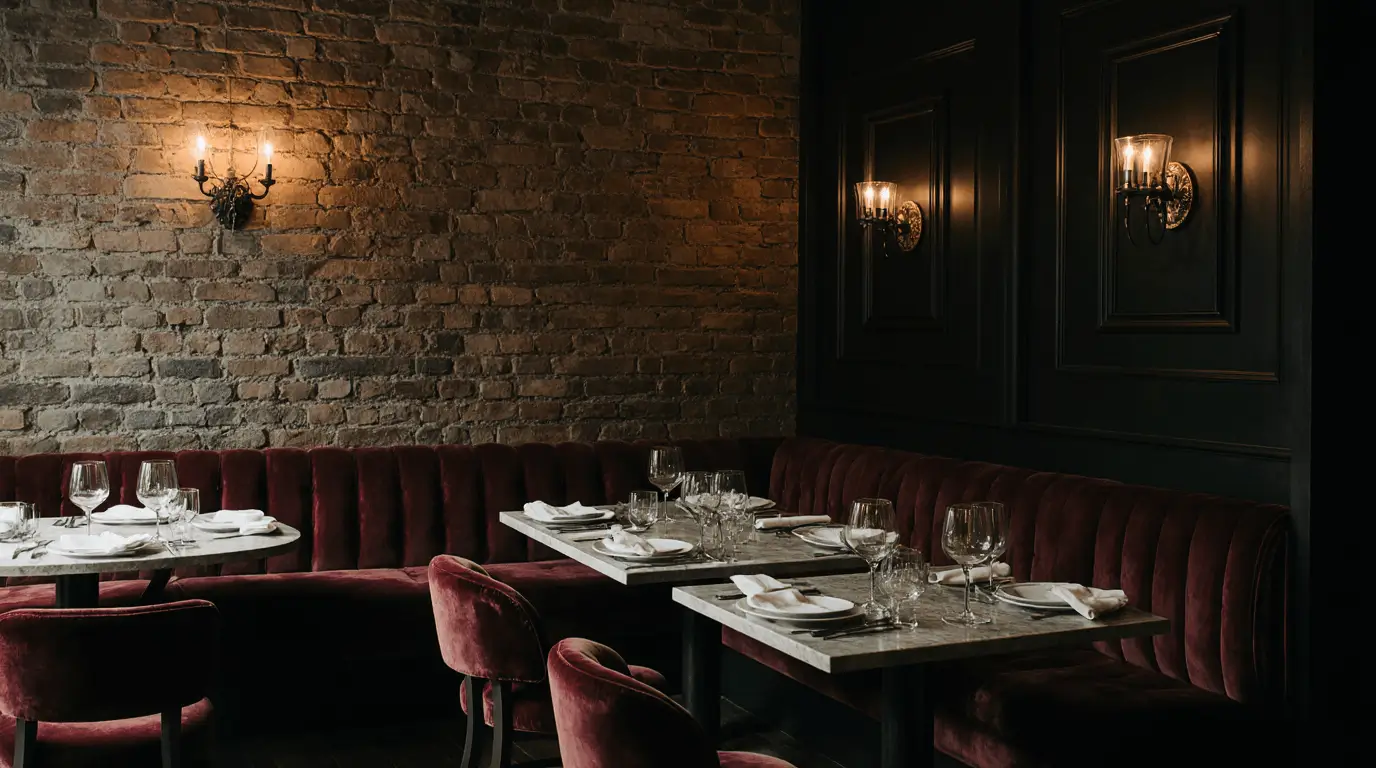
Restaurant Interior Design within Commercial Interior Design Montreal
Restaurants benefit from carefully layered environments that guide guests through the dining experience. Designers create visual zones—entry areas, bar seating, communal tables, and private dining—to enhance comfort and flow. Acoustic treatments, lighting variations, and material textures contribute to a refined dining experience.
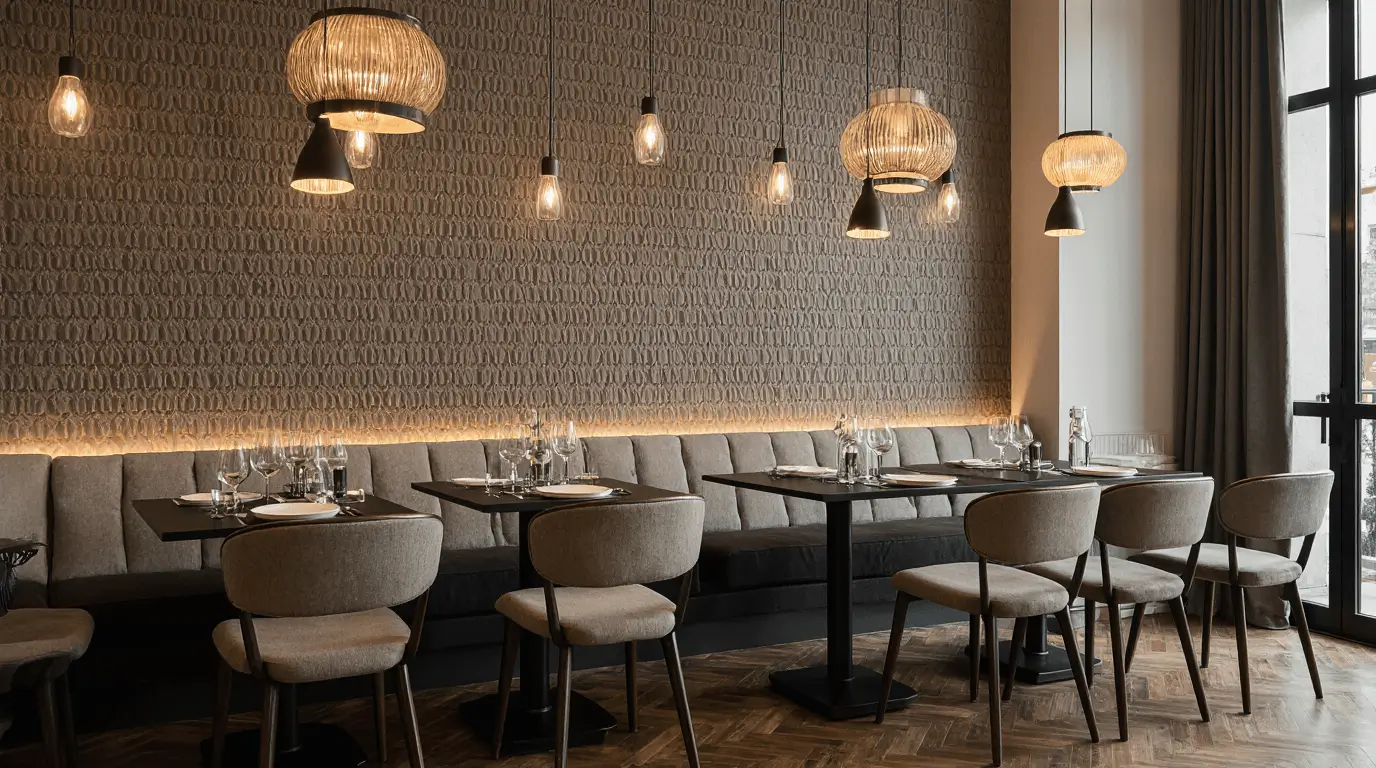
Commercial Interior Design Montreal for Retail Stores
Retail environments in Montreal are designed to guide customers through products while creating engaging visual experiences. Designers use lighting, display structures, and circulation pathways to highlight merchandise effectively while maintaining an inviting atmosphere.
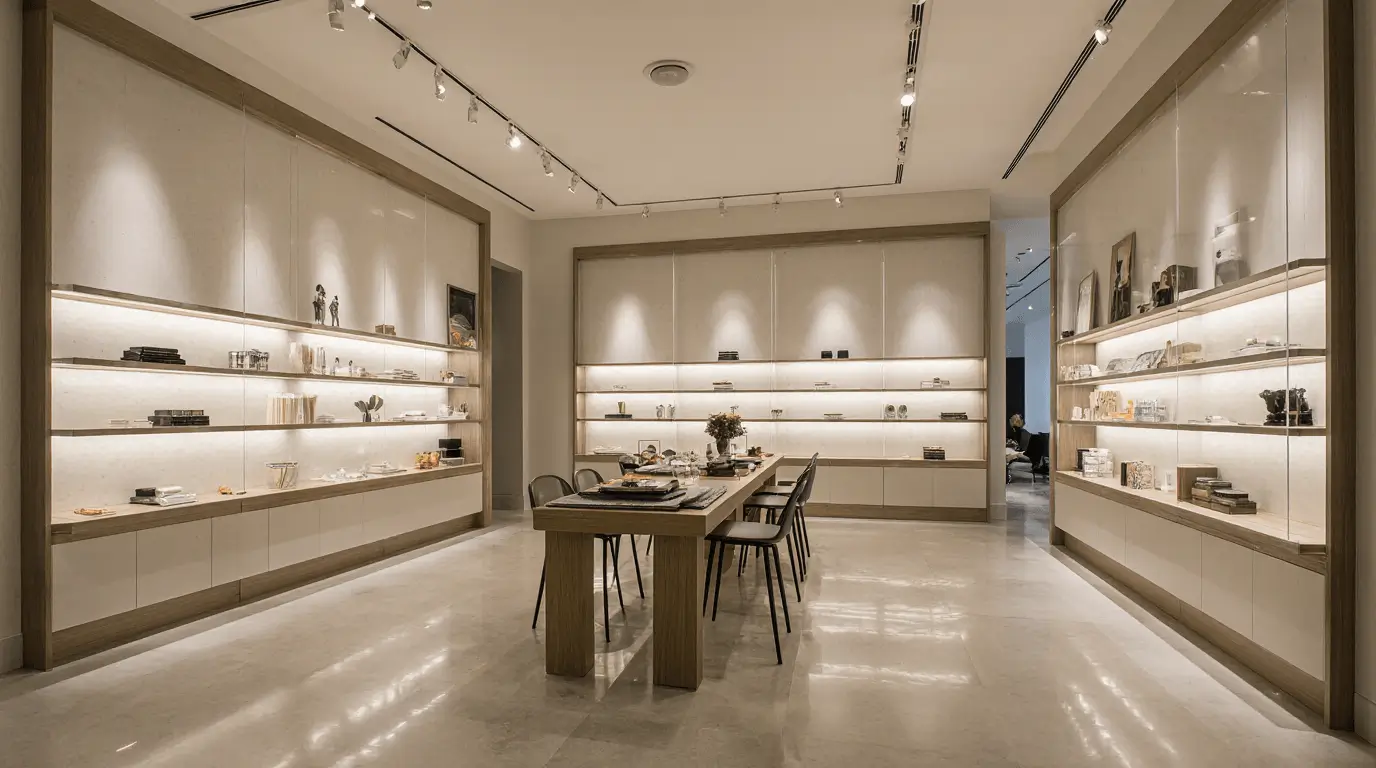
Restaurant Designer Perspectives in Commercial Interior Design Montreal
Restaurant designers in Montreal focus heavily on storytelling through space. A restaurant’s interior often communicates the cuisine style, cultural inspiration, or chef’s vision before guests even see the menu. Materials, artwork, and lighting help evoke the intended culinary identity.
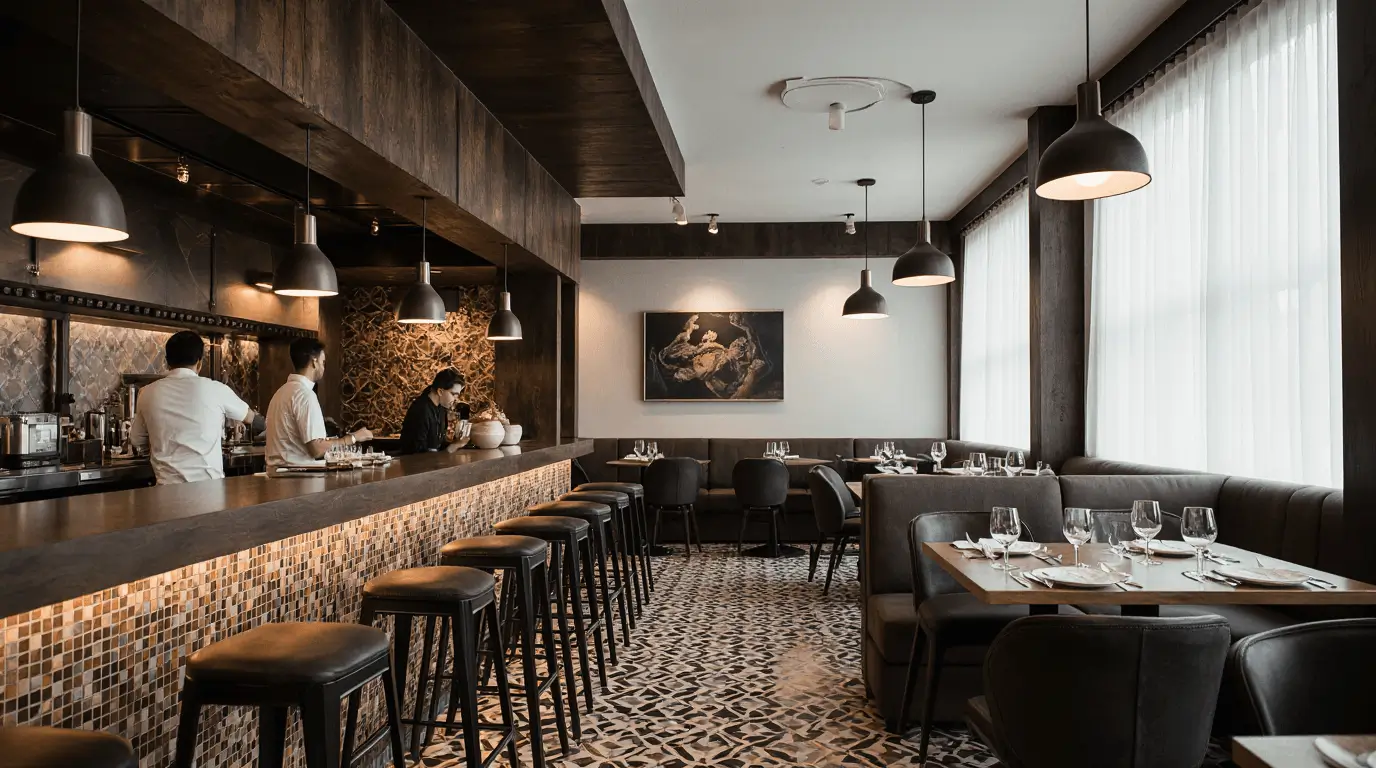
Commercial Interior Design Montreal and Space Planning Strategy
Successful commercial interiors begin with strategic space planning. Designers analyze customer flow, staff movement, and service zones to ensure the layout supports smooth operations. Well-planned circulation pathways improve efficiency and comfort throughout the space.
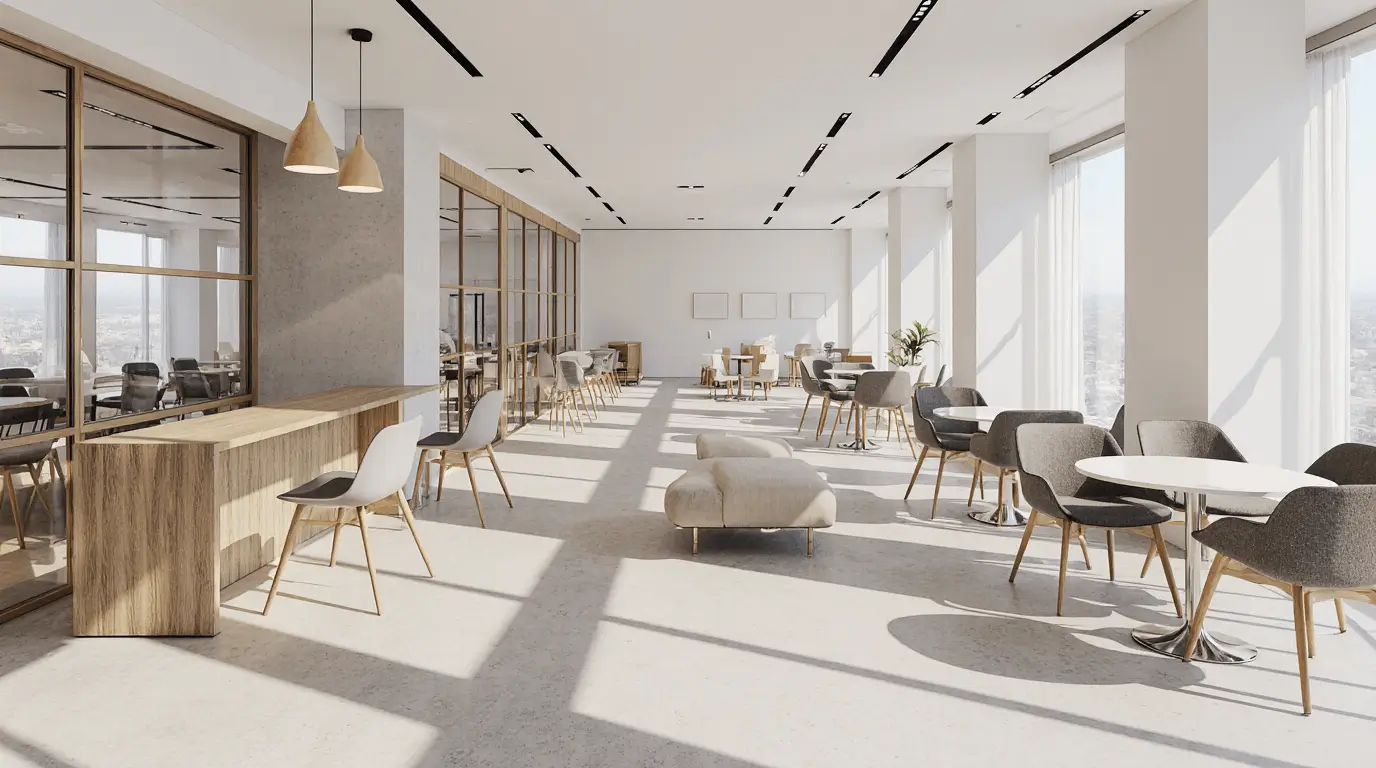
Lighting Design in Commercial Interior Design Montreal
Lighting plays a transformative role in shaping atmosphere. Designers combine ambient, task, and accent lighting to create depth and functionality. In restaurants and retail spaces especially, lighting guides attention and enhances the emotional experience of the environment.
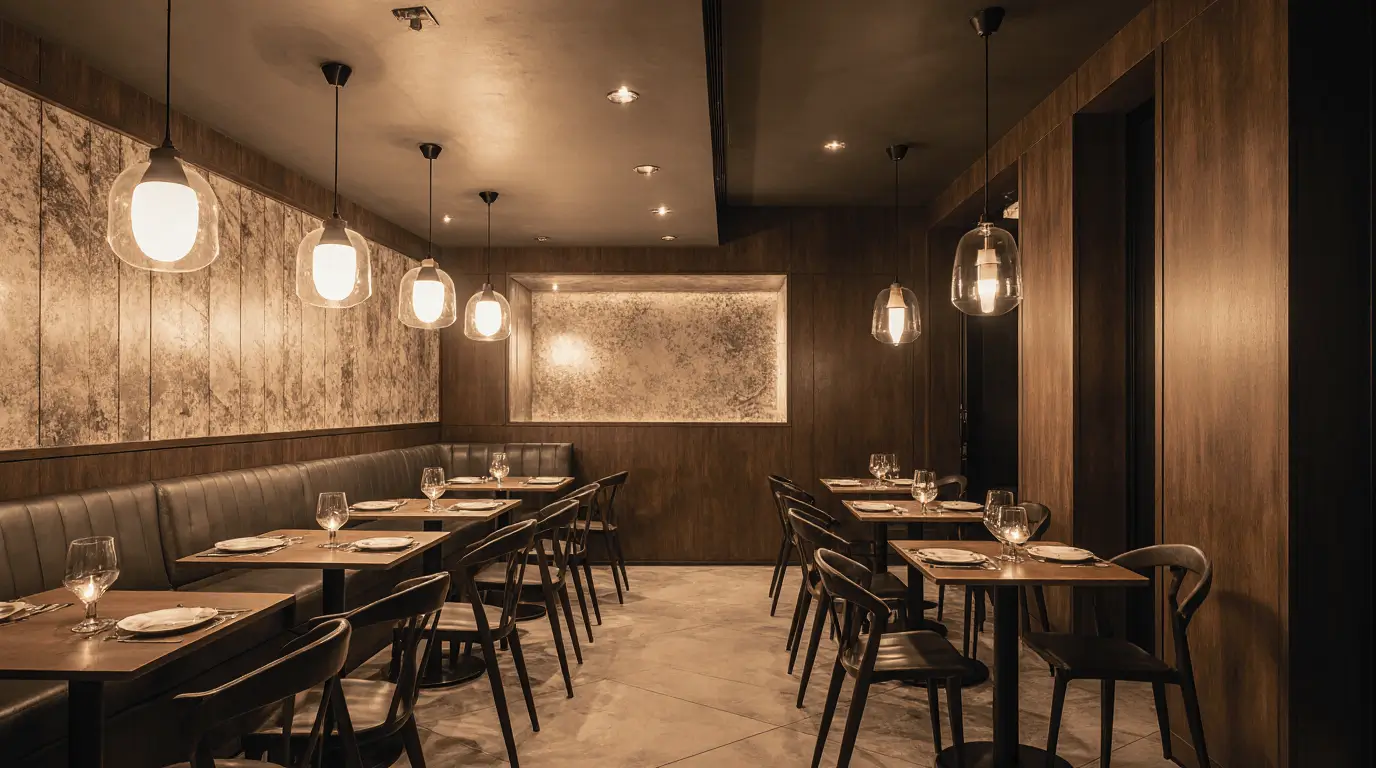
Materials and Textures in Commercial Interior Design Montreal
Material selection defines the character of a commercial interior. Montreal designers often mix natural stone, wood, metal, and glass to create visually rich environments that remain durable for daily use. Texture layering adds warmth and visual interest.
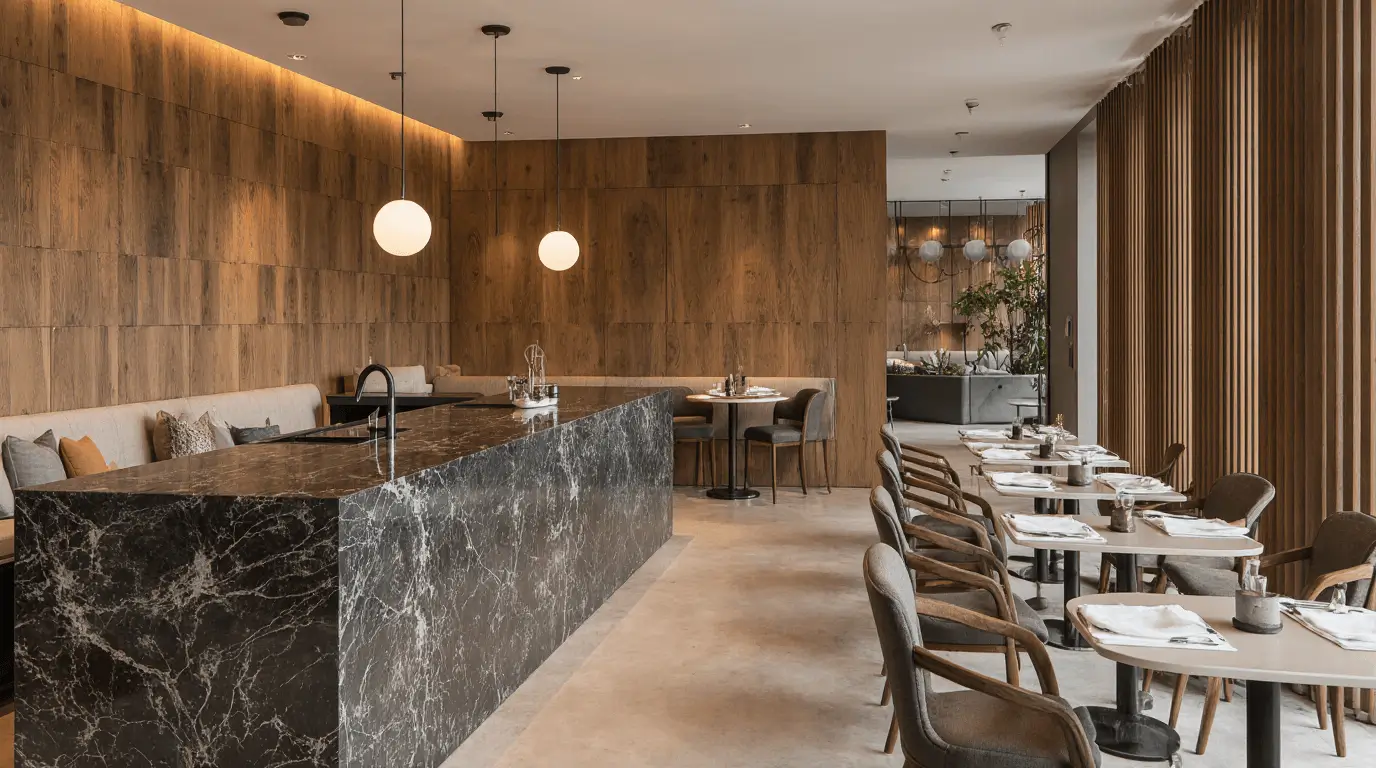
Commercial Interior Design Montreal for Hospitality Spaces
Hospitality venues such as cafés, bars, and lounges require environments that encourage guests to linger comfortably. Designers create inviting atmospheres through seating variety, lighting warmth, and material richness.
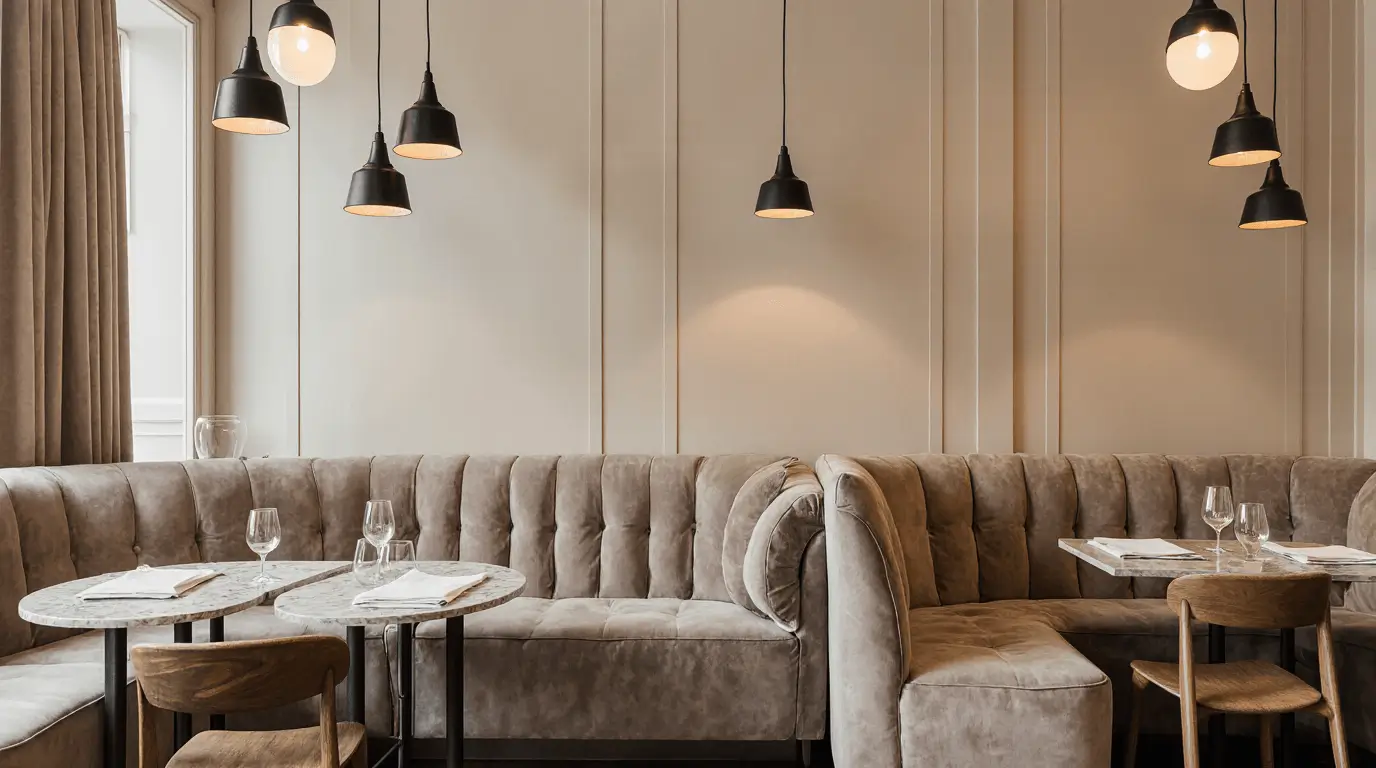
Sustainable Commercial Interior Design Montreal
Sustainability is becoming an important priority in commercial design. Montreal designers increasingly integrate eco-conscious materials, energy-efficient lighting, and responsible sourcing into projects. These choices reduce environmental impact while improving interior air quality and comfort.
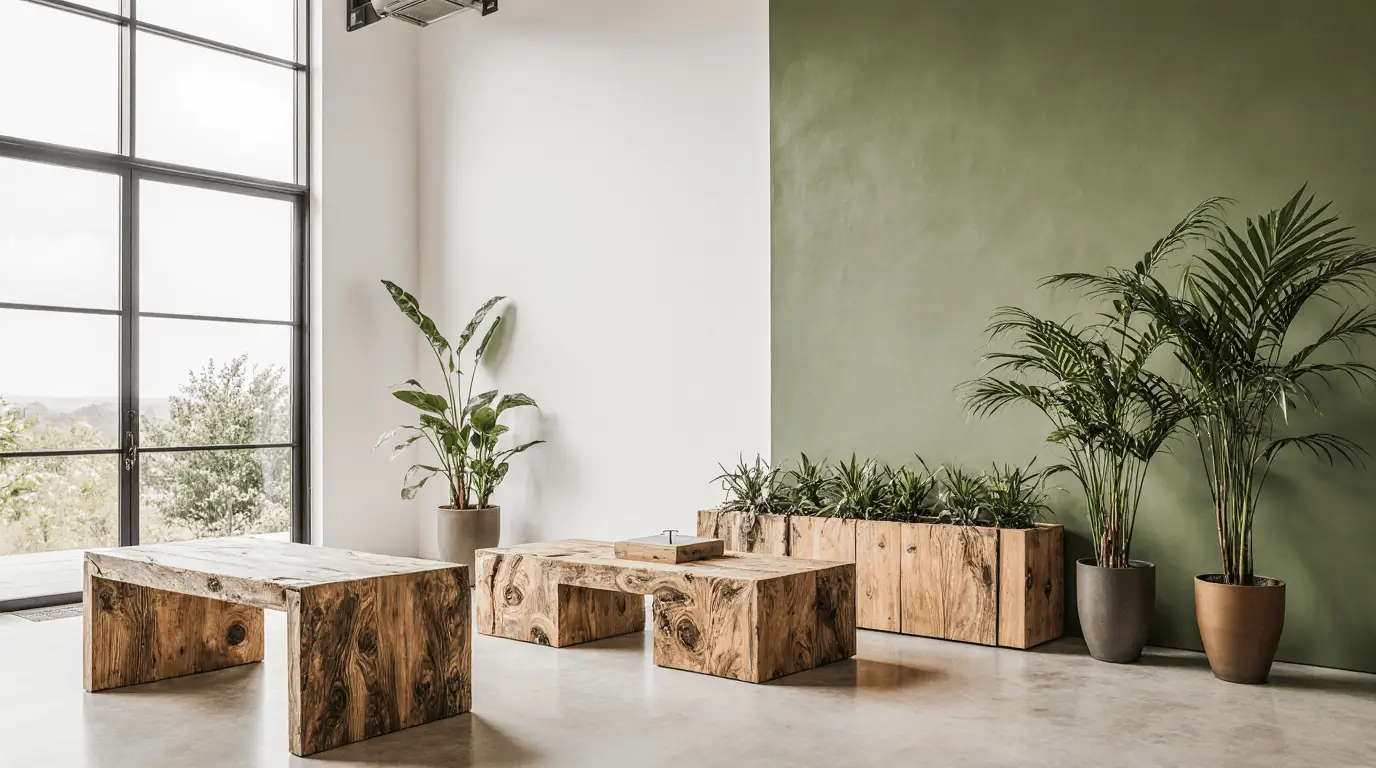
Contemporary Design Trends in Commercial Interior Design Montreal
Montreal’s design scene blends contemporary minimalism with artistic expression. Curved forms, textured walls, statement lighting, and mixed materials reflect the city’s creative culture and modern architectural identity.
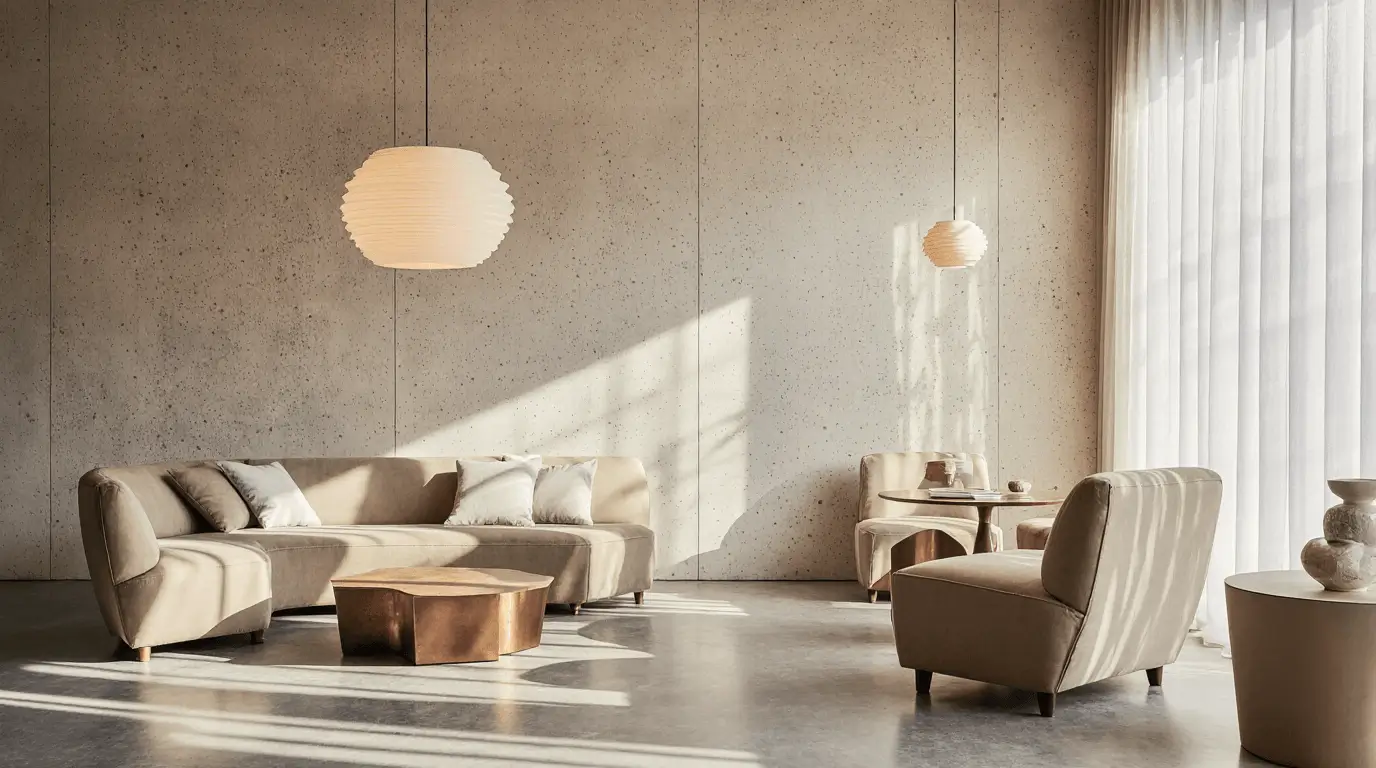
Commercial Interior Design Montreal for Customer Experience
Design strongly influences how customers feel within a commercial environment. From entryways to seating areas, every element shapes perception and emotional connection with the brand. Successful spaces feel intuitive and welcoming.
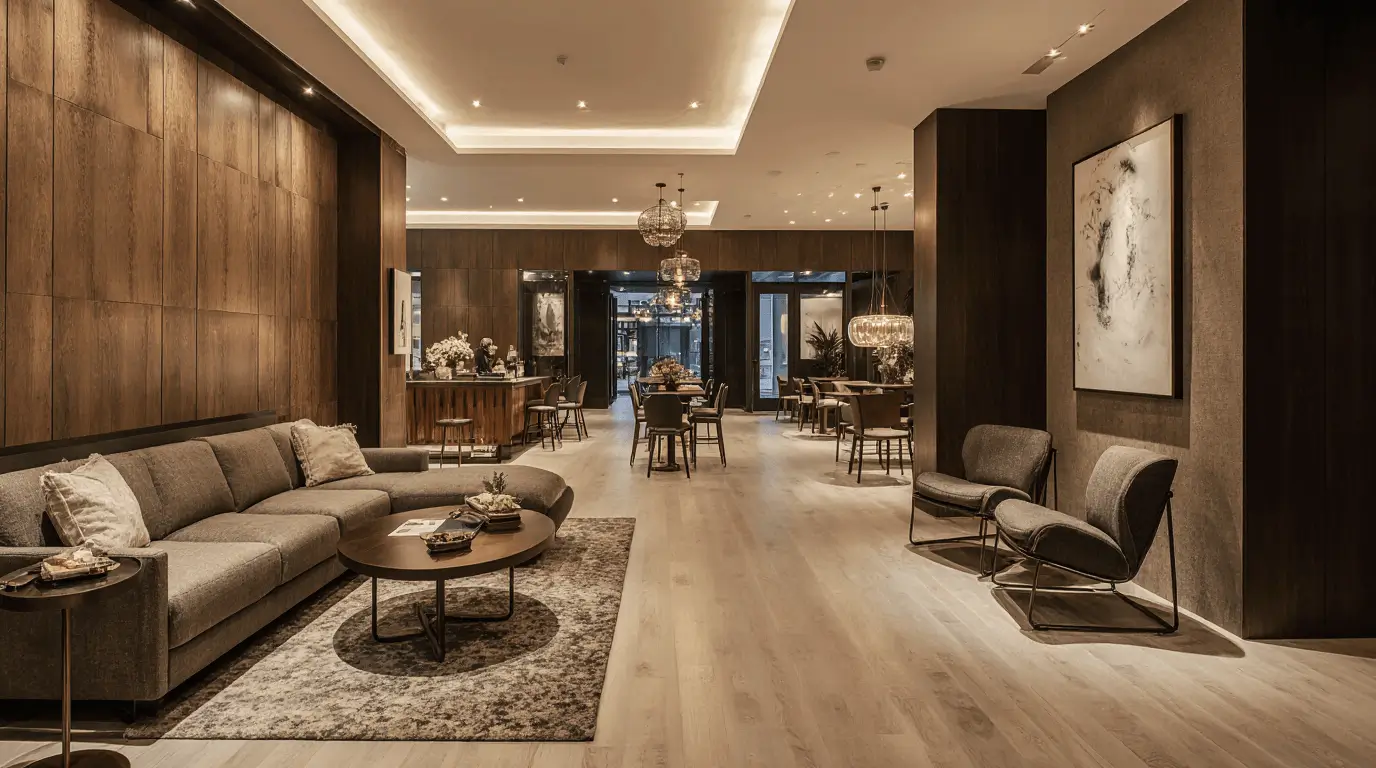
Commercial Interior Design Montreal for Functional Workspaces
Beyond aesthetics, commercial interiors must support daily operations. Designers ensure that storage, service zones, and technical systems integrate seamlessly into the overall design while maintaining a polished appearance.
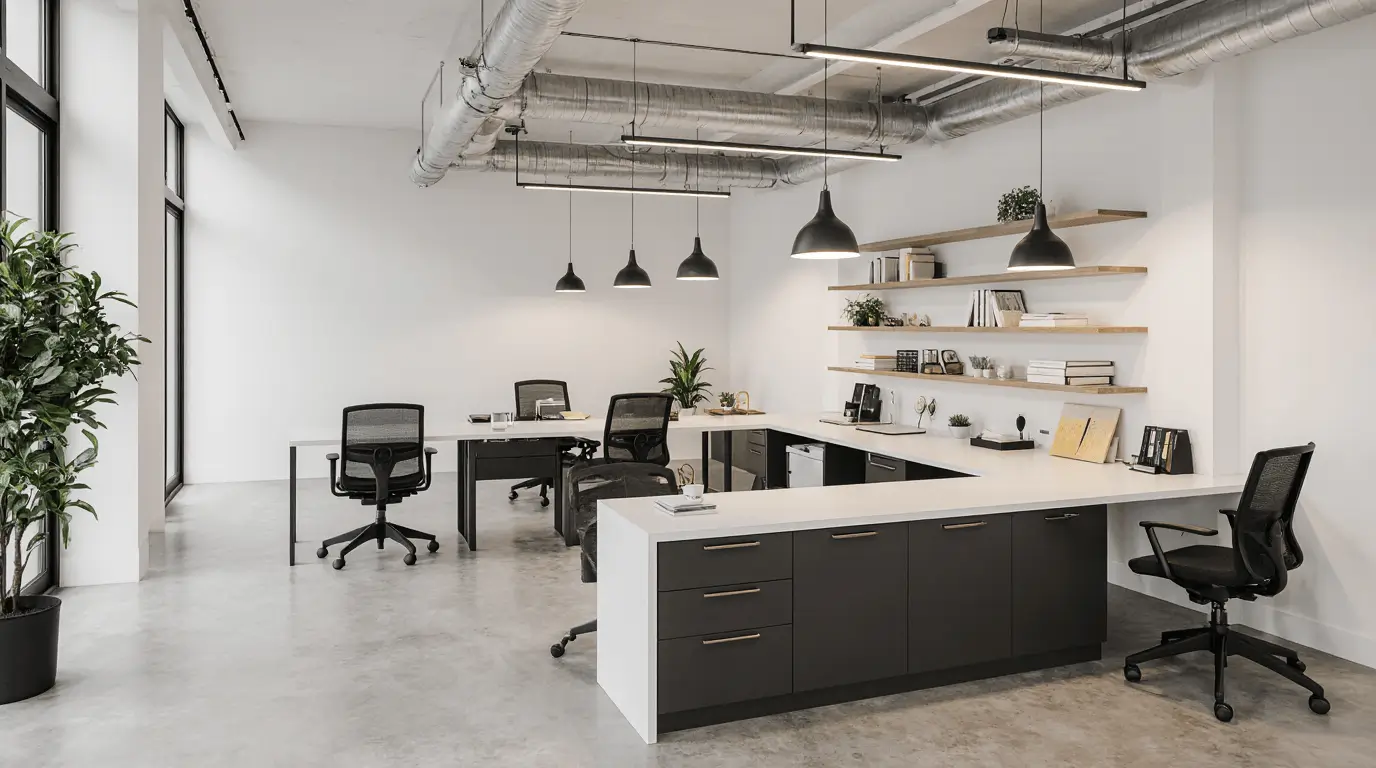
Future of Commercial Interior Design Montreal
As businesses evolve, commercial interiors continue adapting to new expectations. Flexible layouts, technology integration, and experiential design concepts are shaping the next generation of Montreal’s commercial spaces.
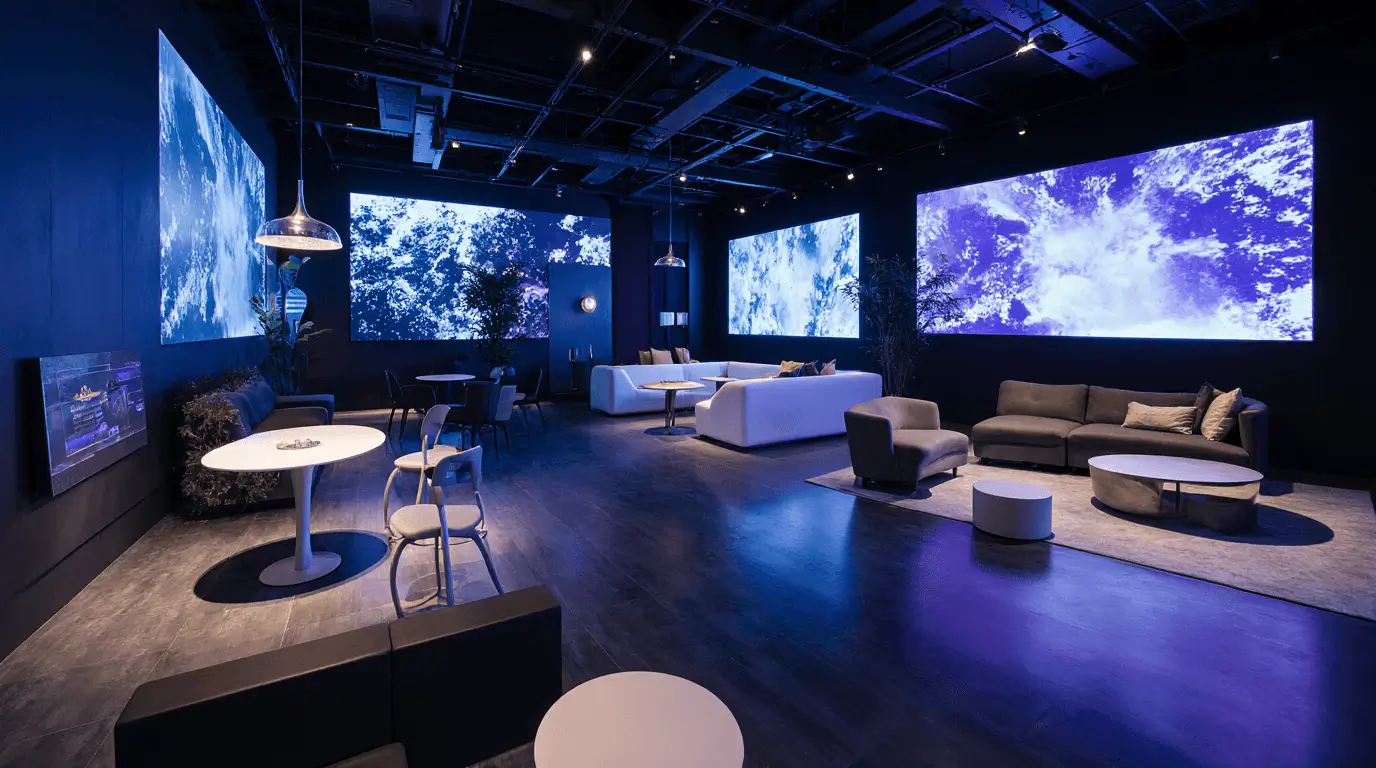
Conclusion
Commercial spaces shape how people experience a brand long before a conversation begins or a product is purchased. In a city as culturally rich and design-forward as Montreal, commercial interiors must do more than simply look attractive—they must support the rhythm of daily operations while creating an atmosphere that feels authentic, memorable, and welcoming. Thoughtful commercial interior design Montreal achieves this balance by blending strategic space planning, strong visual identity, and materials that reflect both durability and style.
From restaurants and retail stores to offices and hospitality venues, successful interiors are built around how people move, interact, and feel within a space. Designers carefully consider lighting, layout, acoustics, and textures to create environments that encourage productivity, comfort, and engagement. When these elements work together seamlessly, the result is a space that not only looks refined but also functions effortlessly for staff and customers alike.
For business owners, investing in well-executed commercial interior design Montreal often leads to stronger brand recognition, improved customer experience, and a more inspiring workplace for employees. The most successful projects begin with a clear vision of how the space should serve its users and evolve over time. By approaching design with both creativity and practicality, businesses can create interiors that remain relevant, adaptable, and impactful for years to come.
Learn more: Stunning Highland Beach Residence Interior Design Ideas for Coastal Luxury
FAQs
- What makes commercial interior design in Montreal unique compared to other cities?
Montreal’s design culture blends European influence, modern creativity, and historic architecture. This combination often results in commercial interiors that balance contemporary design with character-rich materials like brick, stone, and wood. Many spaces also emphasize artistic expression and cultural storytelling, reflecting the city’s creative identity. - How important is interior design for restaurants in Montreal?
Restaurant interiors play a significant role in shaping the dining experience. A well-designed environment influences mood, comfort, and even how long guests stay. Thoughtful lighting, seating layout, and acoustics help create a welcoming atmosphere while ensuring staff can move efficiently throughout the space. - What factors should businesses consider before starting a commercial interior design project?
Key considerations include the purpose of the space, expected customer flow, brand identity, and operational needs. Businesses should also evaluate lighting conditions, storage requirements, and flexibility for future changes. A clear understanding of these factors helps designers create solutions that are both visually appealing and highly functional. - How can small businesses benefit from professional commercial interior design?
Even compact commercial spaces can feel sophisticated and inviting when designed strategically. Professional designers maximize layout efficiency, introduce multifunctional furniture, and use lighting and materials to make small interiors appear larger and more comfortable for customers. - What materials are commonly used in commercial interiors in Montreal?
Designers often combine natural materials such as wood, stone, and metal with modern finishes like glass and polished concrete. These materials provide durability for high-traffic environments while contributing to a timeless and elegant visual style. - How long does a typical commercial interior design project take?
Project timelines vary depending on the size and complexity of the space. Smaller renovations may take a few weeks to plan and execute, while larger commercial projects—such as restaurants or offices—can take several months from concept development to completion. - Can commercial interiors be designed to adapt to future business changes?
Yes. Many designers now focus on flexible layouts and modular furniture systems that allow spaces to evolve. Adaptable design ensures that businesses can update seating arrangements, display areas, or workspaces as their needs grow or shift over time.

One Response