
Introduction
Commercial restaurant interior design is more than decoration—it is a strategic blend of branding, functionality, guest psychology, and operational efficiency. A well-designed restaurant doesn’t just look beautiful; it influences customer flow, table turnover, comfort levels, and even perceived food quality.
After years of observing successful hospitality spaces, one truth stands out: restaurants that align layout, lighting, materials, and brand storytelling outperform those that focus on aesthetics alone. From small cafés to large-scale dining venues, commercial restaurant interior design must balance ambiance with performance.
Below are the most important design clusters that define high-performing restaurant spaces today.
Modern Commercial Restaurant Interior Design
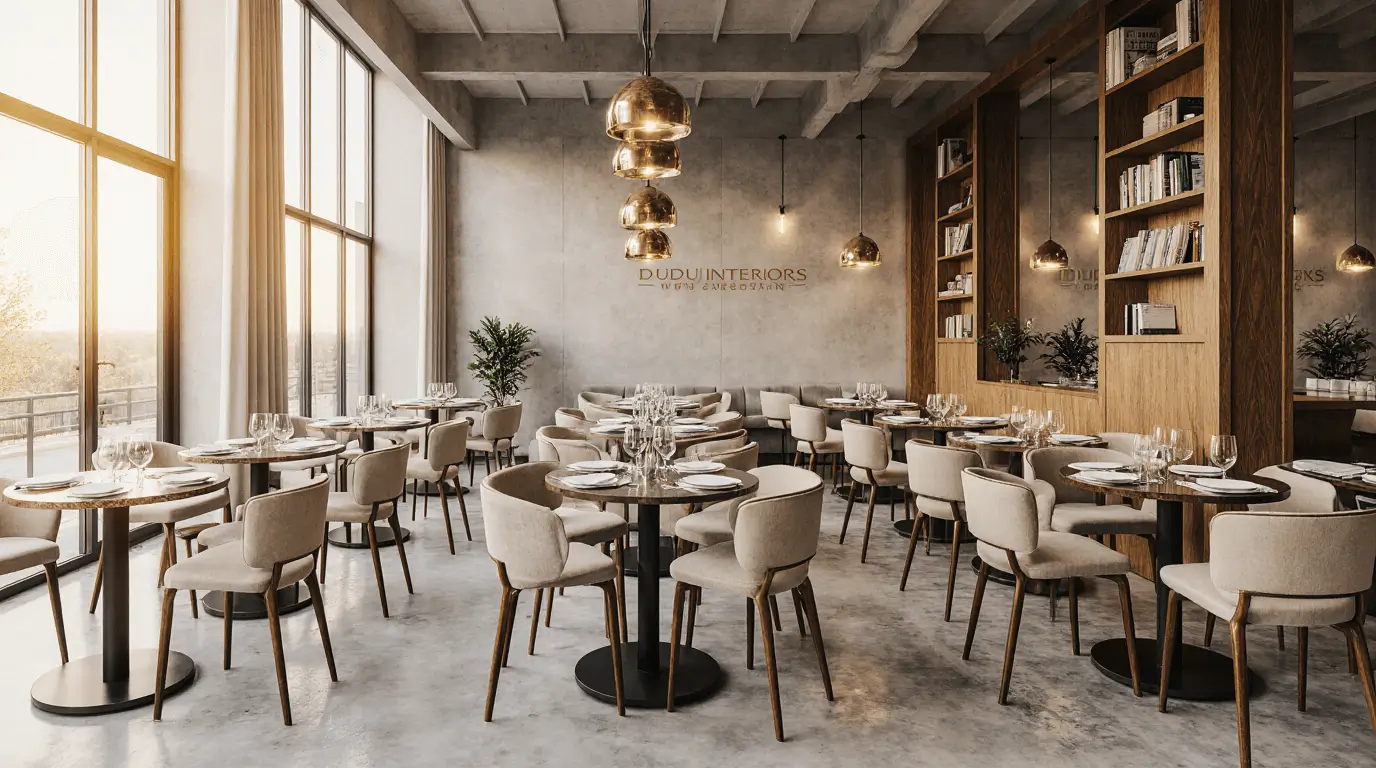
Modern commercial restaurant interior design focuses on clean lines, controlled color palettes, and intentional lighting. It eliminates visual clutter while elevating materials like glass, polished concrete, and matte finishes.
When executed correctly, modern design enhances spatial clarity and allows food presentation to become the hero.
Small Commercial Restaurant Interior Design
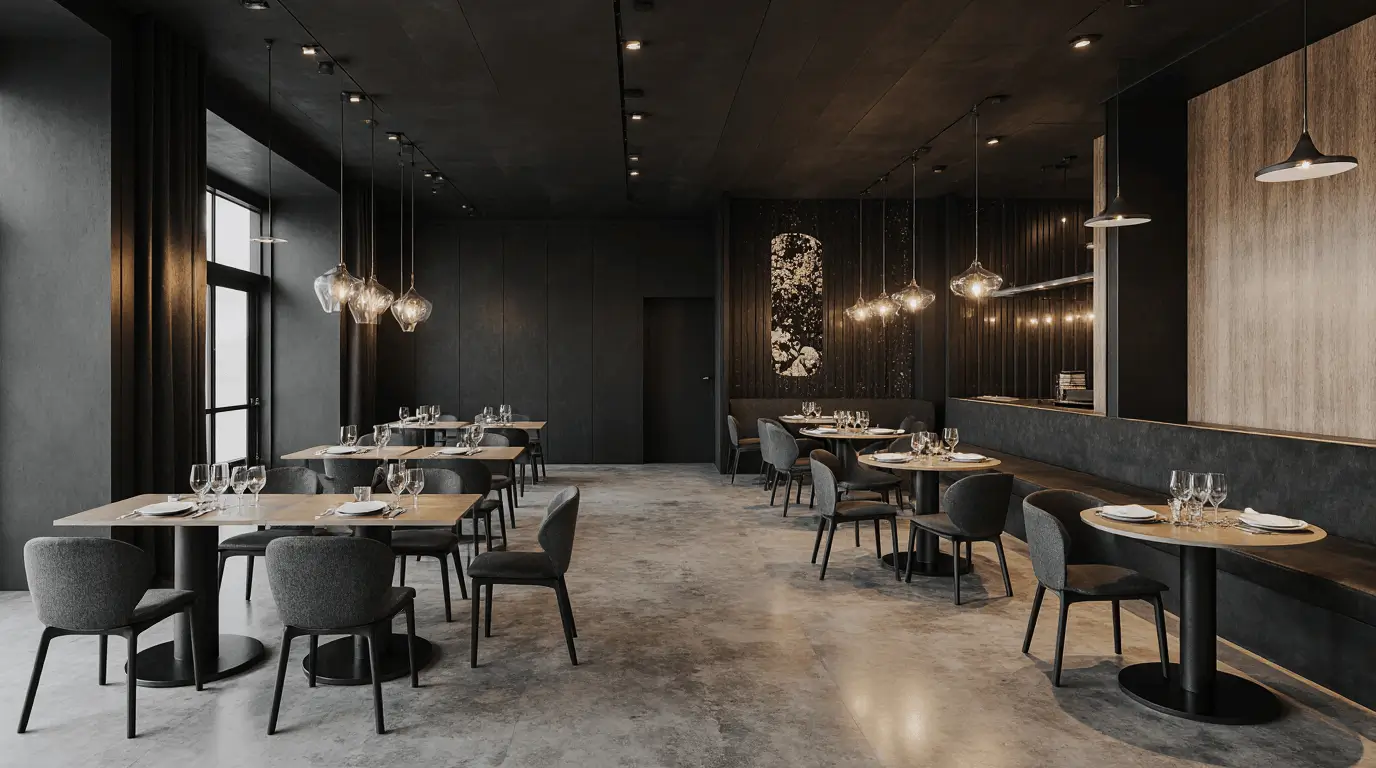
Designing compact spaces requires intelligent zoning and visual expansion techniques. Mirrors, vertical storage, and compact furniture layouts maximize seating without compromising comfort.
Small commercial restaurant interior design succeeds when circulation feels effortless and tables never feel cramped.
Commercial Restaurant Interior Design for Modern Restaurants
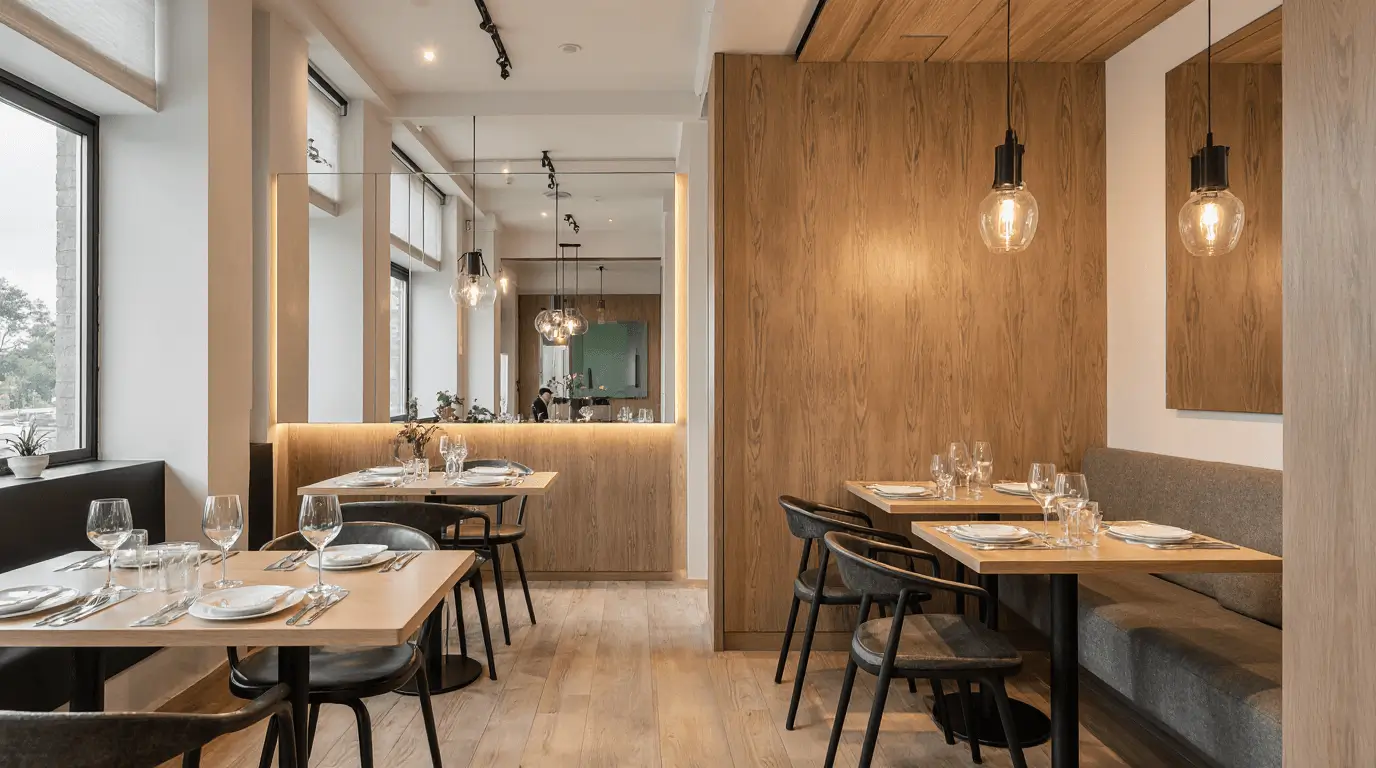
Modern restaurant interior design often combines open kitchens, statement lighting, and curated materials. Transparency builds trust, while strong design identity builds memorability.
The key is balance—sleek aesthetics with warmth.
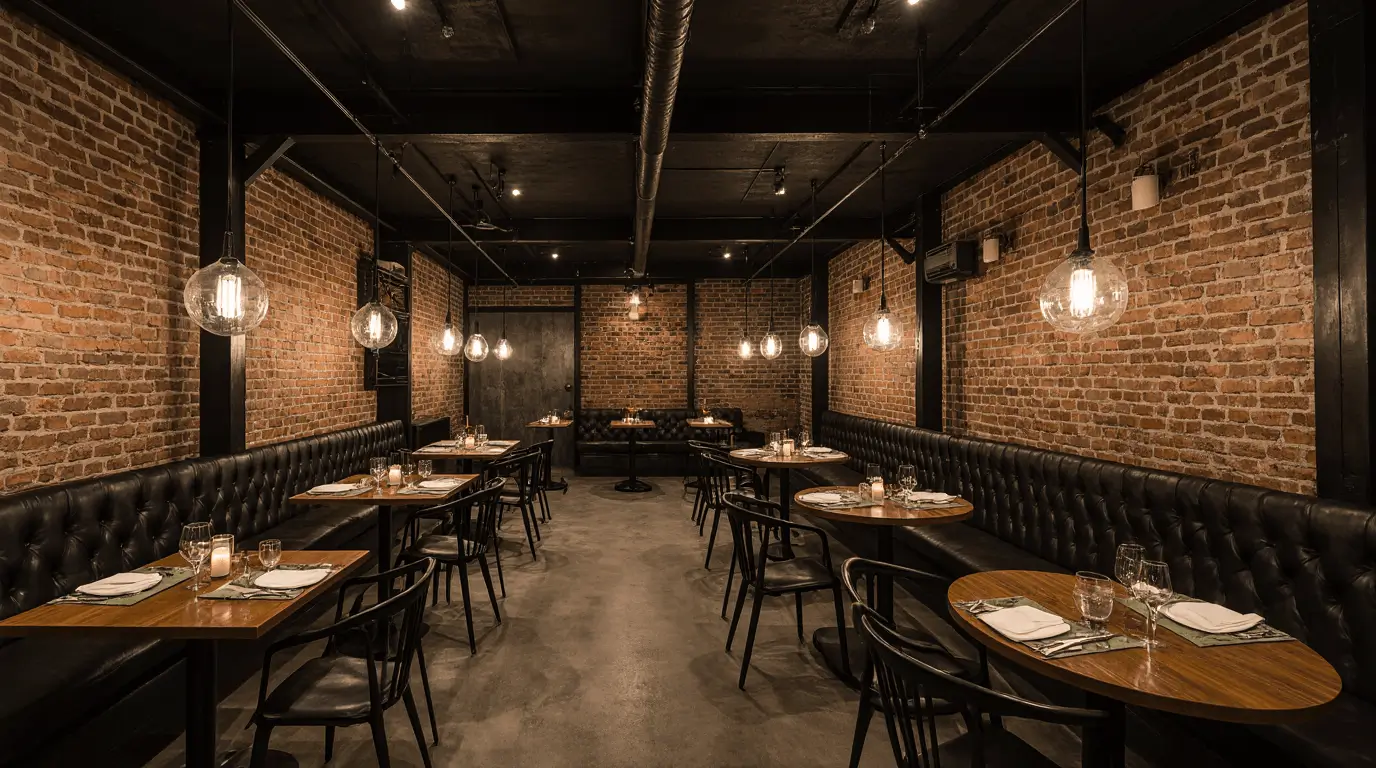
Industrial Commercial Restaurant Interior Design
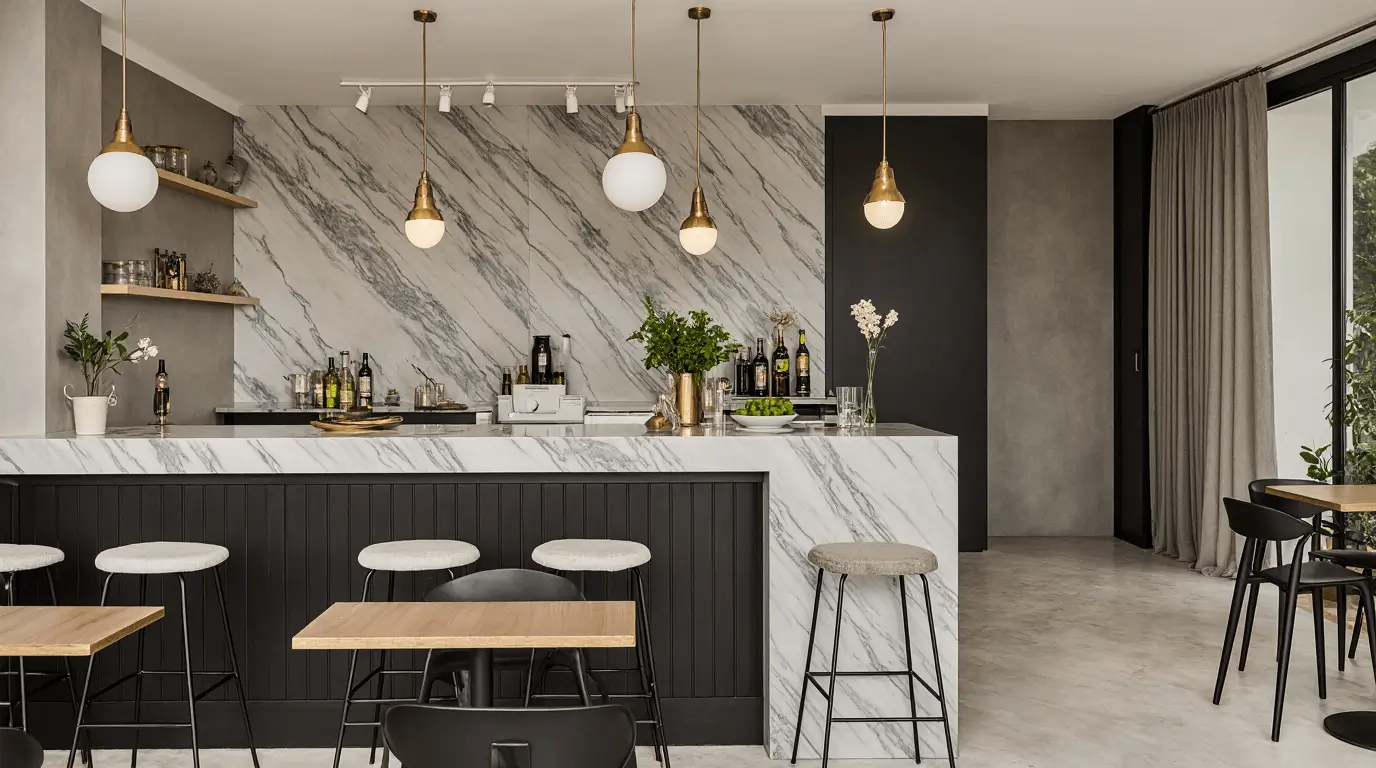
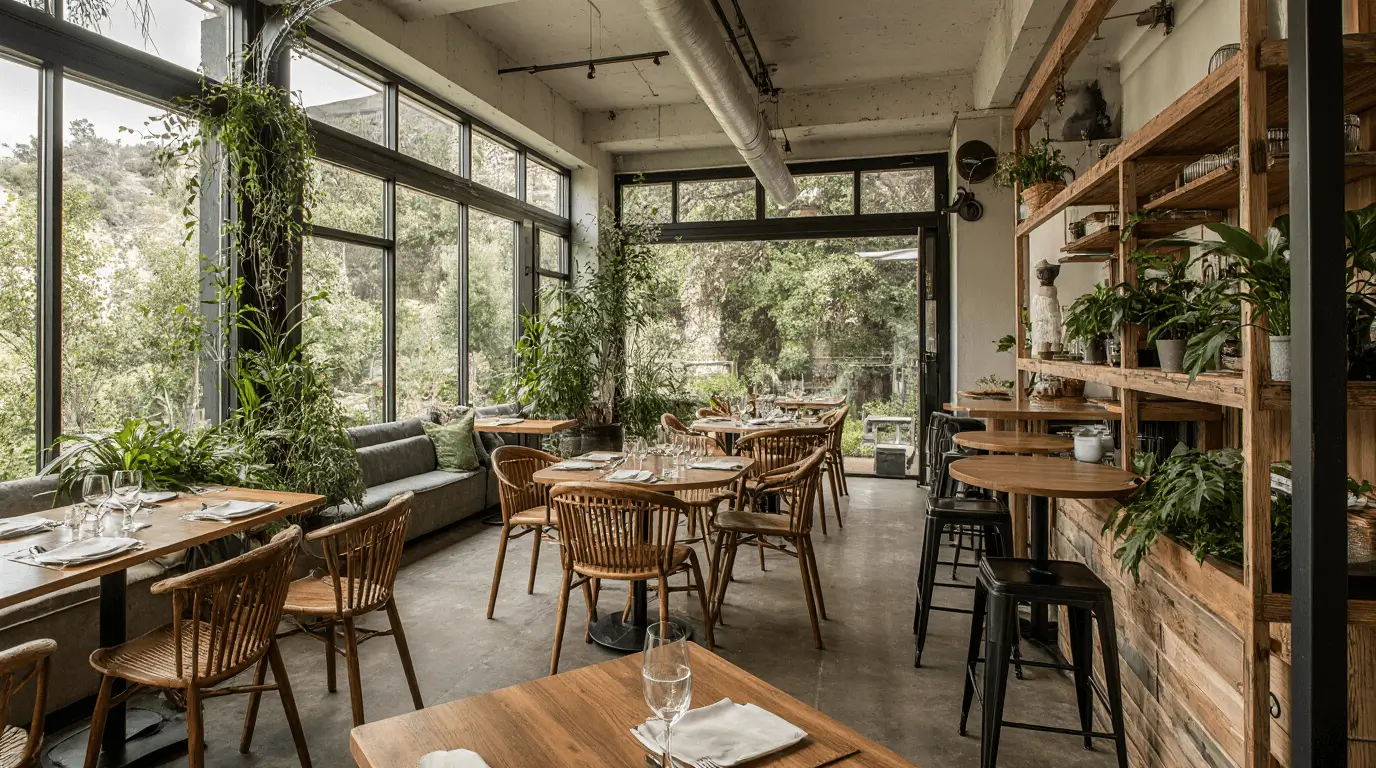
Industrial restaurant design celebrates raw materials—exposed brick, blackened steel, reclaimed wood, and visible ductwork. It works especially well in urban environments.
The success of this style depends on softening raw elements with warm lighting and textured furnishings.
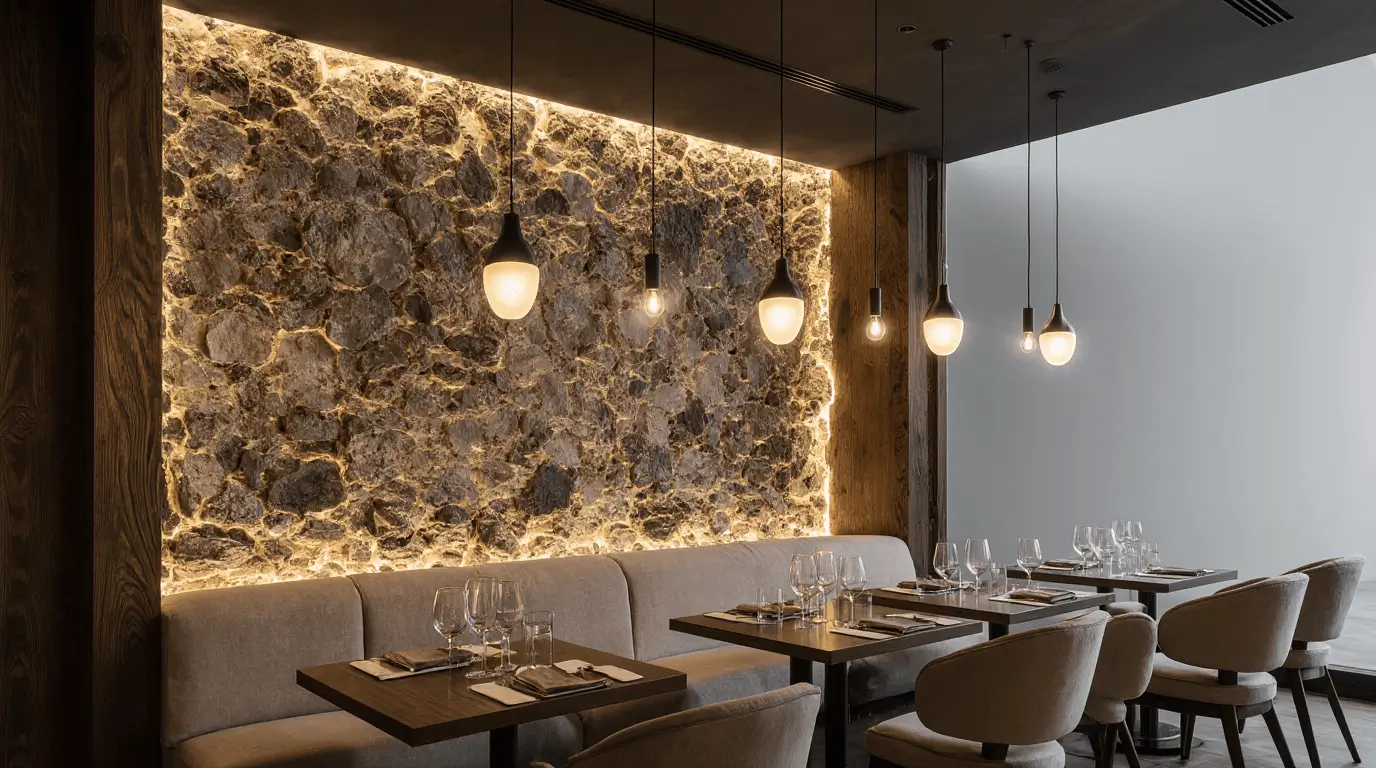
Contemporary Restaurant Design Ideas in Commercial Spaces
Contemporary design blends modern minimalism with layered textures and artistic focal points. Sculptural lighting and feature walls add personality without overwhelming guests.
This approach keeps interiors fresh while remaining commercially viable.
Restaurant Layout Planning in Commercial Restaurant Interior Design
A smart layout ensures smooth staff movement, optimal seating density, and clear pathways. Zoning typically includes entry, waiting area, dining, service stations, and kitchen.
Efficient layout design reduces operational stress and improves guest experience.
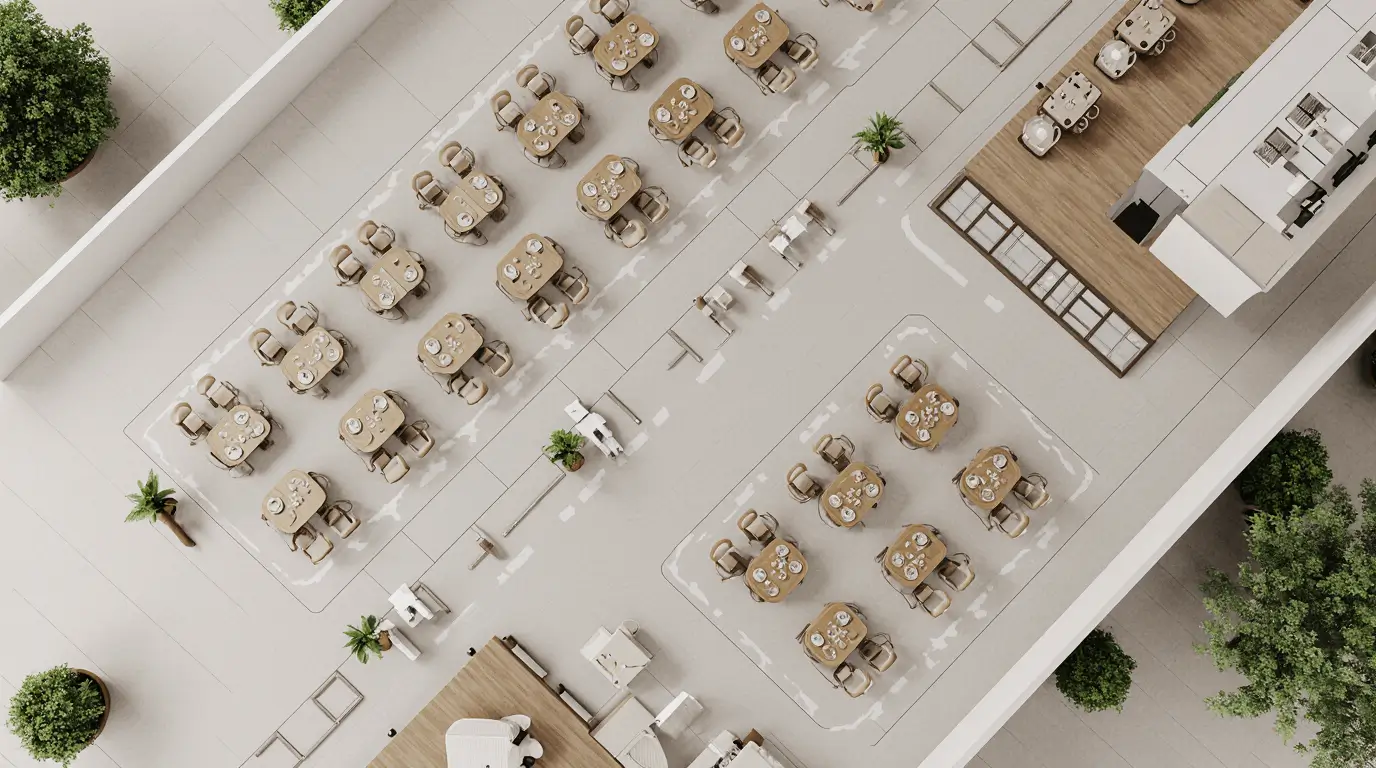
Floor Plan for Small Restaurant Efficiency
Small restaurant floor plans must prioritize kitchen-to-table distance and eliminate wasted corners. Booth seating along walls increases capacity while maintaining comfort.
Every square meter must serve a purpose.
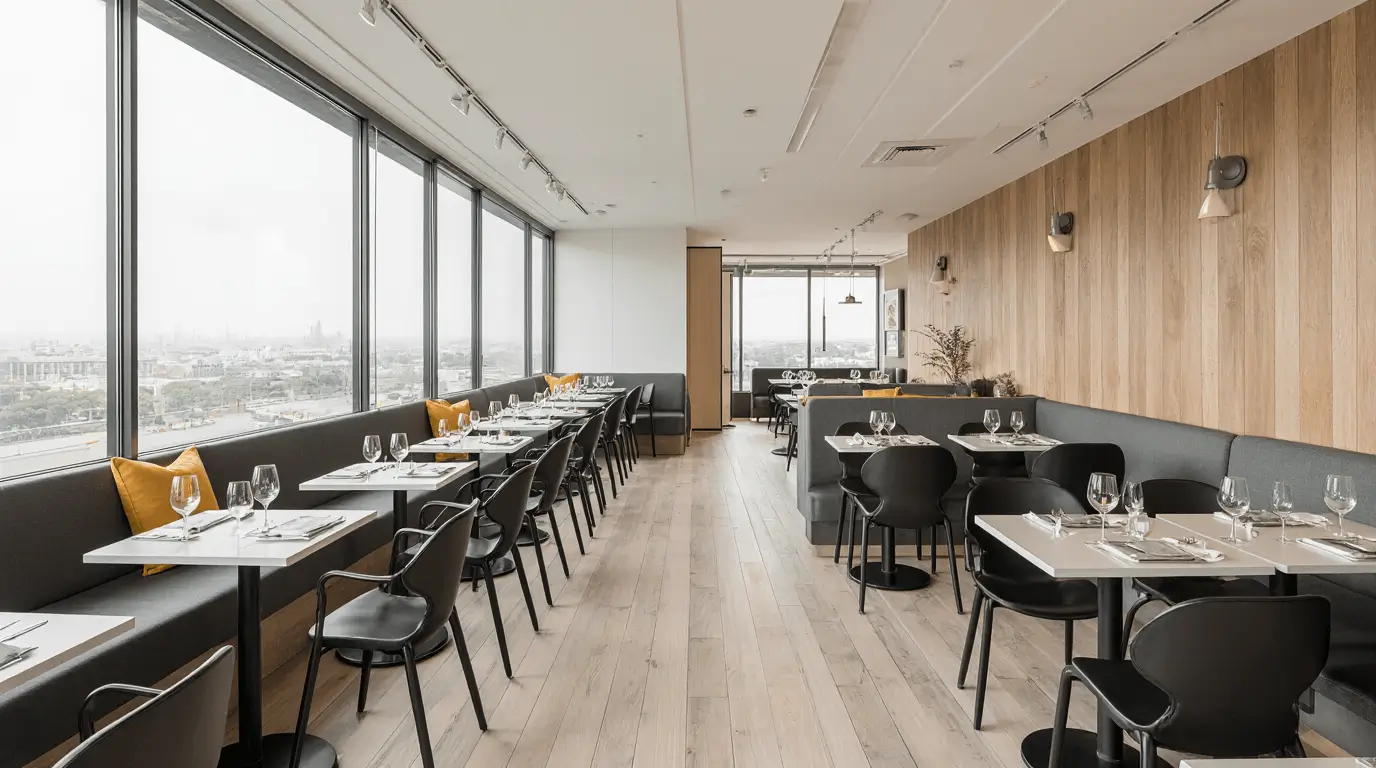
Interior Design for Small Restaurant Concepts
Light colors, vertical décor elements, and layered lighting expand visual perception. Strategic ceiling treatments can also create height illusions.
Designing small restaurants requires thoughtful restraint.
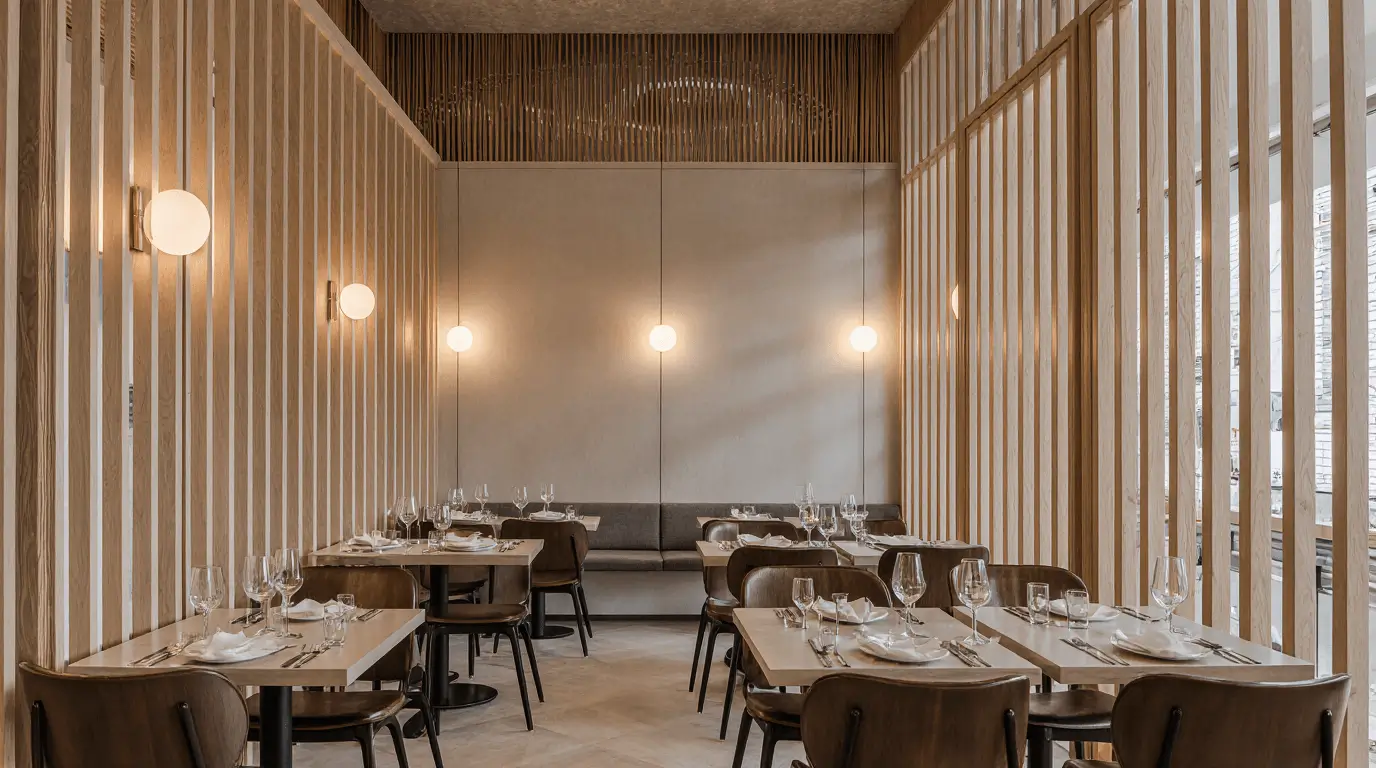
Low Budget Commercial Restaurant Interior Design
Budget-friendly design focuses on smart material selection—laminates instead of hardwood, polished concrete instead of marble, and creative paint techniques.
Good lighting and strong branding can elevate even modest materials.
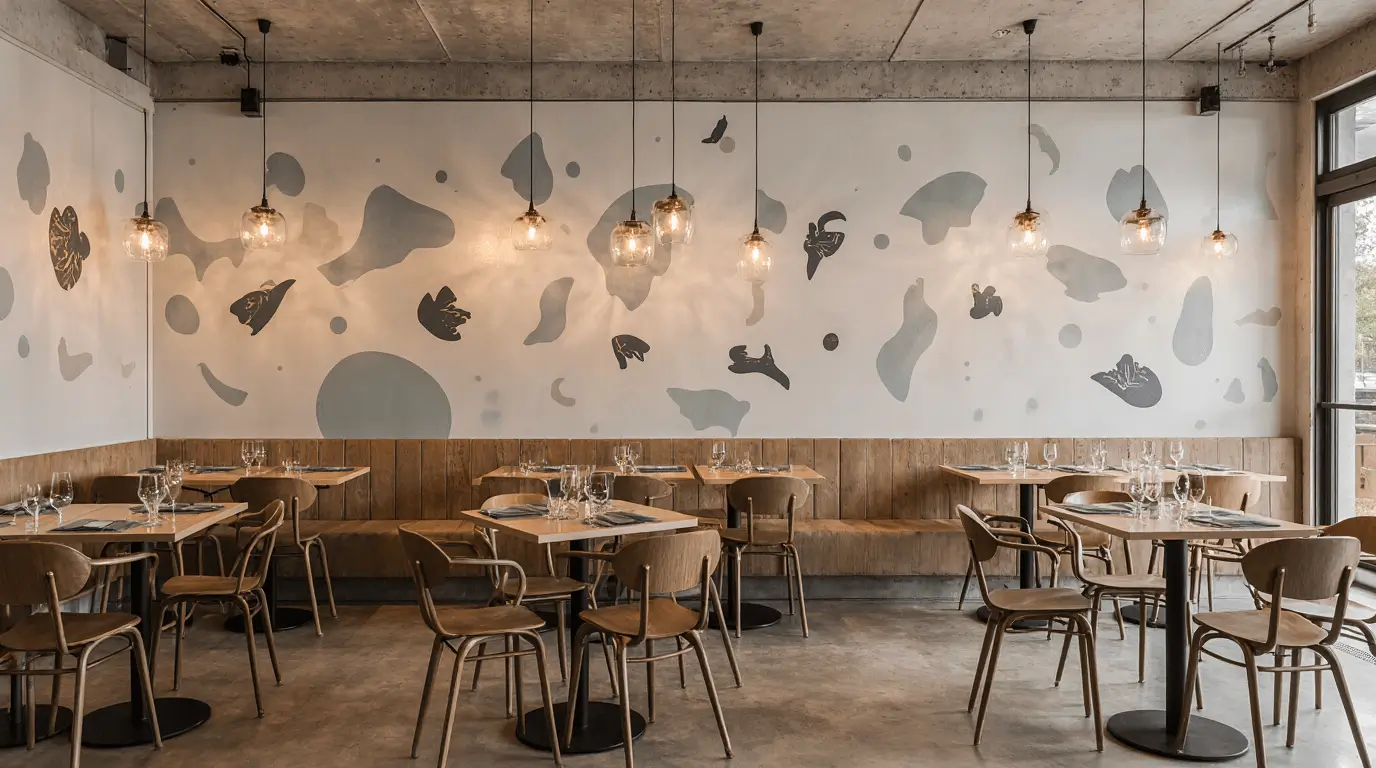
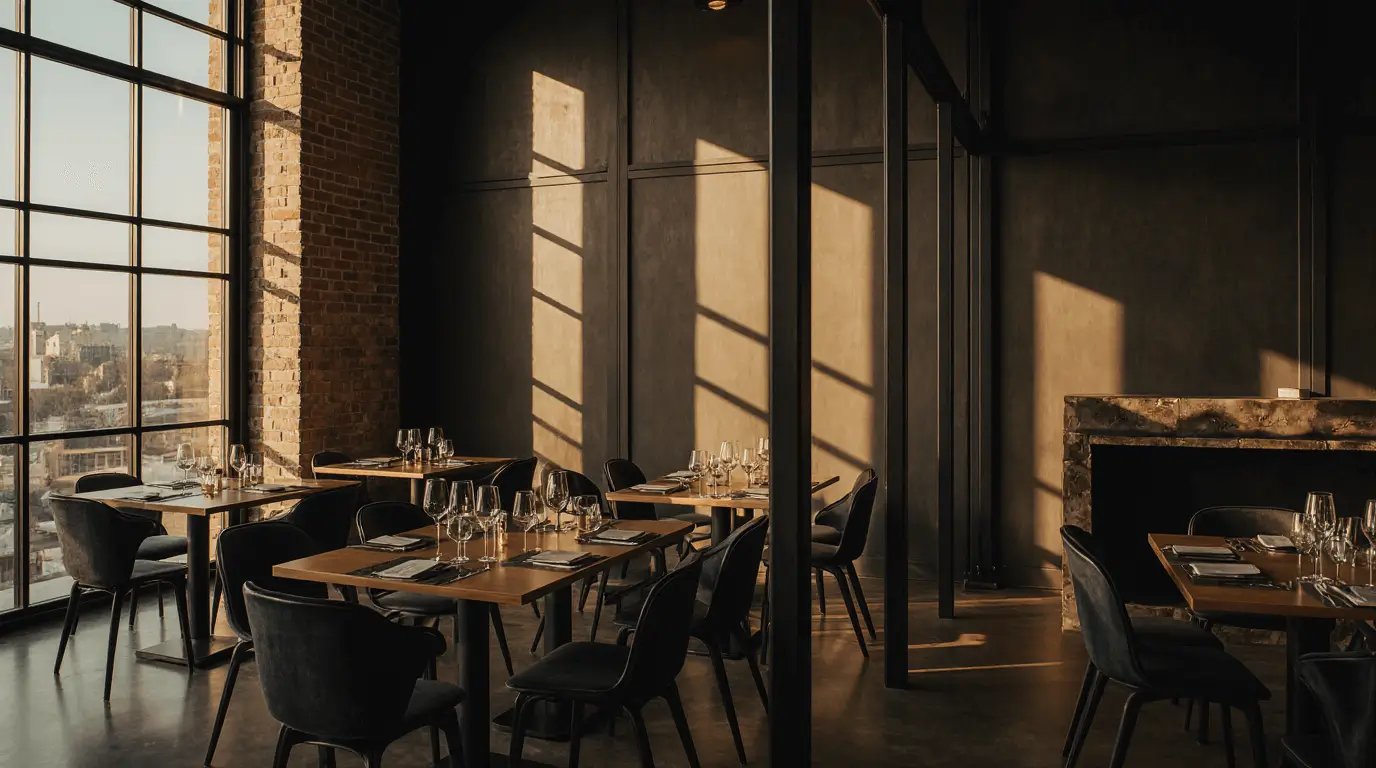
Industrial Modern Restaurant Design Integration
Blending industrial structure with modern finishes creates a balanced, inviting atmosphere. Think black metal frames paired with soft upholstery and warm wood tones.
This fusion style feels contemporary yet grounded.
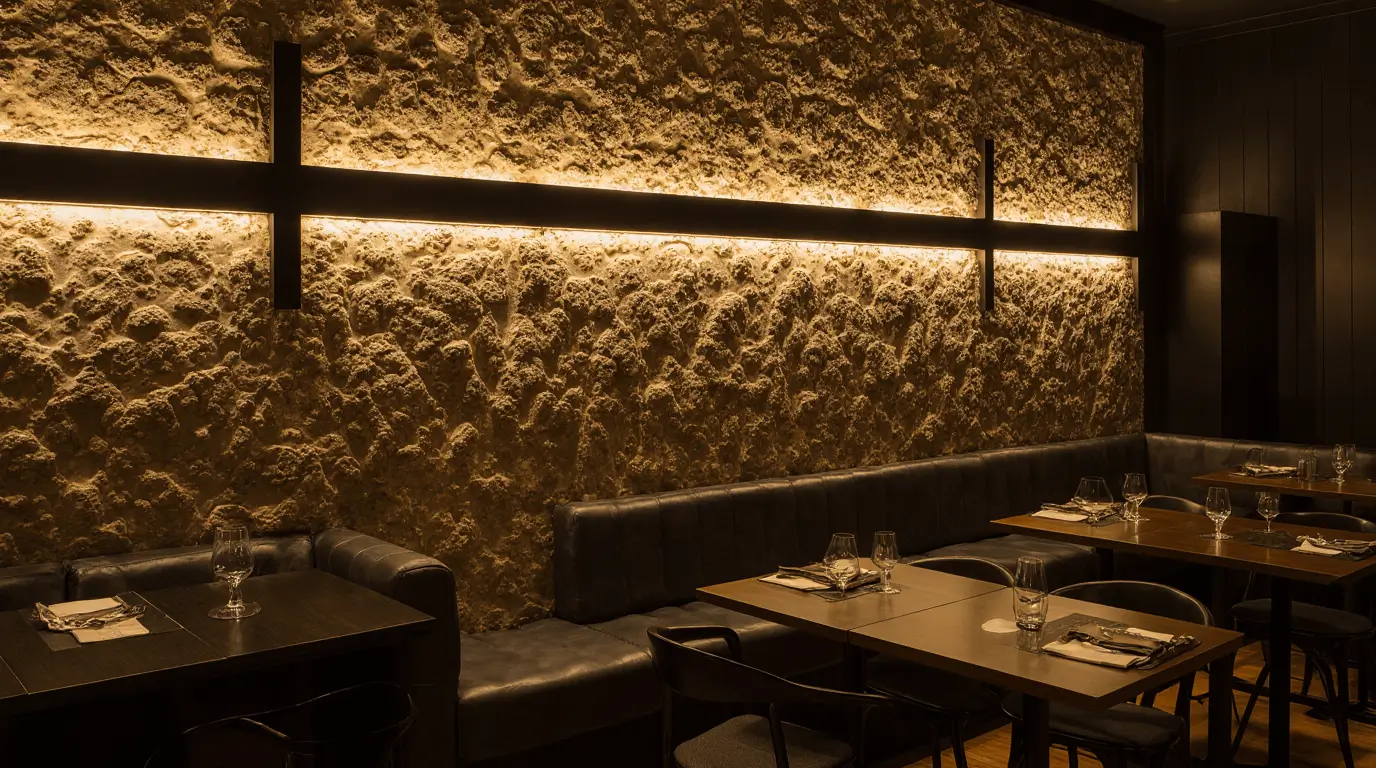
Interior Wall Design for Restaurants
Walls are storytelling surfaces. Textured panels, murals, branding elements, or subtle lighting coves can transform plain interiors into immersive experiences.
Well-designed walls anchor the dining mood.
Lighting Strategy in Commercial Restaurant Interior Design
Lighting determines mood more than any other element. Layered lighting—ambient, task, and accent—ensures functional clarity and emotional warmth.
Dimmer systems allow day-to-night ambiance transitions.
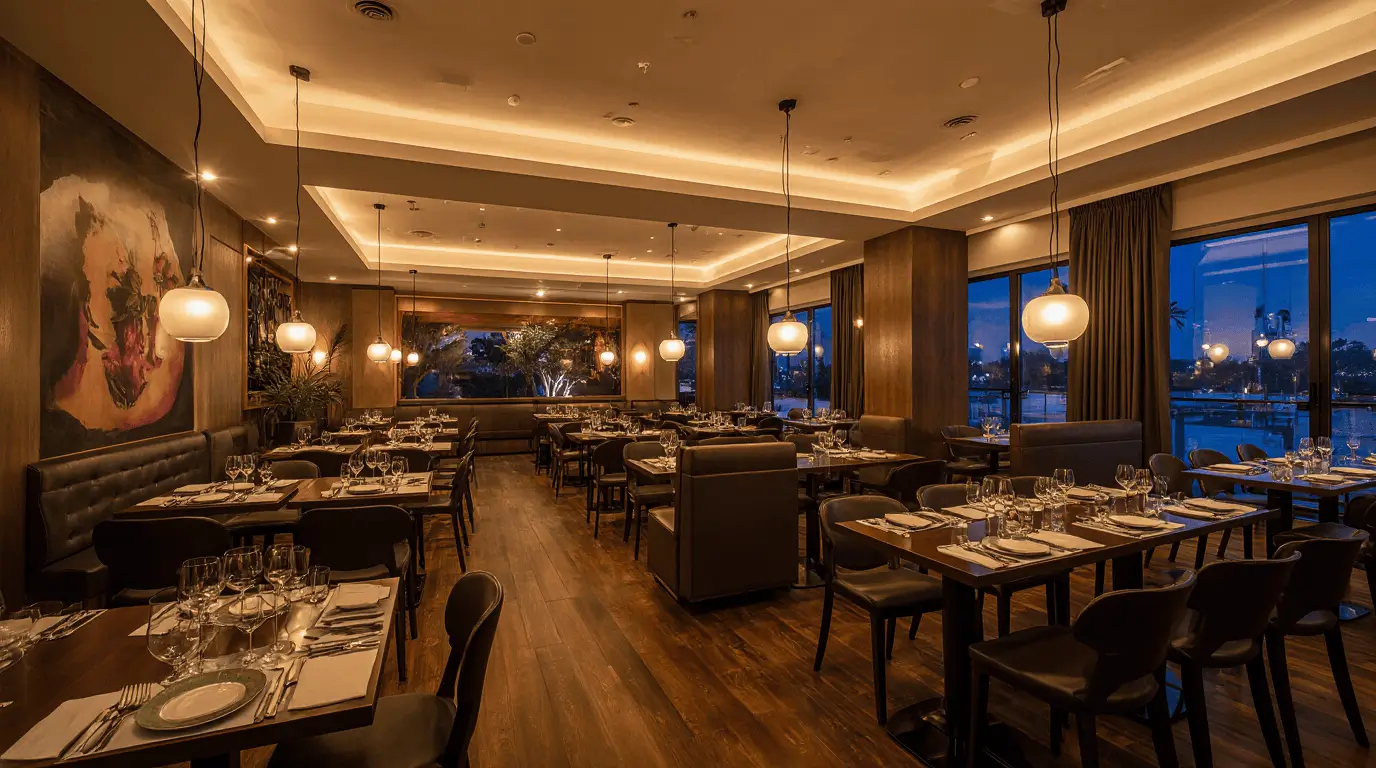
Restaurant Decorator’s Approach to Branding
A professional restaurant decorator integrates logo colors, typography, and concept storytelling into the physical space. Every detail—from menu boards to furniture fabric—supports the brand identity.
Consistency builds recognition and loyalty.
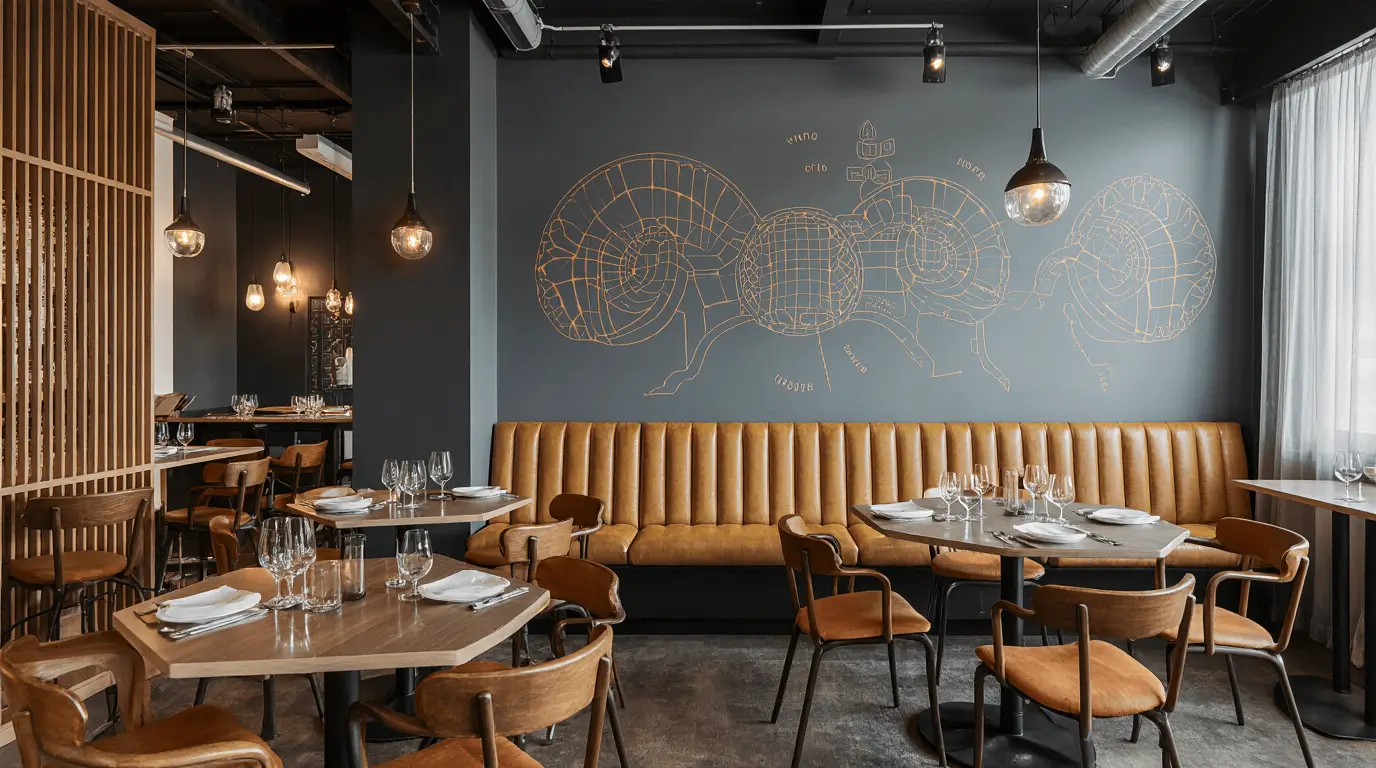
Commercial Restaurant Interior Design for Fine Dining
Fine dining interiors rely on premium materials, controlled acoustics, and refined lighting. Upholstered seating, subtle partitions, and elegant table settings elevate perceived value.
Luxury lies in detail and restraint.
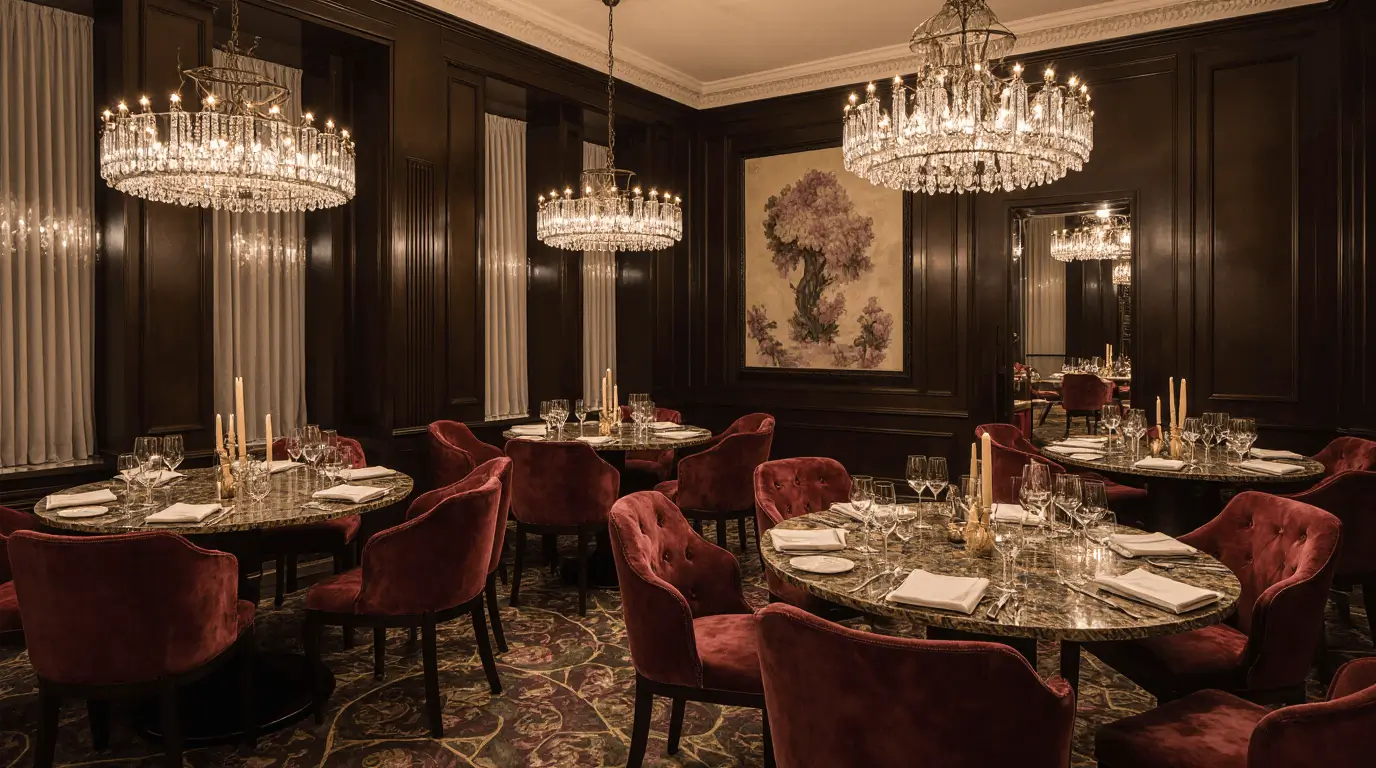
Casual Dining Commercial Restaurant Interior Design
Casual dining spaces emphasize comfort, accessibility, and social energy. Durable materials, flexible seating, and brighter lighting support higher table turnover.
The goal is relaxed yet thoughtfully curated design.
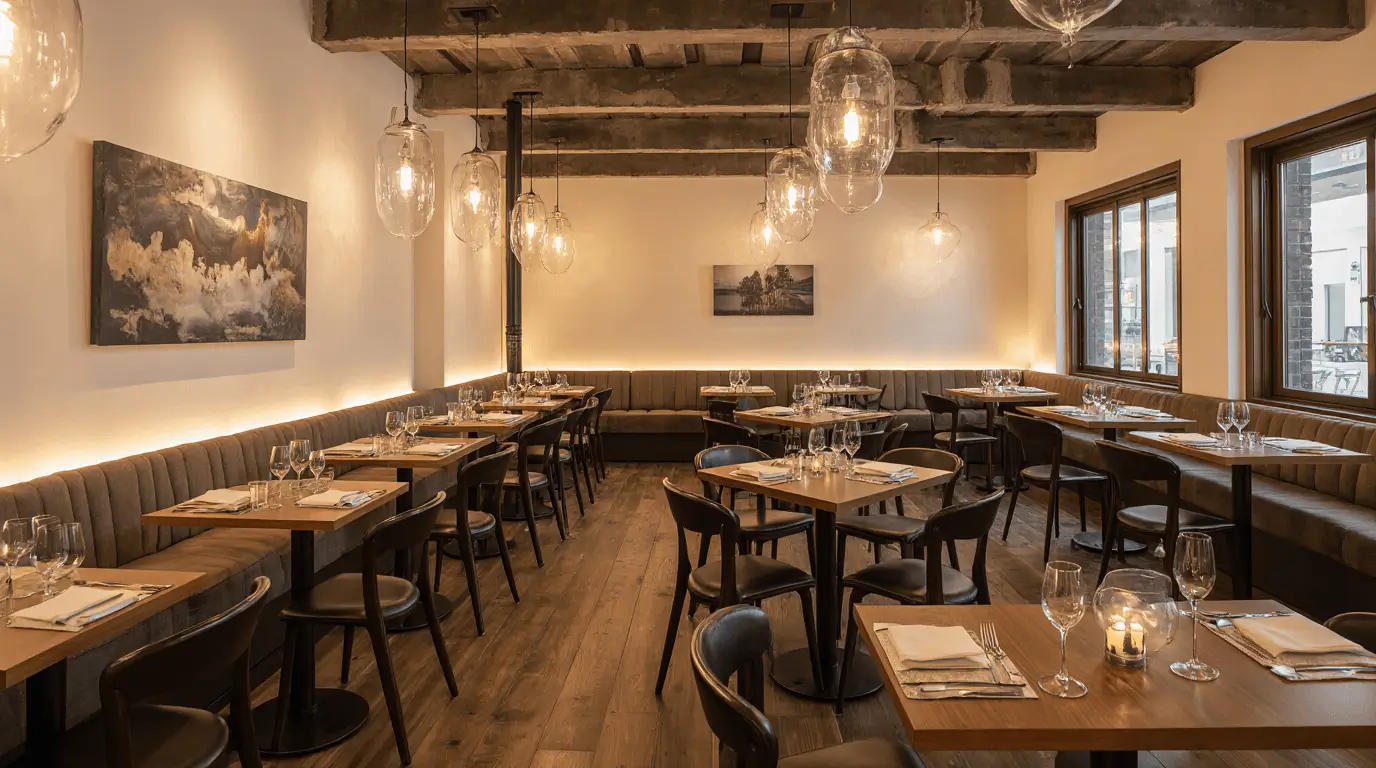
Sustainable Commercial Restaurant Interior Design
Sustainability is increasingly shaping commercial restaurant interior design decisions. Reclaimed wood, low-VOC paints, energy-efficient lighting, and natural ventilation systems reduce environmental impact.
Eco-conscious design resonates strongly with modern diners.
Conclusion: Designing Restaurants That Perform and Inspire
At its core, commercial restaurant interior design is about creating spaces that work as beautifully as they look. A successful restaurant interior doesn’t happen by accident—it’s the result of intentional decisions about layout, lighting, materials, acoustics, and brand storytelling. When these elements are aligned, the space begins to support operations, elevate the dining experience, and strengthen the business itself.
In real-world practice, the restaurants that thrive are the ones where design decisions are rooted in purpose. A well-planned floor layout reduces staff fatigue and improves service speed. Thoughtful lighting enhances food presentation and sets the emotional tone. Carefully selected materials balance durability with aesthetic impact. These aren’t decorative choices—they’re strategic ones.
This approach benefits everyone involved. Owners gain operational efficiency and stronger brand identity. Staff experience smoother workflows and clearer spatial organization. Guests feel comfortable, welcomed, and immersed in an atmosphere that reflects the restaurant’s personality. The result is not just visual appeal, but repeat visits and positive word-of-mouth.
If you’re planning a new restaurant or renovating an existing one, begin with clarity: define your concept, understand your audience, and design around function first—then layer in atmosphere. When commercial restaurant interior design is approached as a holistic system rather than a styling exercise, it becomes one of the most powerful investments a hospitality business can make.
Learn more : 13+ Stunning Interior Design San Antonio Ideas You’ll Love
Frequently Asked Questions
- How do I know which interior style is right for my restaurant concept?
Start with your brand identity and target audience. A fine dining concept typically benefits from controlled lighting, premium materials, and acoustic comfort, while a casual dining space may prioritize durability and flexibility. The right style is the one that reinforces your menu, pricing level, and customer expectations without feeling forced.
- What is the most important factor in commercial restaurant interior design?
Layout and flow are foundational. Before choosing colors or furniture, ensure that staff circulation, kitchen access, table spacing, and entry experience are efficient. A beautiful space cannot compensate for poor functionality. Operational clarity always comes first.
- How can small restaurants feel spacious without major structural changes?
Use light color palettes, mirrors, vertical design elements, and layered lighting. Avoid bulky furniture and maintain clear pathways. Strategic ceiling treatments and wall-mounted fixtures can free up floor space while enhancing visual height and openness.
- Is it possible to achieve a strong design impact on a limited budget?
Absolutely. Prioritize lighting, wall treatments, and cohesive branding. Durable but cost-effective materials like laminates, engineered wood, and polished concrete can look sophisticated when used thoughtfully. Design impact often comes from consistency and creativity, not just expense.
- How does lighting influence customer behavior in restaurants?
Lighting shapes mood and perception. Warm, softer lighting encourages longer stays and relaxed dining, while brighter environments support quicker turnover. Layered lighting allows flexibility throughout the day, adapting to lunch, dinner, and evening ambiance.
- When should I hire a professional restaurant designer?
If you’re managing a commercial space with operational complexity—kitchen coordination, compliance standards, seating capacity optimization—it’s wise to consult a professional early. Experienced designers anticipate technical challenges, protect your investment, and translate your concept into a cohesive, high-performing environment.
- How often should a restaurant interior be updated or refreshed?
Full renovations may happen every 7–10 years, but smaller updates—such as lighting adjustments, reupholstery, repainting, or décor refinements—can be introduced every few years. Regular refreshes keep the space relevant without disrupting operations or brand continuity.

One Response