Introduction
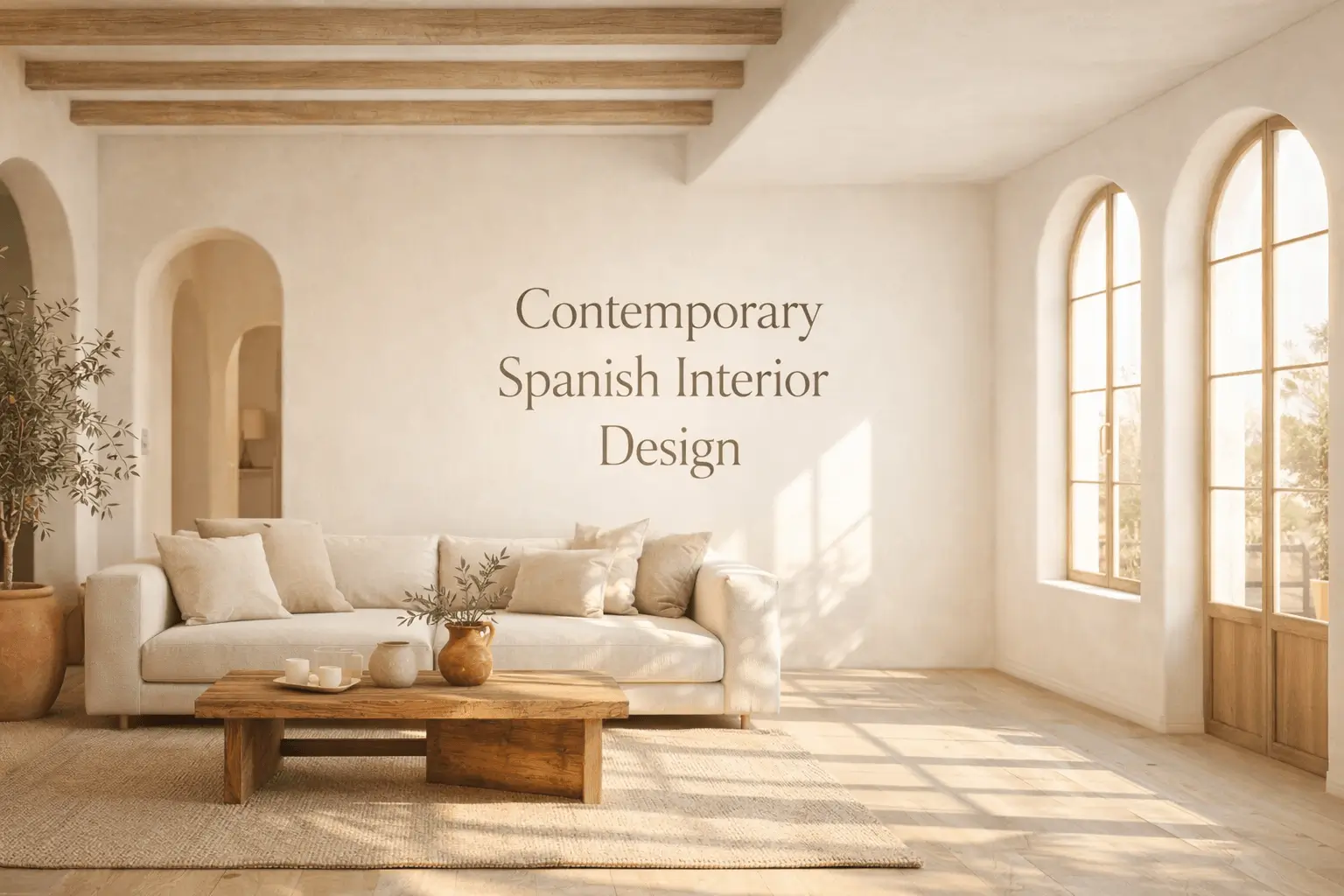
Contemporary Spanish interior design blends the warmth and architectural richness of traditional Spanish homes with the clean simplicity of modern living. It’s not about recreating old-world spaces—it’s about evolving them. You’ll see rustic textures like plaster walls and wood beams paired with minimalist furniture, open layouts, and curated décor.
From experience, what makes this style truly work is restraint. Classic Spanish elements—arched doorways, terracotta tones, wrought iron—are used intentionally, not excessively. The result is a space that feels grounded, elegant, and livable. It carries history, but without heaviness. Below are the most important design clusters that define this style in a practical, usable way.
Contemporary Spanish Interior Design Color Palette
A modern Spanish palette leans into warm neutrals—ivory, sand, terracotta, olive—with subtle contrast from black or charcoal accents. The key is softness; nothing feels overly saturated or harsh.
These tones reflect Mediterranean light and create a calming, sun-washed atmosphere.
Contemporary Spanish Interior Design Living Room Styling
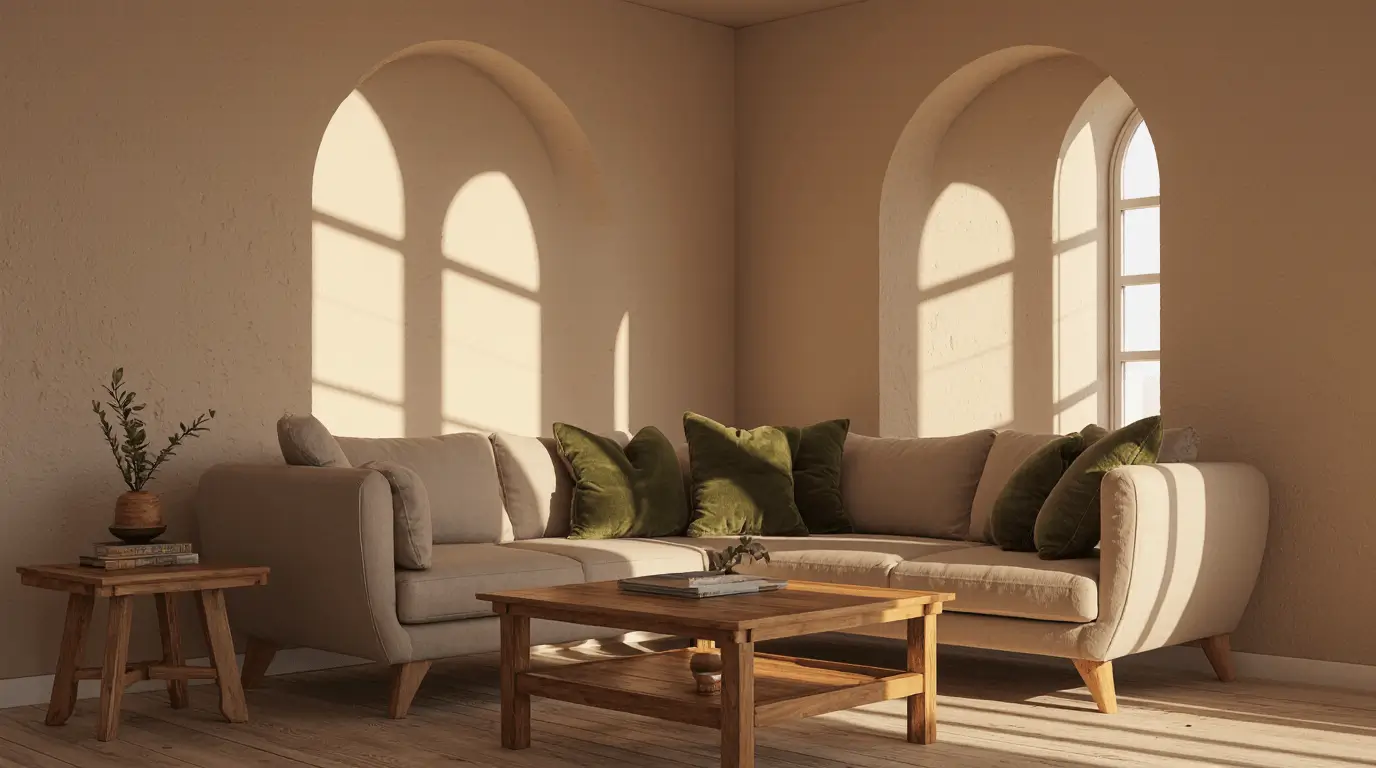
A contemporary Spanish living room focuses on openness, comfort, and visual balance. Low-profile sofas, textured fabrics, and statement arches create structure without clutter.
Furniture is curated, not crowded—every piece has breathing room.
Contemporary Spanish Interior Design with Arched Architecture
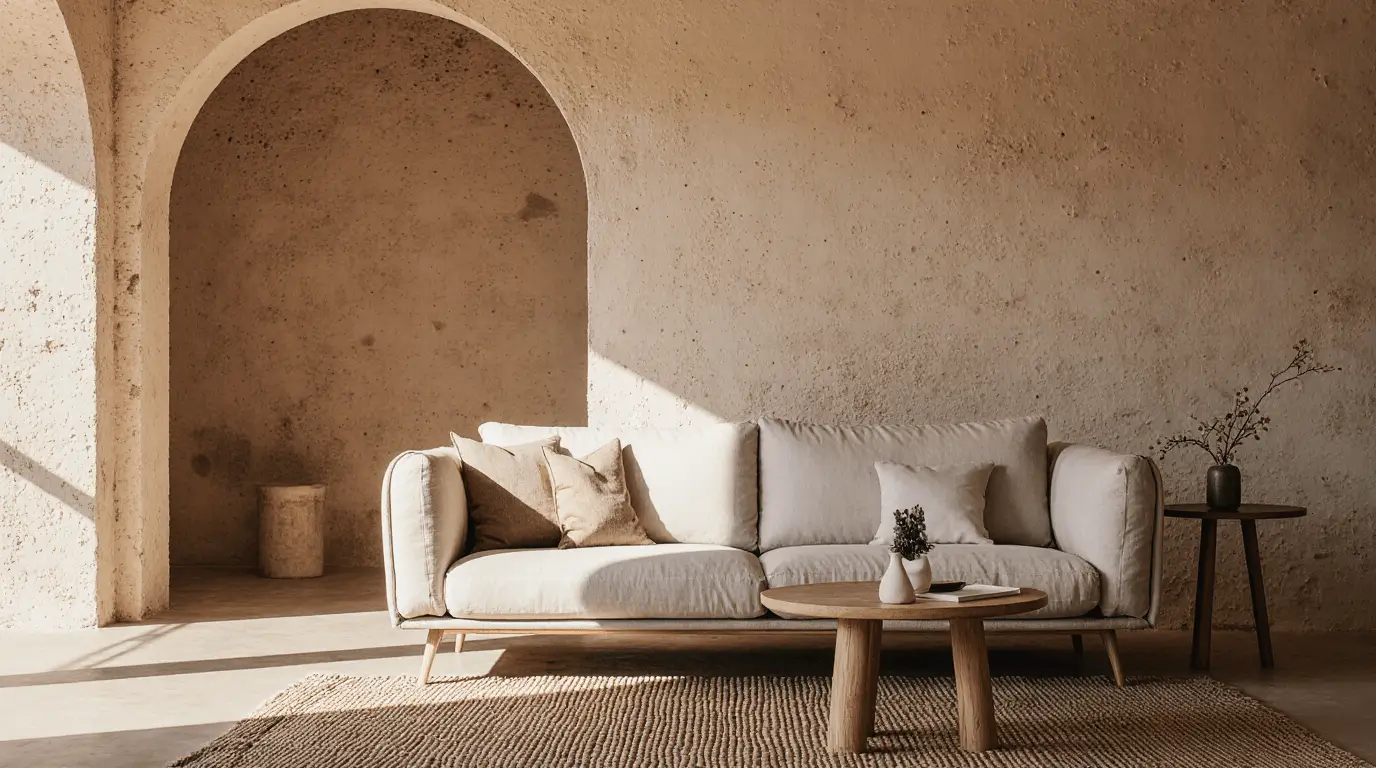
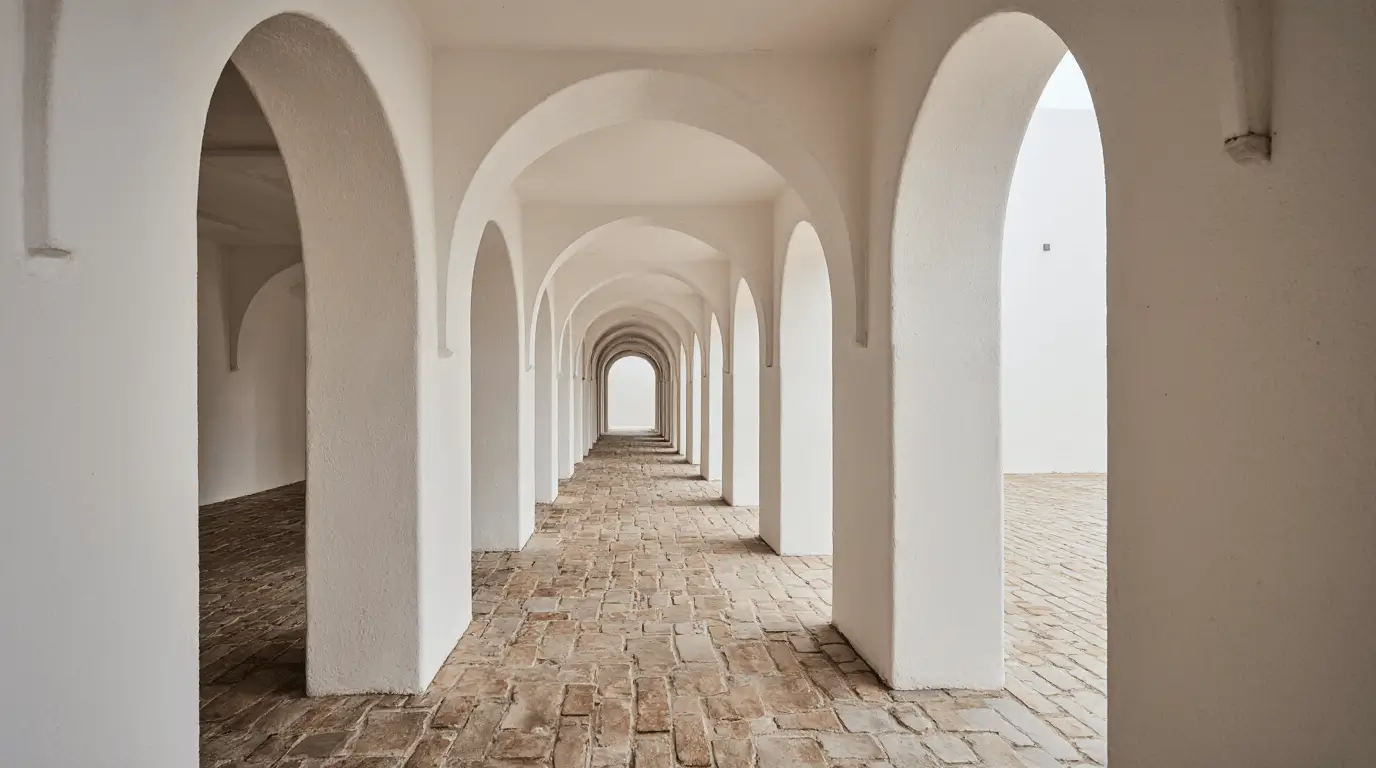
Arches are one of the most defining elements of Spanish interiors. In contemporary spaces, they’re simplified—clean edges, smooth finishes, and subtle integration.
They guide movement through a home while adding softness and architectural rhythm.
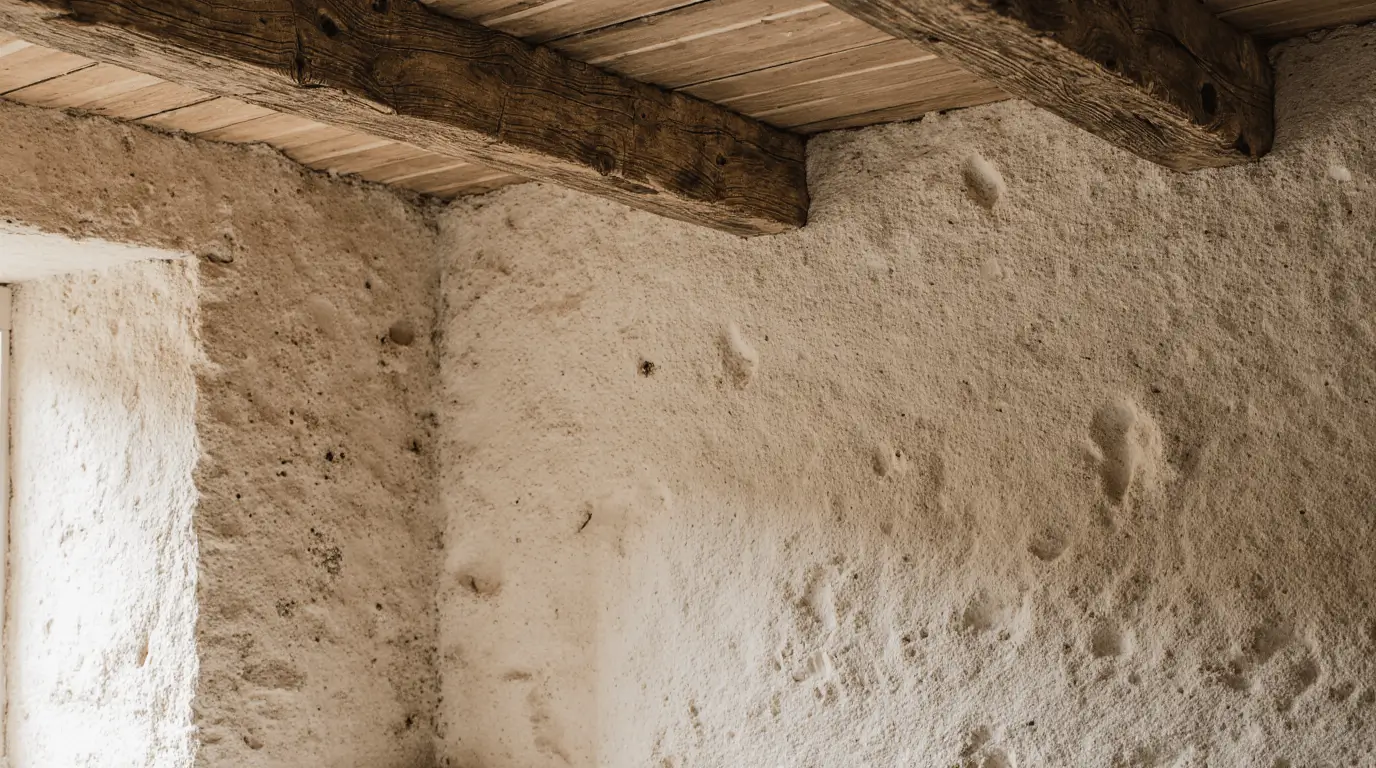
Contemporary Spanish Interior Design Materials and Textures
Texture replaces ornamentation. Plaster, limewash, natural wood, stone, and linen create depth without visual noise.
These materials age beautifully, adding character over time rather than looking outdated.
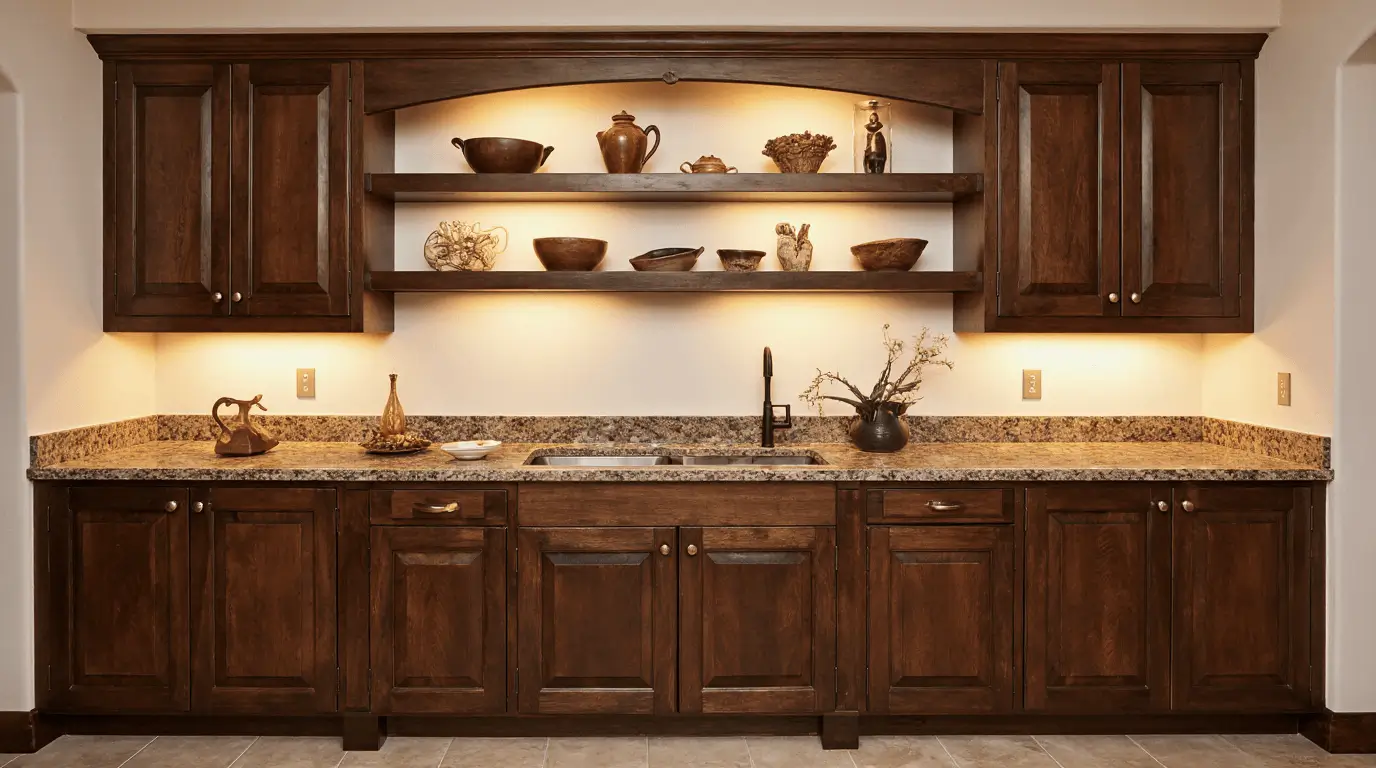
Contemporary Spanish Interior Design Kitchen Concepts
Modern Spanish kitchens combine rustic warmth with clean functionality. Think wooden cabinetry, stone countertops, and minimal hardware.
Open shelving and handcrafted elements keep the space authentic but uncluttered.
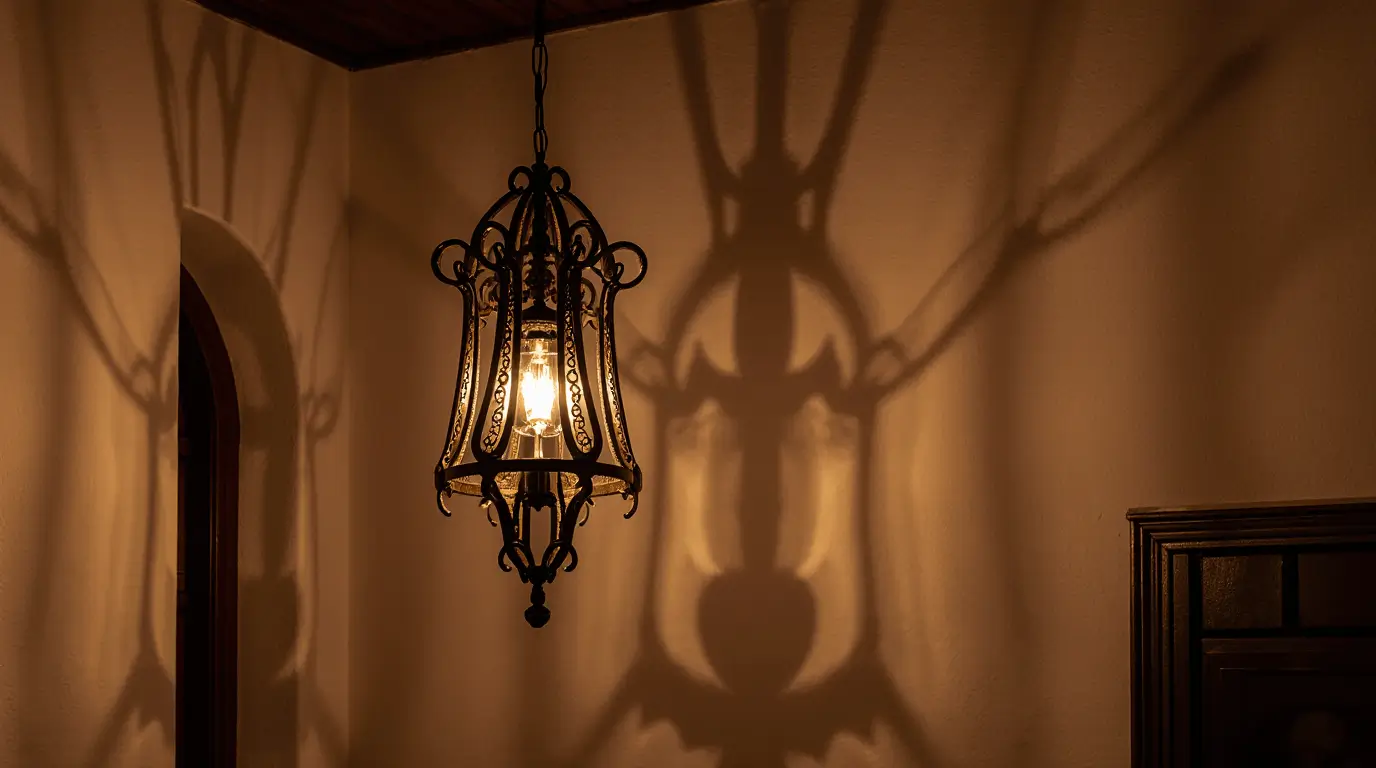
Contemporary Spanish Interior Design Lighting Approach
Lighting is soft, warm, and layered. Natural light is prioritized, while evening lighting relies on warm-toned fixtures like wrought iron pendants or subtle recessed lighting.
The goal is to create a gentle glow rather than harsh brightness.
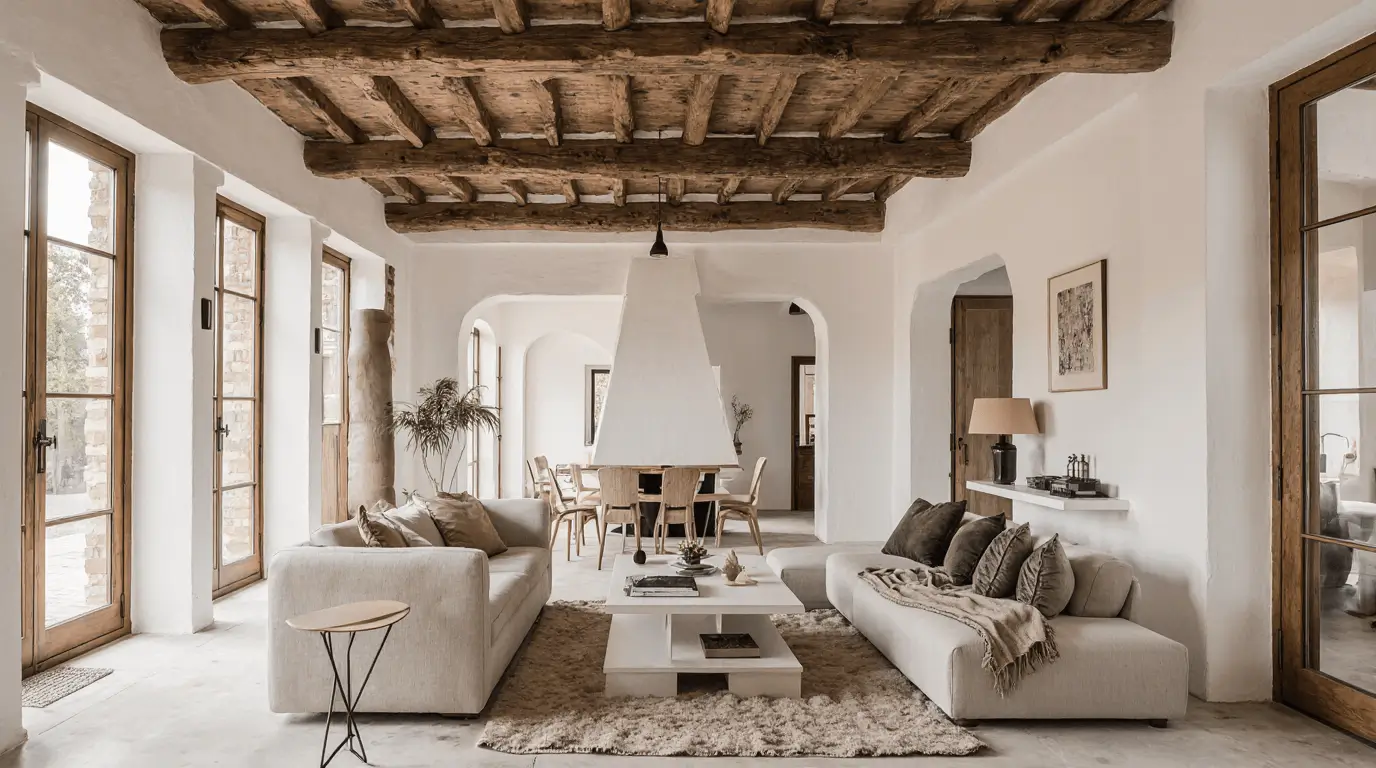
Contemporary Spanish Interior Design with Wooden Beams
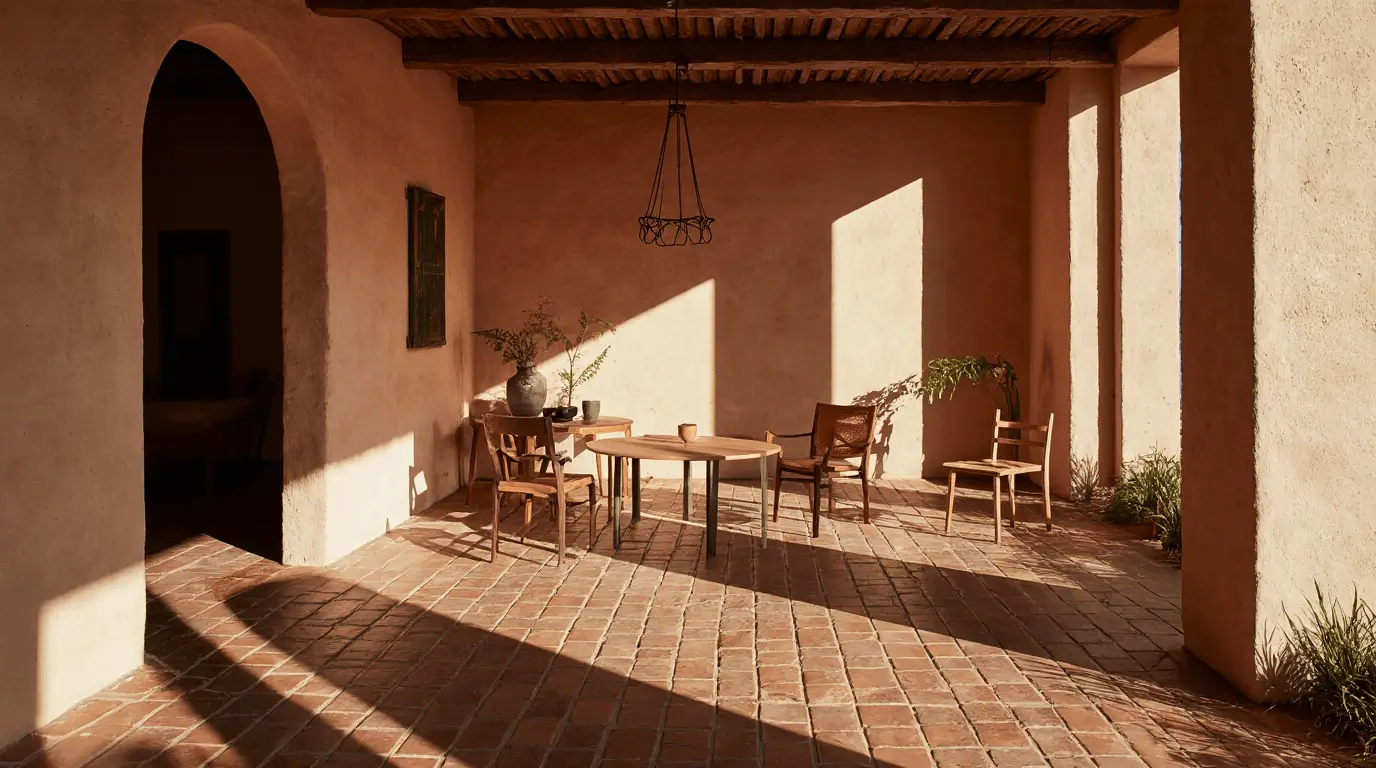
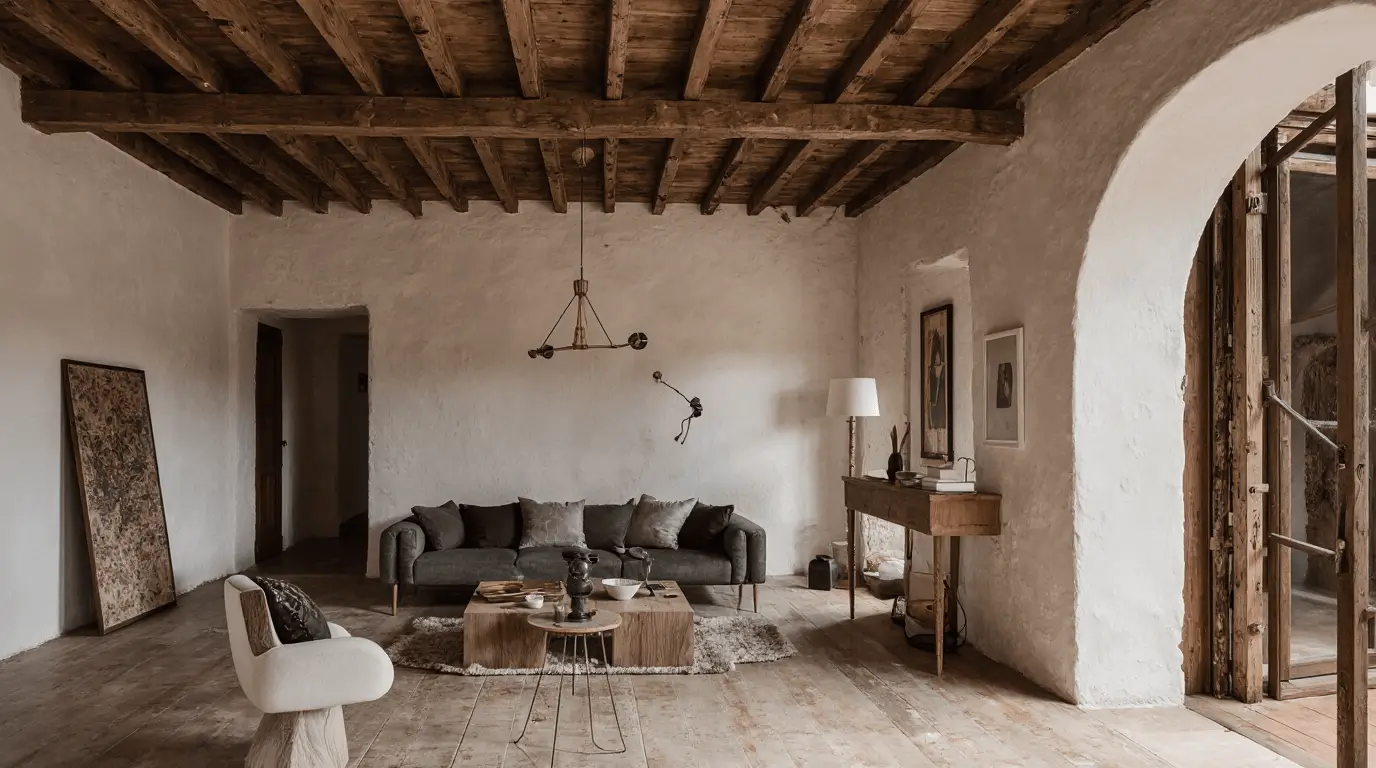
Exposed wooden beams bring warmth and architectural identity. In contemporary settings, they’re often lighter in tone or more refined in finish.
They add contrast against plaster ceilings without overwhelming the space.
Contemporary Spanish Interior Design Flooring Choices
Flooring often features terracotta tiles, natural stone, or warm-toned wood. These materials ground the space and connect it to its Mediterranean roots.
Large-format tiles or simplified patterns keep it modern.
Contemporary Spanish Interior Design Bathroom Aesthetic
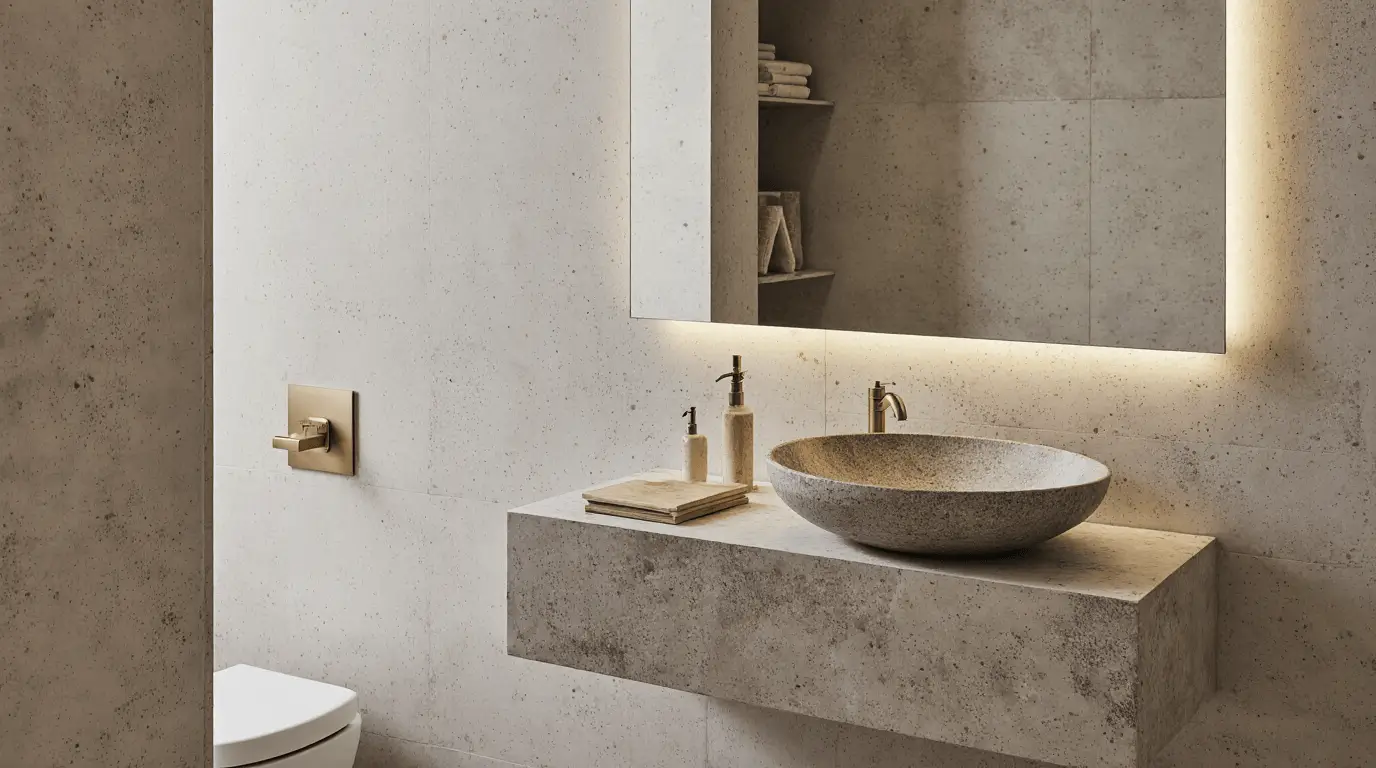
Bathrooms combine spa-like minimalism with traditional textures. Plaster walls, stone basins, and warm metals create a refined yet organic feel.
The focus is on calm, tactile simplicity.
Contemporary Spanish Interior Design Bedroom Style
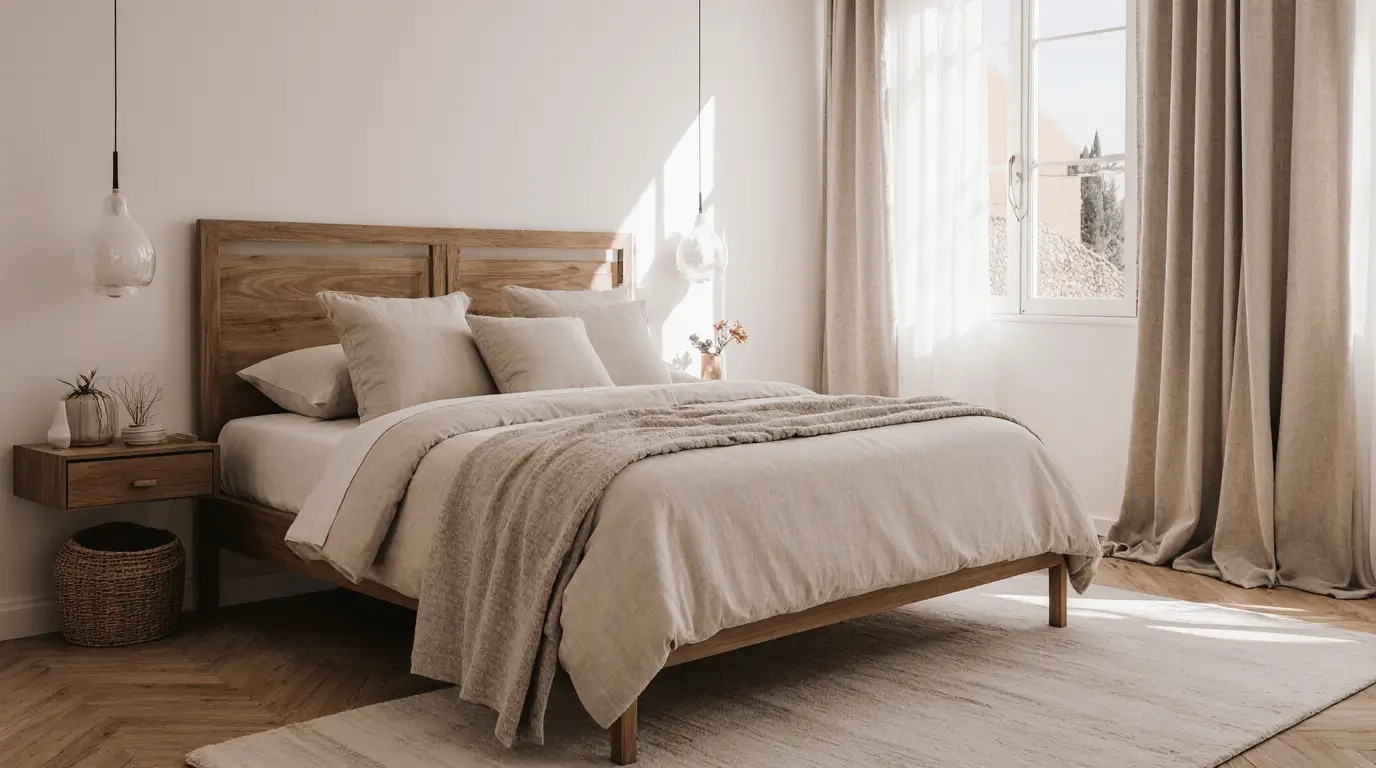
Bedrooms are soft, neutral, and restful. Linen bedding, warm wood, and subtle décor create a quiet retreat.
The emphasis is on comfort and simplicity rather than decoration.
Contemporary Spanish Interior Design with Wrought Iron Details
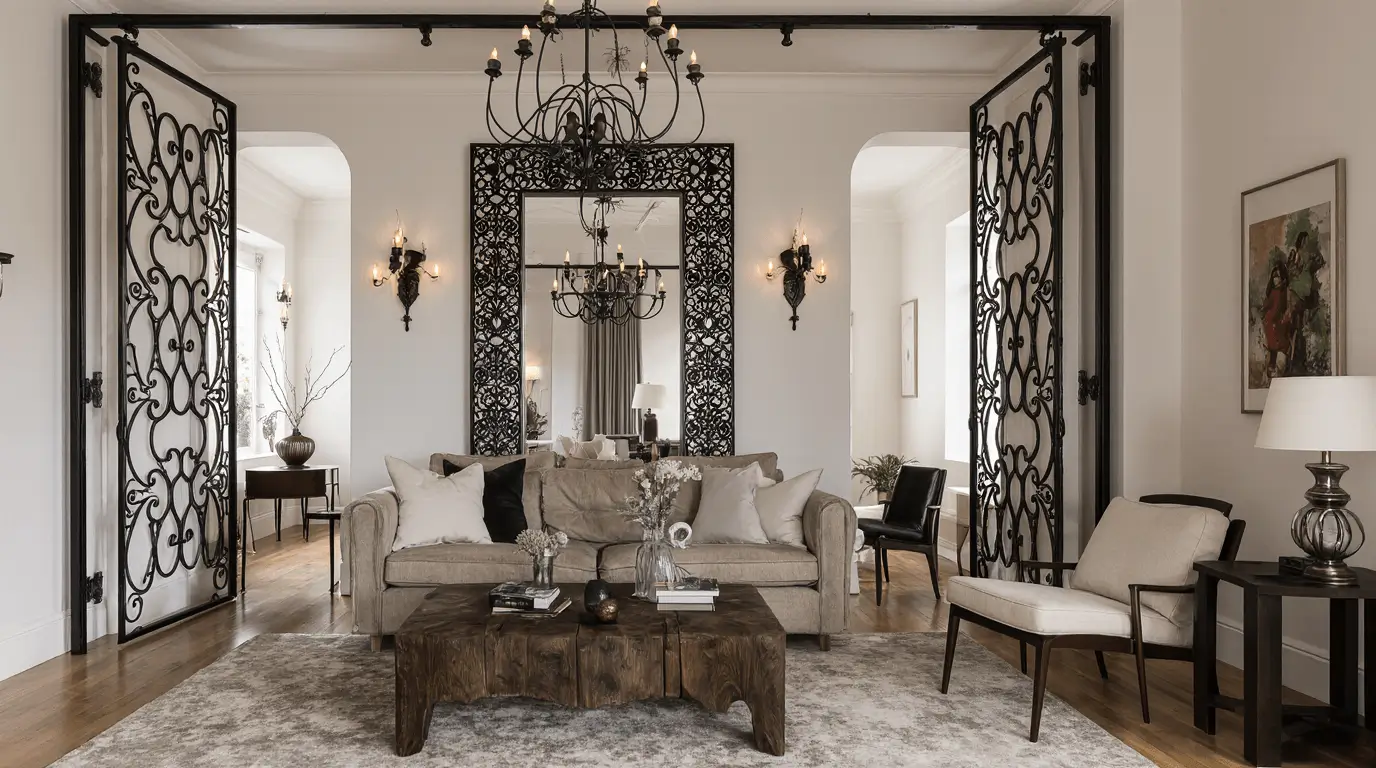
Wrought iron appears in lighting, railings, or subtle accents. In modern spaces, it’s used sparingly for contrast and structure.
It adds a touch of tradition without overpowering the design.
Contemporary Spanish Interior Design Open Layout Concept
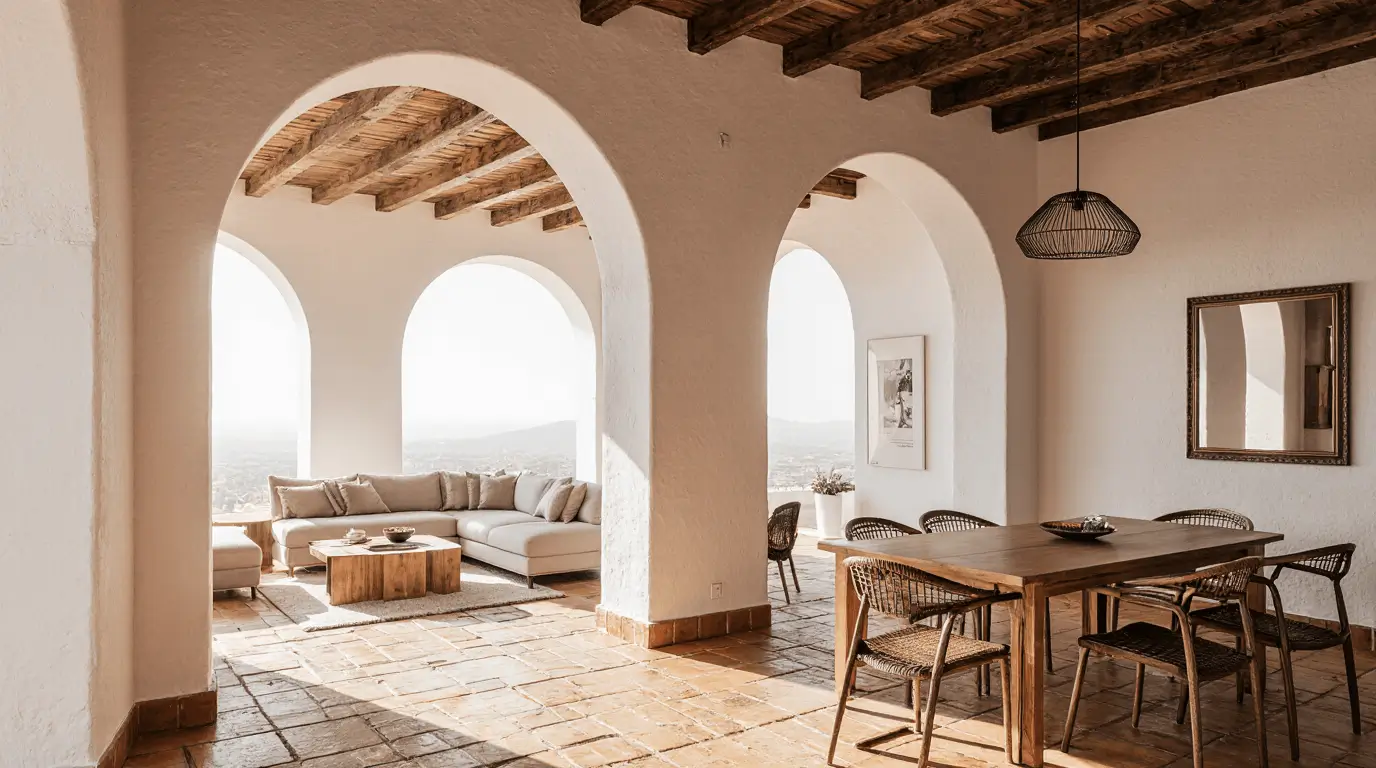
Modern Spanish homes embrace open-plan layouts while maintaining architectural definition through arches and material changes.
This creates flow without losing character.
Contemporary Spanish Interior Design Decor Philosophy
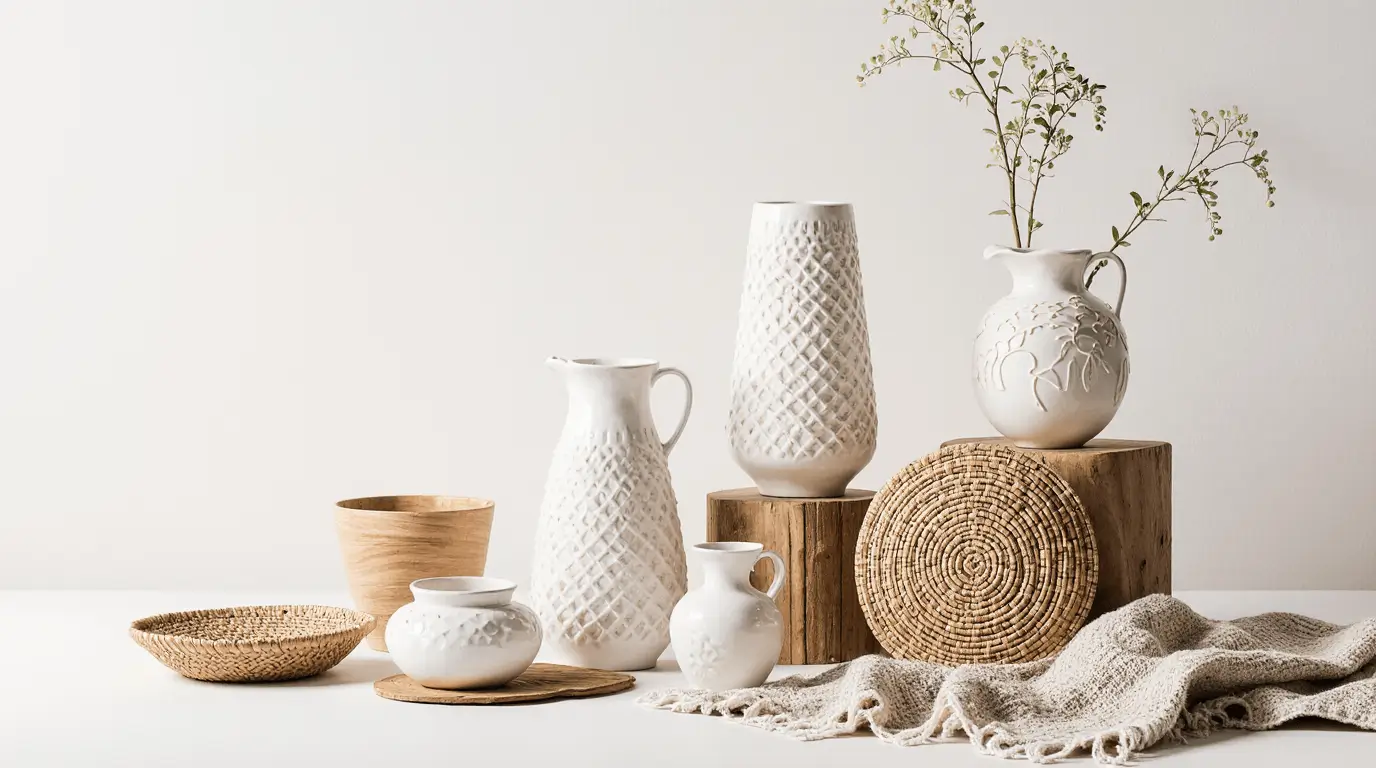
Décor is intentional and minimal—ceramics, woven textiles, and handcrafted pieces.
Each item feels curated rather than decorative clutter.
Contemporary Spanish Interior Design Outdoor Connection
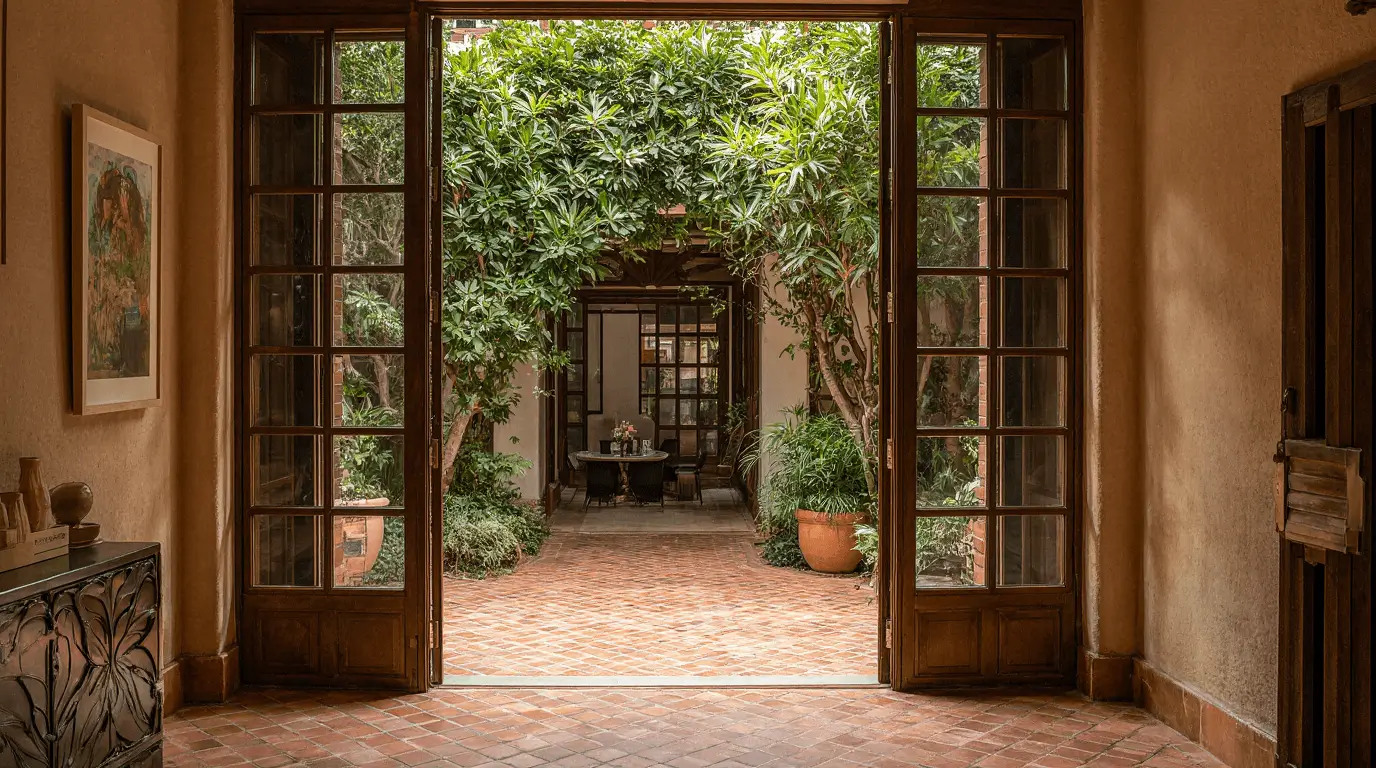
Indoor spaces often extend to patios or courtyards. Large openings, natural materials, and greenery create a seamless transition.
This connection enhances light, airflow, and lifestyle.
Contemporary Spanish Interior Design Modern Mediterranean Influence
This style overlaps with broader Mediterranean design—light-filled spaces, natural textures, and relaxed elegance.
The difference lies in Spanish architectural identity—arches, iron, and earthy warmth.
Contemporary Spanish Interior Design Statement Pieces
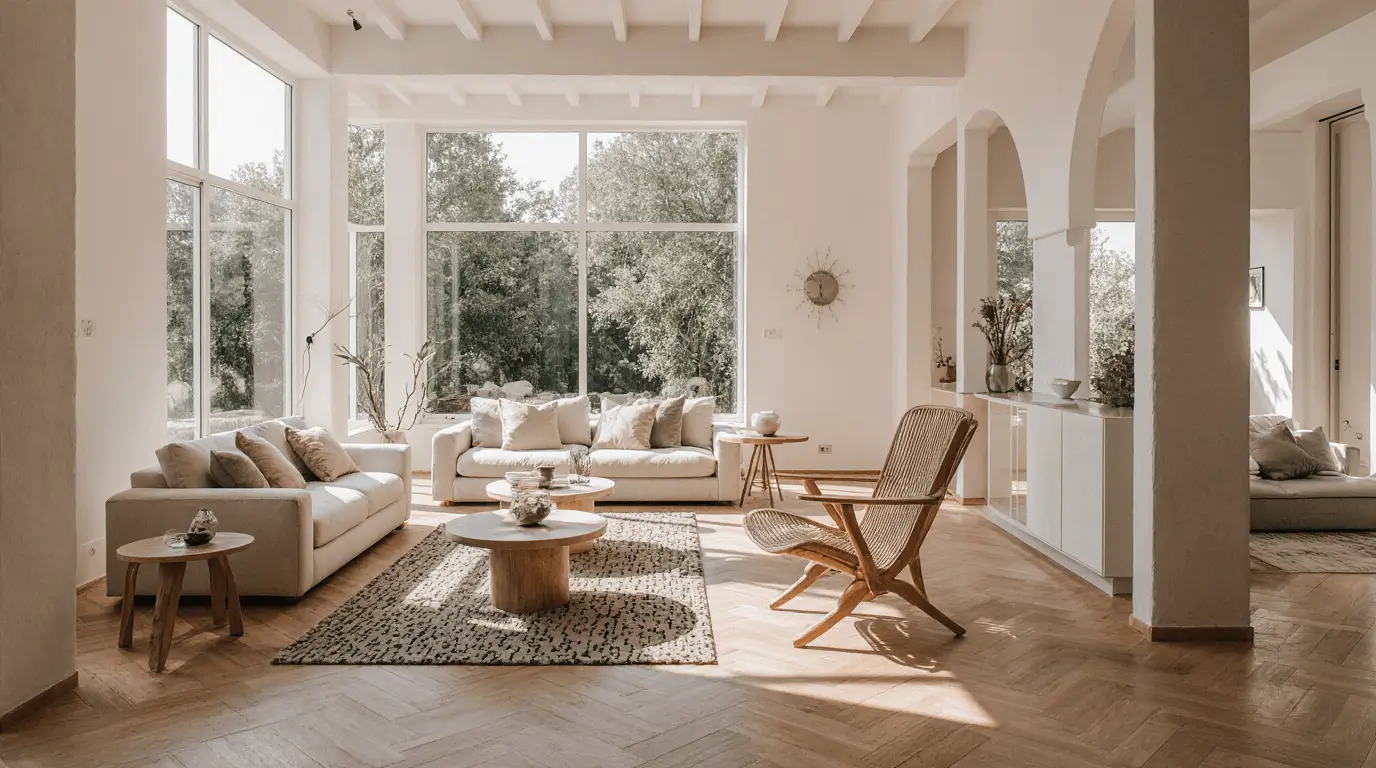
Instead of many small items, one or two statement pieces define the room—a sculptural chair, bold artwork, or handcrafted table.
This keeps the space focused and visually calm.
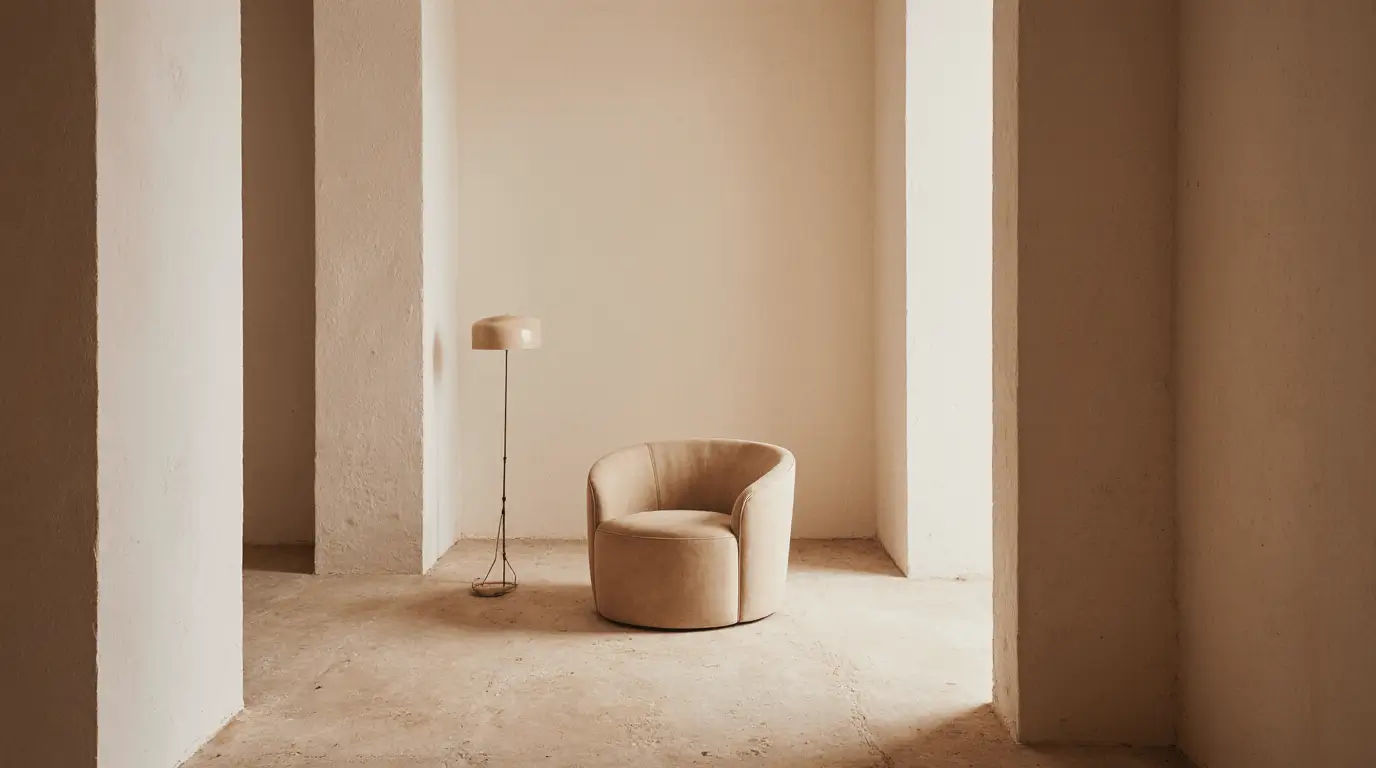
Contemporary Spanish Interior Design Balance of Old and New
The essence of this style lies in balance—honoring tradition while embracing modern simplicity.
Too much of either side breaks the harmony; the goal is thoughtful contrast.
Conclusion
Contemporary Spanish interior design succeeds because it understands restraint. It doesn’t abandon tradition—it edits it. By keeping the architectural soul intact—arches, natural materials, warm tones—and pairing it with simplified layouts and intentional décor, you create spaces that feel both timeless and current.
In practice, this approach works best for people who want warmth without heaviness and character without clutter. It’s especially effective in homes that receive natural light, where textures like plaster, wood, and stone can quietly come to life throughout the day. Rather than chasing trends, this style builds a foundation that ages well, both visually and functionally.
If you’re applying it to your own space, start with the essentials: soften your color palette, simplify your furniture, and introduce one or two authentic materials. Then step back. The strength of contemporary Spanish interior design lies in what you choose not to add. When done right, the result is a home that feels calm, grounded, and deeply lived-in—without ever feeling outdated.
Learn more : Minimalist Pop Art Interior Design That Elevates Space
FAQs
- What defines contemporary Spanish interior design compared to traditional Spanish style?
The contemporary version simplifies traditional elements. While classic Spanish interiors can feel ornate and heavy, the modern approach keeps key features—like arches and natural textures—but removes excess decoration, resulting in a lighter, more refined space. - Can contemporary Spanish interior design work in small homes or apartments?
Yes, and often very well. The emphasis on minimal furniture, light color palettes, and open flow actually helps smaller spaces feel larger and more breathable. Even subtle touches—like a textured wall or warm-toned wood—can bring the style in without overwhelming the room. - What are the most important materials to use in this style?
Focus on tactile, natural materials: plaster or limewash walls, wood, stone, linen, and ceramic. These materials create depth and authenticity without relying on heavy ornamentation. - How do I avoid making the space feel too rustic or outdated?
Balance is key. Pair rustic elements like wooden beams or terracotta with clean-lined furniture and minimal décor. Keep finishes refined and avoid overloading the space with traditional patterns or dark tones. - Is contemporary Spanish interior design the same as Mediterranean style?
They overlap, but they’re not identical. Mediterranean design is broader and can include influences from Italy or Greece, while Spanish interiors have distinct features like wrought iron details, deeper earthy tones, and more pronounced architectural elements. - What colors work best for achieving this look?
Stick to warm neutrals—soft whites, beige, sand, terracotta, and muted greens. These colors reflect natural light beautifully and create the relaxed, sun-washed feel that defines the style. - Where should I start if I want to update my home in this style?
Begin with the foundation: walls and lighting. A soft, textured wall finish and warm ambient lighting can instantly shift the mood. From there, introduce natural materials and simplify your layout—letting each element stand out with intention.