
Introduction
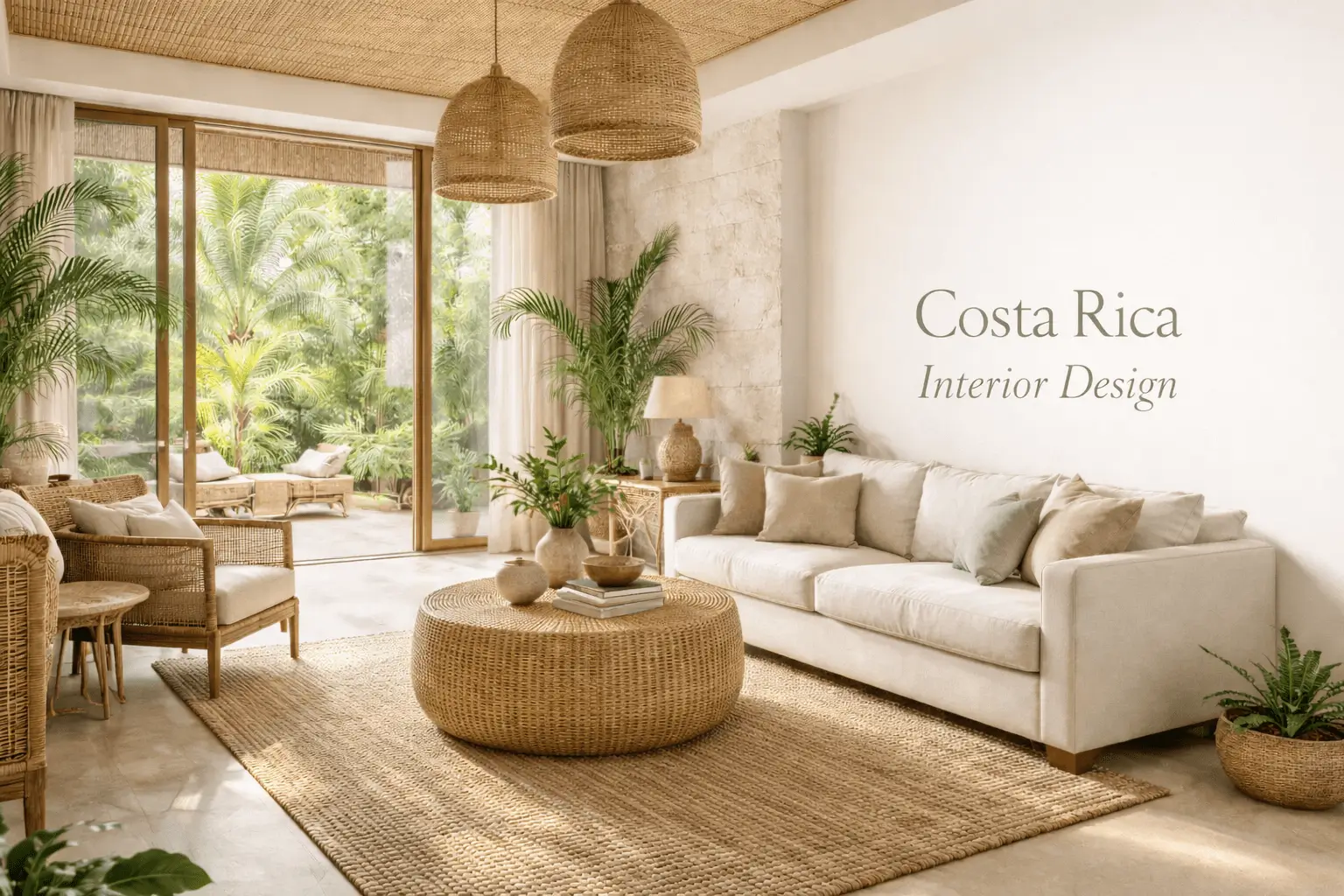
Costa Rica interior design is rooted in climate, landscape, and lifestyle. It blends open-air architecture, natural materials, and relaxed luxury to create spaces that feel deeply connected to the outdoors. Whether overlooking the Pacific Ocean or nestled in a rainforest valley, interiors here are shaped by humidity, sunlight, cross-ventilation, and an effortless indoor–outdoor flow.
Having worked with tropical design principles, I’ve seen how successful Costa Rican interiors are never about decoration alone. They are about environmental response—wide overhangs, breathable materials, shaded terraces, and cooling textures. When done correctly, the result is calm, organic, and quietly sophisticated.
Below are the essential design clusters that define authentic, high-level Costa Rica interior design.
Costa Rica Interior Design and Indoor–Outdoor Living
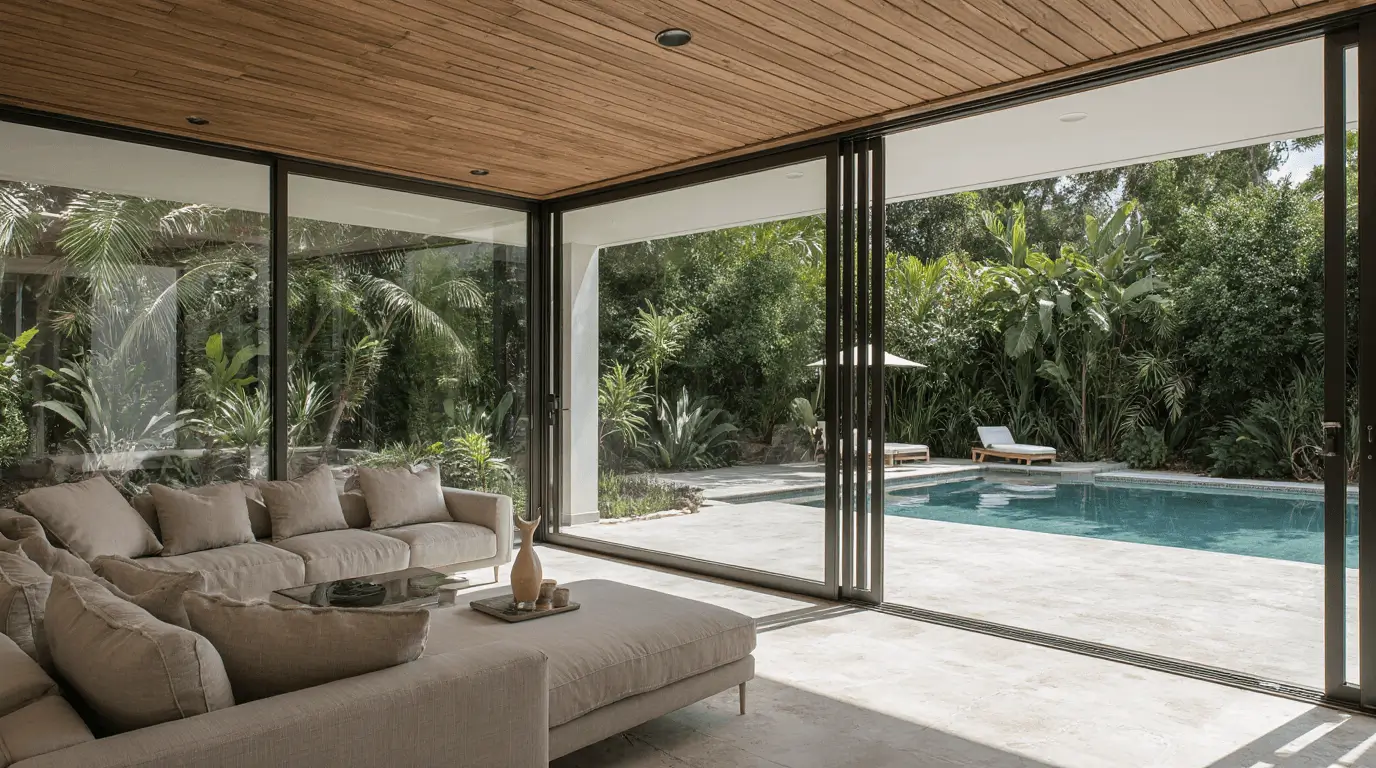
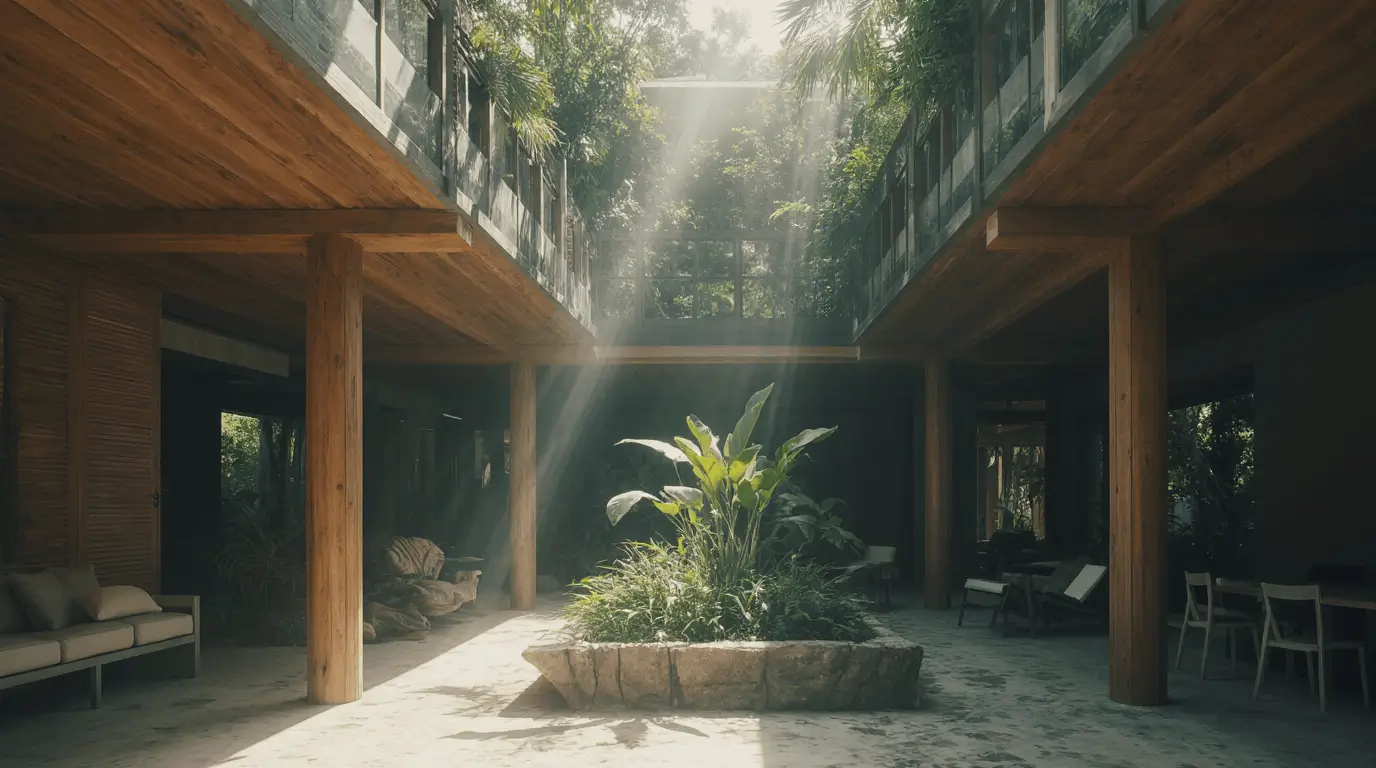
Seamless transitions between interior and exterior spaces are fundamental. Large sliding glass doors, covered terraces, and outdoor lounges extend living areas beyond walls. The design prioritizes airflow and visual continuity.
Modern Costa Rica Interior Design with Tropical Minimalism
Modern homes embrace clean lines while maintaining warmth. Instead of heavy ornamentation, designers rely on texture—wood grains, woven fibers, and stone surfaces—to create depth.
Sustainable Materials in Costa Rica Interior Design
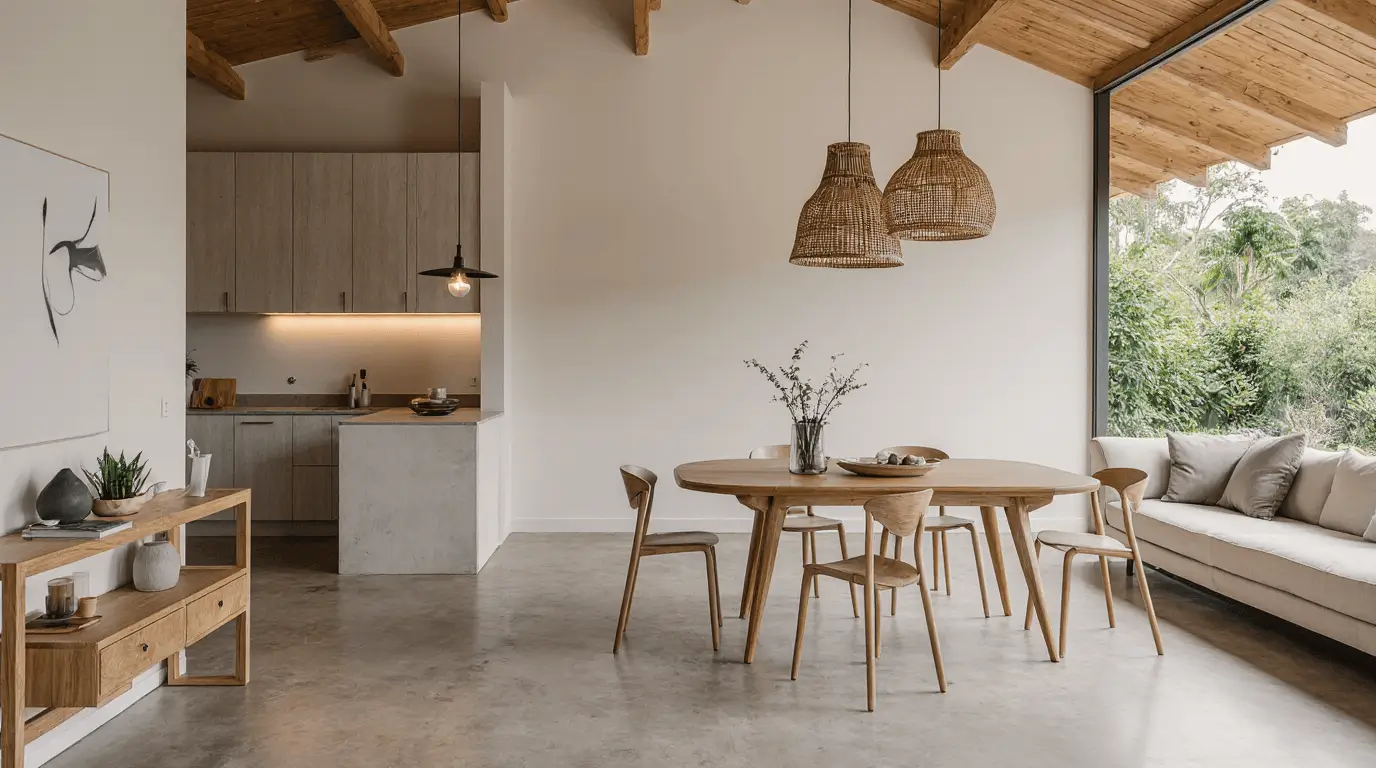
Sustainability is not a trend here—it’s practical. Locally sourced hardwoods, bamboo, volcanic stone, and reclaimed timber withstand humidity while reducing environmental impact.
Costa Rica Interior Design Inspired by the Rainforest
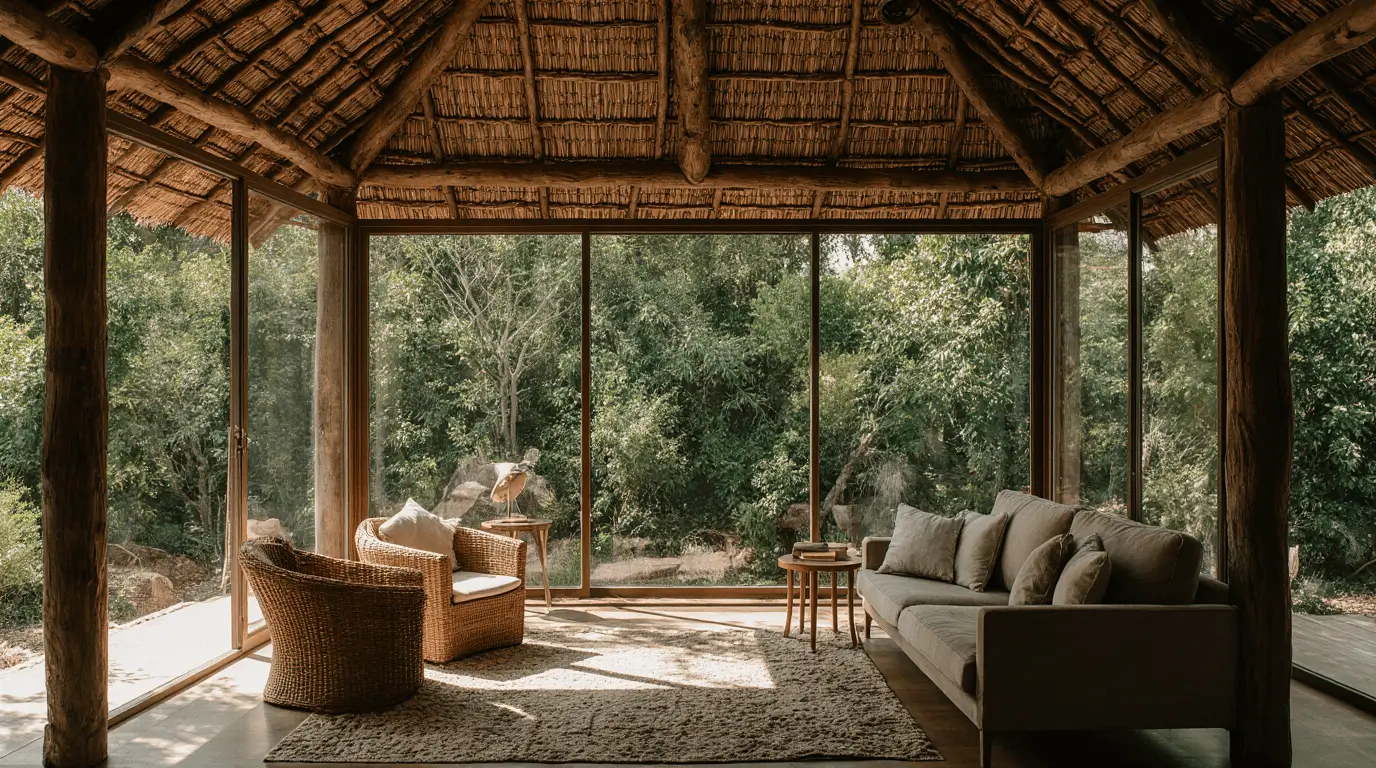
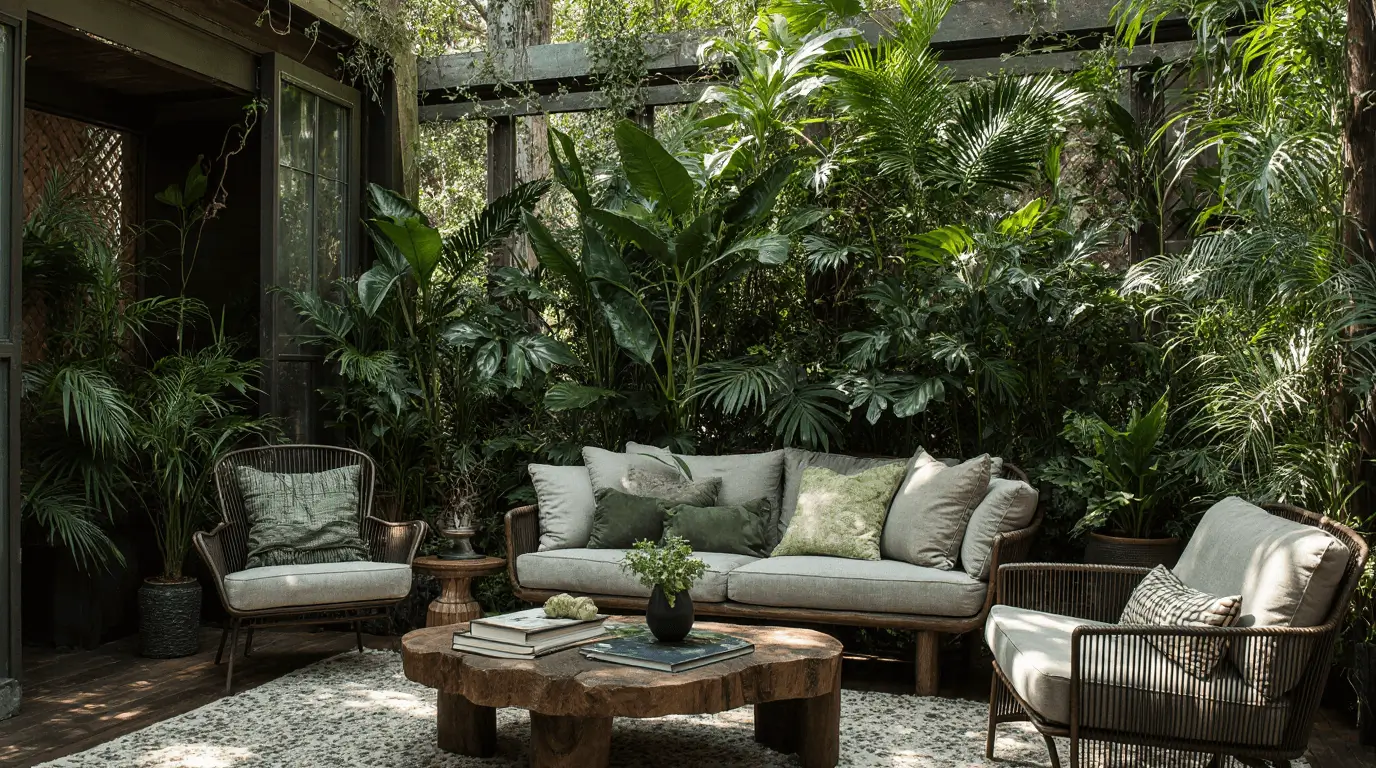
Designers often mirror the surrounding rainforest through deep greens, organic textures, and layered plant life. The goal is to blur boundaries between built space and nature.
Coastal Costa Rica Interior Design Aesthetics
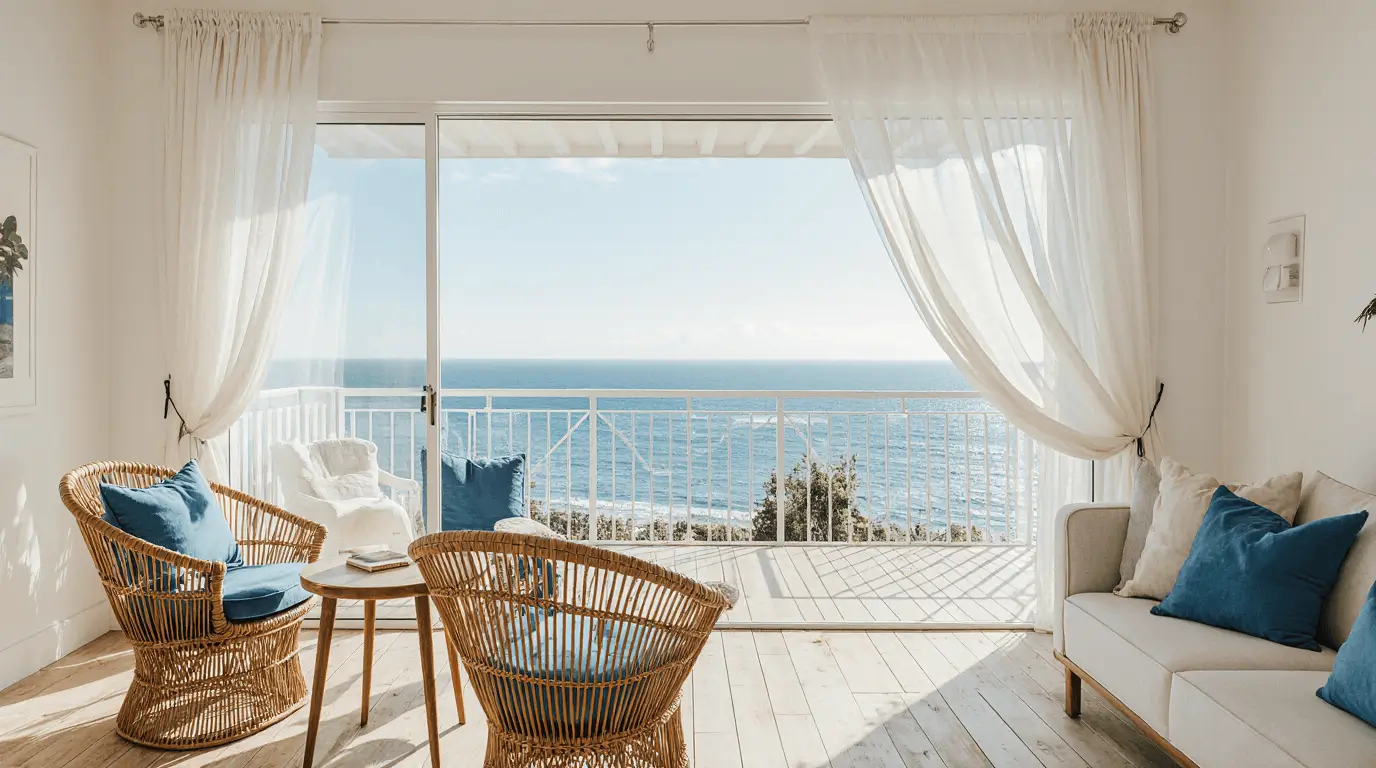
In beach regions, interiors become lighter and breezier. Whitewashed walls, driftwood tones, and soft blue accents reflect the ocean environment.
Costa Rican Architecture Influence on Interior Spaces
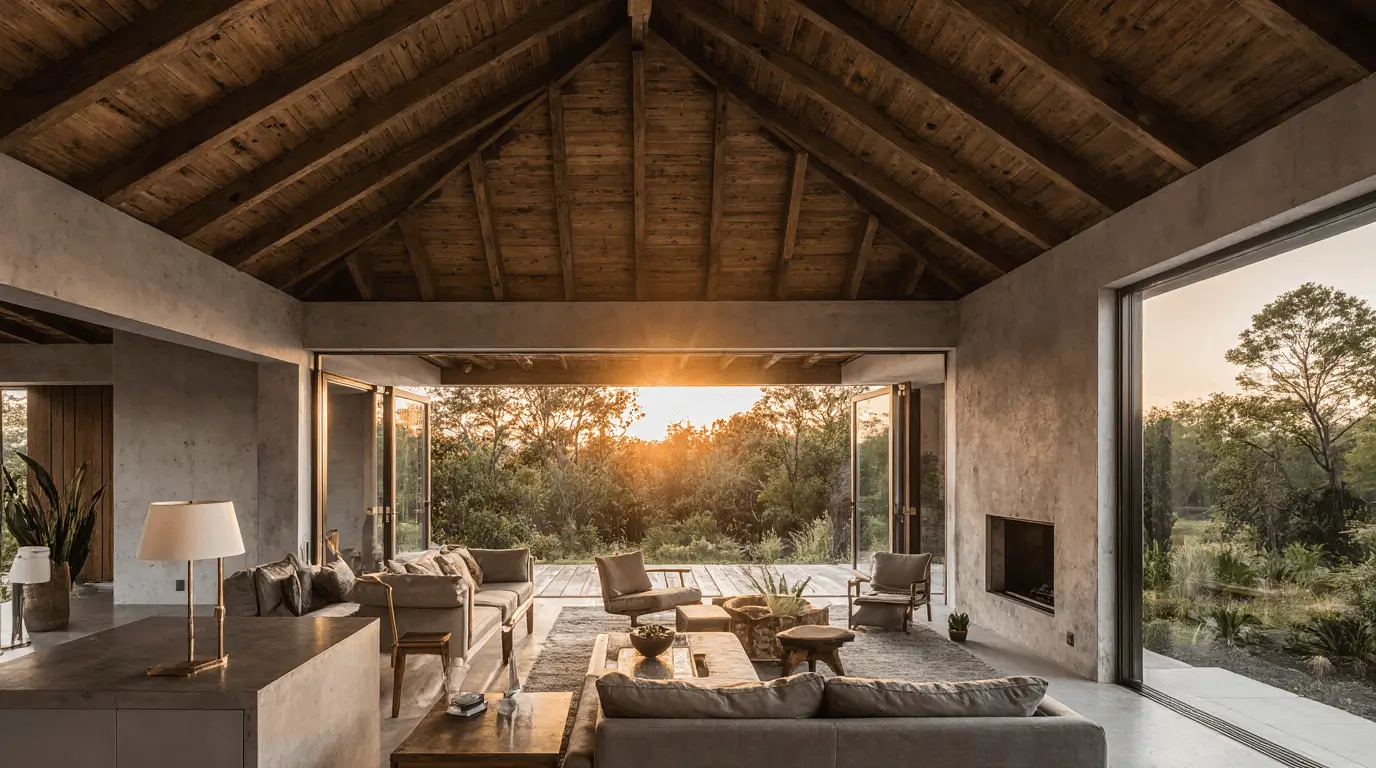
Open floor plans, high ceilings, and exposed beams originate from the country’s architectural traditions. Interiors follow the structure rather than fight it.
Costa Rica Interior Design for Luxury Villas
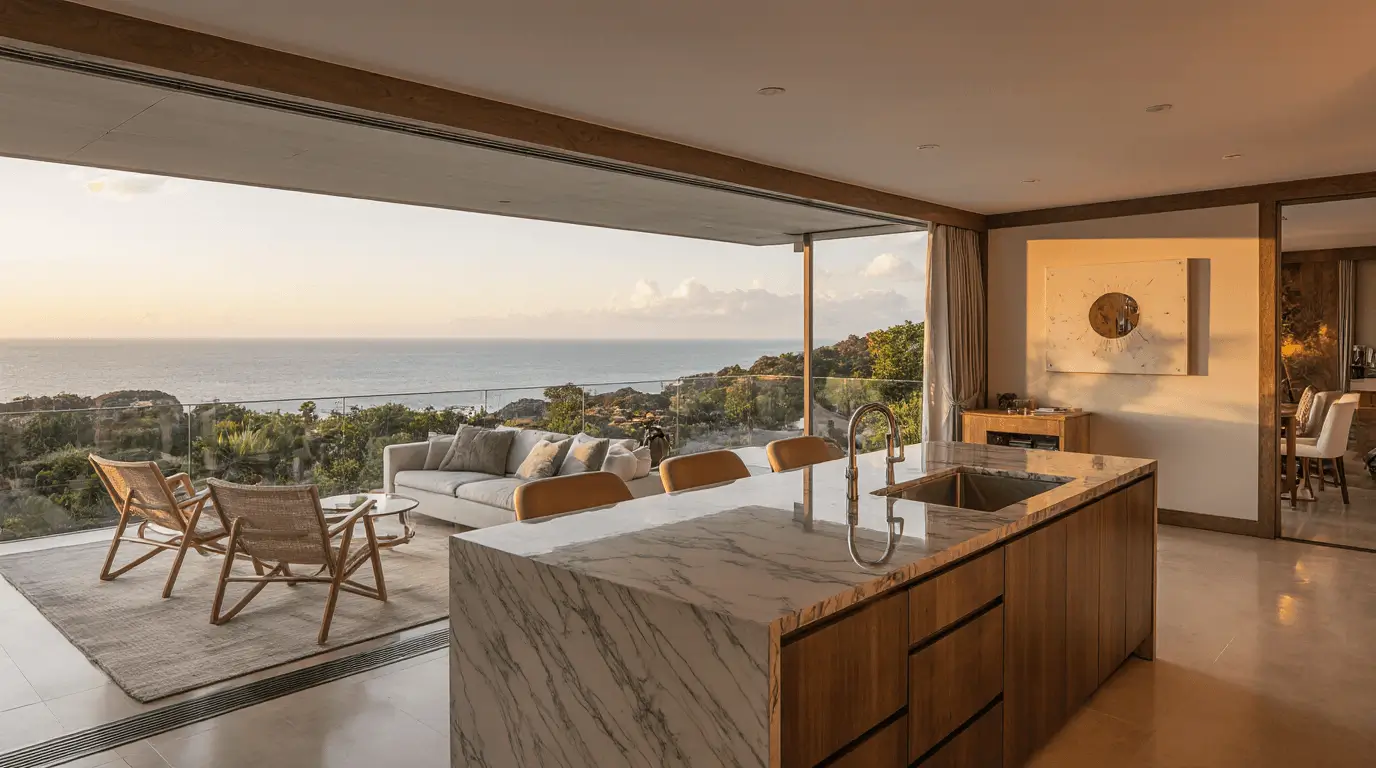
Luxury properties emphasize expansive views, infinity-edge integration, and statement natural materials. Interiors remain understated to let the landscape dominate.
Traditional Costa Rican Elements in Modern Interiors
Terracotta tiles, handcrafted woodwork, and artisanal décor pieces reflect cultural heritage. When integrated thoughtfully, they add authenticity without overwhelming the space.
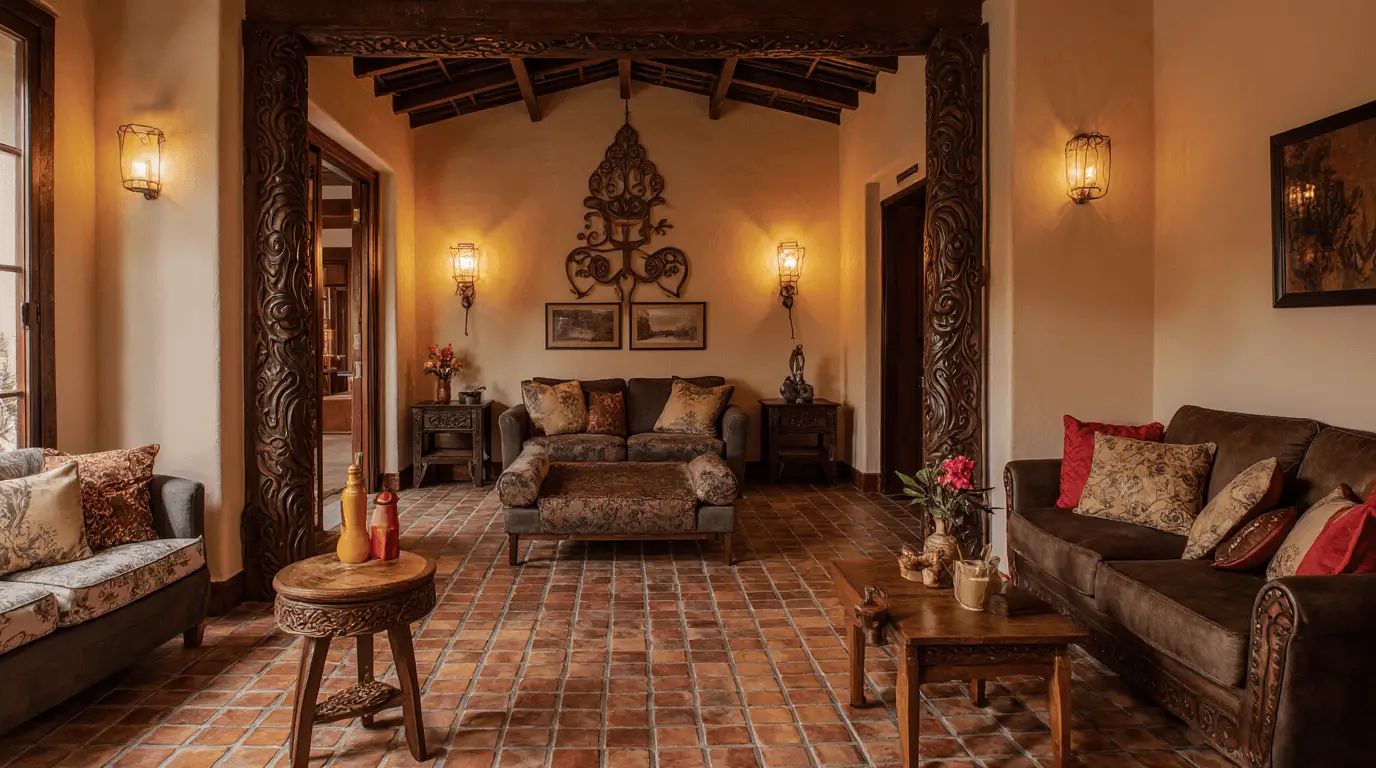
Costa Rica Interior Design and Natural Ventilation
Because of the tropical climate, airflow is crucial. Louvered windows, clerestory openings, and cross-breezes reduce reliance on artificial cooling.
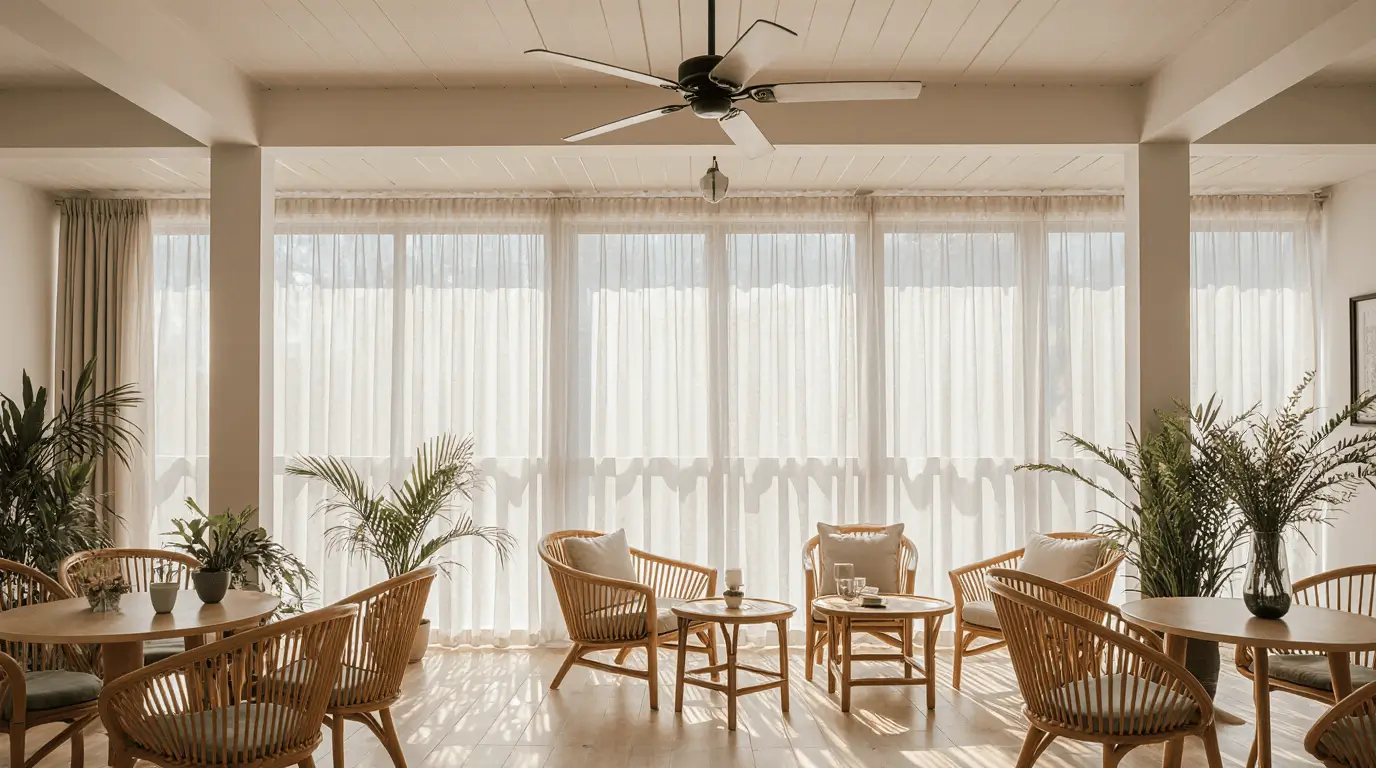
Organic Textures in Costa Rica Interior Design
Texture replaces heavy decoration. Woven rattan, jute rugs, linen fabrics, and textured plaster walls provide depth and comfort.
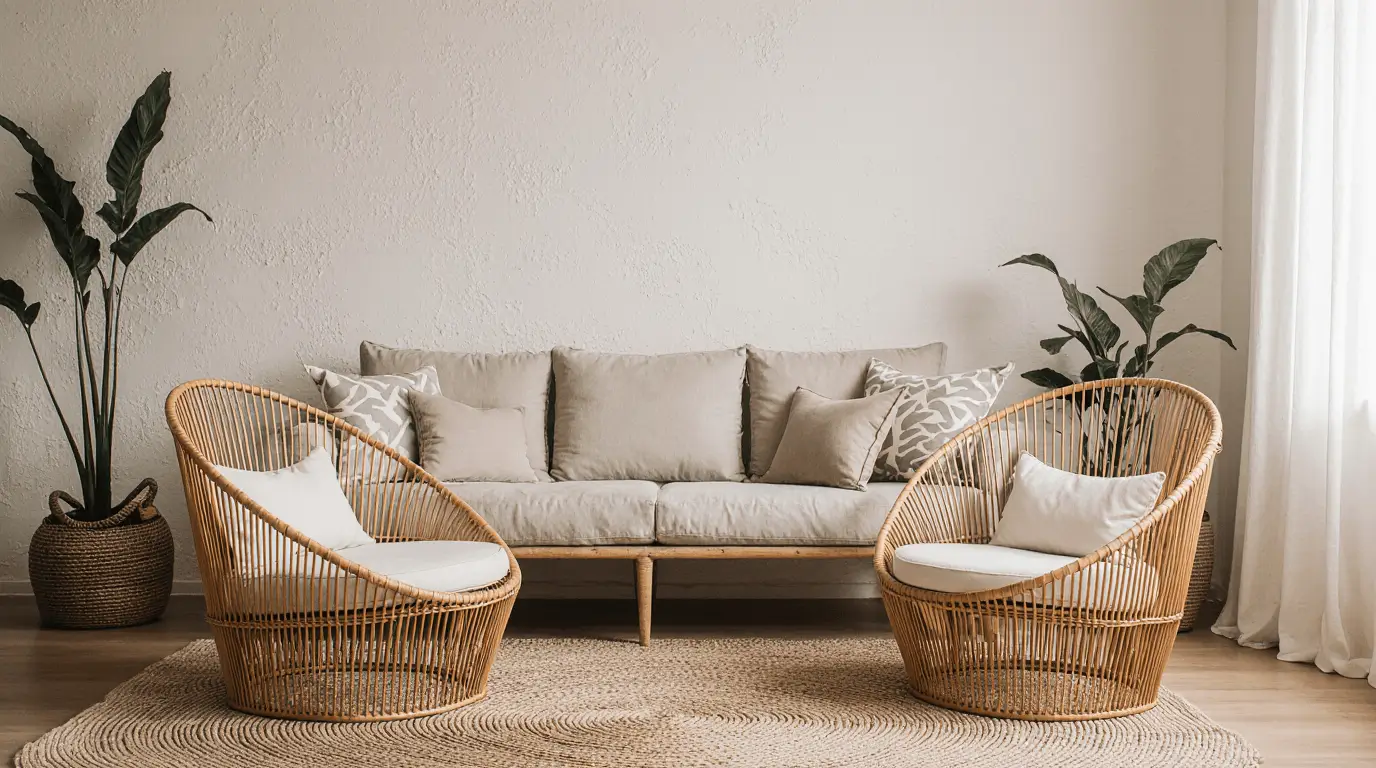
Costa Rica Interior Design for Small Homes
Compact homes use open layouts and multifunctional furniture. Visual lightness—through neutral palettes and minimal partitions—makes spaces feel larger.
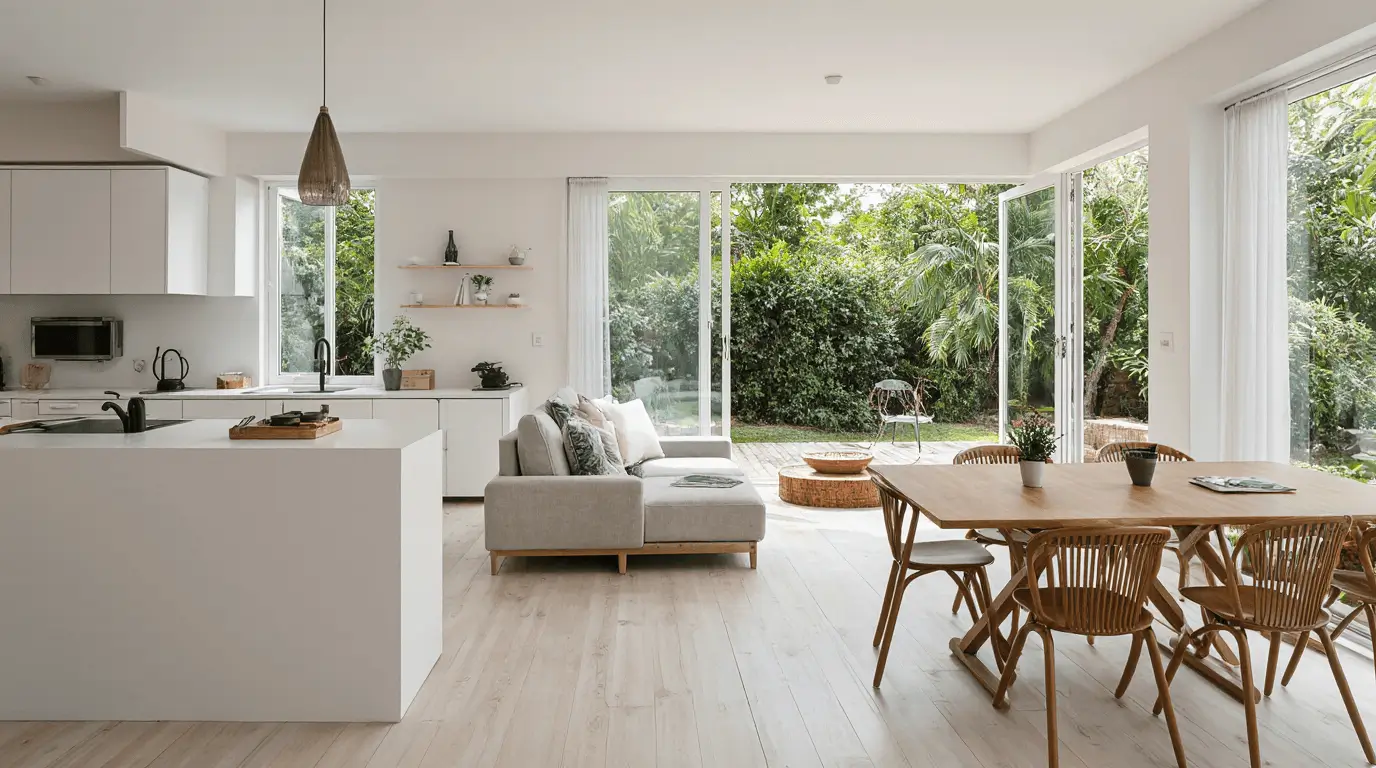
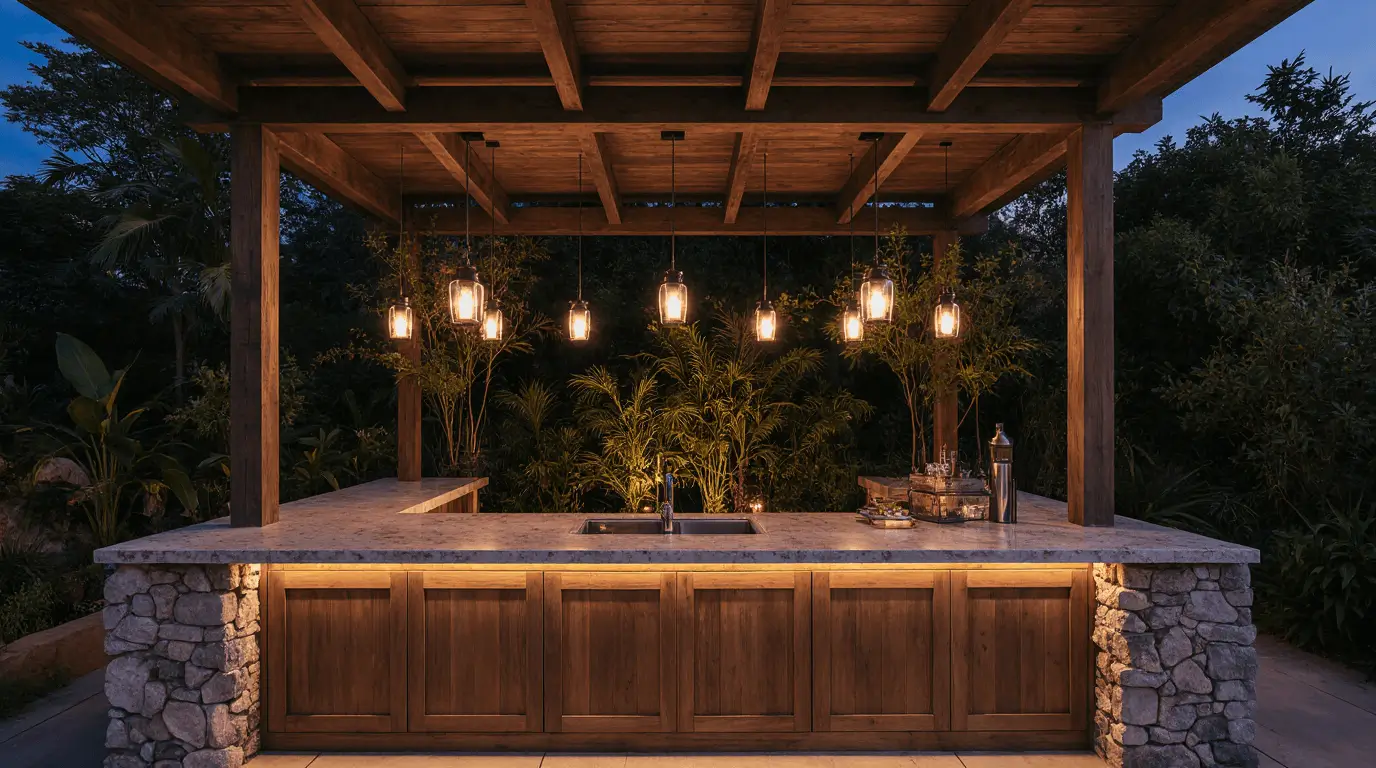
Costa Rica Interior Design and Outdoor Kitchens
Outdoor kitchens and dining areas are common due to year-round warm weather. Stone countertops and teak cabinetry resist moisture while maintaining elegance.
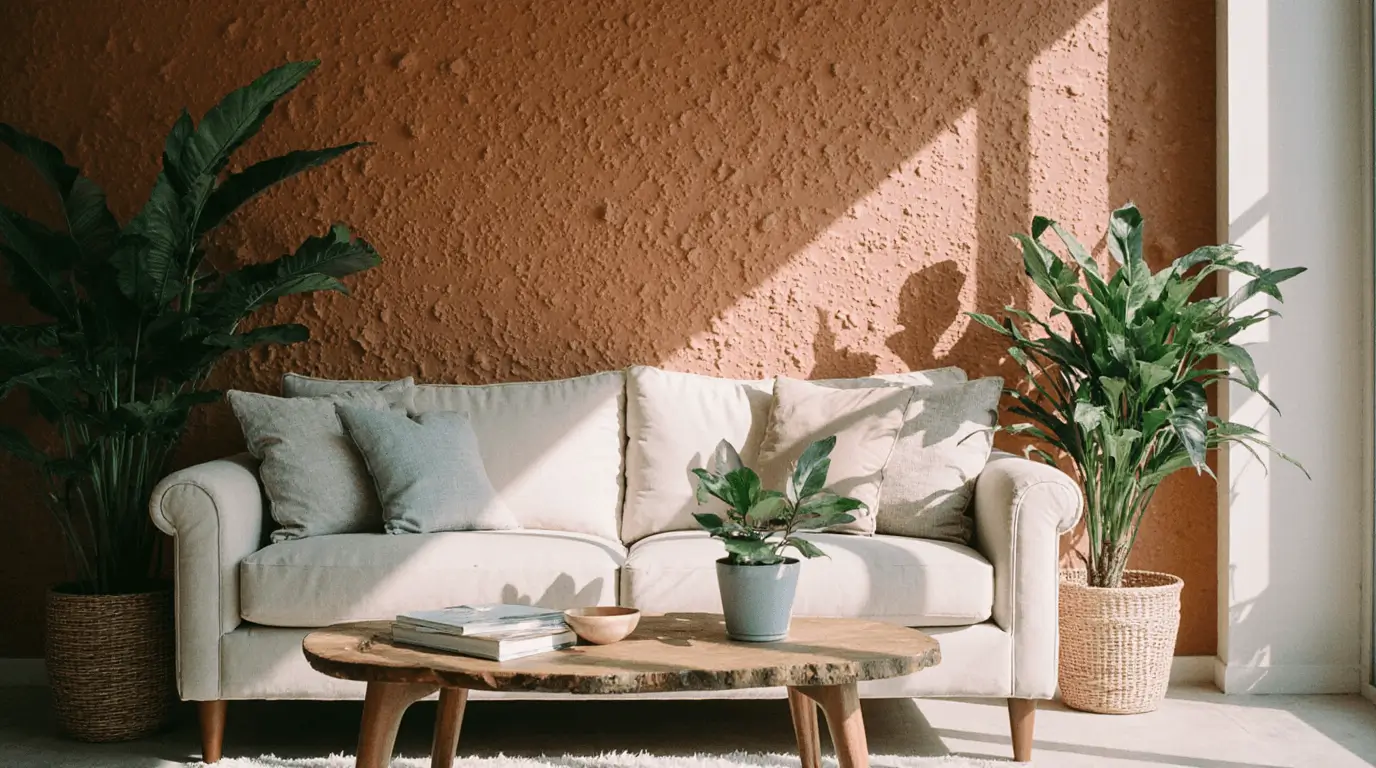
Earth-Toned Color Palettes in Costa Rica Interior Design
Colors reflect the landscape—sand, clay, jungle green, and ocean blue. These hues ground interiors and create harmony with nature.
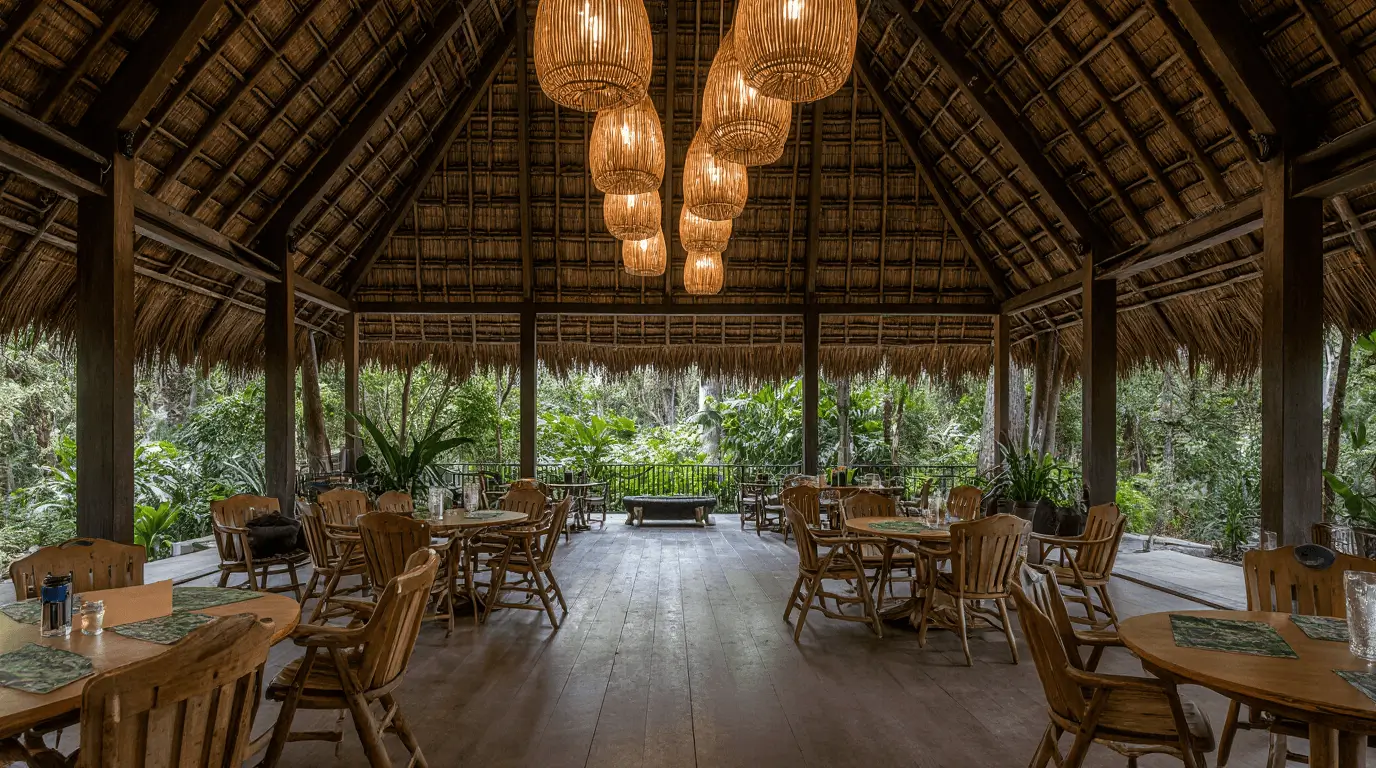
Costa Rica Interior Design for Eco-Resorts
Hospitality interiors prioritize natural immersion. Open-air lobbies, handcrafted furnishings, and sustainable finishes create a restorative atmosphere.
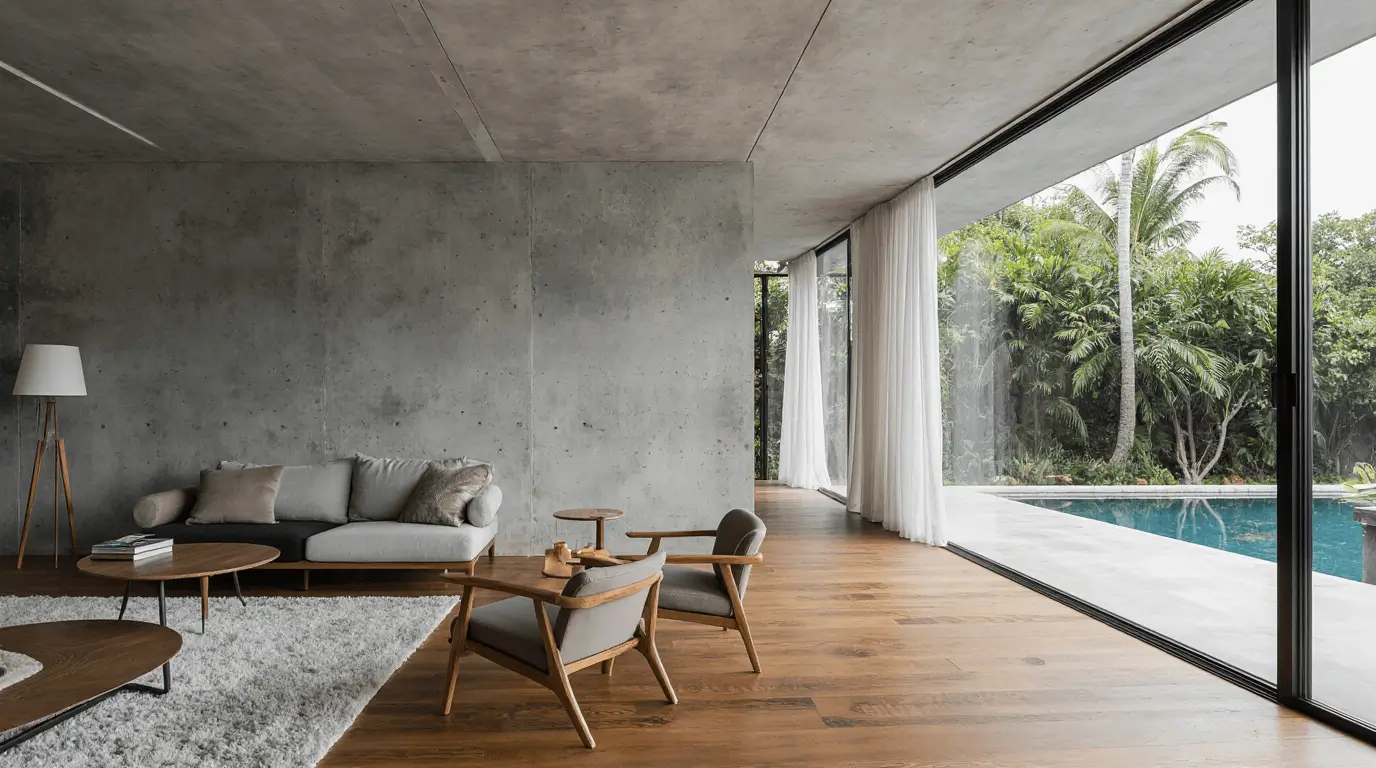
Contemporary Costa Rica Interior Design with Concrete and Wood
Modern homes frequently combine polished concrete with warm hardwood to balance durability and comfort. This pairing works exceptionally well in humid climates.
Costa Rica Interior Design and Home Plans Integration
Interior planning begins with climate-responsive home layouts. Shaded corridors, courtyards, and strategically oriented rooms enhance comfort and usability.
Conclusion: Designing with Climate, Culture, and Conscious Living in Mind
At its core, Costa Rica interior design succeeds because it respects its environment rather than competing with it. The most compelling homes are not defined by excess, but by balance—between openness and shelter, modern refinement and handcrafted warmth, architecture and landscape.
When interiors are shaped by cross-ventilation, natural materials, filtered daylight, and seamless outdoor integration, they don’t just look beautiful—they function beautifully. Spaces feel cooler without overreliance on mechanical systems. Materials age gracefully in humid conditions. Rooms remain flexible for entertaining, relaxing, or simply enjoying the surrounding jungle or coastline.
From experience, this approach benefits homeowners building in tropical climates, investors developing villas or eco-resorts, and even designers working internationally who want to adopt climate-responsive principles. The philosophy translates beyond Costa Rica because it prioritizes longevity, wellness, and connection to place.
If you’re planning a renovation, building a home, or refining an existing space, start with the essentials: orientation, airflow, material durability, and natural light. Let architecture guide the interior. Choose textures over ornamentation. Select colors that reflect the surrounding earth and sea. When decisions are grounded in climate awareness and intentional simplicity, the result feels authentic—never forced.
Costa Rica interior design ultimately teaches one powerful lesson: when design works with nature, comfort becomes effortless and elegance feels natural.
Learn more : Modern Medical Office Interior Design Guide
Frequently Asked Questions
- What makes Costa Rica interior design different from other tropical styles?
While many tropical interiors focus on decorative elements like palm motifs or bold patterns, Costa Rican interiors prioritize environmental response. Airflow, shade, humidity-resistant materials, and structural openness come first. The aesthetic emerges naturally from these practical decisions rather than being applied superficially.
- Which materials perform best in Costa Rica’s humid climate?
Locally sourced hardwoods like teak, bamboo, stone, polished concrete, and high-quality natural textiles such as linen perform well. These materials resist moisture, age gracefully, and maintain structural integrity in fluctuating temperatures. Synthetic materials can be used selectively, but durability and breathability should guide every choice.
- Is Costa Rica interior design suitable for smaller homes?
Absolutely. In fact, the emphasis on open layouts, minimal partitions, and natural light can make compact spaces feel expansive. By reducing visual clutter and maximizing cross-breezes, even modest homes feel airy and comfortable without requiring excessive square footage.
- How can I incorporate this style if I don’t live in Costa Rica?
Focus on the principles rather than the location. Increase natural light, reduce heavy ornamentation, introduce organic textures, and create stronger indoor–outdoor connections where possible. Even in urban settings, adding plants, natural materials, and breathable layouts can evoke the same grounded atmosphere.
- Does this design approach require a large budget?
Not necessarily. While luxury villas often highlight high-end finishes, the foundation of this style is simplicity and thoughtful material selection. Investing in quality wood, good ventilation design, and durable flooring can be more cost-effective long-term than frequent renovations due to climate damage.
- How important is professional planning for tropical interiors?
Very important. Climate-responsive design decisions—such as window placement, roof overhangs, and material compatibility—are easier and more cost-effective to implement during the planning stage. An experienced designer or architect familiar with tropical environments can prevent costly mistakes related to moisture, heat, and airflow.
- What common mistakes should be avoided?
Over-sealing the space with fixed glass, ignoring ventilation, and selecting materials unsuitable for humidity are common pitfalls. Another mistake is overdecorating. Costa Rica interior design thrives on restraint. Allow natural textures, light, and landscape views to carry the visual impact rather than layering unnecessary elements.


One Response