
Introduction
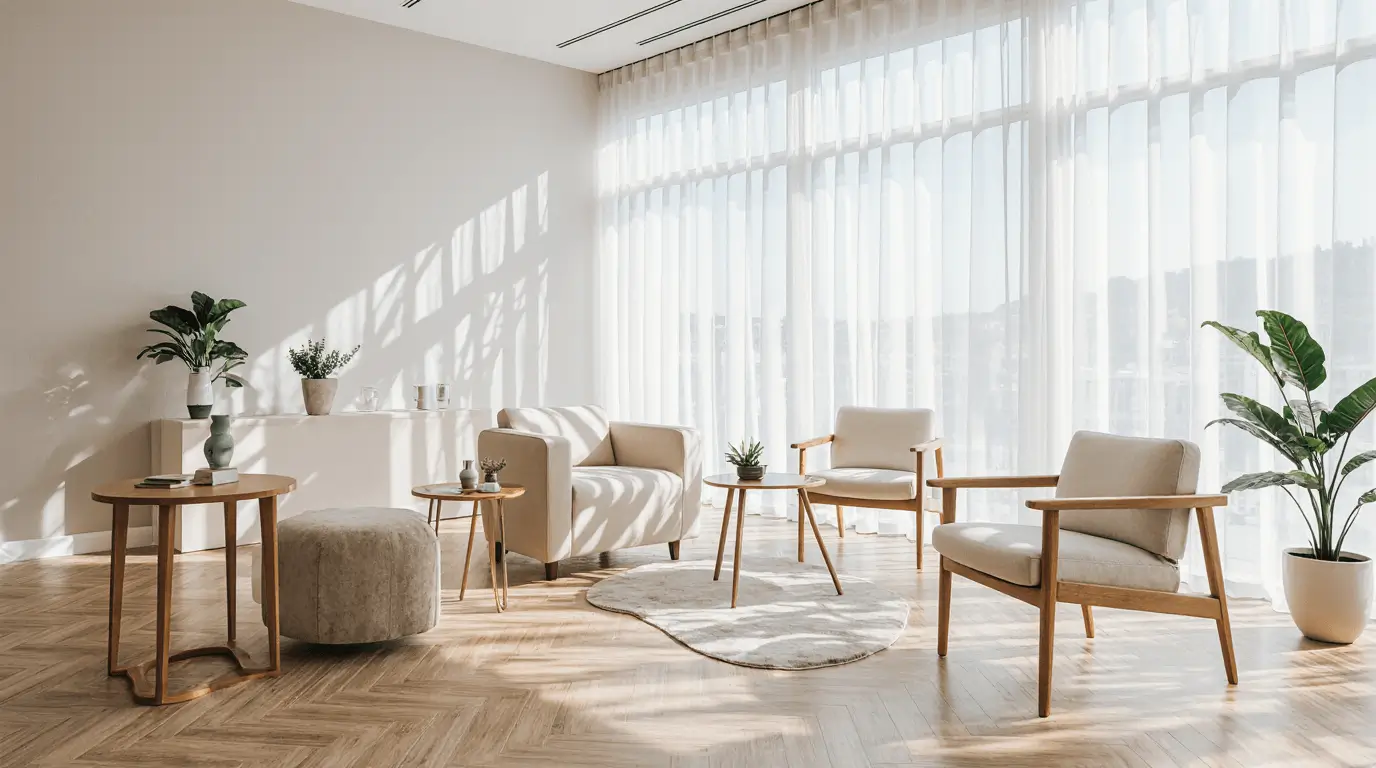
Dental office interior design plays a powerful role in shaping patient perception, reducing anxiety, and improving workflow efficiency. A thoughtfully designed space does far more than look beautiful—it builds trust, supports clinical precision, and enhances the overall patient journey from entry to operatory.
After working with healthcare environments for years, one truth remains consistent: successful dental spaces balance psychology, ergonomics, branding, and technical compliance. Whether you’re planning a new clinic or renovating an existing practice, strategic design decisions directly influence comfort, productivity, and long-term growth.
Below is a comprehensive breakdown of the most important design clusters that define exceptional dental environments.
Modern Dental Office Interior Design Concepts
Modern dental office interior design focuses on clean lines, minimal clutter, advanced technology integration, and calming palettes. Neutral tones paired with natural materials create a welcoming yet professional atmosphere.
This approach reassures patients that the practice is current, hygienic, and forward-thinking—qualities that increase confidence before treatment even begins.
Dental Office Waiting Area Design
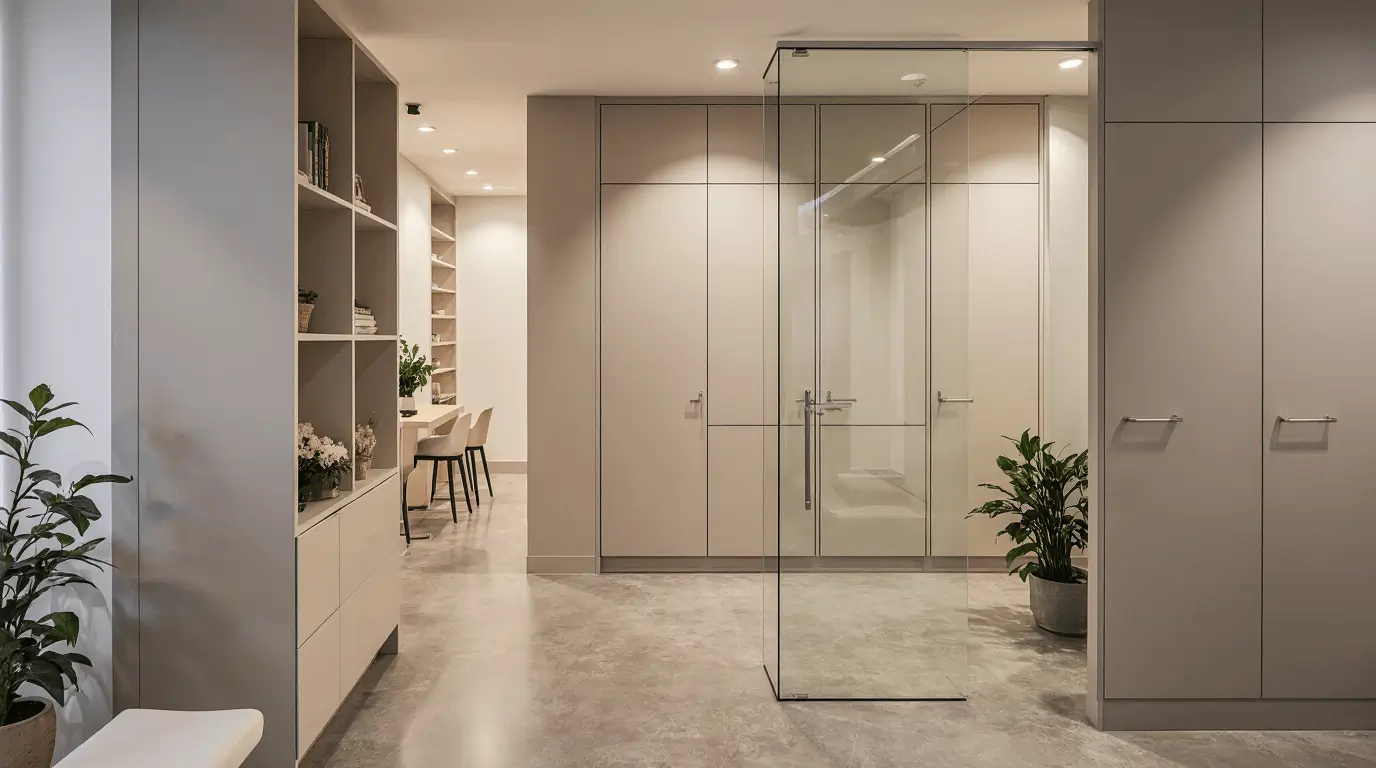
The waiting area sets the emotional tone. Comfortable seating, acoustic control, and soft lighting reduce pre-appointment stress. Zoning the space for privacy enhances patient comfort.
A well-designed waiting area transforms idle time into a reassuring experience.
Dental Office Layout Design for Workflow Efficiency
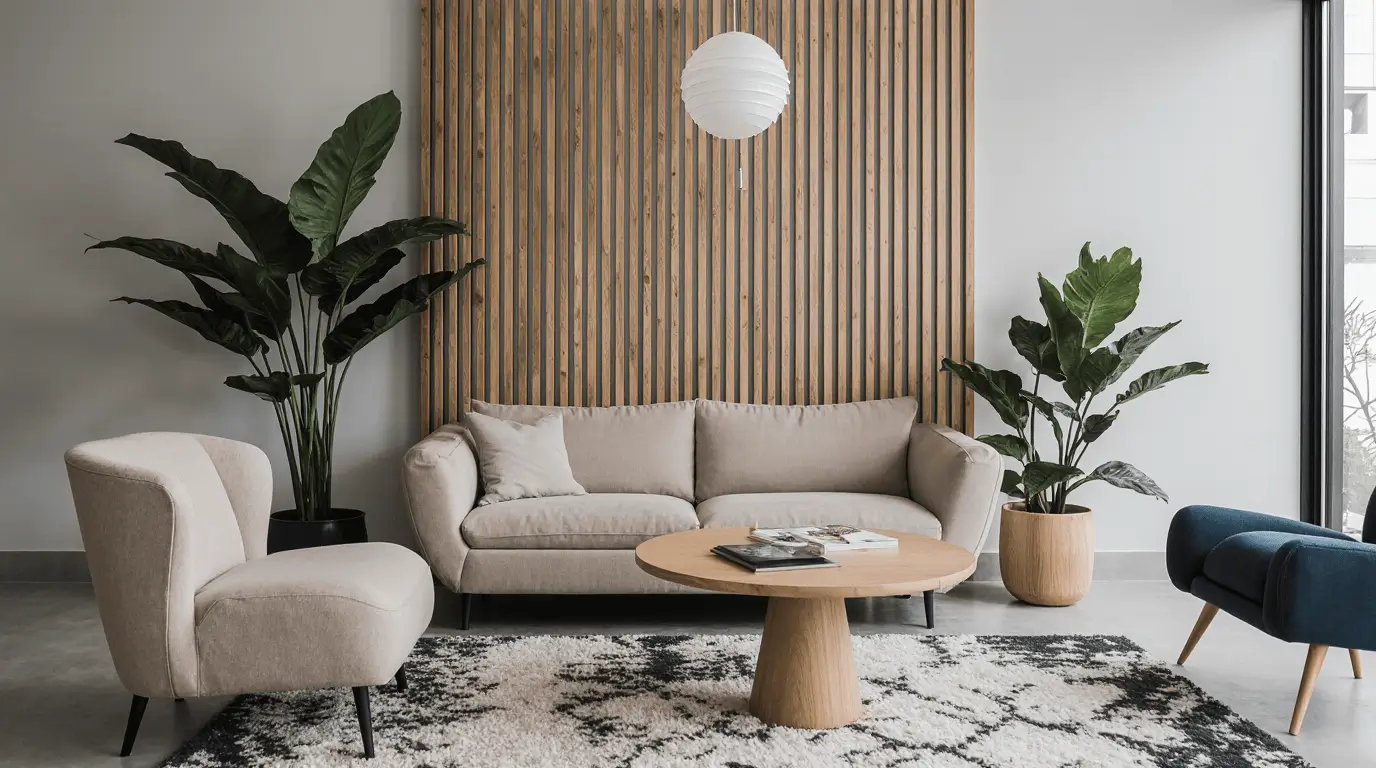
Efficient dental office interior design starts with intelligent spatial planning. Treatment rooms, sterilization zones, and consultation areas must support smooth movement.
Clear circulation paths reduce staff fatigue and improve patient flow—something experienced designers prioritize early in planning.
Luxury Dental Office Interior Design
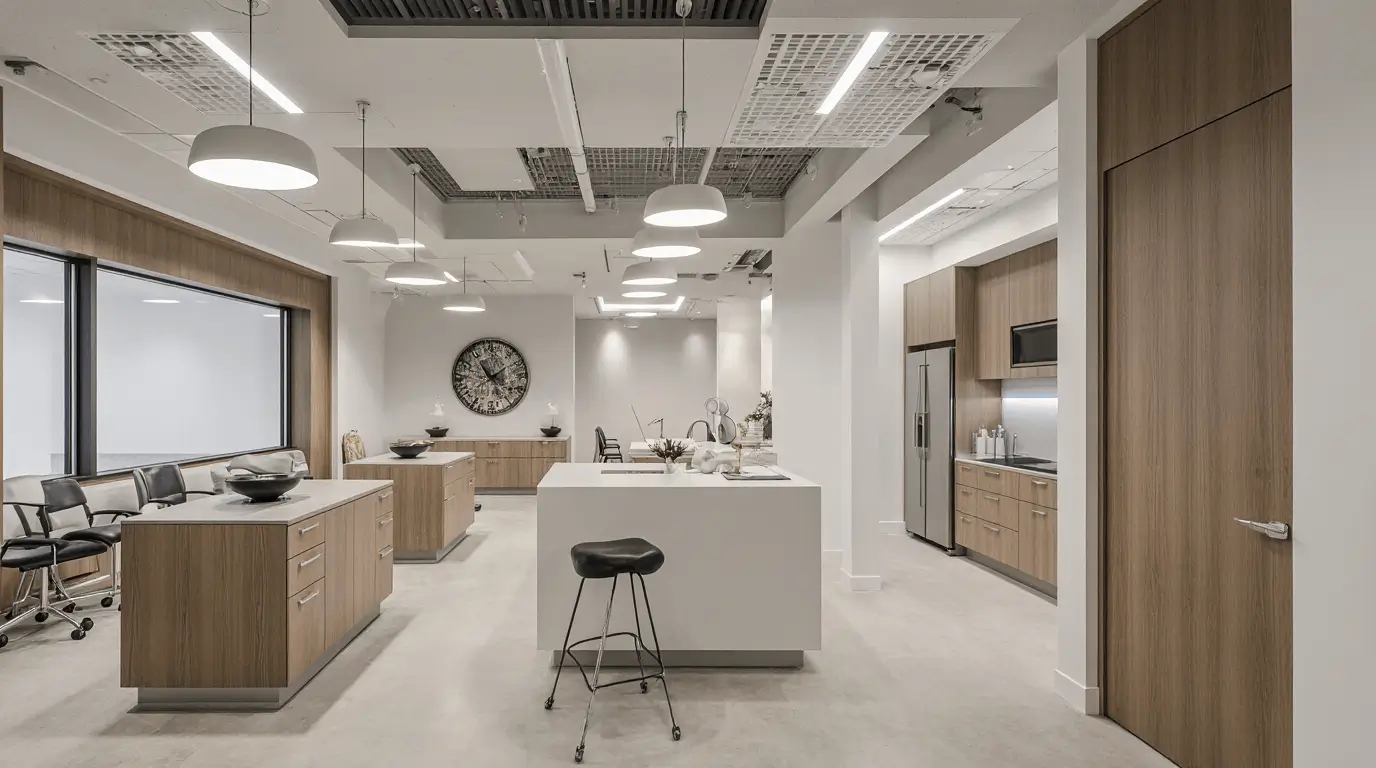
Luxury dental office interior design elevates patient experience with high-end materials like marble, custom millwork, and designer lighting.
When done thoughtfully, luxury communicates premium care without feeling intimidating.
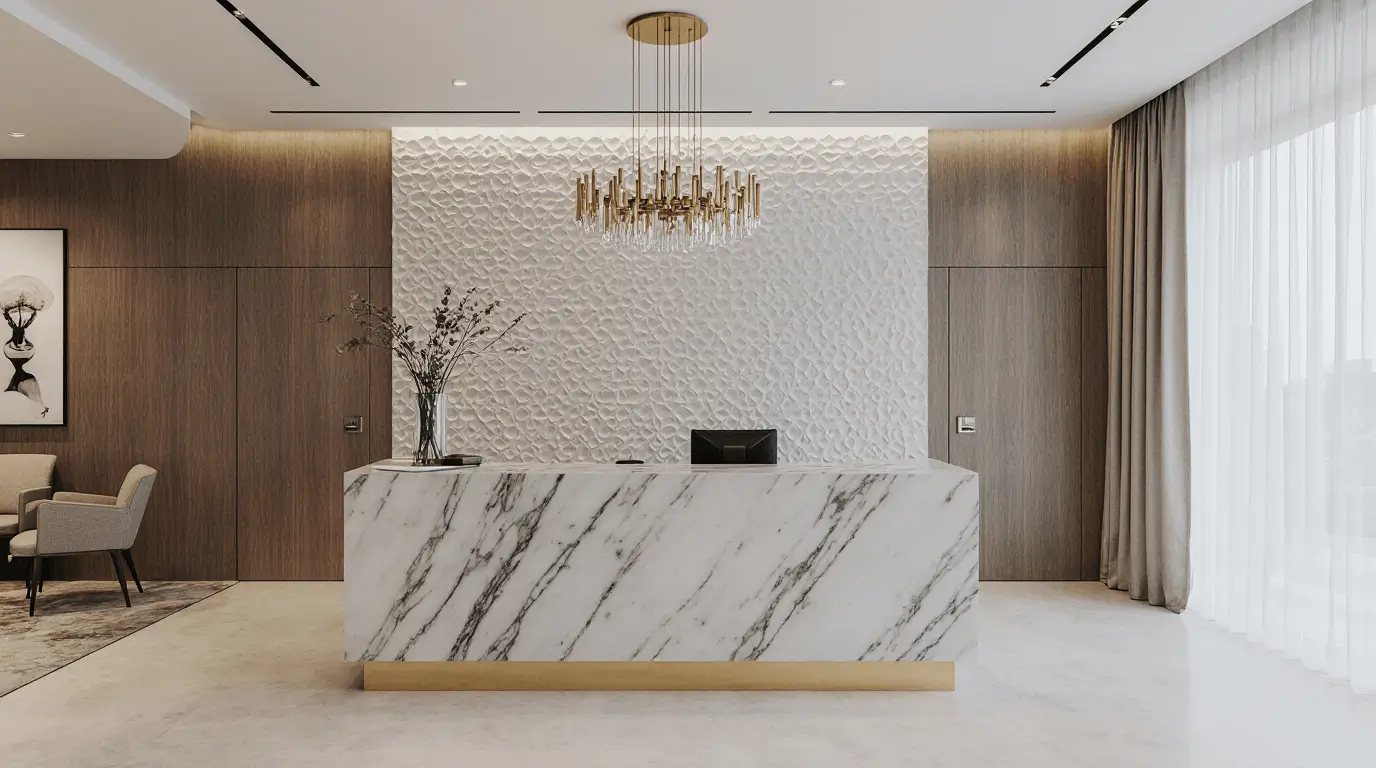
Small Dental Office Interior Design Solutions
In compact spaces, smart storage and multi-functional furniture are essential. Wall-mounted cabinetry and sliding doors maximize usable area.
Strategic lighting and mirrors make smaller clinics feel spacious and welcoming.
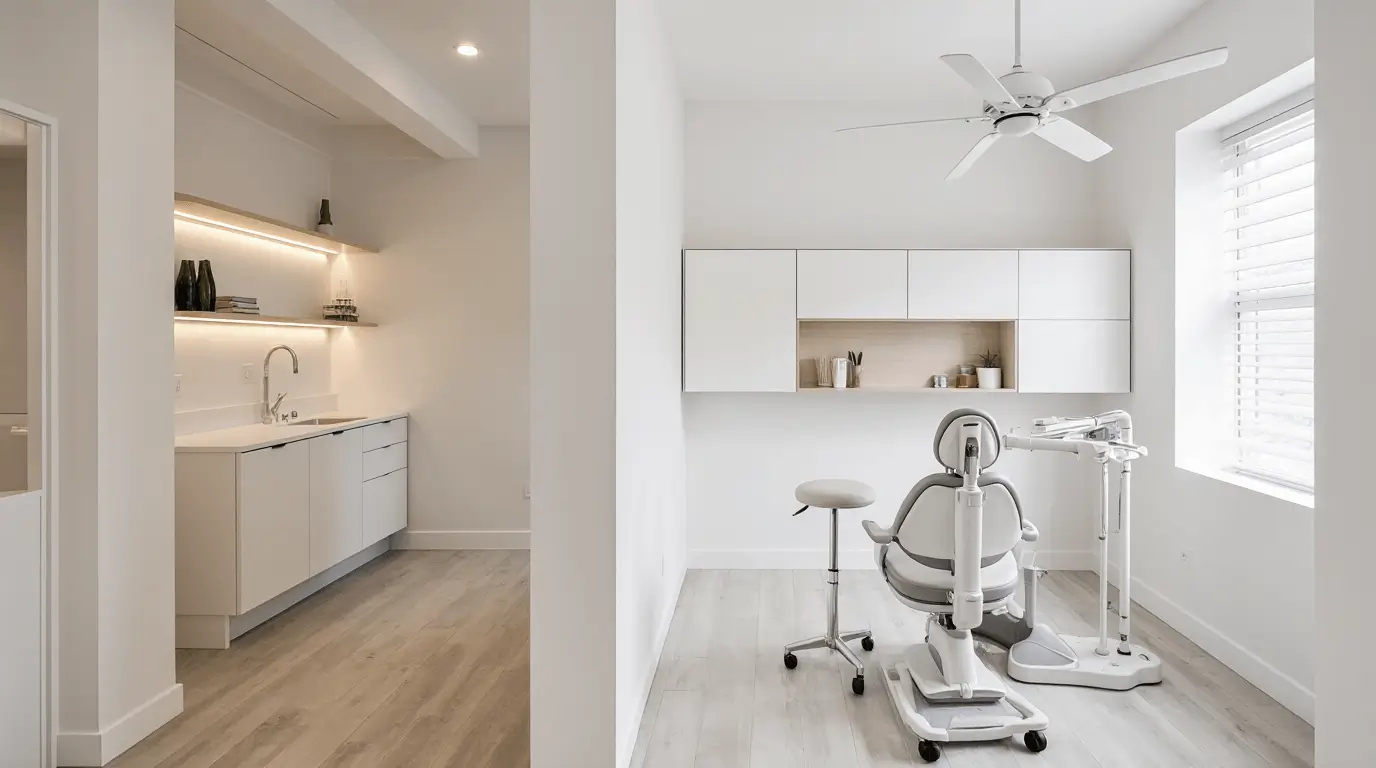
Dental Operatory Design Ideas
Operatory rooms must balance sterility with comfort. Ergonomic chair placement, concealed wiring, and easy-to-clean surfaces improve both safety and efficiency.
Subtle design elements—like soothing wall art—reduce patient anxiety during procedures.
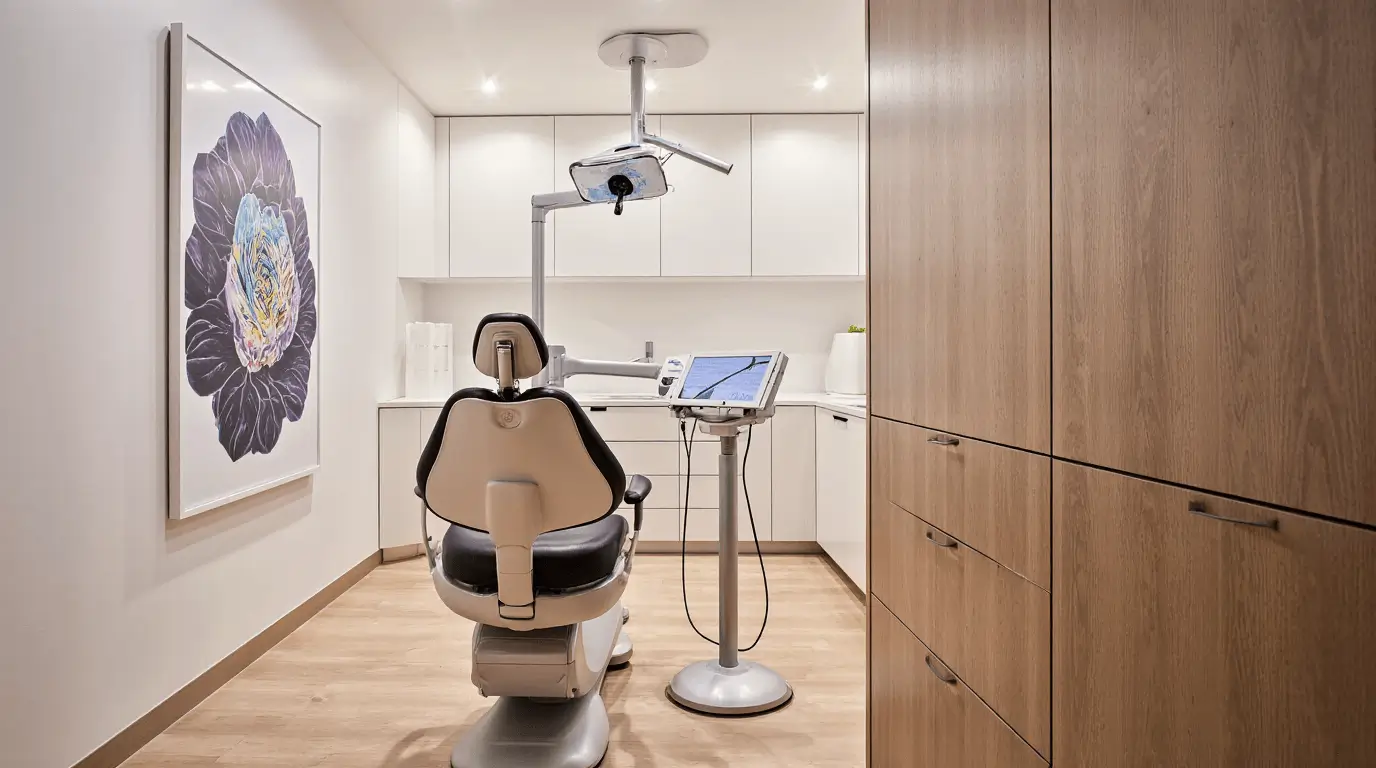
Dental Office Floor Plan Strategy
A strong floor plan supports privacy, compliance, and scalability. Zoning public and clinical areas prevents noise and ensures confidentiality.
Experienced planners design with future expansion in mind.
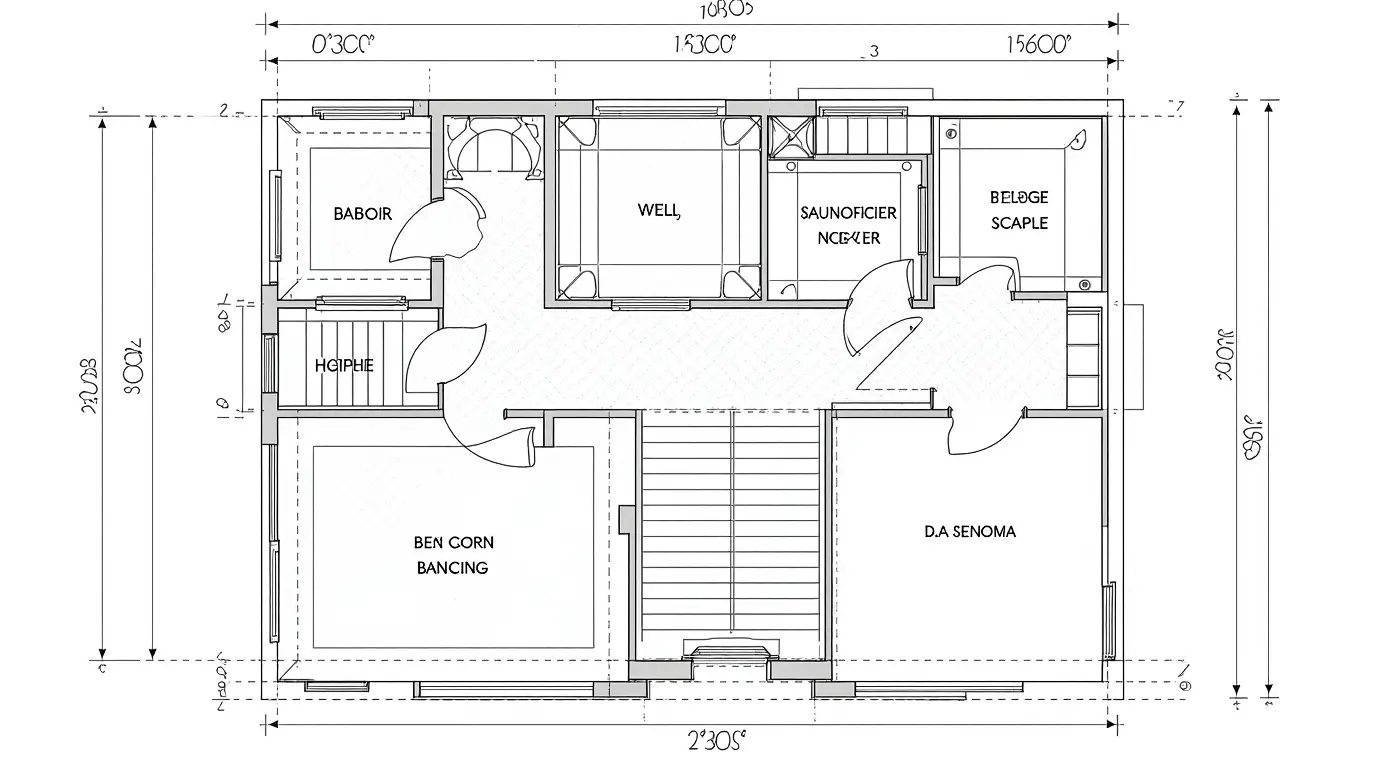
Dental Office Reception Design
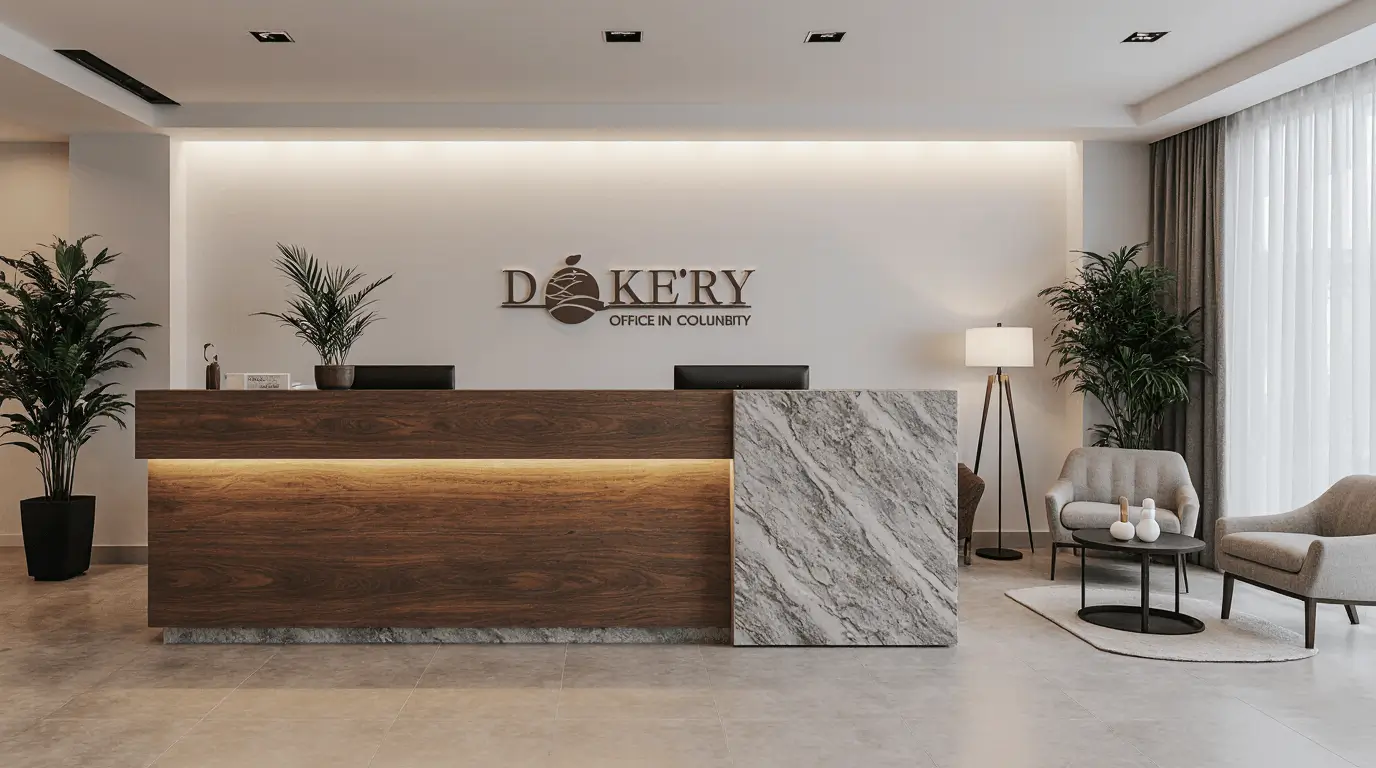
Reception design influences first impressions. A welcoming desk, clear signage, and subtle branding build immediate trust.
Materials should be durable yet inviting—wood and stone often work beautifully.
Biophilic Dental Office Interior Design
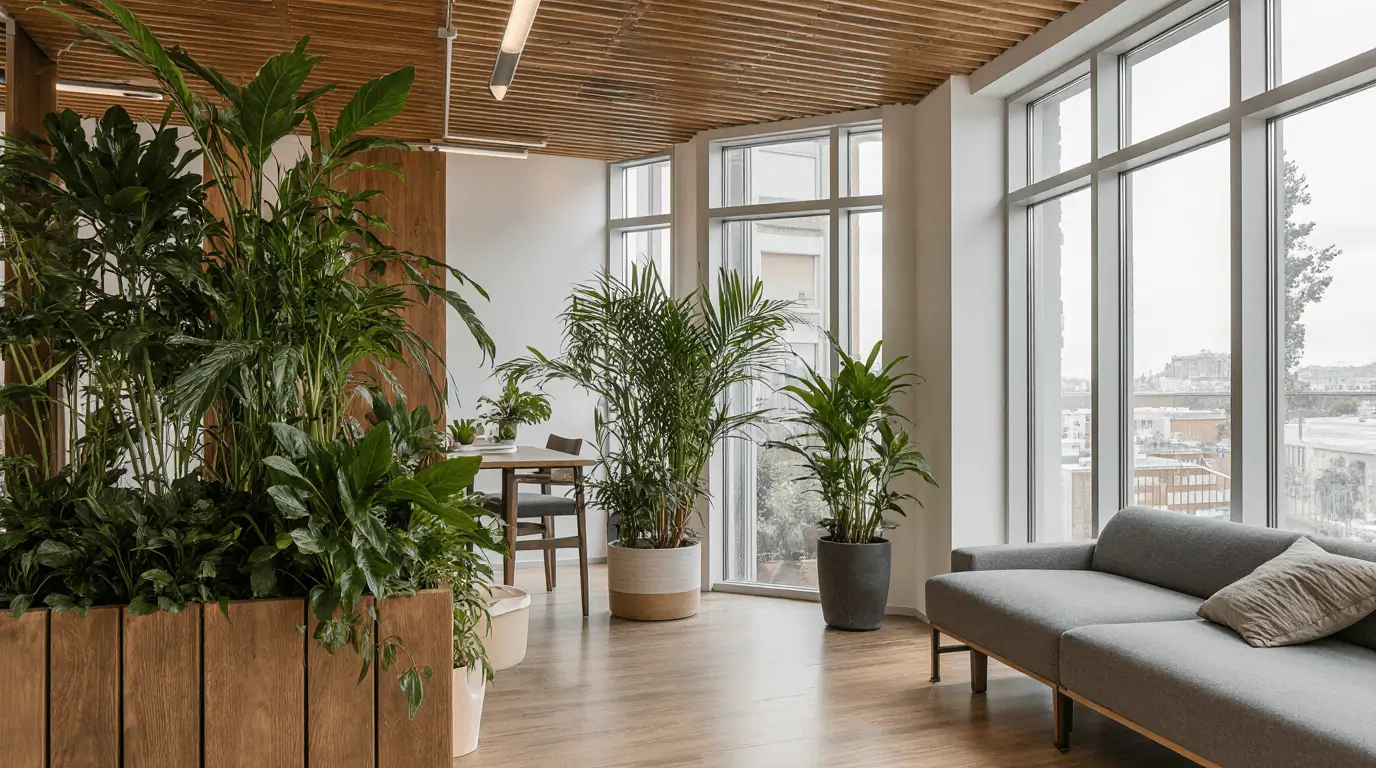
Natural materials, greenery, and daylight reduce stress levels significantly. Biophilic dental office interior design integrates plants, organic textures, and earth tones.
Patients subconsciously associate nature with healing and calm.
Pediatric Dental Office Interior Design
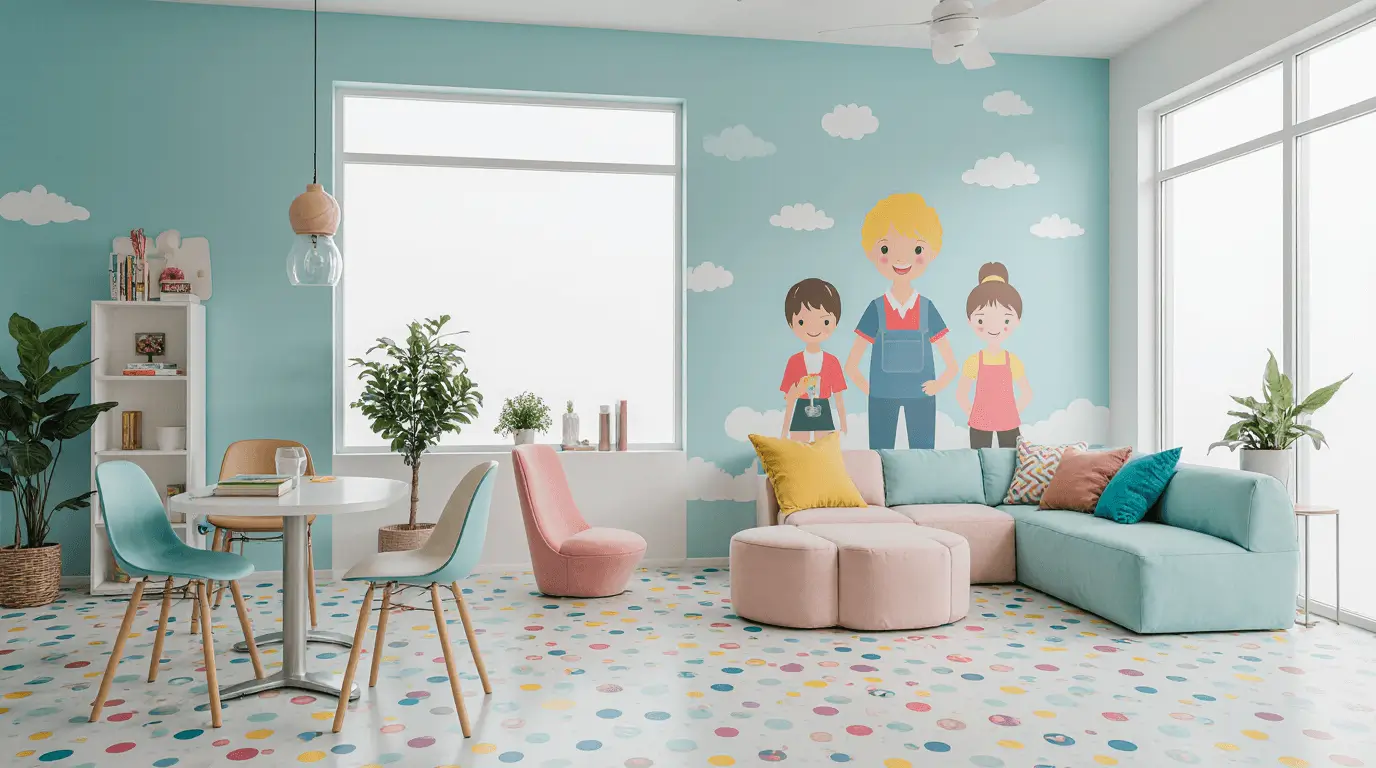
Children’s spaces require playful yet organized environments. Soft colors, interactive elements, and child-scaled furniture improve comfort.
A thoughtfully designed pediatric clinic eases fear and builds positive dental associations.
Dental Office Lighting Design
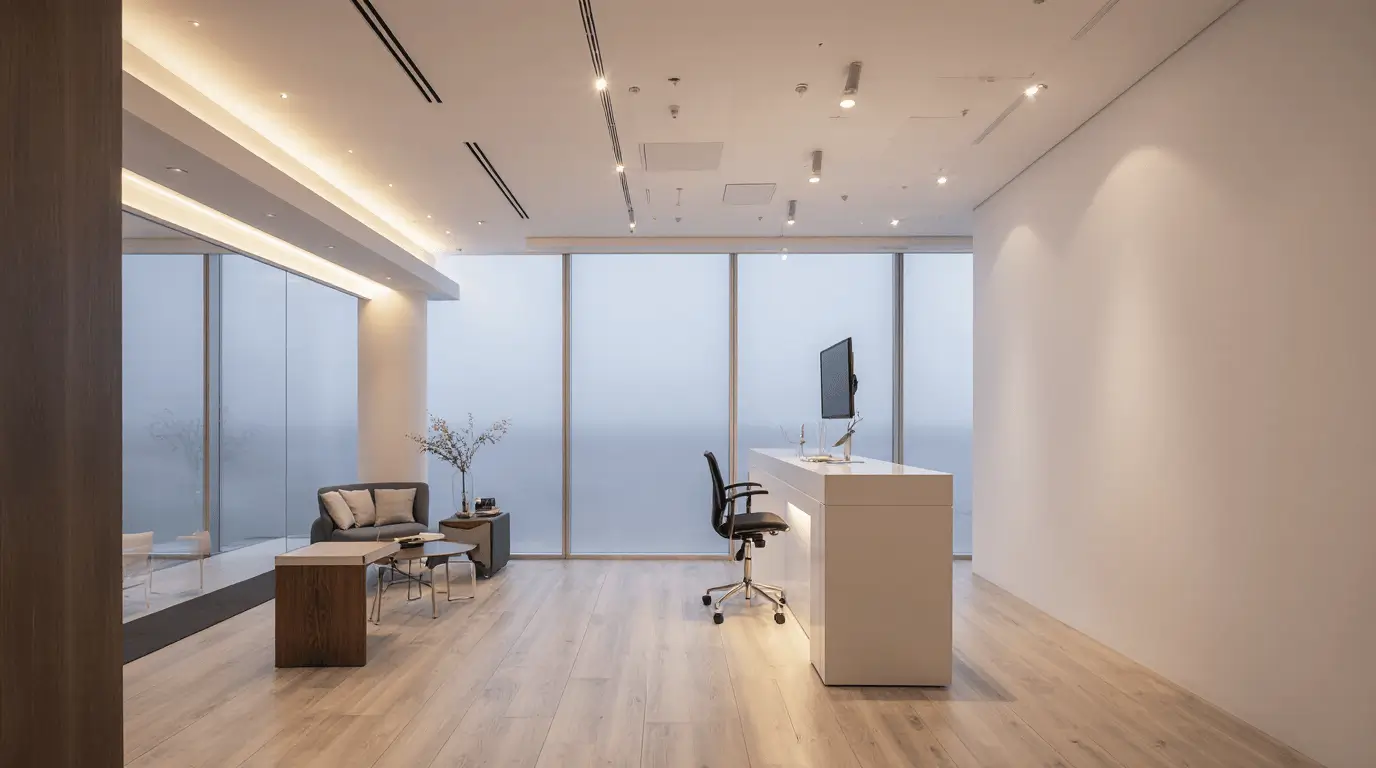
Layered lighting is essential. Combine ambient, task, and accent lighting to ensure precision and comfort.
Avoid harsh glare—soft diffused lighting improves mood and reduces clinical sterility.
Sustainable Dental Office Interior Design
Sustainability enhances brand image and operational efficiency. Use low-VOC materials, energy-efficient lighting, and eco-conscious finishes.
Patients increasingly value environmentally responsible practices.
Acoustic Design in Dental Offices
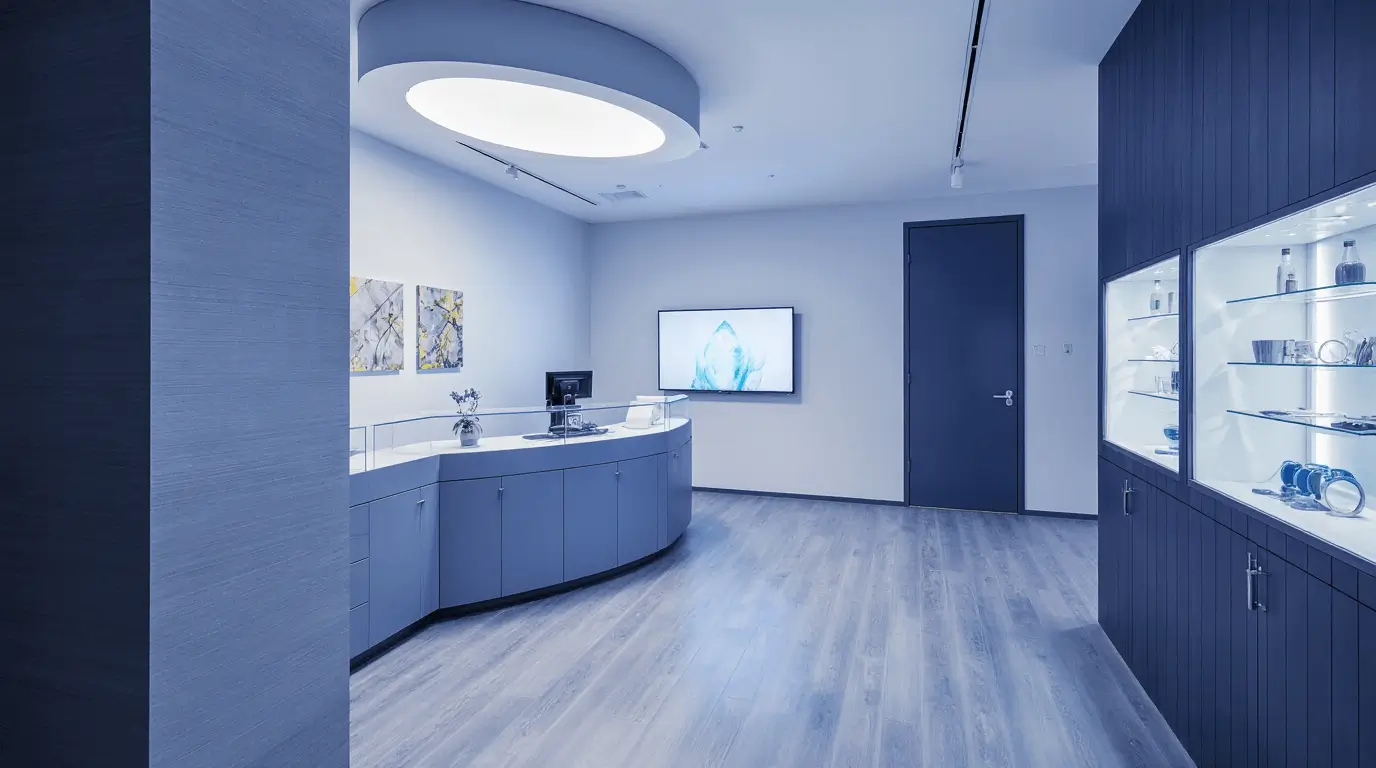
Noise control is often overlooked. Sound-absorbing panels, upholstered seating, and strategic zoning minimize operational noise.
A quiet environment enhances patient relaxation.
Dental Office Branding Through Interior Design
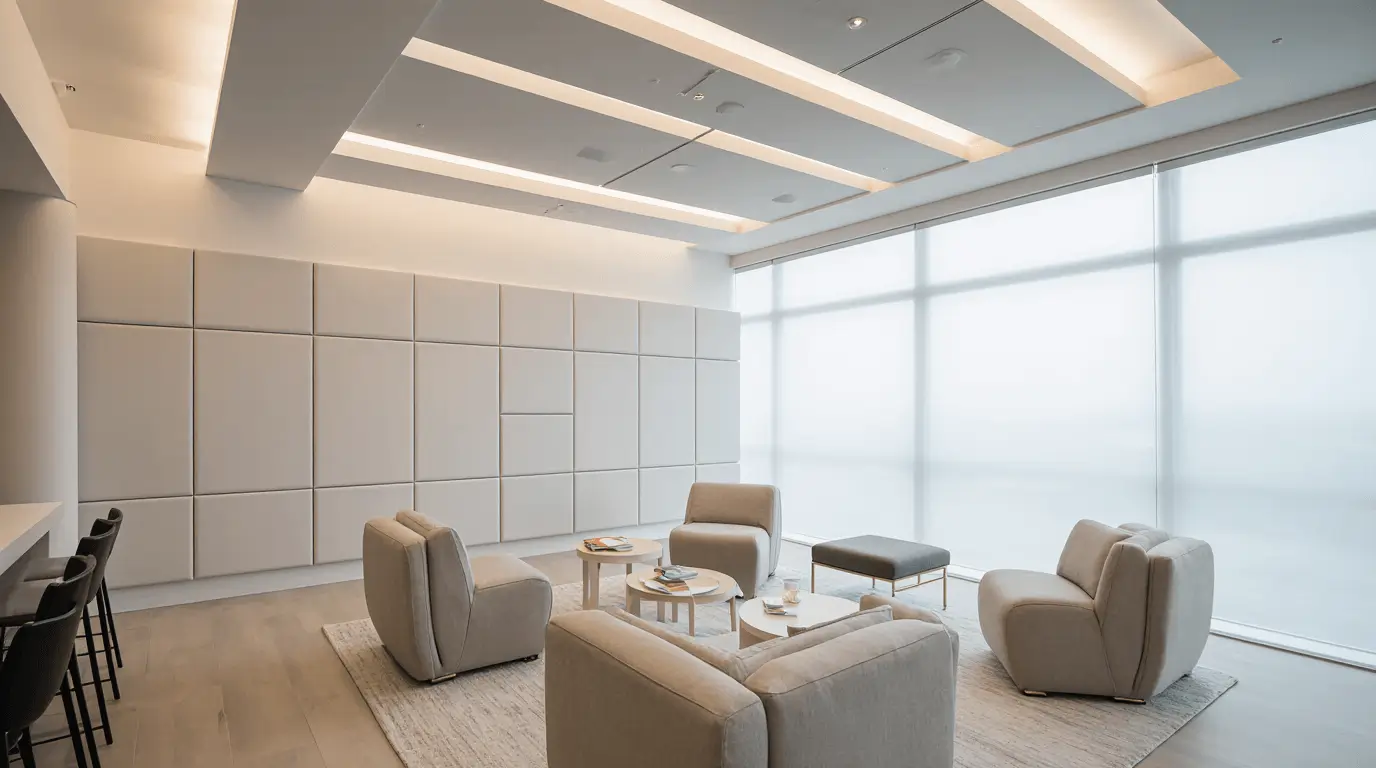
Interior design reinforces brand identity. Consistent color schemes, logo integration, and cohesive materials communicate professionalism.
Design should reflect the practice’s values and patient demographic.
Technology-Integrated Dental Office Interior Design
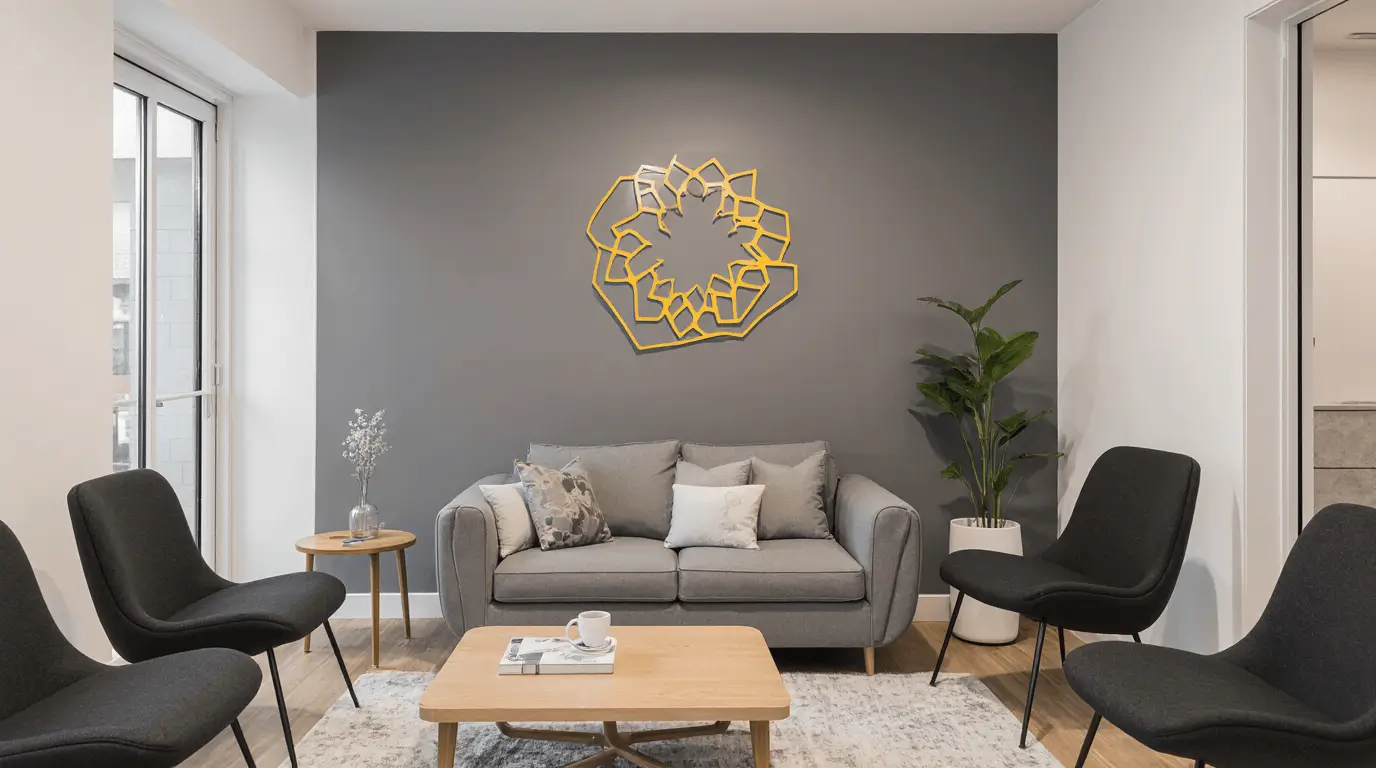
Modern dental office interior design incorporates digital check-in kiosks, hidden wiring, and integrated imaging systems.
Seamless technology integration enhances efficiency without overwhelming patients visually.
Dental Office Consultation Room Design
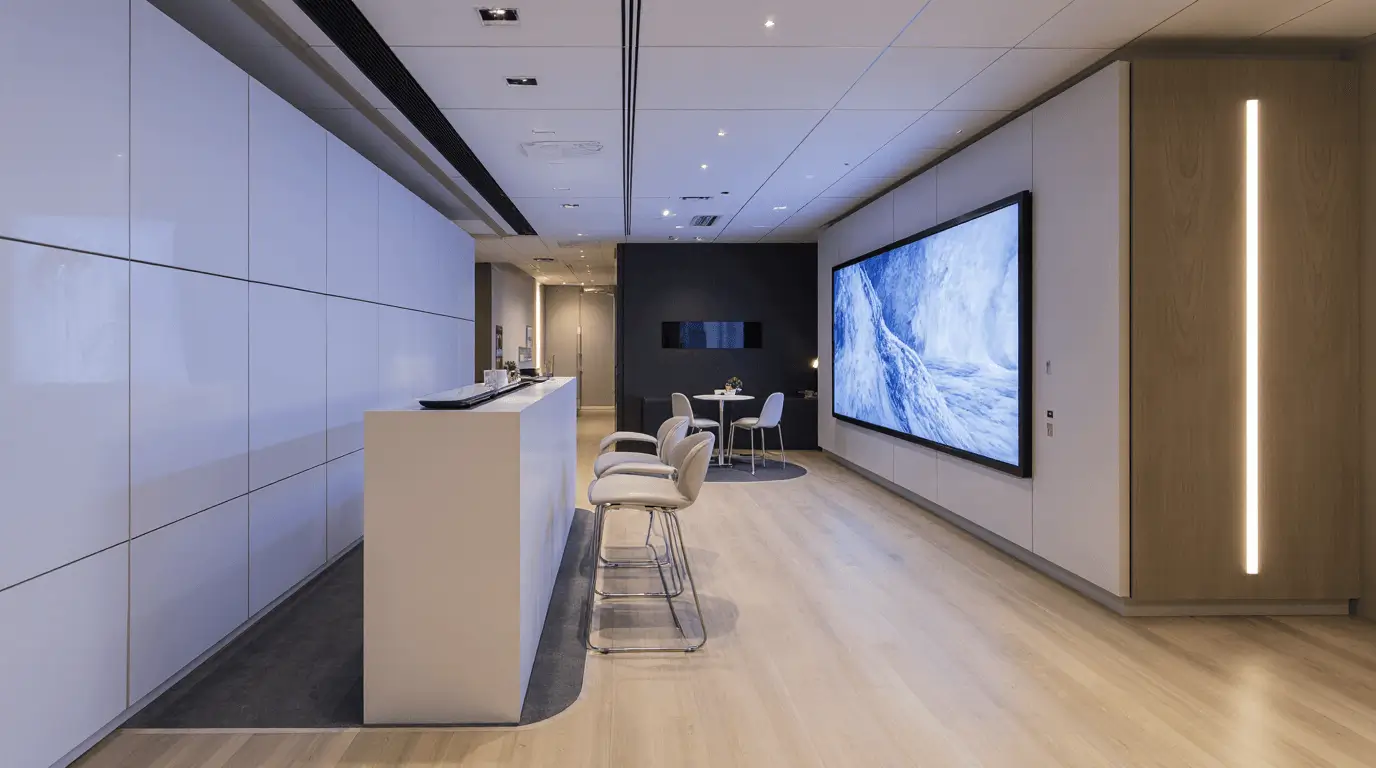
Private consultation rooms foster trust. Comfortable seating, soft lighting, and clear presentation screens improve communication.
Designing for conversation—not clinical intensity—makes a significant difference in case acceptance.
Conclusion
Creating an exceptional dental office interior design is about harmonizing patient comfort, clinical efficiency, and aesthetic appeal. The most successful spaces thoughtfully balance layout, lighting, materials, and branding while addressing the psychological needs of patients and the practical requirements of staff. From welcoming waiting areas to ergonomically optimized operatories, each design choice carries real-world impact—reducing anxiety, improving workflow, and fostering trust.
Practices that invest in intentional design benefit everyone: patients feel reassured and valued, staff operate more smoothly, and the overall atmosphere communicates professionalism and care. By integrating modern, sustainable, and human-centered design principles, dental offices can evolve from functional treatment spaces into environments that genuinely enhance the patient experience. For clinic owners, designers, and practitioners alike, approaching interior design with strategic purpose ensures that every detail—from floor plan to lighting—supports long-term success and patient satisfaction.
Learn more: 11+ Stunning Aircraft Interior Design Secrets
Frequently Asked Questions (FAQs)
- How can dental office interior design reduce patient anxiety?
Thoughtful design choices—such as calming color palettes, natural lighting, comfortable seating, and noise control—create a reassuring environment. Patients subconsciously respond to spaces that feel organized, clean, and inviting, which helps reduce stress even before treatment begins. - What’s the most important factor when planning a dental office layout?
Efficiency and flow are critical. Separating public and clinical zones, minimizing unnecessary movement, and providing clear circulation paths not only improve staff productivity but also create a more relaxed experience for patients. - How can small dental offices feel spacious and comfortable?
Smart storage solutions, multi-functional furniture, light color schemes, mirrors, and well-planned lighting can make compact spaces feel open and inviting without sacrificing functionality or aesthetics. - Are there specific design elements that enhance staff performance?
Yes. Ergonomic operatories, accessible equipment, intuitive layouts, and thoughtfully placed task lighting reduce fatigue and increase efficiency, allowing staff to focus on care while moving safely and comfortably throughout the clinic. - How does sustainable design benefit a dental practice?
Using energy-efficient lighting, low-VOC materials, and eco-conscious finishes not only lowers operational costs but also communicates a commitment to environmental responsibility. Patients increasingly appreciate and trust practices that embrace sustainability. - Can technology be integrated without making the space feel clinical or cold?
Absolutely. Concealed wiring, integrated imaging systems, digital check-in stations, and sleek cabinetry allow for modern functionality while maintaining warmth and human-centered design. - How can a dental office design reflect a practice’s brand or philosophy?
Through consistent color schemes, materials, textures, and subtle branding elements, interior design can convey a practice’s values, professionalism, and patient-focused approach. The space itself becomes a silent ambassador of the clinic’s identity.


One Response