Introduction
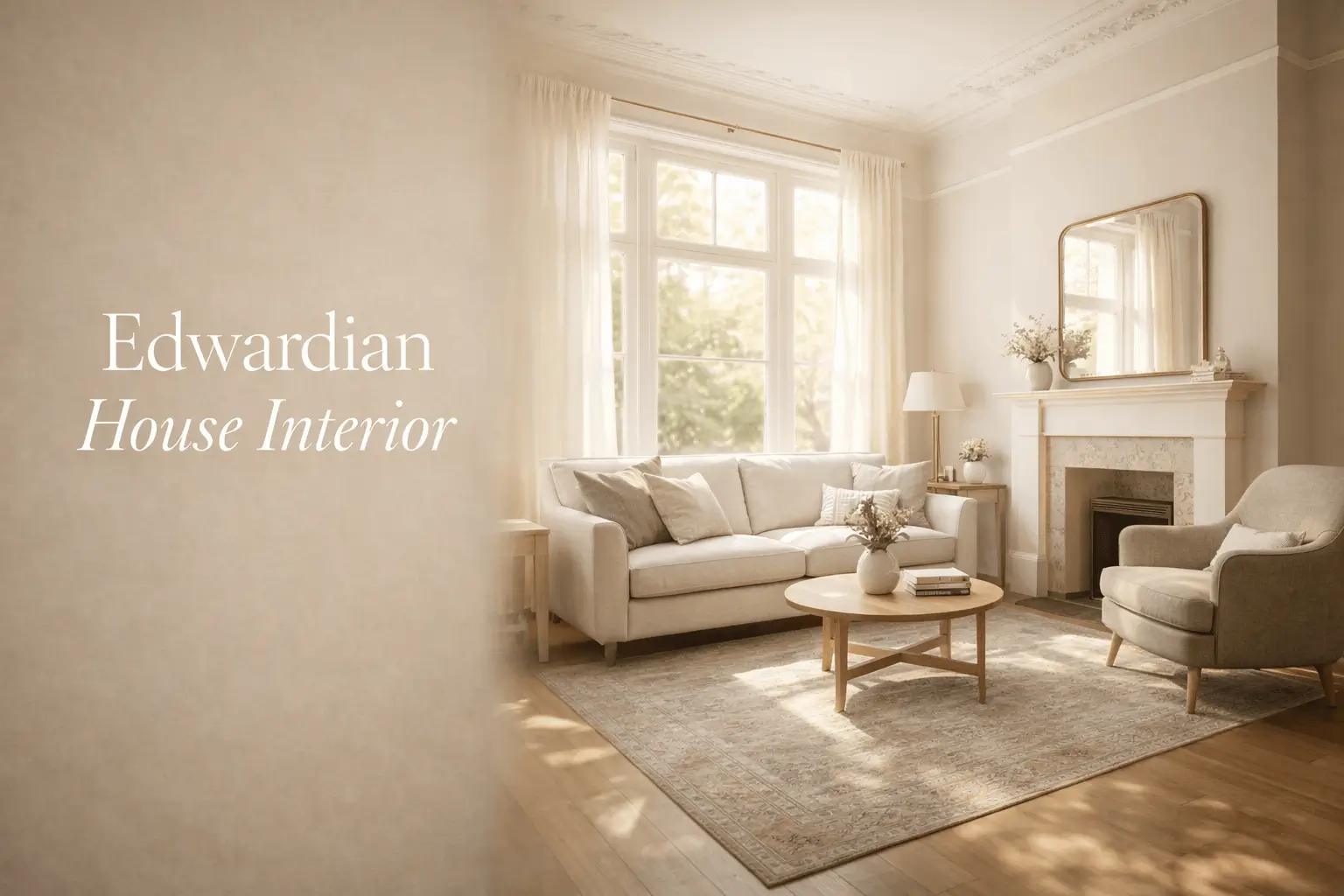
An edwardian house interior represents a refined shift from the heavier, ornate styles that came before it. Emerging in the early 20th century, Edwardian design embraces light, proportion, and practicality—creating homes that feel both elegant and livable. Unlike earlier periods, interiors became brighter, more open, and less cluttered, reflecting a growing appreciation for comfort and natural light.
From my experience working with period-style interiors, the true beauty of an Edwardian home lies in its balance. It’s not about excessive decoration—it’s about thoughtful restraint. High ceilings, large windows, soft color palettes, and subtle detailing all come together to create a space that feels airy yet grounded. Whether you’re restoring an original property or recreating the look in a modern home, understanding these principles is key to getting it right.
Edwardian House Interior Design Characteristics
Edwardian interiors are defined by light-filled spaces, simple decorative details, and functional layouts. Compared to earlier eras, there’s a noticeable reduction in heavy ornamentation, replaced by elegance through proportion and craftsmanship.
Modern Edwardian House Interior Styling
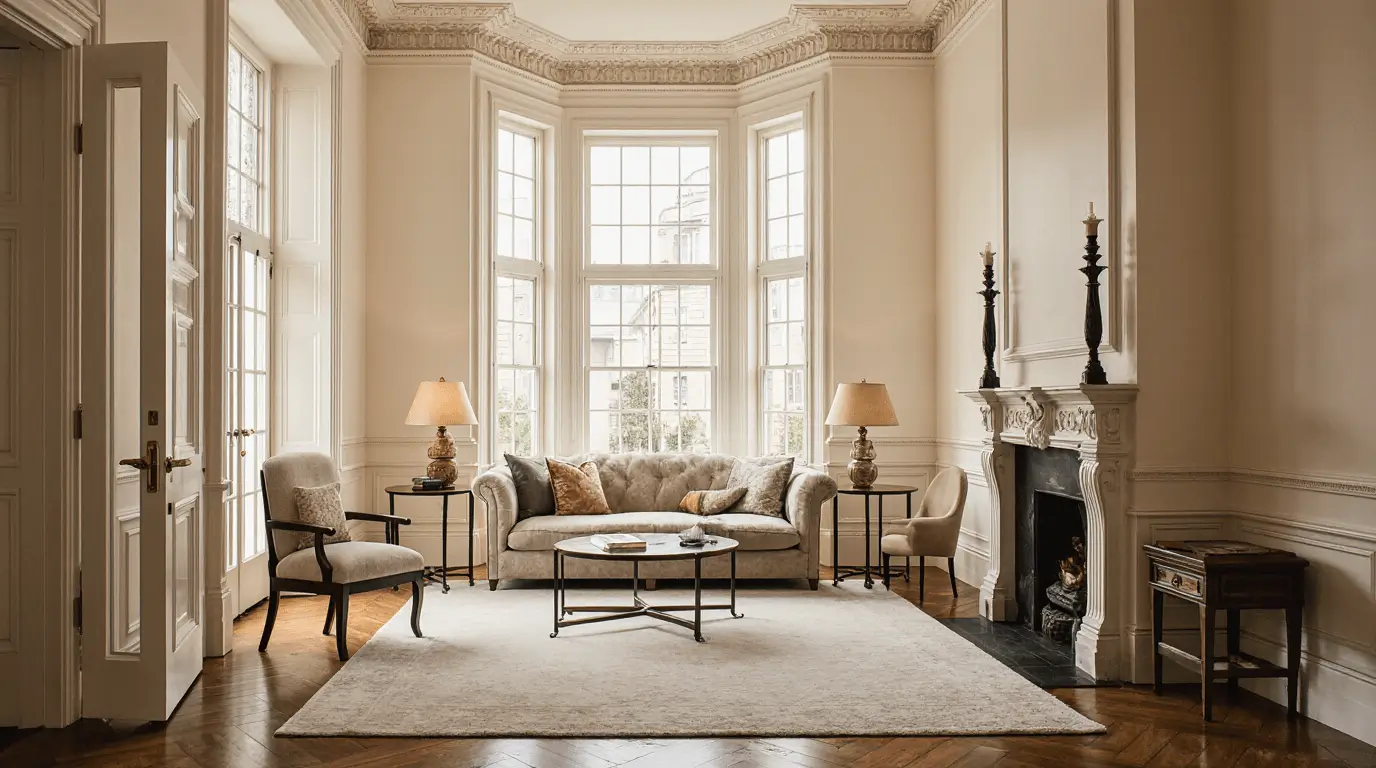
A modern take on Edwardian interiors blends original architectural features with contemporary furniture and finishes. Clean-lined sofas, muted palettes, and subtle textures enhance the historical charm without overpowering it.
Typical Edwardian House Interior Layout
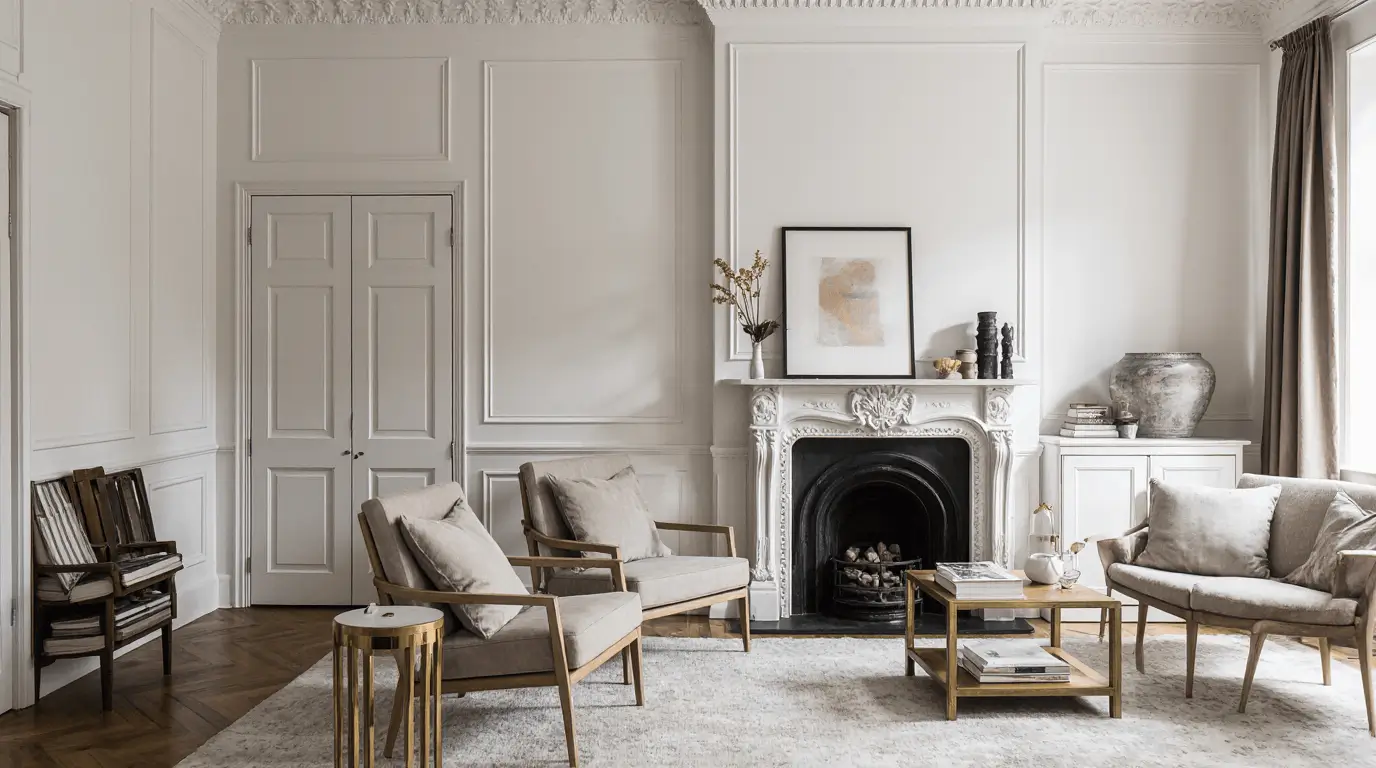
Edwardian homes often feature wider hallways, separate reception rooms, and improved flow compared to Victorian layouts. The emphasis is on practicality and openness, making spaces feel more connected.
Edwardian House Interior Color Palette
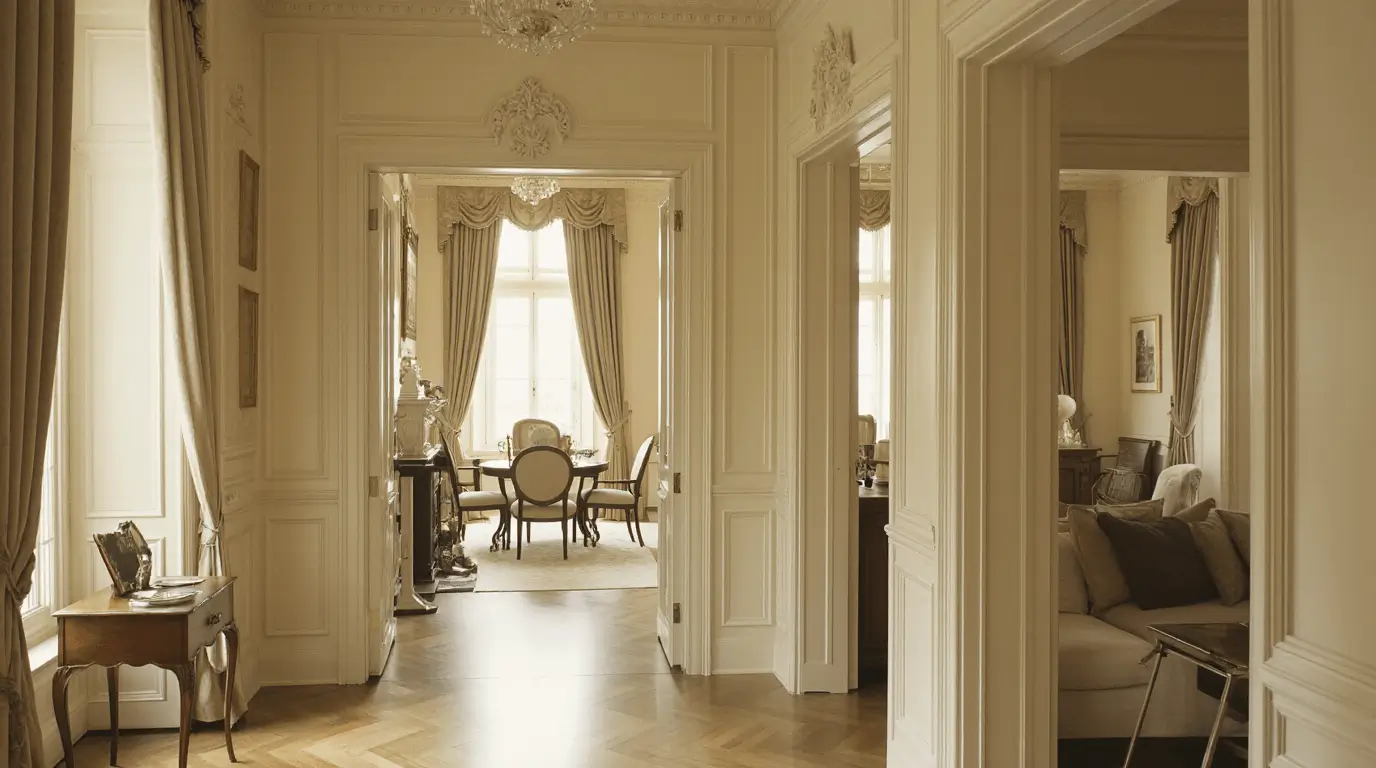
Soft, natural colors dominate—think creams, pale greens, soft blues, and warm neutrals. These tones enhance light reflection and create a calm, welcoming environment.
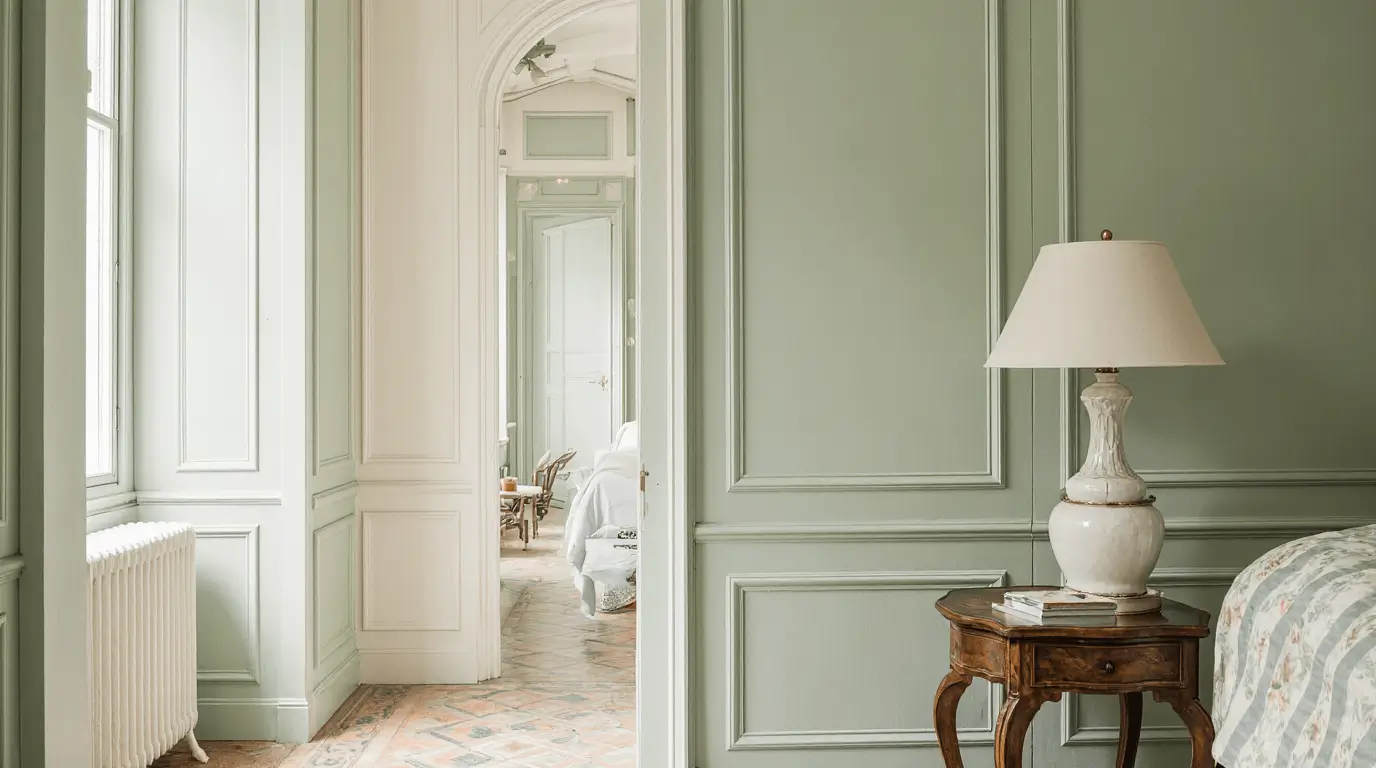
Edwardian House Interior Flooring Choices
Wooden floorboards are a hallmark, often left exposed or paired with large area rugs. Flooring contributes to the overall warmth while maintaining simplicity.
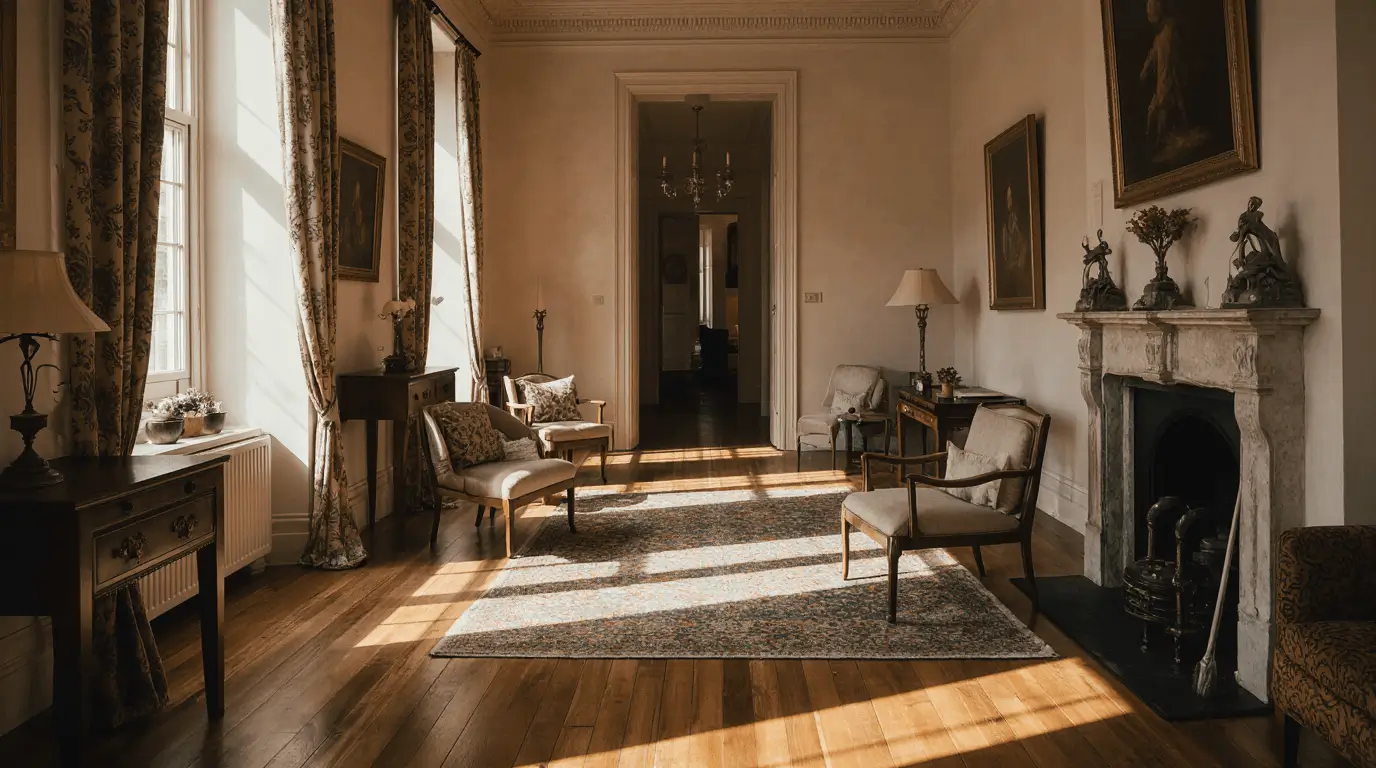
Edwardian House Interior Lighting Design
Natural light is central, supported by simple yet elegant fixtures like chandeliers or pendant lights. Large windows and sheer curtains enhance brightness.
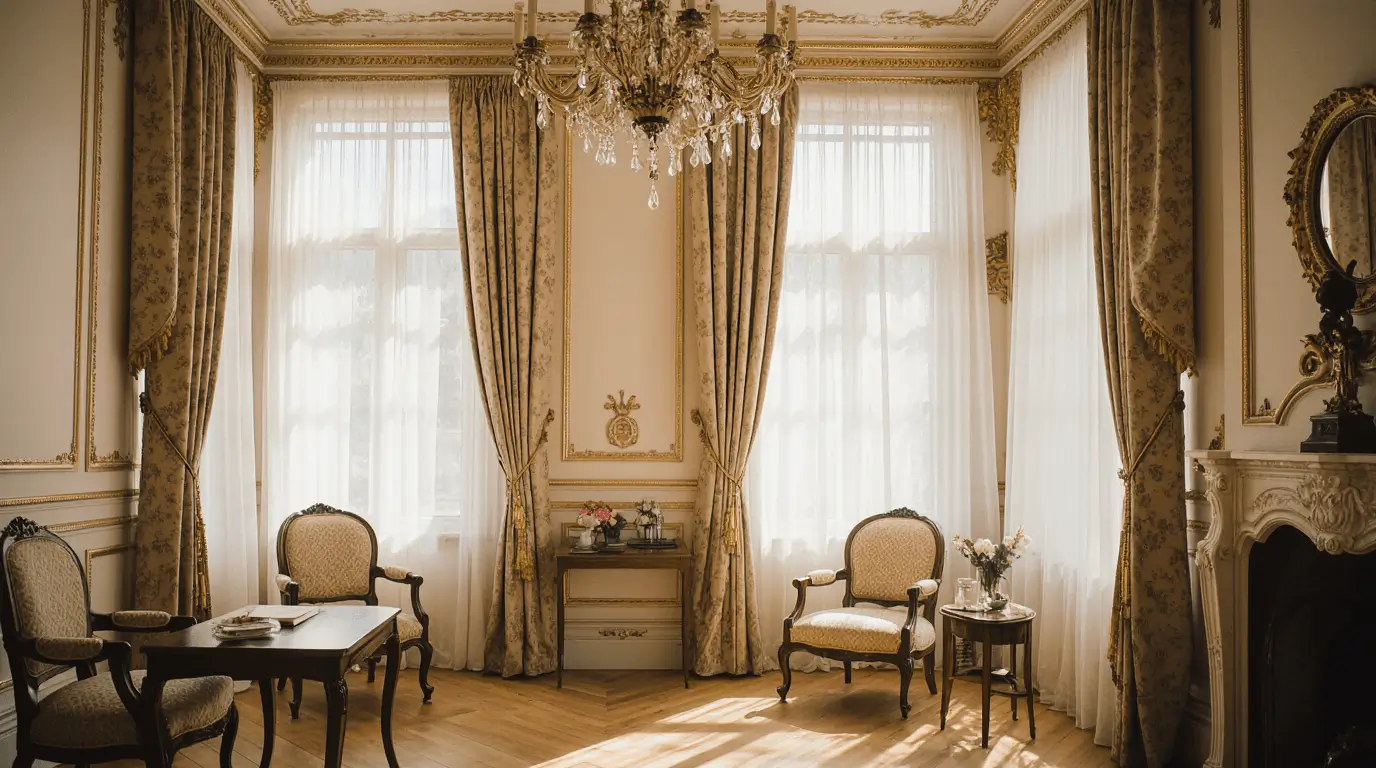
Edwardian House Interior Fireplace Styling
Fireplaces remain a focal point but are simpler in design, often with tiled surrounds or understated mantels. They add character without overwhelming the room.
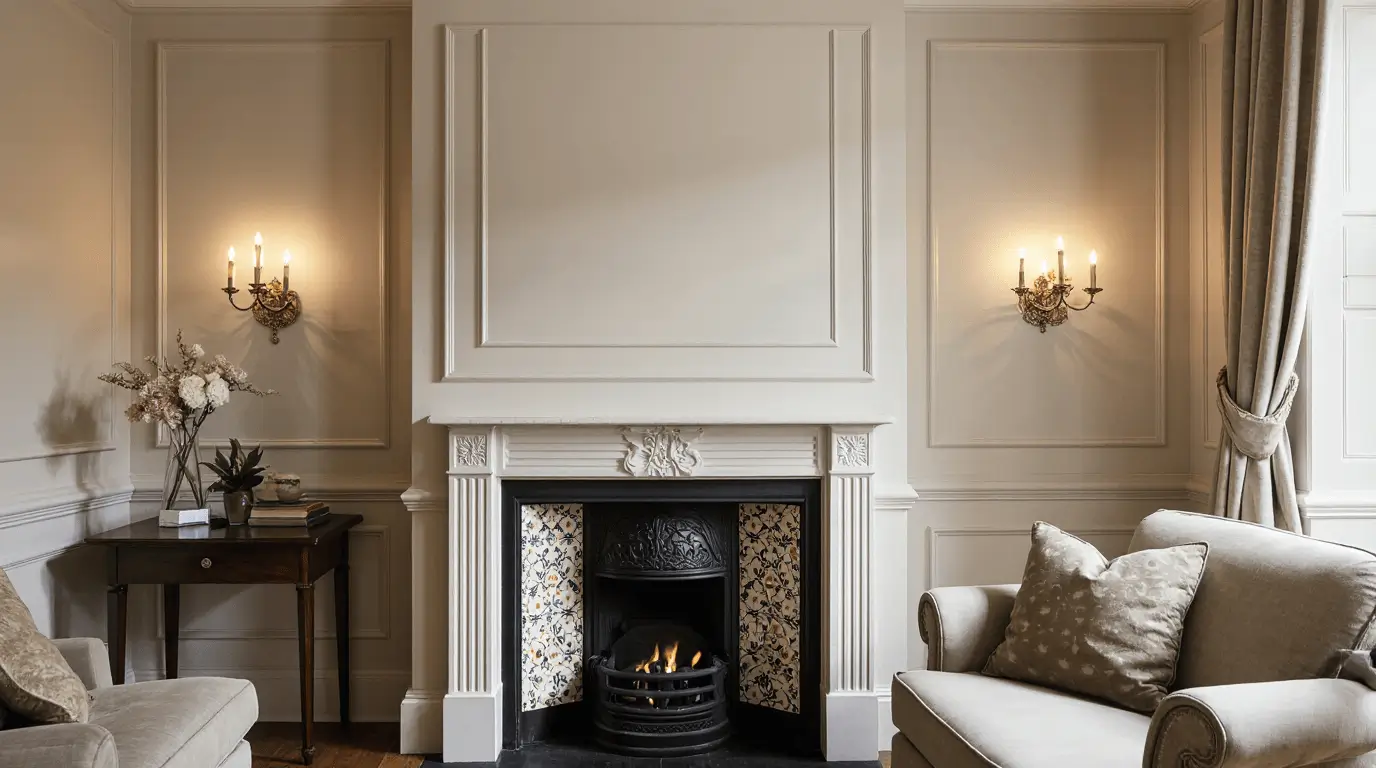
Edwardian House Interior Furniture Selection
Furniture is lighter and more refined compared to earlier periods. Pieces are functional, often with subtle curves and elegant craftsmanship.
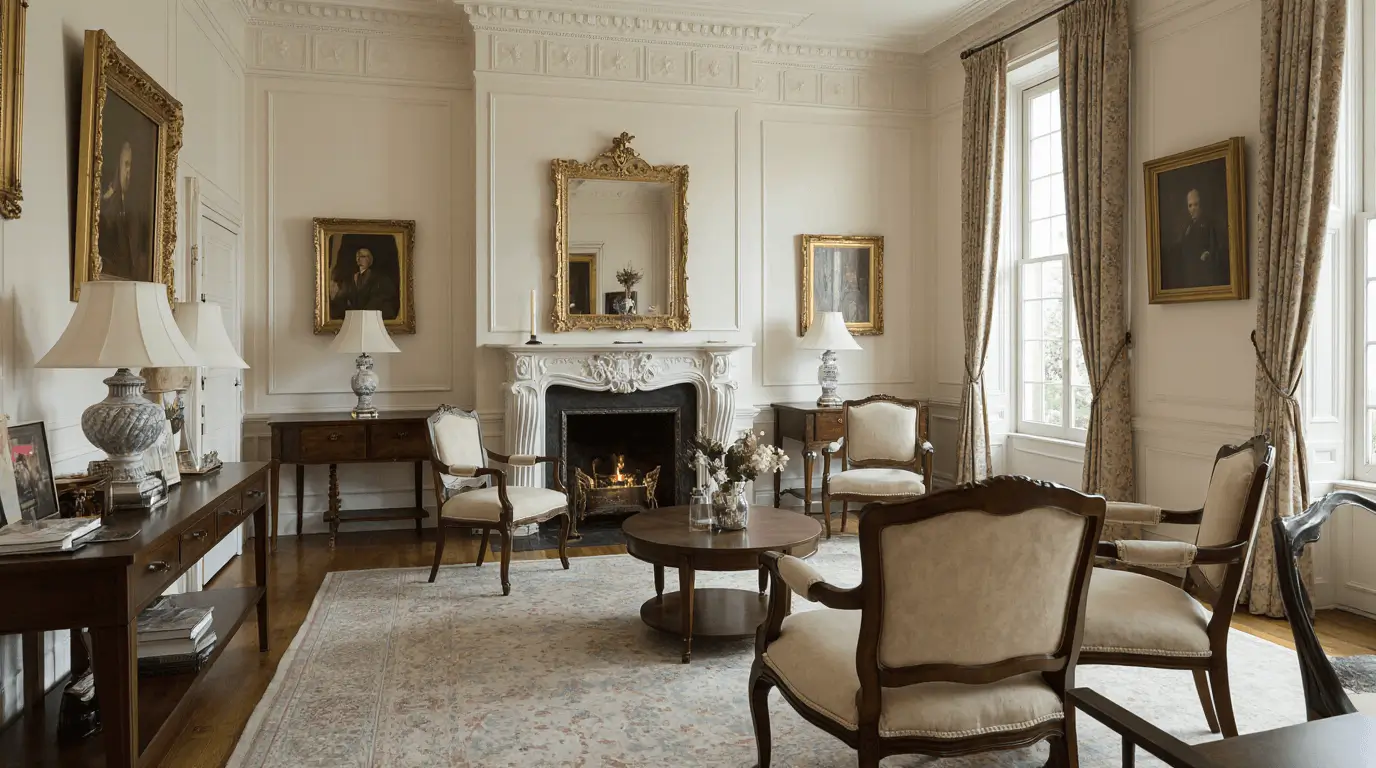
Edwardian House Interior Decorative Details
Decor is restrained—think simple moldings, ceiling roses, and occasional patterned wallpaper. The goal is subtle sophistication rather than excess.
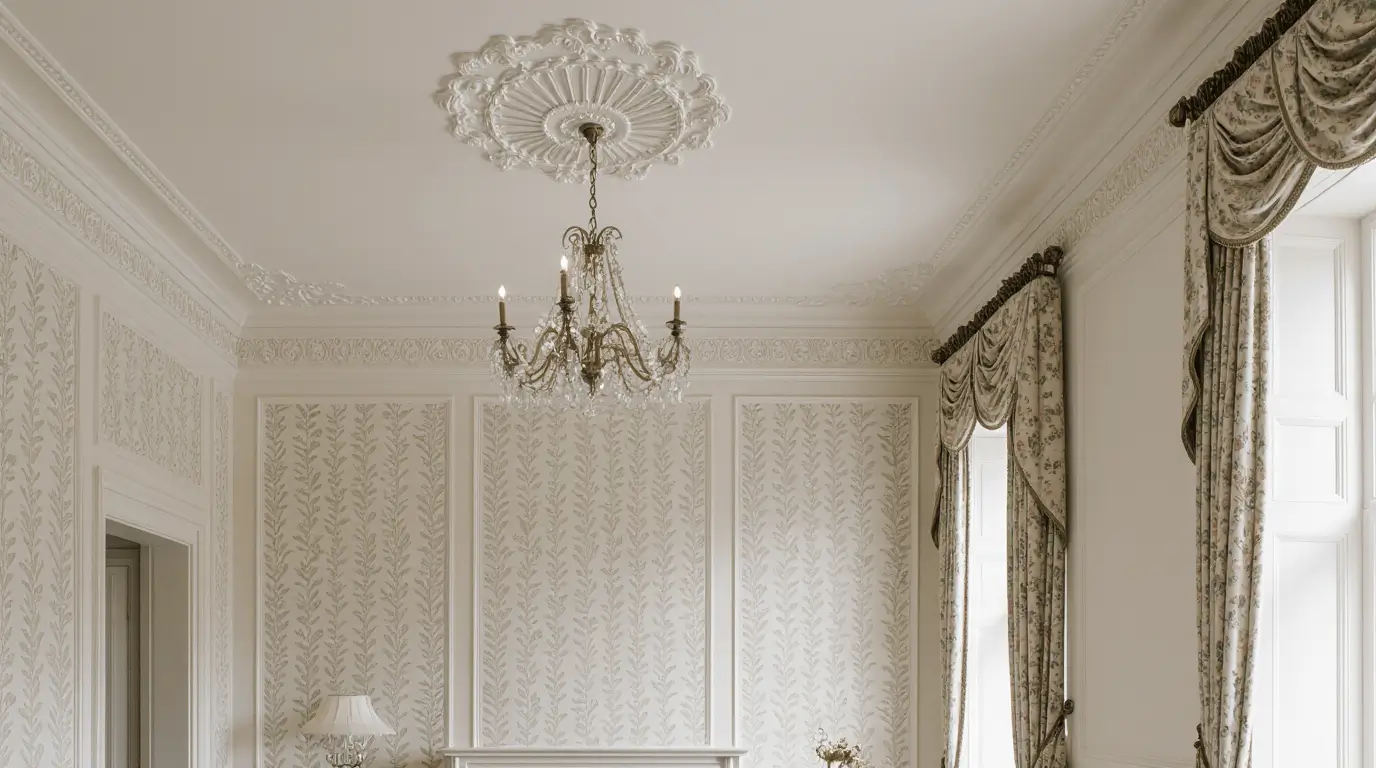
Edwardian House Interior Windows and Curtains
Large sash windows are key, often dressed with light, flowing curtains that allow maximum daylight while maintaining privacy.
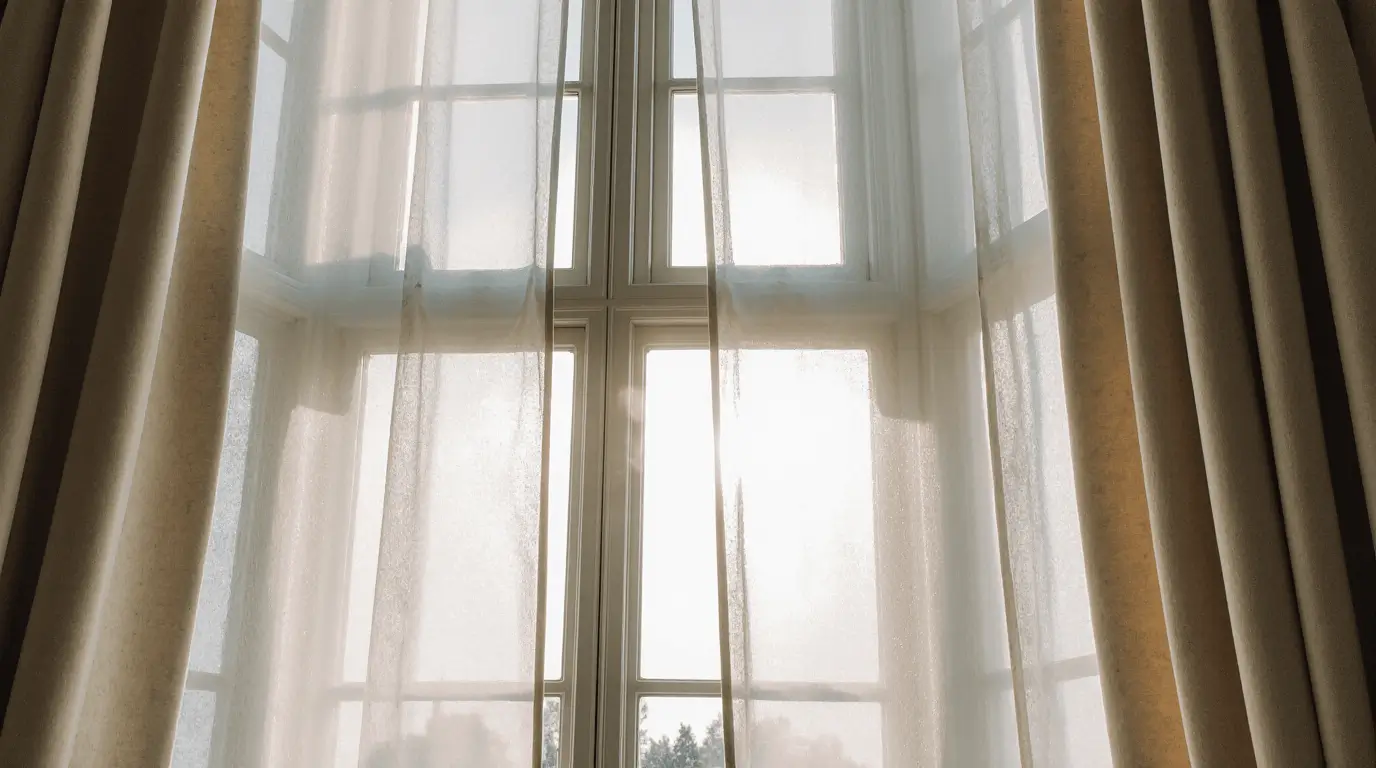
Edwardian Cottage Interior Style
Edwardian cottages lean toward cozy charm while maintaining lightness. Natural materials and soft textures create warmth without heaviness.
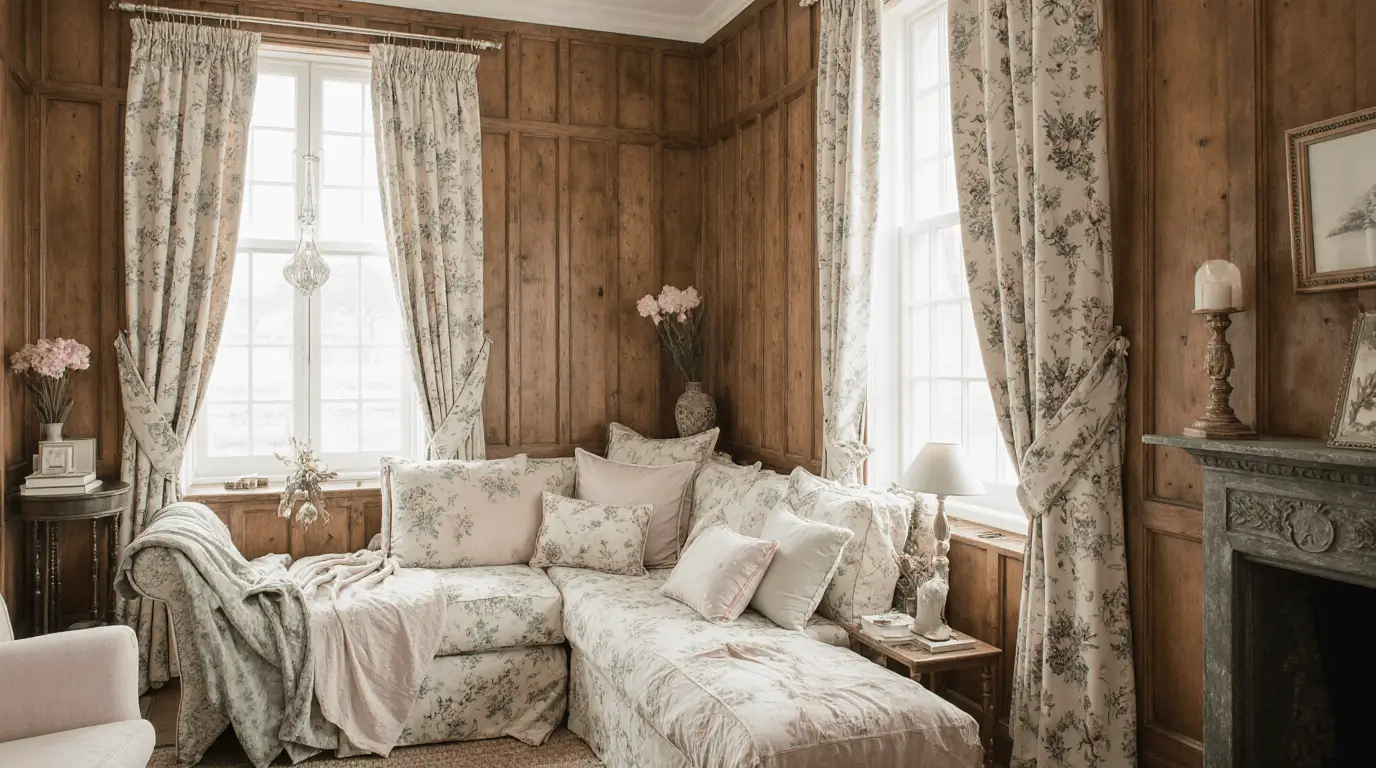
Edwardian House Interior Wall Treatments
Walls are typically painted in light tones or feature subtle wallpaper designs. Paneling may also be used in hallways or dining areas.
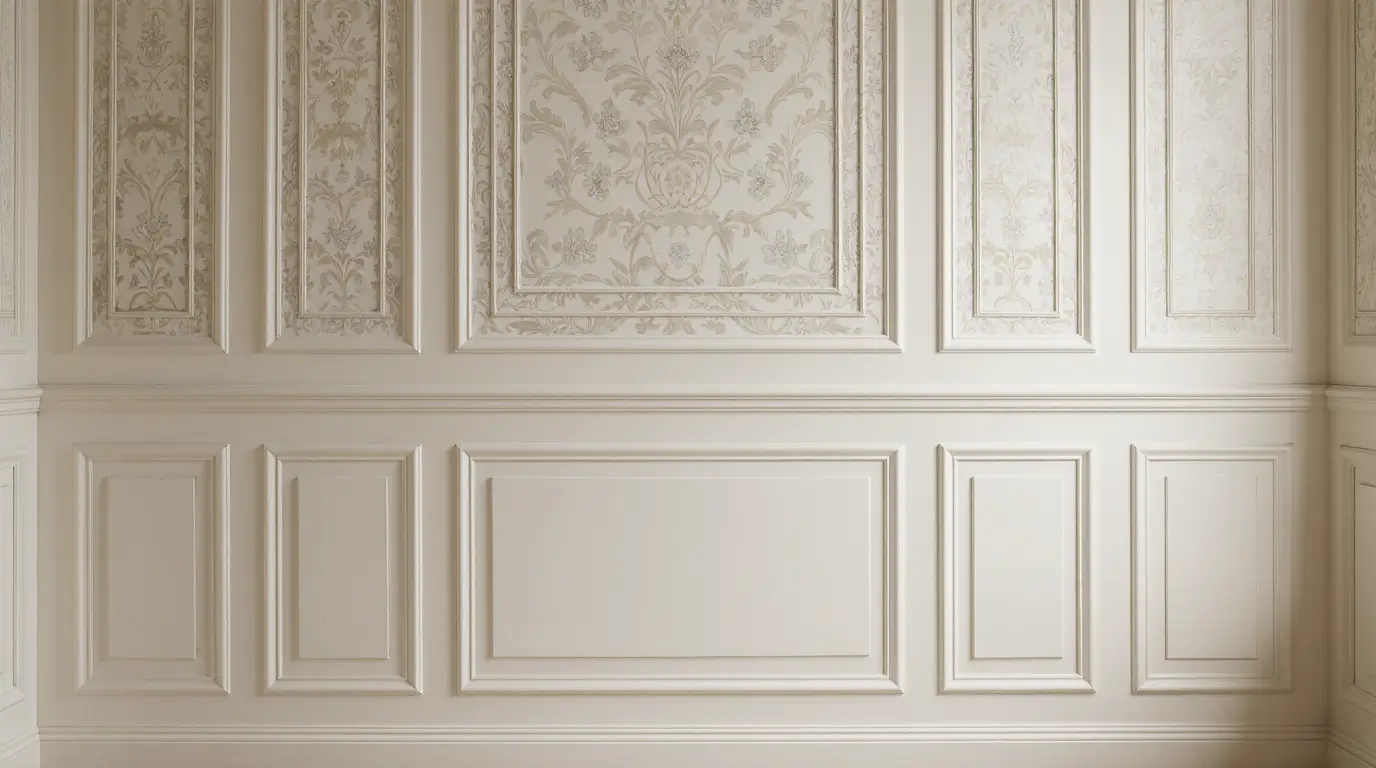
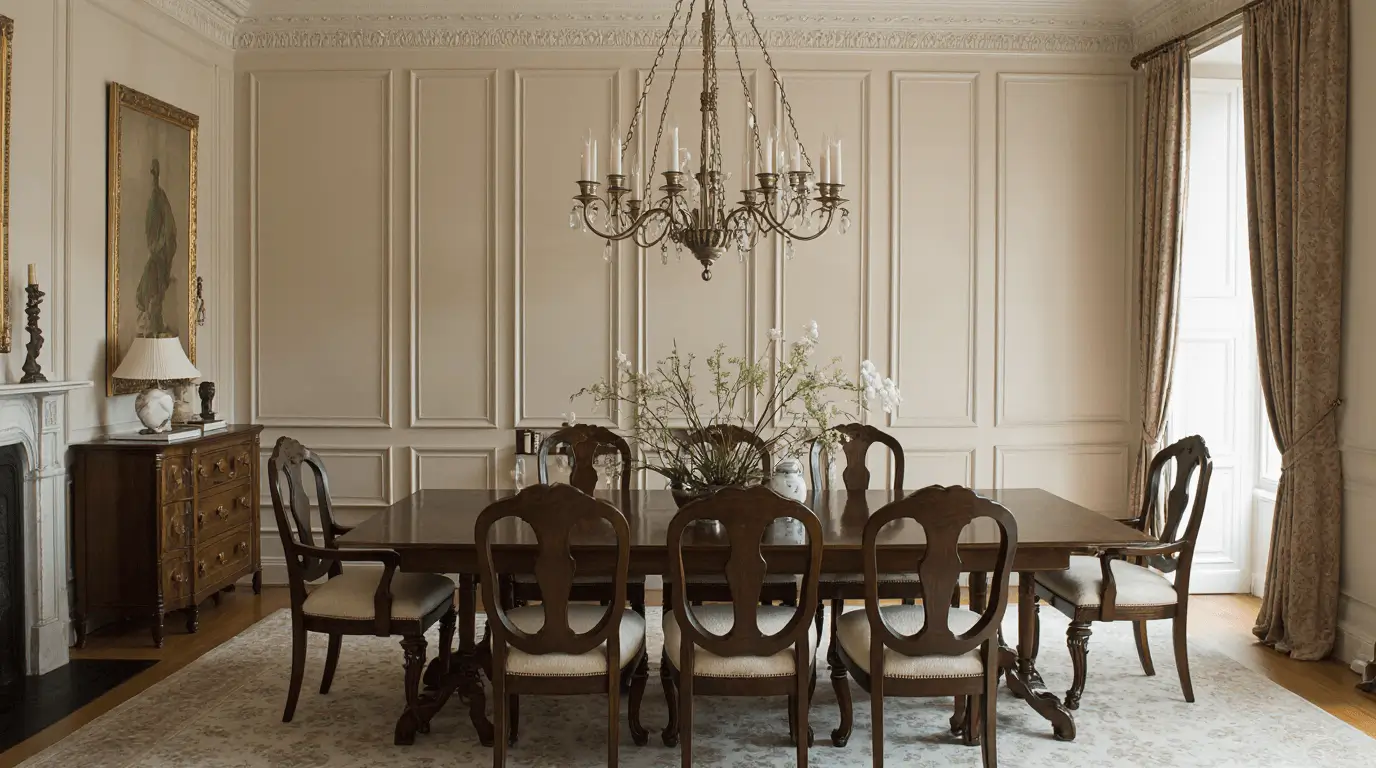
Edwardian House Interior Dining Spaces
Dining rooms are elegant but not overly formal. A central table, simple lighting, and balanced décor create a welcoming atmosphere.
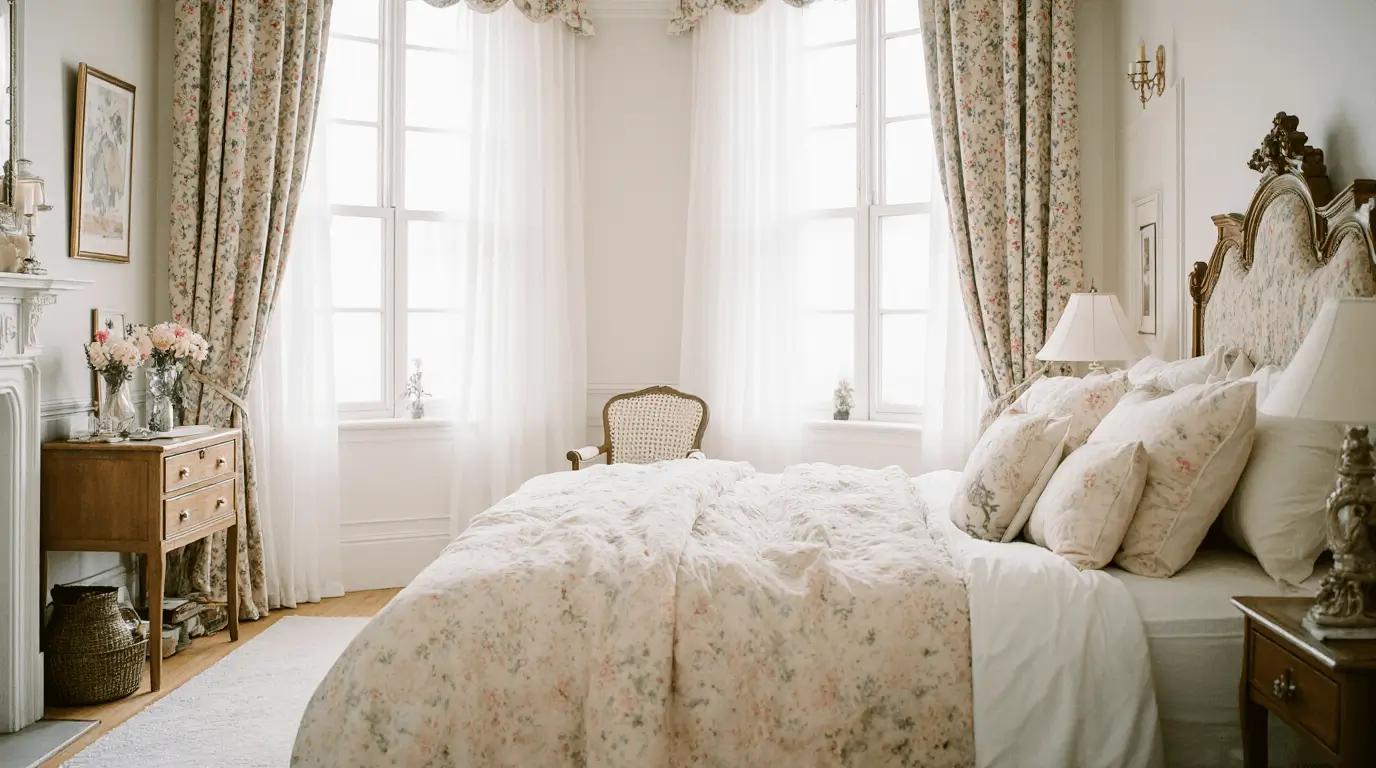
Edwardian House Interior Bedrooms
Bedrooms emphasize comfort and tranquility with soft fabrics, light colors, and uncluttered layouts.
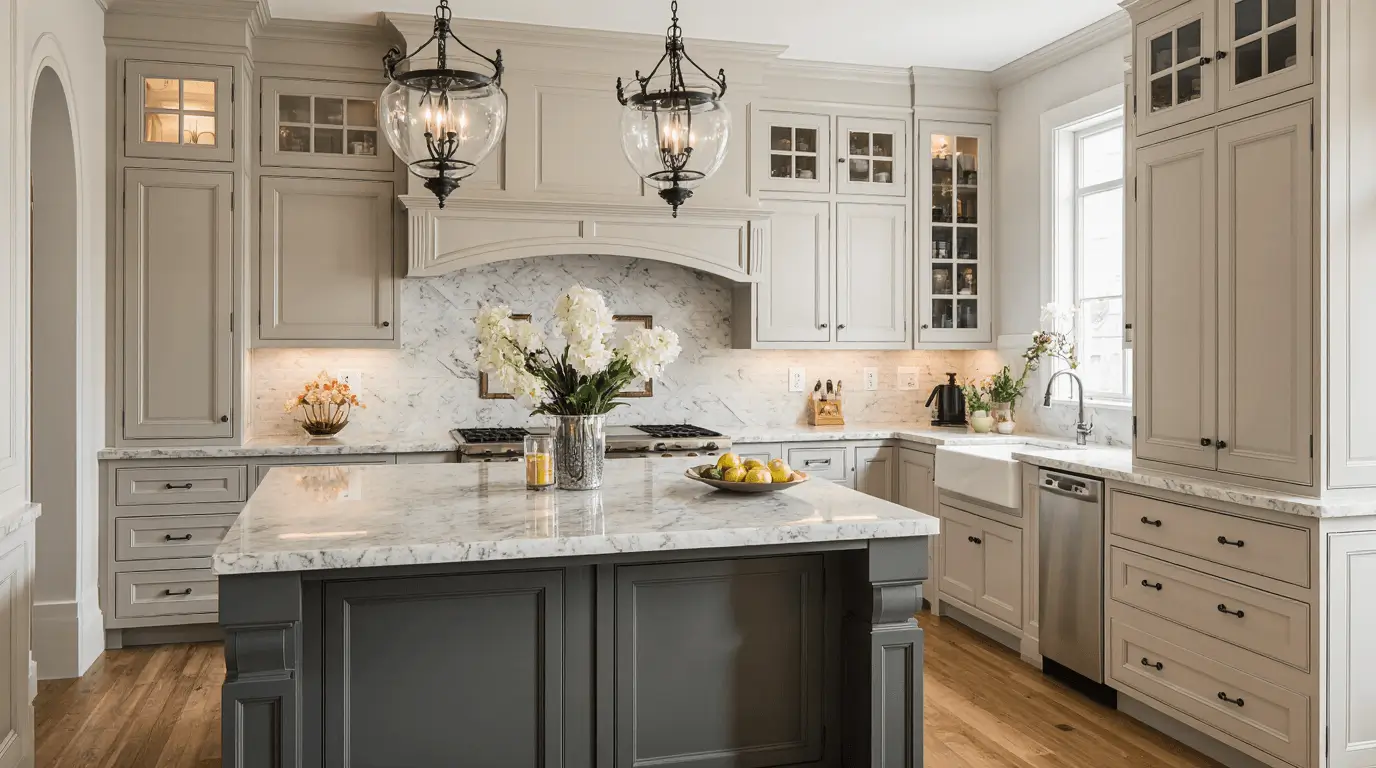
Edwardian House Interior Kitchen Design
Kitchens in Edwardian homes were functional and often separate from living spaces. Modern adaptations blend classic cabinetry with updated appliances.
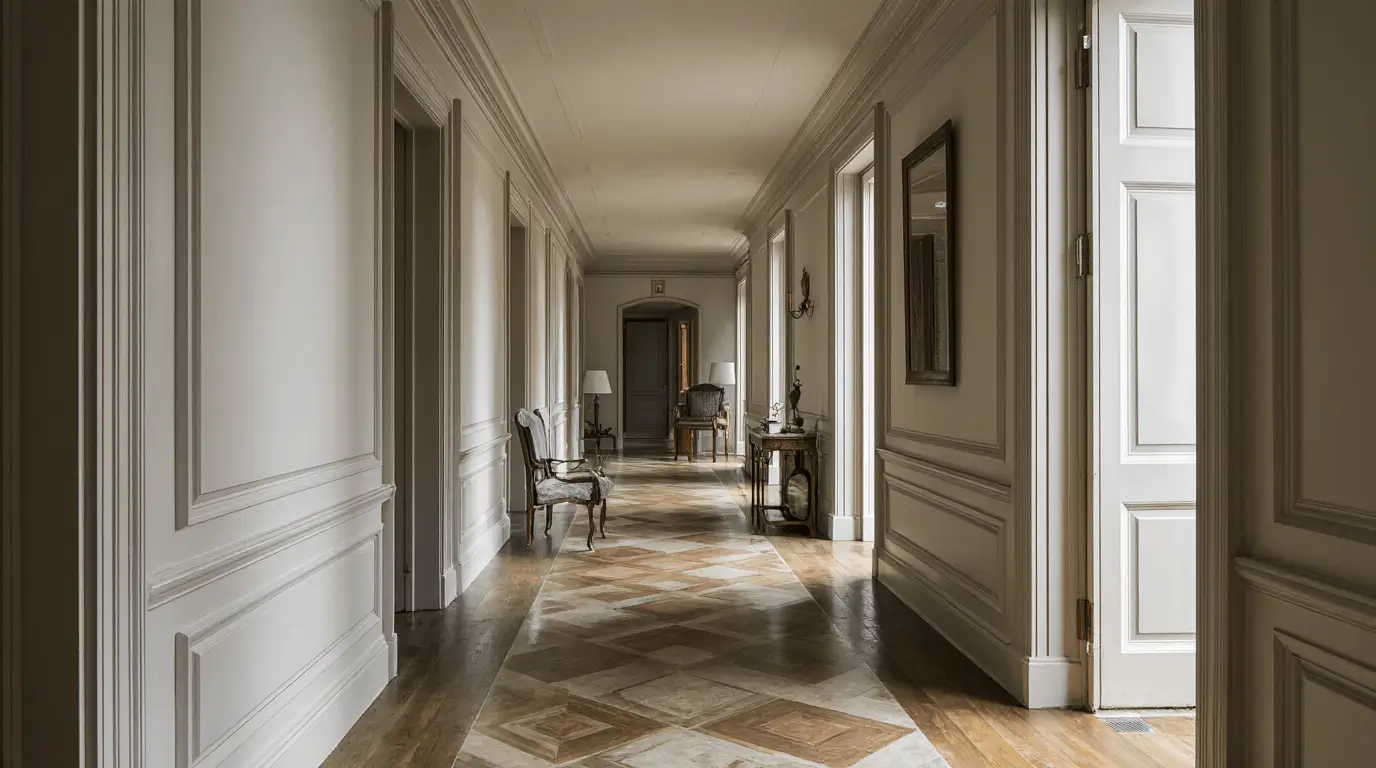
Edwardian House Interior Hallway Design
Hallways are wider and more welcoming, often featuring decorative tiles or wooden flooring and subtle wall detailing.
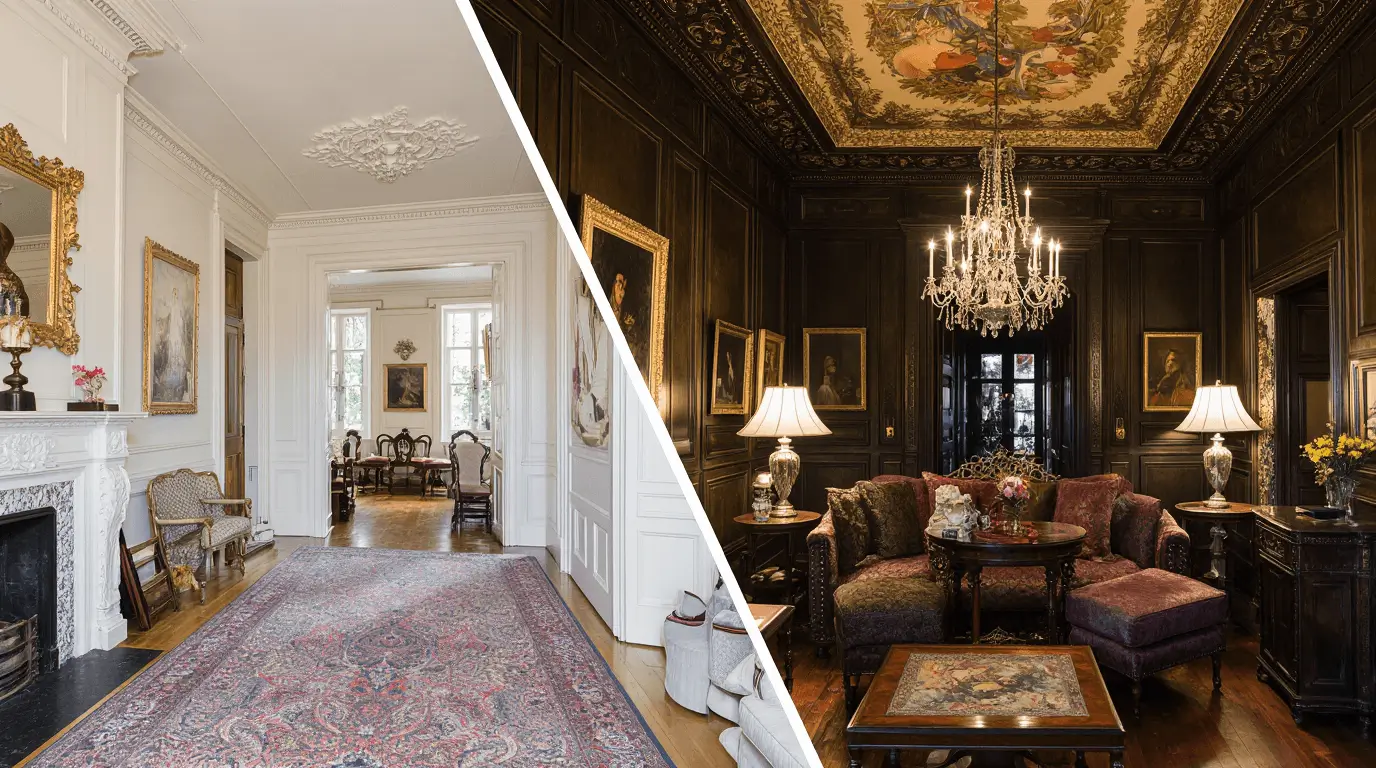
Edwardian House Interior vs Victorian Interiors
Edwardian interiors are lighter, simpler, and more practical compared to the darker, more ornate Victorian style. This shift reflects changing lifestyles and design philosophies.
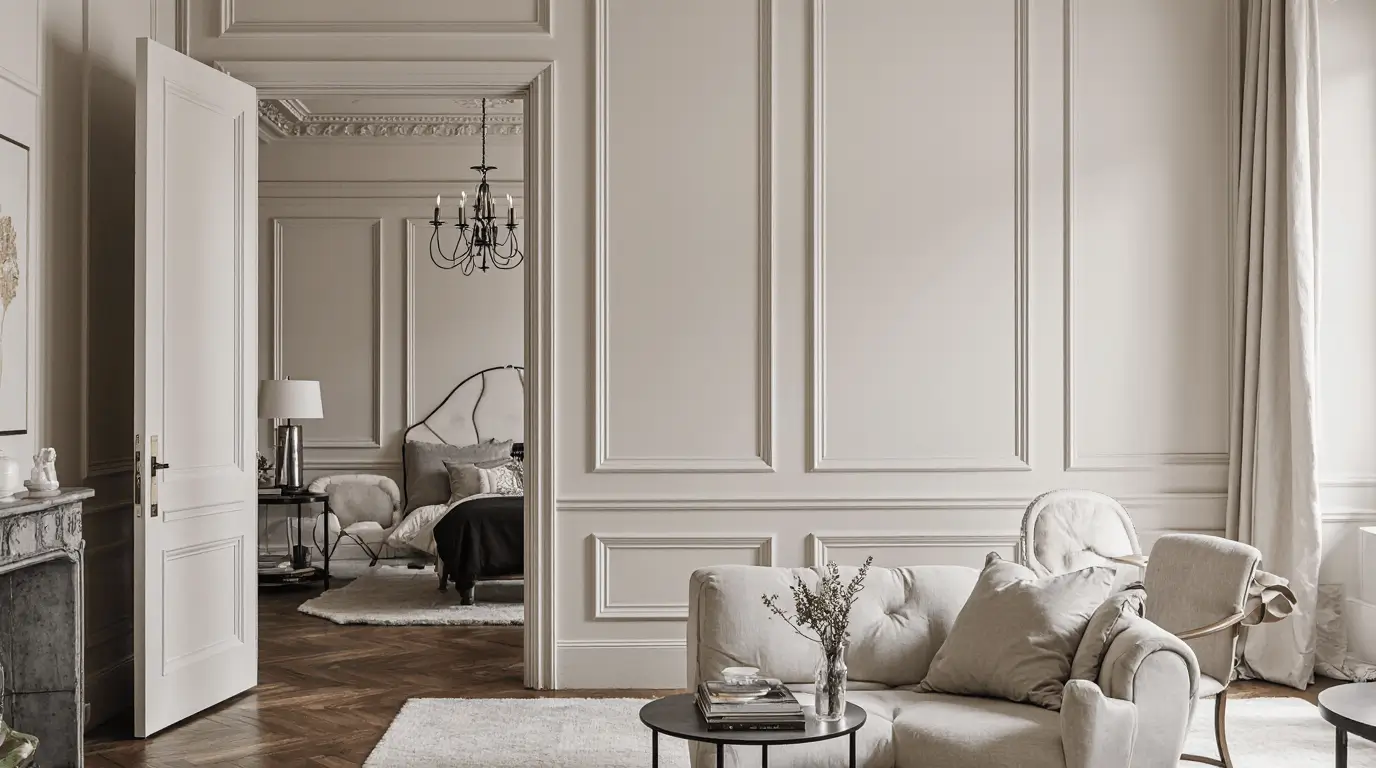
Edwardian House Interior Styling Tips for Today
To recreate the look, focus on light colors, natural materials, and uncluttered layouts. Preserve original features where possible and blend them with modern elements thoughtfully.
Conclusion
An edwardian house interior succeeds because it prioritizes what truly makes a home feel good to live in—light, proportion, and thoughtful simplicity. Rather than relying on heavy ornamentation, it creates impact through balance: generous windows, soft color palettes, and carefully chosen materials that work together without competing for attention. This is why Edwardian interiors continue to feel relevant today—they’re inherently adaptable, comfortable, and quietly elegant.
In practice, the approach works best for anyone who wants a home that feels open yet grounded. Whether you’re restoring original features or designing from scratch, the key is to respect the principles behind the style rather than copying it rigidly. Keep spaces uncluttered, let natural light lead your design decisions, and choose pieces that serve both function and beauty. When you do that, the result isn’t just a period-inspired interior—it’s a home that feels calm, refined, and genuinely livable every day.
Learn more : Caravan Interior Ideas That Instantly Elevate Small Spaces
FAQs
- What makes an Edwardian house interior different from other period styles?
Edwardian interiors are noticeably lighter and more spacious. Unlike earlier styles that favored darker colors and heavy decoration, Edwardian homes focus on natural light, softer tones, and simpler detailing, which creates a more relaxed and practical living environment. - Can I create an Edwardian look in a modern home?
Yes, and it often works beautifully. Focus on the core principles—light colors, uncluttered layouts, and natural materials. Adding subtle period details like moldings, fireplaces, or classic lighting can help bring in the character without making the space feel dated. - What colors work best in an Edwardian-style interior?
Soft, natural tones are key. Shades like cream, pale green, light blue, and warm neutrals enhance brightness and create a calm atmosphere. These colors also reflect light well, which is essential to the overall feel of the space. - How should I choose furniture for an Edwardian interior?
Look for pieces that feel elegant but not overly ornate. Furniture should have clean lines, quality craftsmanship, and a sense of proportion. Avoid overcrowding—Edwardian spaces feel best when there’s room to move and breathe. - Are Edwardian interiors suitable for small spaces?
Yes, especially because of their emphasis on light and simplicity. Using lighter colors, minimal décor, and well-placed furniture can make even smaller rooms feel more open and inviting. - What are the most important features to preserve in an original Edwardian home?
Key features include fireplaces, wooden flooring, high ceilings, and original moldings. These elements define the character of the home, and preserving them adds both authenticity and long-term value. - How do I avoid making an Edwardian interior feel too plain?
The style is subtle, not boring. Layer in texture through fabrics, rugs, and natural materials. Use a few well-chosen decorative details—like patterned wallpaper or statement lighting—to add interest while keeping the overall look balanced and refined.