
Introducion
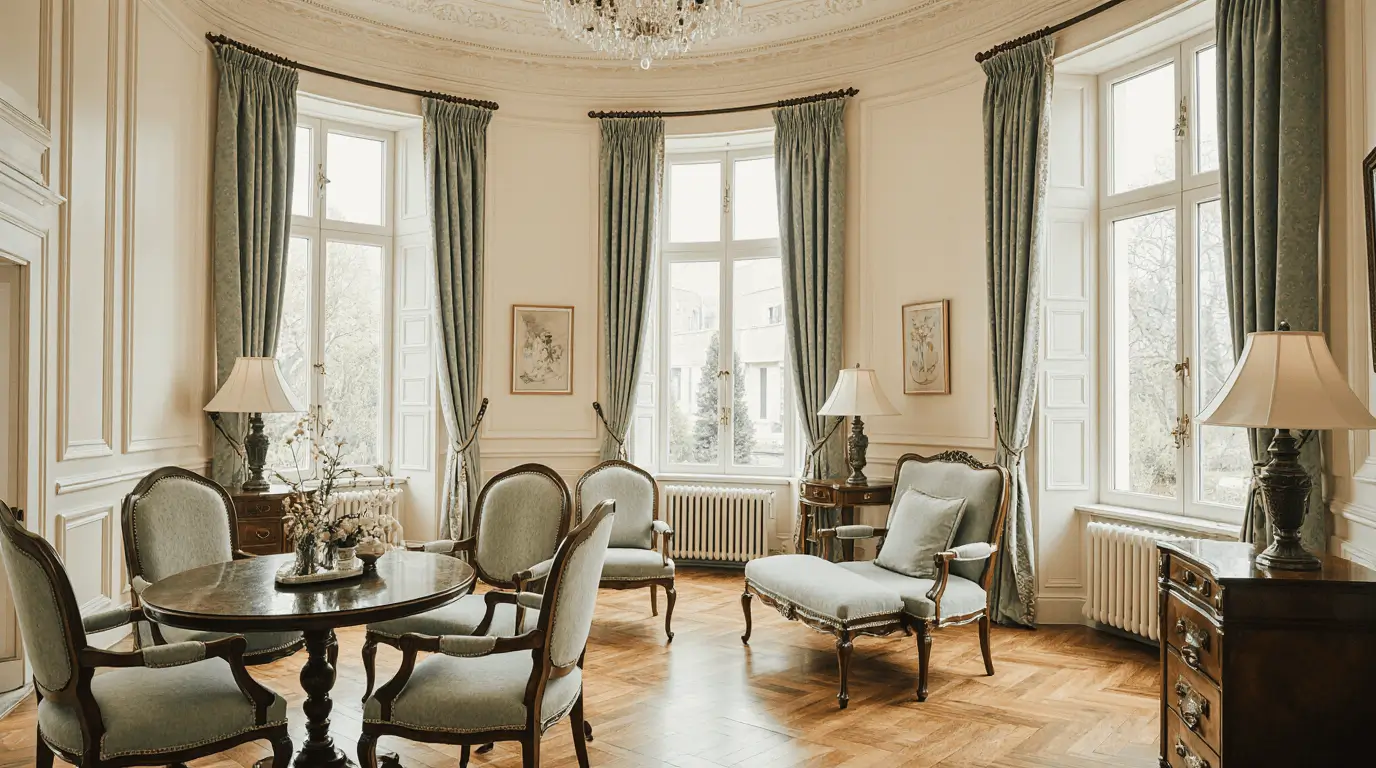
Edwardian interior design emerged during the Edwardian era (1901–1910), a period that marked a cultural and aesthetic shift away from the heaviness of Victorian life. This style reflects optimism, social progress, and a growing desire for comfort, light, and balance within the home. Where Victorian interiors often felt enclosed and ornate, Edwardian homes opened up—both visually and emotionally.
From my experience studying historic British homes and adapting period styles for modern living, Edwardian interiors stand out for their graceful restraint. They favor natural light, softer color palettes, and thoughtful craftsmanship rather than excess. Every room was designed to feel welcoming, practical, and quietly elegant.
Today, edwardian interior design remains highly relevant. Its principles translate beautifully into contemporary homes, offering a timeless approach that blends classical structure with livable warmth.
Edwardian Interior Design Origins and Context
Edwardian interior design is deeply tied to the social changes of early 20th-century England. Industrial advances, improved living standards, and a move toward healthier homes shaped the way interiors were planned and decorated.
Rooms became brighter, layouts more logical, and decoration more refined. This shift created interiors that felt lighter, calmer, and more human-centered—qualities that still resonate today.
Edwardian Interior Design vs Victorian Interiors
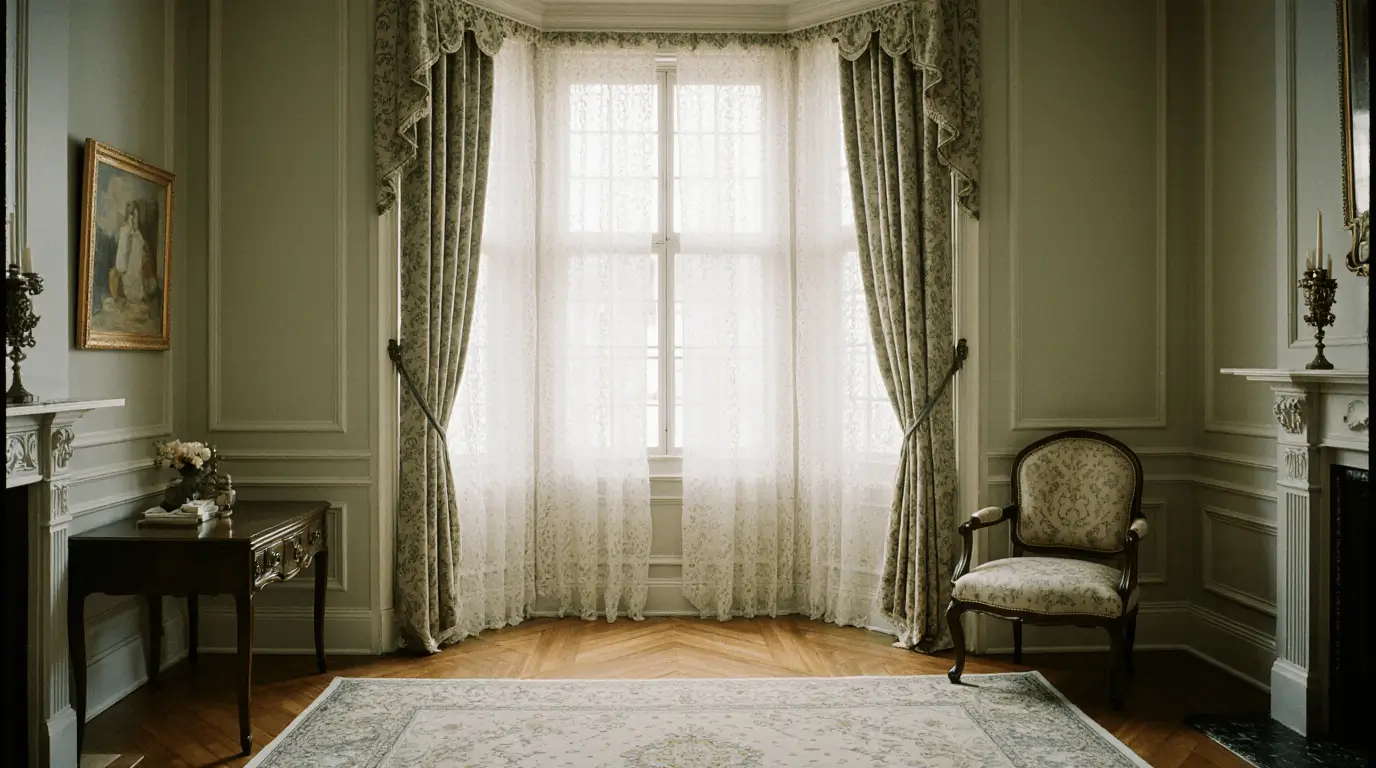
The most noticeable difference between Edwardian and Victorian interiors lies in visual weight. Edwardian rooms embraced openness, while Victorian interiors favored layered decoration and darker tones.
Edwardian interior design simplified ornamentation, reduced clutter, and introduced brighter finishes—making spaces feel more breathable without losing sophistication.
Edwardian Era Color Palette in Interior Design
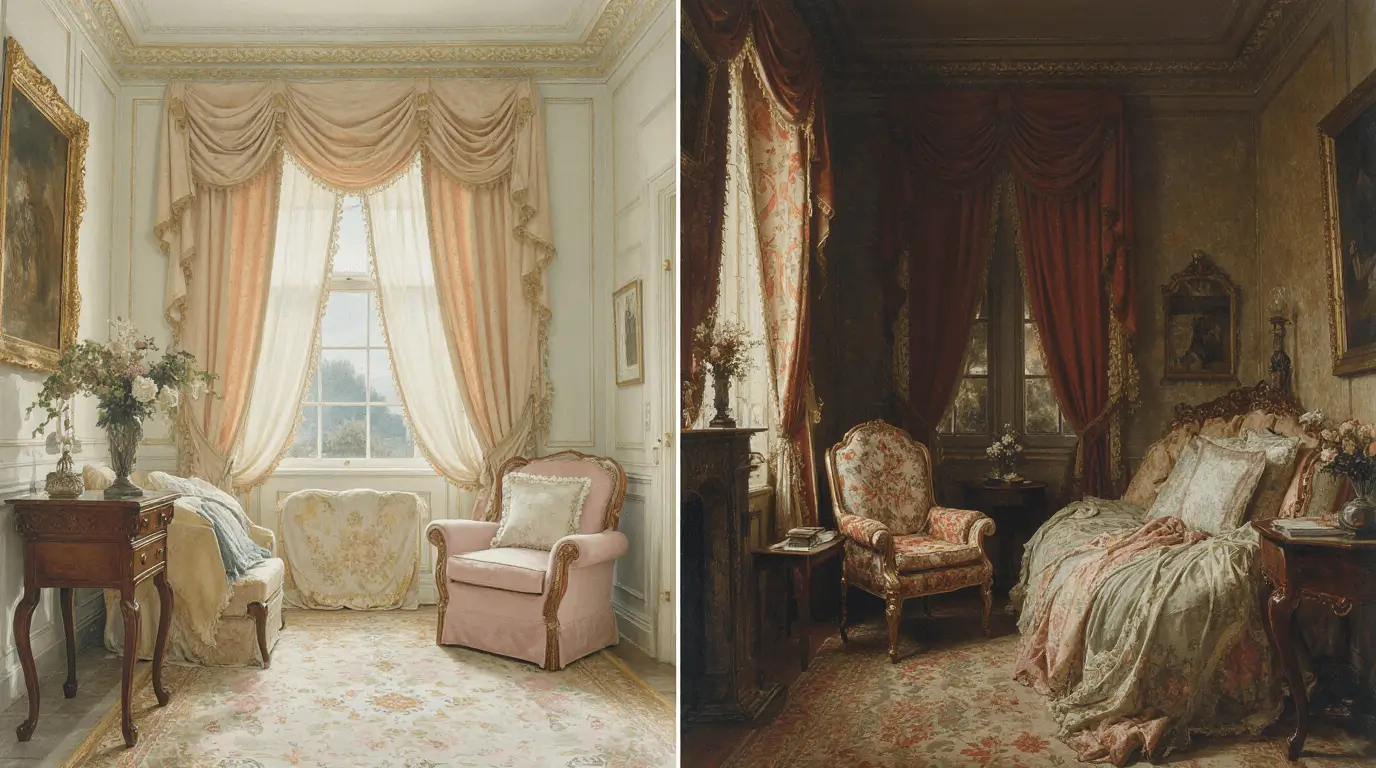
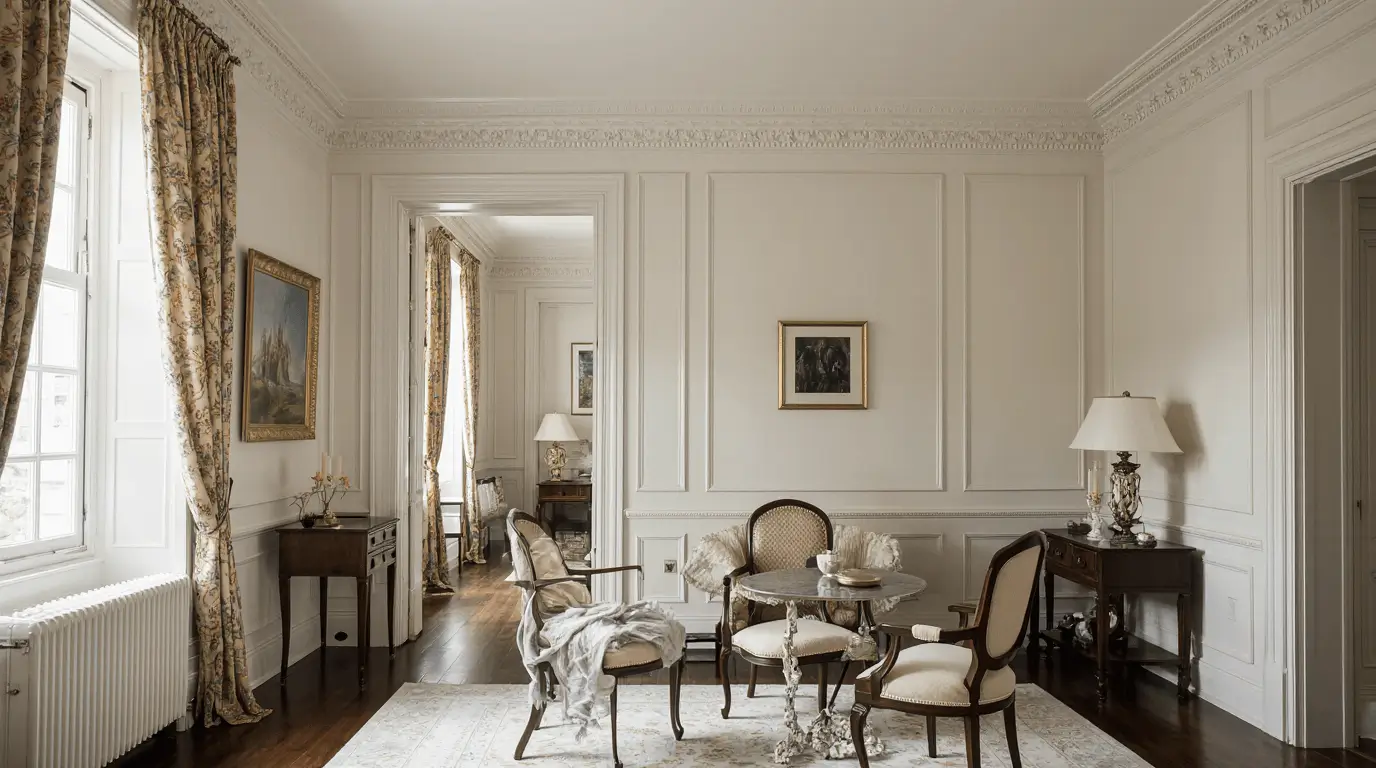
Color played a transformative role in Edwardian homes. Walls were often painted in soft creams, pale greens, light greys, and muted blues, reflecting a desire for freshness and clarity.
These colors worked harmoniously with natural light, making rooms feel expansive and serene rather than enclosed.
Edwardian Interior Design Furniture Style
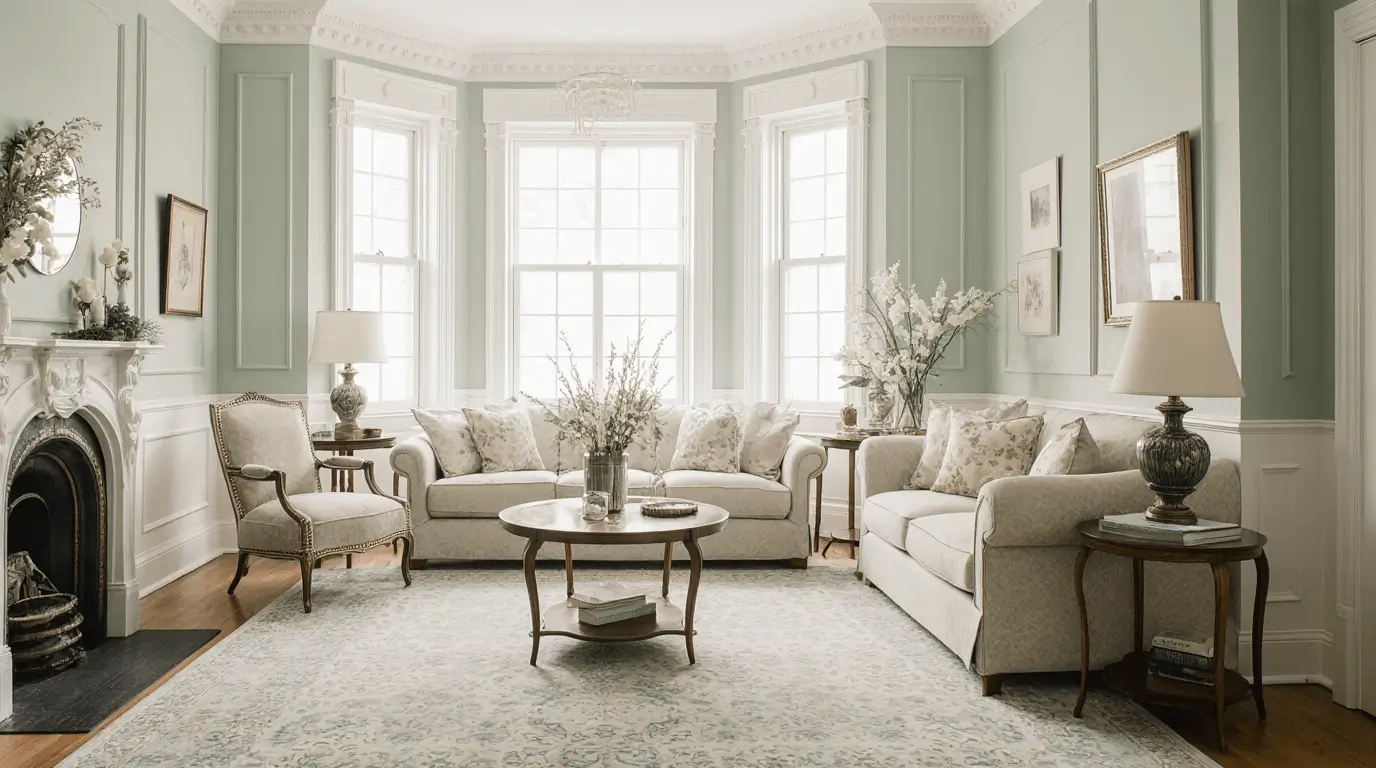
Furniture in Edwardian interiors balanced elegance with comfort. Pieces were lighter in appearance, often raised on slender legs, with gentle curves and subtle detailing.
Mahogany and oak were common, but finishes were smoother and less imposing than earlier Victorian furniture.
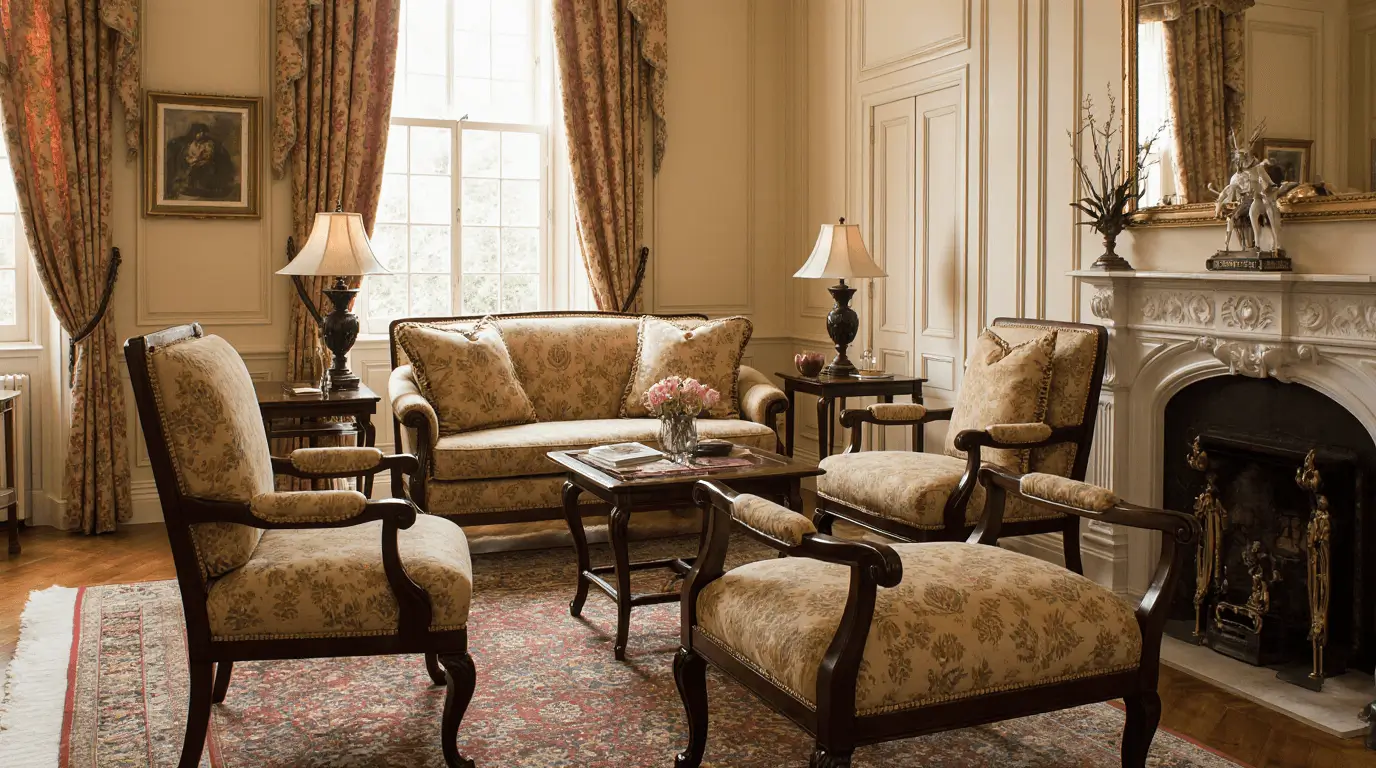
Edwardian Living Room Interior Design
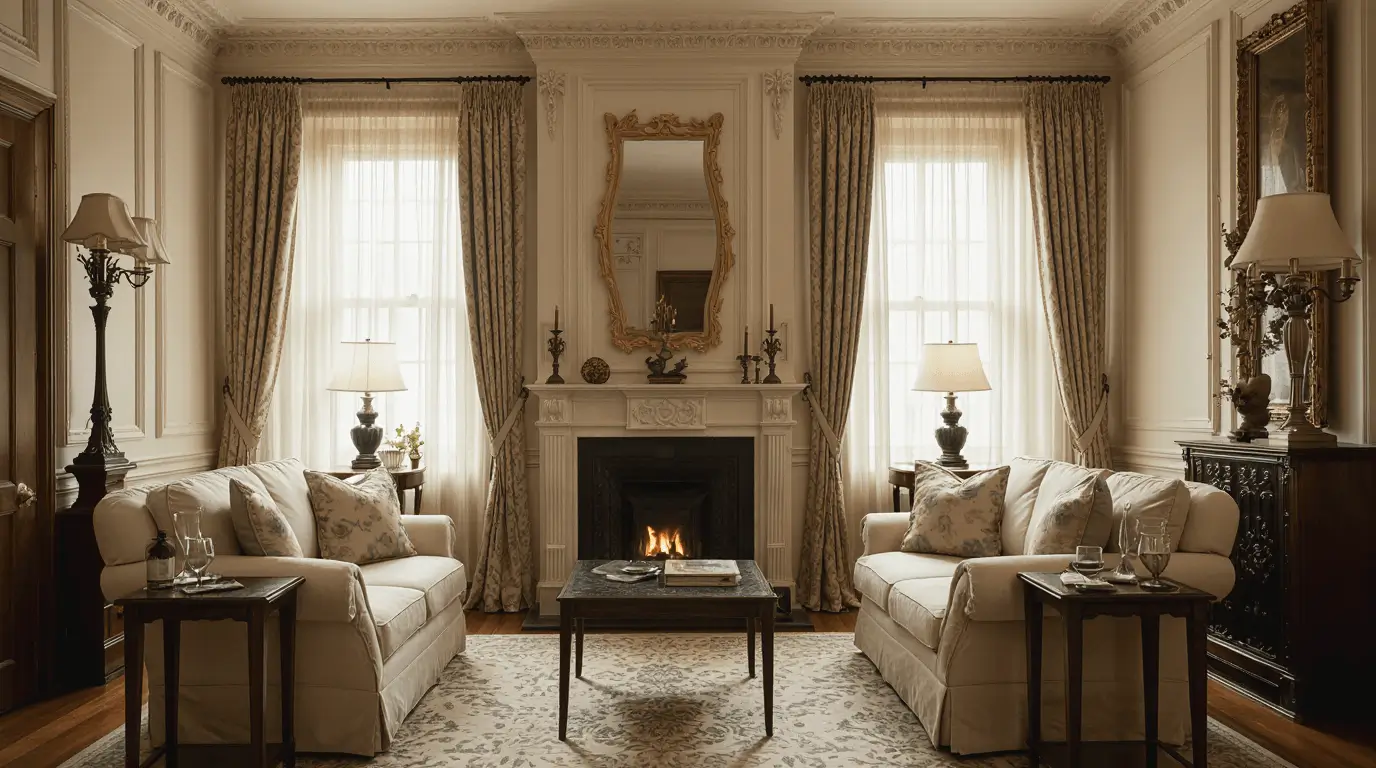
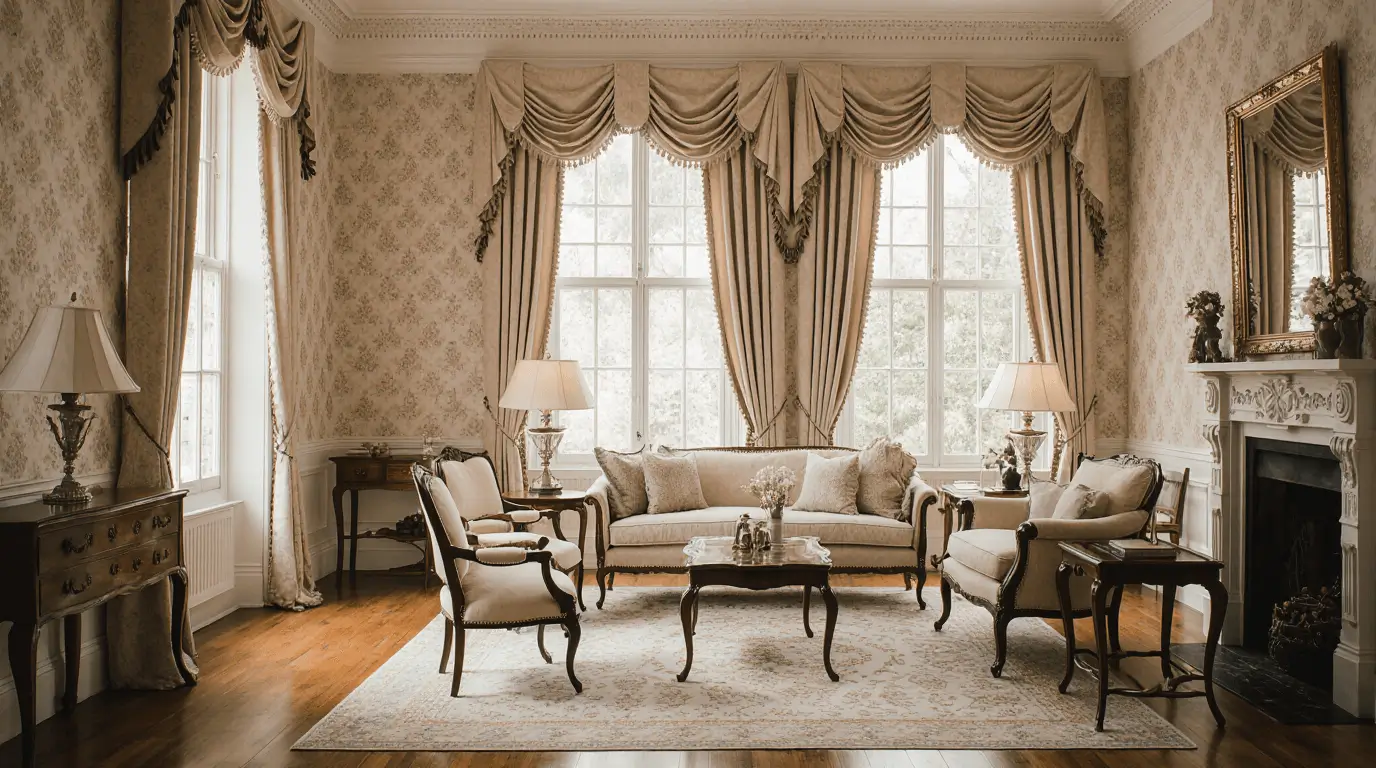
Edwardian living rooms were designed for conversation and social ease. Seating was arranged openly, fireplaces became focal points, and windows were left visually unobstructed.
The atmosphere was formal yet welcoming—an intentional balance that defines edwardian interior design.
Edwardian Dining Room Interior Design
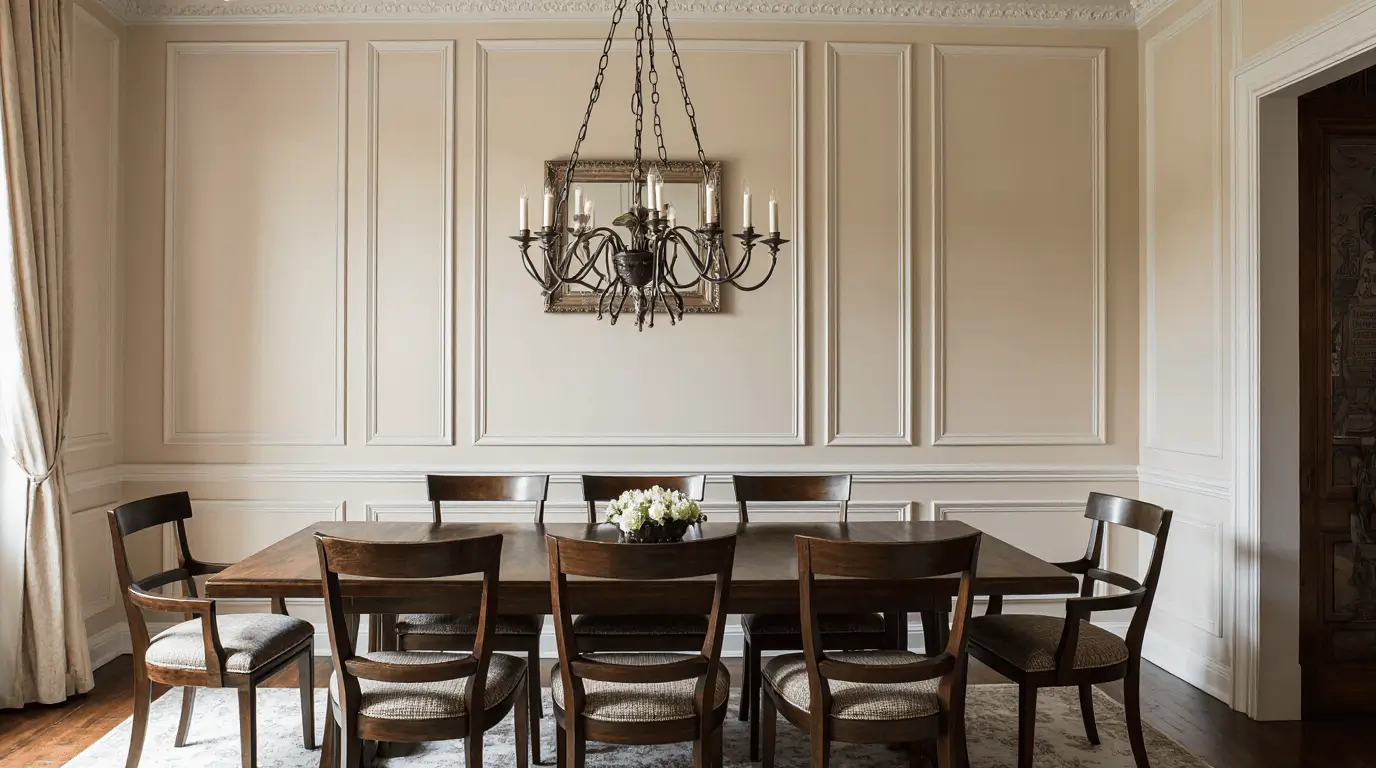
Dining rooms reflected dignity and order. Wood paneling was used sparingly, paired with lighter wall colors and elegant dining furniture.
Table settings and lighting emphasized refinement rather than grandeur.
Edwardian Bedroom Interior Design
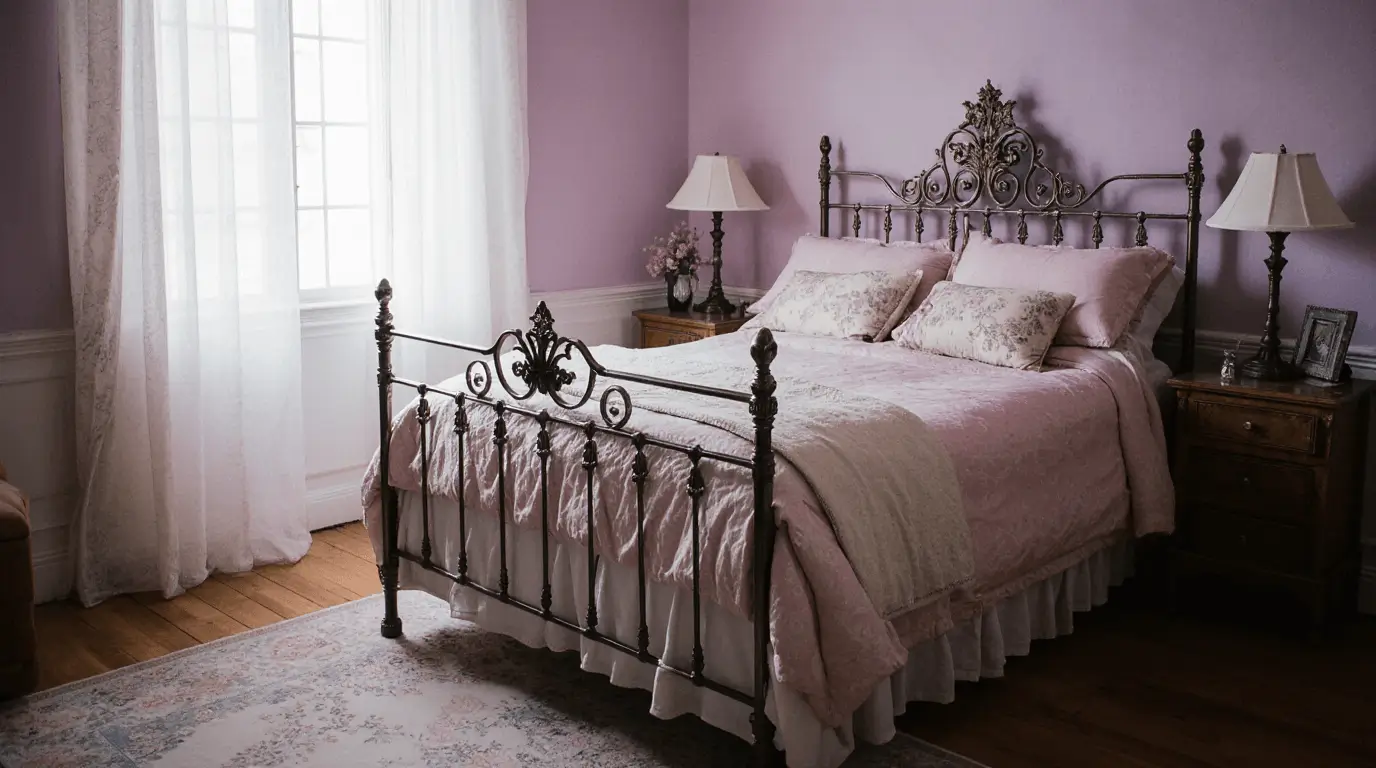
Bedrooms during the Edwardian era prioritized rest and tranquility. Iron or wooden bed frames, soft textiles, and minimal ornamentation created soothing environments.
Curtains were lighter, allowing morning light to gently fill the room.
Edwardian Kitchen Interior Design
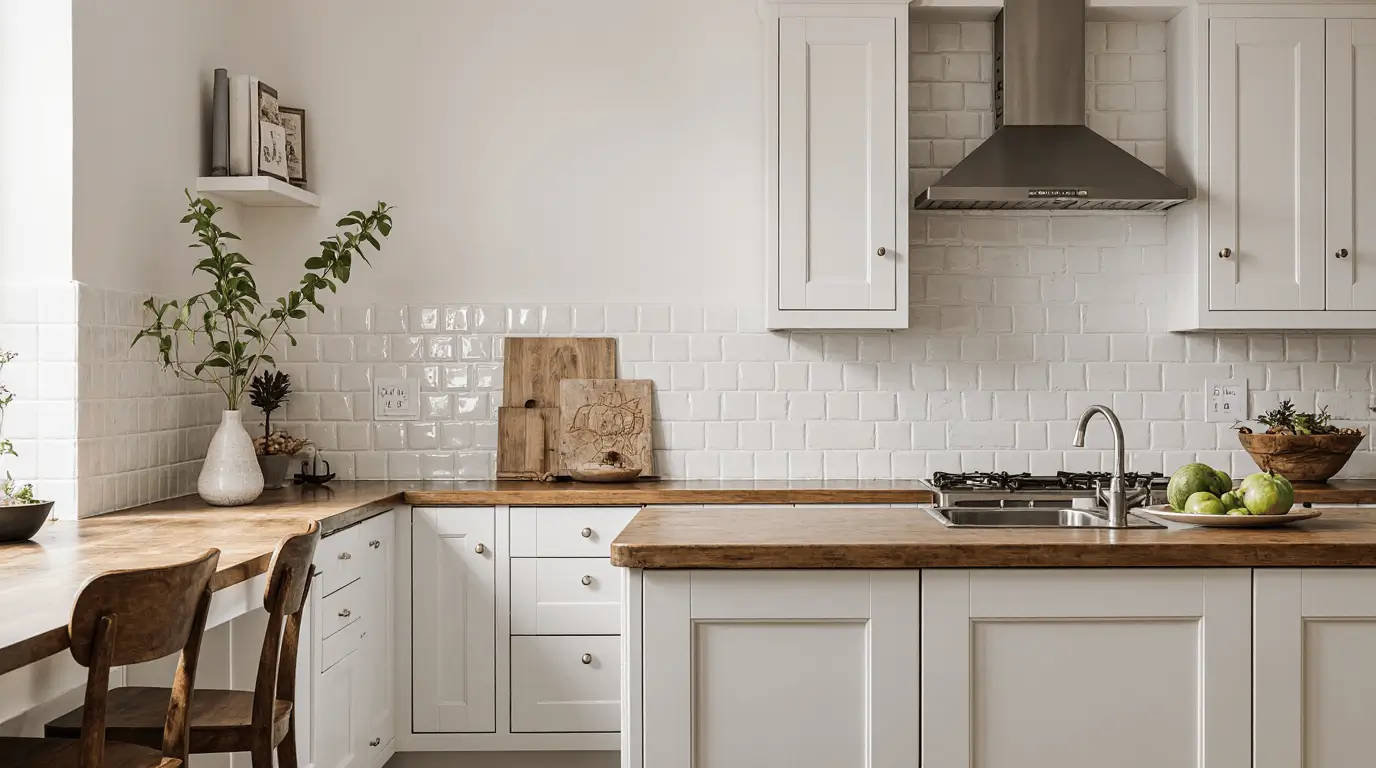
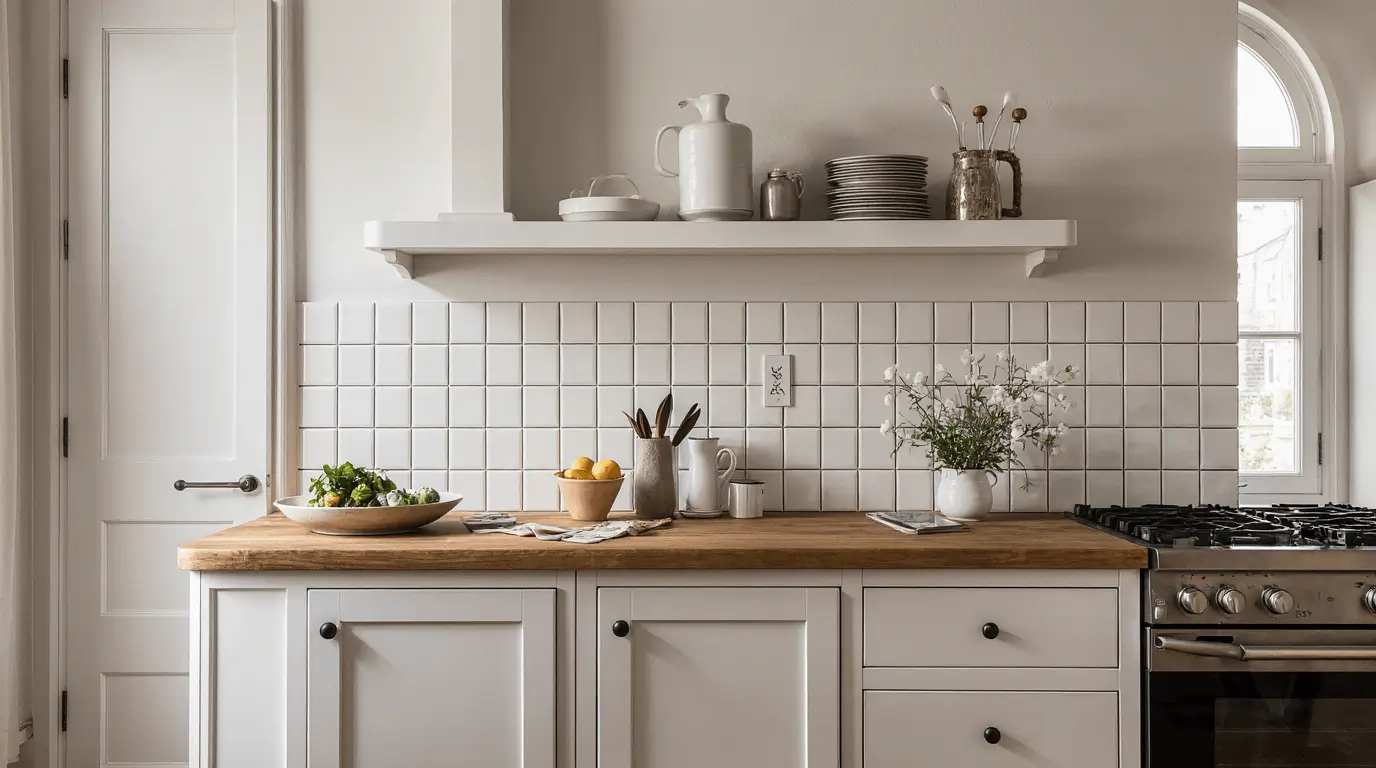
Edwardian kitchens became more practical and hygienic. White tiles, simple cabinetry, and functional layouts replaced decorative excess.
This approach laid the foundation for modern kitchen design principles.
Edwardian Interior Design Lighting Approach
Lighting in Edwardian interiors combined function with elegance. Large windows maximized daylight, while pendant lights and wall sconces provided warm evening illumination.
Lighting fixtures were decorative but never overpowering.
Edwardian Interior Wall Treatments
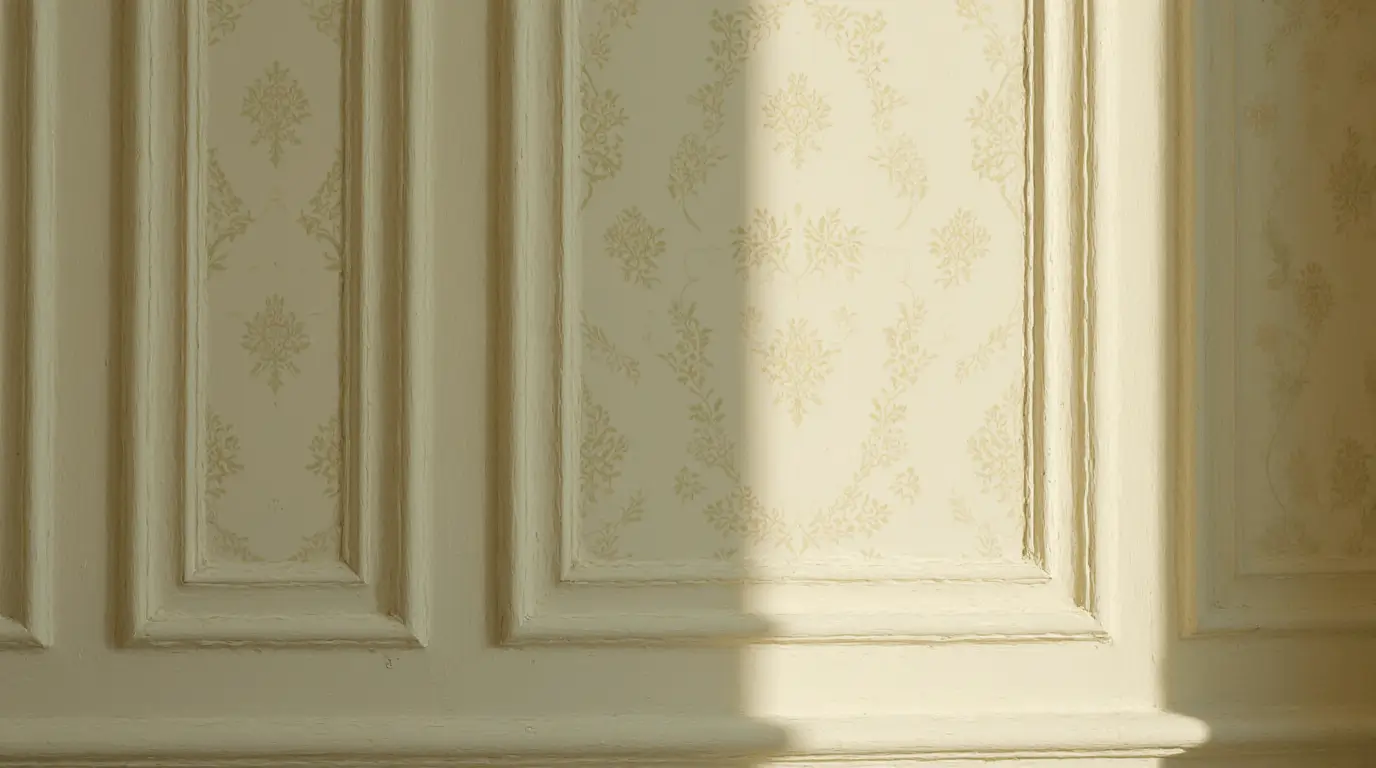
Walls were treated with subtle sophistication. Painted finishes dominated, occasionally paired with delicate wallpapers or simple paneling.
This restraint allowed architectural details to shine without visual clutter.
Edwardian Interior Design Flooring Choices
Hardwood floors, often paired with area rugs, were common in Edwardian homes. Patterns were understated, adding warmth without distraction.
Flooring contributed to the overall sense of openness and continuity.
Edwardian Interior Design Decorative Details
Decorative elements were intentional and curated. Artwork, mirrors, and ceramics were used sparingly, allowing each piece to feel meaningful.
This philosophy remains highly relevant for modern interiors seeking timeless appeal.
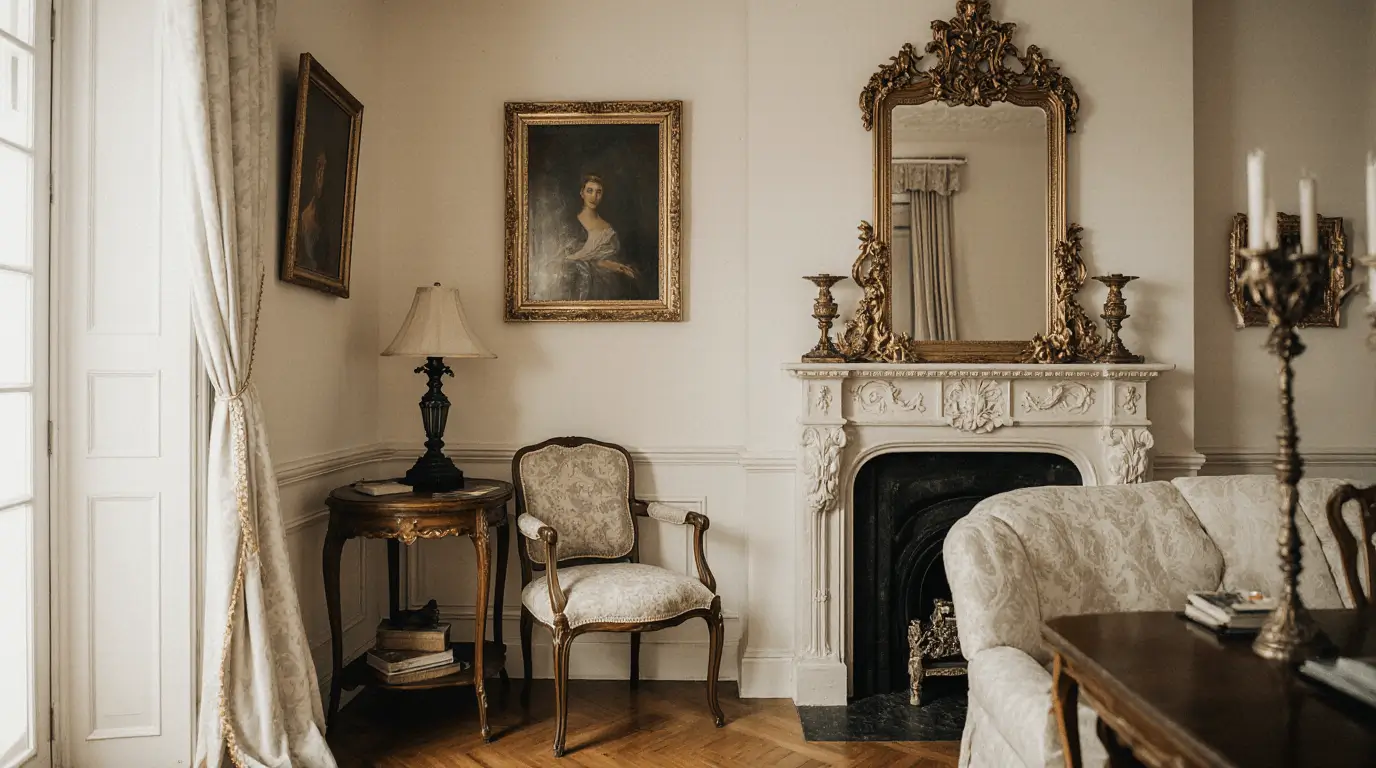
Edwardian House Interior Architecture
Architectural features defined Edwardian houses—high ceilings, wide hallways, bay windows, and decorative cornices.
These elements created homes that felt generous, light-filled, and harmonious.
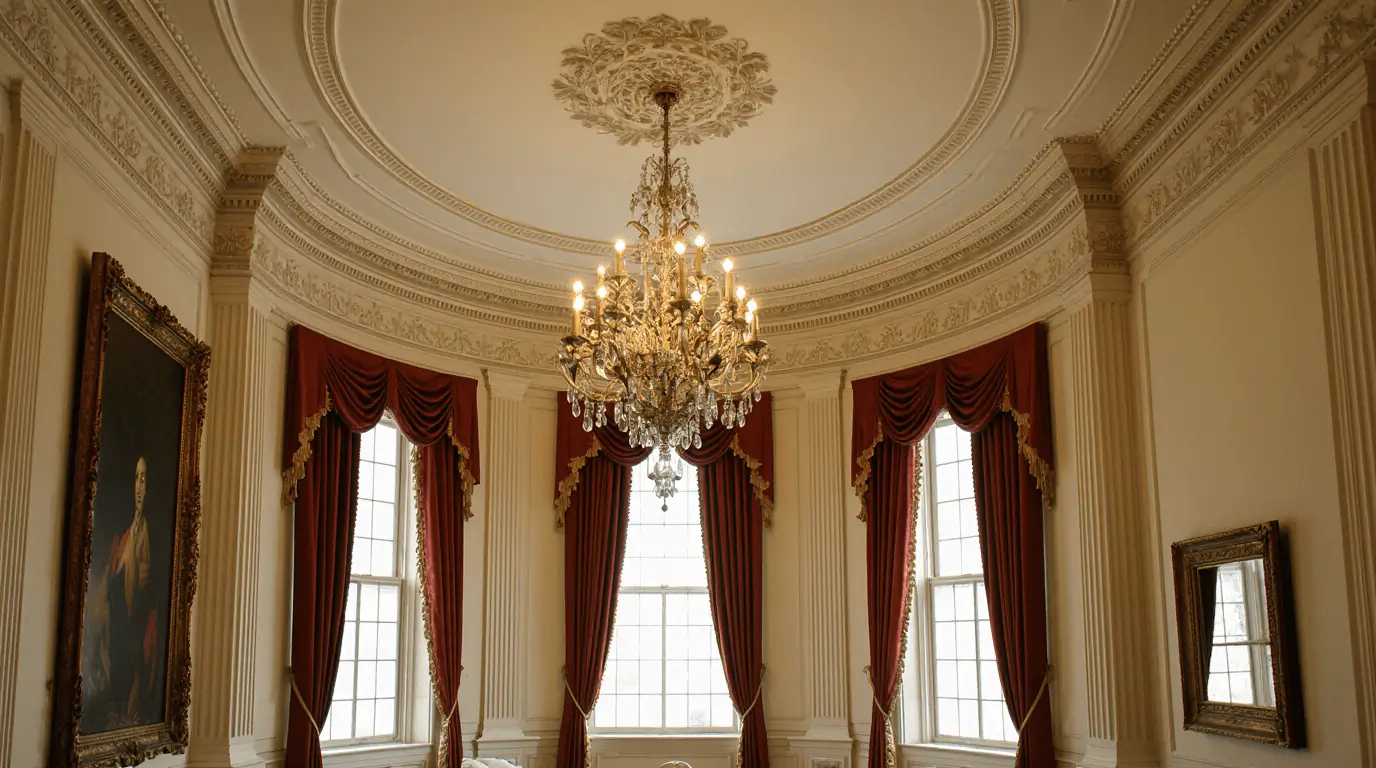
Edwardian Interior Design for Modern Homes
Edwardian principles adapt beautifully to contemporary spaces. By using lighter colors, classic furniture silhouettes, and thoughtful spacing, modern homes can echo Edwardian elegance without feeling dated.
The key is restraint and respect for proportion.
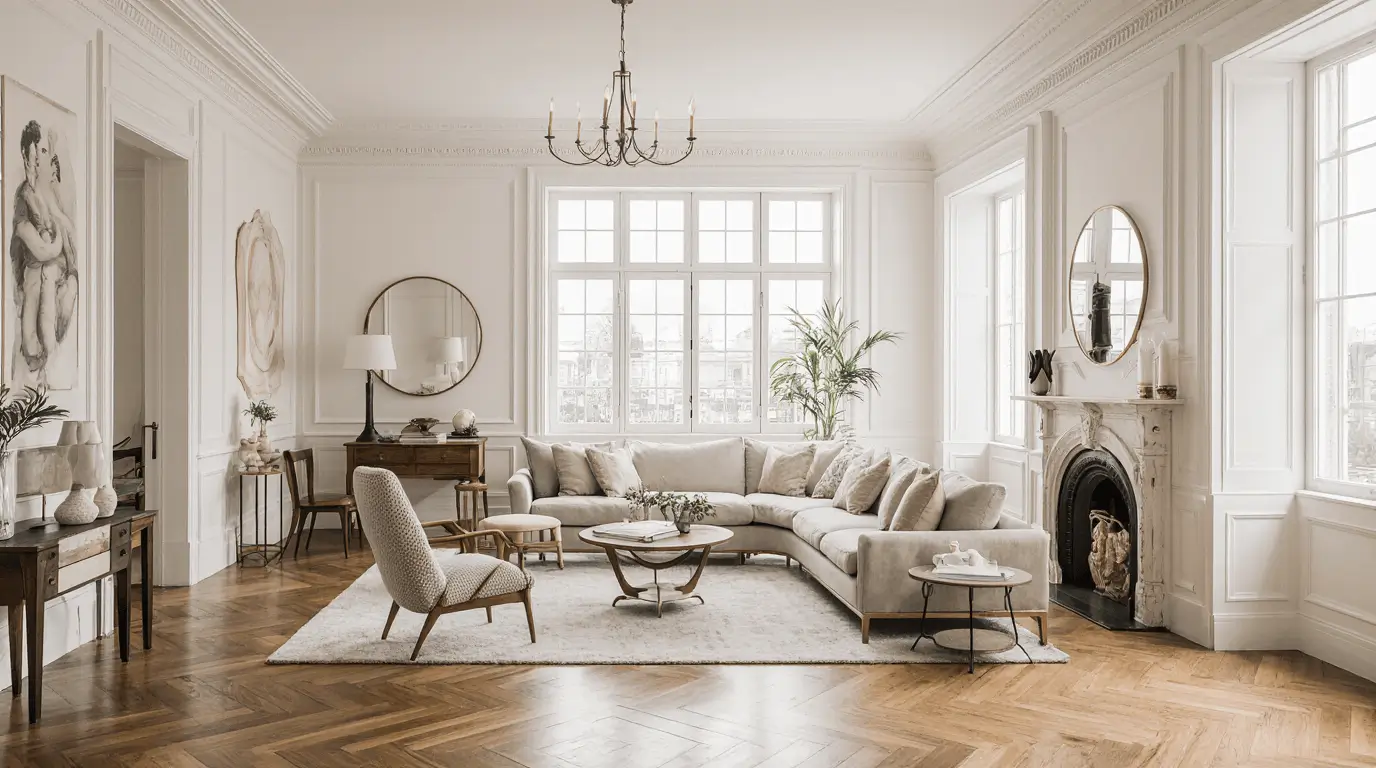
Edwardian Decorating Style and Philosophy
At its core, Edwardian interior design is about balance, comfort, and quiet refinement. It values craftsmanship, light, and livability over display.
This philosophy explains why the style continues to influence interiors more than a century later.
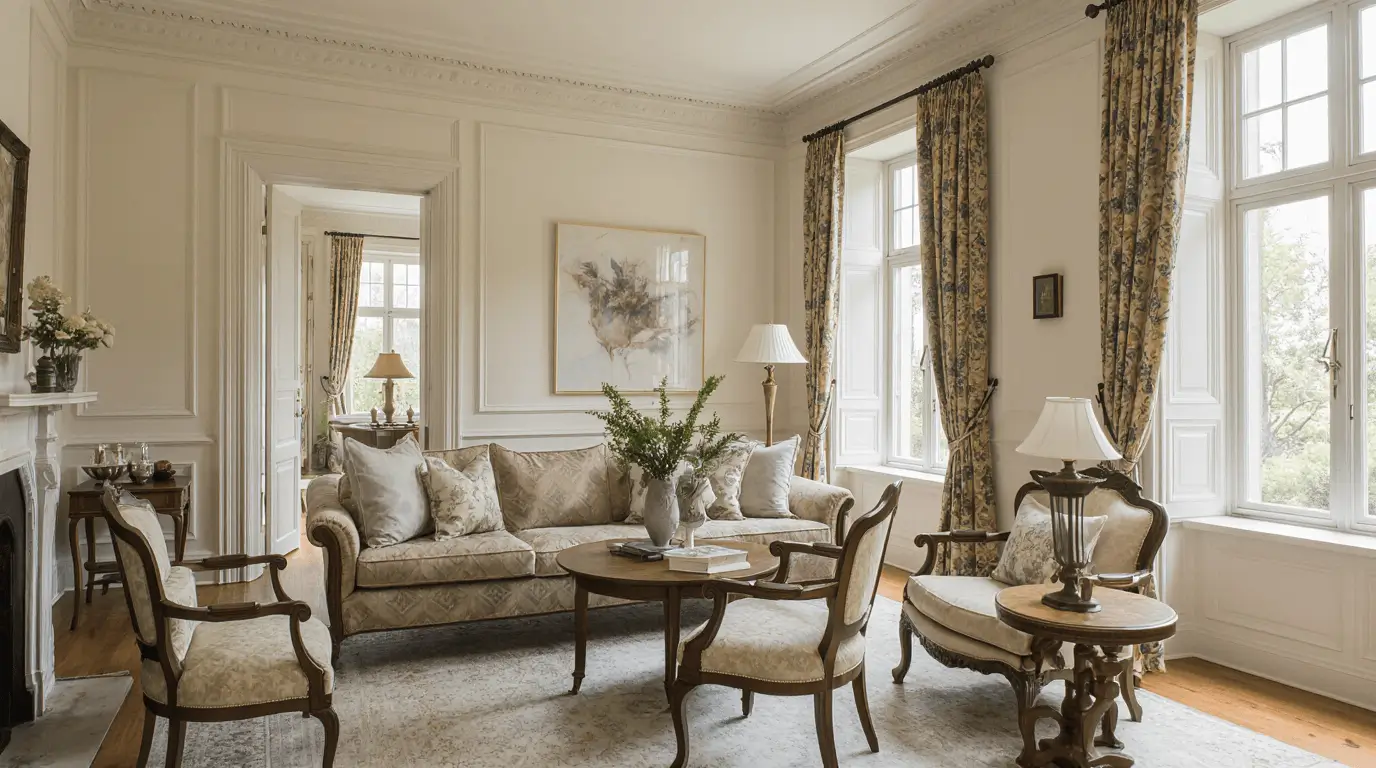
Edwardian Interiors as Timeless Design Inspiration
Edwardian interiors represent a rare moment in design history where elegance and practicality coexisted effortlessly. Studying these spaces offers valuable lessons for creating homes that feel enduring rather than trendy.
Their appeal lies not in decoration alone, but in thoughtful design choices that support everyday living.
Conclusion: Why Edwardian Interior Design Still Works Today
Edwardian interior design endures because it was never about excess—it was about living well. Rooted in light, proportion, and thoughtful restraint, the style responds to a universal need for homes that feel calm, dignified, and genuinely comfortable. Unlike decorative movements driven by trend or display, the Edwardian approach prioritizes how spaces function day to day, how they support social connection, and how they age gracefully over time.
In practice, this means rooms that breathe. Natural light is treated as a design asset, furniture is chosen for balance as much as beauty, and decoration is intentional rather than overwhelming. These principles work just as well in modern homes as they did in early 20th-century England because they address timeless human needs—clarity, comfort, and ease of movement. I’ve seen Edwardian ideas succeed in period restorations, city apartments, and contemporary family homes alike, precisely because they adapt without losing their integrity.
Edwardian interior design is especially well suited to those who value elegance without formality, structure without stiffness, and beauty that doesn’t demand constant upkeep. Whether you’re restoring an older property or refining a modern space, the way forward is not imitation, but understanding. Use light thoughtfully, respect proportion, choose materials that feel honest, and allow each room to serve its purpose with quiet confidence. When applied with care, the result is a home that feels both timeless and deeply livable.
Learn more : 11+ Powerful Medical Office Interior Design Ideas That Build Trust
Frequently Asked Questions
- What defines Edwardian interior design in simple terms?
Edwardian interior design is defined by light-filled spaces, soft color palettes, refined detailing, and a sense of balance. It moves away from heavy ornamentation in favor of comfort, clarity, and proportion, creating interiors that feel elegant yet approachable.
- How is Edwardian interior design different from Victorian style?
While Victorian interiors often feel layered and ornate, Edwardian interiors are lighter and more open. The Edwardian era favored brighter colors, simpler decoration, and more practical layouts, reflecting a cultural shift toward healthier and more relaxed living.
- Can Edwardian interior design work in modern homes?
Yes, very well. Edwardian principles translate easily into modern spaces because they focus on fundamentals—light, proportion, and function. You don’t need period architecture to apply the style; thoughtful furniture choices, calm colors, and uncluttered layouts are enough to evoke its essence.
- What colors are most authentic for Edwardian interiors?
Authentic Edwardian interiors typically use soft neutrals, creams, pale greens, light blues, and gentle greys. These colors enhance natural light and create a calm backdrop that allows architectural details and furnishings to stand out subtly.
- Is Edwardian interior design suitable for family living?
Absolutely. The style was originally developed with comfort and practicality in mind. Its open layouts, durable materials, and emphasis on livable spaces make it particularly suitable for family homes that need to feel welcoming rather than formal.
- Do Edwardian interiors require antique furniture?
Not necessarily. While original pieces can add character, the key is proportion and simplicity. Modern furniture with clean lines, natural materials, and balanced scale can work beautifully within an Edwardian-inspired interior.
- How can someone start incorporating Edwardian interior design today?
Start with light and layout. Remove visual clutter, let natural light take center stage, and choose a soft, cohesive color palette. From there, introduce furniture and details that feel refined but comfortable, focusing on quality over quantity.

One Response