
Introduction
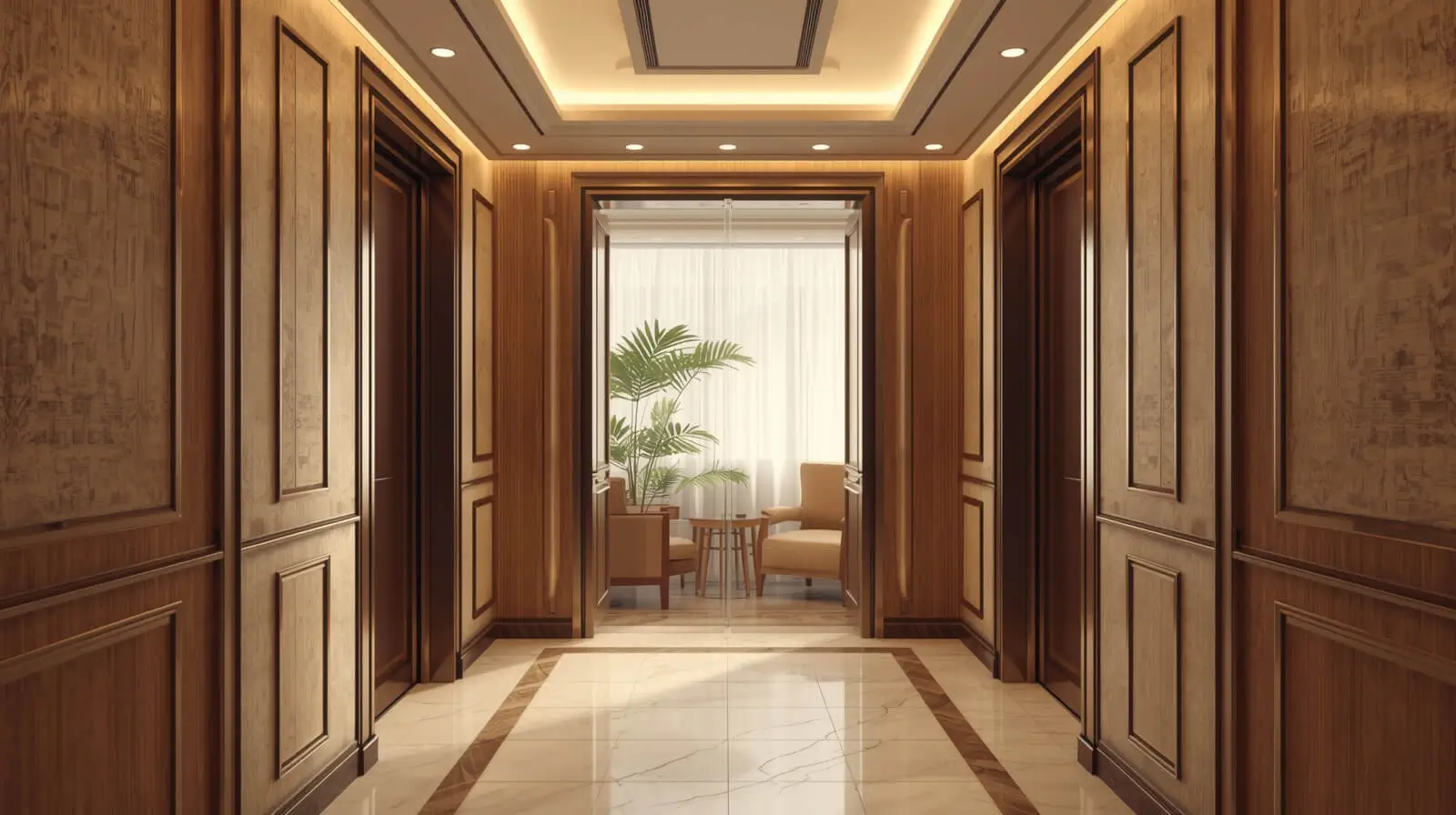
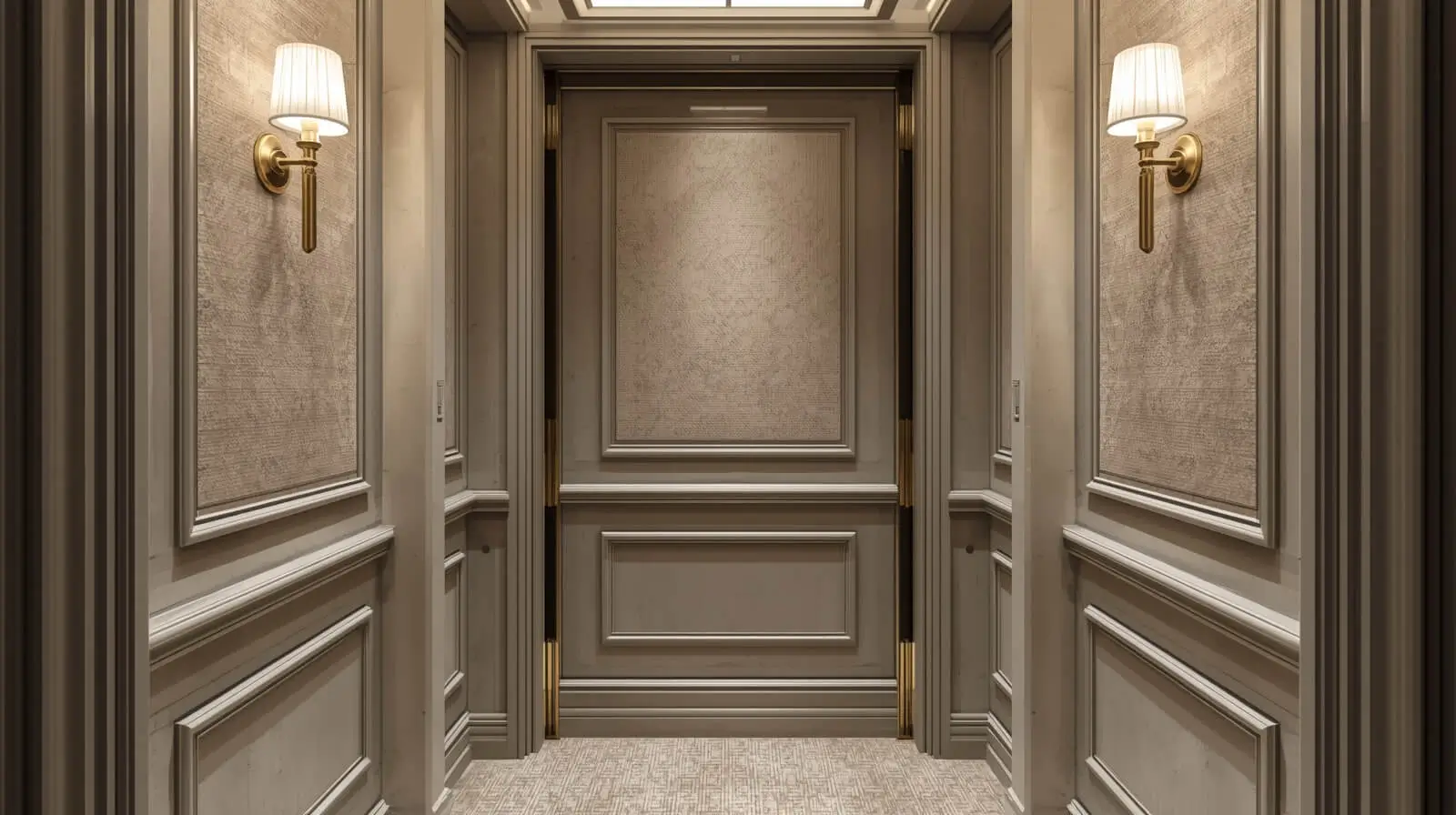
Elevator cab interior design is one of the most underestimated elements of a building’s interior experience. It’s a space people use daily, often subconsciously judging the quality, safety, and sophistication of a property within seconds of stepping inside. When designed well, an elevator cab becomes a seamless extension of the building’s identity rather than a forgotten utility box.
From luxury residences to commercial towers and hotels, elevator cab interior design balances aesthetics, durability, lighting, and psychology. Every surface—walls, panels, mirrors, flooring, and ceilings—must work together in a confined space that experiences constant wear. As an interior designer, this is where thoughtful detailing and material intelligence matter most.
A successful elevator cab interior doesn’t just look good on day one. It ages gracefully, feels intuitive to use, and quietly reinforces trust in the building itself.
Modern Elevator Cab Interior Design
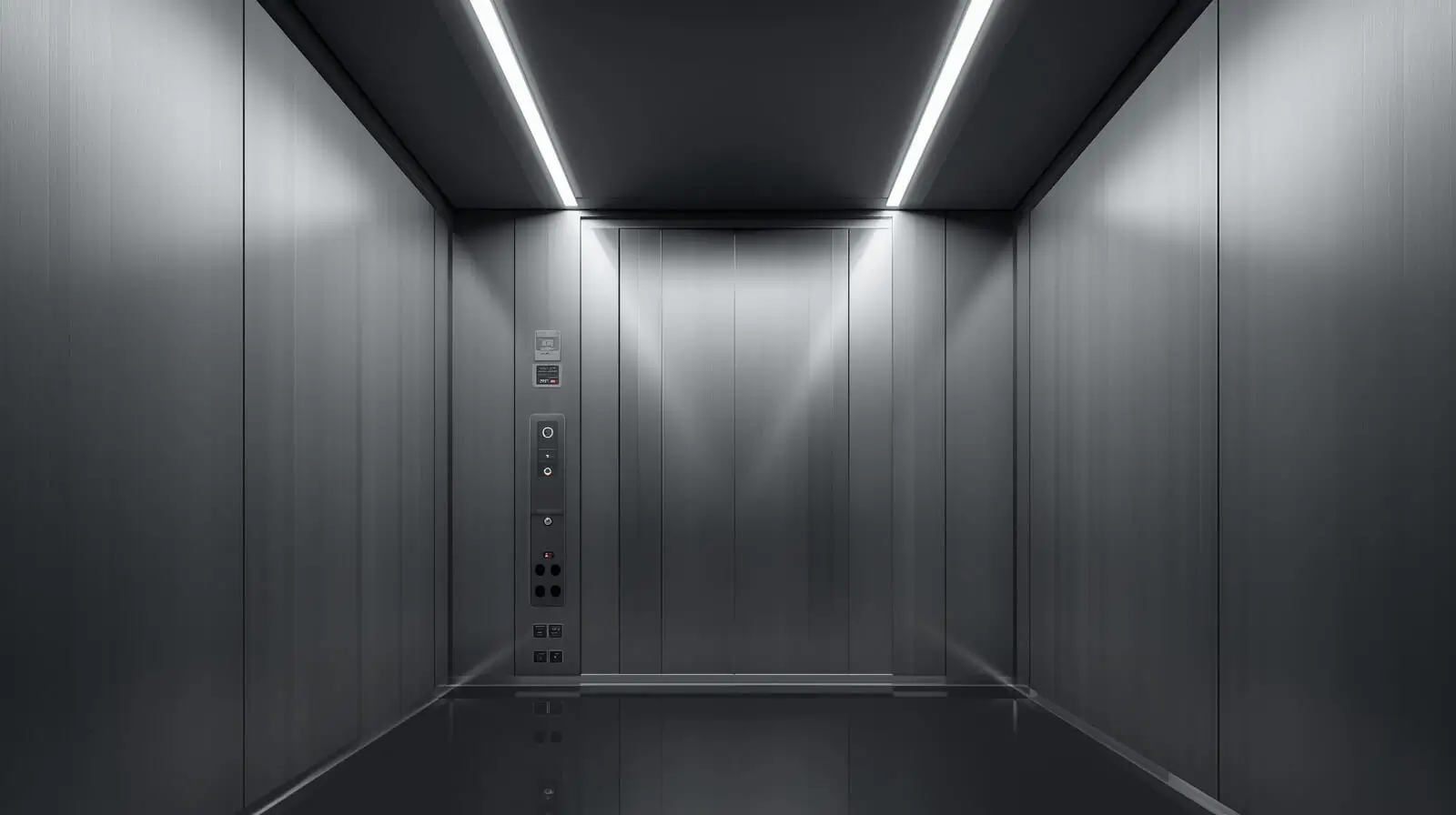
Modern elevator cab interior design focuses on clean lines, restrained palettes, and precise detailing. Minimalism here isn’t about emptiness—it’s about clarity and calm in a high-traffic environment.
Smooth surfaces, concealed fixings, and soft lighting help modern elevator cabs feel spacious and controlled, even within tight dimensions.
Luxury Elevator Cab Interior Design
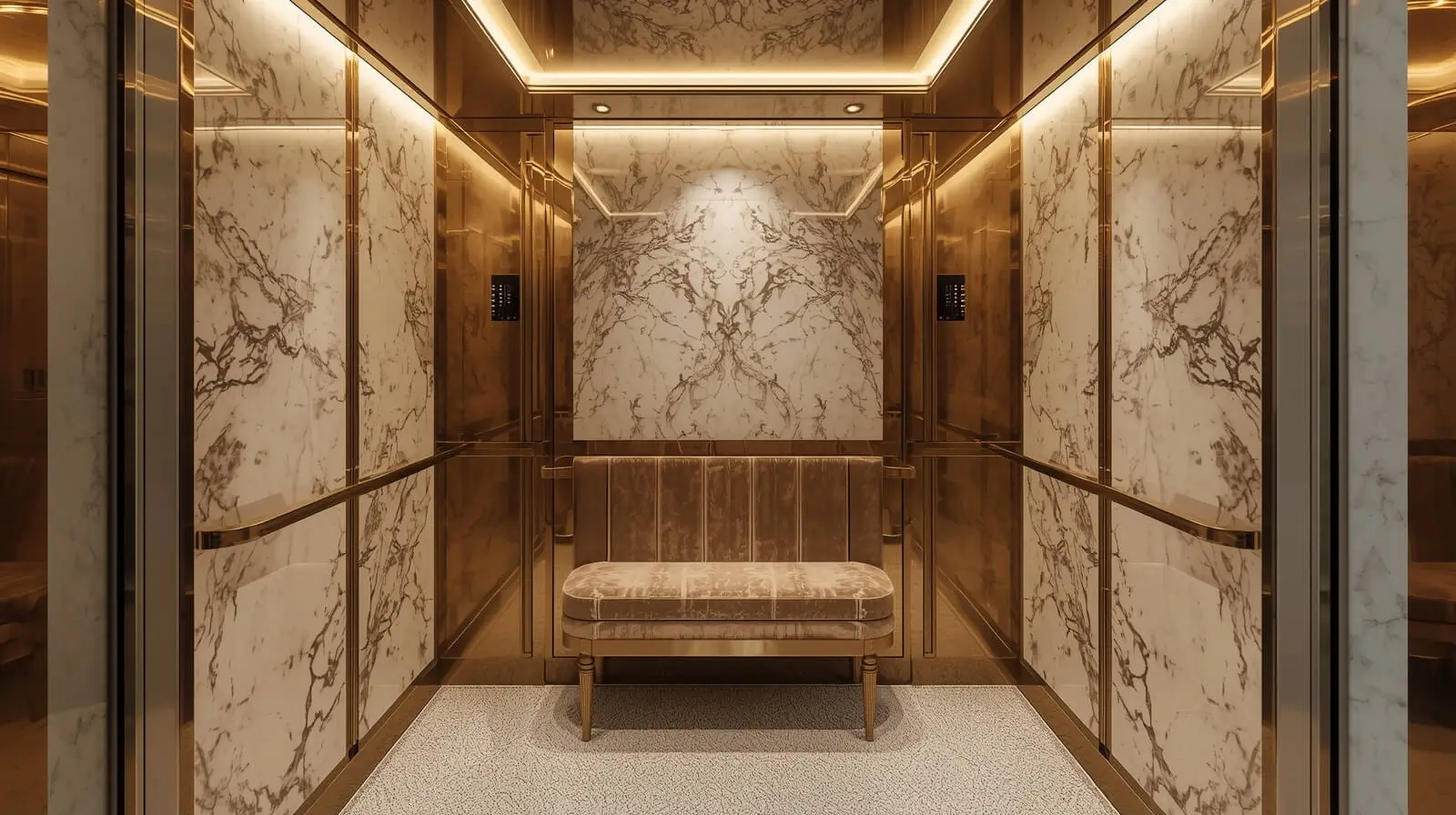
Luxury elevator cab interior design emphasizes craftsmanship and material richness. This is where elevators become experiential, not just functional.
Natural stone, brushed brass, leather panels, and custom lighting elevate the cab into a moving private lounge, often aligned with high-end residential or hotel interiors.
Elevator Cab Interior Wall Panels
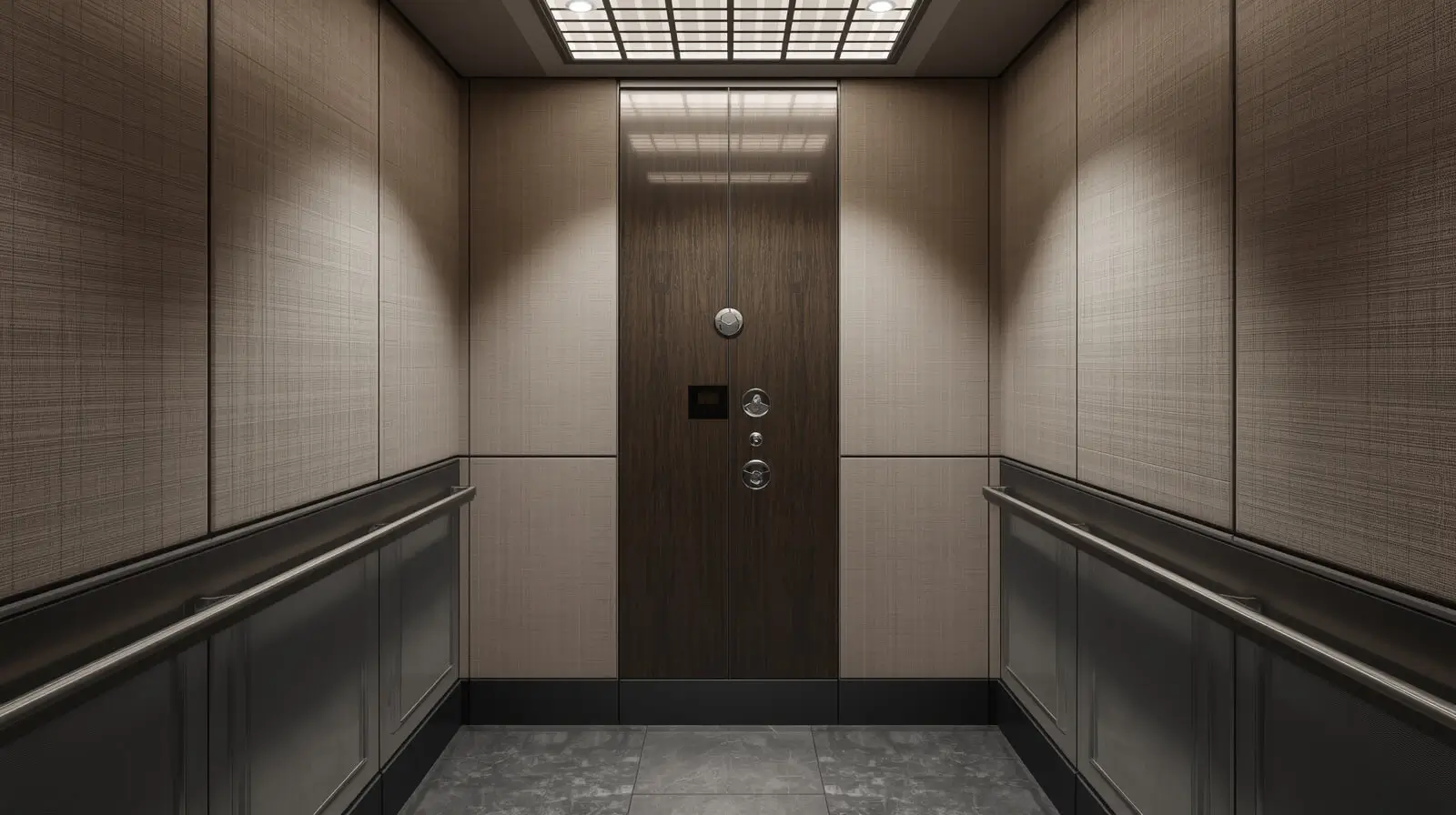
Wall panels are the backbone of elevator cab interior design. They define both aesthetics and durability.
High-quality panels resist scratches, fingerprints, and dents while allowing visual customization through finishes, textures, or modular layouts.
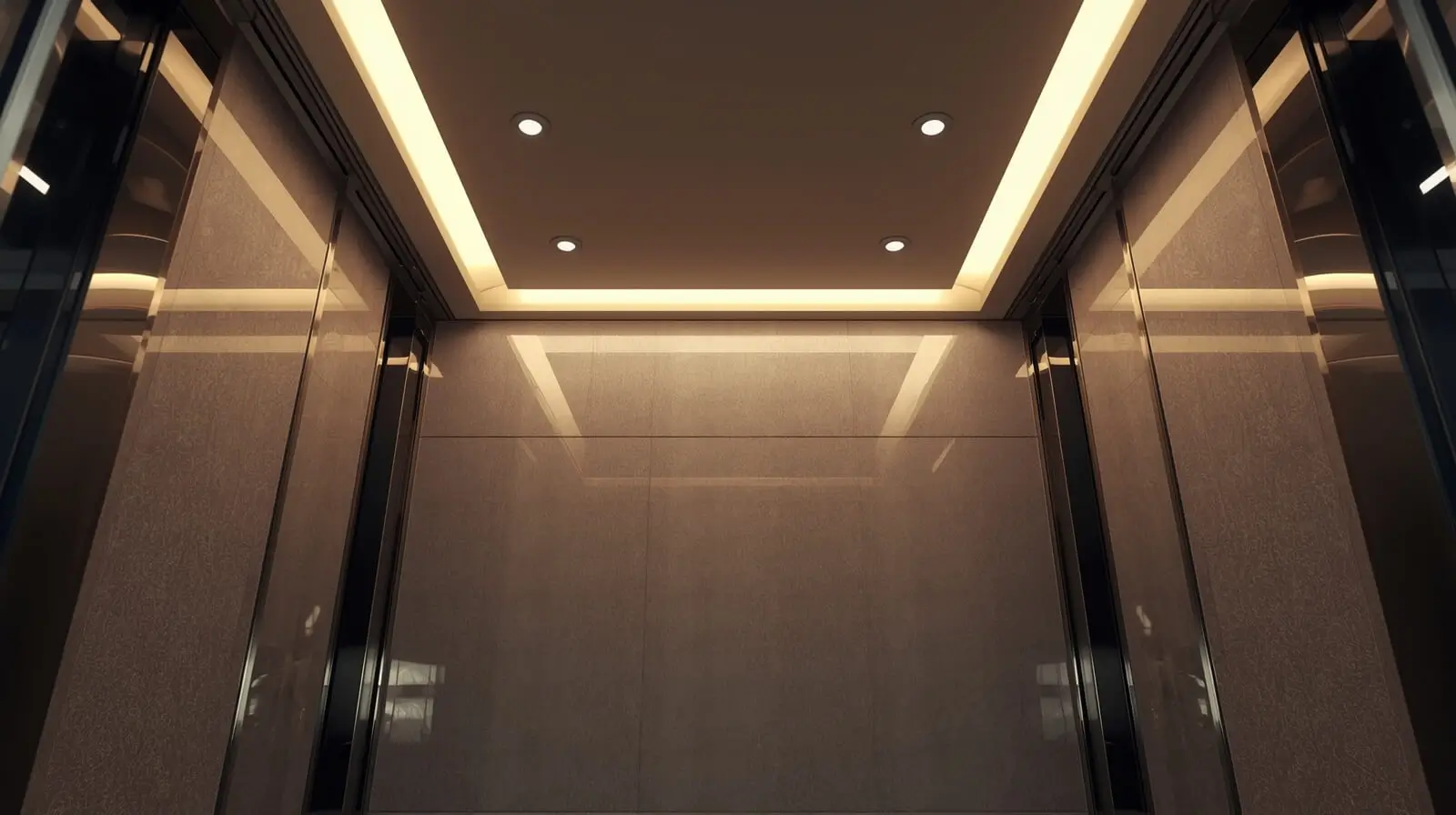
Elevator Cab Interior Lighting Design
Lighting shapes perception more than any other element in elevator cab interior design. Poor lighting makes spaces feel cramped; good lighting creates openness and confidence.
Layered lighting—combining ceiling illumination, wall reflections, and subtle accents—improves visibility while enhancing material depth.
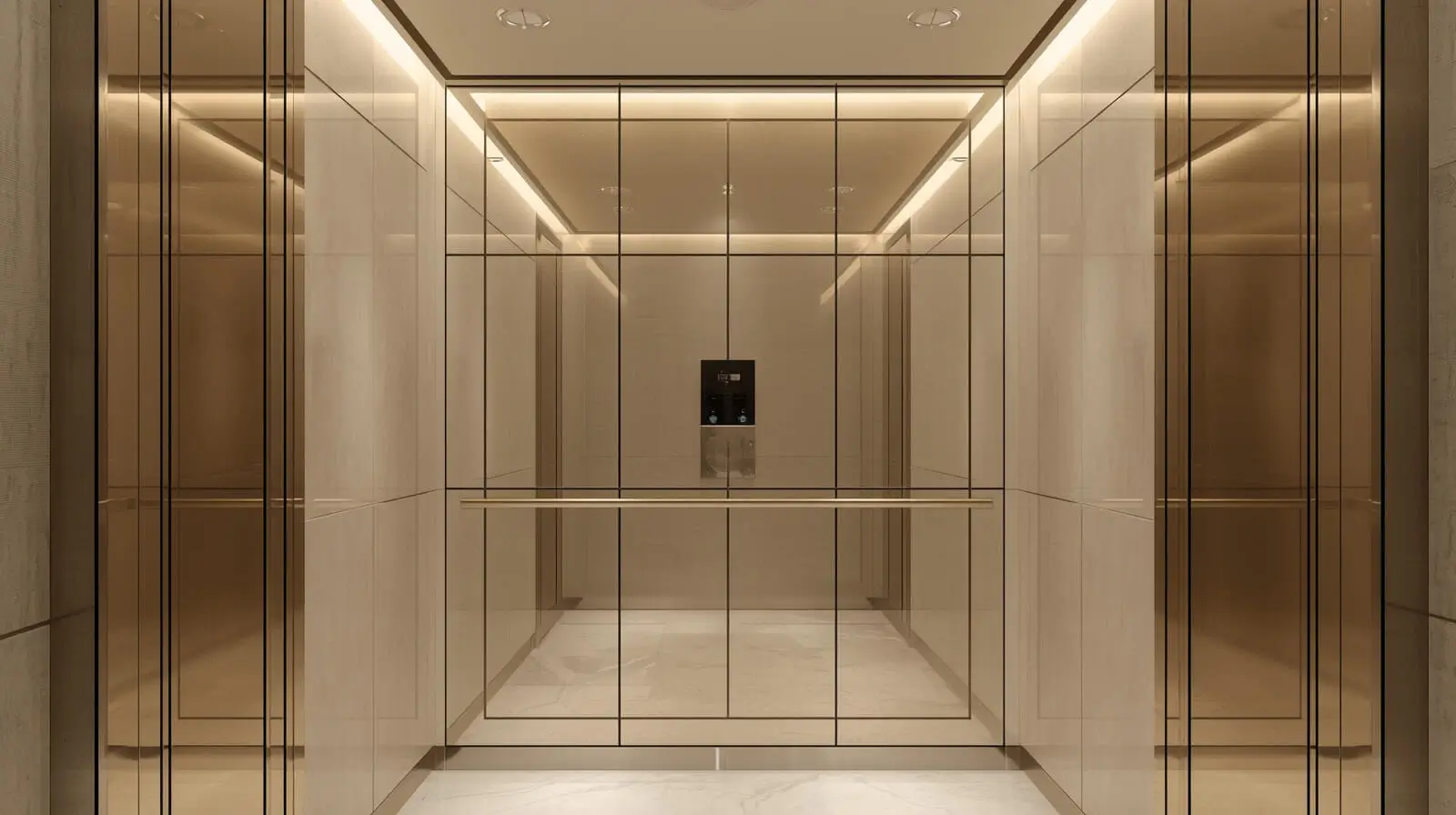
Elevator Cab Interior Mirror Integration
Mirrors are a classic tool in elevator cab interior design for both functional and psychological reasons. They expand perceived space and reduce claustrophobia.
Strategic mirror placement enhances light distribution while avoiding visual clutter or disorientation.
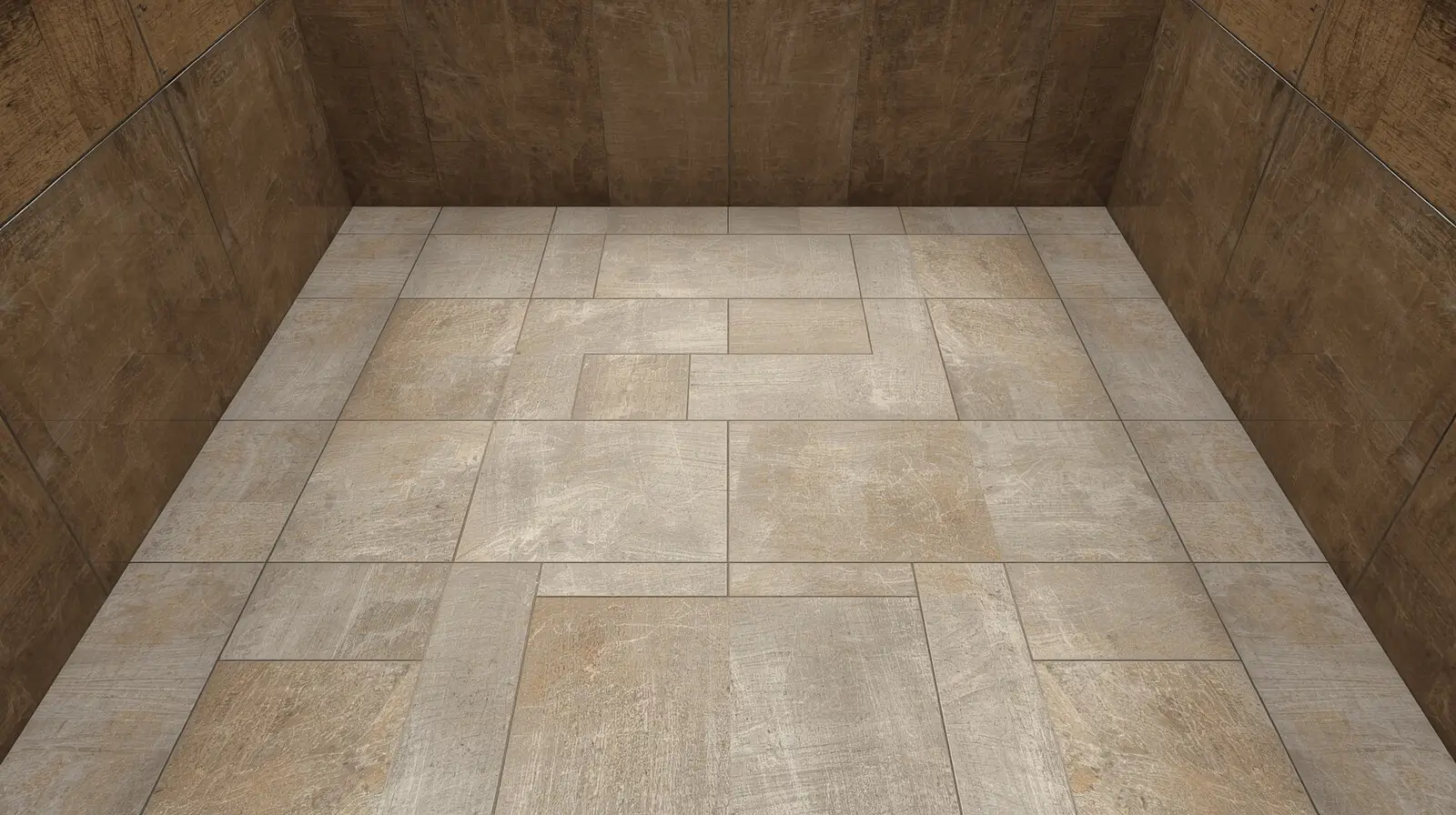
Elevator Cab Interior Flooring Solutions
Flooring in elevator cab interior design must handle constant foot traffic while remaining visually cohesive.
Stone-look porcelain, textured vinyl, or engineered flooring systems offer durability without sacrificing style, especially when coordinated with wall finishes.
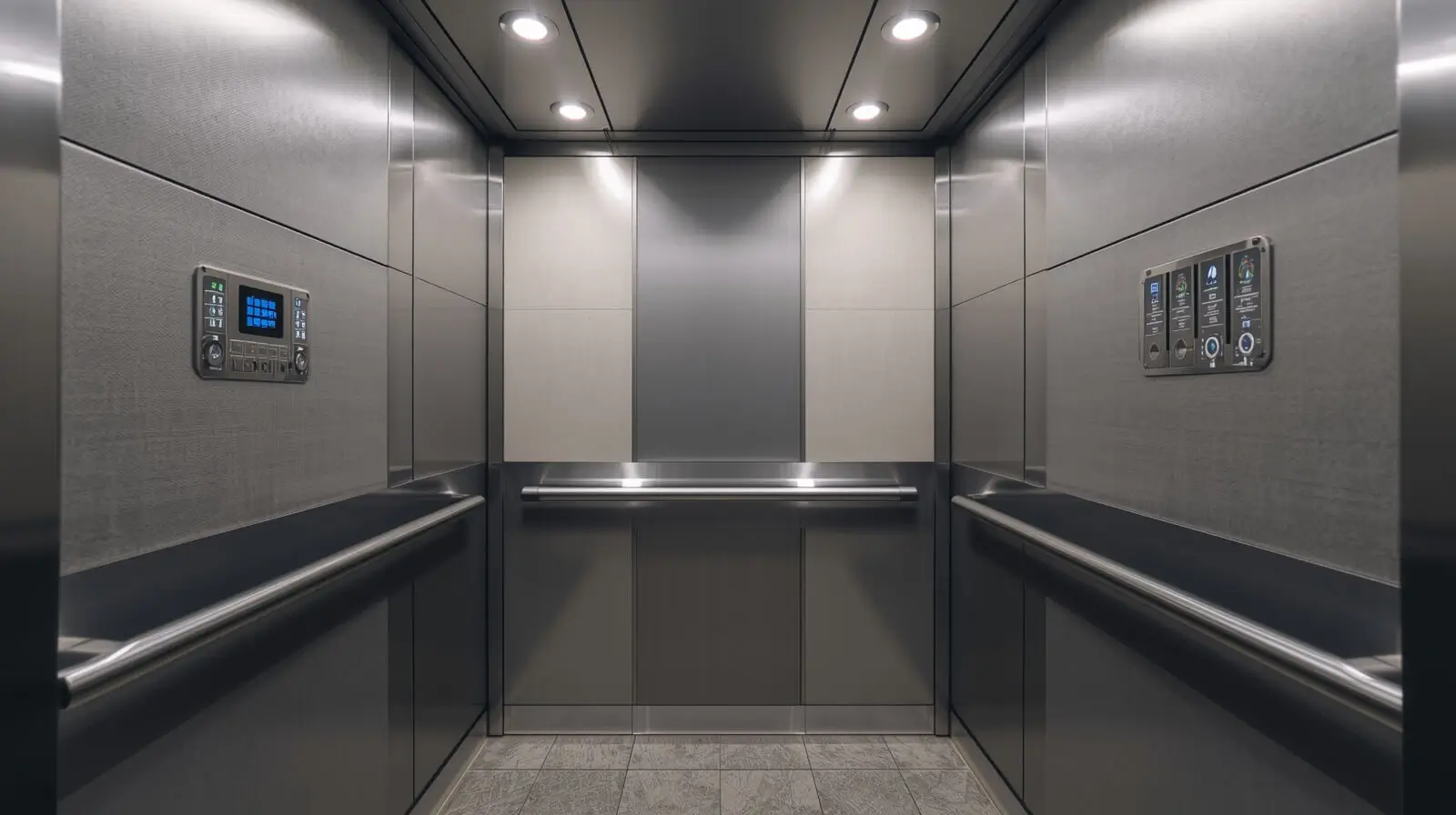
Commercial Elevator Cab Interior Design
Commercial elevator cab interior design prioritizes longevity, neutrality, and ease of maintenance.
Finishes are chosen for resilience and universal appeal, ensuring the elevator complements offices, retail spaces, or mixed-use developments.
Residential Elevator Cab Interior Design
Residential elevator cab interior design focuses on comfort and personalization. These cabs often feel like an extension of the home rather than a public space.
Softer finishes, warmer lighting, and tailored materials help residential elevators feel private and welcoming.
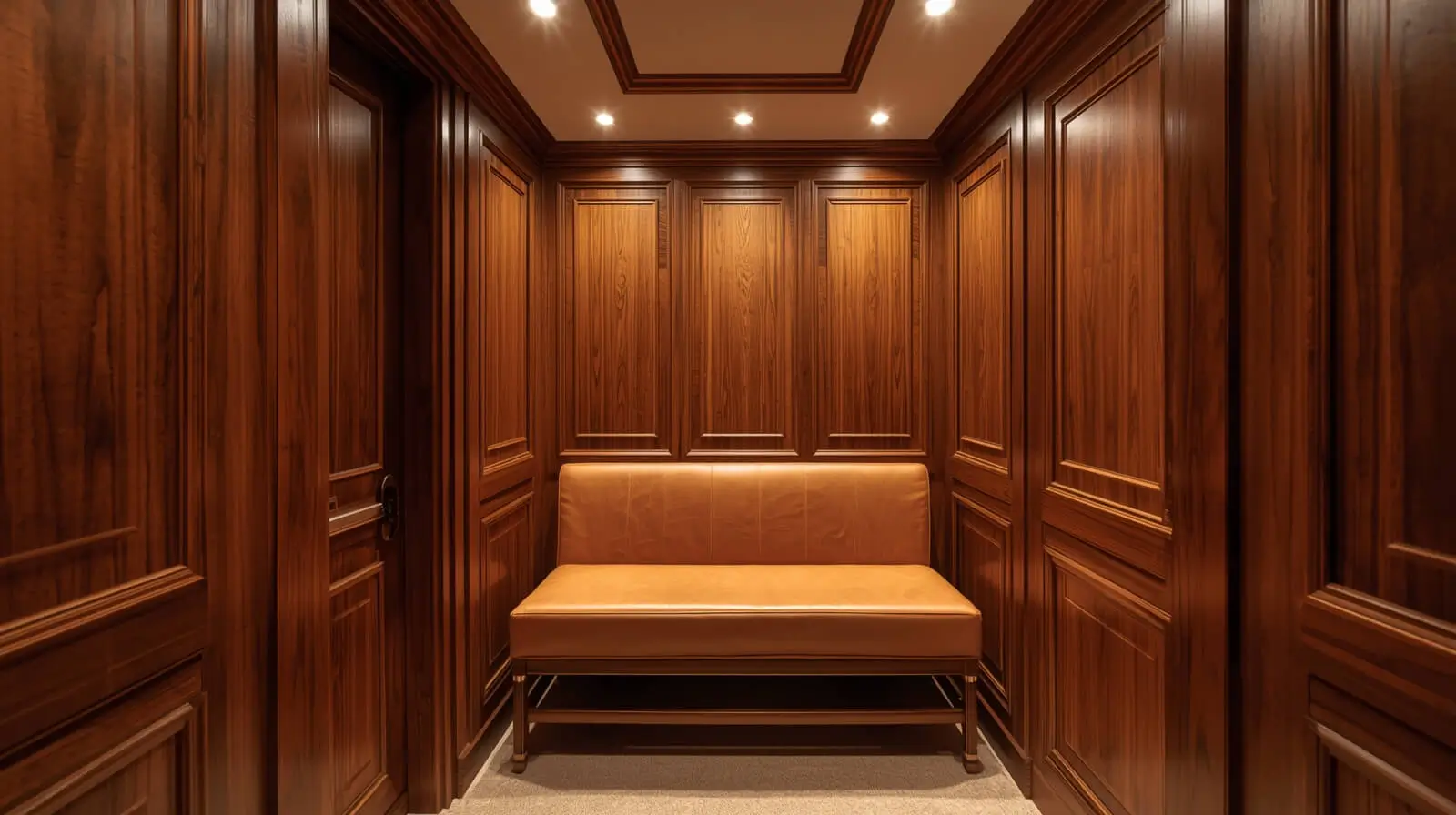
Hotel Elevator Cab Interior Design
In hospitality, elevator cab interior design contributes directly to brand perception. Guests form impressions long before reaching their rooms.
Designers often use dramatic lighting, distinctive materials, and visual storytelling to create memorable vertical journeys.
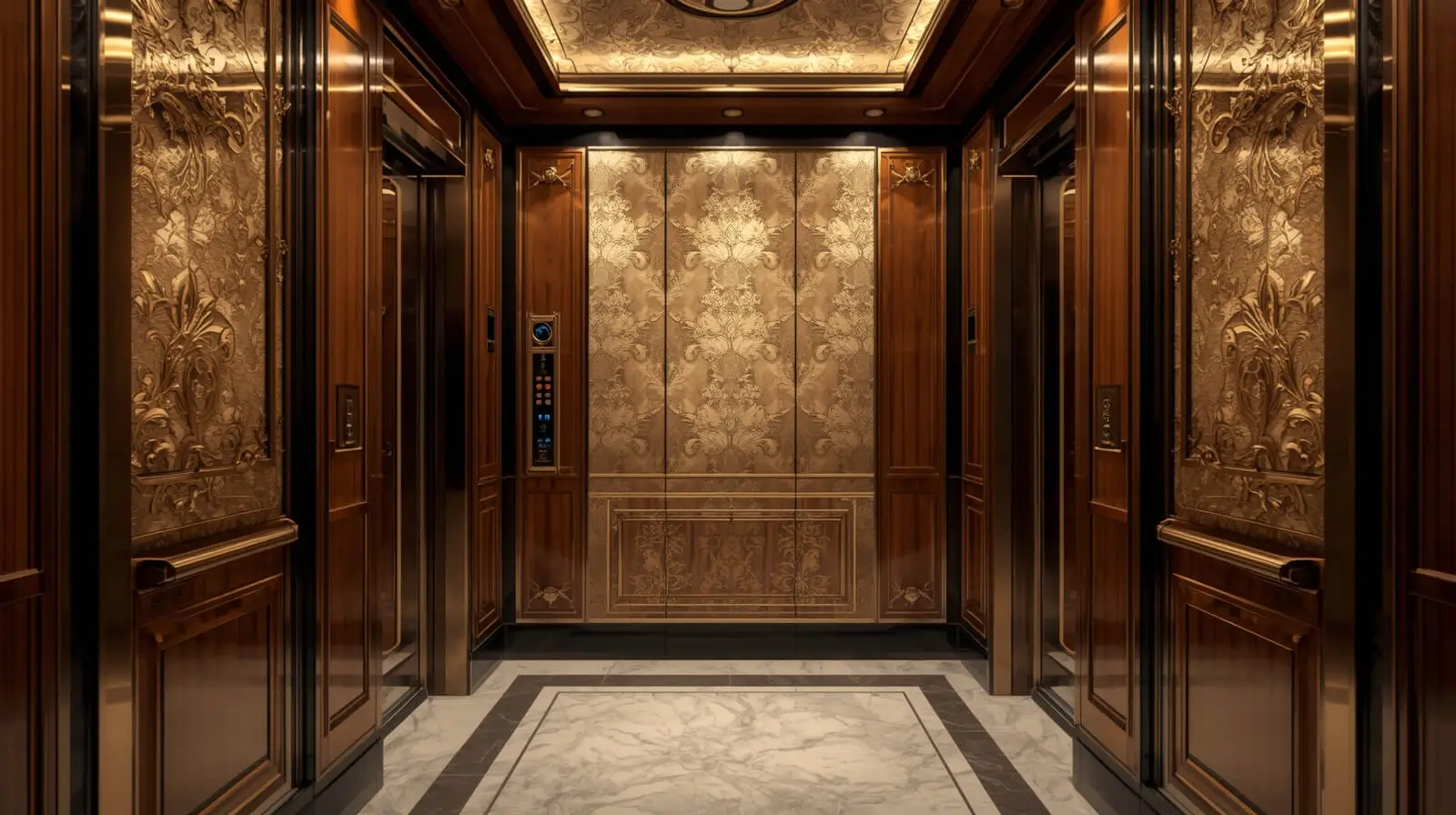
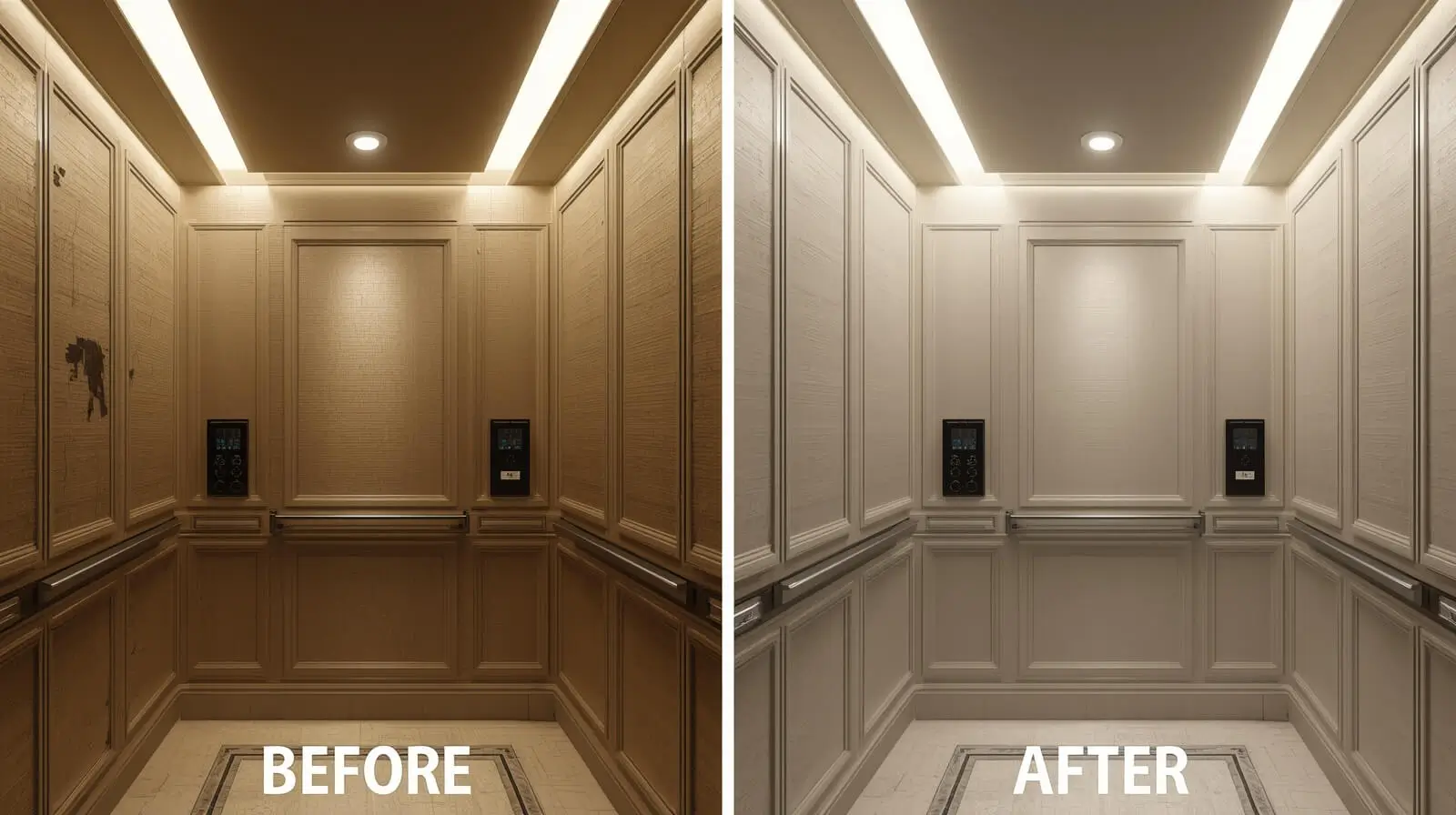
Elevator Cab Interior Renovation
Elevator cab interior renovation allows outdated elevators to align with modern design expectations without structural changes.
Upgrading panels, lighting, mirrors, and finishes can completely transform the experience while improving durability and safety.
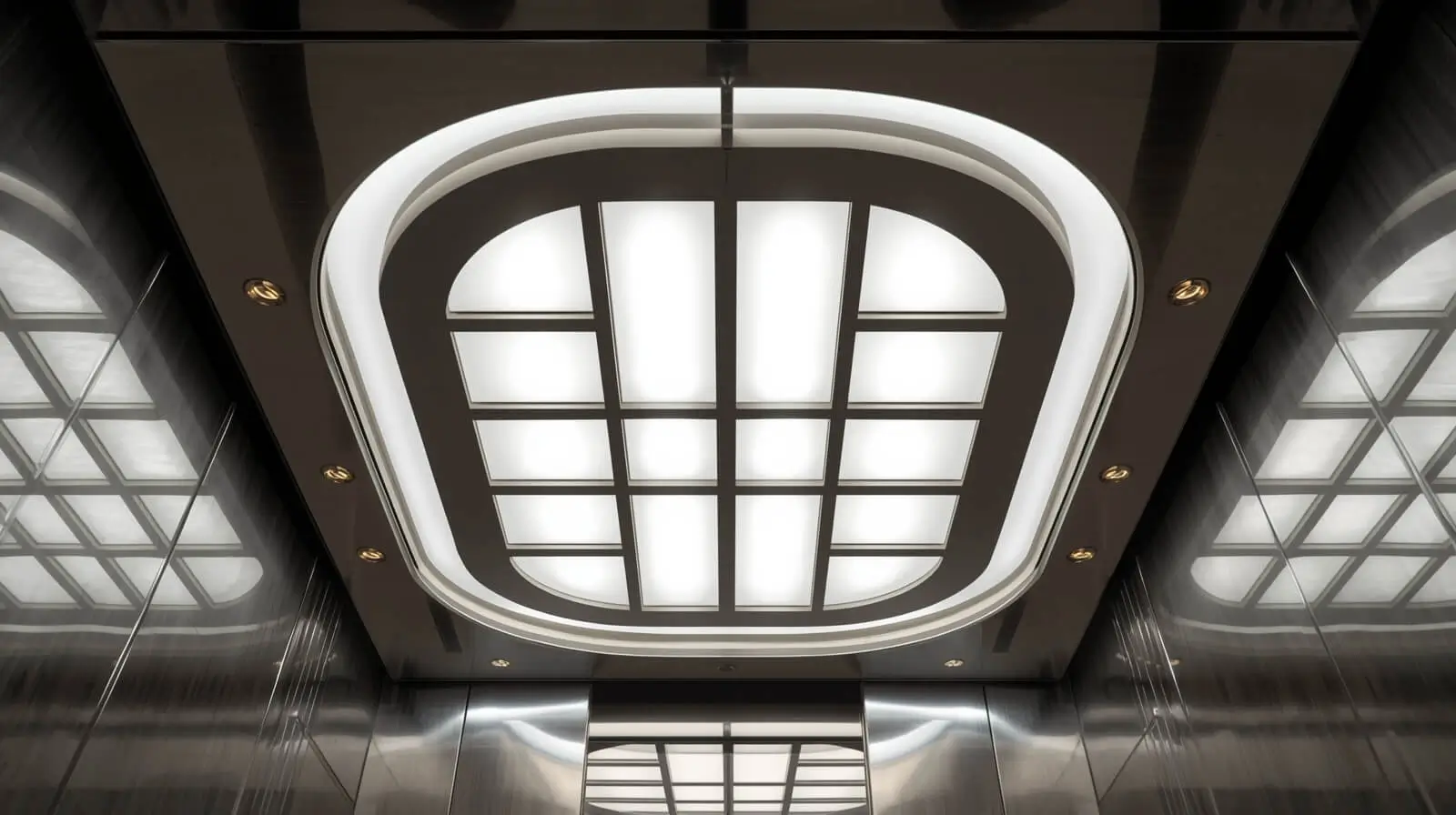
Elevator Cab Interior Ceiling Design
Ceilings are often overlooked in elevator cab interior design, yet they strongly influence spatial perception.
Integrated lighting panels, reflective surfaces, or subtle textures can visually raise ceiling height and improve brightness.
Elevator Cab Interior Material Selection
Material selection defines both aesthetics and lifespan in elevator cab interior design.
Designers balance beauty with resistance to wear, choosing finishes that age gracefully under constant use.
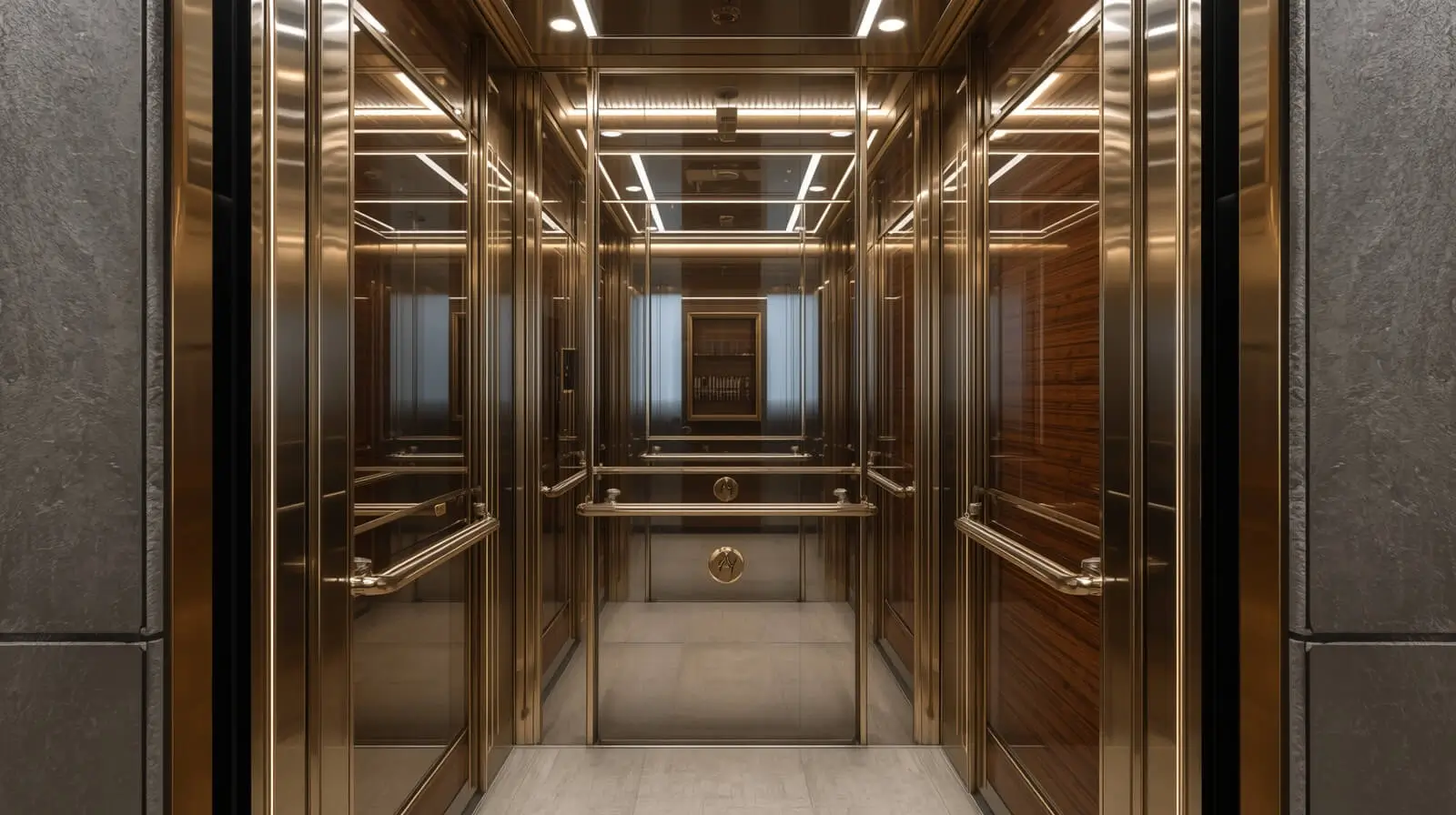
Modern Minimal Elevator Cab Interior Design
Minimal elevator cab interior design removes excess while enhancing clarity. Every detail serves a purpose.
This approach reduces visual noise, making small elevator spaces feel controlled and intentional.
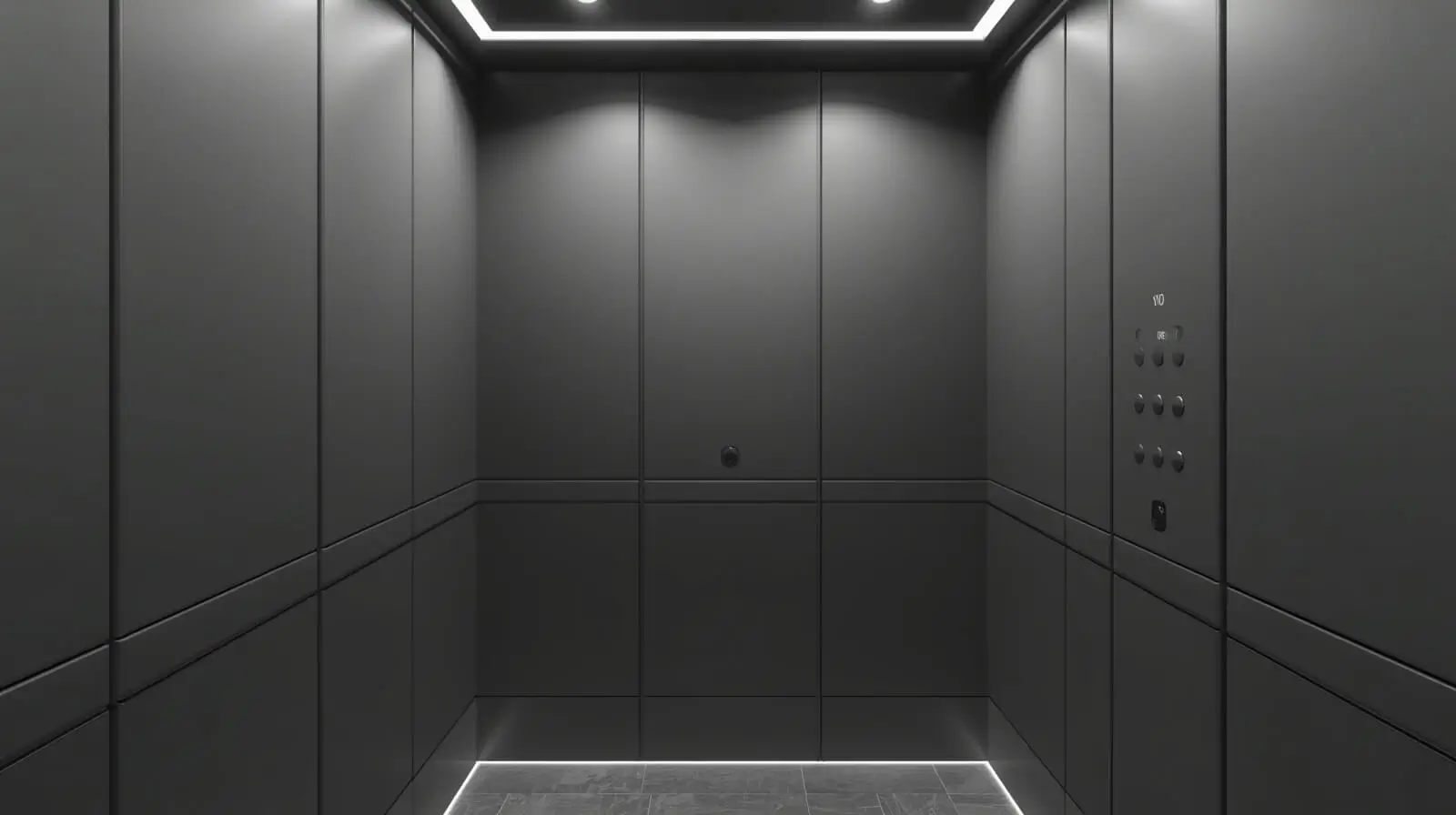
Elevator Cab Interior Branding Integration
In commercial and hospitality spaces, elevator cab interior design can subtly reinforce brand identity.
Colors, materials, and lighting cues align elevators with the larger architectural narrative of the building.
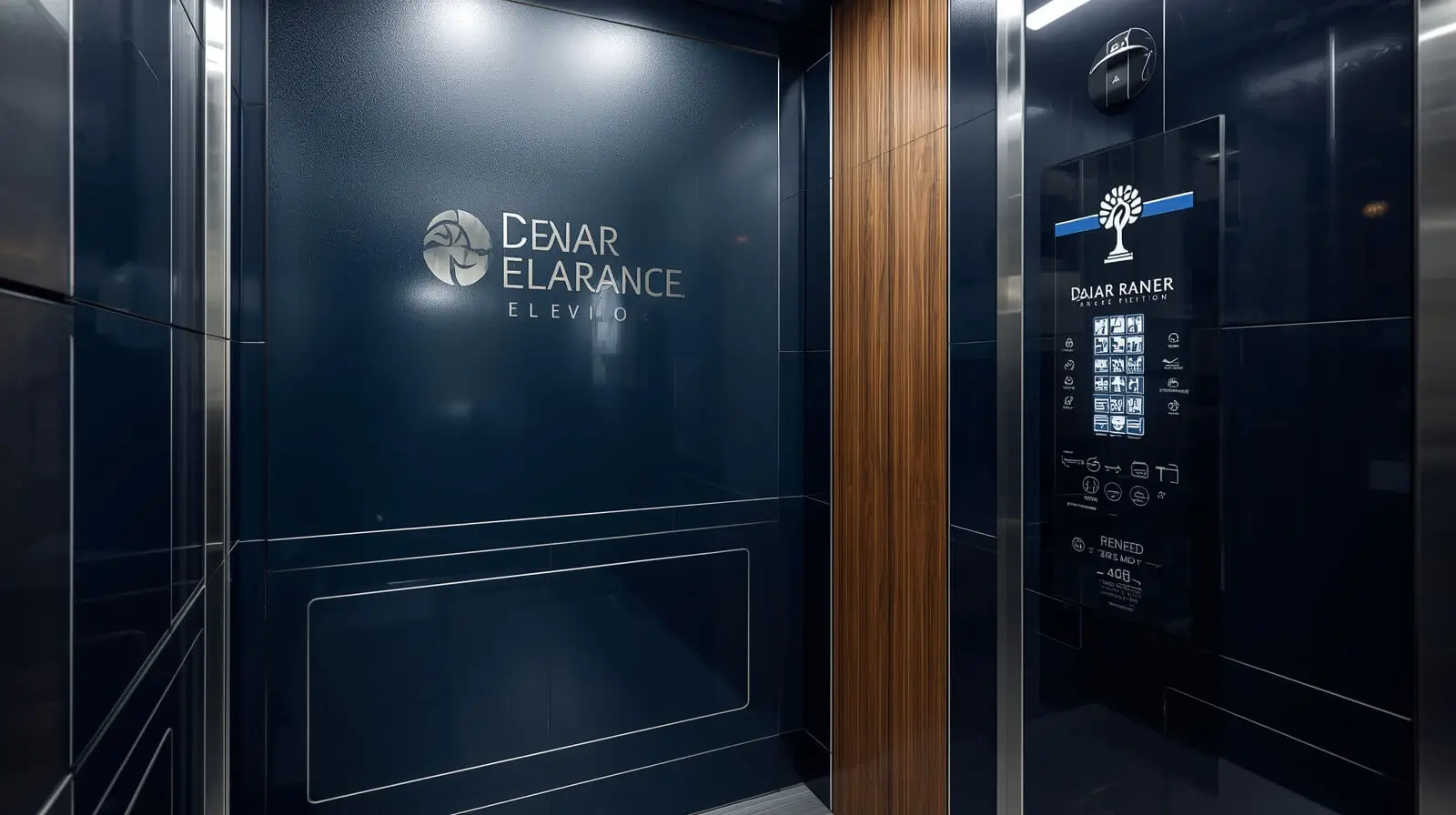
Sustainable Elevator Cab Interior Design
Sustainability is increasingly important in elevator cab interior design. Eco-conscious materials and energy-efficient lighting reduce environmental impact.
Durable, recyclable finishes extend lifecycle performance while supporting responsible design values.
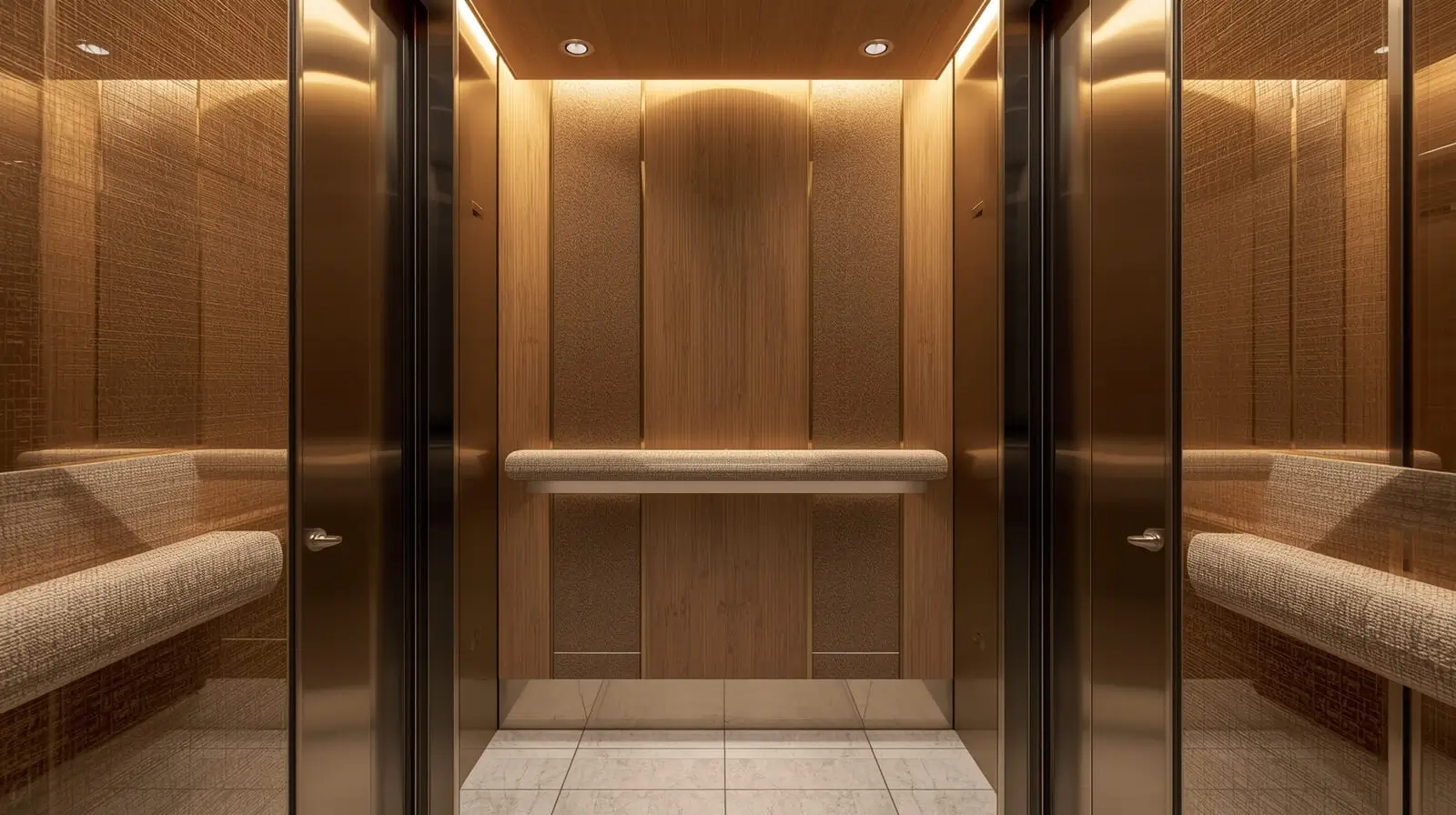
Timeless Elevator Cab Interior Design
Timeless elevator cab interior design avoids trends that age quickly. It relies on balanced proportions, neutral tones, and enduring materials.
These designs remain relevant for years, reducing the need for frequent renovations.
Conclusion: Designing the Elevator Experience with Purpose
Elevator cab interior design may occupy a small physical footprint, but its impact is surprisingly large. It’s one of the few spaces that nearly everyone in a building uses, often multiple times a day, and it quietly shapes how people feel about the environment they’re moving through. When the design is intentional, the elevator becomes more than a transition zone—it becomes a moment of reassurance, comfort, and visual continuity.
The most effective elevator interiors work because they respect both people and materials. Thoughtful lighting reduces stress and improves spatial perception. Well-chosen finishes stand up to constant use without feeling cold or utilitarian. Proportions, reflections, and textures are handled with care, so the space feels composed rather than cramped. These decisions aren’t about decoration for its own sake; they’re about creating trust and ease in a place where people are briefly enclosed and fully attentive to their surroundings.
This approach benefits anyone responsible for shaping a building’s daily experience—homeowners adding a private lift, developers refining a commercial property, or hoteliers looking to strengthen brand consistency. Moving forward with clarity means treating the elevator as part of the overall interior story, not an afterthought. When design choices are guided by durability, comfort, and coherence, the result is an elevator cab that feels quietly confident, timeless, and genuinely well considered.
Learn more : 10+Powerful Rules of Shape in Interior Design That Transform Spaces
Frequently Asked Questions
- What makes a well-designed elevator cab feel more comfortable to use?
Comfort comes from a balance of light, proportion, and surface treatment. Soft, even lighting, visually calm materials, and thoughtful mirror placement help reduce the sense of enclosure and make the space feel more open and reassuring. - How do I choose materials that look good but also last over time?
Start with finishes designed for high-traffic environments—materials that resist scratches, fingerprints, and wear. When durability is built in, you have more freedom to focus on texture, tone, and detail without worrying about rapid aging. - Is it possible to update an elevator interior without a full replacement?
Yes, many elevator cab interiors can be refreshed by replacing wall panels, upgrading lighting, and refining surface finishes. These changes can dramatically improve the look and feel without altering the core structure or mechanics. - How should elevator design differ between residential and commercial spaces?
Residential elevator cabs often benefit from warmer materials and softer lighting that feel personal and home-like. Commercial spaces typically prioritize neutrality, resilience, and easy maintenance while still maintaining a polished, professional appearance. - Why is lighting such a critical element in elevator cab interior design?
Lighting affects both mood and spatial perception. In a compact environment, the right lighting can make the cab feel larger, safer, and more refined, while poor lighting can make even high-quality materials feel uninviting. - Can elevator interiors reflect a building’s overall style or identity?
Absolutely. When finishes, colors, and details align with the rest of the interior design, the elevator becomes a seamless extension of the building’s character rather than a visual interruption. - How do I know when an elevator interior design is truly “timeless”?
Timeless designs rely on balanced proportions, restrained palettes, and materials that age gracefully. They avoid overly trendy elements and instead focus on clarity, quality, and quiet confidence that remains relevant for years.

One Response