Introduction
English Regency interior design represents one of the most refined and intellectually balanced styles in design history. Rooted in early 19th-century Britain, it bridges the grandeur of Georgian tradition with a lighter, more expressive elegance. Unlike heavier classical styles, English Regency interiors emphasize proportion, symmetry, and a subtle sense of luxury that never feels overwhelming.
From experience, what makes English Regency interior design truly stand out is its restraint. It’s not about excess—it’s about precision. Every curve, every material, and every decorative choice feels intentional. When done correctly, the space feels both formal and inviting, polished yet livable.
English Regency Interior Design Characteristics: The Foundation of the Style
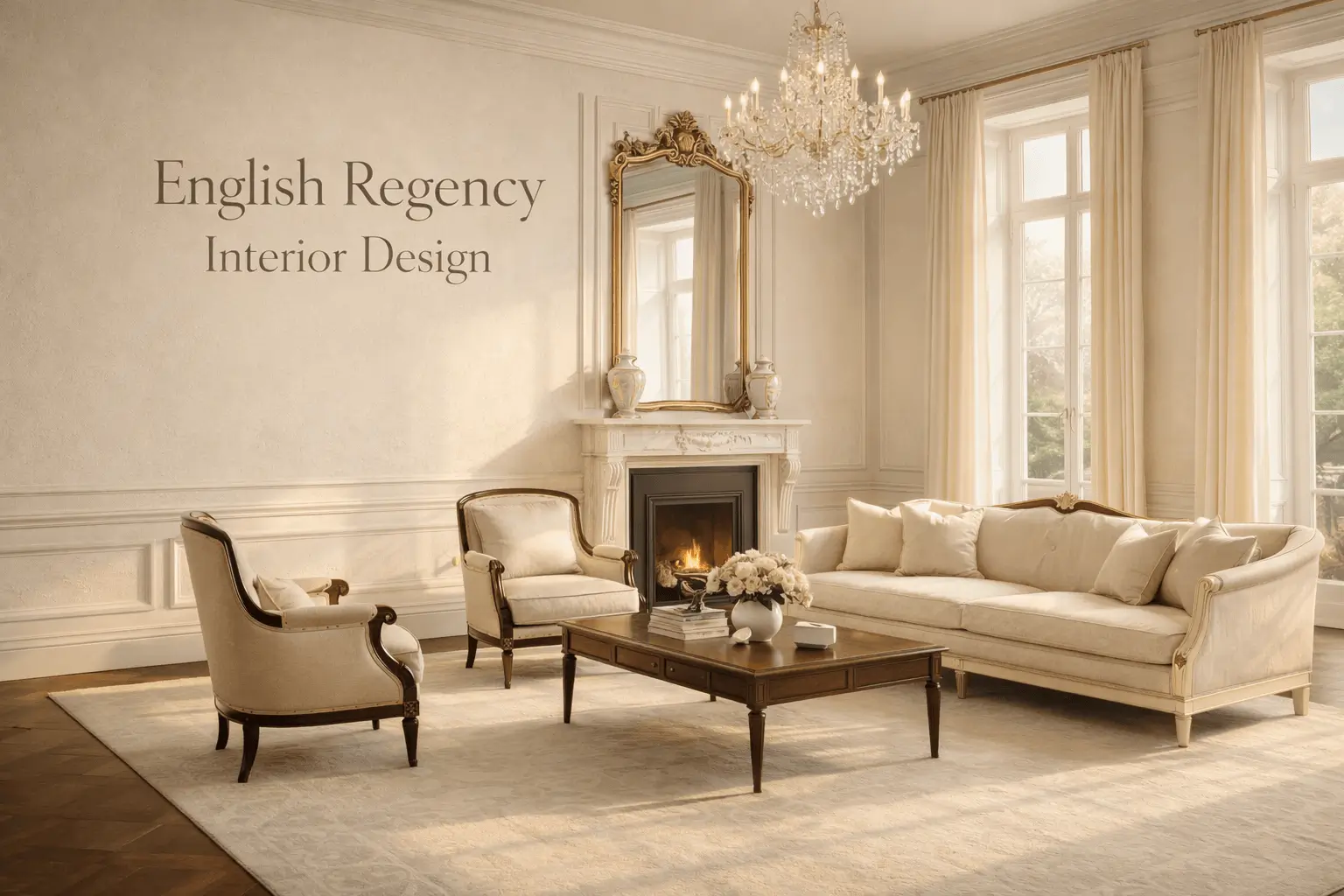
English Regency interior design is defined by symmetry, classical influence, and refined detailing. Spaces feel balanced, with carefully placed furniture and architectural elements guiding the eye.
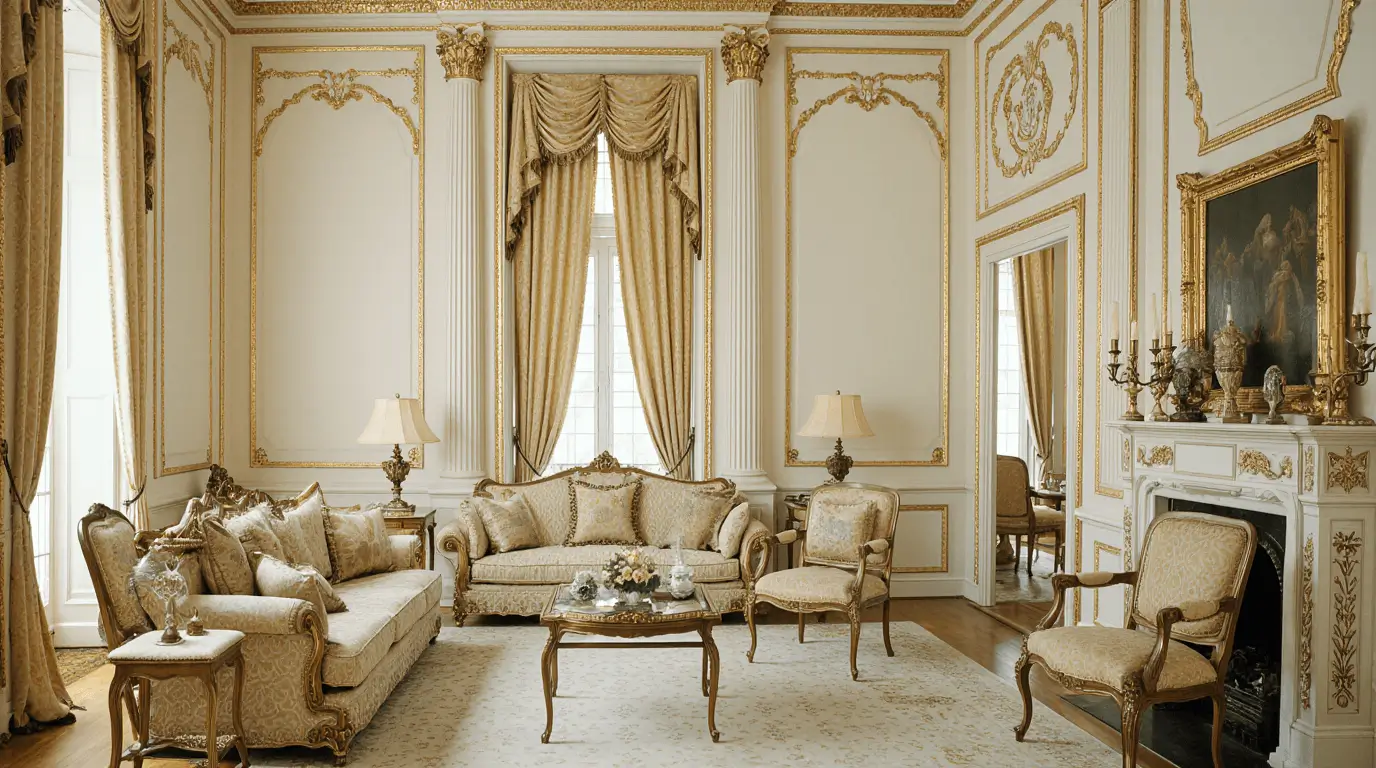
English Regency Interior Design Color Palette: Soft Yet Sophisticated
The palette leans toward soft neutrals—cream, ivory, pale blue, sage green—with accents of gold and black for contrast. This creates a calm yet luxurious environment.
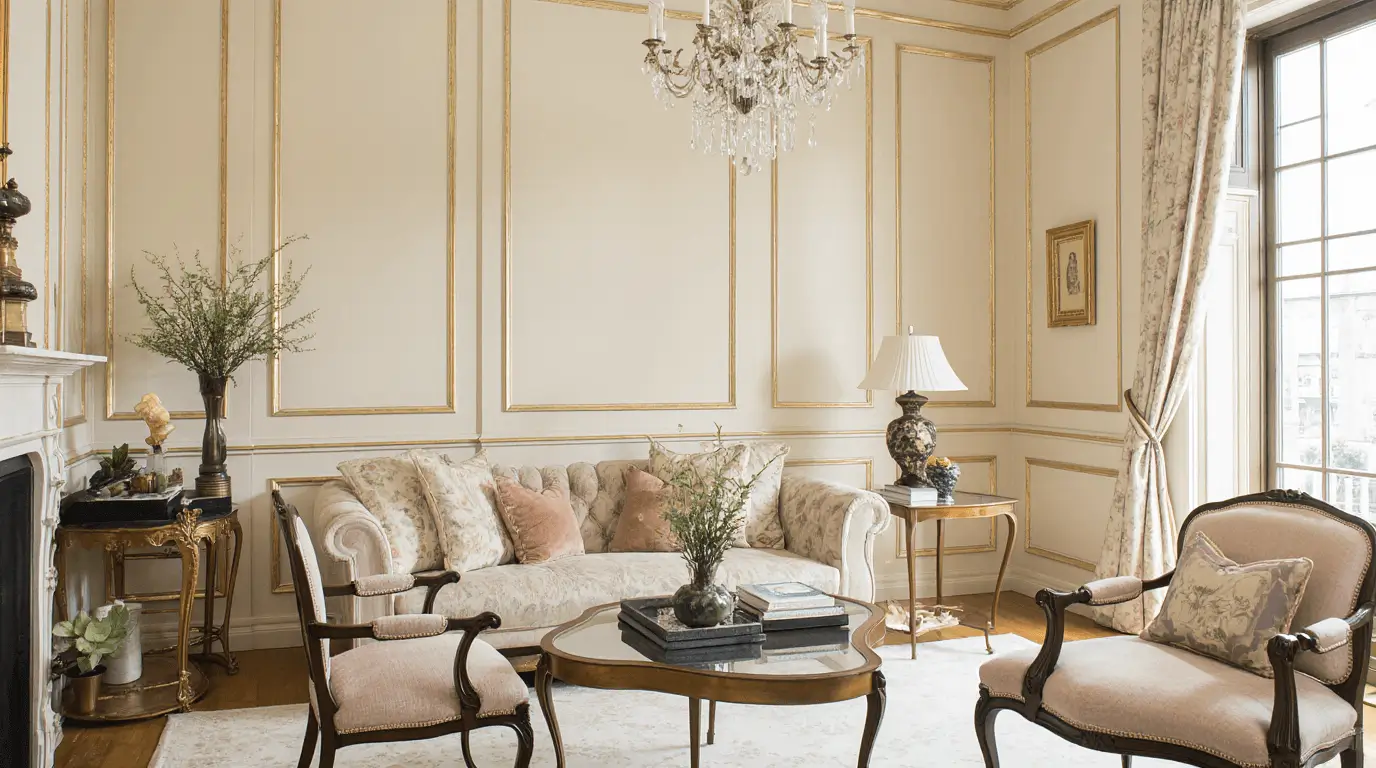
English Regency Interior Design Furniture: Elegant and Structured
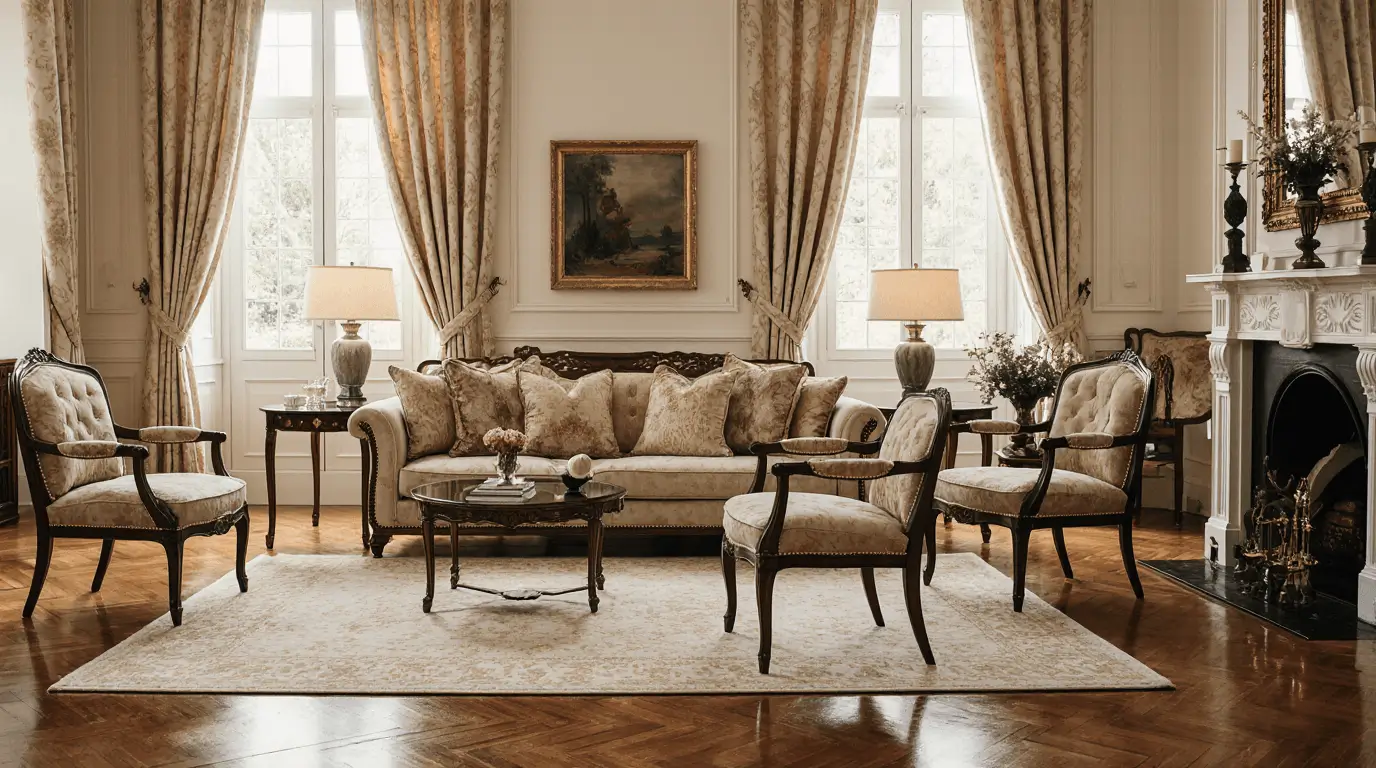
Furniture is delicate yet structured, often featuring curved legs, scroll arms, and classical motifs. Pieces feel lighter than Georgian furniture but still highly refined.
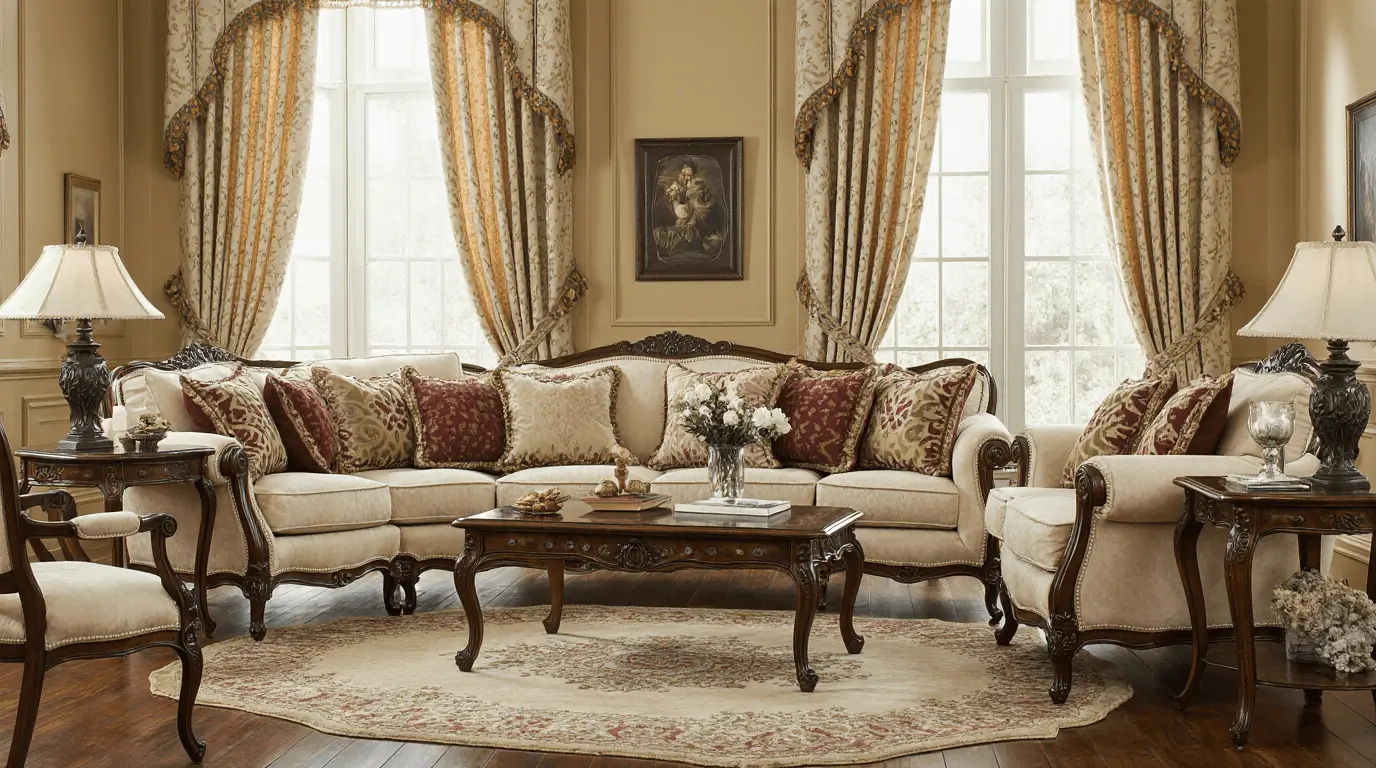
English Regency Interior Design Symmetry: The Core Principle
Symmetry is essential. Matching chairs, identical lamps, and balanced layouts create visual harmony and a sense of order.
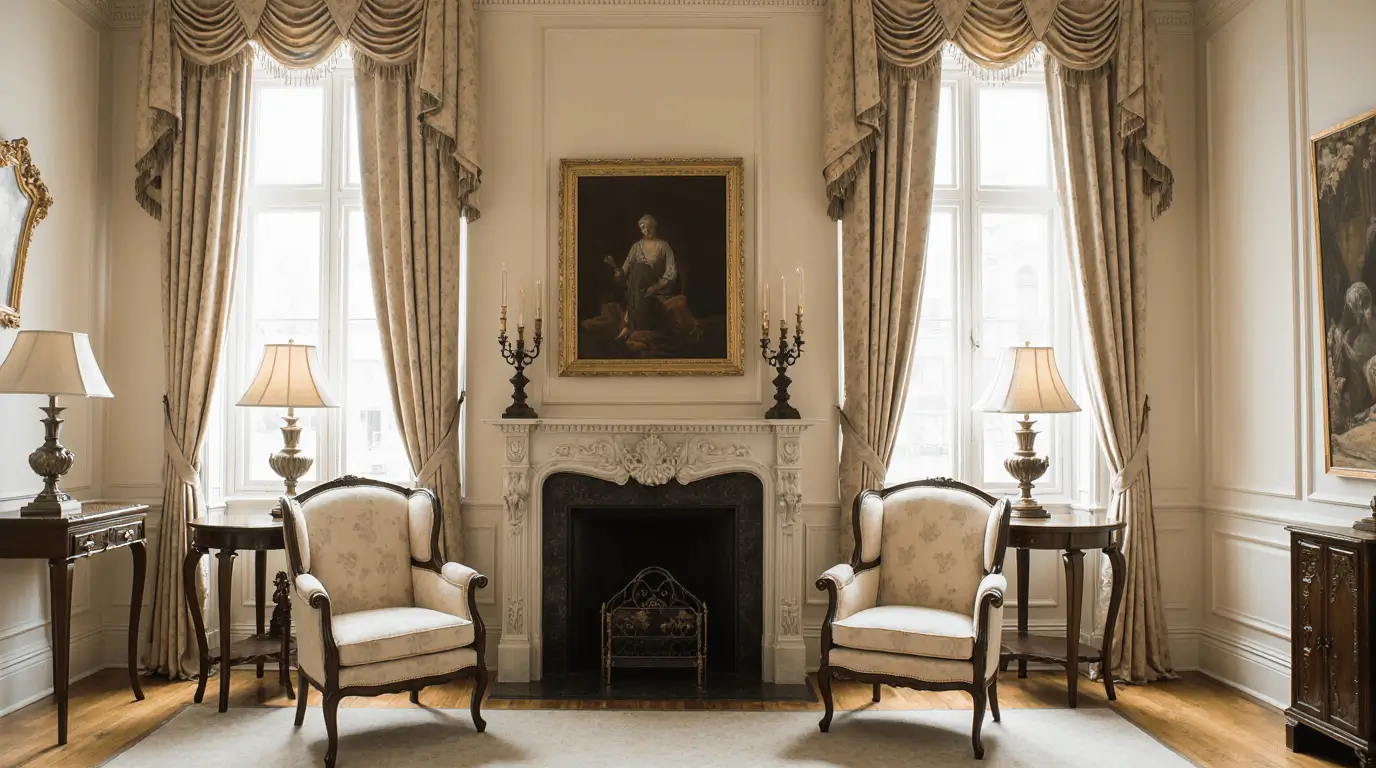
English Regency Interior Design Materials: Natural and Refined
High-quality materials like mahogany, marble, brass, and silk define the style. These materials elevate the space without making it feel heavy.
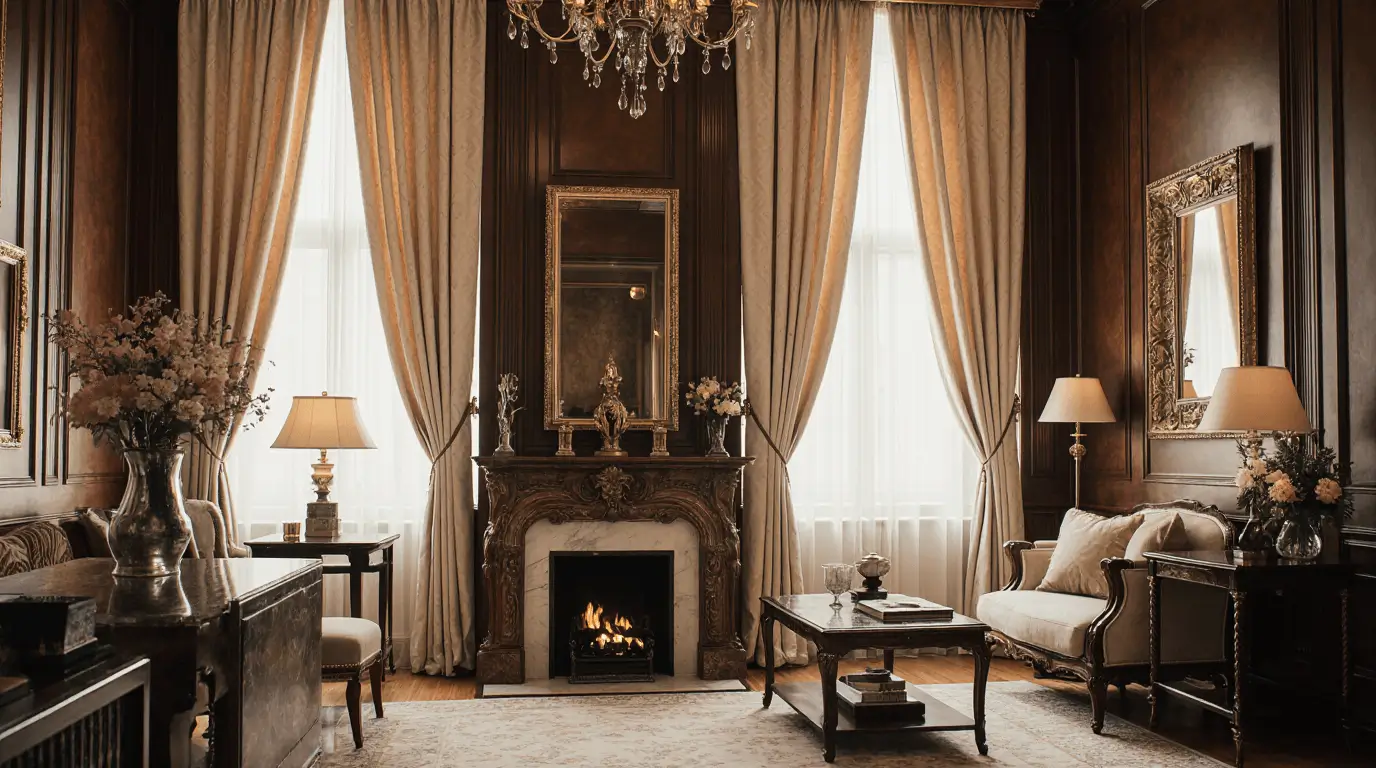
English Regency Interior Design Walls: Subtle Architectural Detail
Walls often feature paneling, decorative moldings, or soft painted finishes. The goal is elegance without overwhelming ornamentation.
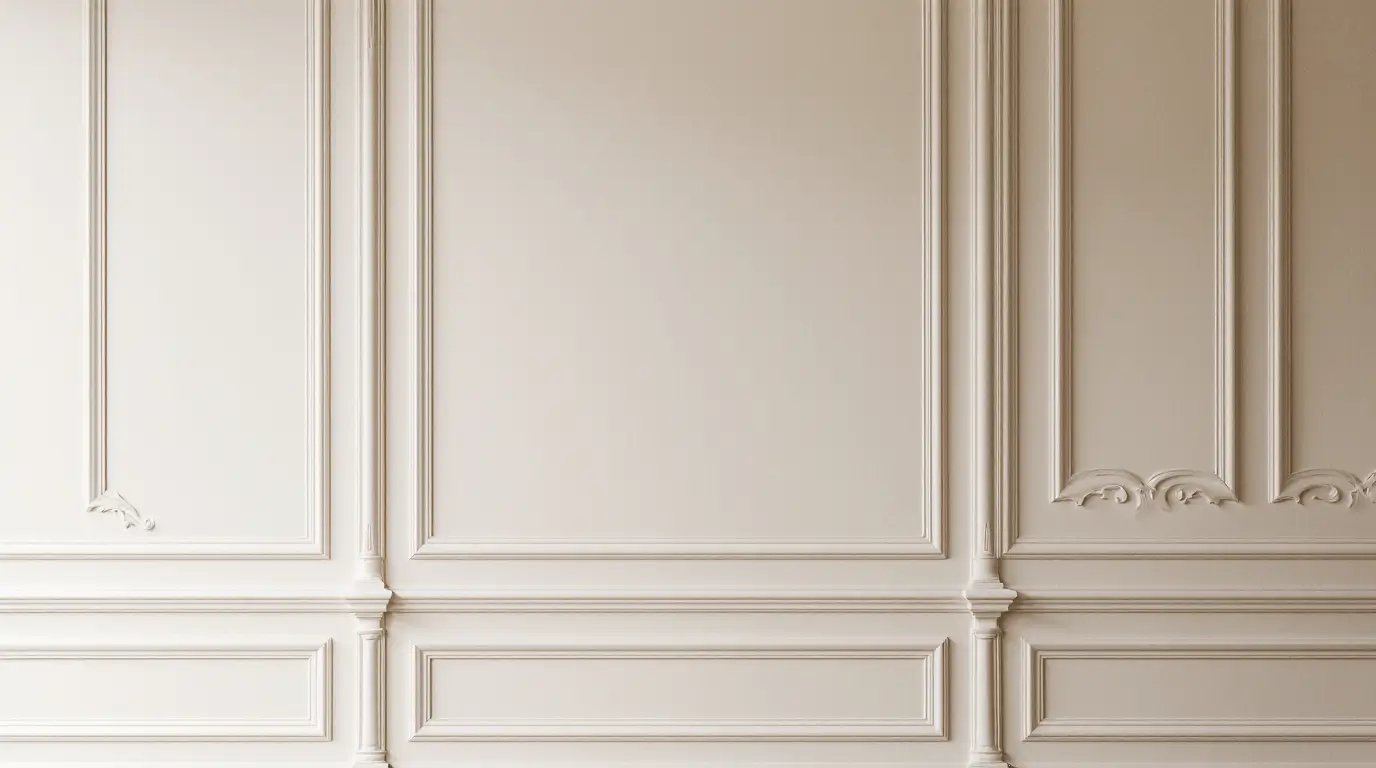
English Regency Interior Design Lighting: Soft and Atmospheric
Lighting is warm and diffused, often coming from chandeliers, sconces, and natural daylight. It enhances the softness of the space.
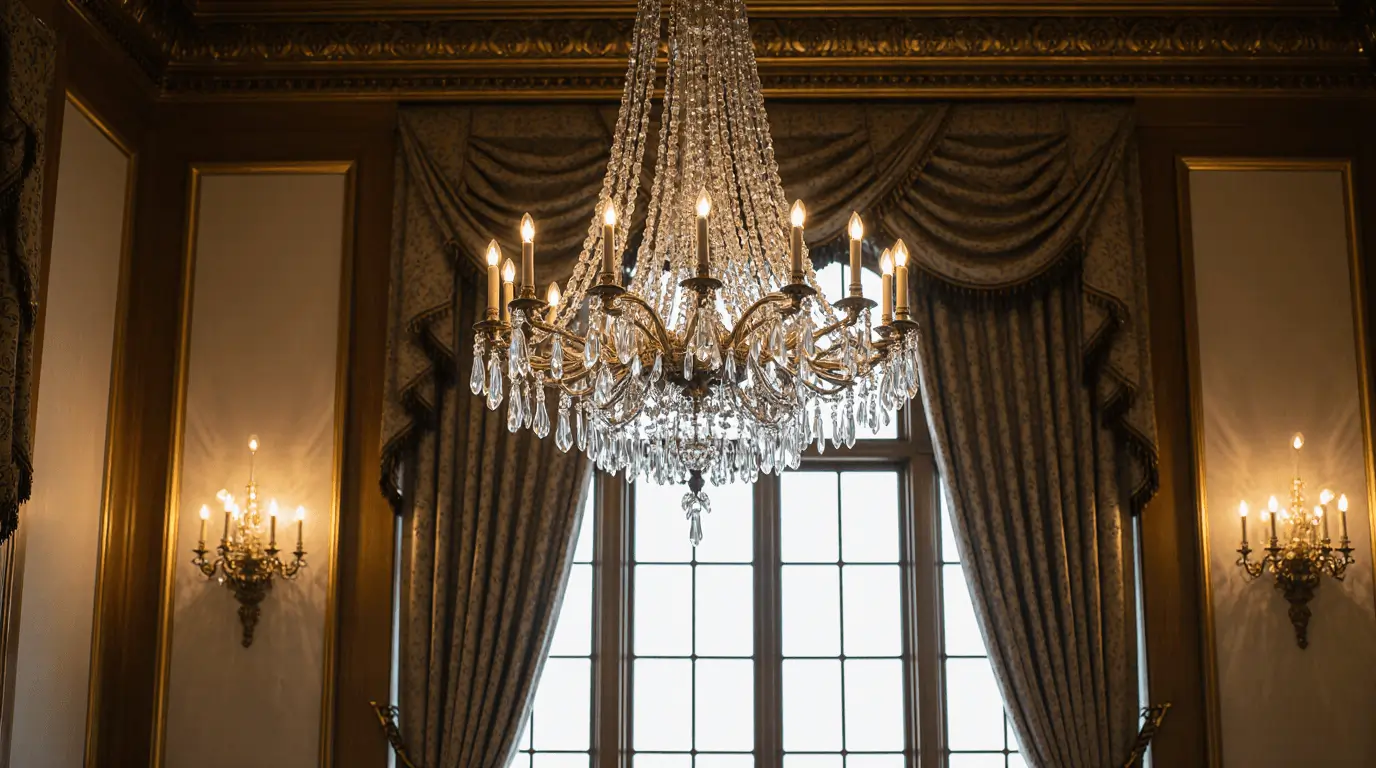
English Regency Interior Design Textiles: Luxurious but Controlled
Fabrics like silk, velvet, and fine cotton are used sparingly. Patterns may include stripes, florals, or classical motifs.
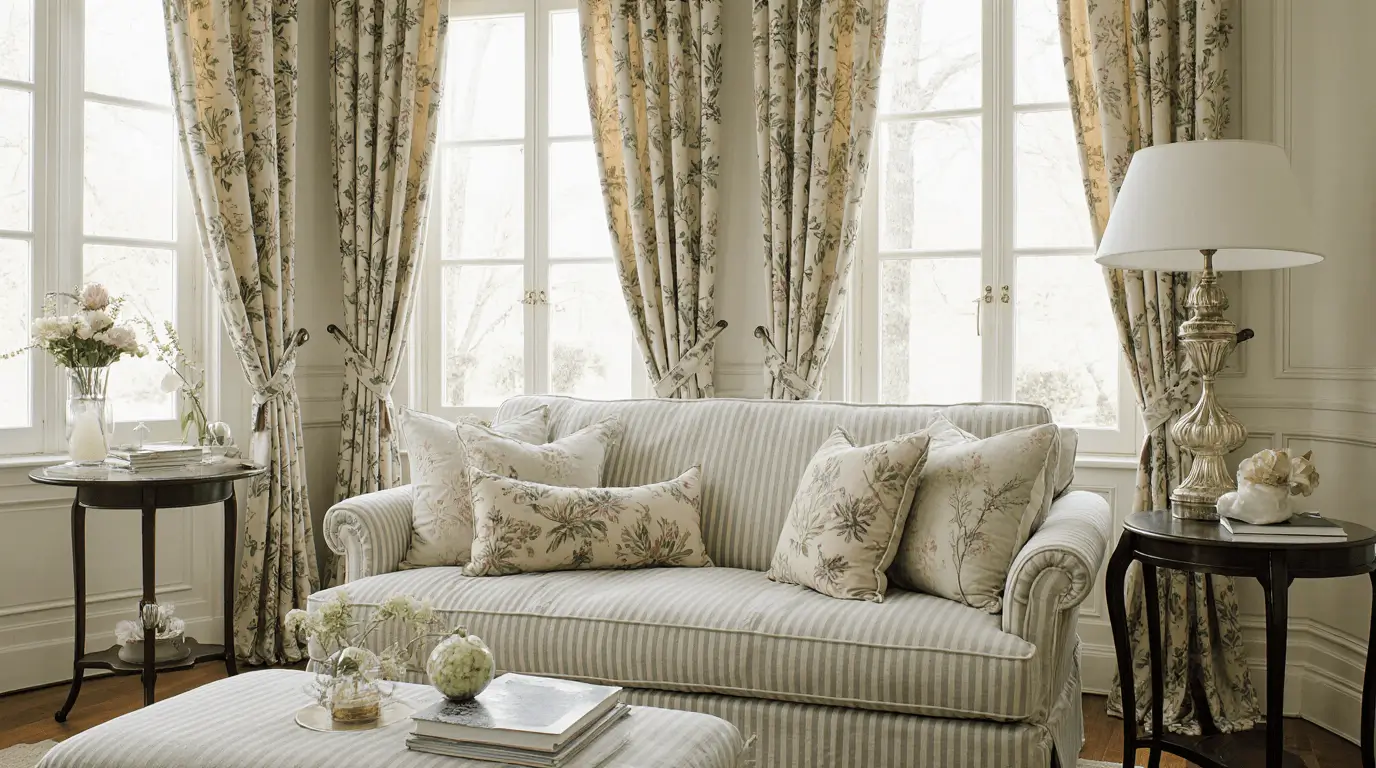
English Regency Interior Design Decorative Elements: Classical Influence
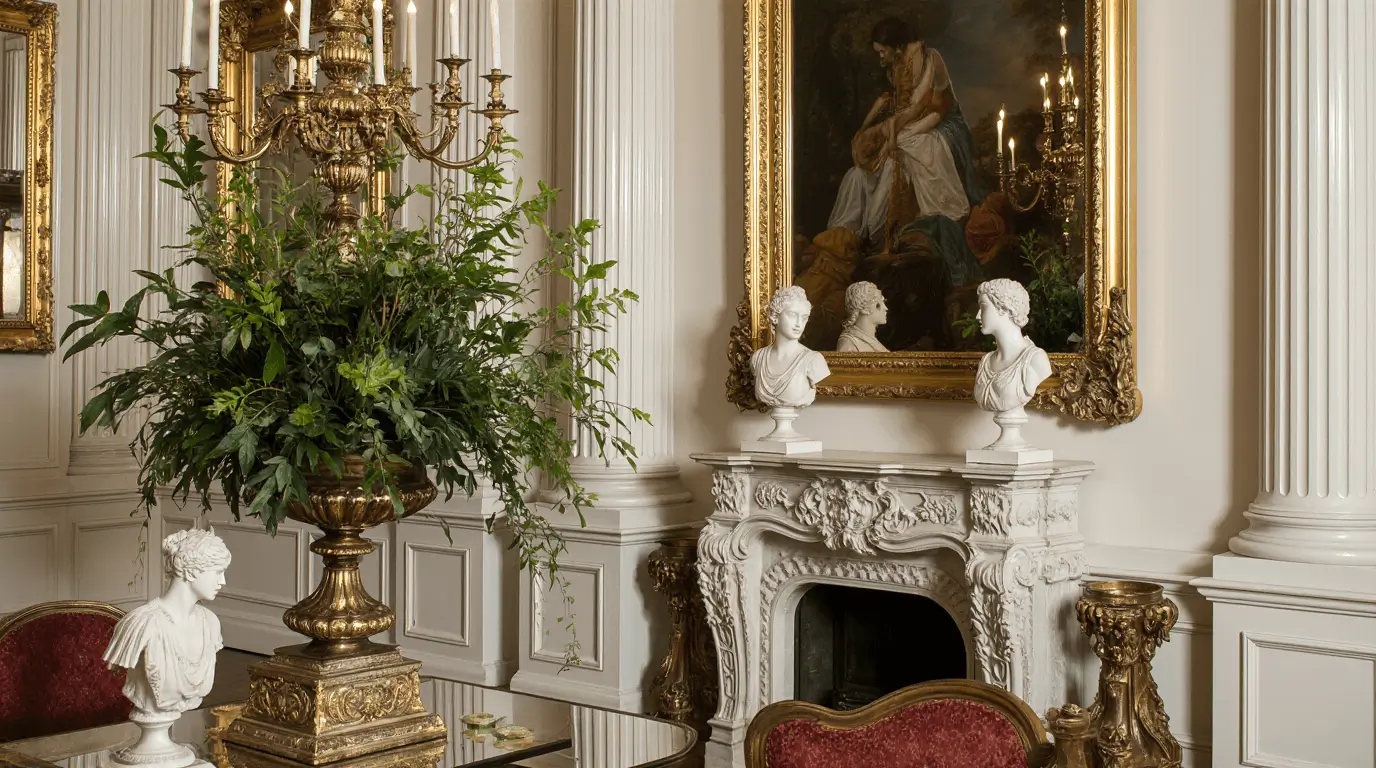
Decor includes mirrors, urns, busts, and classical artwork. These elements reference ancient Greece and Rome.
English Regency Interior Design Flooring: Understated Elegance
Wood flooring, often with rugs, is common. Patterns remain simple to maintain balance in the space.
English Regency Interior Design Windows: Tall and Graceful
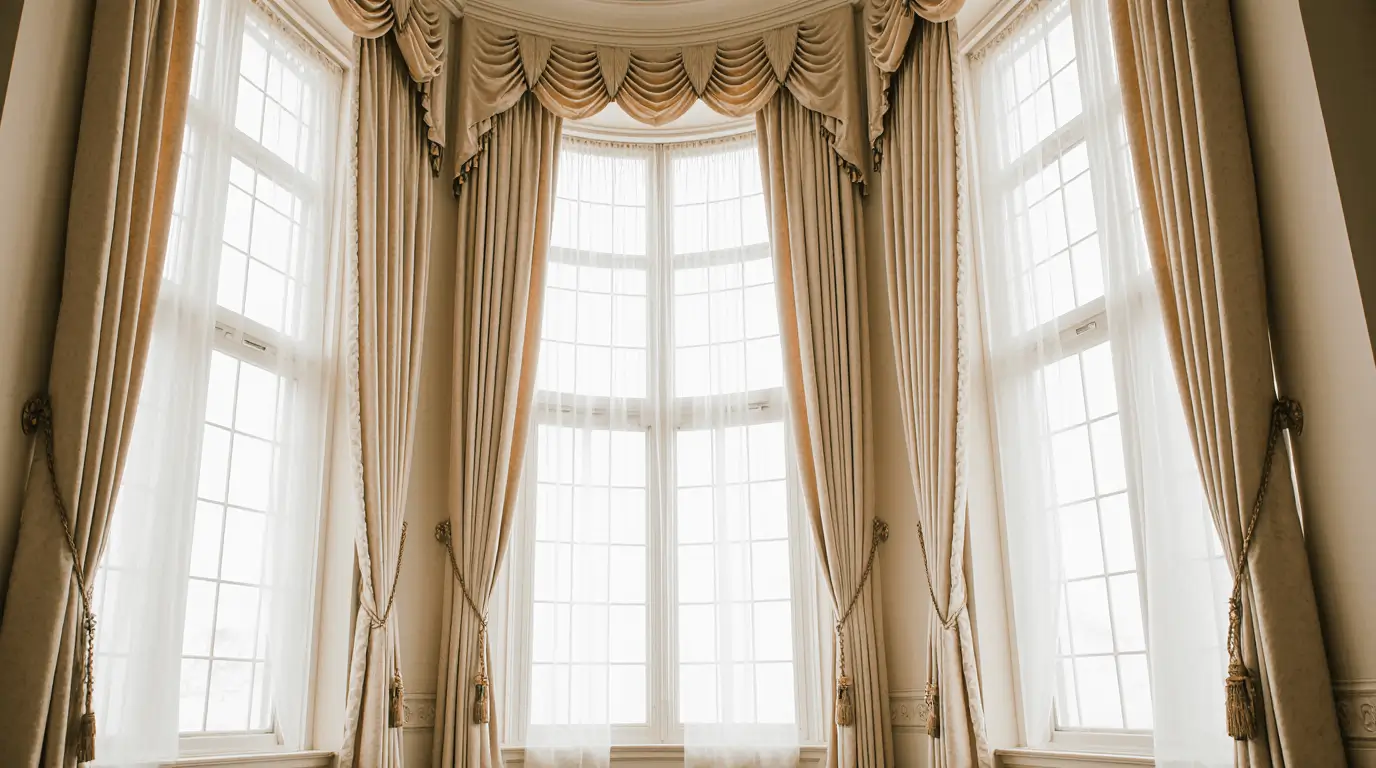
Large windows allow natural light to flow in, often dressed with elegant drapery.
English Regency Interior Design Accessories: Less is More
Accessories are carefully chosen. Each piece has purpose, avoiding clutter while enhancing the aesthetic.
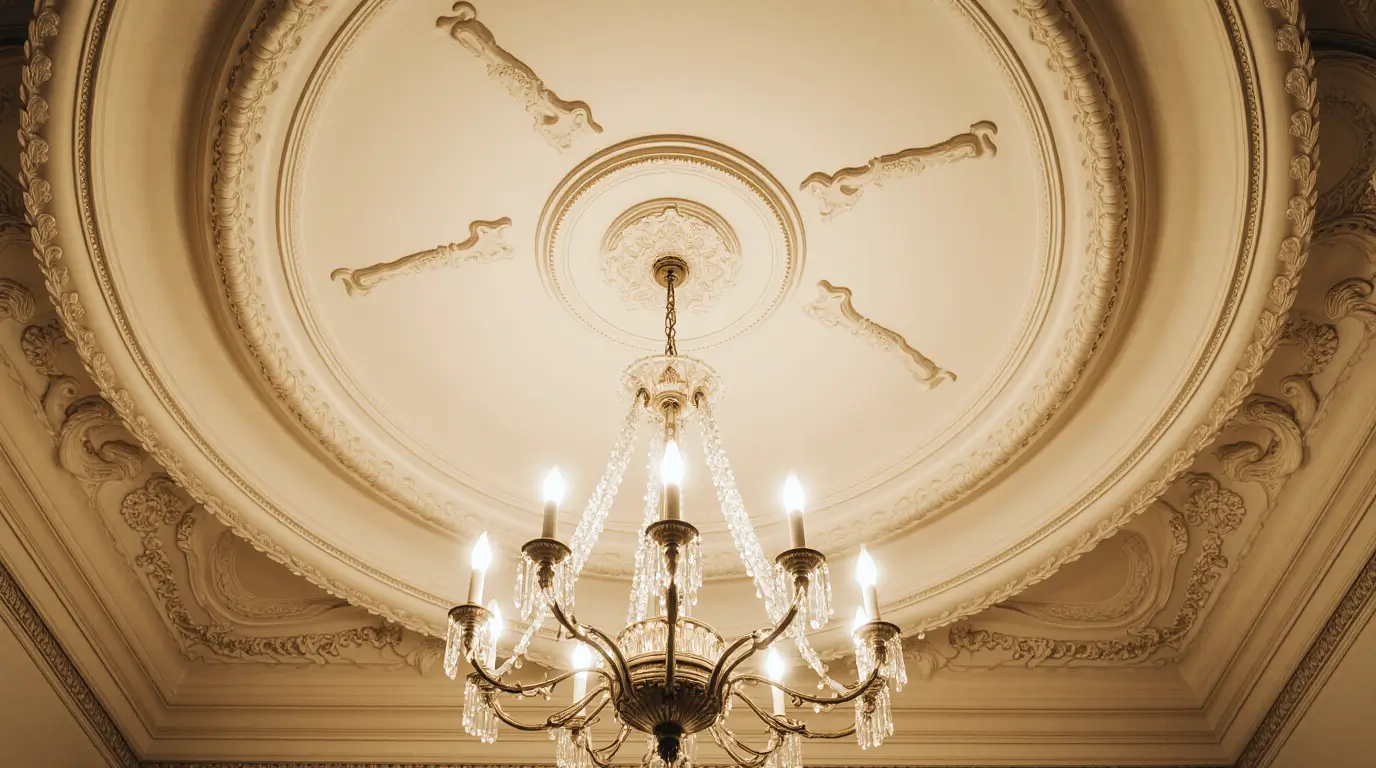
English Regency Interior Design Ceiling Details: Quiet Luxury
Ceilings may feature subtle moldings or medallions, adding depth without distraction.
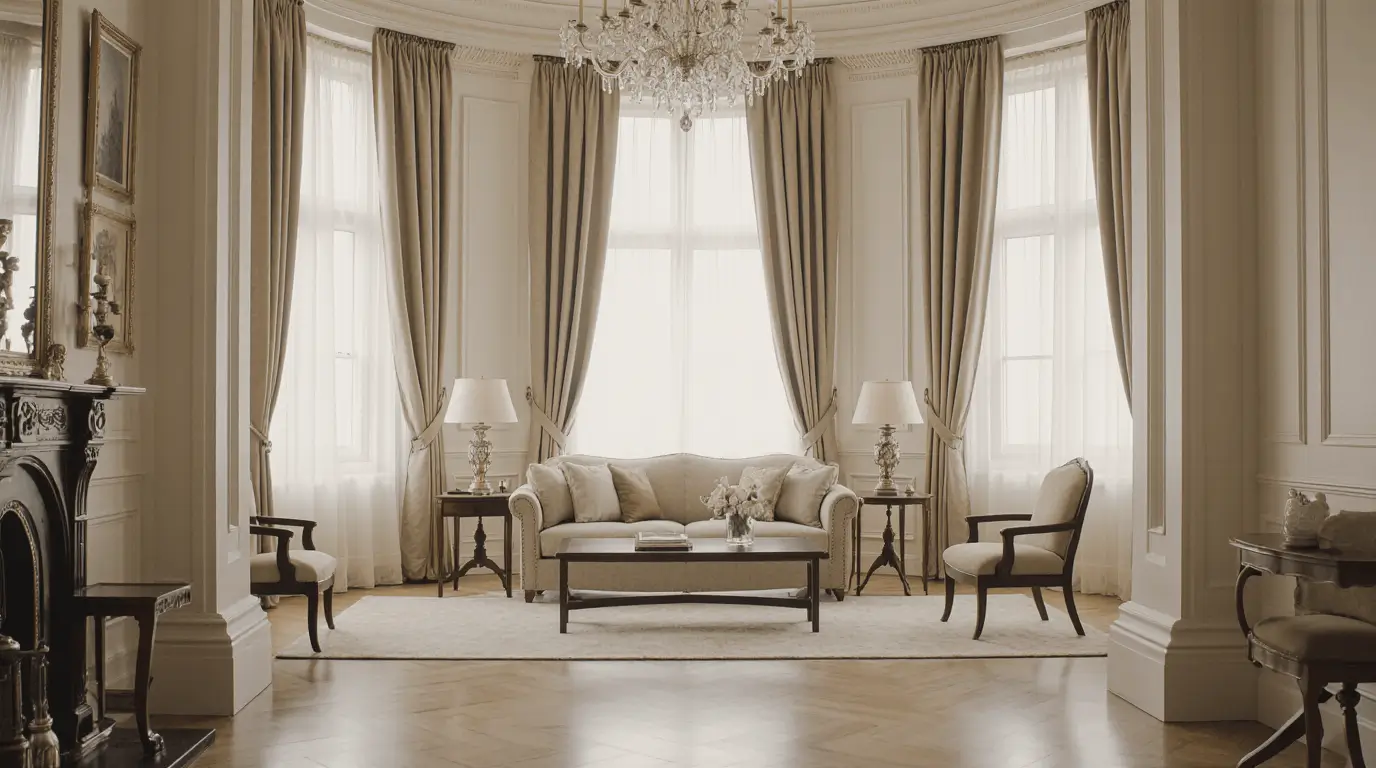
English Regency Interior Design Layout: Open Yet Structured
Spaces feel open but organized. Furniture placement encourages flow while maintaining symmetry.
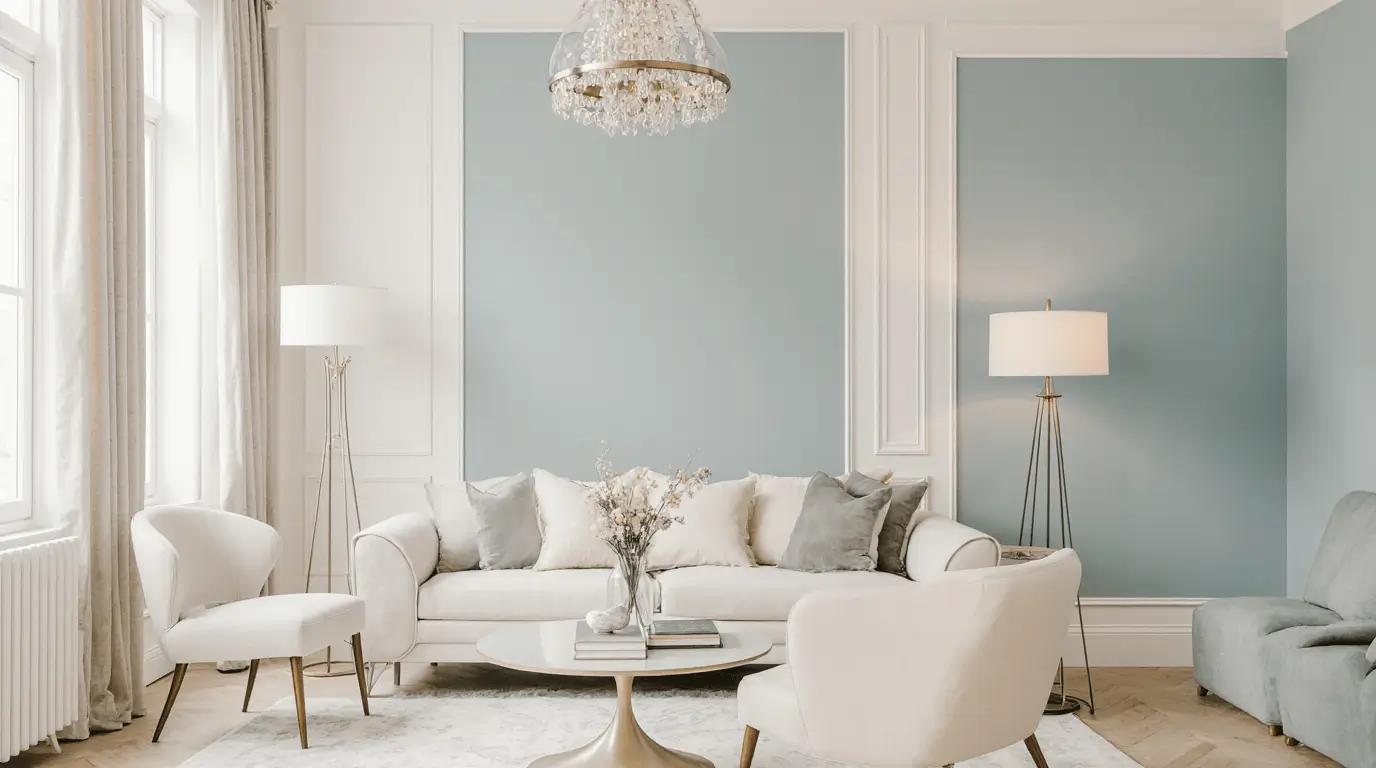
English Regency Interior Design Modern Adaptation: Contemporary Elegance
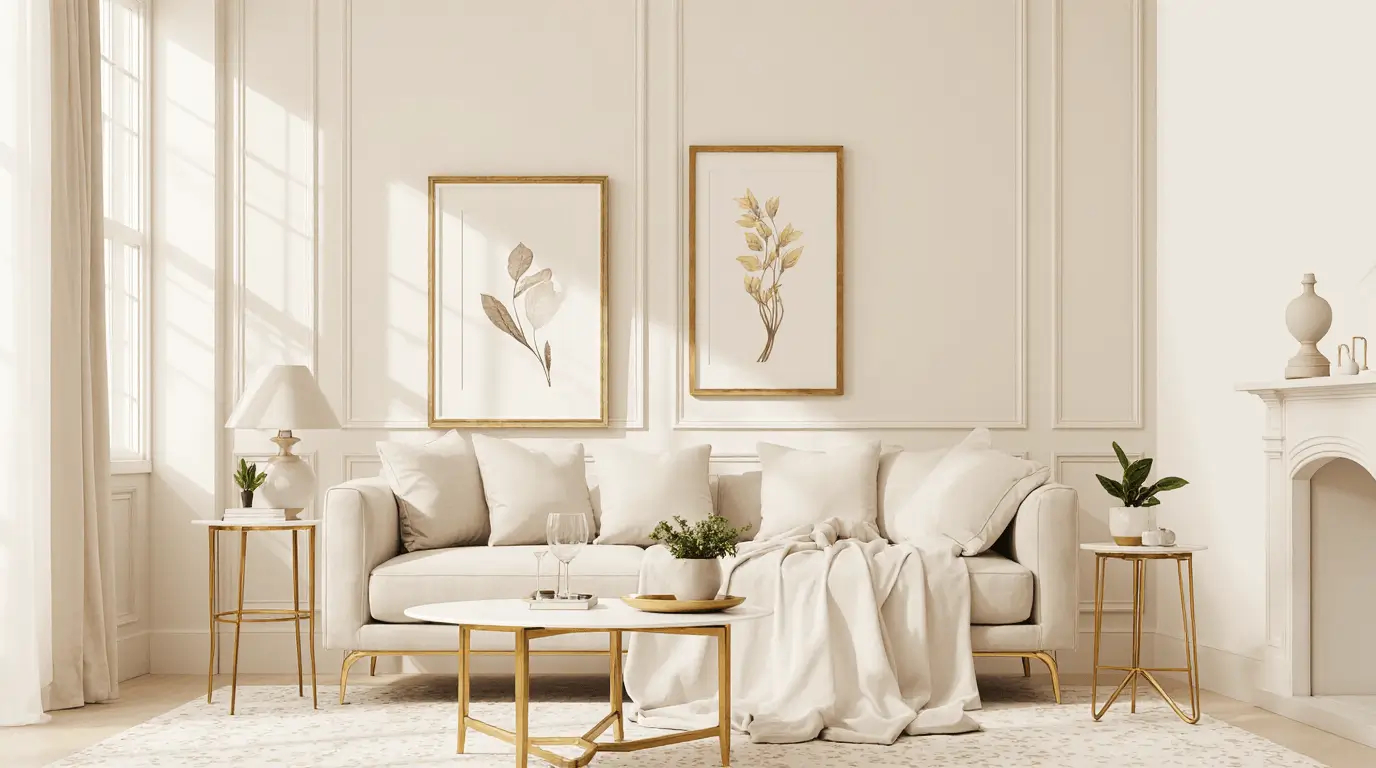
Modern Regency interiors blend traditional elements with contemporary simplicity—cleaner lines, fewer ornaments, but the same refined feel.
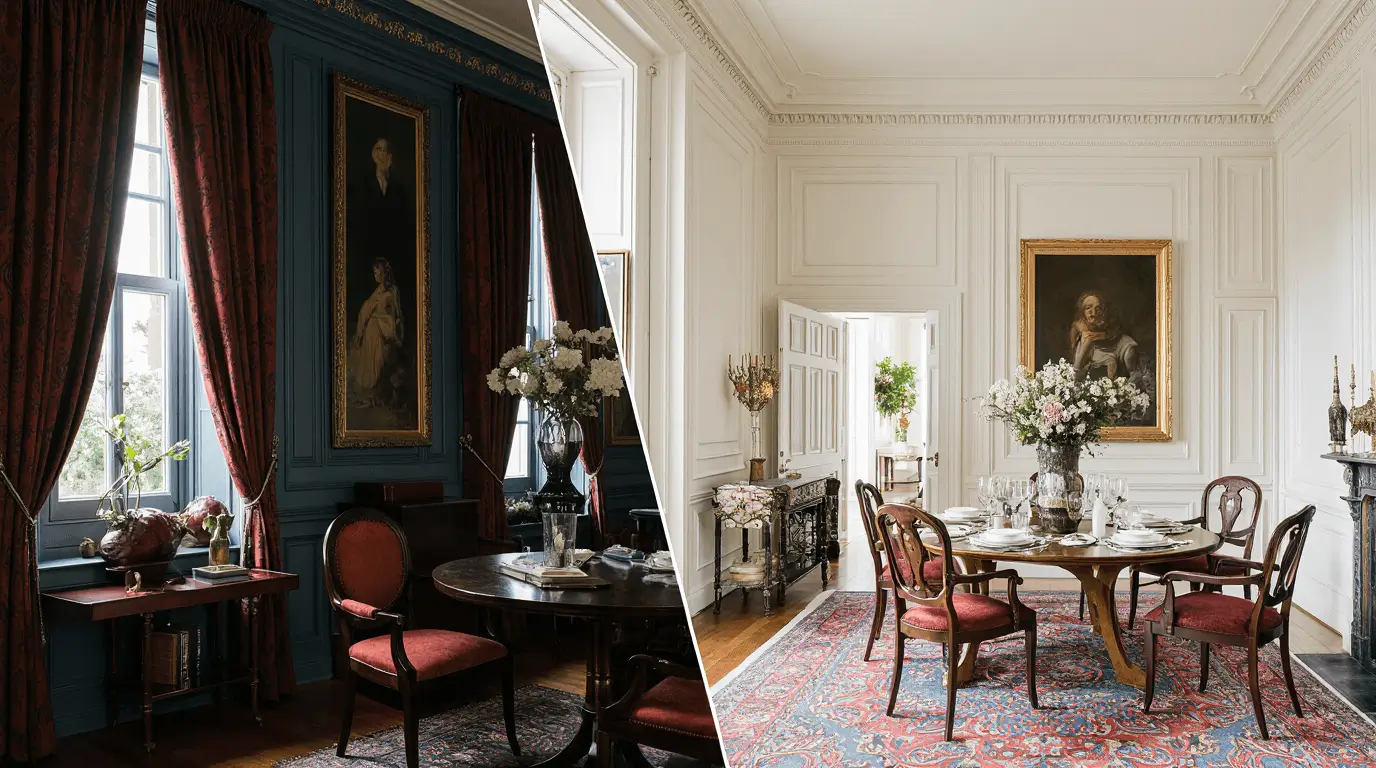
English Regency Interior Design vs Georgian Style: Key Differences
While Georgian design is heavier and more formal, English Regency interiors are lighter, more decorative, and slightly more relaxed.
English Regency Interior Design Atmosphere: Calm, Cultured, and Timeless
The overall mood is peaceful, cultured, and intellectually elegant. It feels like a space designed for both living and reflection.
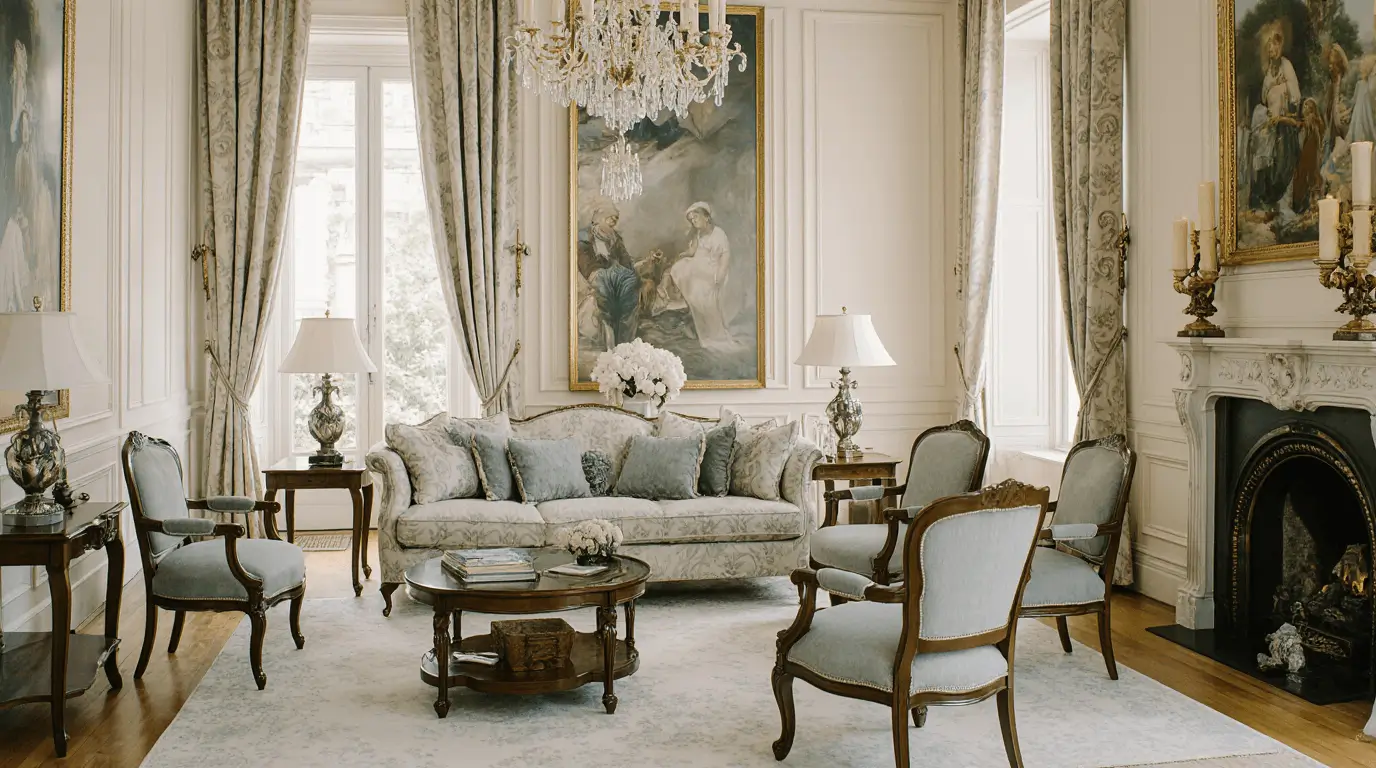
English Regency Interior Design for Small Spaces: Scaled Elegance
Even in smaller rooms, the style works by using lighter colors, mirrors, and scaled-down furniture.
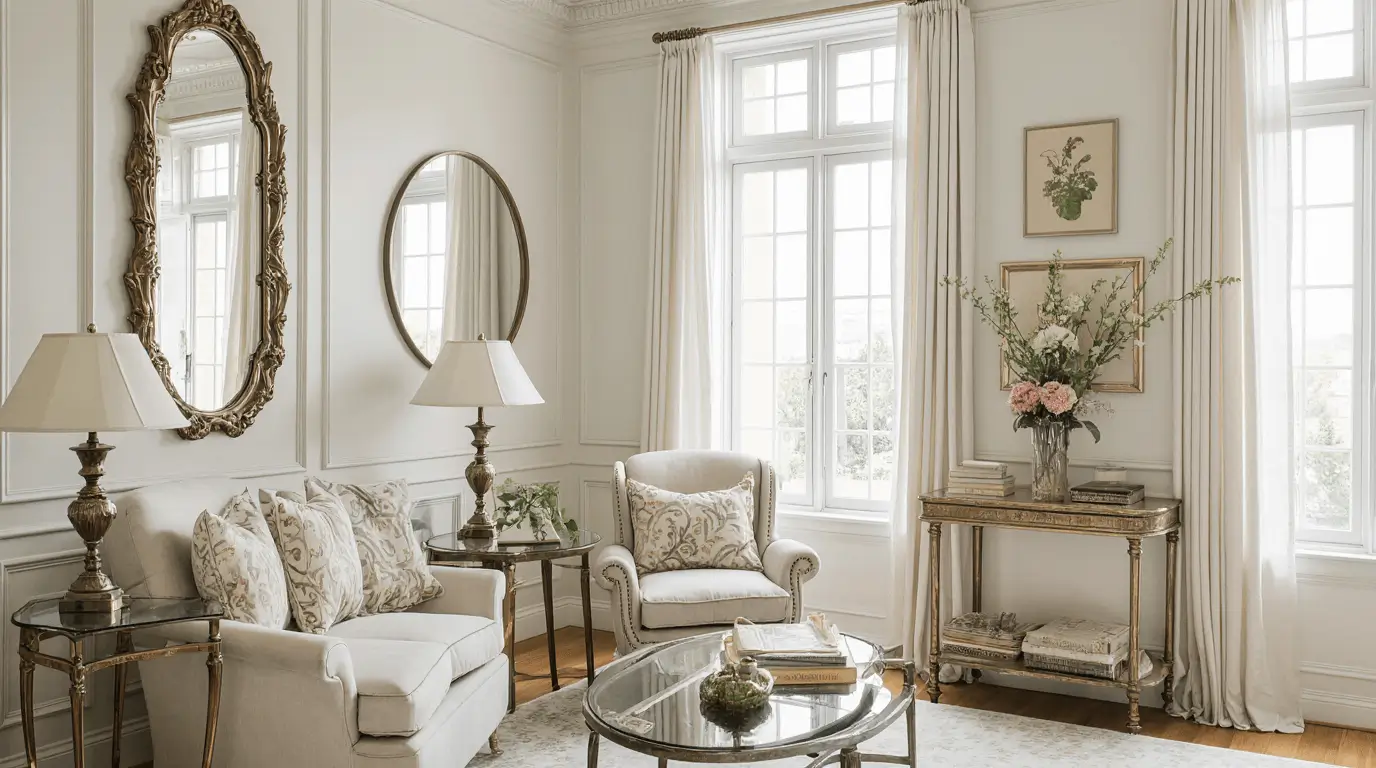
English Regency Interior Design Philosophy: Beauty Through Restraint
At its core, this style is about discipline. Every element is chosen with intention, creating harmony through thoughtful design rather than excess.
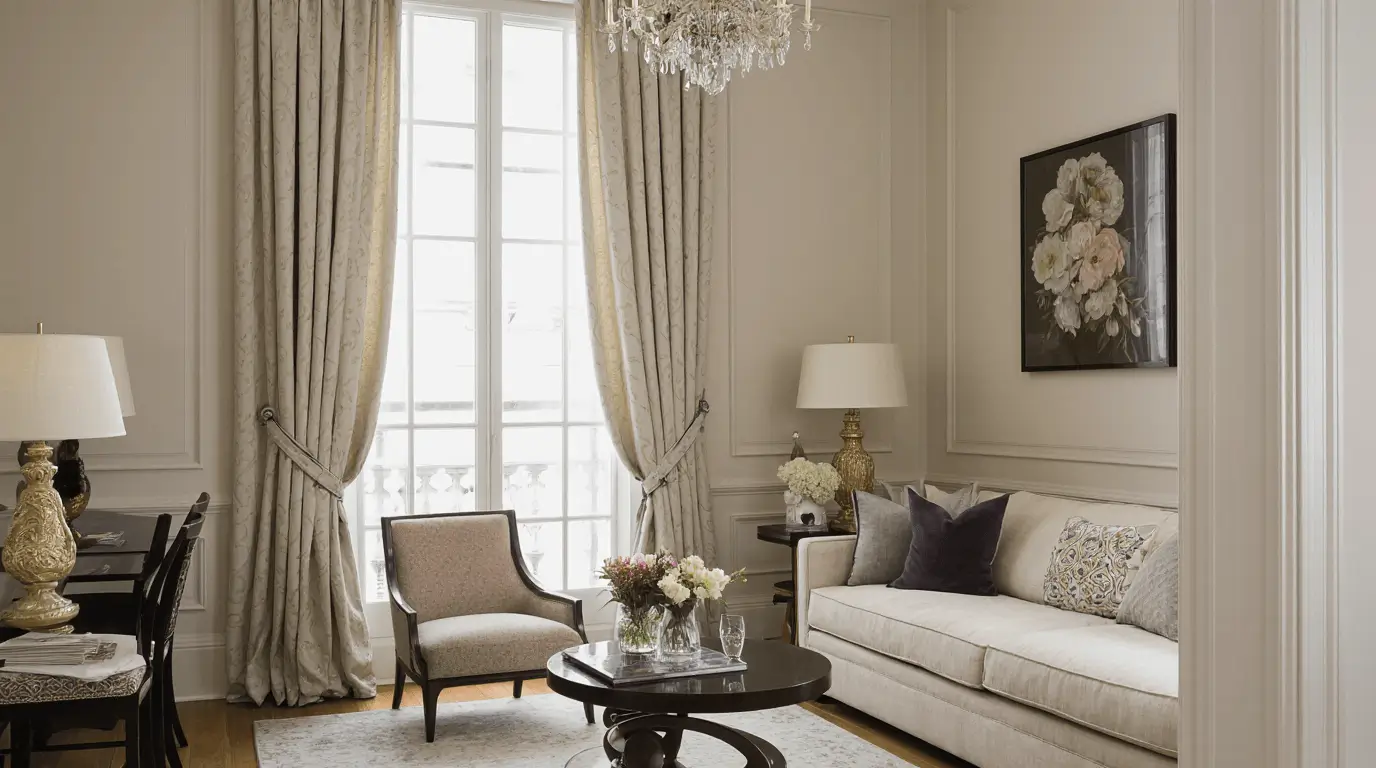
Conclusion: Bringing English Regency Interior Design into Real Life
English Regency interior design endures because it solves a challenge many homeowners face: how to create a space that feels refined without becoming rigid, and elegant without losing comfort. Its strength lies in balance—between structure and softness, decoration and restraint, tradition and livability.
In practice, this style works because it gives you a clear framework. When you focus on symmetry, controlled color palettes, and thoughtfully chosen materials, decisions become easier. You’re no longer guessing what “looks good”—you’re building a space that naturally feels harmonious. Even a few well-placed elements—a pair of matching lamps, a gilded mirror, or a softly tailored sofa—can shift a room toward that timeless Regency character.
This approach benefits anyone who values calm, order, and quiet sophistication in their home. It’s especially effective for those who want their space to feel polished but still welcoming—never overdesigned, never cluttered. Whether you’re redesigning a full home or refining a single room, English Regency interior design offers a dependable path: simplify, balance, and elevate with intention.
The key takeaway is simple—edit carefully, invest in quality where it matters, and let proportion guide your choices. When you do, the result isn’t just a beautiful room; it’s a space that feels composed, enduring, and deeply considered.
Learn more : Mediterranean Design Interior: Warm, Elegant Style Guide
FAQs About English Regency Interior Design
- Is English Regency interior design suitable for modern homes?
Yes, it adapts beautifully to modern living. By simplifying ornamentation and blending classic shapes with cleaner lines, you can achieve a contemporary version that feels fresh while still rooted in tradition.
- What is the easiest way to introduce Regency style into an existing room?
Start with symmetry and one or two statement pieces. For example, add matching side tables with lamps or introduce a classical mirror. These small changes instantly create a more structured and refined look.
- How is English Regency different from Georgian interiors?
Georgian interiors tend to feel heavier and more formal, with darker tones and denser decoration. English Regency interior design is lighter, more expressive, and places greater emphasis on elegance and visual flow.
- Do I need expensive materials to achieve this style?
Not necessarily. While authentic materials like marble or mahogany elevate the look, you can achieve a similar effect with well-crafted alternatives. The key is choosing pieces that look refined and maintaining a balanced composition.
- Can this style work in small spaces?
Absolutely. In smaller rooms, Regency design can feel even more effective when scaled properly. Use lighter colors, mirrors, and fewer but more intentional pieces to maintain openness and elegance.
- What colors define English Regency interior design?
Soft neutrals such as cream, ivory, and pale pastels form the base, often accented with gold or black. This combination creates a calm, polished atmosphere without overwhelming the space.
- How do I avoid making the space feel too formal or outdated?
Focus on restraint and comfort. Avoid overloading the room with decorative elements, and mix in subtle modern touches—like simplified lighting or contemporary textiles—to keep the space feeling current and livable.