
Introduction
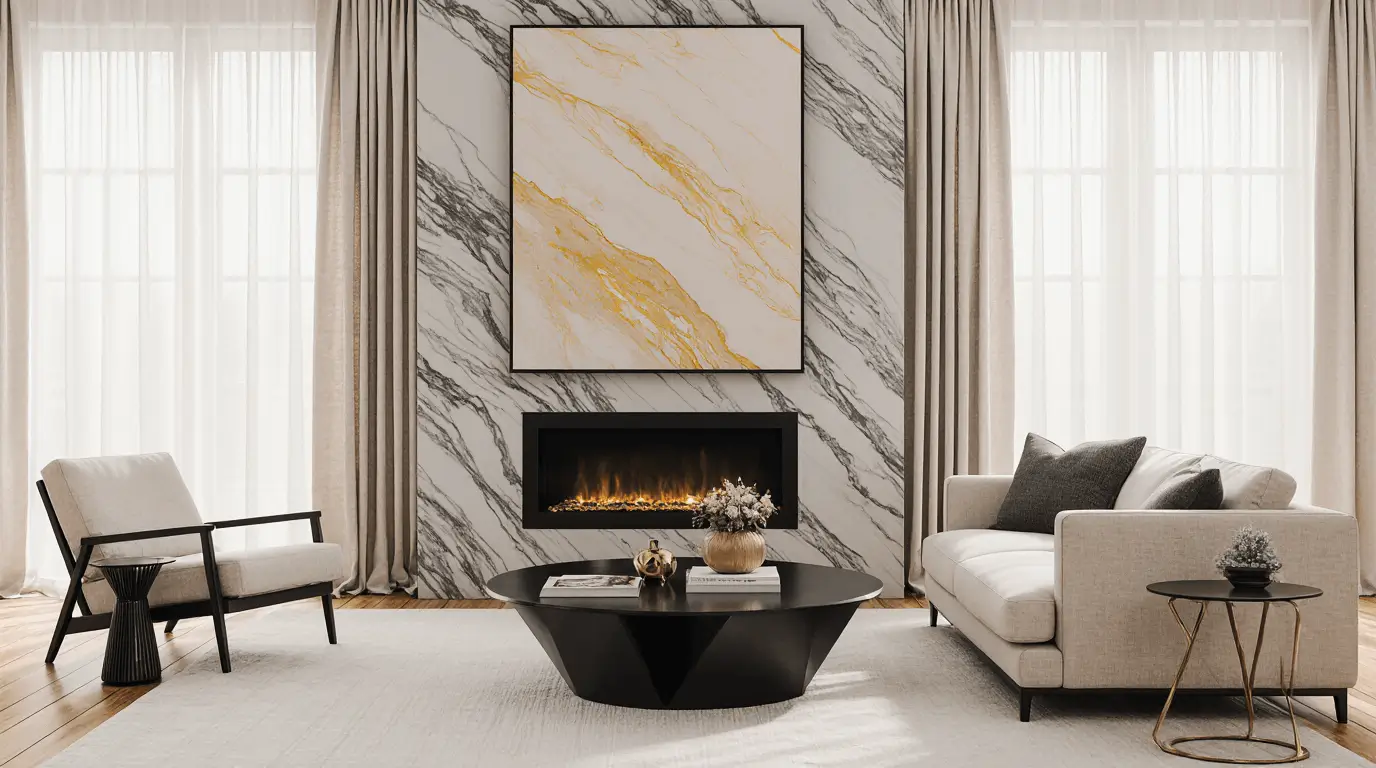
A focal point in interior design is the visual anchor of a room—the element that immediately draws the eye and organizes everything else around it. Whether it’s a dramatic fireplace, a bold accent wall, or a sculptural light fixture, the focal point establishes hierarchy, balance, and emotional impact.
In over a decade of designing living spaces, I’ve found that rooms without a clear focal point often feel scattered or incomplete. When thoughtfully planned, however, a focal point transforms a space from ordinary to intentional. It guides furniture placement, enhances harmony, and strengthens contrast in a way that feels effortless yet powerful.
Below, you’ll find expert-level clusters that explore how to create, enhance, and master a focal point in interior design across different rooms and styles.
Natural Architectural Focal Point in Interior Design
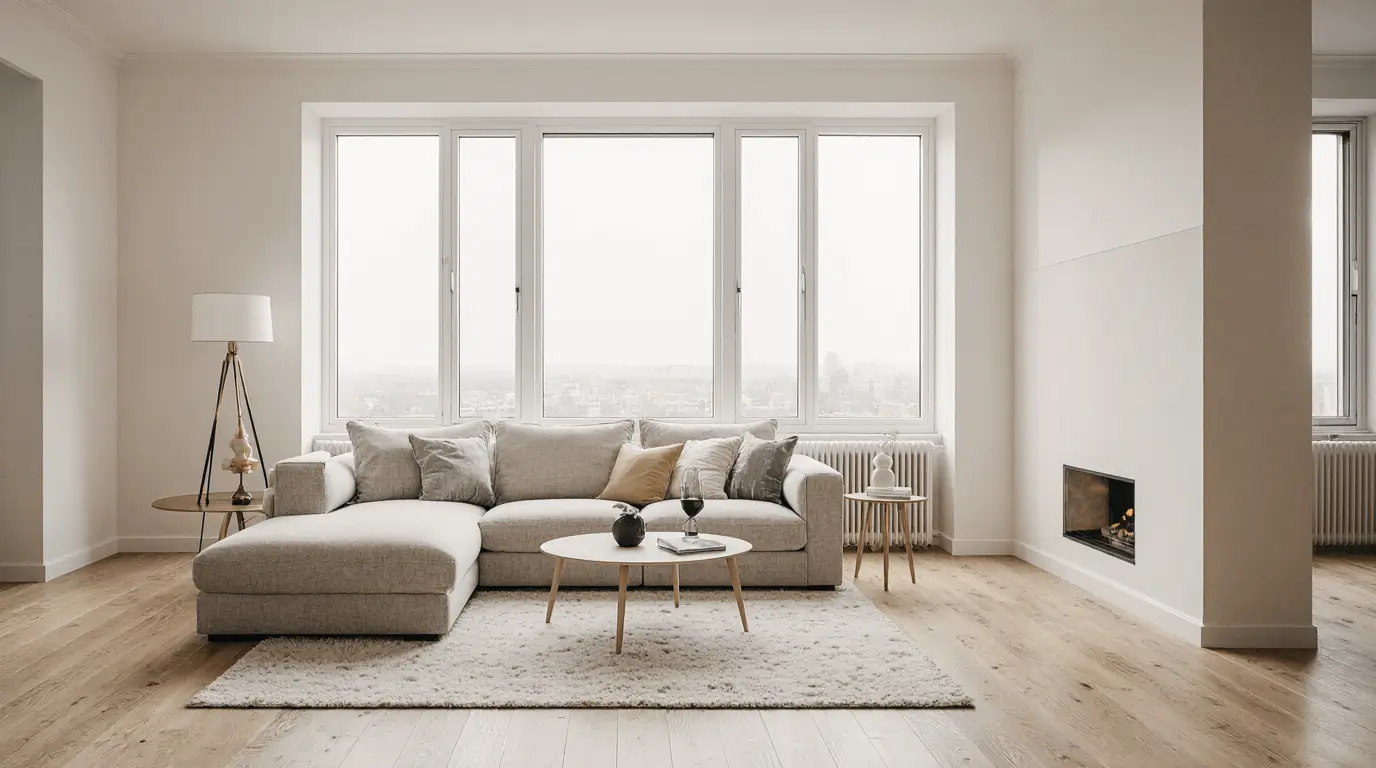
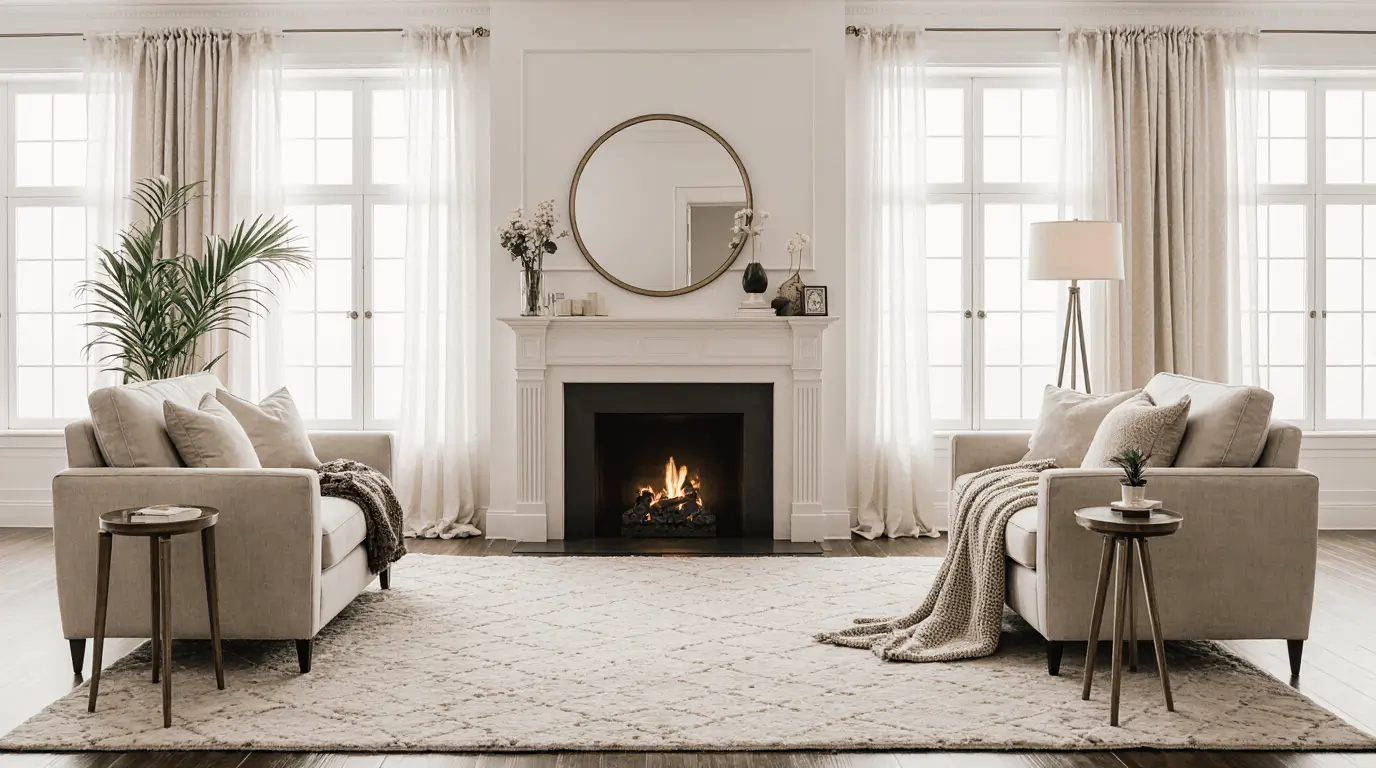
A fireplace, large window, built-in shelving, or exposed brick wall naturally commands attention. Instead of competing with it, design around it. Arrange furniture to frame the feature and enhance its presence.
Accent Wall as a Focal Point in Interior Design
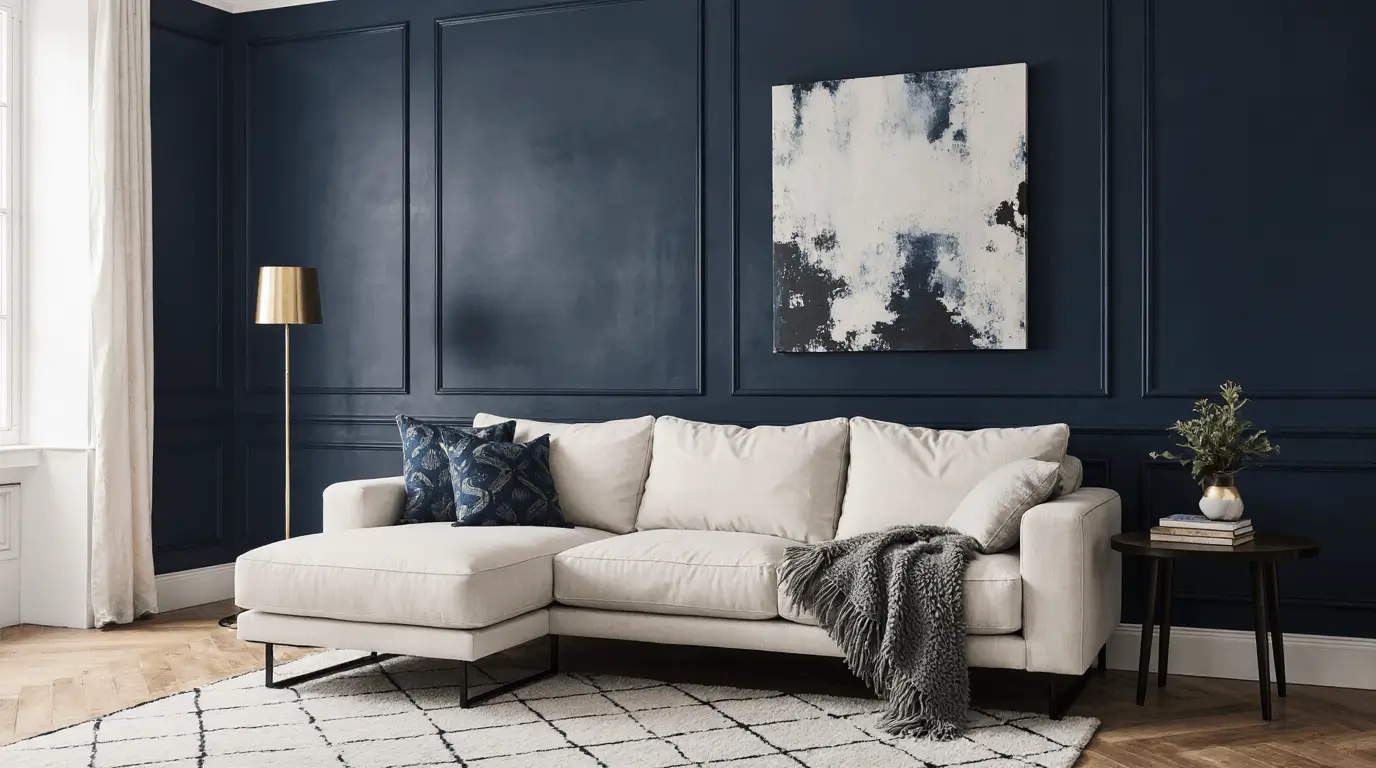
An accent wall is one of the most effective ways to establish visual dominance. Deep paint colors, textured panels, or wallpaper instantly create depth and structure.
Artwork as the Focal Point in Interior Design
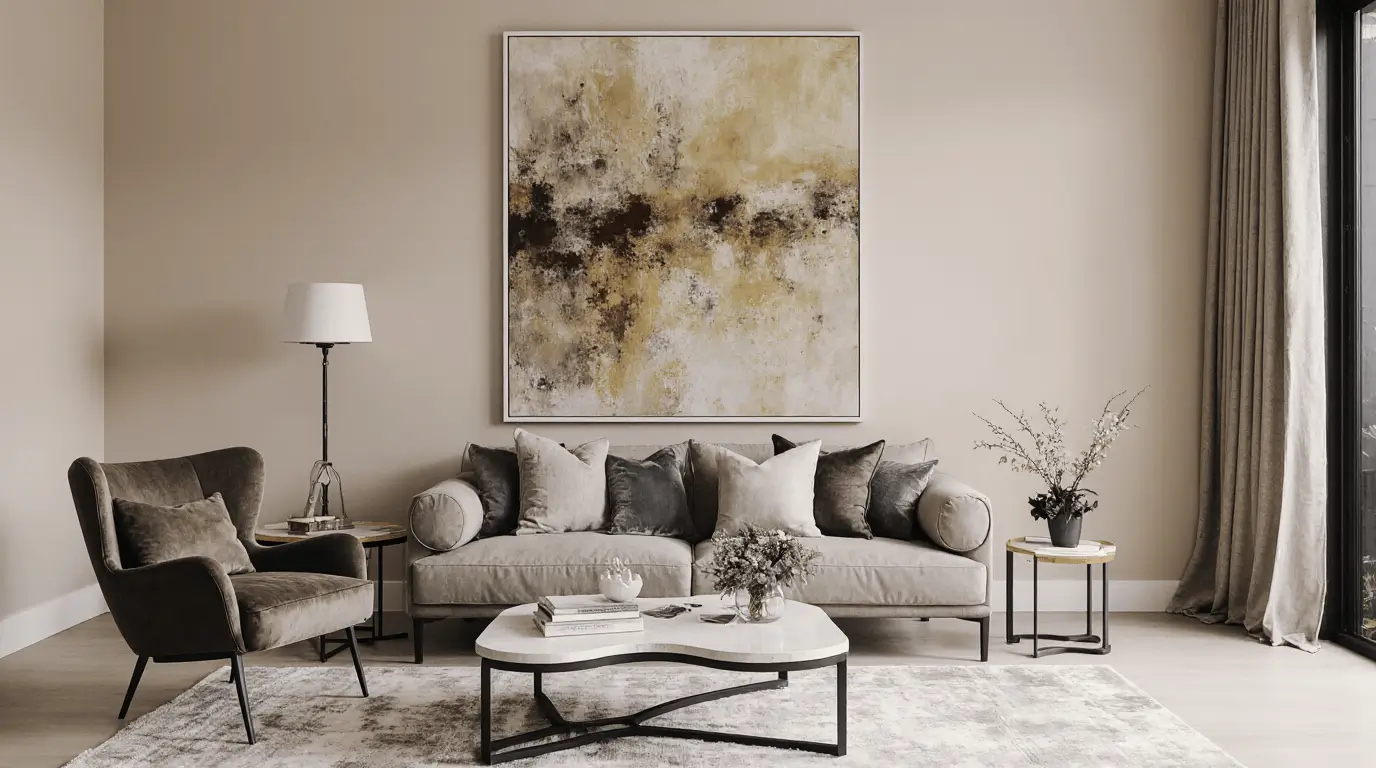
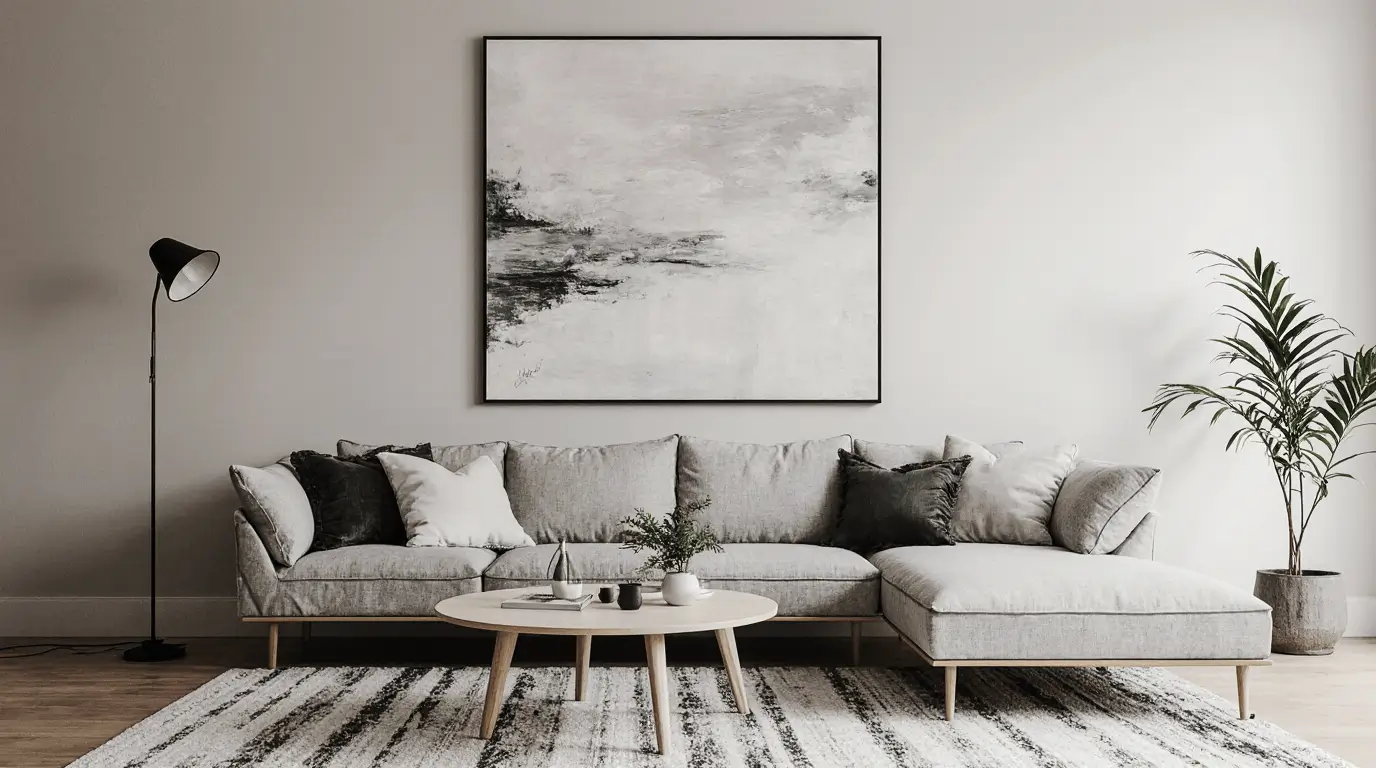
Large-scale artwork or a curated gallery wall can serve as a powerful visual centerpiece. The key is scale—art should feel proportionate to the wall and furniture below.
Focal Point in a Living Room Without a Fireplace
When there’s no built-in feature, create one. A statement media wall, bold shelving unit, or dramatic light fixture can define the room.
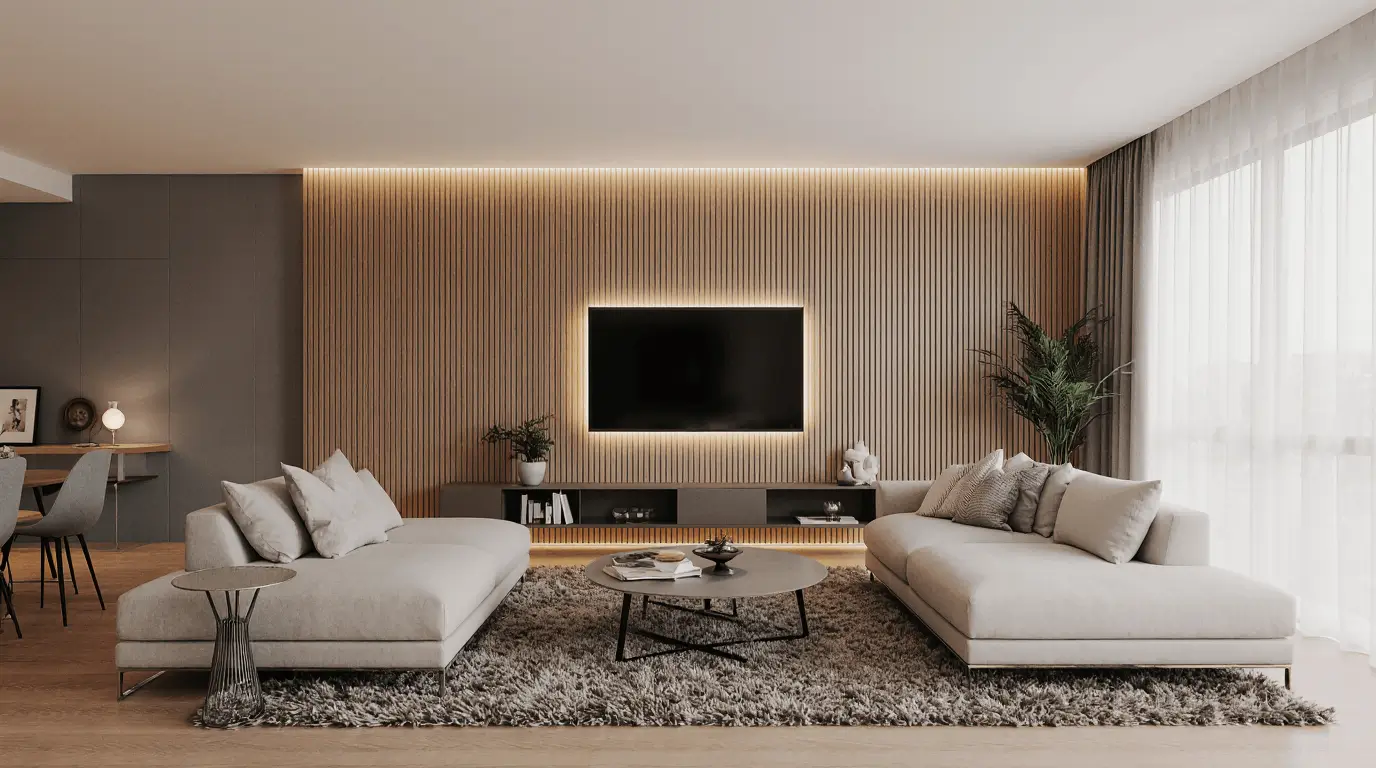
Focal Point Wall Ideas for Modern Spaces
Textured plaster, vertical wood slats, stone cladding, or fluted panels add tactile depth. Texture works beautifully when color contrast is subtle.
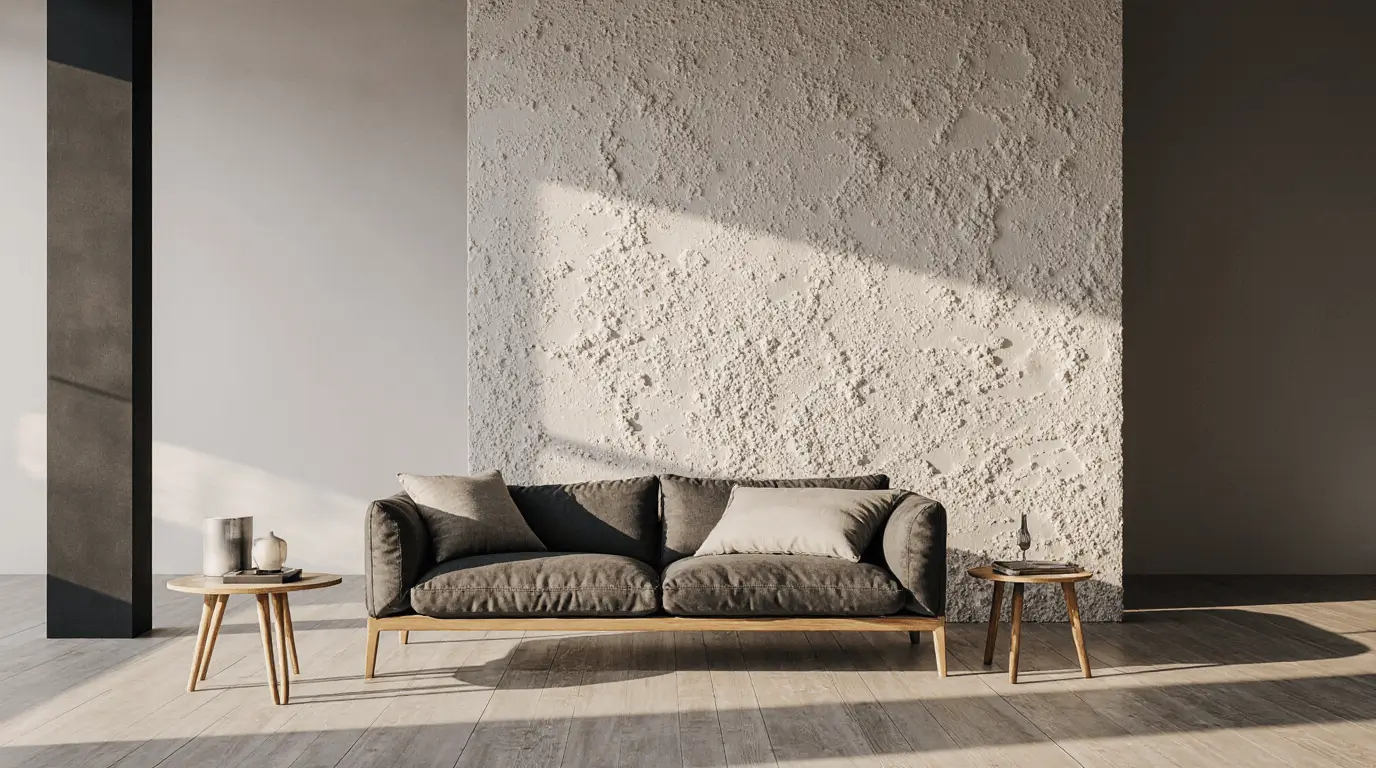
Using Contrast in Interior Design to Strengthen a Focal Point
Contrast amplifies attention. Dark walls behind light furniture, matte finishes against gloss, or smooth surfaces paired with raw materials make a focal point more dramatic.
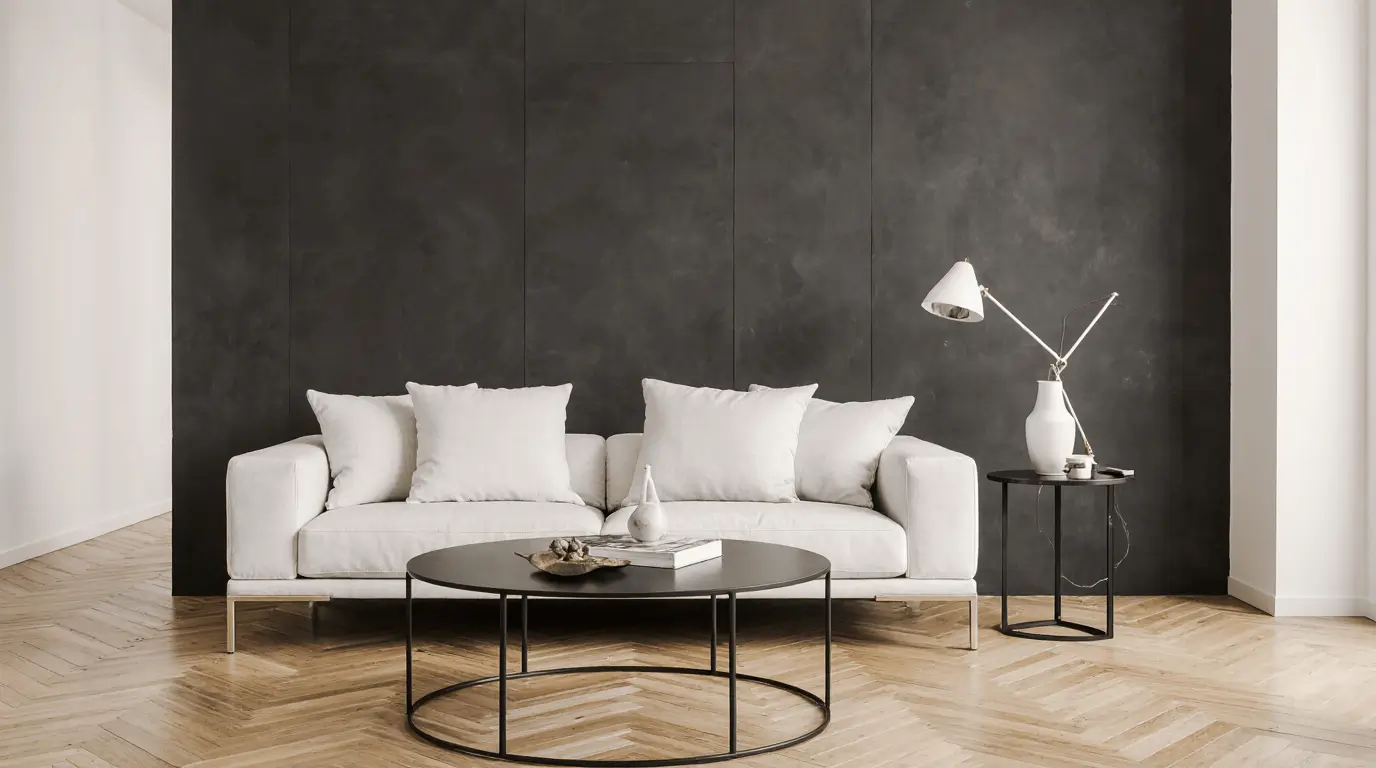
Focal Point Decor Styling Techniques
Layer décor intentionally. Use height variation, symmetry, and negative space to avoid clutter while reinforcing the central feature.
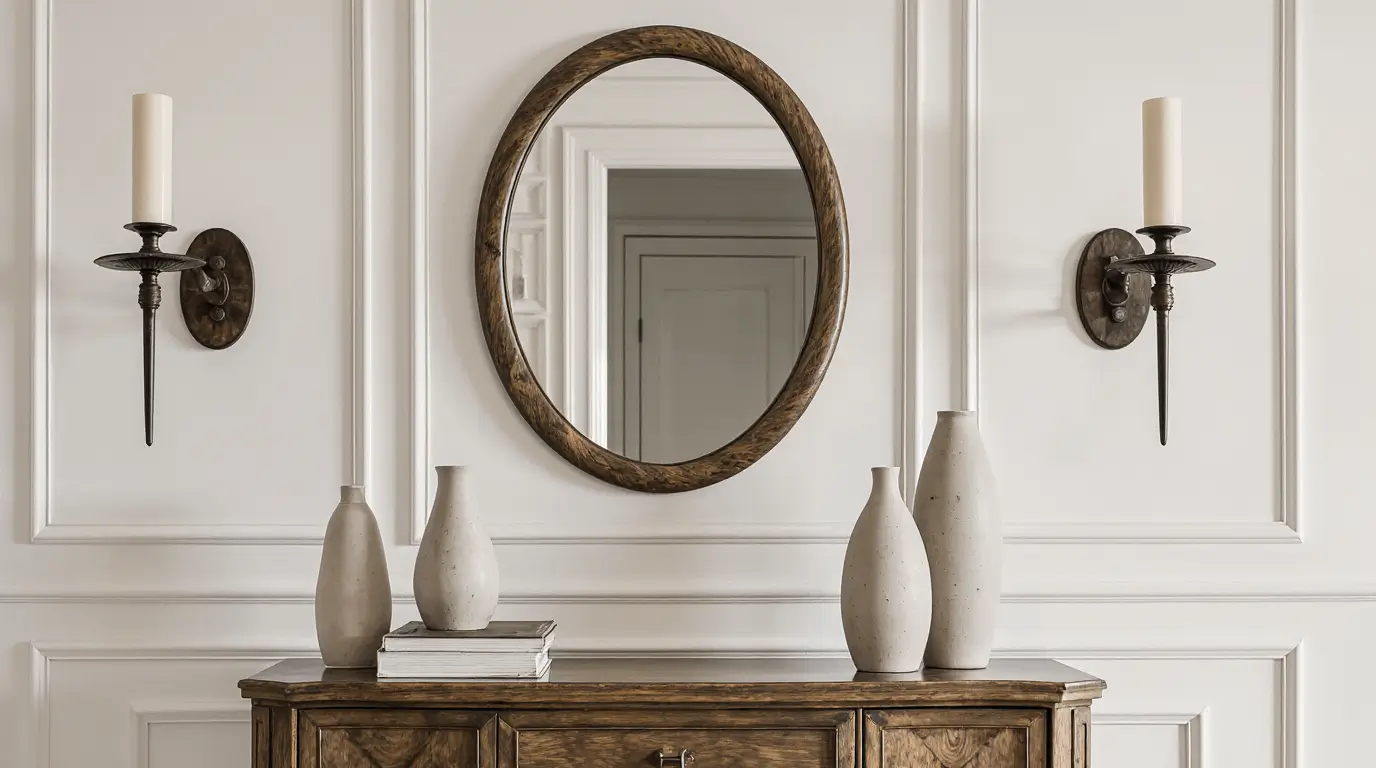
Focal Point in a Small Room
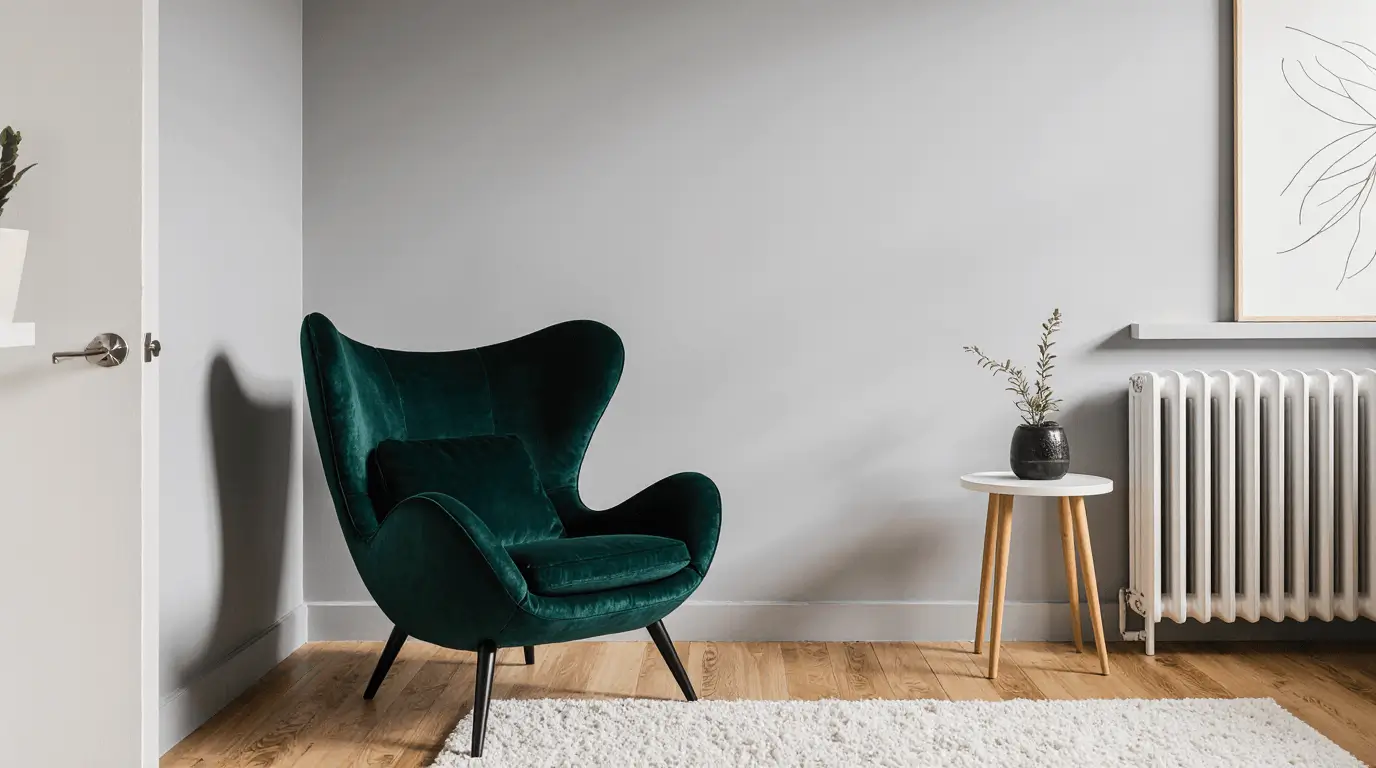
In compact spaces, keep the focal point simple and strong. One bold element works better than multiple competing details.
Focal Point in Bedroom Interior Design
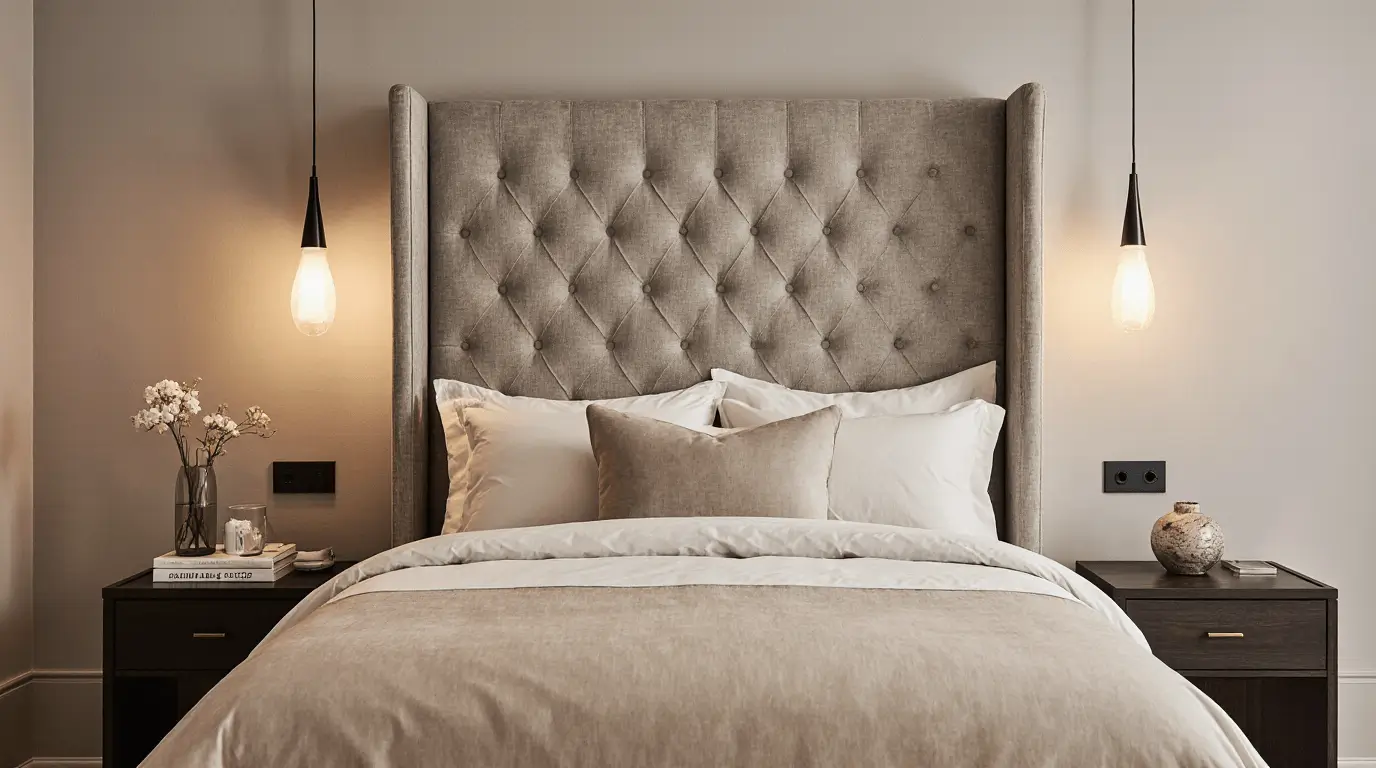
In bedrooms, the bed naturally becomes the anchor. Elevate it with an upholstered headboard, feature wall, or dramatic pendant lighting.
Statement Lighting as a Focal Point in Interior Design
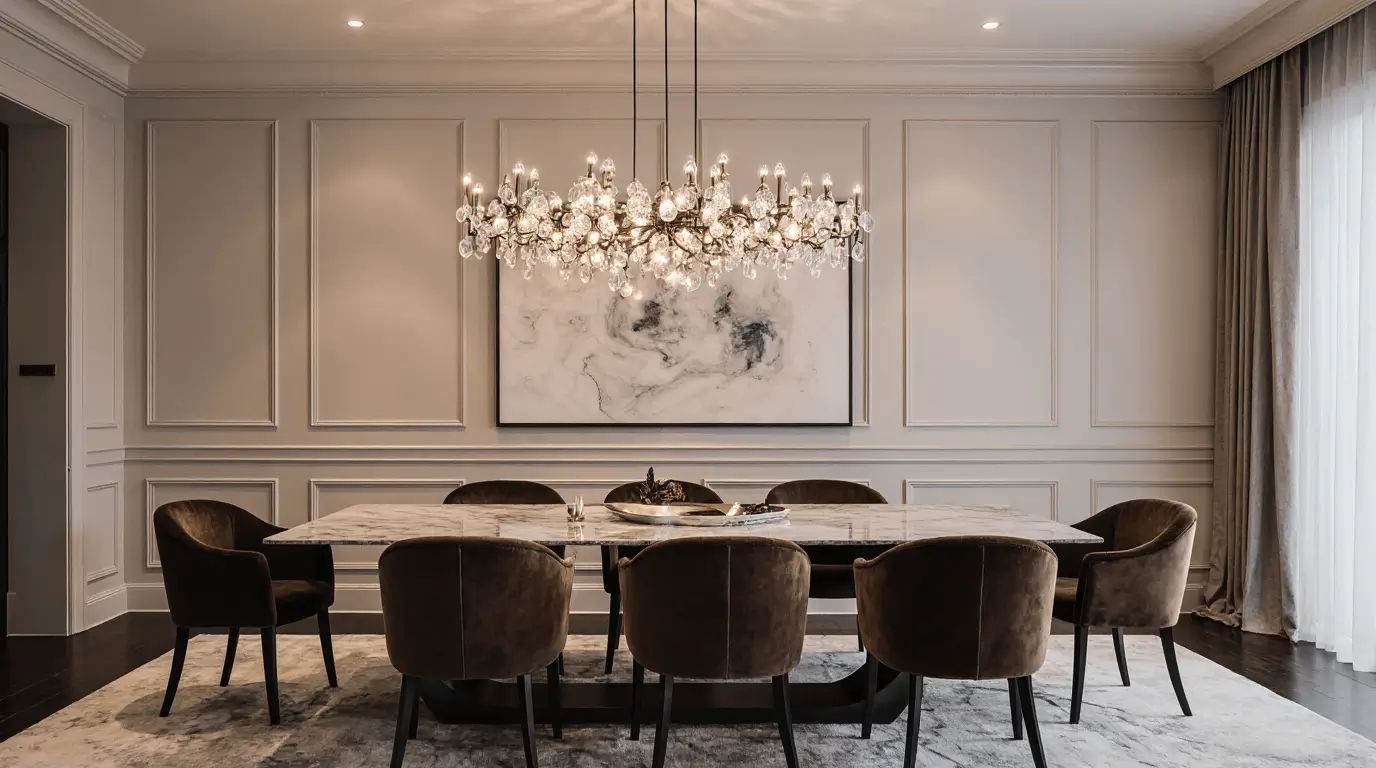
Chandeliers, oversized pendants, or sculptural fixtures instantly command attention and elevate vertical space.
Creating Harmony Around the Focal Point
Harmony ensures the focal point feels intentional, not overpowering. Supporting colors, textures, and shapes should subtly echo the main feature.
Focal Point in Open-Concept Spaces
In open layouts, each zone benefits from its own focal anchor. A kitchen island, statement rug, or pendant cluster can define areas visually.
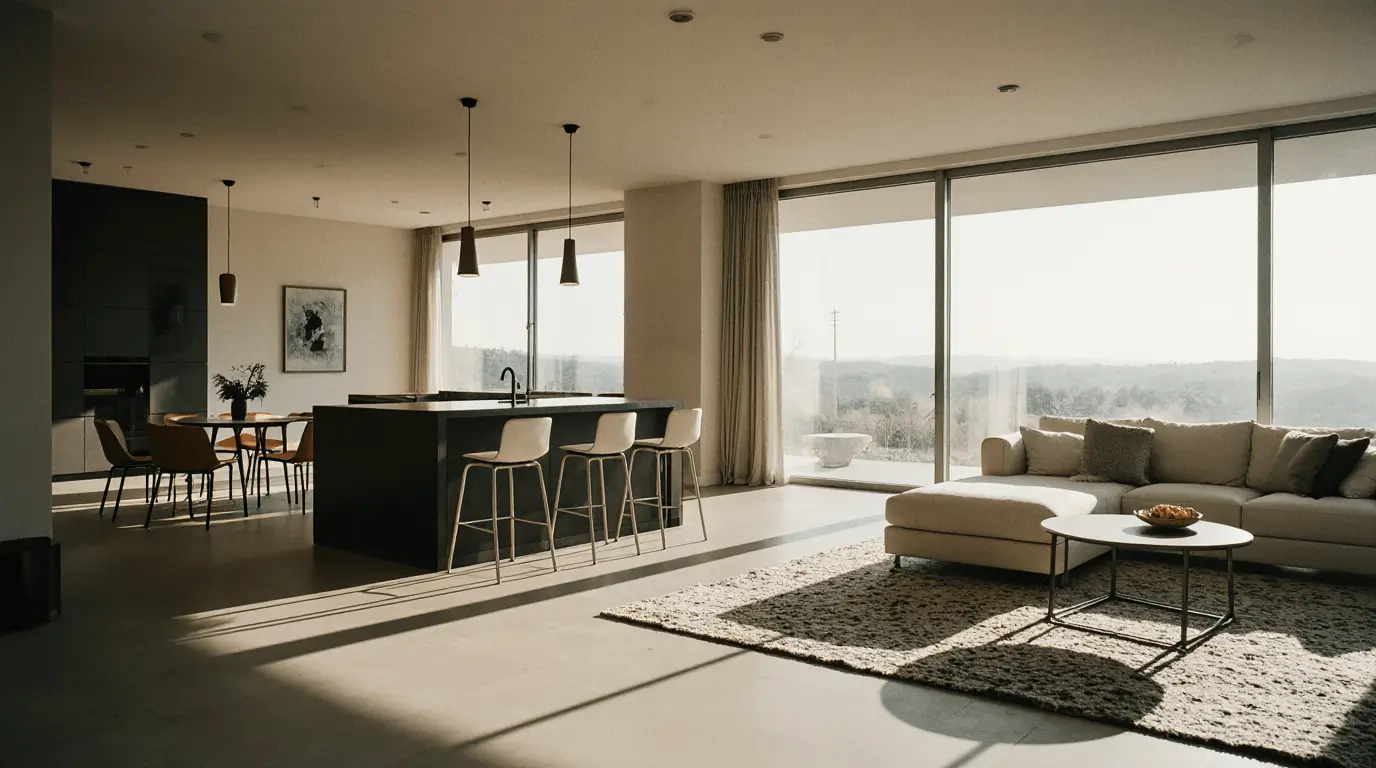
Feature Wall Ideas for Contemporary Interiors
Feature walls can include geometric paneling, bold wallpaper, or artistic murals. The goal is impact without visual overwhelm.
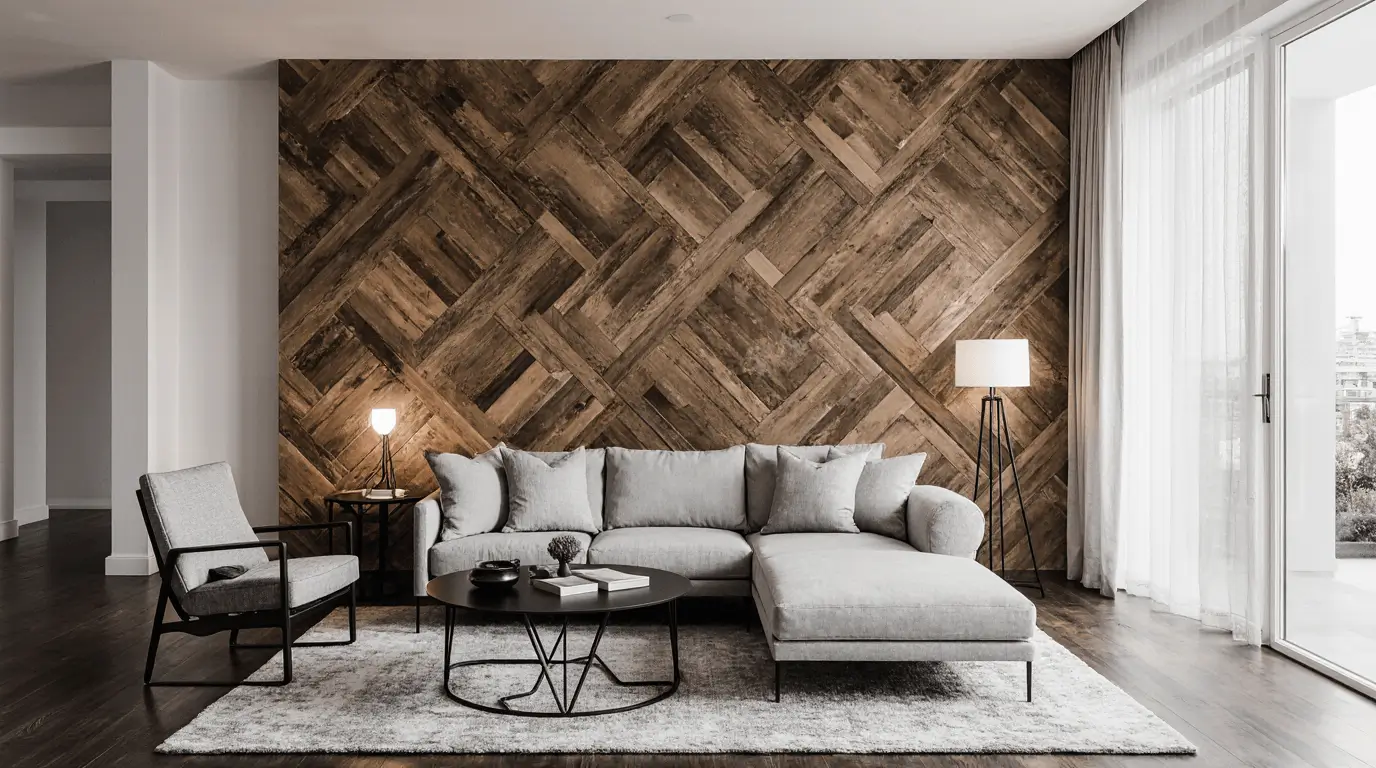
Focal Point in Interior Design Through Furniture Placement
Sometimes layout alone creates emphasis. Centering seating around a bold coffee table or aligning furniture toward a window enhances visual hierarchy.
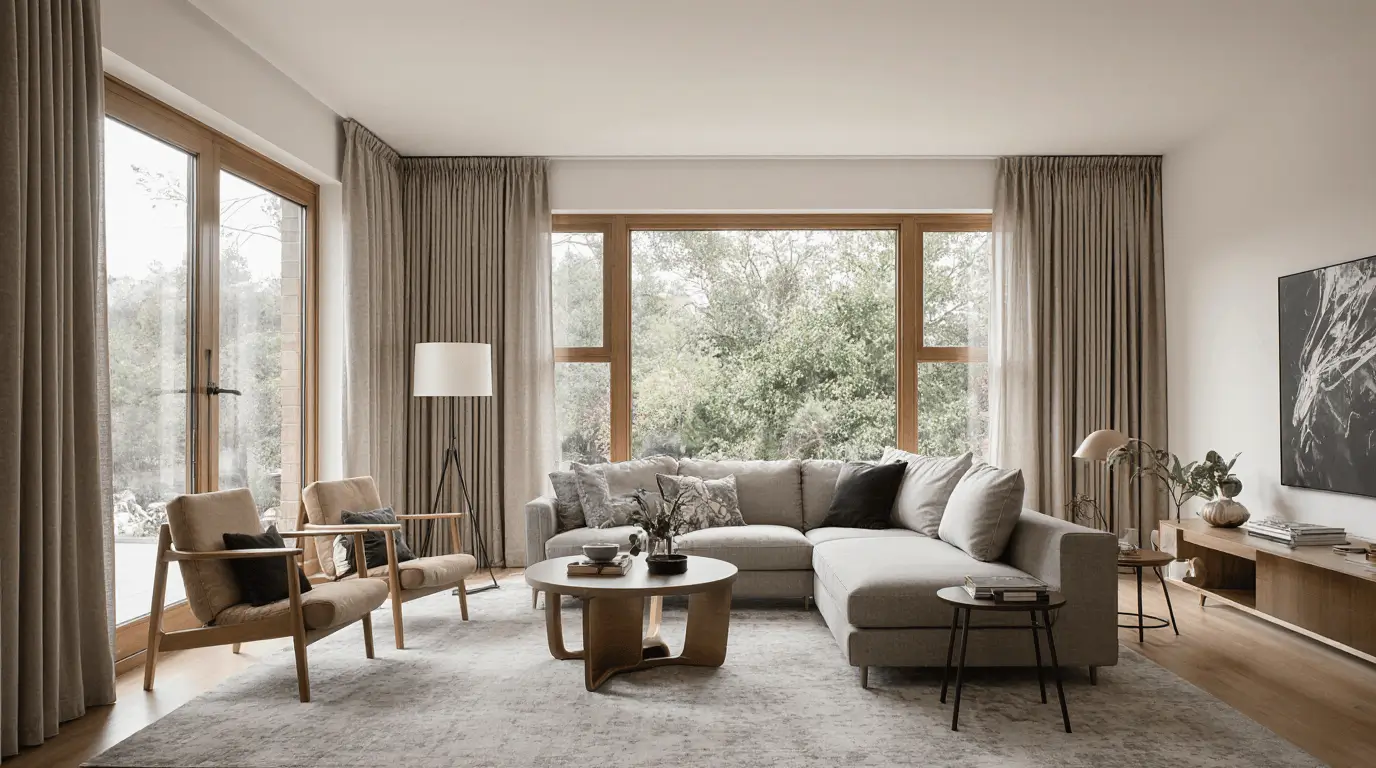
Focal Point Interior Design Examples in Luxury Homes
Luxury interiors often use scale and material richness—marble fireplaces, double-height ceilings, or custom art installations—to command attention.
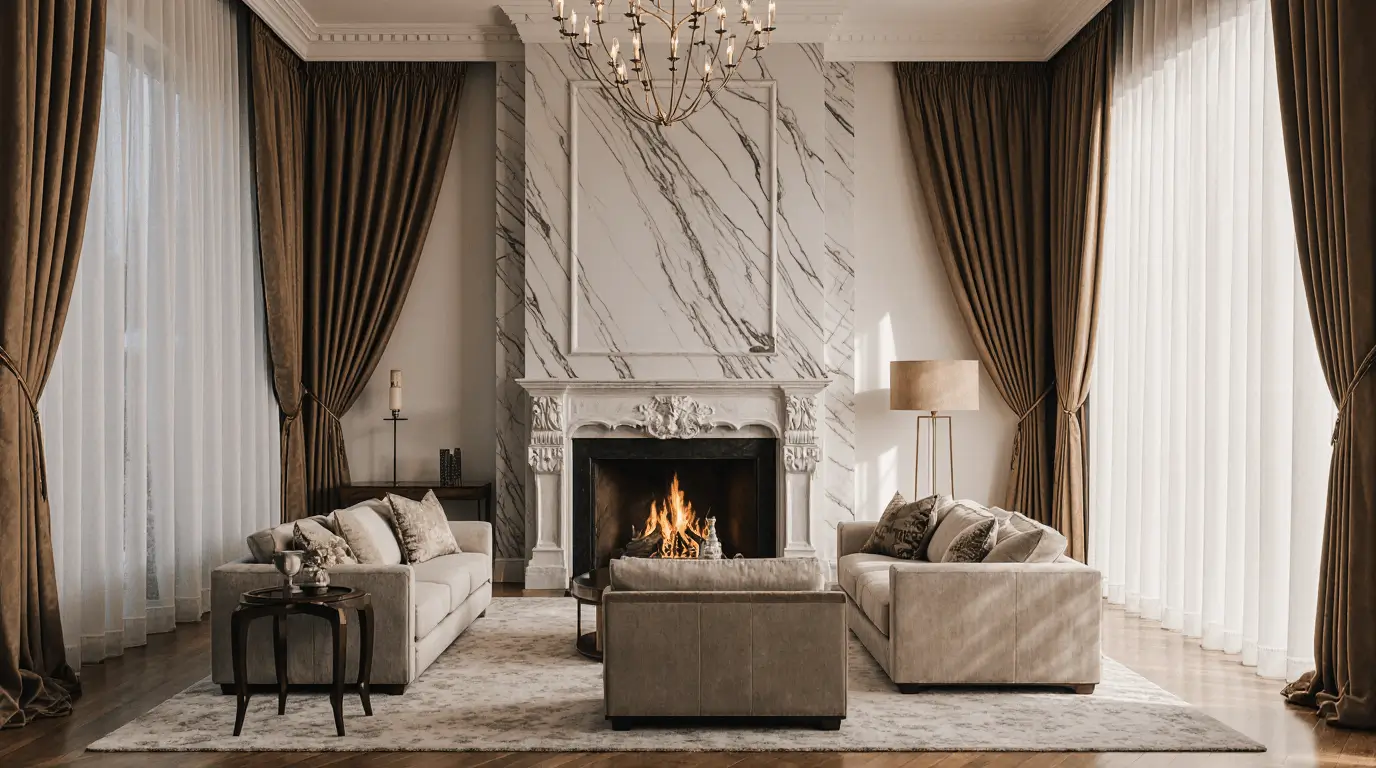
Focal Point in Art and Interior Design Connection
The concept of a focal point originates in art—where one element draws primary attention. Interior design applies the same principle spatially, guiding how we experience a room.
Conclusion: Designing with Intention and Visual Clarity
At its core, a well-executed focal point in interior design brings order to a space. It eliminates visual confusion, strengthens balance, and gives every room a sense of purpose. Without it, even beautiful furniture and finishes can feel disconnected. With it, everything suddenly makes sense.
In practice, creating a focal point isn’t about adding something loud or extravagant. It’s about choosing what deserves attention and allowing it to lead. That might mean highlighting architectural details, introducing contrast through color or texture, or simply arranging furniture with intention. The principle works because our eyes naturally seek hierarchy. When you provide it, the space feels calm, grounded, and thoughtfully designed.
This approach benefits everyone—from homeowners refreshing a living room to renters working within limitations. It’s especially powerful for those who feel their space looks “almost right” but lacks cohesion. By identifying one clear visual anchor and supporting it with harmony and proportion, you make confident decisions about layout, décor, and styling.
Moving forward, start by standing at the entrance of any room and asking: Where does my eye land first? If the answer is unclear, refine. Adjust scale. Introduce contrast. Remove distractions. When the focal point becomes obvious and intentional, the entire room will feel complete—and so will your design decisions.
Learn more : 10+ Brilliant Starbucks Interior Design Secrets
Frequently Asked Questions
- Can a room have more than one focal point?
Yes—but they must be clearly defined and separated by function or zone. In open-concept layouts, each area (like dining and living) can have its own anchor. In smaller rooms, however, multiple competing features can create visual chaos. The key is hierarchy: one dominant element, others secondary.
- What if my room has no natural architectural feature?
That’s very common. You can create emphasis through paint, large-scale artwork, statement lighting, or intentional furniture placement. Even a bold rug or sculptural coffee table can become the visual anchor when properly framed by the surrounding layout.
- How do I know if my focal point is too overpowering?
If everything else in the room feels insignificant or disconnected, the feature may be too dominant. A successful focal point stands out, but it also feels integrated. Supporting colors, materials, and proportions should subtly echo it to maintain balance.
- Should the focal point always be centered?
Not necessarily. While symmetry can enhance impact, asymmetrical focal points can feel dynamic and modern. What matters most is that furniture and sightlines acknowledge the feature, guiding attention naturally toward it.
- Is color the only way to create a focal point?
Not at all. Texture, scale, lighting, material contrast, and even negative space can draw attention more effectively than bold color. Sometimes restraint—like a minimal room with one sculptural element—creates stronger impact than dramatic hues.
- How does a focal point affect furniture placement?
It simplifies decision-making. Once the anchor is established, seating, rugs, and accessories are arranged in relation to it. This prevents random layouts and helps the room feel cohesive and intentional rather than scattered.
- Can small spaces benefit from a strong focal point?
Absolutely. In fact, small rooms often need clarity even more. A single well-chosen statement—like a striking headboard or accent chair—creates structure and prevents the space from feeling cluttered or directionless.


One Response