
Introduction
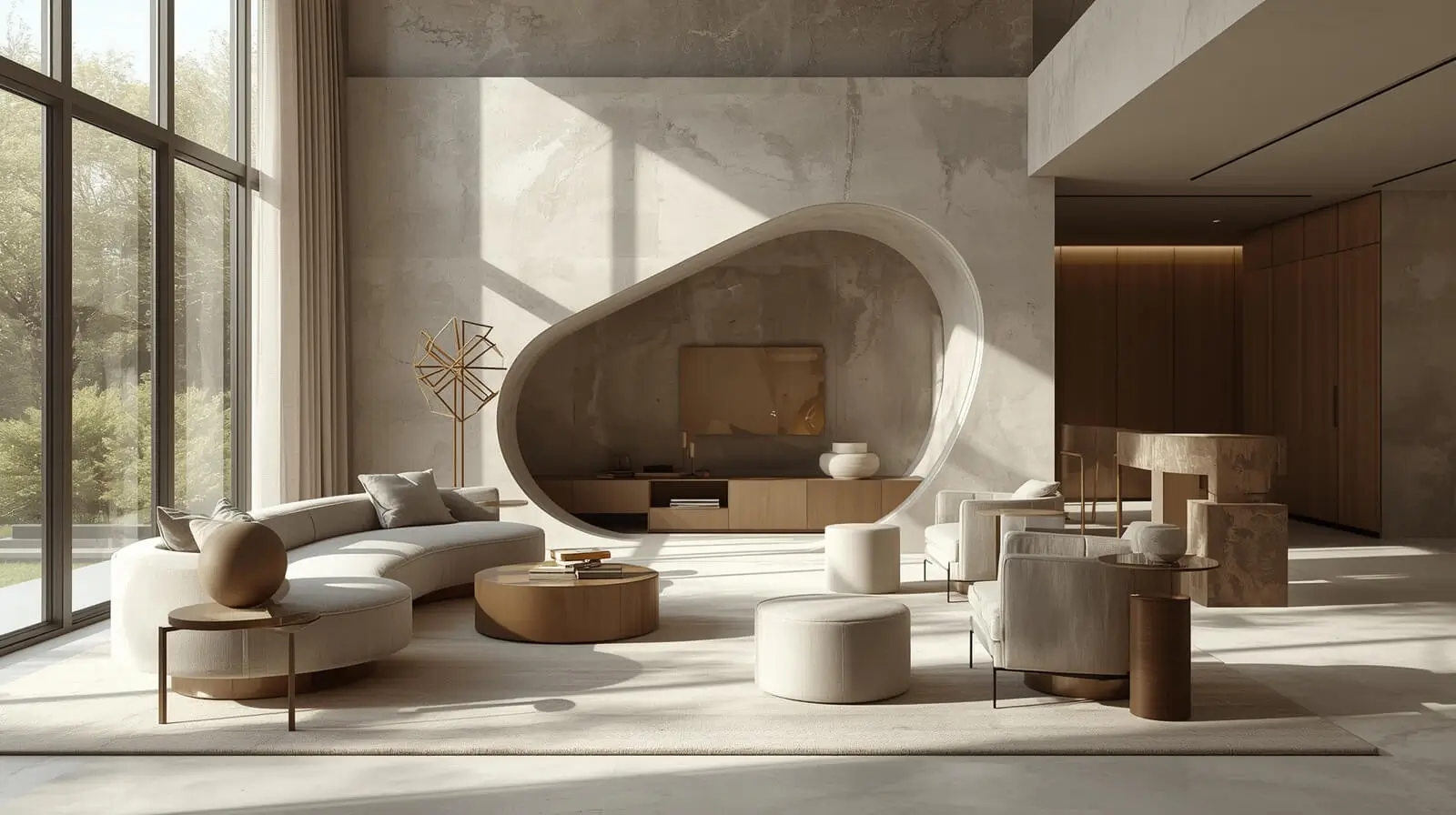
Form in interior design is one of those principles that quietly shapes how a space feels before we ever notice individual details. At its core, it refers to the physical shape and structure of objects within a space—and how those shapes interact to create balance, flow, and visual clarity. From furniture silhouettes to architectural elements, form defines the three-dimensional character of an interior.
In professional practice, form in interior design is never treated in isolation. It works alongside space, light, texture, and rhythm to give a room its identity. A well-designed interior uses form intentionally—softening hard spaces, grounding open layouts, or adding drama where the architecture feels flat.
With experience, designers learn that strong form choices can solve problems before decoration even begins. Whether designing a compact apartment or a large open-plan home, understanding form allows you to control how a space is perceived, used, and emotionally experienced.
Form in Interior Design and Spatial Structure
Form in interior design establishes how space is physically organized and visually understood. Solid forms define boundaries, guide movement, and give rooms a sense of scale. Thoughtful form selection ensures a space feels intentional rather than accidental.
Geometric Form in Interior Design
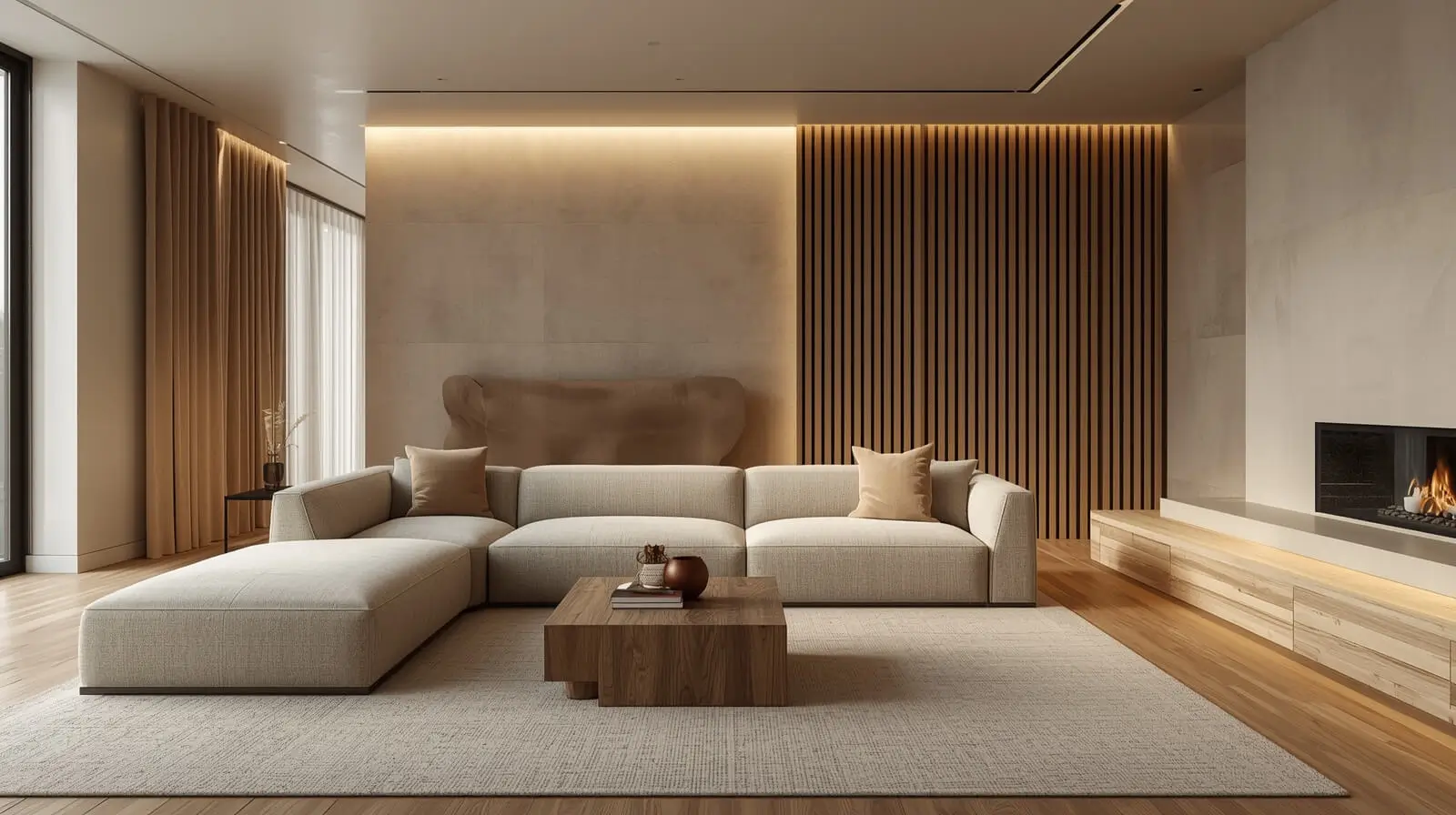
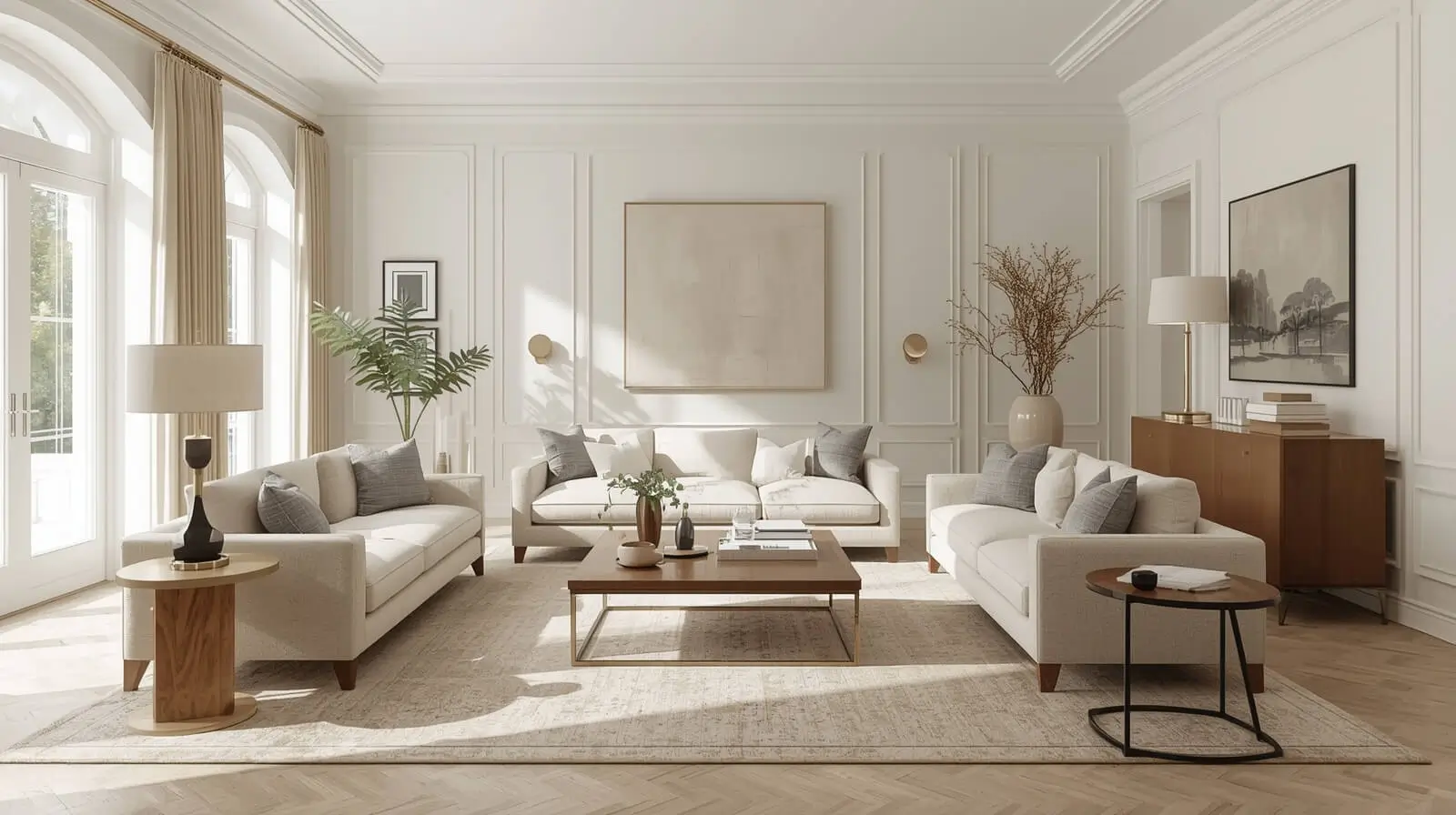
Geometric form relies on clear shapes like squares, rectangles, and cylinders. These forms create order and predictability, often used in modern and minimalist interiors. They help reinforce clean lines and a structured atmosphere.
Organic Form in Interior Design
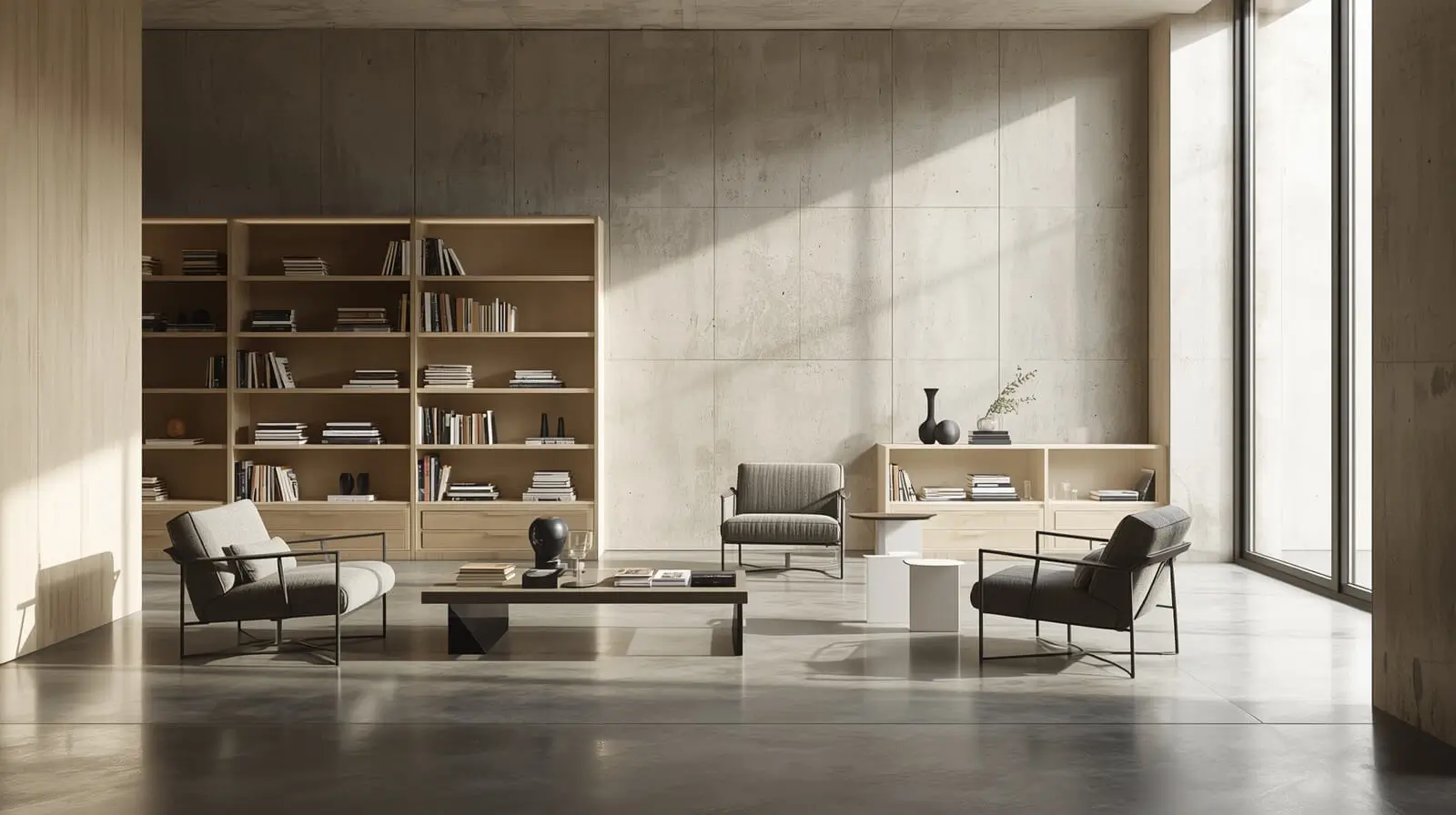
Organic form introduces curves, irregular shapes, and fluid silhouettes inspired by nature. These forms soften rigid spaces and add visual comfort. Designers often use organic form to humanize contemporary interiors.
Form and Shape in Interior Design
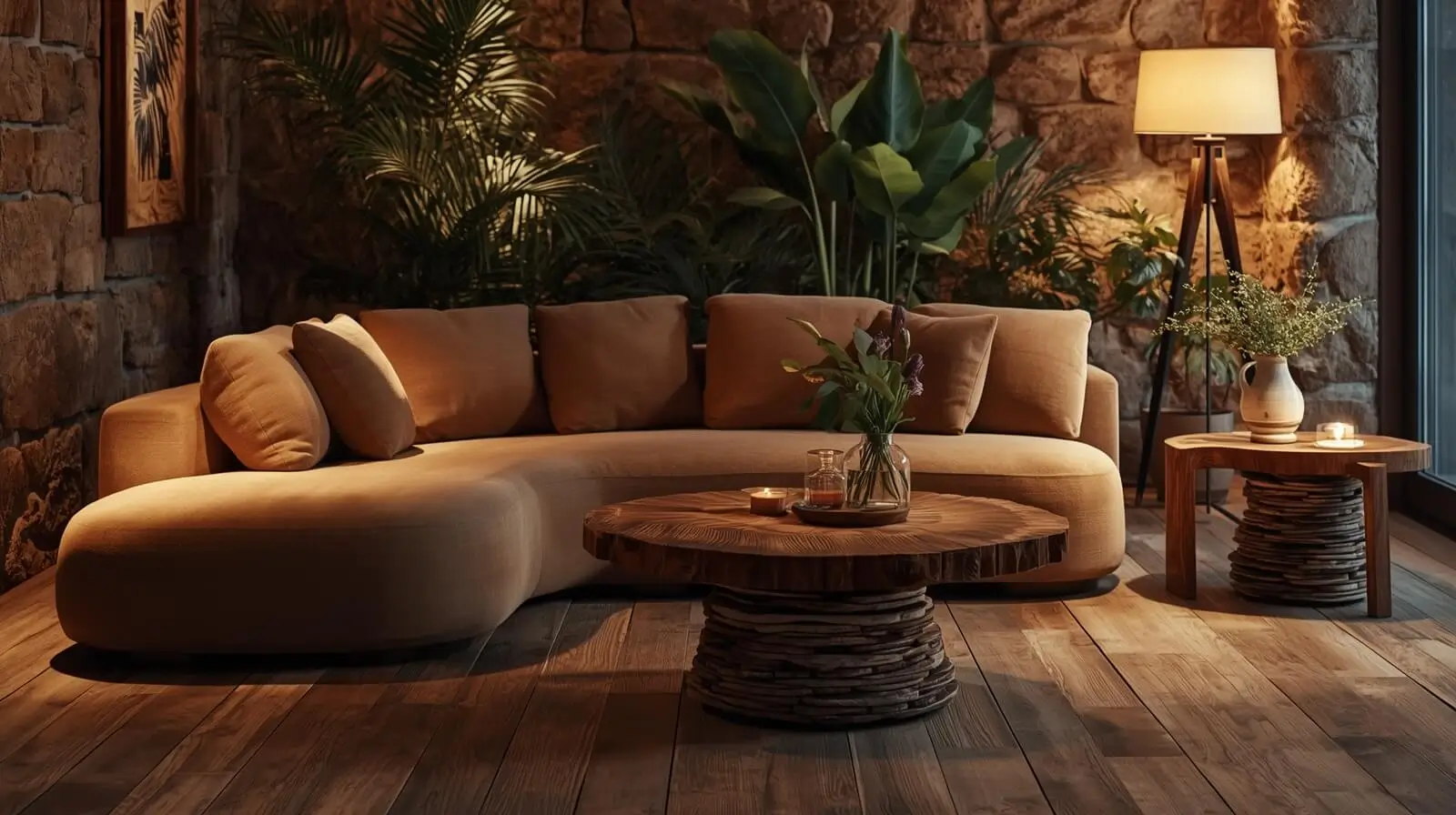
Form and shape work together, but form adds depth and volume. While shape is flat and two-dimensional, form occupies space. Strong interiors balance both to avoid visual monotony.
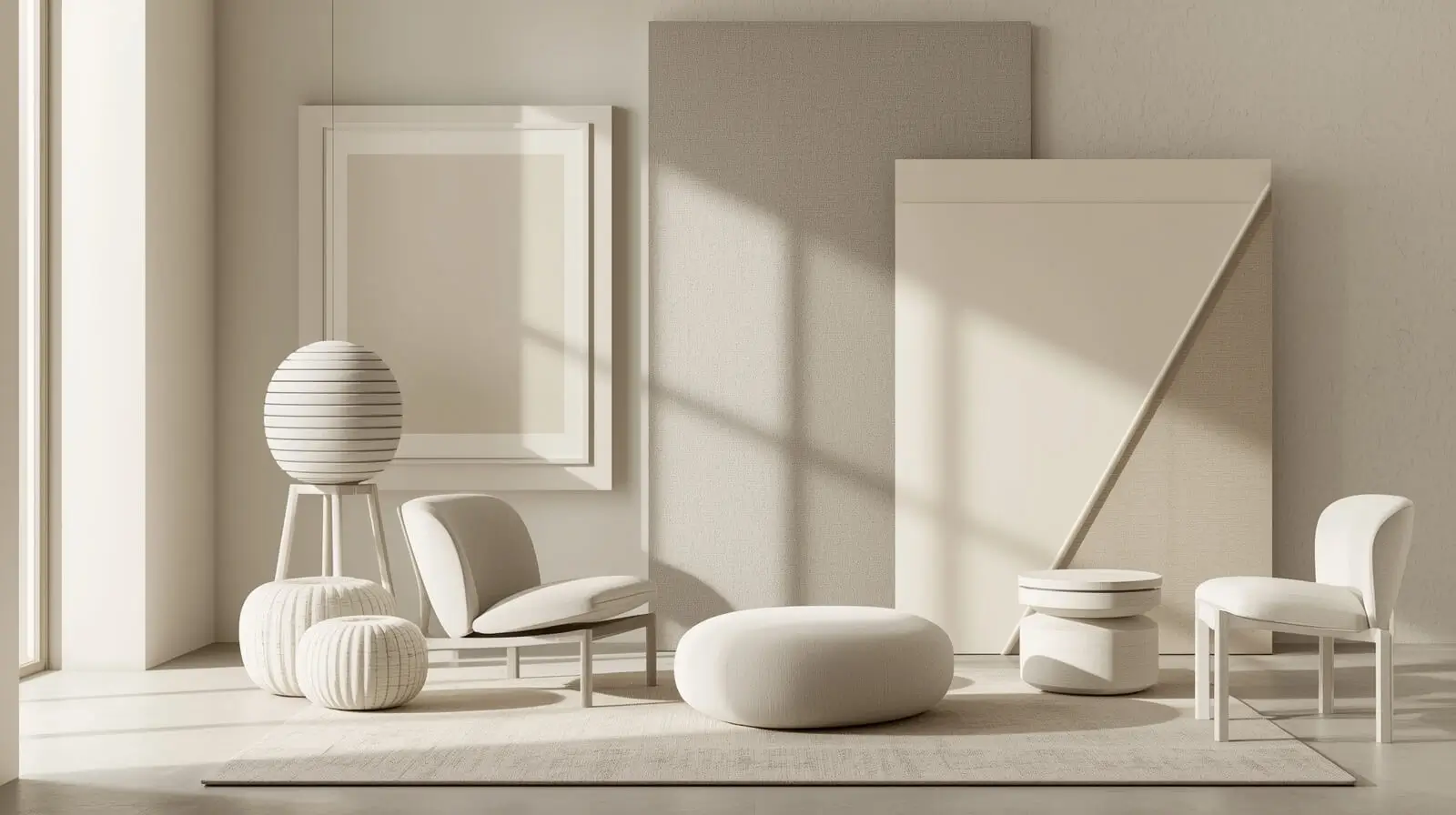
Architectural Form in Interior Design
Architectural form includes built-in elements like arches, columns, ceiling profiles, and wall volumes. These permanent forms anchor the design and influence all decorative decisions that follow.
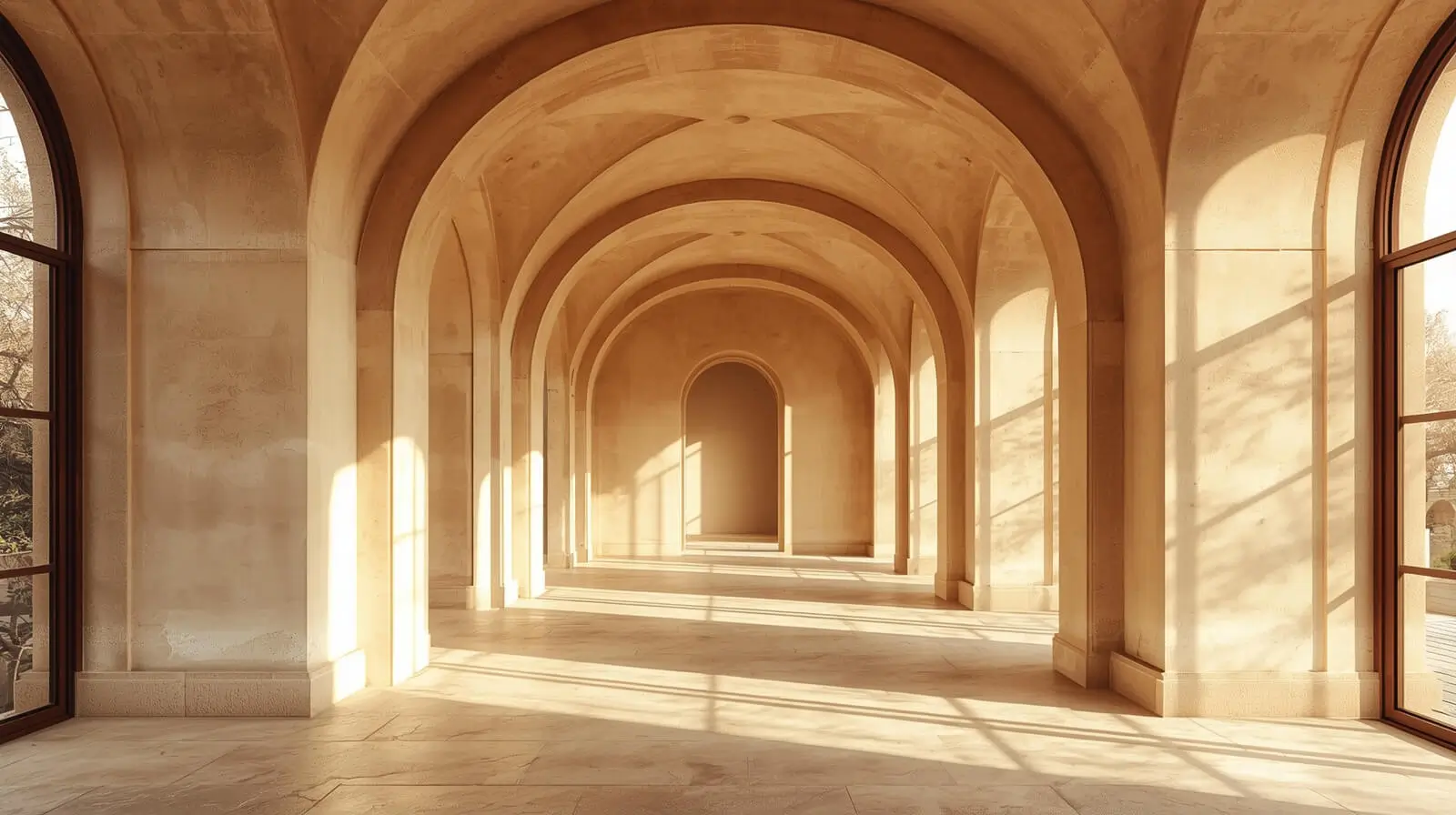
Furniture Form in Interior Design
Furniture form determines how functional pieces contribute visually. Bulky forms ground a space, while slender forms create openness. Experienced designers adjust furniture form to control visual weight.
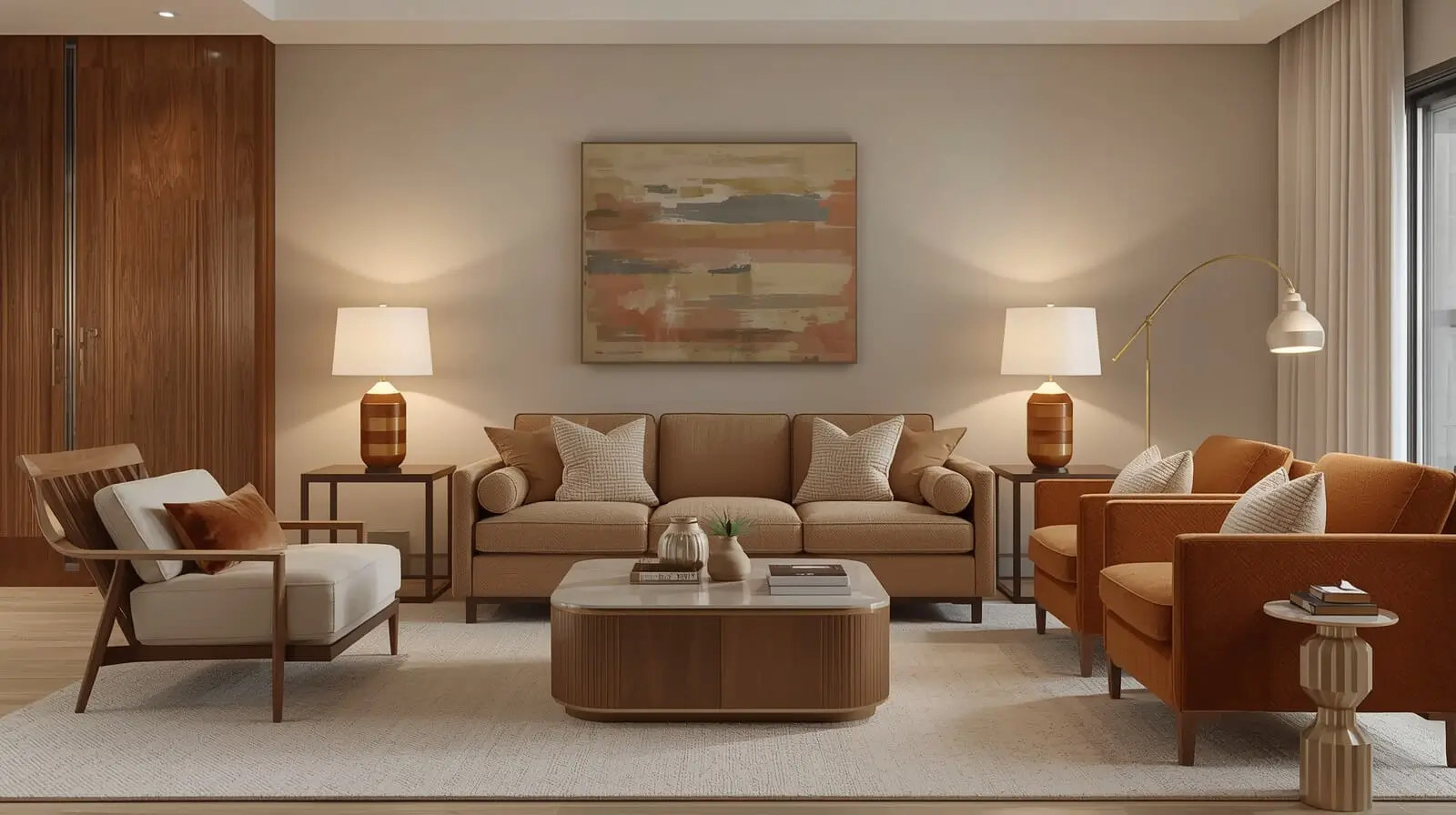
Form in Interior Design and Visual Balance
Balanced form prevents a space from feeling top-heavy or scattered. Repeating similar forms across a room creates visual cohesion, even when styles or materials vary.
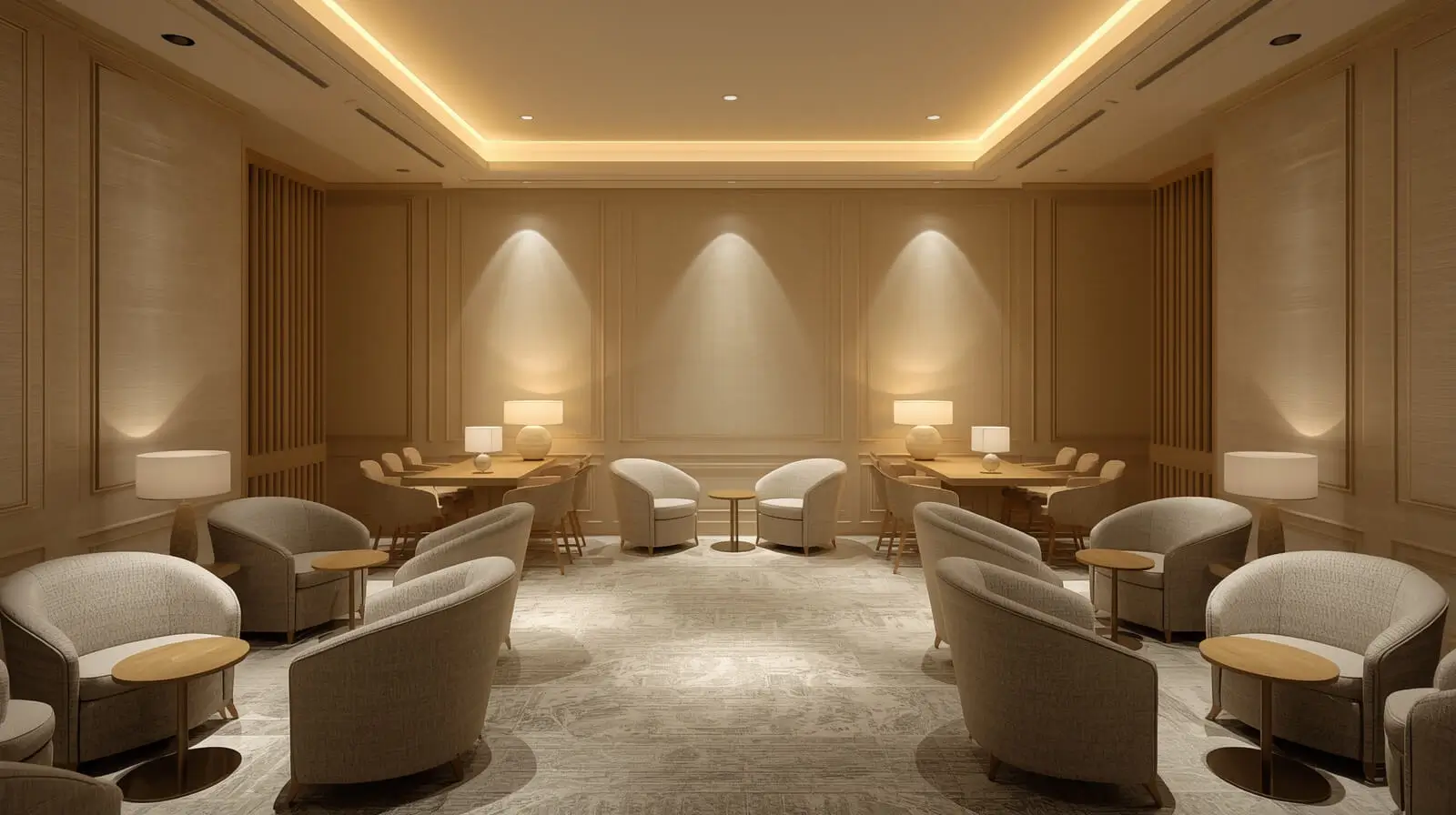
Vertical and Horizontal Form in Interior Design
Vertical forms emphasize height and drama, while horizontal forms promote calm and openness. Designers use this contrast to correct proportions and guide the eye.
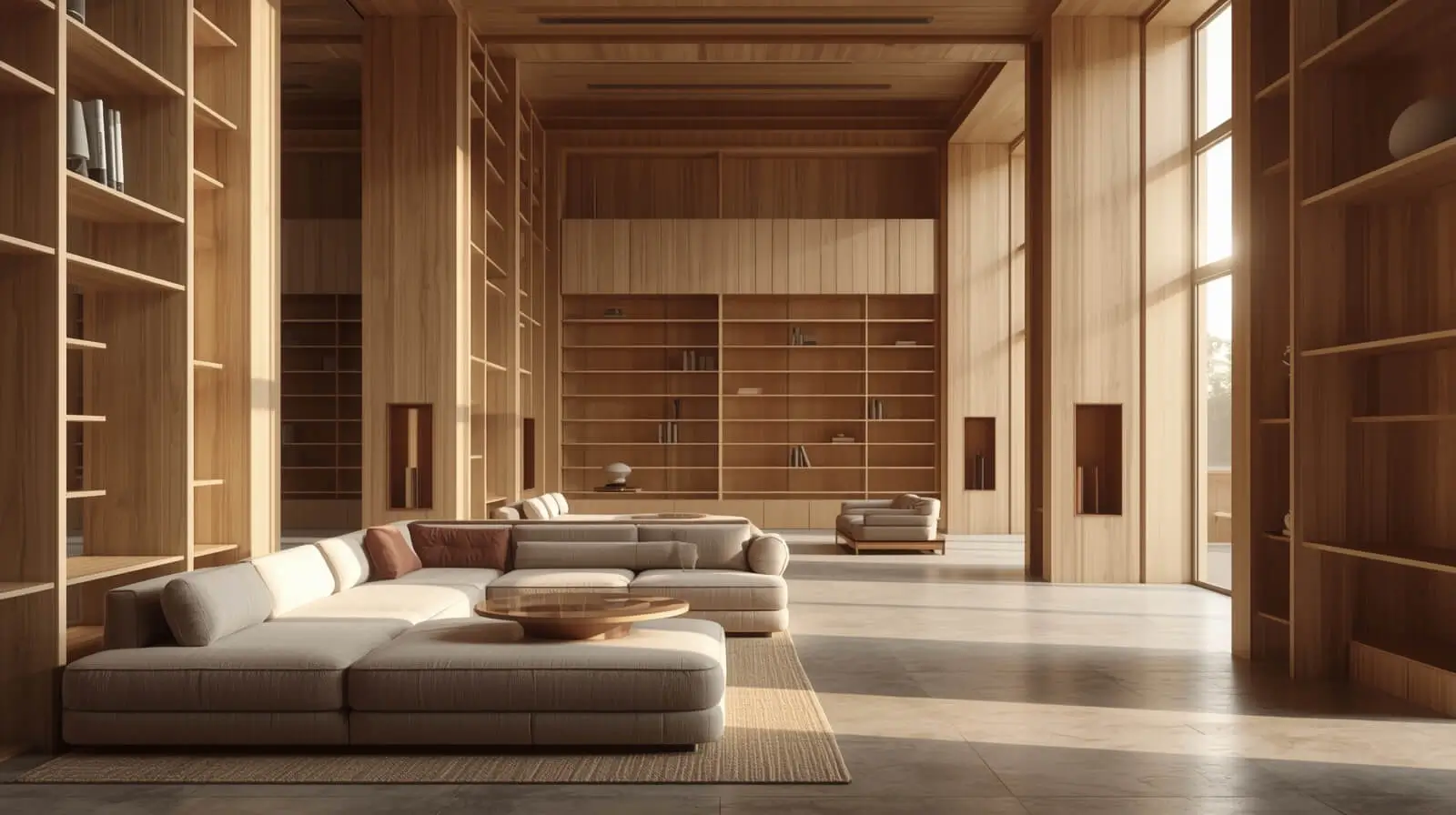
Form in Interior Design and Space Planning
Effective space planning depends on understanding how forms occupy and divide space. Well-proportioned forms improve circulation and prevent visual congestion.
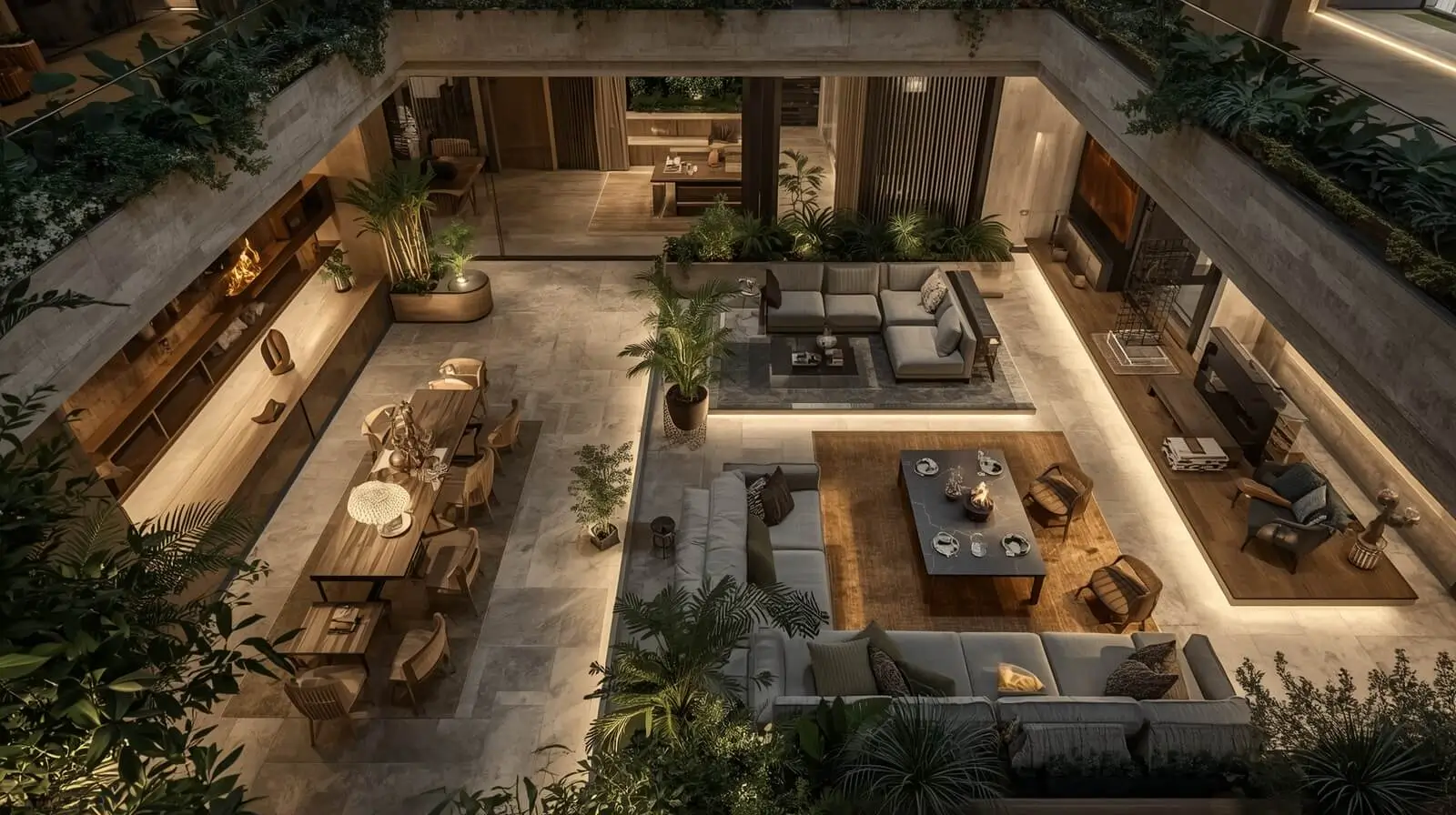
Sculptural Form in Interior Design
Sculptural form treats furniture and décor as art. These forms become focal points and add personality without relying on excessive ornamentation.
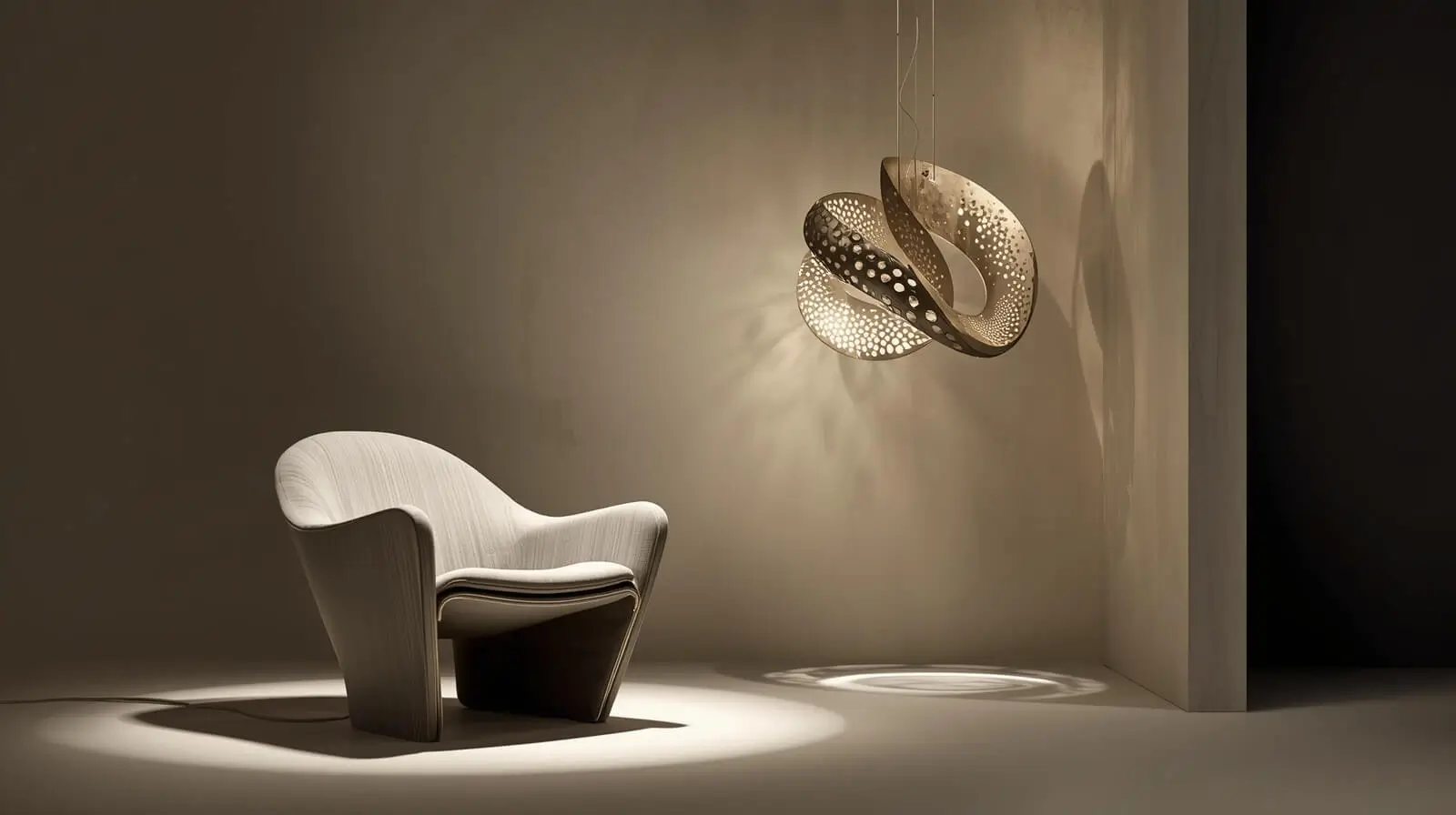
Form in Interior Design and Emphasis
Form naturally creates emphasis when it contrasts with surrounding elements. Designers often use bold or unexpected forms to establish focal points.
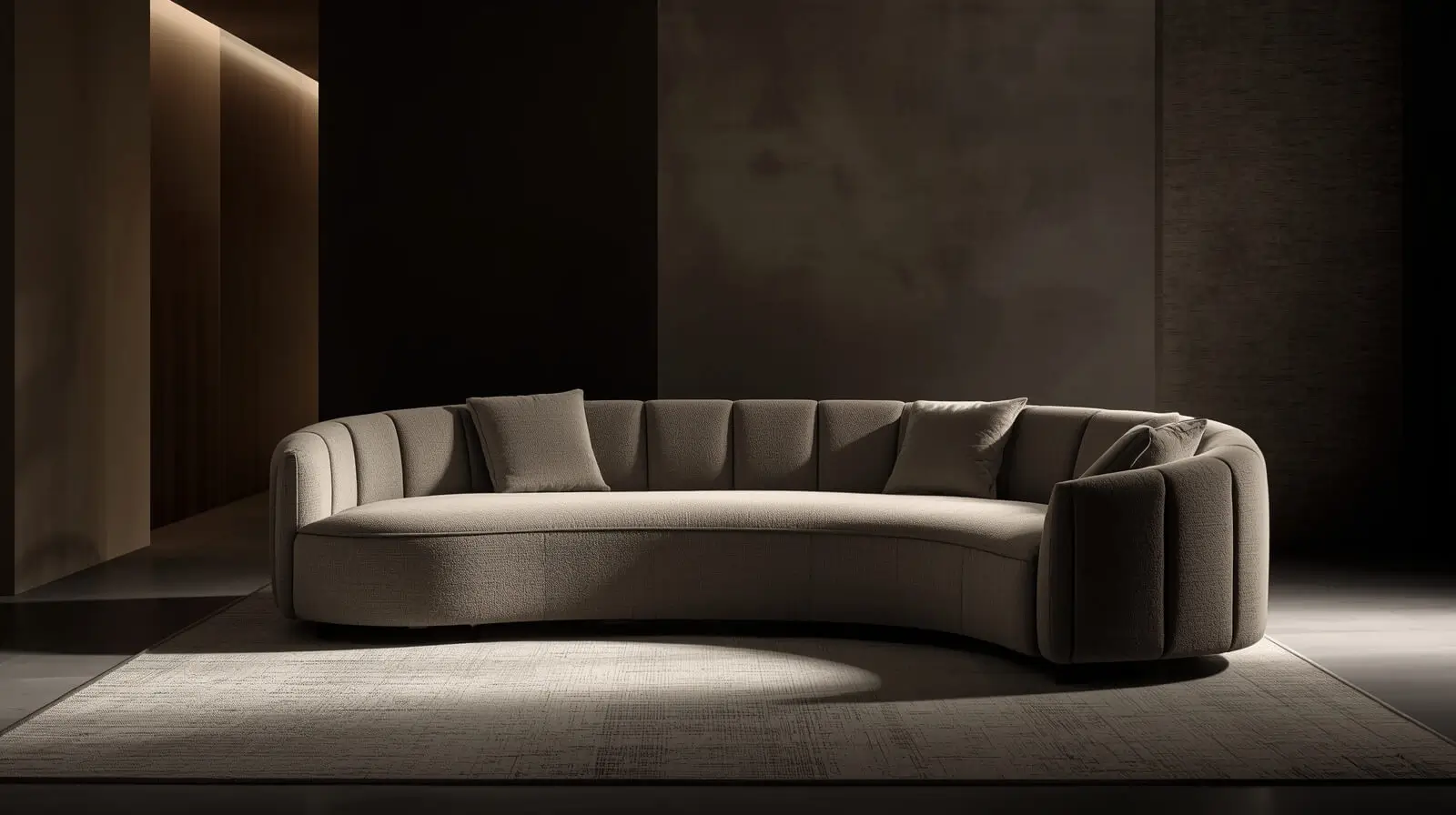
Form and Light Interaction in Interior Design
Light reveals form. Shadows, highlights, and reflections define edges and volumes, making form more expressive. Skilled designers shape lighting around form, not just placement.
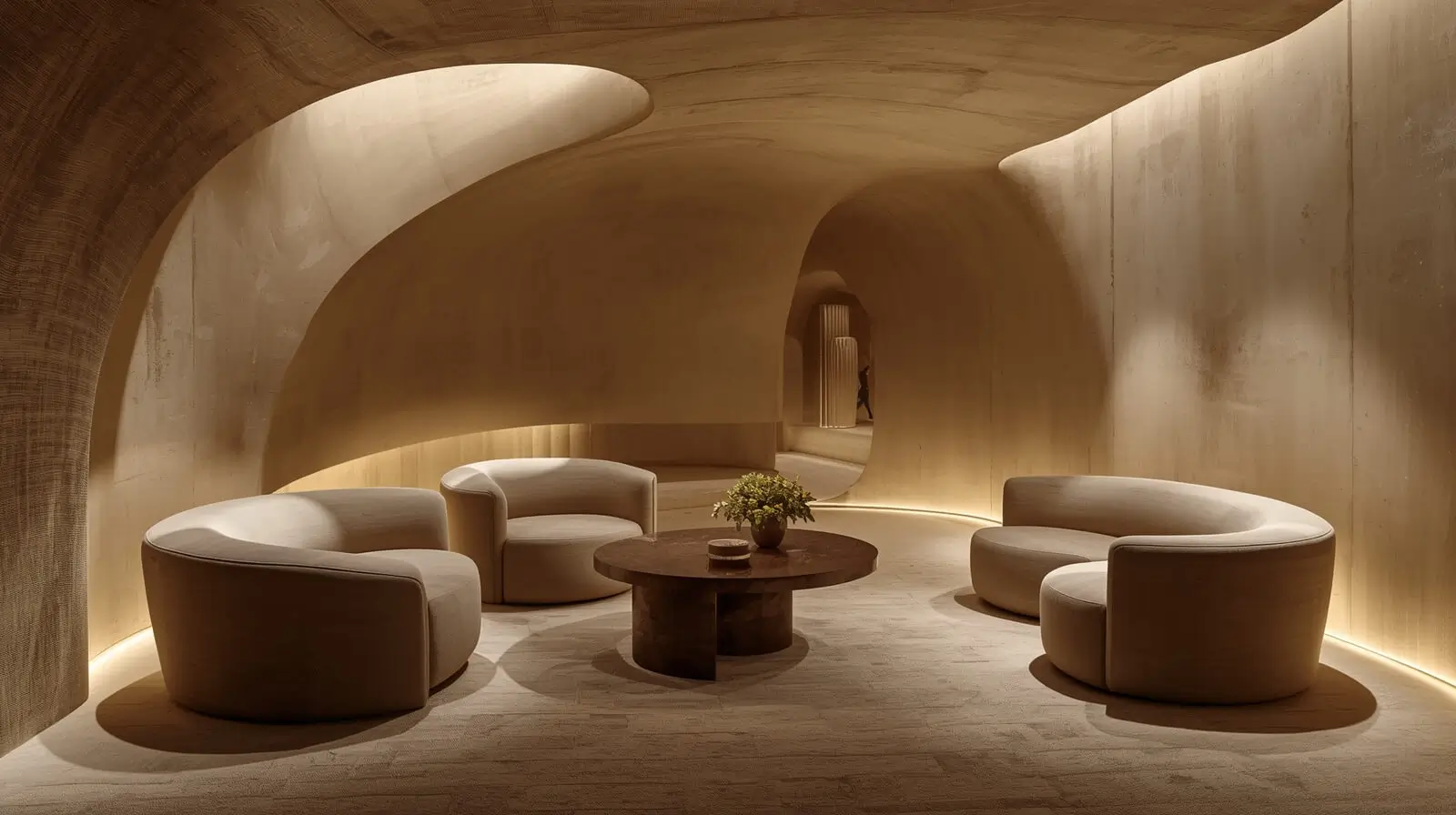
Modern Form in Interior Design
Modern interiors prioritize simplified, functional forms with minimal ornamentation. Each form serves a purpose, creating clarity and restraint.
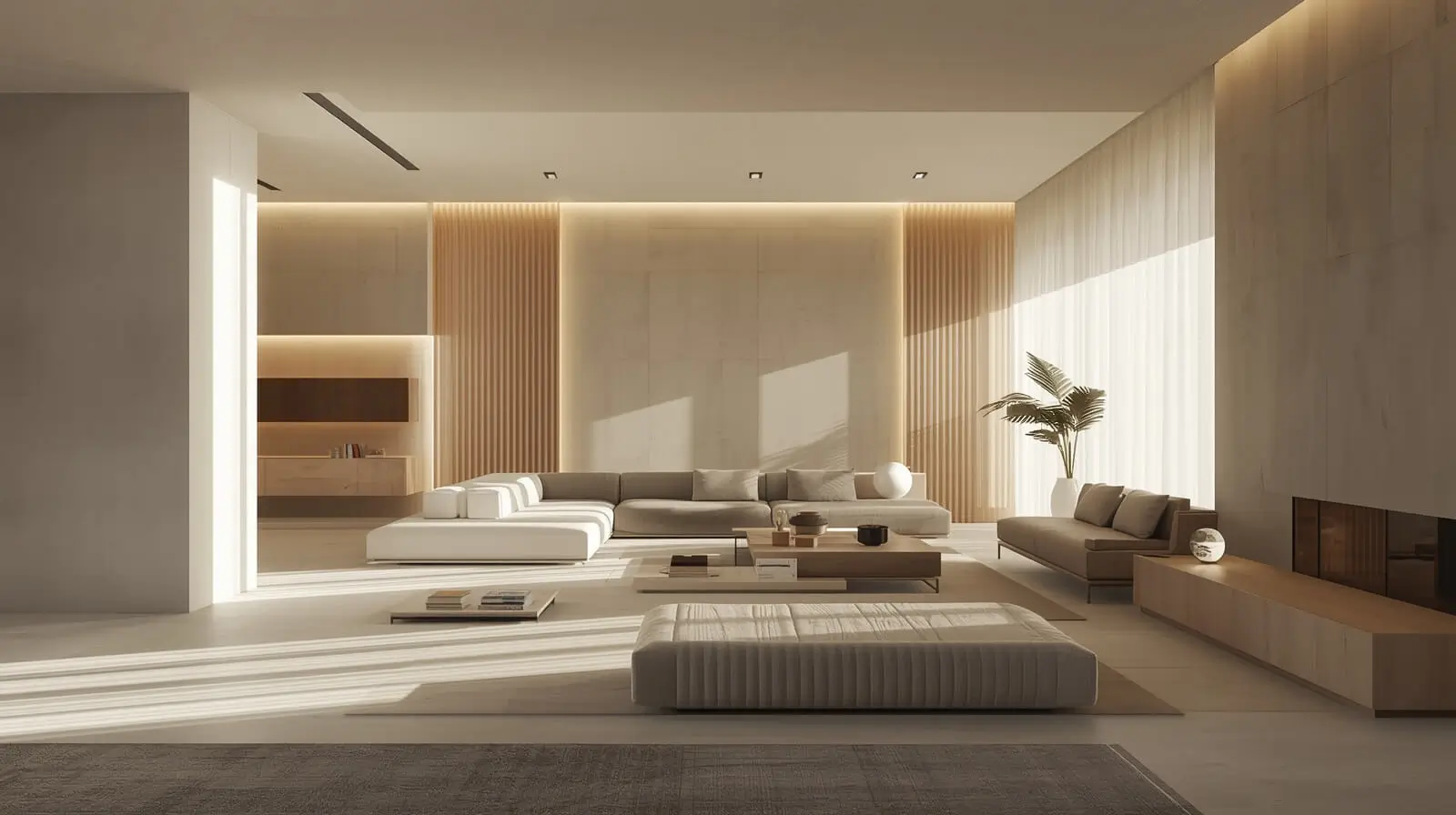
Form in Interior Design and Texture Relationship
Texture enhances form by adding depth and tactility. Smooth textures sharpen form, while rough textures soften it. Together, they create visual richness.
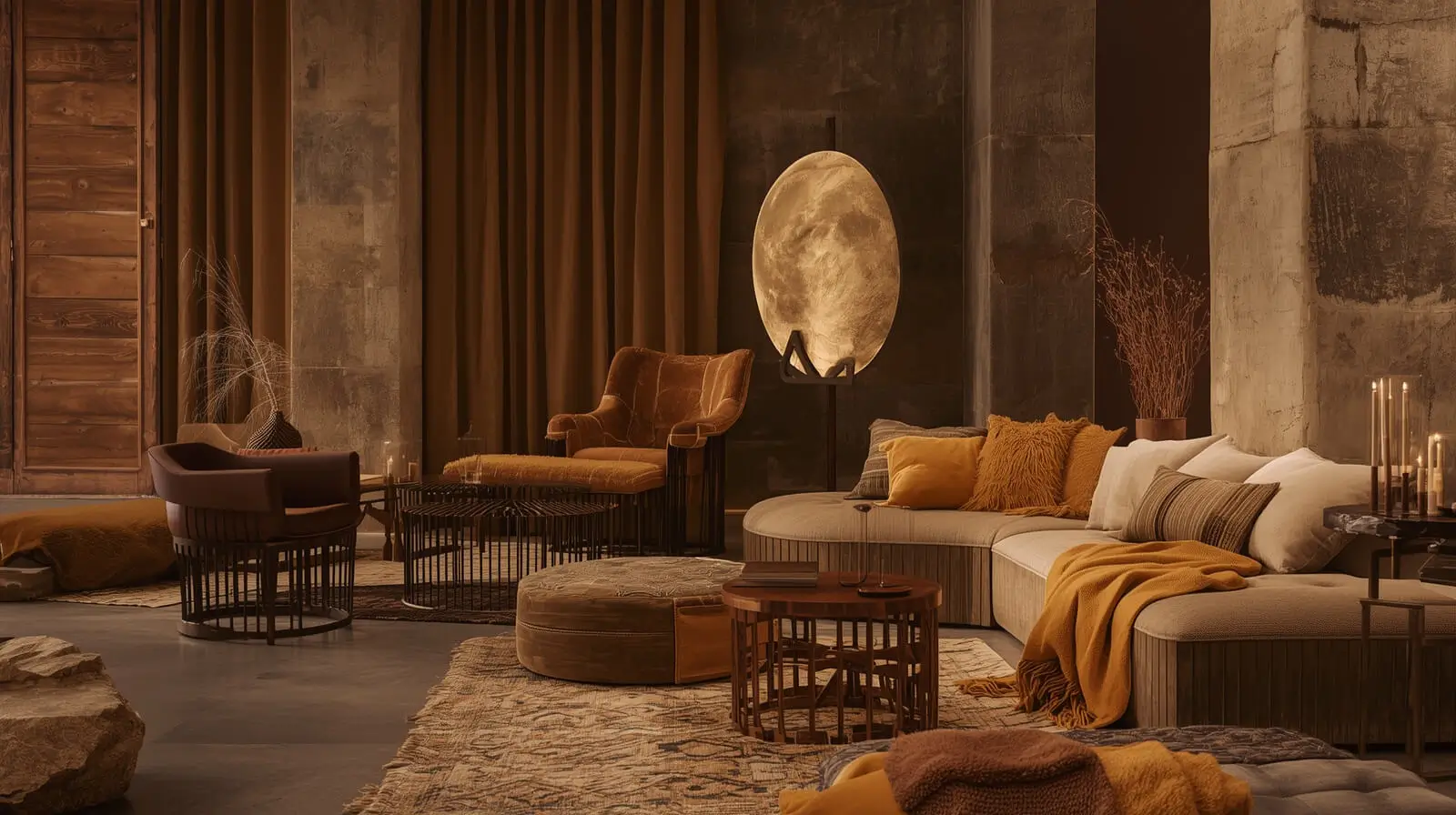
Form in Interior Design Across Different Spaces
Bedrooms, kitchens, and living rooms require different form strategies. Private spaces benefit from softer forms, while functional areas rely on structured, efficient forms.
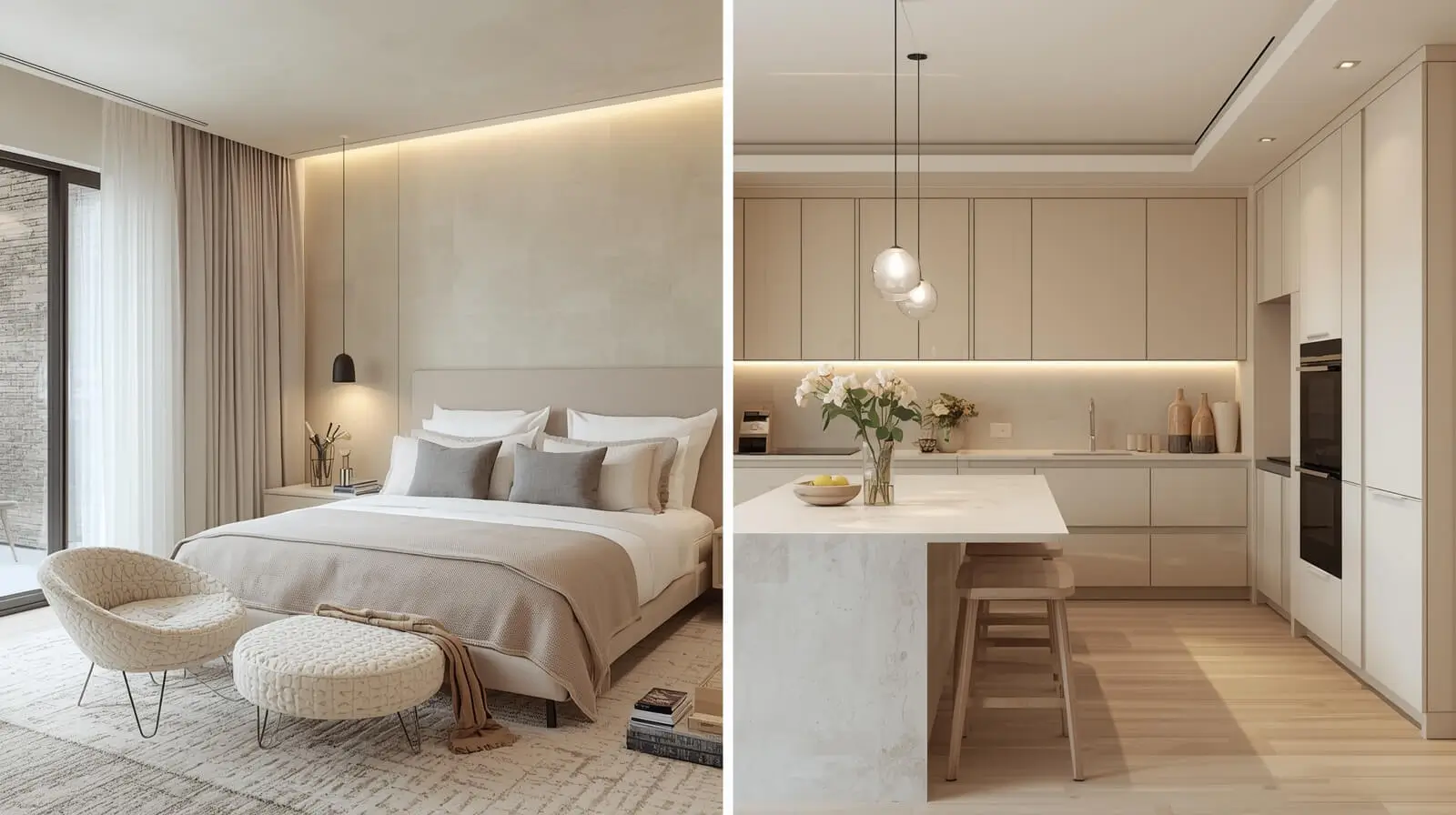
Timeless Form in Interior Design
Timeless interiors rely on balanced, proportionate forms rather than trends. These forms age gracefully and adapt to changing décor styles.
Conclusion
Form in interior design is not a stylistic preference—it’s a decision-making framework that shapes how a space works, feels, and endures. When form is handled with intention, it brings clarity to layout, harmony to scale, and purpose to every object in the room. The strongest interiors aren’t defined by trends or decoration alone; they’re grounded in well-resolved forms that quietly support daily life.
From experience, spaces designed with clear form logic are easier to live in. They feel calmer, more intuitive, and more adaptable over time. Furniture fits naturally, circulation feels effortless, and visual balance holds even as styles evolve. This approach benefits anyone who wants their home to feel considered rather than cluttered—whether you’re furnishing a first apartment, renovating a family home, or refining an existing space.
Moving forward with confidence means observing how form already operates in your space. Notice what feels heavy or light, rigid or soft, oversized or underwhelming. Small adjustments in form—choosing a curved piece to soften a room, refining proportions, or simplifying shapes—often create the biggest impact. When form is respected, design decisions become clearer, and the space begins to work with you instead of against you.
Learn more : 11+ Stunning Mid Century Interior Design Ideas You’ll Love
Frequently Asked Questions
- Why is form considered a foundational principle in interior design?
Form establishes the physical presence of objects in a space. Before color, texture, or decoration are noticed, form defines structure, scale, and visual order. Without thoughtful form, even well-decorated rooms can feel unbalanced or impractical.
- How do I know if the forms in my space are working well together?
A space with successful form relationships feels visually calm and easy to move through. If the room feels crowded, awkward, or visually tense, it often means the forms are competing rather than complementing each other in size, shape, or placement.
- Can mixing different forms make a space feel cohesive?
Yes—when done intentionally. Combining geometric and organic forms creates contrast and interest, as long as there’s balance. Repeating similar proportions or visual weight helps different forms feel connected rather than random.
- Is form more important than color or texture?
Form sets the foundation; color and texture enhance it. A room with strong form can still work with neutral finishes, while a poorly formed space often struggles even with beautiful materials. Getting form right first makes all other choices easier.
- How does form affect small spaces differently than large ones?
In smaller spaces, simplified and well-scaled forms prevent visual overload and improve flow. In larger spaces, stronger or more sculptural forms help anchor the room and avoid emptiness or lack of focus.
- Do trends change how form should be used?
Trends influence styling, but good form remains consistent. Timeless interiors rely on proportion, balance, and spatial logic rather than fashionable shapes. That’s why well-formed spaces adapt easily as tastes change.
- What’s the simplest way to improve form in an existing room?
Start by editing. Remove pieces that disrupt scale or block movement. Then introduce one well-chosen form—such as a grounded sofa, a curved chair, or a strong architectural element—to reestablish balance and visual structure.

One Response