
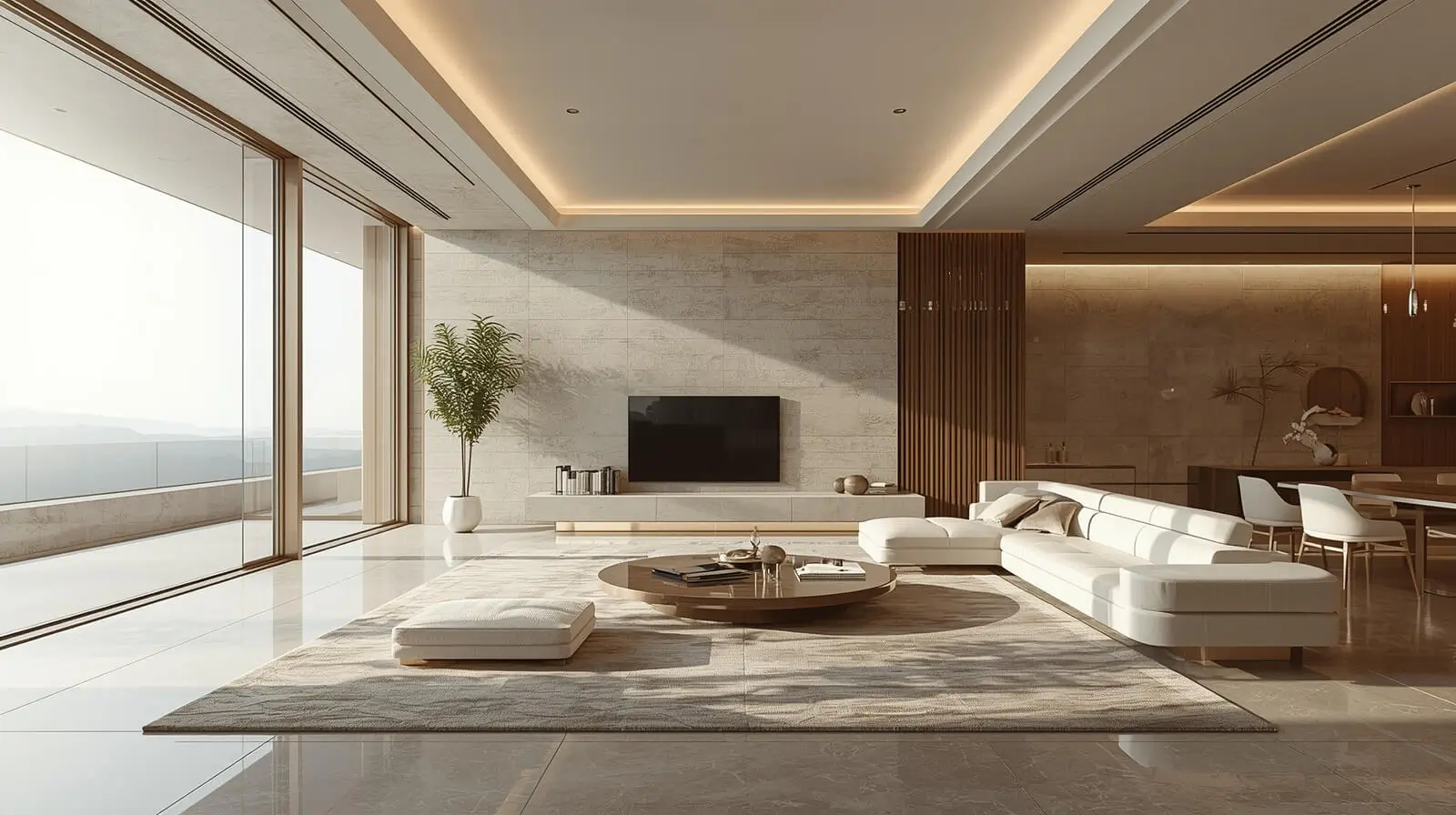
Introduction
Futuristic interior design is not about chasing trends or creating cold, sci-fi spaces. At its core, it is a thoughtful design philosophy that blends innovation, advanced materials, and human-centered comfort to shape interiors that feel forward-looking yet livable. When done well, futuristic spaces feel intentional, immersive, and emotionally engaging rather than experimental for the sake of novelty.
In professional practice, futuristic interior design often emerges where technology, architecture, and lifestyle intersect. It reflects how people live today while anticipating how they will live tomorrow — through adaptable layouts, intelligent lighting, sculptural forms, and materials that respond to light, touch, and movement. The result is a space that feels progressive without losing warmth or usability.
This approach has evolved far beyond glossy white rooms and neon accents. Contemporary futuristic interiors incorporate natural textures, layered lighting, and subtle automation to create environments that feel calm, refined, and quietly advanced — spaces that work intuitively and age gracefully over time.
Futuristic Interior Design Philosophy and Core Identity
Futuristic interior design is rooted in the idea of progress — not just visually, but experientially. It prioritizes fluidity, efficiency, and adaptability while maintaining a strong emotional connection to space. Clean geometry, intentional contrast, and forward-thinking materials define its identity.
Rather than decorating, this style engineers atmosphere. Every surface, light source, and spatial decision serves a purpose, creating interiors that feel cohesive, intelligent, and visually balanced.
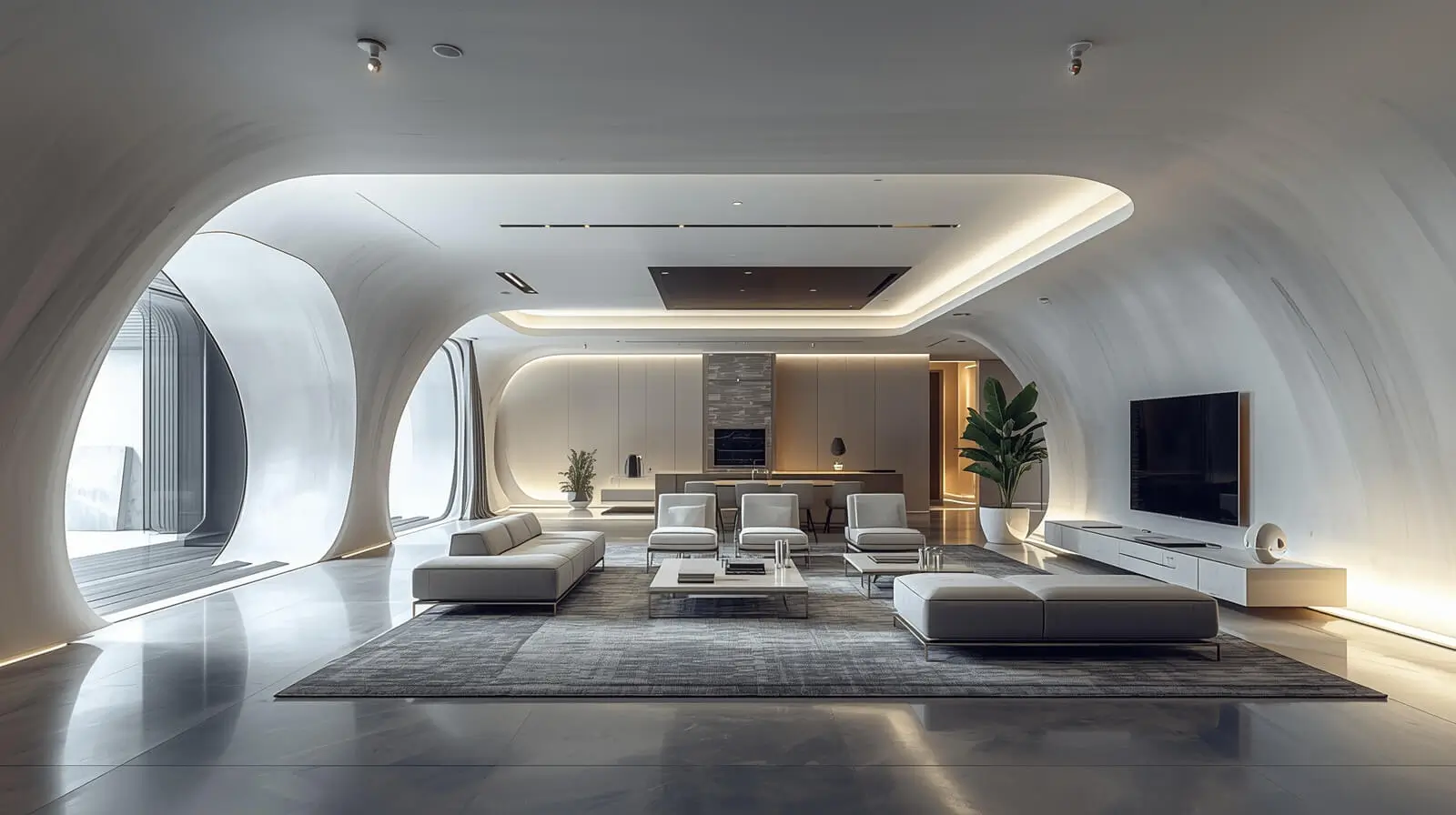
Modern Futuristic Interior Design for Contemporary Homes
Modern futuristic interior design focuses on restraint and precision. Spaces are simplified, but never empty. Materials are refined, transitions are seamless, and technology is quietly embedded rather than visually dominant.
This approach works especially well in urban homes where efficiency and visual clarity matter. The goal is a space that feels light, intelligent, and effortlessly modern.
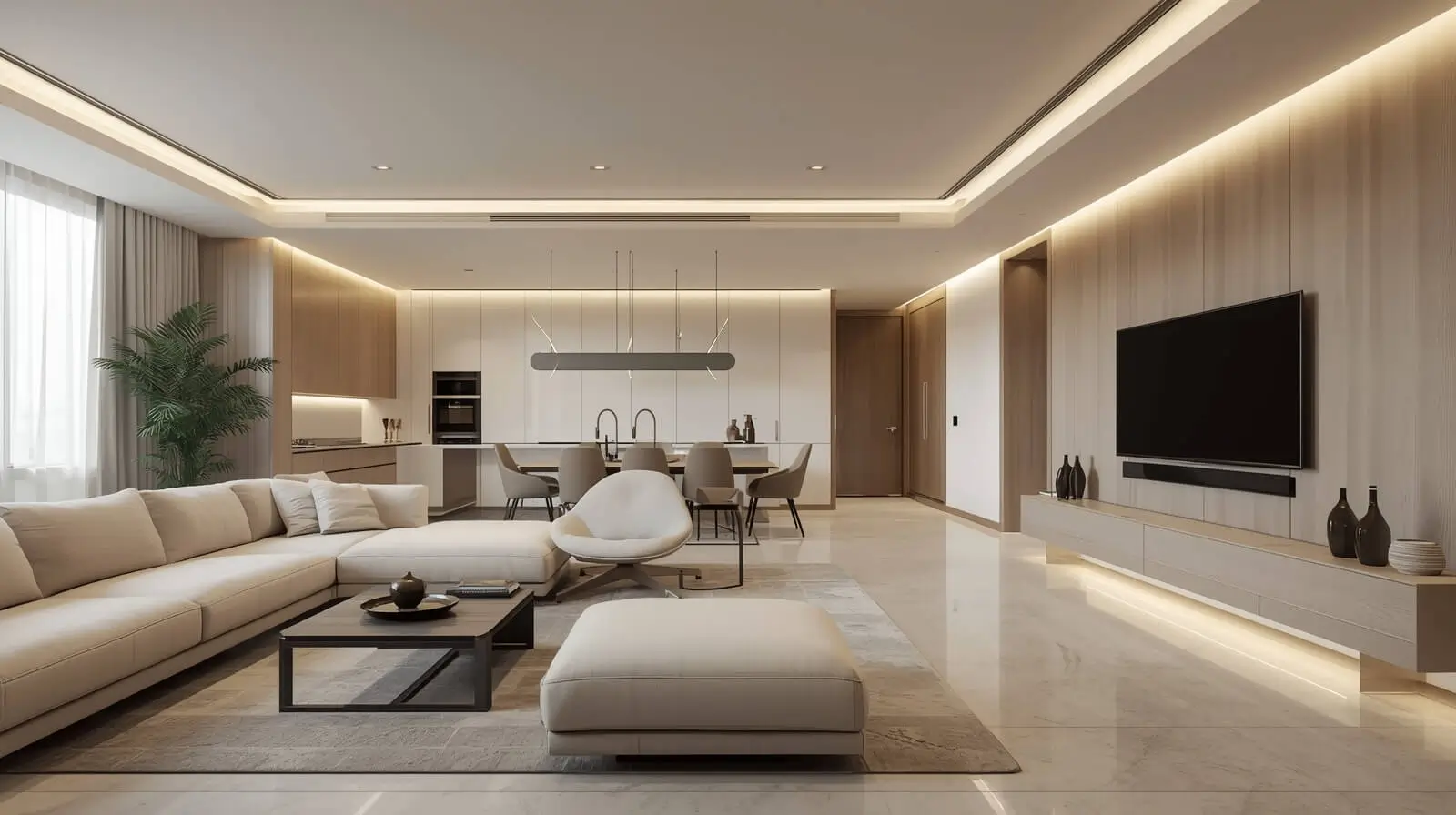
Futuristic Interior Design Elements That Define the Style
Key elements of futuristic interior design include sculptural forms, smooth surfaces, layered lighting, and a controlled color palette. These elements work together to create a sense of motion and clarity within the space.
The emphasis is on precision over excess — each element is selected to enhance flow, function, and visual rhythm.
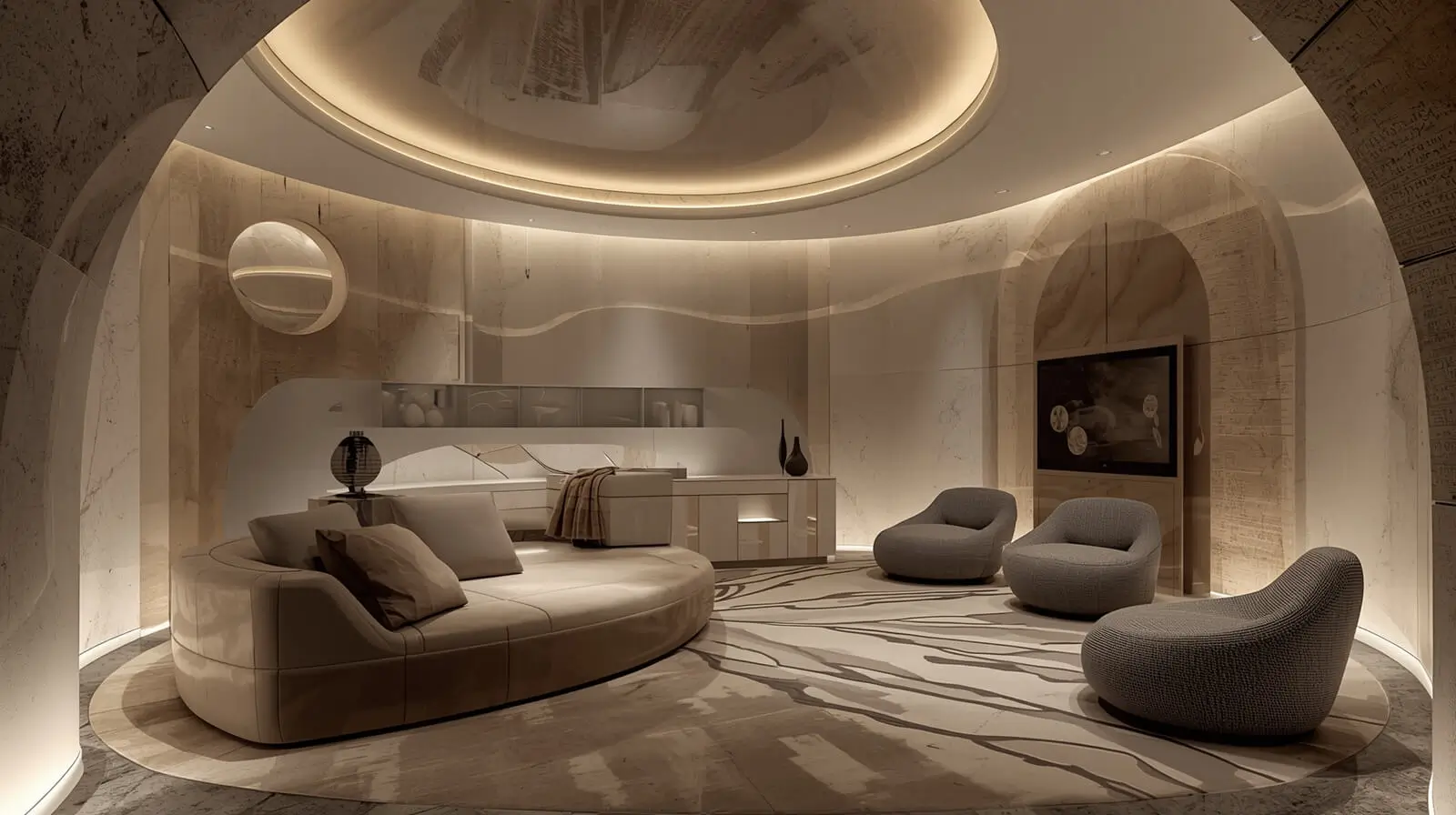
Futuristic Home Interior Design and Spatial Planning
Futuristic home interiors prioritize openness and adaptability. Fixed walls are minimized, and spaces are designed to evolve with changing needs. Layouts encourage movement and visual continuity rather than rigid separation.
This planning philosophy creates homes that feel expansive, intuitive, and future-ready.
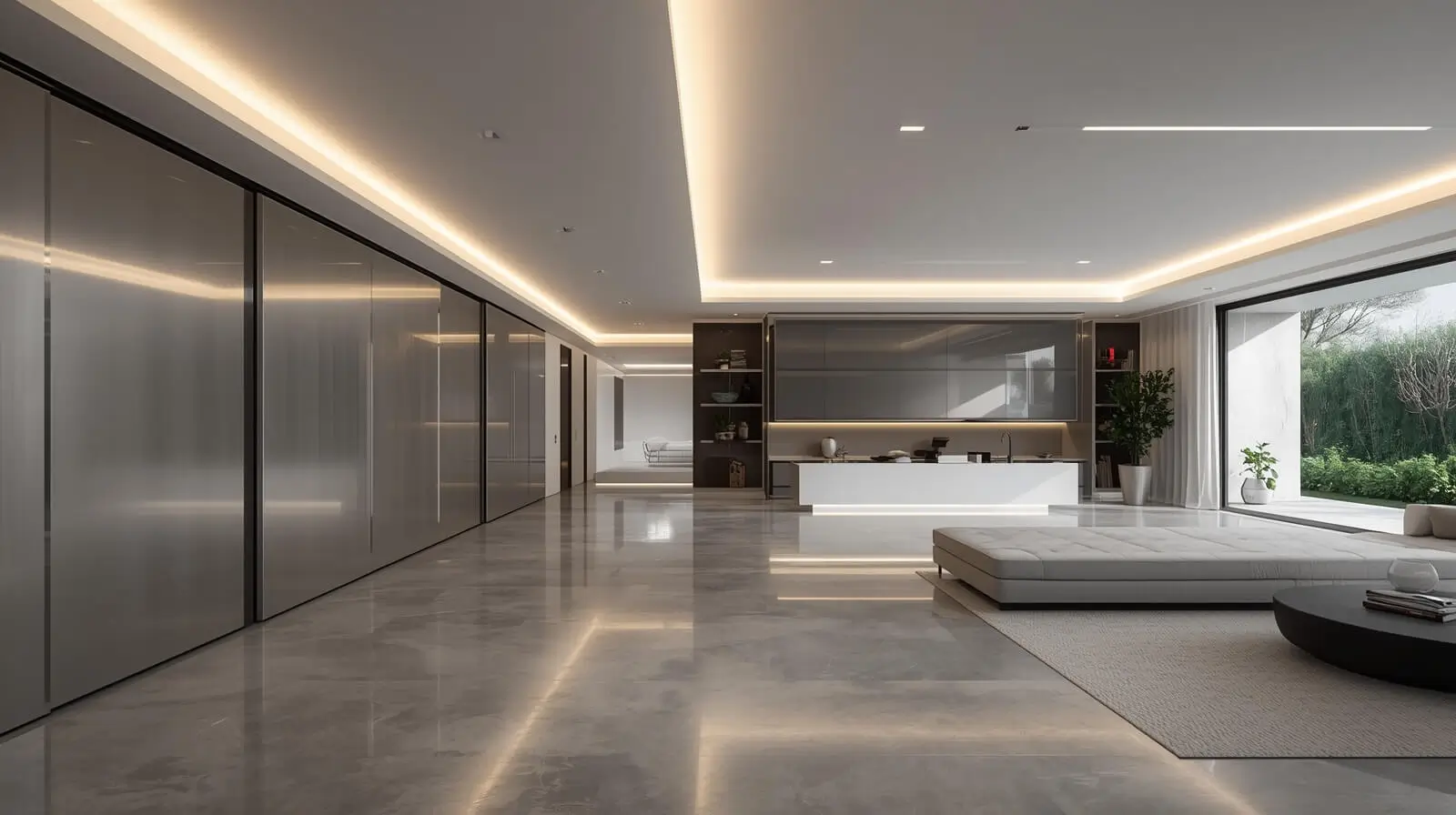
Futuristic Interior Design Ideas for Living Rooms
In living rooms, futuristic interior design balances technology with comfort. Statement lighting, sculptural seating, and subtle automation define the space without overwhelming it.
The living room becomes a social and sensory hub — visually striking yet deeply comfortable.
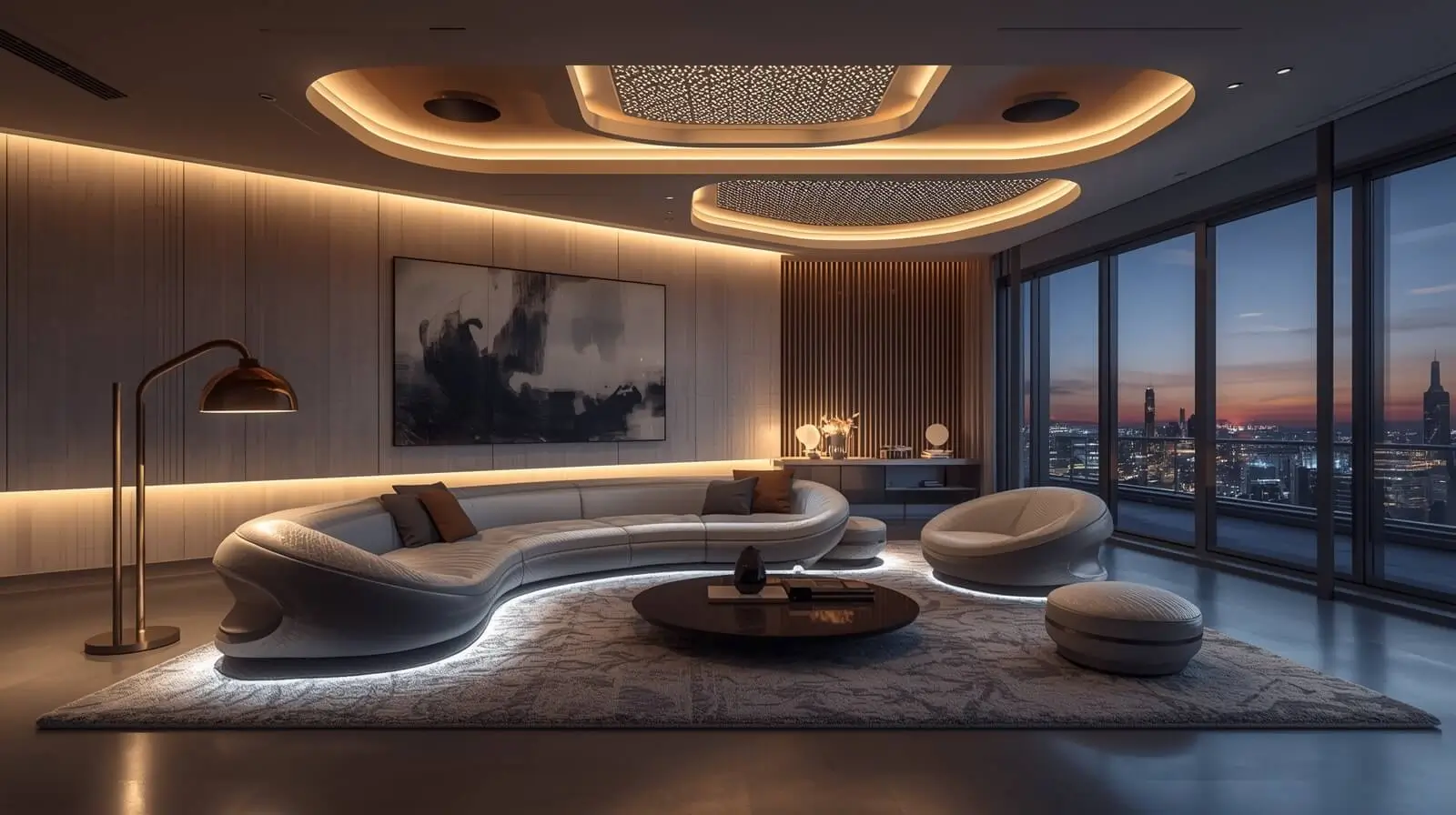
Futuristic Interior Design for Bedrooms
Futuristic bedrooms focus on calm, controlled environments. Soft lighting, acoustic materials, and streamlined furniture create a restorative atmosphere that supports rest and well-being.
Technology is present but discreet, enhancing comfort rather than dominating the design.
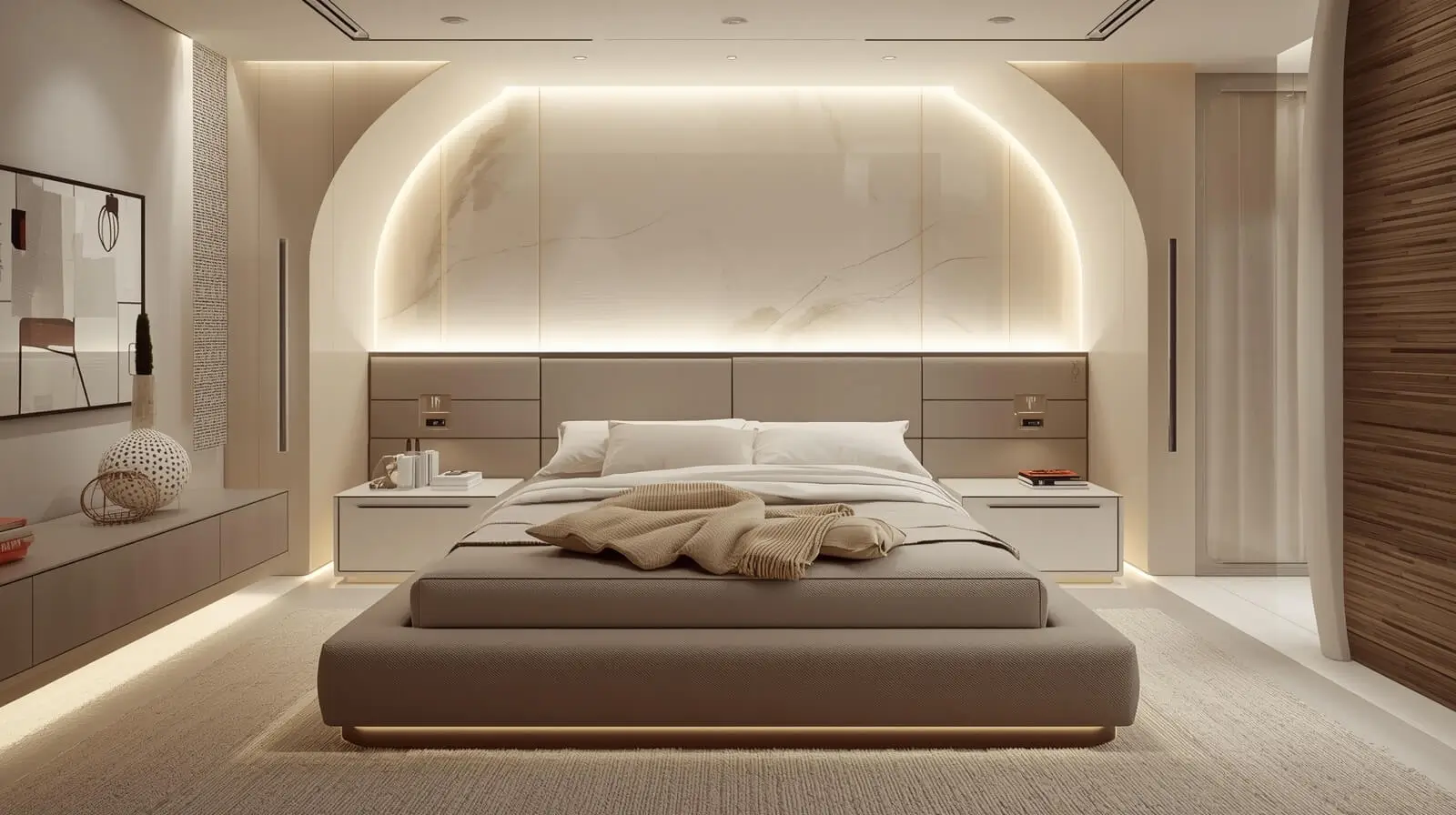
Futuristic Kitchen Interior Design Concepts
Futuristic kitchens emphasize efficiency, hygiene, and clarity. Handle-less cabinetry, integrated appliances, and durable surfaces create a space that feels advanced yet practical.
Design decisions focus on workflow, cleanliness, and visual continuity.
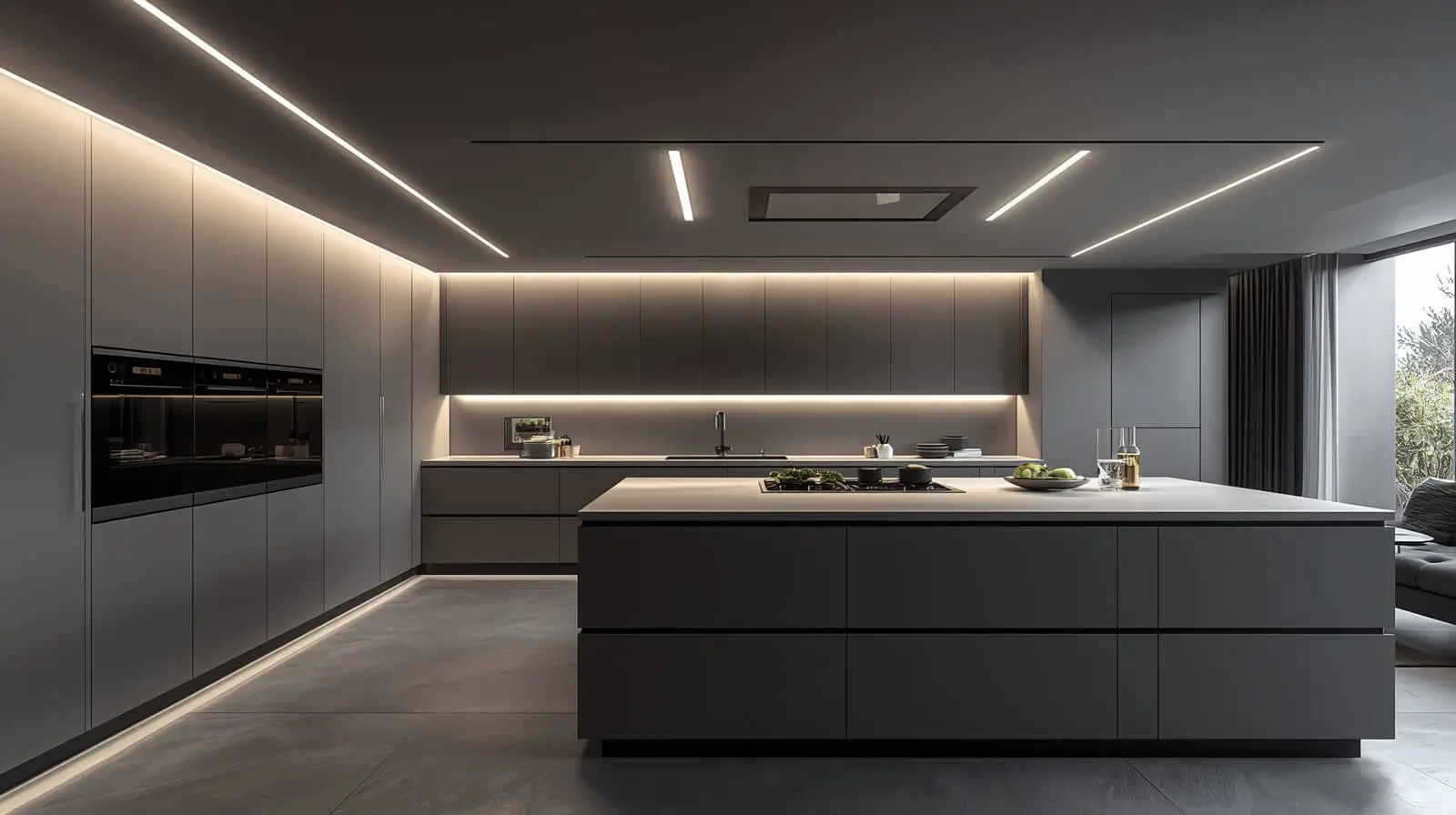
Futuristic Bathroom Interior Design Atmospheres
Bathrooms in futuristic interior design often resemble wellness retreats. Smooth surfaces, ambient lighting, and advanced fixtures create a spa-like experience.
The emphasis is on sensory calm, cleanliness, and precision.
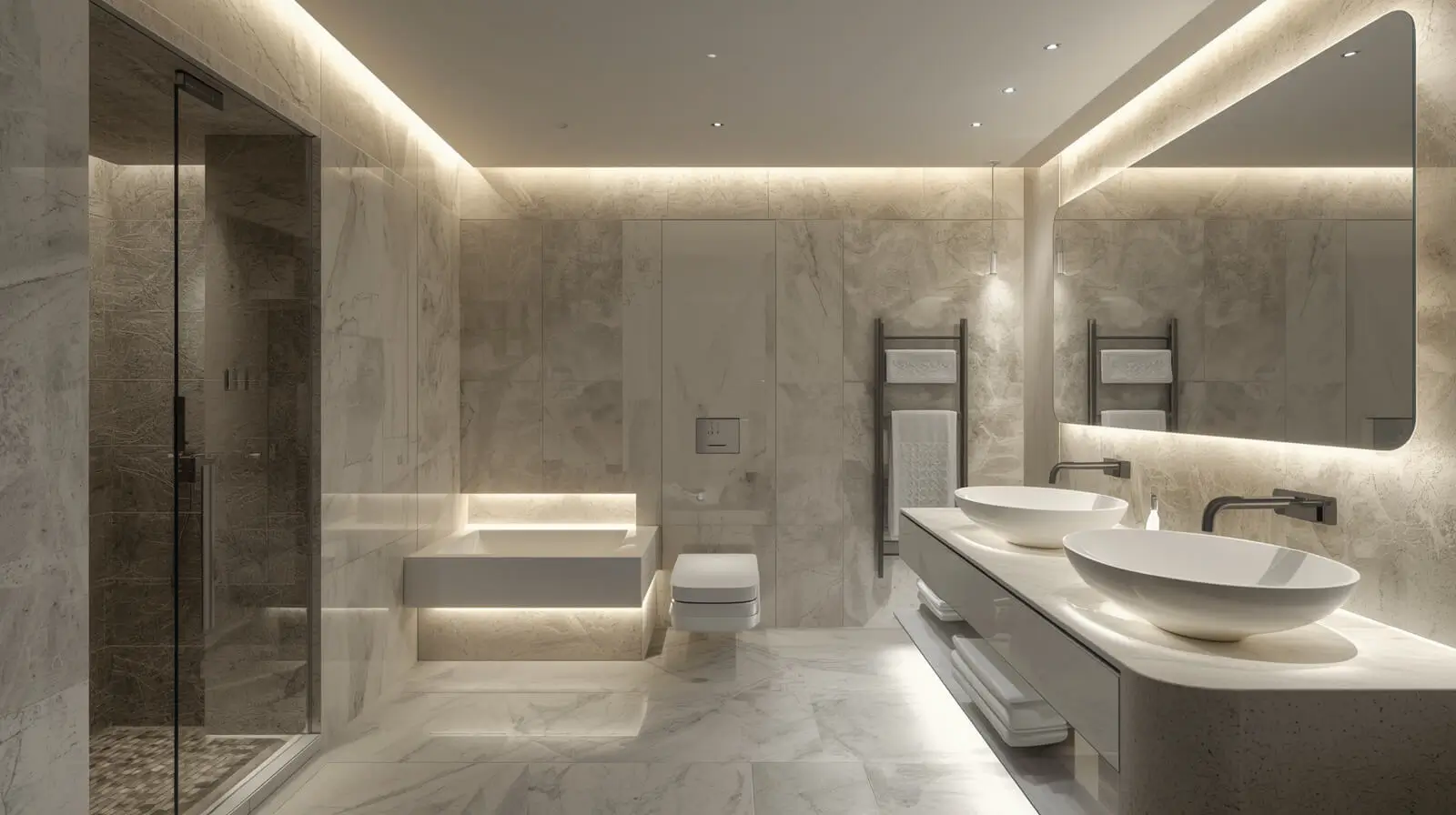
Futuristic Interior Design Materials and Finishes
Materials play a critical role in futuristic interiors. Glass, metal, composite stone, polished concrete, and advanced laminates are commonly used for their durability and visual clarity.
These materials reflect light beautifully and reinforce the forward-looking nature of the space.
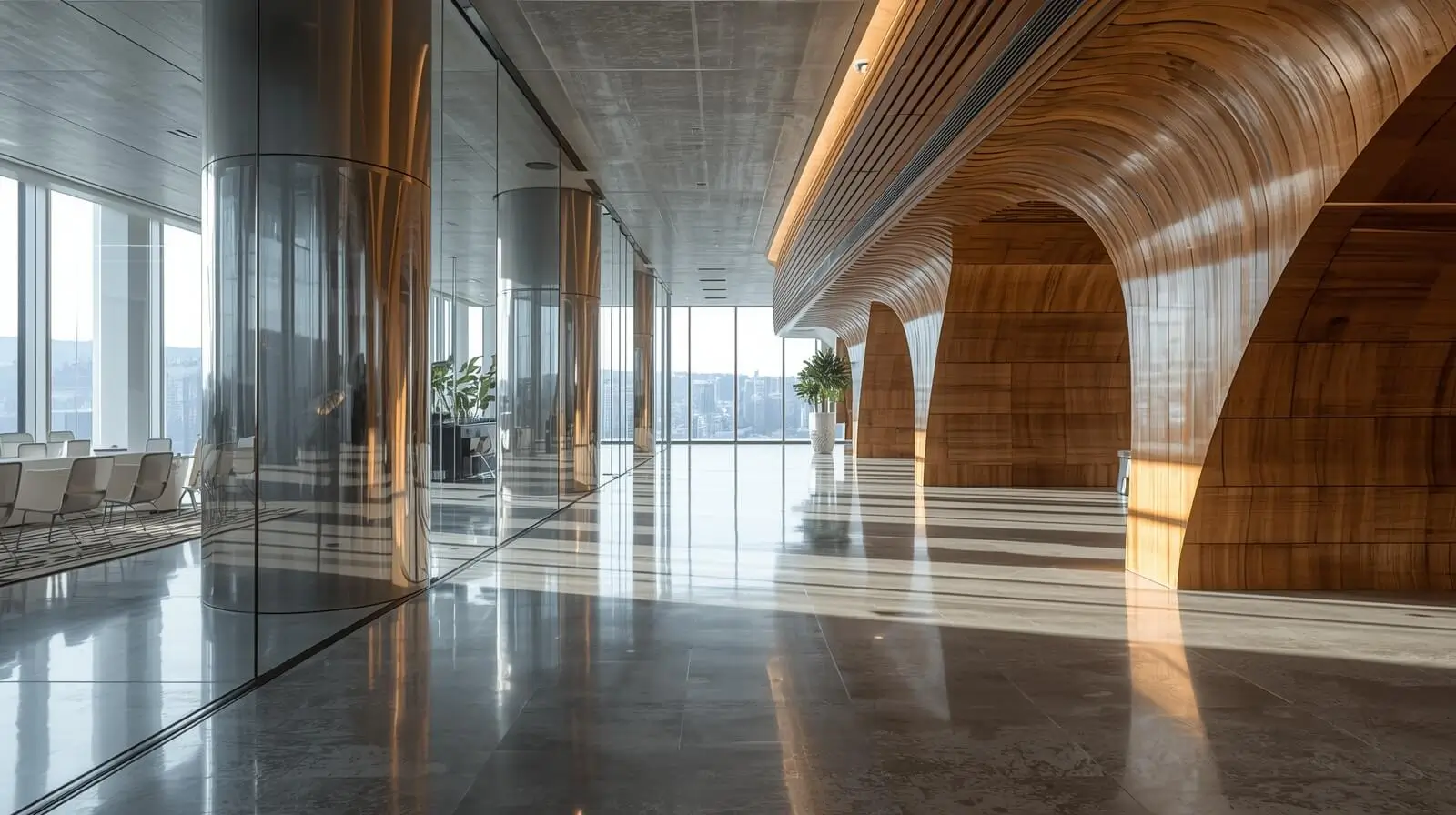
Lighting as a Core Feature in Futuristic Interior Design
Lighting is never secondary in futuristic interior design. It defines form, enhances mood, and guides movement through space. Indirect lighting is preferred for its softness and sophistication.
Well-designed lighting systems make spaces feel intelligent and alive.
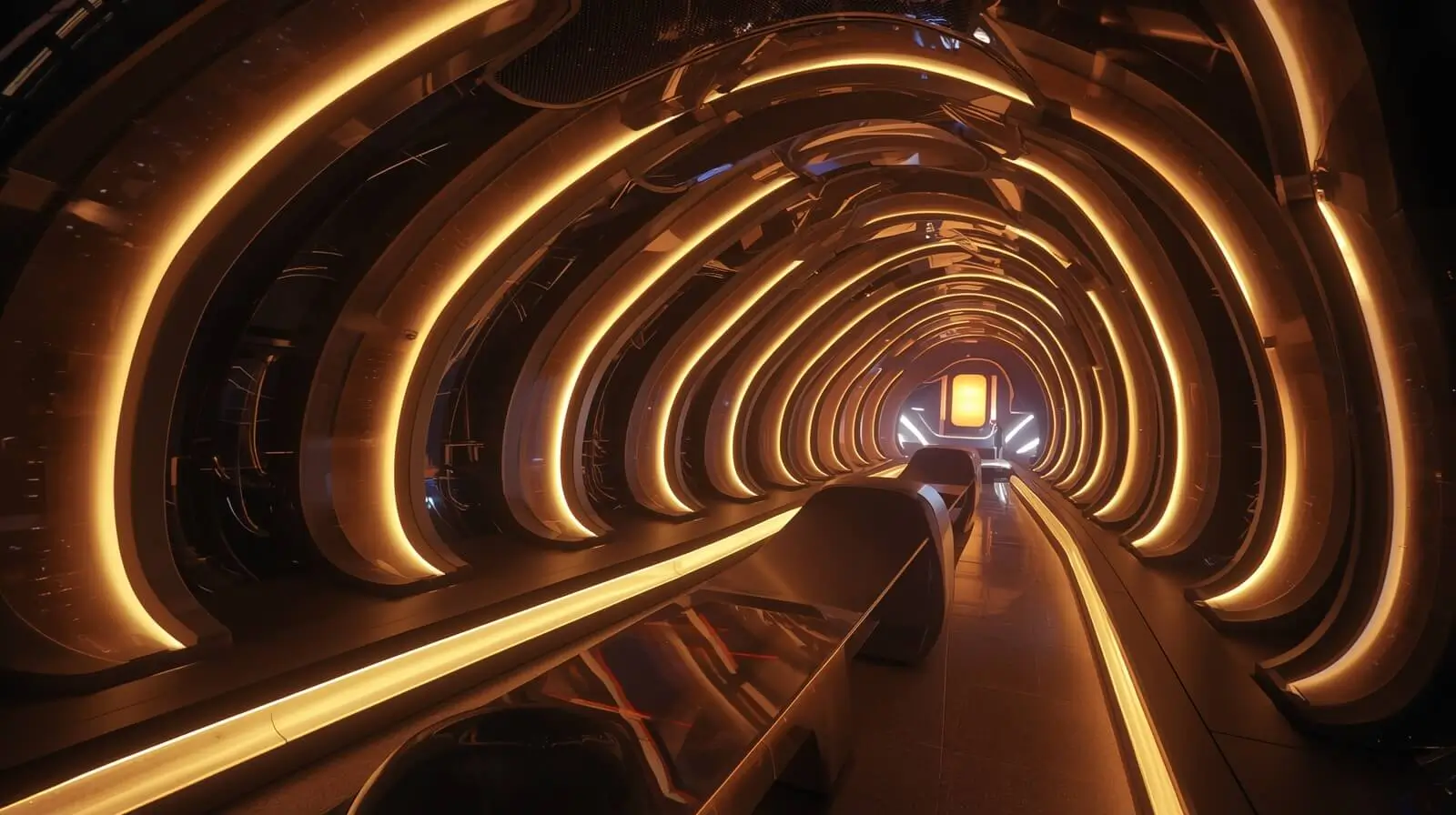
Color Psychology in Futuristic Interior Design
Futuristic interiors often rely on neutral bases — whites, greys, beiges, and blacks — accented by metallics or muted color highlights. This creates a timeless yet progressive aesthetic.
Color is used strategically to influence mood rather than decorate.
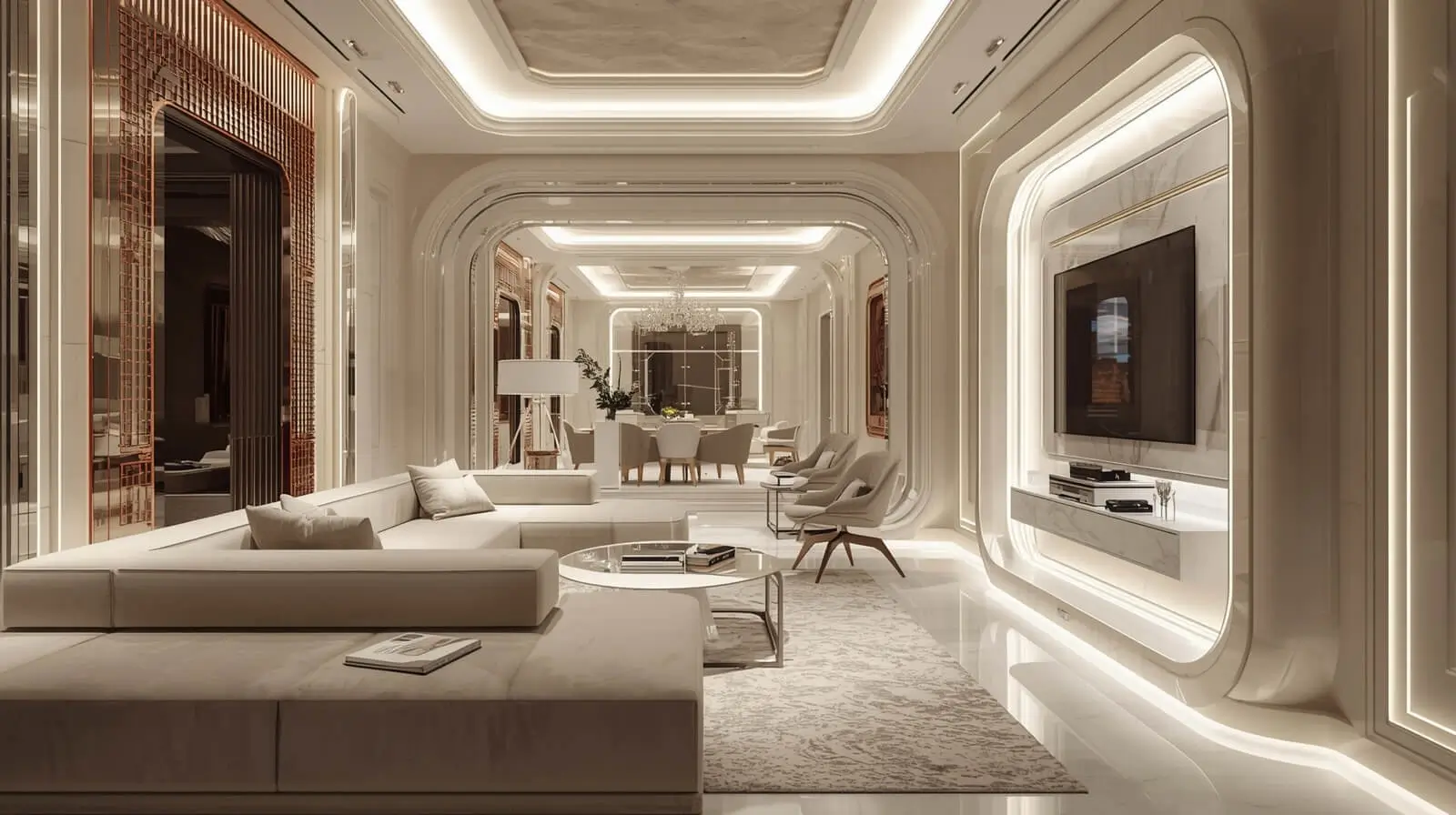
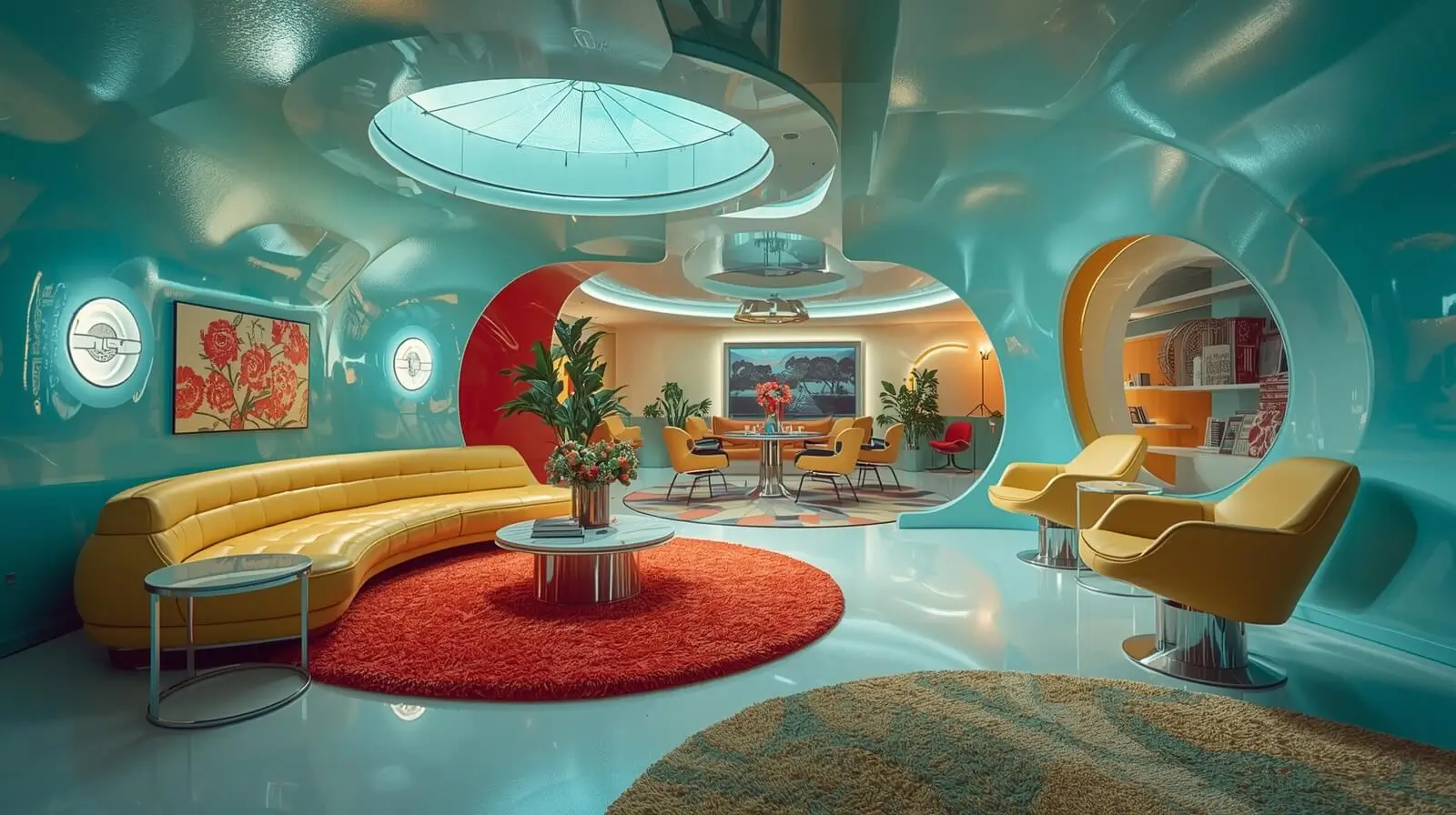
Retro Futurism Influence in Futuristic Interior Design
Retro futurism introduces optimism and nostalgia into futuristic interior design. Rounded furniture, playful forms, and mid-century inspiration soften the high-tech edge.
This blend creates interiors that feel imaginative and emotionally engaging.
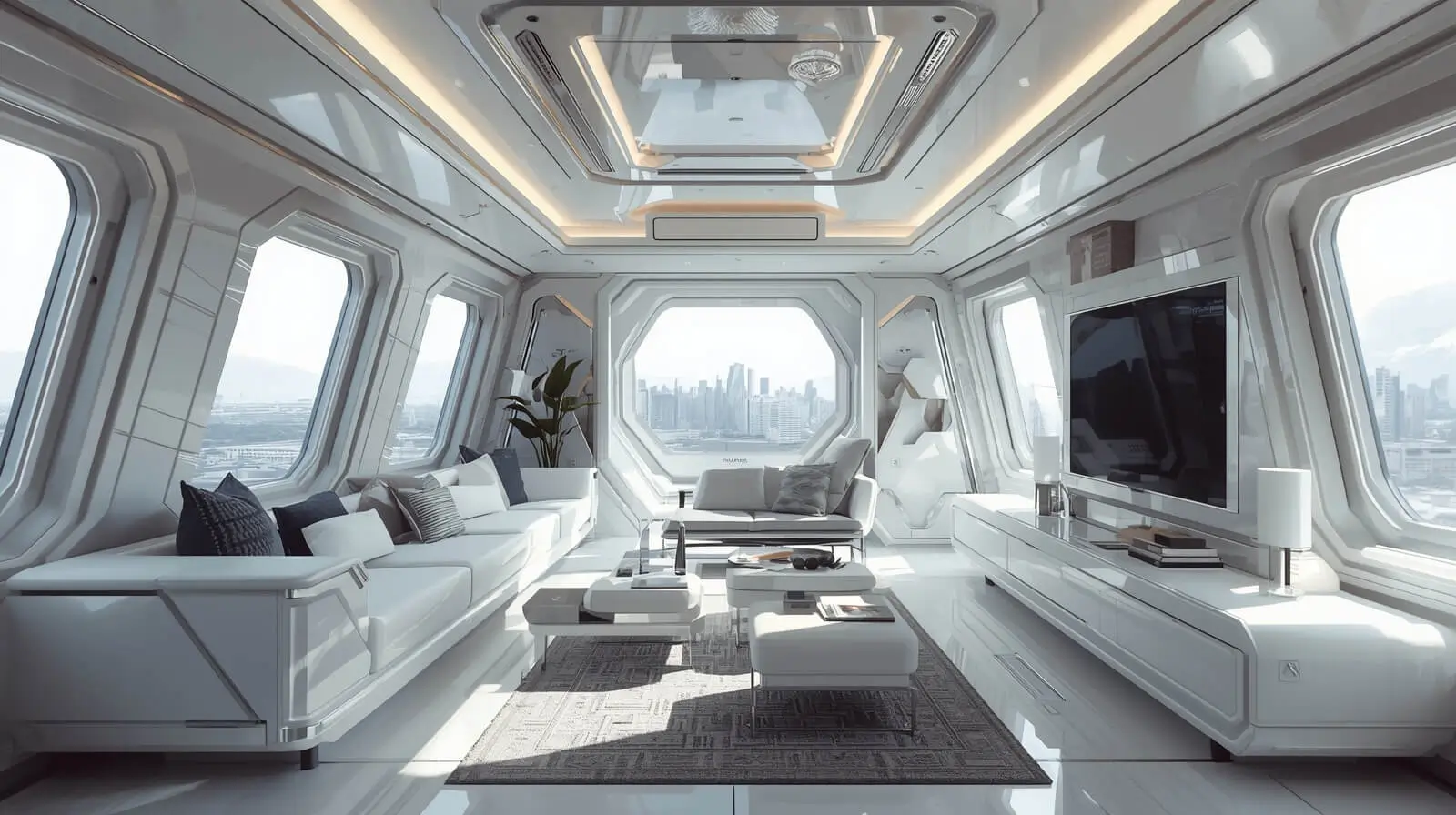
Futuristic Interior Design for Small Spaces
In compact homes, futuristic interior design excels through smart storage, multifunctional furniture, and visual openness. Clean lines and reflective materials make spaces feel larger.
Design intelligence replaces square footage.
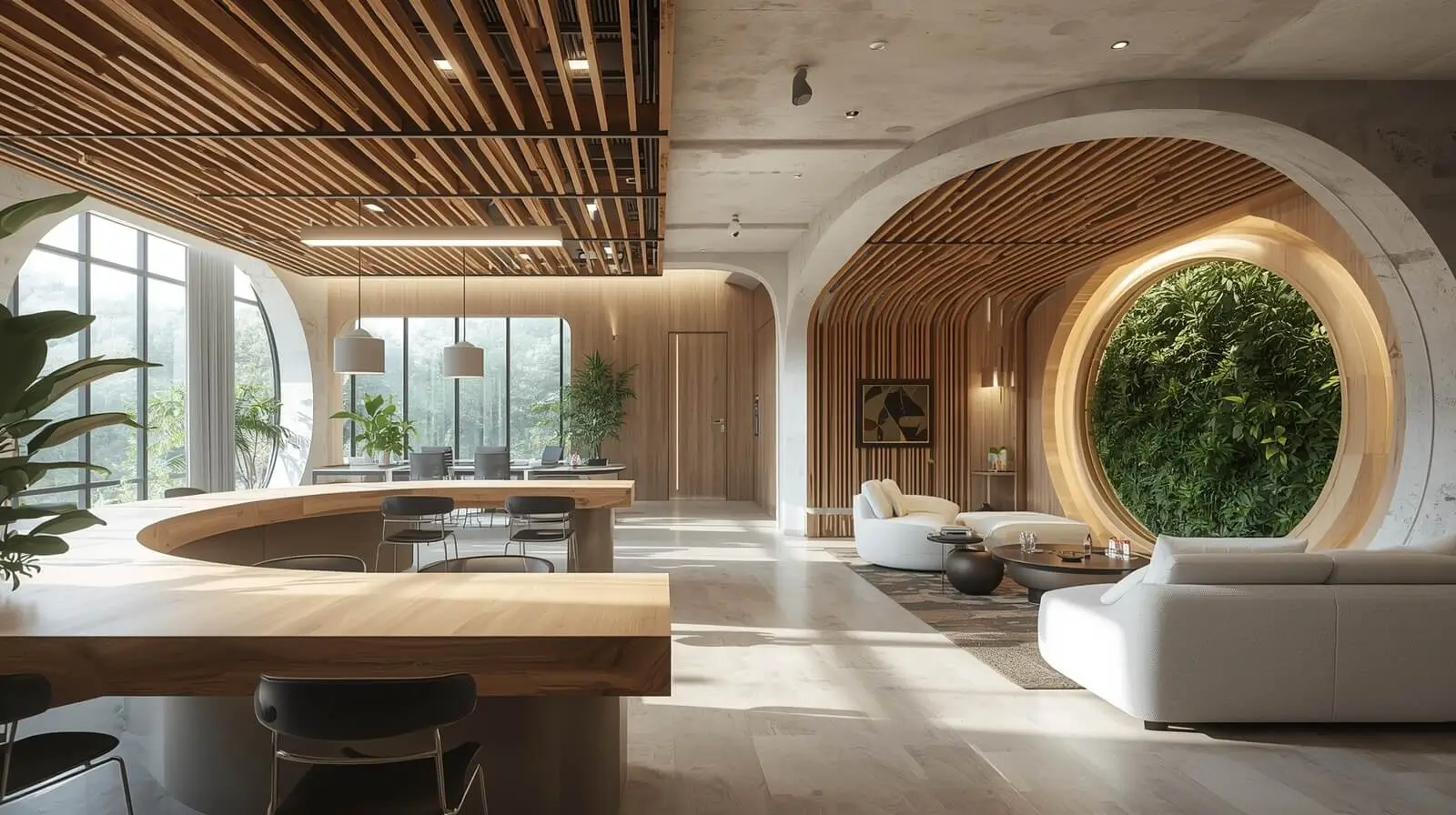
Sustainable Thinking in Futuristic Interior Design
Sustainability naturally aligns with futuristic interior design. Durable materials, energy-efficient lighting, and long-lasting layouts reduce waste and future renovations.
True futurism considers longevity, not excess.
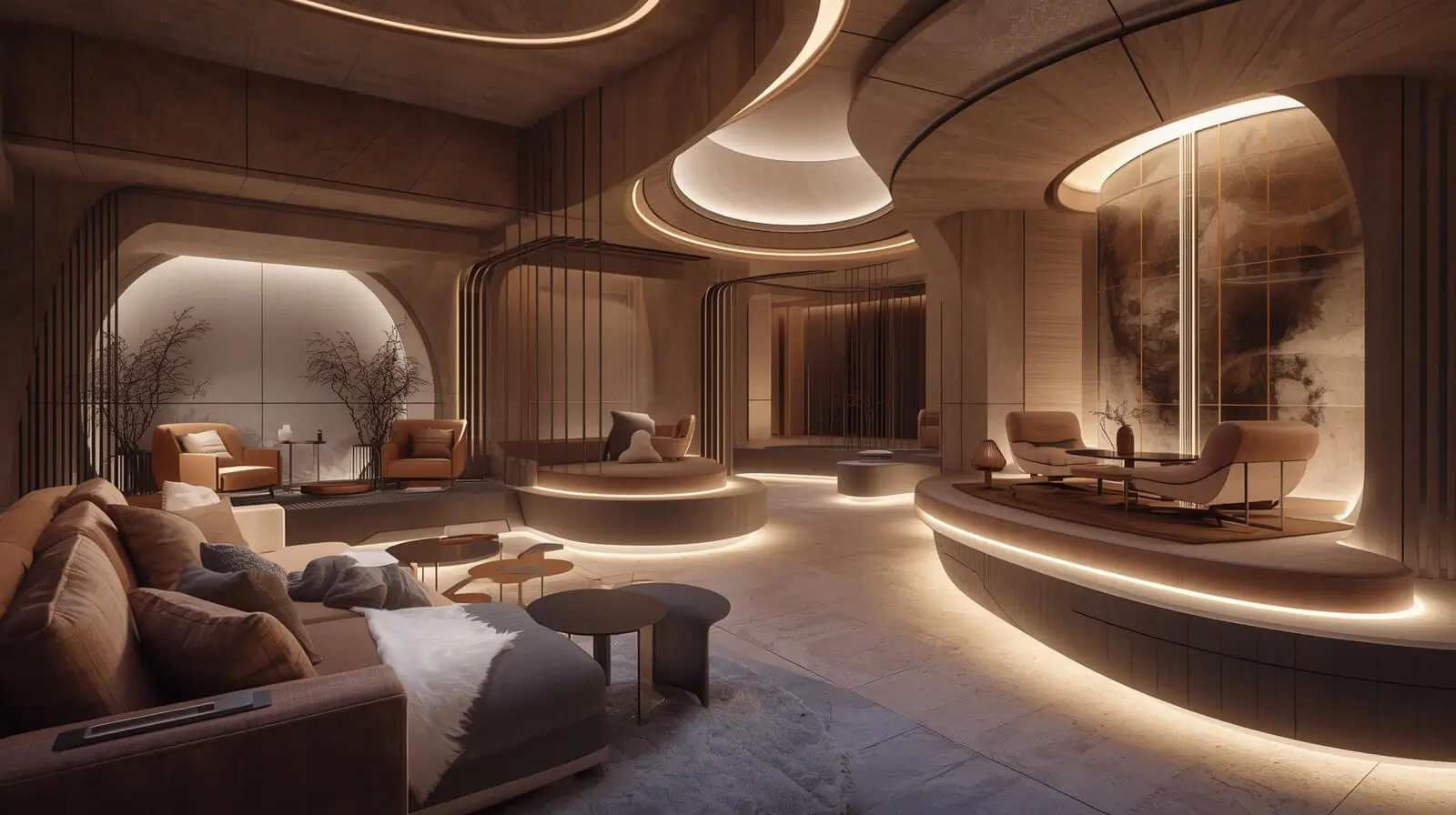
The Emotional Experience of Futuristic Interior Design
Beyond aesthetics, futuristic interior design shapes how people feel in a space. Calm, clarity, and control are central emotional outcomes.
When designed well, these interiors feel empowering, inspiring, and effortlessly modern.
Conclusion: Designing Forward Without Losing the Human Touch
Futuristic interior design works best when it is grounded in real life rather than speculation. At its strongest, it is not about creating showpiece interiors that look impressive for a moment, but about shaping spaces that anticipate how people live, move, and feel over time. By combining intelligent planning, advanced materials, thoughtful lighting, and emotional awareness, this approach creates interiors that remain relevant as lifestyles evolve.
What makes futuristic interior design particularly effective is its balance. It welcomes innovation without overwhelming the senses, and it prioritizes comfort without sacrificing visual clarity. Homes designed this way tend to feel calmer, more intuitive, and easier to live in because every decision — from layout to lighting — is intentional. This is why the approach resonates most with people who value longevity, adaptability, and a sense of quiet sophistication rather than trend-driven excess.
Moving forward, the most successful way to apply futuristic interior design is with restraint and purpose. Start by improving how your space functions, then enhance how it feels, and only then consider how it looks. Whether you are redesigning a single room or planning an entire home, clarity, flexibility, and human comfort should always guide the process. When those principles are in place, the future no longer feels abstract — it feels livable, grounded, and confidently designed.
Learn more : 12+ Inspiring Modern Classic Interior Design Ideas to Transform Your Home
Frequently Asked Questions
- Is futuristic interior design suitable for everyday homes, or only high-end projects?
Futuristic interior design adapts well to everyday homes when applied thoughtfully. It is less about expensive features and more about smart planning, clean lines, and intentional lighting. Even small changes — such as simplifying layouts or improving light quality — can bring the concept into a realistic, livable scale.
- Does futuristic interior design feel cold or impersonal?
Not when done correctly. The most successful futuristic interiors emphasize comfort, warmth, and emotional balance. Soft lighting, natural textures, and well-proportioned spaces prevent the design from feeling sterile or overly technical.
- How can someone start transitioning toward a futuristic interior without a full renovation?
Begin with functional upgrades: decluttering layouts, choosing streamlined furniture, and improving lighting quality. Focus on simplicity and cohesion rather than dramatic visual changes. Over time, these decisions naturally guide the space toward a more futuristic direction.
- Is technology required for a space to feel futuristic?
Technology can enhance the experience, but it is not essential. Futuristic interior design is primarily about design intelligence — how space flows, how light is layered, and how materials interact. Technology should support the design, not define it.
- How does futuristic interior design age over time?
Well-designed futuristic interiors age gracefully because they rely on timeless principles rather than novelty. Neutral palettes, durable materials, and adaptable layouts prevent the space from feeling outdated as trends shift.
- Can futuristic interior design work in small or compact spaces?
Yes, and often very effectively. Clean lines, integrated storage, and multifunctional elements make small spaces feel more open and efficient. In compact homes, futuristic thinking often improves livability more than decorative styles do.
- Who benefits most from choosing futuristic interior design?
This approach is ideal for individuals who value clarity, flexibility, and long-term thinking. It suits people who want homes that feel modern yet calm, visually refined yet deeply practical — spaces designed to evolve alongside their lives.

One Response