Introduction
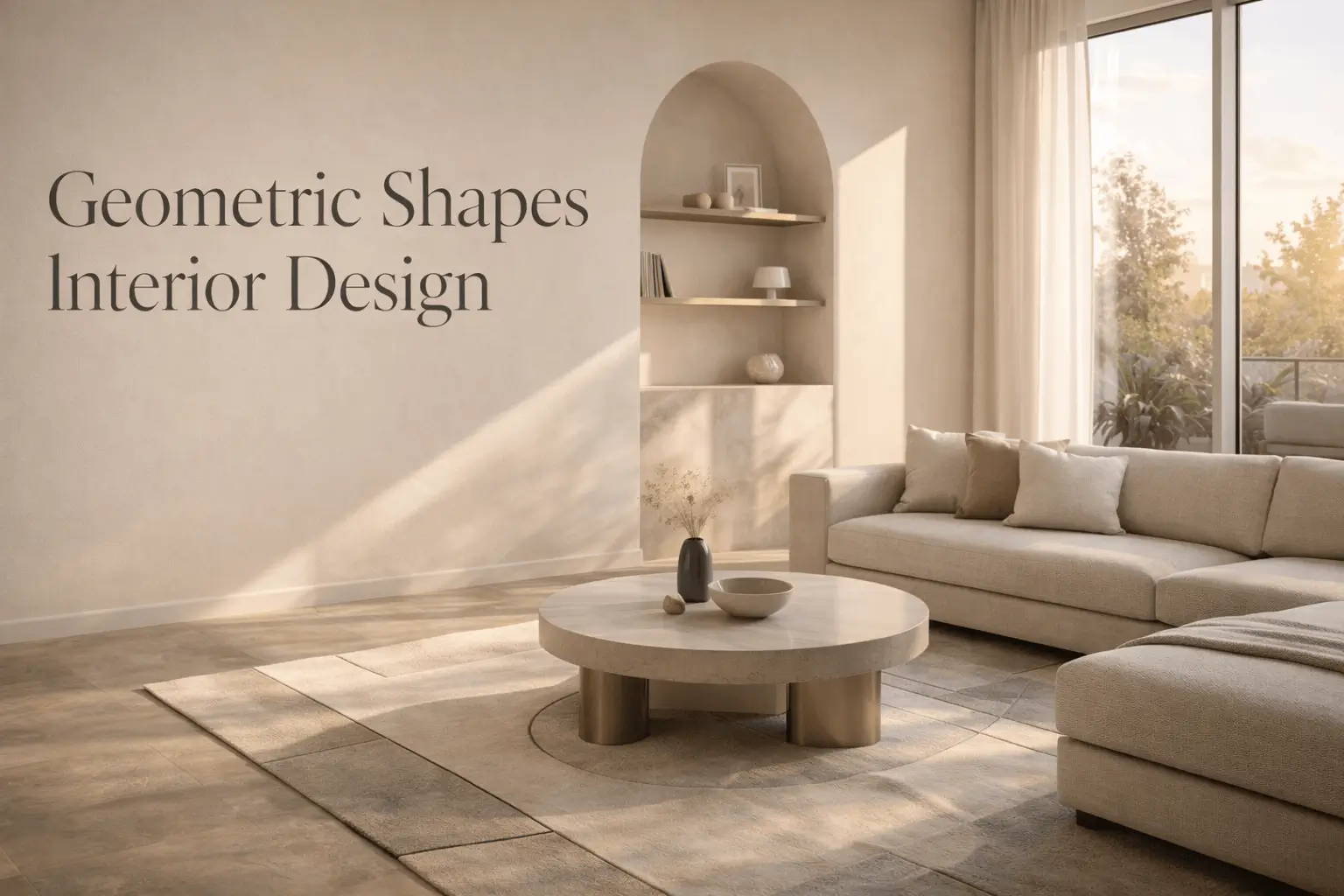
Geometric shapes interior design is more than a visual trend—it’s a foundational design language that shapes how a space feels, flows, and functions. From clean-lined furniture to bold patterned walls, geometry brings structure, balance, and visual rhythm into interiors in a way that feels both modern and timeless.
In practice, I’ve found that the most successful interiors don’t just “add” geometric patterns—they build around them. Whether it’s subtle symmetry in layout planning or striking hexagonal tiles, geometry quietly organizes a space while also giving it personality. When used intentionally, geometric shapes can make a room feel more expansive, grounded, or even dynamic without overwhelming the eye.
The key is understanding how shapes interact with light, materials, and human perception. Once you grasp that, geometric design becomes less about decoration and more about creating a cohesive spatial experience.
Geometric Shapes Interior Design in Layout Planning
Geometric thinking begins with the layout. Designers often rely on grids, symmetry, and proportion to create balance and flow. Rectangular and square layouts naturally guide furniture placement and circulation paths.
Geometric Shapes Interior Design with Symmetry and Balance
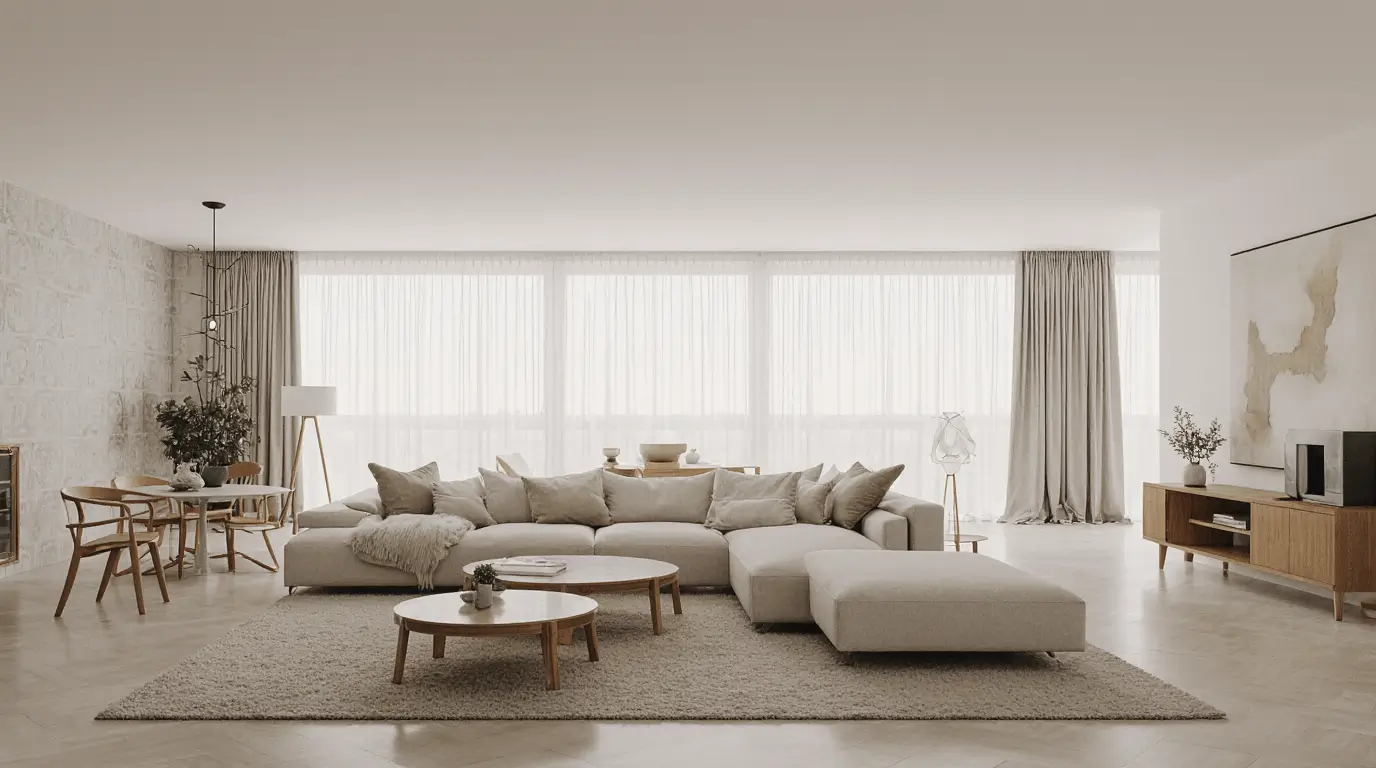
Symmetry creates a sense of order and calm. Matching shapes—like identical sofas or evenly spaced lighting—anchor the room visually and make it feel intentional.
Geometric Shapes Interior Design Using Repetition
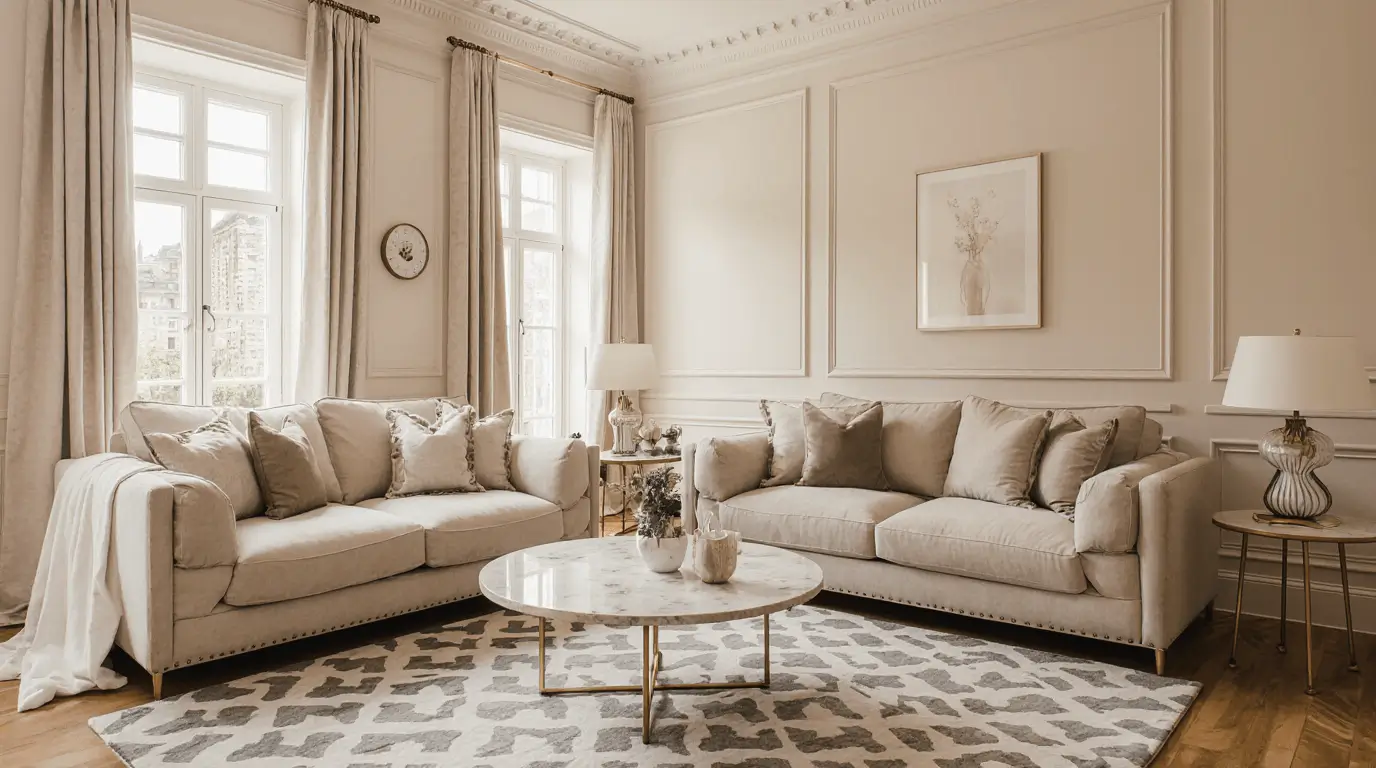
Repeating shapes—circles, triangles, or squares—builds visual rhythm. This technique helps unify different elements without making the space feel repetitive.
Geometric Shapes Interior Design with Bold Patterns
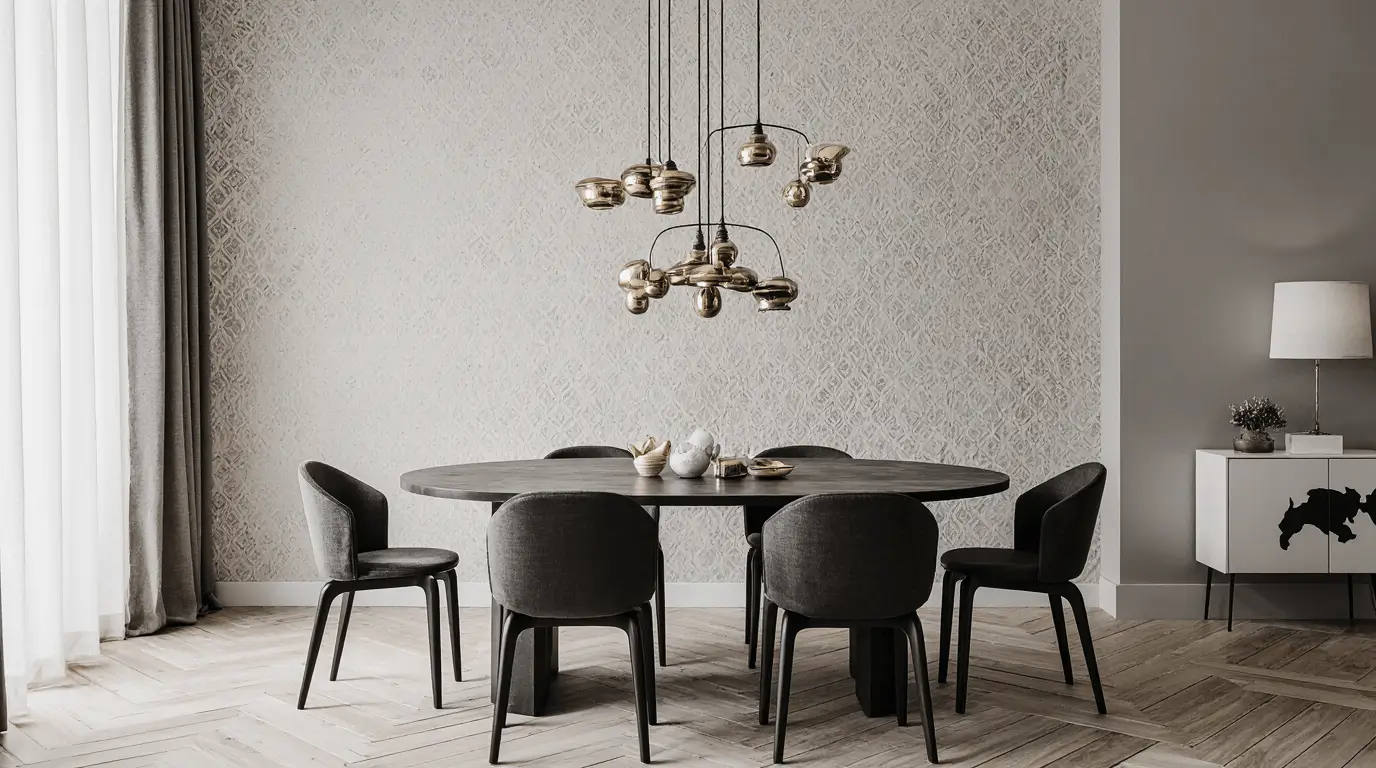
Geometric patterns in rugs, wallpapers, or tiles can become focal points. The trick is balancing bold shapes with neutral surroundings to avoid visual overload.
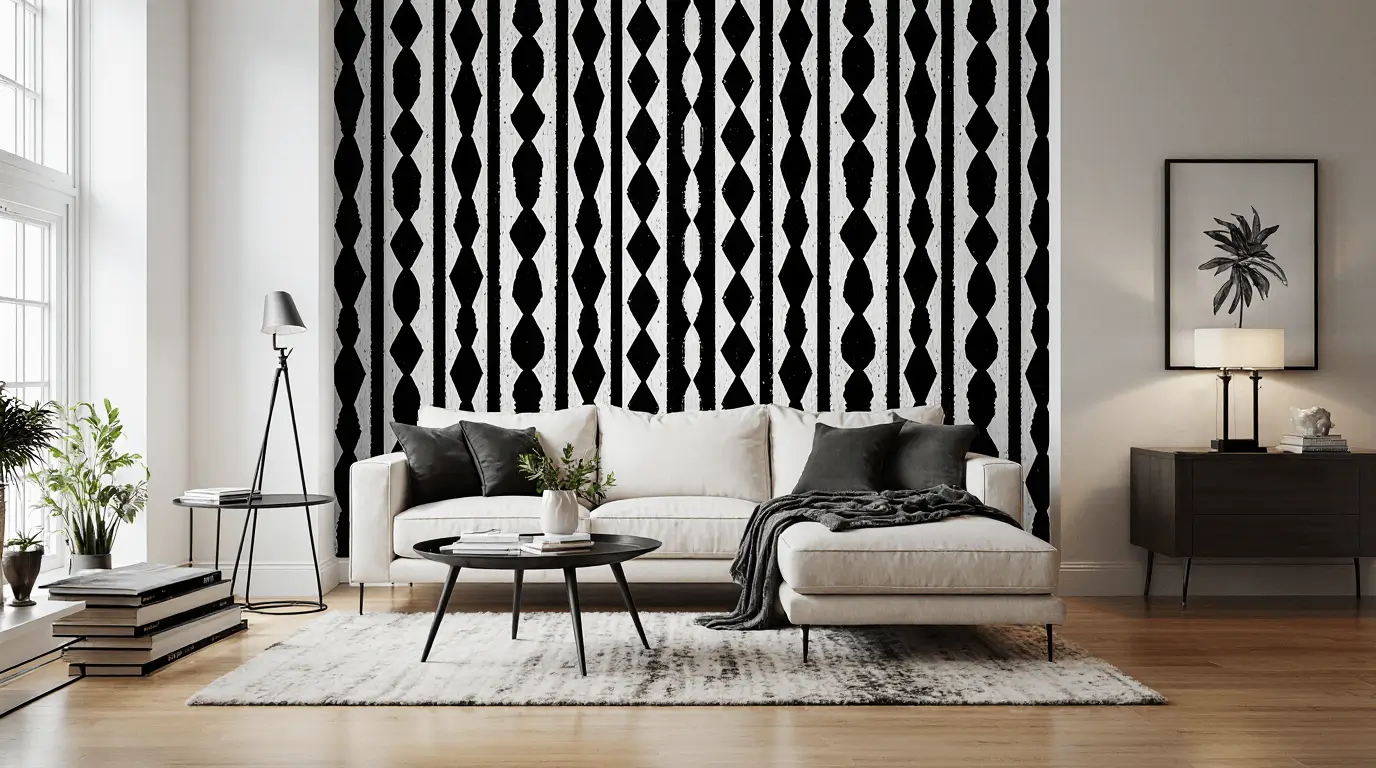
Geometric Shapes Interior Design in Flooring
Flooring is one of the most effective ways to introduce geometry. Herringbone wood, chevron tiles, or hexagonal patterns subtly elevate a space.
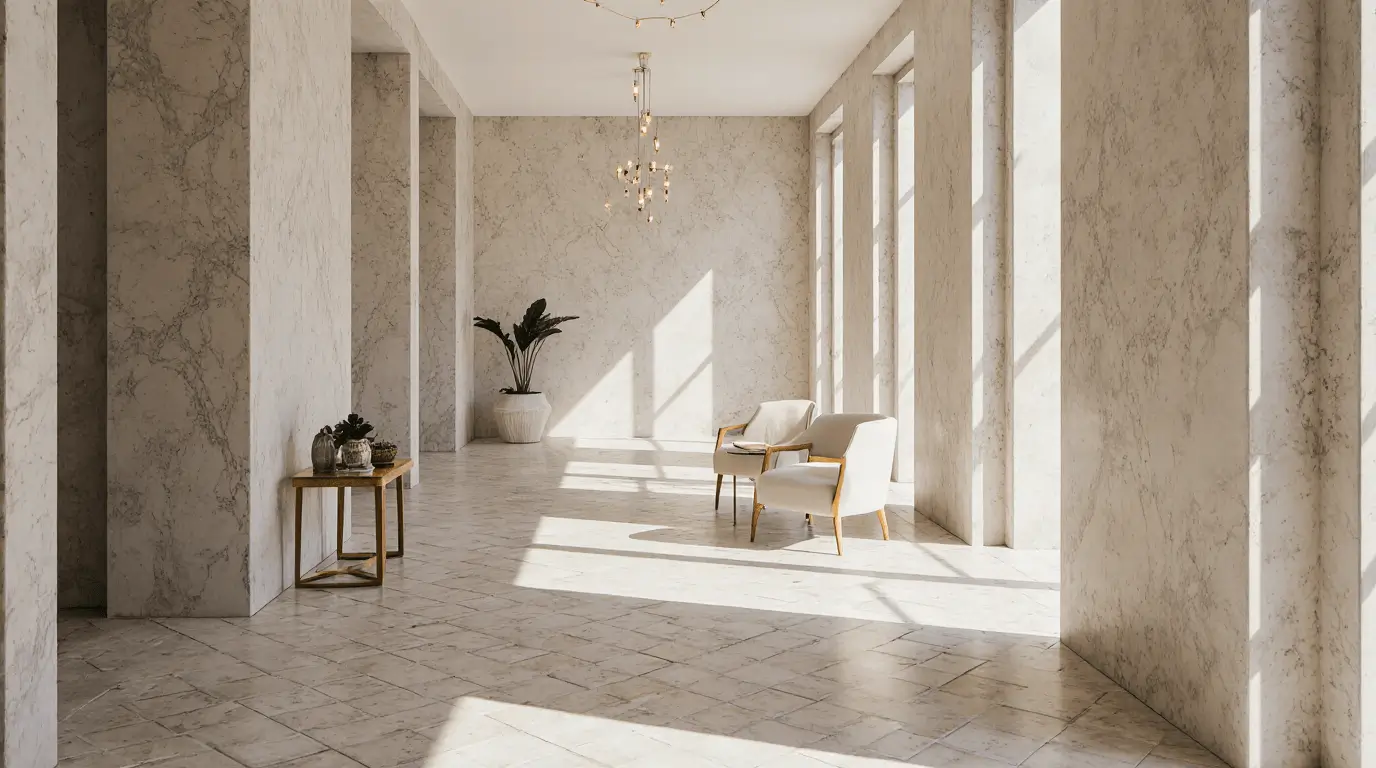
Geometric Shapes Interior Design Through Furniture Forms
Furniture defines the physical geometry of a space. Angular sofas, circular tables, or sculptural chairs add depth and character.
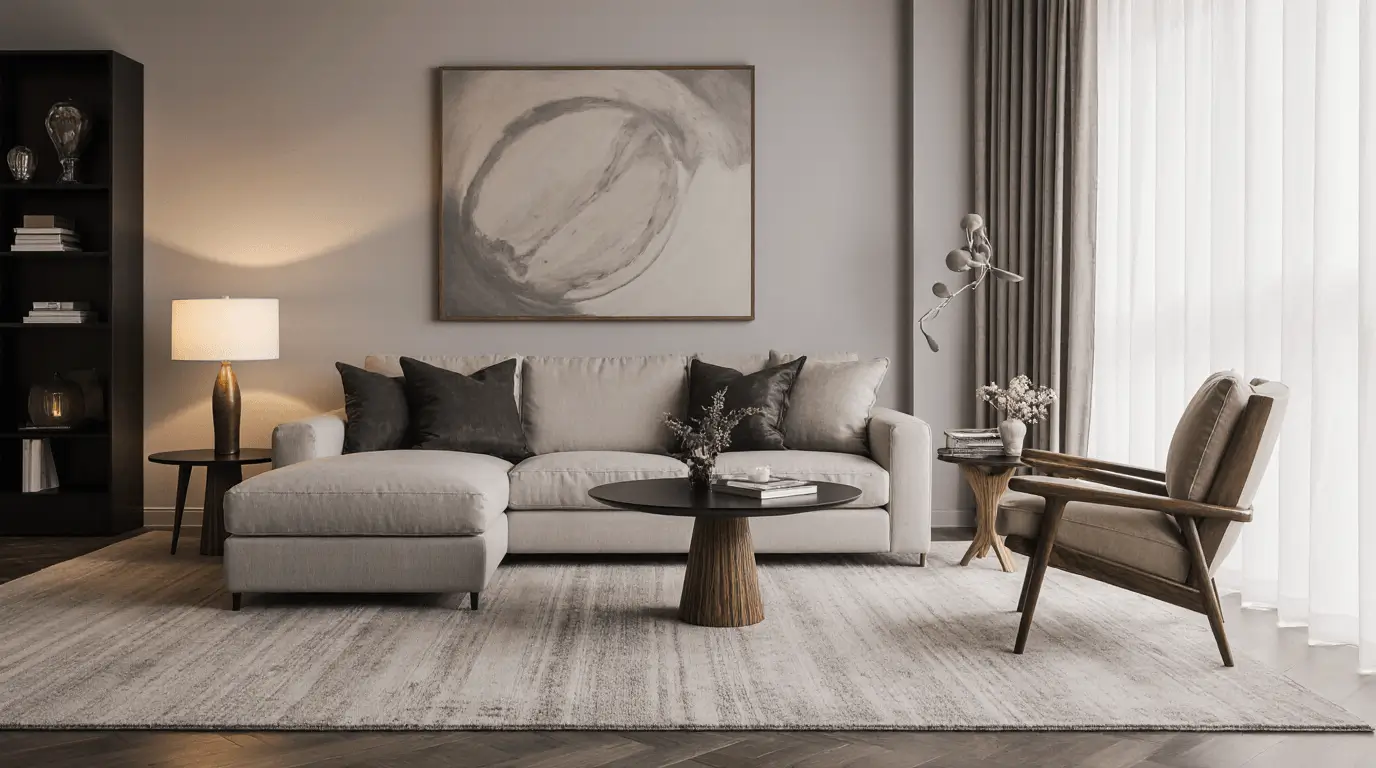
Geometric Shapes Interior Design with Lighting Fixtures
Lighting can act as both function and sculpture. Geometric pendant lights or chandeliers introduce shape at eye level and above.
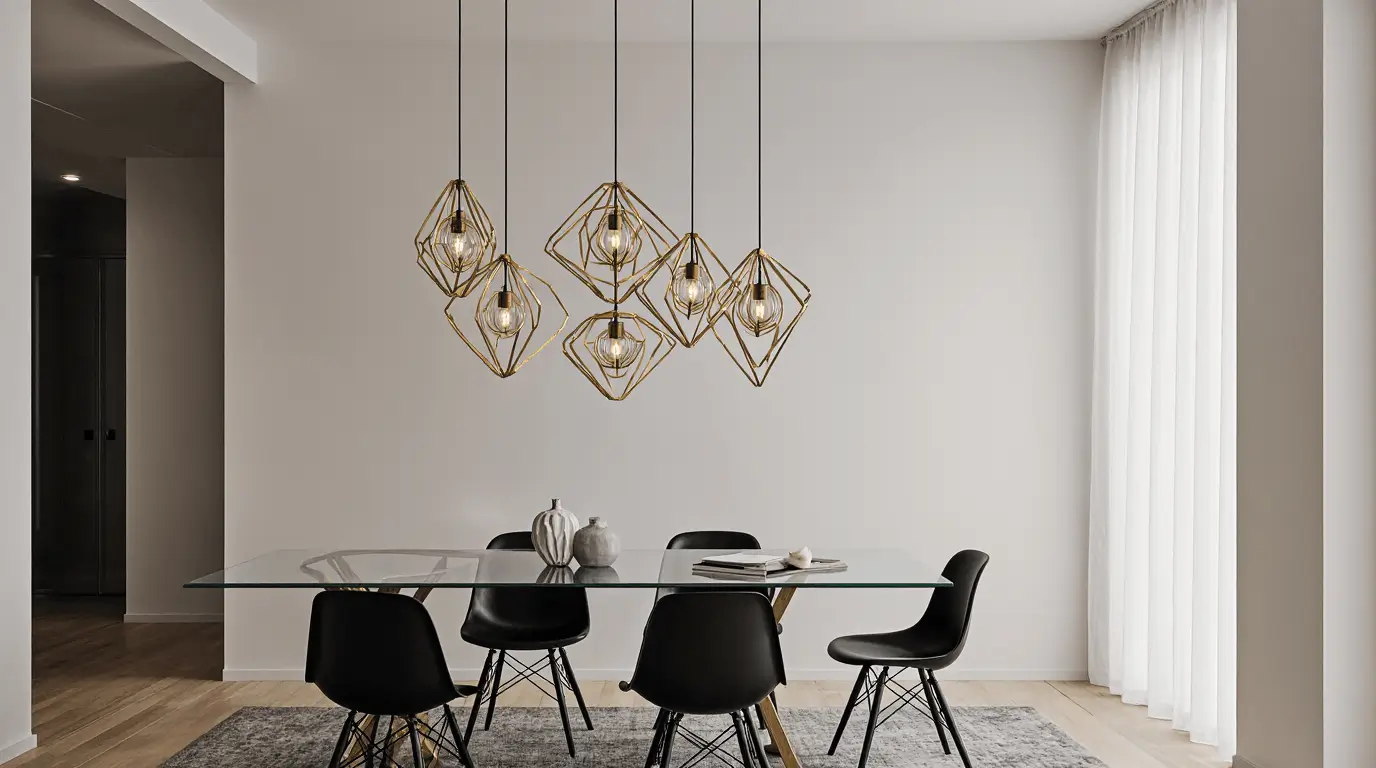
Geometric Shapes Interior Design Using Wall Art
Geometric artwork adds personality without clutter. It’s especially effective in minimalist spaces where every element matters.
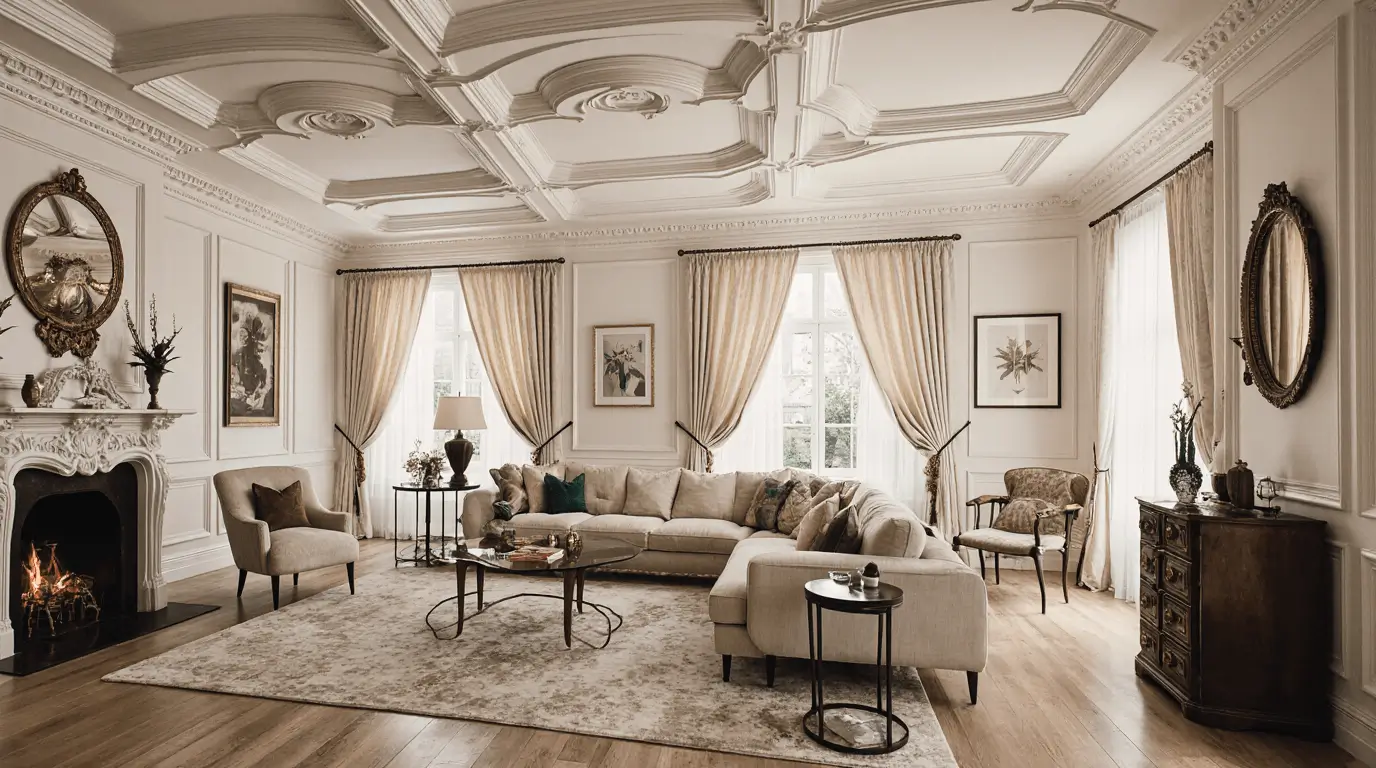
Geometric Shapes Interior Design in Ceiling Details
Ceilings are often overlooked, but geometric patterns—like coffered ceilings or linear beams—add architectural interest.
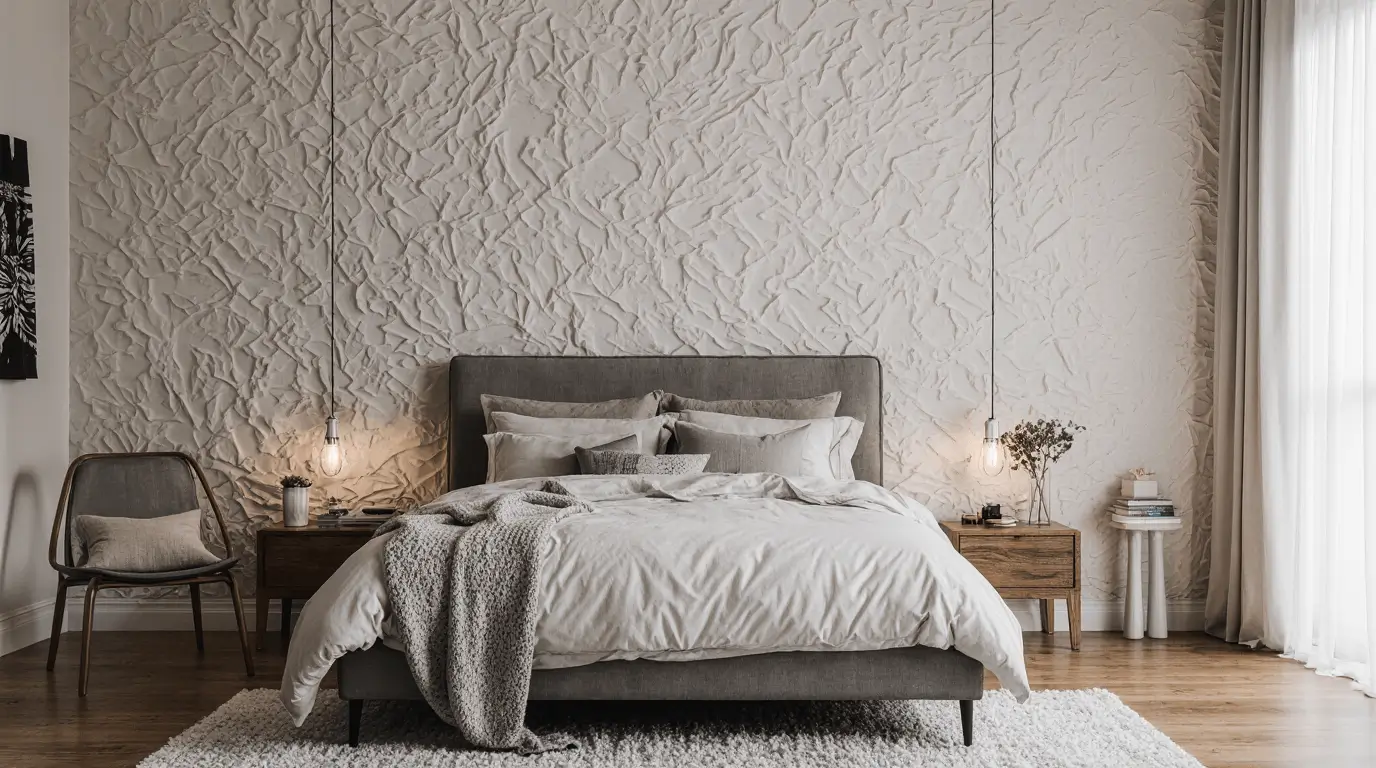
Geometric Shapes Interior Design with Textures
Texture enhances geometric forms. Combining materials like wood, metal, and fabric creates depth and tactile contrast.
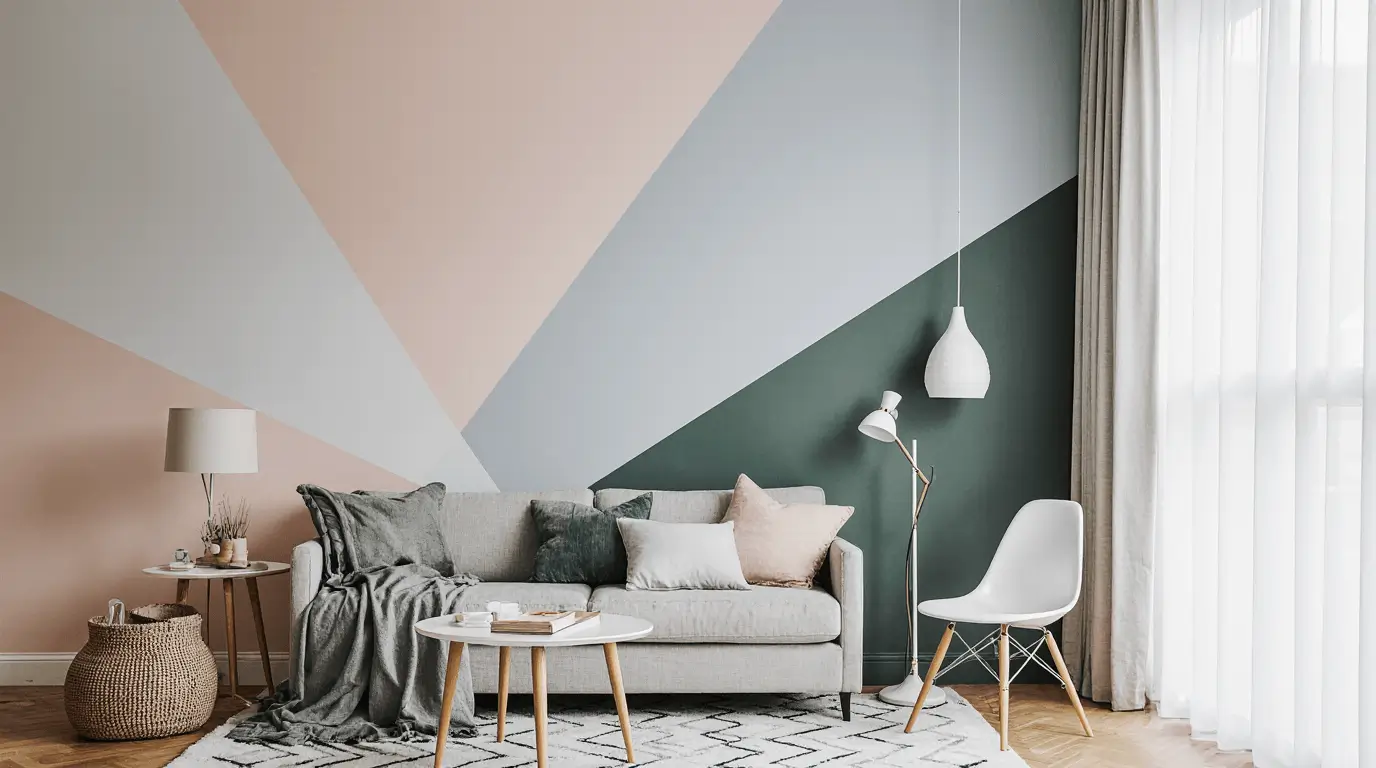
Geometric Shapes Interior Design with Color Blocking
Color can emphasize geometry. Using contrasting colors to define shapes creates bold, contemporary spaces.
Geometric Shapes Interior Design in Small Spaces
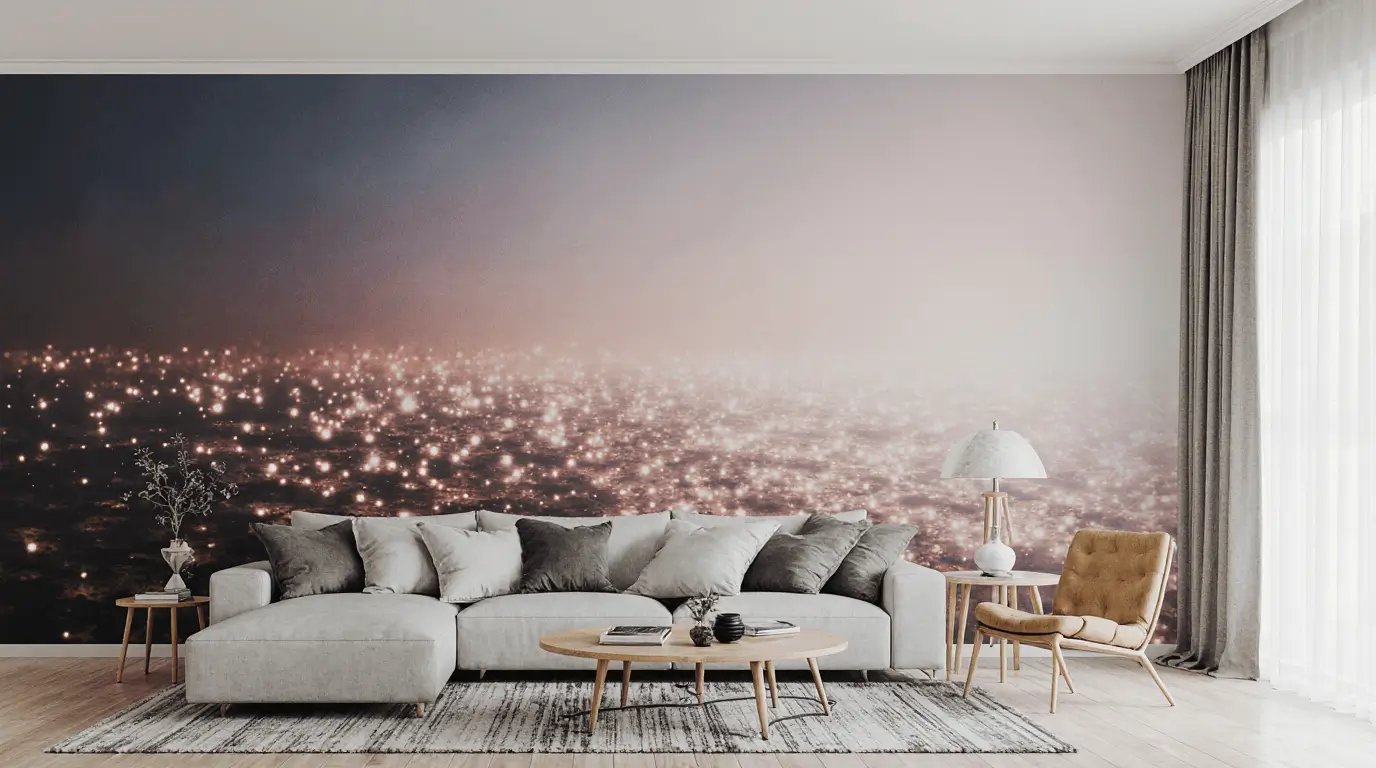
In compact areas, geometry can create the illusion of space. Vertical lines elongate walls, while mirrors amplify depth.
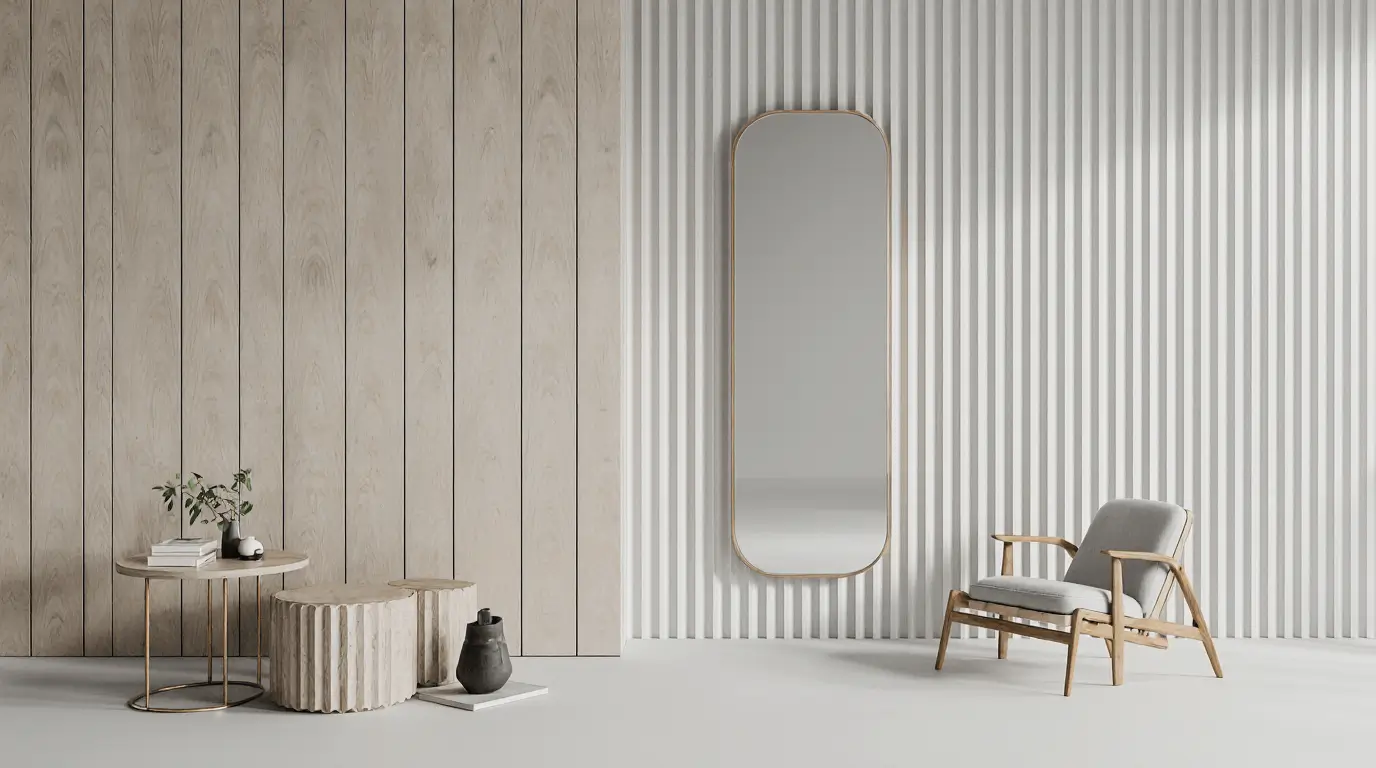
Geometric Shapes Interior Design with Organic Contrast
Balancing geometric forms with organic shapes—like plants or curved décor—prevents the space from feeling too rigid.
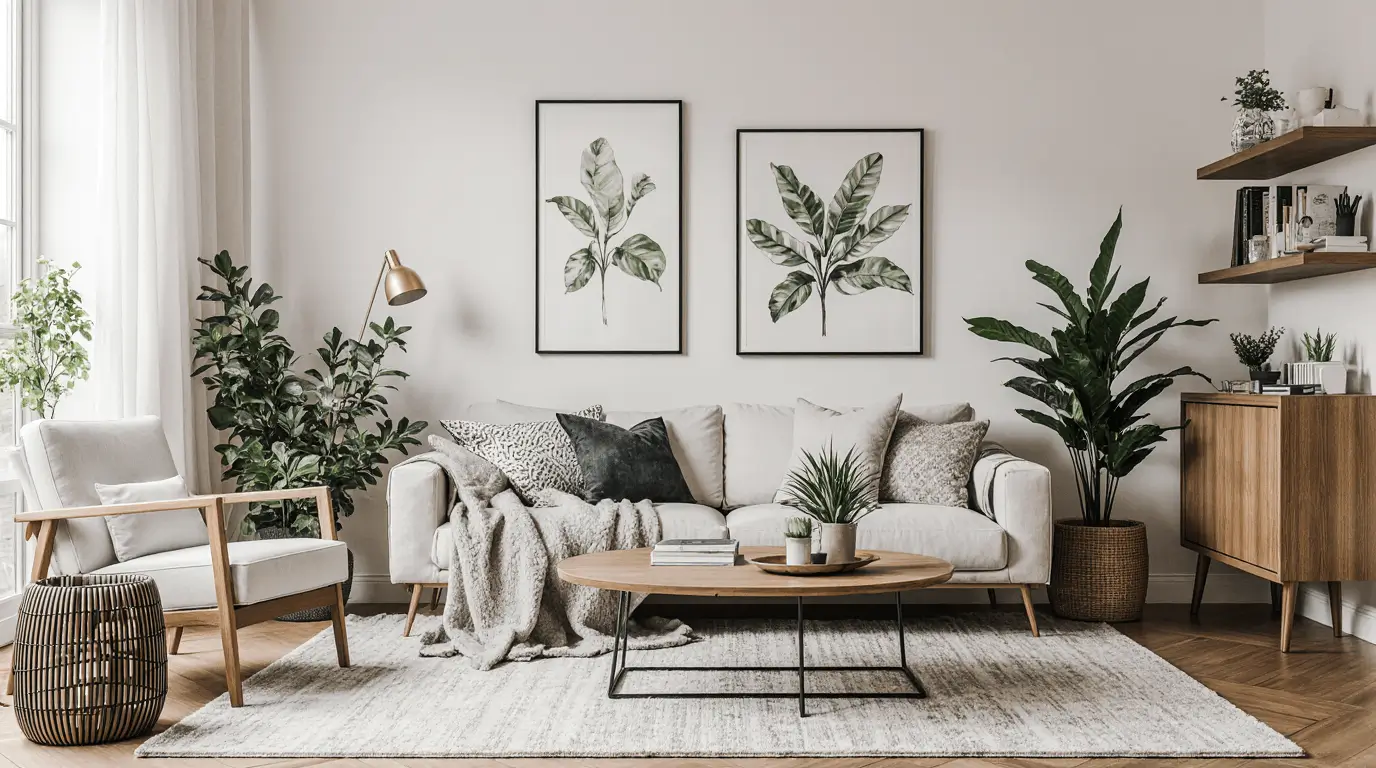
Geometric Shapes Interior Design in Minimalist Interiors
Minimalist spaces benefit from geometry because shapes replace excessive decoration. Clean lines and simple forms define the aesthetic.
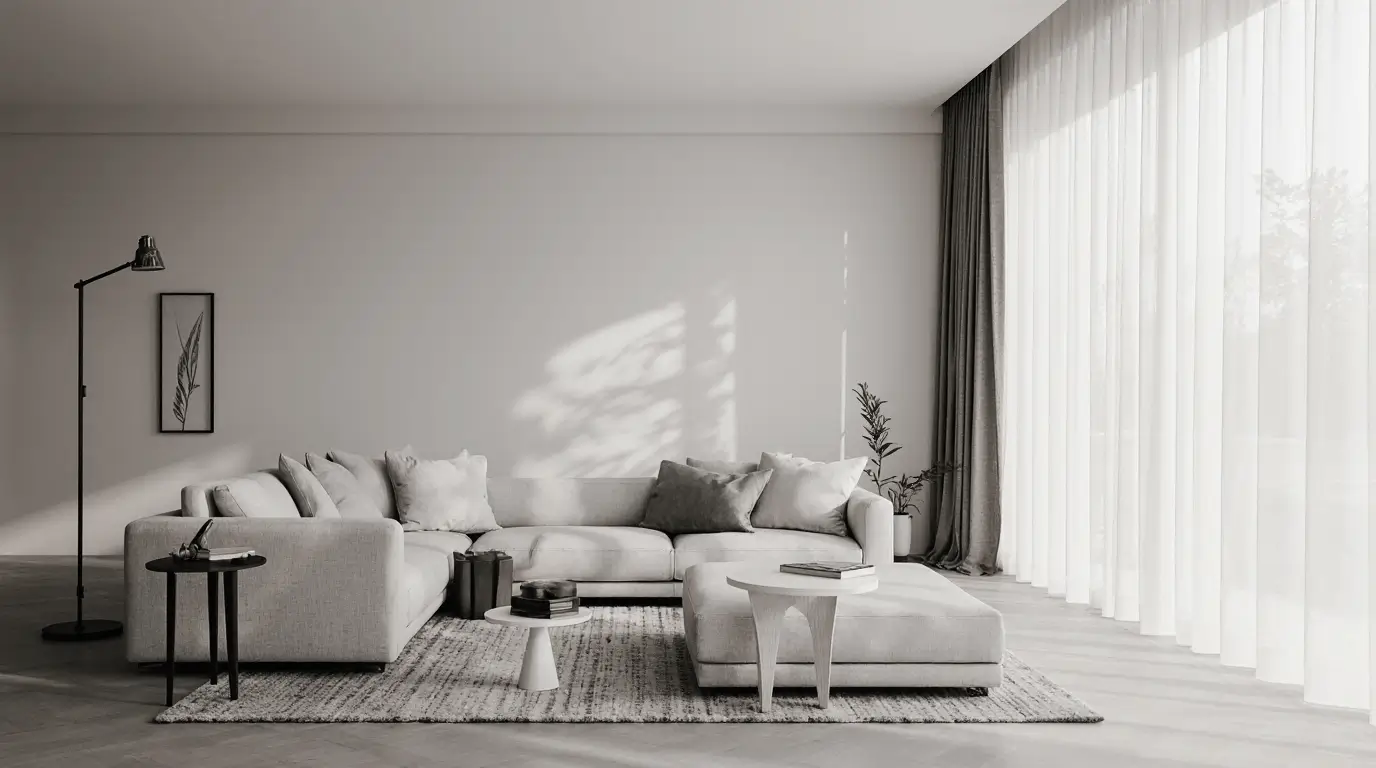
Geometric Shapes Interior Design with Statement Pieces
A single geometric statement—like a sculptural table or bold rug—can define the entire room without needing additional elements.
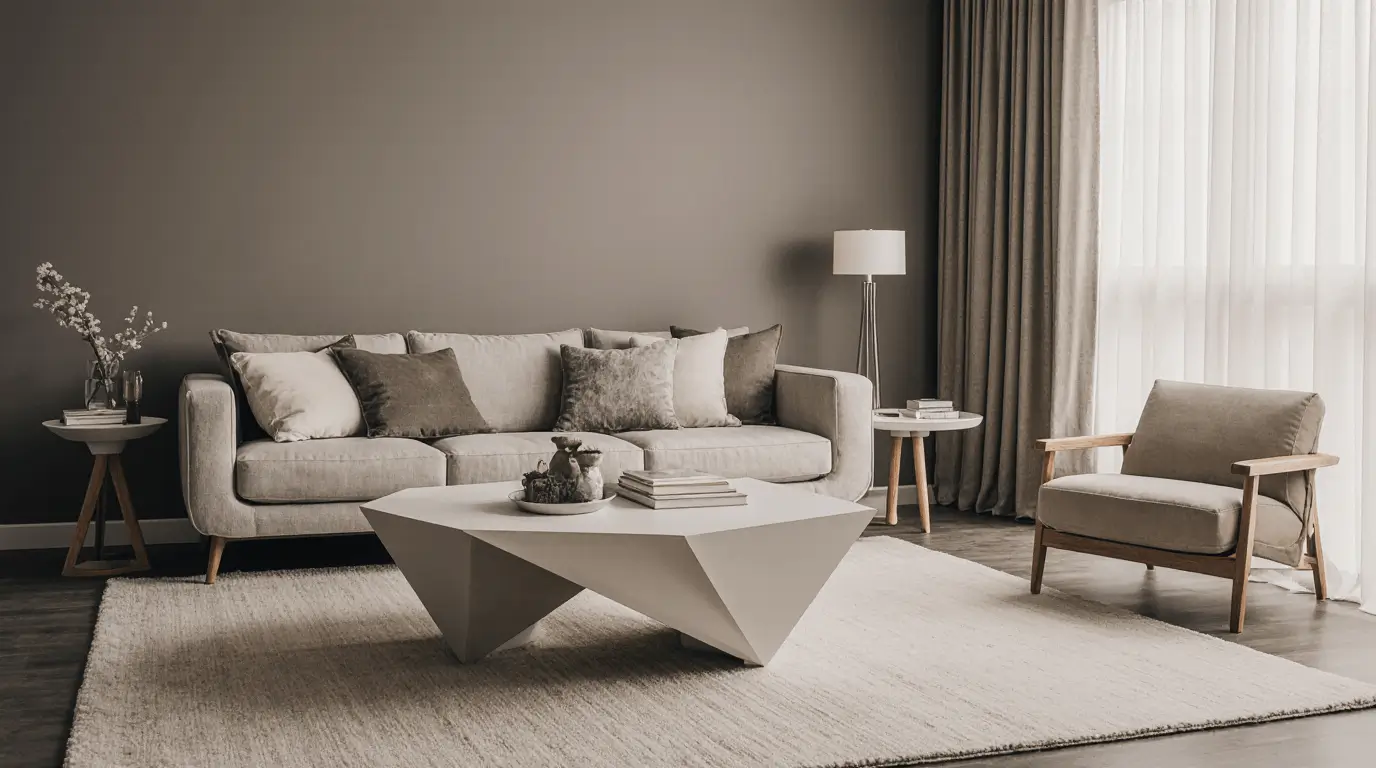
Geometric Shapes Interior Design Through Architectural Elements
Built-in features like arches, niches, and structured shelving bring permanent geometric character to a space.
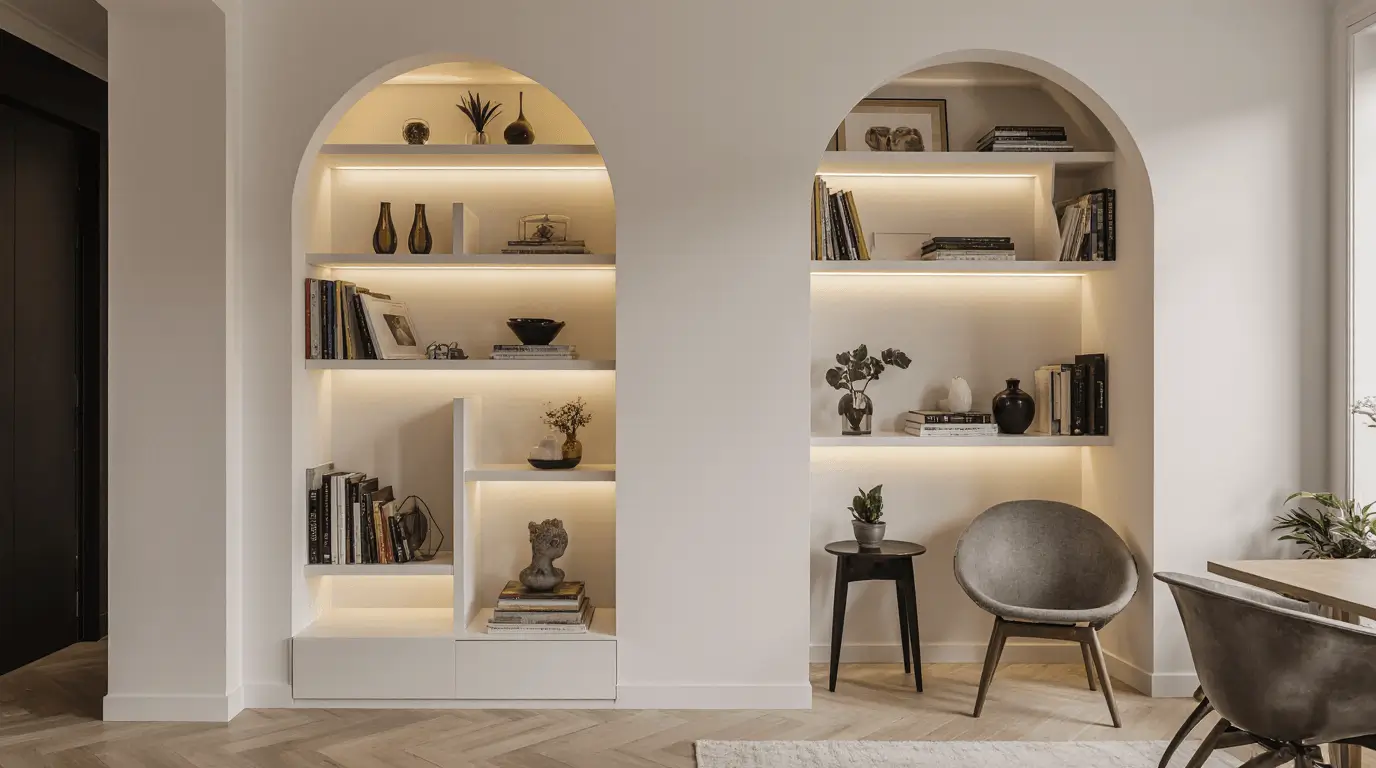
Geometric Shapes Interior Design for Visual Flow
Geometry guides the eye. Strategic placement of lines and shapes leads movement naturally through a space, improving usability and comfort.
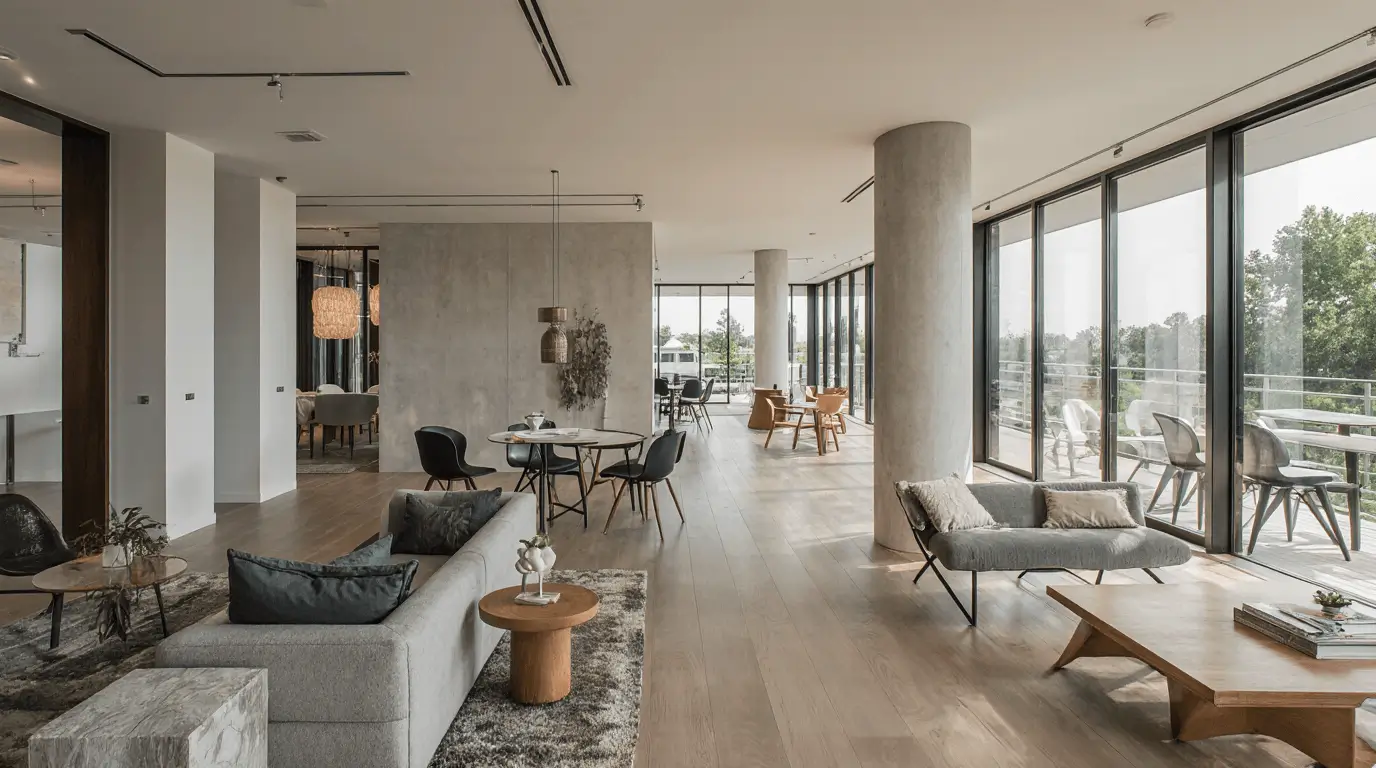
Geometric Shapes Interior Design with Layering Techniques
Layering different shapes—like combining circular rugs with rectangular furniture—adds visual interest while maintaining harmony.
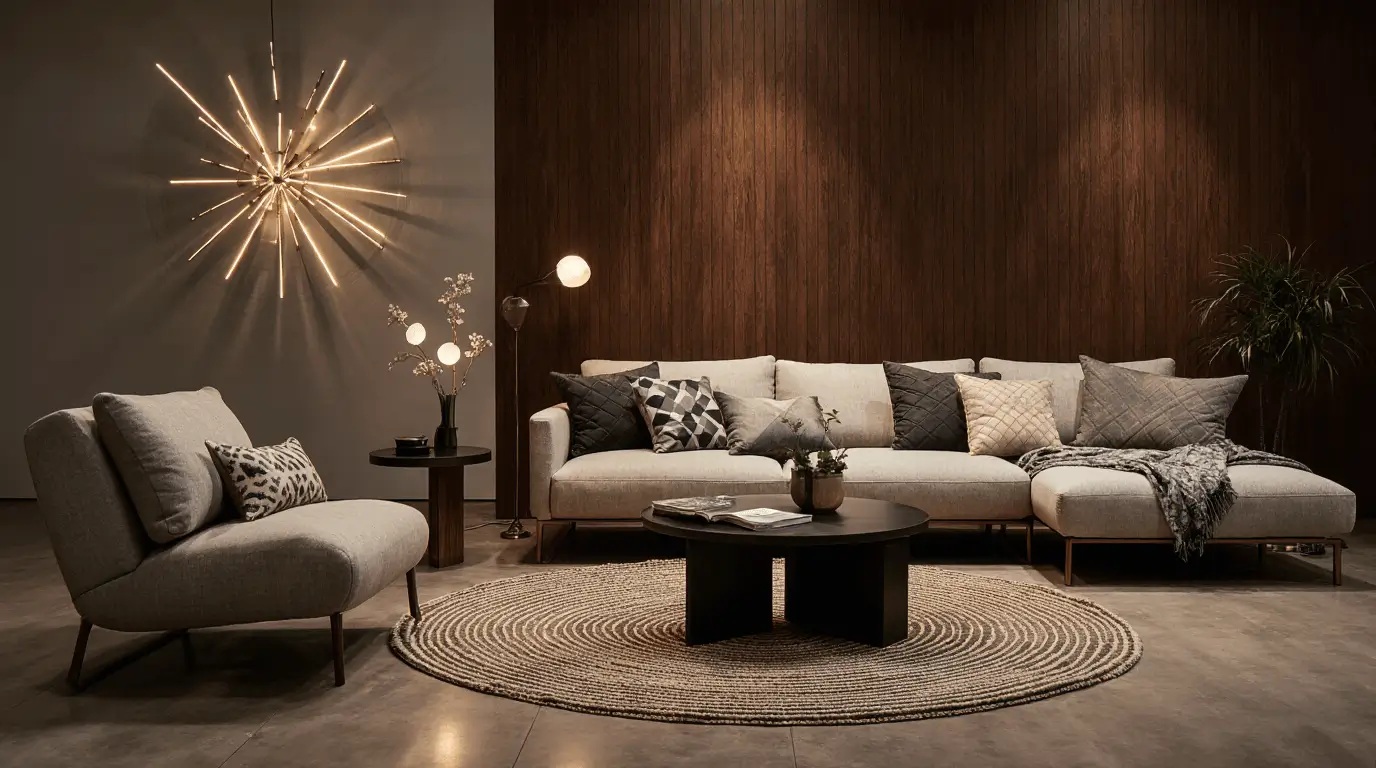
Geometric Shapes Interior Design in Modern vs Classic Styles
Geometry works across styles. In modern spaces, it feels bold and sharp; in classic interiors, it appears more subtle and structured.
Conclusion
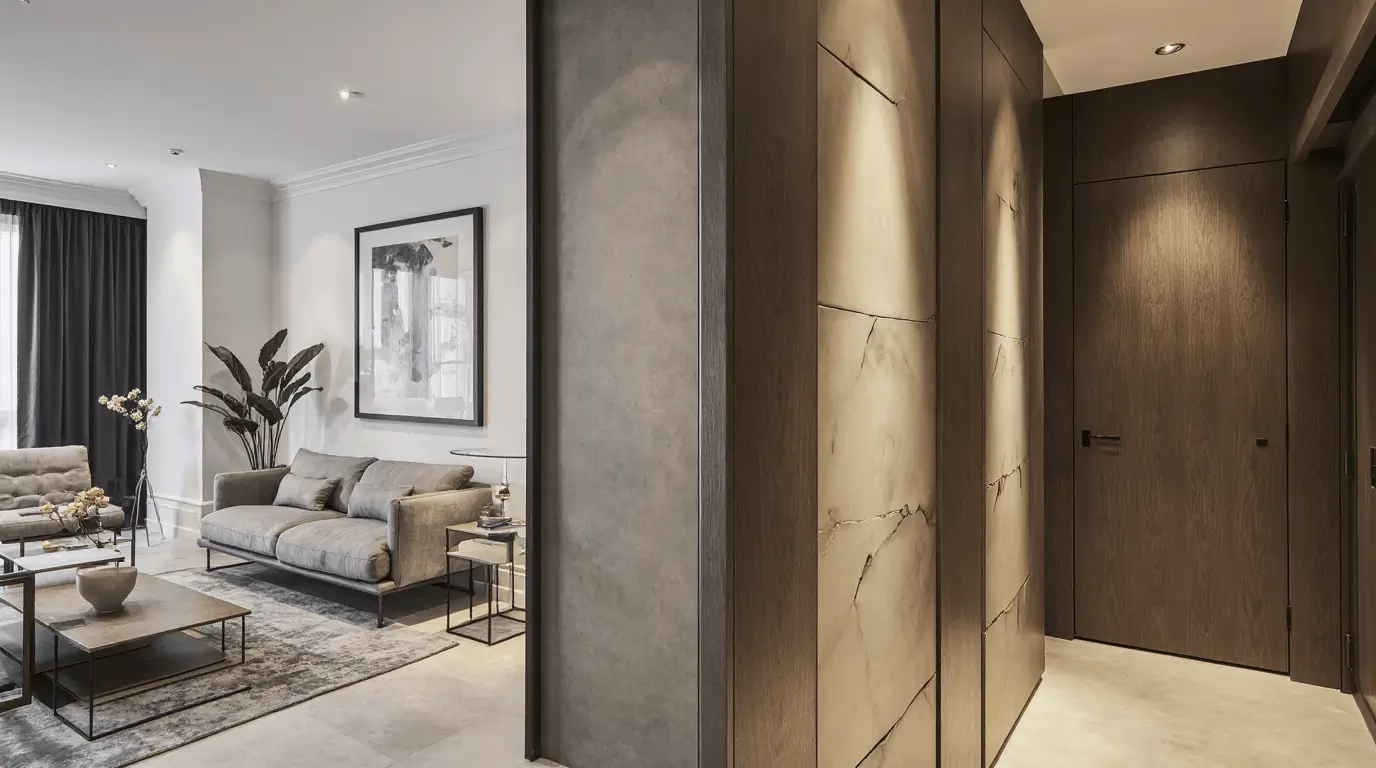
Geometric shapes interior design works because it brings clarity to something that can easily feel chaotic—space. When shapes are used intentionally, they guide how a room is organized, how the eye moves, and how people experience it day to day. It’s not just about patterns or aesthetics; it’s about creating structure that quietly supports comfort, function, and visual harmony.
In real homes, this approach is especially powerful because it adapts to different lifestyles. A well-balanced geometric layout can make a small apartment feel more open, help a busy family space feel more organized, or give a minimalist interior a strong sense of identity without adding clutter. The reason it works so consistently is simple: geometry aligns with how we naturally perceive order and balance.
If you’re applying this in your own space, start small but intentional. Focus on one layer—layout, furniture shapes, or a single pattern—and build from there. When each element feels connected rather than random, the entire room begins to feel more refined, cohesive, and effortless.
Learn more : Miami Condo Interior Design: 17 Elegant Ideas
FAQs
- What is geometric shapes interior design in simple terms?
It’s the use of structured shapes—like squares, circles, lines, and patterns—to organize and style a space. Instead of random placement, everything follows a visual logic that creates balance and flow. - How do I use geometric shapes without making my room feel busy?
The key is restraint. Choose one dominant shape or pattern and support it with simpler elements. For example, a bold geometric rug works best when paired with neutral furniture and clean lines. - Which geometric shapes work best in small spaces?
Vertical lines, light grids, and subtle patterns work well because they create the illusion of height and openness. Avoid overly complex or high-contrast patterns that can visually shrink the space. - Can geometric design work in traditional or classic interiors?
Yes, but it appears more subtle. In classic spaces, geometry often shows up through symmetry, paneling, and proportion rather than bold patterns. It feels structured rather than graphic. - How do I balance geometric shapes with comfort?
Combine structured shapes with softer elements like fabrics, curves, and natural materials. This contrast keeps the space from feeling rigid and makes it more inviting. - Are geometric patterns a long-term design choice or just a trend?
Geometry itself is timeless. While specific patterns may trend, the underlying use of shape, proportion, and balance has always been part of good design and will continue to be. - Where should I start if I’m new to geometric interior design?
Start with layout and furniture placement. Once the foundation feels balanced, add one geometric feature—like a rug, artwork, or lighting fixture—to build confidence without overwhelming the space.