Introduction
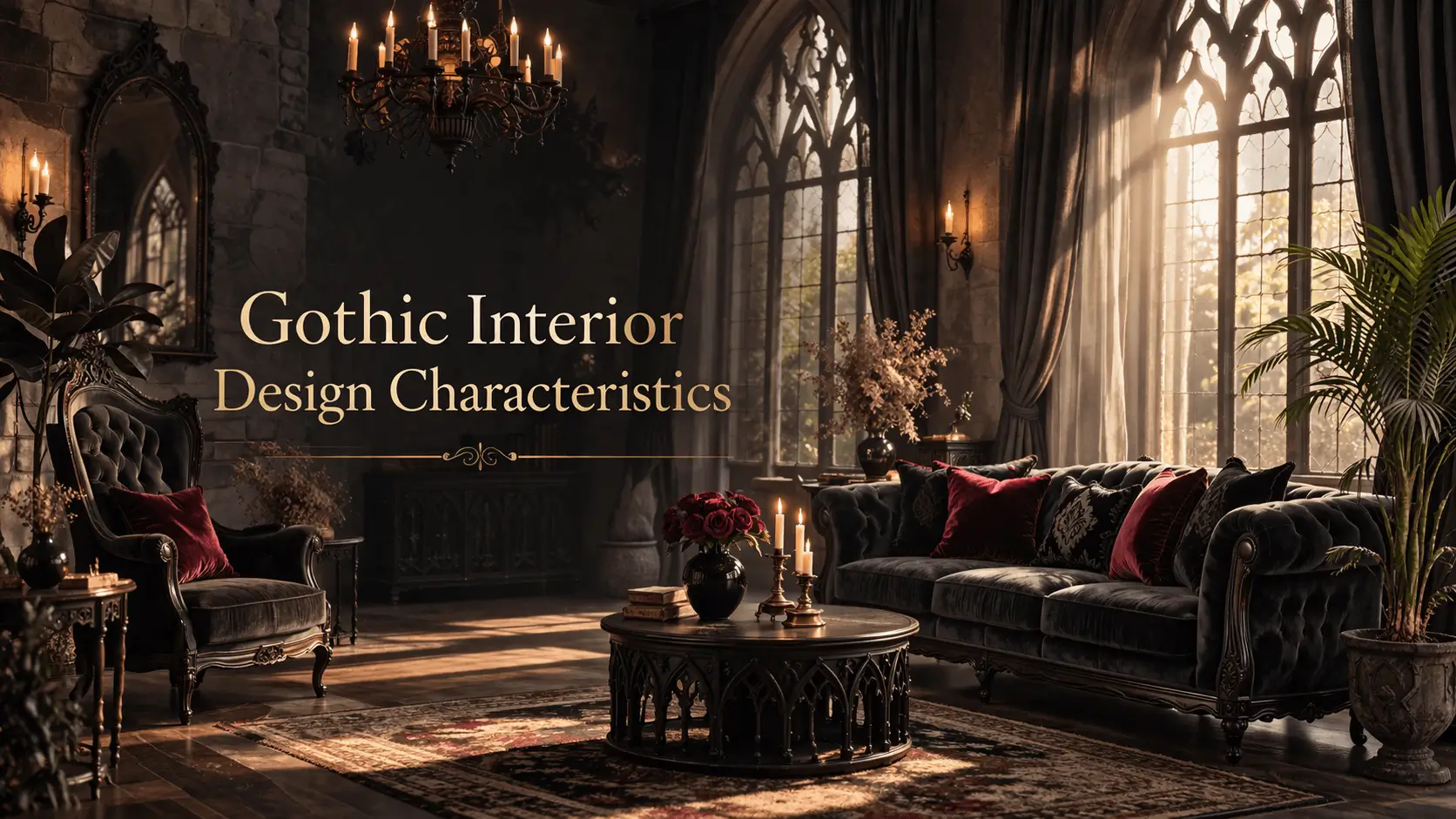
Gothic interior design characteristics are instantly recognizable once you understand what you’re looking at—dramatic depth, architectural detail, and a moody elegance that feels both historic and timeless. Rooted in the influence of Gothic architecture, this design approach brings cathedral-like grandeur into everyday spaces through structure, materials, and atmosphere.
From my experience working with heritage-inspired interiors, what makes Gothic design truly powerful isn’t just its dark palette—it’s the layering of textures, vertical emphasis, and emotional storytelling. Whether you’re designing a full Gothic-inspired home or adding subtle elements, these characteristics help you create a space that feels immersive, intentional, and deeply atmospheric.
Gothic Interior Design Characteristics in Color Palette
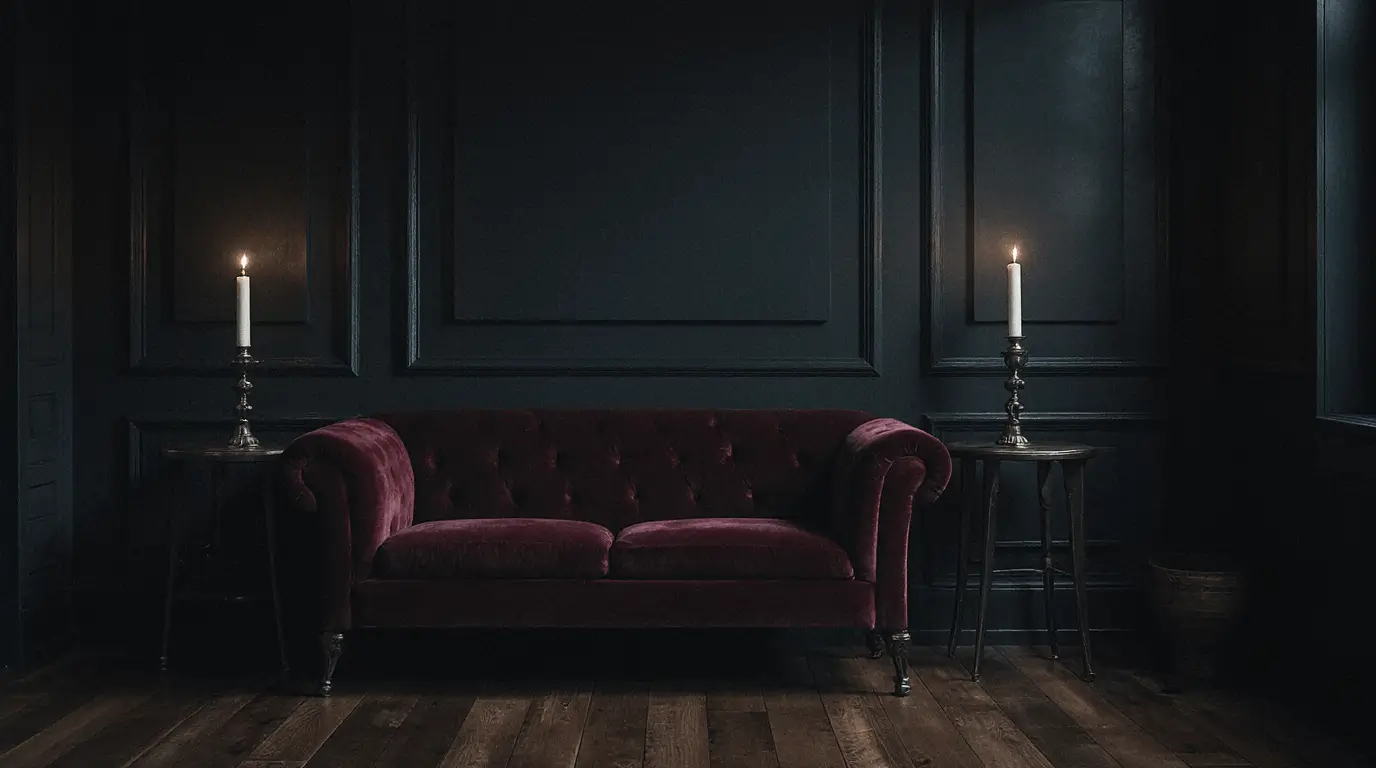
Gothic interiors rely on deep, saturated tones like charcoal, burgundy, forest green, and midnight blue. These colors create a sense of intimacy and drama while allowing textures and details to stand out.
Gothic Interior Design Characteristics in Architectural Elements
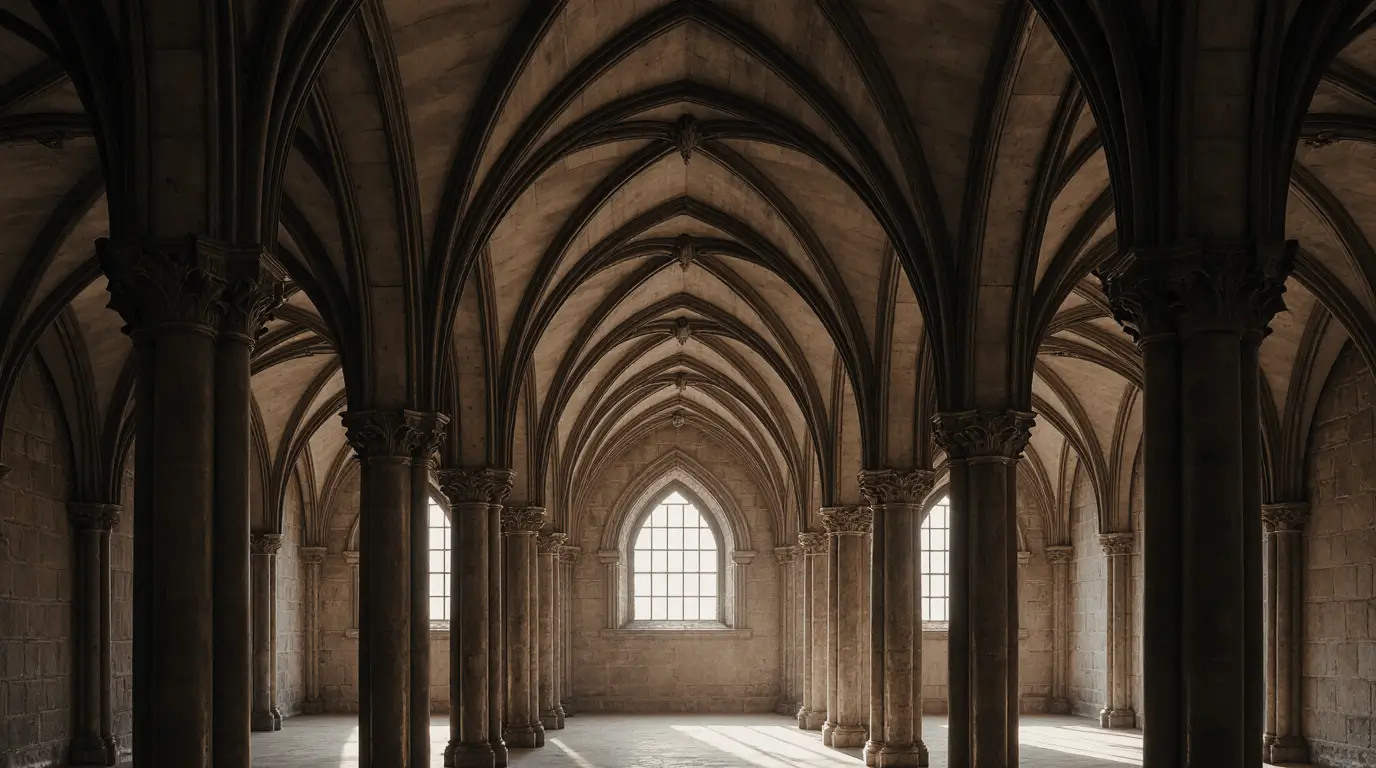
Pointed arches, ribbed ceilings, and intricate moldings define the structural identity of Gothic interiors. These elements echo the grandeur of historic cathedrals while adding vertical drama.
Gothic Interior Design Characteristics in Lighting Style
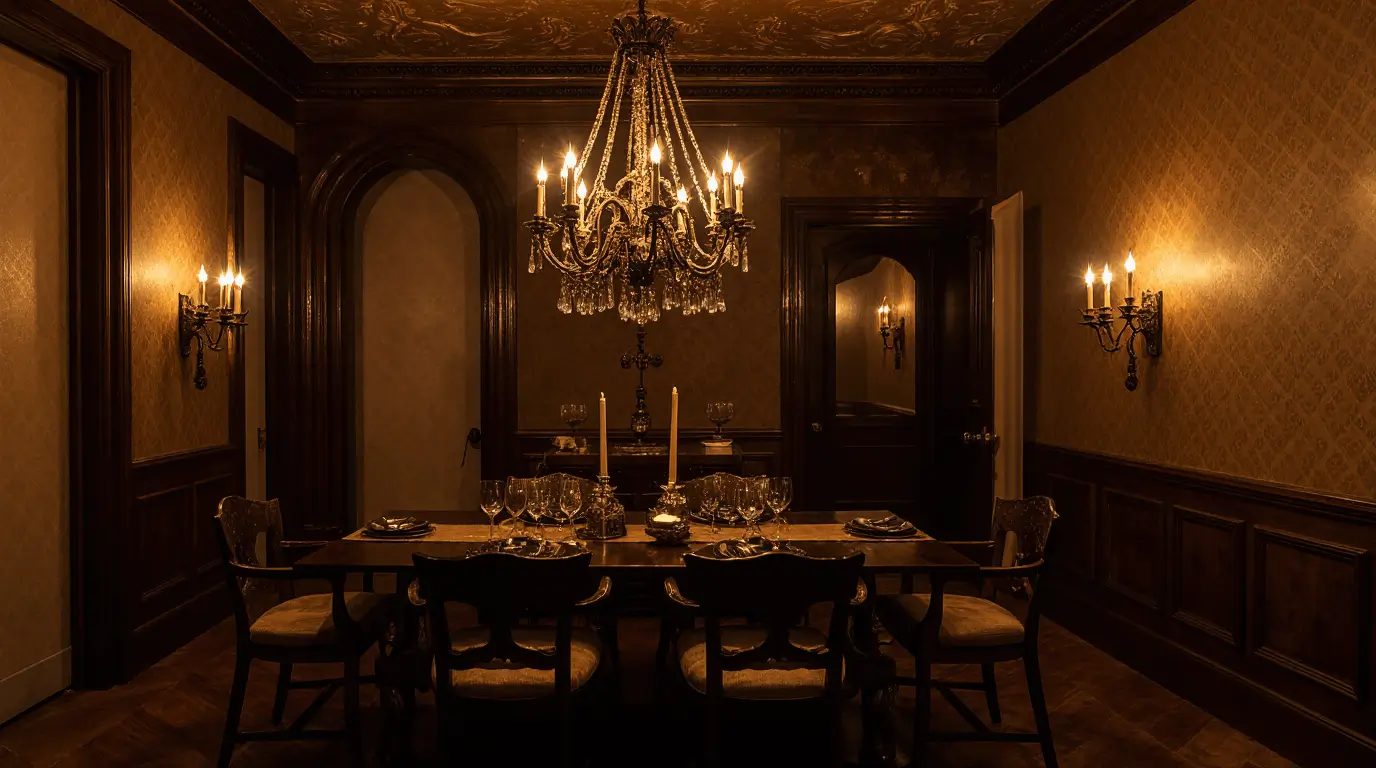
Lighting is intentionally low and atmospheric. Chandeliers, wall sconces, and candle-inspired fixtures create soft illumination that enhances the room’s depth and mood.
Gothic Interior Design Characteristics in Materials and Textures
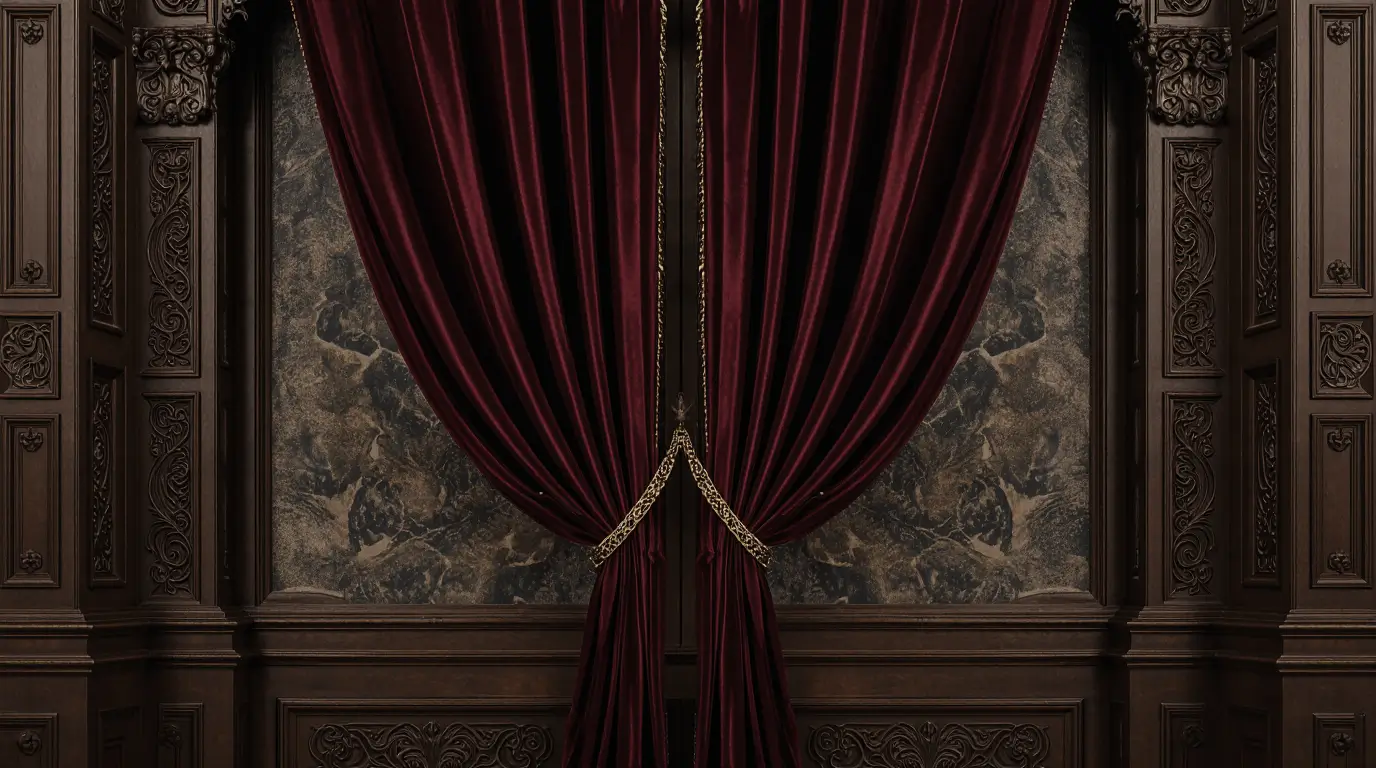
Natural materials dominate—stone, dark wood, wrought iron, and heavy fabrics like velvet and brocade. These textures add richness and historical authenticity.
Gothic Interior Design Characteristics in Furniture Design
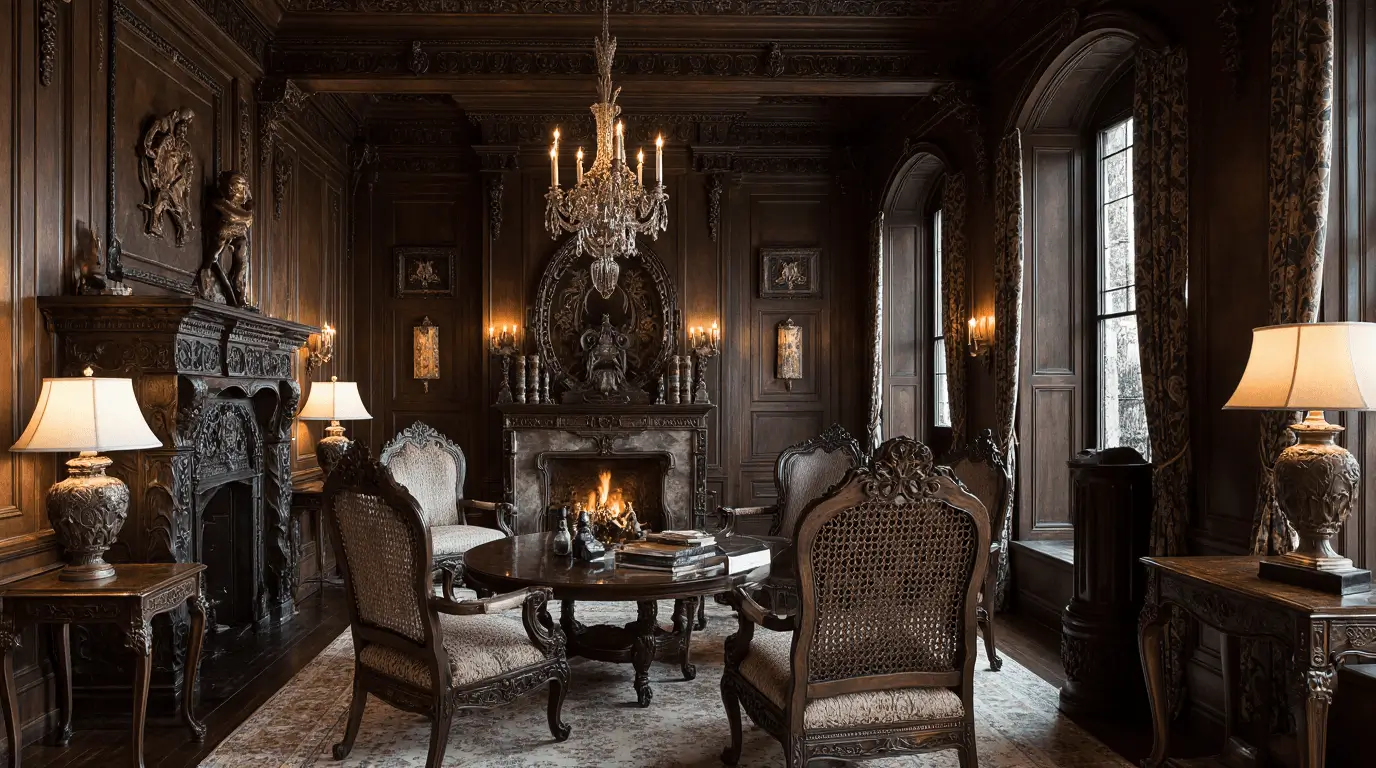
Furniture tends to be heavy, ornate, and sculptural. Think carved wood, high-backed chairs, and pieces that feel substantial and grounded.
Gothic Interior Design Characteristics in Vertical Emphasis
One defining trait is height—tall ceilings, elongated windows, and vertical lines draw the eye upward, creating a sense of grandeur and openness.
Gothic Interior Design Characteristics in Window Design
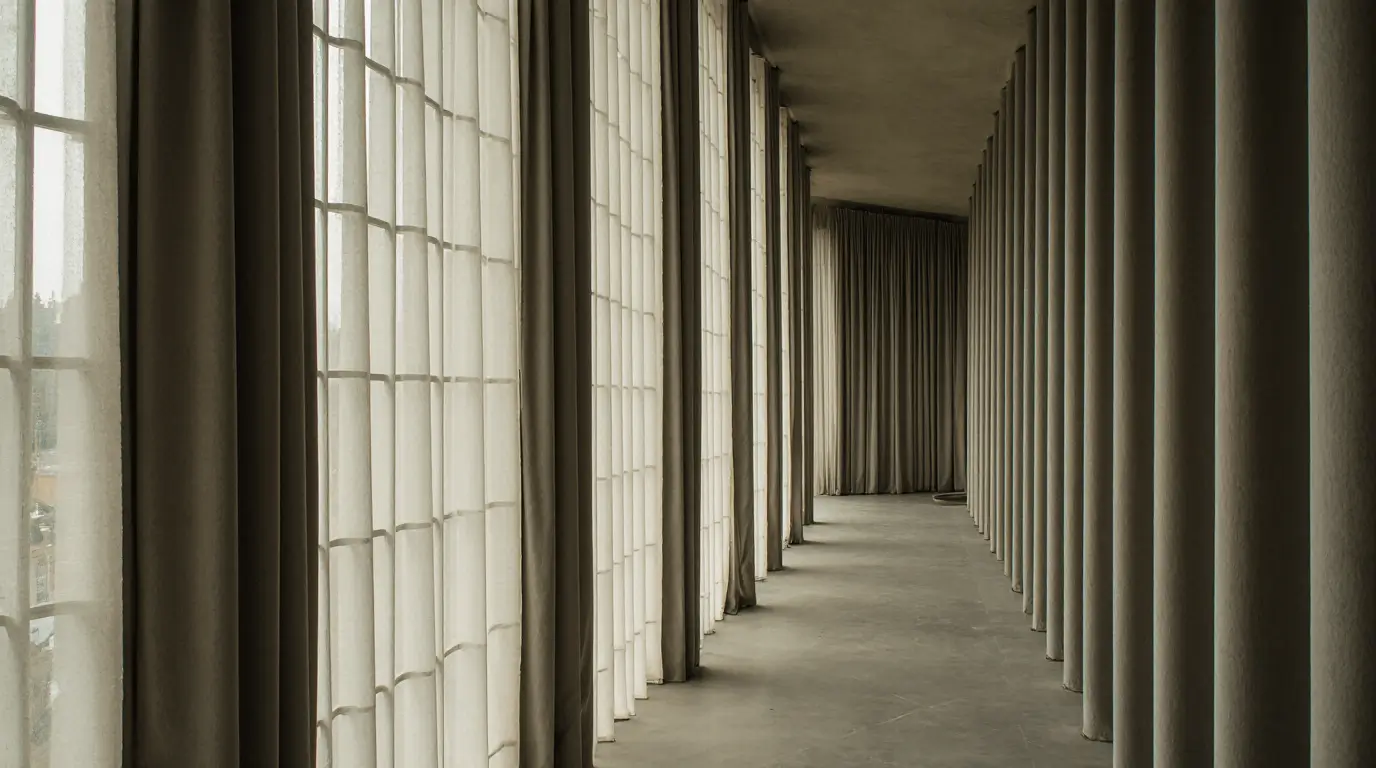
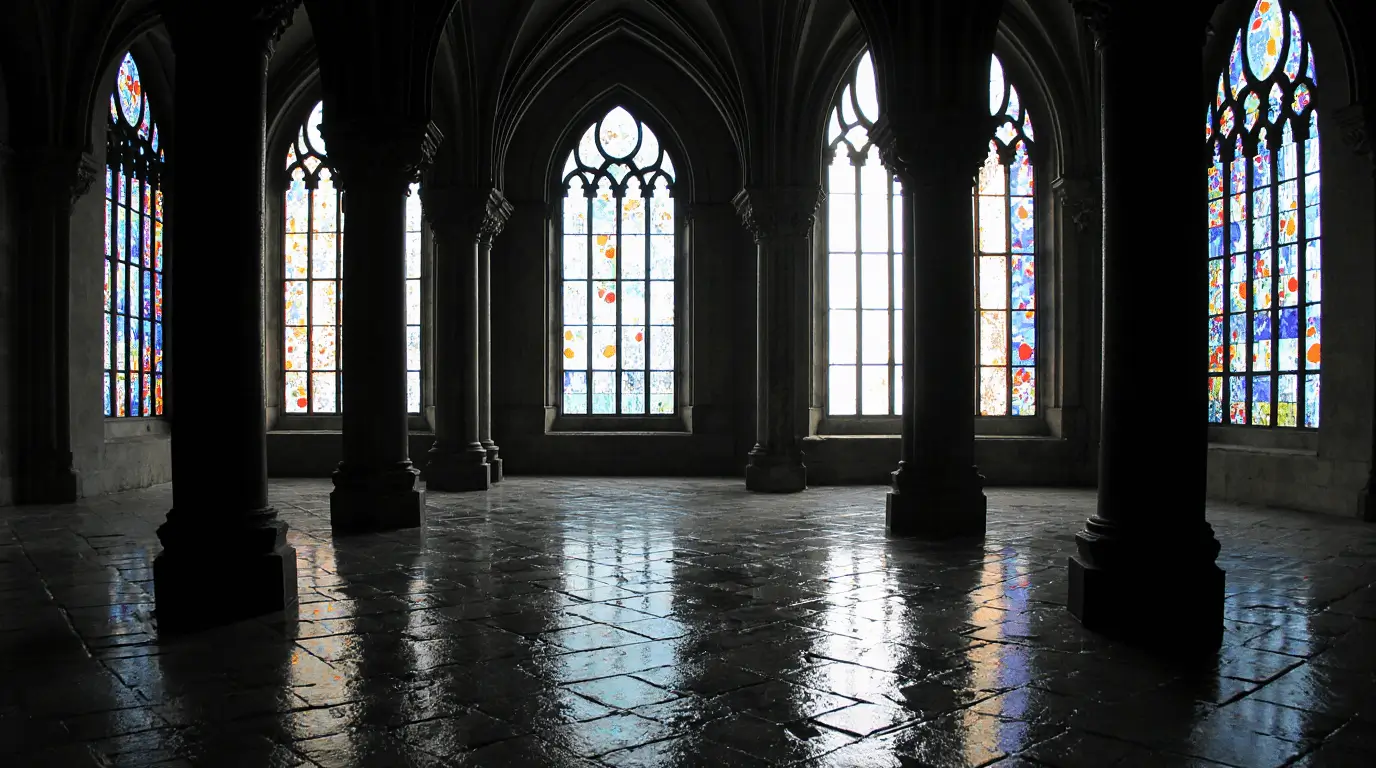
Windows are often tall and narrow, sometimes featuring stained glass or tracery patterns that filter light into colorful, atmospheric tones.
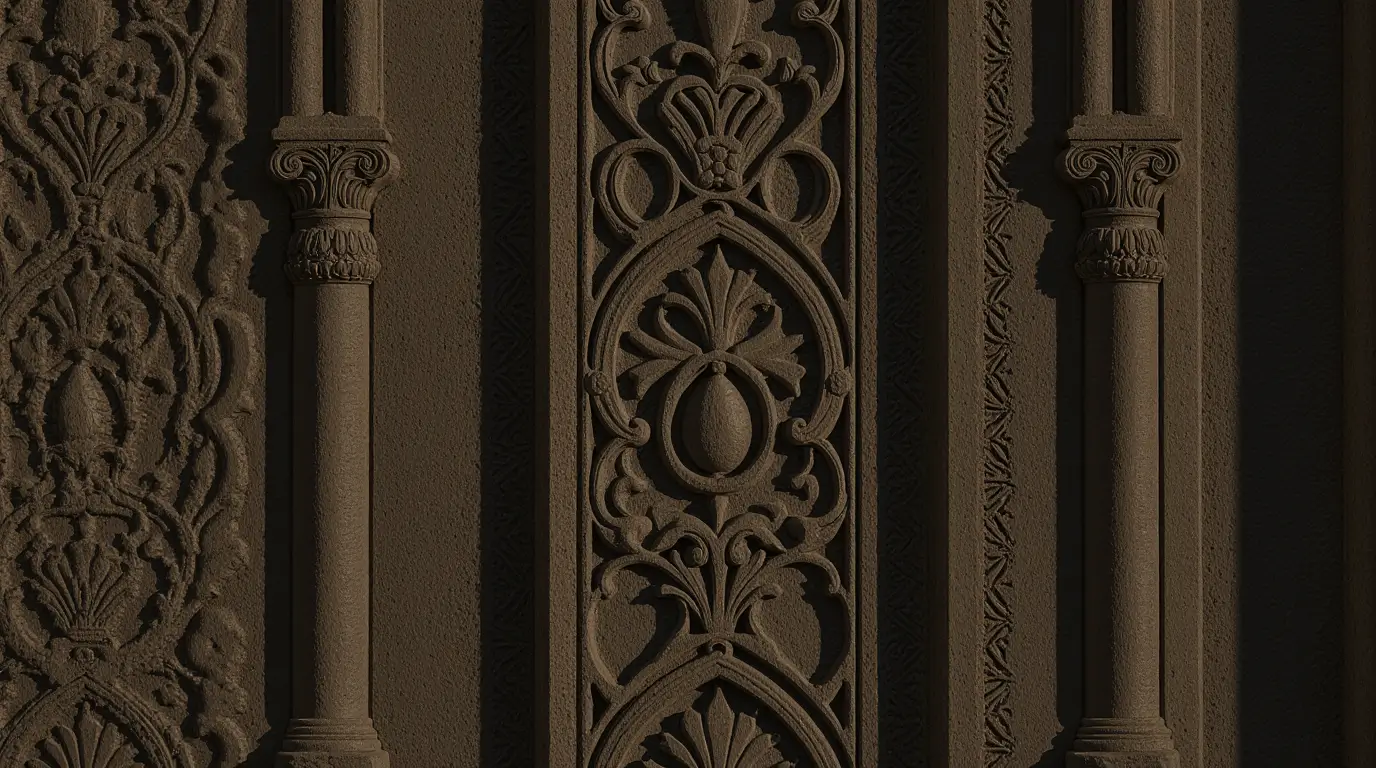
Gothic Interior Design Characteristics in Decorative Details
Ornamentation plays a key role—intricate carvings, religious motifs, and symbolic patterns enhance the storytelling aspect of the space.
Gothic Interior Design Characteristics in Textile Choices
Heavy drapery, layered fabrics, and rich upholstery add softness and depth while reinforcing the dramatic tone of the interior.
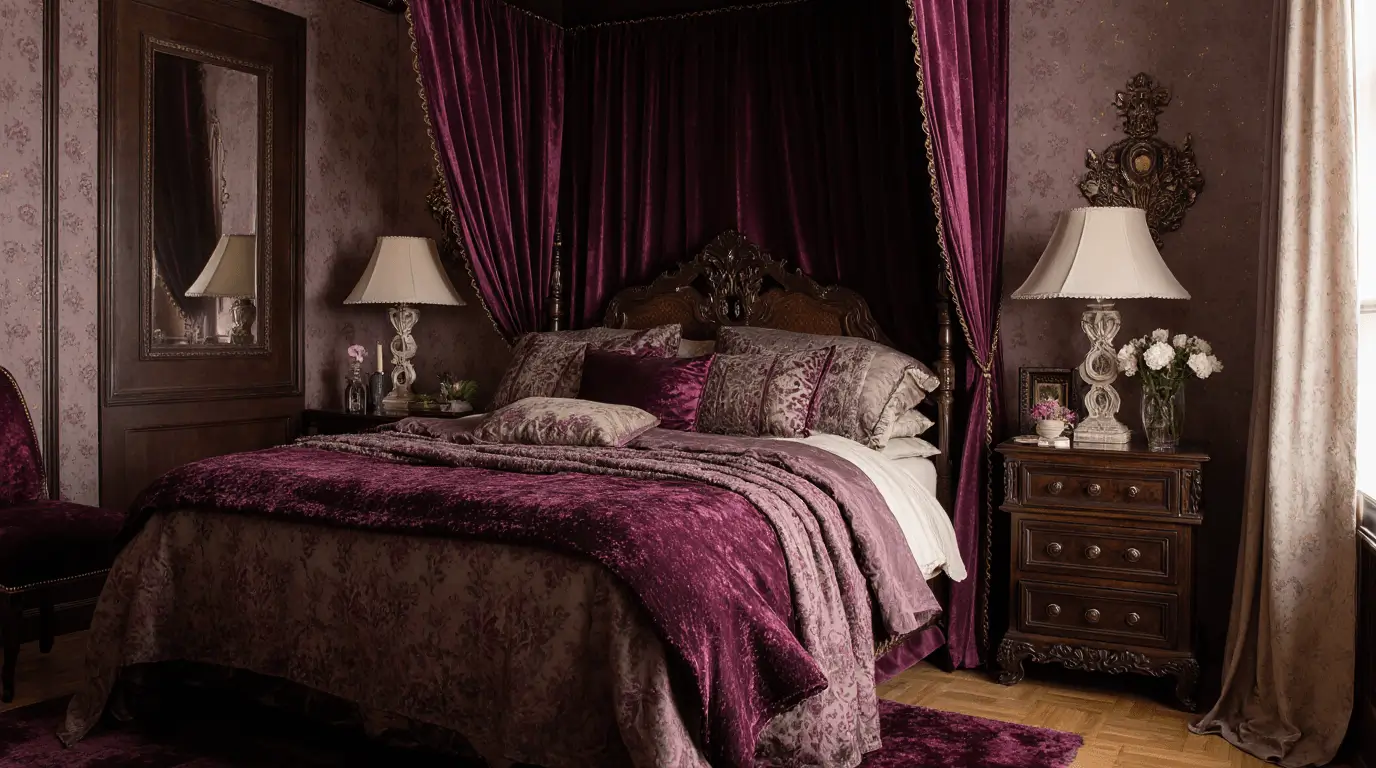
Gothic Interior Design Characteristics in Mood and Atmosphere
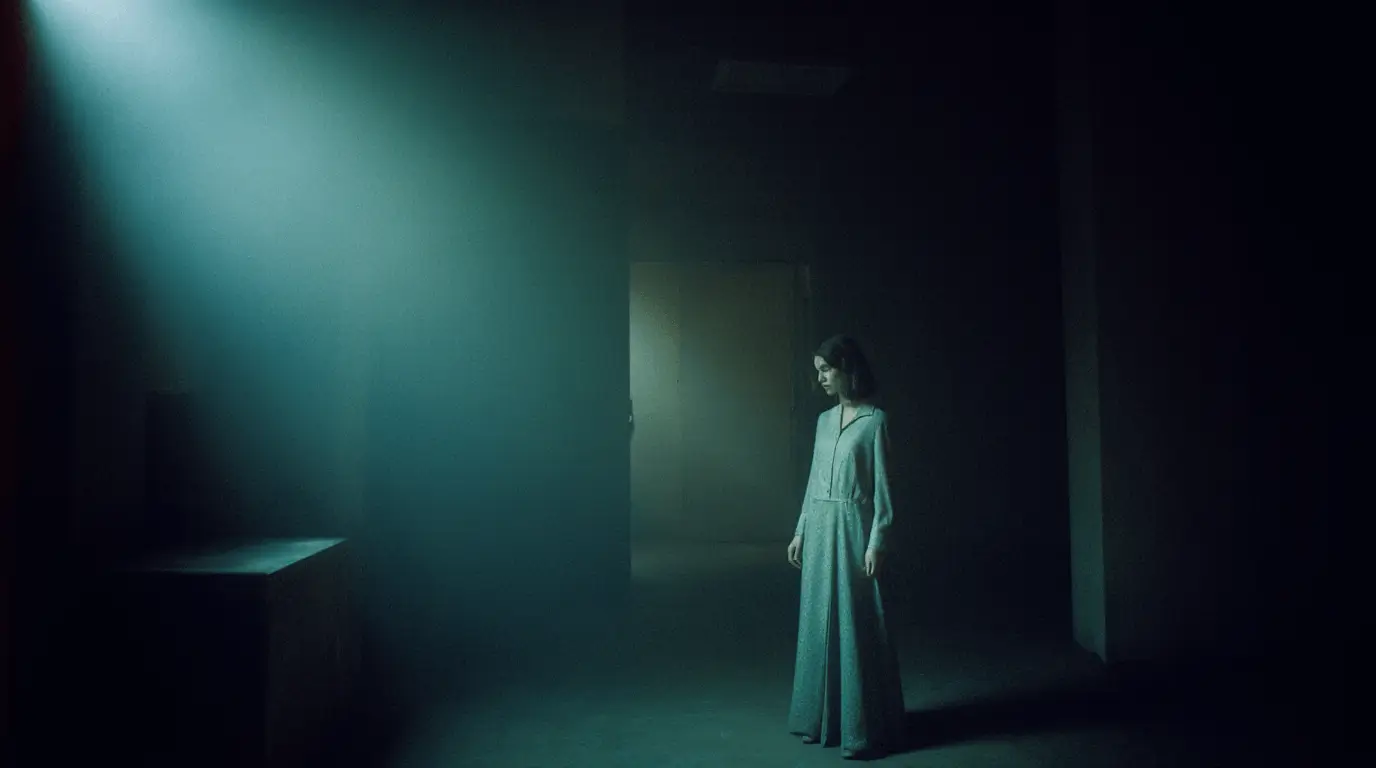
The overall mood is introspective, dramatic, and slightly mysterious. It’s designed to evoke emotion rather than just visual appeal.
Gothic Interior Design Characteristics in Modern Adaptations
Modern Gothic interiors blend traditional elements with cleaner lines and minimal clutter, creating a more livable yet still dramatic space.
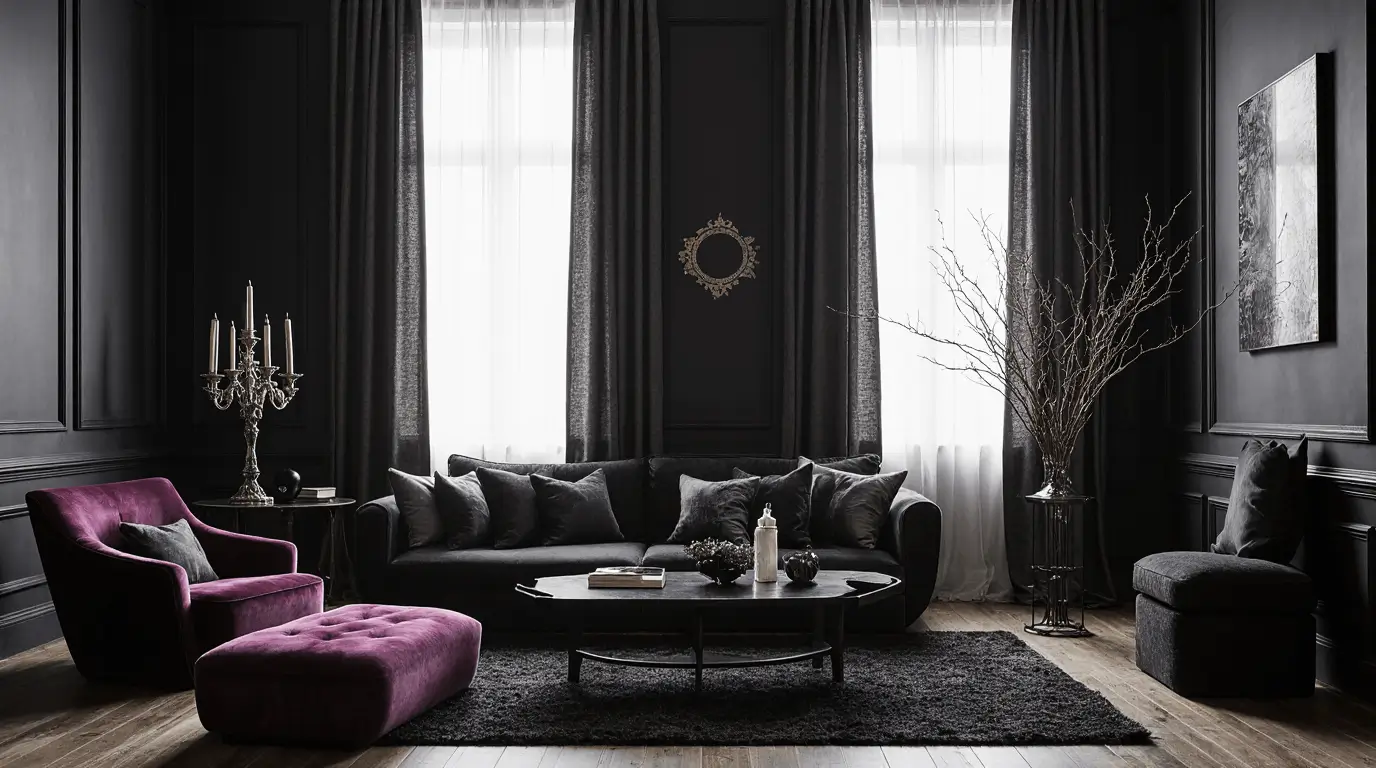
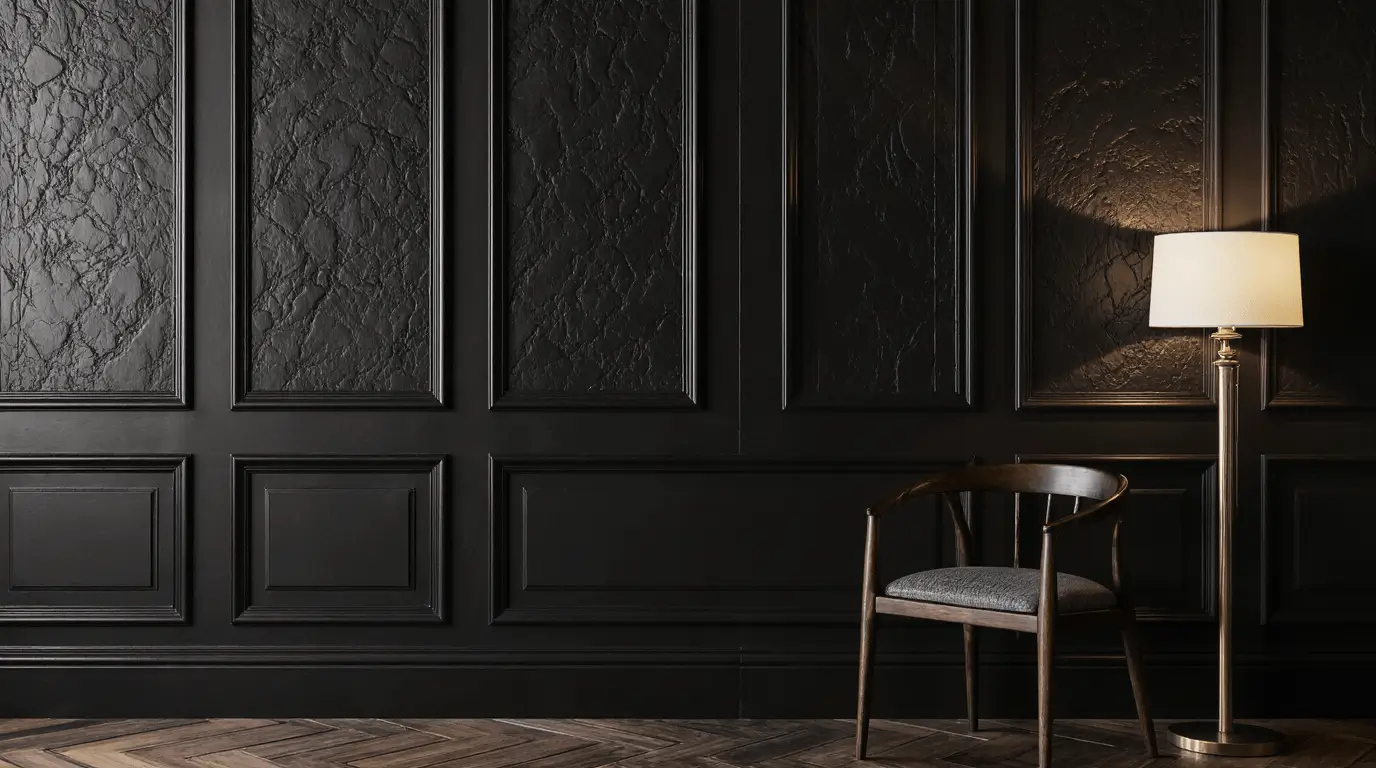
Gothic Interior Design Characteristics in Wall Treatments
Walls often feature paneling, textured finishes, or dark paint to create depth. Accent walls can include wallpaper with subtle gothic patterns.
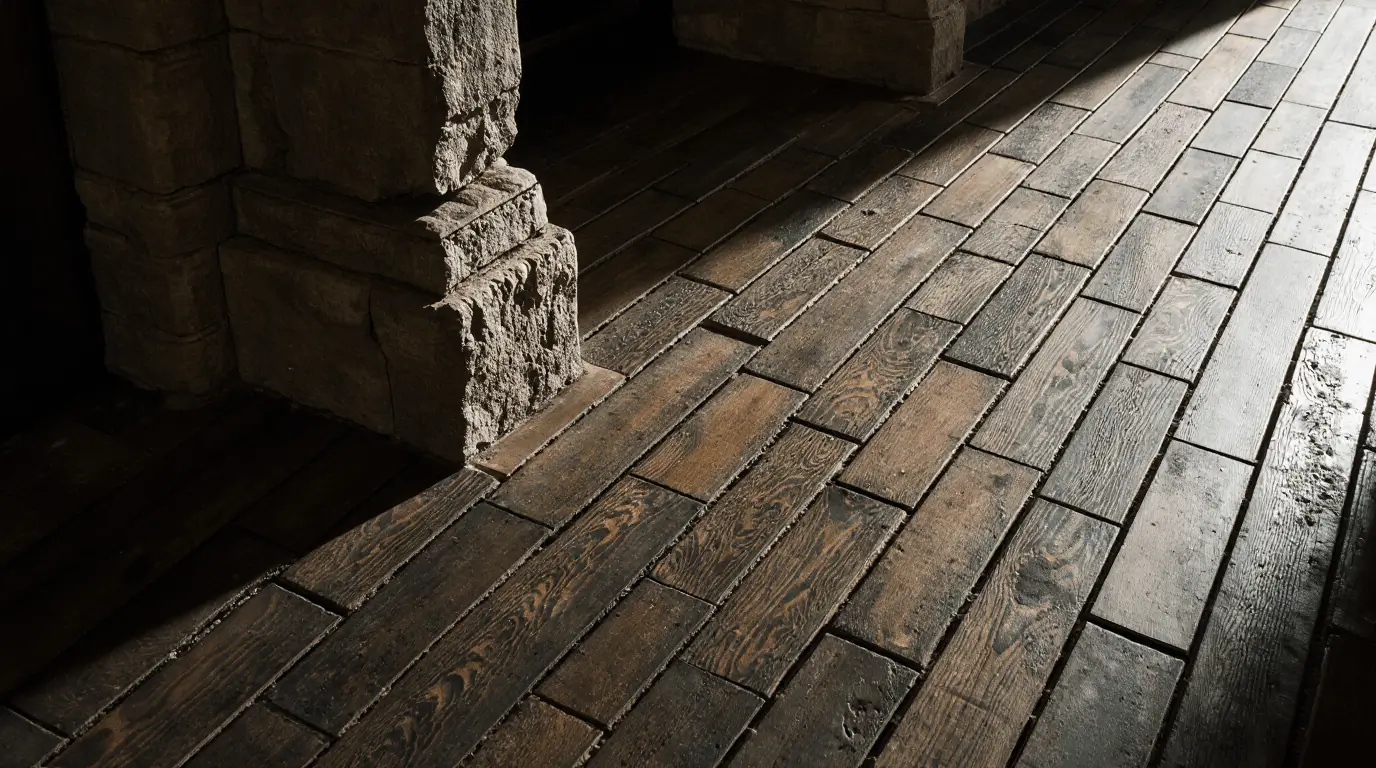
Gothic Interior Design Characteristics in Flooring Choices
Stone, dark hardwood, or patterned tiles ground the space and enhance the historical feel while supporting the overall weight of the design.
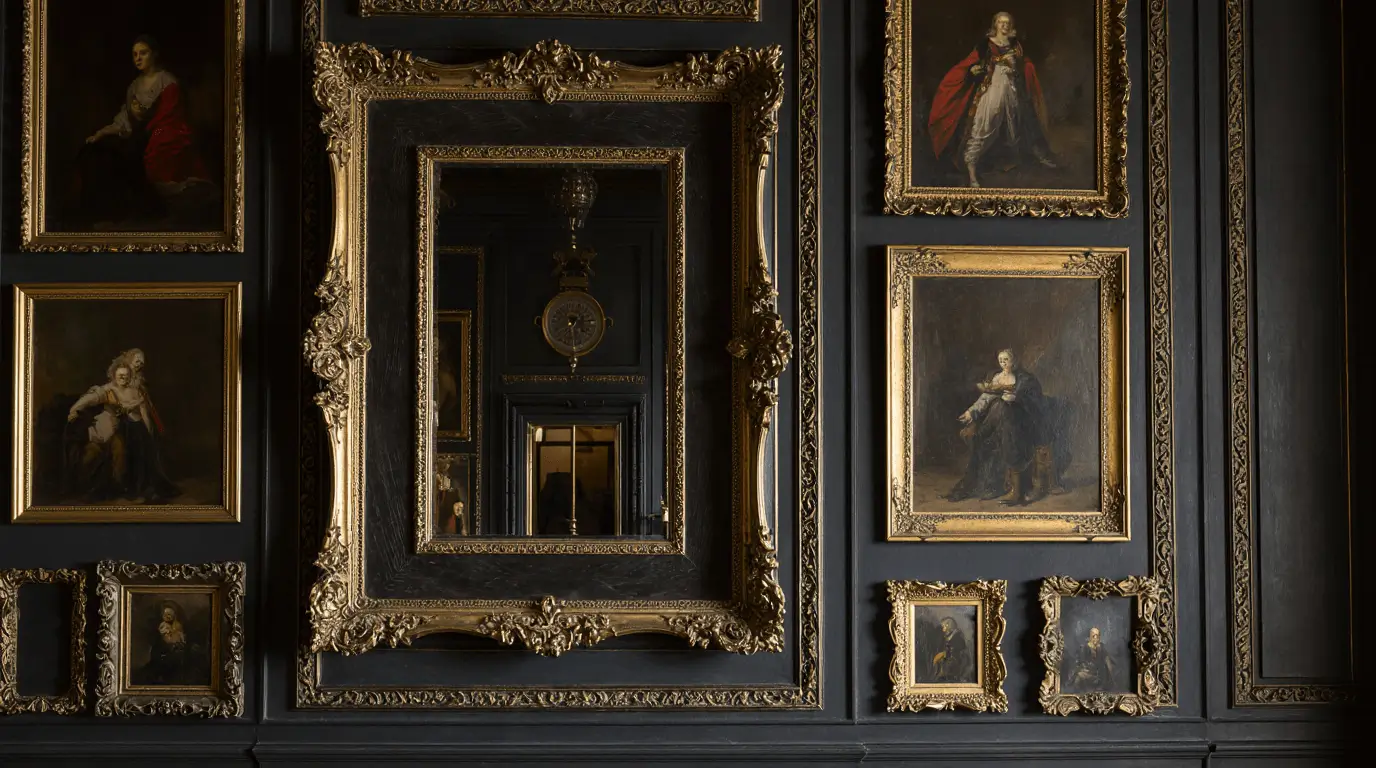
Gothic Interior Design Characteristics in Art and Accessories
Artwork, mirrors, and accessories often reflect medieval or vintage themes, adding personality and narrative depth.
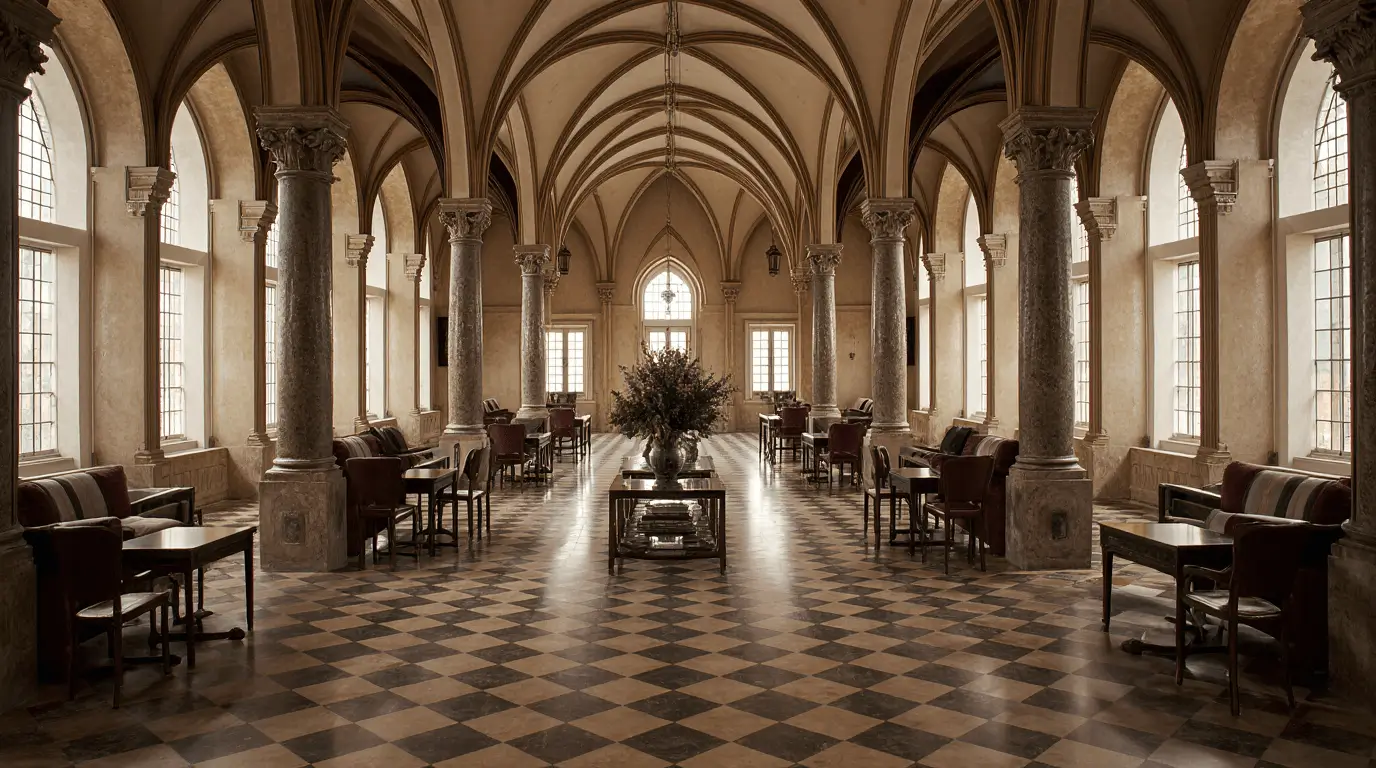
Gothic Interior Design Characteristics in Symmetry and Balance
Despite its dramatic nature, Gothic design often follows symmetry to maintain harmony and visual stability.
Gothic Interior Design Characteristics in Space Planning
Spaces are intentionally layered—foreground, midground, and background elements create depth and visual intrigue.
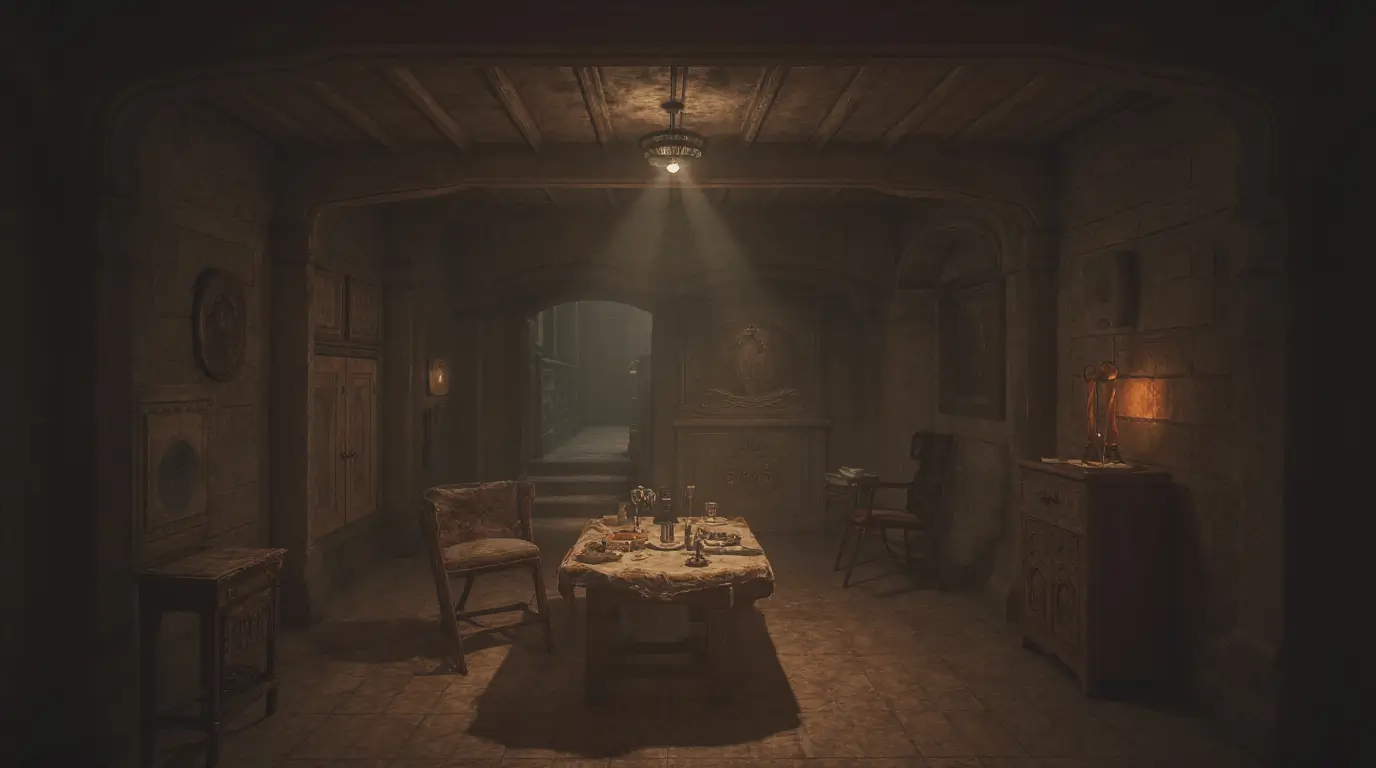
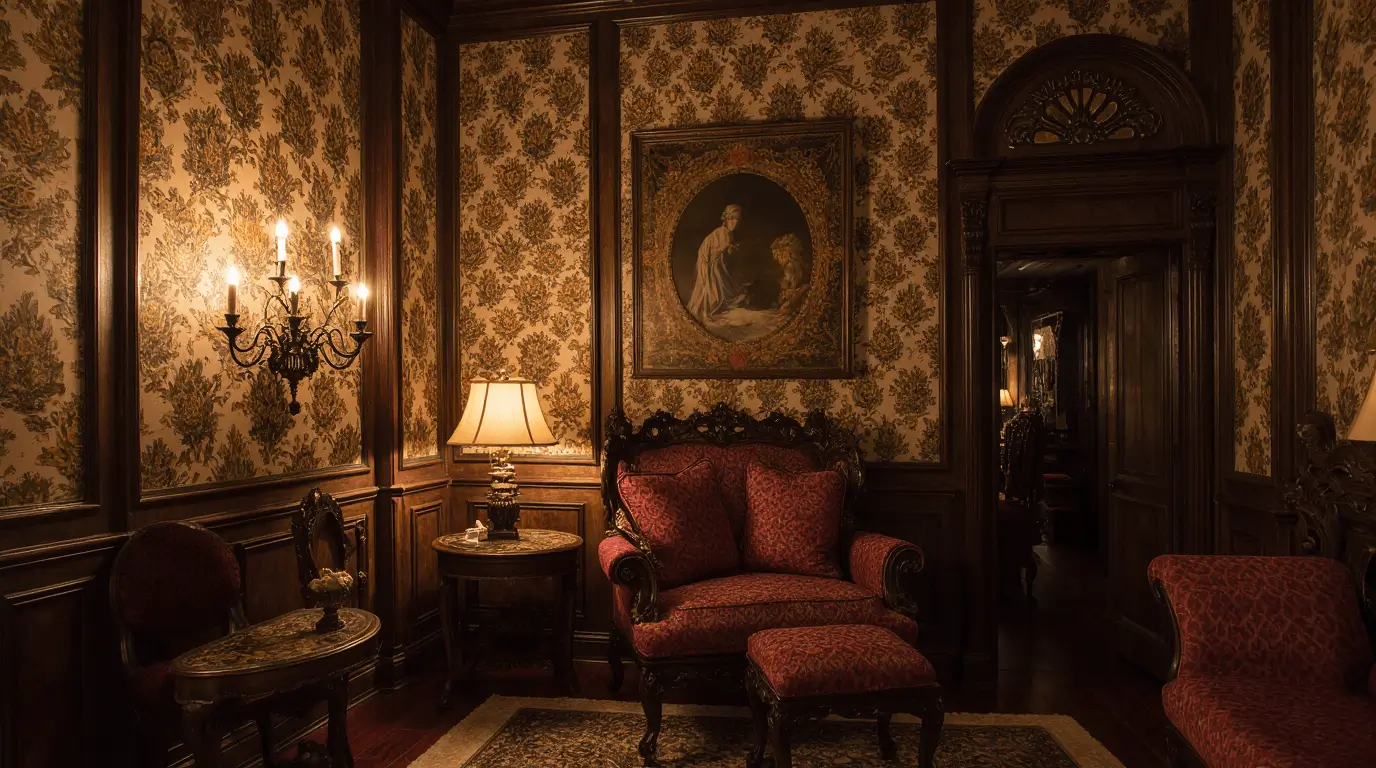
Gothic Interior Design Characteristics in Victorian Influence
Many interiors draw inspiration from Victorian Gothic, blending ornate detailing with romantic, historic charm.
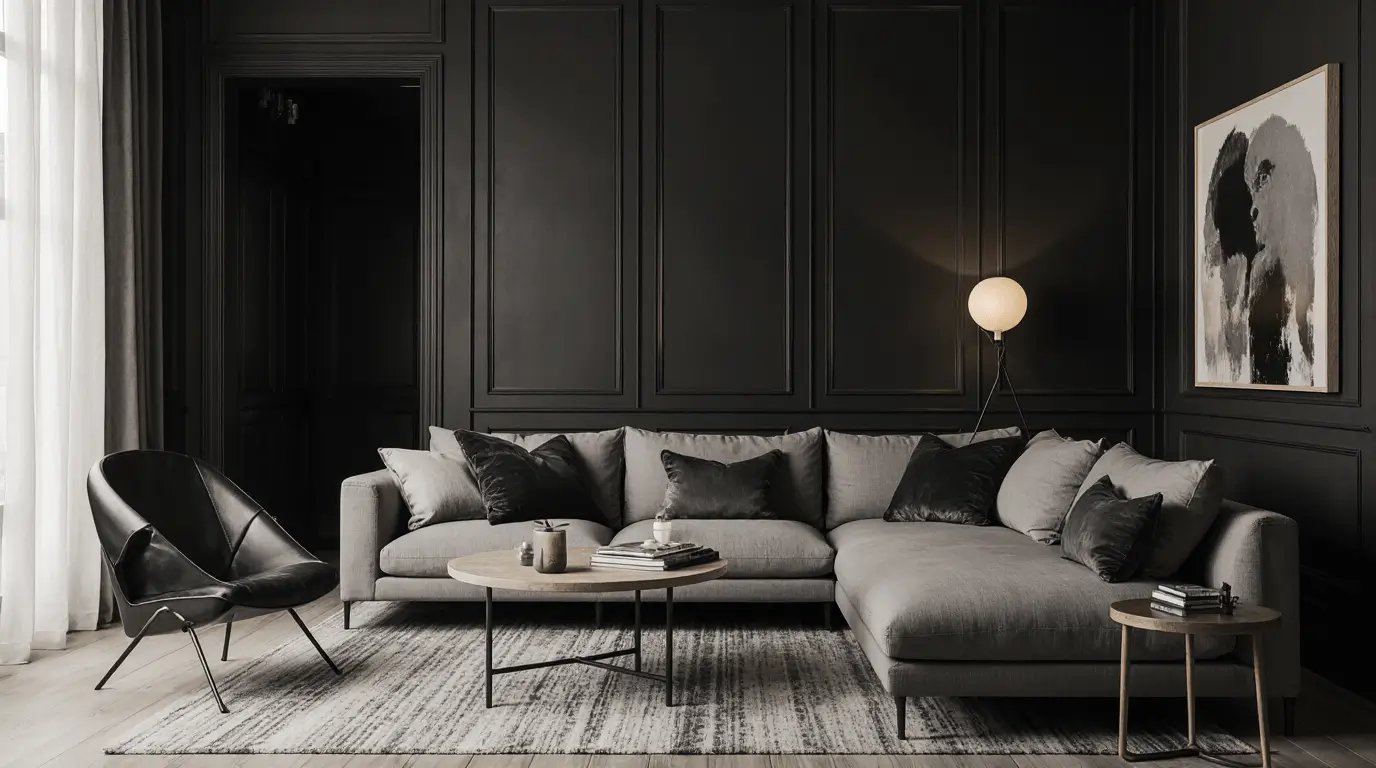
Gothic Interior Design Characteristics in Contemporary Interpretations
Contemporary Gothic interiors simplify traditional elements while maintaining the dark palette and dramatic essence.
Conclusion
Gothic interior design characteristics aren’t just about dark colors or antique details—they’re about creating a space with presence, structure, and emotional depth. When you combine vertical architecture, rich materials, and layered lighting, the result feels intentional rather than overwhelming. In practice, even a few well-chosen elements—like sculptural furniture, textured walls, or moody lighting—can transform an ordinary room into something far more atmospheric and memorable.
What I’ve found is that this style works best for people who value character over minimalism and storytelling over trends. You don’t need a historic home to make it work—you just need balance. Start small, focus on quality materials, and let each piece contribute to the overall mood. When applied thoughtfully, gothic interior design characteristics create spaces that feel grounded, expressive, and quietly powerful to live in every day.
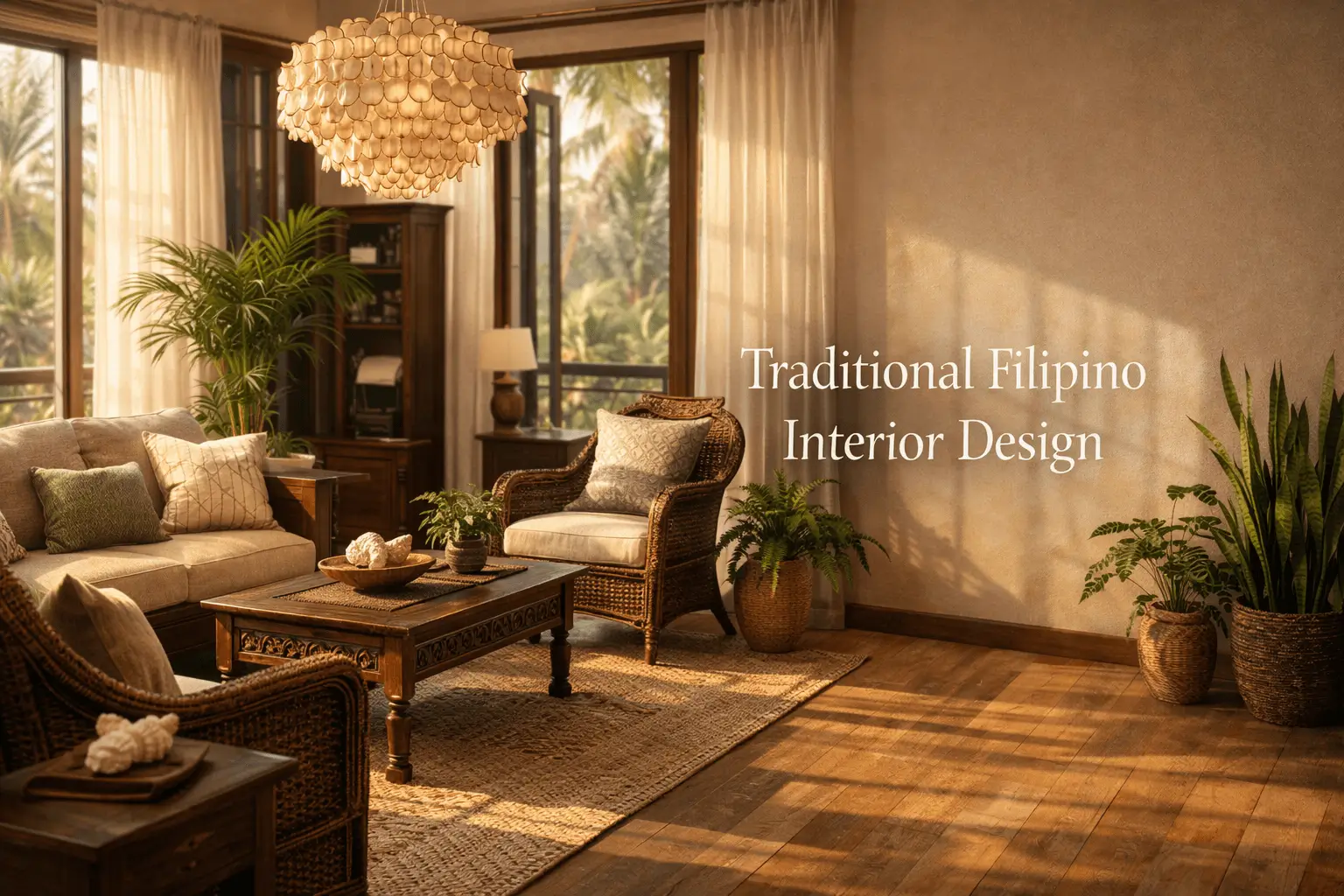
Learn more : Traditional Filipino Interior Design That Feels Timeless
FAQs
- Can gothic interior design characteristics work in small spaces?
Yes, but the key is restraint. Use darker tones selectively—perhaps on one feature wall—and balance them with good lighting and reflective surfaces like mirrors. This keeps the space from feeling cramped while still capturing the gothic mood. - Is gothic interior design always dark and heavy?
Not necessarily. While depth and richness are core elements, modern interpretations soften the look with cleaner lines and controlled contrast. You can achieve a gothic feel without making the space feel overly dense or oppressive. - What are the easiest ways to introduce gothic interior design characteristics into a modern home?
Start with lighting and textures. A wrought iron light fixture, velvet cushions, or dark wood accents can instantly shift the tone. These smaller changes allow you to experiment without committing to a full redesign. - How do I balance gothic elements without making the space feel outdated?
Mix old and new thoughtfully. Pair ornate or vintage-inspired pieces with simpler, modern furniture. This contrast keeps the space feeling fresh while preserving the depth and character of the gothic style. - Which materials are essential for achieving authentic gothic interiors?
Focus on natural, weighty materials like dark wood, stone, iron, and heavy fabrics such as velvet or brocade. These materials add the texture and authenticity that define the style. - Is gothic interior design suitable for everyday living?
Absolutely. When designed with comfort in mind—proper lighting, functional layouts, and balanced textures—it becomes a highly livable style. It’s less about drama for show and more about creating a calm, immersive environment. - What mistakes should I avoid when using gothic interior design characteristics?
The most common mistake is going too dark without enough light or contrast. Always balance deep tones with layered lighting and varied textures to keep the space visually comfortable and inviting.