
Introduction
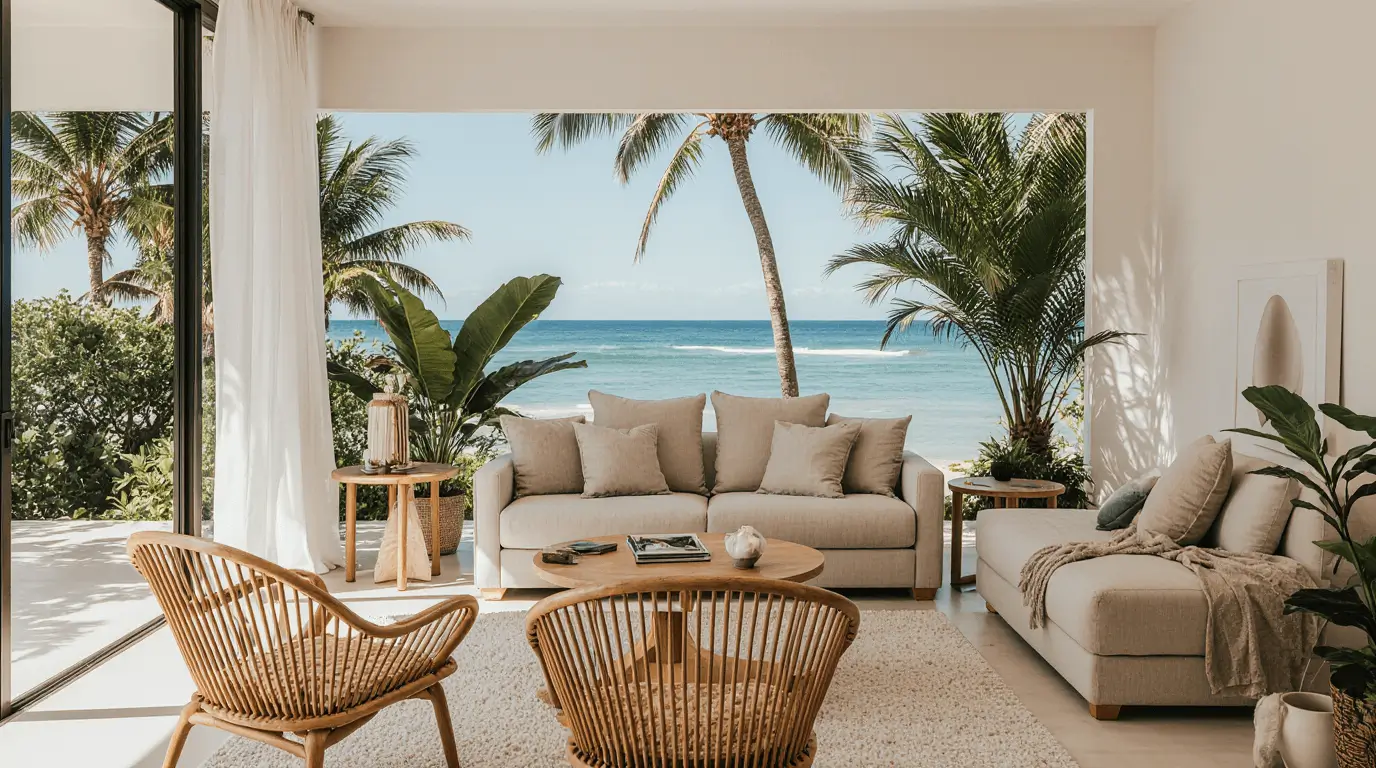
Hawaiian interior design is more than palm prints and beach-inspired décor — it is a deeply rooted design philosophy shaped by island climate, Polynesian heritage, natural materials, and a seamless connection between indoor and outdoor living. Done correctly, it feels relaxed yet refined, organic yet intentional.
From years of observing tropical architecture and coastal interiors, I’ve found that the success of Hawaiian interior design lies in balance: breathable spaces, layered textures, cultural respect, and an effortless flow that mirrors the rhythm of island life. Whether designing a coastal villa or bringing warmth into a city apartment, the principles remain consistent — nature first, comfort always, and authenticity above trends.
Below are the essential design clusters that define true Hawaiian interior design.
Hawaiian Interior Design Foundations: Nature as the Core
Hawaiian interior design begins with a deep respect for nature. Spaces are designed to feel open, airy, and organically connected to the outdoors. Large windows, sliding doors, and natural ventilation are essential.
The philosophy prioritizes wood, stone, woven fibers, and greenery to create a grounded, tranquil environment.
Traditional Hawaiian House Interior Elements
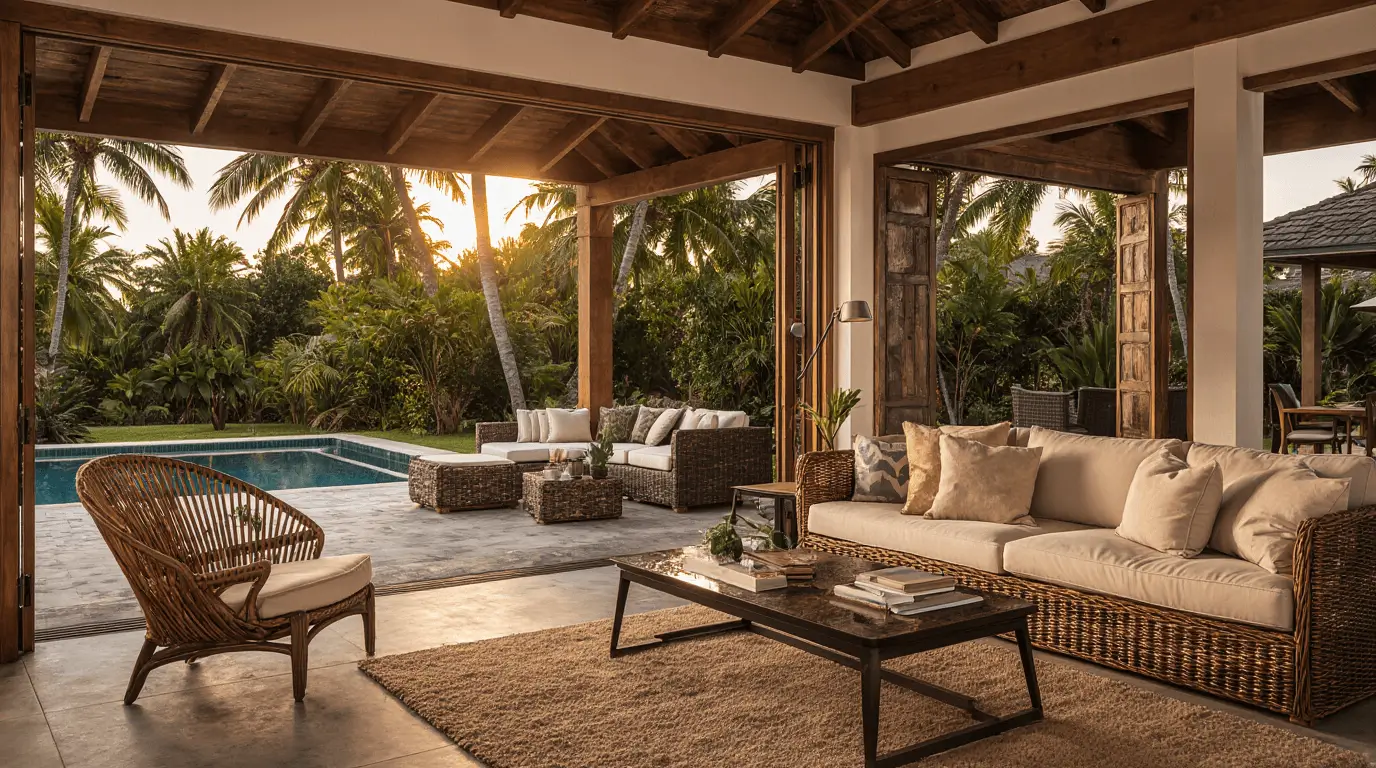
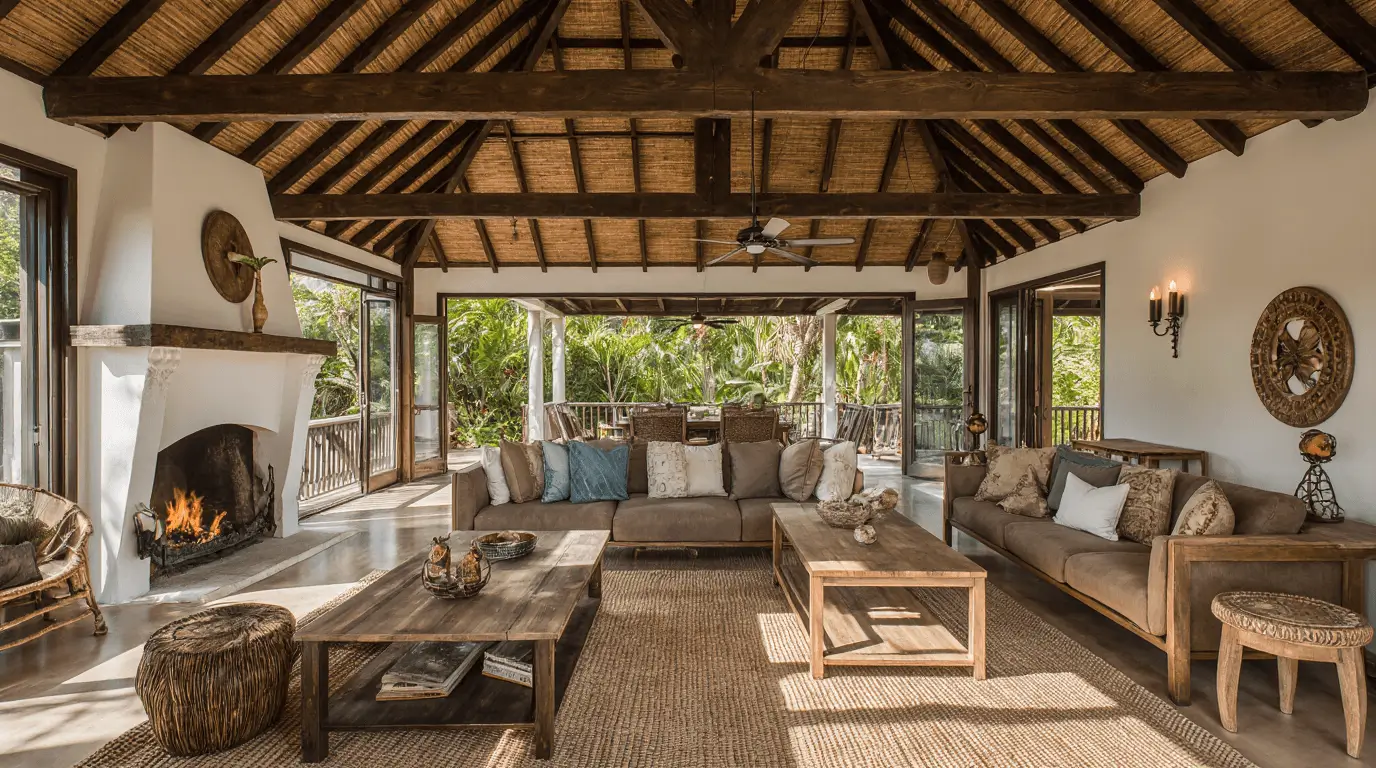
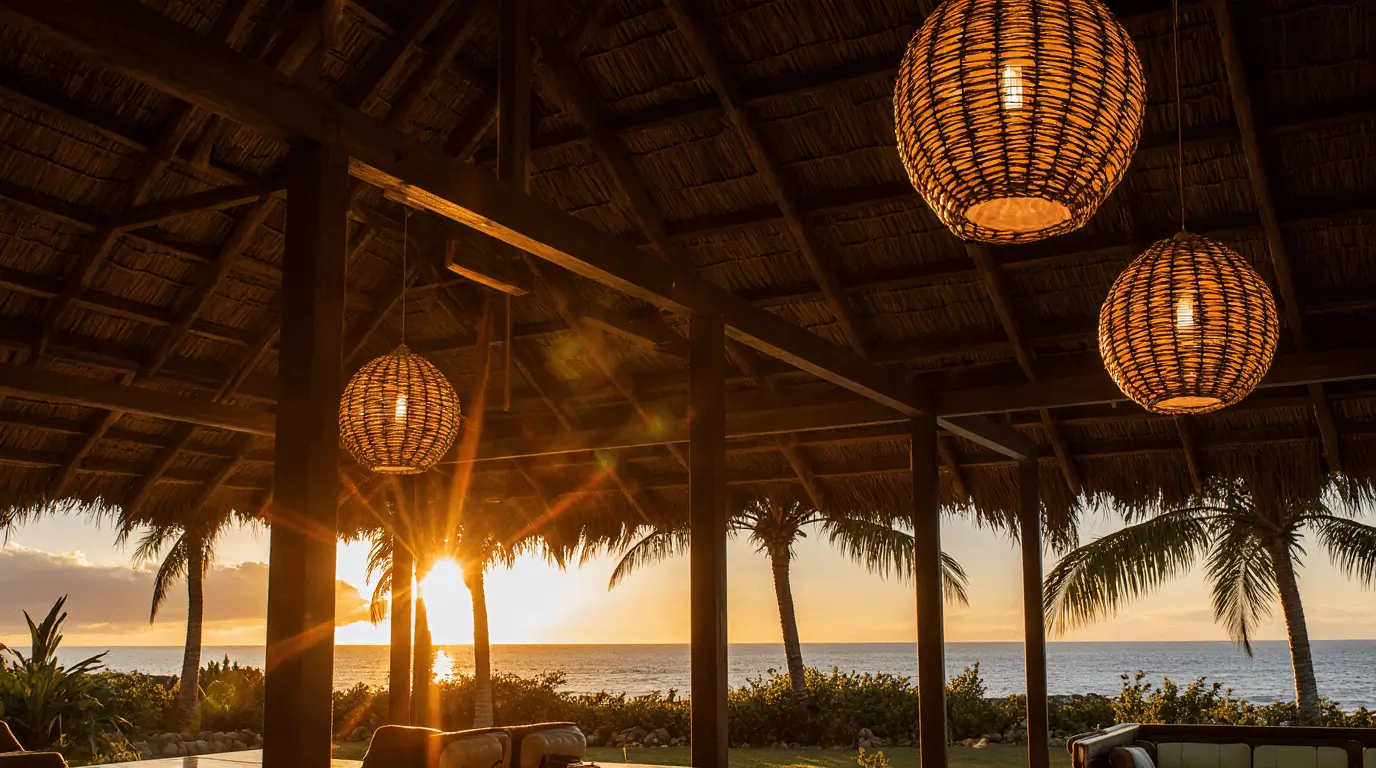
Traditional Hawaiian house interiors embrace handcrafted materials and simple structural forms. Exposed wooden beams, thatched influences, and minimal ornamentation reflect indigenous design heritage.
Earth tones and tactile materials make the space feel warm and culturally rooted.
Modern Hawaiian Interior Design Balance
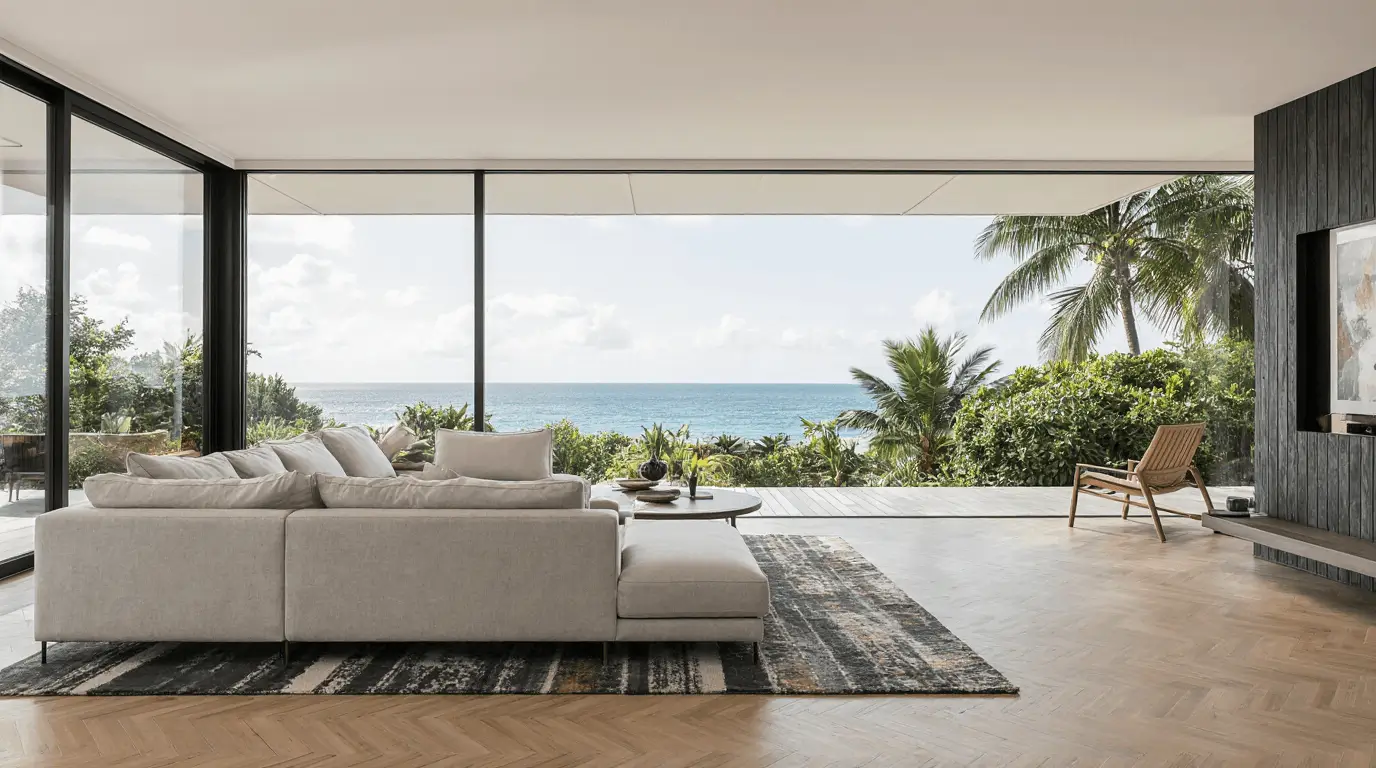
Modern Hawaiian interior design blends clean lines with tropical warmth. It avoids heavy ornamentation and instead integrates subtle island textures into contemporary layouts.
Think minimalist furniture paired with natural woods, linen fabrics, and expansive views.
Tropical Hawaiian Interior Design Palette
Color plays a defining role. Tropical Hawaiian interior design uses sandy beige, seafoam green, deep ocean blue, volcanic charcoal, and soft coral accents.
These tones echo Hawaii’s landscapes and maintain harmony without overwhelming the space.
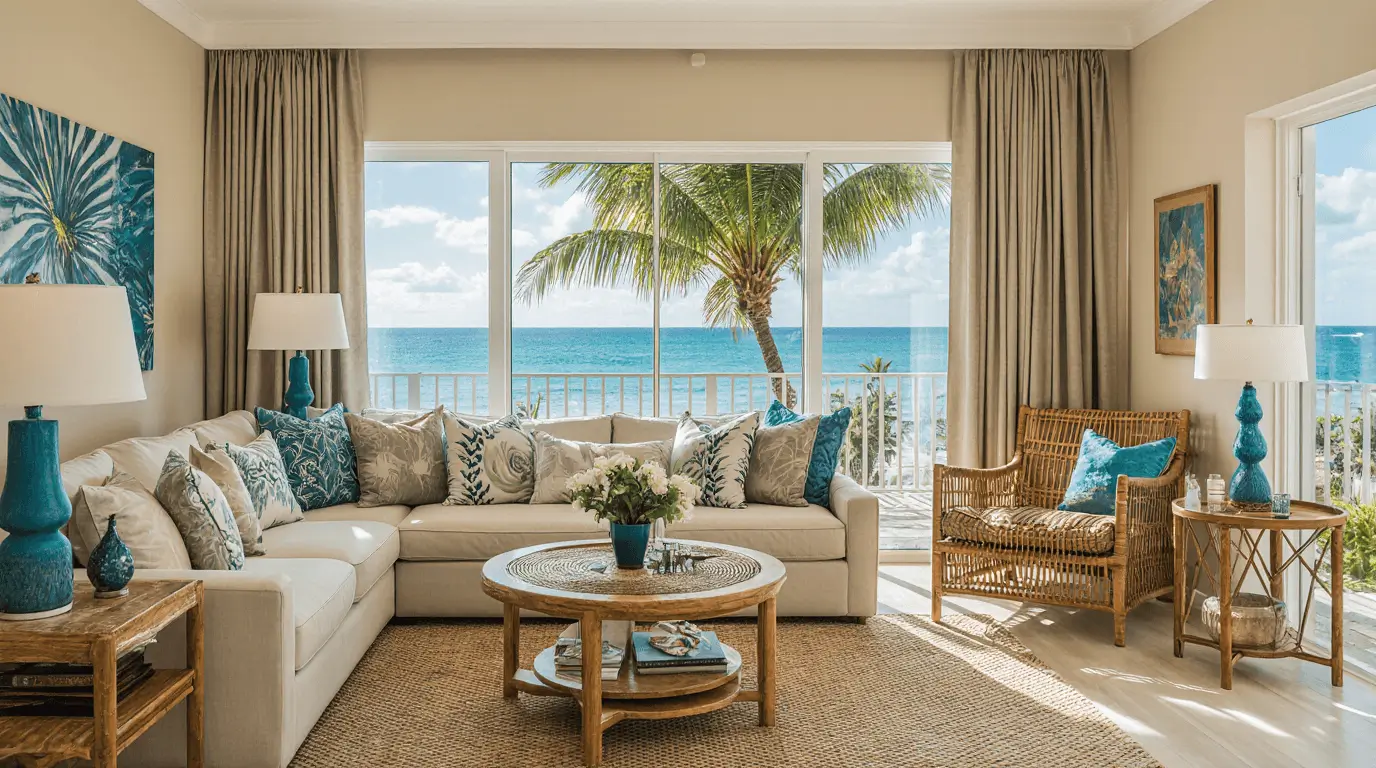
Hawaiian Style Living Room Layout
A Hawaiian style living room prioritizes openness and conversation. Furniture is arranged to enhance airflow and social interaction rather than face a single focal point.
Low-profile seating, woven textures, and layered cushions enhance comfort.
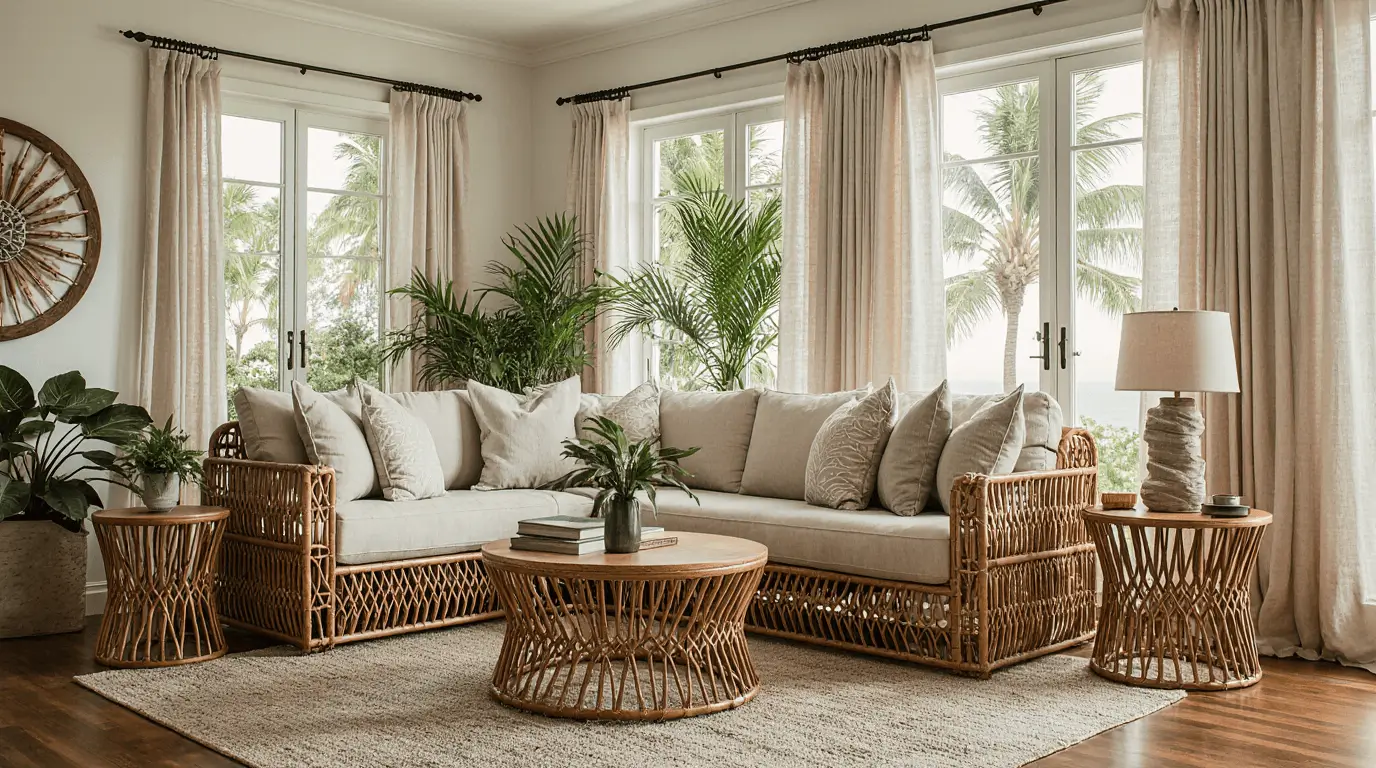
Modern Hawaiian Living Room Sophistication
The modern Hawaiian living room refines tropical elements through restraint. Fewer patterns, more texture. Clean silhouettes paired with statement greenery.
It feels polished yet relaxed — never cluttered.
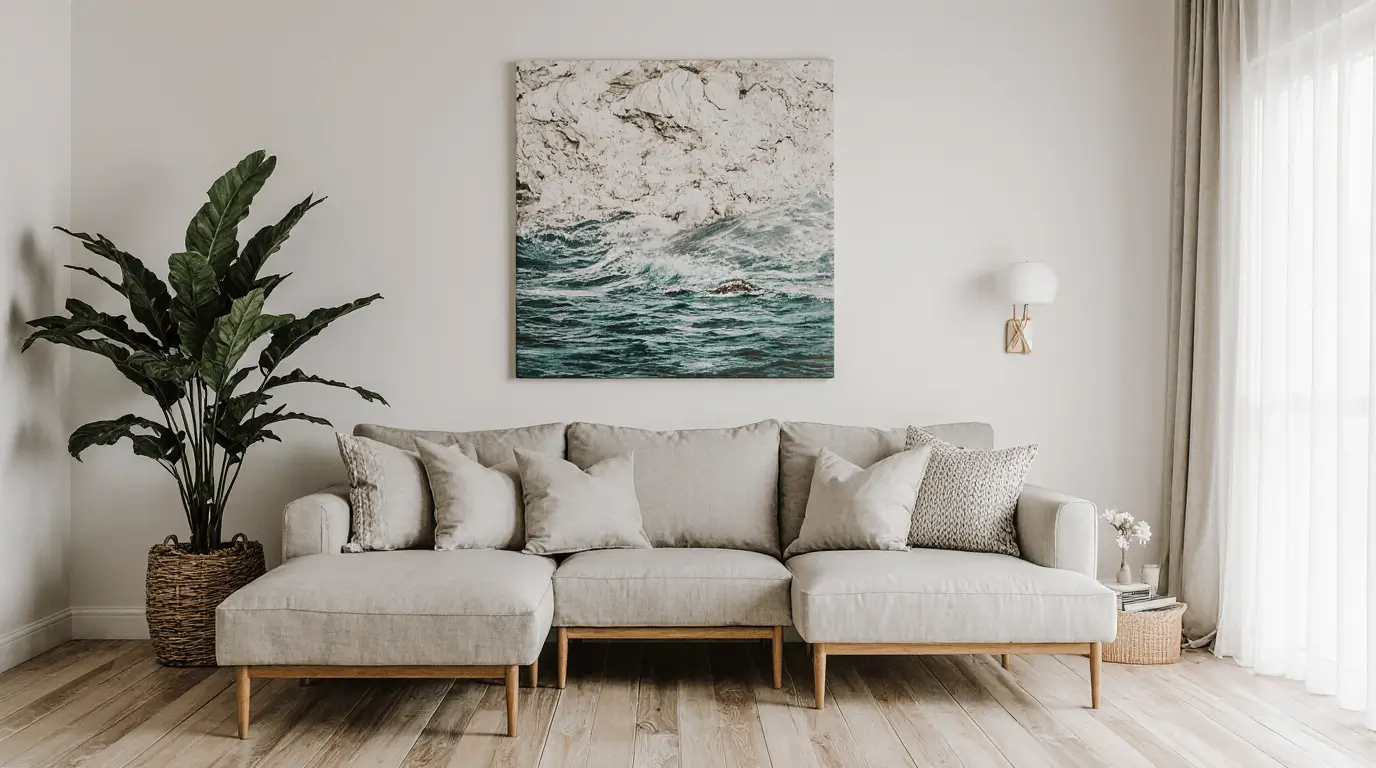
Hawaiian Home Interior Design & Indoor-Outdoor Flow
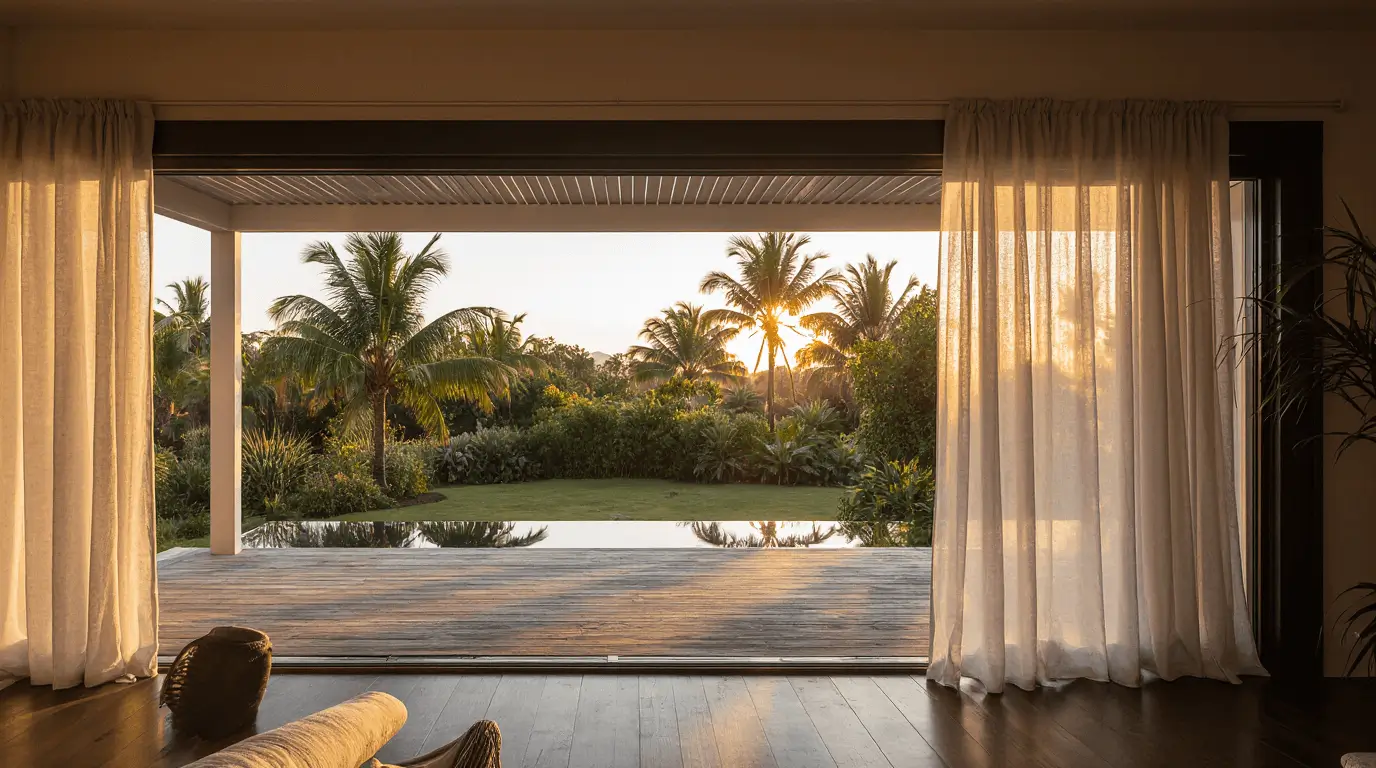
Seamless indoor-outdoor transitions define Hawaiian home interior design. Retractable doors, lanais, and covered patios extend the living space.
Natural airflow reduces the need for heavy drapery or bulky furniture.
Polynesian Interior Design Influence
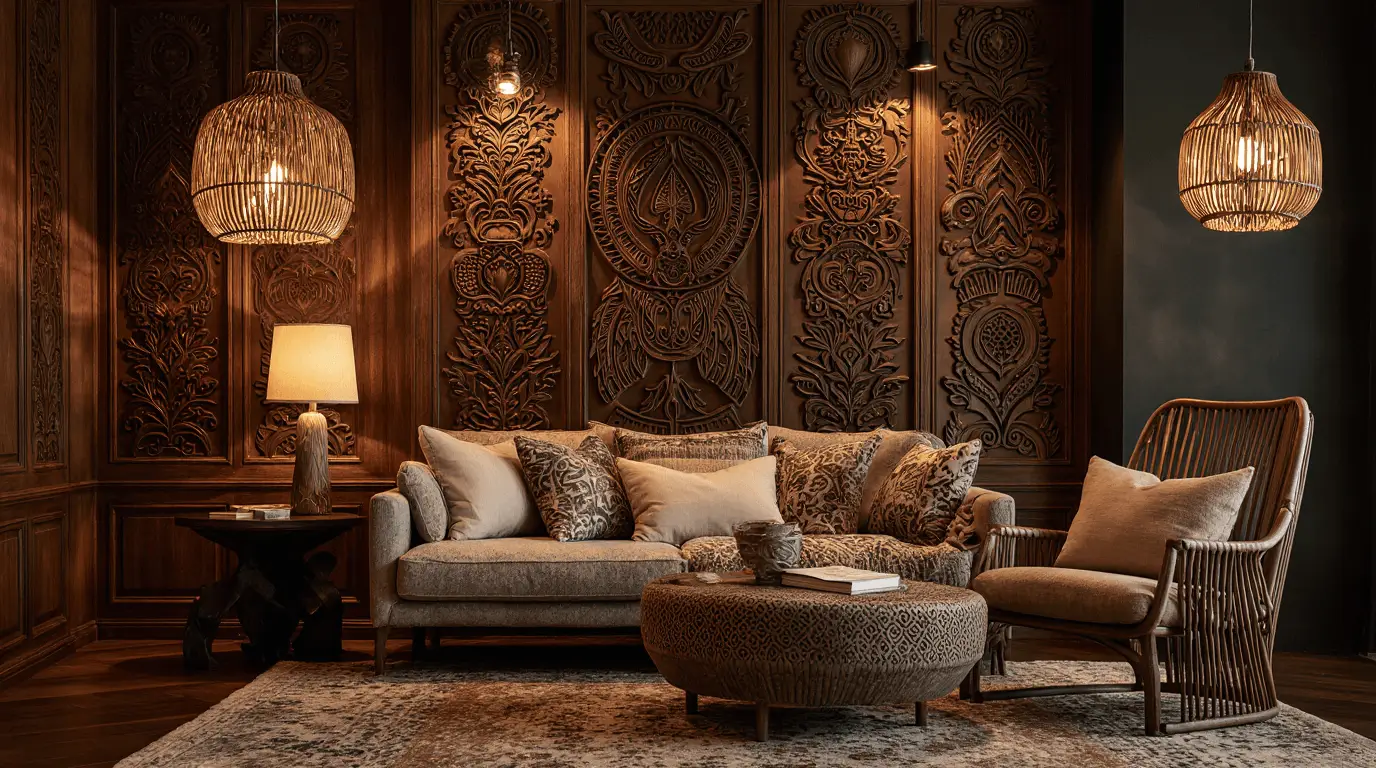
Polynesian interior design influences Hawaiian interiors through carved wood details, tribal motifs, and symbolic patterns. These elements should be used respectfully and intentionally.
They add cultural depth without overpowering the space.
Hawaiian Decor & Natural Materials
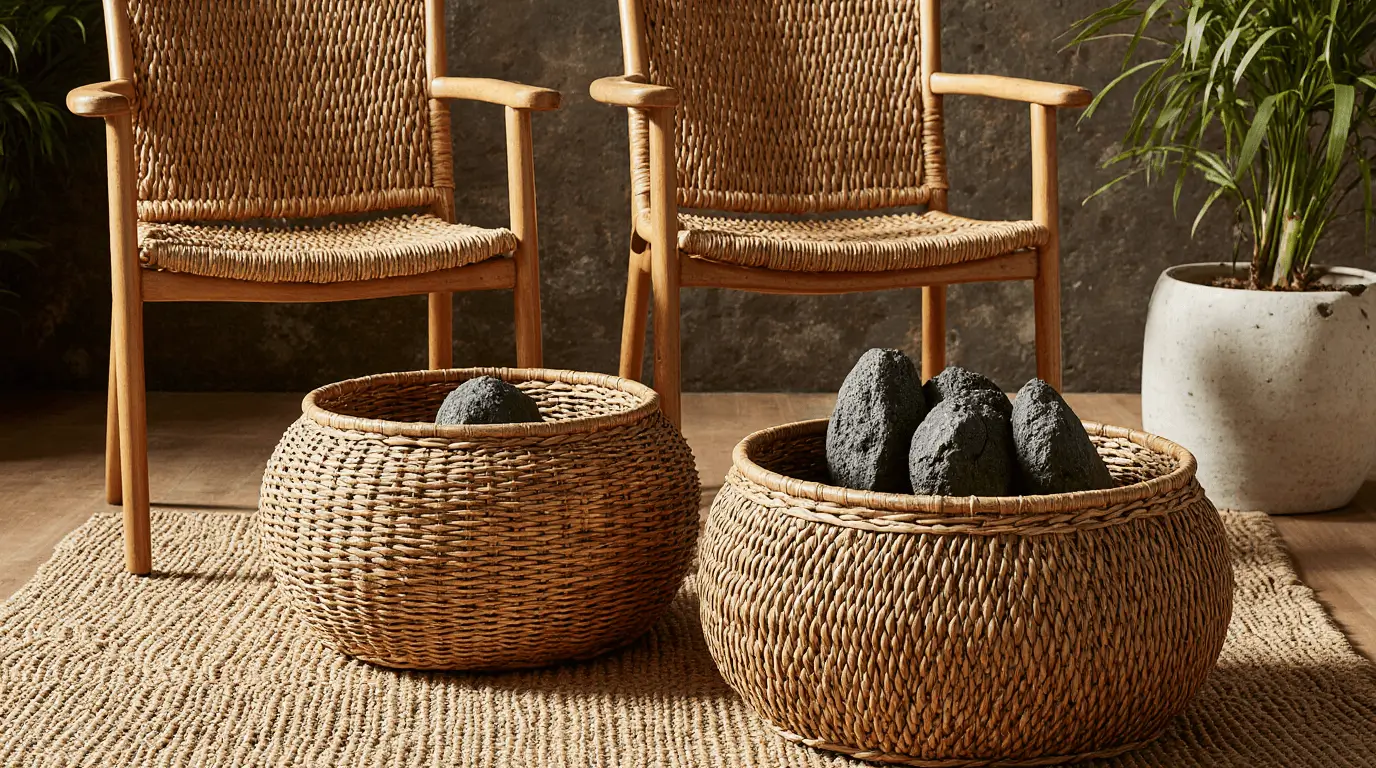
Authentic Hawaiian decor emphasizes bamboo, teak, koa wood, rattan, jute, and lava stone. Materials should feel organic and slightly imperfect.
Texture layering adds dimension without visual clutter.
Hawaiian Living Room Decor Accents
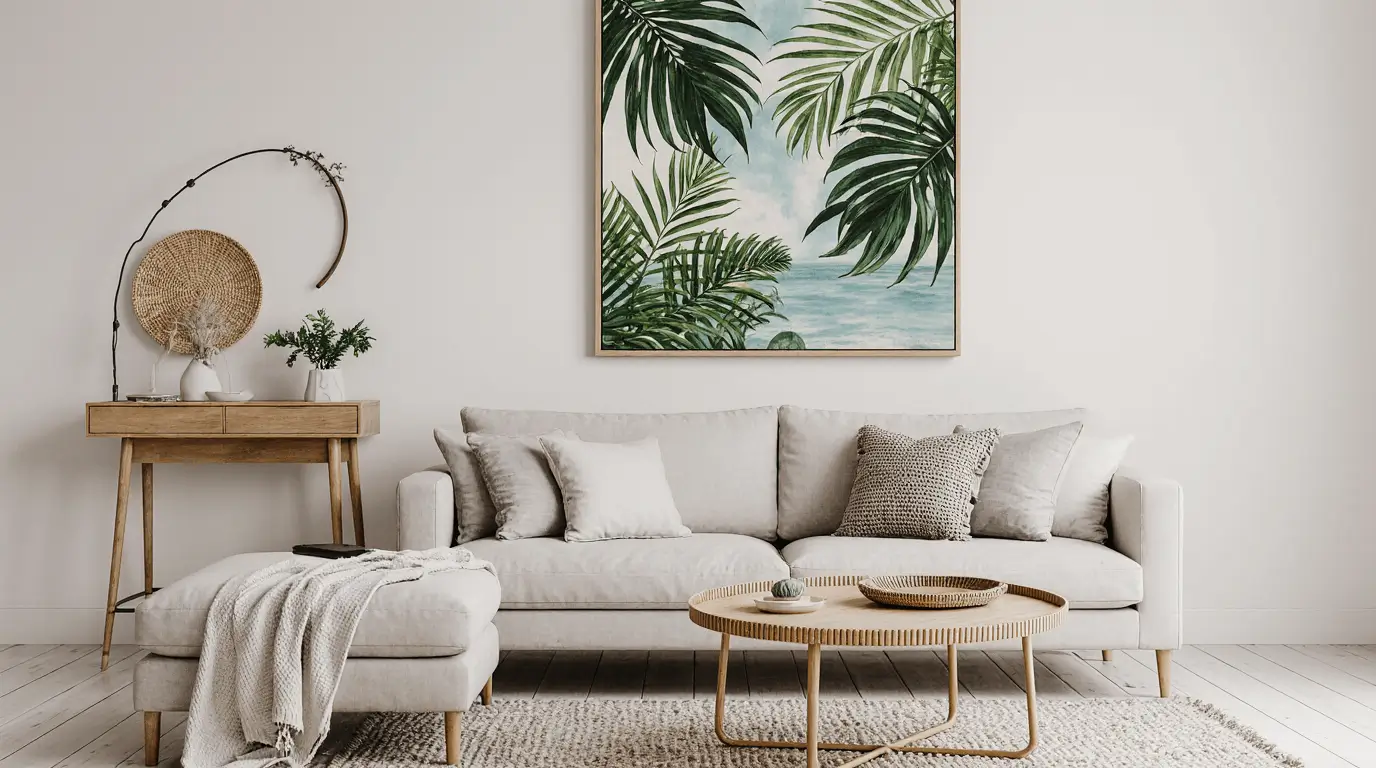
Decor accents in a Hawaiian living room include tropical botanicals, subtle palm prints, handcrafted ceramics, and ocean-inspired art.
Less is more — restraint keeps the design elevated rather than themed.
Hawaiian Themed Bedding & Bedroom Styling
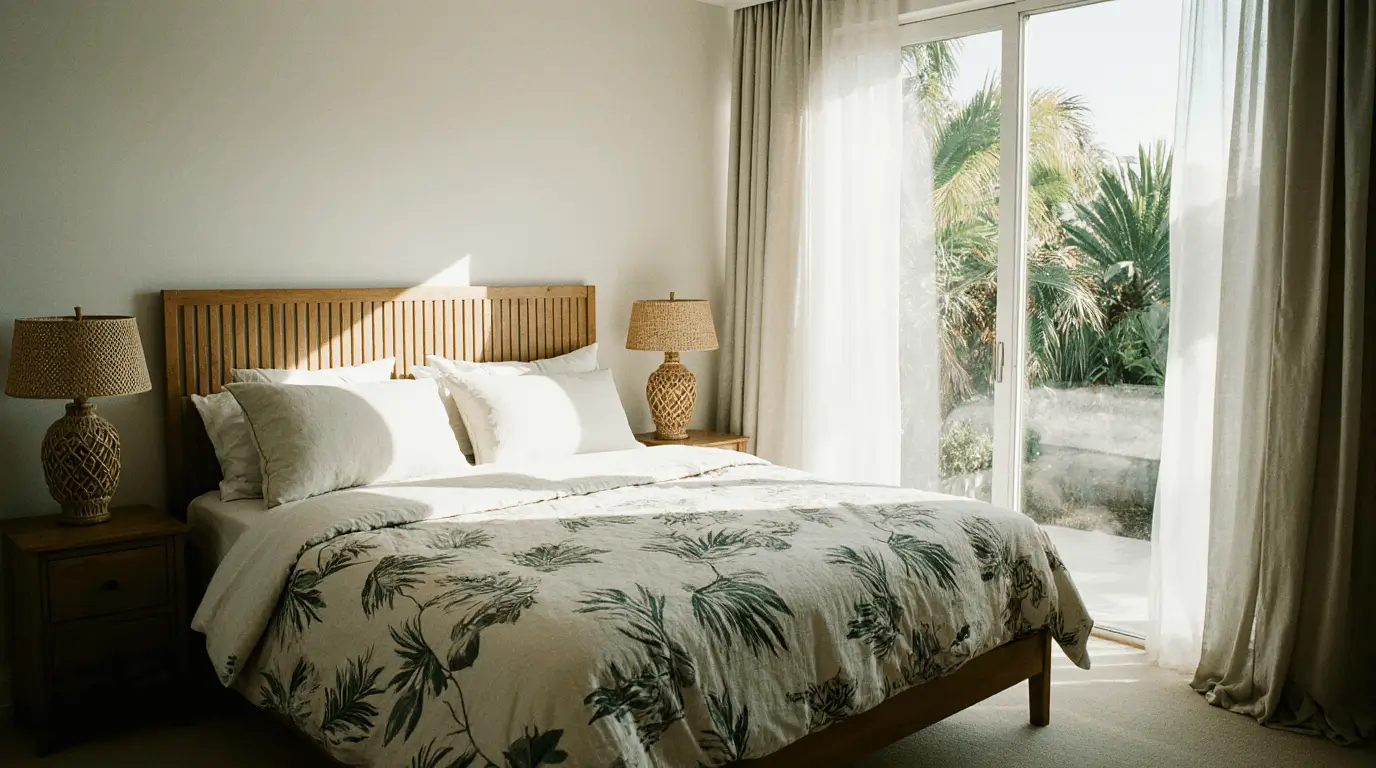
Bedrooms embrace breathable fabrics like cotton and linen. Hawaiian themed bedding works best in subtle botanical prints rather than bold novelty patterns.
Soft lighting and natural wood headboards maintain tranquility.
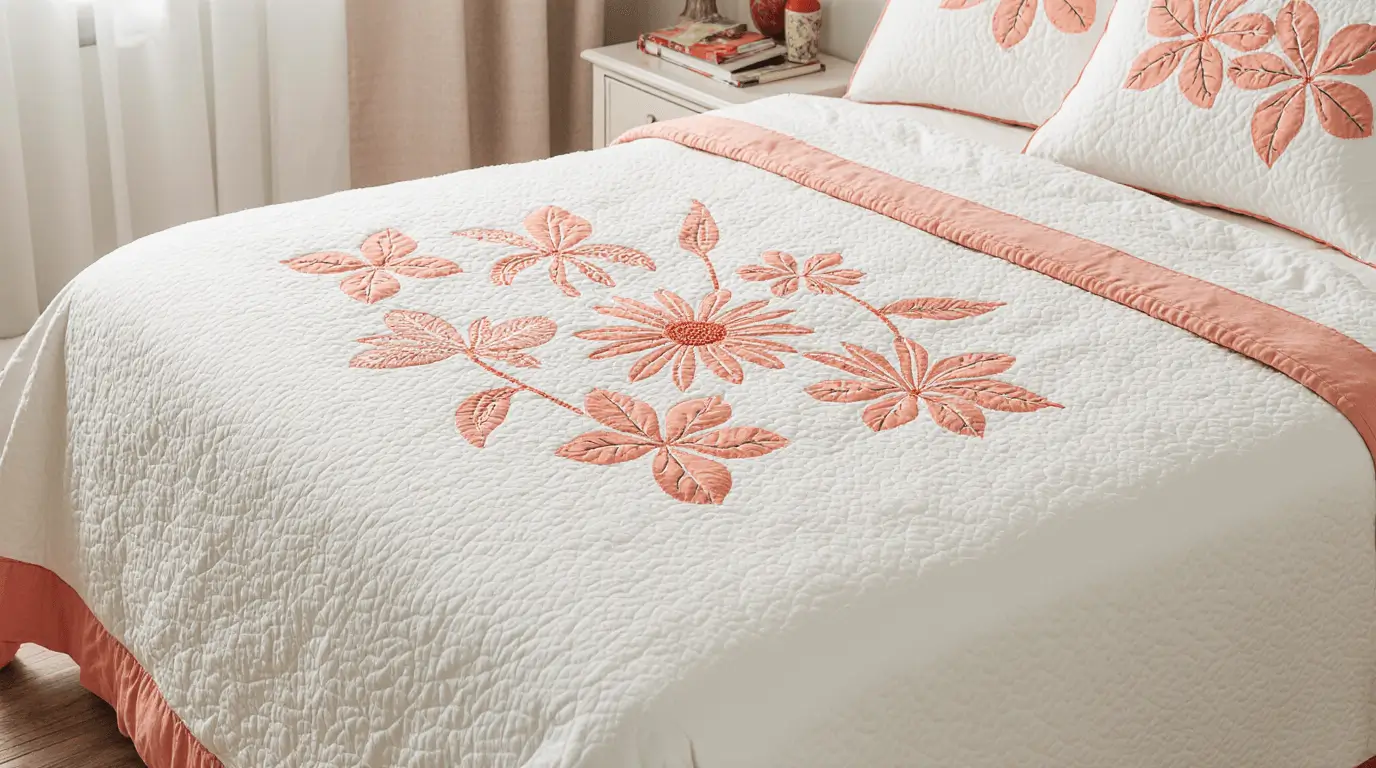
Hawaiian Quilt Comforter Heritage
The Hawaiian quilt comforter carries historical significance, often featuring symmetrical botanical motifs inspired by native plants.
Using it as a statement layer honors tradition while adding craftsmanship.
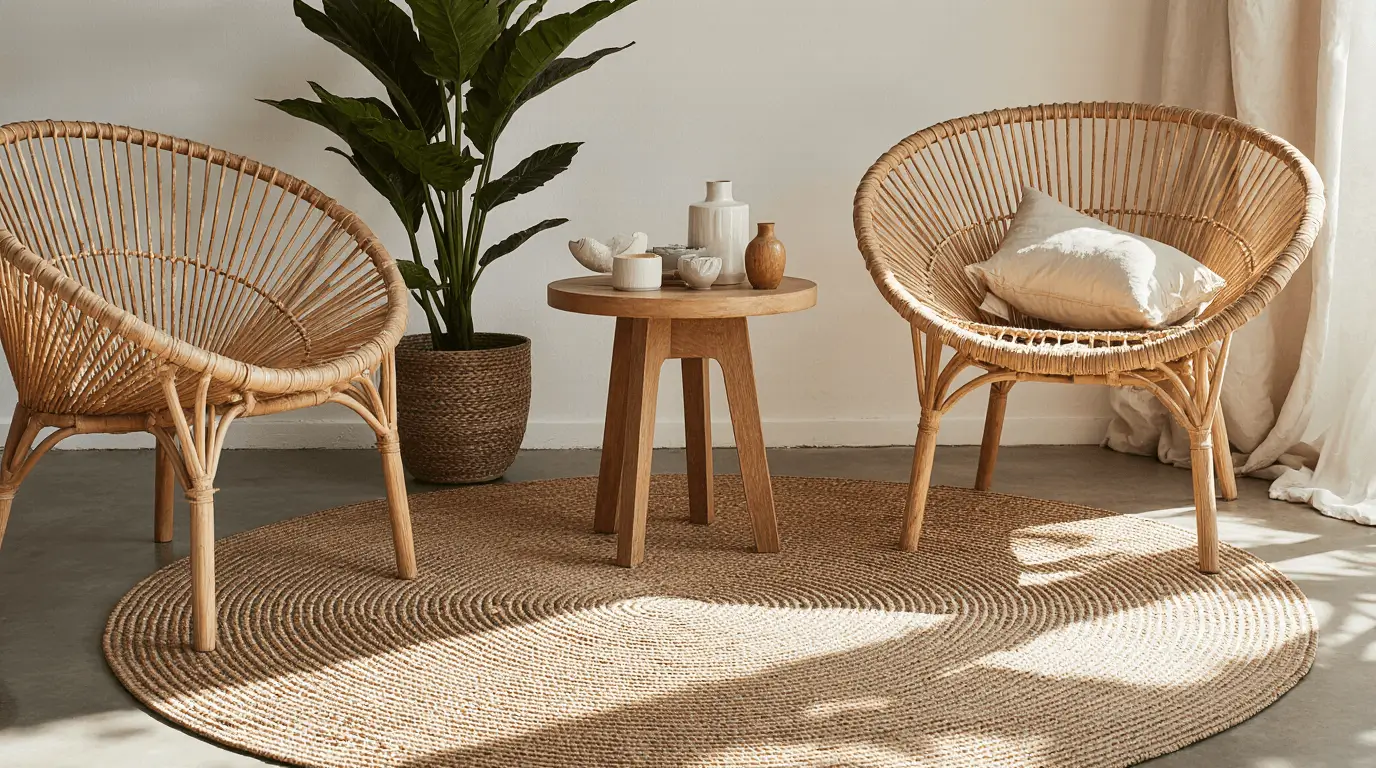
Hawaiian Style Home Decor Textures
Layering textures is key in Hawaiian style home decor. Combine woven rugs, textured ceramics, natural wood grains, and breathable fabrics.
The tactile richness creates warmth without heaviness.
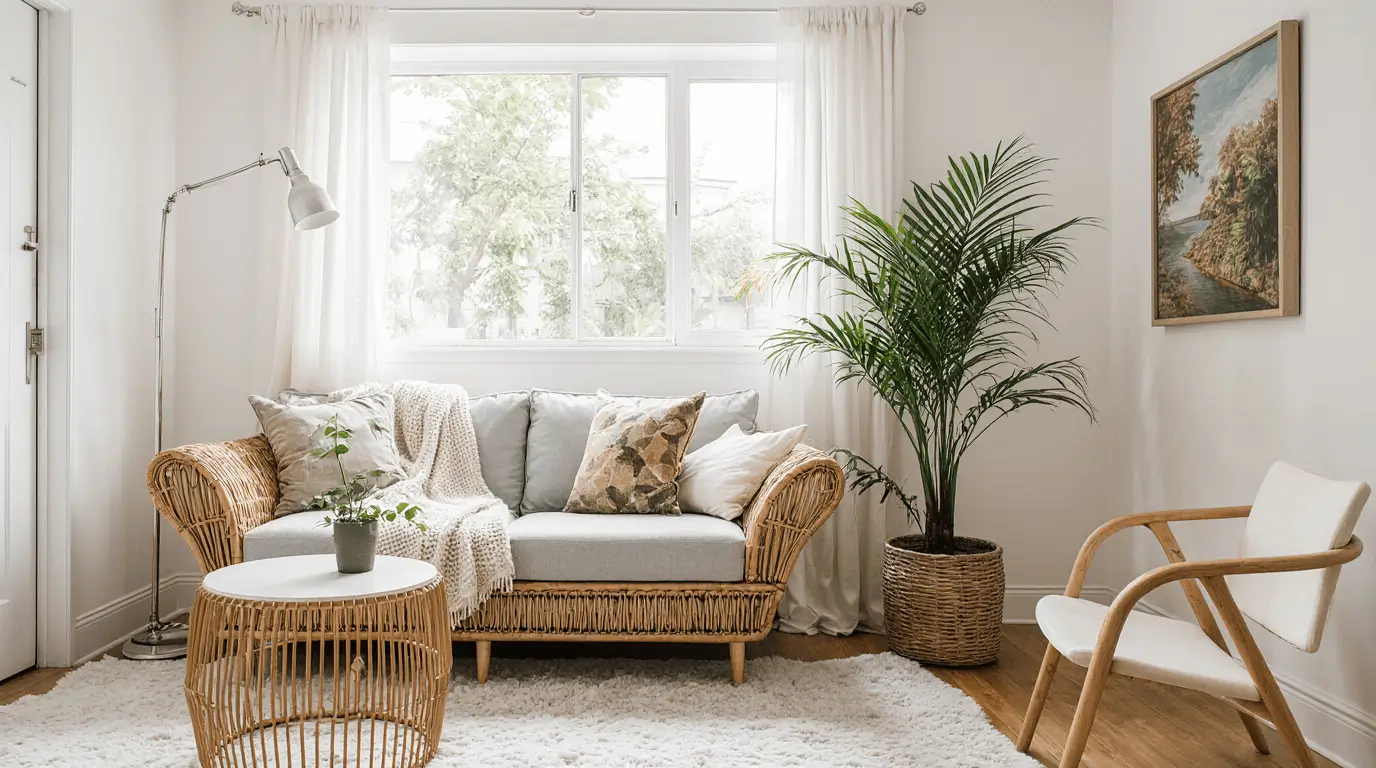
Hawaiian Home Decor Ideas for Small Spaces
In smaller homes, focus on light color palettes, mirrors, and multipurpose wooden furniture. Avoid oversized prints that visually shrink the space.
A few strong tropical elements are more effective than many small ones.
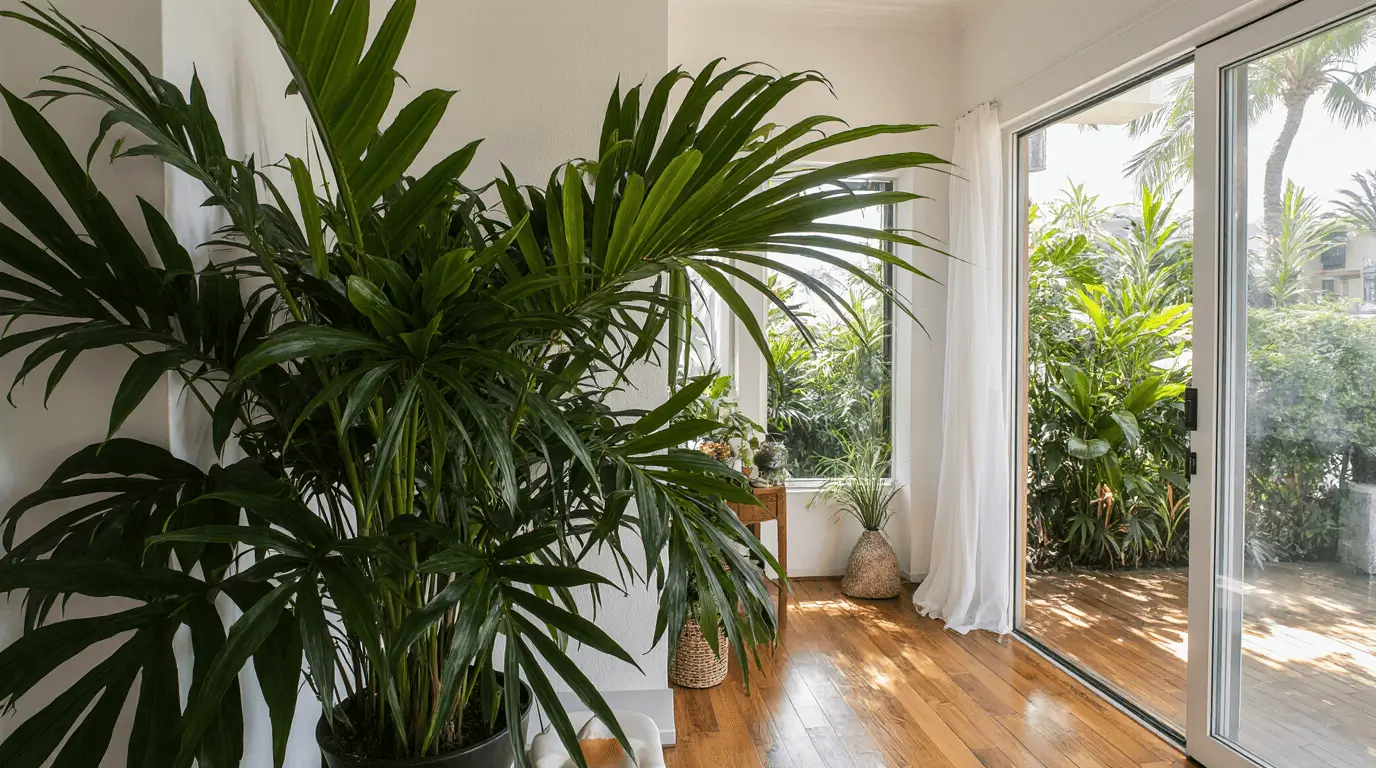
Hawaiian Interior Decorating with Greenery
Greenery is non-negotiable in Hawaiian interior decorating. Monstera, palm varieties, and bird-of-paradise plants soften architecture and connect interiors to nature.
Plants should look abundant but intentional.
Hawaiian Interiors & Lighting Design
Lighting in Hawaiian interiors should feel warm and natural. Use woven pendants, soft sconces, and layered ambient lighting to mimic sunset tones.
Avoid harsh white light that disrupts the relaxed atmosphere.
Conclusion: Designing with Intention, Living with Ease
At its best, Hawaiian interior design is not a decorative theme but a lifestyle framework. It teaches us to design with climate in mind, to honor cultural roots, and to prioritize comfort without sacrificing refinement. The enduring appeal of this approach lies in its clarity: natural materials, breathable layouts, layered textures, and a seamless connection to the outdoors.
From experience, the spaces that feel most successful are those that resist excess. Instead of filling a room with overt tropical motifs, the focus remains on proportion, airflow, craftsmanship, and authenticity. When wood grains are allowed to breathe, when light moves freely through a space, and when greenery feels integrated rather than staged, the result is calm that feels genuine.
This design philosophy benefits anyone seeking warmth without heaviness, simplicity without sterility, and beauty without overcomplication. It works equally well in coastal homes, suburban residences, and urban apartments because its foundation is not geography — it is balance.
If you are moving forward with Hawaiian interior design, begin with structure: open the layout where possible, introduce organic materials, refine your palette, and layer texture intentionally. Let each addition serve a purpose. When approached with respect and restraint, the outcome is not simply tropical — it is timeless, livable, and deeply restorative.
Learn more : 11+ Stunning Interior Design Melbourne Secrets
Frequently Asked Questions
- What truly defines Hawaiian interior design beyond tropical décor?
The defining element is harmony with nature. While palm prints and island motifs can appear, the essence lies in airflow, natural materials, cultural influence, and indoor-outdoor connection. It is less about decoration and more about atmosphere and architectural flow.
- Can Hawaiian interior design work in a non-coastal home?
Absolutely. The principles translate well to any location. Focus on natural textures, light color palettes, layered greenery, and breathable layouts. Even without ocean views, the feeling of openness and warmth can be recreated through material and lighting choices.
- How do I avoid making my space look overly themed?
Restraint is key. Choose one or two tropical references and balance them with neutral foundations. Prioritize wood tones, woven textures, and natural light over bold novelty prints. The goal is subtle island influence, not a resort replica.
- What materials are most important for authenticity?
Look for solid wood (especially warm-toned varieties), bamboo, rattan, linen, cotton, jute, and stone. These materials age beautifully and contribute texture without visual clutter. Authenticity comes from material integrity, not excessive ornamentation.
- Is modern Hawaiian interior design very different from traditional styles?
Modern interpretations simplify the aesthetic. Clean lines and minimal forms replace heavier decorative details, but the natural palette and connection to the outdoors remain. The spirit stays the same; the execution becomes more refined.
- How much greenery is appropriate?
Greenery should feel abundant yet intentional. A few large statement plants often create more impact than many small ones. Position plants where they enhance light and soften architecture rather than obstruct movement.
- What is the first step when redesigning a space in this style?
Start with light and layout. Assess how natural light enters the room and remove unnecessary barriers. Then introduce foundational materials — wood, woven fibers, neutral textiles — before layering decorative elements. When the base feels balanced, the rest comes naturally.

One Response