
Introduction
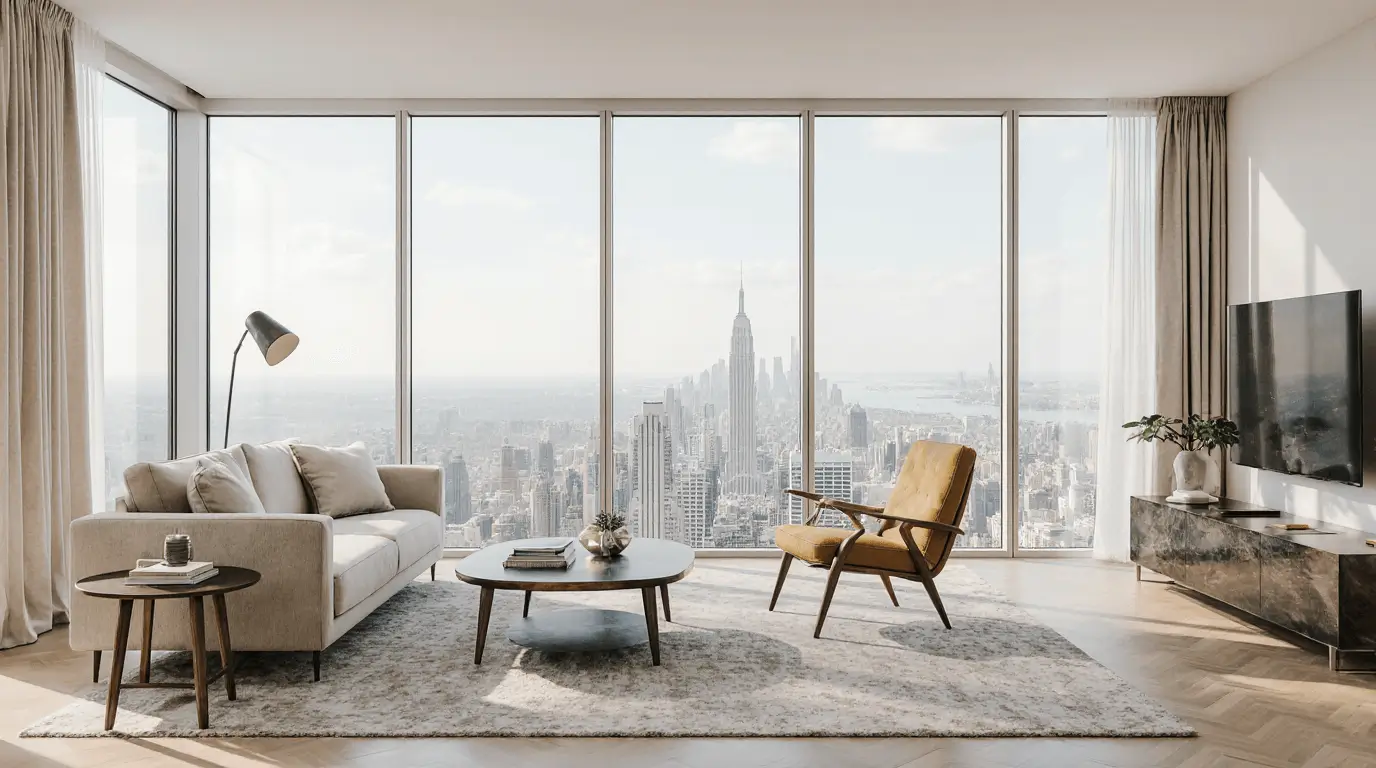
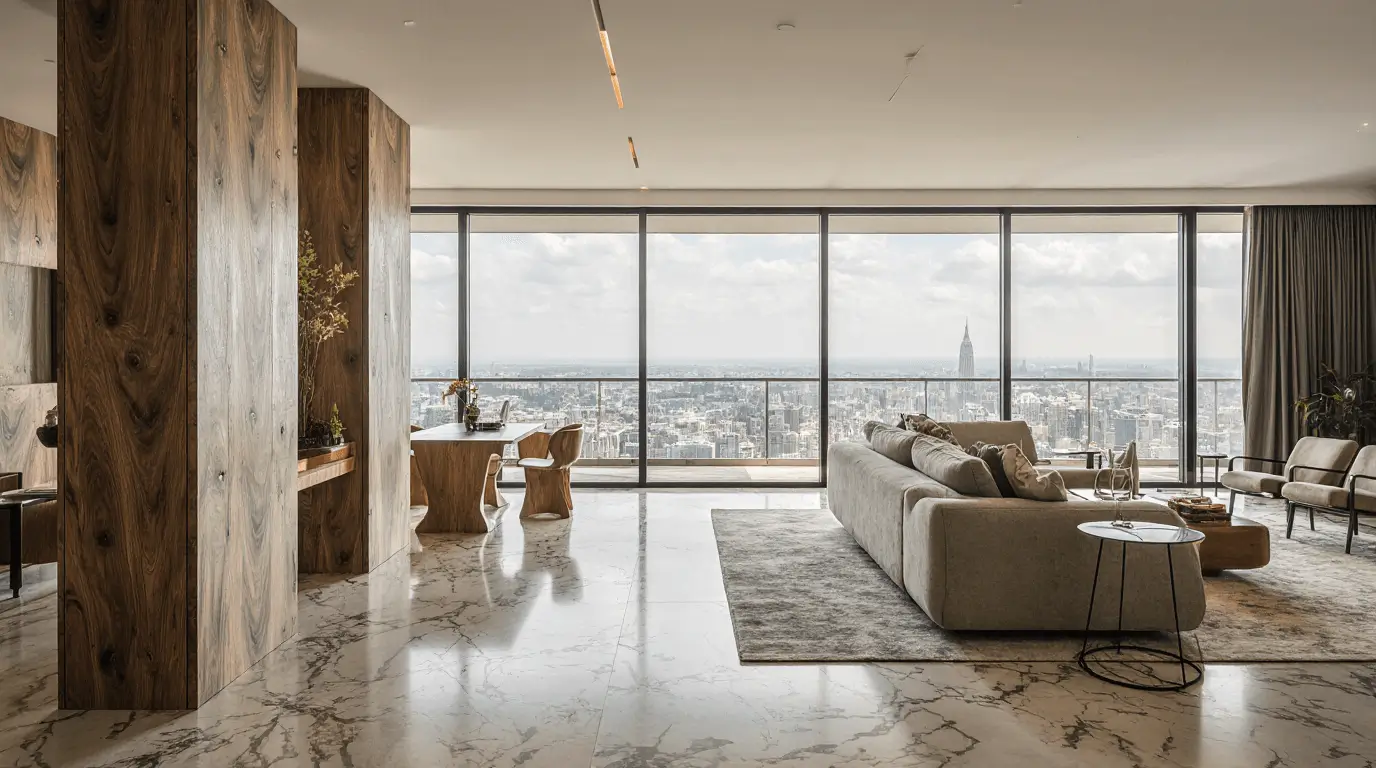
High rise apartment interior design is about more than decorating a tall building unit — it’s about shaping an elevated lifestyle. From panoramic skyline views to floor-to-ceiling windows, these spaces demand a design approach that balances luxury, functionality, and architectural harmony. Whether you’re styling a modern high rise apartment interior or refining a luxury apartment design, every decision must respond to light, height, and perspective.
Having worked with vertical living spaces, I’ve found that successful high rise interiors embrace openness while controlling scale. Wind exposure, natural light intensity, urban noise, and glass-heavy architecture all influence material selection, layout flow, and décor layering. Done right, a high rise apartment interior becomes a serene retreat floating above the city.
Below are expert-level design clusters to help you create a refined, cohesive, and timeless high rise apartment interior design.
Modern High Rise Apartment Interior Design Foundations
A modern high rise apartment interior should reflect clean lines, intentional minimalism, and architectural clarity. Neutral palettes paired with bold statement pieces maintain balance without overwhelming expansive views.
Luxury Apartment Interior Design in High Rise Spaces
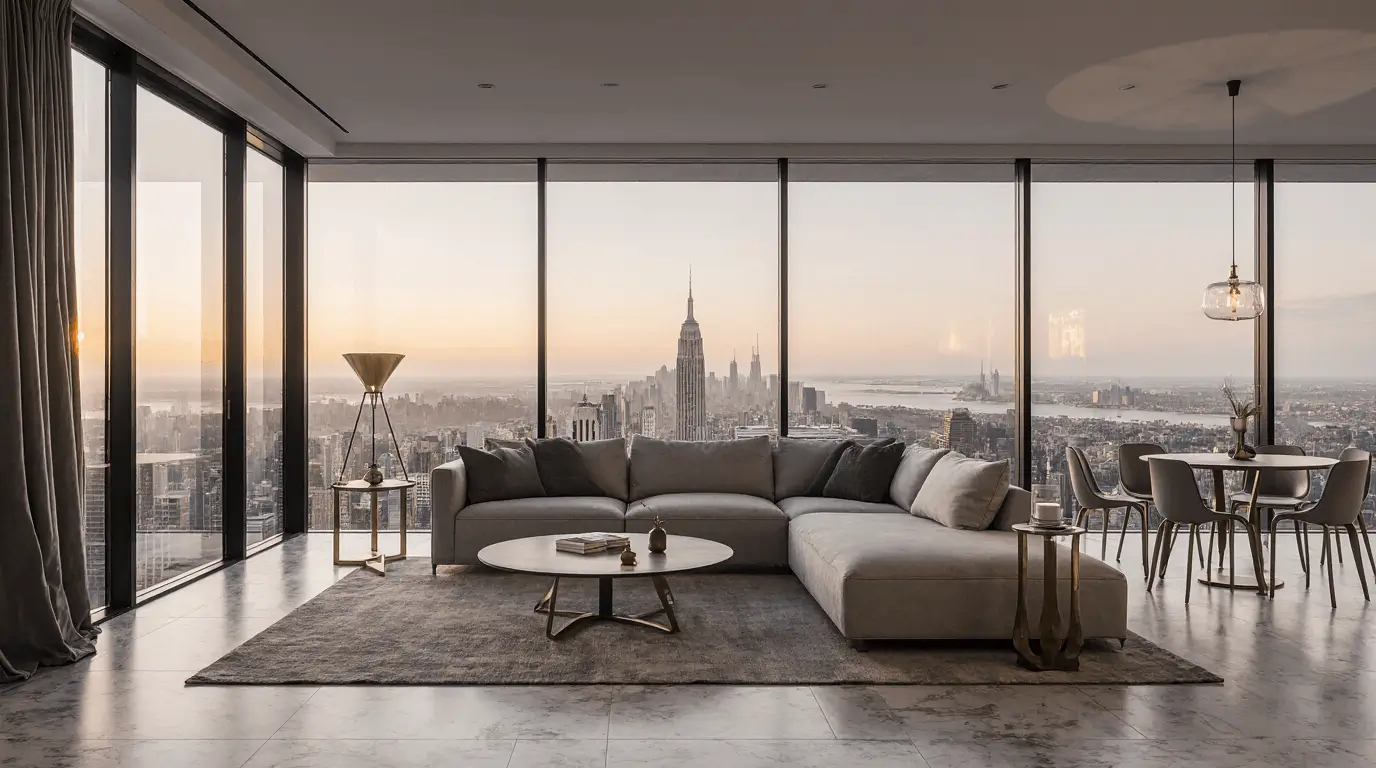
Luxury apartment interior design in vertical living focuses on texture layering — velvet, marble, wood veneer, and brushed metals create depth against glass-heavy architecture.
High Rise Living Room Design Strategy
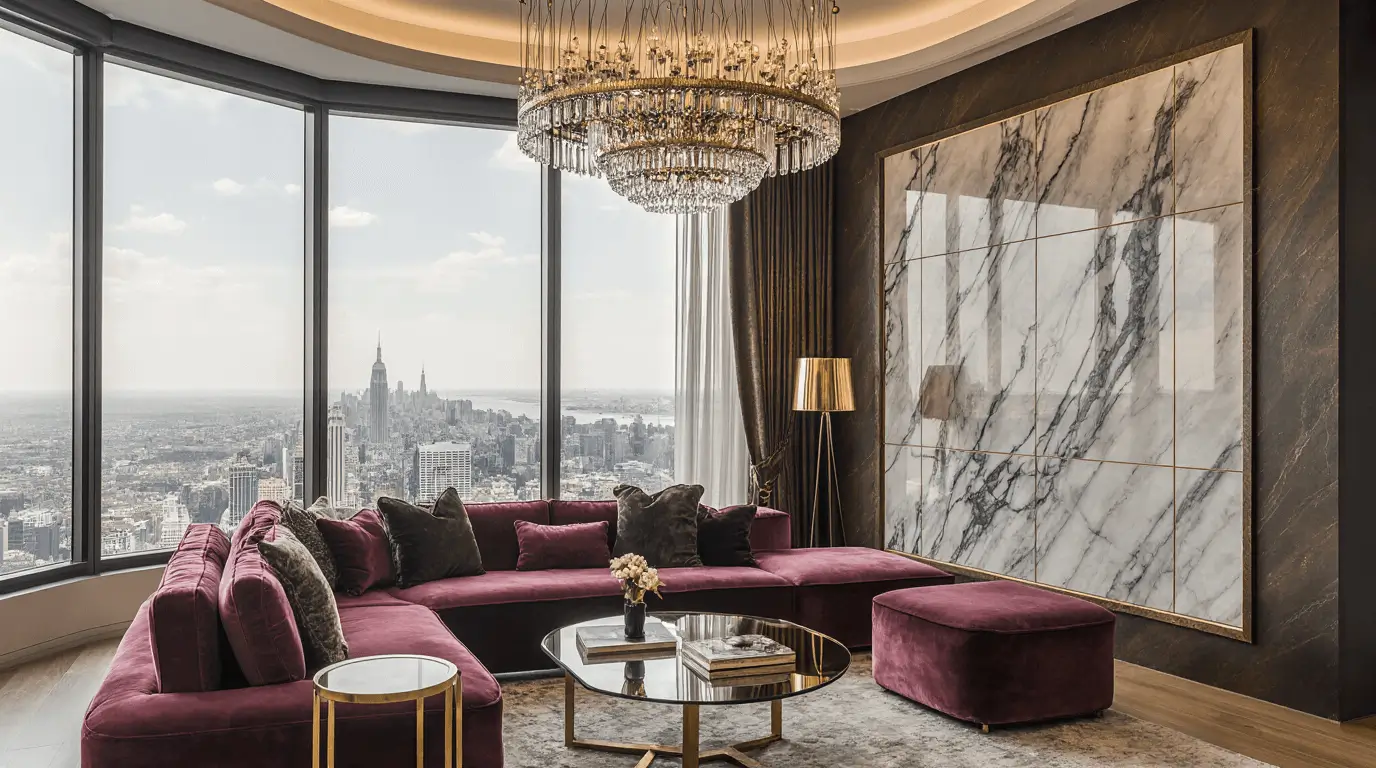
The high rise living room should frame the view rather than compete with it. Low-profile furniture, sculptural lighting, and intentional rug placement help anchor the space.
Small Luxury High Rise Apartment Interior Design
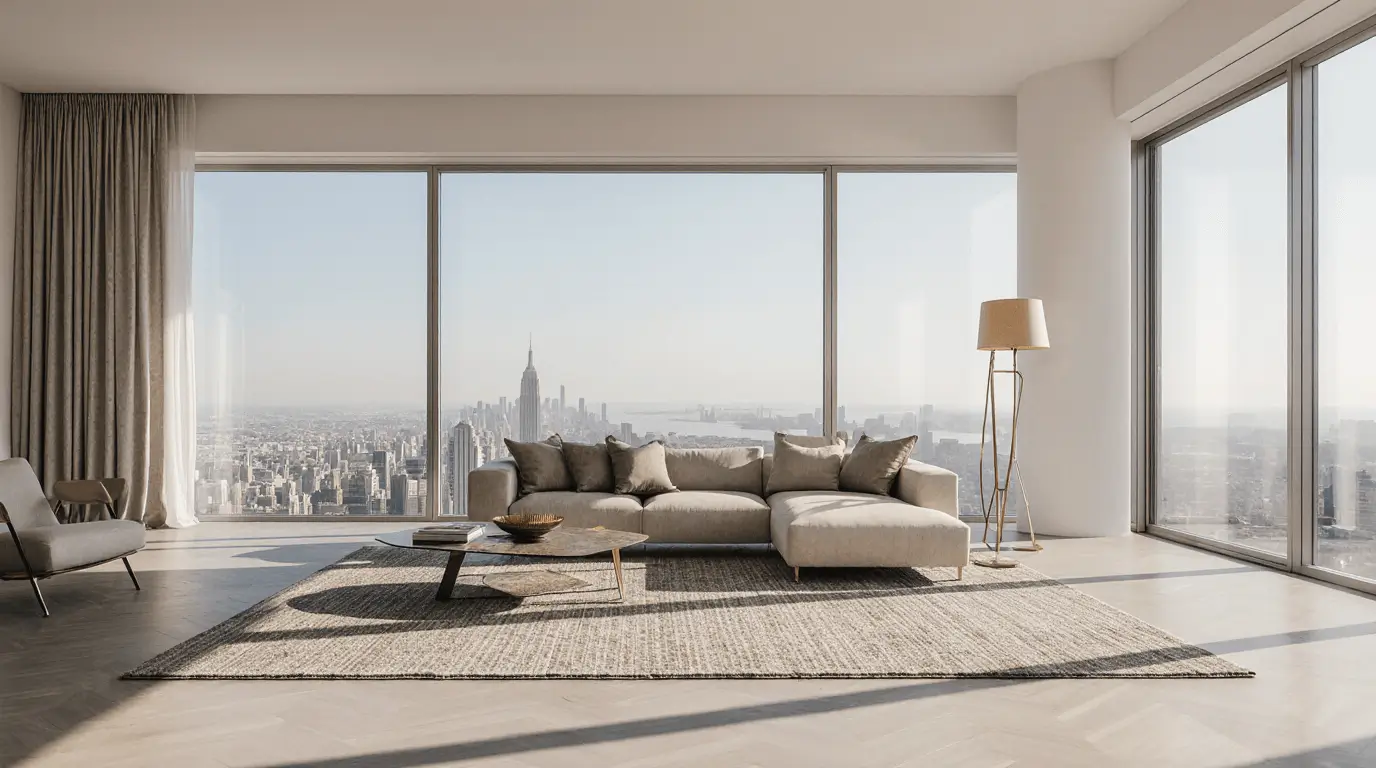
Small luxury apartments in high rise buildings benefit from multifunctional furniture and concealed storage. Mirrors amplify light while maintaining openness.
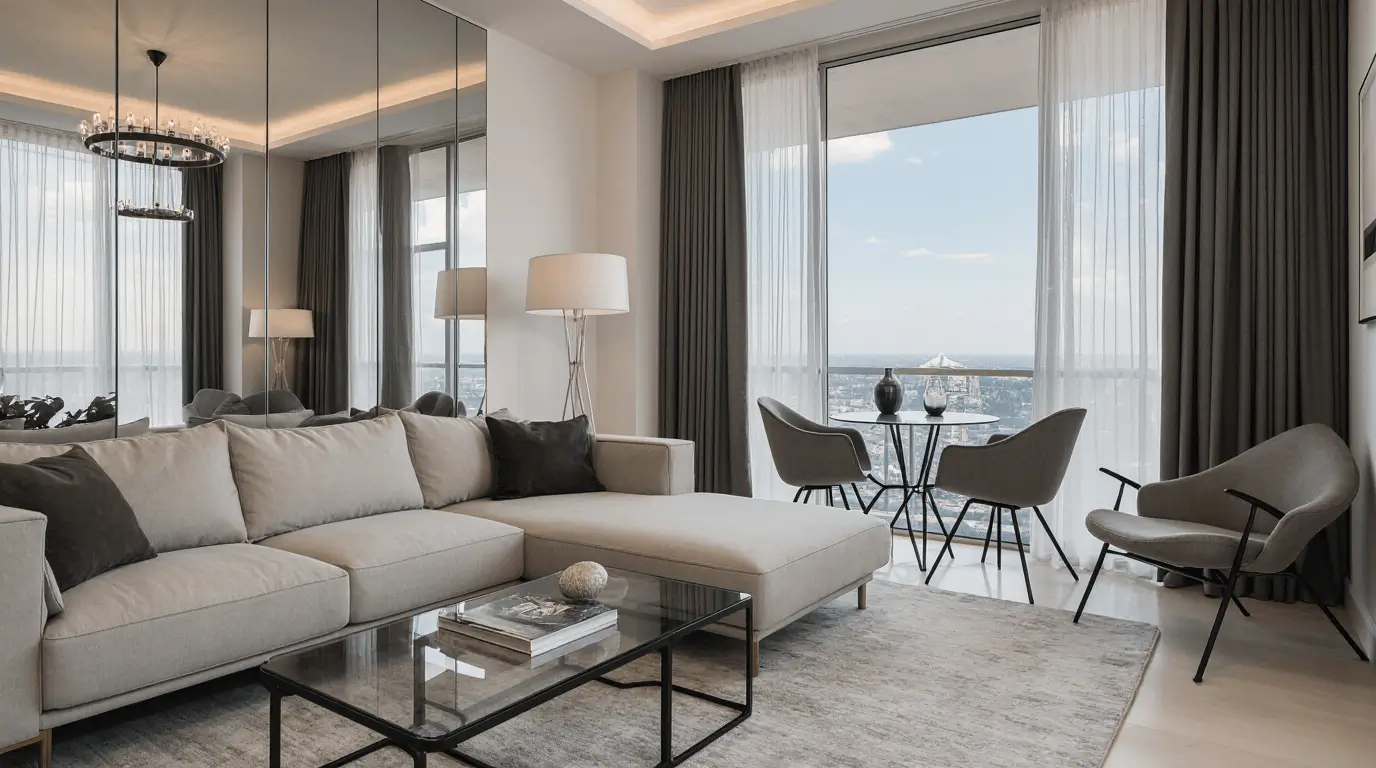
High Rise Apartment Decor with Statement Lighting
In high rise apartment decor, lighting defines mood. Pendant clusters, LED coves, and sculptural chandeliers create drama without cluttering floor space.
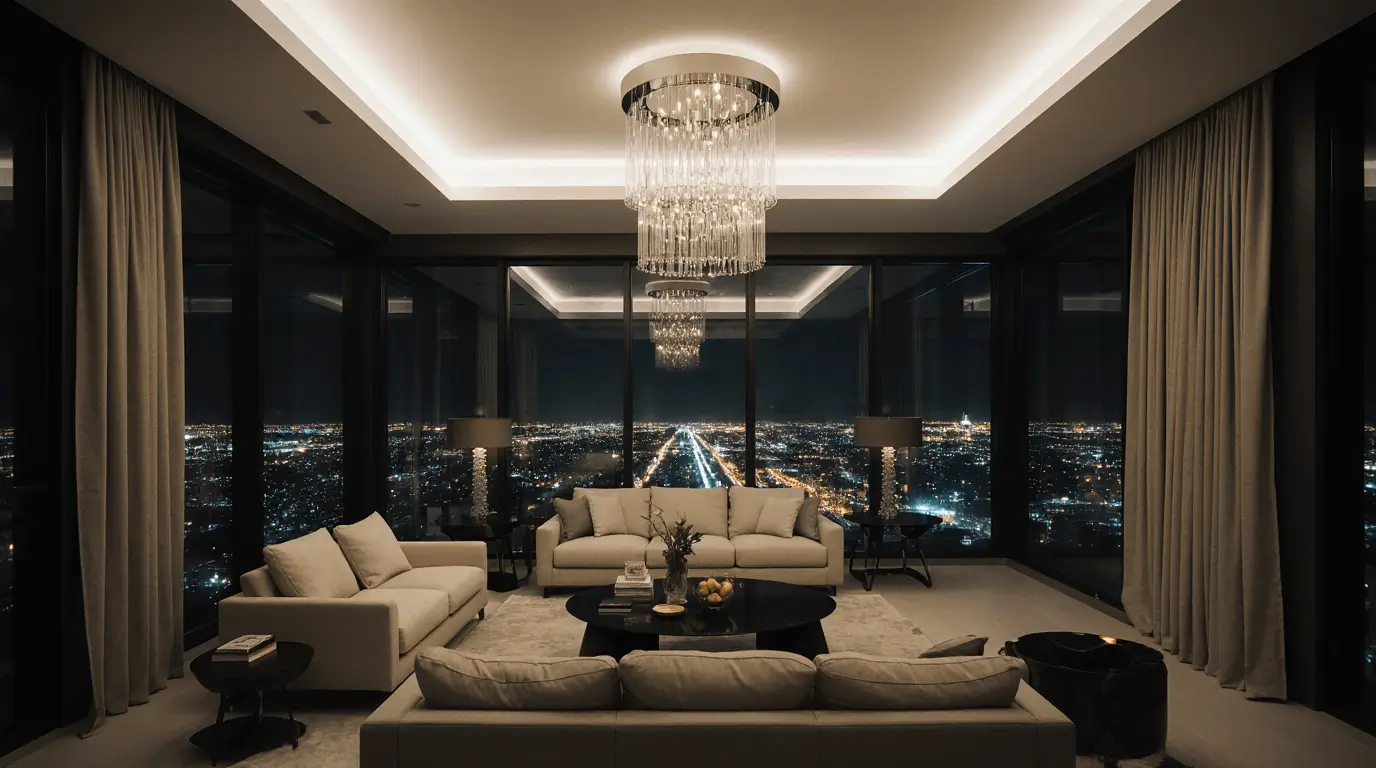
High Rise Interior Design with Open Concept Layouts
Open-plan layouts enhance the sense of elevation. Zoning through rugs, ceiling treatments, and furniture placement keeps the space structured.
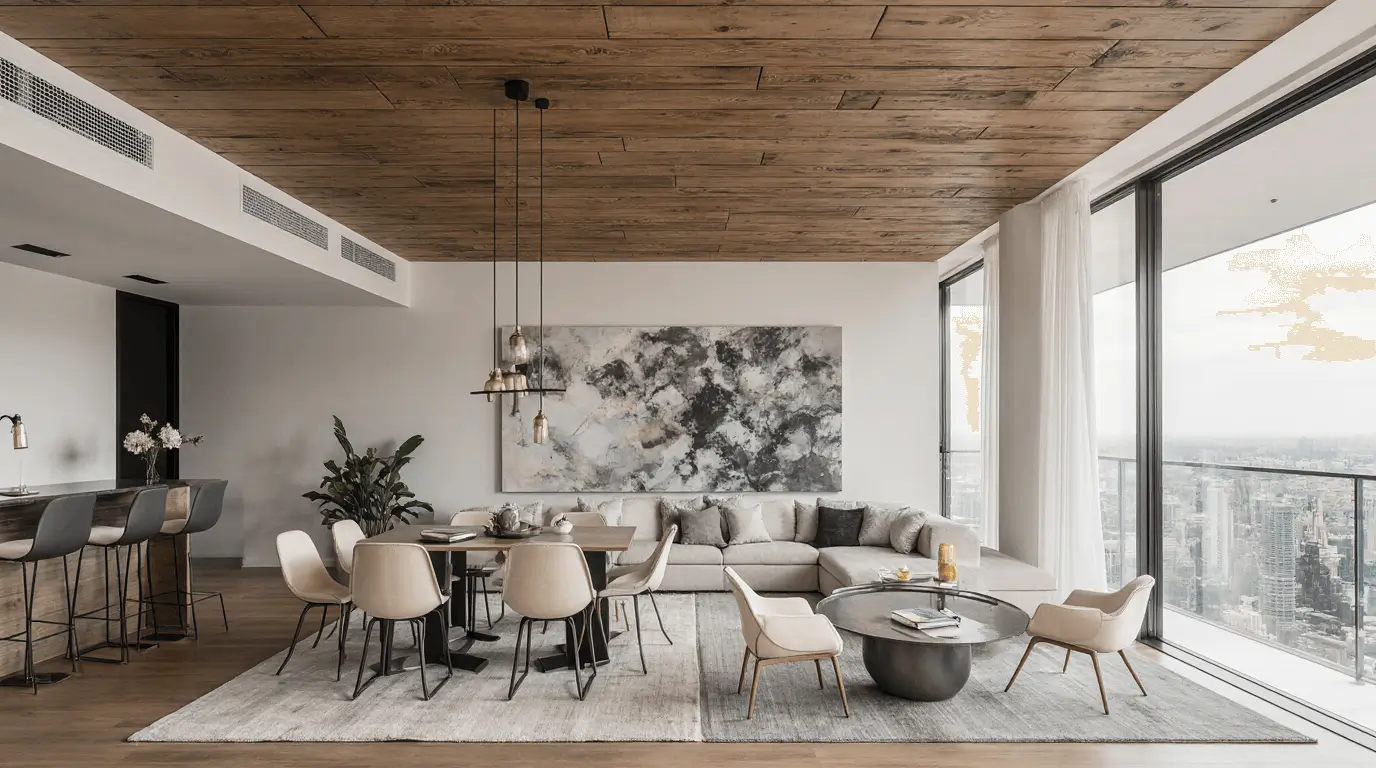
Luxury Small Apartment Living Room Concepts
Luxury small apartment living rooms require vertical design thinking. Tall curtains, elongated shelving, and vertical artwork emphasize ceiling height.
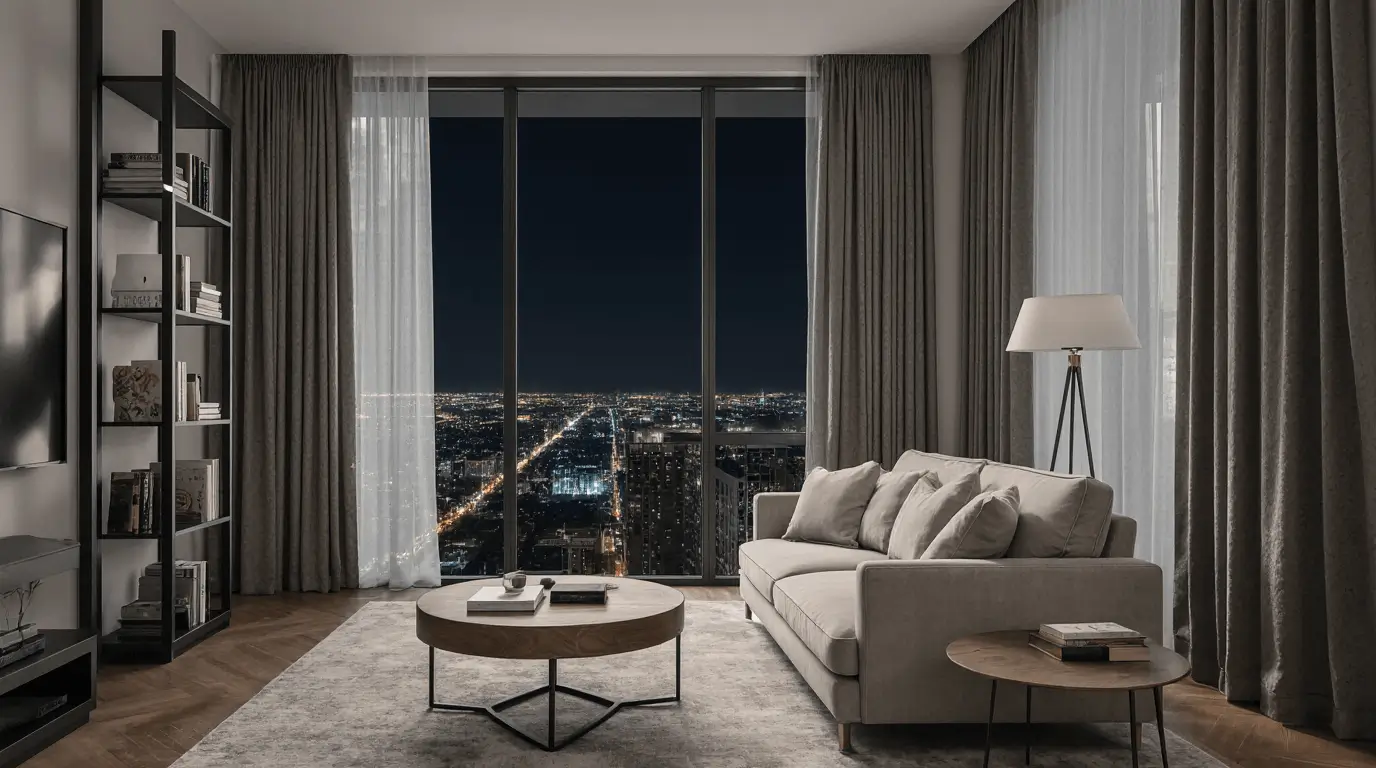
Modern Luxury Apartment Interior Design Ideas
Modern luxury apartment interior design ideas often integrate smart home systems, hidden storage, and refined material transitions for seamless sophistication.
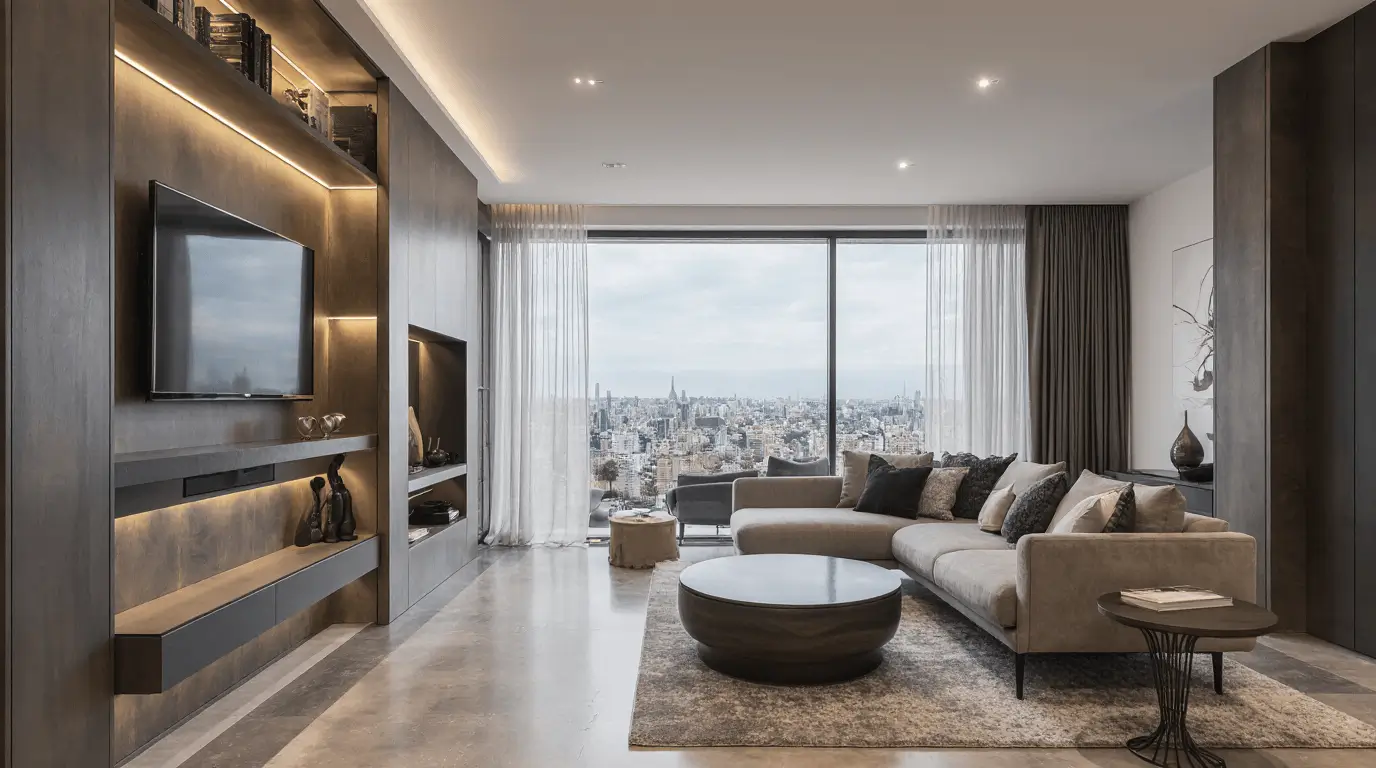
High Rise Bedroom Interior Design Approach
Bedrooms in high rise apartments should feel cocooned despite surrounding glass. Upholstered headboards, layered bedding, and blackout drapery create intimacy.
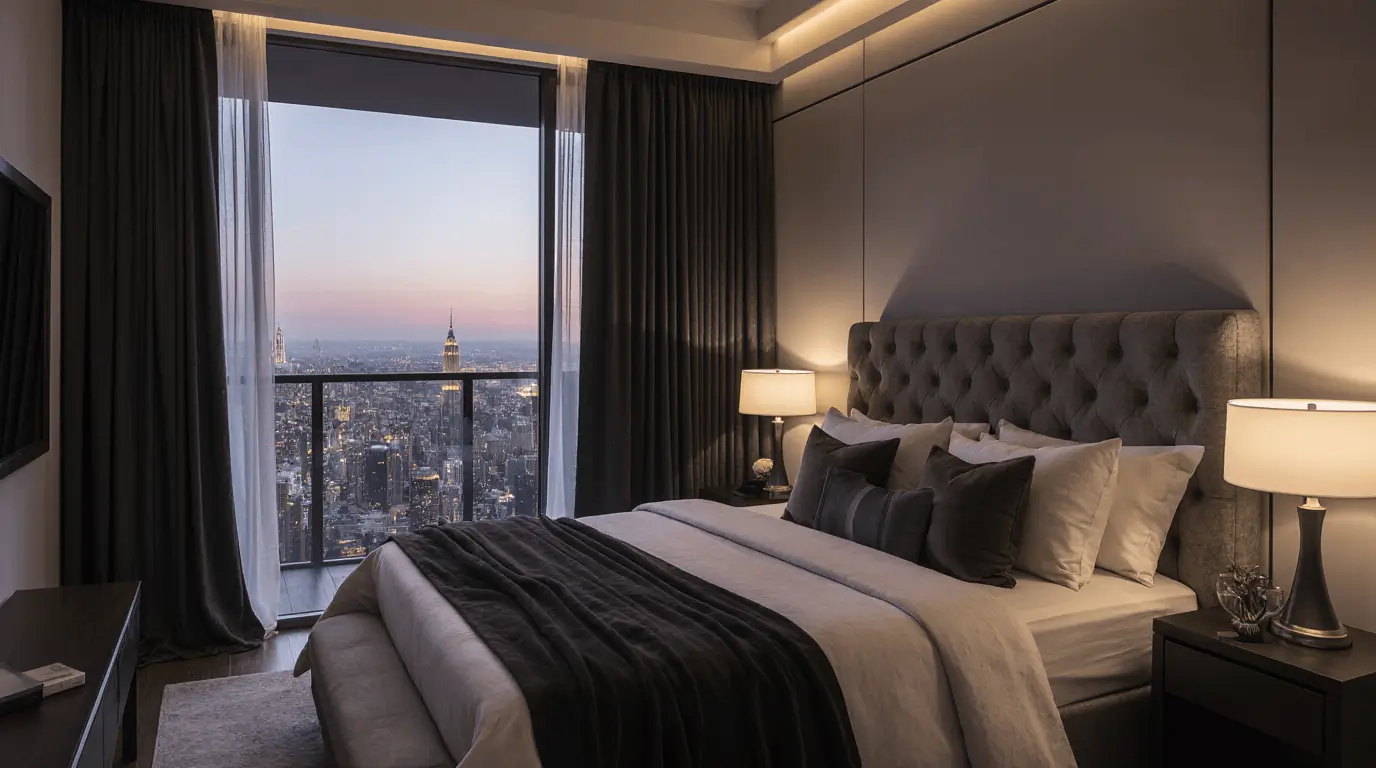
Luxury Apartment Decorating with Texture Balance
Luxury apartment decorating in high rise settings relies on texture contrast — smooth marble against soft textiles, glass against matte finishes.
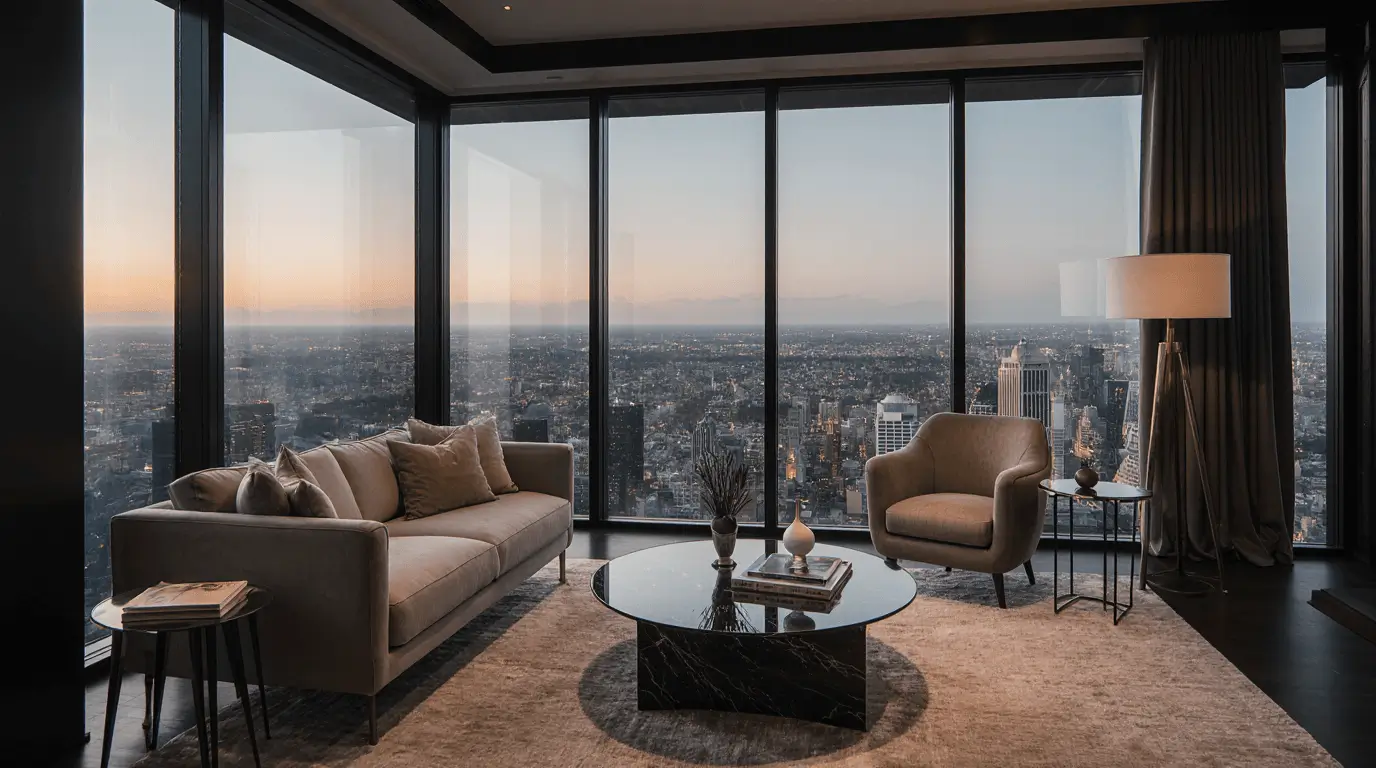
High Rise Dining Area Elegance
Dining areas benefit from statement tables positioned near windows. Transparent or slim-profile chairs preserve openness.
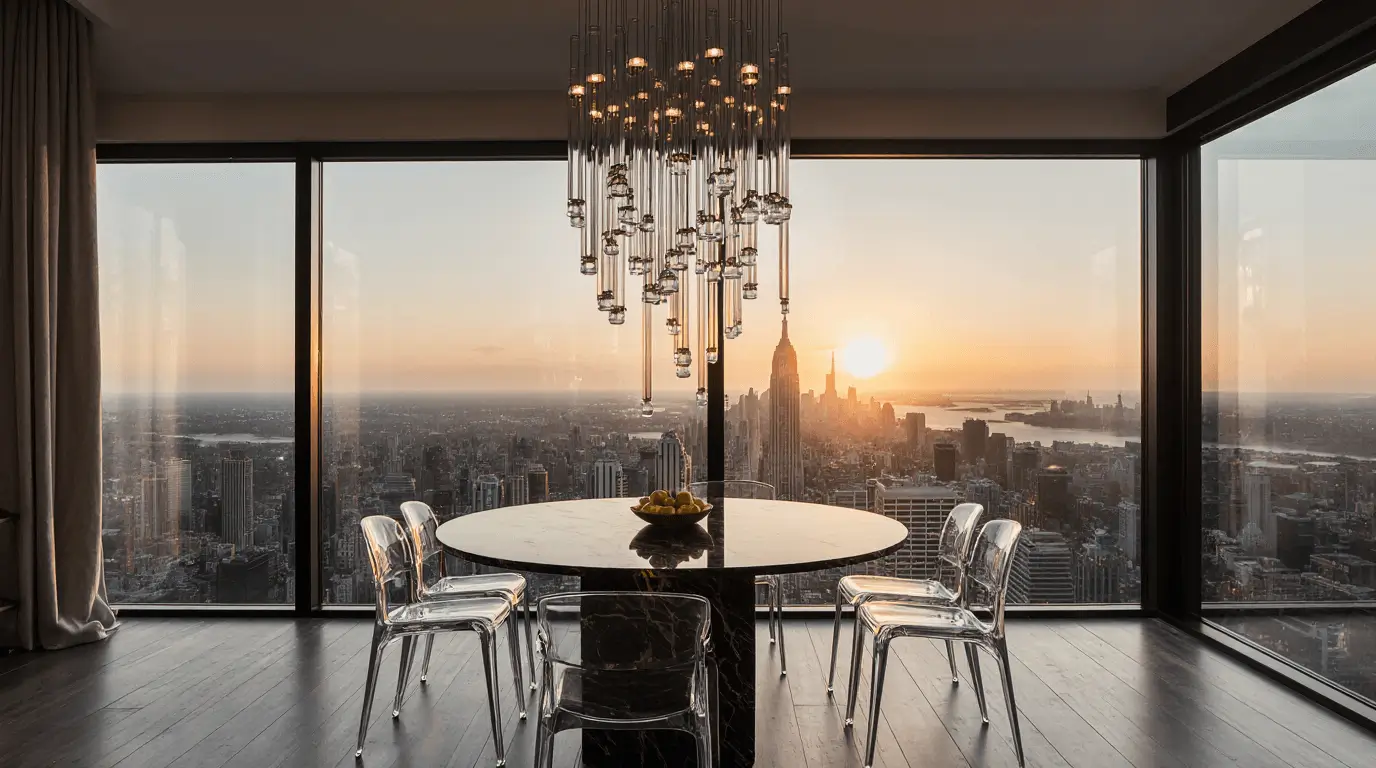
High Rise Apartment Interior with Neutral Palette
A neutral palette enhances natural light reflection. Beige, greige, ivory, and soft taupe create timeless sophistication.
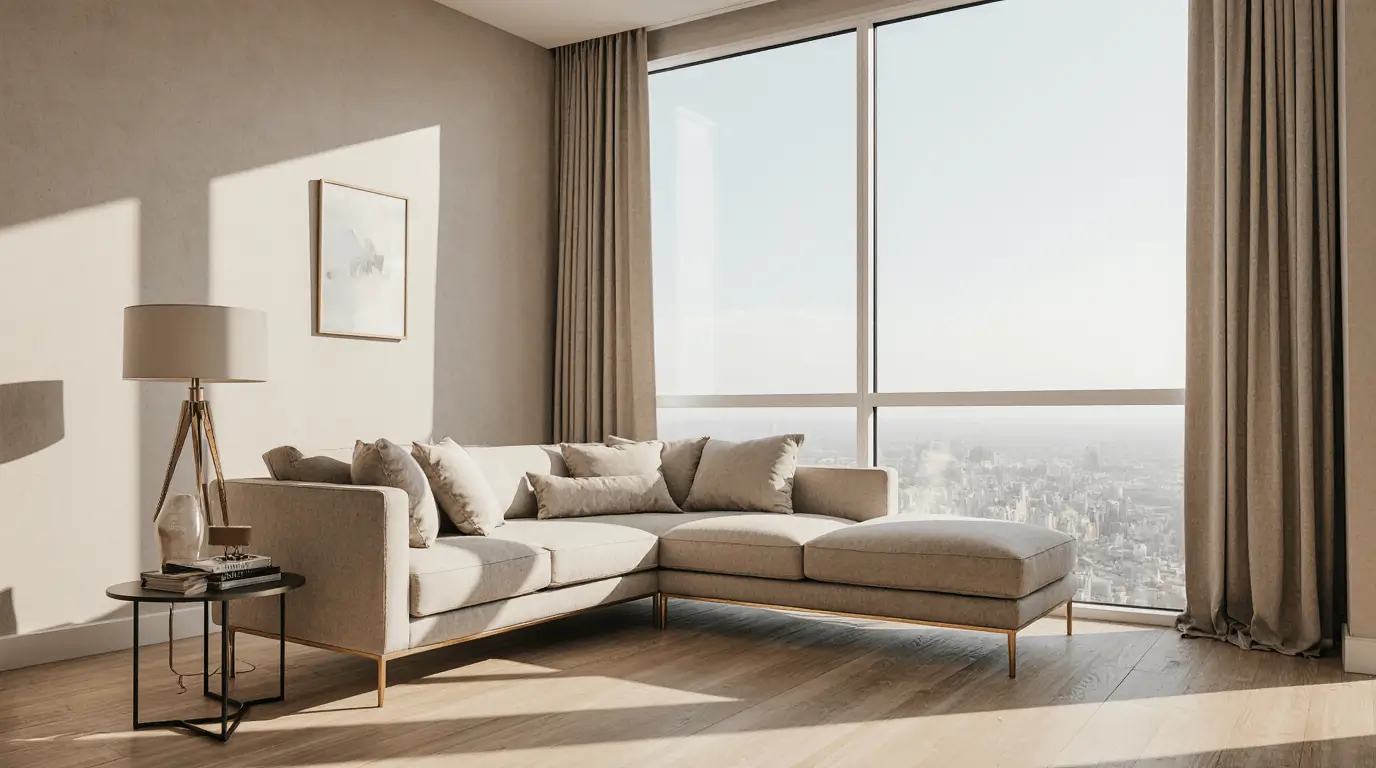
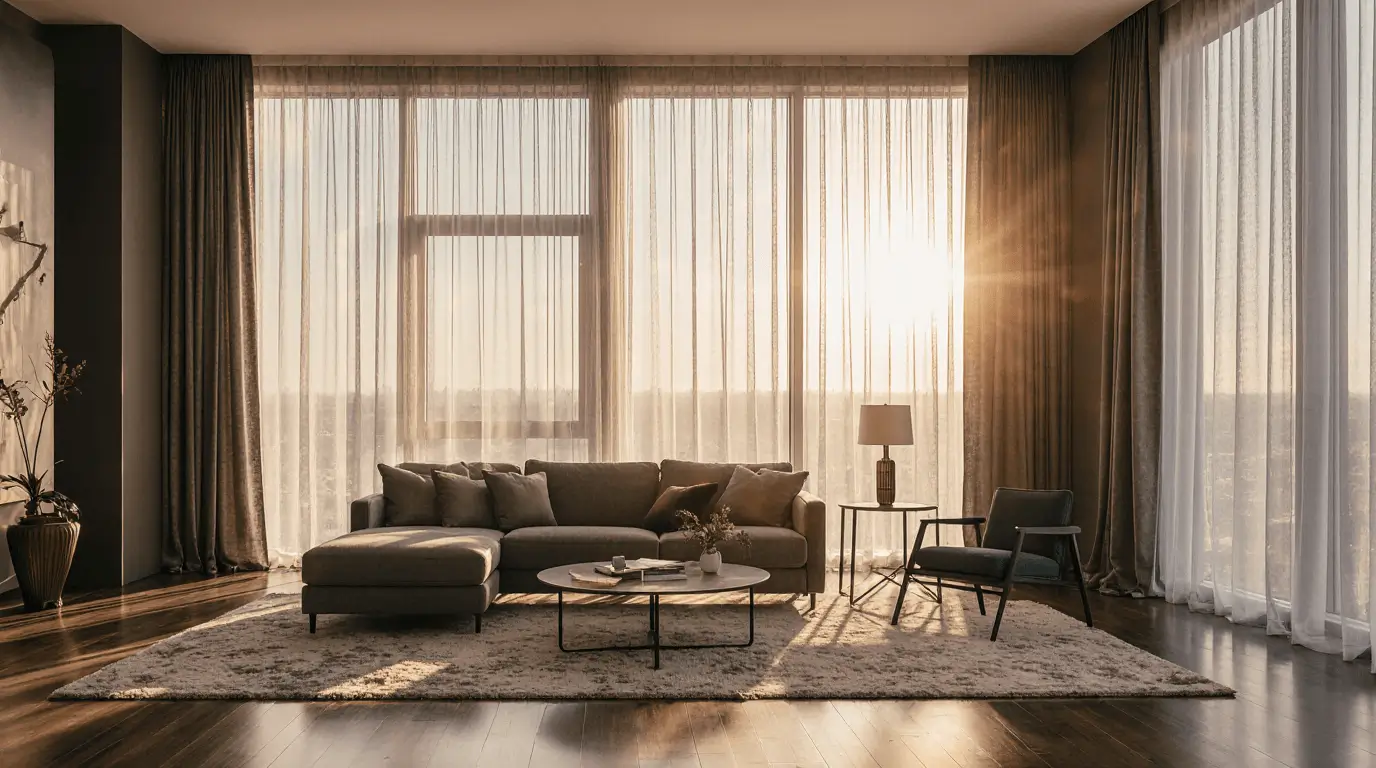
Luxury Flat Interior with Floor-to-Ceiling Windows
Floor-to-ceiling windows require thoughtful solar control — layered sheer and blackout curtains preserve comfort and elegance.
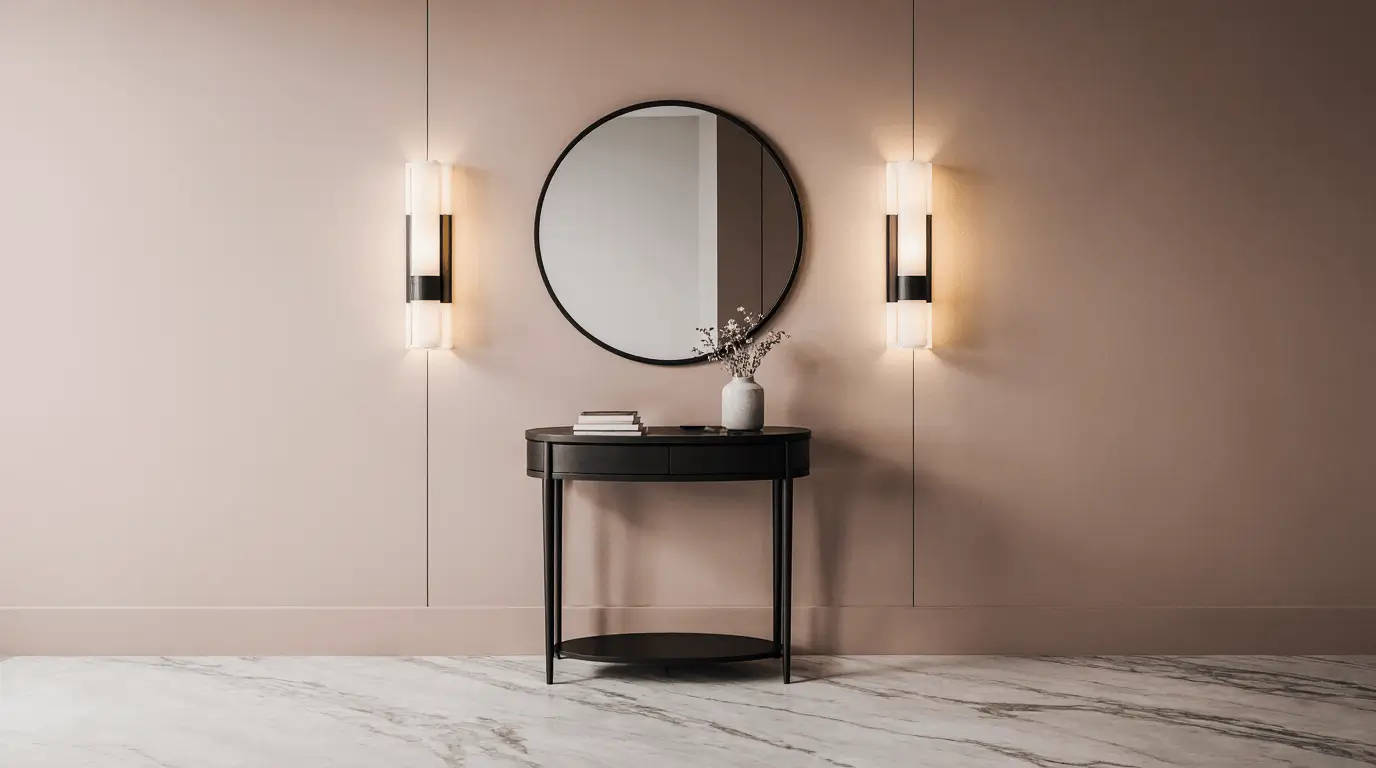
High Rise Apartment Entryway Design
Entryways should introduce the design language immediately. A slim console, mirror panel, and soft lighting establish tone.
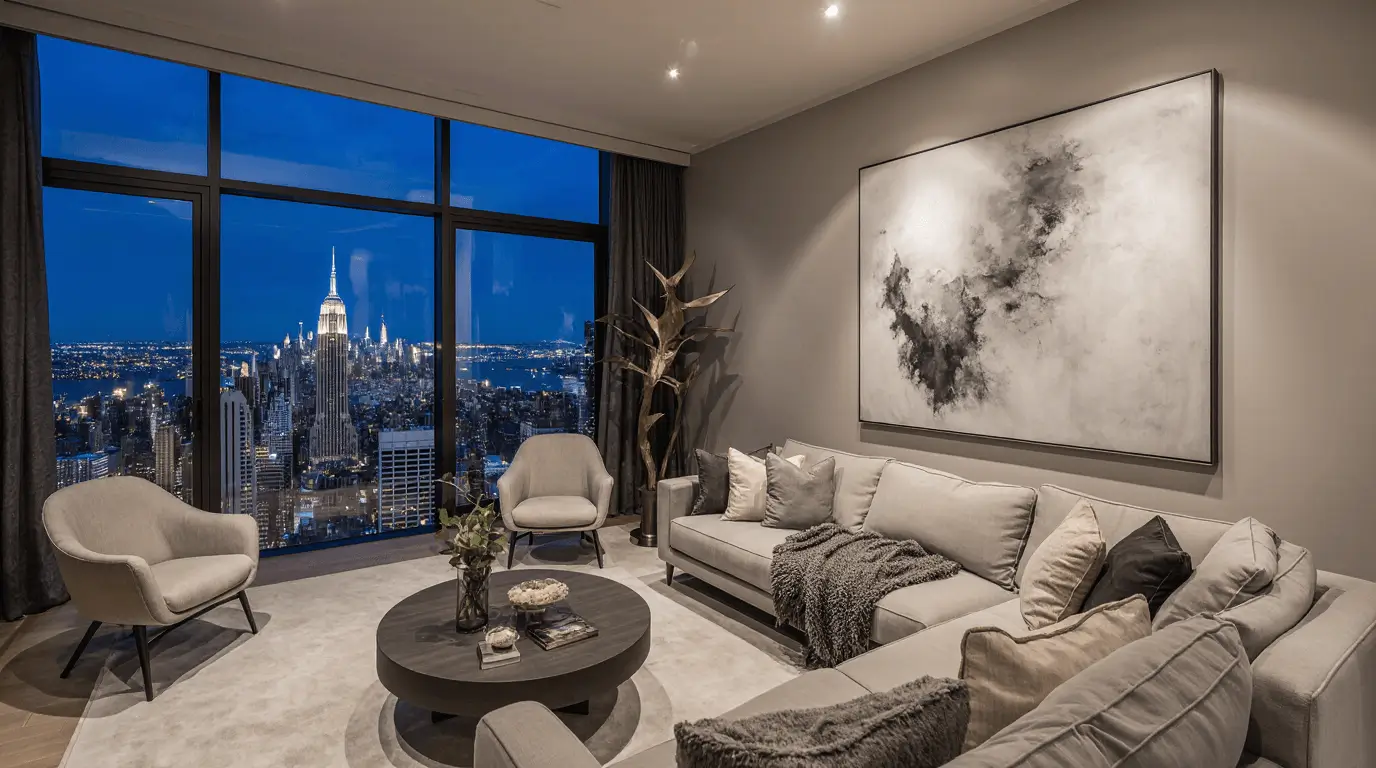
High Rise Apartment Interior Design with Artistic Focal Points
Art anchors large walls in vertical spaces. Oversized abstract pieces or sculptural installations enhance sophistication.
Interior Design Luxury Apartments: Cohesive Material Flow
In interior design luxury apartments, consistent material flow from living room to bedroom creates harmony. Repeating finishes builds visual rhythm.
Conclusion: Designing Elevated Living with Intention
High rise apartment interior design is ultimately about alignment — aligning architecture with lifestyle, views with comfort, and luxury with livability. When you live above the city, your home becomes both a private retreat and a visual extension of the skyline. Every design choice, from material selection to lighting placement, should respect that unique position.
In my experience, the most successful high rise interiors are not the most extravagant — they are the most intentional. Low-profile furniture that honors panoramic views, layered lighting that softens glass-heavy architecture, and thoughtful zoning in open layouts all work together to create balance. Texture prevents the space from feeling cold. Proper window treatments ensure comfort. Cohesive materials establish quiet sophistication.
This approach works especially well for professionals, urban families, and investors who want their space to feel elevated without feeling staged. It supports both everyday living and refined entertaining. Whether you’re designing a compact luxury apartment or a sprawling sky residence, the principles remain the same: control scale, prioritize light, layer materials, and design for real life.
Moving forward, focus on clarity rather than complexity. Begin with the architectural strengths of your apartment. Define how you want to live in the space. Then build your high rise apartment interior design around comfort, proportion, and atmosphere. When these elements align, the result isn’t just visually impressive — it feels effortlessly right.
Learn more : 11+ Brilliant Creative Interior Design Secrets
Frequently Asked Questions
- What makes high rise apartment interior design different from regular apartment design?
High rise apartments typically feature expansive windows, stronger natural light exposure, and elevated views that become part of the interior experience. Design decisions must account for glare control, privacy, and proportion within larger vertical volumes. The goal is to enhance the architecture rather than compete with it.
- How do you make a high rise apartment feel warm instead of cold?
Glass, metal, and stone can create a sleek but sometimes sterile atmosphere. Warmth comes from layering textures — upholstered furniture, rugs, wood tones, soft drapery, and ambient lighting. Balanced materials transform a visually open space into a comfortable home.
- What type of furniture works best in a high rise living room?
Low-profile, clean-lined furniture works beautifully because it preserves sightlines and keeps the focus on the view. Modular seating is also practical in open layouts. Avoid oversized, bulky pieces that visually block windows or disrupt the spatial flow.
- How can I design a small luxury high rise apartment without overcrowding it?
Focus on multifunctional pieces, concealed storage, and a restrained color palette. Mirrors and reflective surfaces help amplify natural light. Instead of filling the space, curate fewer but higher-quality items that contribute to cohesion and openness.
- Are neutral colors always better for high rise interiors?
Not always — but they are often effective. Neutral tones enhance natural light and create a calm backdrop for city views. However, accent colors through art, cushions, or statement pieces can add personality without overwhelming the architecture.
- How important is lighting in high rise apartment interiors?
Lighting is critical. Because of the large window areas, daylight shifts dramatically throughout the day. A layered lighting plan — combining ambient, task, and accent lighting — ensures the apartment feels inviting from morning to night.
- Should high rise apartment interiors follow a specific design style?
There is no single required style. Modern, contemporary, minimalist, and soft luxury approaches often complement high rise architecture. The key is cohesion. Choose a clear design direction and carry it consistently through materials, finishes, and furnishings for a polished result.

One Response