Introduction
An interior design paint schedule is one of the most essential yet often overlooked documents in any residential or commercial project. It acts as a detailed roadmap that specifies exactly what paint goes where—covering colors, finishes, surfaces, and application methods—ensuring consistency, accuracy, and professional results from start to finish.
From my experience working with real projects, a well-prepared paint schedule eliminates confusion between designers, contractors, and painters. It prevents costly mistakes like mismatched tones, incorrect finishes, or uneven textures. Whether you’re designing a compact apartment or a large villa, this document ensures that every surface aligns with your overall design vision.
More than just a list of colors, a paint schedule reflects the intent behind each design choice—how light interacts with surfaces, how textures influence mood, and how finishes affect durability. When done correctly, it transforms a concept into a cohesive, livable space.
Interior Design Paint Schedule Basics
A paint schedule outlines all painted surfaces, including walls, ceilings, trims, and built-ins. It typically includes paint codes, finishes (matte, satin, gloss), and application notes.
This foundational document ensures that every stakeholder understands the design intent clearly.
Interior Design Paint Schedule for Walls
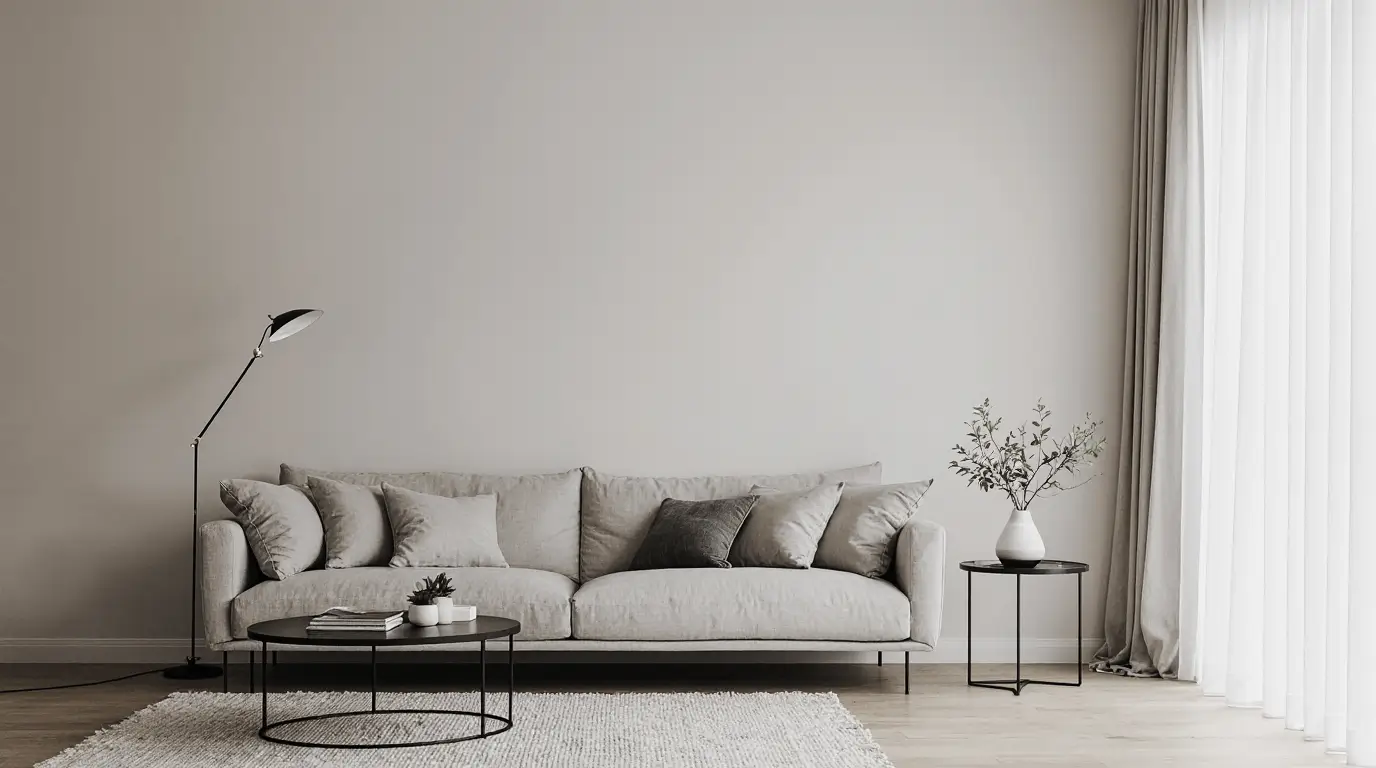
Walls are the largest visual element, so the schedule must specify exact shades and finishes for each room. Subtle variations in tone can dramatically affect spatial perception.
Using consistent wall paint codes avoids visual fragmentation.
Interior Design Paint Schedule for Ceilings
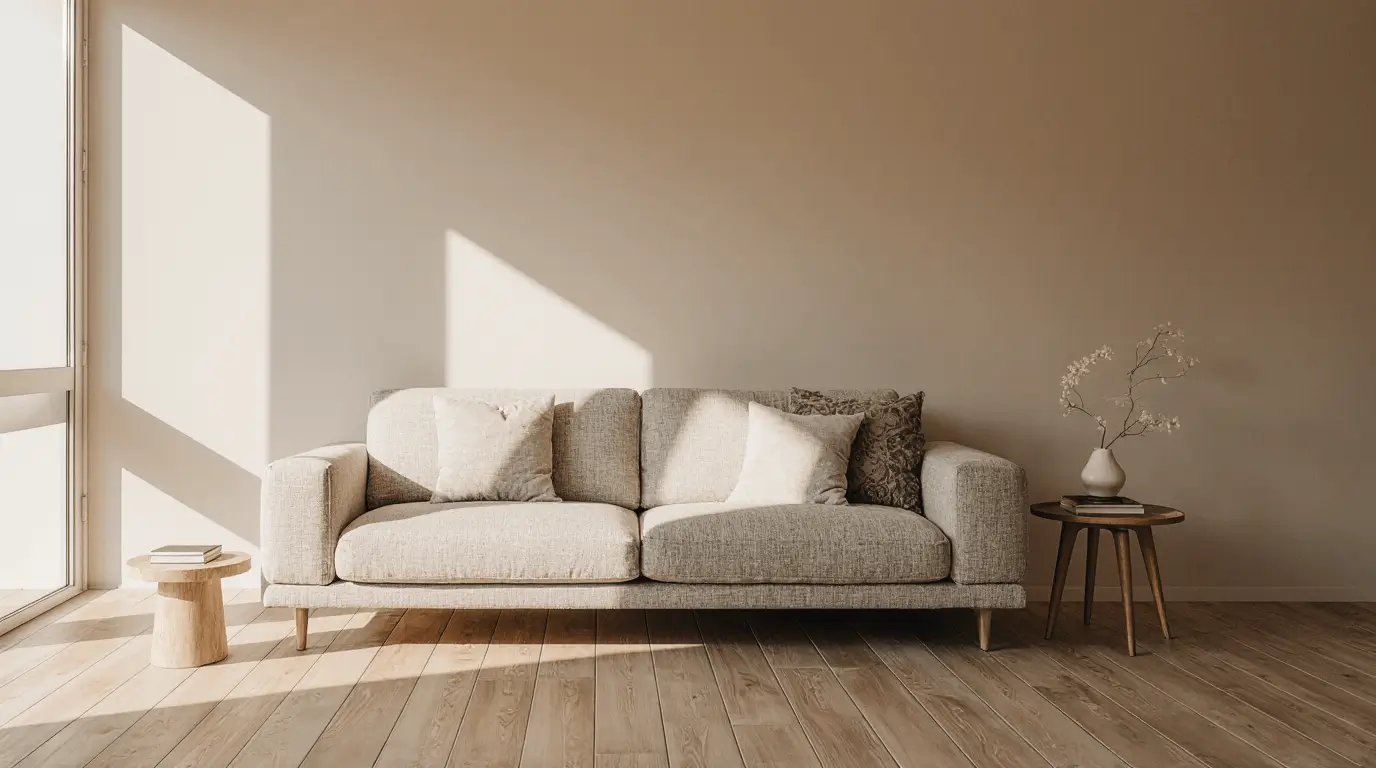
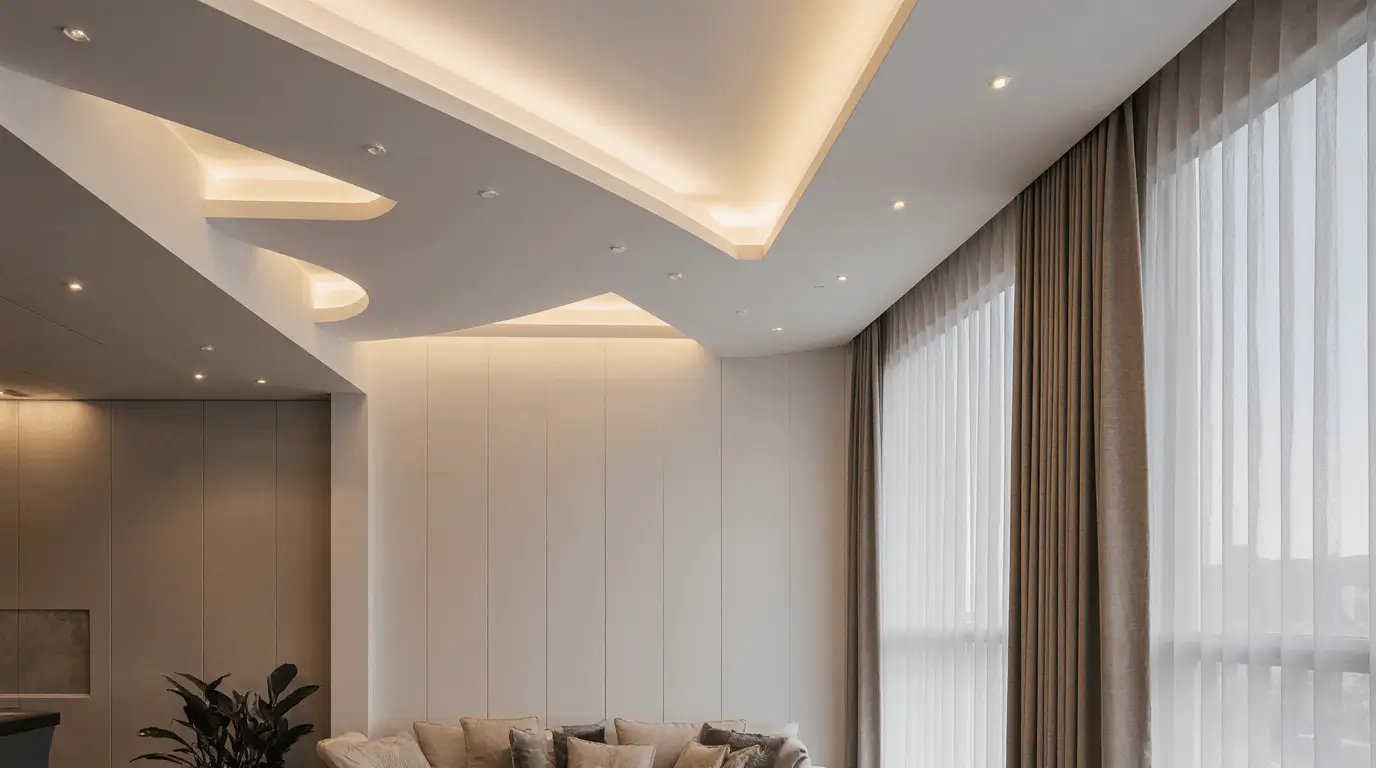
Ceilings are often specified in lighter tones or flat finishes to reflect light and create height. The schedule ensures uniformity across spaces.
A poorly planned ceiling color can disrupt the room’s balance.
Interior Design Paint Schedule for Trim and Moldings
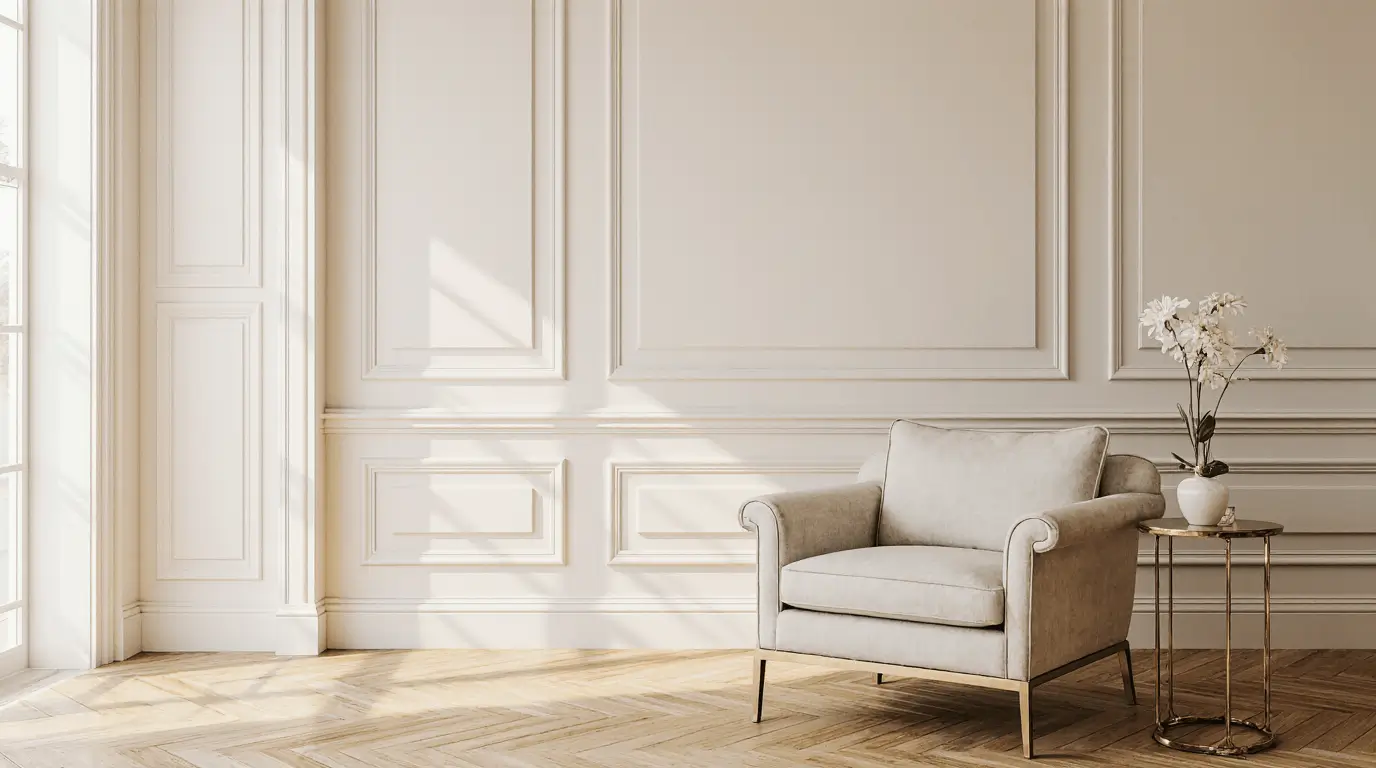
Trim elements like skirting boards, crown moldings, and door frames require precise finish selection—usually semi-gloss or gloss for durability.
The schedule defines contrast levels between trim and walls.
Interior Design Paint Schedule Color Coding System
A professional paint schedule uses standardized codes for each color and finish. This ensures easy communication between suppliers and contractors.
Color coding eliminates ambiguity during execution.

Interior Design Paint Schedule Finish Types
Different finishes serve different purposes—matte for walls, satin for high-traffic areas, gloss for trims.
Choosing the right finish enhances both aesthetics and durability.

Interior Design Paint Schedule for Kitchens
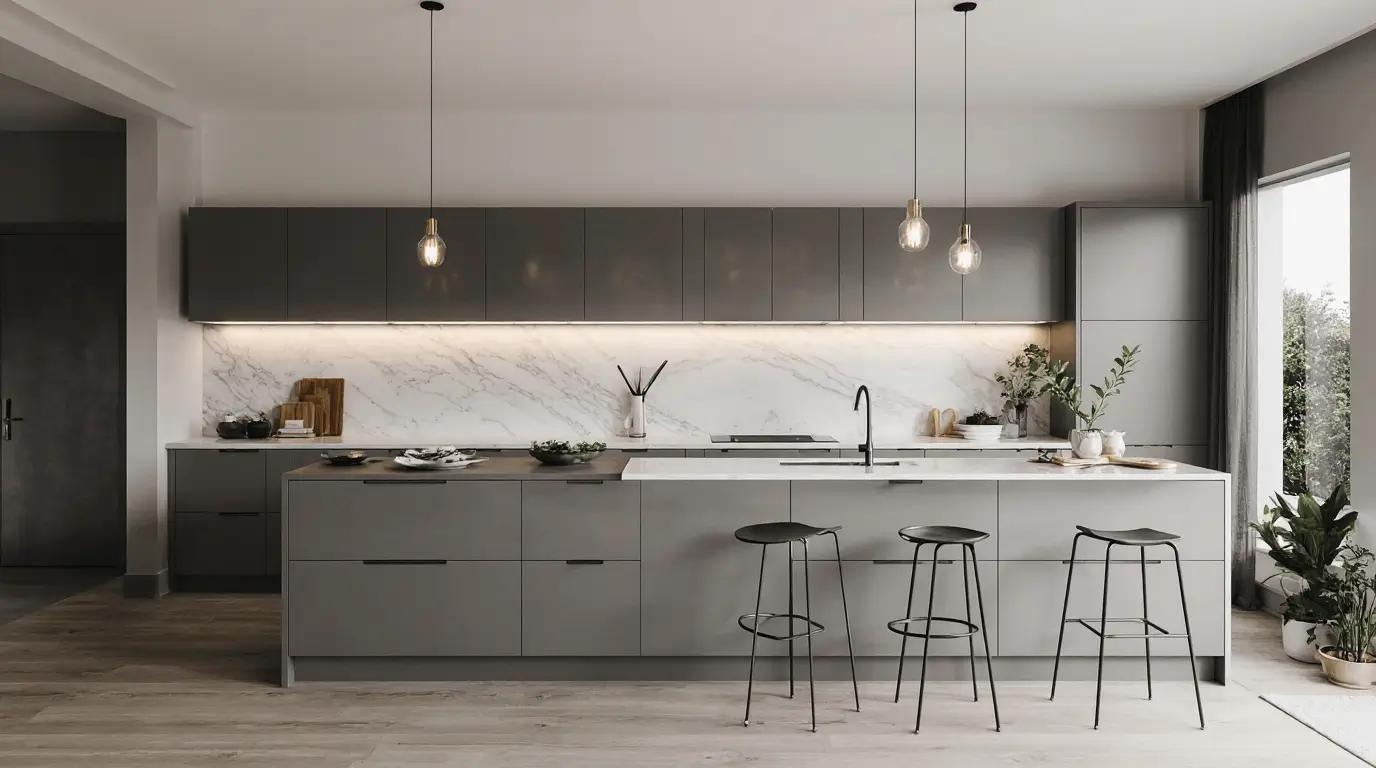
Kitchens require durable, washable paints due to moisture and grease exposure. The schedule specifies stain-resistant finishes.
This ensures longevity without compromising design.
Interior Design Paint Schedule for Bathrooms
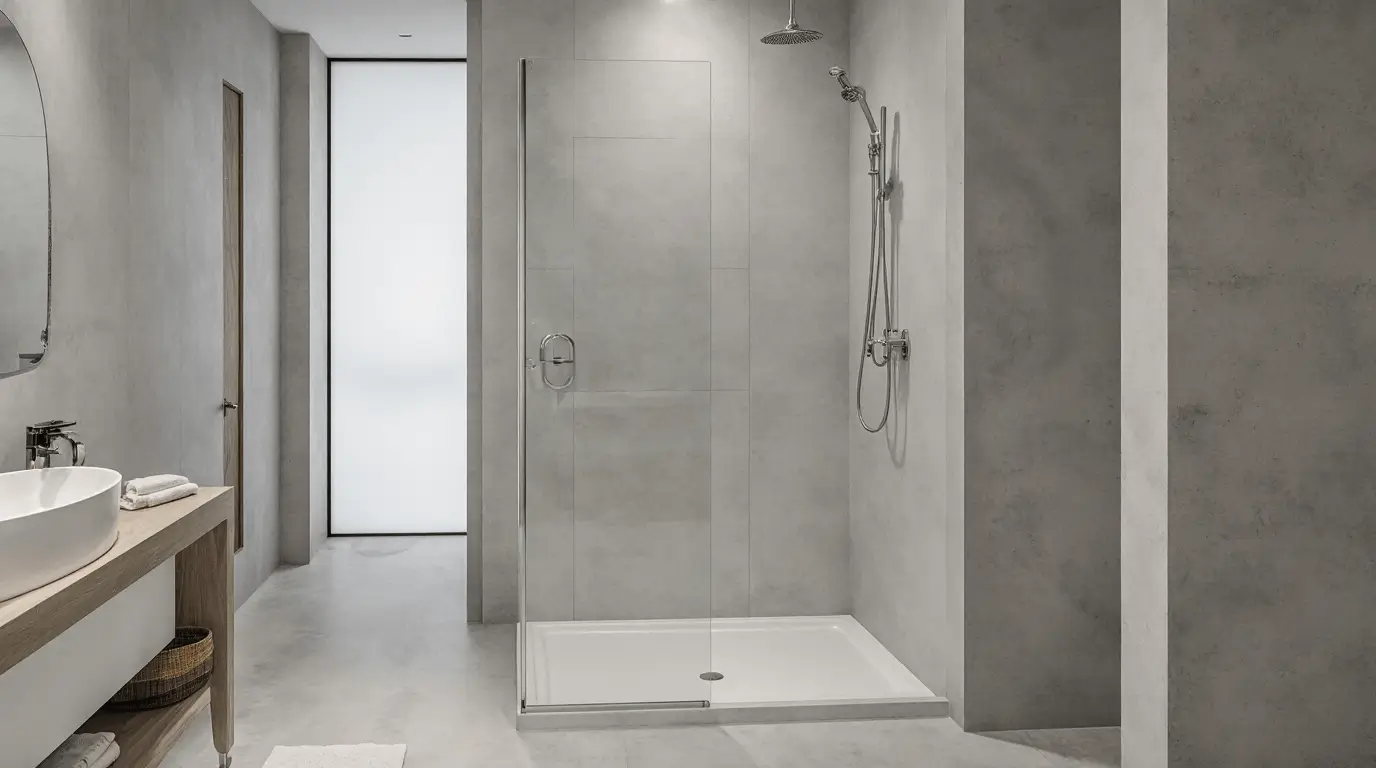
Bathrooms demand moisture-resistant paints and mildew protection. The schedule must account for humidity and ventilation conditions.
Incorrect paint choices can lead to peeling or mold issues.
Interior Design Paint Schedule for Bedrooms
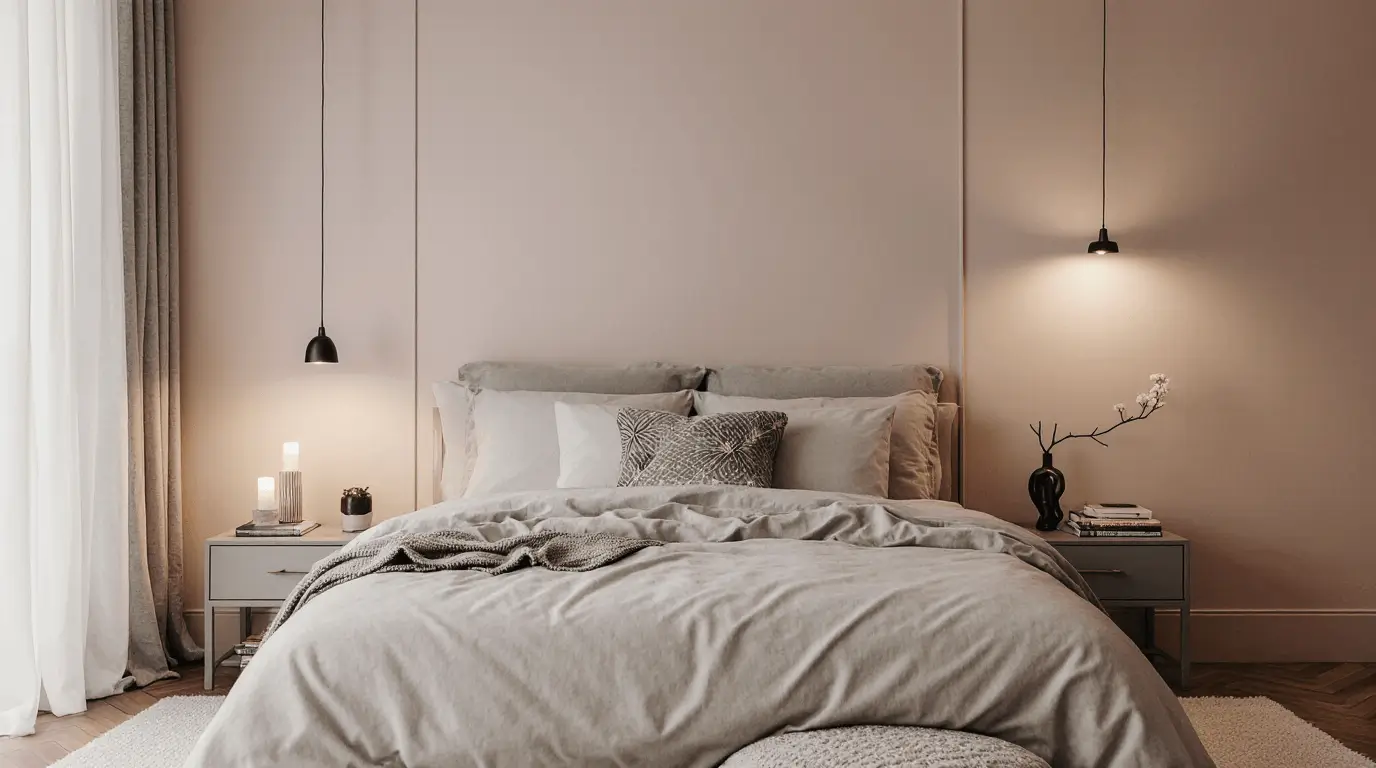
Bedrooms benefit from calming tones and softer finishes. The schedule often includes muted palettes to promote relaxation.
Color psychology plays a key role here.
Interior Design Paint Schedule for Living Areas
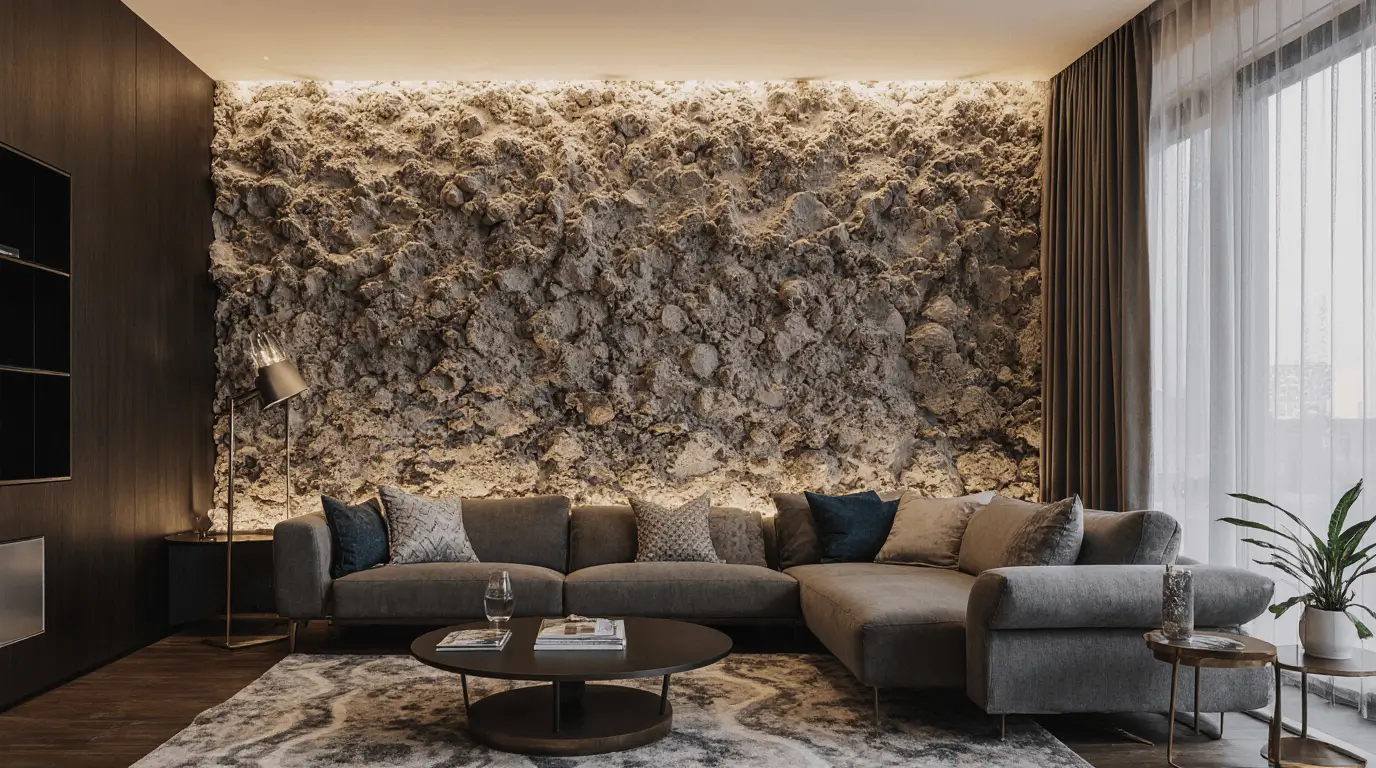
Living spaces often feature layered tones or accent walls. The schedule ensures harmony between furniture, lighting, and paint.
Balanced color planning enhances social and visual comfort.
Interior Design Paint Schedule for Accent Walls
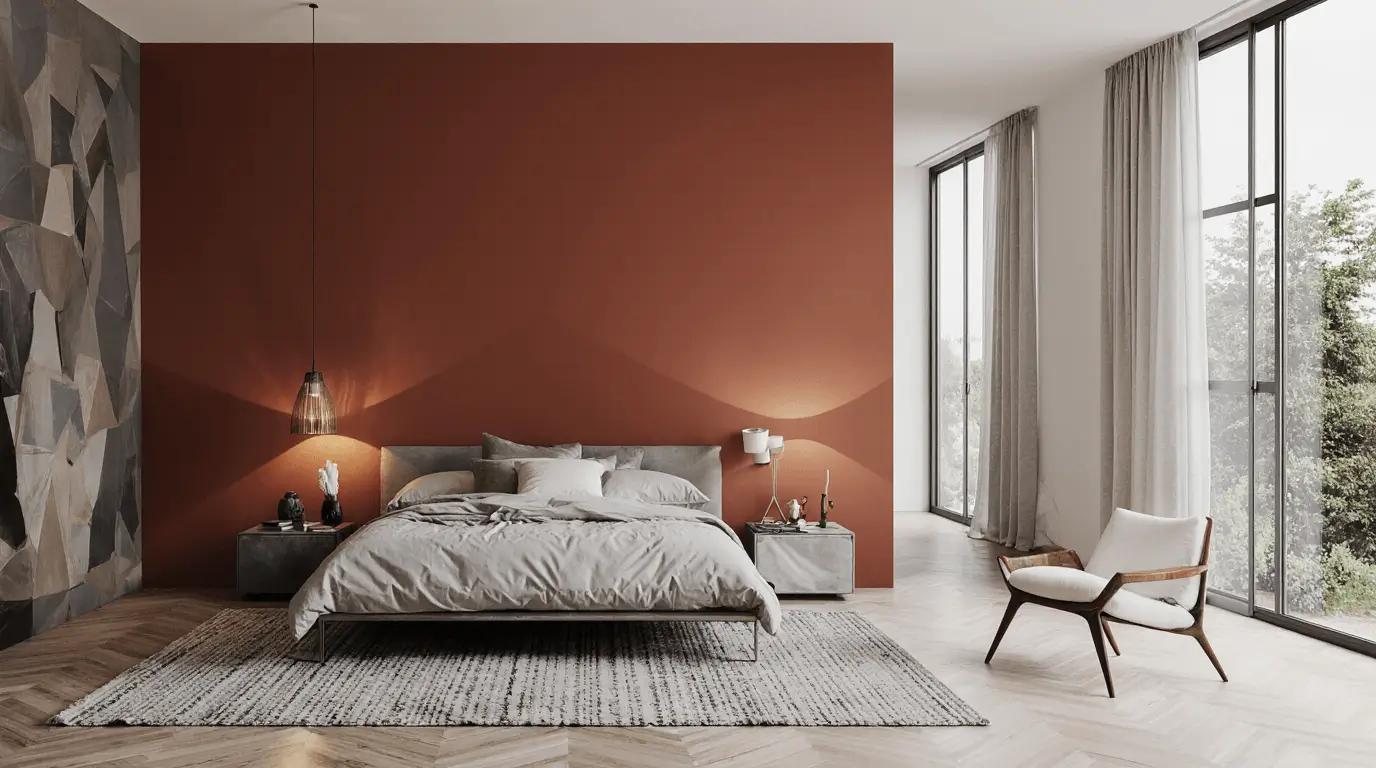
Accent walls require precise color contrast and placement. The schedule defines where and how bold colors are used.
This prevents overpowering or mismatched designs.
Interior Design Paint Schedule Documentation Format
A structured format includes columns for room name, surface type, paint code, finish, and remarks.
Clear documentation reduces miscommunication on-site.

Interior Design Paint Schedule Coordination with Materials
Paint choices must align with flooring, furniture, and finishes. The schedule ensures cohesive material integration.
This creates a unified design language across the space.

Interior Design Paint Schedule for Lighting Impact
Lighting significantly affects how paint colors appear. The schedule considers natural and artificial light sources.
Testing colors under real lighting conditions is essential.

Interior Design Paint Schedule for Durability and Maintenance
High-traffic areas require durable, easy-to-clean finishes. The schedule accounts for wear and maintenance needs.
This ensures long-term performance without frequent repainting.
Interior Design Paint Schedule for Professional Execution
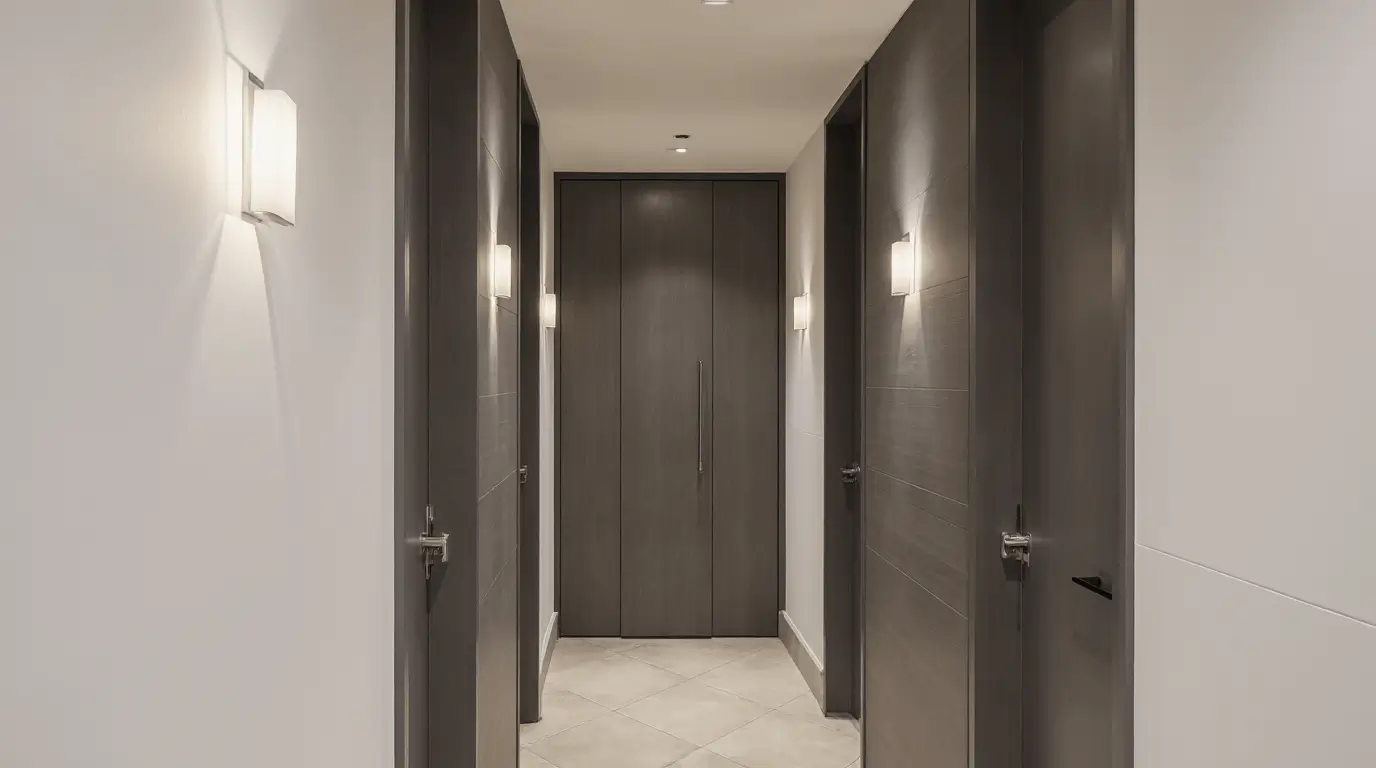
A detailed paint schedule ensures smooth collaboration between designers, contractors, and painters.
It minimizes errors, saves time, and guarantees design accuracy.

Interior Design Paint Schedule as a Design Strategy Tool
Beyond execution, a paint schedule helps refine the design concept itself. It forces clarity in color decisions and spatial planning.
This transforms abstract ideas into actionable design steps.

Conclusion
A thoughtfully prepared interior design paint schedule is far more than a checklist—it’s a strategic framework that turns design vision into precise, reliable reality. By clearly defining colors, finishes, surfaces, and lighting considerations, it ensures that every room, wall, and detail aligns with the overall aesthetic intent. From kitchens and bathrooms to accent walls and trims, a comprehensive schedule prevents miscommunication, reduces costly errors, and allows both designers and homeowners to move forward with confidence.
For anyone serious about creating a harmonious and functional interior—whether you’re a professional designer, contractor, or a meticulous homeowner—this approach offers clarity and peace of mind. It empowers decision-making, guarantees consistency, and brings a tangible sense of control to a process that can otherwise feel abstract. Implementing a paint schedule thoughtfully means your spaces not only look cohesive and intentional but also stand up beautifully over time.
Learn more : Filipino Small House Interior Design: 17 Smart Ideas
Frequently Asked Questions (FAQ)
- What exactly is included in an interior design paint schedule?
A paint schedule typically lists each room or surface, the specific paint color code, finish type (matte, satin, gloss), and any application notes. It can also reference lighting considerations, wall textures, and maintenance requirements, ensuring a complete guide for accurate execution. - How does a paint schedule improve project workflow?
By clearly specifying every detail, a paint schedule reduces guesswork, avoids mismatched finishes, and streamlines communication between designers, contractors, and painters. It saves time, minimizes costly mistakes, and ensures a polished final result. - Can a homeowner create their own paint schedule?
Yes. With careful planning and attention to surface types, finishes, and color testing under real lighting, homeowners can develop a practical schedule. Using templates or simple spreadsheets helps keep everything organized and actionable. - How does lighting affect the choices in a paint schedule?
Paint colors appear differently under natural daylight versus artificial lighting. A professional paint schedule considers these variables, ensuring that hues and finishes maintain the intended look across various lighting conditions. - Should different rooms always use the same finish types?
Not necessarily. High-traffic areas like hallways or kitchens benefit from durable, washable finishes, while bedrooms or living areas might favor softer matte or satin finishes. The schedule clarifies these distinctions to maintain both functionality and aesthetics. - How does a paint schedule integrate with other interior finishes?
It serves as a coordinating tool, ensuring that wall colors, trims, flooring, furniture, and fixtures complement each other. This alignment creates visual harmony and prevents clashes that could disrupt the design flow. - What is the most common mistake people make without a paint schedule?
Without a schedule, inconsistent colors, finishes, or application methods are common. This can lead to a fragmented look, repeated labor, and frustration. A clear schedule eliminates these risks, delivering cohesive, professional-quality results.