
Introduction
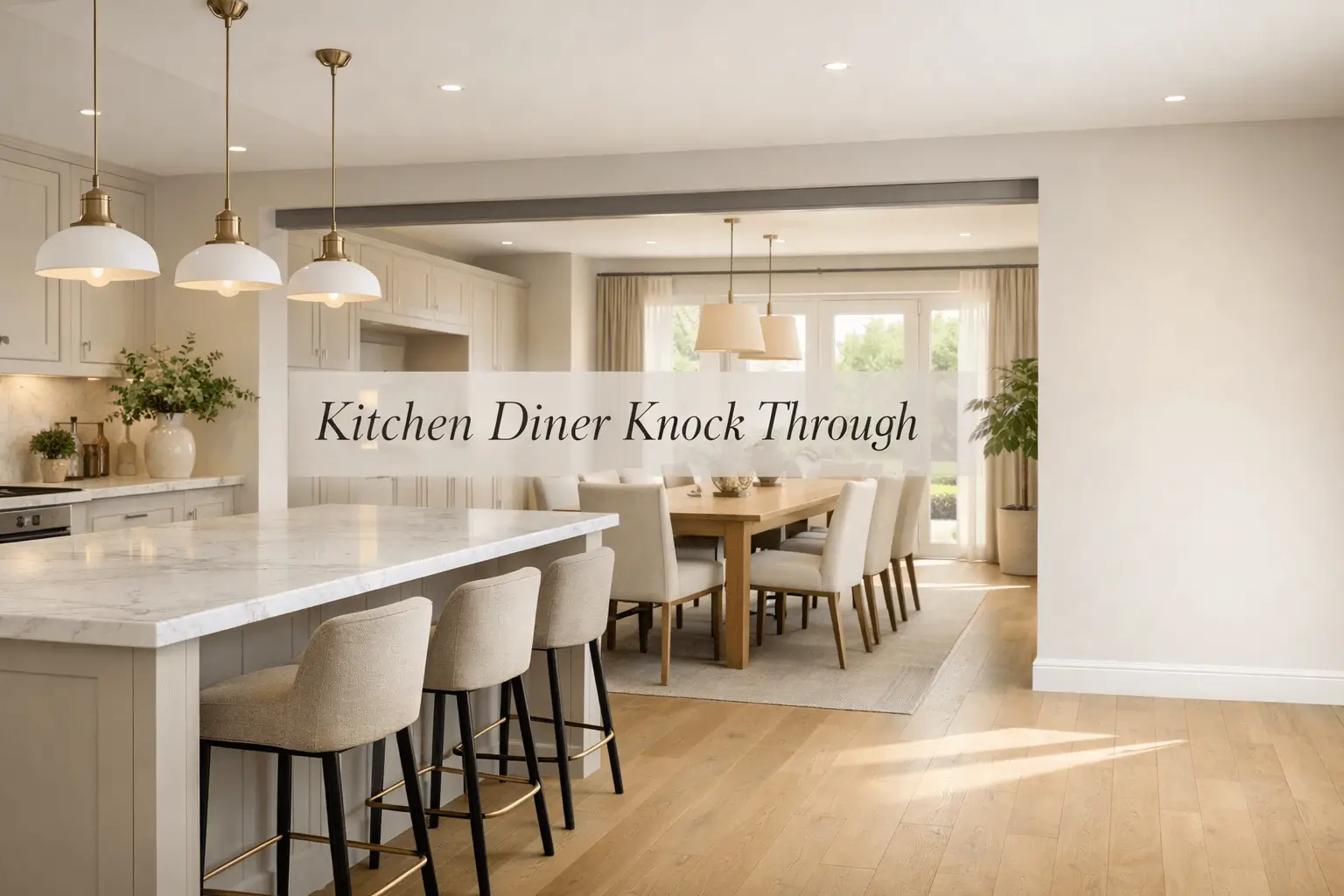
A kitchen diner knock through is one of the most transformative home renovation projects homeowners undertake. By removing the wall between the kitchen and dining room, two separate spaces merge into one larger, brighter area designed for cooking, dining, and socializing. The result is often a more functional layout that improves natural light, flow, and family interaction.
Many homes—especially 1930s semi-detached houses and Victorian properties—were originally built with enclosed rooms. A kitchen diner knock through modernizes these layouts by creating open-plan living while still maintaining warmth and character. From a design perspective, the project allows better furniture placement, improved traffic flow, and opportunities for statement features like kitchen islands and large dining tables.
From experience in interior renovation planning, the most successful kitchen diner knock through projects combine structural planning with thoughtful design choices. Lighting, materials, and zoning strategies all play a role in ensuring the new open space feels intentional rather than simply “wall removed.”
Kitchen Diner Knock Through Layout Planning
Before removing any wall, the layout must be carefully mapped. Designers evaluate circulation paths, appliance placement, and dining zones to ensure the new open space works practically for everyday life.
A well-planned kitchen diner knock through balances cooking functionality with comfortable dining and social areas.
Small Kitchen Diner Knock Through Solutions
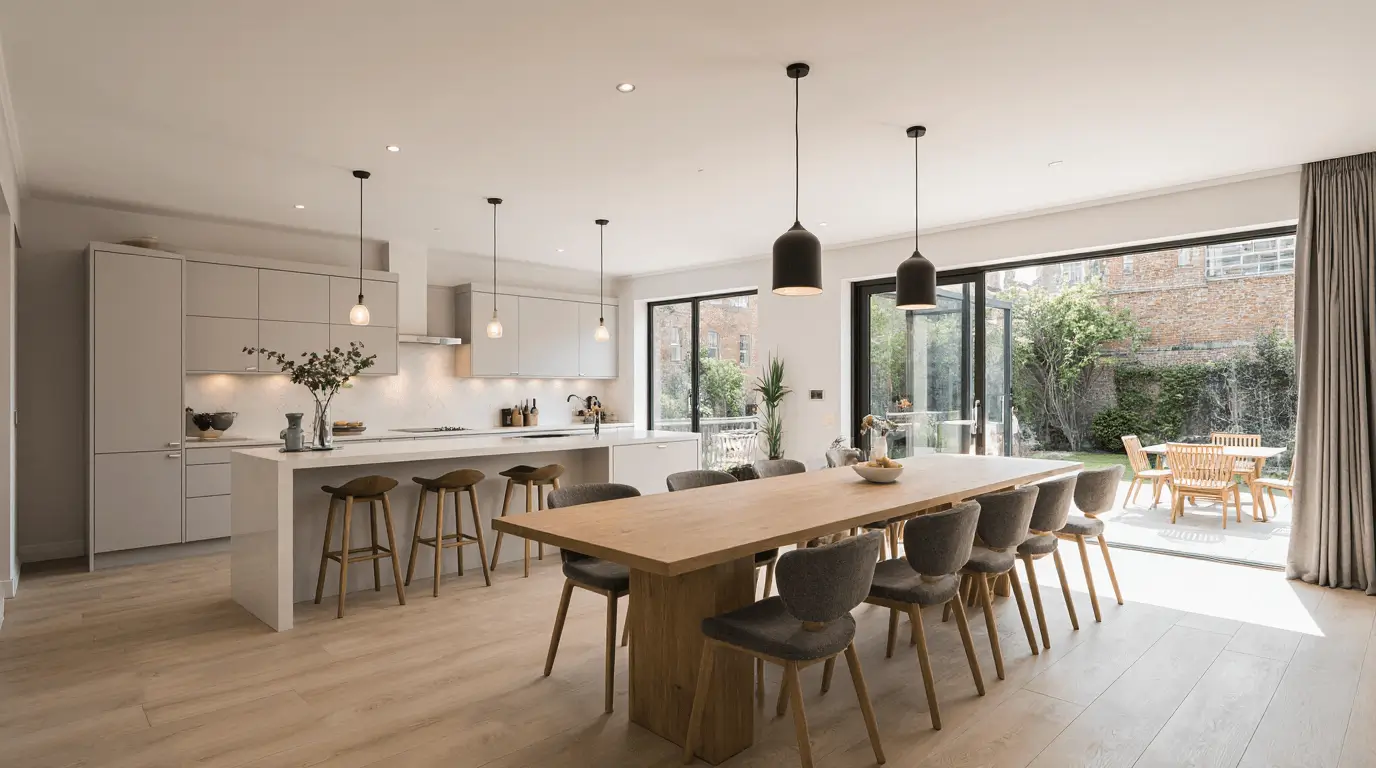
In smaller homes, knocking through a wall can dramatically increase the sense of space. Even partial openings can make a kitchen feel significantly larger and brighter.
Smart design choices like slim cabinetry, reflective surfaces, and compact dining furniture help maintain openness.
Kitchen Diner Knock Through Before and After Transformation
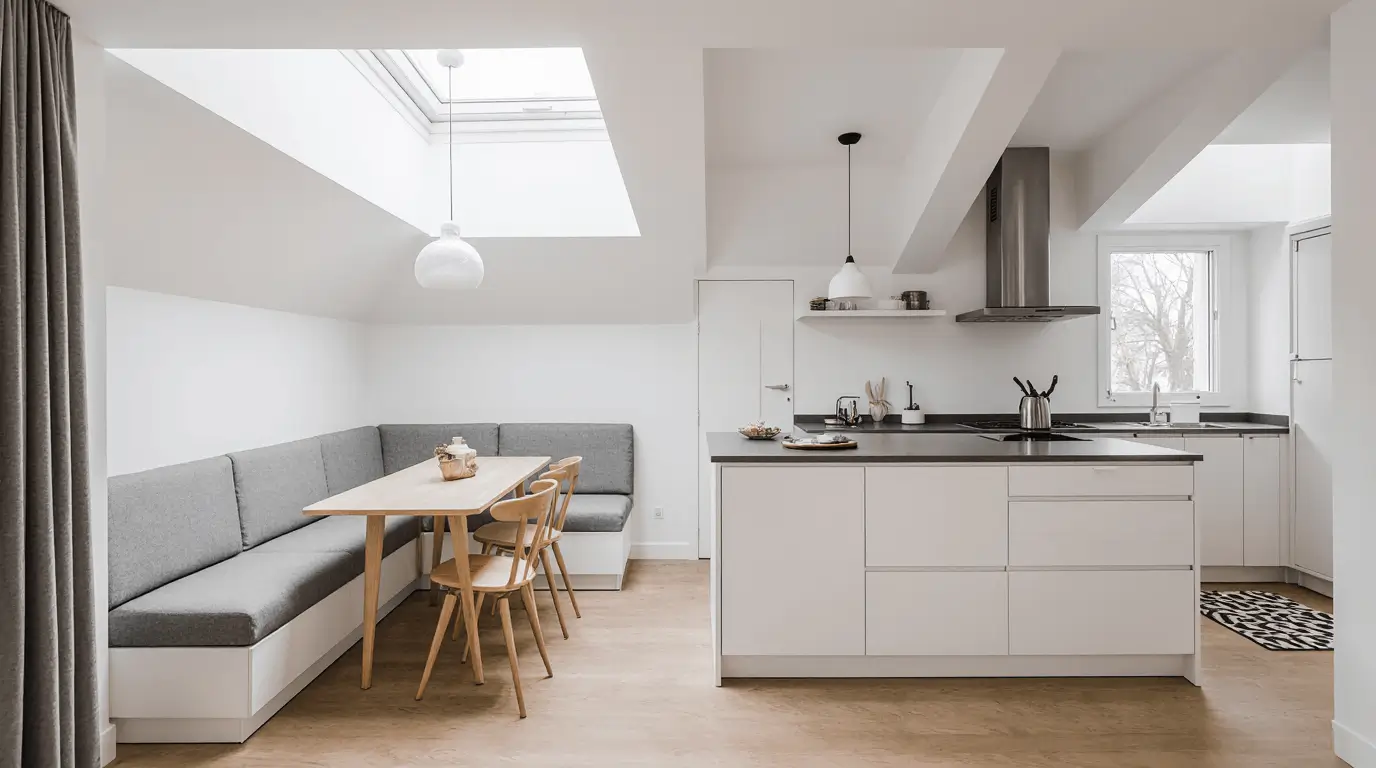
Before-and-after transformations highlight how dramatic a kitchen diner knock through can be. Walls removed between the kitchen and dining room reveal brighter, more welcoming spaces.
Homeowners often notice improved social interaction and better natural light immediately after completion.
Kitchen Diner Knock Through Cost Considerations
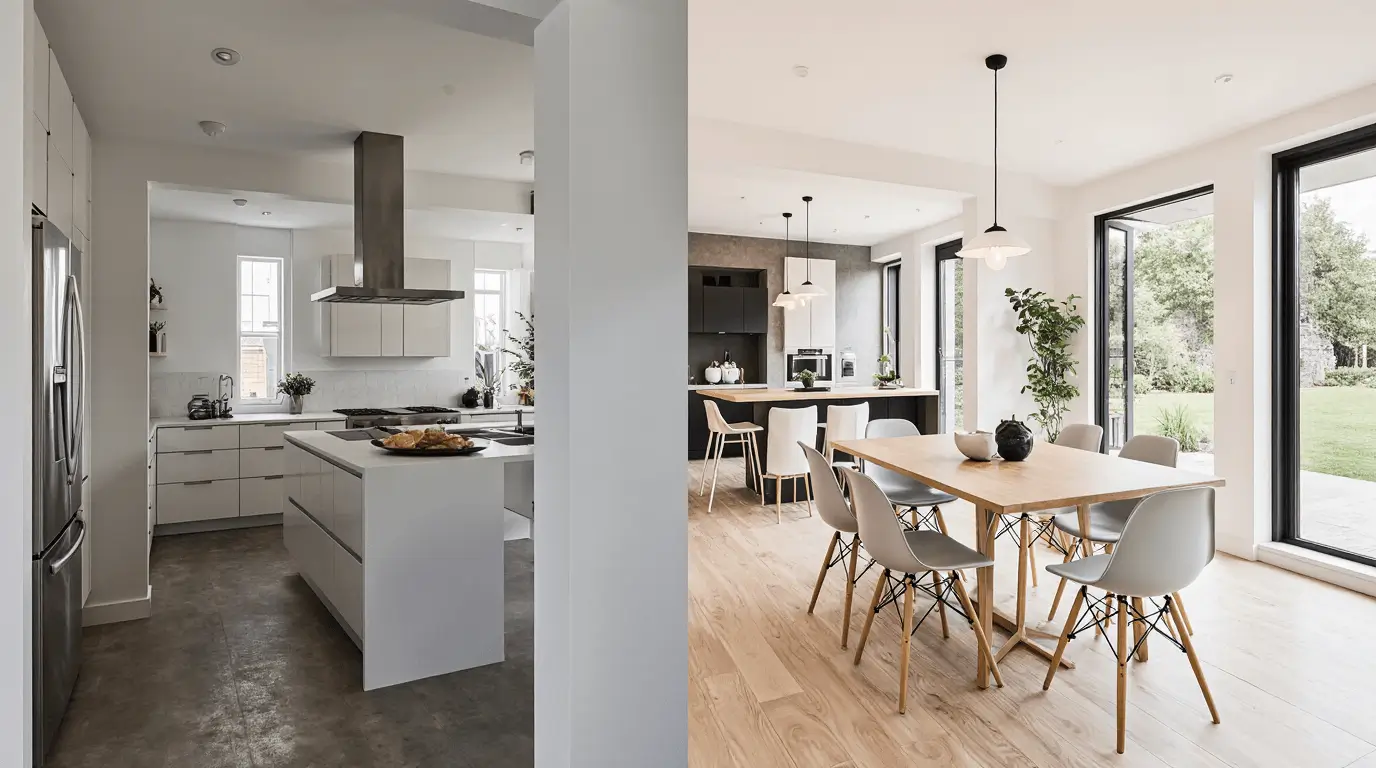
The cost of a kitchen diner knock through varies depending on structural requirements, steel beam installation, and finishing work. Structural walls require professional support beams and building approval.
Budget planning should include construction, plastering, flooring continuity, and kitchen upgrades.
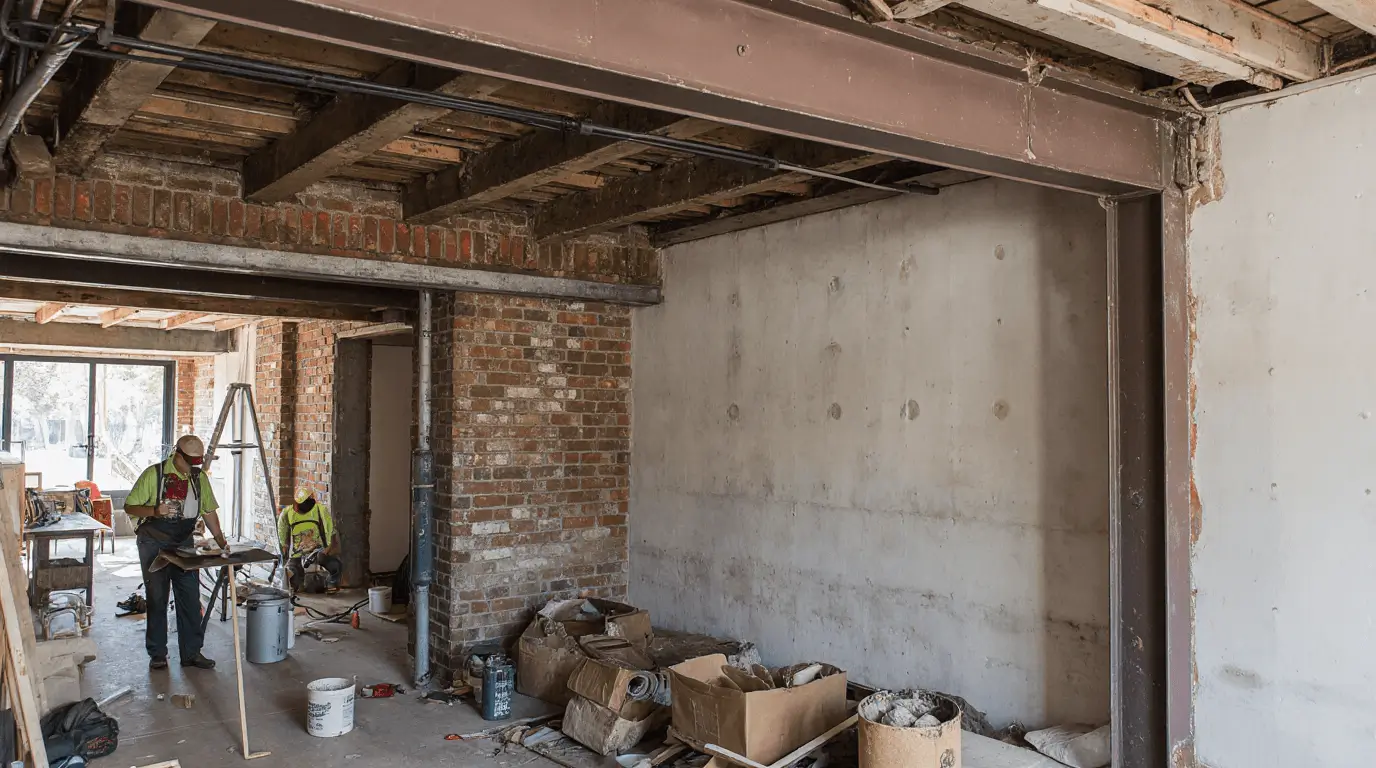
1930s Kitchen Diner Knock Through Renovation
1930s semi-detached homes are among the most common properties for this renovation. These houses typically feature separate kitchens and dining rooms divided by a load-bearing wall.
Removing this wall allows homeowners to modernize the layout while preserving original architectural character.
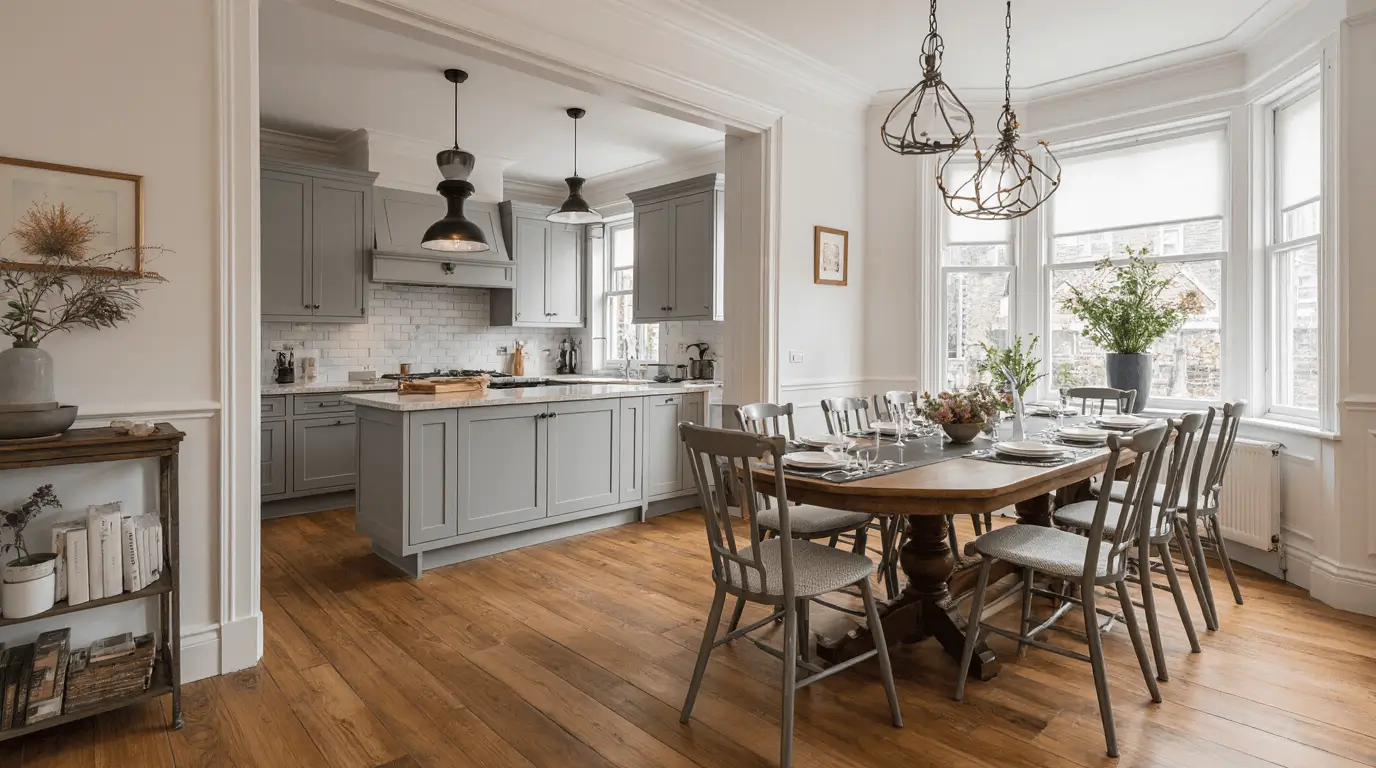
Victorian Kitchen Diner Knock Through Design
Victorian homes often include smaller service kitchens separated from formal dining rooms. A kitchen diner knock through reinterprets this historical layout for modern living.
Maintaining original details like fireplaces, cornices, or sash windows adds character to the open-plan space.
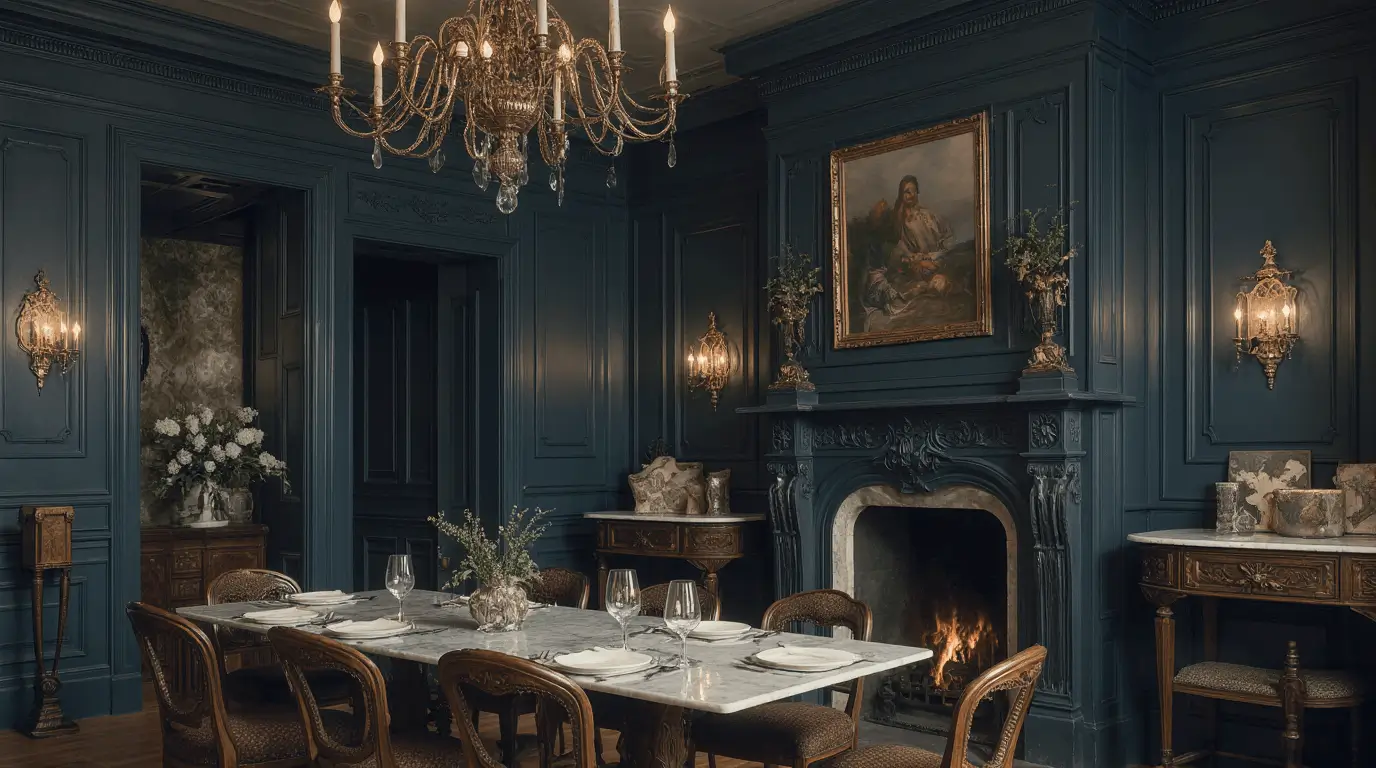
Semi Detached House Open Plan Kitchen Diner
A semi detached house open plan kitchen diner creates a social hub for family life. Removing internal walls allows better visibility between cooking, dining, and entertaining areas.
This layout works particularly well when combined with garden-facing doors or large windows.
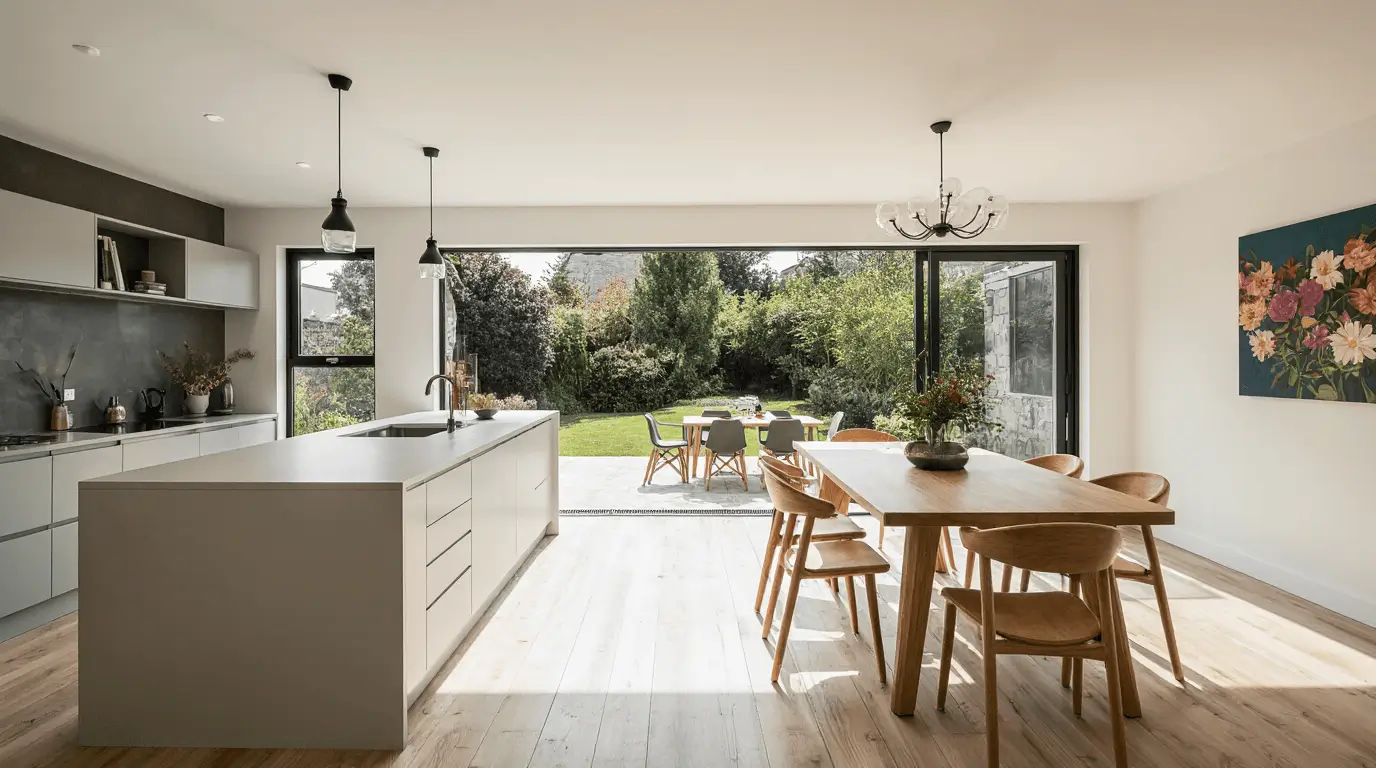
Knocking Kitchen and Dining Room Together
Combining the kitchen and dining room eliminates barriers between cooking and social spaces. This design encourages interaction during meals, gatherings, and everyday routines.
Careful zoning ensures each function still feels distinct within the larger room.
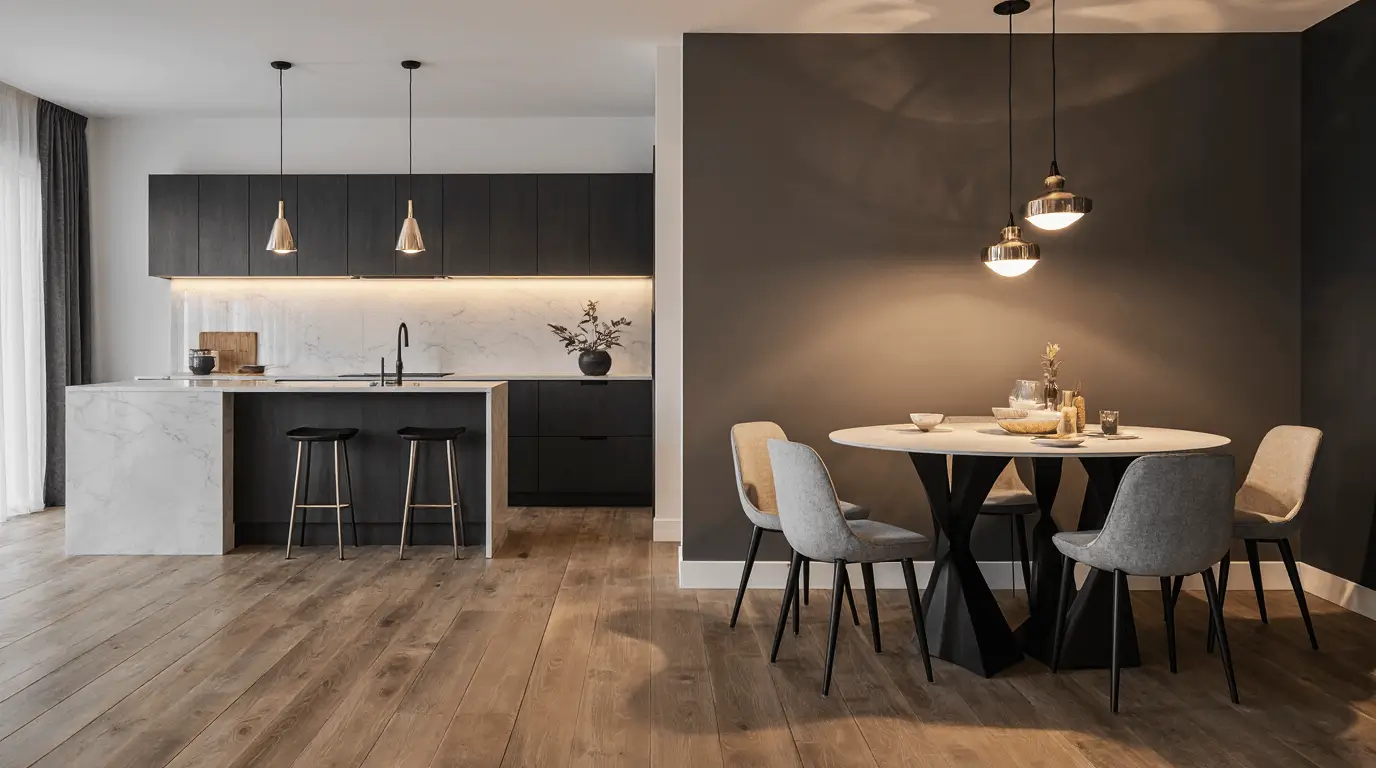
Knock Through Kitchen Diner Ideas for Zoning
Open-plan rooms benefit from subtle zoning techniques. Rugs, lighting fixtures, ceiling beams, or kitchen islands help visually divide cooking and dining spaces.
These elements maintain openness while giving each area its own identity.
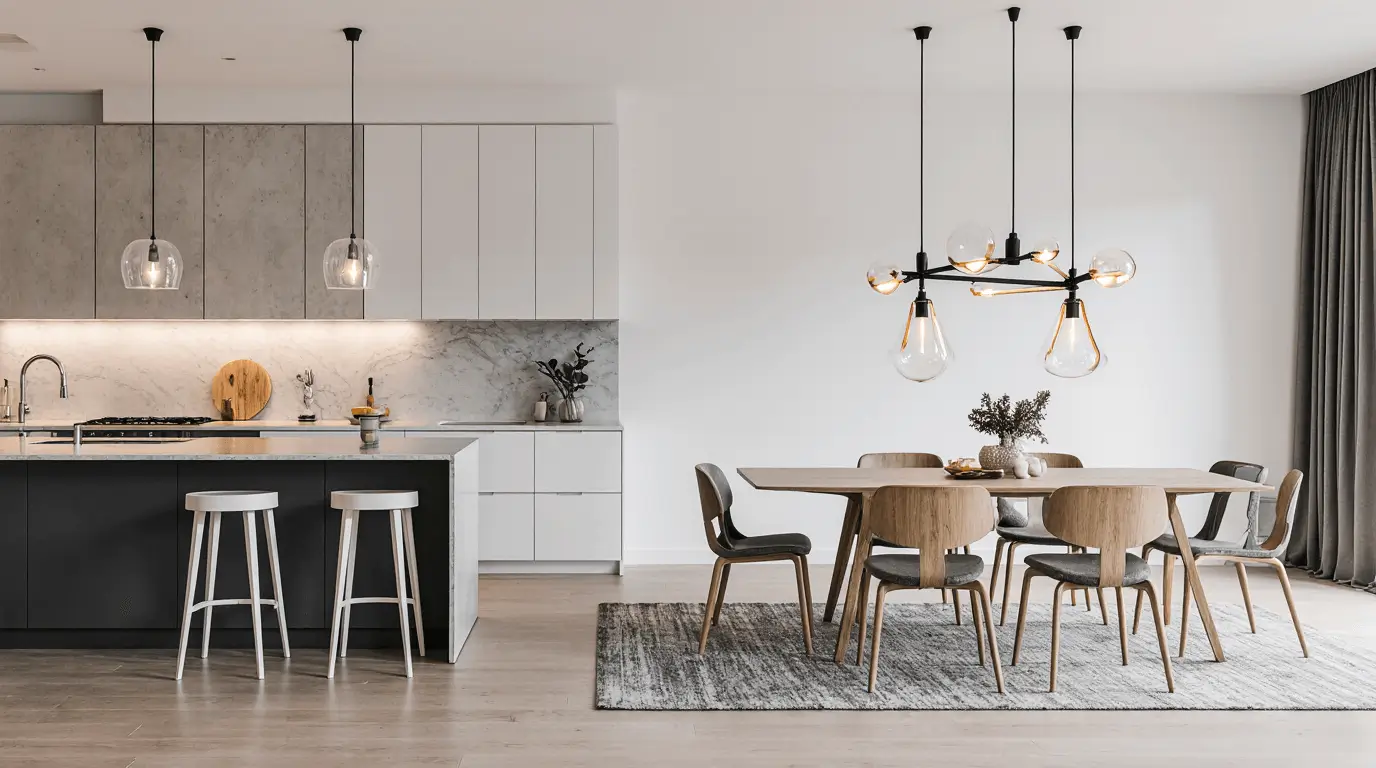
Kitchen Knock Through Ideas with Islands
Adding a kitchen island is one of the most popular ideas when planning a kitchen diner knock through. The island acts as a functional bridge between the kitchen workspace and the dining area.
It can include seating, storage, and preparation surfaces.
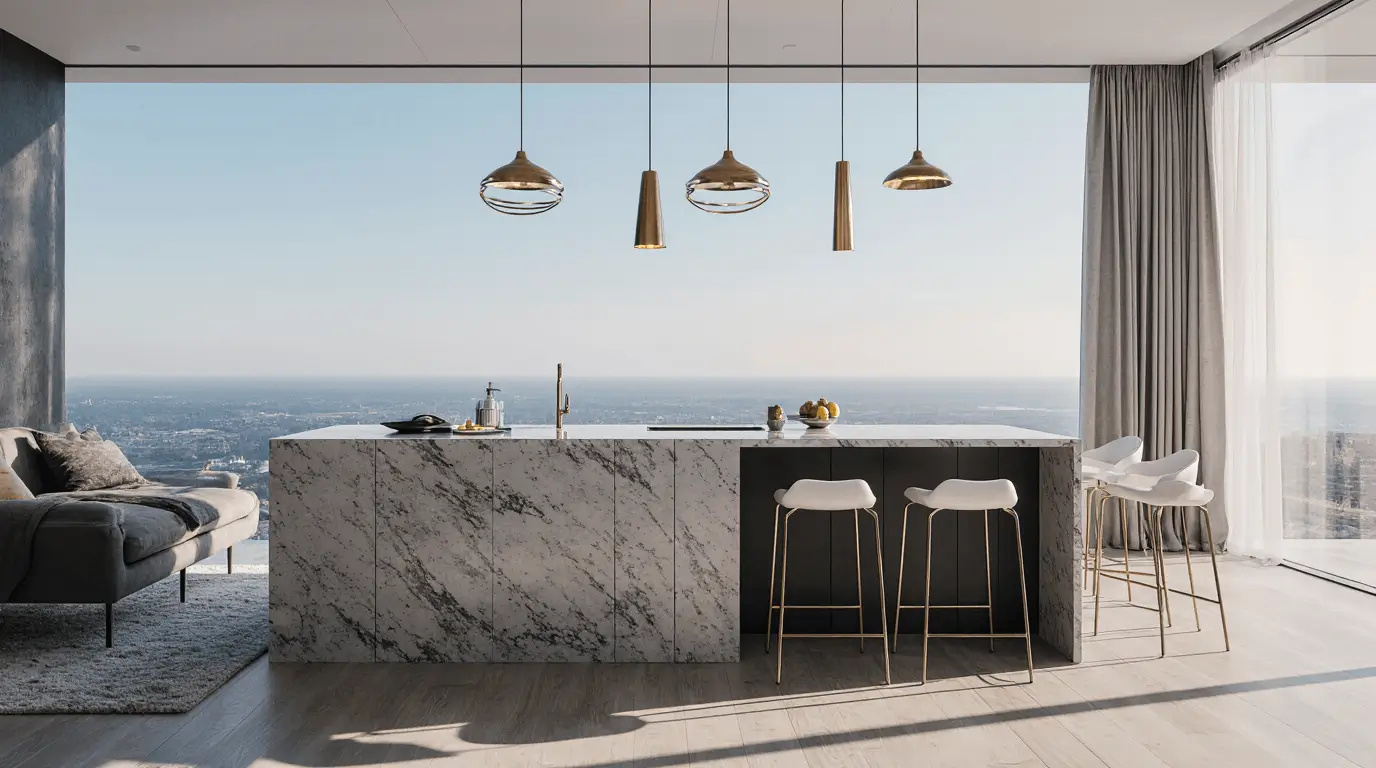
Combining Kitchen and Dining Room Before and After
Seeing a combined kitchen and dining room transformation helps homeowners visualize possibilities. Walls removed often reveal improved proportions and stronger natural light flow.
Strategic lighting and furniture placement complete the transformation.
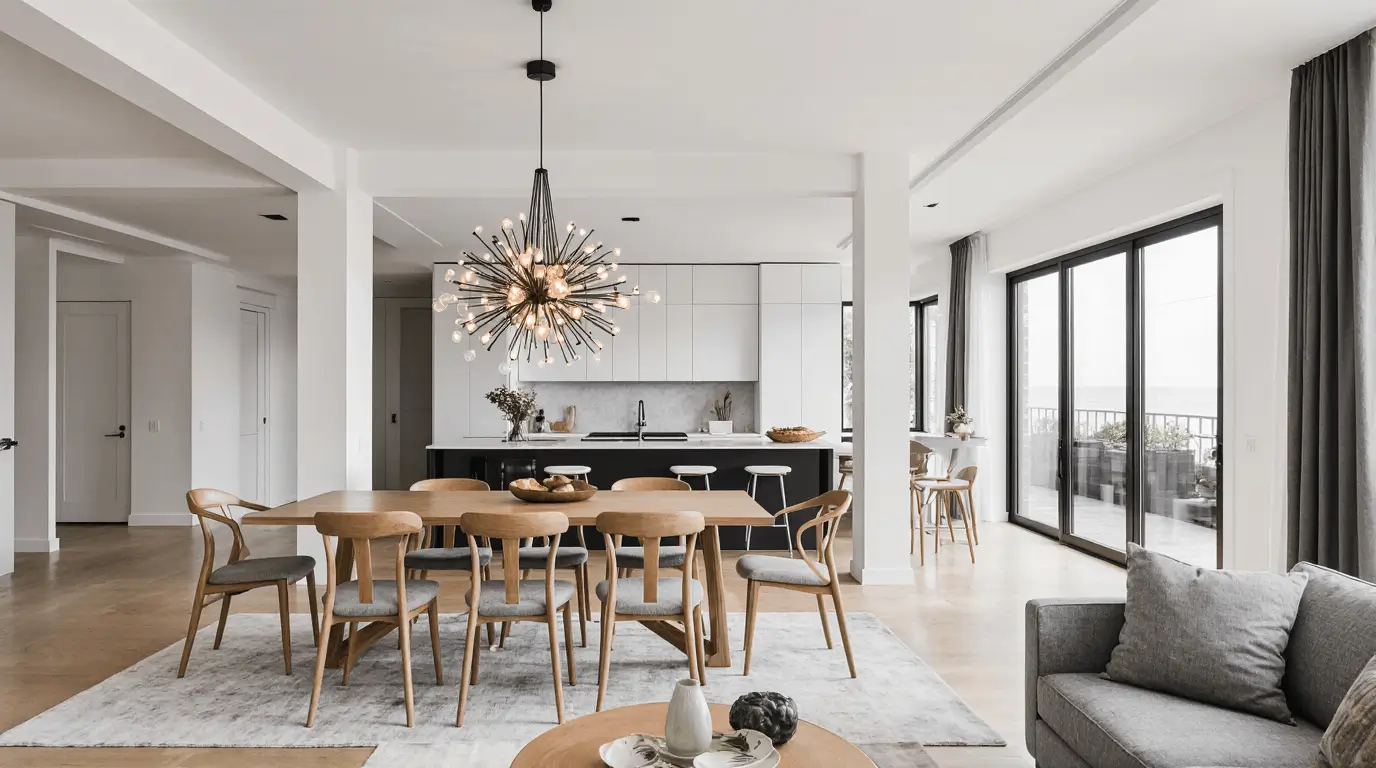
Kitchen Diner Renovation Lighting Design
Lighting plays a crucial role in a kitchen diner knock through. Layered lighting—task, ambient, and decorative—ensures both cooking and dining areas function well.
Pendant lights above islands and tables help visually anchor each zone.
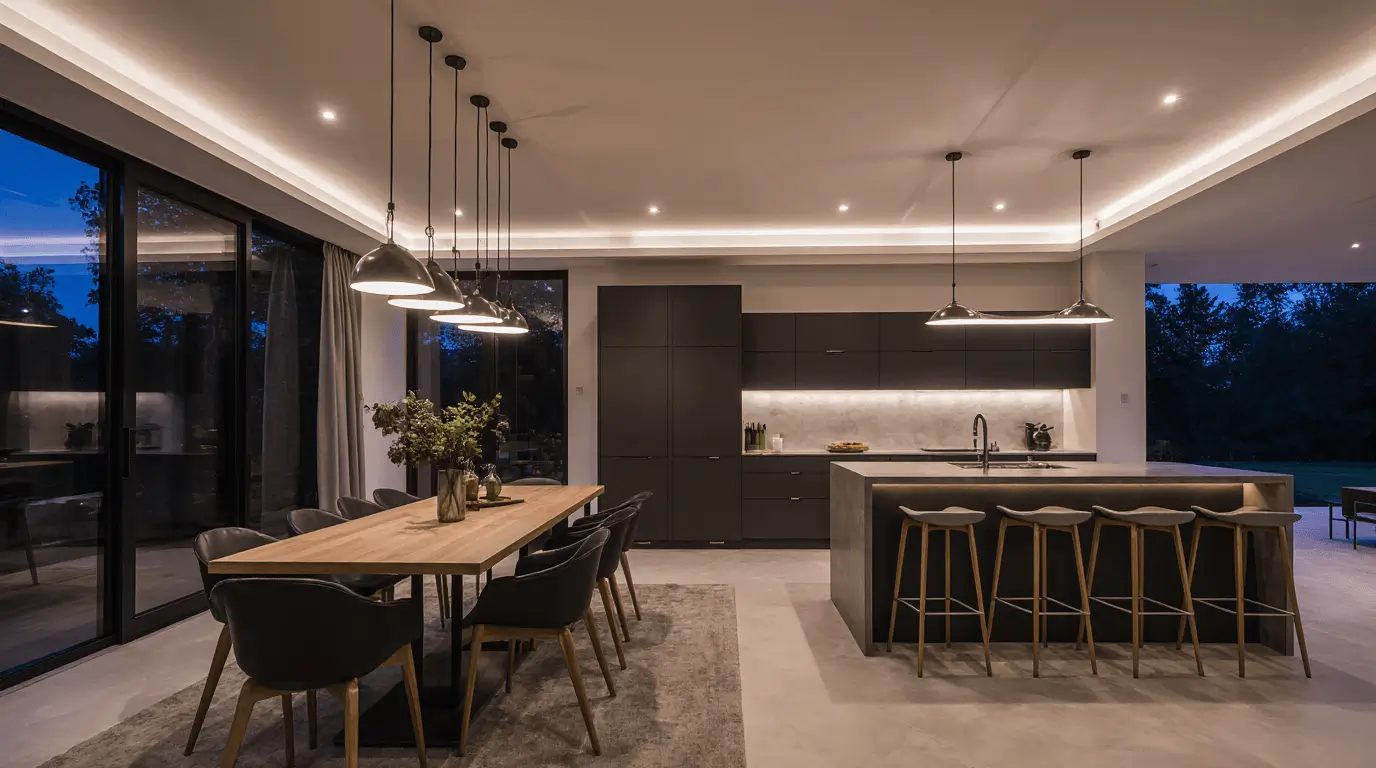
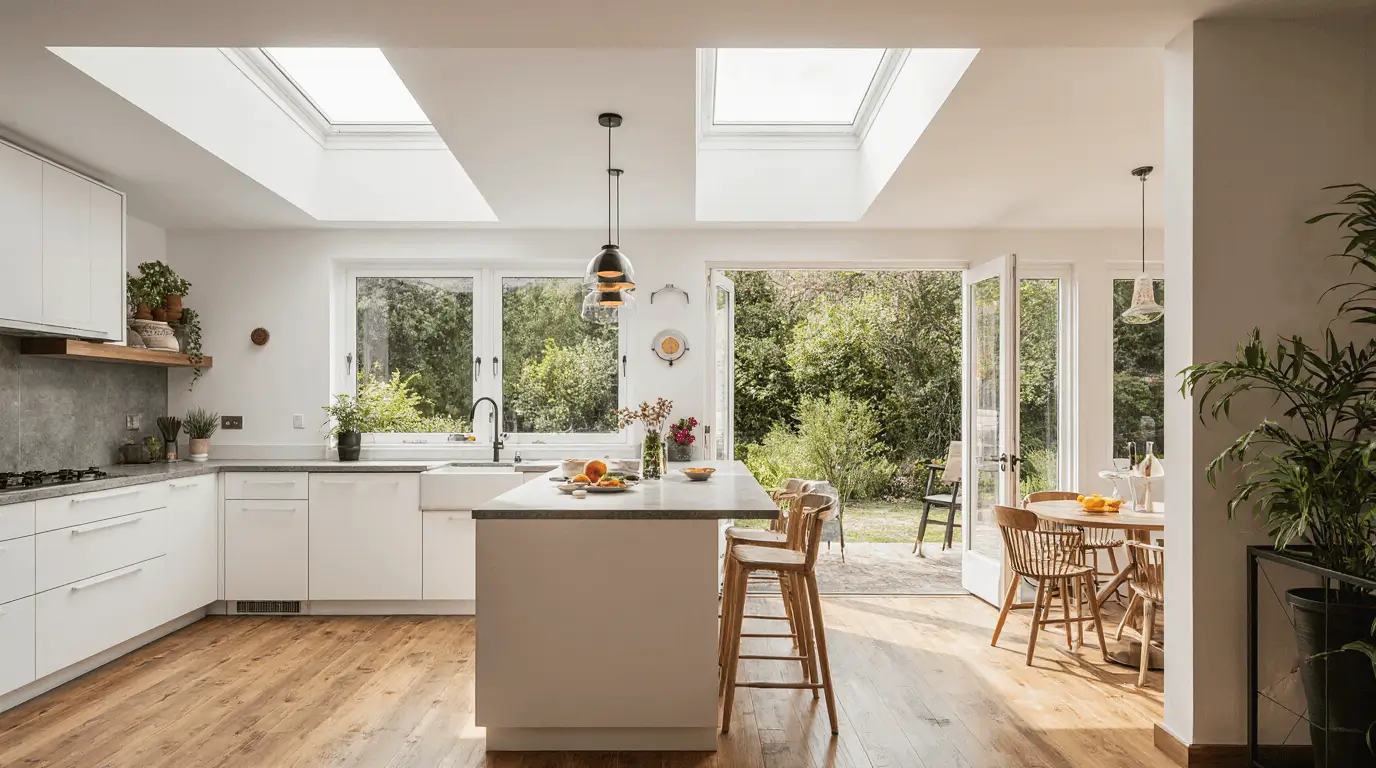
Kitchen Diner Renovations with Natural Light
Removing walls often allows light to travel further through the home. When paired with skylights or patio doors, the effect becomes dramatic.
Natural light enhances the sense of openness and improves the overall mood of the space.
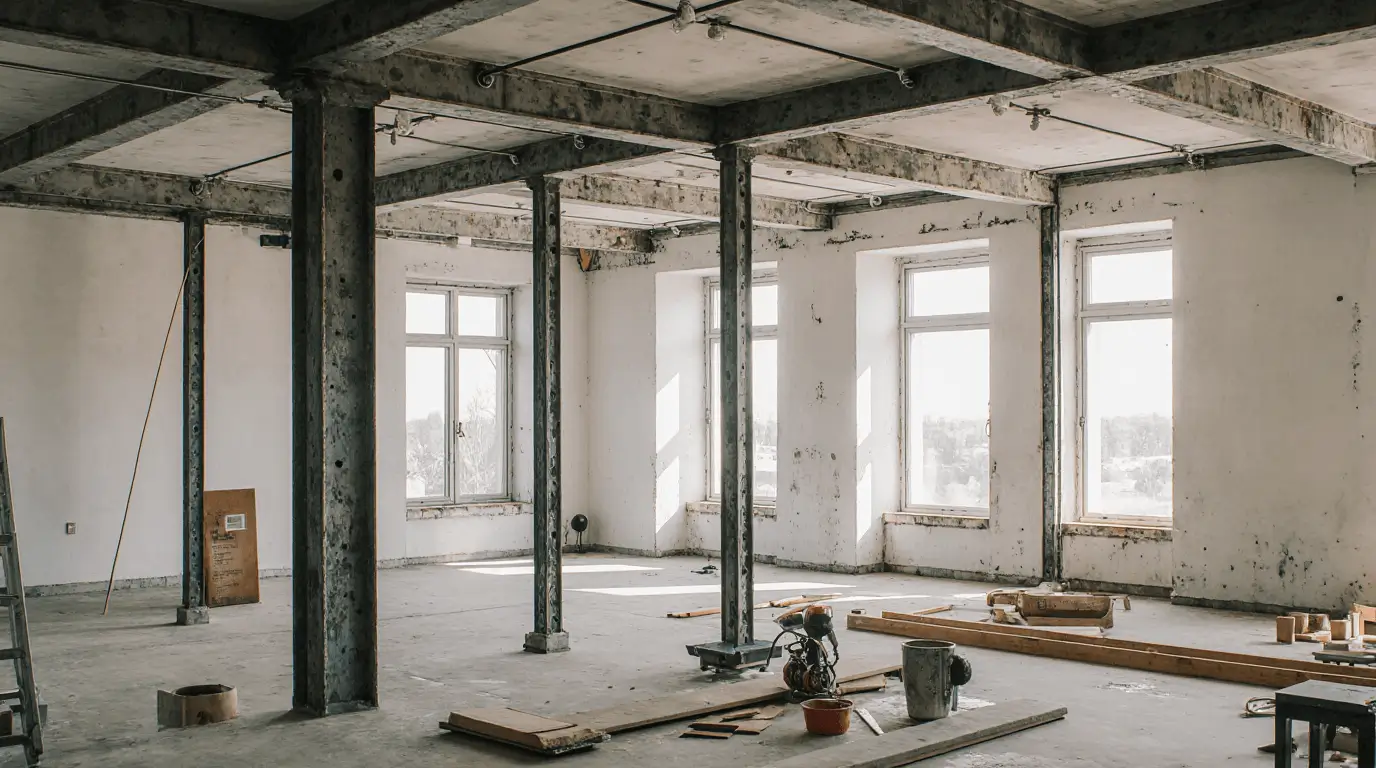
Structural Wall Knock Through Considerations
Many walls between kitchens and dining rooms are load-bearing. Structural engineers typically recommend installing an RSJ beam to support the upper floors.
Proper structural work ensures the renovation remains safe and long-lasting.
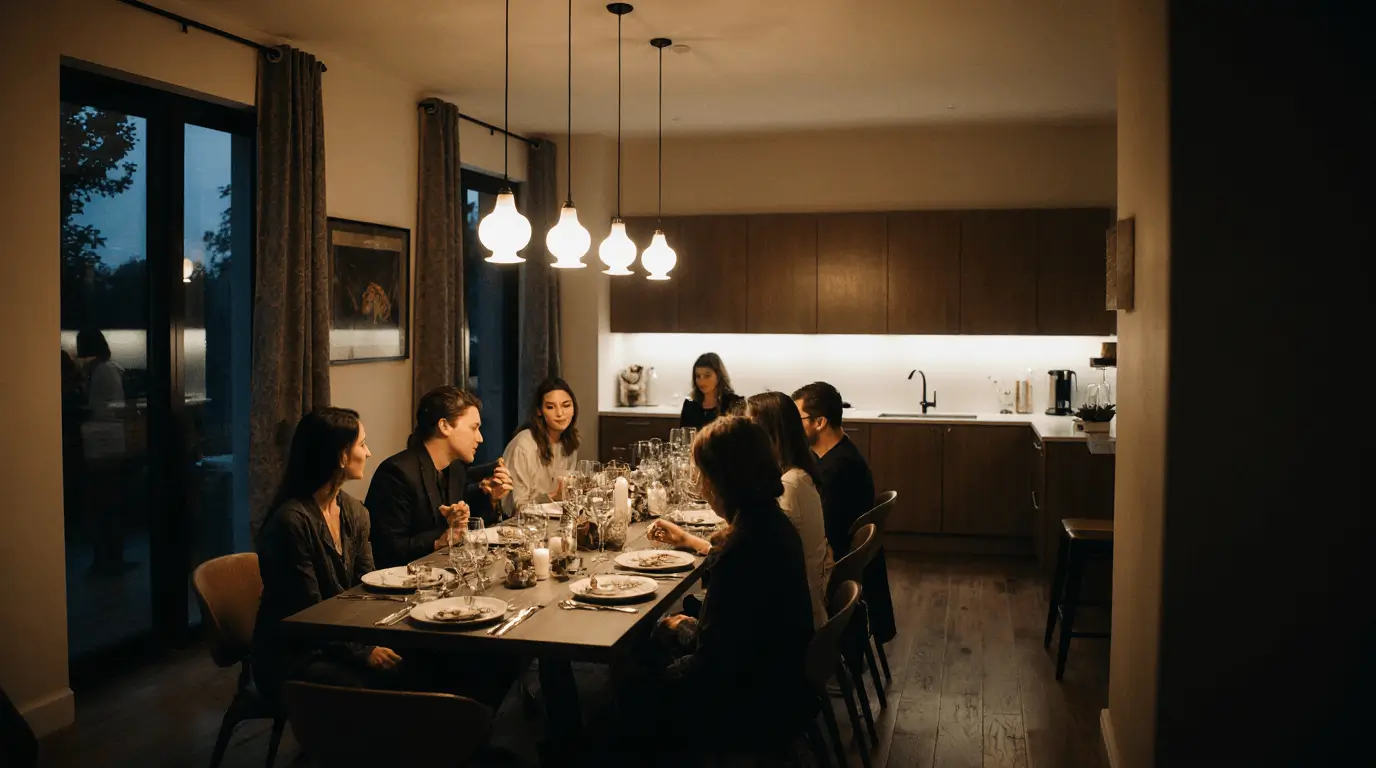
Kitchen Diner Knock Through for Entertaining
An open kitchen diner naturally becomes the social center of the home. Guests can gather around the dining table or island while meals are prepared.
This layout creates a relaxed environment perfect for hosting friends and family.
Kitchen Diner Knock Through Design Style Choices
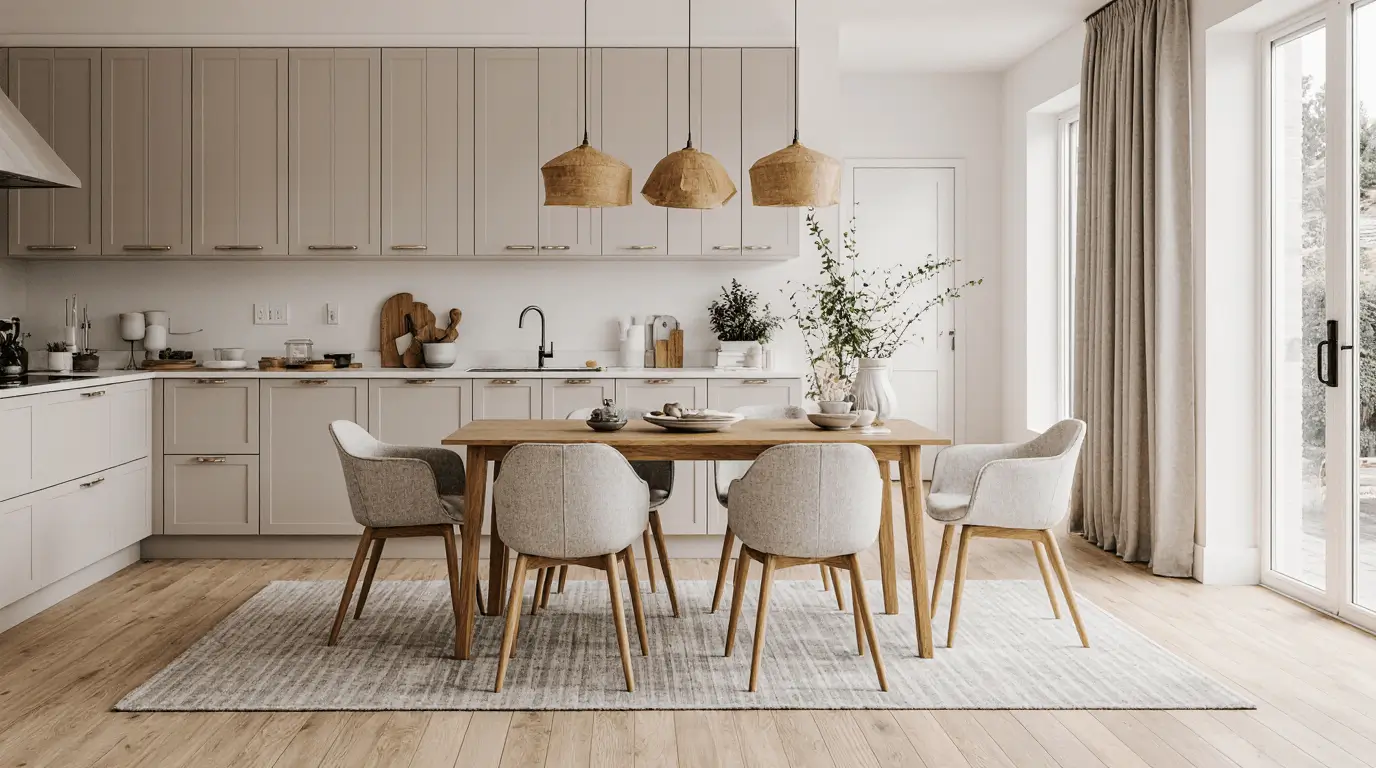
Once the structure is complete, the design style defines the final look. Popular styles include modern minimalist, classic shaker, Scandinavian, and contemporary farmhouse.
Consistency in materials and color palette helps unify the open space.
Conclusion: Turning Separate Rooms into a Cohesive Living Space
A kitchen diner knock through is one of the most effective ways to reshape how a home feels and functions. By removing the barrier between the kitchen and dining room, homeowners create a space that naturally supports modern living—where cooking, conversation, and everyday life flow together. The transformation is often immediate: more natural light, improved movement through the home, and a stronger sense of connection between family members and guests.
From a design perspective, the success of a kitchen diner knock through lies in thoughtful planning rather than simply opening a wall. Structural preparation, balanced layout design, and intentional zoning help the new space feel harmonious and purposeful. Elements like kitchen islands, layered lighting, and consistent flooring help unify the room while still defining areas for cooking, dining, and socializing.
This type of renovation tends to benefit homeowners who want their kitchen to become the true center of the home. Families gain a more interactive environment, hosts enjoy easier entertaining, and everyday routines become more comfortable in a space designed for connection. Whether in a 1930s semi-detached property, a Victorian home, or a compact modern house, the principles remain the same: open layouts, strong natural light, and functional design choices create a room that feels both practical and welcoming.
For anyone considering a kitchen diner knock through, the key is to approach the project holistically. When structural expertise is combined with thoughtful interior design, the result is not just a larger room—it is a more enjoyable way of living in the home every day.
Learn more : Elegant Edwardian Living Room Ideas: Timeless Style & Cozy Charm
Frequently Asked Questions
- Is a kitchen diner knock through suitable for most homes?
In many cases, yes. Homes built with separate kitchens and dining rooms—particularly older properties—often adapt well to this type of renovation. The main factor is whether the wall between the rooms is load-bearing, which determines the structural work required. With proper planning and engineering support, most homes can accommodate the change safely.
- How do you keep an open kitchen diner from feeling too large or empty?
Successful open-plan rooms rely on subtle zoning. Kitchen islands, pendant lighting above the dining table, rugs, and furniture placement help visually divide the space into functional areas. These design elements maintain the openness while giving each part of the room a clear purpose.
- Does removing the wall always require a structural beam?
If the wall is load-bearing, a structural beam—often a steel RSJ—is typically installed to support the upper floors. A structural engineer or builder will confirm the requirements before construction begins. Non-load-bearing walls may be removed with fewer structural adjustments.
- Will a kitchen diner knock through increase natural light?
In most homes, yes. Opening the wall allows light from windows or garden doors to travel further through the house. This often makes both the kitchen and dining area feel brighter and more spacious, especially when paired with lighter finishes and reflective materials.
- What is the biggest design mistake people make with this renovation?
A common mistake is focusing only on removing the wall without planning how the new space will function afterward. Without careful layout planning, the room can feel awkward or unbalanced. Considering furniture placement, lighting, storage, and circulation paths early in the design process helps prevent this issue.
- Is a kitchen island necessary after a knock through?
Not necessarily, but it is a popular feature because it helps bridge the kitchen and dining zones. Islands provide additional preparation space, storage, and casual seating. In smaller layouts, a peninsula or compact dining arrangement can achieve a similar sense of connection.
- How can homeowners preserve character in older houses after opening the space?
Maintaining original architectural details helps retain the home’s personality. Features like fireplaces, decorative moldings, wood flooring, or period-style cabinetry can be incorporated into the new layout. The goal is to modernize the flow of the home while respecting the charm that makes older properties unique.




One Response