
Introduction
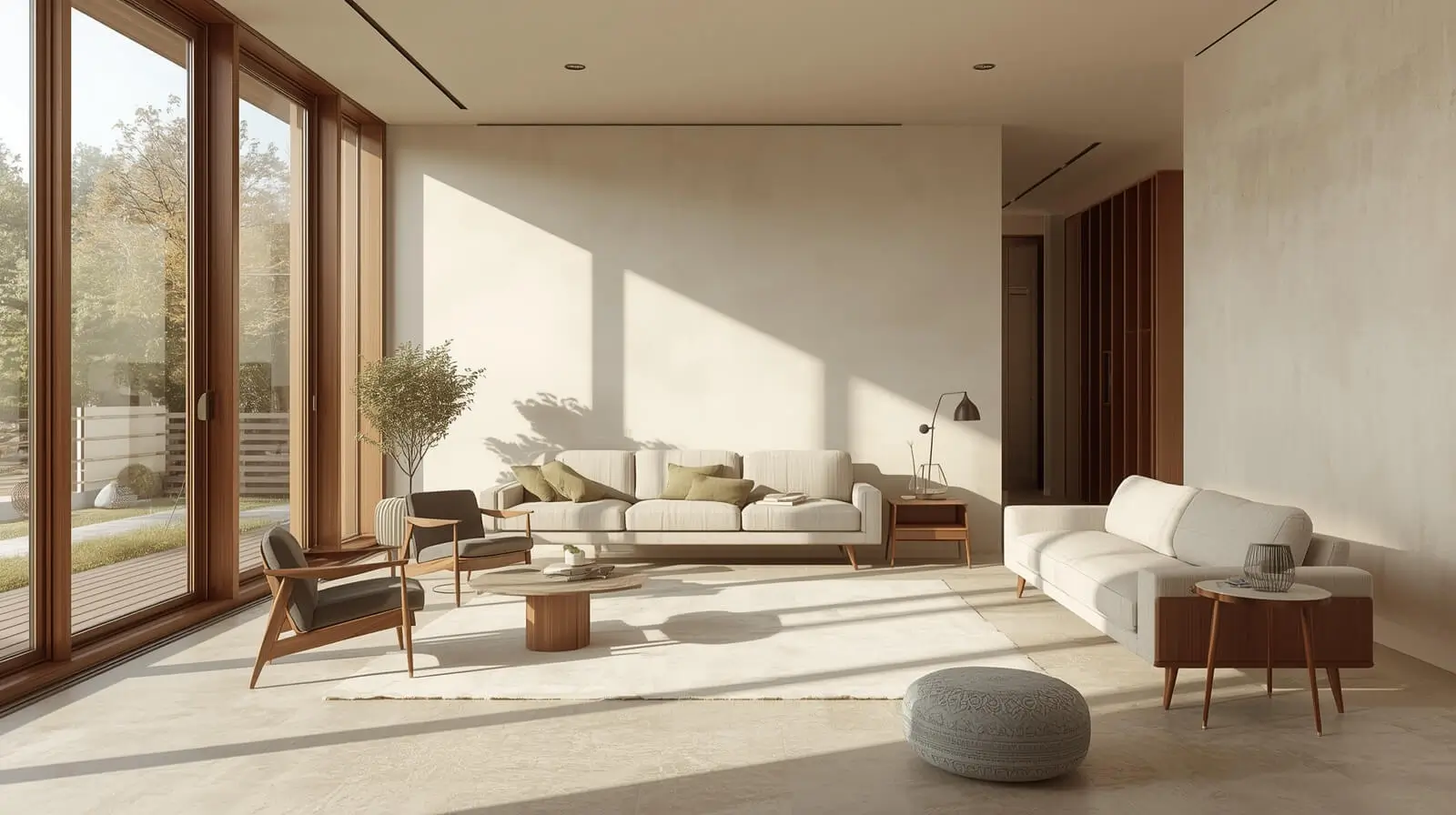
Mid-century modern—often shortened to MCM interior design—is more than a recognizable look. It’s a philosophy rooted in clarity, function, and a deep respect for materials. Originating in the mid-20th century, this design approach continues to shape how we think about interiors today, from compact city apartments to expansive family homes.
What makes MCM interior design enduring is its balance. It merges clean architectural lines with warmth, craftsmanship, and human scale. Over years of working with both vintage homes and contemporary spaces, one thing becomes clear: when applied thoughtfully, MCM doesn’t feel dated—it feels intentional, calm, and livable.
This guide breaks MCM interior design down into clear, practical clusters. Each section focuses on how the style works, why it works, and how it can be applied visually and emotionally in real spaces.
MCM Interior Design Foundations
MCM interior design is defined by simplicity, proportion, and honest materials. Furniture and architecture work together rather than compete, creating spaces that feel open yet grounded.
Design choices prioritize usefulness and visual clarity, avoiding excess ornament while still embracing warmth through wood, texture, and light.
MCM Design Style Characteristics
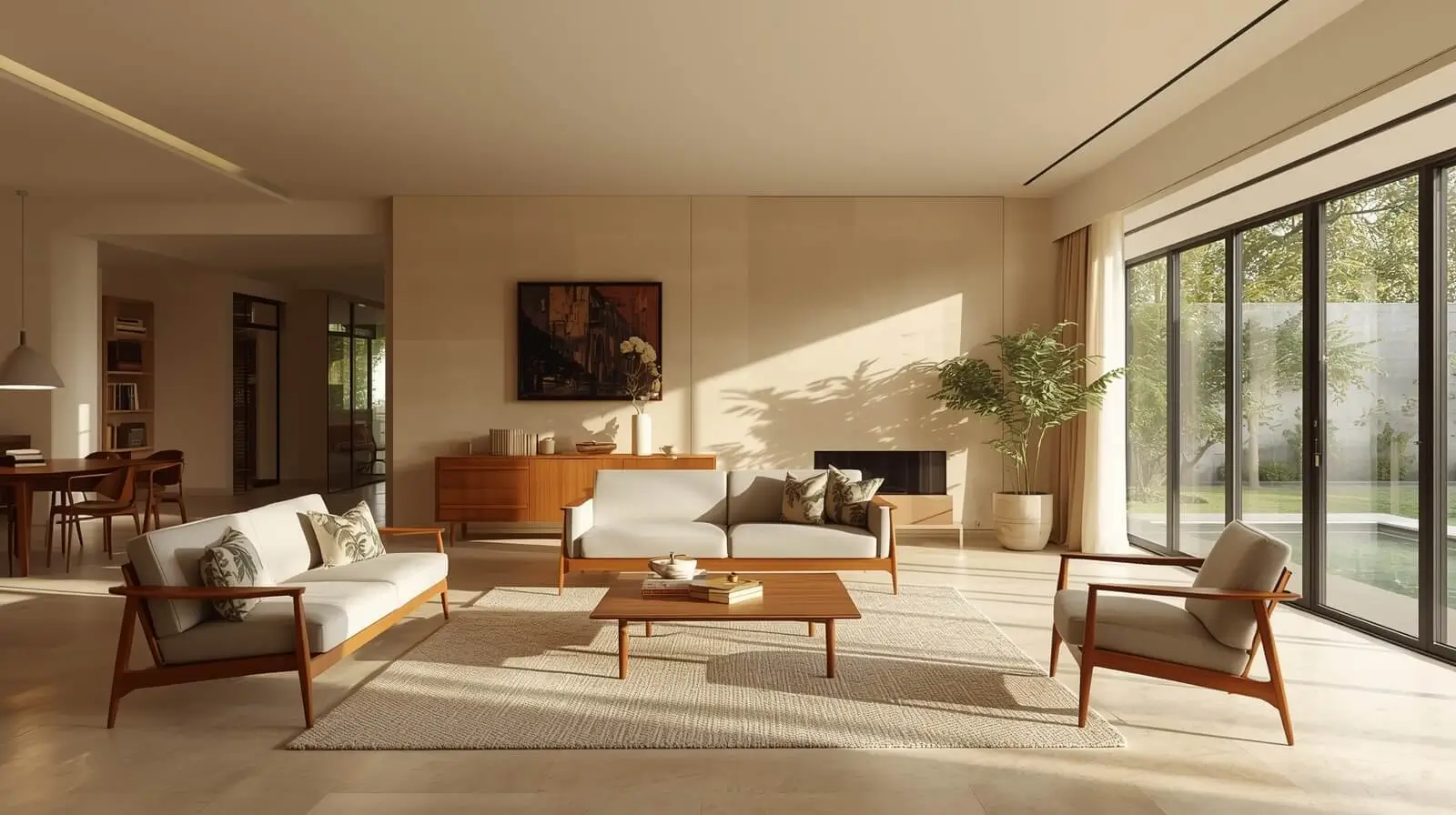
The MCM design style is recognizable through tapered legs, geometric forms, and minimal surface detailing. Pieces feel light and elevated, allowing rooms to breathe visually.
This clarity helps interiors feel timeless rather than tied to a specific decade.
Mid Century Modern Furniture in MCM Interior Design
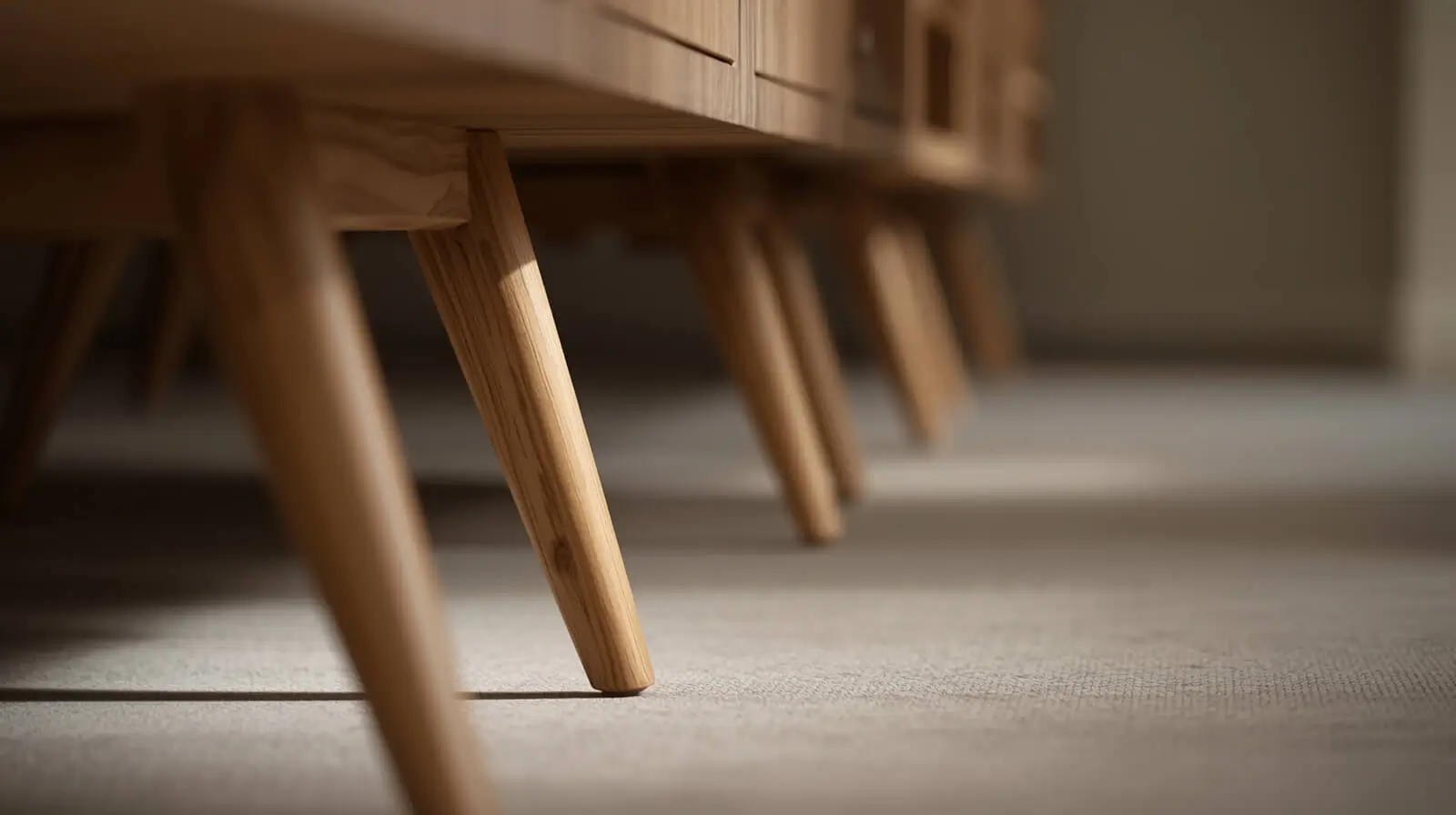
Furniture is the backbone of MCM interior design. Chairs, sideboards, and sofas emphasize structure without heaviness, often floating visually within a room.
Well-designed furniture becomes functional sculpture—beautiful from every angle.
Characteristics of Mid Century Modern Furniture
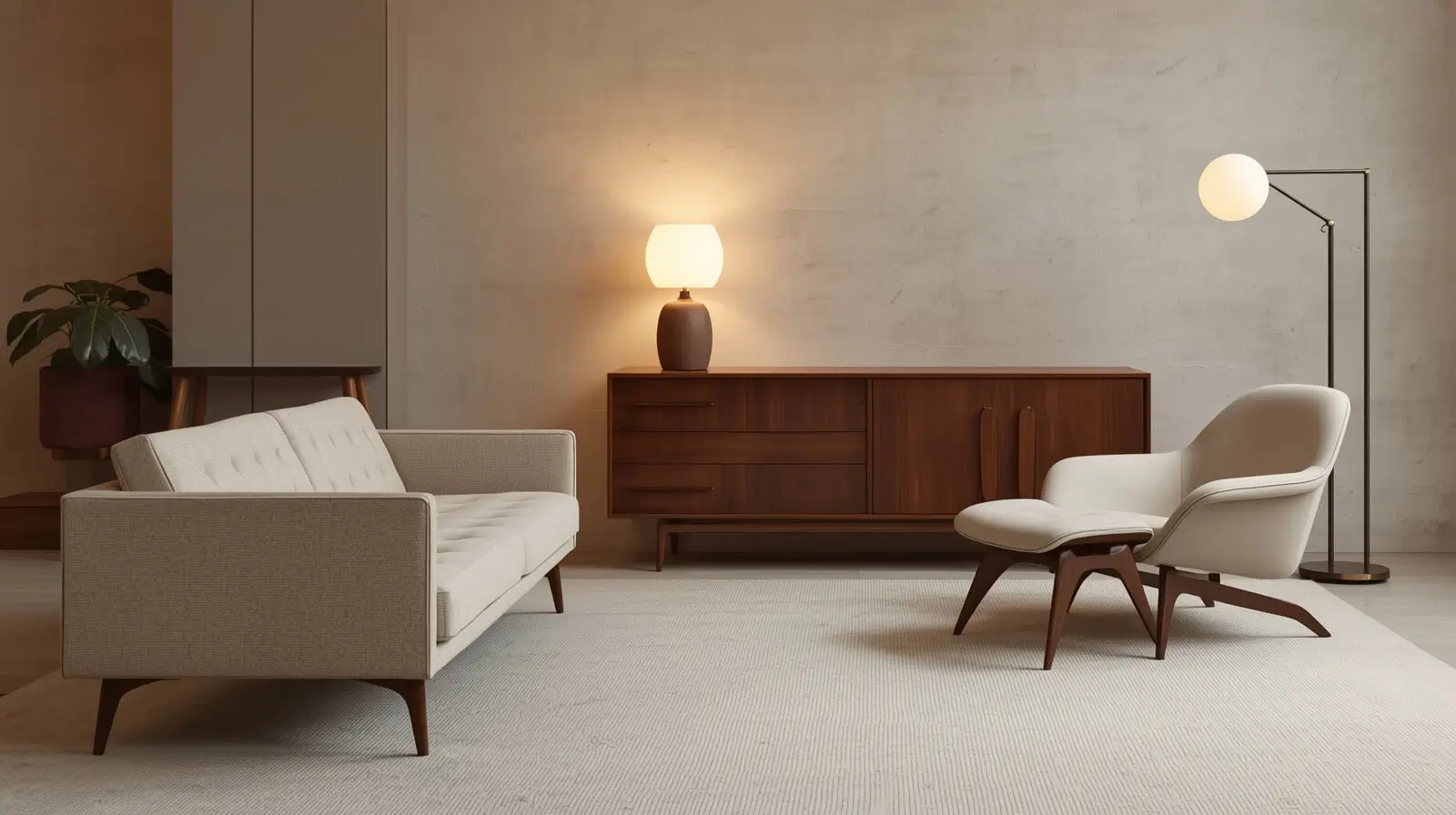
Mid century modern furniture is known for organic curves, clean joinery, and exposed wood grain. Every form has a reason, and nothing feels decorative without purpose.
These characteristics make the furniture adaptable to both vintage and modern interiors.
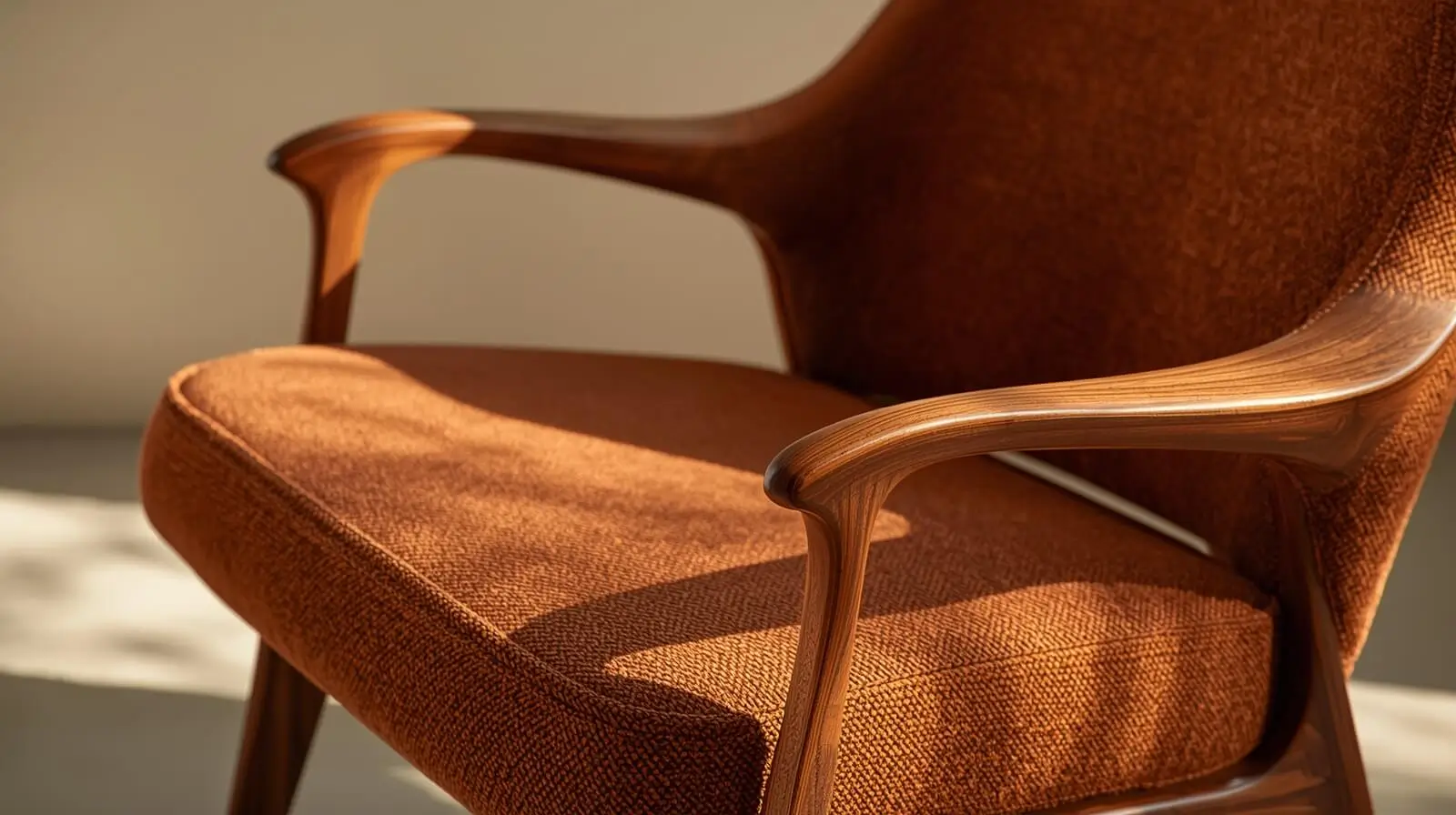
Antique Mid Century Modern Furniture
Authentic vintage pieces bring depth and authenticity to MCM interior design. Patina, aging wood, and original finishes tell a story that new pieces can’t replicate.
When paired with modern elements, antiques add soul without overpowering the space.
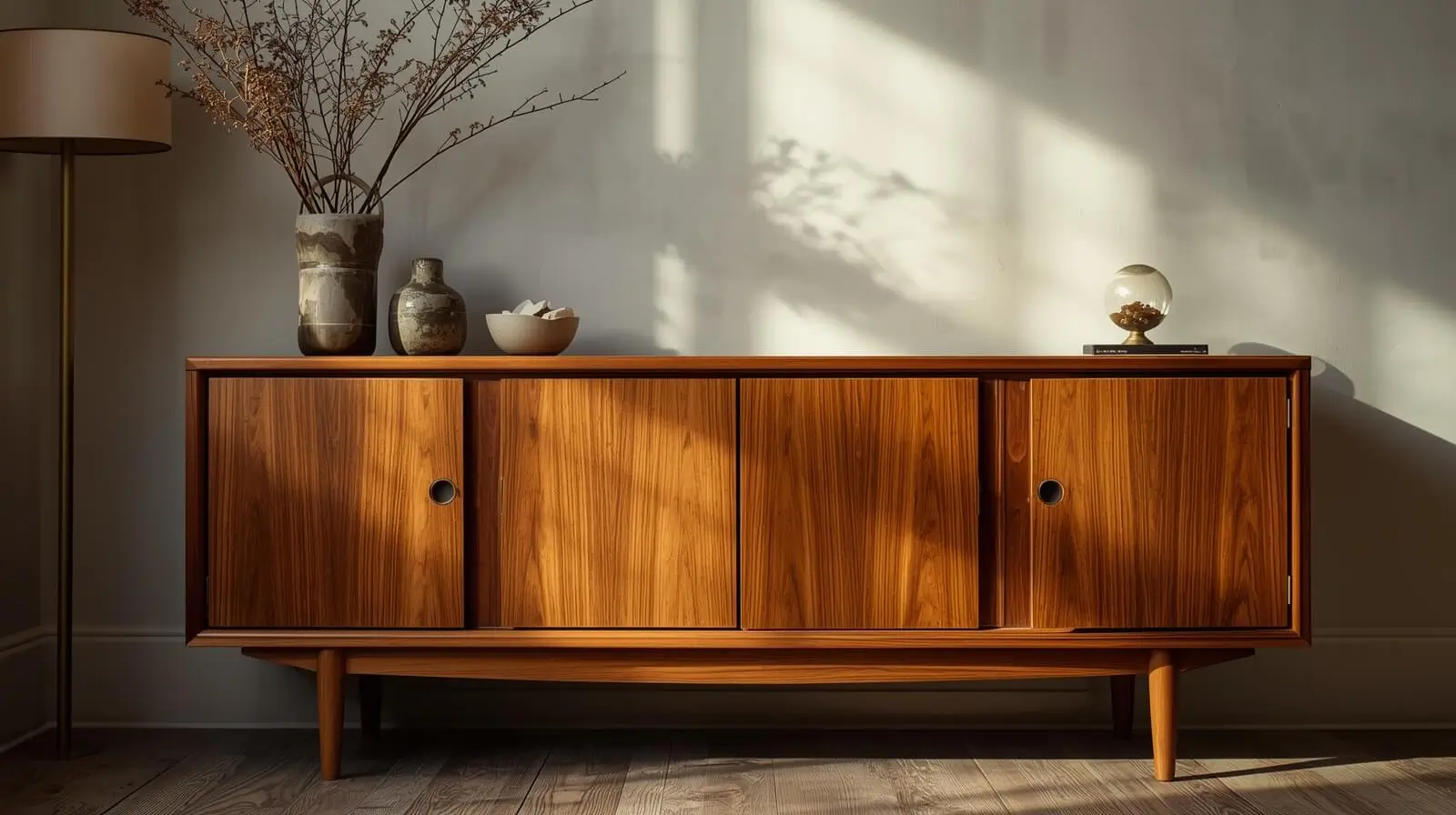
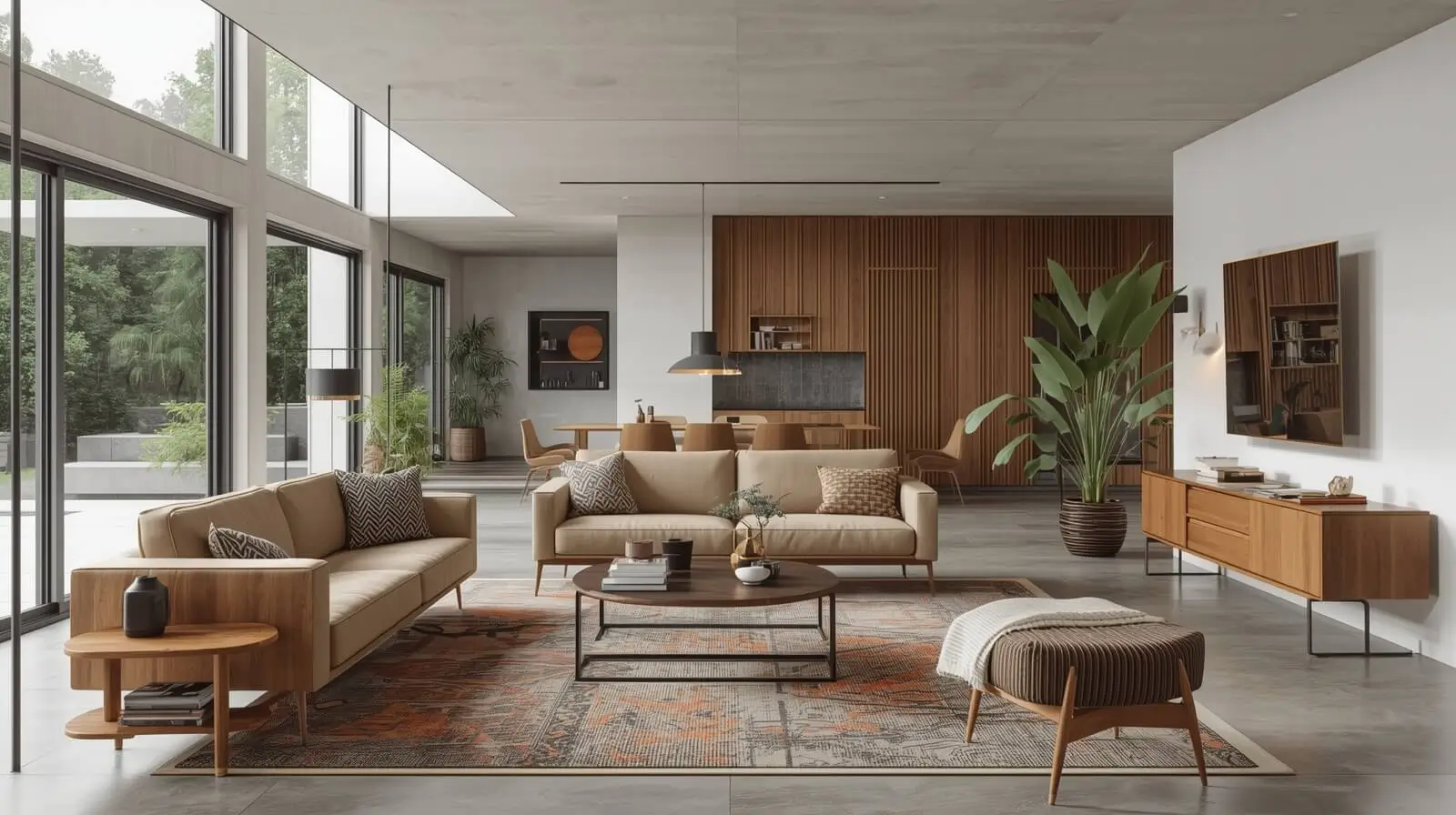
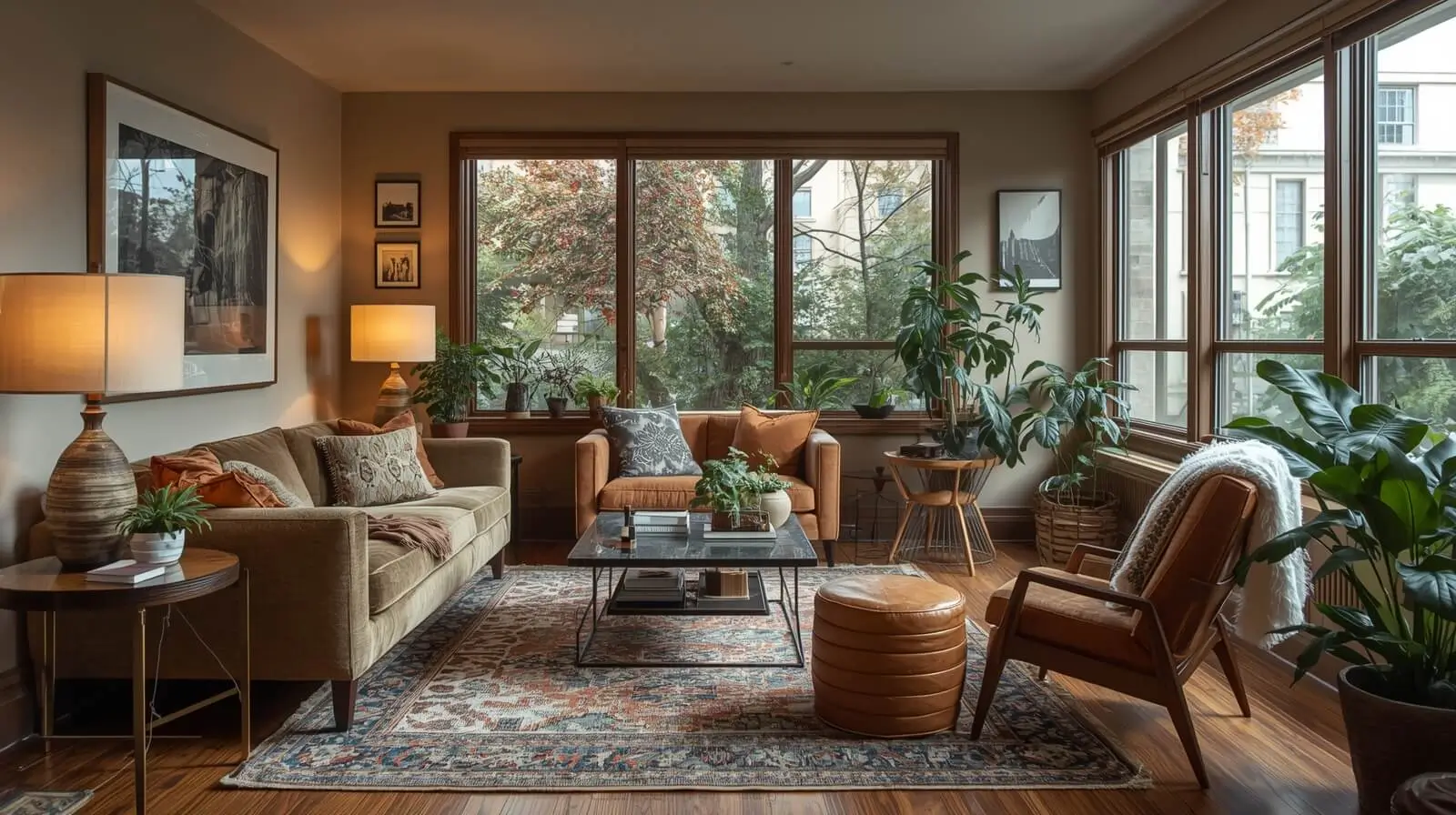
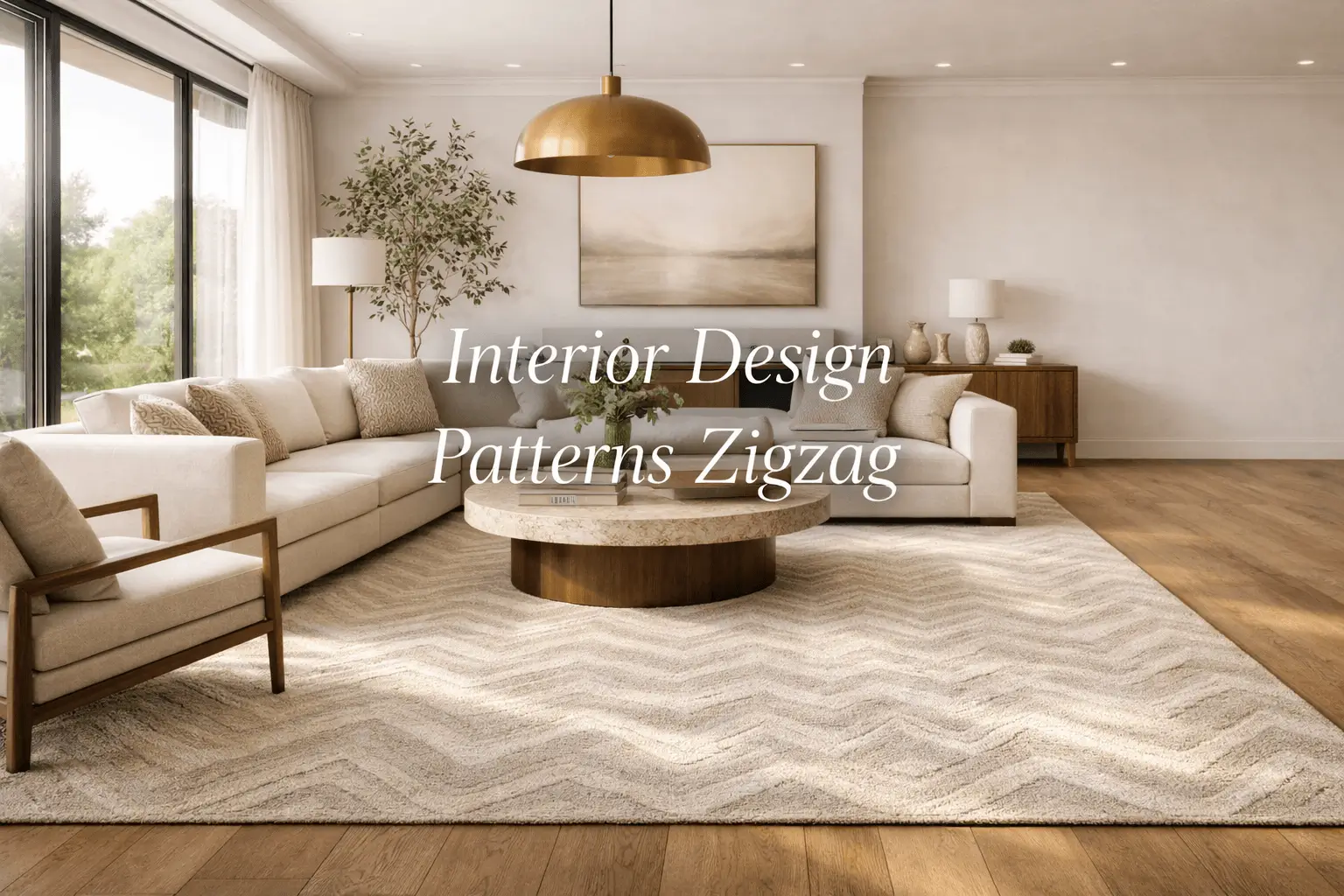
MCM Living Room Design
An MCM living room focuses on flow, comfort, and visual balance. Seating is arranged to encourage conversation while maintaining openness.
The result is a space that feels social, relaxed, and architecturally composed.
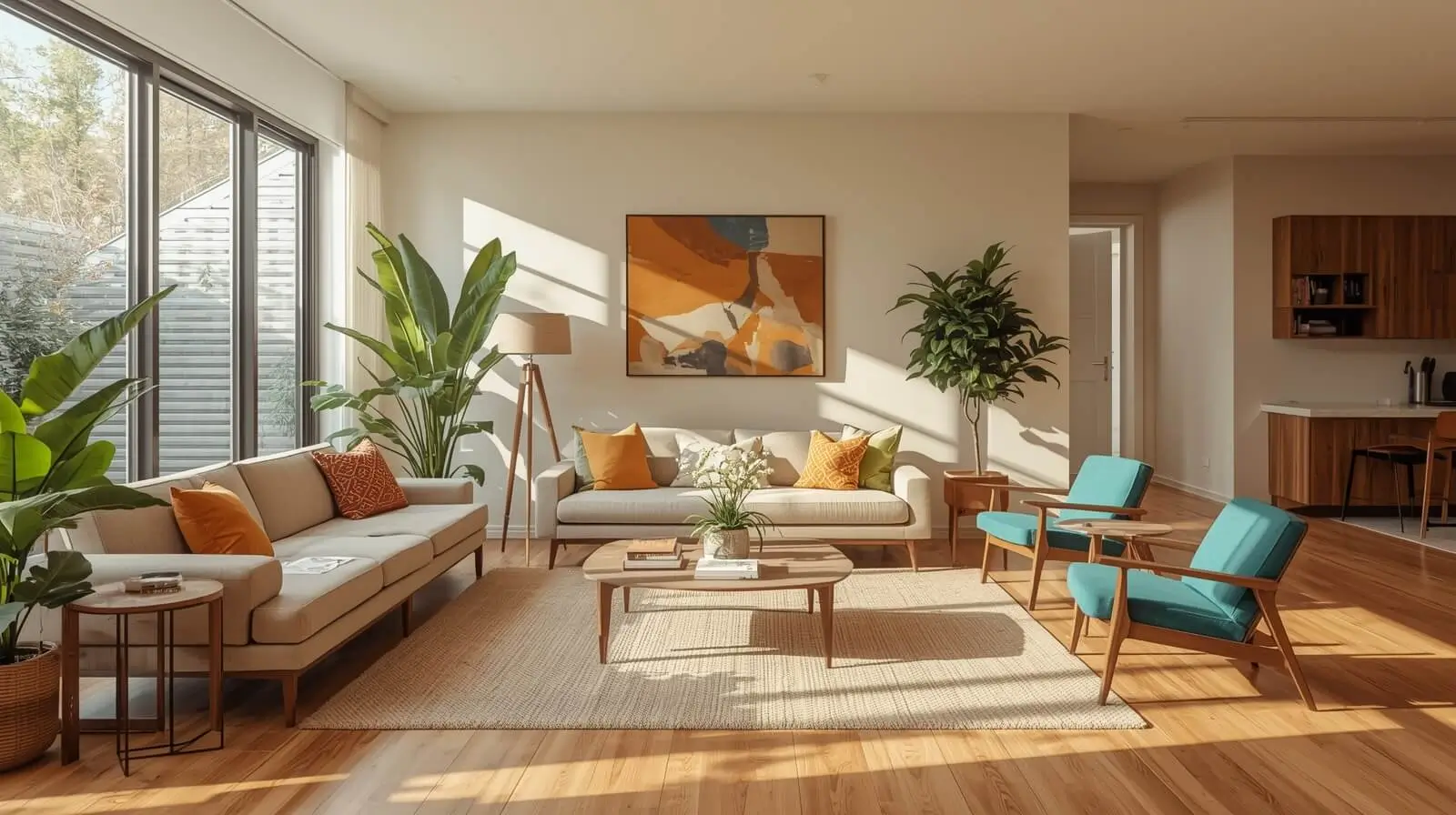
Mid Century Living Room Decor
Decor in mid century living rooms is intentional and restrained. Art, lighting, and accessories are chosen to complement form, not clutter it.
This approach keeps the room visually calm and emotionally welcoming.
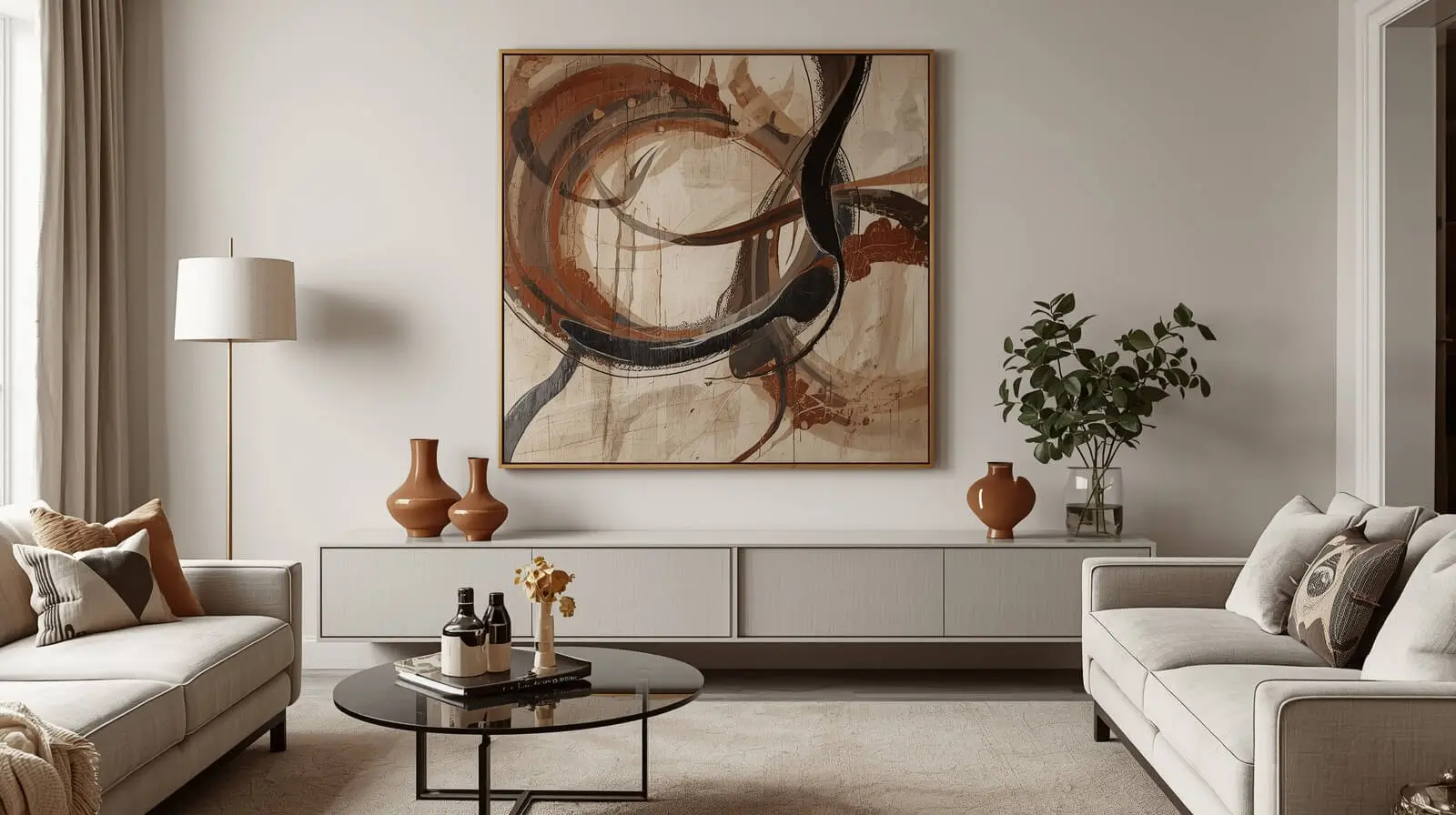
MCM Living Room Ideas for Modern Homes
In contemporary homes, MCM interior design adapts easily. Mixing modern architecture with mid-century furniture creates contrast without conflict.
This blend keeps the style relevant and flexible for everyday living.
MCM Kitchen Design Principles
MCM kitchens prioritize function, storage efficiency, and clean surfaces. Cabinetry is flat-fronted, hardware is minimal, and layouts are practical.
The emphasis is on usability without visual noise.
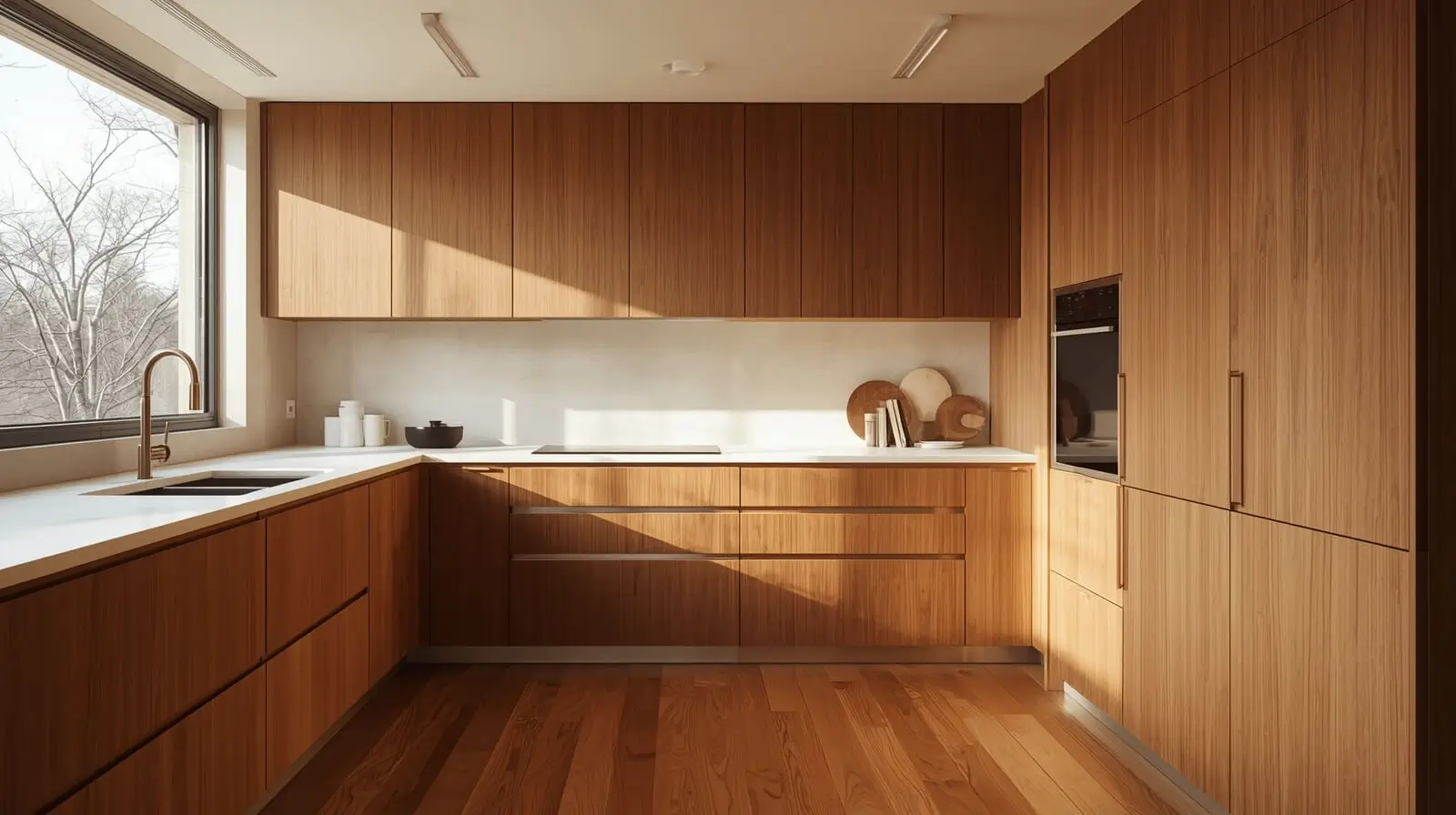
Mid Century Modern Kitchen Cabinets
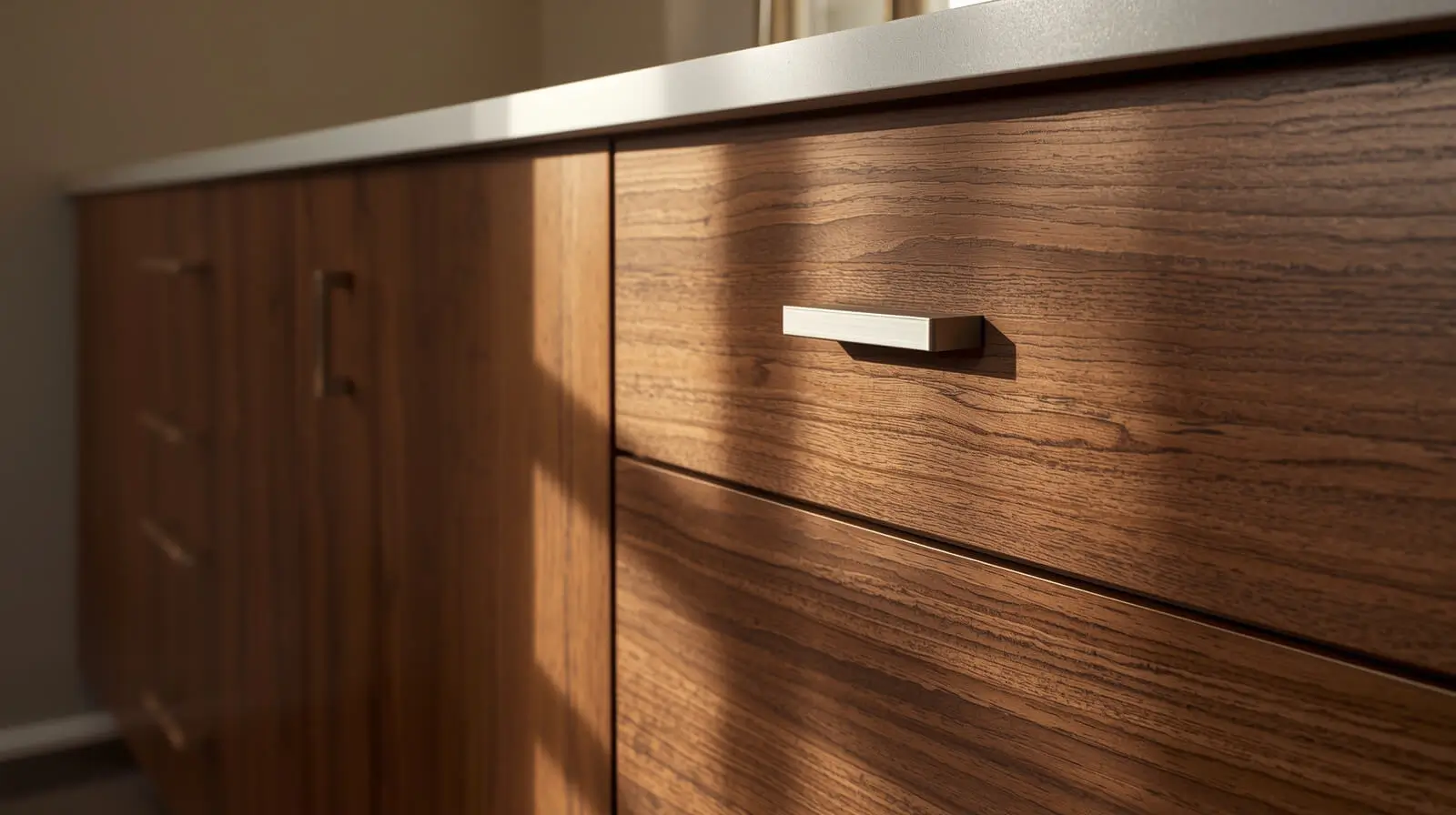
Cabinets in MCM interior design often use warm woods or muted colors. They sit flush and uninterrupted, reinforcing the streamlined aesthetic.
This creates kitchens that feel organized and timeless rather than trendy.
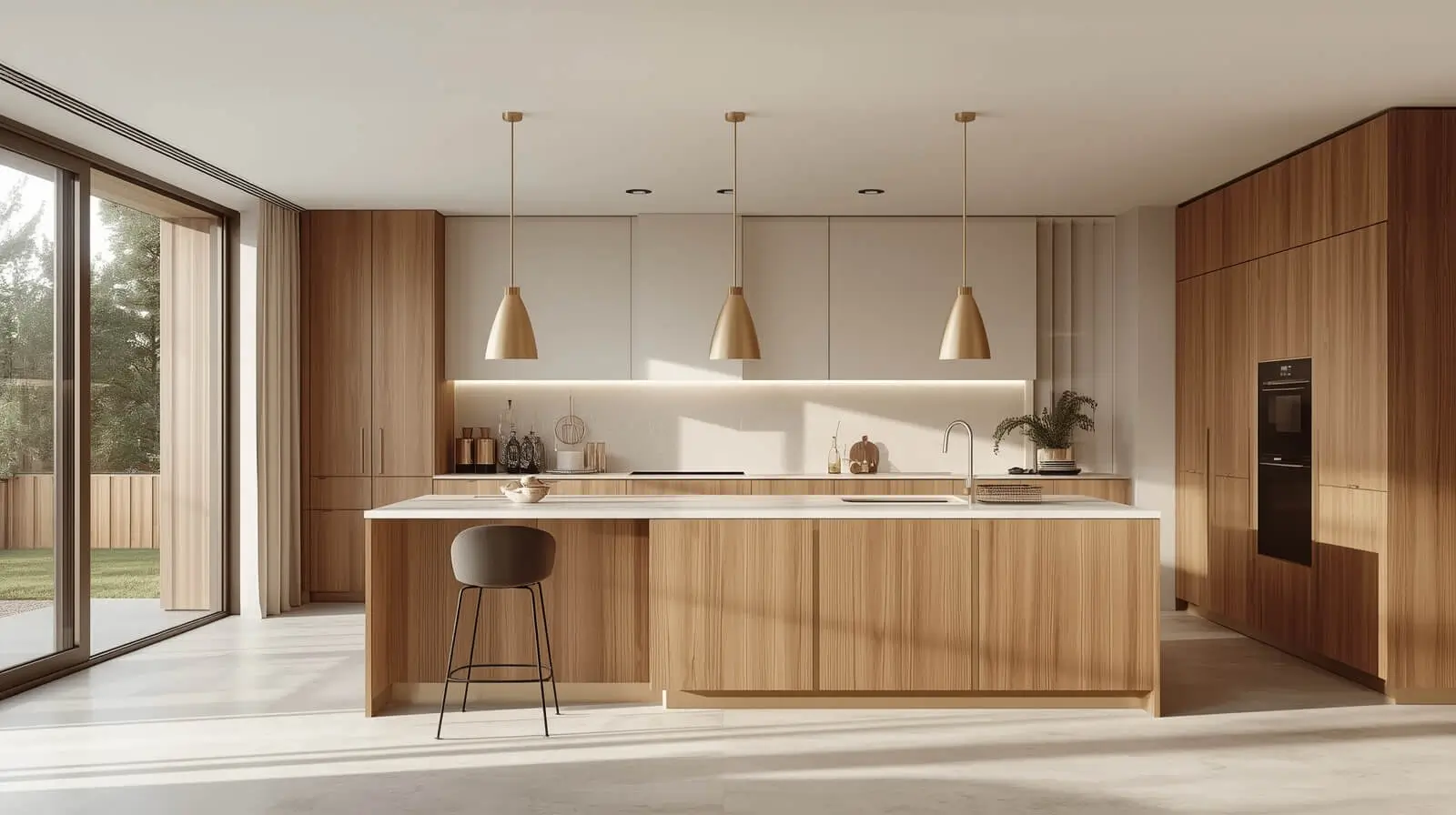
Mid Century Inspired Kitchen Spaces
A mid-century inspired kitchen doesn’t need to be historically exact. Even subtle references—like lighting or cabinetry—can evoke the era.
This flexibility makes MCM accessible in renovations and new builds alike.
MCM Interior Design and Interior Design Styles
Within broader interior design styles, MCM interior design stands out for its balance between modernism and comfort. It bridges the gap between strict minimalism and decorative styles.
That balance explains why it layers well with other design approaches.
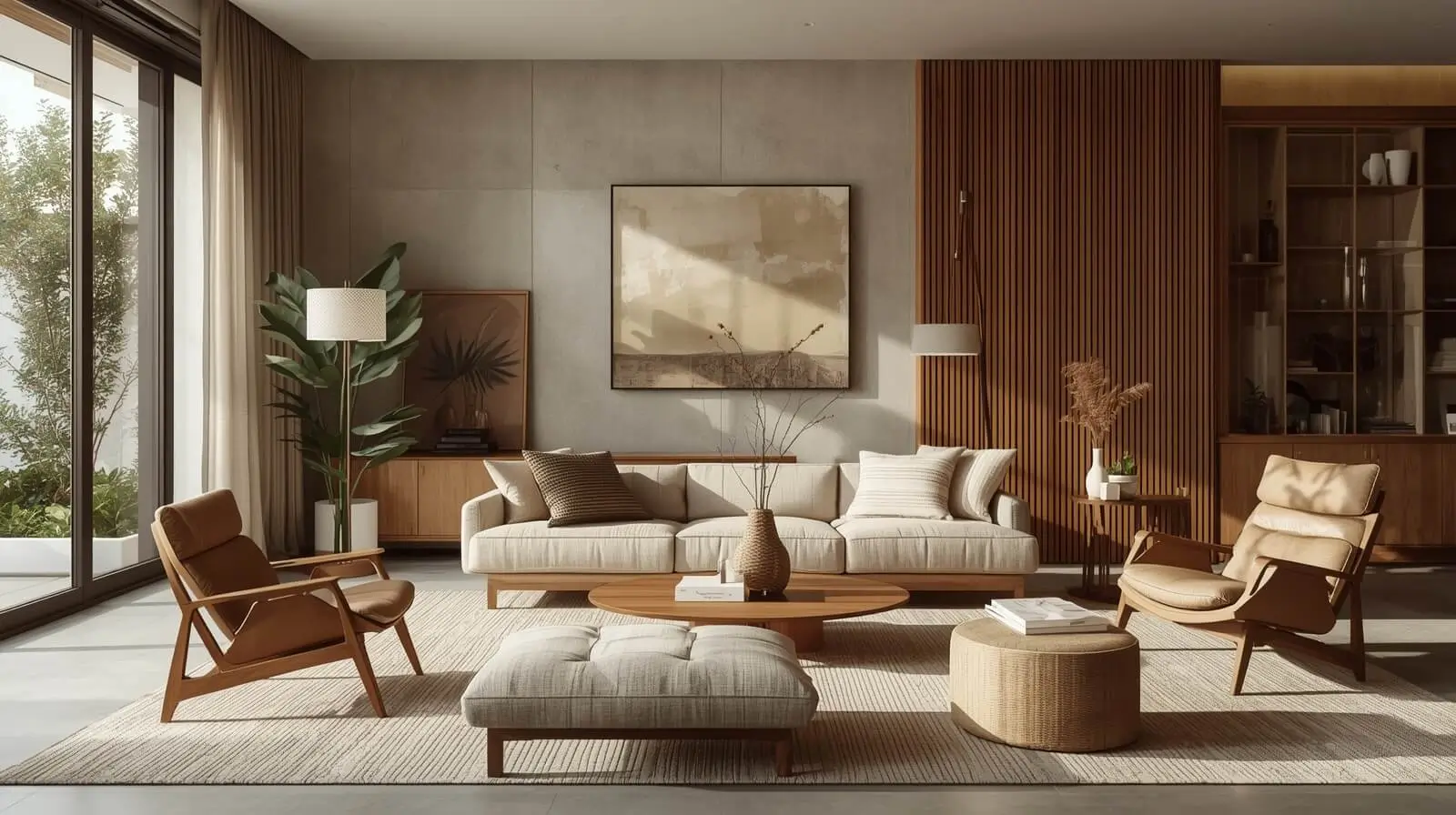
MCM Design Elements That Define the Style
Key MCM design elements include tapered legs, organic shapes, wood tones, and strong horizontal lines. These elements work together to create rhythm and harmony.
When repeated subtly, they unify an entire home.
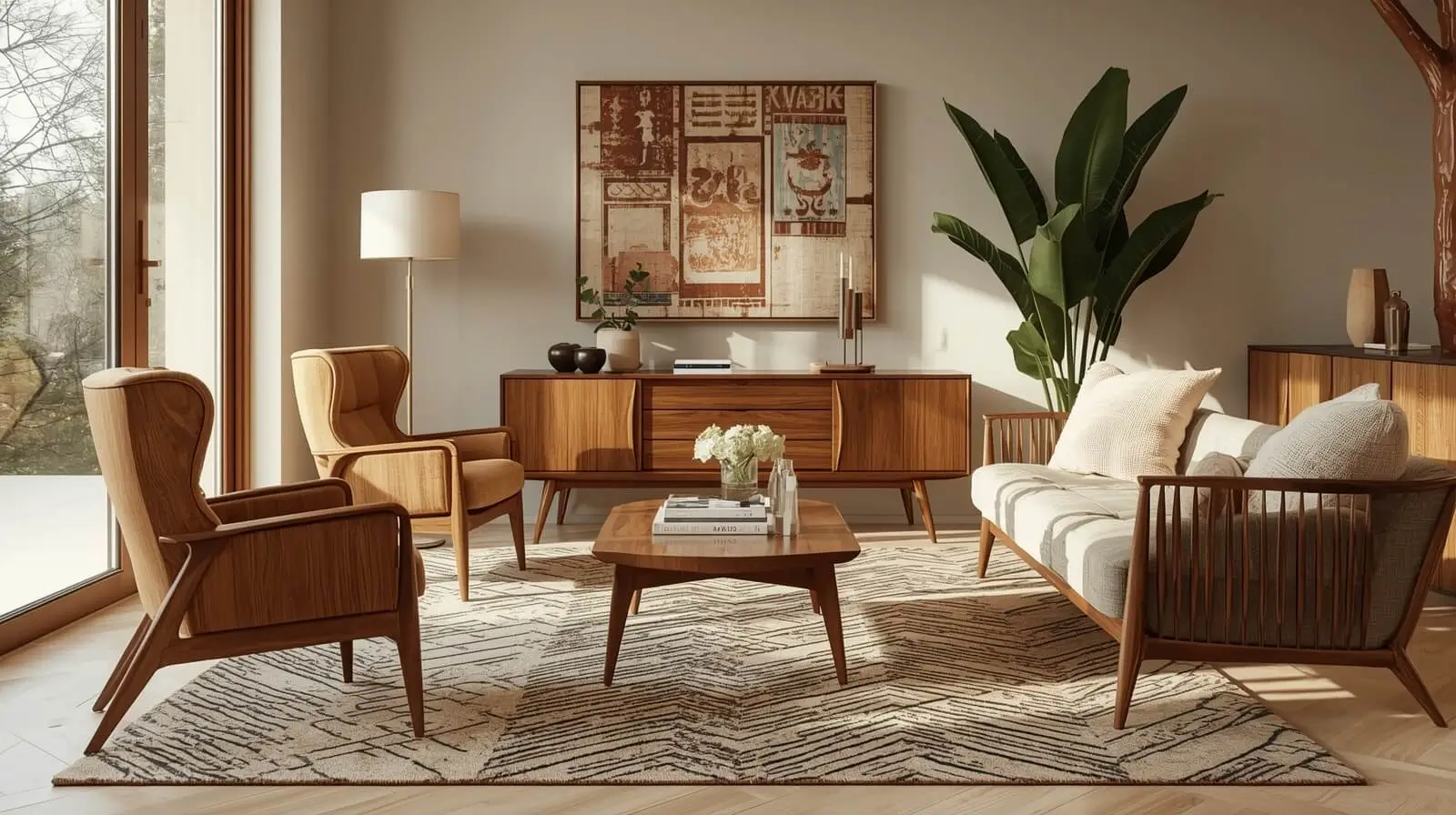
Mid Century House Interior Layouts
Mid century house interiors emphasize openness and indoor-outdoor flow. Large windows and logical layouts connect rooms visually and functionally.
This planning philosophy still feels modern today.
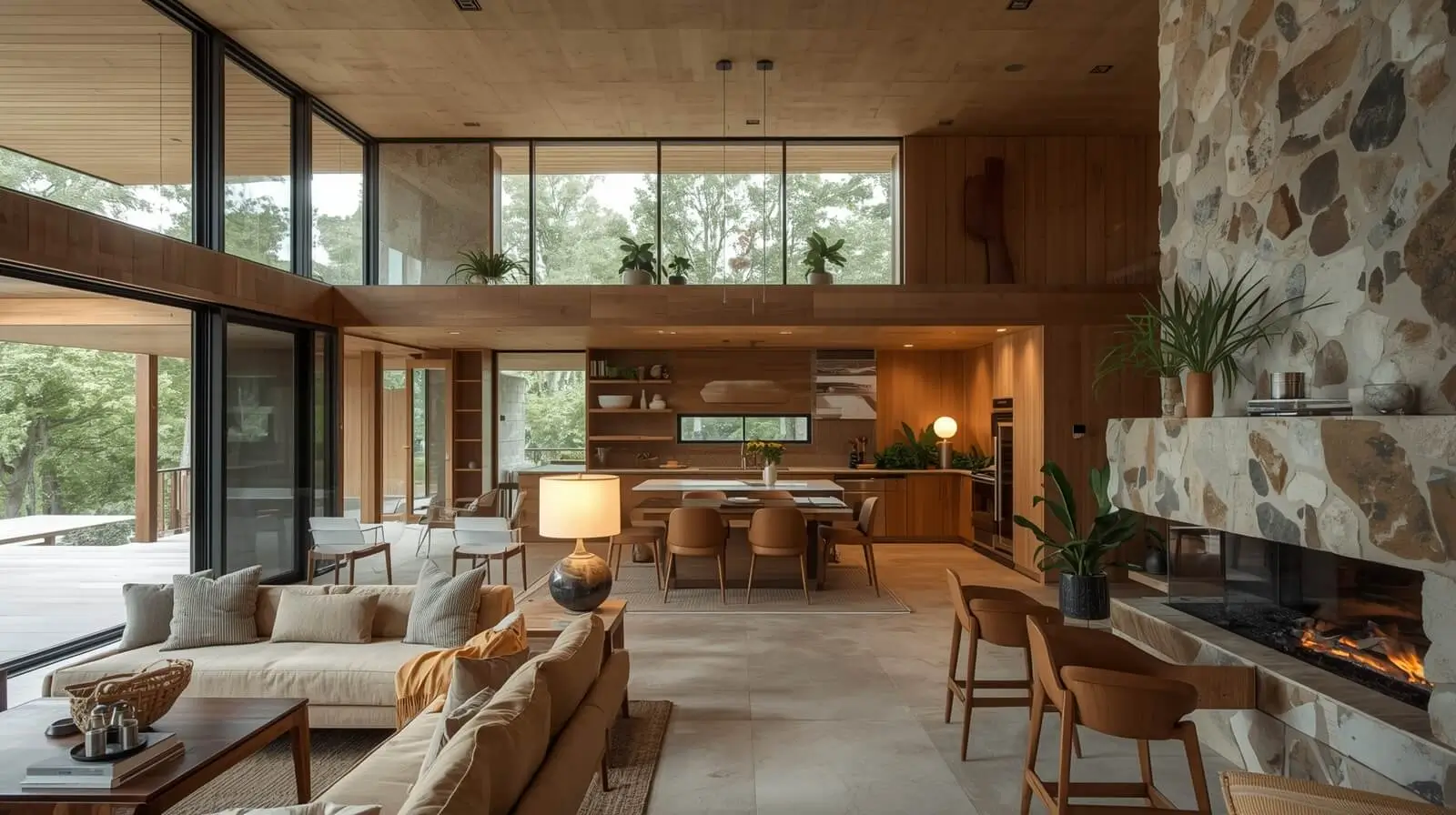
MCM Interior Design Lighting Philosophy
Lighting in MCM interior design is both practical and expressive. Sculptural fixtures act as focal points while providing layered illumination.
Good lighting enhances form, texture, and mood simultaneously.
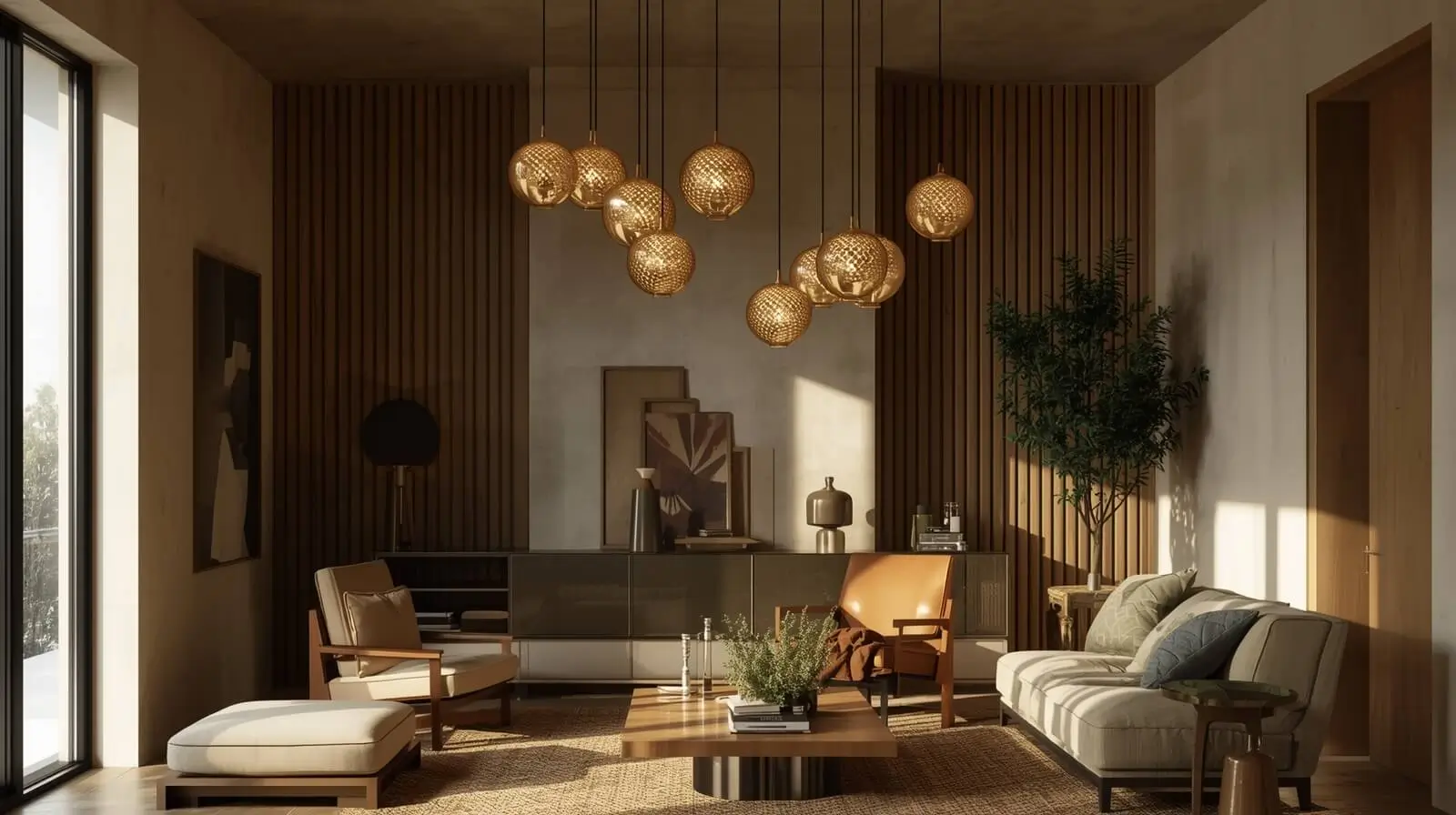
MCM Interior Design for Long-Term Living
What truly sets MCM interior design apart is its livability. Spaces are designed to age gracefully, both visually and functionally.
That longevity is why MCM continues to feel relevant across generations.
Conclusion: Why MCM Interior Design Continues to Work
MCM interior design endures because it solves real problems in real homes. It creates spaces that feel open without being cold, structured without feeling rigid, and refined without losing warmth. At its core, the approach is about thoughtful restraint—choosing fewer elements, but choosing them well.
From an experience standpoint, this design philosophy works especially well for people who value clarity and longevity over constant change. Furniture holds its relevance, layouts support daily life, and materials age with dignity rather than wearing out their welcome. Instead of chasing trends, MCM interior design builds a foundation that adapts as lifestyles evolve—families grow, routines shift, and spaces are repurposed.
What truly sets it apart is how naturally it connects form and function. Every line, material, and proportion has a reason, which makes decision-making simpler and more confident. Whether you’re furnishing one room or shaping an entire home, the principles remain consistent and dependable. When applied with intention, MCM interior design doesn’t just create attractive interiors—it creates spaces that feel calm, livable, and quietly intelligent over time.
Learn more : 10+ Inspiring Ideas for Beach House Interior Design Bliss
Frequently Asked Questions
- Is MCM interior design suitable for small spaces?
Yes, it works exceptionally well in smaller homes and apartments. The emphasis on clean lines, elevated furniture, and open layouts helps spaces feel less crowded and more intentional, even with limited square footage. - Can MCM interior design feel warm rather than minimal?
Absolutely. Warmth comes from material choices and balance. Natural woods, textured fabrics, and thoughtful lighting soften the clean forms and prevent the space from feeling stark or impersonal. - Do I need authentic vintage pieces to achieve the look?
Not at all. While original pieces add character, well-designed contemporary furniture that follows mid-century principles can achieve the same effect. What matters most is proportion, simplicity, and material quality. - How do I avoid making my home feel like a period set?
The key is restraint. Mixing mid-century elements with modern architecture or neutral backdrops keeps the space current. Avoid overusing iconic shapes and focus instead on cohesive forms and finishes. - Is MCM interior design practical for family living?
Yes. Its focus on function and durability makes it well-suited to everyday life. Choosing sturdy materials and comfortable silhouettes ensures the space supports real use, not just visual appeal. - What’s the best way to start applying MCM interior design?
Begin with one anchor piece, such as a sofa, chair, or sideboard, and build around it thoughtfully. Let each addition serve a clear purpose, and allow negative space to be part of the design rather than something to fill. - Does MCM interior design work across different rooms?
It does. The principles translate seamlessly from living rooms to kitchens and beyond. Consistency in materials, forms, and proportions helps unify the home while allowing each space to serve its own function.

One Response