Introduction
Mediterranean design interior is one of those rare styles that feels both luxurious and deeply livable. Rooted in the coastal regions of Spain, Italy, and southern France, it blends natural materials, sun-washed colors, and relaxed elegance into spaces that feel effortlessly inviting. Whether you’re designing a full home or refreshing a single room, this style leans heavily on light, texture, and authenticity.
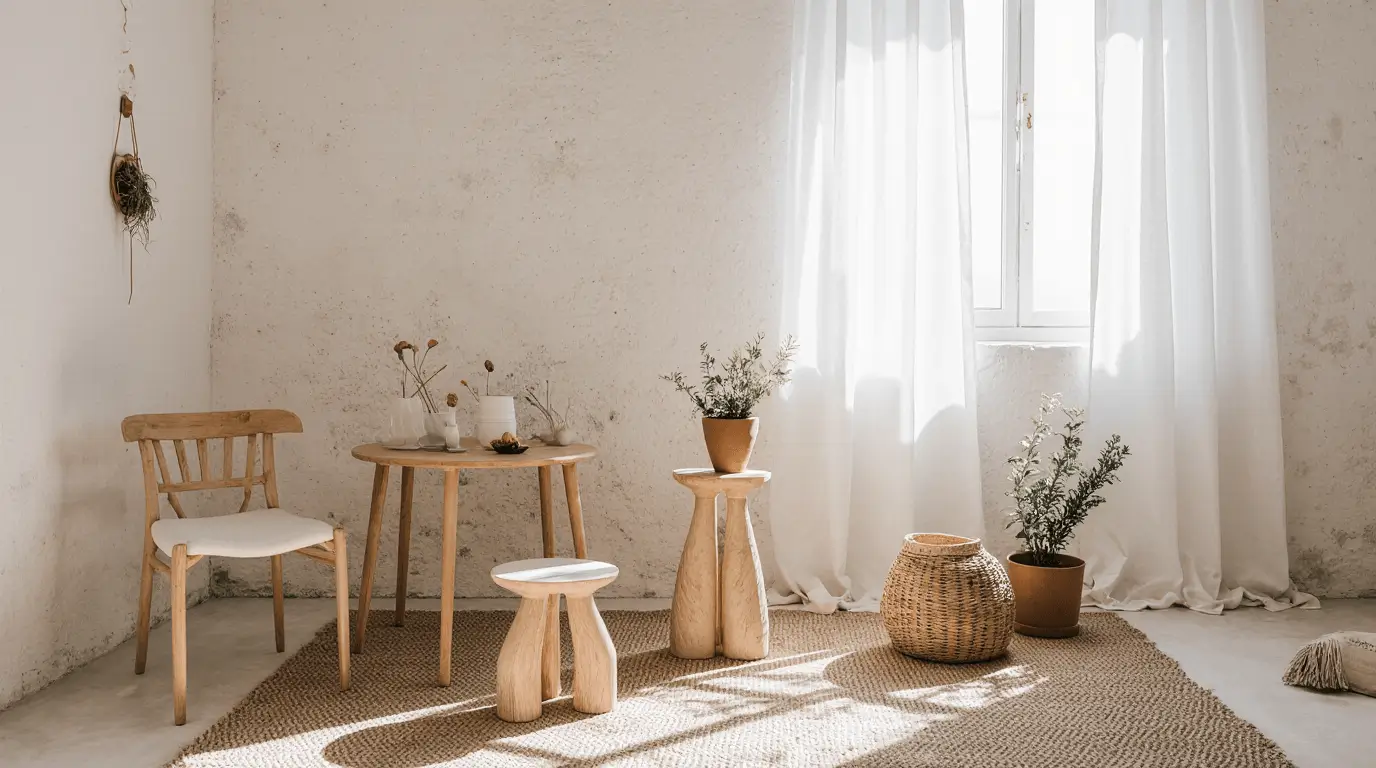
From experience, what makes Mediterranean interiors truly work isn’t just the aesthetic—it’s the restraint. It’s knowing when to let rough plaster walls breathe, when to keep furniture simple, and when to allow sunlight to become the main design feature. Done right, it never feels over-designed; it feels like it evolved naturally over time.
Mediterranean Design Interior Characteristics
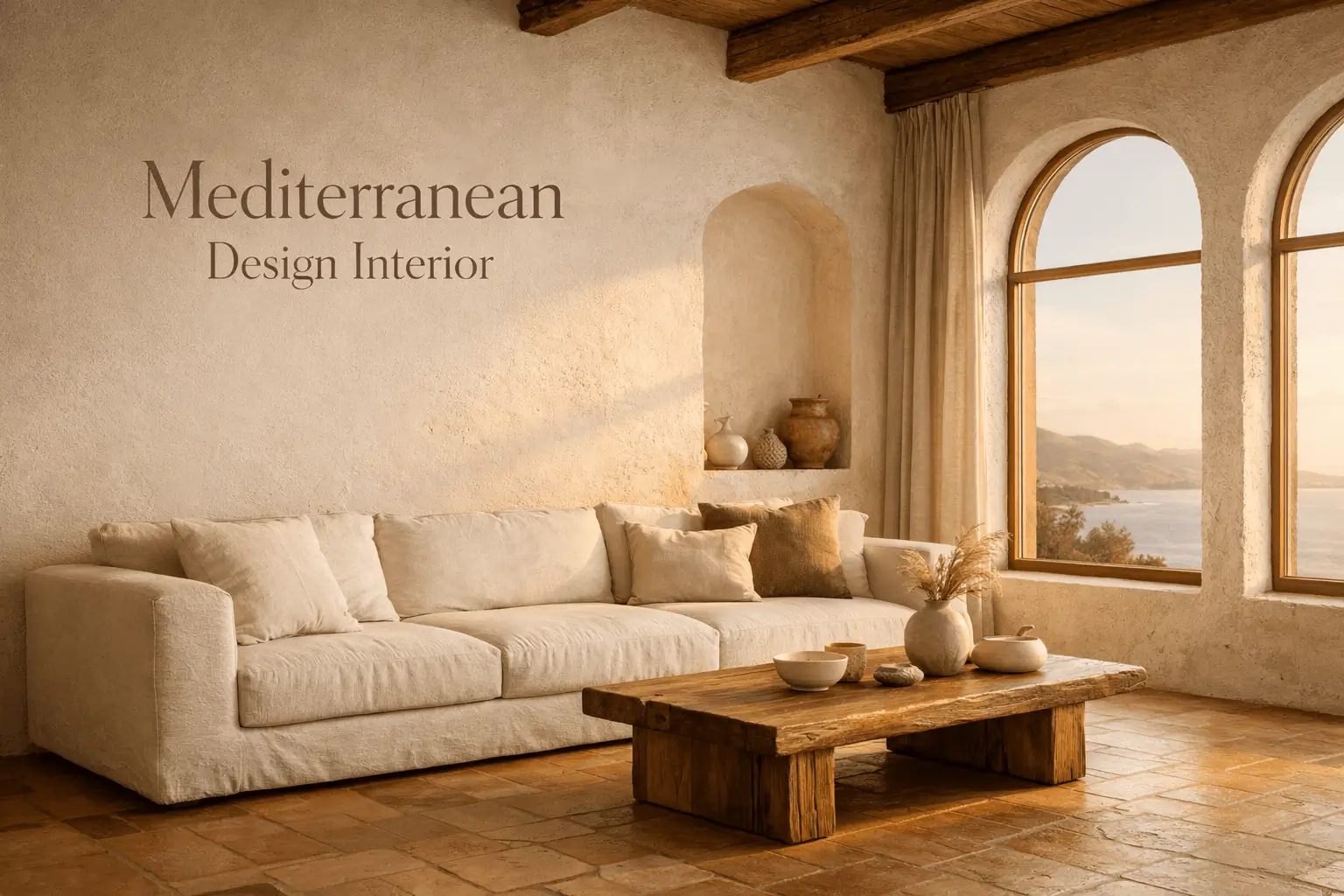
Mediterranean design interior is defined by warm tones, textured walls, natural stone, and organic materials. Think terracotta floors, arched openings, and soft, diffused light.
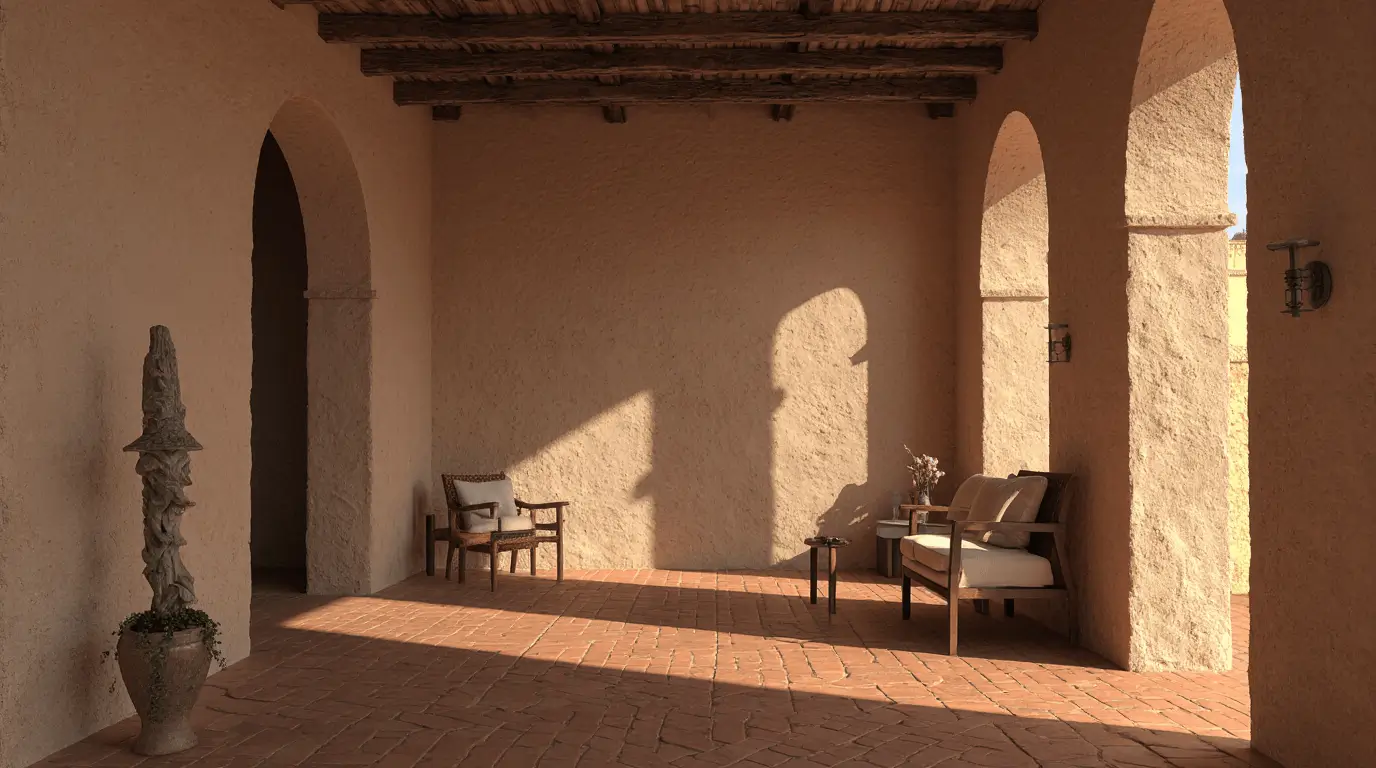
Modern Mediterranean Design Interior
Modern Mediterranean design interior blends traditional warmth with clean lines and minimal clutter. It removes excess ornamentation while keeping core materials like wood and stone.
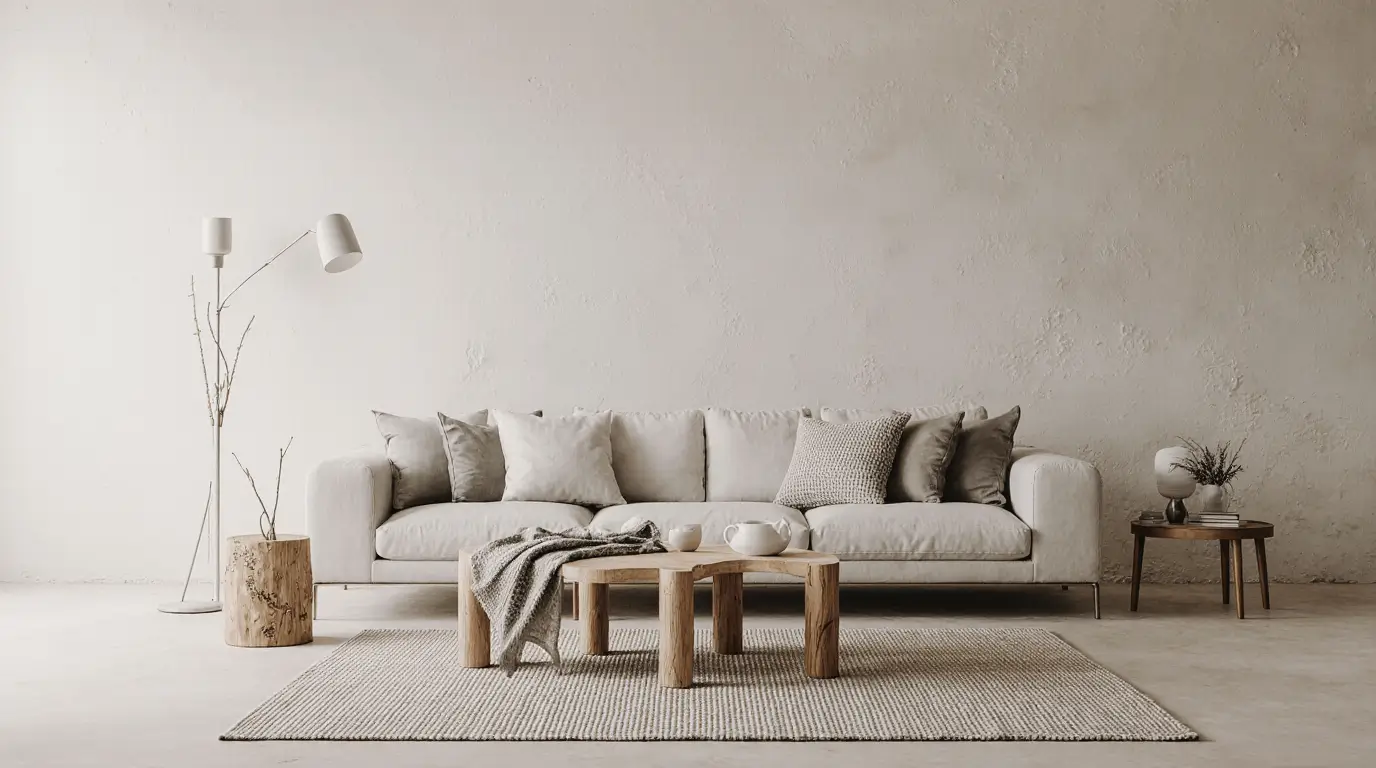
Mediterranean Living Room Design
Mediterranean living room design focuses on comfort, openness, and natural light. Large windows, linen sofas, and earthy textures create a relaxed yet refined environment.
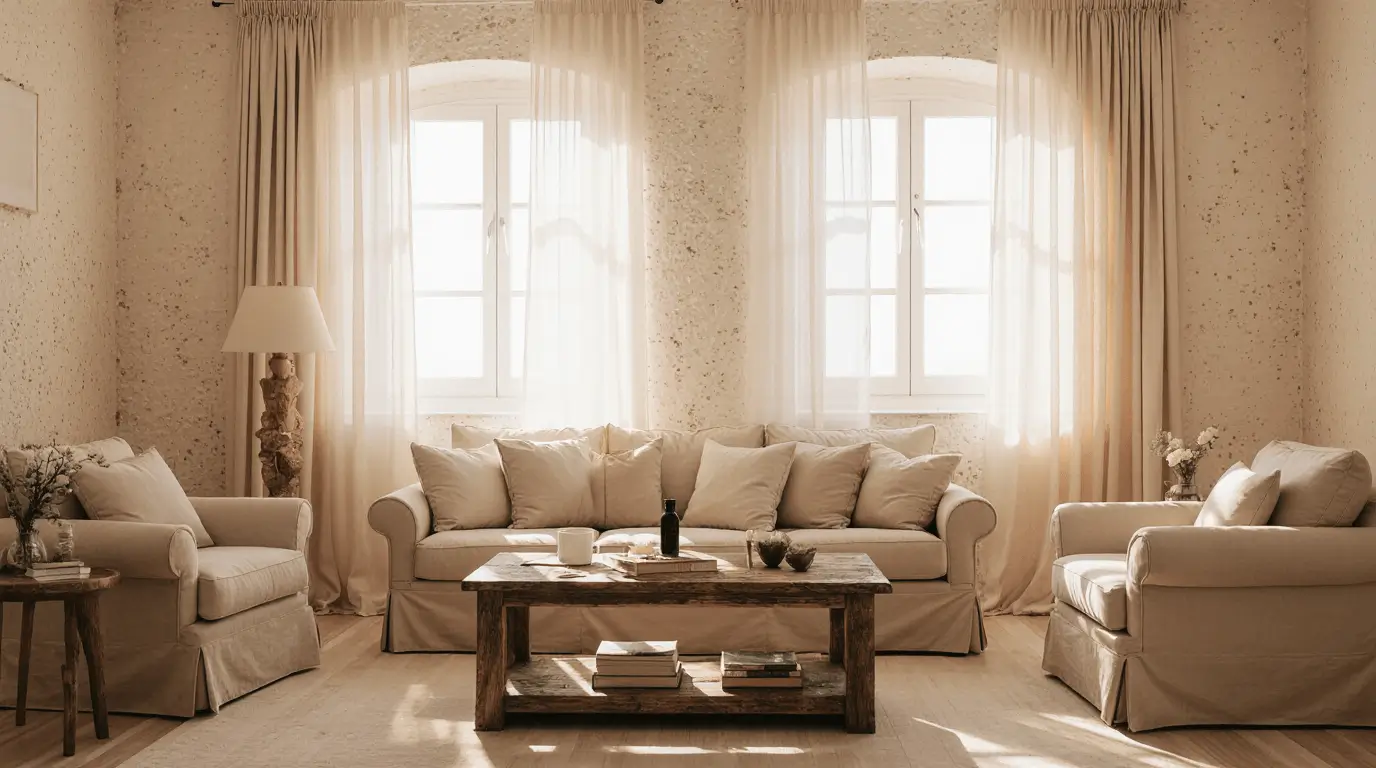
Rustic Mediterranean Interior Design
Rustic Mediterranean interiors lean into raw textures—aged wood, distressed finishes, and handmade elements that add depth and character.
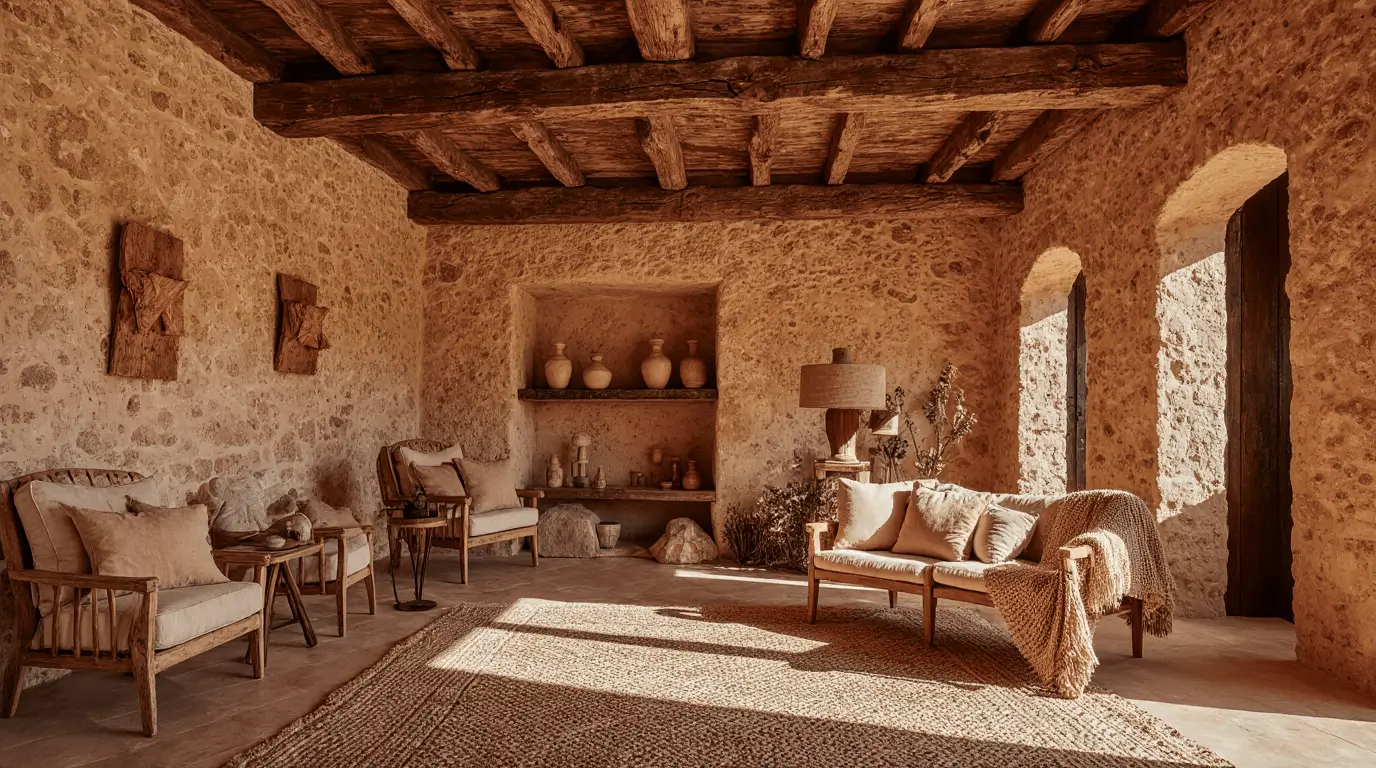
Mediterranean Interior Design Ideas for Small Spaces
In smaller spaces, Mediterranean design interior relies on light colors, mirrors, and minimal furniture to maintain openness while preserving warmth.
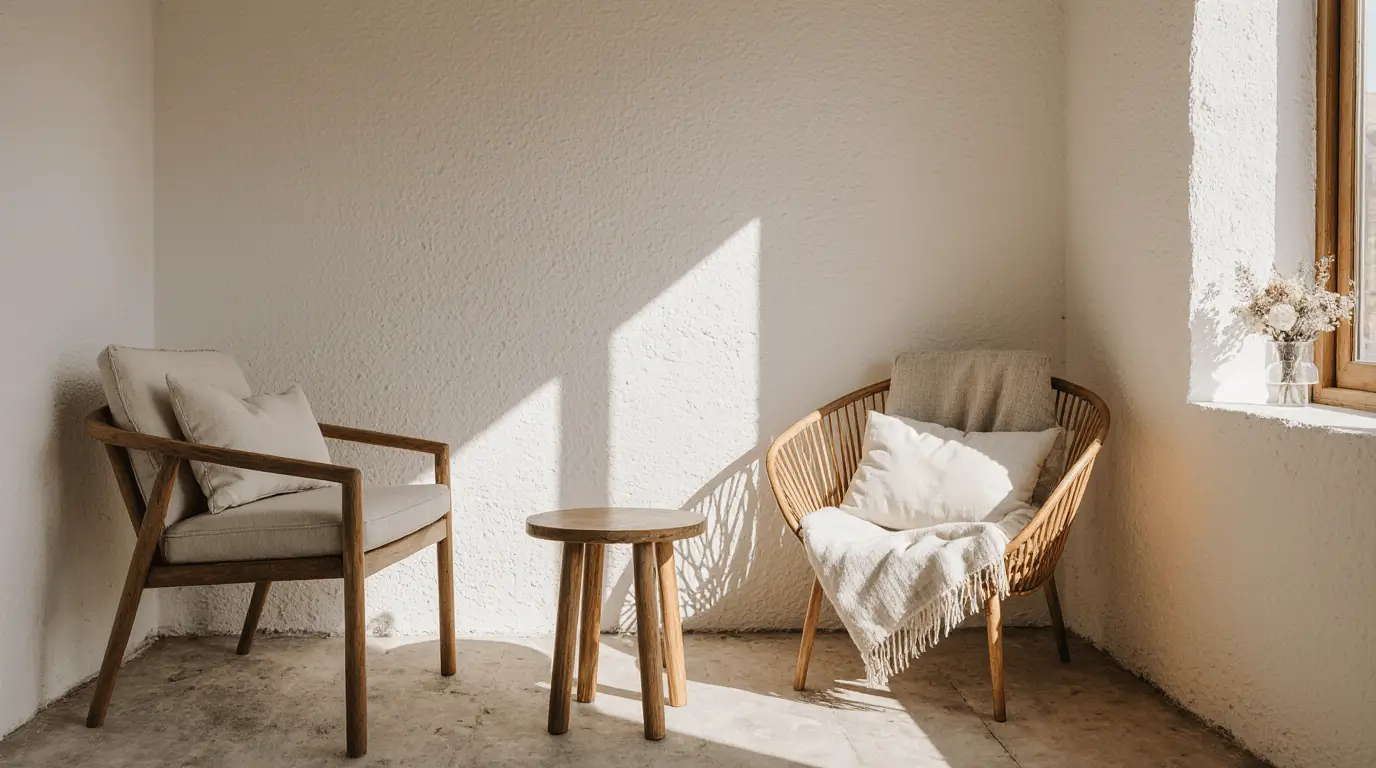
Mediterranean Home Interior Color Palette
The palette is inspired by nature—sand, olive green, terracotta, sky blue, and creamy whites. These tones reflect coastal landscapes and sunlit environments.
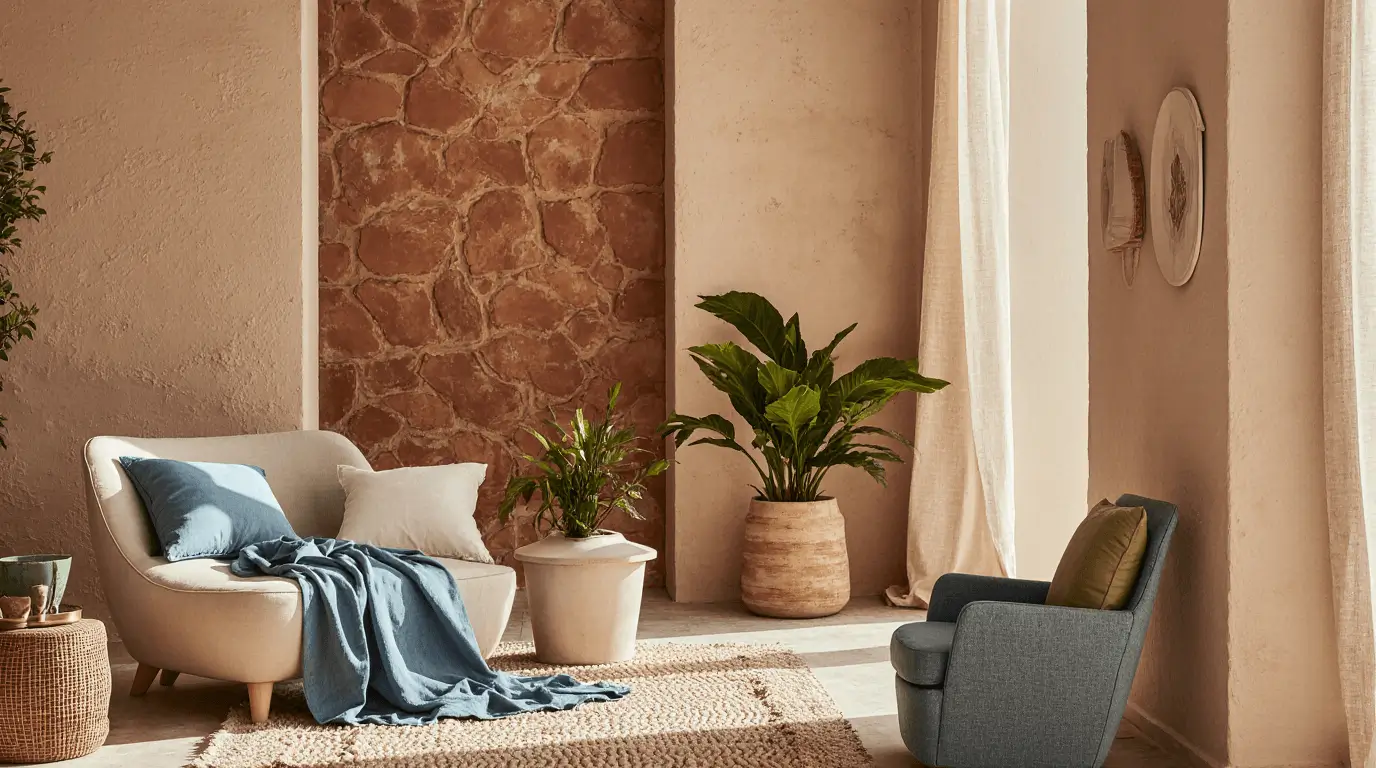
Mediterranean Style Interior Design Textures
Texture is essential—stucco walls, woven fabrics, rough stone, and aged wood bring depth and authenticity.
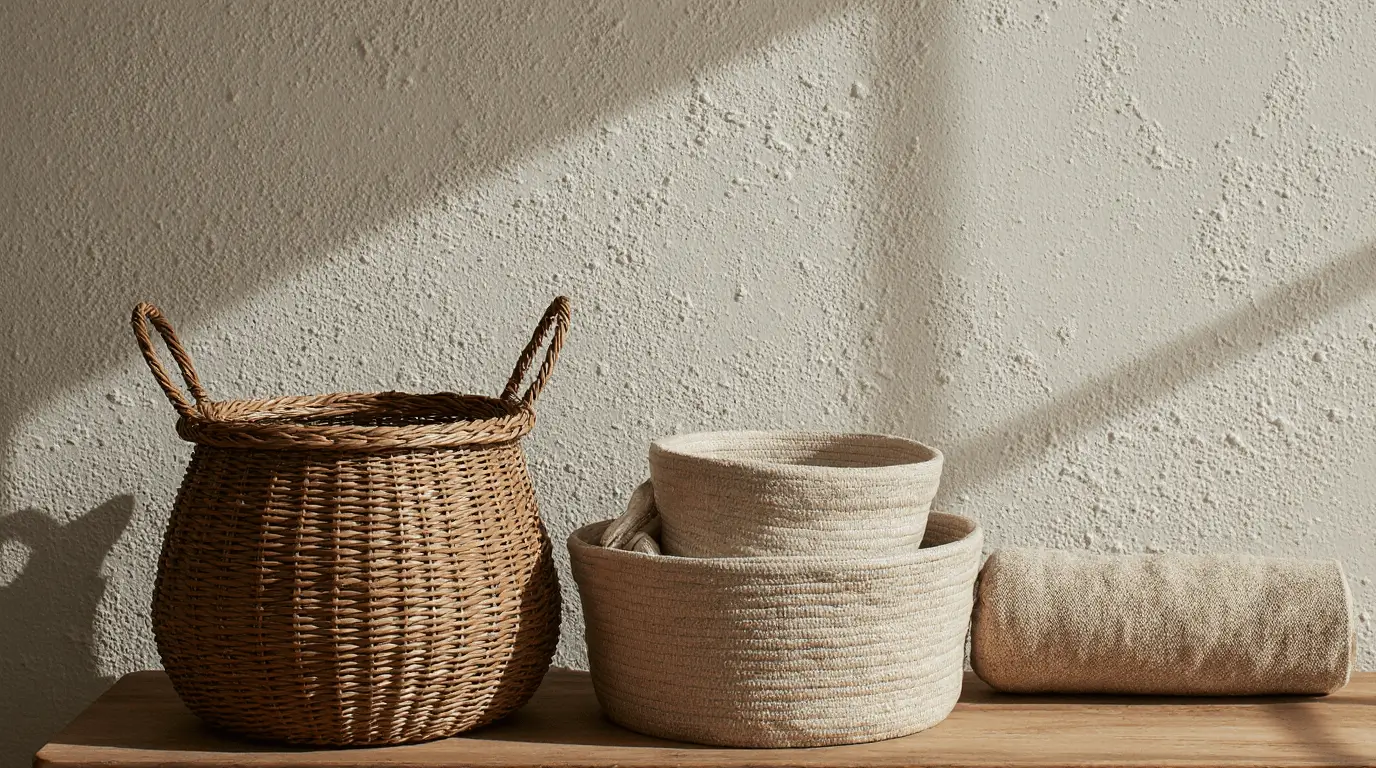
Mediterranean Modern Living Room
A Mediterranean modern living room combines simplicity with warmth—neutral tones, fewer decorative elements, and strong material presence.
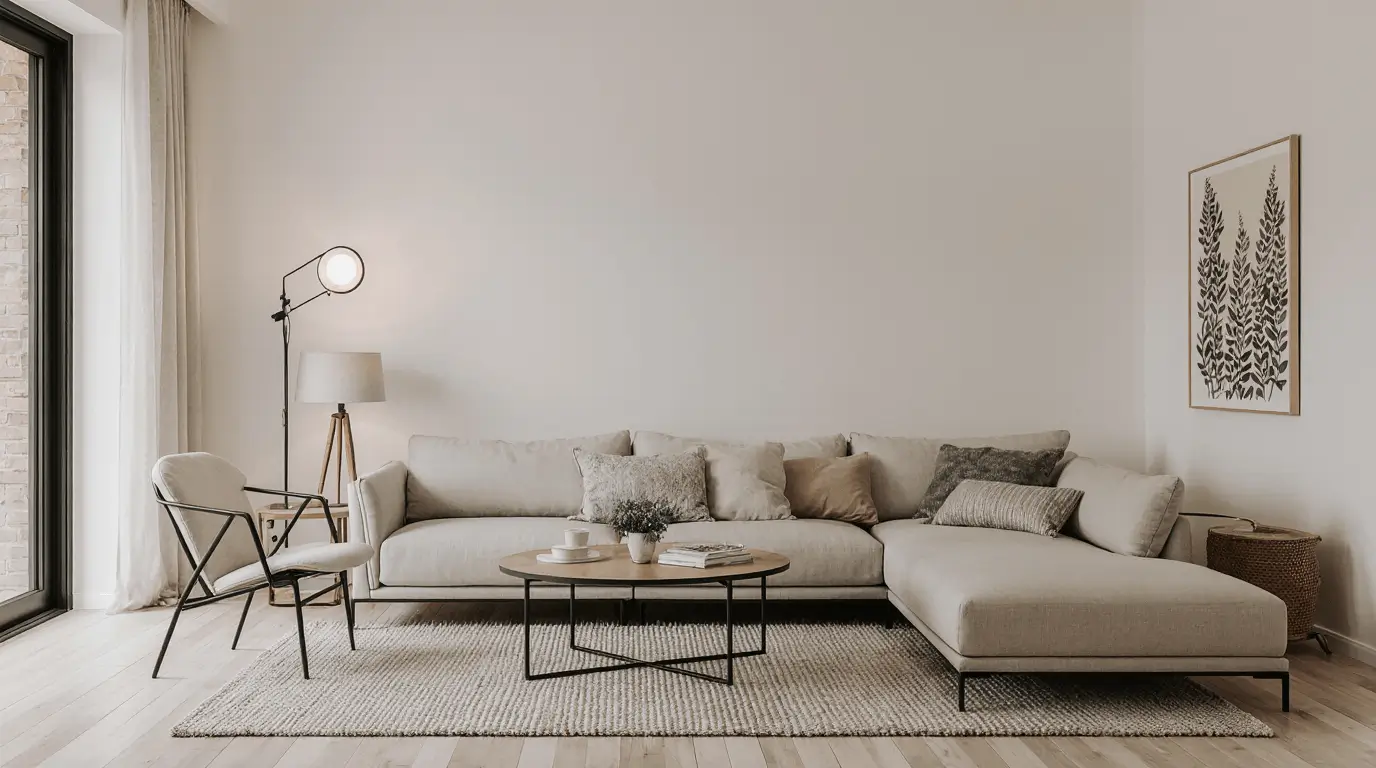
Spanish Mediterranean Interior Design
Spanish Mediterranean interiors emphasize bold contrasts, darker woods, and decorative tiles that add personality and vibrancy.
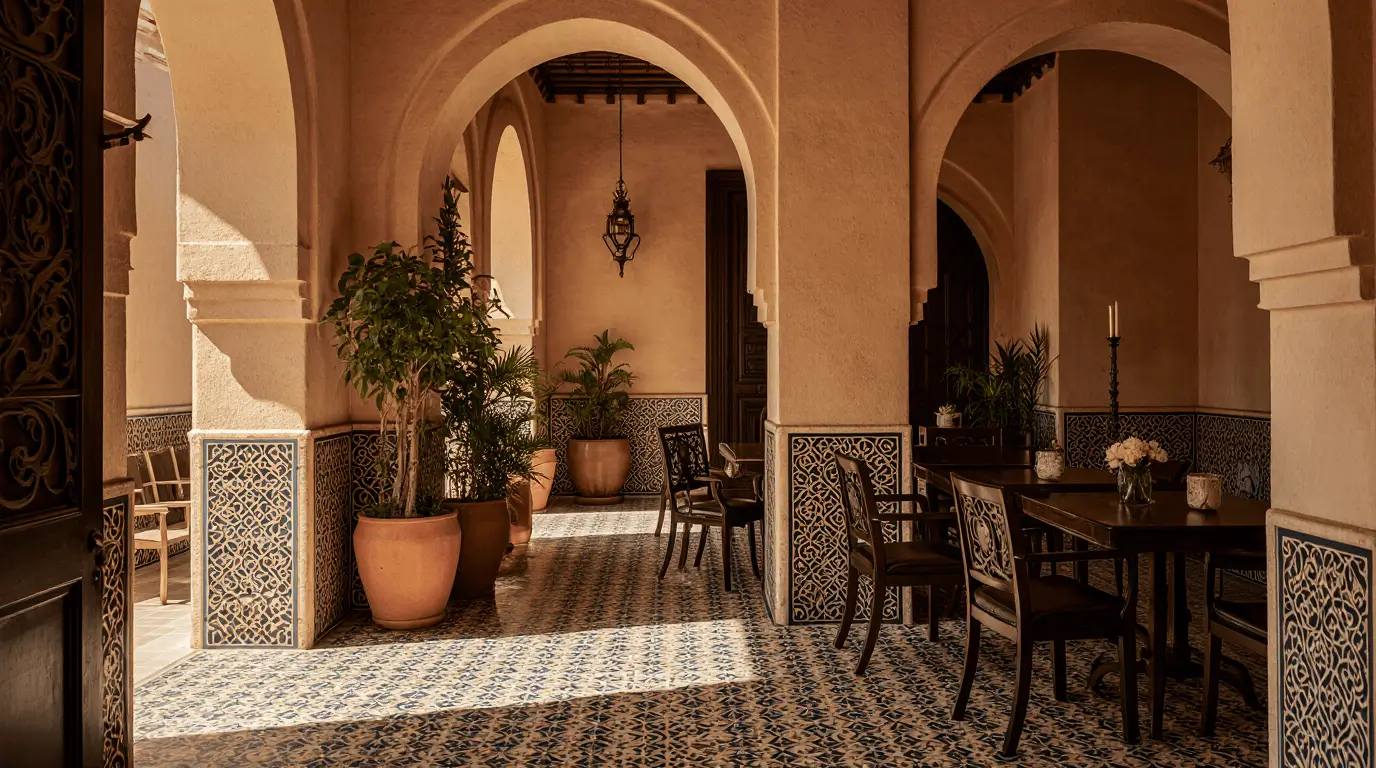
French Mediterranean Interior Design
French Mediterranean design is softer and more refined, often featuring lighter palettes, elegant curves, and understated decor.
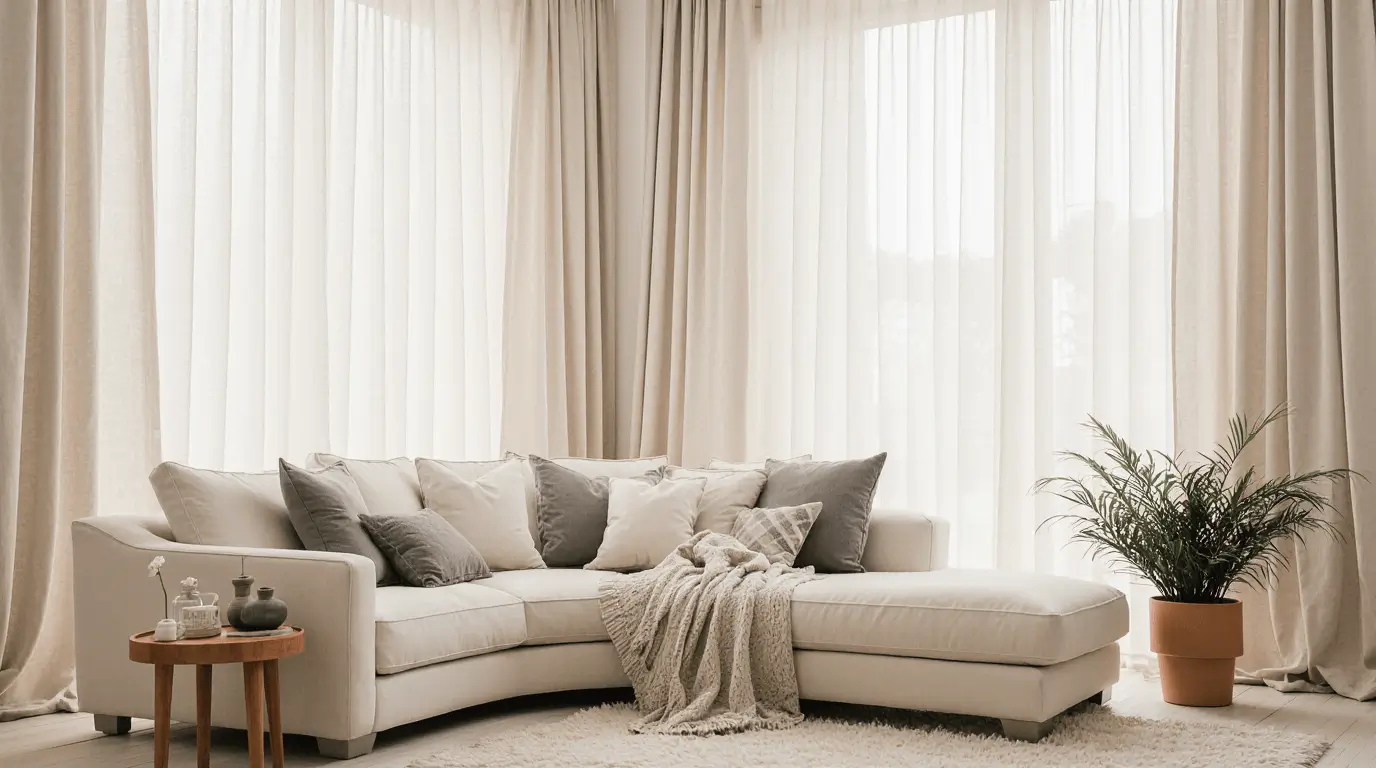
Mediterranean Living Room Decor
Decor is intentional and minimal—ceramic vases, woven baskets, and handcrafted items enhance the space without overwhelming it.
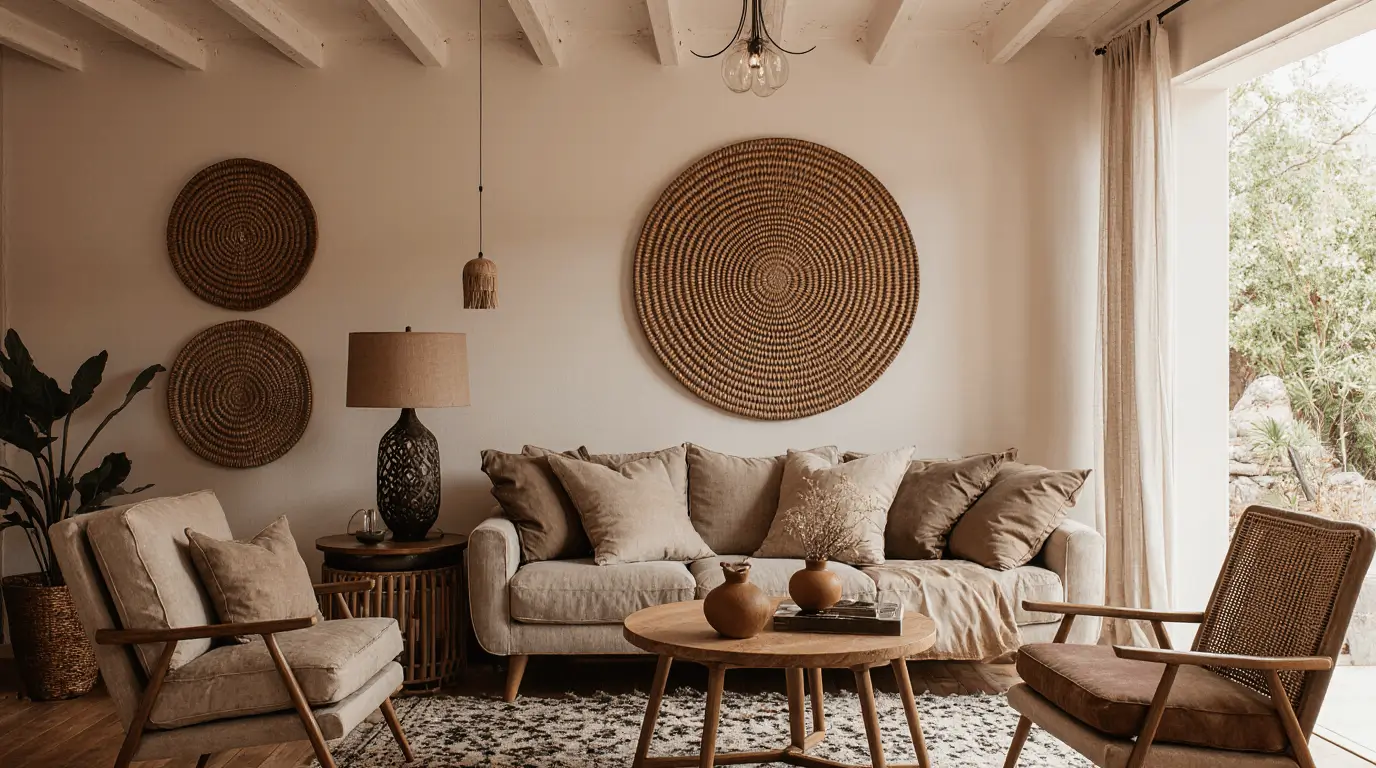
Mediterranean Interior Design Photos Inspiration
Visual inspiration often highlights natural light, open layouts, and harmonious material combinations rather than heavy decoration.
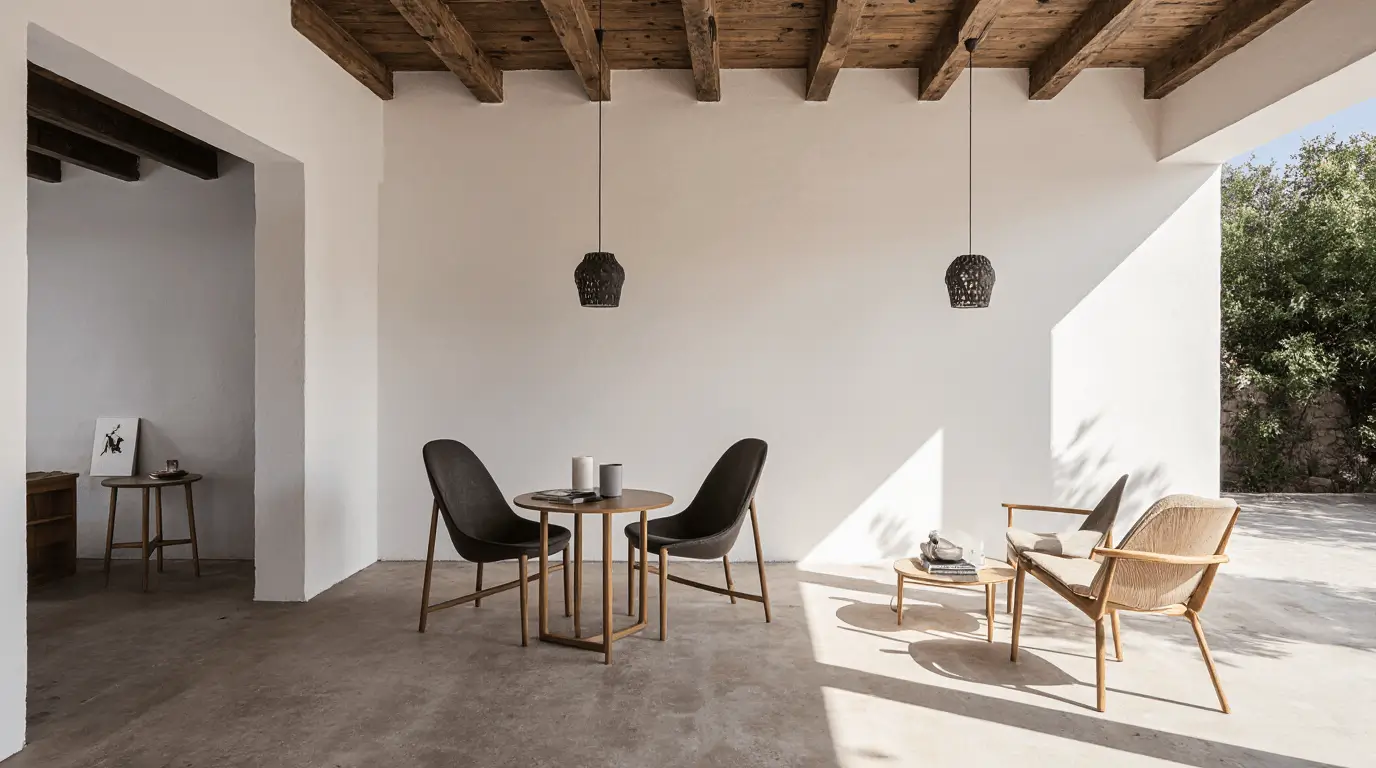
Mediterranean House Modern Interior
Modern Mediterranean homes balance tradition and innovation—open layouts, sleek finishes, and natural elements working together.
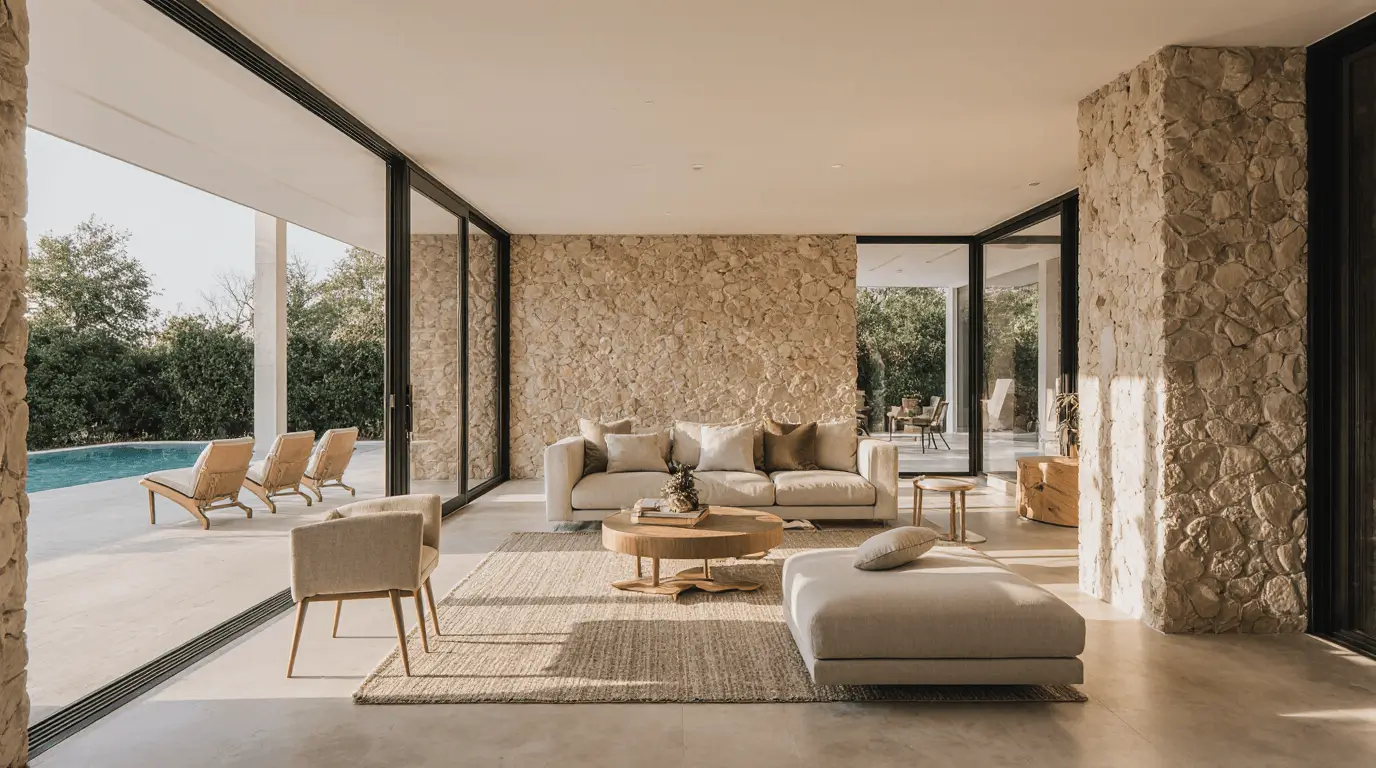
Mediterranean Living Room Ideas
Simple ideas—adding linen curtains, wooden furniture, or textured walls—can instantly shift a space toward Mediterranean style.
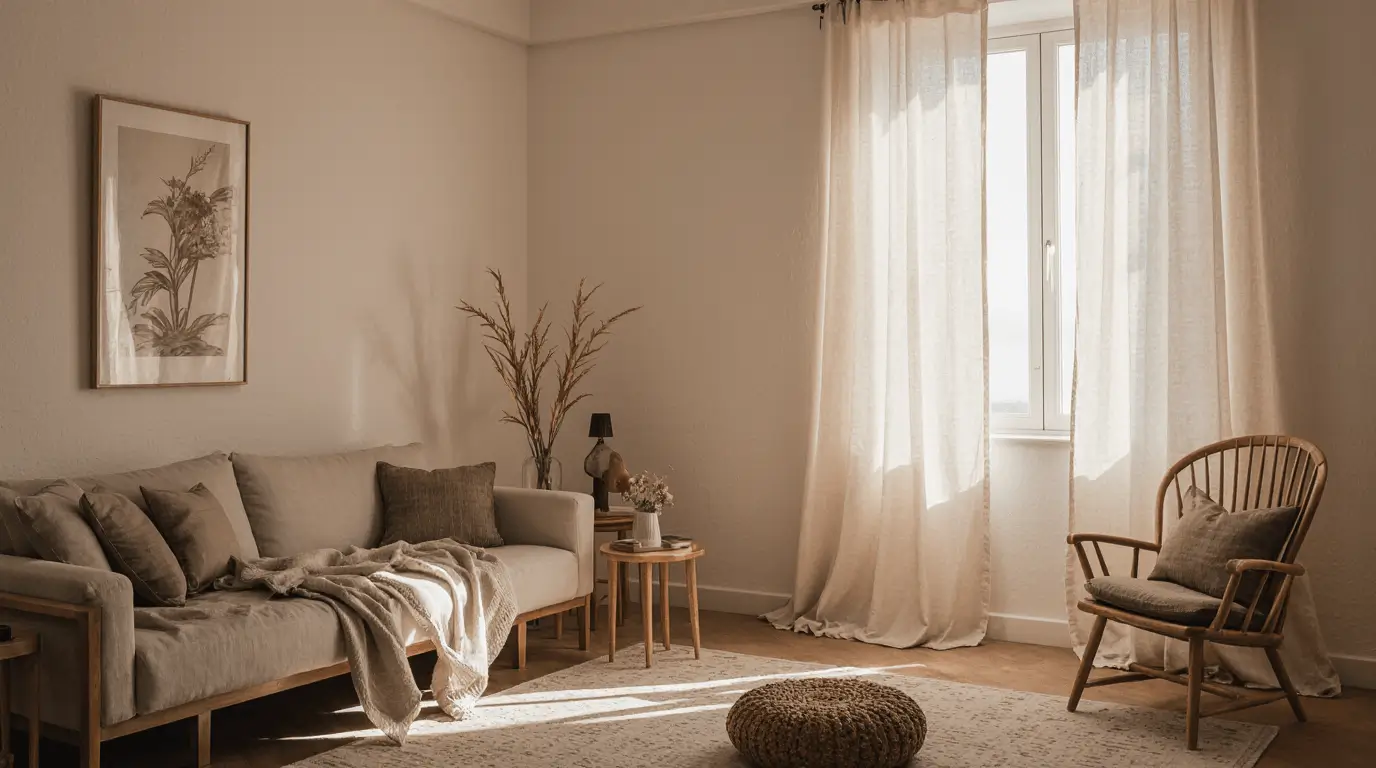
Mediterranean Design Living Room Layout
Layouts are open and breathable, often centered around natural light and easy movement rather than rigid structure.
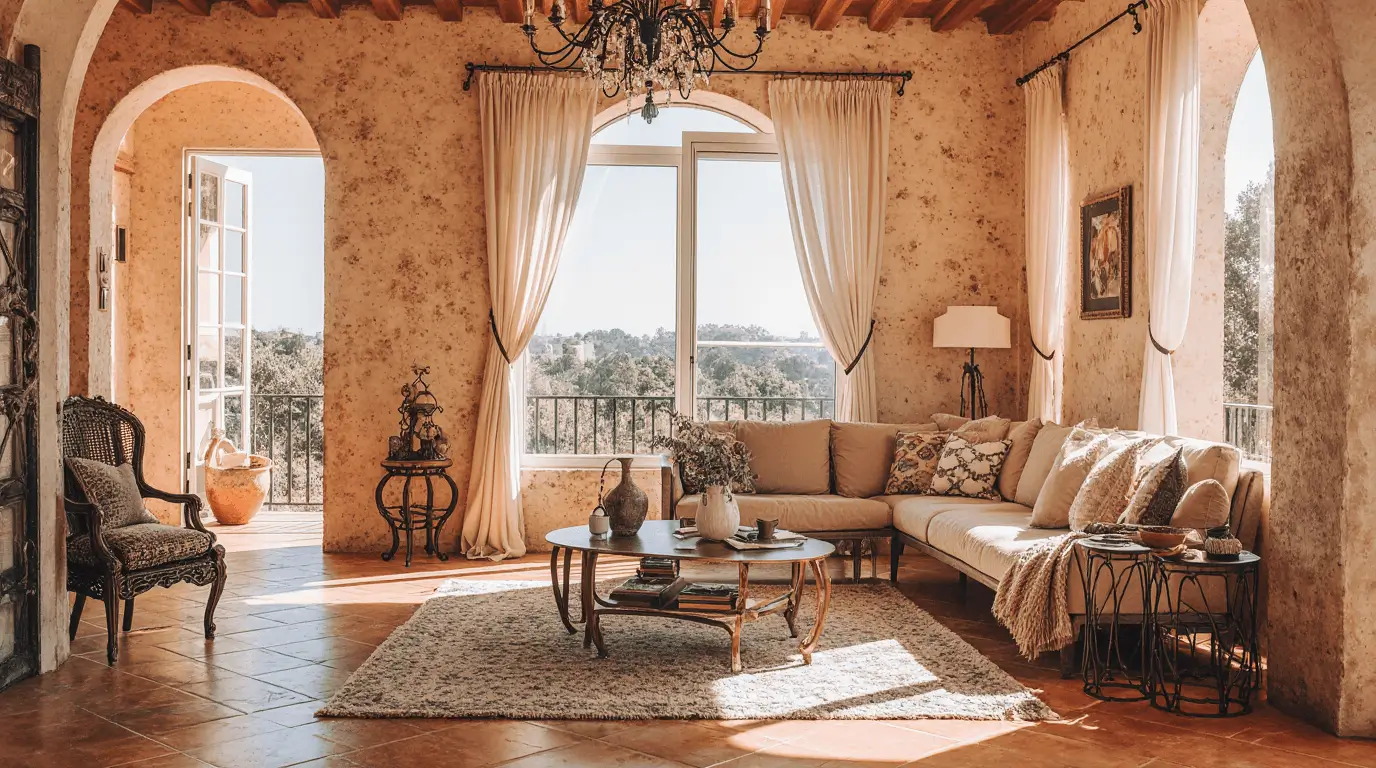
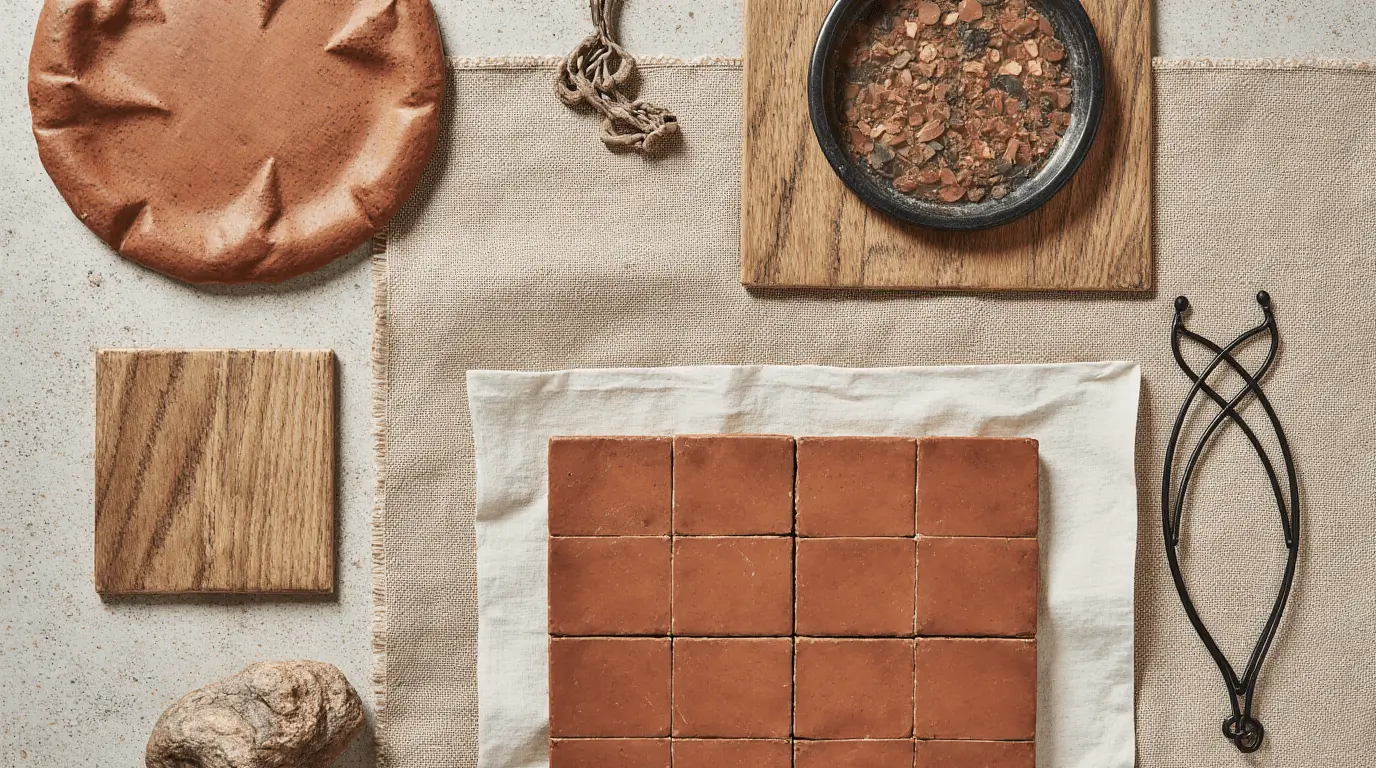
Mediterranean Interior Design Materials
Core materials include stone, wood, clay, iron, and linen—each chosen for durability and natural beauty.
Mediterranean Style Interior Design Philosophy
At its core, Mediterranean design interior is about simplicity, nature, and comfort. It prioritizes how a space feels over how it impresses.
Conclusion
Mediterranean design interior endures because it isn’t built on trends—it’s built on principles that feel inherently human. Natural light, honest materials, breathable layouts, and a quiet sense of balance all come together to create spaces that feel both grounded and uplifting. It’s not about perfection or decoration for its own sake; it’s about creating an environment that supports everyday living while still feeling refined.
In practice, the strength of this style lies in its restraint. When you focus on fewer, better elements—like textured walls, warm neutral tones, and thoughtfully chosen furnishings—you allow the space to feel calm and cohesive rather than crowded. This makes Mediterranean interiors especially effective for people who want a home that feels timeless, low-stress, and connected to nature.
If you’re moving forward with this approach, start simple. Prioritize light, choose materials that age well, and avoid over-layering. Whether you’re designing a full home or just refreshing a living room, the goal is the same: create a space that feels natural, lived-in, and quietly beautiful over time.
Learn more : Geometric Shapes Interior Design: 18 Stylish Ideas
FAQs
- What makes Mediterranean design interior different from other styles?
Mediterranean design interior stands out for its emphasis on natural materials, warm earthy tones, and soft, sunlit spaces. Unlike more polished or modern styles, it embraces texture and imperfection, which gives it a relaxed, timeless feel. - Can Mediterranean interiors work in modern homes or apartments?
Yes, very well. A modern Mediterranean approach simplifies the traditional elements—cleaner lines, fewer decorative details—while keeping the warmth and material focus. It adapts easily to apartments by using light colors, natural textures, and minimal clutter. - What colors should I use to achieve a Mediterranean look?
Stick to a nature-inspired palette: creamy whites, sandy beiges, terracotta, olive green, and muted blues. These colors reflect coastal landscapes and help create a calm, sun-washed atmosphere. - How can I make a small room feel Mediterranean without overcrowding it?
Focus on light and simplicity. Use white or soft neutral walls, incorporate a few natural materials like wood or linen, and avoid heavy furniture. A couple of well-chosen pieces will feel more authentic than filling the space. - Is Mediterranean design interior expensive to achieve?
It doesn’t have to be. While authentic materials like stone and solid wood can be costly, you can achieve the look with textured finishes, natural fabrics, and simple décor. The key is choosing quality over quantity, not spending excessively. - What type of furniture works best in Mediterranean interiors?
Furniture should feel sturdy, simple, and slightly rustic. Wooden pieces, linen-upholstered sofas, and handcrafted items work best. Avoid overly sleek or synthetic designs—they can disrupt the natural flow of the space. - How do I avoid making the space look too traditional or outdated?
Balance is everything. Keep the core elements—natural materials and warm tones—but simplify the styling. Limit decorative items, choose cleaner silhouettes, and let light and texture take the lead rather than heavy ornamentation.