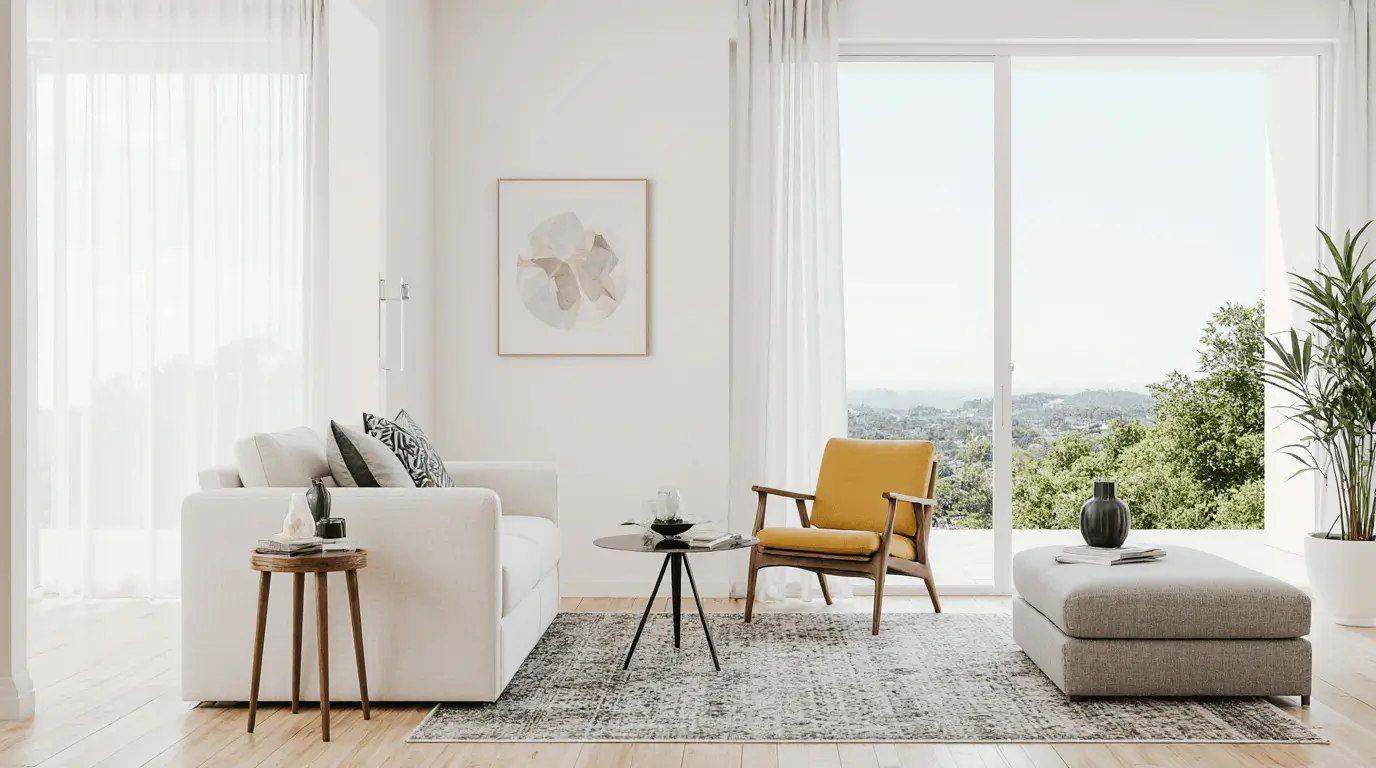
Introduction
Mid century modern interior design is one of the most enduring and influential interior styles of the past century. Emerging in the mid-20th century, it blends clean architectural lines with organic warmth, creating spaces that feel both structured and inviting. This design approach prioritizes function, honest materials, and visual balance—principles that still feel strikingly current today.
What sets mid century modern interior design apart is its ability to feel timeless rather than trendy. Whether applied to a restored 1950s home or a contemporary space, the style adapts effortlessly through thoughtful furniture choices, spatial flow, and a refined color palette. From architects to interior designers, this movement reshaped how homes are lived in—not just how they look.
With years of design evolution behind it, mid century modern interior design remains a go-to style for homeowners seeking simplicity, character, and lasting visual appeal.
Core Principles of Mid Century Modern Interior Design
Mid century modern interior design is rooted in clarity and purpose. Spaces are designed around usability, visual openness, and strong geometry rather than decoration for its own sake. Every element serves a role, whether structural or aesthetic.
This approach creates interiors that feel intentional and calm, balancing architectural precision with human comfort.
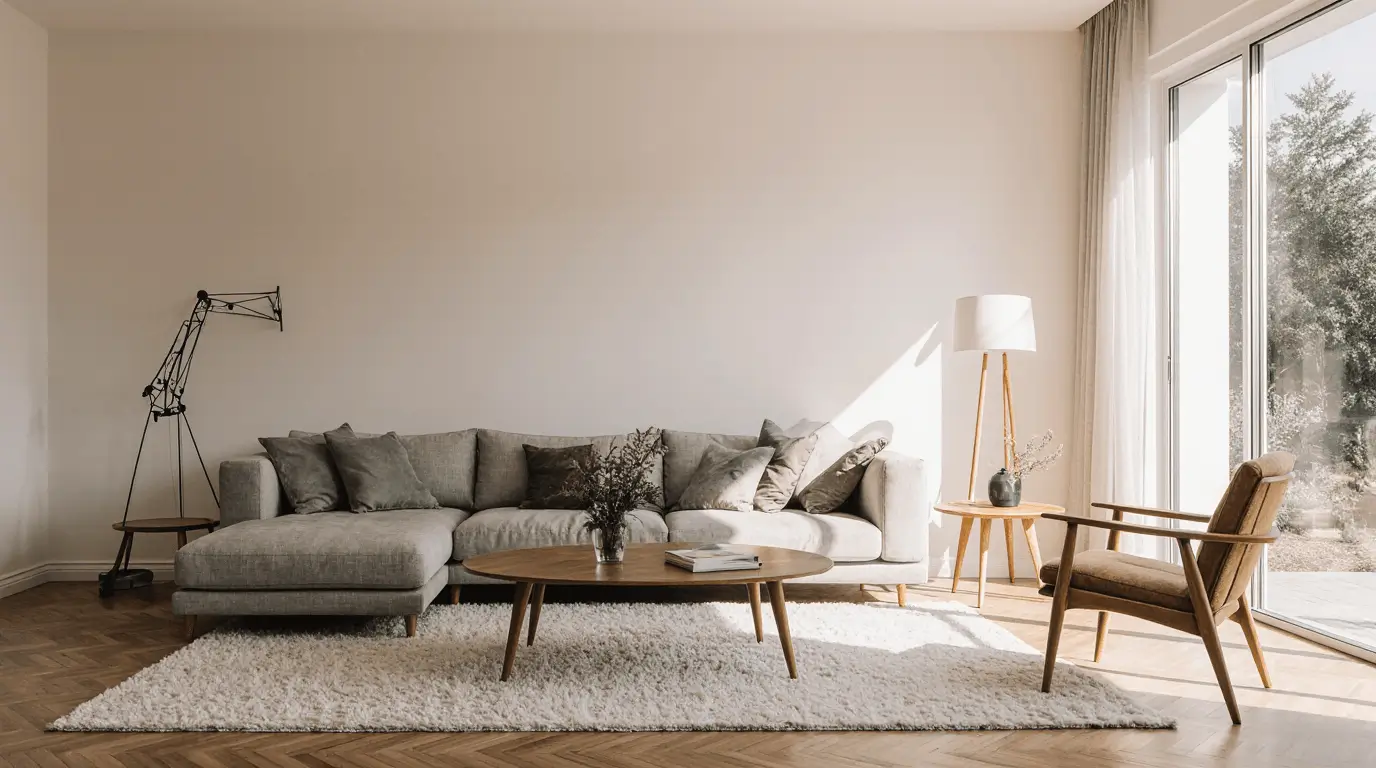
Clean Lines and Geometric Forms in Mid Century Modern Interior Design
Straight lines, gentle curves, and geometric shapes define mid century modern interior design. Furniture often features tapered legs, angular silhouettes, and low profiles that keep visual weight grounded.
These shapes create rhythm and structure without overwhelming the space, reinforcing the style’s architectural integrity.
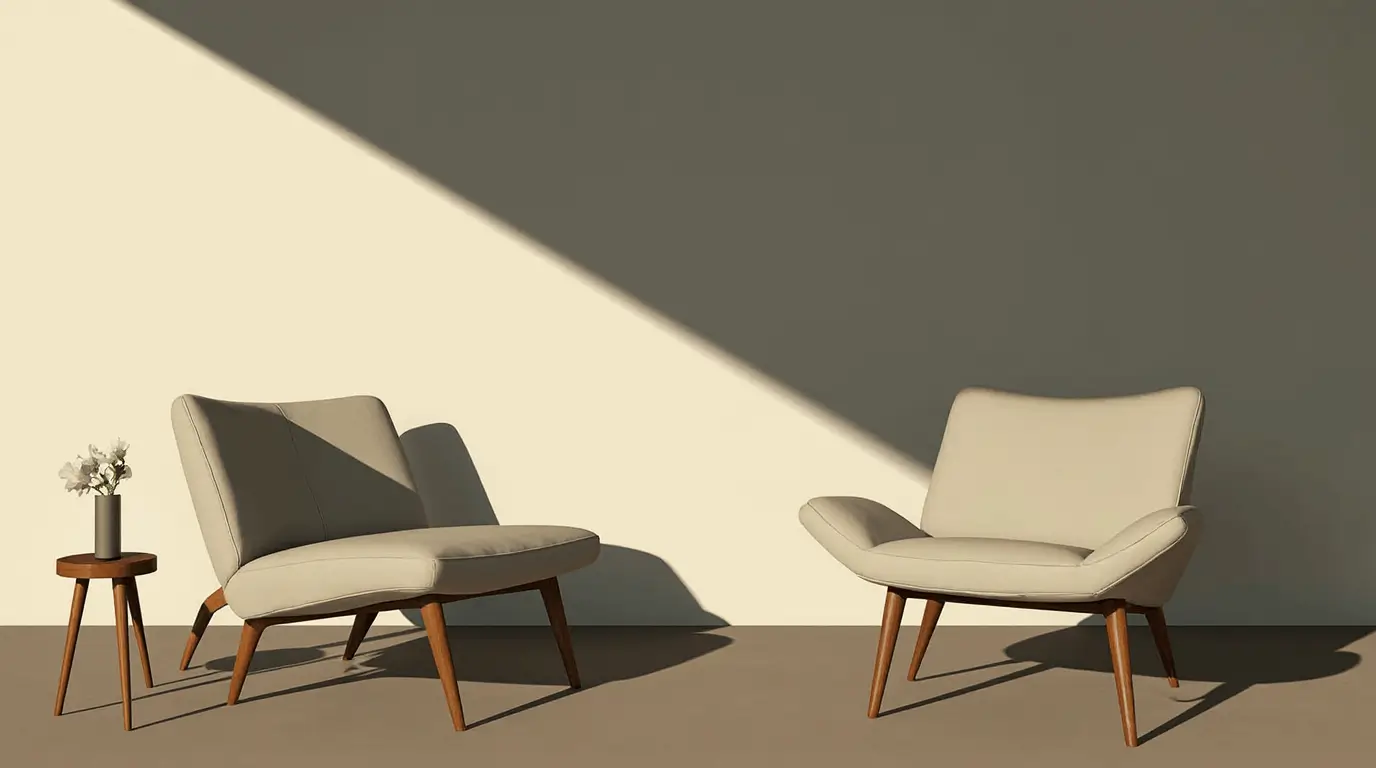
Natural Materials in Mid Century Modern Interior Design
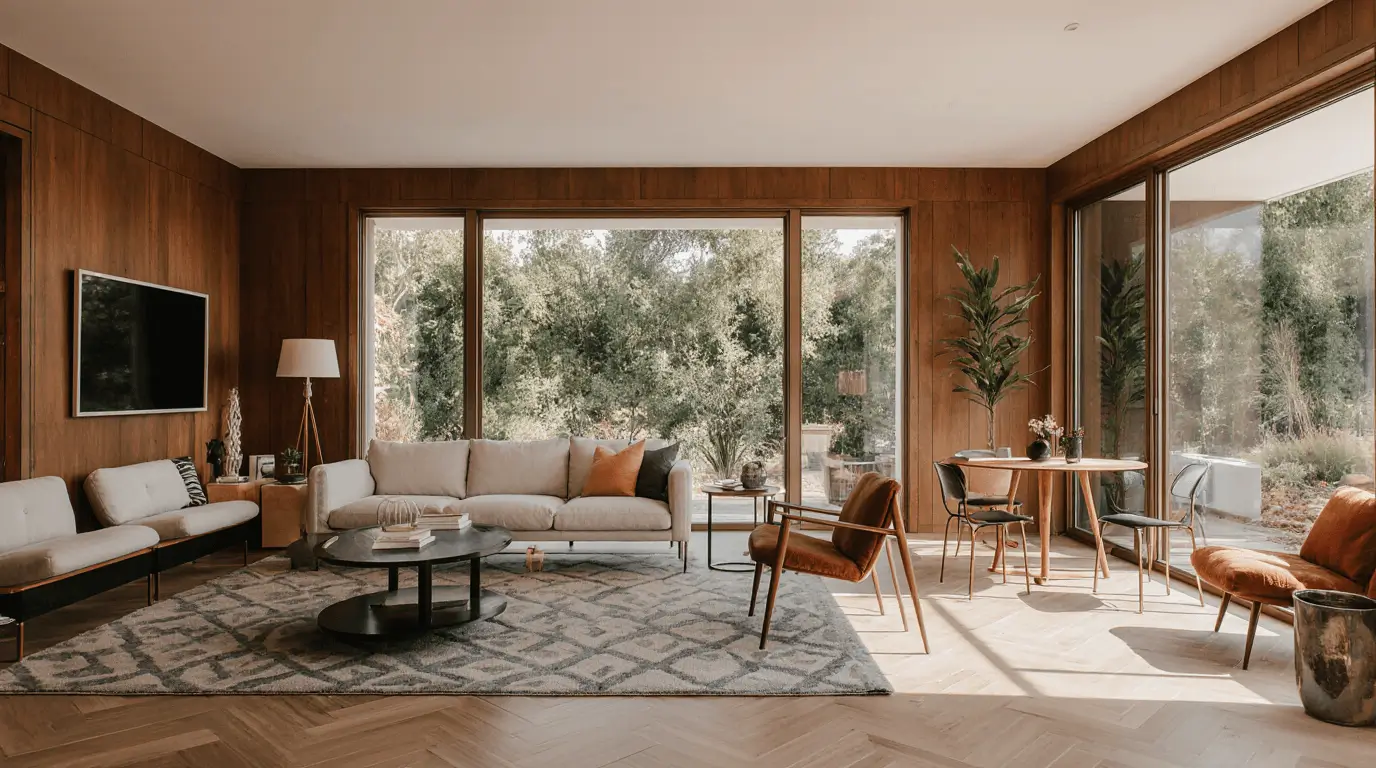
Wood is the backbone of mid century modern interior design—especially teak, walnut, and oak. These materials bring warmth and authenticity while complementing the style’s clean geometry.
Paired with leather, stone, and textured fabrics, natural materials prevent interiors from feeling cold or overly modern.
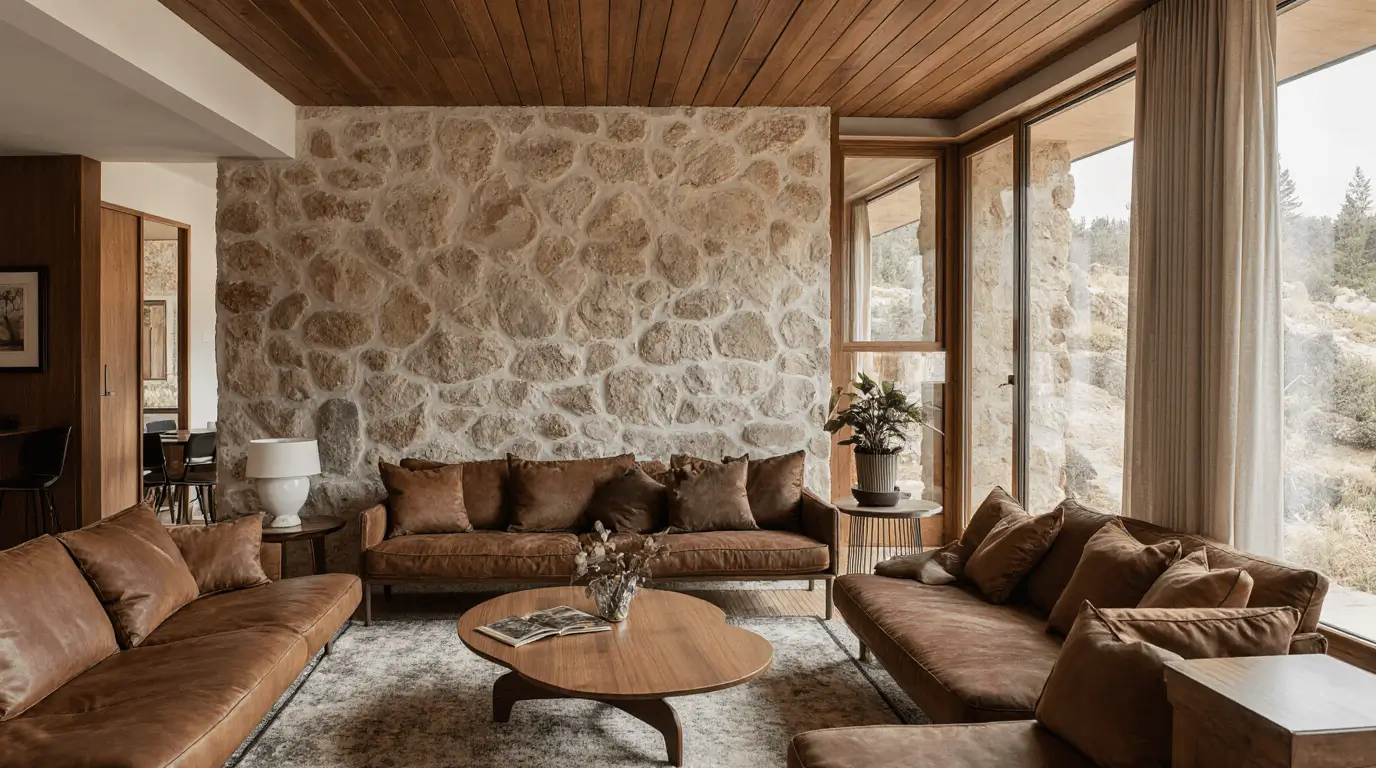
Open-Plan Living in Mid Century Modern Interior Design
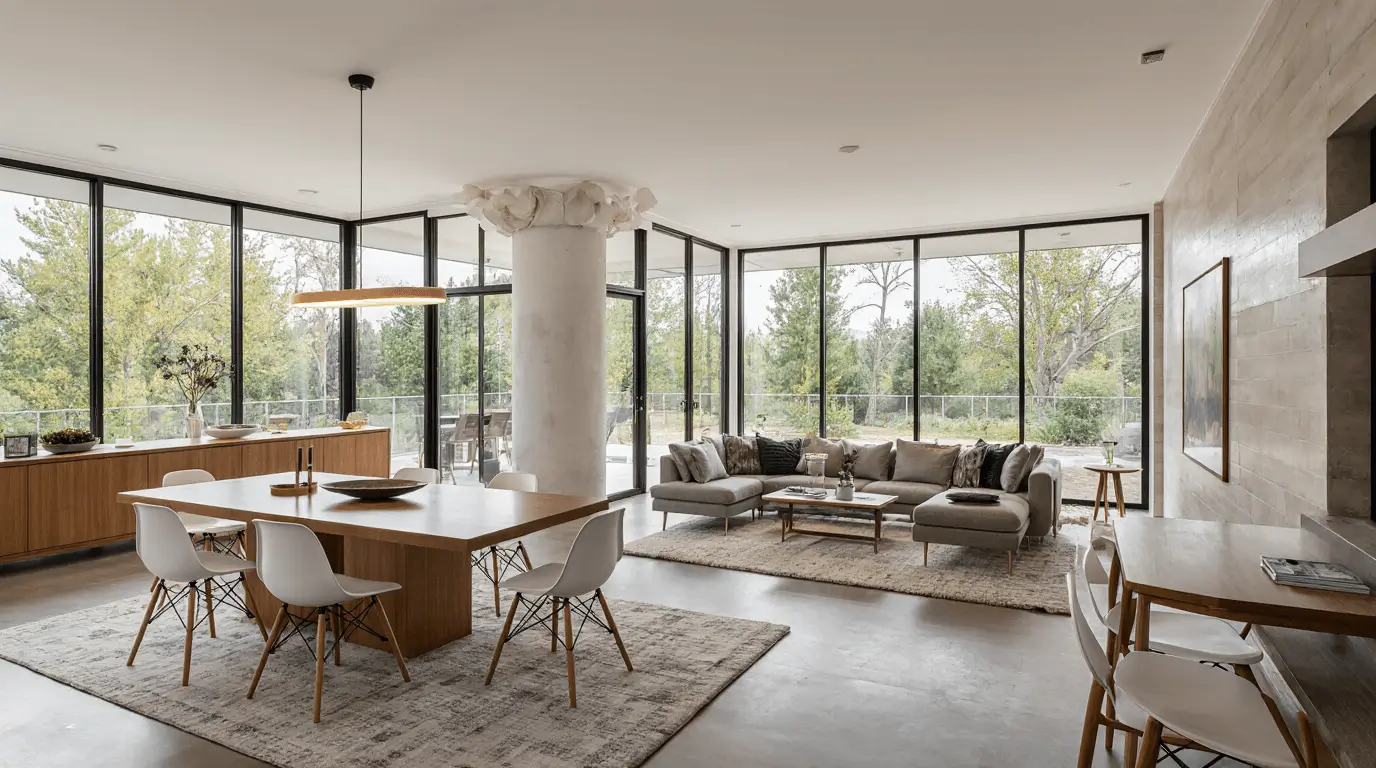
Mid century modern interior design embraces open layouts that encourage flow between living, dining, and kitchen areas. Walls are minimized to allow light and movement to shape the space.
This openness supports modern living while maintaining a clear sense of order and proportion.
Color Palettes in Mid Century Modern Interior Design
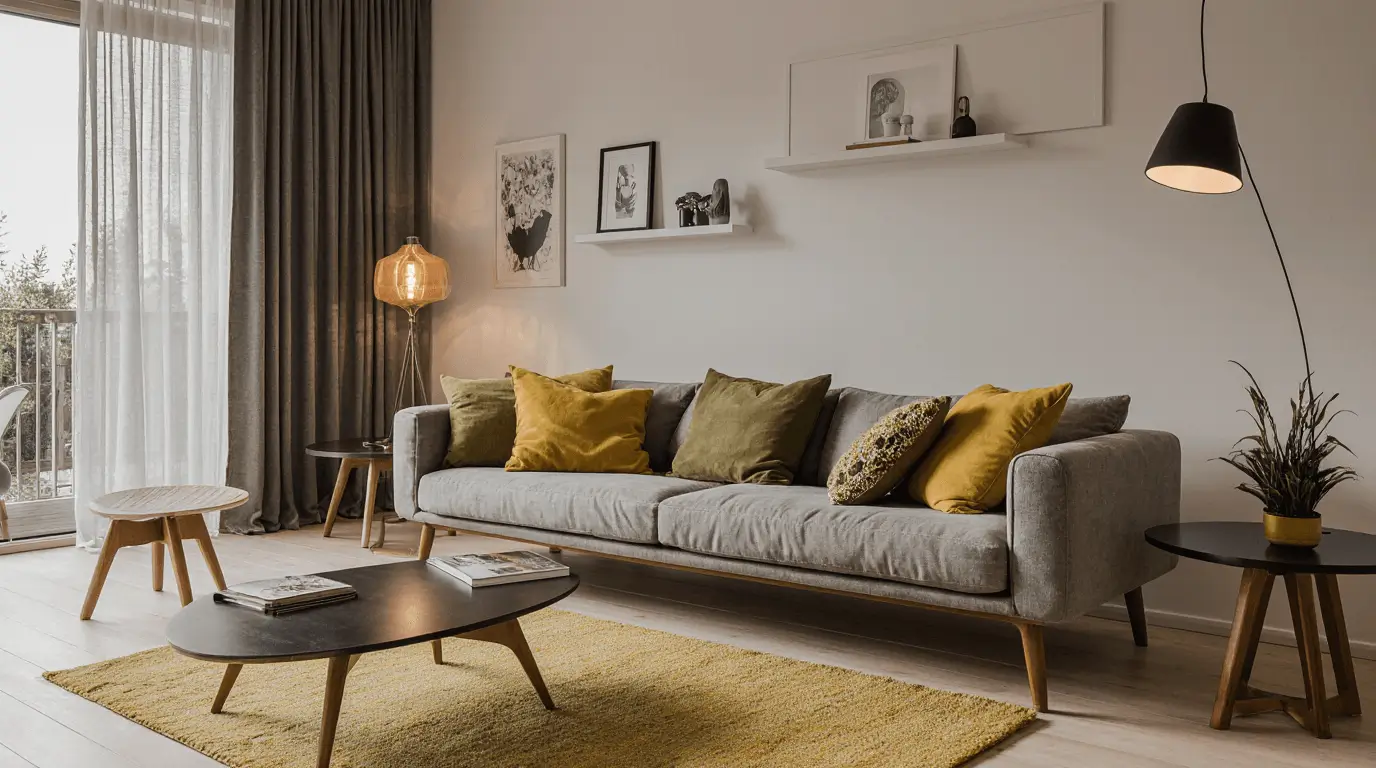
Color in mid century modern interior design is intentional and controlled. Earthy neutrals form the base, while mustard yellow, olive green, rust, and teal appear as accent tones.
These colors add personality without overpowering the architecture or furniture.
Iconic Furniture in Mid Century Modern Interior Design
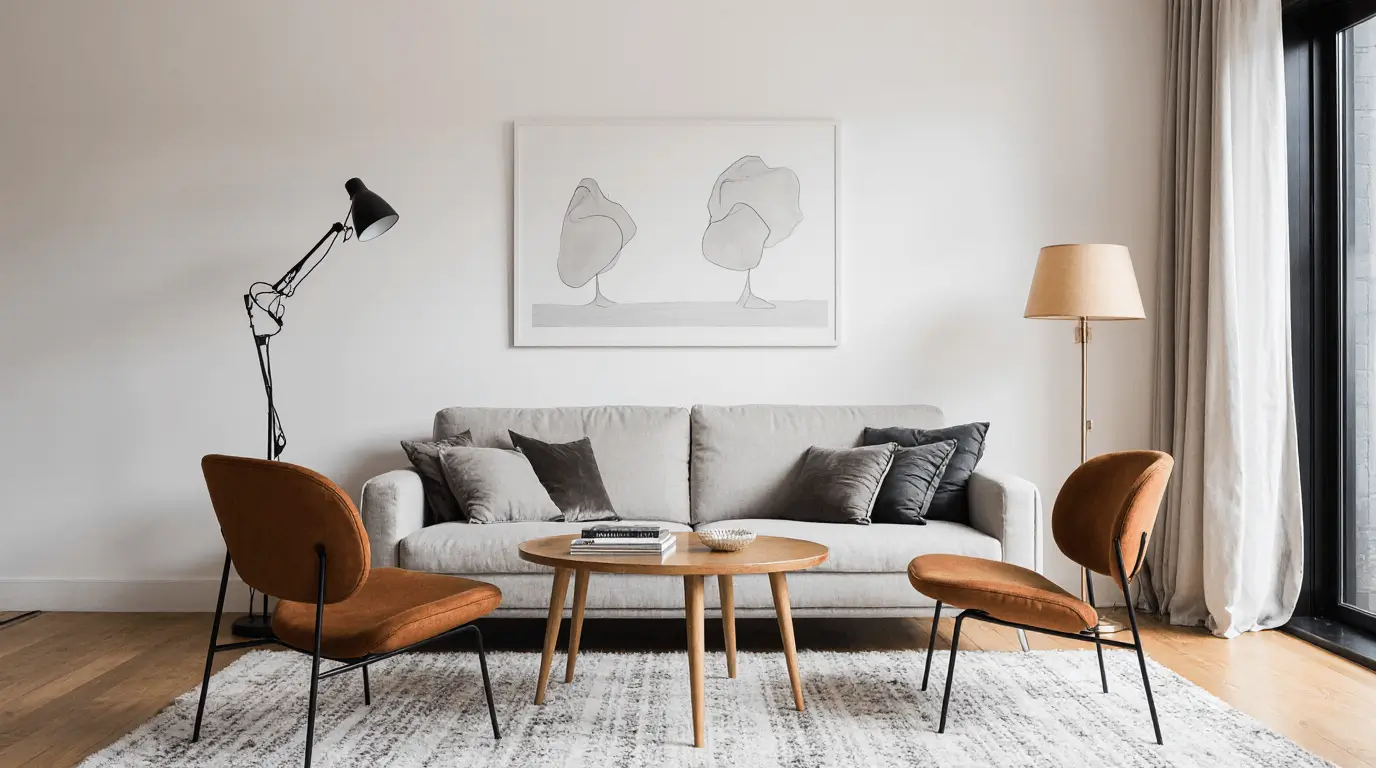
Furniture is central to mid century modern interior design. Pieces are sculptural yet practical, designed to stand alone without excess ornamentation.
Low sofas, molded chairs, and streamlined tables reinforce the style’s functional beauty.
Lighting Design in Mid Century Modern Interior Design
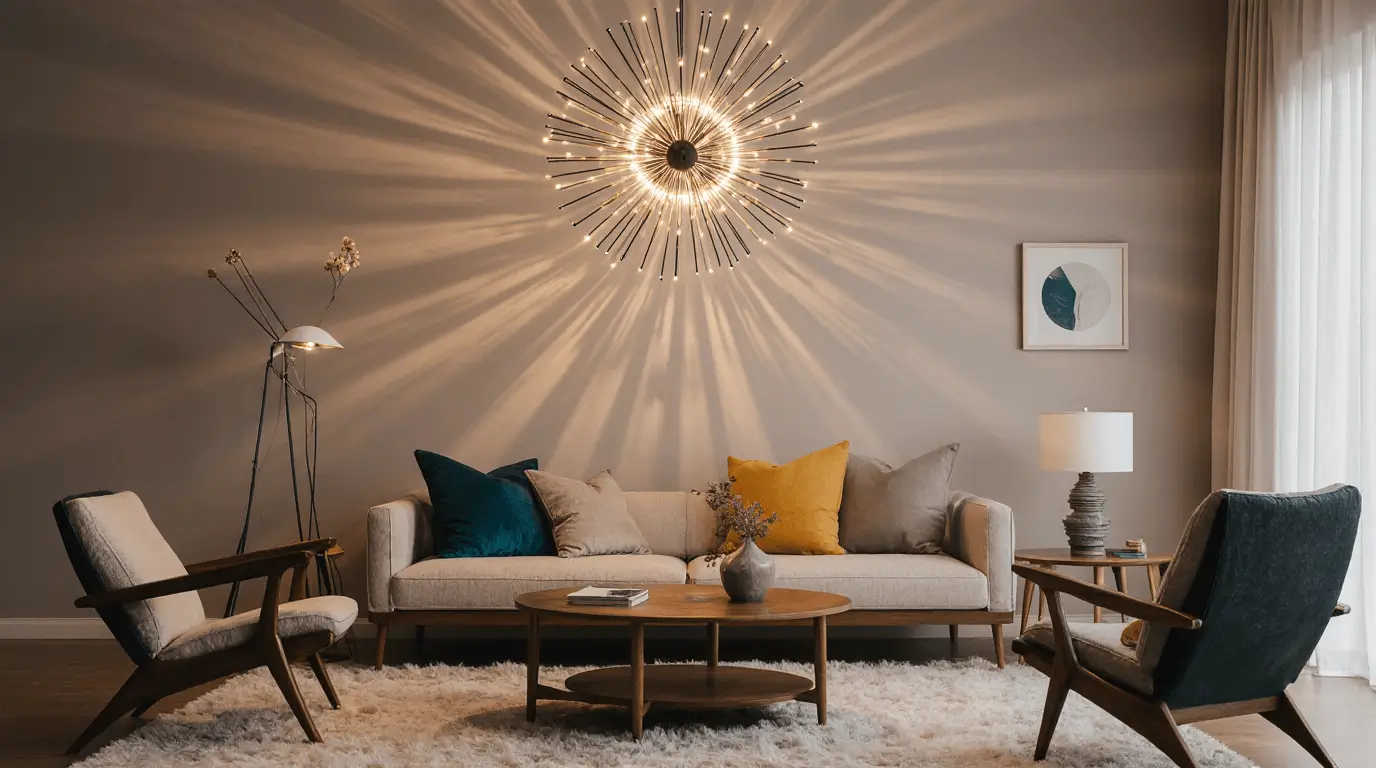
Lighting in mid century modern interior design is both functional and expressive. Statement pendants, arc lamps, and sputnik chandeliers serve as focal points while maintaining balance.
Lighting emphasizes form, texture, and spatial flow rather than decorative excess.
Indoor-Outdoor Connection in Mid Century Modern Interior Design
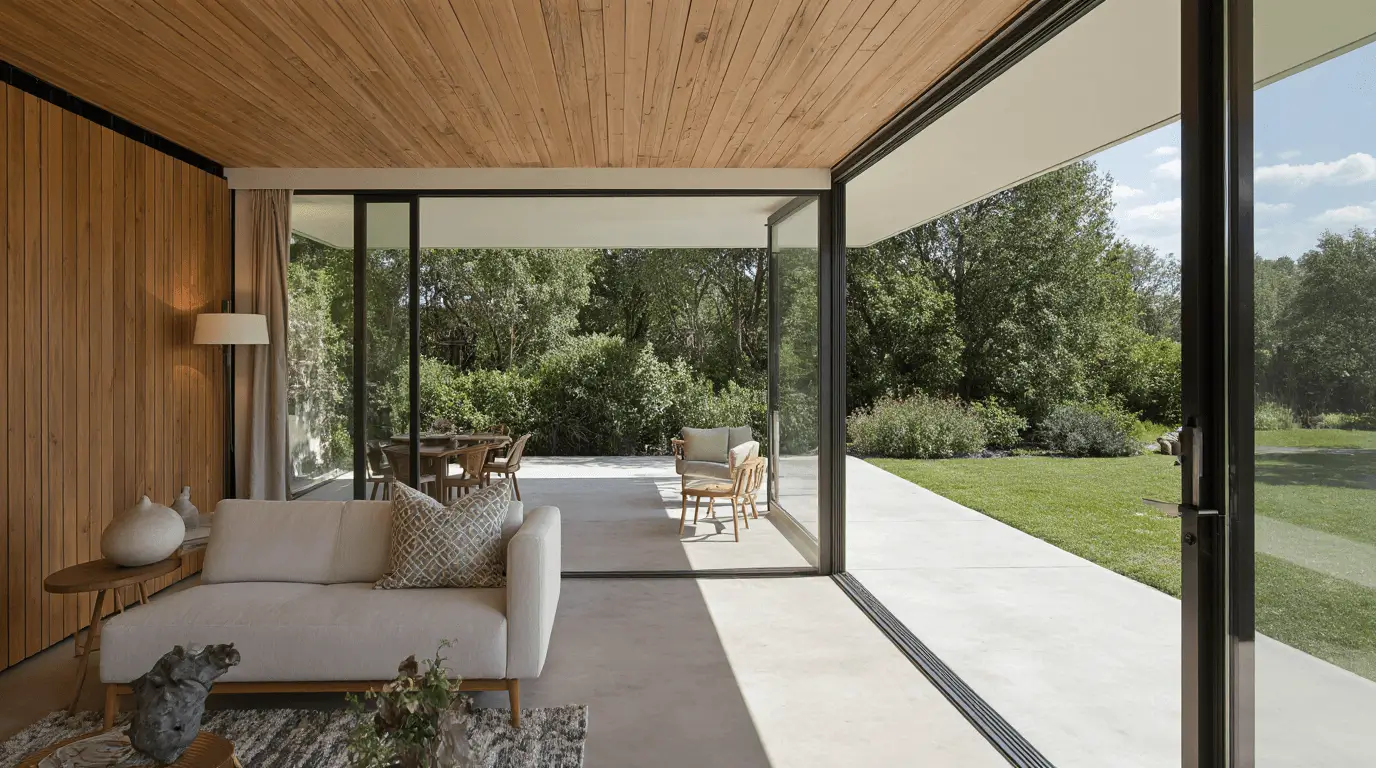
Large windows, sliding glass doors, and courtyards blur the line between inside and outside in mid century modern interior design. Nature becomes part of the interior experience.
This connection enhances light, airflow, and a sense of calm within the home.
Minimal Decoration in Mid Century Modern Interior Design
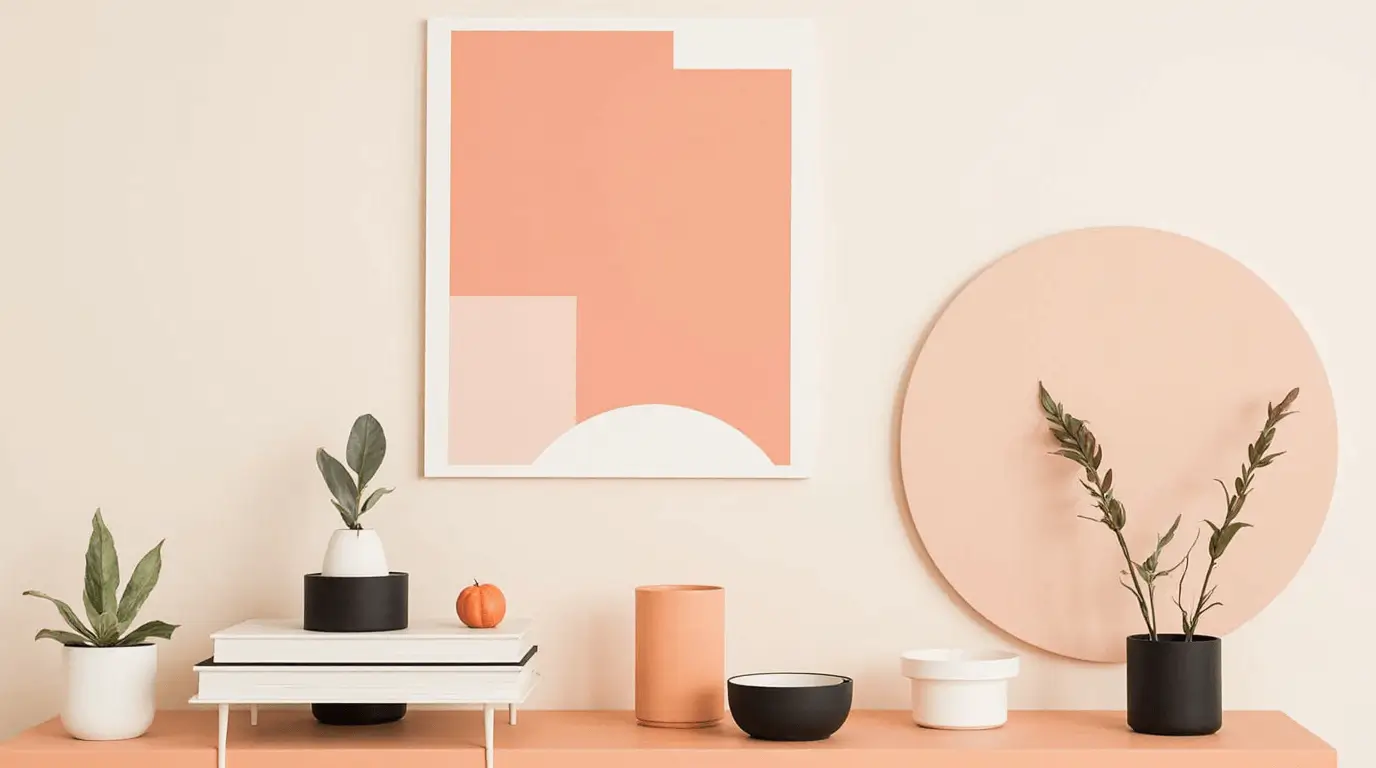
Decor in mid century modern interior design is curated, not layered. A few well-chosen objects—artwork, ceramics, or plants—add character without clutter.
This restraint keeps the focus on form, space, and material quality.
Mid Century Modern Interior Design for Living Rooms
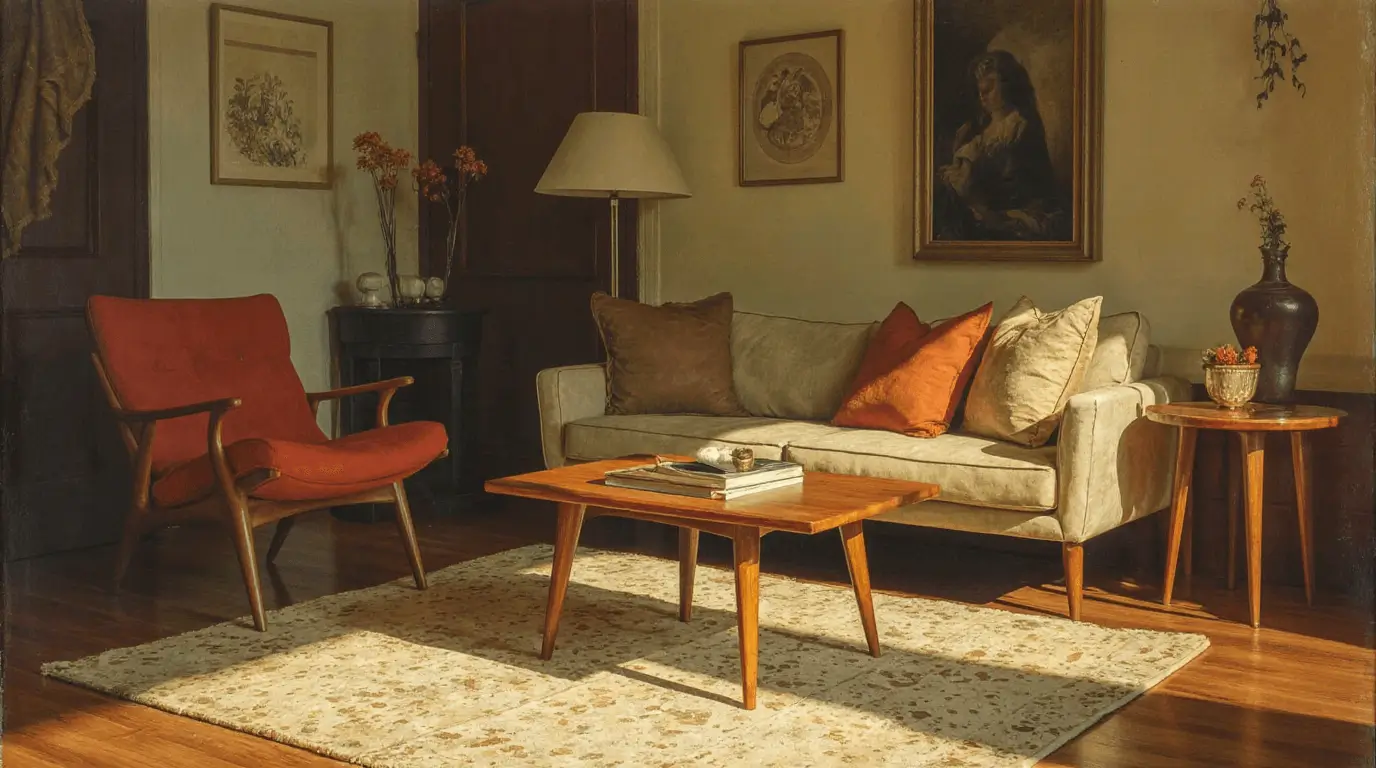
Living rooms in mid century modern interior design emphasize comfort, symmetry, and conversation. Furniture is arranged to encourage interaction rather than television dominance.
Textures and materials work together to create warmth within a clean framework.
Mid Century Modern Interior Design for Bedrooms
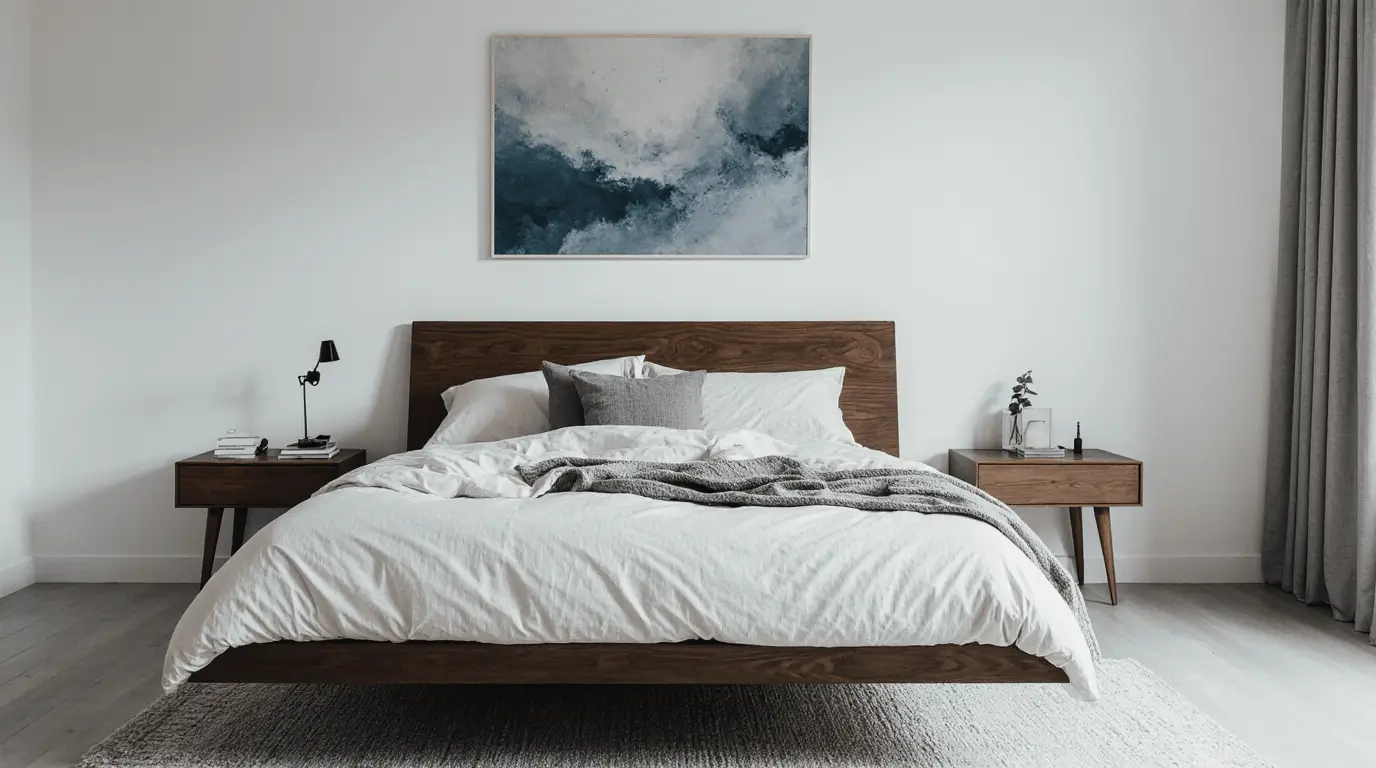
Bedrooms follow the same principles with a softer expression. Low-profile beds, uncluttered layouts, and warm materials create restful environments.
The result is a calm, grounded retreat rooted in simplicity.
Mid Century Modern Interior Design in Dining Spaces
Dining areas feature sculptural tables, simple chairs, and clean sightlines. Lighting is often centered and dramatic, anchoring the space visually.
This balance supports both daily use and social gatherings.
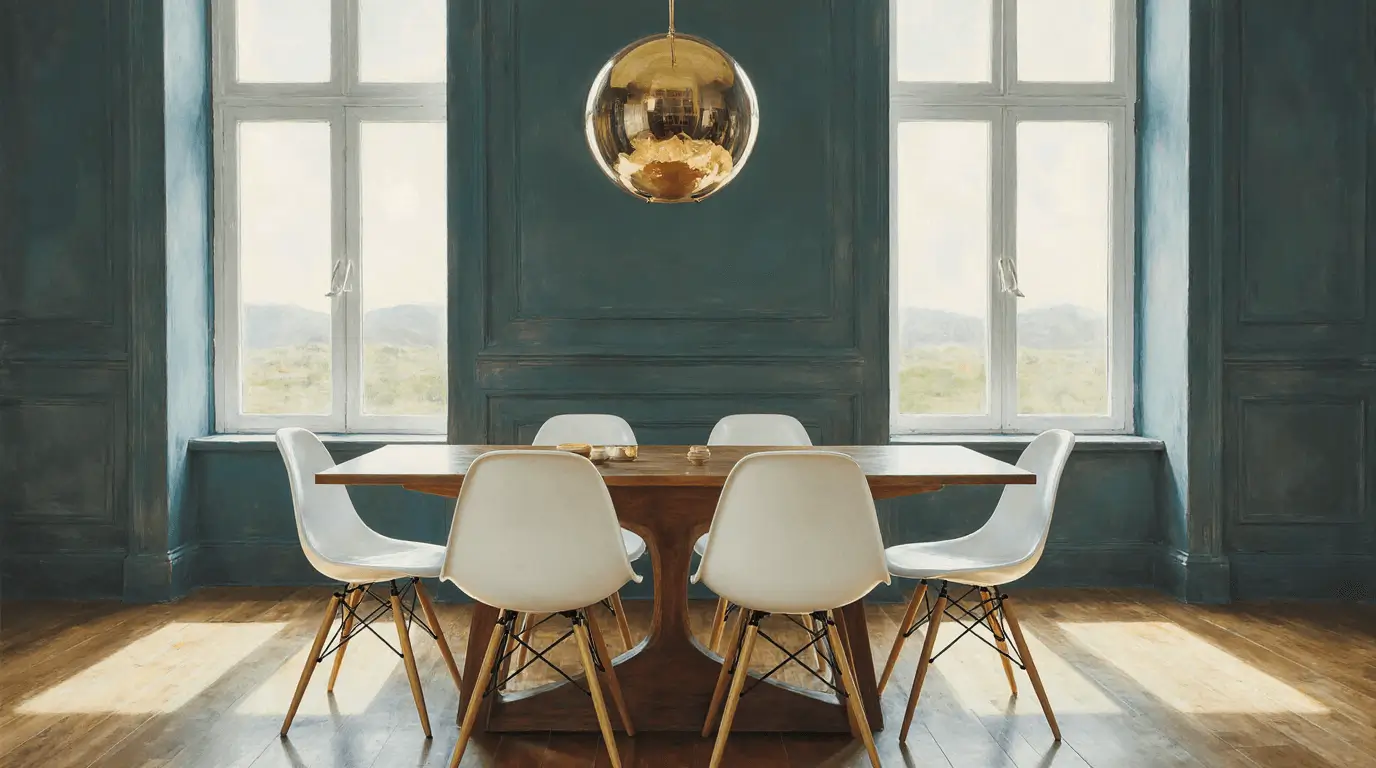
Blending Mid Century Modern Interior Design with Contemporary Spaces
Mid century modern interior design adapts easily to modern homes. By pairing classic furniture with contemporary finishes, the style feels fresh rather than retro.
This approach respects heritage while supporting modern lifestyles.
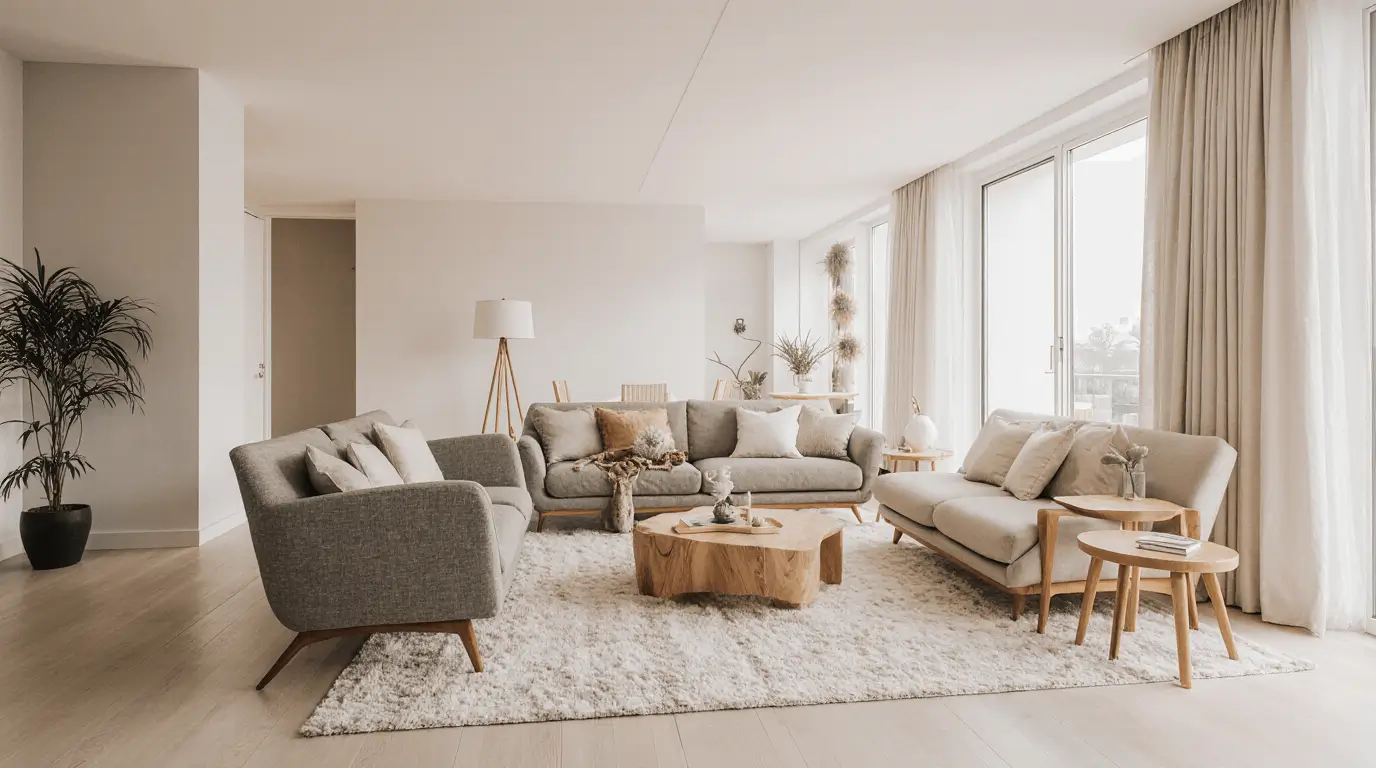
Textures and Fabrics in Mid Century Modern Interior Design
Textiles add depth without distraction. Wool rugs, linen upholstery, and leather accents soften clean lines and improve comfort.
Texture prevents minimalism from feeling flat or impersonal.
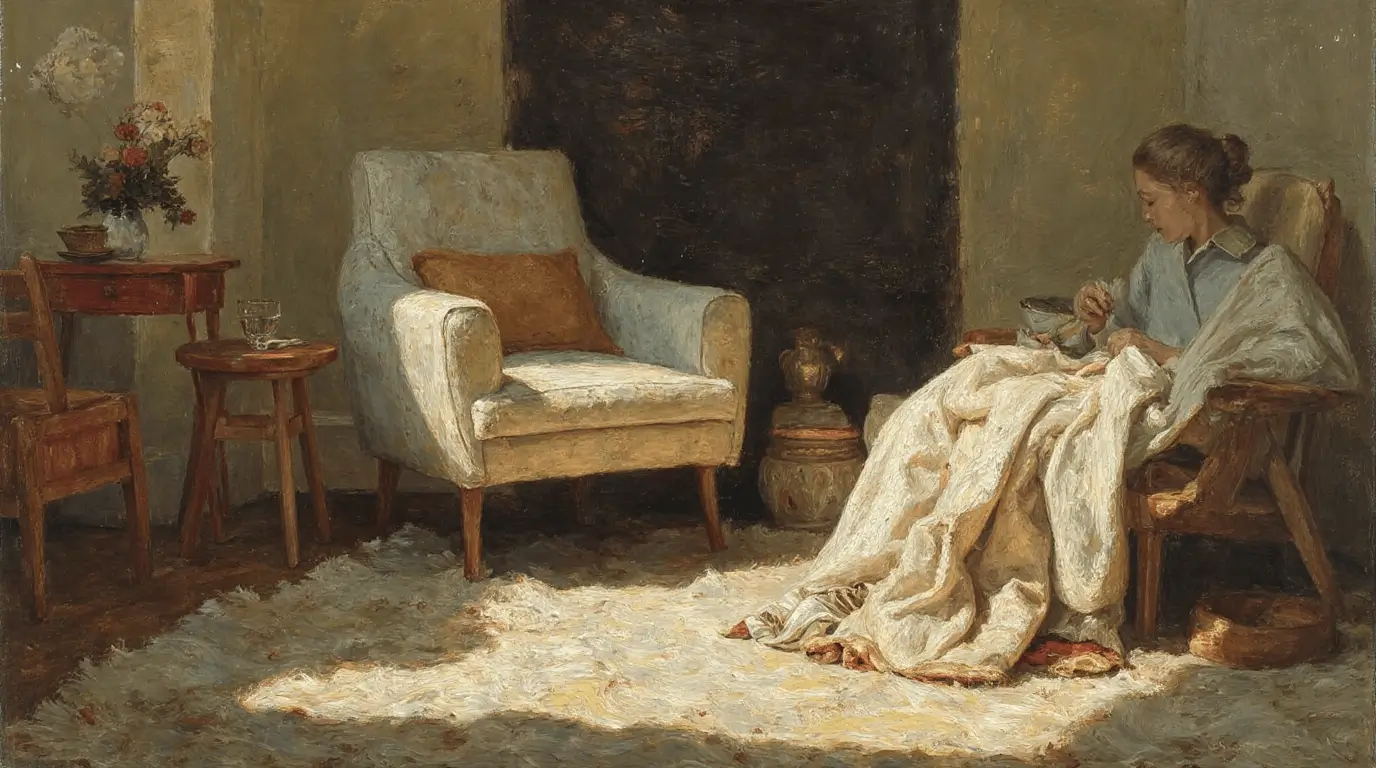
Art and Accessories in Mid Century Modern Interior Design
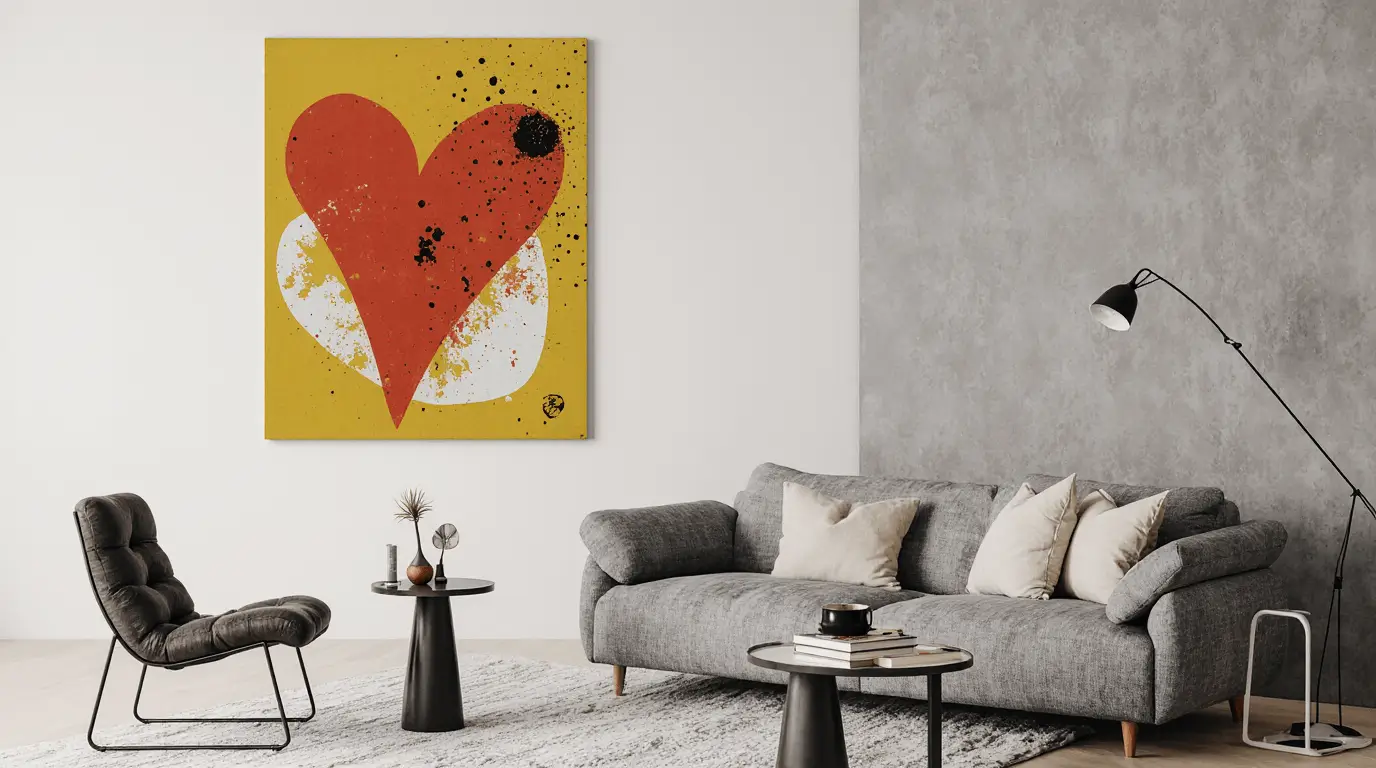
Art is bold but intentional in mid century modern interior design. Abstract prints and graphic forms complement the architecture rather than compete with it.
Accessories are chosen for shape, color, and meaning—not quantity.
Why Mid Century Modern Interior Design Remains Timeless
The lasting appeal of mid century modern interior design lies in its balance. It respects structure without rigidity and warmth without excess.
Its principles remain relevant because they align with how people naturally want to live.
Conclusion
Mid century modern interior design is more than a visual style—it’s a design philosophy built on clarity, function, and human-centered spaces. Its emphasis on clean lines, natural materials, and thoughtful layouts creates interiors that feel grounded, practical, and visually enduring.
Whether applied fully or blended with contemporary elements, mid century modern interior design offers flexibility without losing its identity. By focusing on proportion, material honesty, and purposeful furniture, homeowners can achieve spaces that feel timeless rather than dated.
The key is restraint, intention, and respect for the architecture—principles that continue to make mid century modern interior design a lasting favorite.
Learn more: 12+Timeless Rules of Modern Mediterranean Interior Design
FAQs
What defines mid century modern interior design?
Mid century modern interior design is defined by clean lines, functional layouts, natural materials, and a balance between form and comfort rooted in mid-20th-century design principles.
Is mid century modern interior design still popular today?
Yes, it remains popular because its timeless structure adapts easily to modern homes while maintaining warmth and character.
What colors work best in mid century modern interior design?
Neutral bases paired with earthy or muted accent colors like mustard, olive, rust, and teal work best.
Can mid century modern interior design work in small spaces?
Absolutely. Its open layouts, minimal décor, and low-profile furniture help small spaces feel larger and more functional.
How do I modernize a mid century modern interior?
Use classic furniture shapes with updated materials, lighting, and simplified color palettes to keep the look fresh.
What materials are essential in mid century modern interior design?
Wood, leather, stone, metal, and textured fabrics are essential for warmth and authenticity.
Is mid century modern interior design minimalist?
It shares minimal principles but focuses more on warmth, comfort, and organic materials rather than strict minimalism.