Introduction
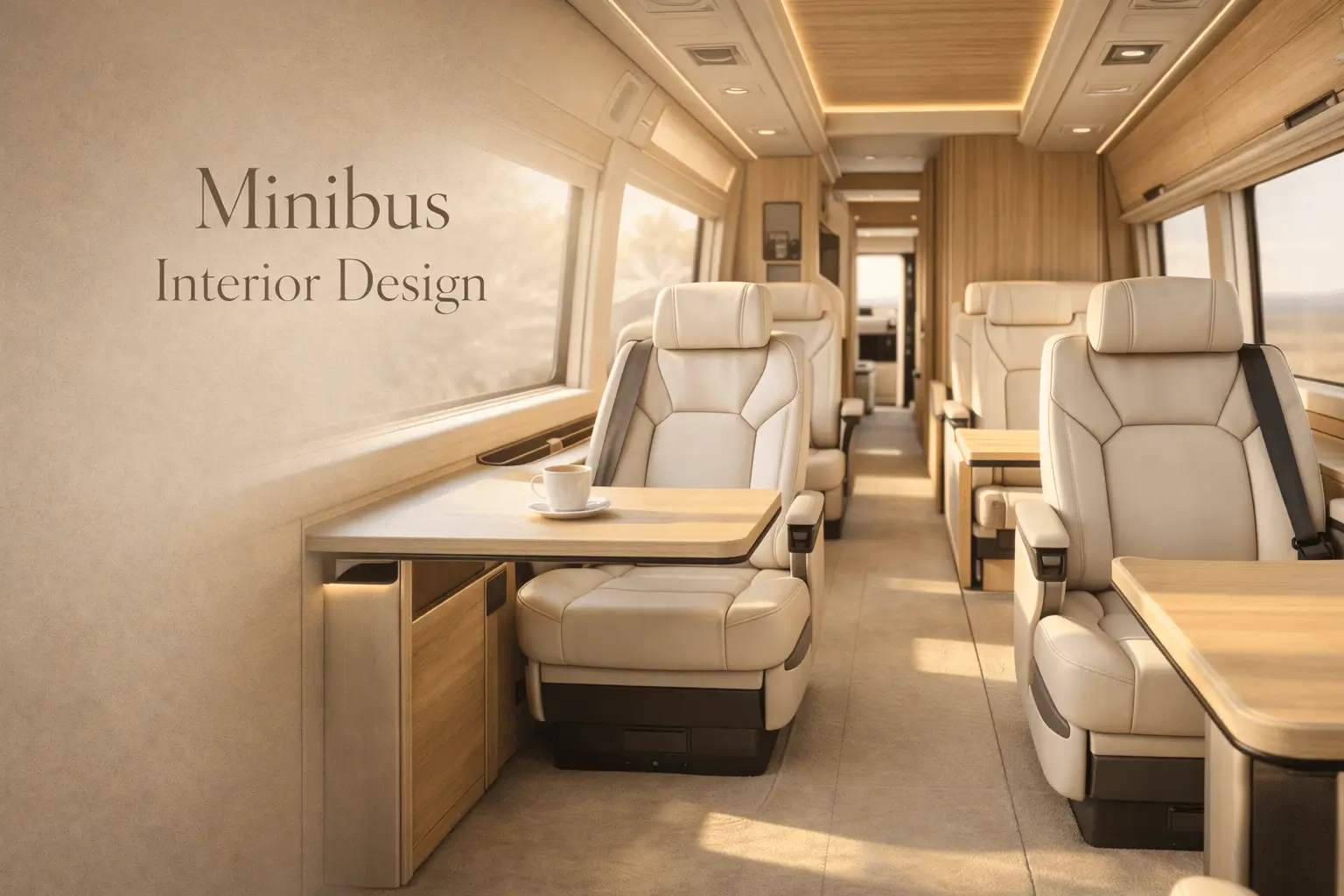
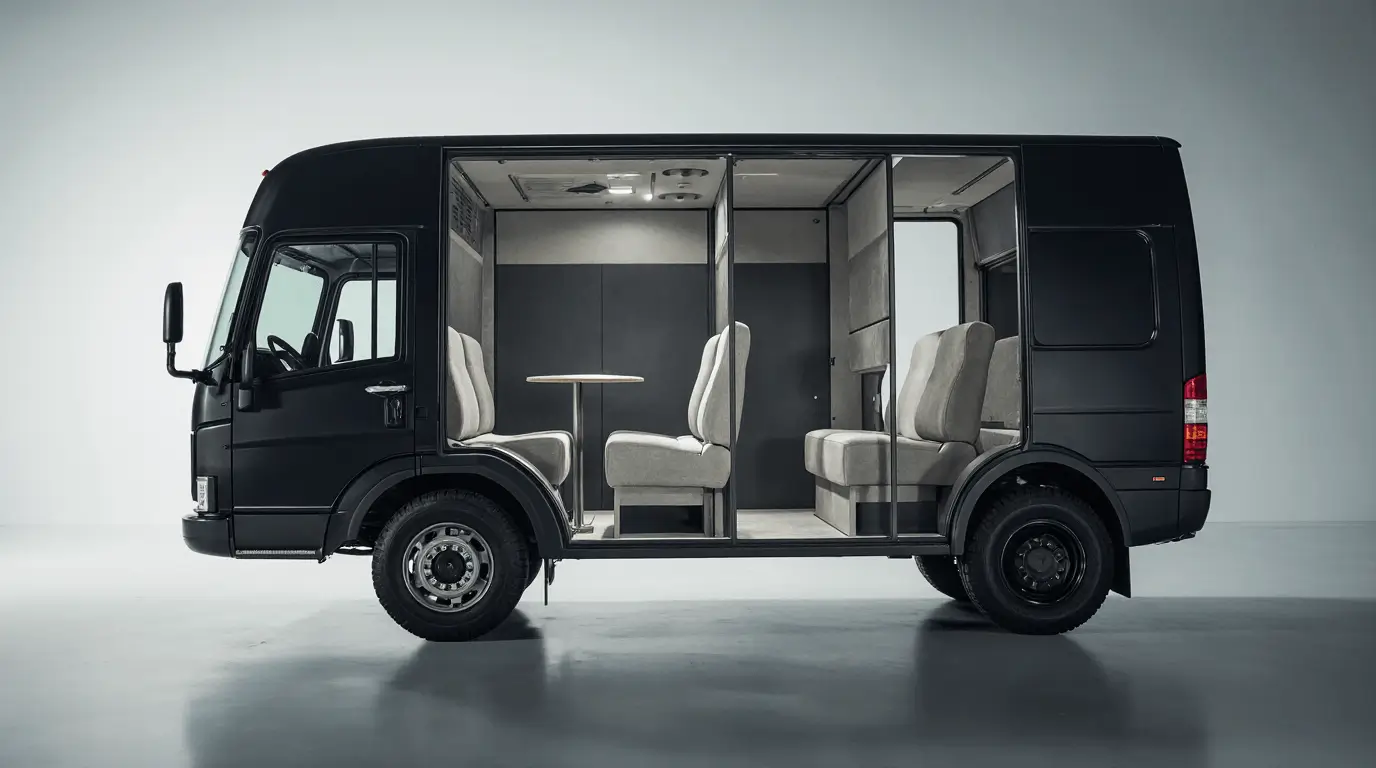
Minibus interior design is where functionality meets creativity. Whether you’re transforming a passenger van into a comfortable travel vehicle, a camper-style retreat, or a multi-purpose transport space, the interior layout determines how practical and enjoyable the experience will be. From seating configurations to storage optimization, every design choice plays a role in how the space performs.
From experience, the biggest mistake people make with minibus interior design is treating it like a static room. A minibus is dynamic—space must adapt to movement, passengers, and multiple uses. The most successful interiors balance comfort, flexibility, and durability while maintaining a clean, intentional aesthetic that feels cohesive rather than cluttered.
Minibus Interior Design Layout Planning
A well-planned layout is the foundation of any successful minibus interior design. It defines how people move, sit, sleep, and interact within the space.
Prioritizing flow—entry, seating access, and storage—ensures the design feels natural rather than cramped.
Minibus Interior Design Seating Configurations
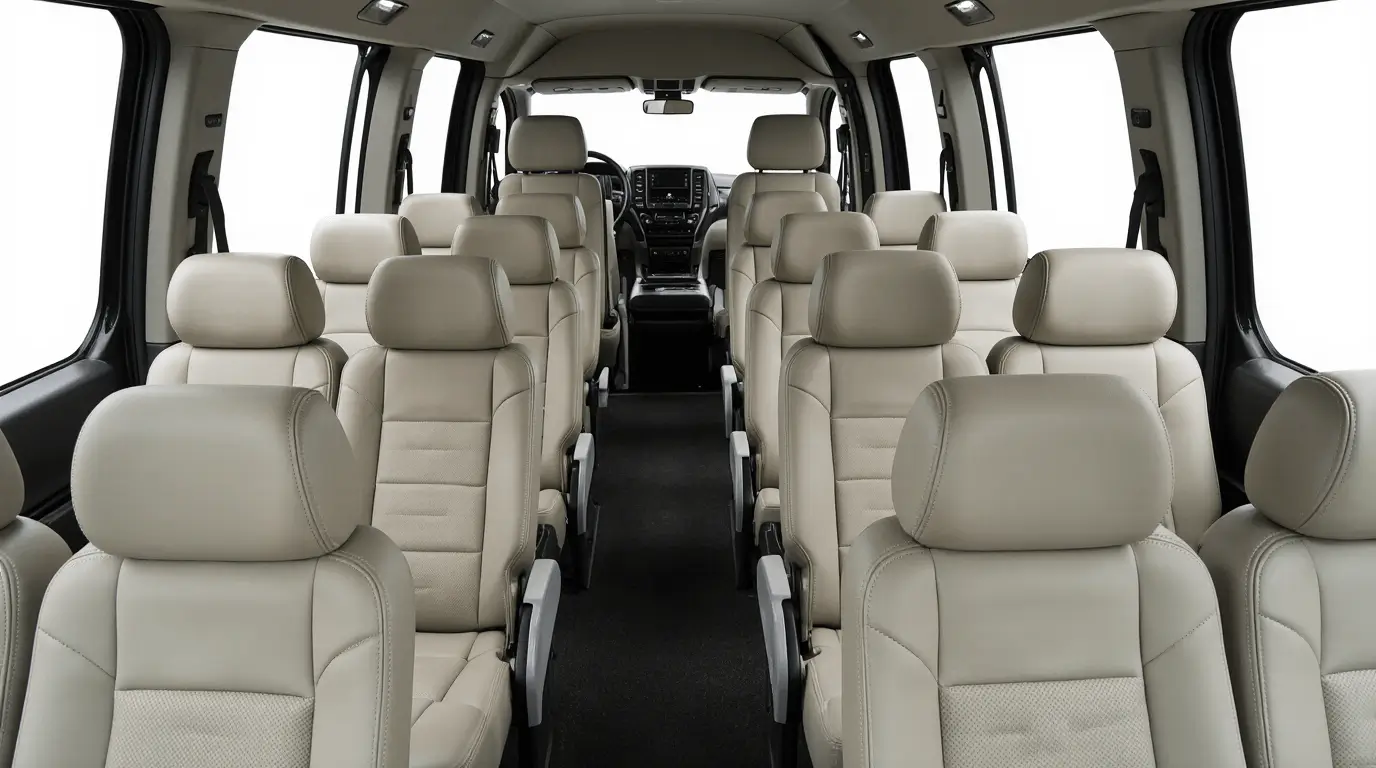
Seating is the core of passenger-focused minibus interiors. Options range from fixed bench seats to modular swivel chairs that maximize flexibility.
Comfort, spacing, and accessibility should guide decisions, especially for longer journeys.
Minimalist Minibus Interior Design Concepts
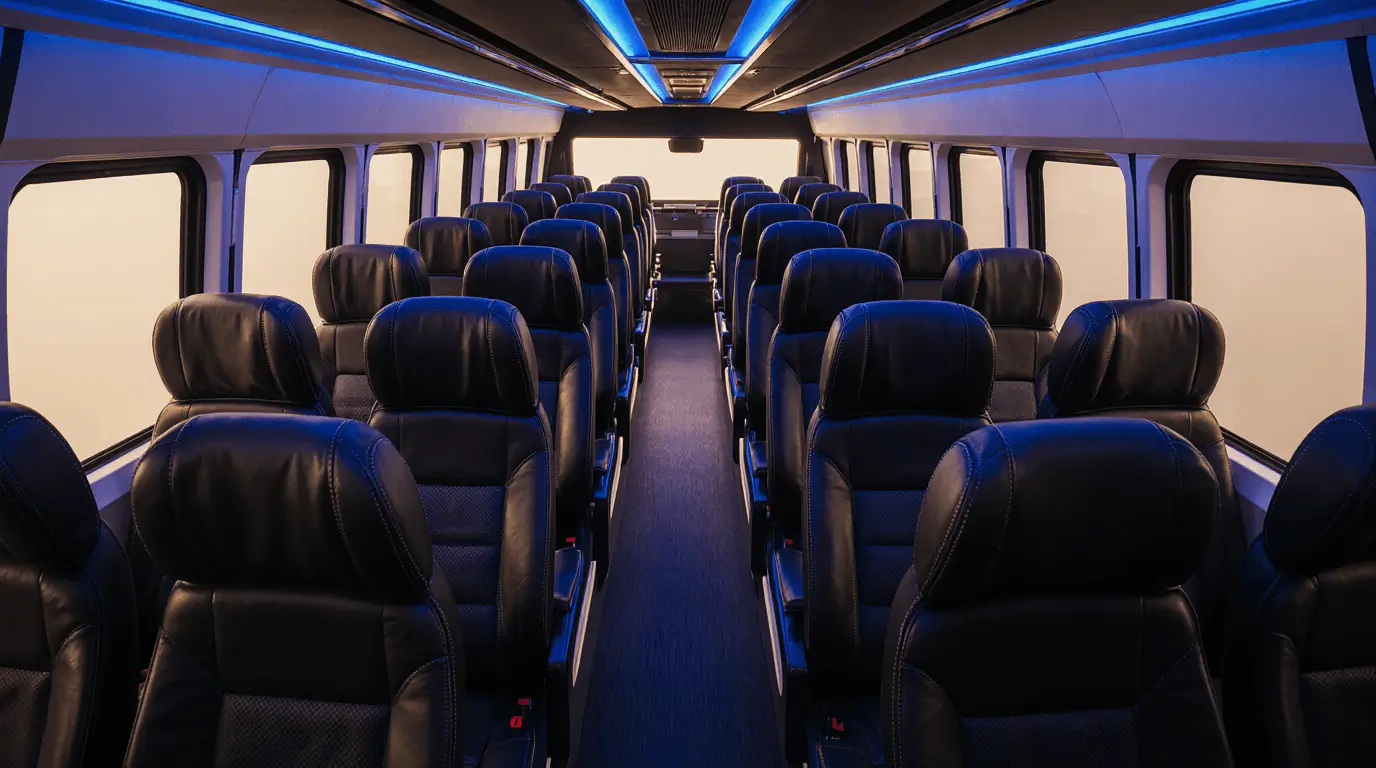
A minimalist approach reduces visual clutter while maximizing usability. Clean surfaces, hidden storage, and neutral palettes create a calm environment.
This works especially well for multi-purpose vans where flexibility is key.
Multi-Functional Minibus Interior Design
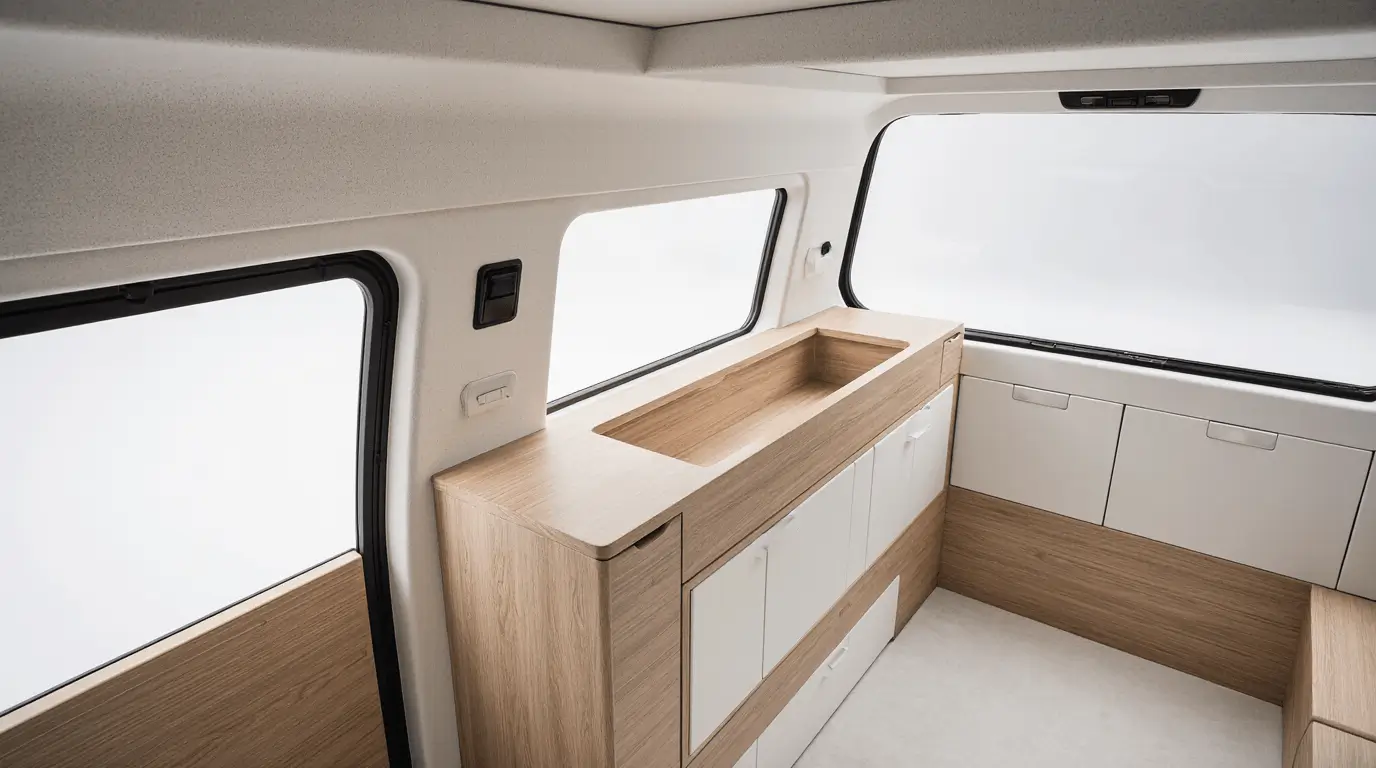
Designing for multiple uses—transport, relaxation, and even sleeping—requires adaptable elements. Foldable seats, convertible beds, and sliding tables are essential.
Flexibility transforms a basic interior into a versatile living space.
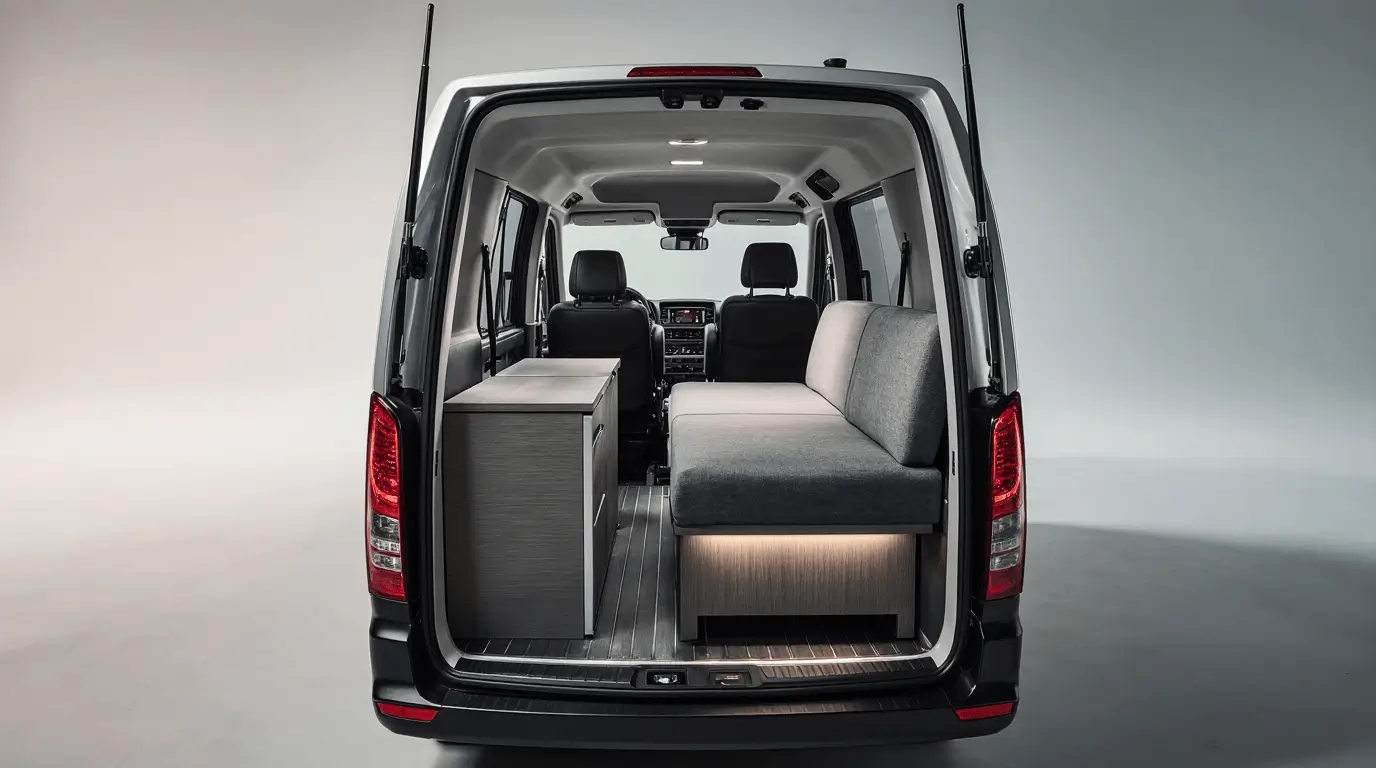
Luxury Minibus Interior Design Features
Luxury interiors elevate the experience with premium materials and refined details. Think leather seating, ambient lighting, and high-end finishes.
Attention to detail—like stitching and texture—defines the overall feel.
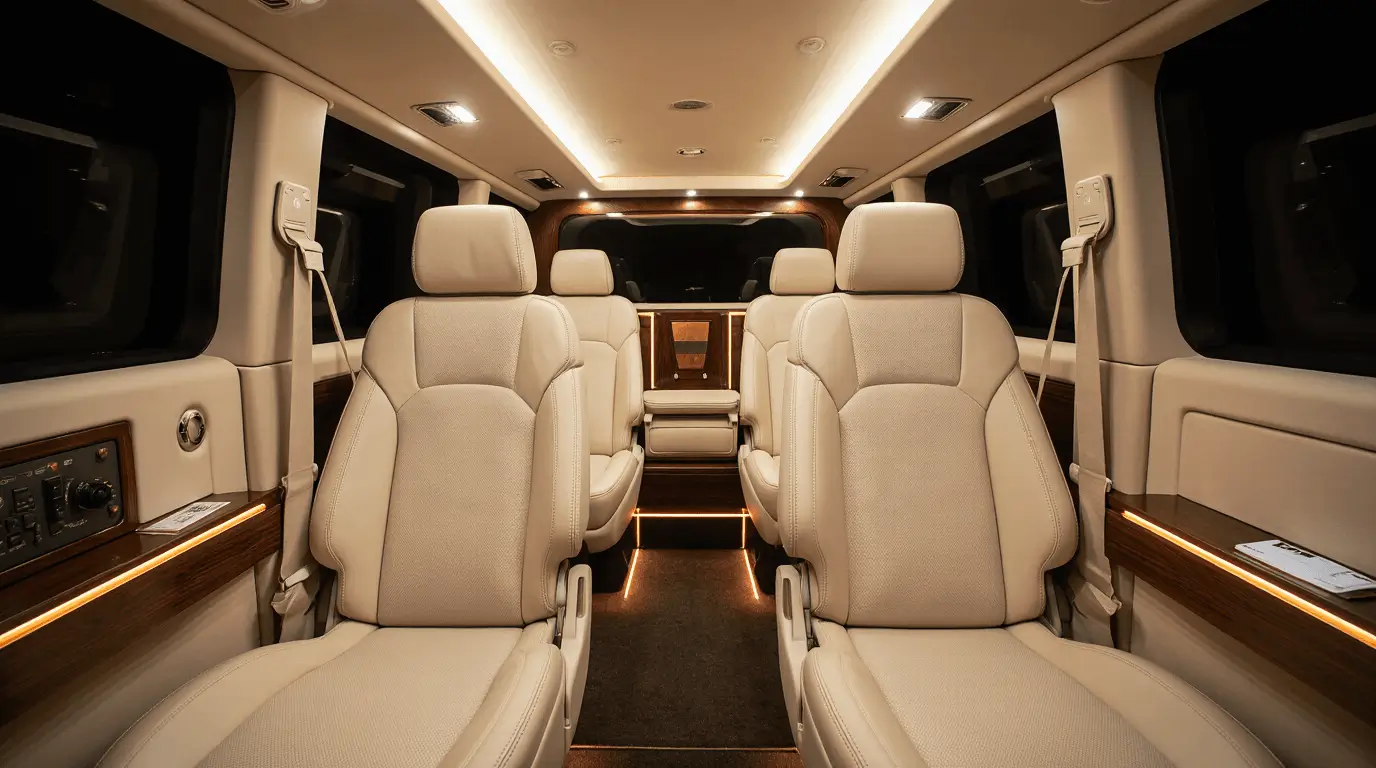
Storage Optimization in Minibus Interior Design
Efficient storage ensures the space remains functional without feeling crowded. Overhead compartments, under-seat storage, and vertical solutions maximize capacity.
Good storage design keeps essentials accessible while maintaining visual order.
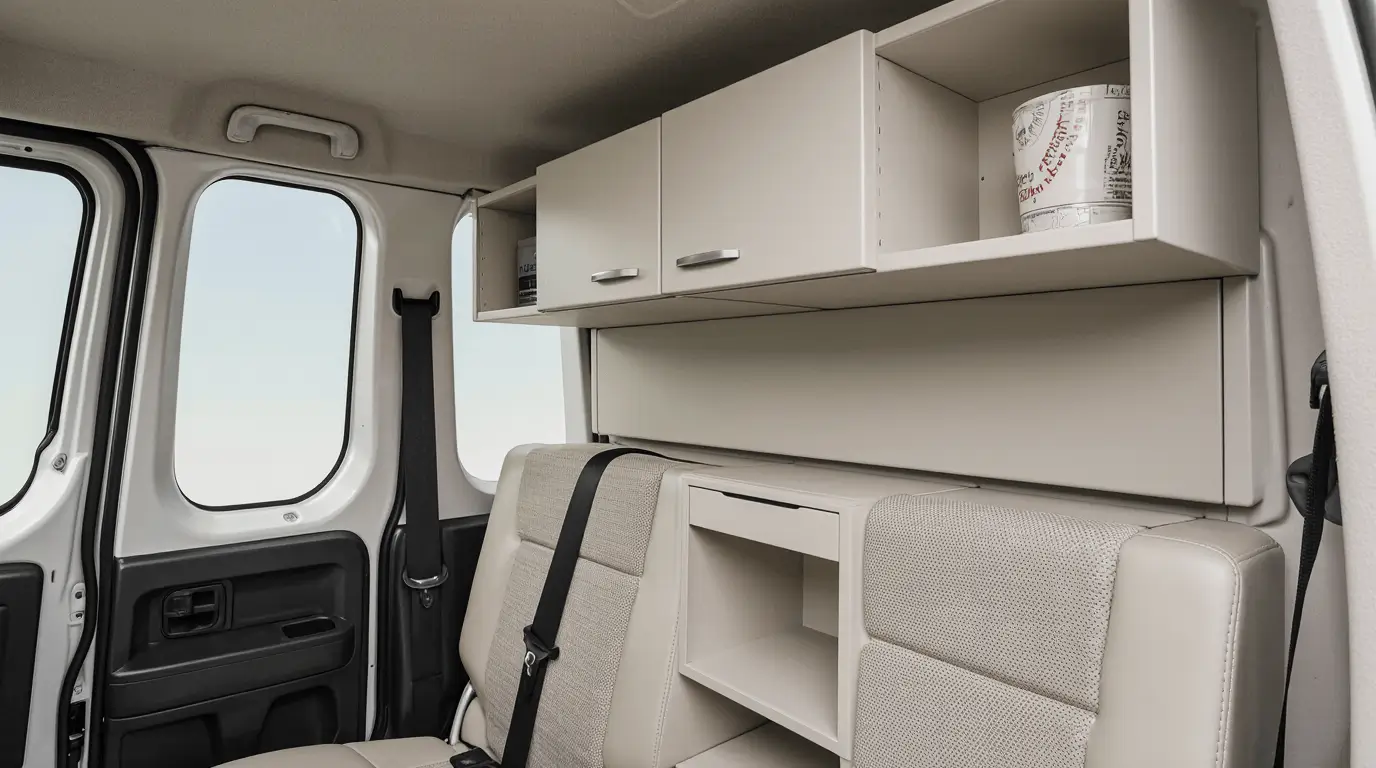
Lighting Design in Minibus Interiors
Lighting transforms both mood and usability. Combining natural light with LED strips and task lighting creates depth and comfort.
Layered lighting improves both aesthetics and functionality, especially at night.
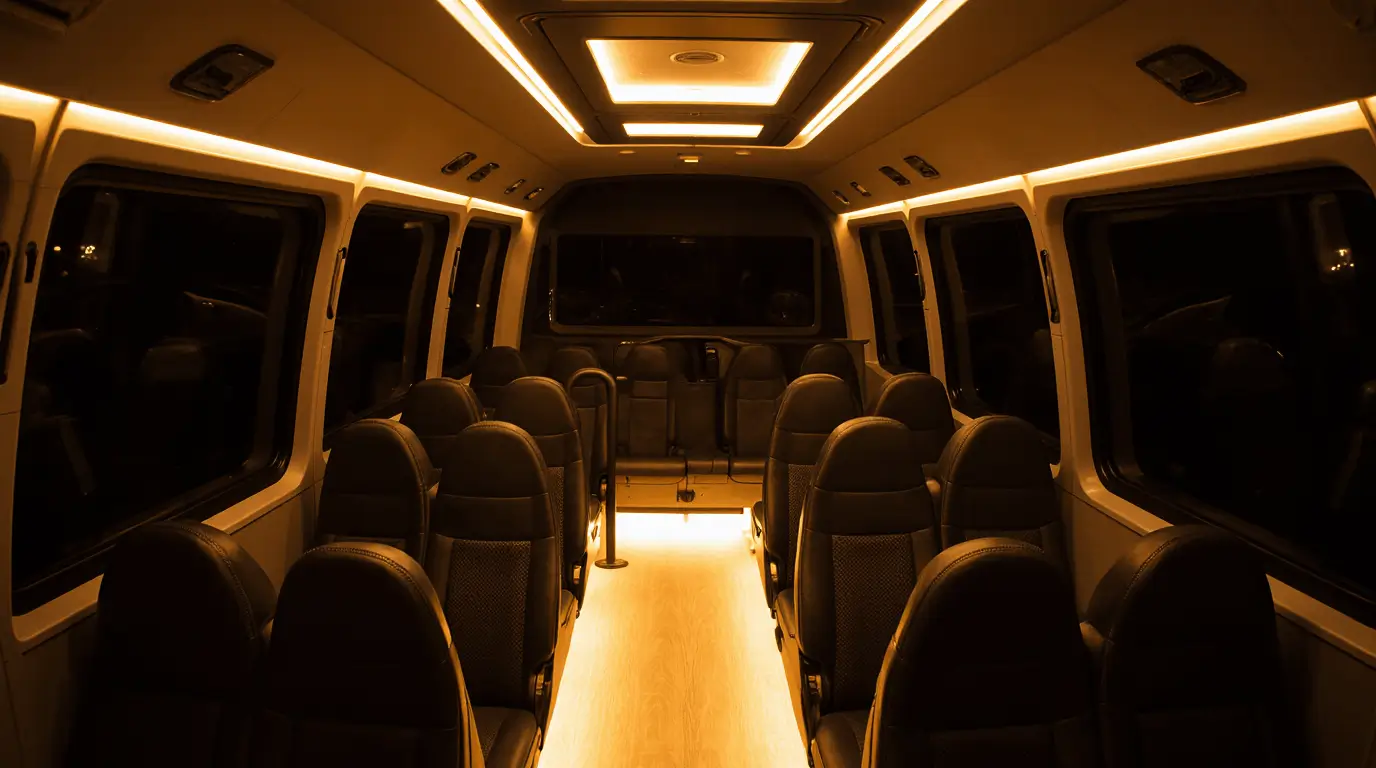
Small Space Optimization in Minibus Interior Design
Limited space requires strategic design. Compact furniture, vertical layouts, and multi-use surfaces help maximize usability.
Every inch should serve a purpose without overwhelming the interior.
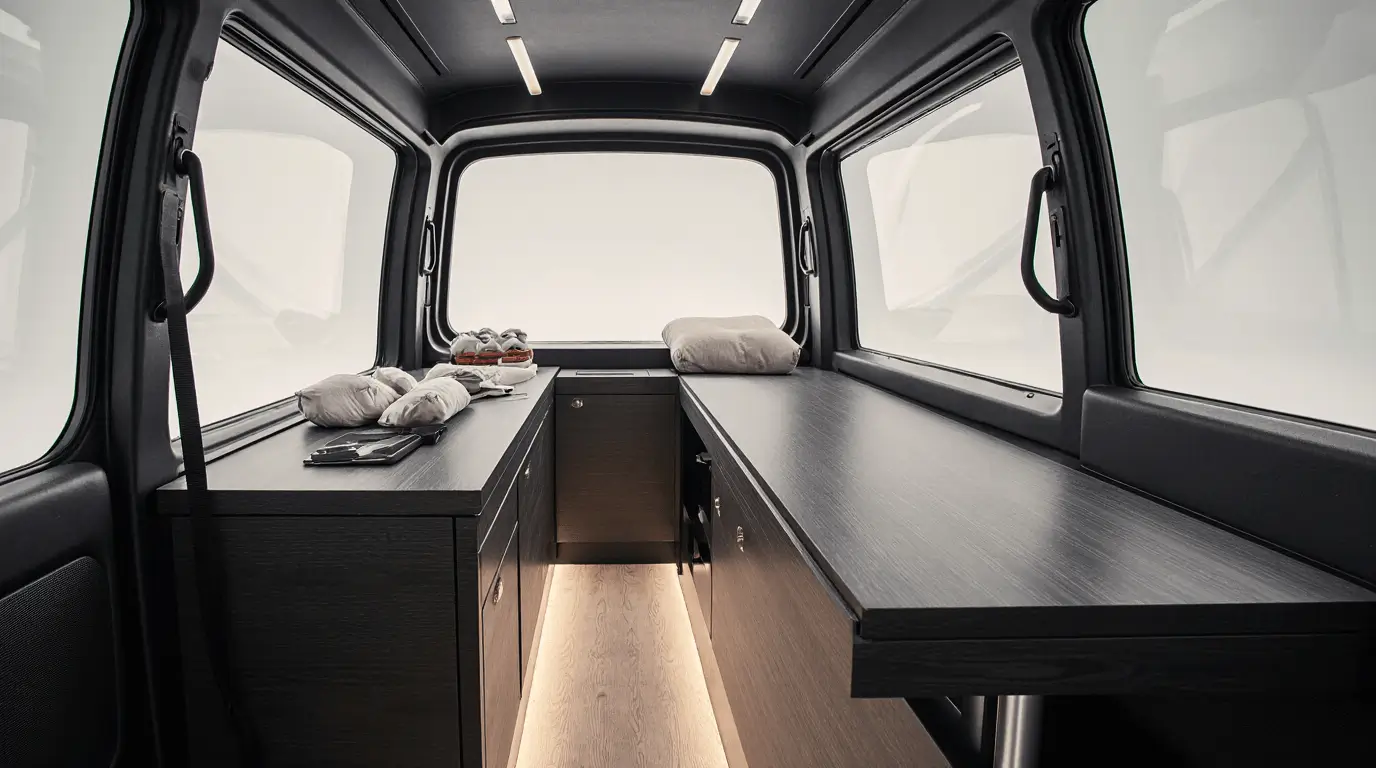
Camper-Style Minibus Interior Design
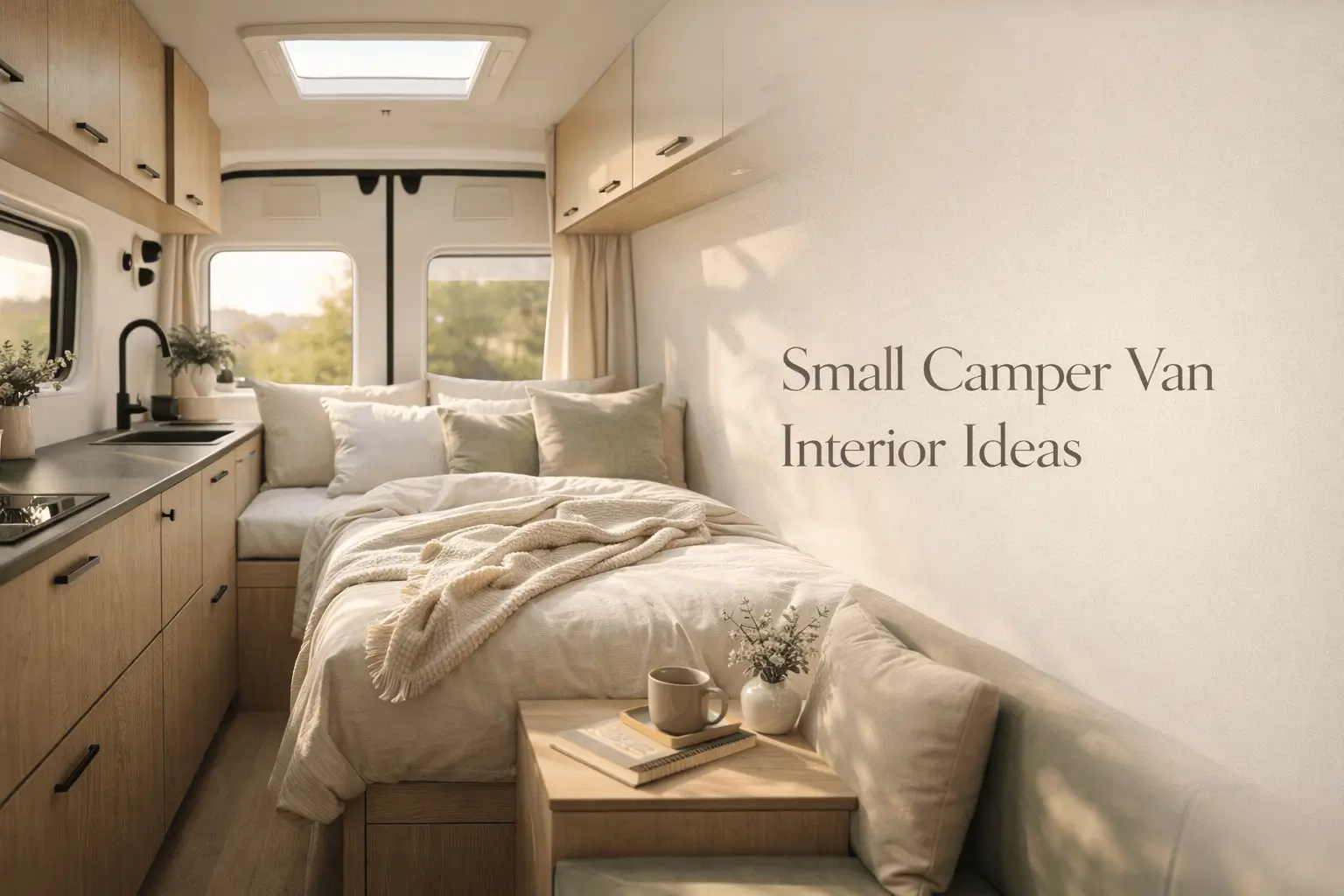
A camper-inspired design focuses on comfort and livability. Sleeping areas, compact kitchens, and cozy finishes create a home-like feel.
This style blends practicality with warmth, making travel more enjoyable.
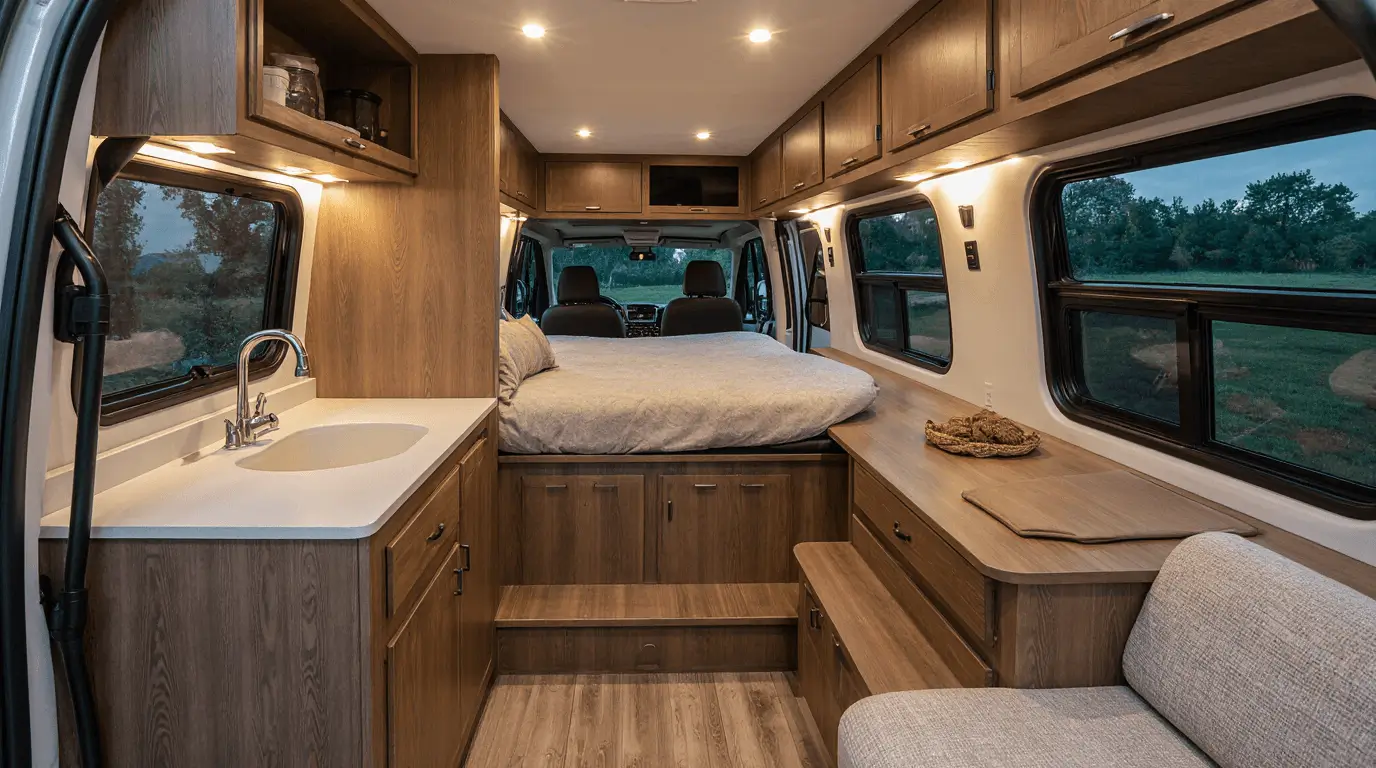
Modern Minibus Interior Design Aesthetics
Modern design emphasizes clean lines, subtle textures, and balanced proportions. Neutral palettes paired with sleek materials create a refined look.
This style is ideal for professional or contemporary travel setups.
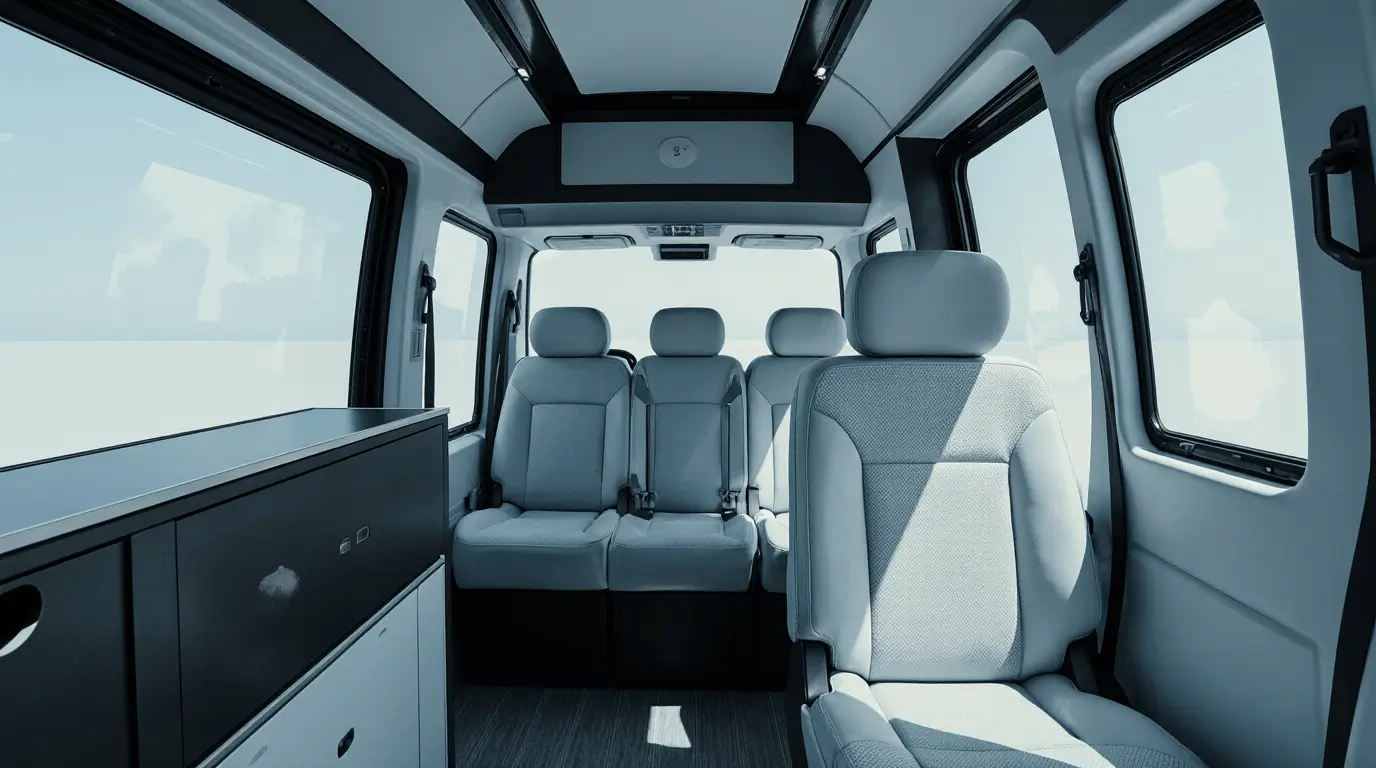
Family-Friendly Minibus Interior Design
Designing for families requires durability, safety, and comfort. Easy-to-clean materials, ample seating, and practical storage are essential.
The goal is to create a space that handles daily use without sacrificing style.
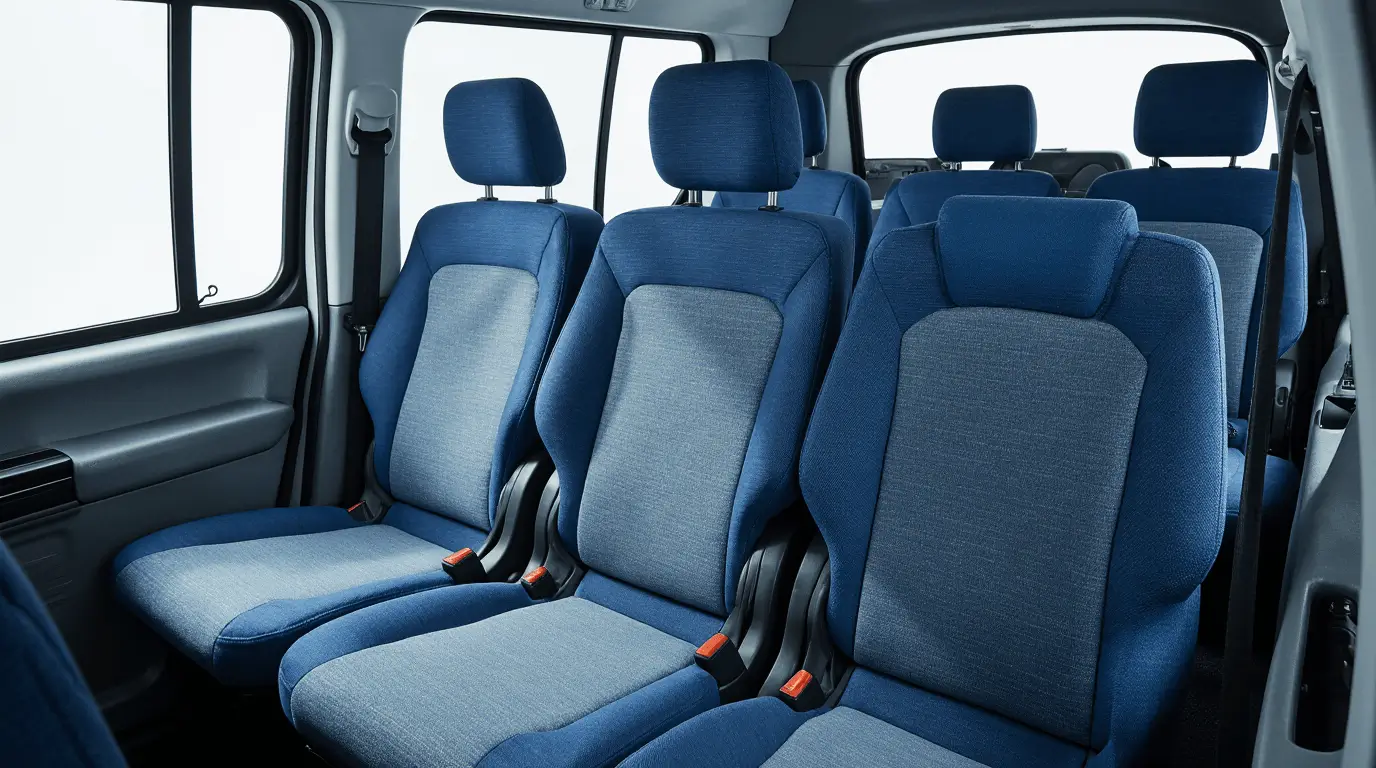
Night-Friendly Minibus Interior Design
Designing for nighttime use includes soft lighting, privacy features, and comfortable sleeping arrangements.
Blackout curtains and ambient lighting enhance both comfort and usability after dark.

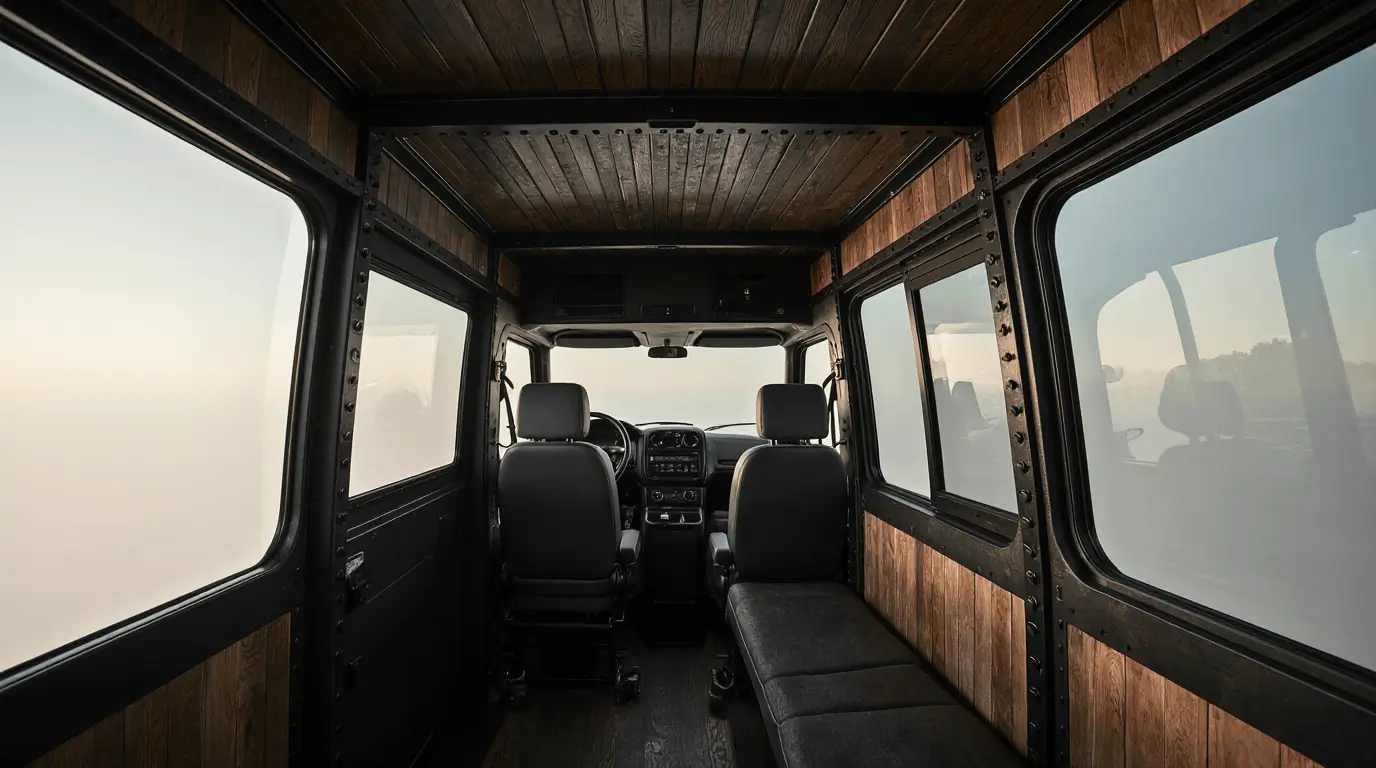
Industrial-Style Minibus Interior Design
Industrial interiors bring a raw, utilitarian aesthetic with exposed materials and rugged finishes.
Metal accents, darker tones, and practical layouts define this bold design approach.
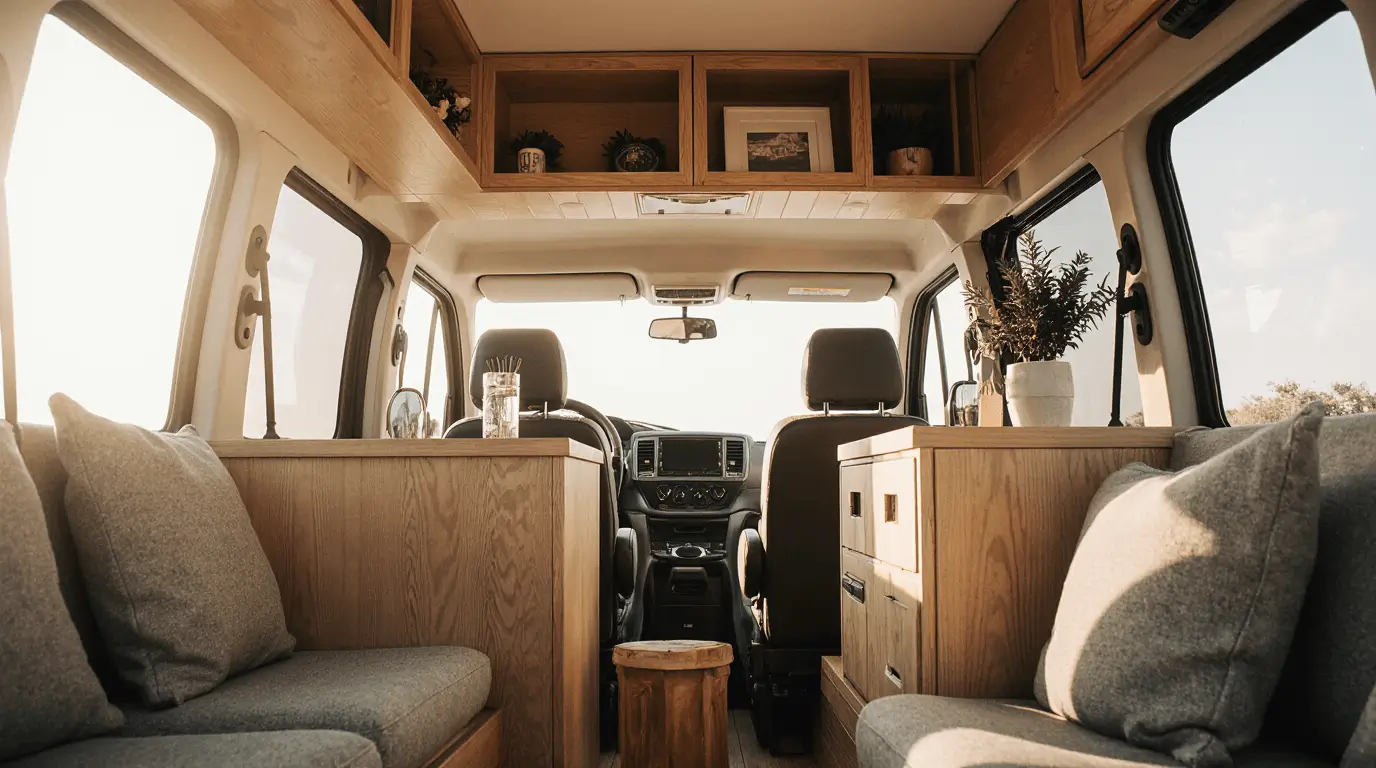
DIY Minibus Interior Design Ideas
DIY designs allow for personalization and cost control. Custom-built furniture, creative storage, and unique finishes reflect individual style.
This approach is ideal for those who want a truly unique interior.
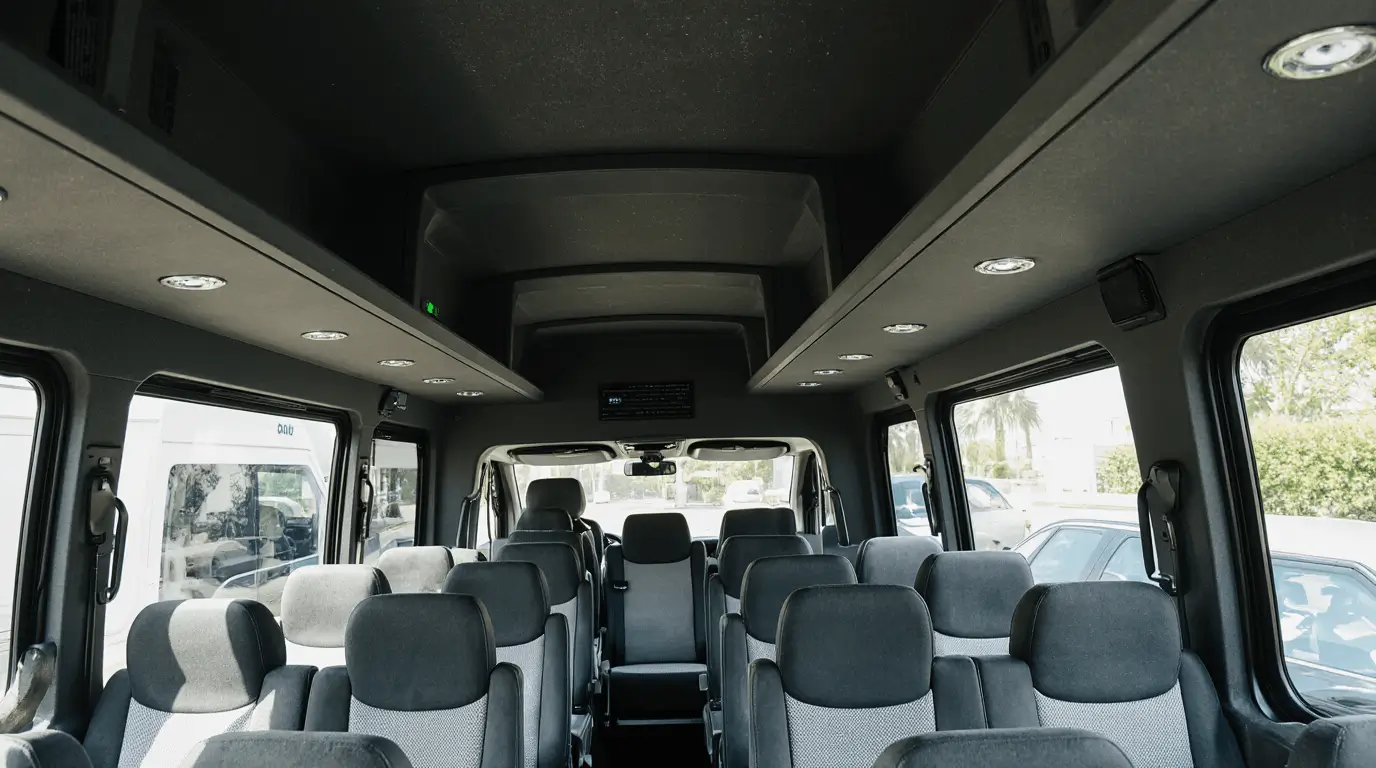
Passenger Comfort in Minibus Interior Design
Comfort goes beyond seating—it includes spacing, airflow, and ergonomics.
Proper ventilation, cushioning, and layout ensure a pleasant experience for all passengers.
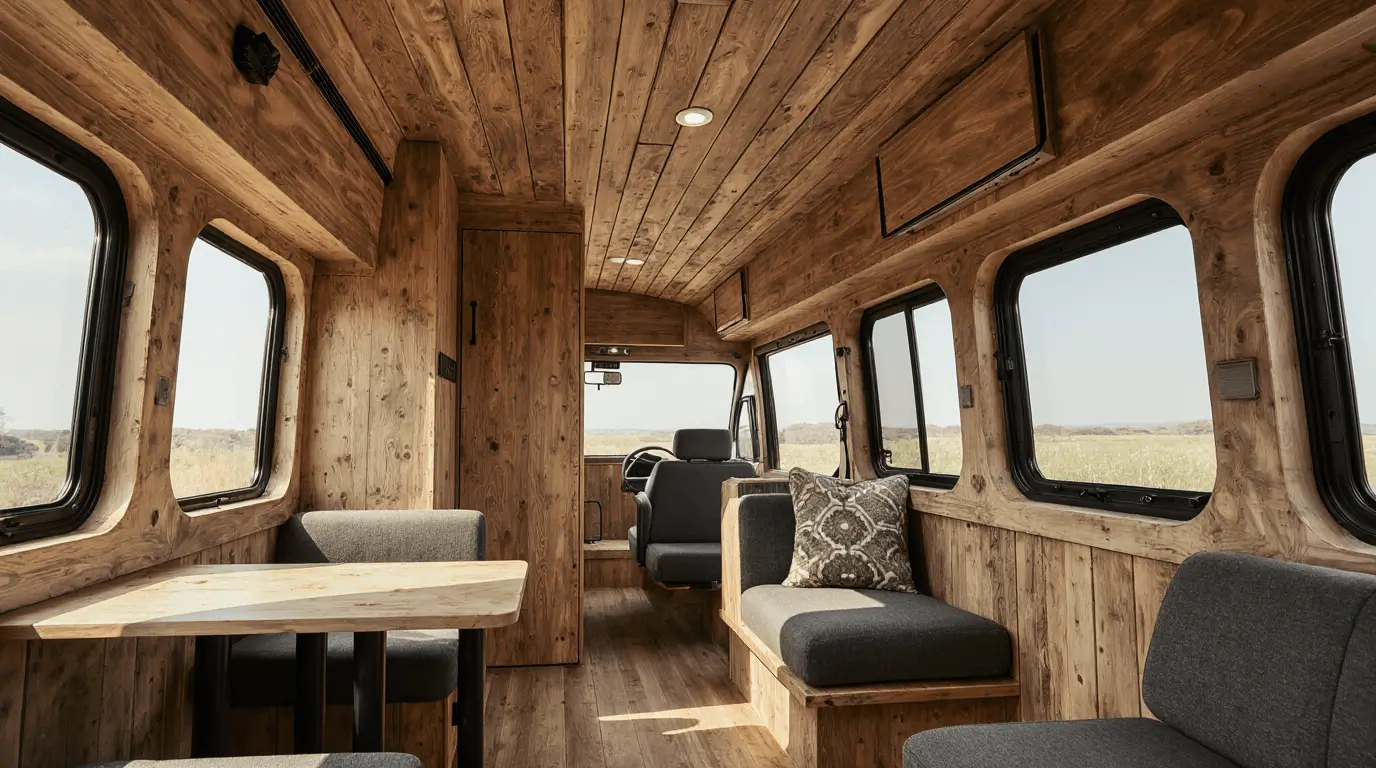
Sustainable Minibus Interior Design
Eco-conscious interiors use sustainable materials and energy-efficient systems.
Reclaimed wood, low-impact fabrics, and efficient lighting reduce environmental impact while maintaining style.
Modular Minibus Interior Design Systems
Modular systems allow components to be rearranged based on needs. Seats, tables, and storage units can shift easily.
This flexibility is key for dynamic use cases and evolving requirements.
Conclusion
Minibus interior design is ultimately about making smart decisions within a limited space—and doing so in a way that feels effortless once it’s complete. The most successful interiors aren’t necessarily the most expensive or complex; they’re the ones that balance layout, comfort, and adaptability with a clear purpose in mind. Whether you’re designing for daily passenger transport, long-distance travel, or a flexible camper-style setup, the goal is always the same: create a space that works intuitively without feeling forced.
From experience, the designs that truly stand out are those that evolve from real use. Thoughtful seating placement, layered lighting, and well-integrated storage don’t just improve aesthetics—they directly impact how enjoyable and functional the space feels over time. When each element has a purpose and nothing feels excessive, the entire interior becomes more livable, more efficient, and far easier to maintain.
For anyone planning a minibus interior design, the best approach is to start with how the space will actually be used day-to-day. Prioritize movement, comfort, and flexibility first—then refine the visual style. When you design with intention rather than impulse, the result is a space that not only looks good but consistently performs, no matter how it’s used.
Learn more : English Regency Interior Design: Elegant Style Guide
FAQs
- What is the most important factor in minibus interior design?
The layout is the most critical element. If movement, seating access, and space flow aren’t planned properly, even the most beautiful design will feel impractical. Start with how people will use the space, then build everything around that. - How can I make a small minibus interior feel more spacious?
Use light colors, keep surfaces clean and uncluttered, and incorporate multi-functional furniture. Vertical storage and proper lighting also create a sense of openness without increasing physical space. - Is it better to choose fixed seating or modular seating?
It depends on your use. Fixed seating works well for consistent passenger transport, while modular seating offers flexibility for mixed uses like travel, relaxation, or sleeping arrangements. - Can a minibus interior be both functional and stylish?
Absolutely. In fact, the best interiors achieve both. Clean design, quality materials, and thoughtful layout naturally create a space that looks refined while remaining highly practical. - What materials work best for durability in a minibus interior?
Durable fabrics, treated wood, and easy-to-clean surfaces are ideal. Materials should handle frequent use, temperature changes, and movement without wearing out quickly. - How do I design a minibus interior for long trips or overnight use?
Focus on comfort and adaptability. Include supportive seating, proper ventilation, soft lighting, and convertible elements like foldable beds or reclining seats to make extended use more comfortable. - Is DIY minibus interior design a good option?
Yes, especially if you want a personalized result and cost control. However, it’s important to plan carefully and prioritize safety, especially when installing seating, electrical systems, or structural elements.