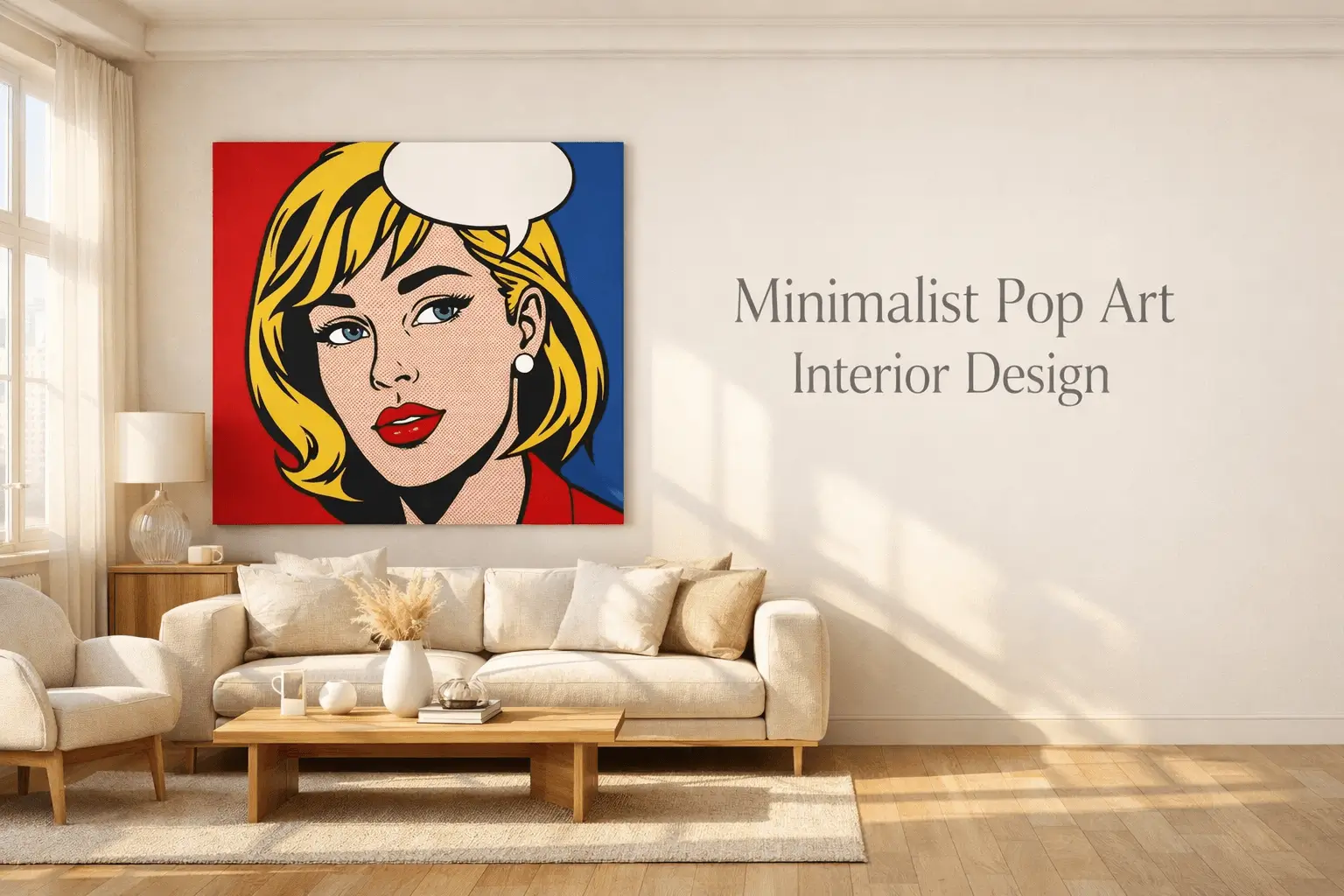
Introduction
Minimalist pop art interior design sits at an interesting intersection: it combines the bold, expressive energy of pop art with the calm restraint of minimalism. At first glance, these styles seem contradictory—one loud and graphic, the other quiet and refined—but when handled thoughtfully, they create interiors that feel both vibrant and sophisticated.
In practice, minimalist pop art interior design isn’t about filling a space with color or stripping it bare. It’s about balance. You curate statement pieces—often graphic artworks or playful furniture—and give them room to breathe within a clean, uncluttered environment. The result is a space that feels intentional, modern, and visually striking without becoming overwhelming.
From working with contemporary interiors, one thing becomes clear: the success of this style depends less on quantity and more on placement, proportion, and contrast. Each element needs a purpose. Below are focused design clusters that break this style into practical, usable ideas.
Minimalist Pop Art Interior Design Foundations
A strong foundation starts with neutral walls, simple layouts, and a limited color palette. This creates a calm base where pop art elements can stand out without competing.
Think of the space as a gallery—every piece should feel curated rather than crowded.
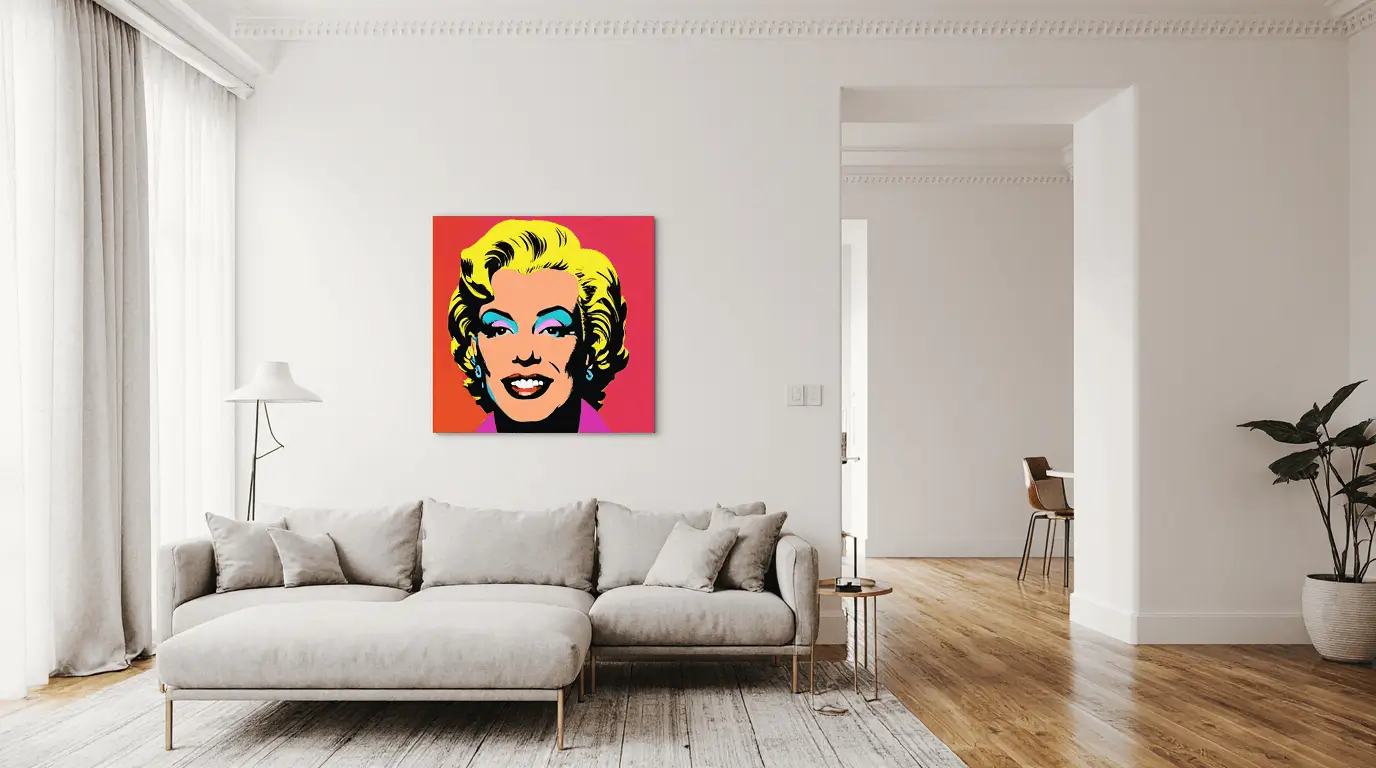
Minimalist Pop Art Living Room Concepts
The living room is the easiest place to introduce this style. A single oversized artwork or a bold sofa can define the entire space.
Keep furniture low-profile and allow negative space to enhance the visual impact.
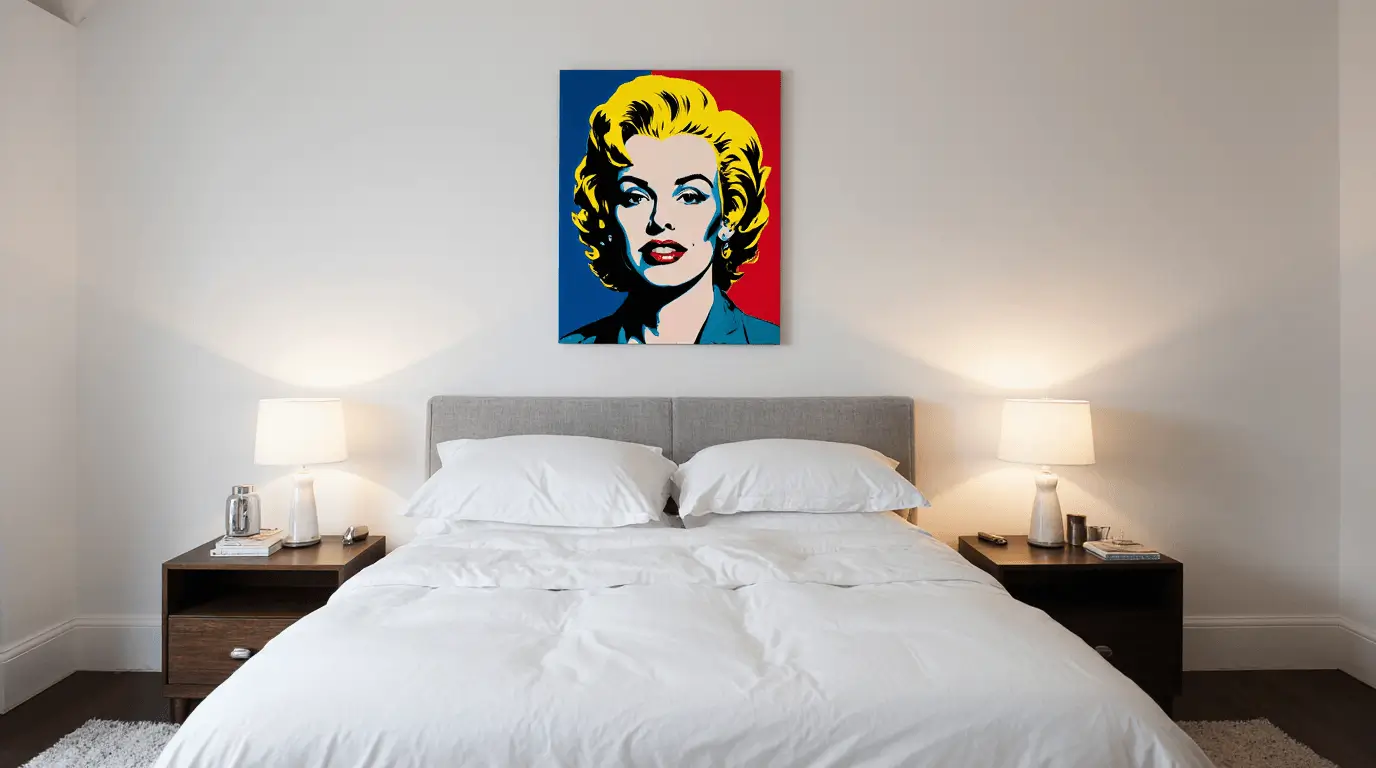
Minimalist Pop Art Bedroom Styling
Bedrooms benefit from a softer approach—use pop art sparingly, like one framed piece above the bed or playful bedding accents.
Balance is key so the room remains restful, not overstimulating.
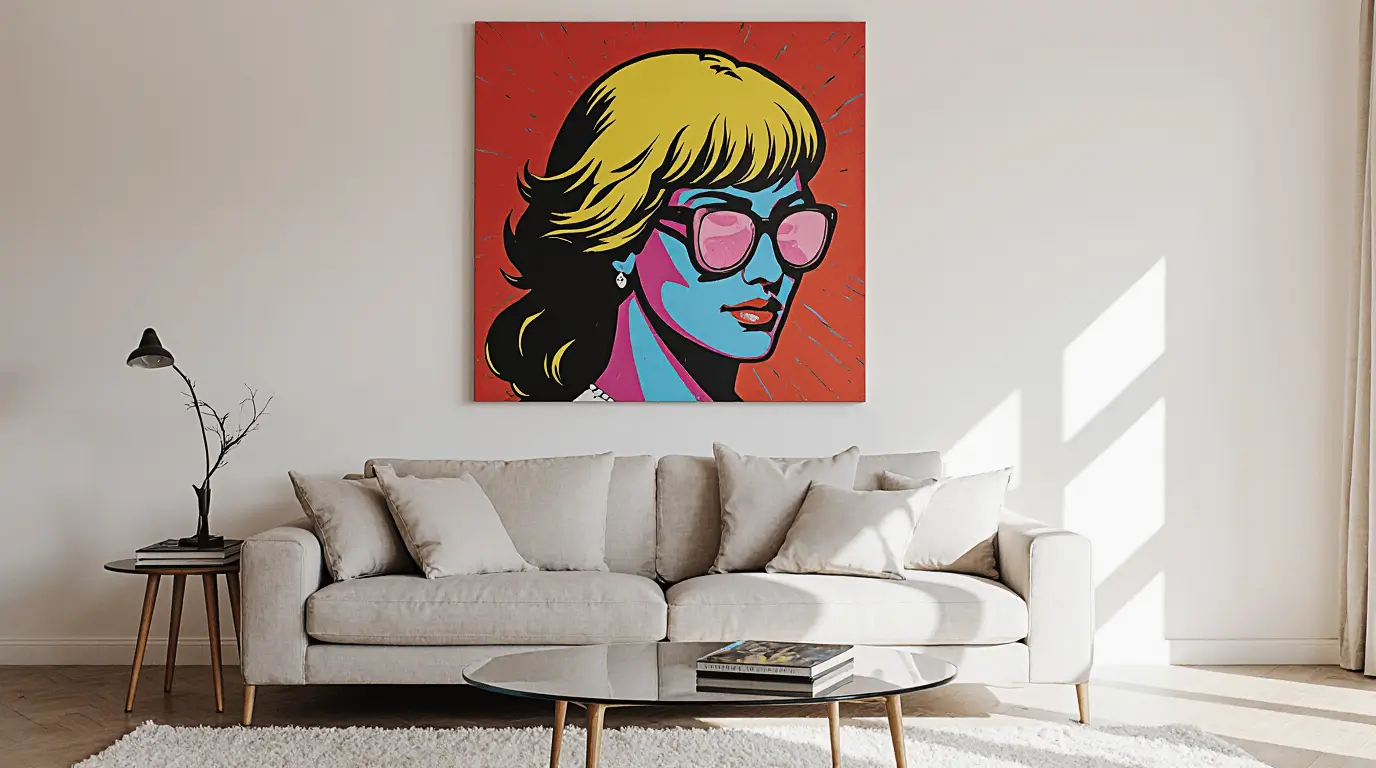
Modern Pop Art Interior Design Approach
Modern pop art interiors lean toward sharper contrasts and contemporary materials like metal, glass, and acrylic.
This creates a sleek, urban feel while still embracing playful visuals.
Minimalist Pop Art Wall Decor Strategy
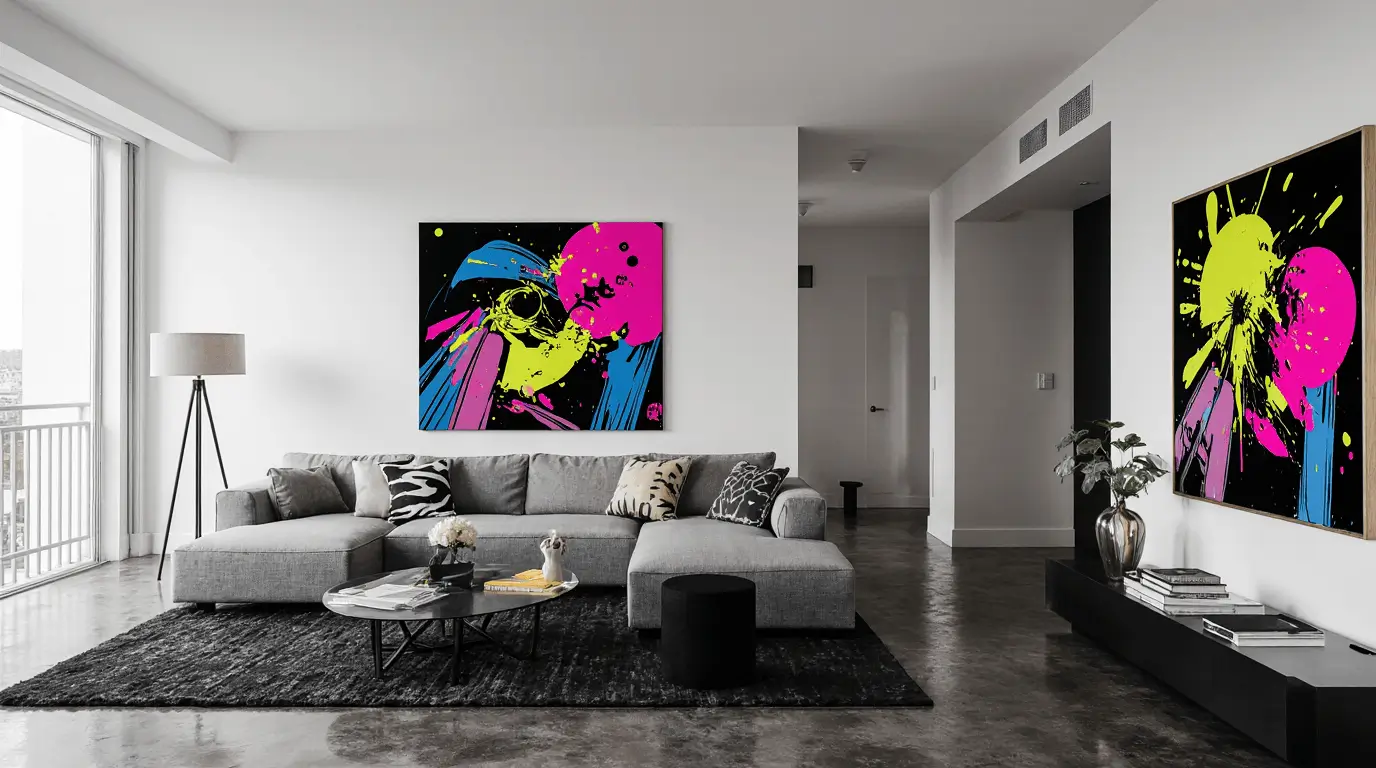
Walls should do most of the expressive work. Instead of multiple small pieces, choose one or two impactful artworks.
Large-scale prints instantly elevate the space without clutter.
Pop Art Furniture in Minimalist Spaces
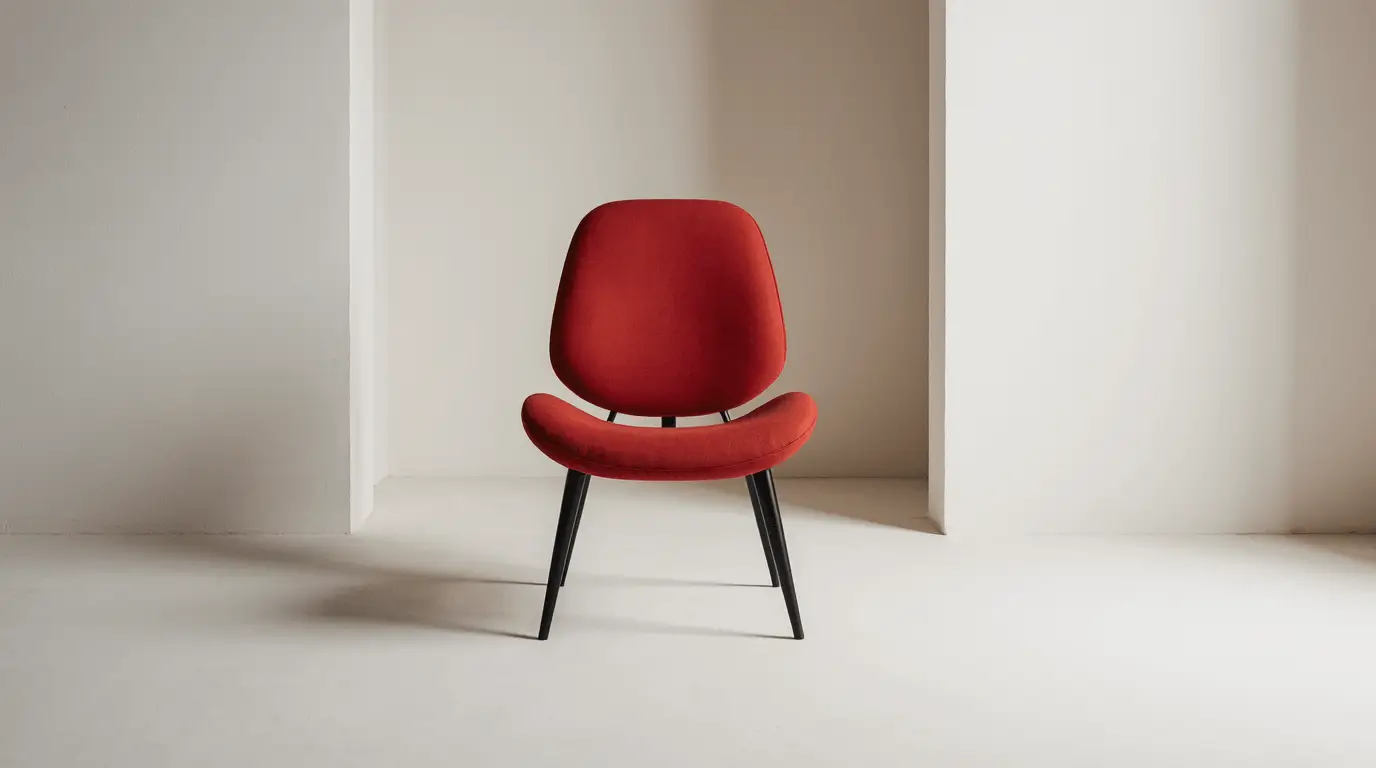
Furniture should remain simple in form but can carry bold color or playful shapes.
A single statement chair or sofa is often enough to define the style.
Minimalist Pop Art Color Palette Balance
Stick to a restrained base—white, beige, gray—then introduce pops of primary colors like red, blue, and yellow.
This contrast is what creates visual excitement without chaos.
Pop Art Interior Design with Negative Space
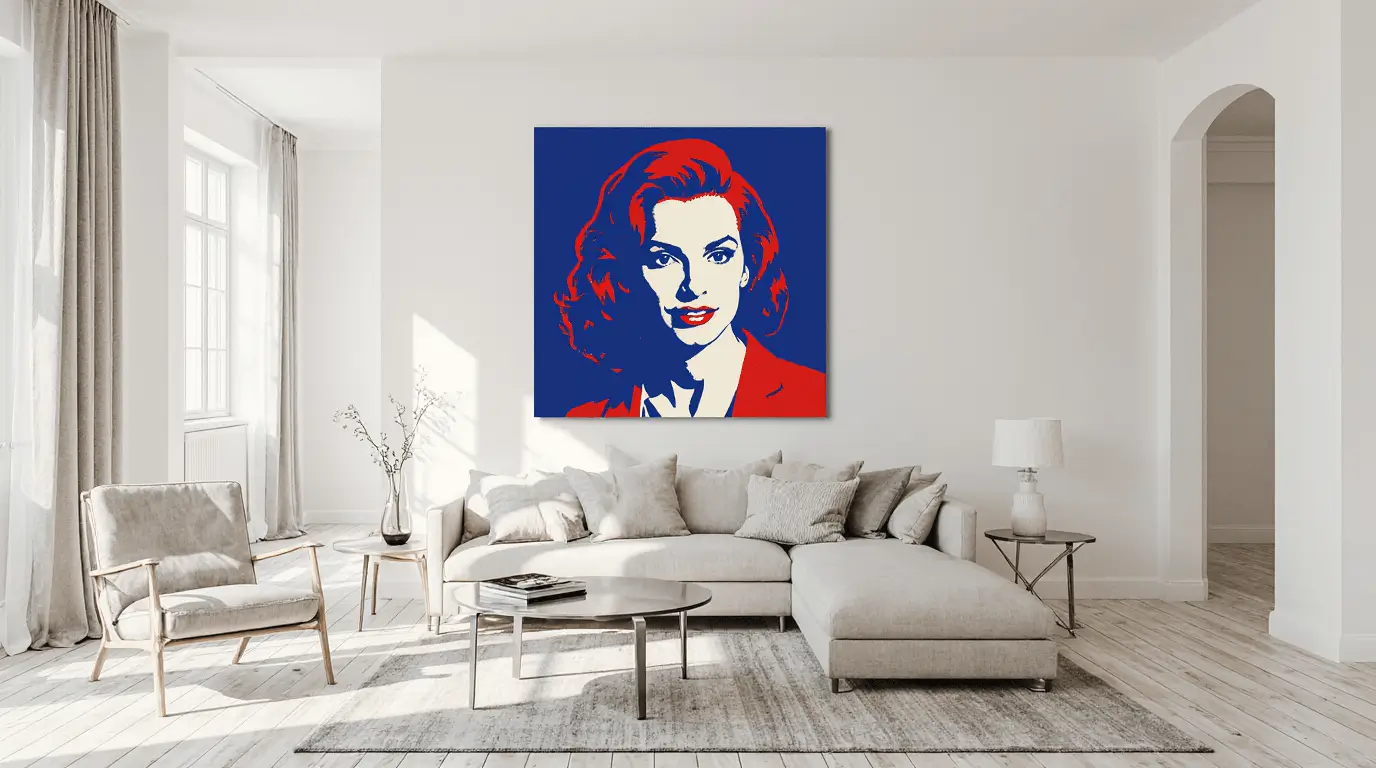
Negative space is essential. It allows bold elements to stand out and prevents visual overload.
Avoid filling every corner—leave breathing room around statement pieces.
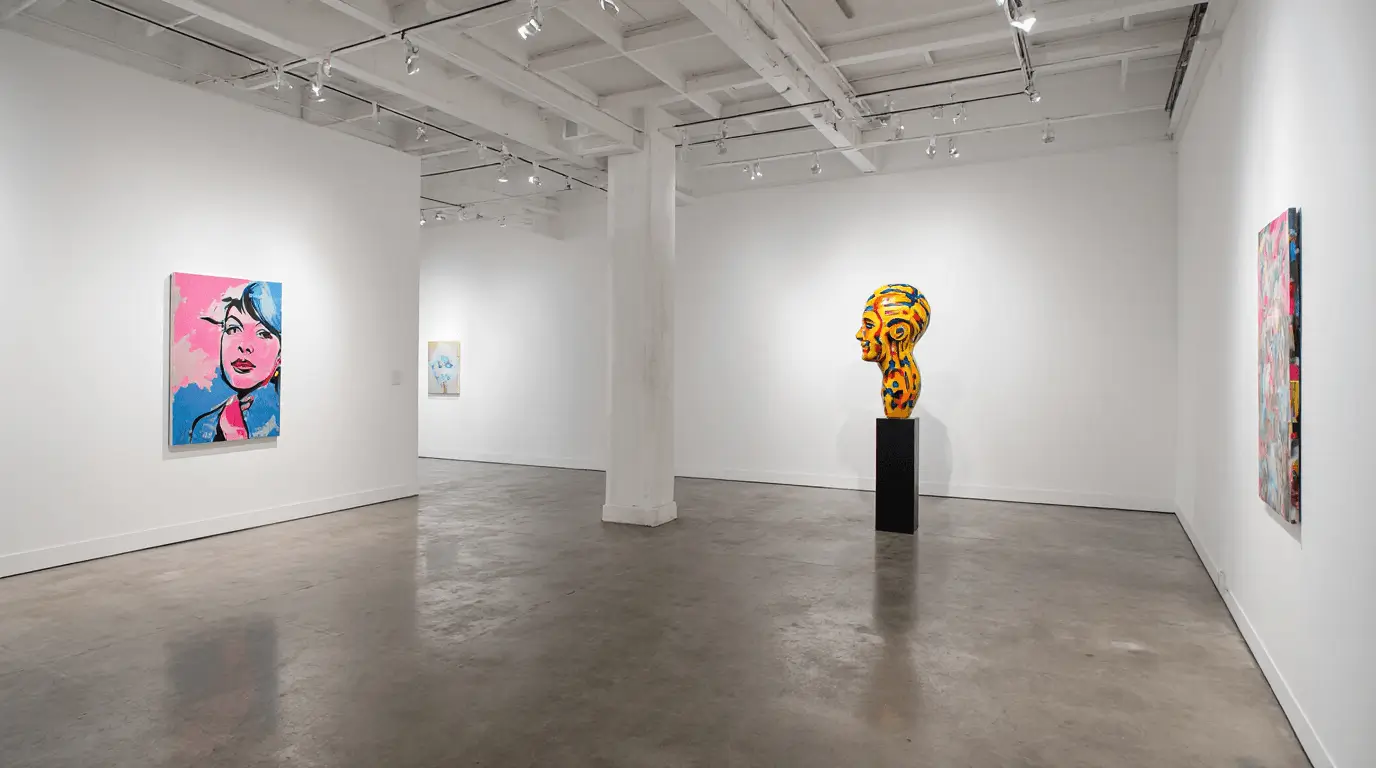
Minimalist Pop Art Lighting Design
Lighting should be soft and subtle, allowing the artwork to take center stage.
Track lighting or spotlights can highlight key pieces effectively.
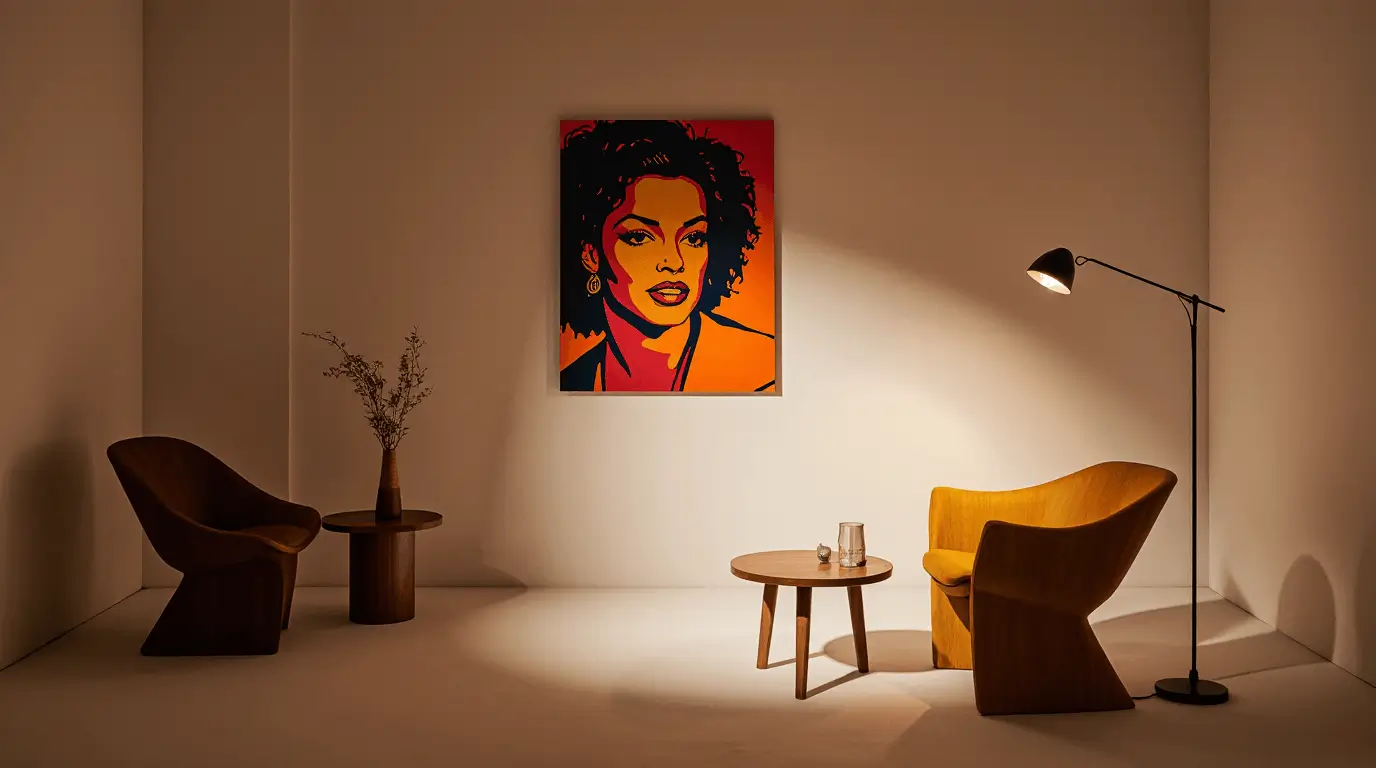
Pop Art Prints as Focal Points
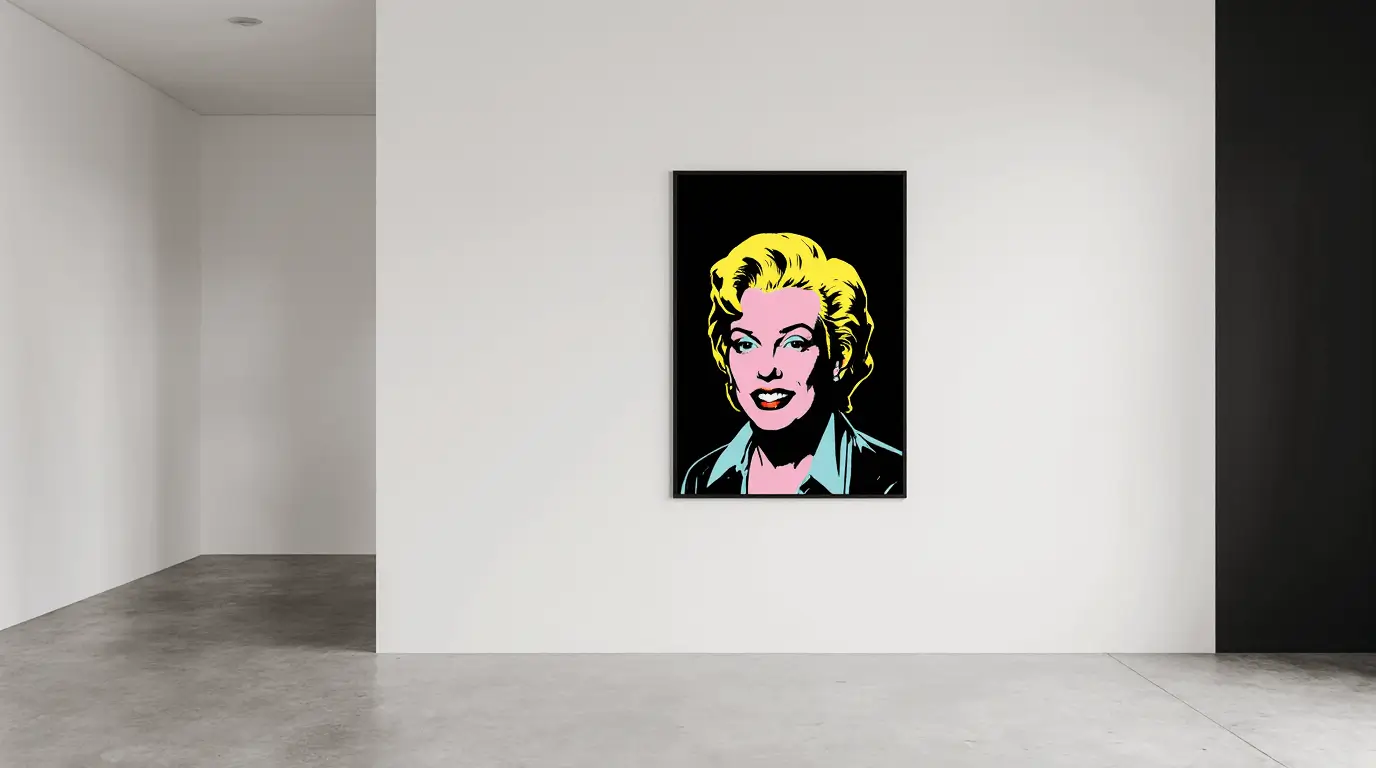
Pop art prints are often the heart of this design style. Choose iconic, graphic, or abstract visuals.
Placement at eye level ensures maximum impact.
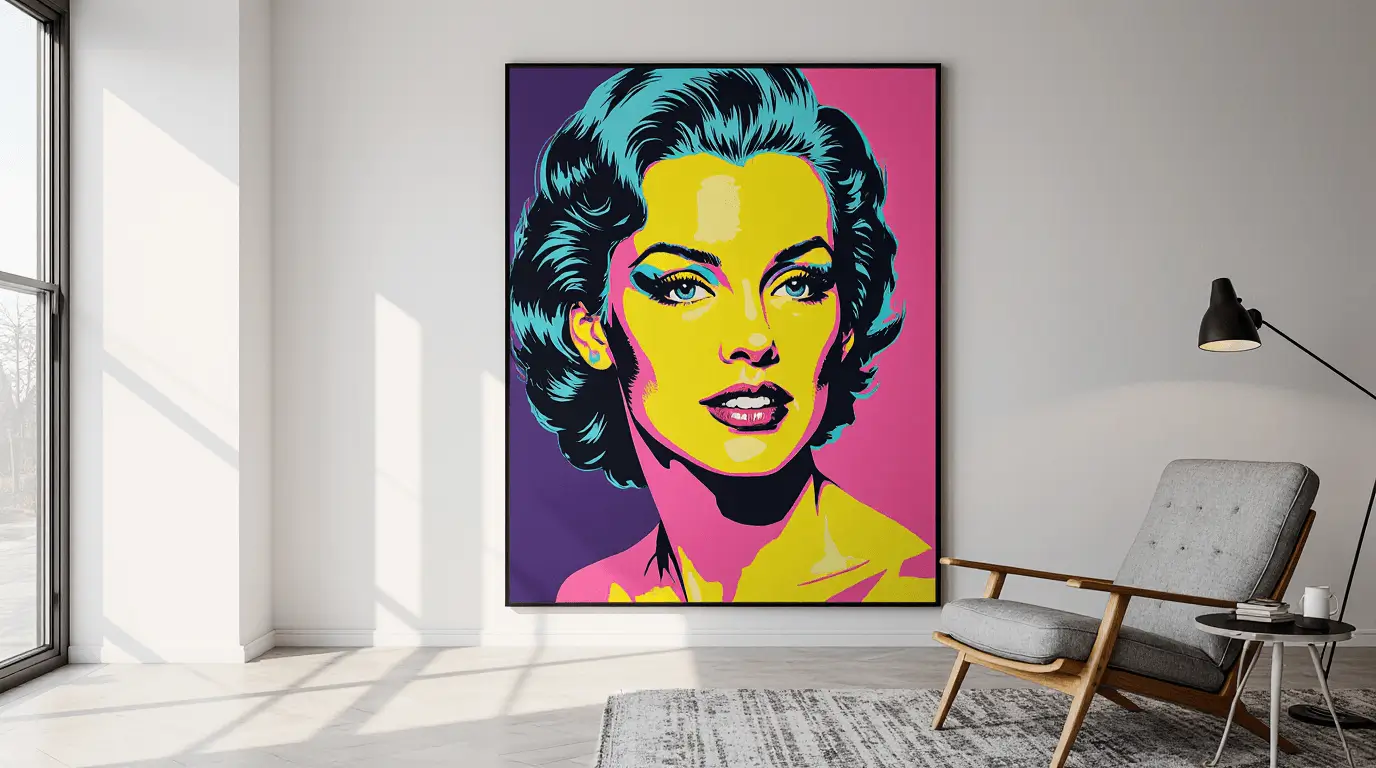
Minimalist Pop Art Decor Accents
Accessories should be minimal but intentional—think a colorful vase, sculptural object, or quirky decor piece.
Too many accents dilute the effect.
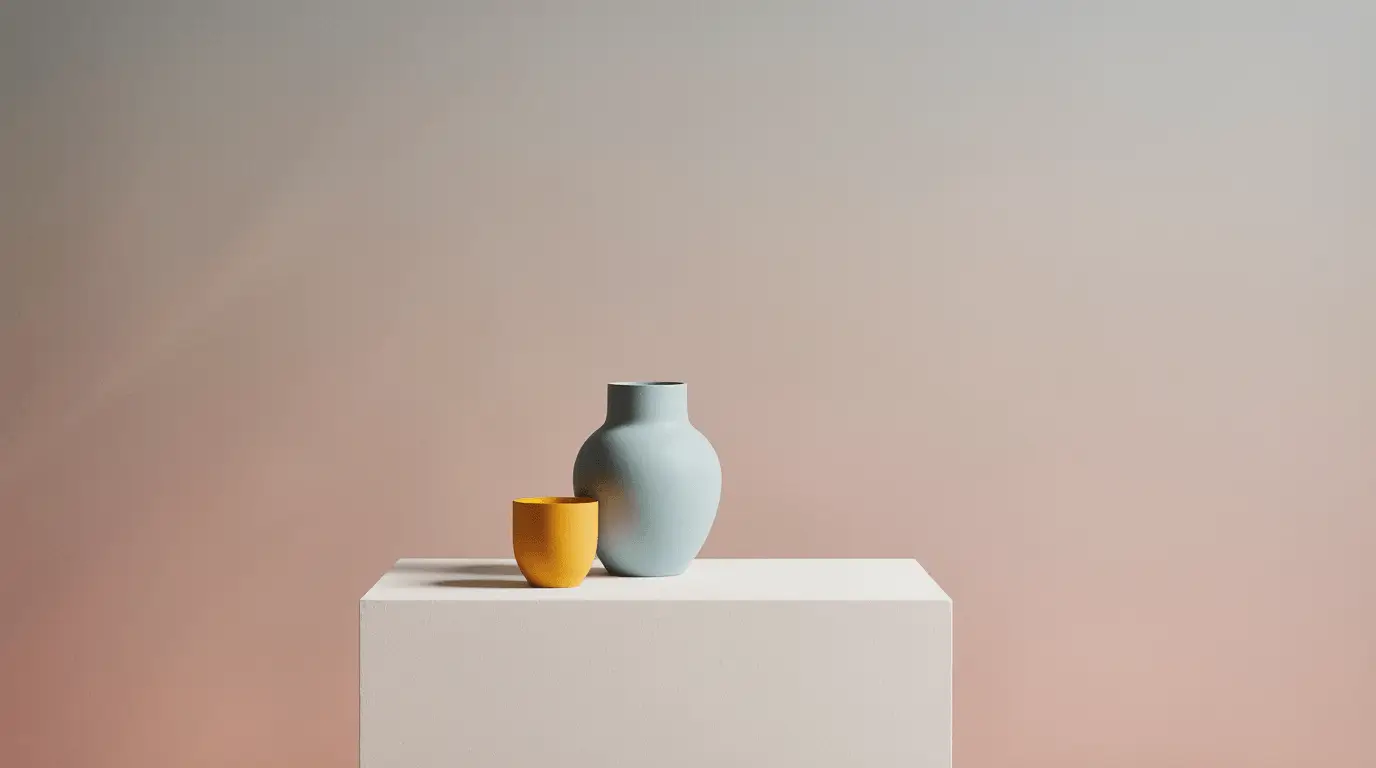
Pop Art Interior Design for Small Spaces
In smaller spaces, limit bold elements to one or two features.
This prevents overcrowding while still achieving a strong visual identity.
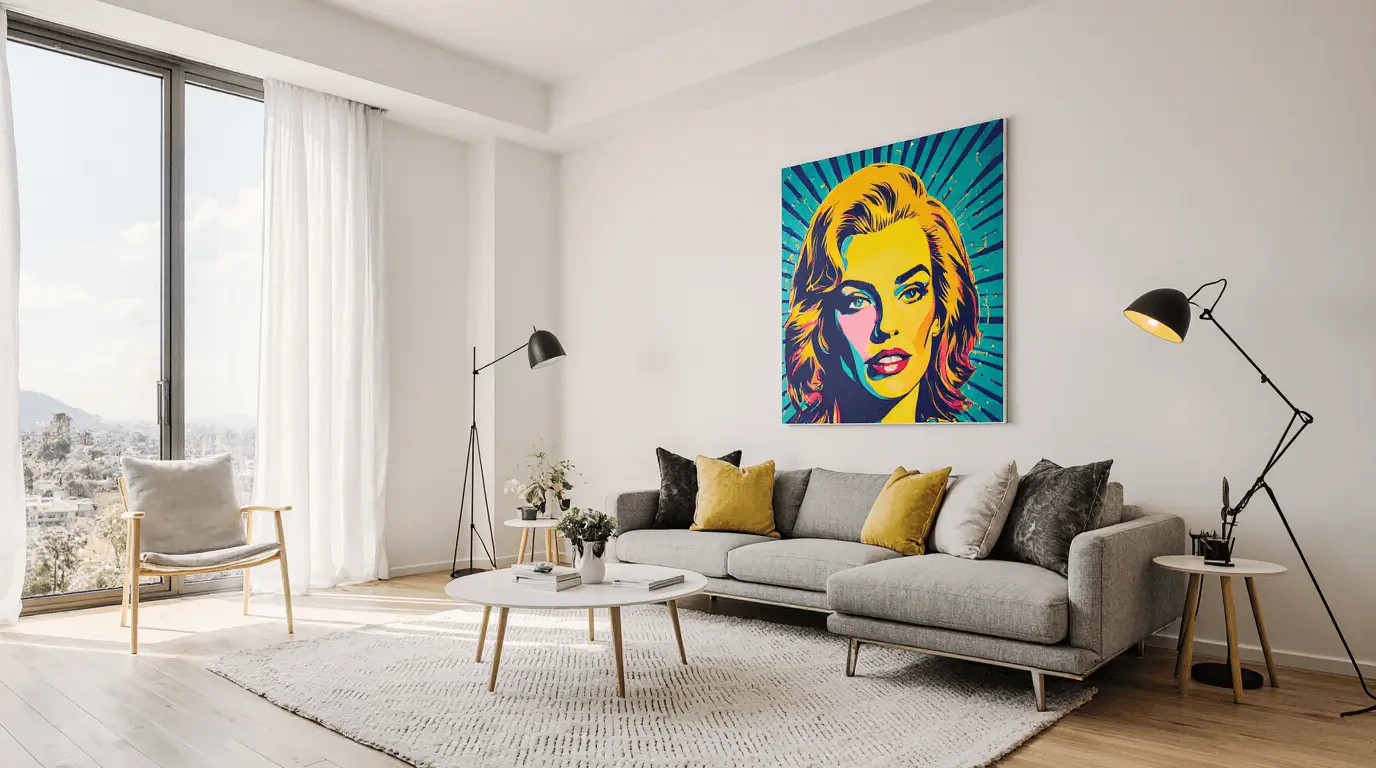
Minimalist Pop Art Home Office Ideas
A home office benefits from creative energy—use pop art to inspire without distracting.
Keep the desk area clean and focused.
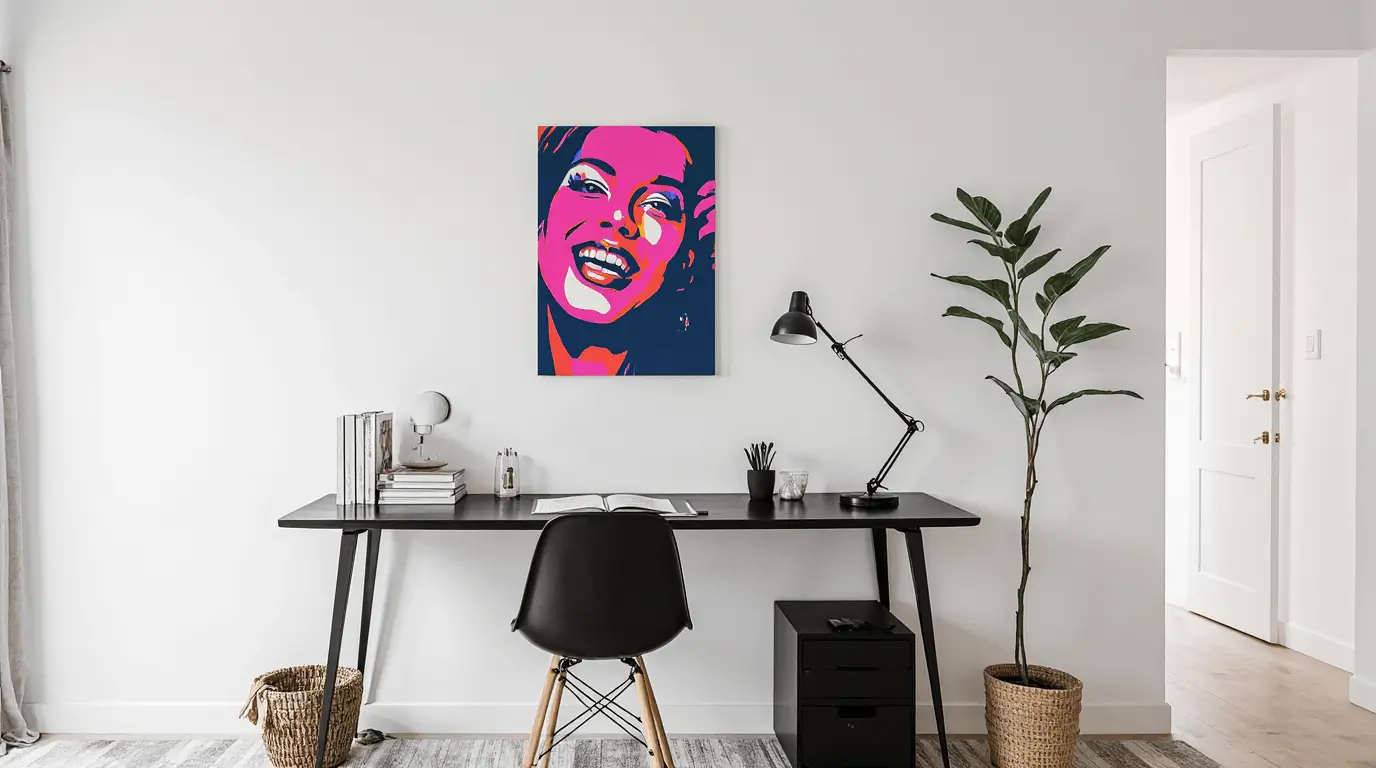
Pop Art Sofa as Statement Piece
A bold sofa can act as the centerpiece of the room.
Pair it with neutral surroundings to avoid overwhelming the space.
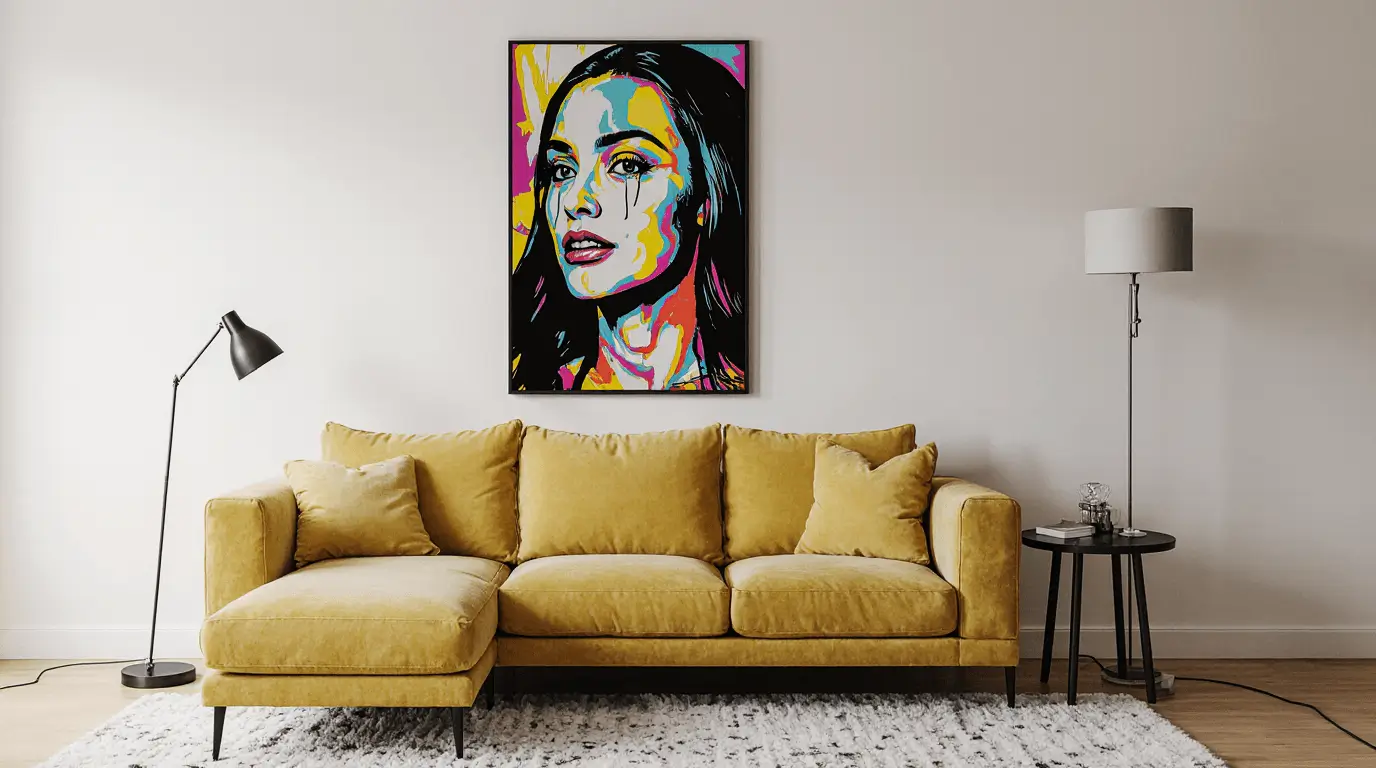
Minimalist Pop Art Textures and Materials
Combine smooth surfaces like glass and metal with soft fabrics to create contrast.
Texture adds depth without adding clutter.
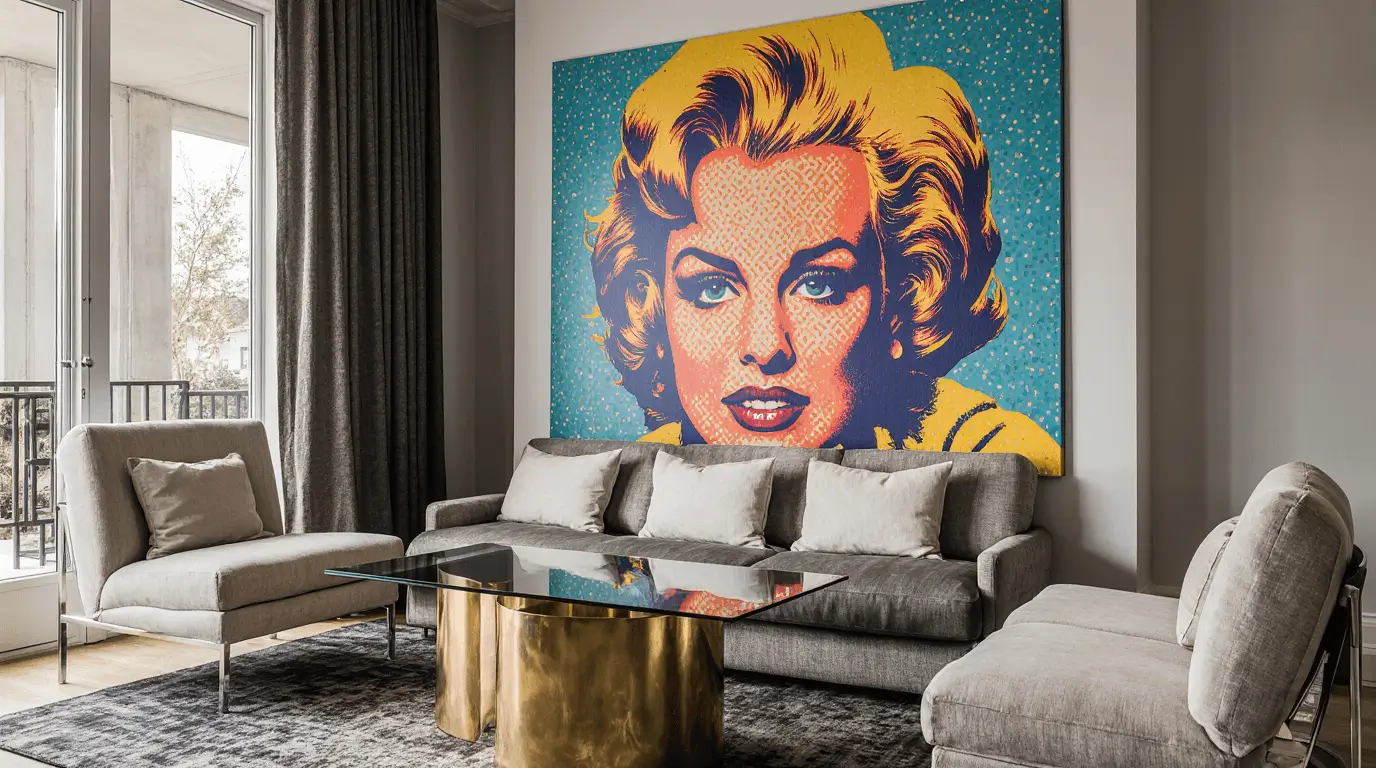
Pop Art Interior Design with Monochrome Base
A monochrome base (black, white, gray) enhances the impact of colorful pop art elements.
This approach feels clean, modern, and highly intentional.
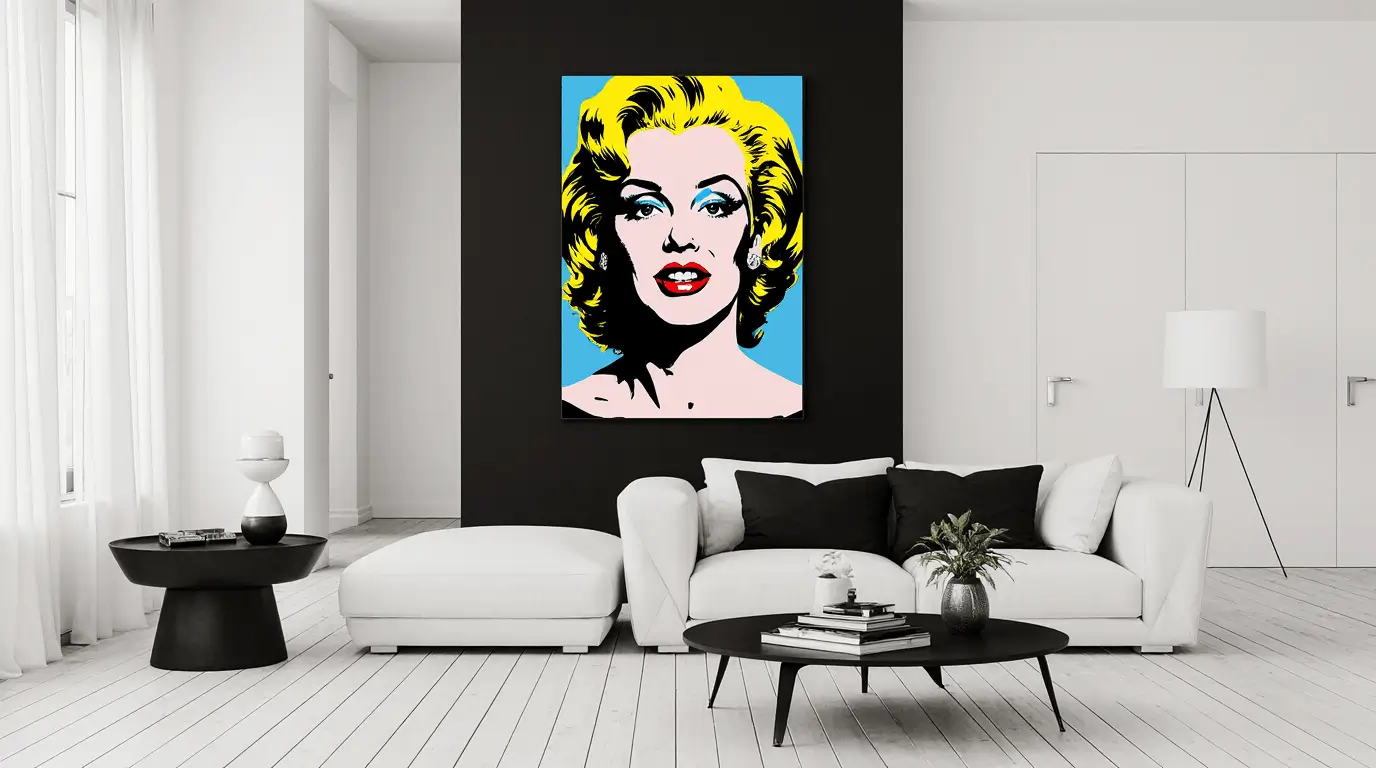
Minimalist Pop Art Interior Design for Contemporary Homes
In contemporary homes, this style blends seamlessly with open layouts and modern architecture.
Use it to add personality without compromising the clean structure of the space.
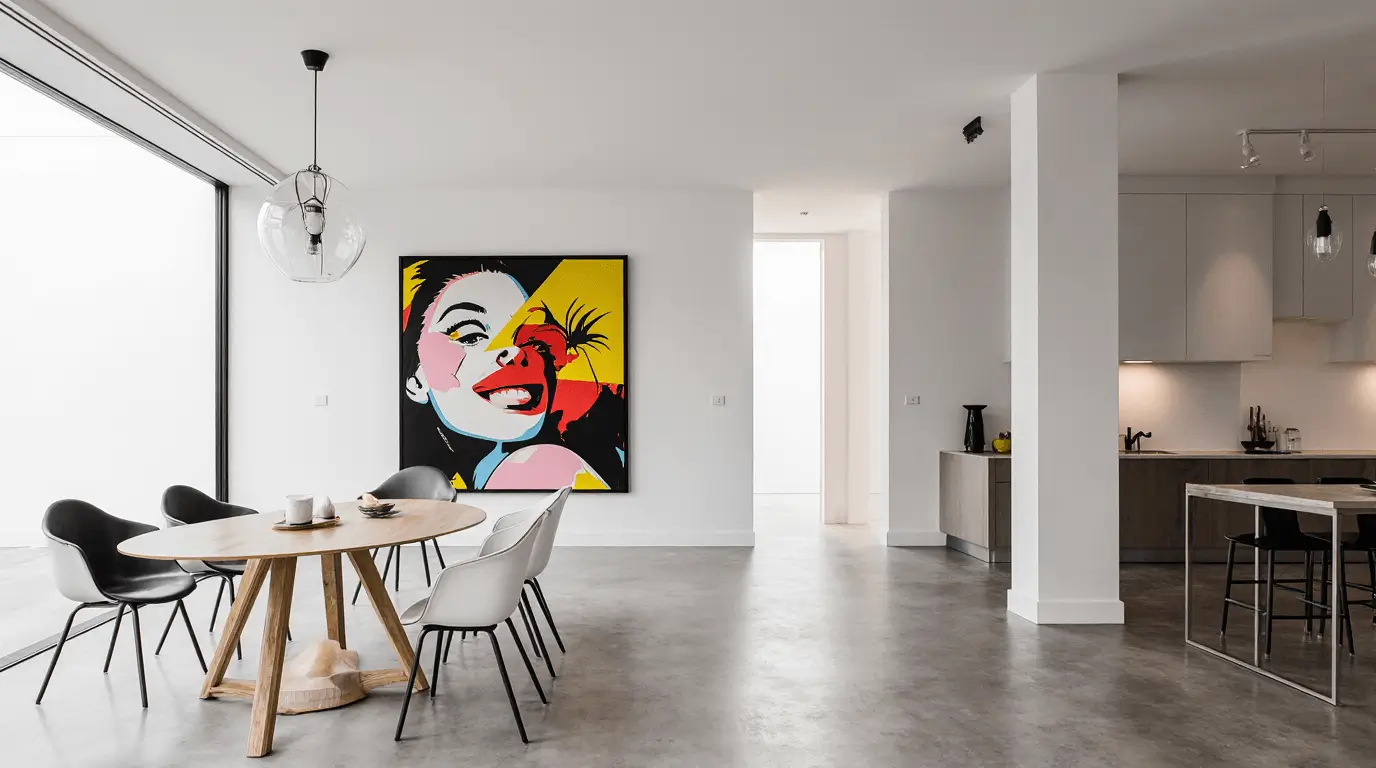
Minimalist Pop Art Interior Design Philosophy
At its core, this style is about restraint meeting expression. You’re not choosing between minimalism and pop art—you’re letting them enhance each other.
The goal is clarity with character: fewer elements, stronger impact.
Conclusion
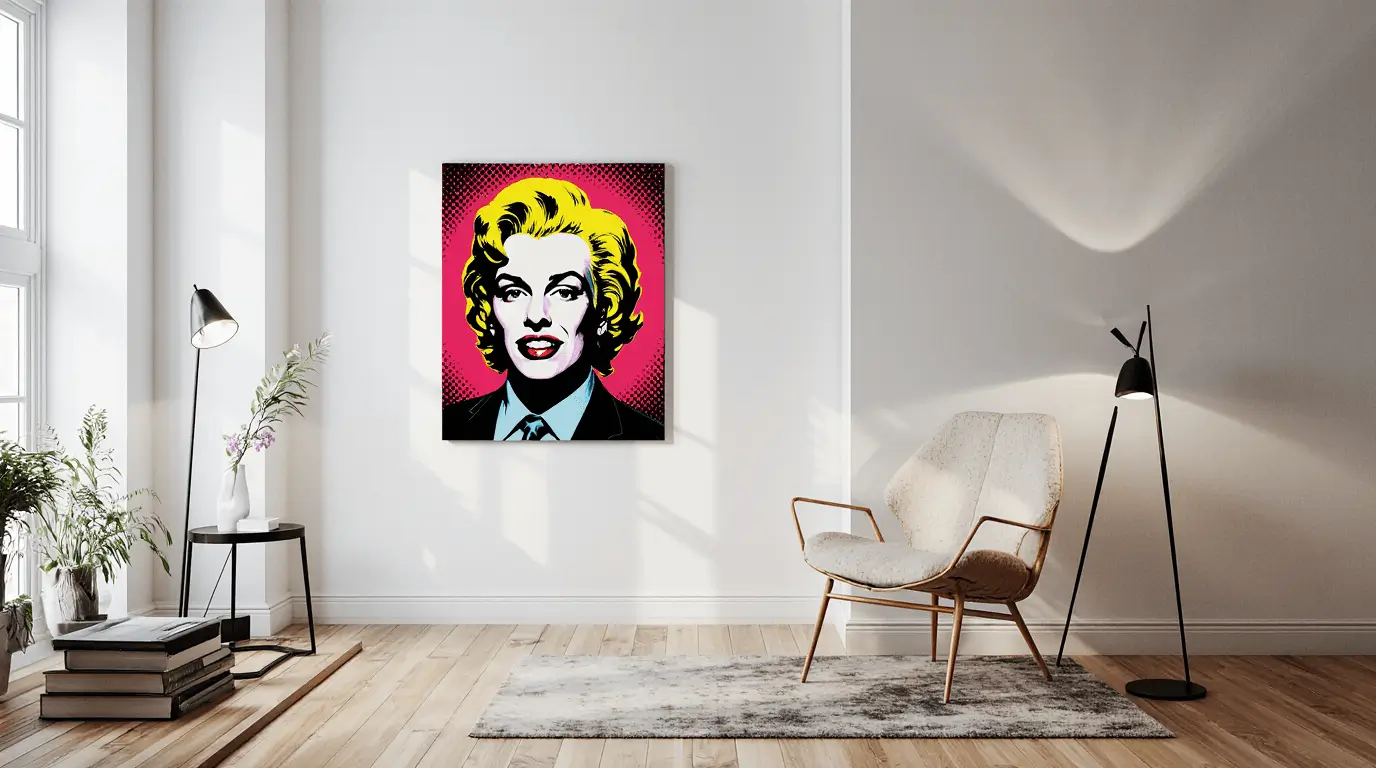
Minimalist pop art interior design works because it respects both restraint and expression without forcing either to dominate. When done well, it creates interiors that feel curated rather than decorated—spaces where every element has intention, and nothing feels accidental. The minimal foundation brings clarity and calm, while pop art introduces personality, energy, and visual storytelling.
In real homes, this approach is especially effective for people who want character without chaos. It suits modern lifestyles where simplicity matters, but individuality still needs a place to show. Whether you’re working with a compact apartment or a spacious open-plan layout, the principle remains the same: choose fewer pieces, but choose them with purpose. A single artwork, a bold sofa, or a carefully placed accent can define the entire room when the surrounding space supports it.
The key takeaway is not to think in terms of adding more, but refining better. Start with a neutral base, introduce one strong focal point, and build outward only if the space calls for it. When you trust restraint and allow contrast to do the work, minimalist pop art interior design becomes not just a style—but a clear, livable design philosophy.
Learn more : Belgium Interior Design: Effortless Warm Minimalism
FAQs
- Can minimalist pop art interior design work in small spaces?
Yes, and in many cases it works even better. Smaller spaces naturally limit excess, which aligns perfectly with minimalism. By using one or two bold pop art elements—like a statement print or colorful chair—you can create a strong visual identity without overcrowding the room. - How do I choose the right pop art pieces without making the space feel too loud?
Focus on scale and placement rather than quantity. One large artwork often feels more balanced than several smaller ones. Choose pieces that contrast with your neutral base, and give them enough surrounding space so they stand out without competing. - What colors work best for this design style?
A restrained palette works best—think whites, grays, and soft neutrals as the base. Then layer in classic pop art colors like red, blue, or yellow in controlled amounts. The contrast between calm and bold is what creates the signature look. - Can I mix minimalist pop art interior design with other styles?
Yes, but carefully. It blends well with modern, Scandinavian, or even industrial interiors because they share clean lines and simplicity. The key is to maintain visual consistency and avoid introducing too many competing elements. - Is pop art furniture necessary, or are wall pieces enough?
Wall art alone is often enough to define the style. Furniture can add depth, but it should be used sparingly. If you choose bold furniture, keep the rest of the space more restrained to maintain balance. - How do I keep the space from feeling cold or empty?
Introduce warmth through textures—soft fabrics, natural wood, or subtle lighting. Minimalism doesn’t mean sterile; it means intentional. A few well-chosen materials can make the space feel inviting without adding clutter. - Where should I start if I’m redesigning my home in this style?
Begin with one room, usually the living area. Establish a neutral base, then introduce a single statement piece. Live with it for a while before adding more. This approach helps you understand the balance your space naturally needs rather than forcing it all at once.