
Introduction
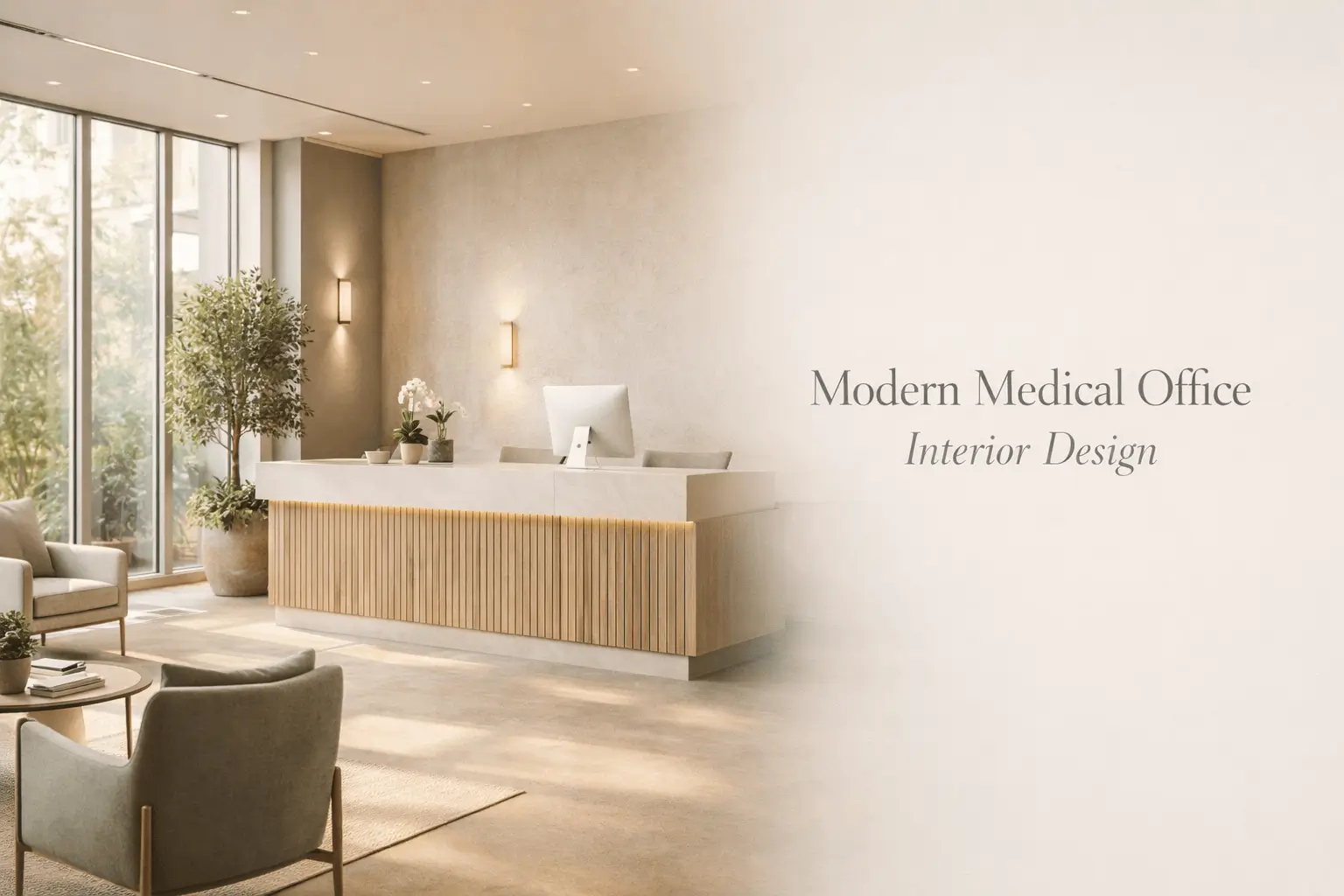
Modern medical office interior design is no longer just about clean floors and white walls. Today, it combines clinical efficiency with hospitality-inspired comfort to create environments that reduce anxiety, improve workflow, and reflect a provider’s professionalism. From reception areas to exam rooms, every design decision influences patient perception and staff performance.
Having worked with healthcare layouts and patient-centered spaces, one thing is clear: successful medical interiors balance regulation, durability, and emotional comfort. The best spaces feel calm yet highly functional, modern yet timeless. This guide breaks down the essential design clusters that shape a truly effective medical office environment.
Modern Medical Office Interior Design with a Patient-Centered Layout
A well-planned layout reduces confusion and stress. Clear circulation paths, intuitive zoning, and privacy-conscious planning ensure patients feel guided—not overwhelmed—upon arrival.
Thoughtful spatial flow improves both operational efficiency and patient experience, especially during busy hours.
Contemporary Medical Office Interior Design for Reception Areas
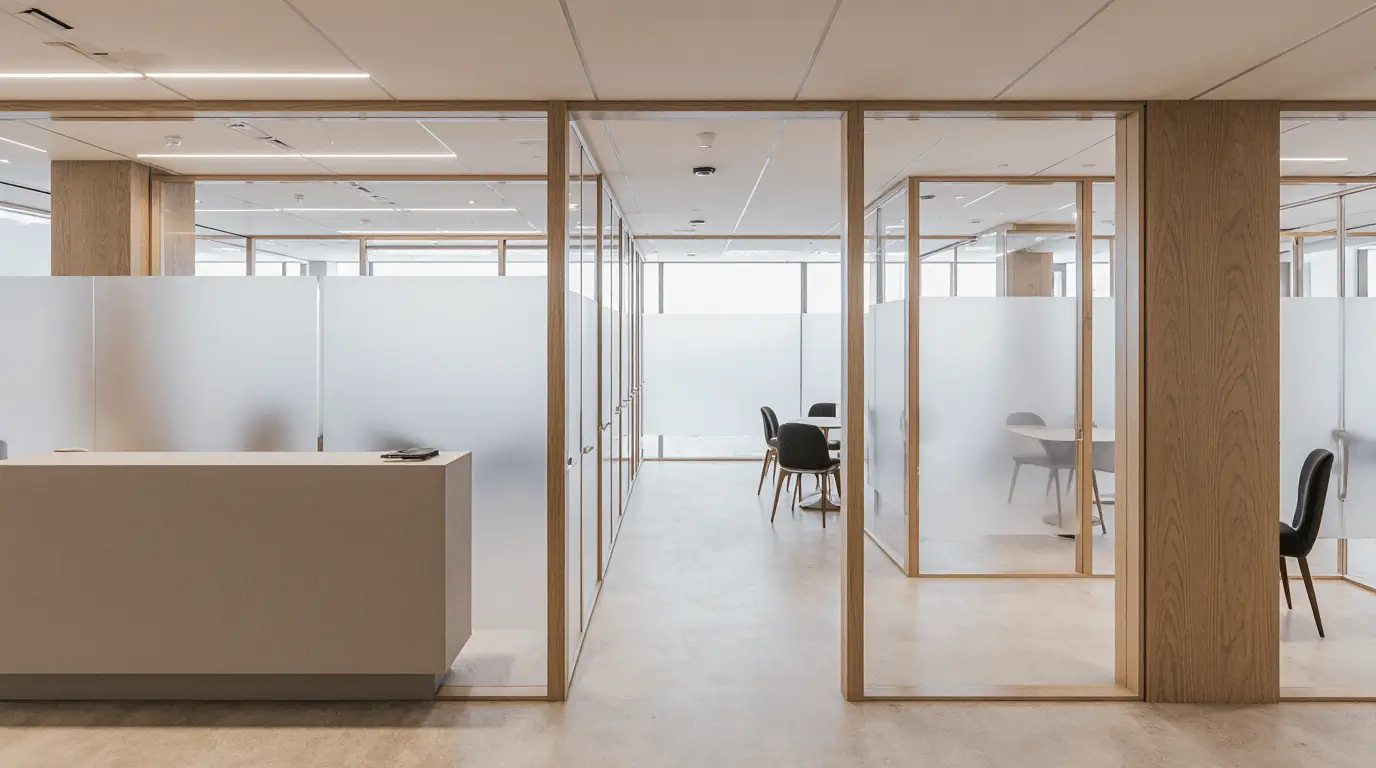
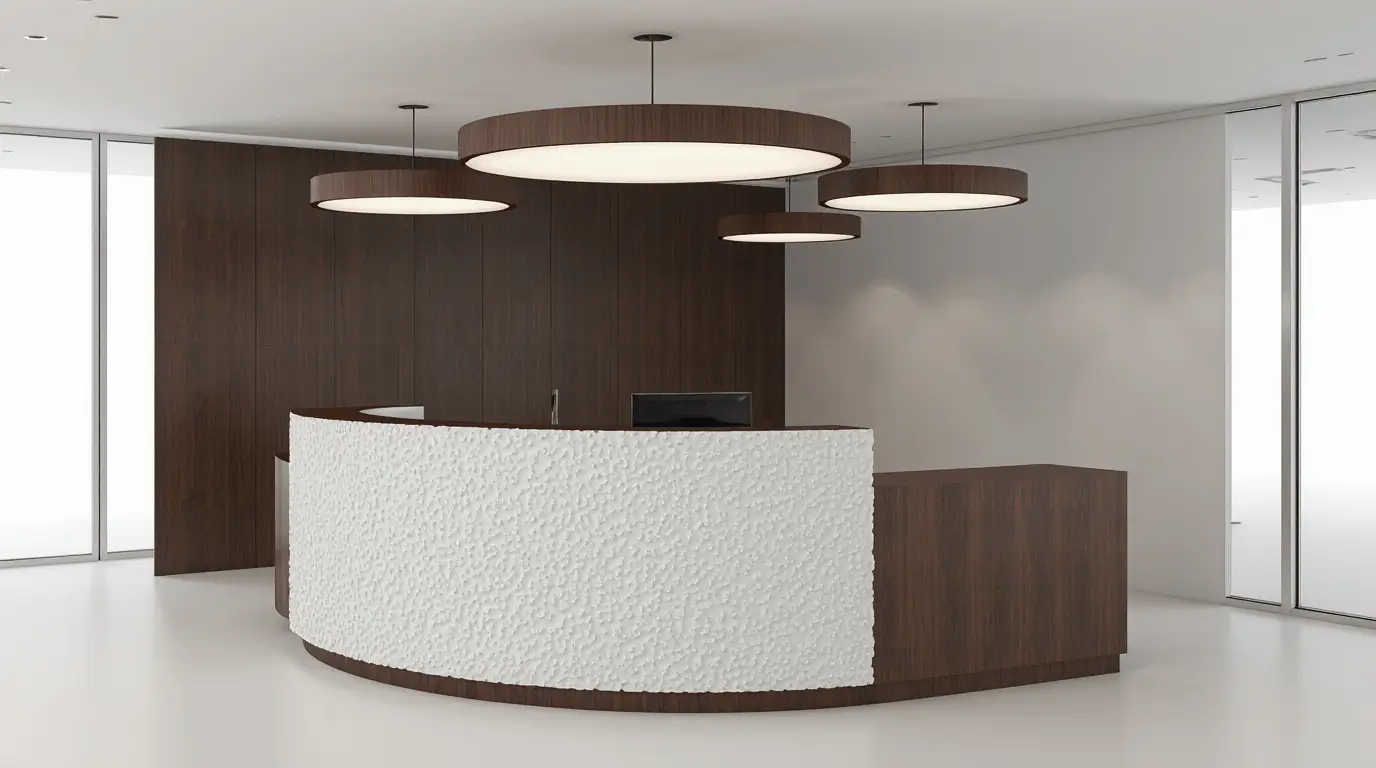
Reception sets the tone. A clean-lined desk, integrated technology, and comfortable seating create a confident first impression.
Modern reception zones blend hospitality warmth with professional polish.
Modern Medical Office Interior Design with Smart Zoning
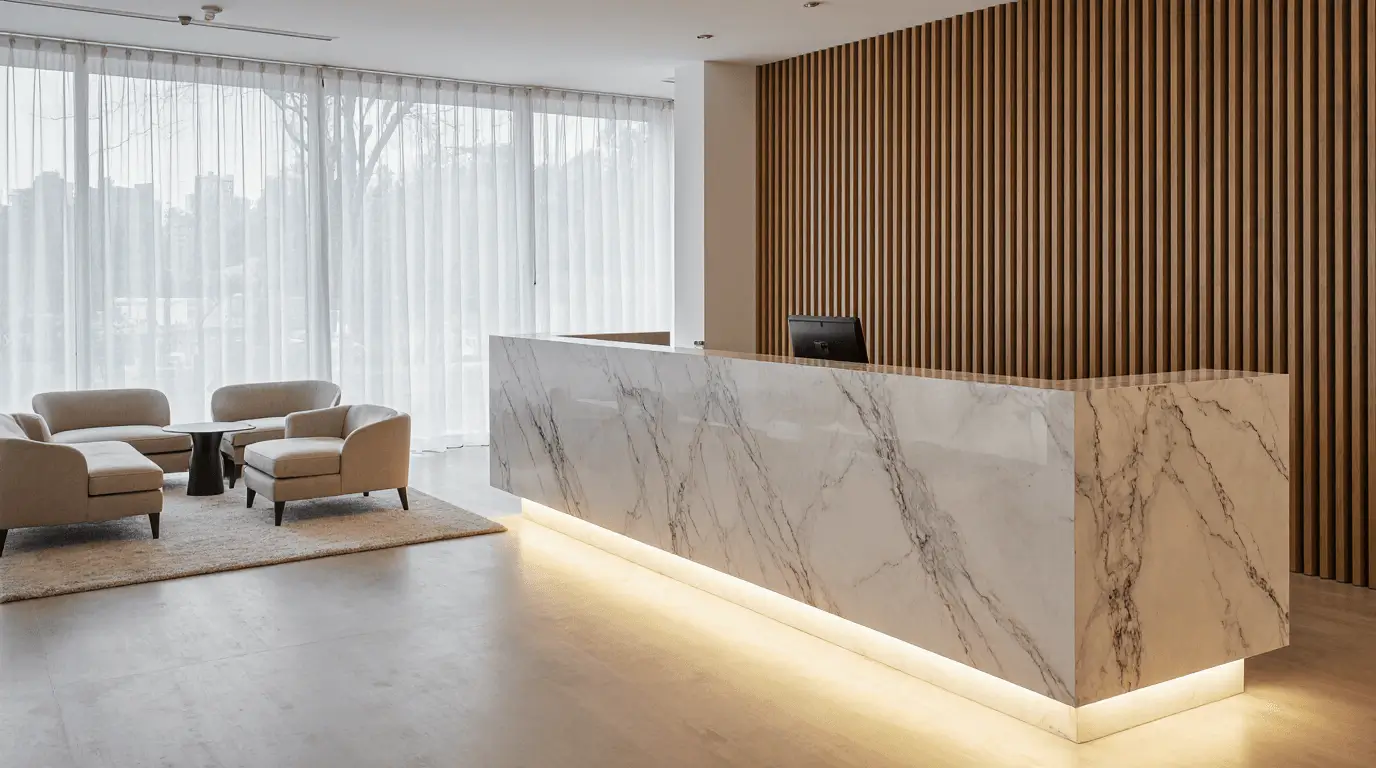
Separate public, semi-private, and clinical zones clearly. Acoustic control between waiting areas and consultation rooms enhances confidentiality.
Strategic zoning increases comfort and compliance without sacrificing openness.
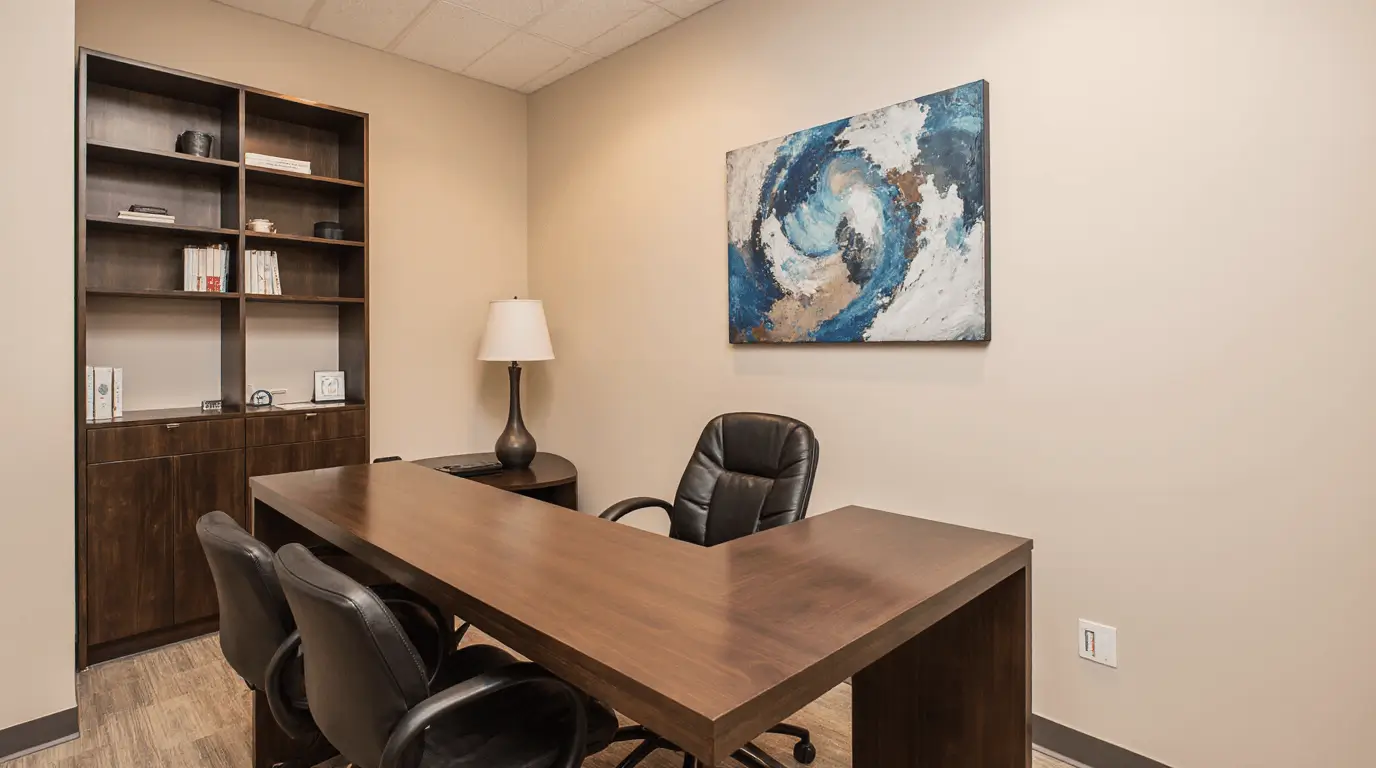
Doctor Office Interior Design in a Modern Medical Setting
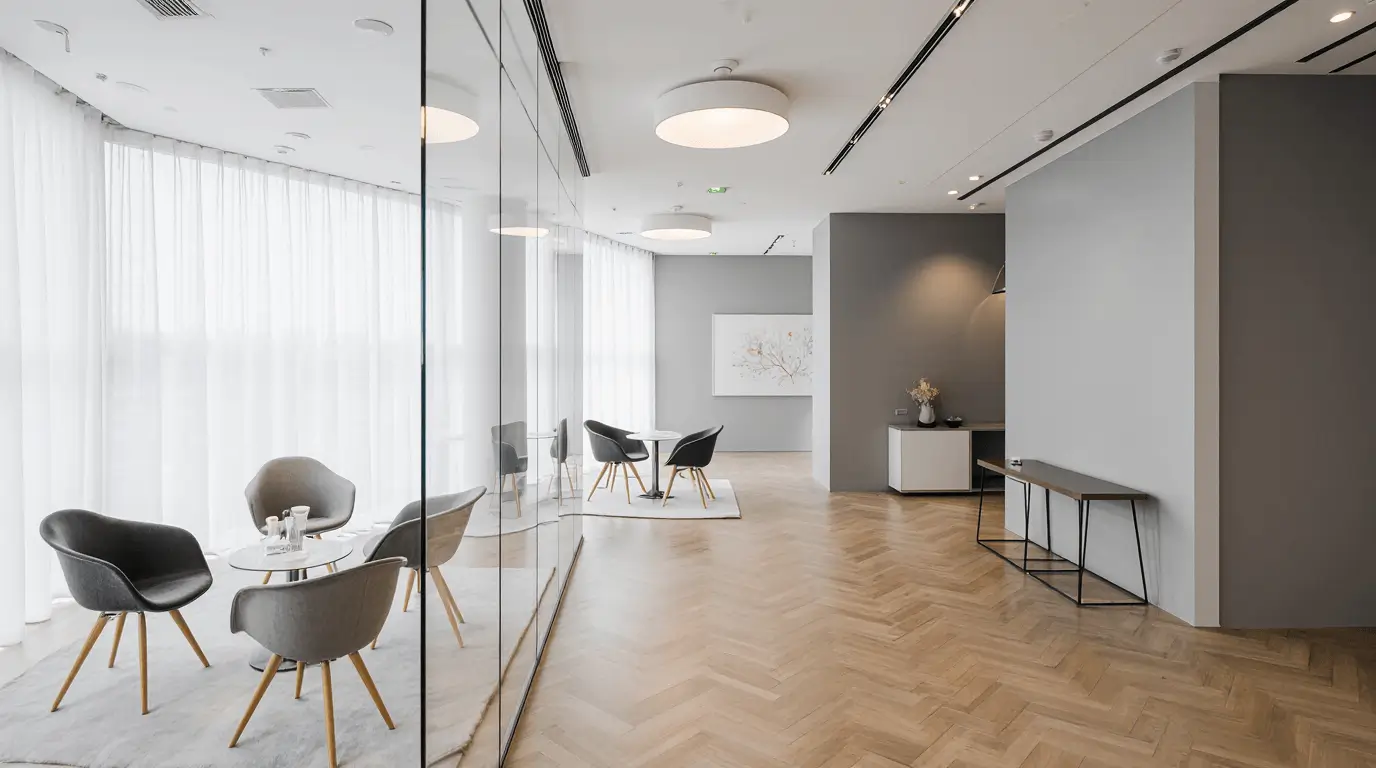
Private consultation rooms should feel reassuring, not intimidating. Warm materials, ergonomic seating, and subtle décor soften clinical edges.
Patients open up more easily in spaces that feel professional yet personal.
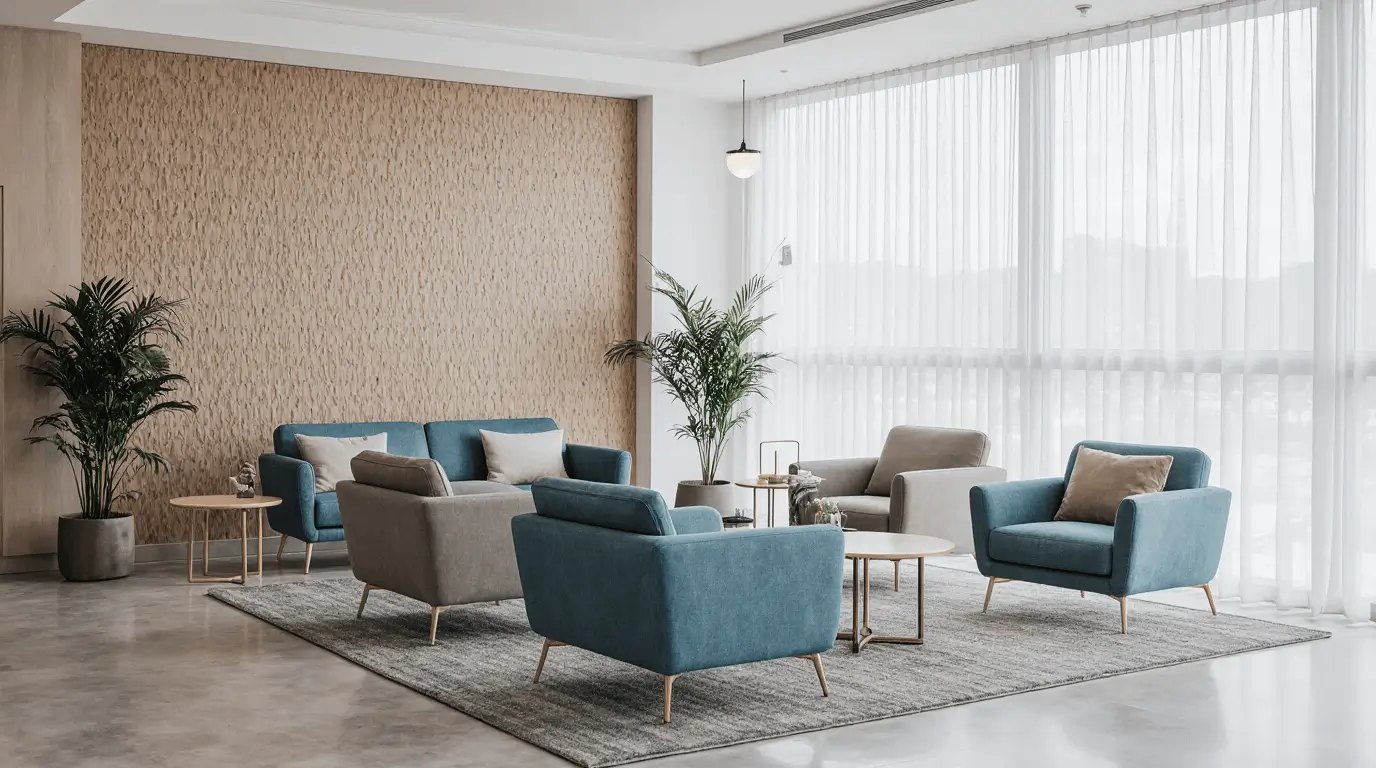
Modern Medical Office Interior Design for Waiting Rooms
Comfort-driven seating layouts, varied chair types, and calming textures reduce perceived wait time.
Biophilic touches and soft lighting significantly lower anxiety levels.
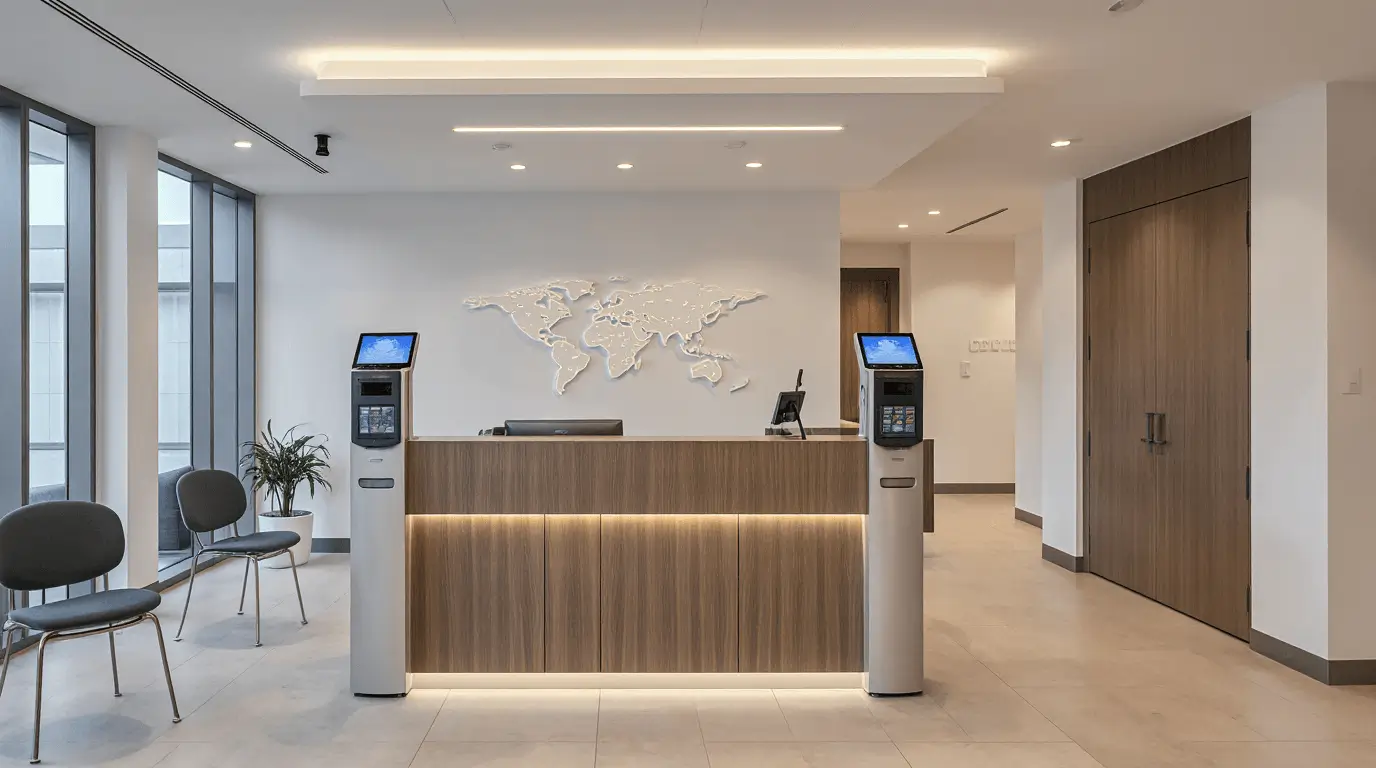
Medical Clinic Reception Design with Integrated Technology
Seamless check-in kiosks, concealed wiring, and digital displays keep the space organized and efficient.
Technology should feel integrated—not intrusive.
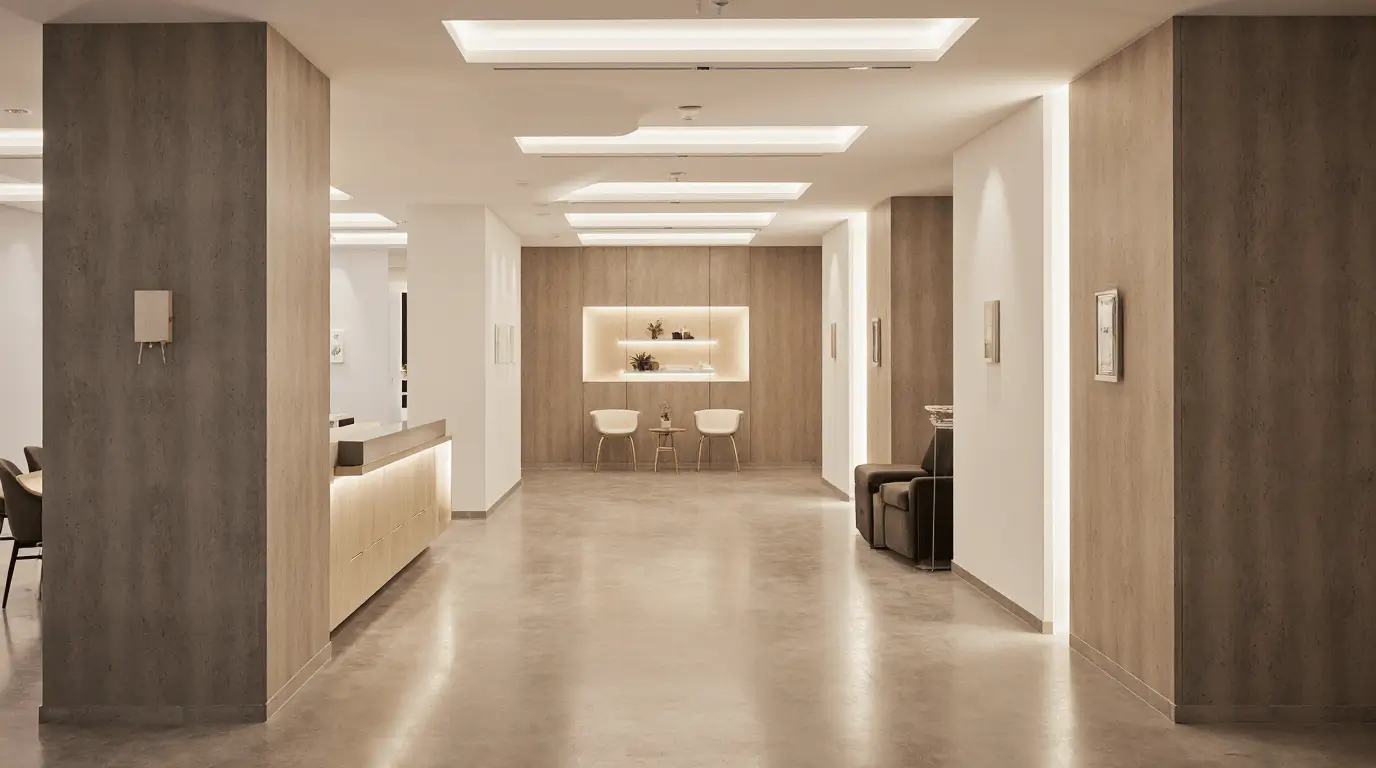
Modern Medical Office Interior Design and Lighting Strategy
Layered lighting—ambient, task, and accent—is essential. Avoid harsh fluorescent glare in favor of diffused LED solutions.
Balanced lighting improves accuracy for staff while maintaining comfort for patients.
Decorating a Medical Office with Calming Color Palettes
Soft neutrals, sage greens, warm greys, and muted blues create a therapeutic atmosphere.
Color psychology plays a measurable role in stress reduction.
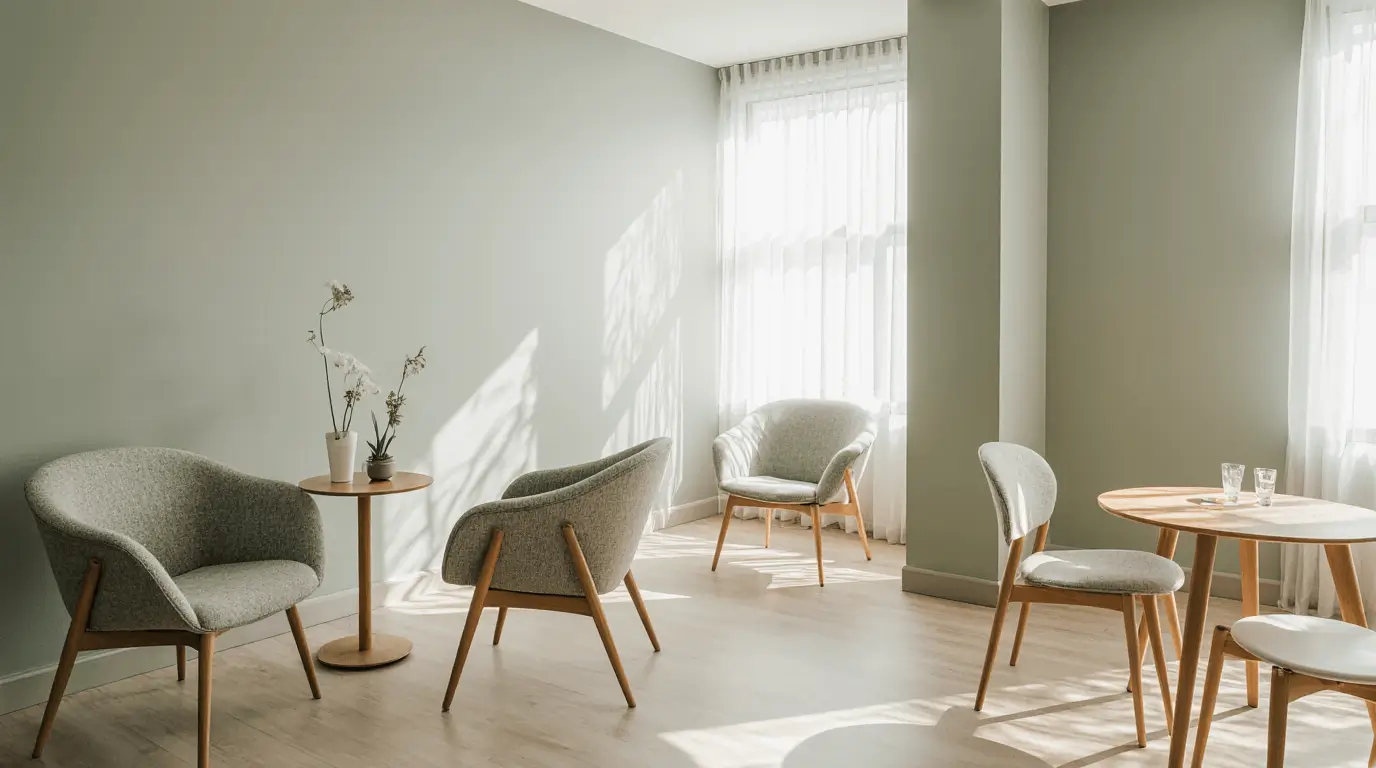
Modern Medical Office Interior Design with Durable Materials
Healthcare spaces demand high-performance finishes. Antimicrobial surfaces, easy-clean upholstery, and scratch-resistant flooring ensure longevity.
Durability should never compromise aesthetics.
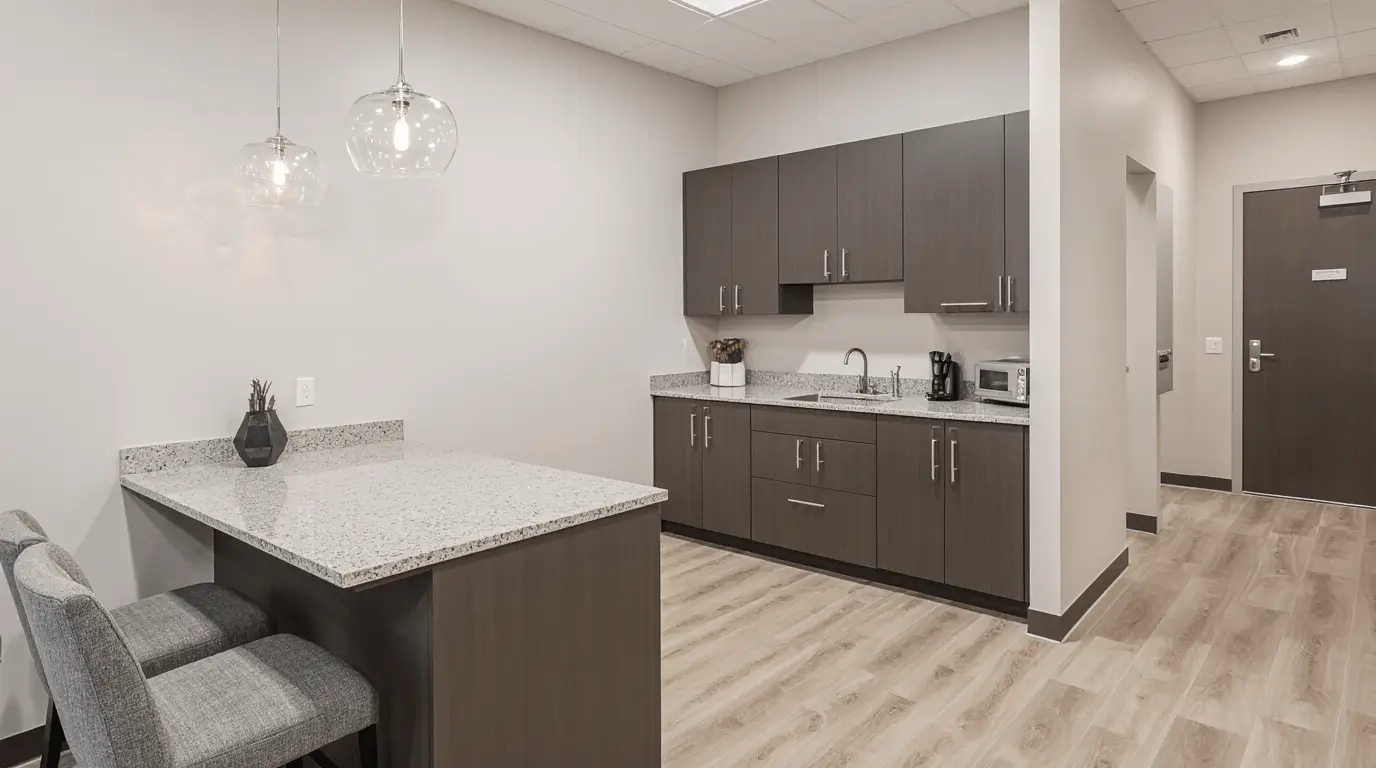
Doctor Office Wall Decor in Modern Medical Office Interior Design
Artwork humanizes clinical environments. Abstract landscapes or calming photography work better than overly medical visuals.
Wall décor should subtly reinforce trust and calm.
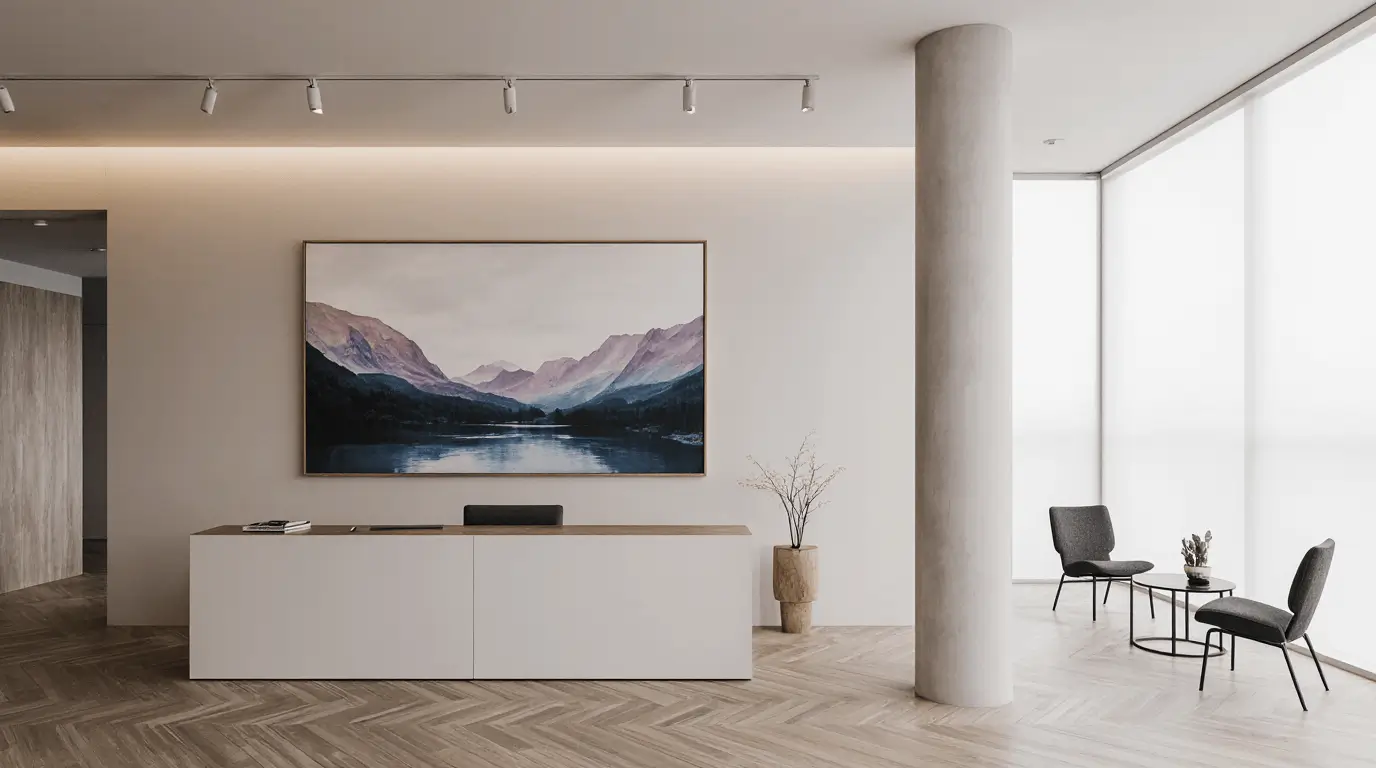
Modern Medical Office Interior Design for Exam Rooms
Exam rooms should feel efficient but not cold. Streamlined storage, concealed equipment, and warm accent details soften the space.
Clutter-free environments improve patient confidence.
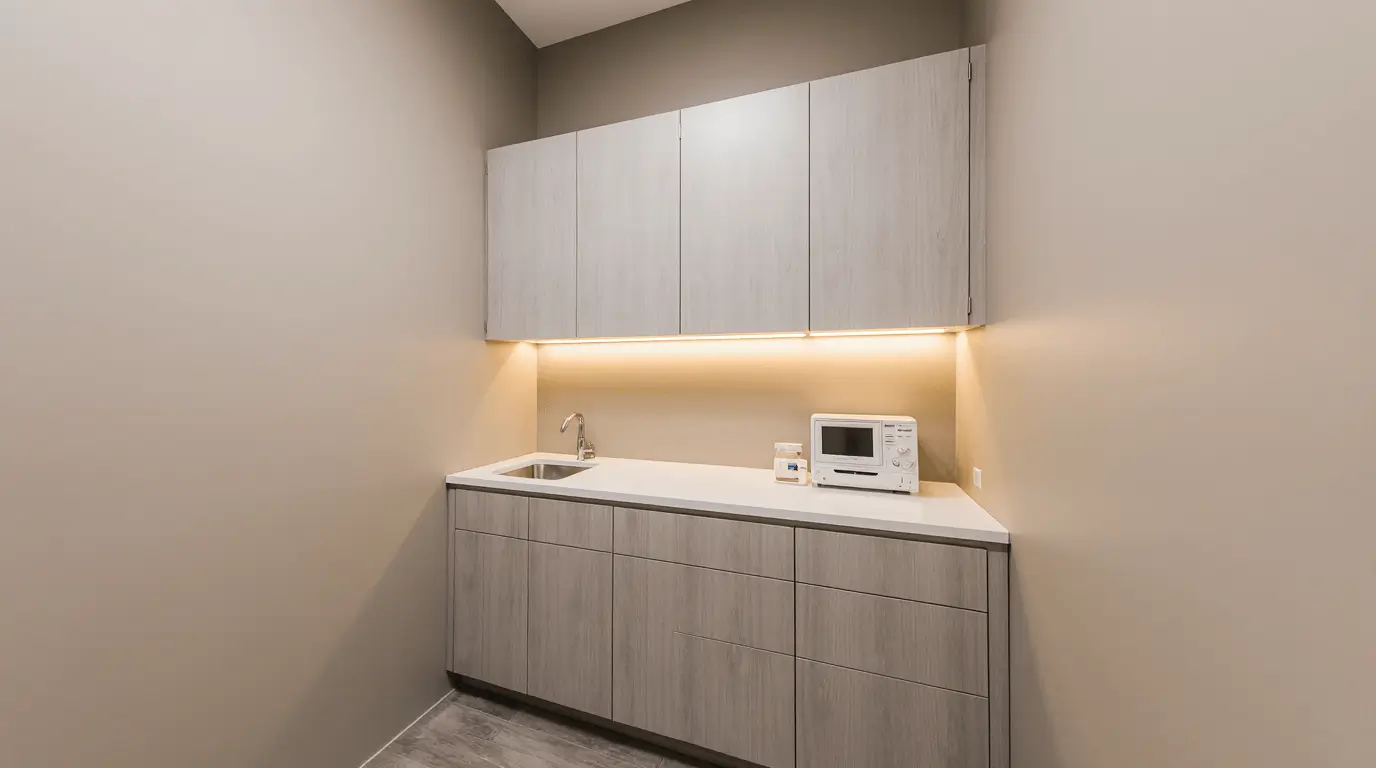
Doctors Office Reception Desk Design in Modern Interiors
The reception desk should be both ergonomic and visually grounded. Curved forms or textured panels add sophistication.
Accessibility and inclusivity must be integrated from the start.
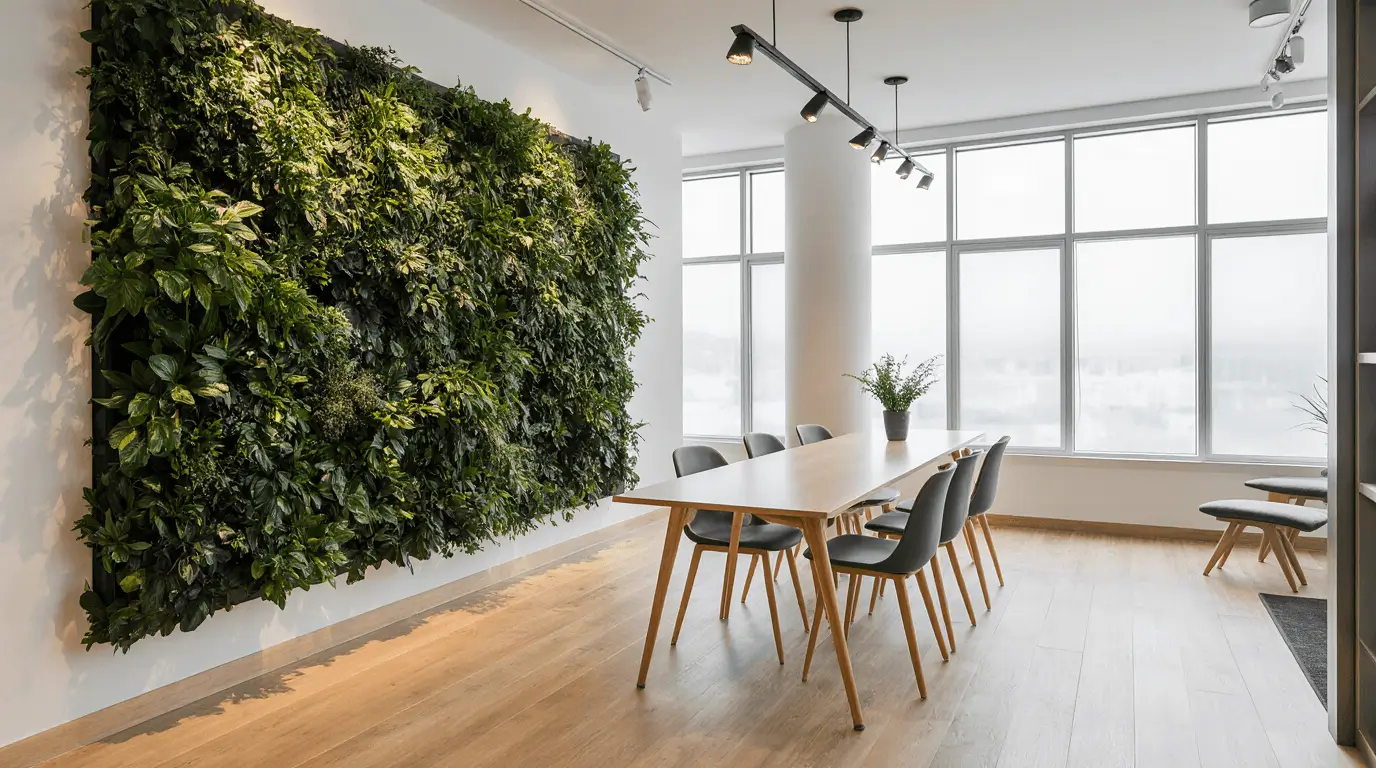
Modern Medical Office Interior Design with Biophilic Elements
Plants, natural textures, and daylight improve well-being and cognitive clarity.
Even small greenery installations can transform the emotional quality of a space.
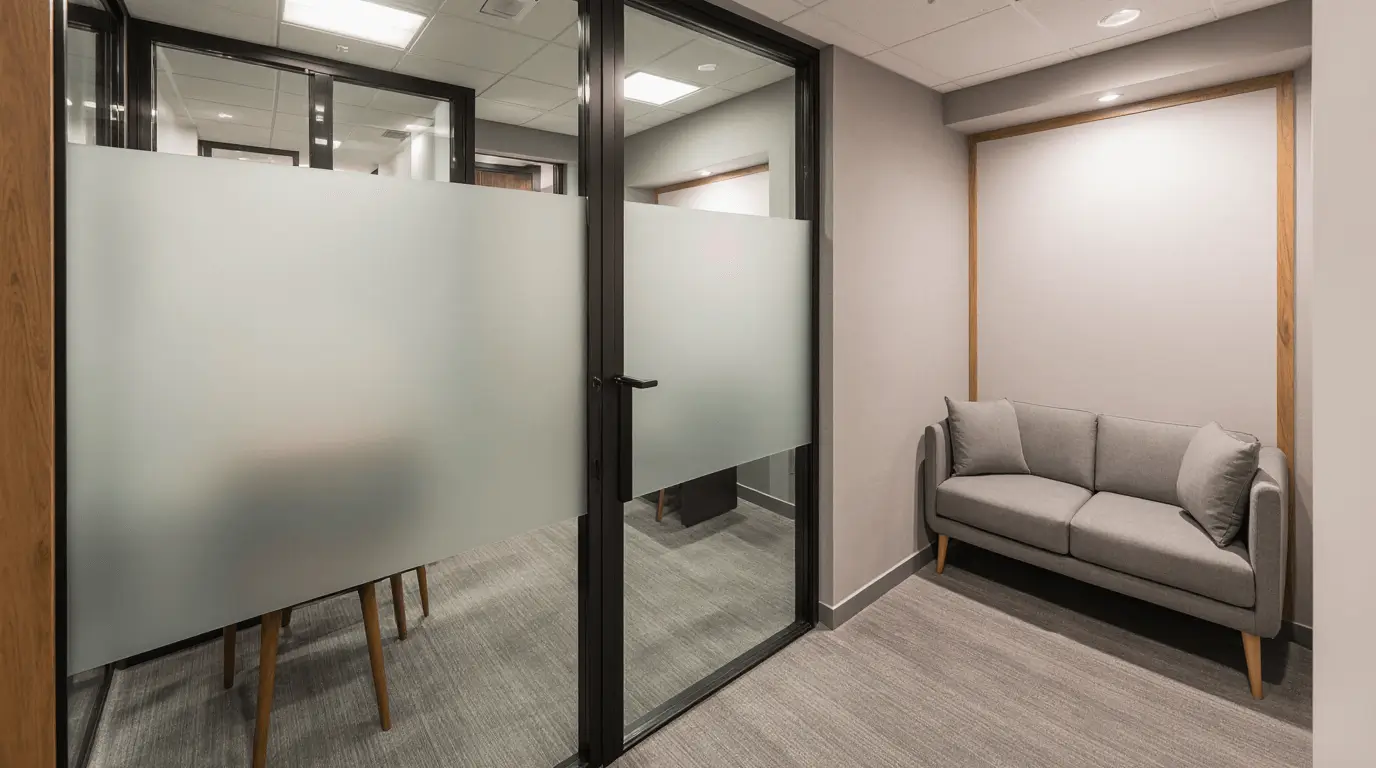
Interior Design for Medical Office Privacy Solutions
Soundproof doors, acoustic panels, and strategic furniture placement protect confidentiality.
Patients value privacy as much as clinical expertise.
Modern Medical Office Design Layout for Efficiency
Efficient layouts reduce staff travel time and prevent workflow bottlenecks.
Strategic placement of storage, exam rooms, and nurse stations improves daily operations.
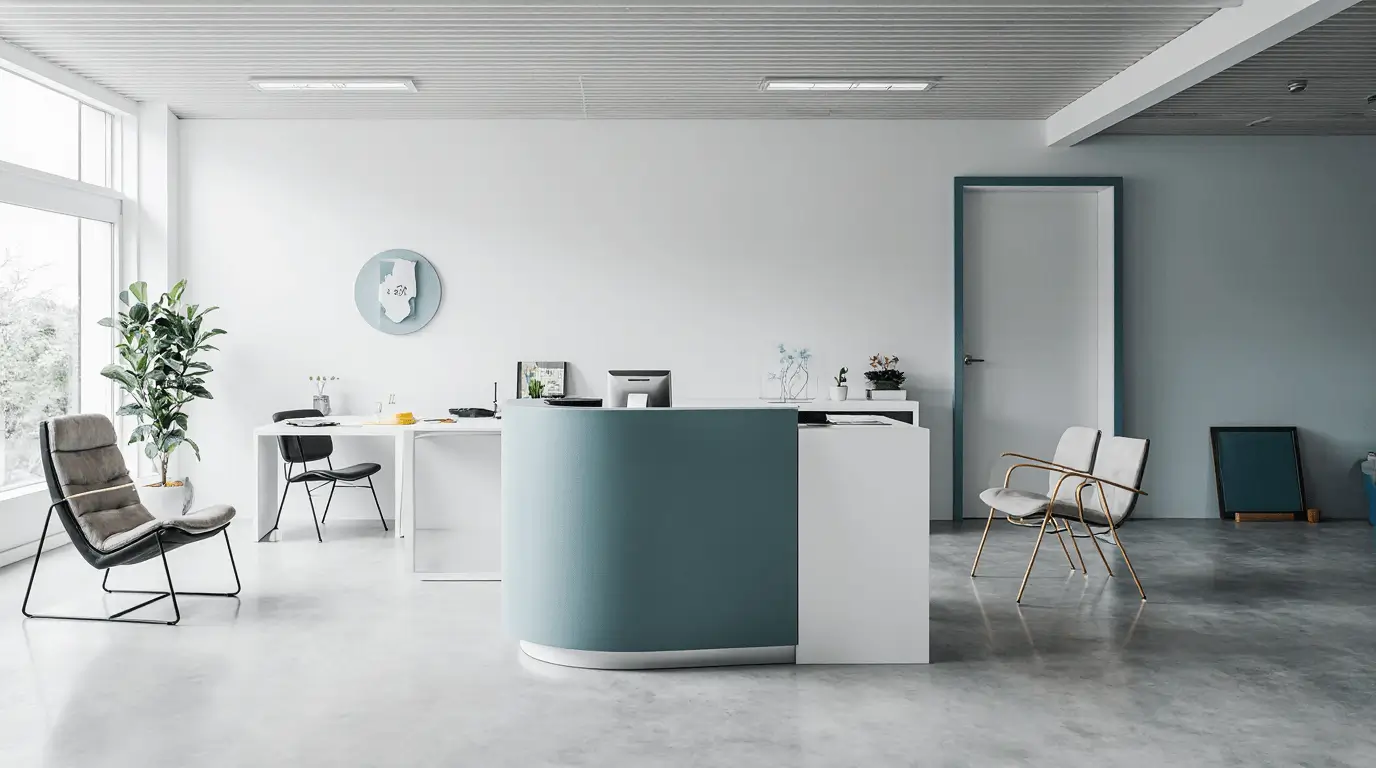
Medical Office Decor Ideas that Enhance Trust
Subtle branding, cohesive materials, and consistent design language reinforce professionalism.
Trust is built through visual clarity and thoughtful detailing.
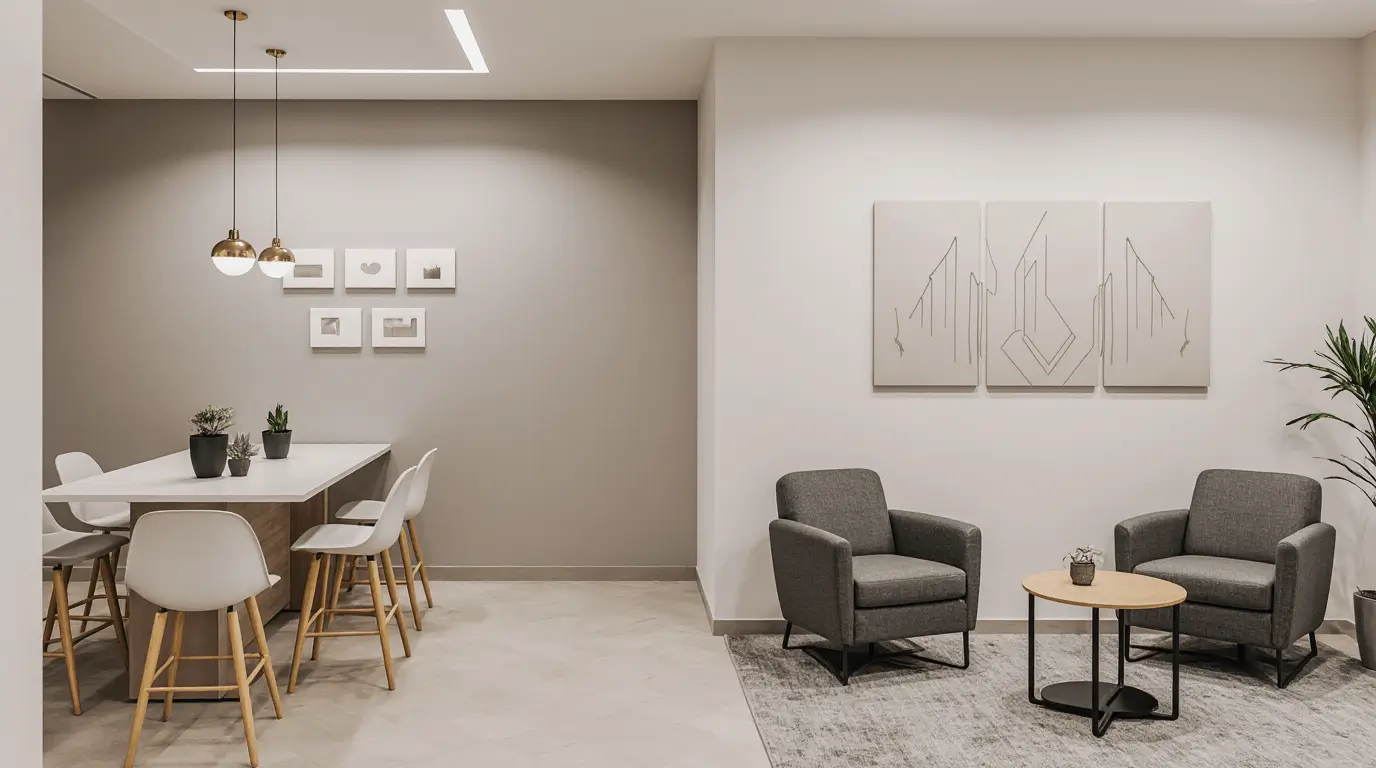
Modern Medical Office Interior Design with Flexible Furniture
Modular seating and adaptable workstations allow growth and change.
Flexibility ensures the space evolves with technology and patient needs.
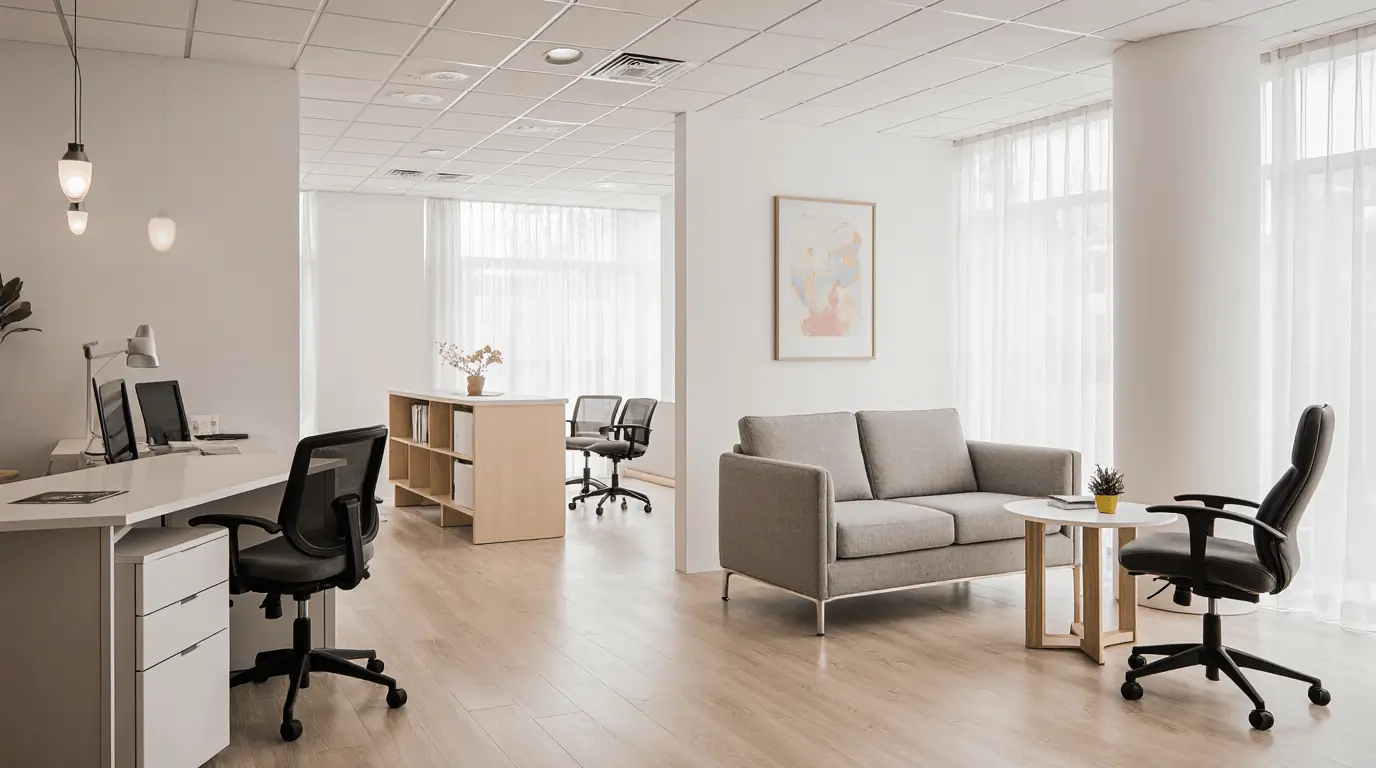
Conclusion: Designing for Care, Confidence, and Long-Term Performance
Modern medical office interior design succeeds when it respects both science and psychology. A well-designed medical space is not simply attractive—it is strategic. Every layout decision, lighting layer, material selection, and décor element contributes to how patients feel, how staff perform, and how efficiently the practice operates.
In real-world application, the most effective medical offices share a few defining traits: intuitive flow, visual calm, durable finishes, and subtle warmth. They reduce patient anxiety before the appointment even begins. They support confidentiality without feeling closed off. They help teams move smoothly throughout the day without unnecessary friction. When these elements align, the environment begins to work for you rather than against you.
This approach benefits independent practitioners, multi-provider clinics, specialists, and expanding healthcare brands alike. Whether you’re renovating an existing practice or building from the ground up, clarity starts with asking practical questions: Does the layout reduce stress? Are materials durable and easy to maintain? Does the space reflect the level of care you provide?
When thoughtfully executed, modern medical office interior design becomes more than décor—it becomes a clinical asset. It supports trust, reinforces professionalism, and creates an atmosphere where both healing and productivity can thrive. Move forward by prioritizing patient comfort, operational efficiency, and timeless design choices. The result will feel intentional, reassuring, and built to last.
Learn more : Natural Elements Interior Design: What It Is and Why It Matters
Frequently Asked Questions
- What makes a medical office feel modern without looking cold?
Modern design does not mean sterile or minimal to the point of discomfort. A balanced palette of soft neutrals, warm wood accents, layered lighting, and comfortable seating creates a contemporary look while maintaining emotional warmth. The key is blending clean lines with human-centered details.
- How can design reduce patient anxiety?
Clear navigation, natural light, calming colors, and acoustic control all contribute to lowering stress levels. When patients can intuitively understand where to go and feel physically comfortable while waiting, their overall experience improves significantly.
- What materials work best in high-traffic medical environments?
Durable, non-porous, and easy-to-clean materials are essential. Quartz countertops, commercial-grade vinyl flooring, antimicrobial fabrics, and matte-finish cabinetry offer longevity without compromising aesthetics. Performance and visual appeal should always work together.
- How important is lighting in a medical office?
Lighting is critical. Harsh overhead glare can increase tension, while layered LED lighting provides both clinical clarity and visual comfort. Exam rooms require focused task lighting, while waiting areas benefit from softer ambient illumination.
- Should a small medical office approach design differently?
The principles remain the same, but scale and efficiency become even more important. Compact layouts benefit from multifunctional furniture, integrated storage, and thoughtful zoning to maintain privacy without overcrowding the space.
- How can a practice update its space without a full renovation?
Strategic upgrades—such as new lighting fixtures, updated wall finishes, modern reception desks, and cohesive artwork—can significantly elevate the environment. Even subtle changes in color palette and furniture arrangement can refresh the atmosphere.
- How do you balance branding with professionalism?
Brand identity should feel integrated rather than dominant. Subtle color coordination, discreet logo placement, and consistent material choices create recognition without overwhelming the clinical setting. The goal is to reinforce trust, not distract from care.

One Response