
Introduction
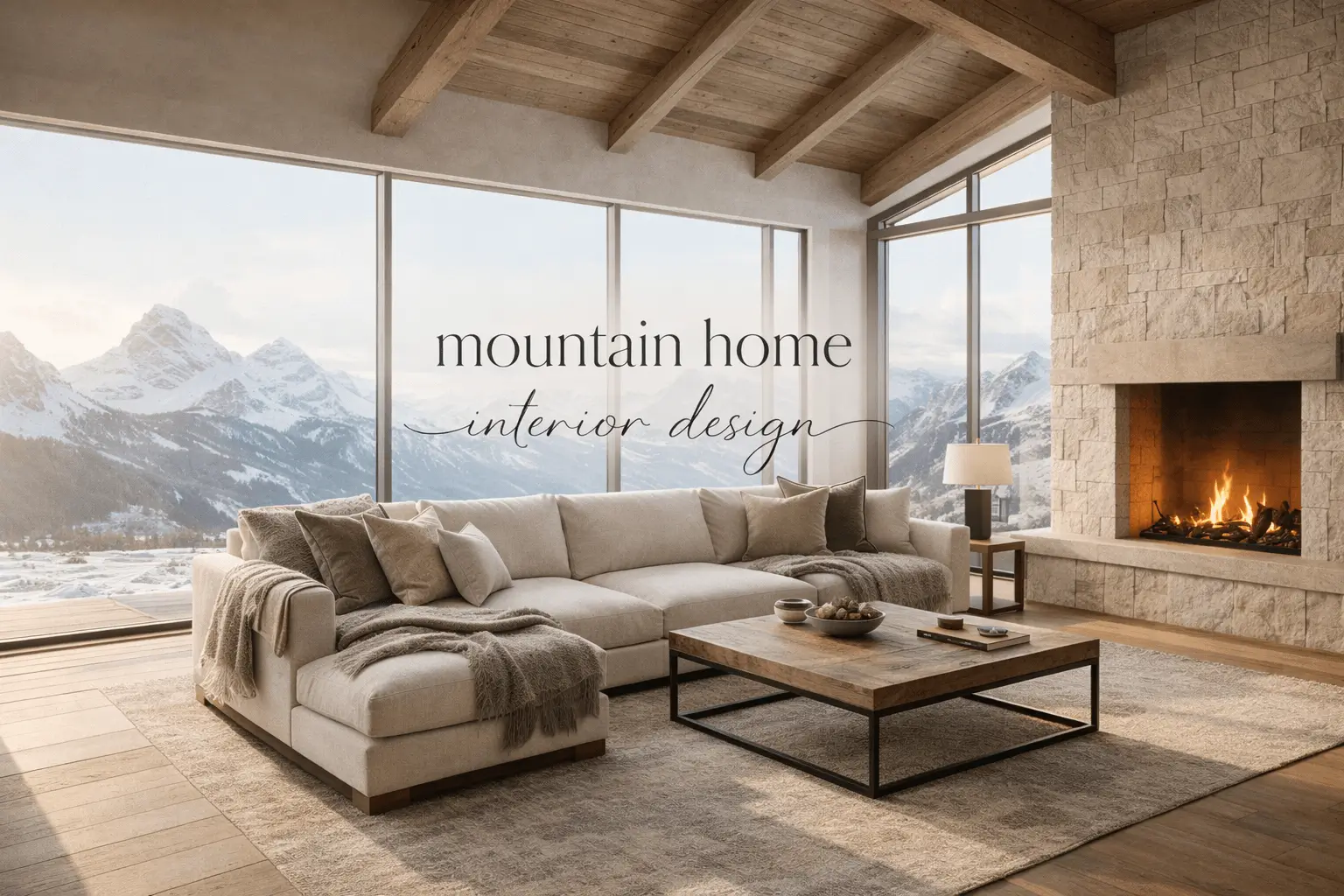
Mountain home interior design is more than a style — it’s a response to landscape, climate, and lifestyle. Whether perched on alpine slopes or nestled among forested hills, a mountain residence must feel grounded, warm, and connected to nature. Done well, it blends architecture and interior detailing into one cohesive experience.
Having worked with rustic lodges and contemporary mountain retreats alike, I’ve learned that the best mountain interiors balance texture, scale, and light. It’s not about antlers and heavy timber alone — it’s about proportion, material authenticity, and creating shelter without sacrificing openness. Below is a complete, experience-driven breakdown of mountain home interior design through carefully structured design clusters.
Modern Mountain Home Interior Design
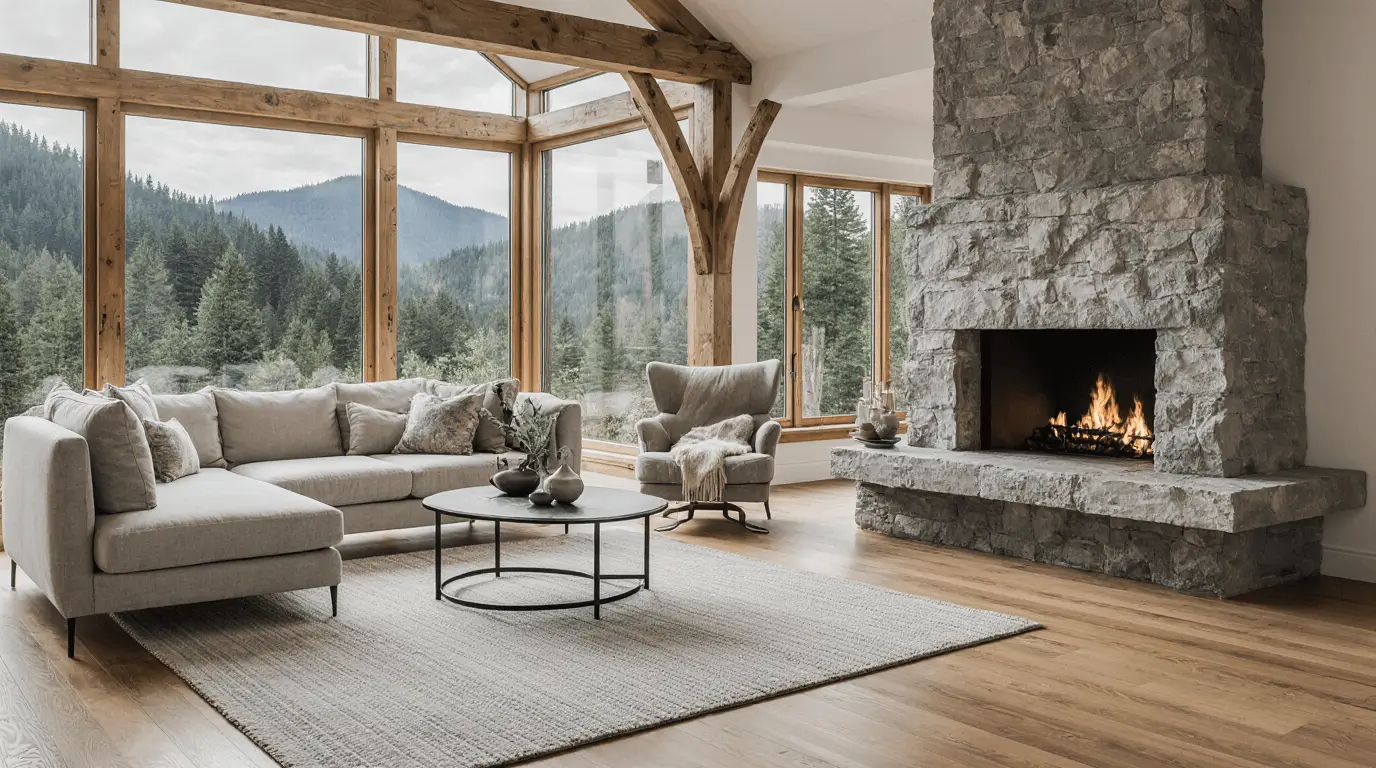
Modern mountain home interior design strips away excess while preserving warmth. Clean lines, expansive glass, and natural stone coexist with soft textiles and wood ceilings.
The key is contrast — sleek cabinetry against reclaimed beams, minimalist lighting against rugged textures.
Rustic Mountain Home Interior Design
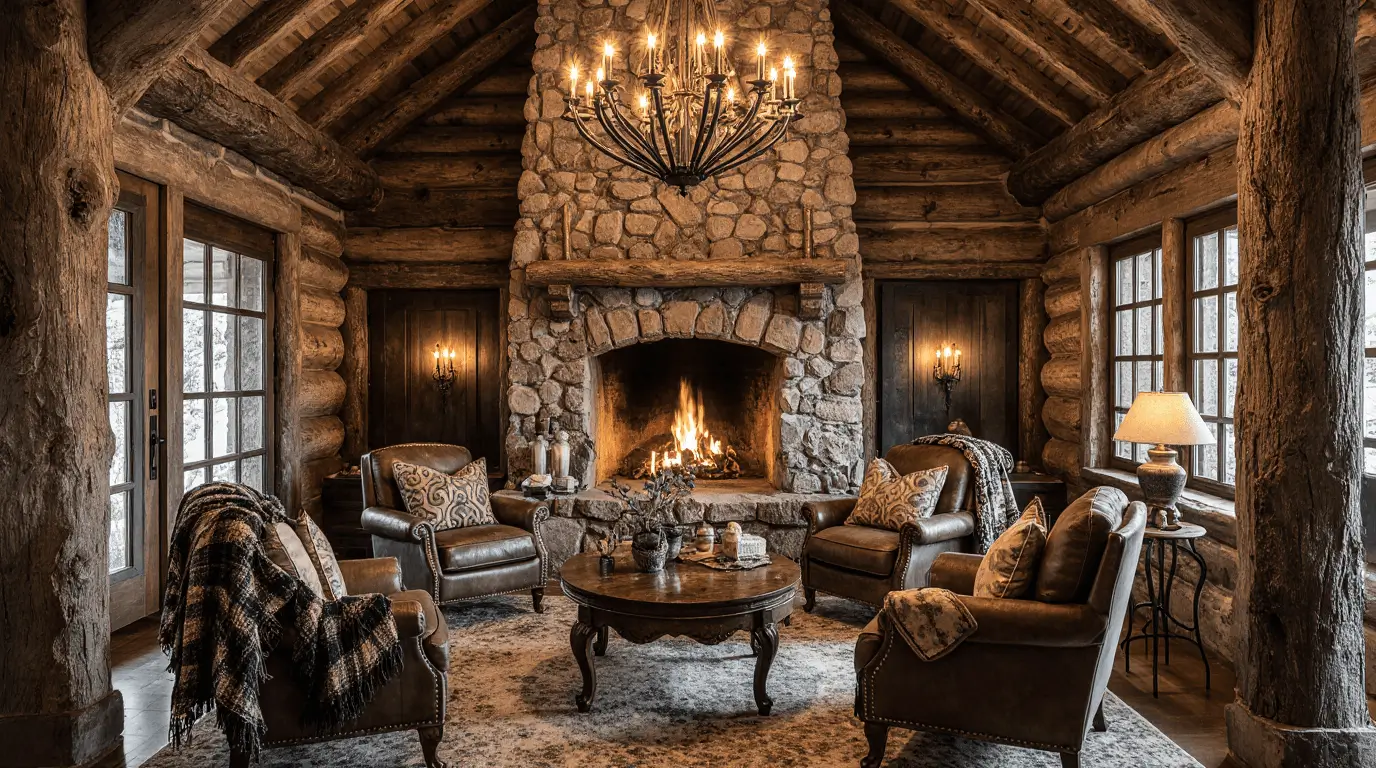
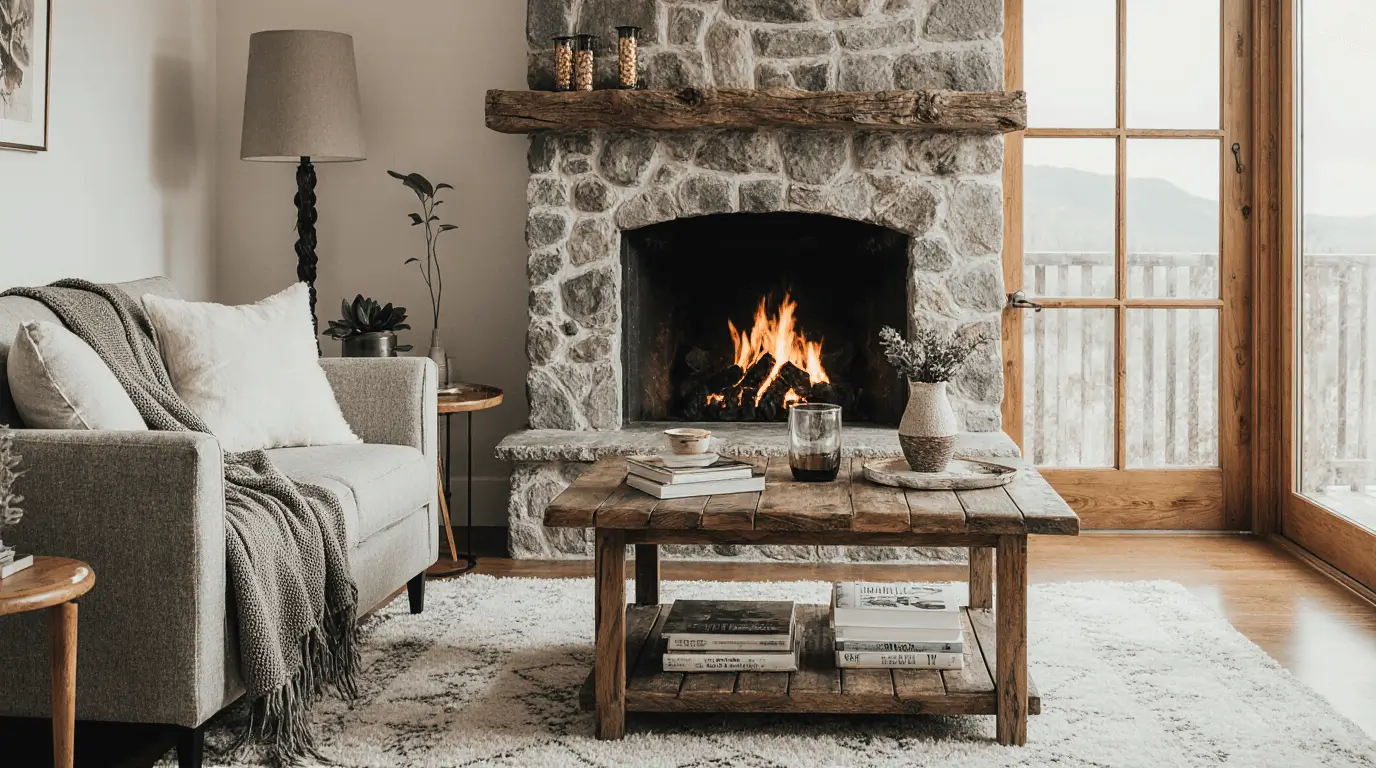
Rustic mountain home interior design leans into authenticity. Hand-hewn beams, stacked stone fireplaces, and distressed wood finishes define the space.
It feels collected over time rather than newly decorated — imperfect, warm, and deeply grounded.
Contemporary Mountain Home Interior Design
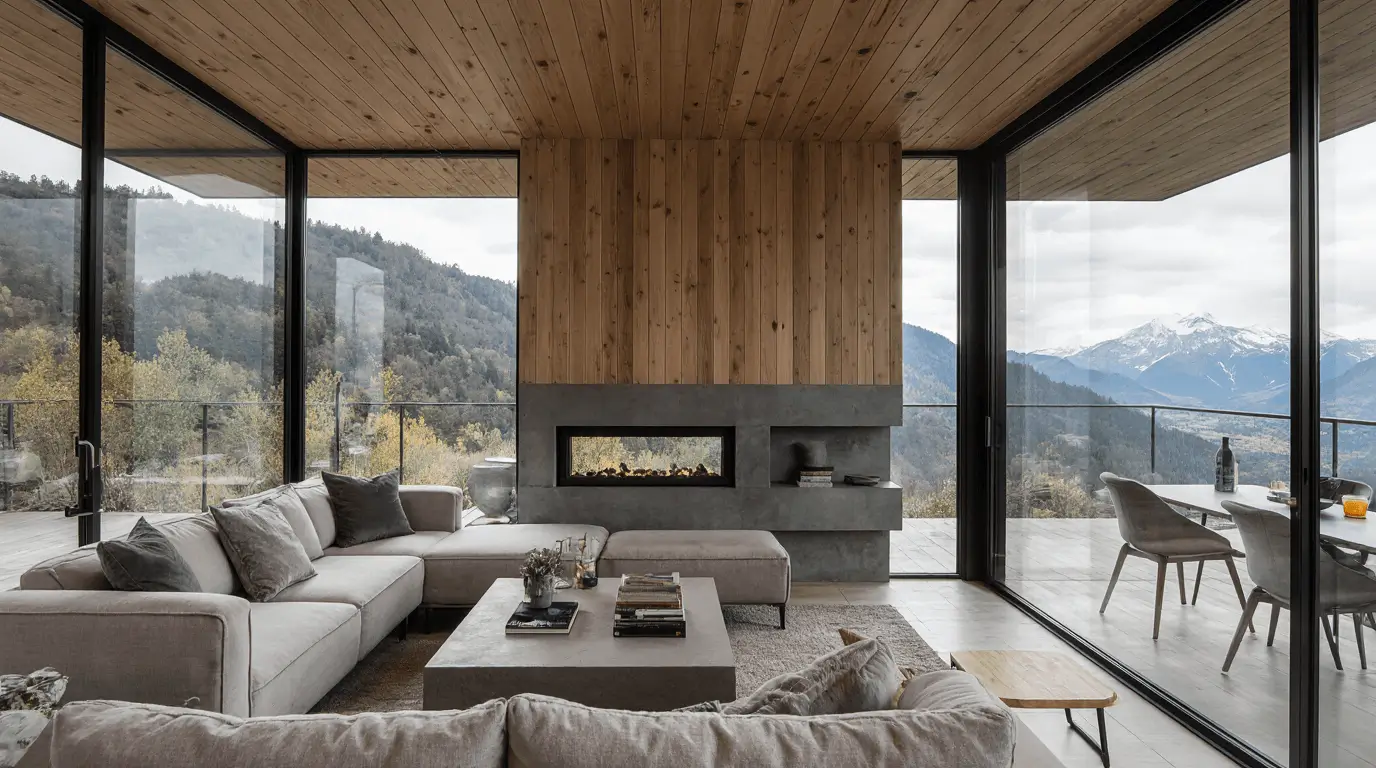
Contemporary mountain home interior design bridges traditional lodge elements with streamlined architecture. Think open-plan layouts and understated palettes anchored by bold natural materials.
It works beautifully for newer builds in dramatic landscapes.
Mountain Home Interior Design Ideas for Living Rooms
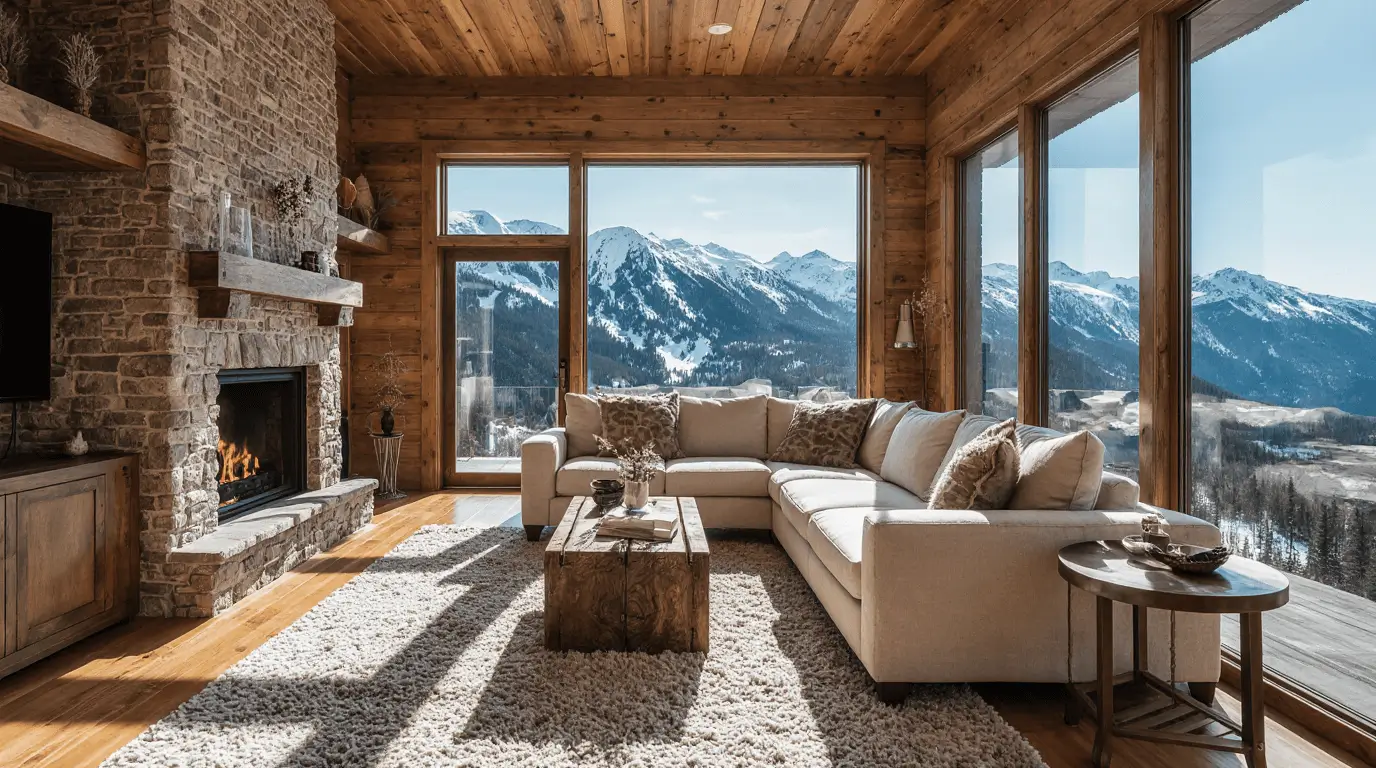
The living room is the heart of mountain home interior design. Seating should face both the fireplace and the view whenever possible.
Layer rugs, incorporate tactile fabrics, and keep sightlines clear to frame nature as art.
Mountain Home Interior Design for Kitchens
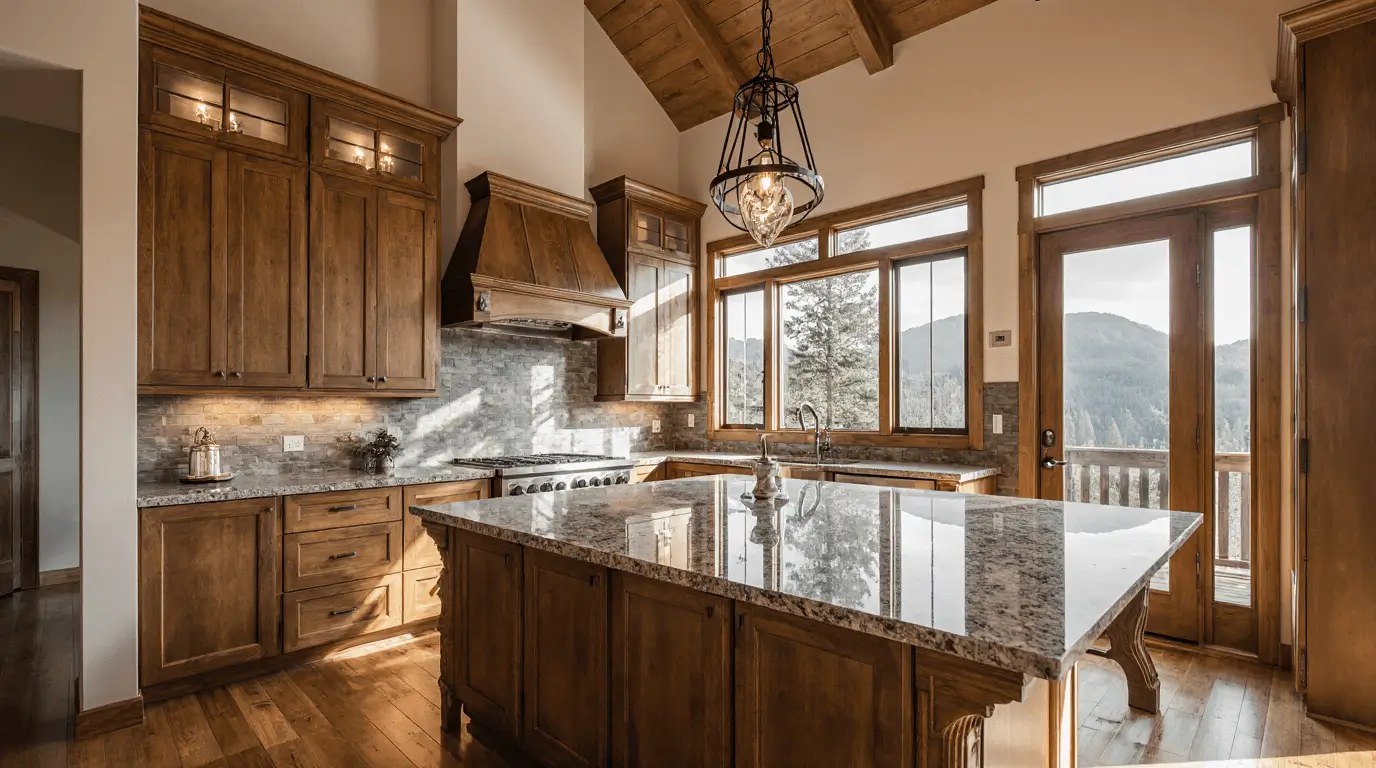
Mountain kitchens blend durability with elegance. Natural stone countertops, shaker cabinetry, and statement range hoods anchor the room.
Lighting is critical — layered pendants and under-cabinet glow prevent heavy finishes from feeling dark.
Mountain Home Interior Design for Bedrooms
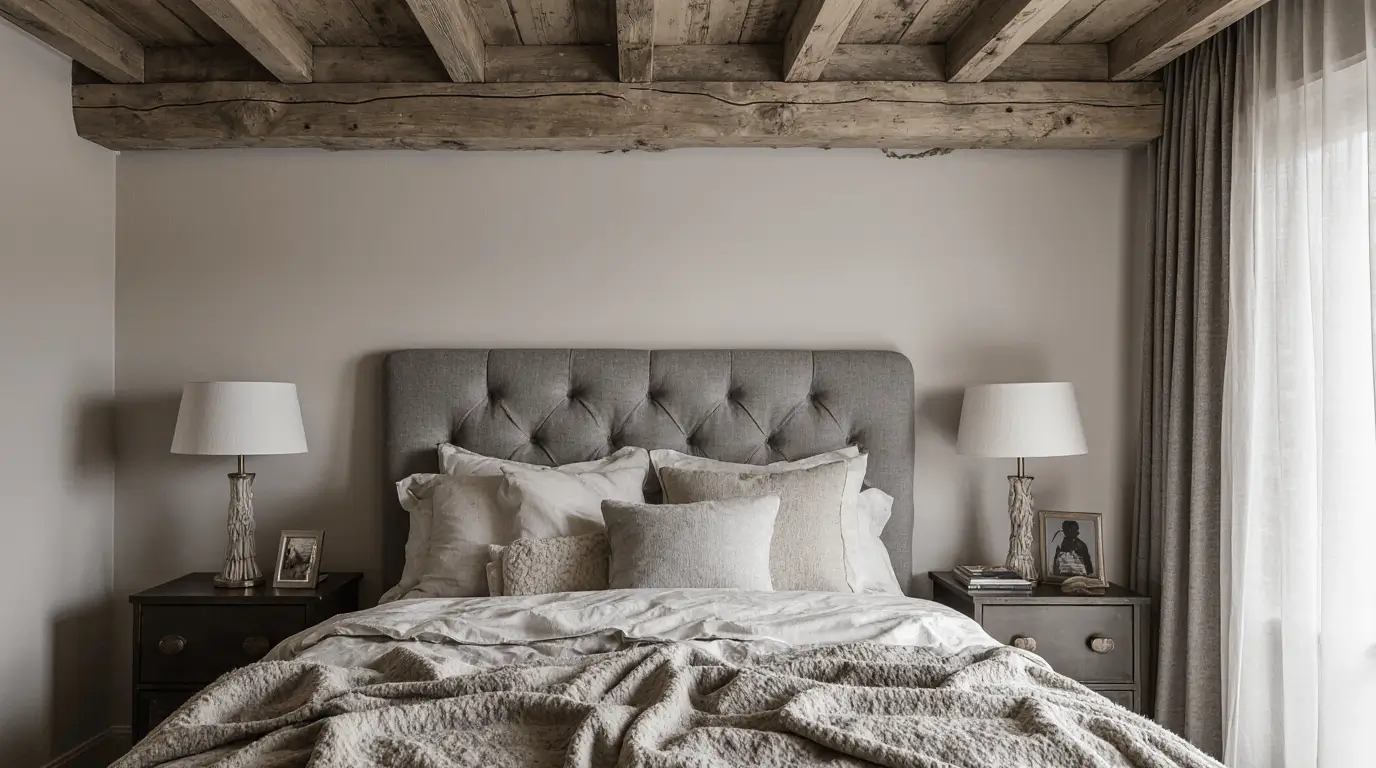
Bedrooms in mountain homes should feel like sanctuaries. Upholstered headboards, heavy drapery, and textured bedding create insulation visually and physically.
Avoid visual clutter — serenity enhances the retreat experience.
Luxury Mountain Home Interior Design
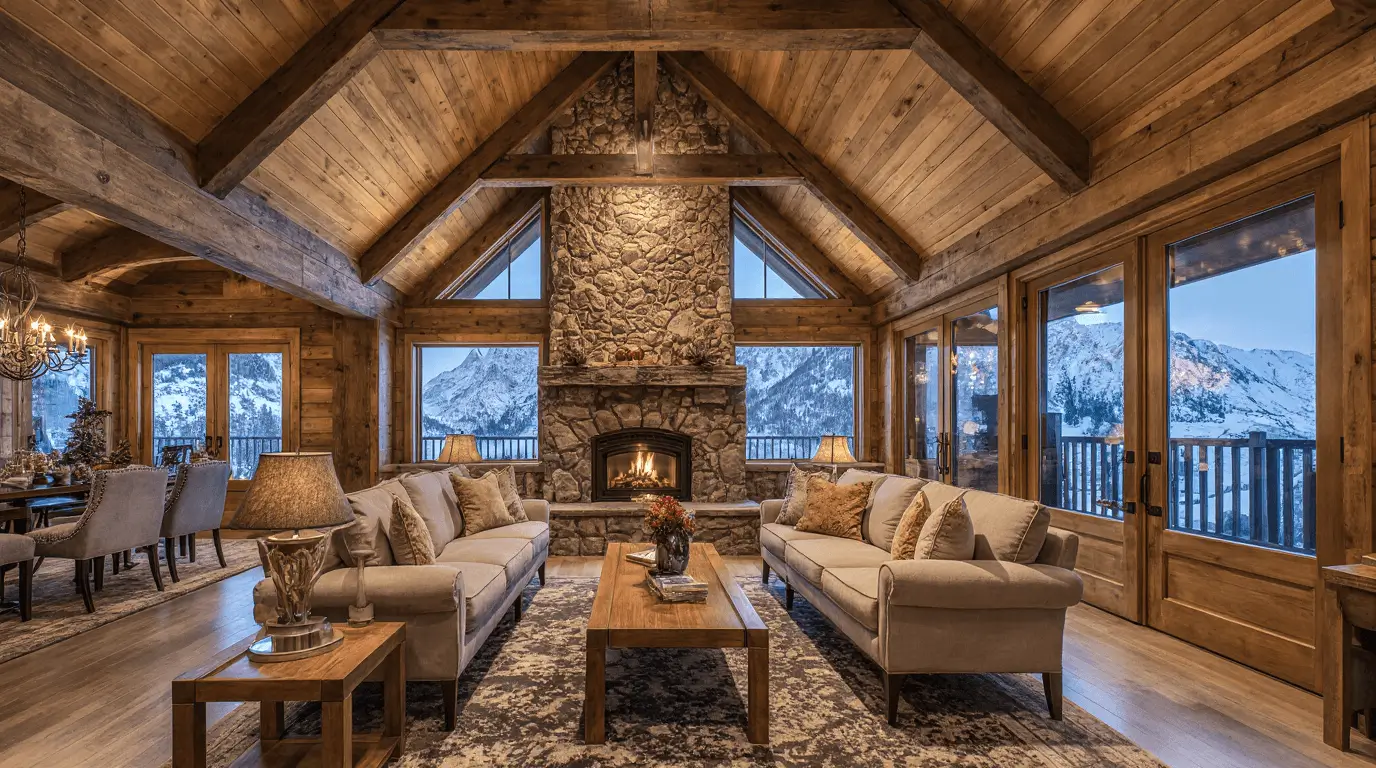
Luxury in mountain home interior design is expressed through craftsmanship, not flash. Custom millwork, oversized fireplaces, and curated art elevate the experience.
It feels exclusive yet harmonious with its setting.
Mountain Cabin Interior Design
Cabin-inspired mountain home interior design favors intimacy. Smaller spaces benefit from built-in seating and multifunctional furniture.
Natural finishes should dominate to preserve authenticity.
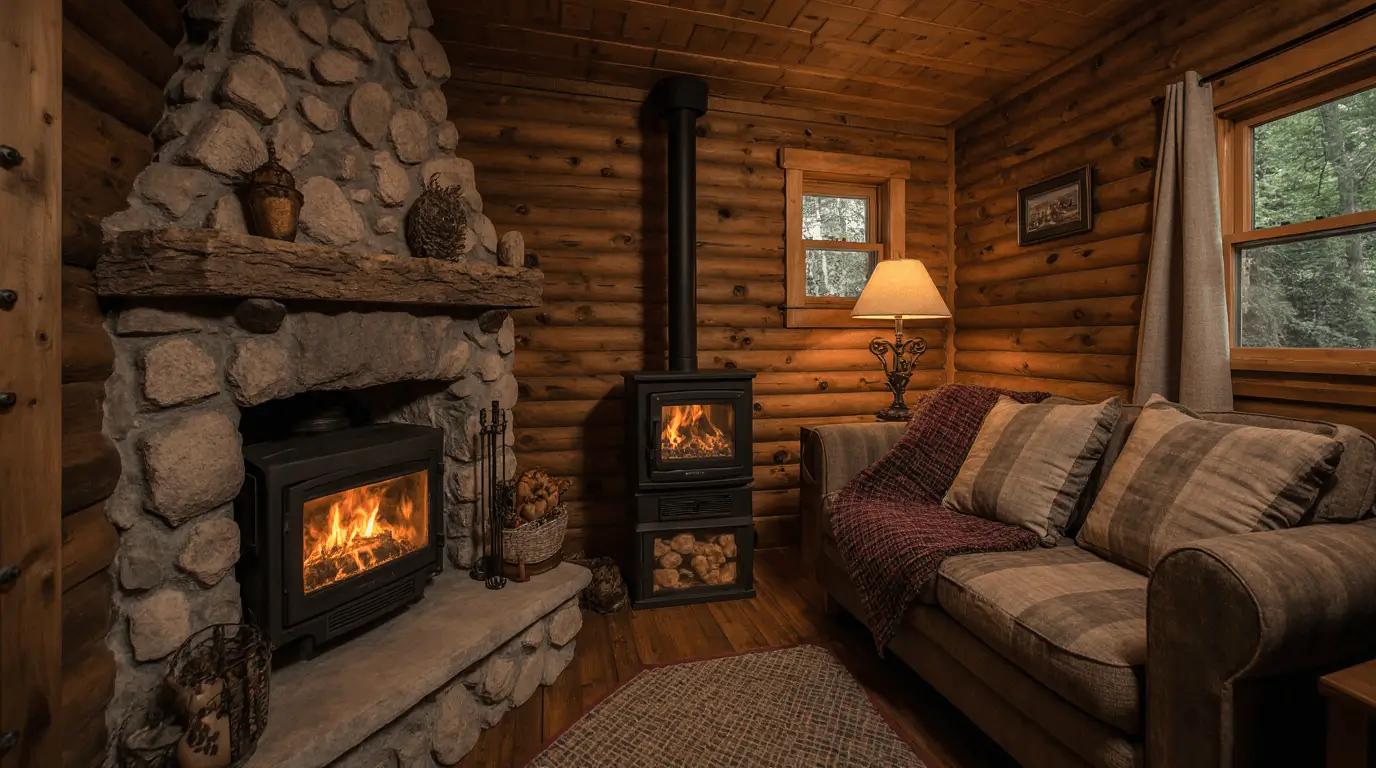
Open-Concept Mountain Home Interior Design
Open layouts allow mountain landscapes to flow into interiors. Vaulted ceilings enhance spatial drama.
Use area rugs and ceiling beams to define zones without building walls.
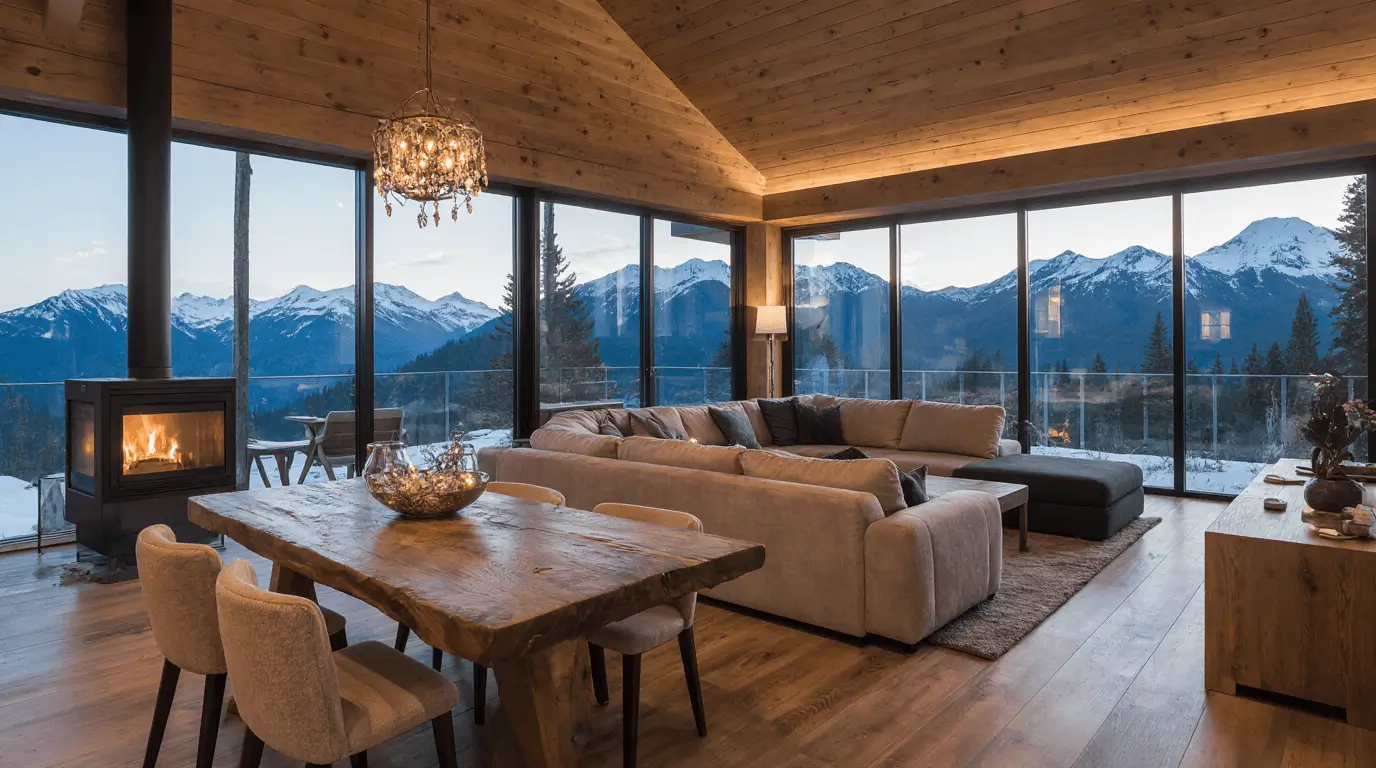
Mountain Home Interior Color Palettes
Mountain home interior design relies on earthy neutrals: stone gray, warm taupe, forest green, and deep charcoal.
These tones echo the environment and allow seasonal shifts outside to remain the focal point.
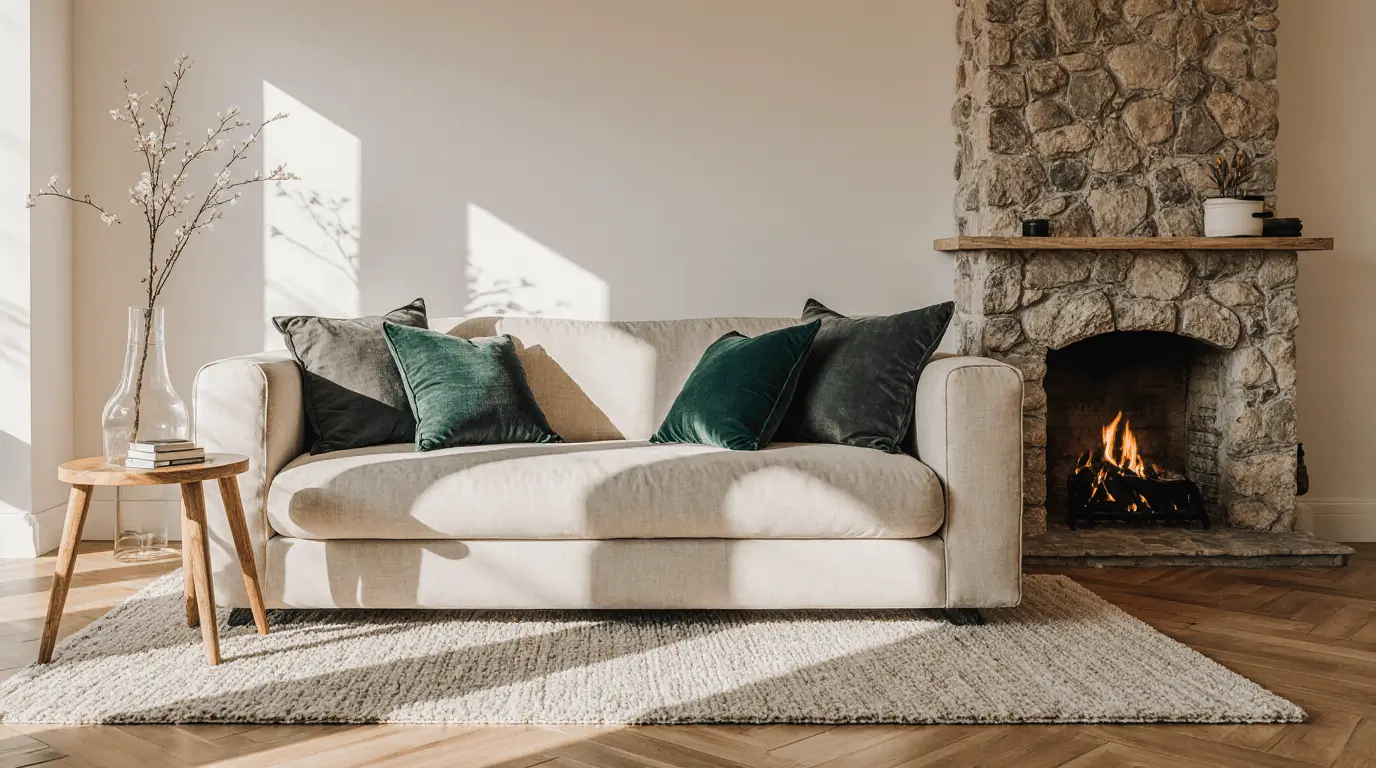
Natural Materials in Mountain Home Interior Design
Wood, stone, leather, wool, and metal define the tactile experience of mountain interiors. Materials should age gracefully.
Authenticity matters more than perfection.
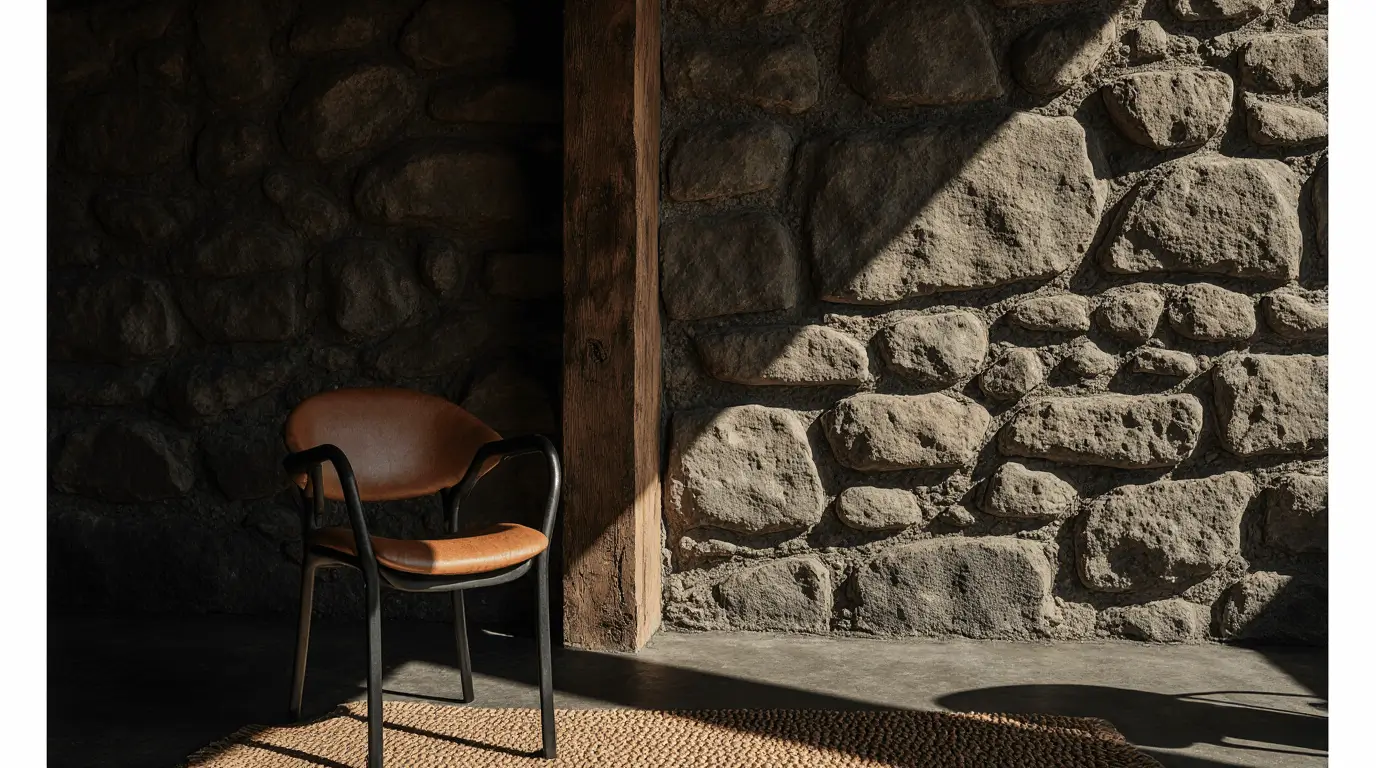
Mountain Home Interior Lighting Design
Lighting in mountain home interior design must counteract long winters and shadow-heavy materials.
Layered lighting — ambient, task, and accent — ensures warmth without glare.
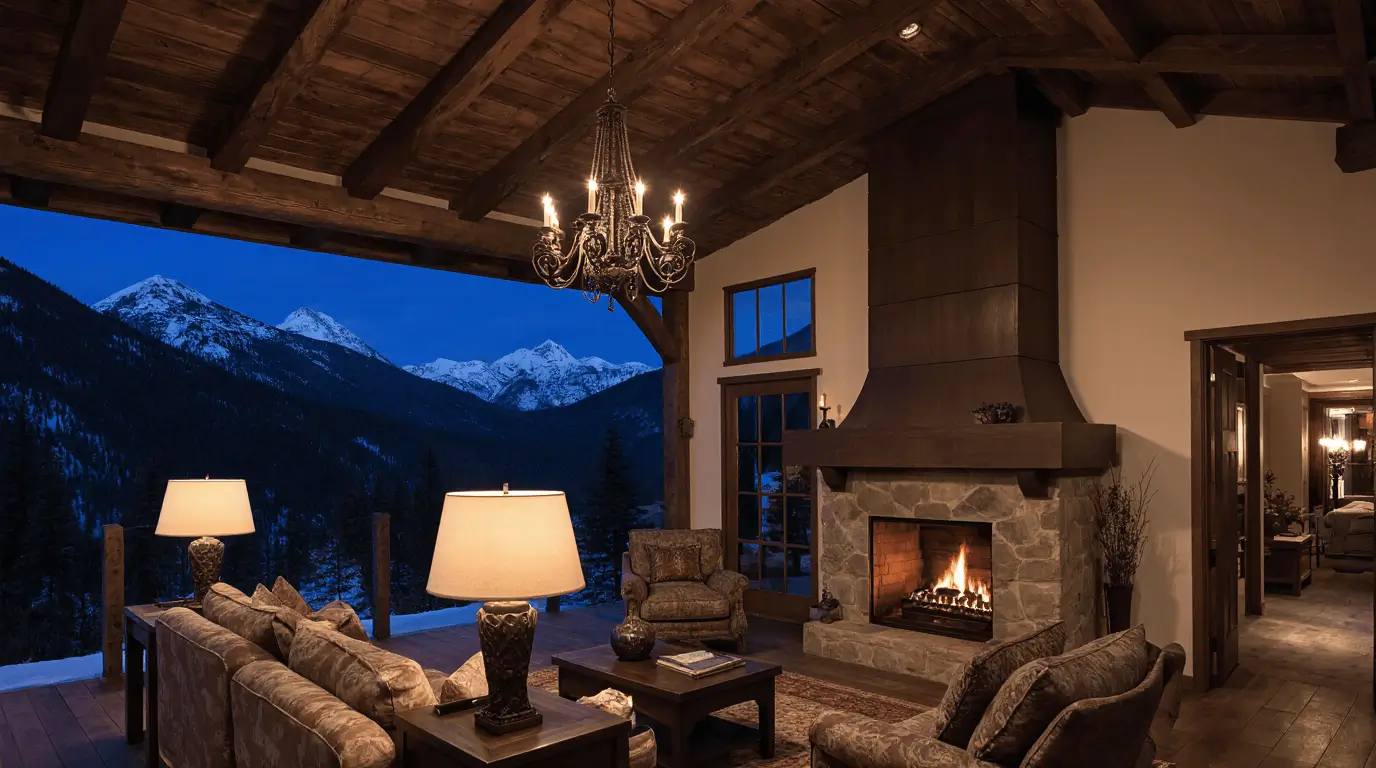
Fireplace-Centered Mountain Home Interior Design
The fireplace is symbolic and functional. It anchors seating and defines architectural scale.
Stone surrounds and substantial mantels reinforce permanence.
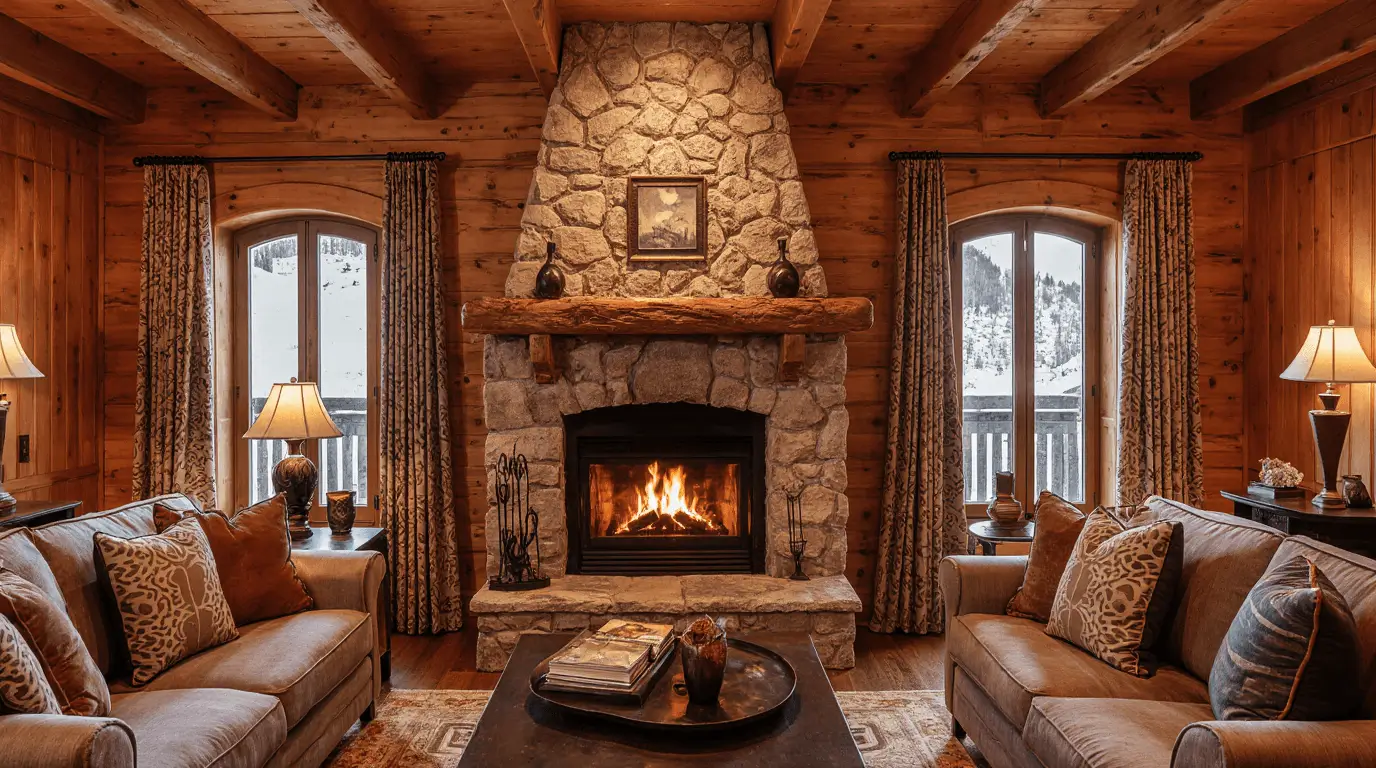
Minimalist Mountain Home Interior Design
Minimalist mountain interiors avoid visual heaviness. Light wood, restrained furniture, and uncluttered surfaces create serenity.
This approach works especially well in modern mountain homes.
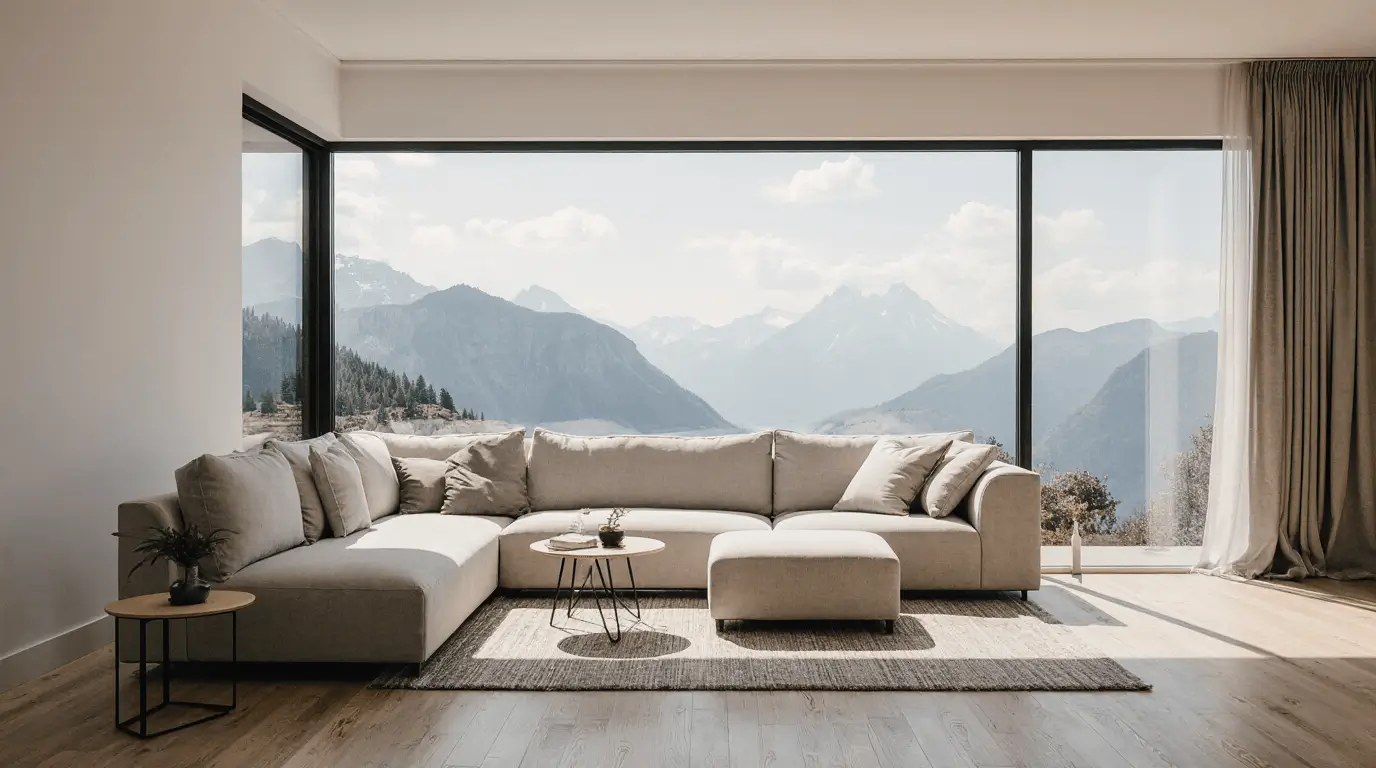
Mountain Home Interior Design with Panoramic Views
Views are the most valuable asset in mountain home interior design. Furniture placement should protect sightlines.
Use low-profile seating and avoid blocking window walls.
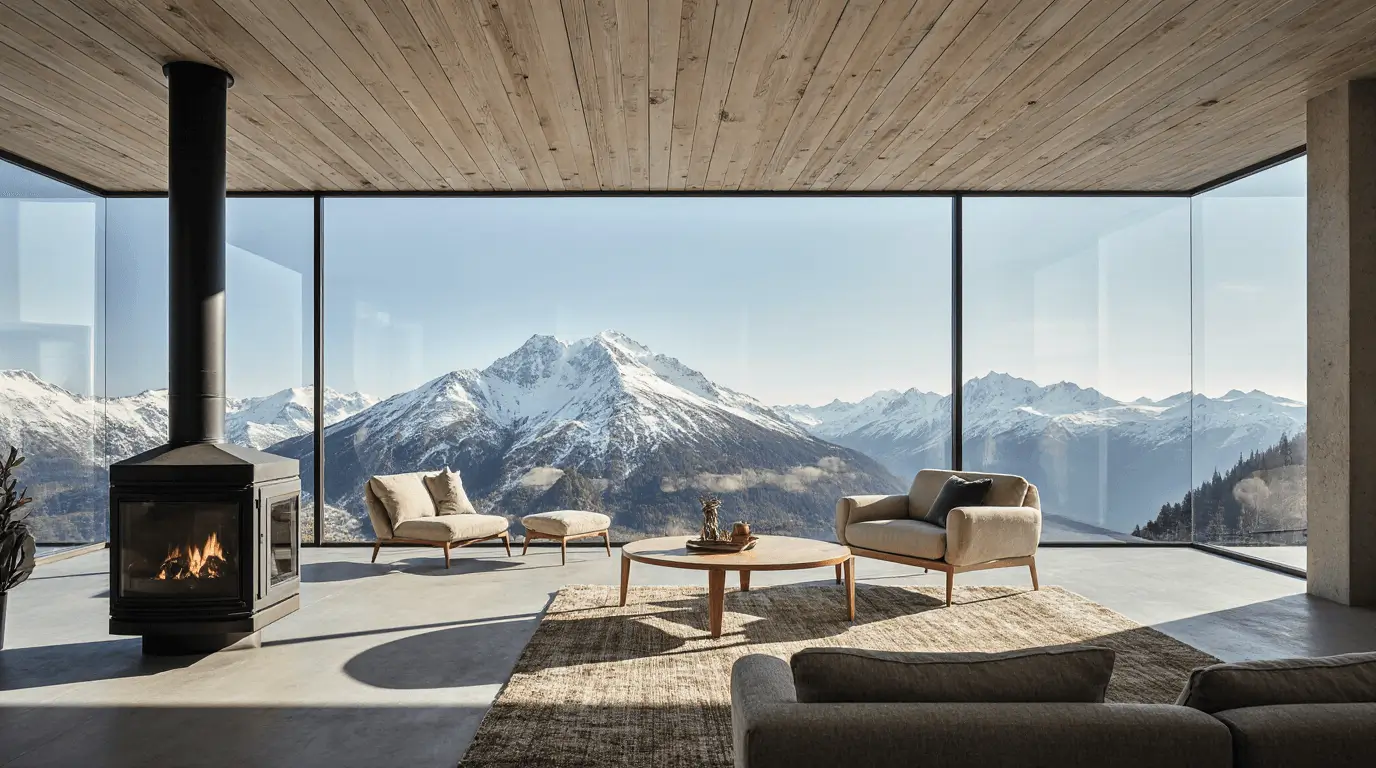
Textural Layering in Mountain Home Interior Design
Texture defines comfort. Combine smooth stone with nubby wool, soft linen with aged timber.
Layering prevents large-scale spaces from feeling cold.
Conclusion: Designing for Place, Permanence, and Everyday Living
At its best, mountain home interior design is an intentional response to environment, architecture, and lifestyle. It succeeds not because of decorative trends, but because it honors scale, embraces natural materials, and prioritizes comfort in a climate that demands resilience. The most compelling mountain interiors feel rooted — as if they could exist nowhere else.
From experience, the difference between a beautiful mountain home and a forgettable one lies in restraint and material honesty. When wood is allowed to show its grain, when stone feels structural rather than applied, and when lighting is layered to soften long winter evenings, the space becomes both functional and emotionally grounding. These choices aren’t aesthetic accidents; they’re deliberate decisions that improve daily life — whether that means hosting extended family, retreating after a day outdoors, or simply watching weather move across the peaks.
This approach benefits homeowners who value longevity over novelty and atmosphere over ornament. It’s particularly powerful for those building new mountain residences, renovating cabins, or reimagining contemporary mountain homes with a stronger sense of place. When you prioritize proportion, texture, and connection to landscape, you gain clarity in every subsequent decision — from furniture scale to finish selection.
If you’re moving forward with your own mountain home interior design, begin with three guiding principles: respect the architecture, simplify the palette, and invest in craftsmanship where it matters most. When those foundations are solid, the rest of the design naturally aligns. The result isn’t just a beautiful home — it’s a lived-in sanctuary that improves with time.
Learn more : Interior Design Long Island: Styles, Costs & Ideas
Frequently Asked Questions
- How do I make a mountain home feel warm without making it feel heavy?
Warmth comes from layering, not from darkening everything. Use textured fabrics like wool and linen, incorporate soft ambient lighting, and balance heavier materials such as stone or timber with lighter upholstery and neutral walls. Keeping ceilings and large surfaces slightly lighter than floors can also prevent visual weight from overwhelming the room.
- Can mountain home interior design work in a modern architectural setting?
Absolutely. Contemporary mountain homes often benefit from cleaner lines and larger windows, which allow the landscape to take center stage. The key is blending refined silhouettes with natural materials — for example, pairing minimalist cabinetry with textured wood ceilings or a sleek fireplace framed in raw stone.
- What colors work best in mountain interiors?
Earth-based tones perform consistently well: warm grays, taupe, soft browns, charcoal, and muted greens. These shades echo the natural surroundings and allow seasonal changes outside to remain visually dominant. Accent colors can be introduced through textiles rather than permanent finishes, making updates easy over time.
- How should furniture be arranged in a mountain home with large windows?
Prioritize sightlines. Keep seating low-profile and avoid placing tall pieces directly in front of glass walls. Arrange furniture to engage both the fireplace and the view whenever possible. In larger spaces, use rugs and lighting to define zones rather than blocking openness with heavy partitions.
- Is rustic always necessary in mountain home interior design?
Not at all. While rustic elements are common, they are not mandatory. A mountain home can feel grounded and authentic without distressed finishes or traditional lodge décor. Modern interpretations often rely on clean architecture and subtle texture instead of overtly rustic details.
- What materials hold up best in mountain climates?
Durability is essential. Wide-plank hardwood, natural stone, performance fabrics, and high-quality leather tend to age beautifully and withstand temperature fluctuations. Matte finishes are often more forgiving than high-gloss surfaces, especially in homes exposed to snow, mud, and outdoor activity.
- How can I update an older mountain cabin without losing its character?
Start by preserving structural elements — beams, stone fireplaces, wood paneling — and refine around them. Lighten wall colors, update lighting fixtures, and introduce simplified furnishings to create contrast. This approach respects the original architecture while improving comfort and functionality for modern living.

One Response