
Introduction
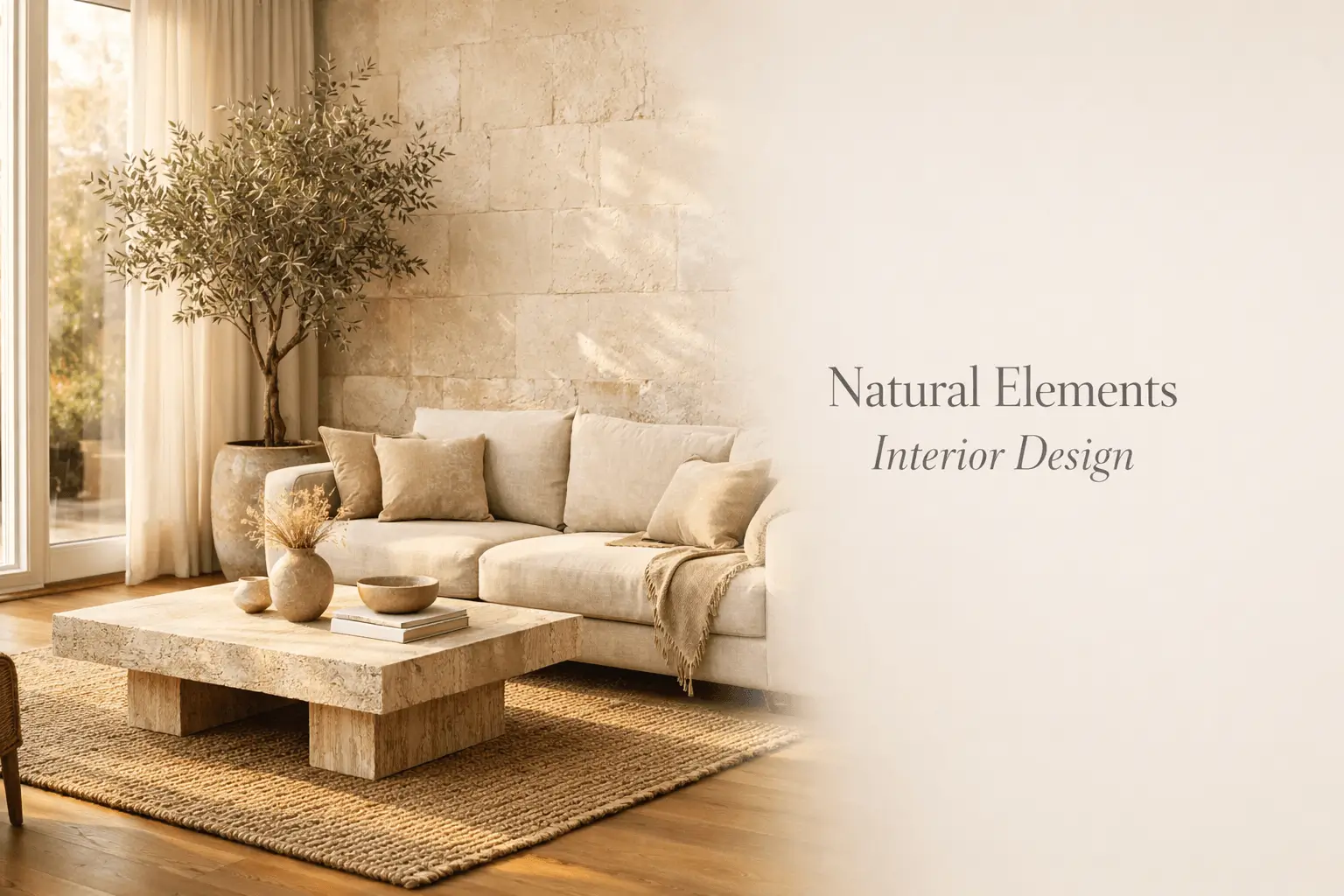
Natural elements interior design is more than a trend—it’s a design philosophy rooted in our innate connection to nature. By thoughtfully integrating organic materials, living greenery, daylight, and earthy textures, interiors become calmer, healthier, and more emotionally grounding. Whether designing a compact apartment or a spacious home, nature-led spaces consistently feel more timeless and restorative.
In my experience working with clients who crave warmth and authenticity, the most transformative interiors are those that prioritize natural materials and sensory balance. When done intentionally, natural elements interior design creates spaces that feel layered rather than decorated—alive rather than styled.
Below are the essential design clusters that define this approach, each grounded in practical application and visual clarity.
Natural Elements Interior Design with Biophilic Foundations
Biophilic interior design centers on strengthening the relationship between people and nature within built spaces. It integrates light, plants, natural materials, and spatial flow to enhance wellbeing.
When designing biophilic interiors, focus on sensory engagement—texture underfoot, daylight on walls, and greenery at eye level.
Natural Materials in Natural Elements Interior Design
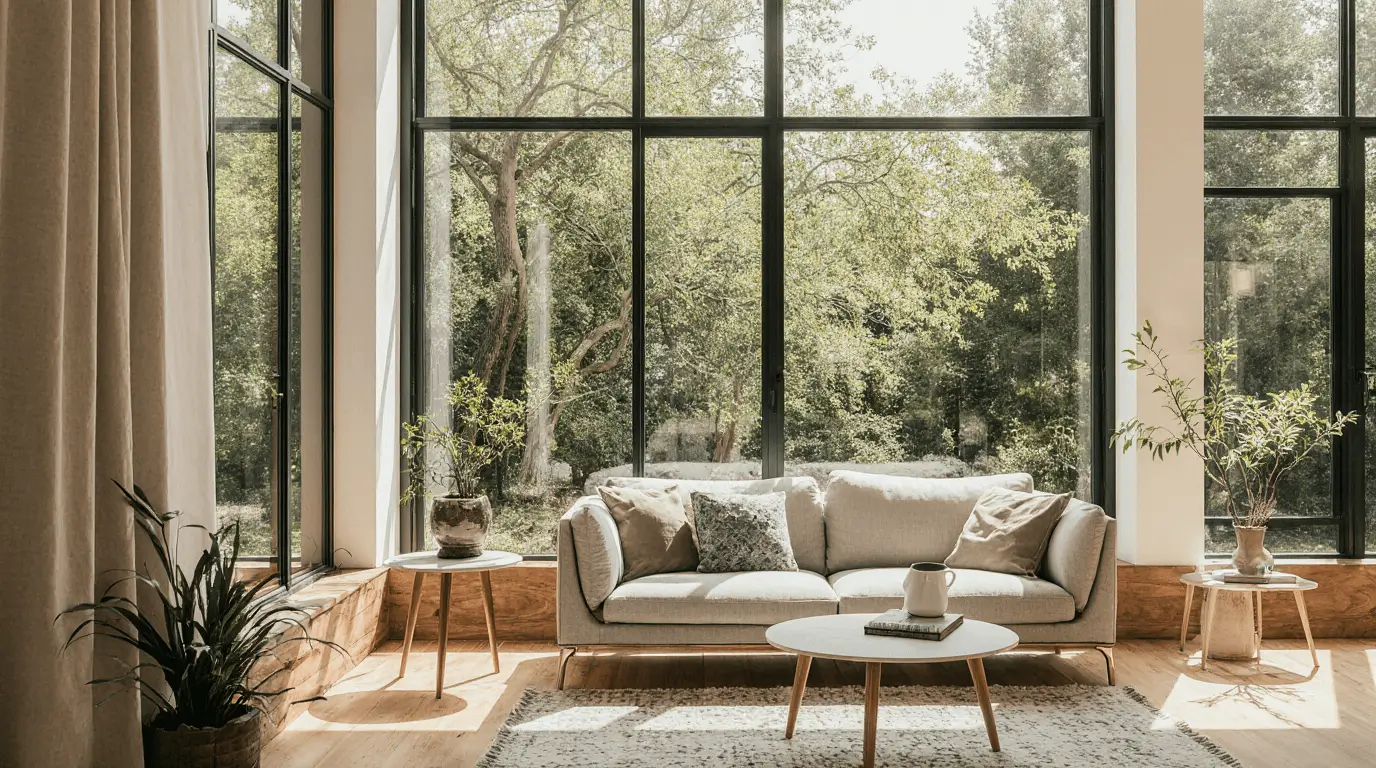
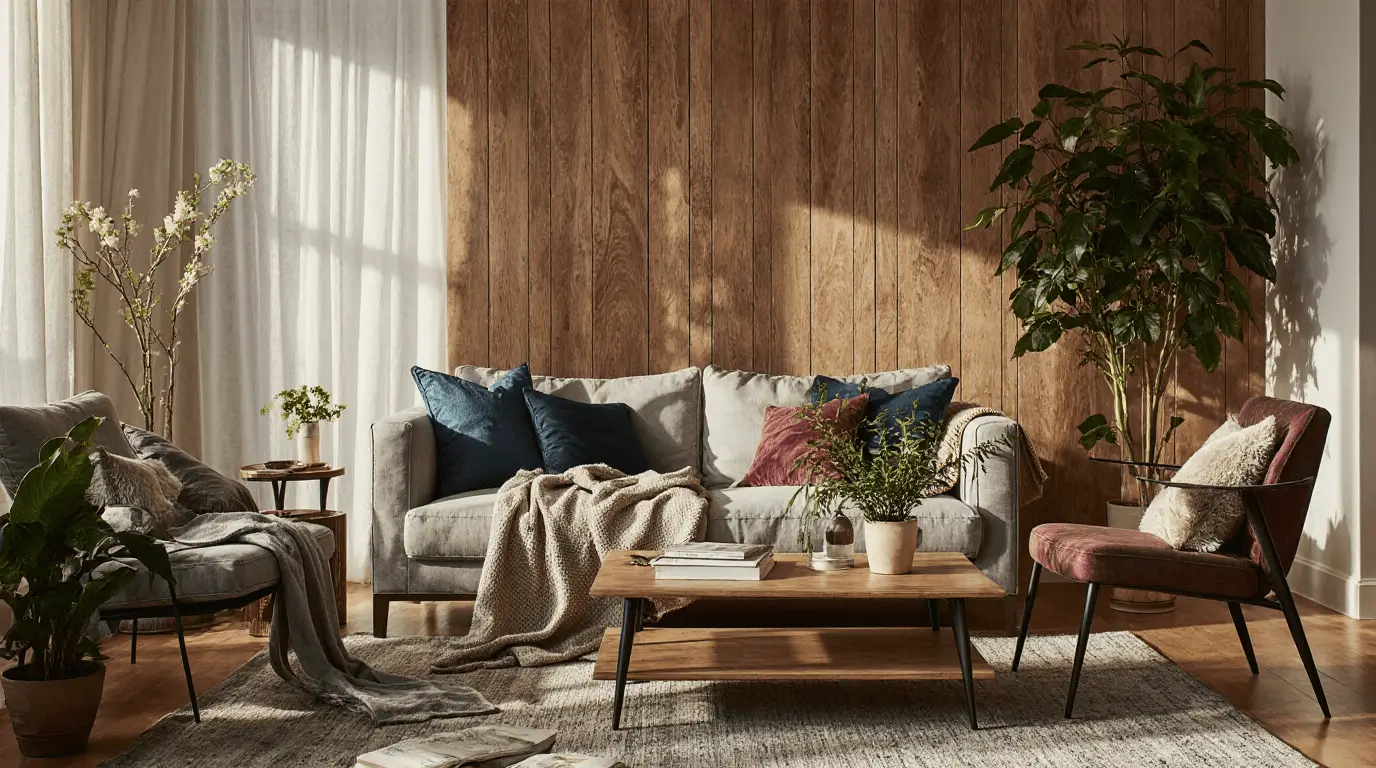
Wood, stone, clay, rattan, and linen form the backbone of natural interior design. These materials age beautifully and add authentic texture.
Avoid synthetic imitations when possible—real materials create depth, subtle imperfections, and tactile warmth.
Decorating with Natural Elements for Everyday Living
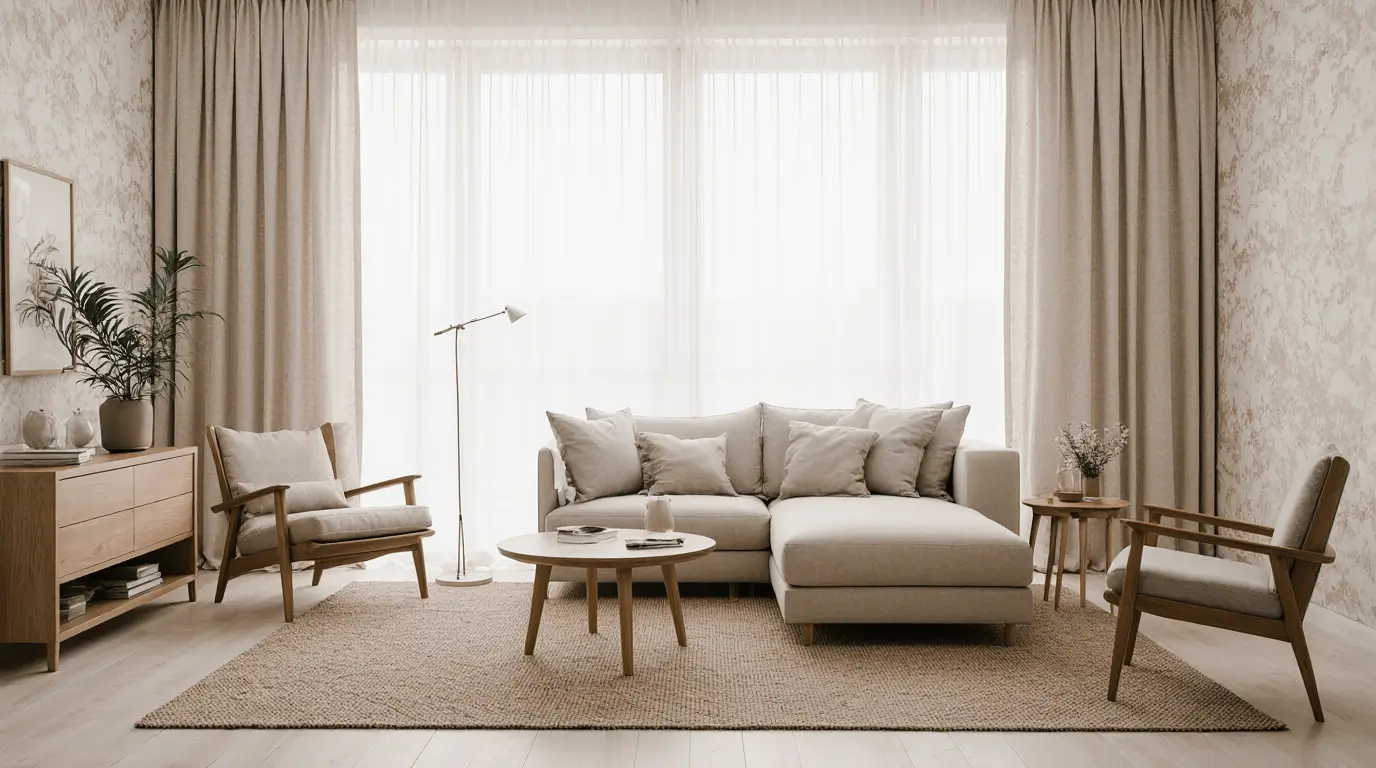
Decorating with natural elements means incorporating smaller organic accents—branches, ceramics, woven baskets, or handmade pottery.
Layer these elements gradually to avoid visual clutter while maintaining cohesion.
Natural Light as a Core Design Element
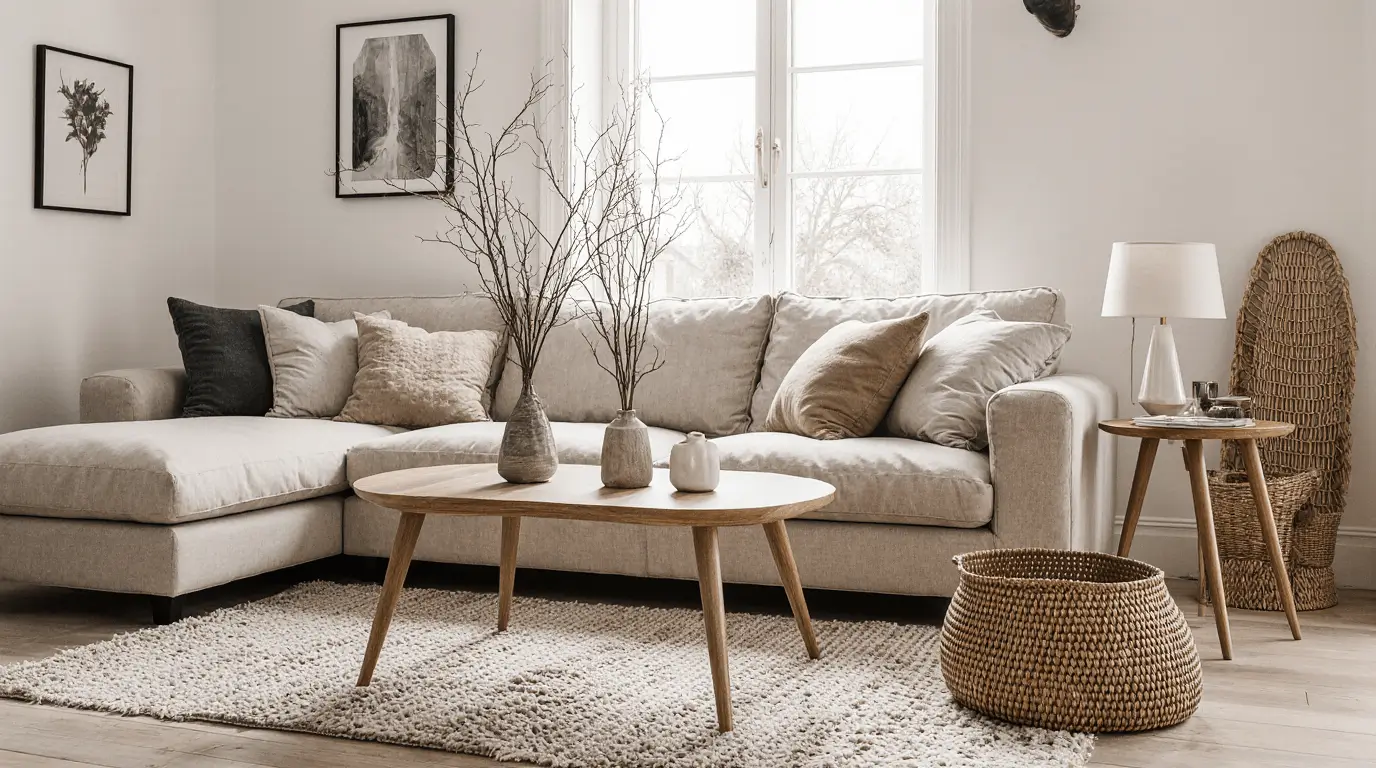
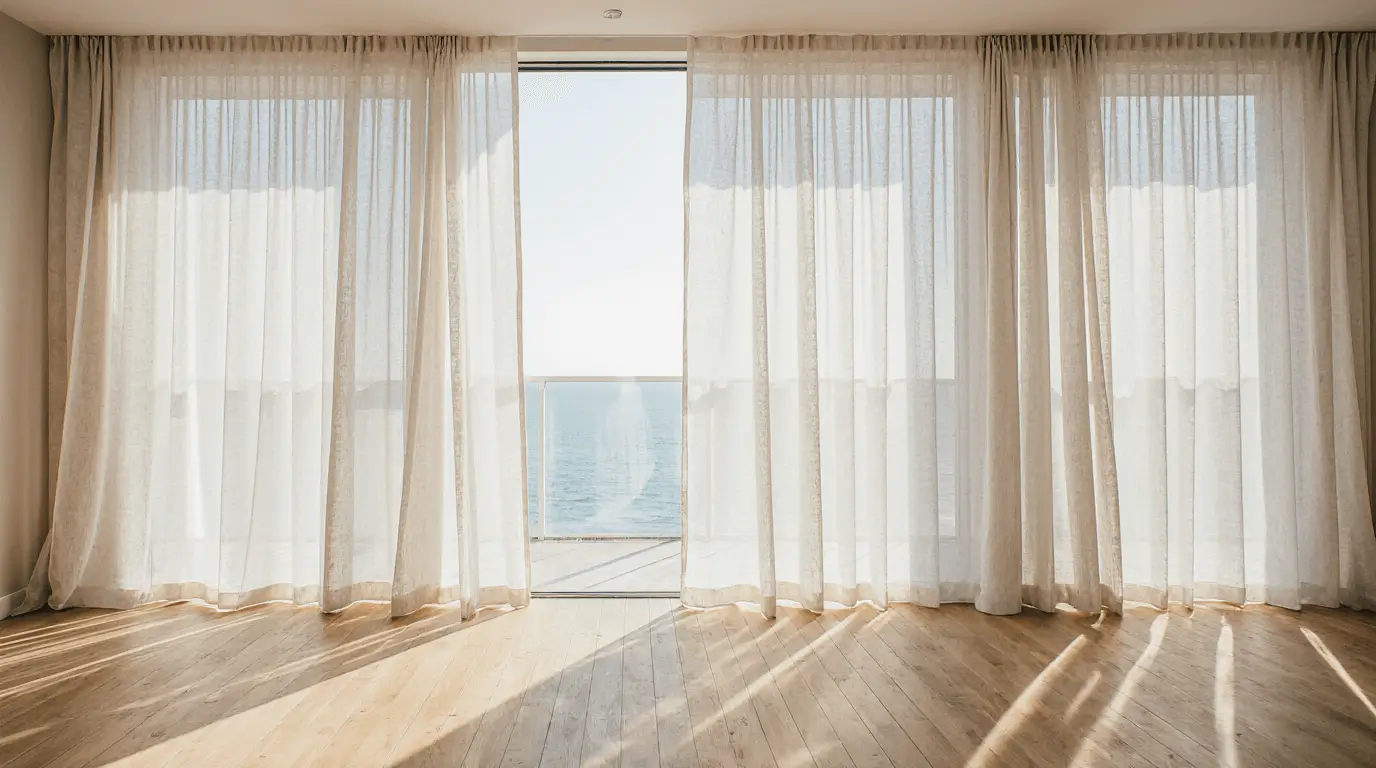
Daylight is one of the most powerful natural design elements. It shapes color perception, mood, and spatial rhythm.
Maximize window exposure, use sheer curtains, and position mirrors strategically to amplify light flow.
Indoor Plants in Natural Elements Interior Design
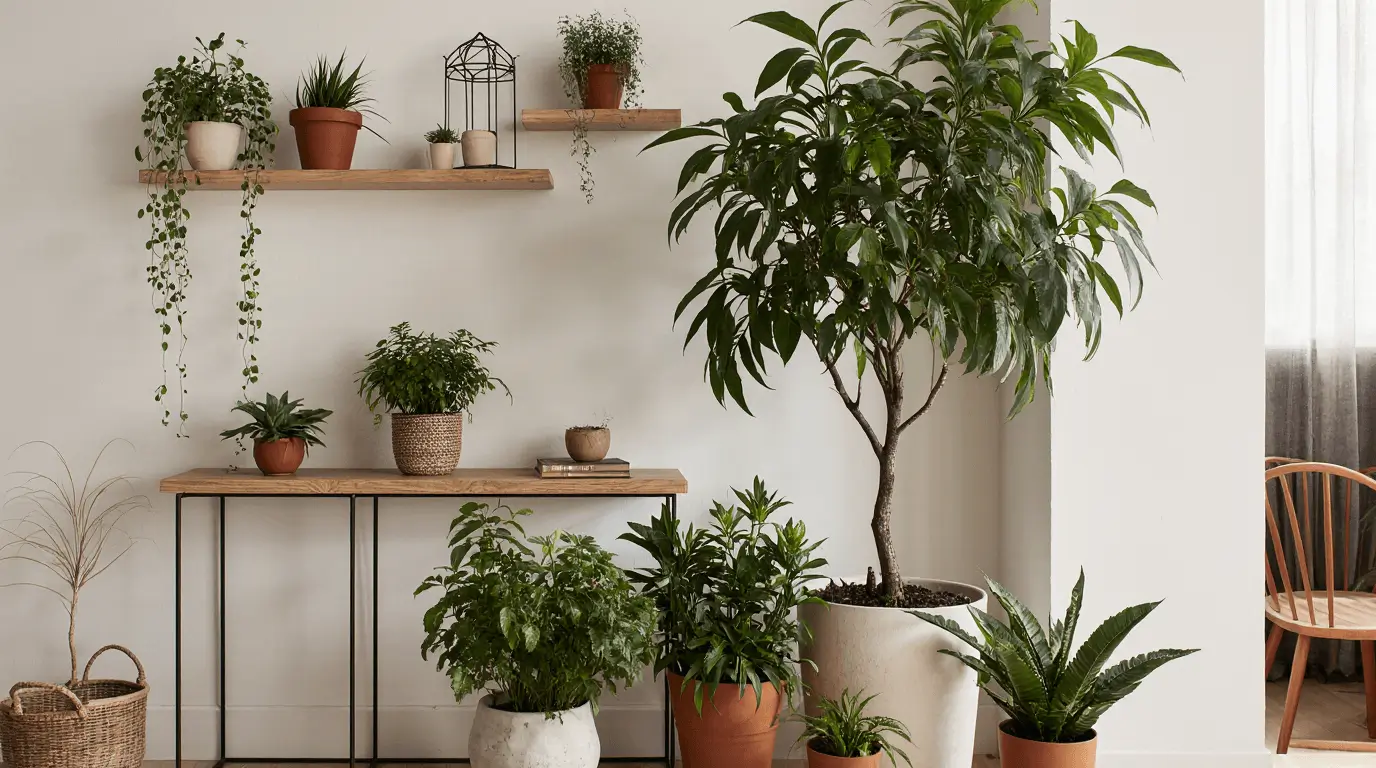
Living plants anchor natural interior design visually and psychologically. From sculptural fiddle-leaf figs to trailing pothos, greenery softens architectural edges.
Group plants in varied heights to create dimension without overwhelming the space.
Earth-Toned Color Palettes
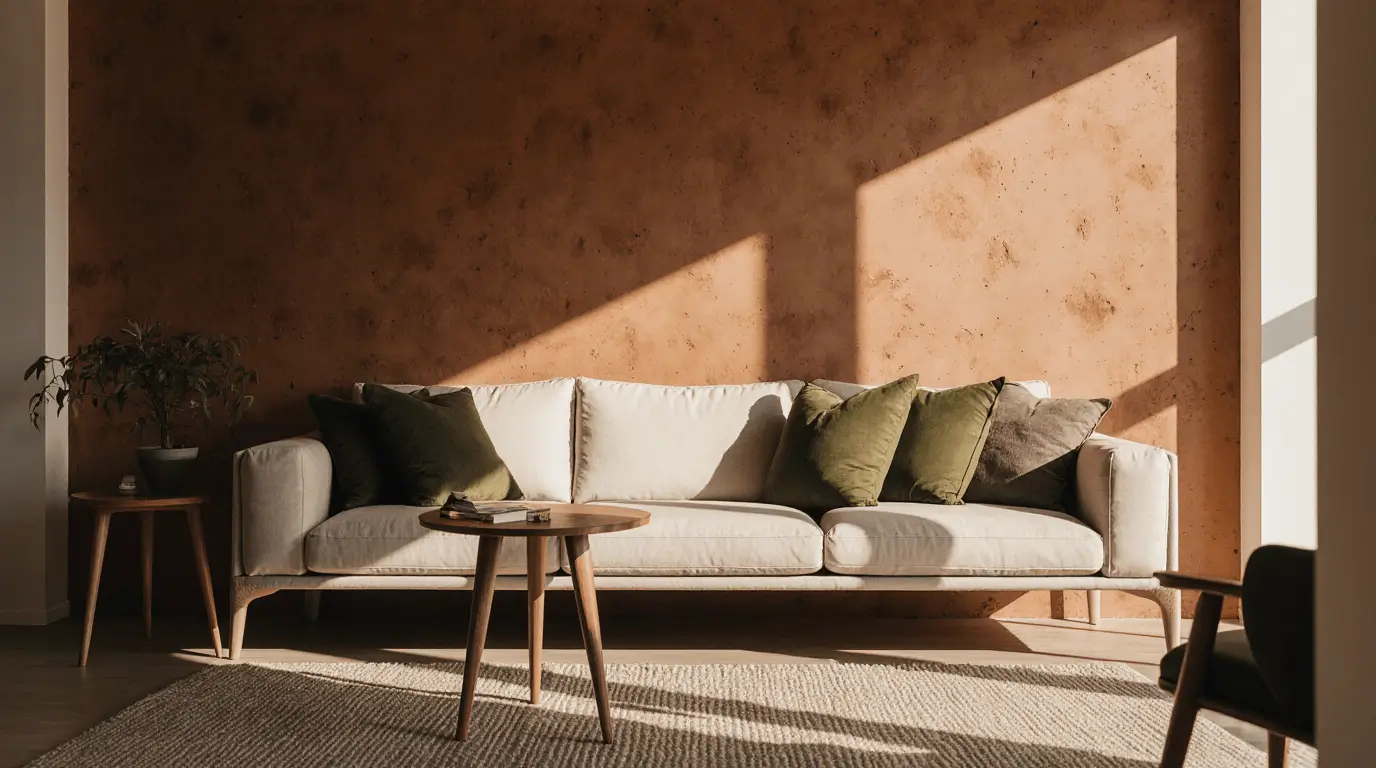
Natural elements interior design often relies on warm neutrals—sand, clay, olive, stone gray, and muted browns.
These tones create a grounding backdrop that supports organic materials and enhances tranquility.
Textural Layering with Natural Fibers
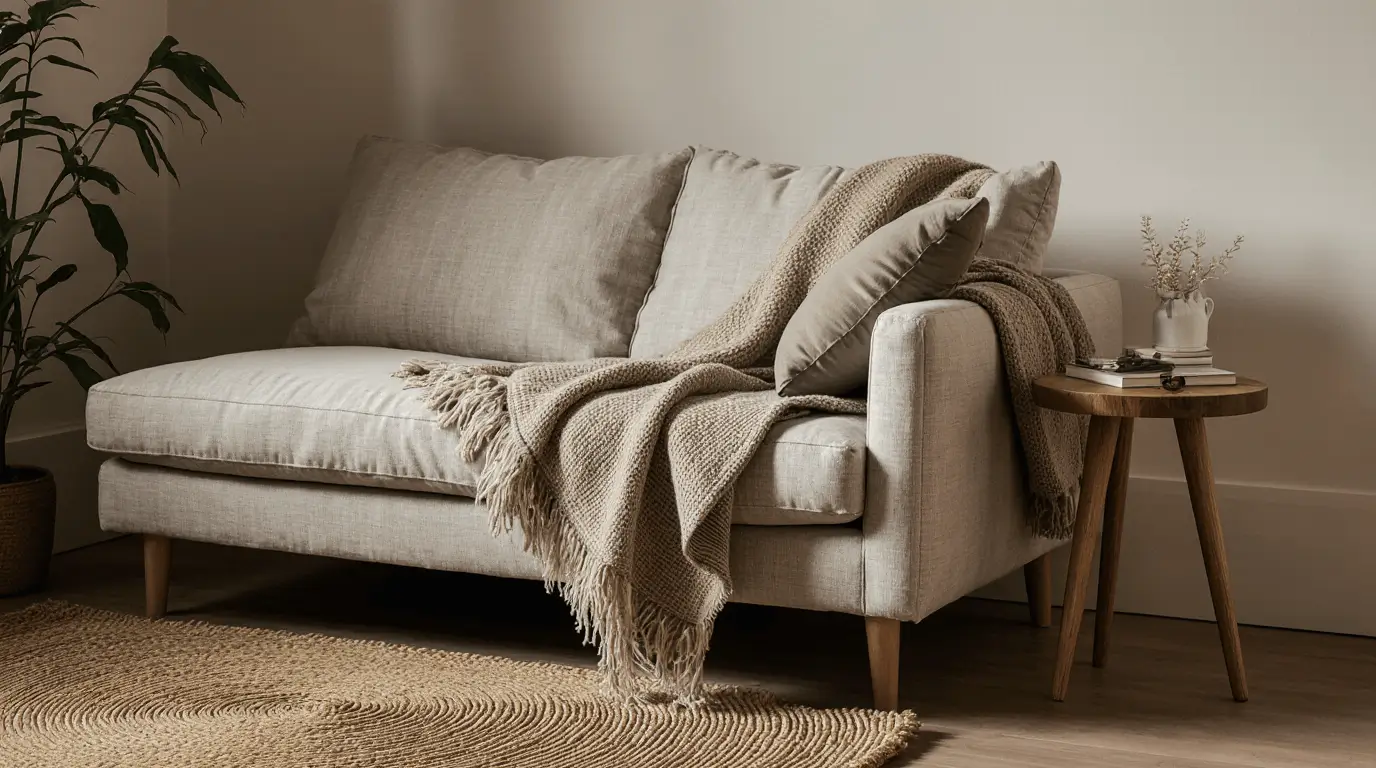
Texture is essential in natural interior design. Combine linen upholstery, wool throws, jute rugs, and raw wood surfaces.
Layering textures adds depth without relying on bold patterns.
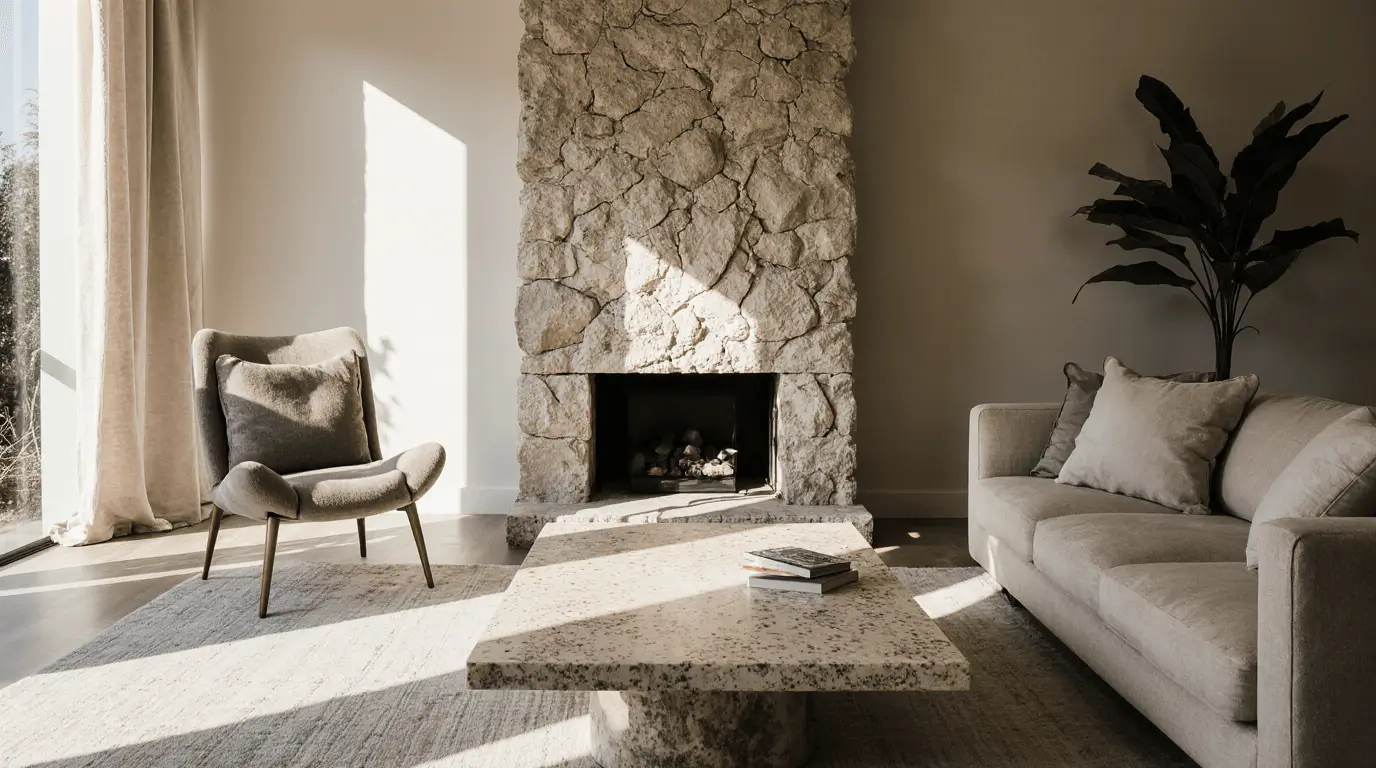
Stone and Mineral Accents
Stone introduces permanence and visual weight. Marble, travertine, slate, and limestone add subtle pattern and cool contrast.
Use stone sparingly in smaller spaces to avoid heaviness.
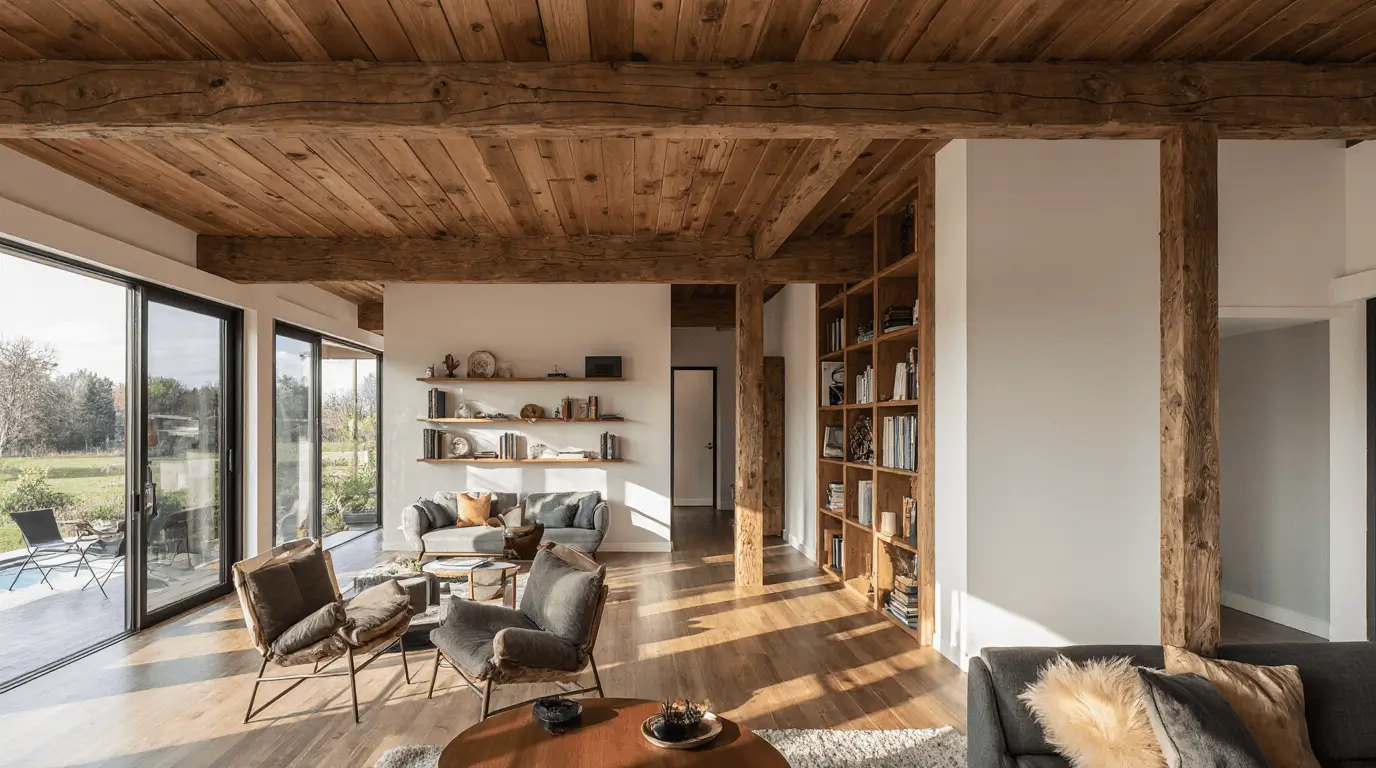
Natural Wood in Interior Architecture
Exposed beams, oak cabinetry, walnut shelving, and timber floors form architectural foundations for natural home design.
Choose finishes that highlight grain rather than conceal it.
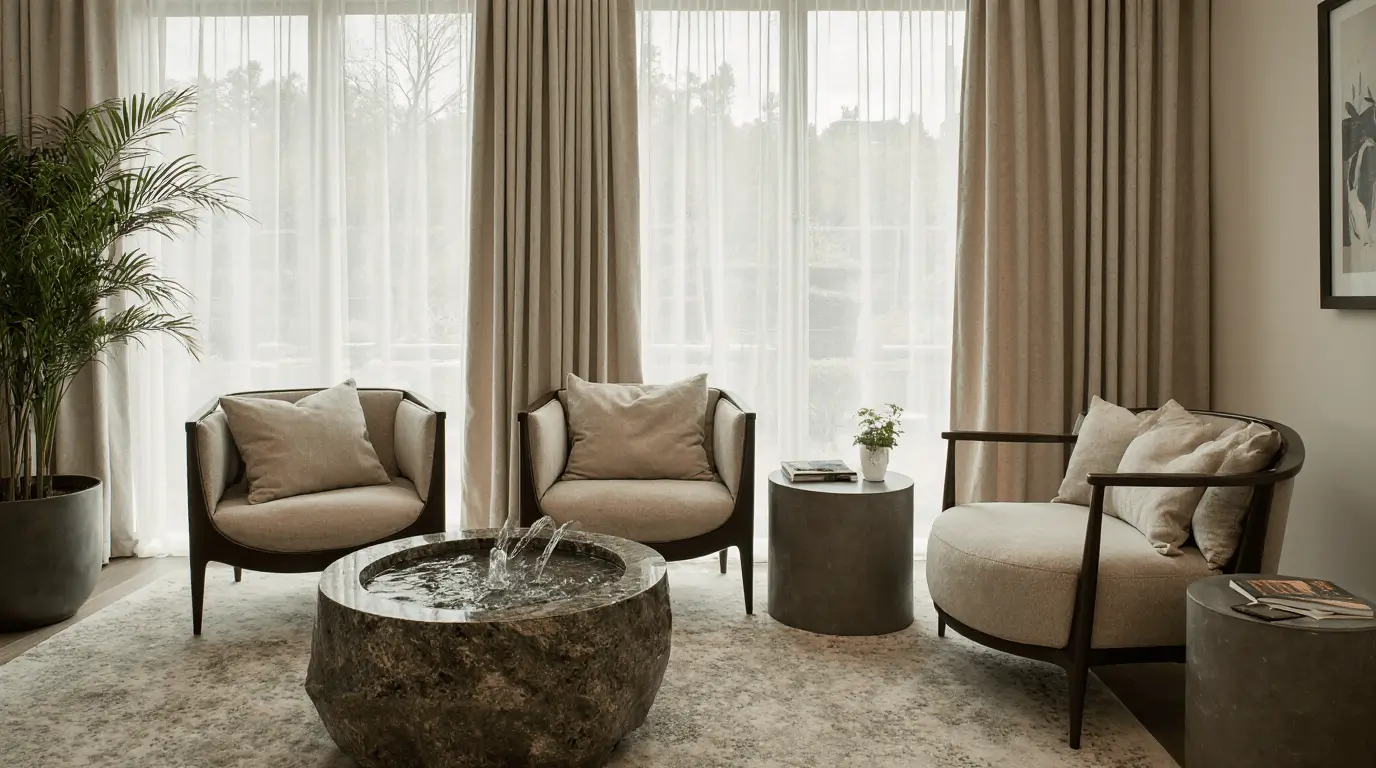
Water Features in Natural Elements Interior Design
Water elements—indoor fountains or reflective surfaces—introduce movement and serenity.
Even subtle water-inspired décor (glass, reflective stone) enhances sensory calm.
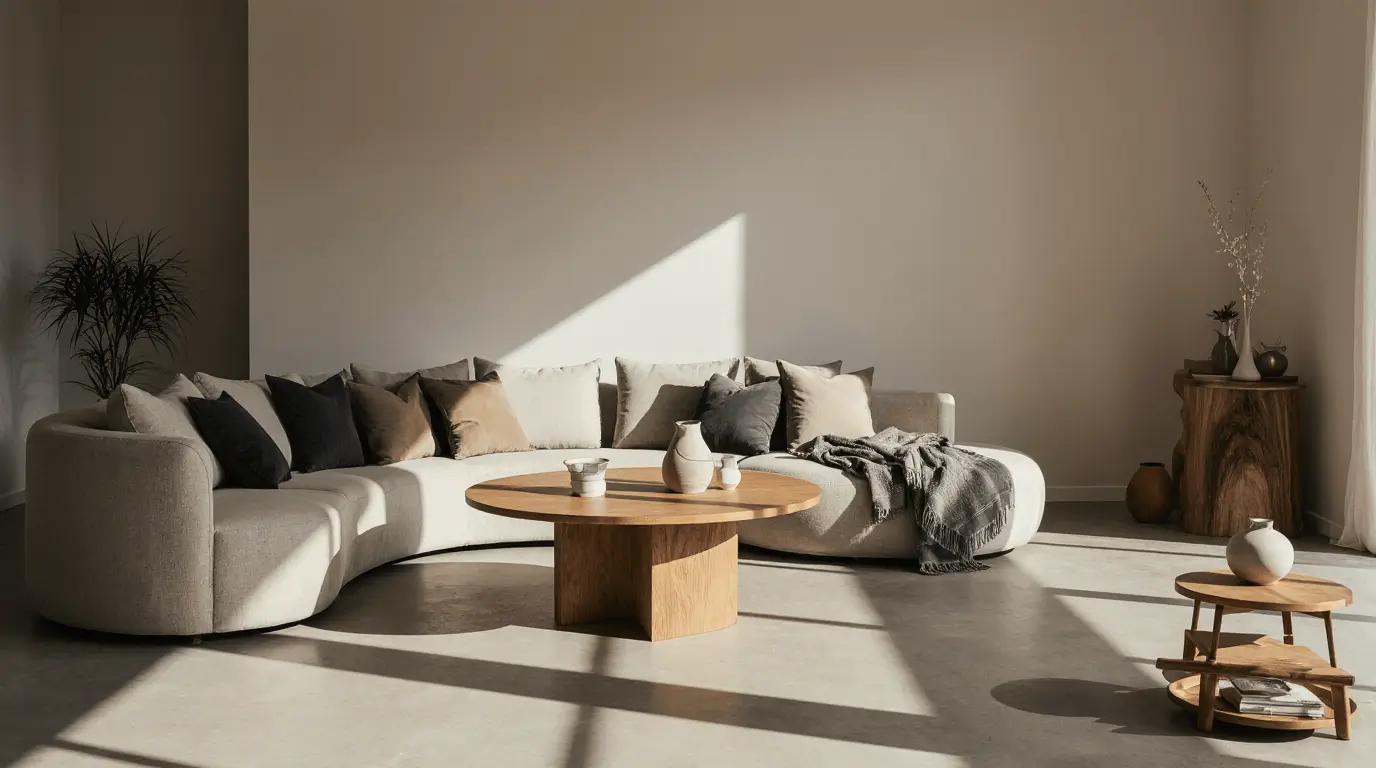
Organic Shapes and Forms
Curved furniture, asymmetrical pottery, and sculptural lighting reflect nature’s imperfect geometry.
Avoid rigid layouts; instead, create flow through softened silhouettes.
Sustainable Natural Interior Design Choices
Sustainability strengthens natural design philosophy. Opt for reclaimed wood, low-VOC finishes, and ethically sourced materials.
Design longevity is the most sustainable decision you can make.
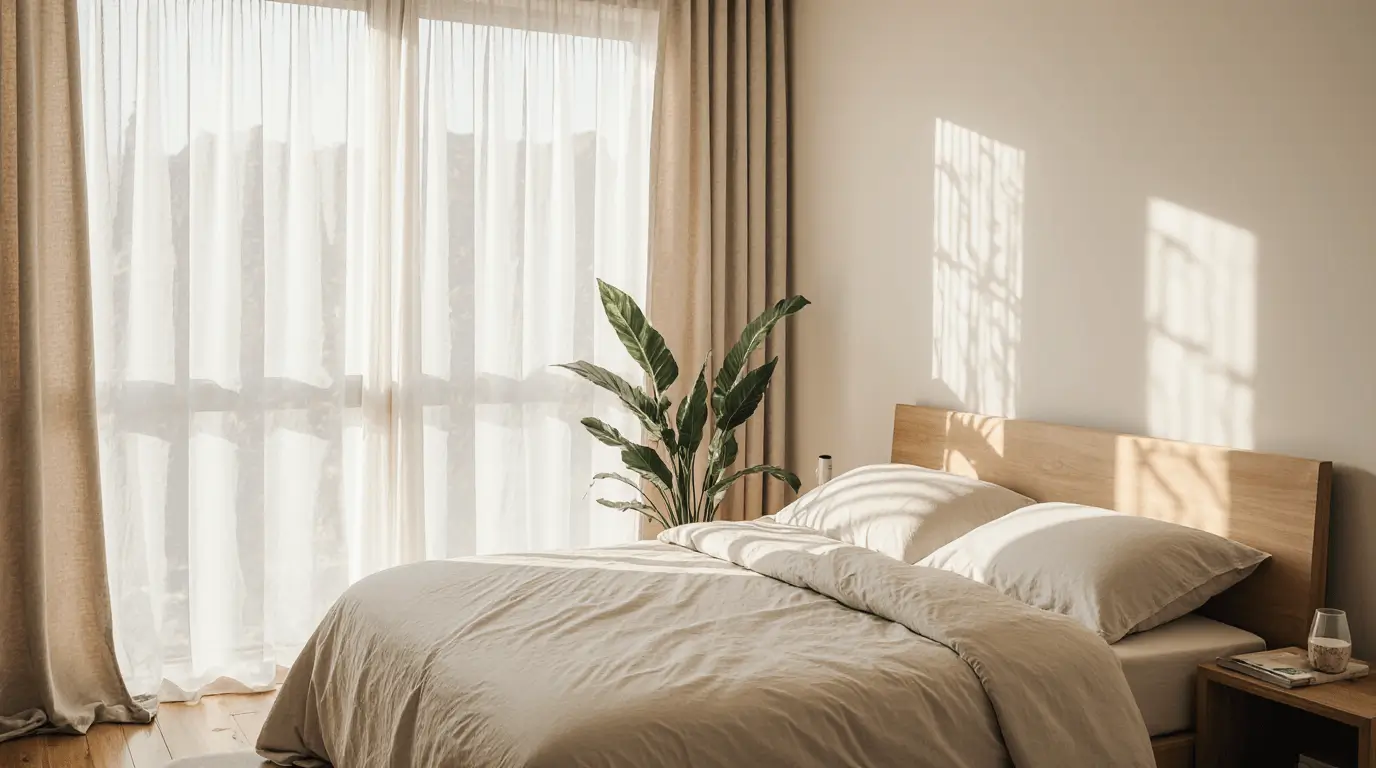
Natural Elements in Bedroom Design
Bedrooms benefit immensely from natural elements—linen bedding, wooden headboards, soft neutral walls, and greenery.
Keep the palette subdued to promote rest and emotional balance.
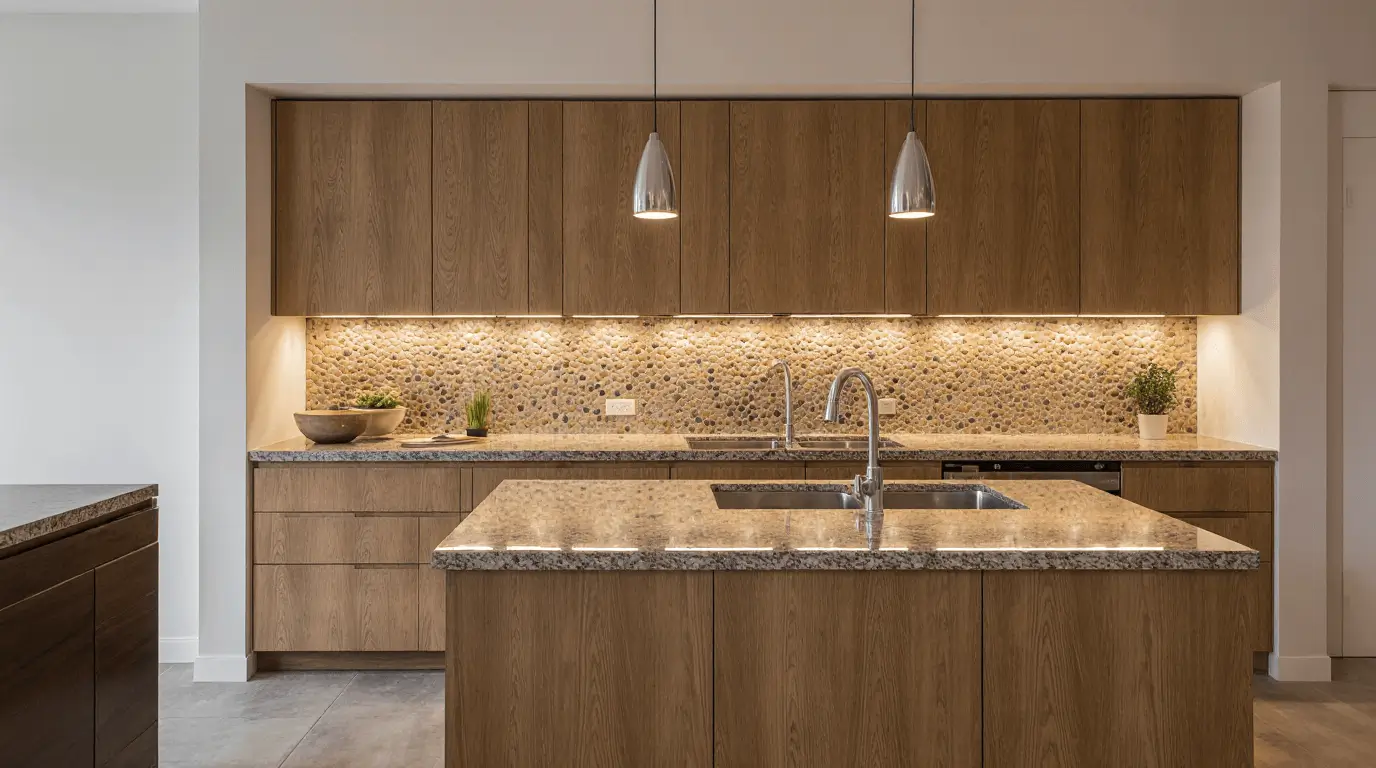
Natural Elements in Kitchen Spaces
Natural materials in kitchens—wood cabinetry, stone countertops, clay tiles—create warmth without sacrificing functionality.
Balance organic textures with clean lines for modern refinement.
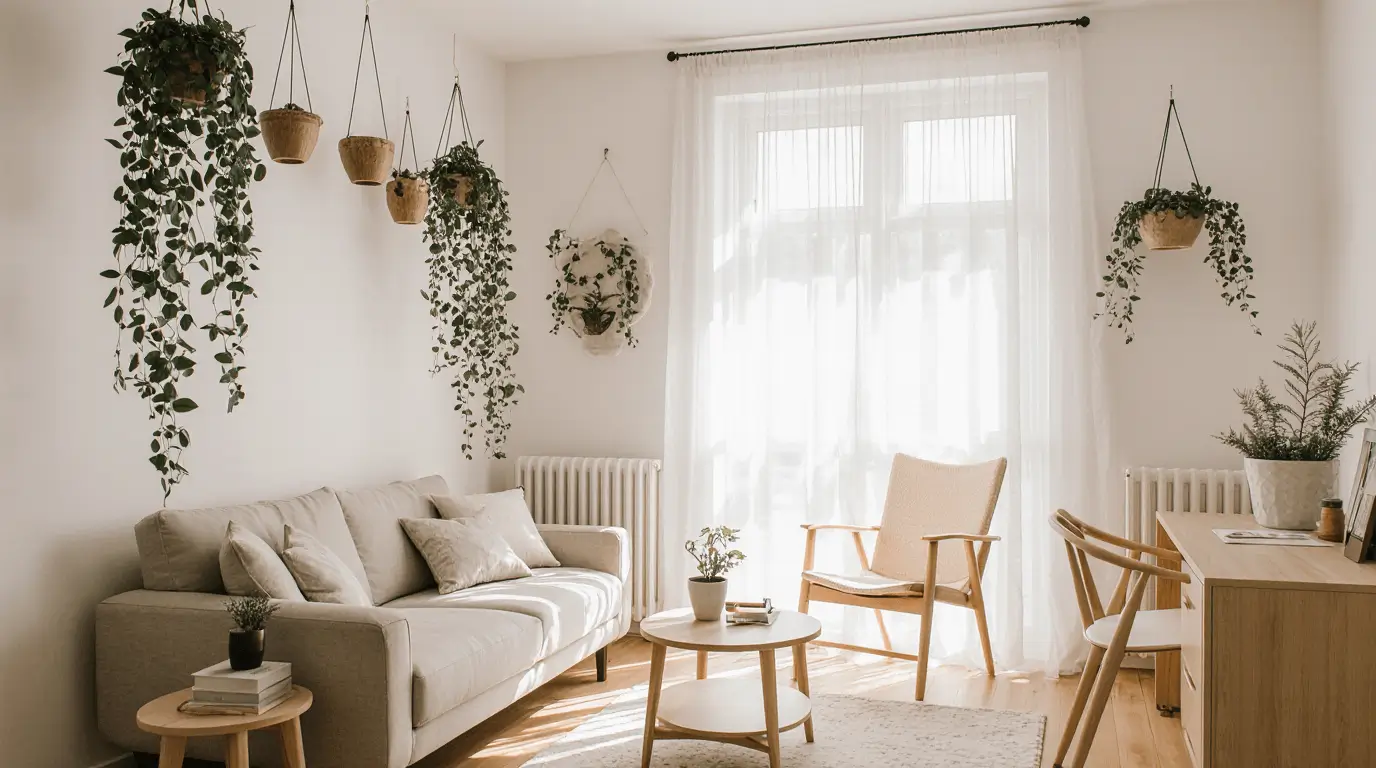
Natural Elements Interior Design in Small Spaces
Even compact homes can embrace natural interior design. Use vertical greenery, light wood tones, and reflective surfaces to maintain openness.
Simplicity is key—fewer but higher-quality natural materials create stronger impact.
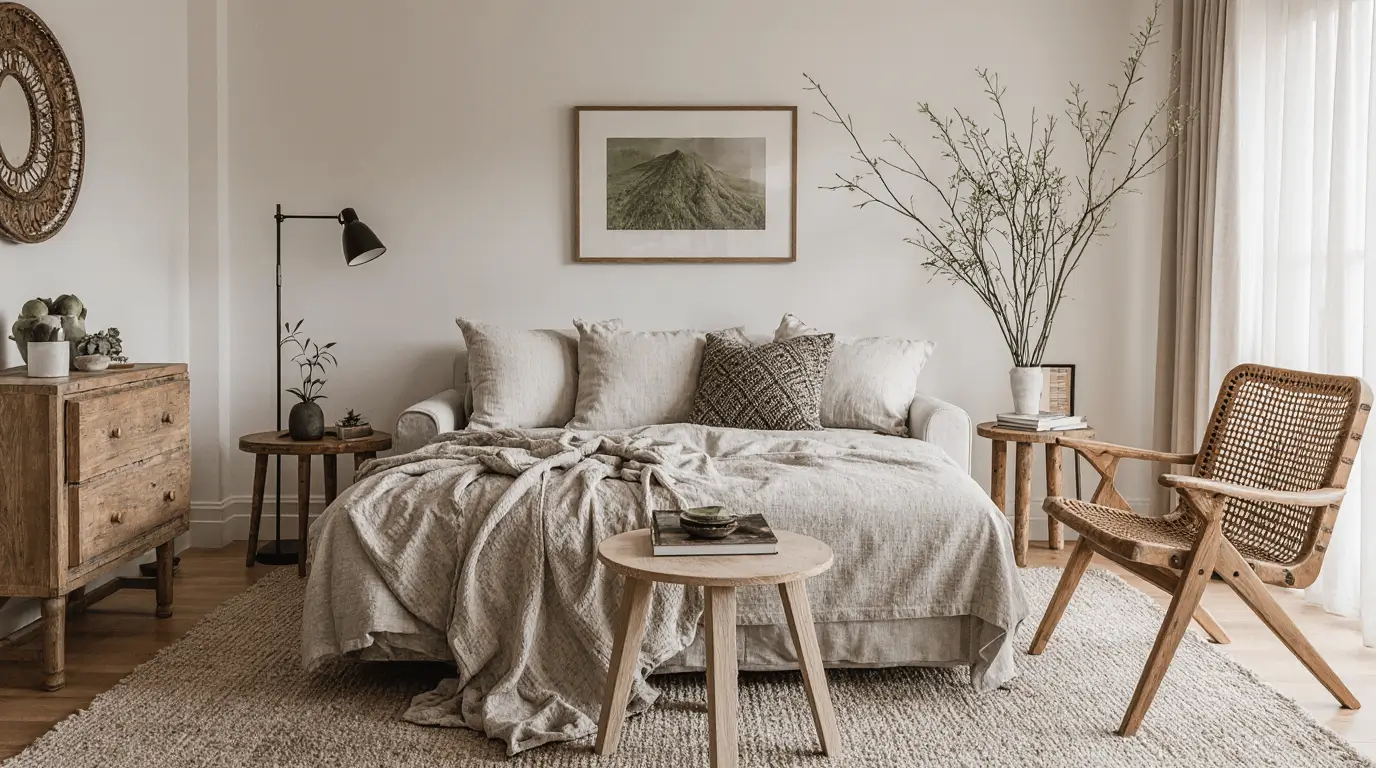
Layered Sensory Experience in Natural Interiors
True natural elements interior design engages all senses—visual warmth, tactile softness, subtle scent from wood or plants, and acoustic softness from textiles.
When a space feels balanced physically and emotionally, you know nature has been integrated correctly.
Conclusion: Designing with Nature, Designing for Life
Natural elements interior design works because it responds to something deeply human. We are instinctively drawn to sunlight, organic texture, fresh air, and the quiet grounding presence of wood and stone. When those elements are intentionally integrated into our homes, spaces begin to support us rather than overstimulate us.
Over the years, I’ve seen that the most successful interiors are not the most elaborate—they’re the most balanced. A room layered with authentic materials, softened by textiles, and anchored in natural light feels calm without trying too hard. It ages gracefully, adapts to lifestyle changes, and rarely feels outdated. That longevity is one of its greatest strengths.
This approach benefits anyone seeking emotional ease at home—busy professionals needing decompression, families wanting warmth and durability, or minimalists craving simplicity with depth. Natural elements interior design is flexible enough to work in compact city apartments and expansive homes alike. The scale may change, but the philosophy remains consistent: connect the indoors with the rhythms of nature.
If you’re moving forward with this approach, start intentionally. Evaluate your lighting. Introduce one authentic material. Add greenery at eye level. Swap synthetic textures for tactile, breathable fabrics. Small shifts compound into meaningful transformation. With clarity and restraint, nature becomes not just an aesthetic choice—but a lifestyle foundation.
Learn more : Asian Interior Design Style: Principles, Harmony, and Function
Frequently Asked Questions
- How is natural elements interior design different from simply using neutral colors?
Neutral colors are only one part of the equation. Natural elements interior design focuses on material authenticity, sensory balance, light quality, and spatial flow. A beige room without texture or organic materials can still feel flat. The difference lies in layering real materials, natural forms, and environmental awareness—not just color selection.
- Can this design approach work in modern or minimalist homes?
Absolutely. In fact, modern and minimalist spaces often benefit the most. Clean lines provide a strong architectural base, and natural materials add warmth and dimension. Introducing wood grain, stone surfaces, or linen textiles prevents minimal spaces from feeling cold or overly sterile.
- What if my home doesn’t get much natural light?
Limited daylight doesn’t mean you can’t embrace this style. Focus on reflective surfaces, lighter wood tones, layered lighting at multiple heights, and plants that thrive in lower light conditions. The goal is to create softness and warmth—even when sunlight is limited.
- Are indoor plants essential for this design philosophy?
Plants are powerful, but they’re not mandatory. If maintenance is a concern, prioritize natural materials, organic shapes, and breathable fabrics. Even dried botanicals, branches, or stone arrangements can provide a connection to nature without ongoing care requirements.
- How do I avoid making my space feel rustic or overly themed?
The key is restraint and balance. Combine organic elements with clean silhouettes and thoughtful spacing. Natural elements interior design doesn’t require log cabin aesthetics—it can be refined, contemporary, and sophisticated when materials are curated with intention.
- Is this approach suitable for families with children or pets?
Yes—and often more practical than heavily styled interiors. Durable woods, washable linens, wool rugs, and stone surfaces age gracefully and handle everyday wear well. The emphasis on quality materials makes the home both livable and beautiful over time.
- What is the best first step if I want to transition toward natural elements interior design?
Start with one foundational change. Replace a synthetic rug with a jute or wool alternative. Introduce solid wood furniture instead of veneer. Adjust window treatments to allow more daylight. Incremental, thoughtful upgrades create lasting transformation without overwhelming your space or budget.

One Response