
Introduction
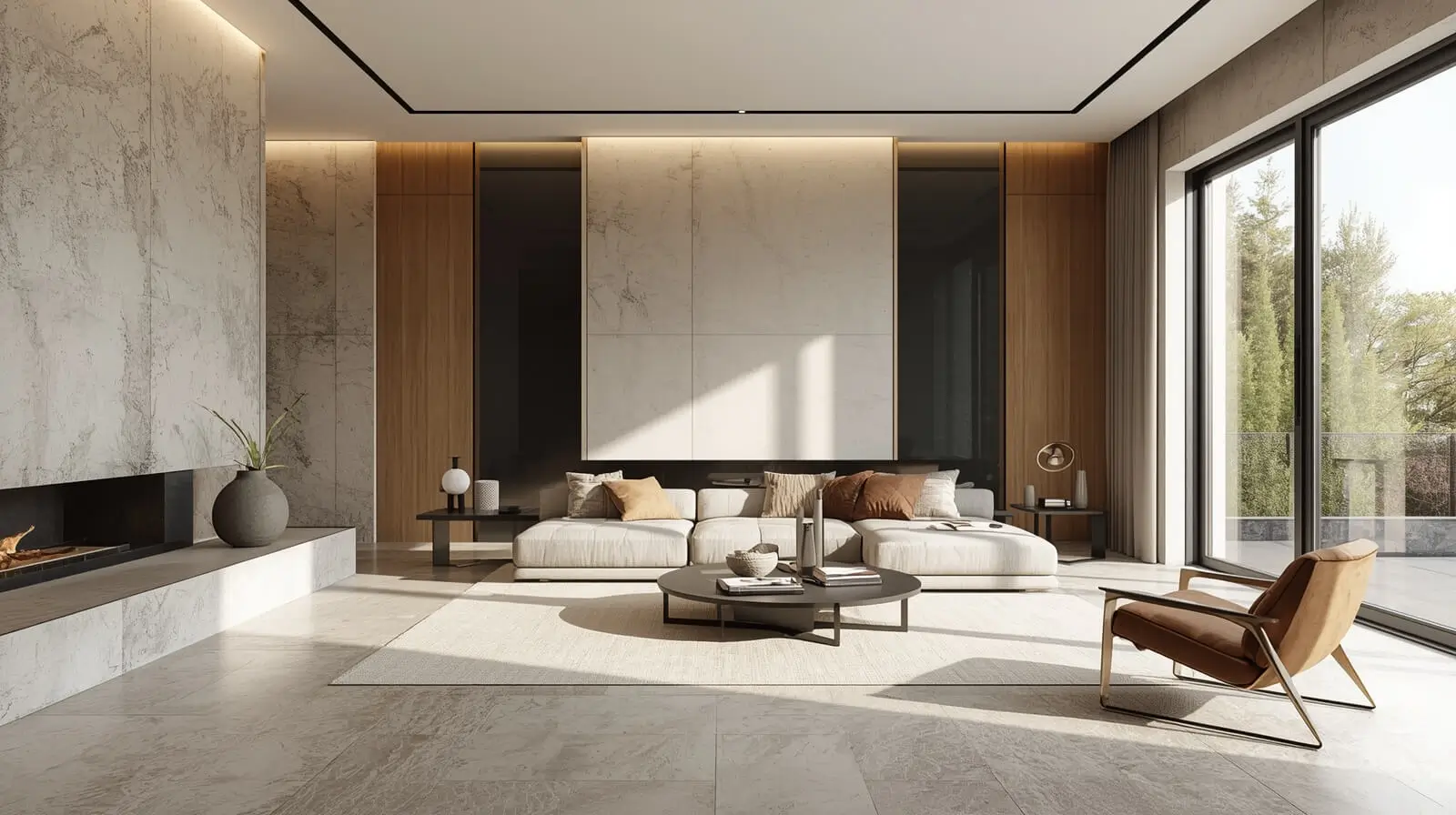
Opposition rhythm in interior design is the art of creating visual movement through contrast. It works by placing opposing elements—light against dark, smooth against rough, modern against traditional—in a deliberate, repeating way that guides the eye through a space. Rather than relying on sameness, this rhythm thrives on difference, making interiors feel dynamic, expressive, and alive.
From years of hands-on design practice, opposition rhythm proves especially powerful in spaces that feel flat or overly predictable. When applied correctly, contrast doesn’t cause chaos—it creates balance through tension. The eye moves because it’s curious, and that movement is what gives a room energy, depth, and sophistication.
Whether used subtly or boldly, opposition rhythm helps designers tell a story. It introduces drama without overwhelming the space and ensures that every contrasting choice feels intentional, cohesive, and emotionally engaging.
Opposition Rhythm in Interior Design Fundamentals
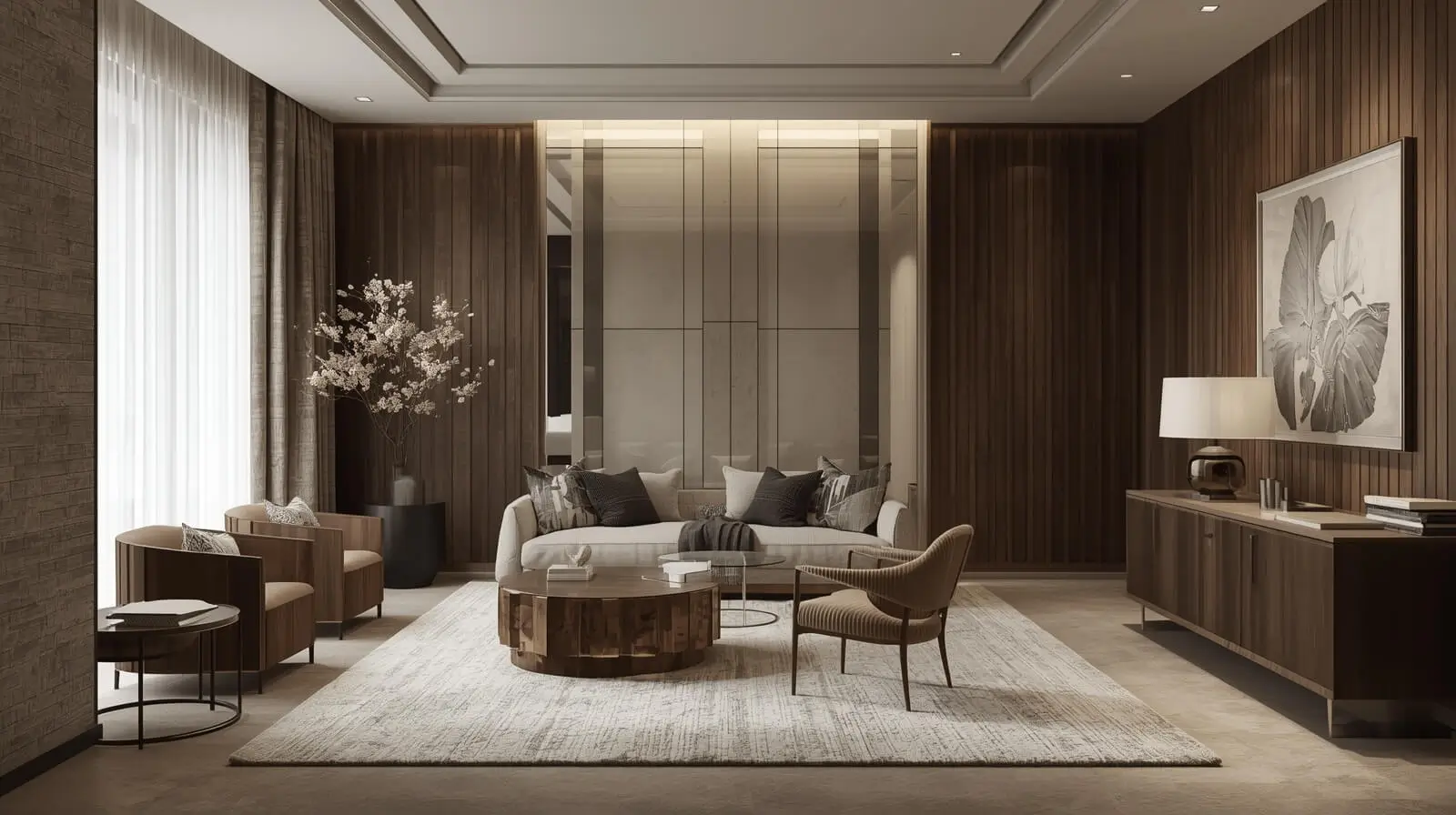
Opposition rhythm in interior design relies on repeating contrasting elements to establish visual flow. These contrasts might appear in color, texture, form, or material, creating a rhythm that feels purposeful rather than random.
Rhythm by Opposition in Interior Spaces
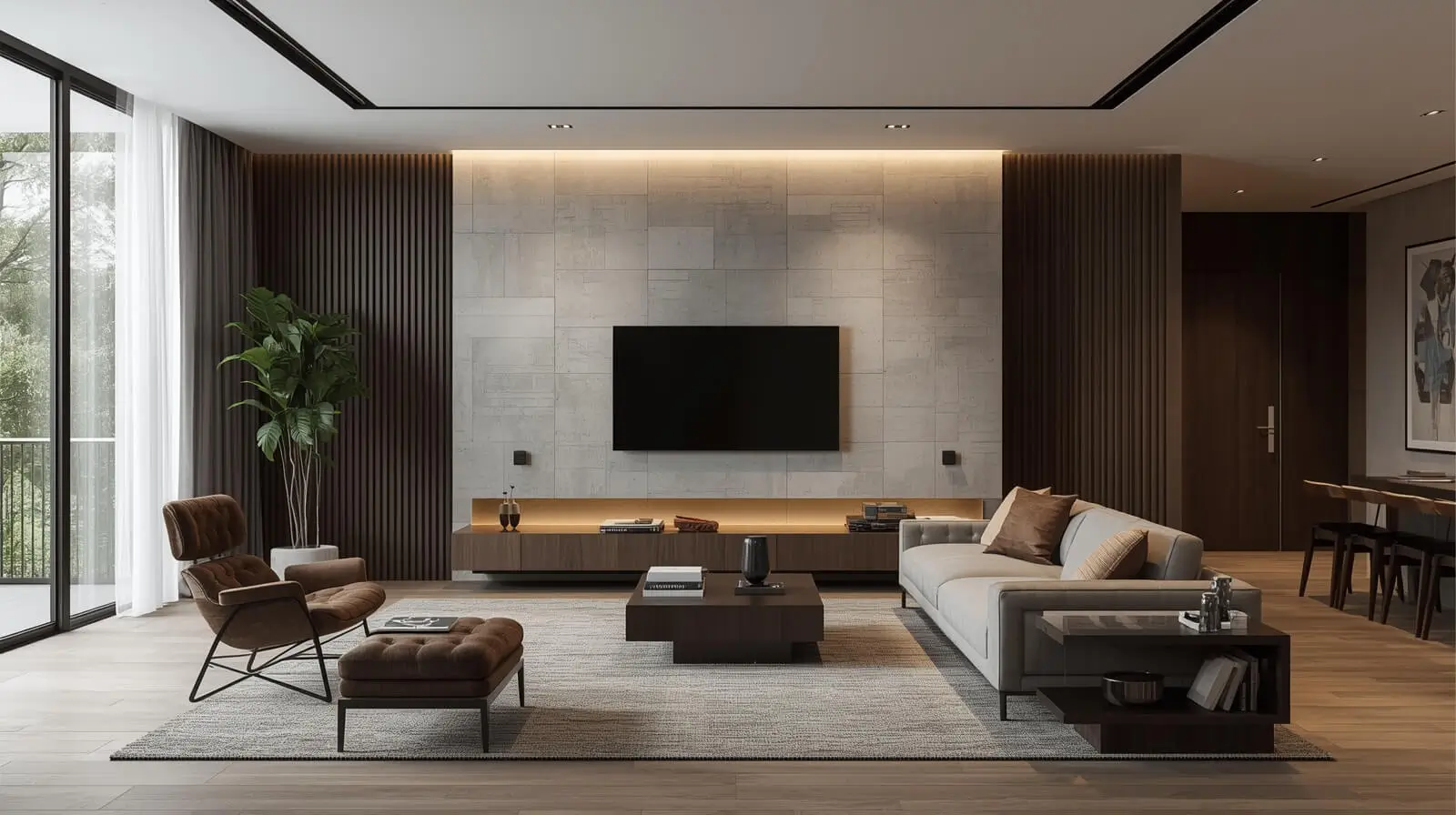
Rhythm by opposition uses clear visual contrasts placed at intervals to guide movement. This method keeps interiors engaging while preventing monotony by alternating opposing elements consistently.
Color Contrast as Opposition Rhythm
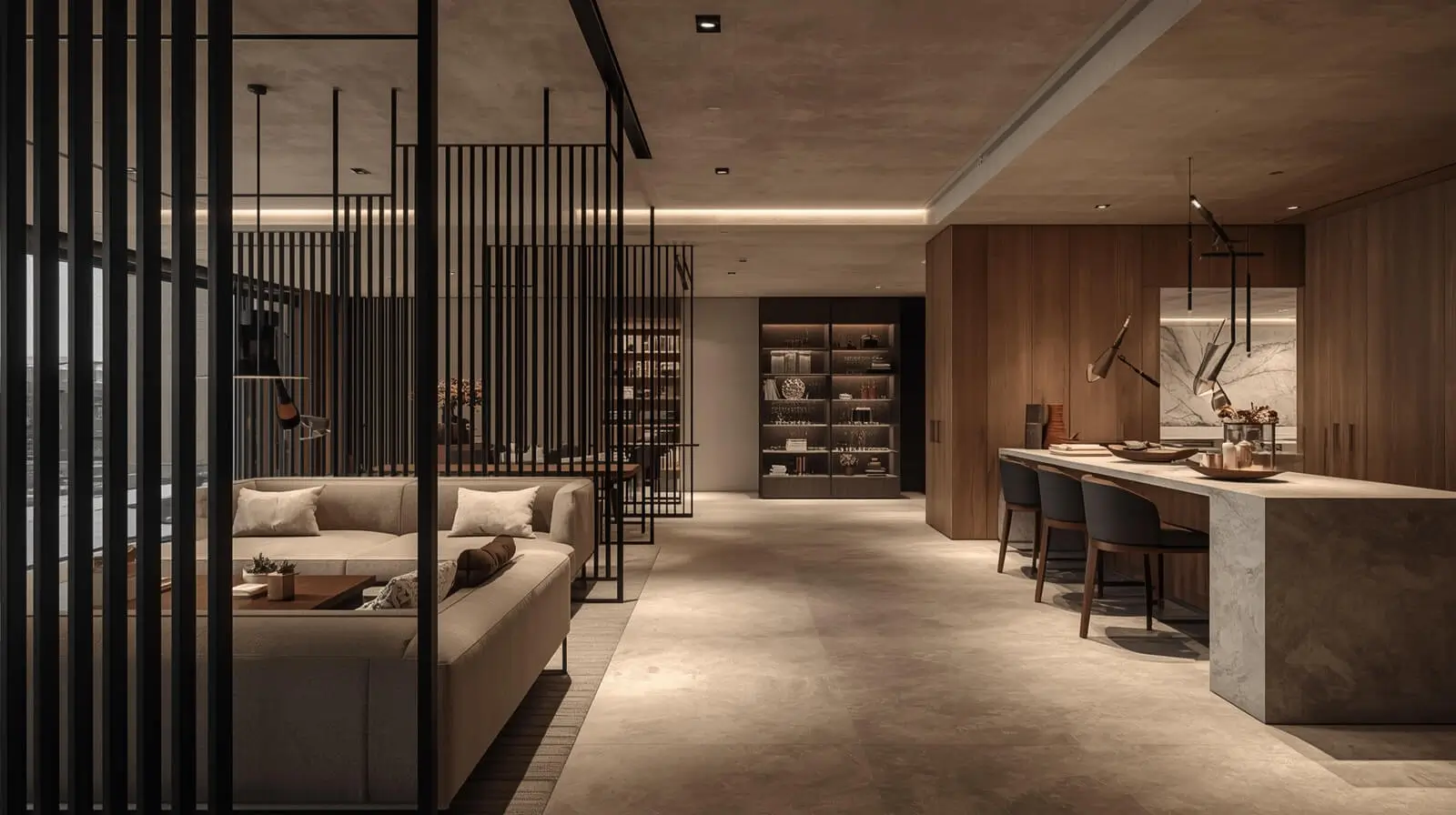
Color contrast is one of the most effective ways to express opposition rhythm. Light and dark hues, warm and cool tones, or muted and saturated colors create visual beats that pull the eye across the room.
Texture-Based Opposition Rhythm
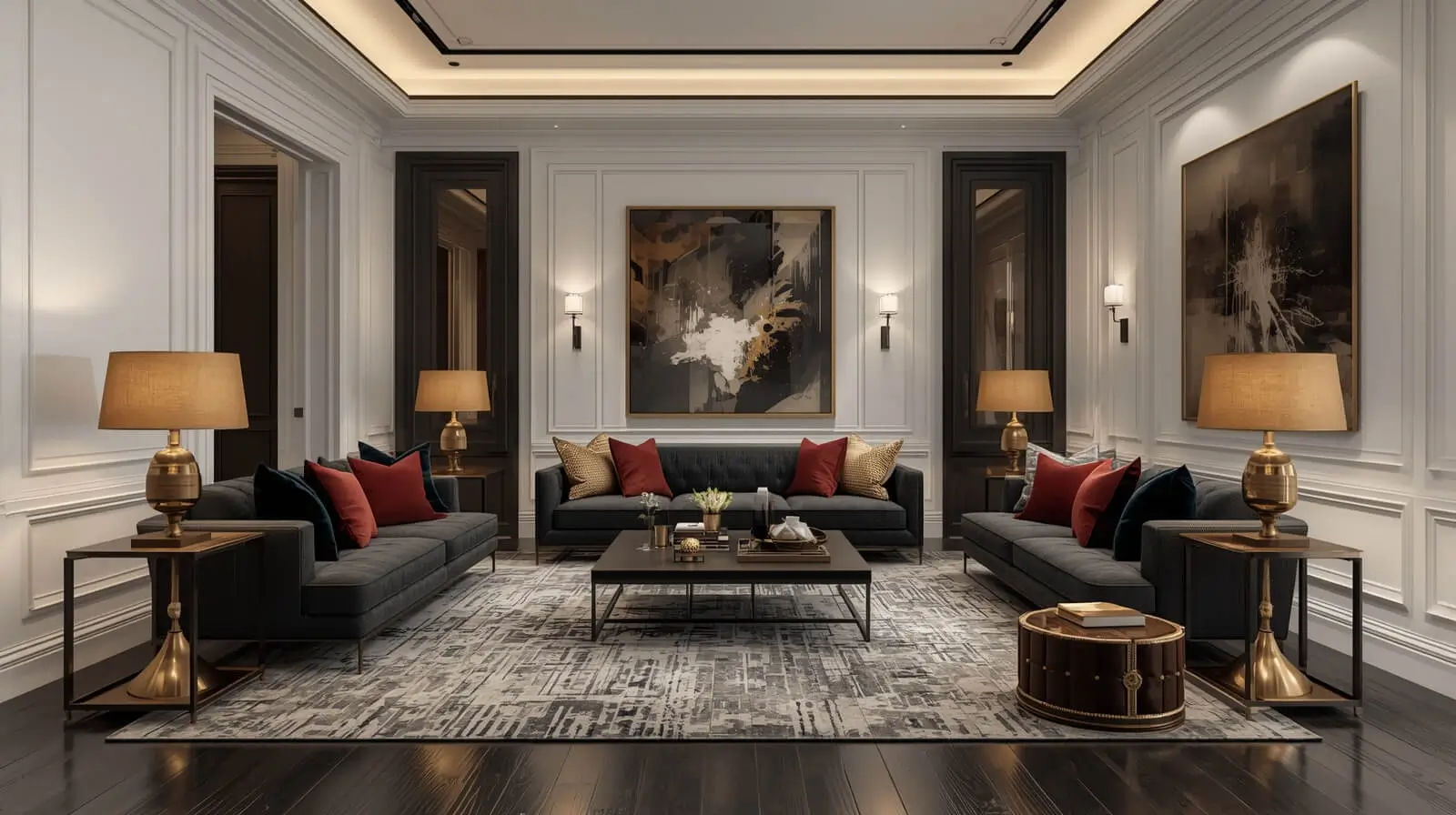
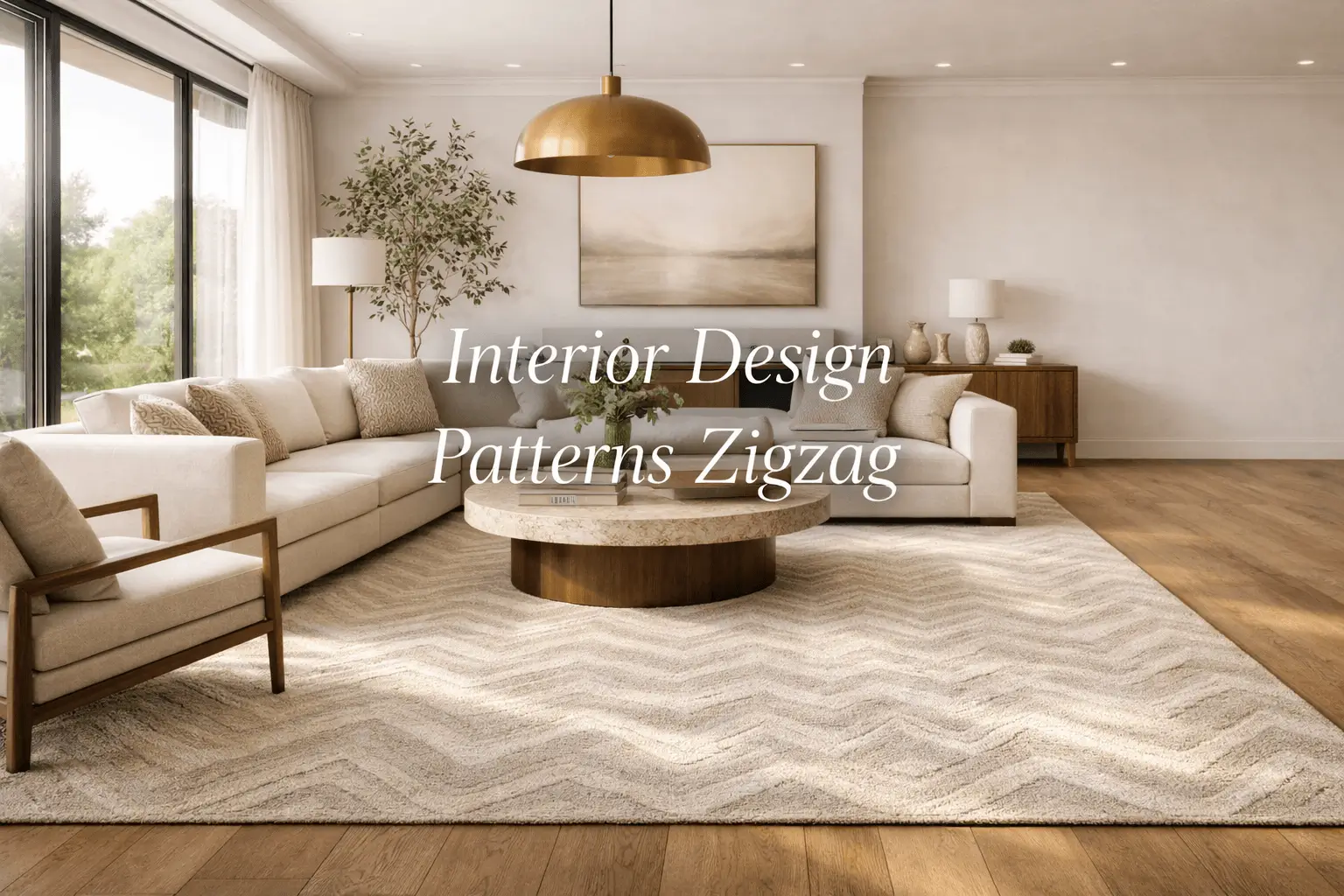
Contrasting textures—such as smooth marble against rough wood—add tactile depth. Repeating these textural oppositions creates rhythm while enhancing sensory experience.
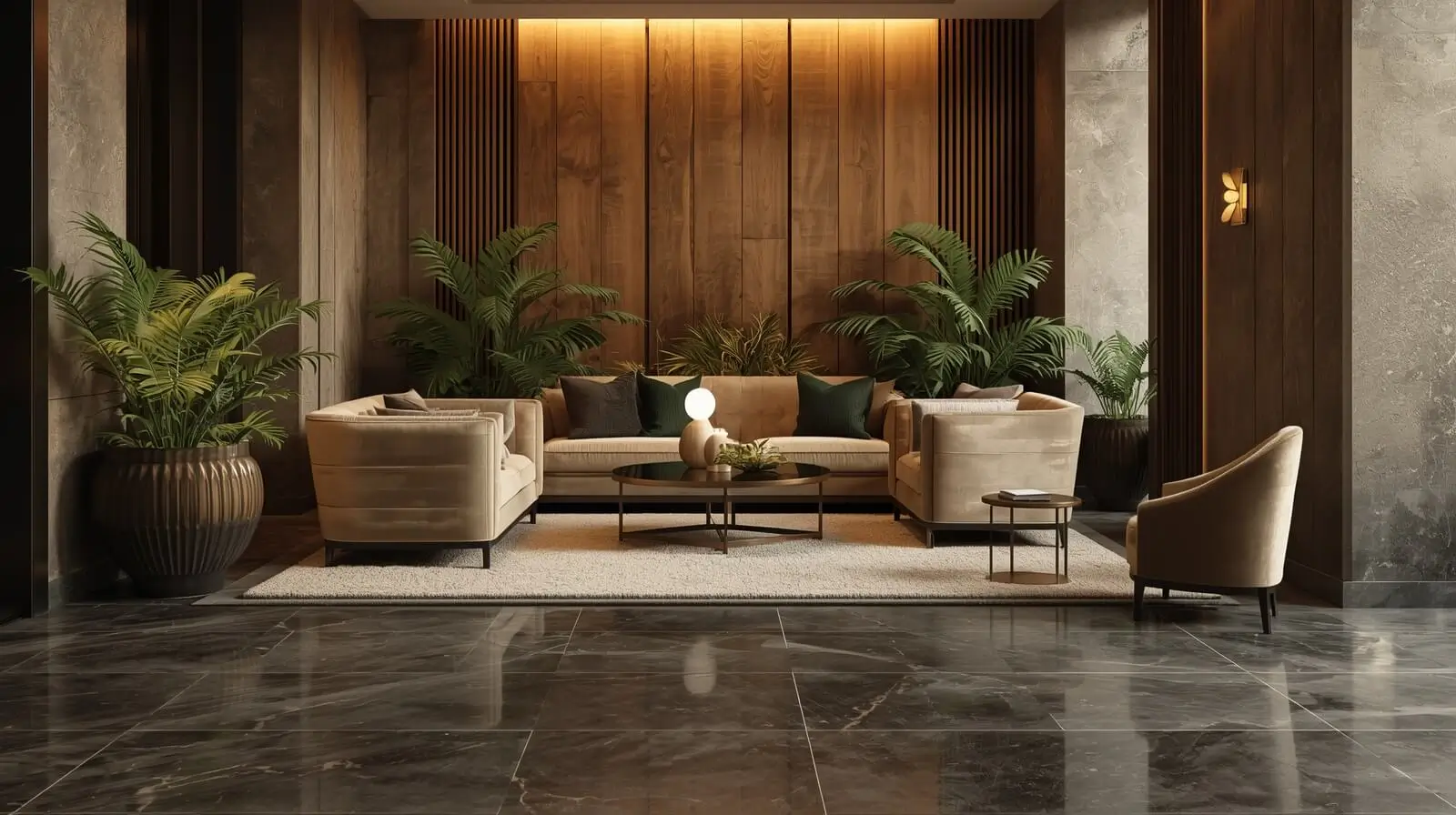
Opposition Rhythm Through Furniture Forms
Mixing curved and angular furniture shapes introduces opposition rhythm through form. When repeated thoughtfully, these contrasts prevent visual stiffness and add flow.
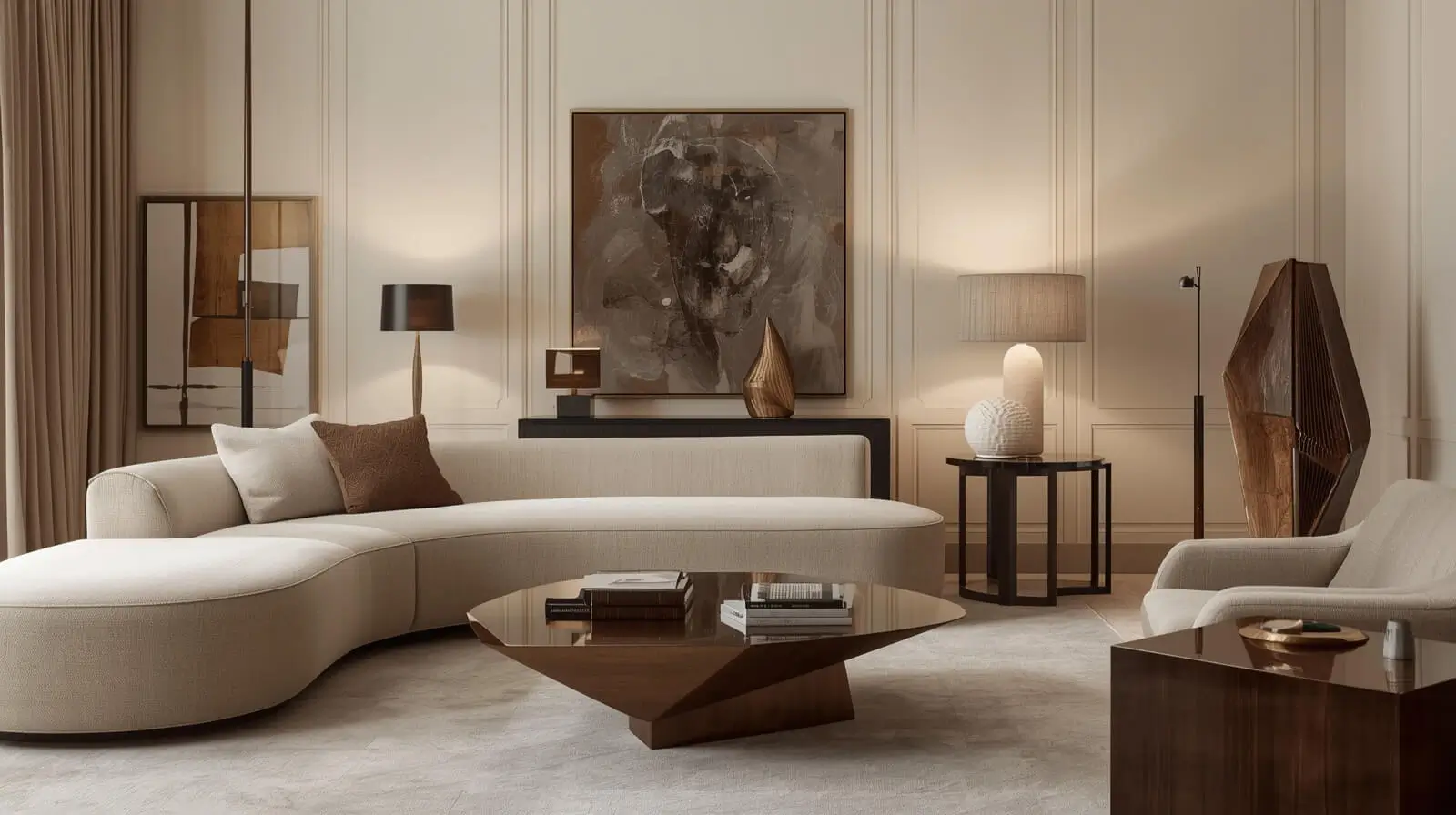
Material Contrast in Opposition Rhythm
Using opposing materials—metal and fabric, glass and concrete—adds depth and interest. This contrast becomes rhythmic when echoed throughout the space.
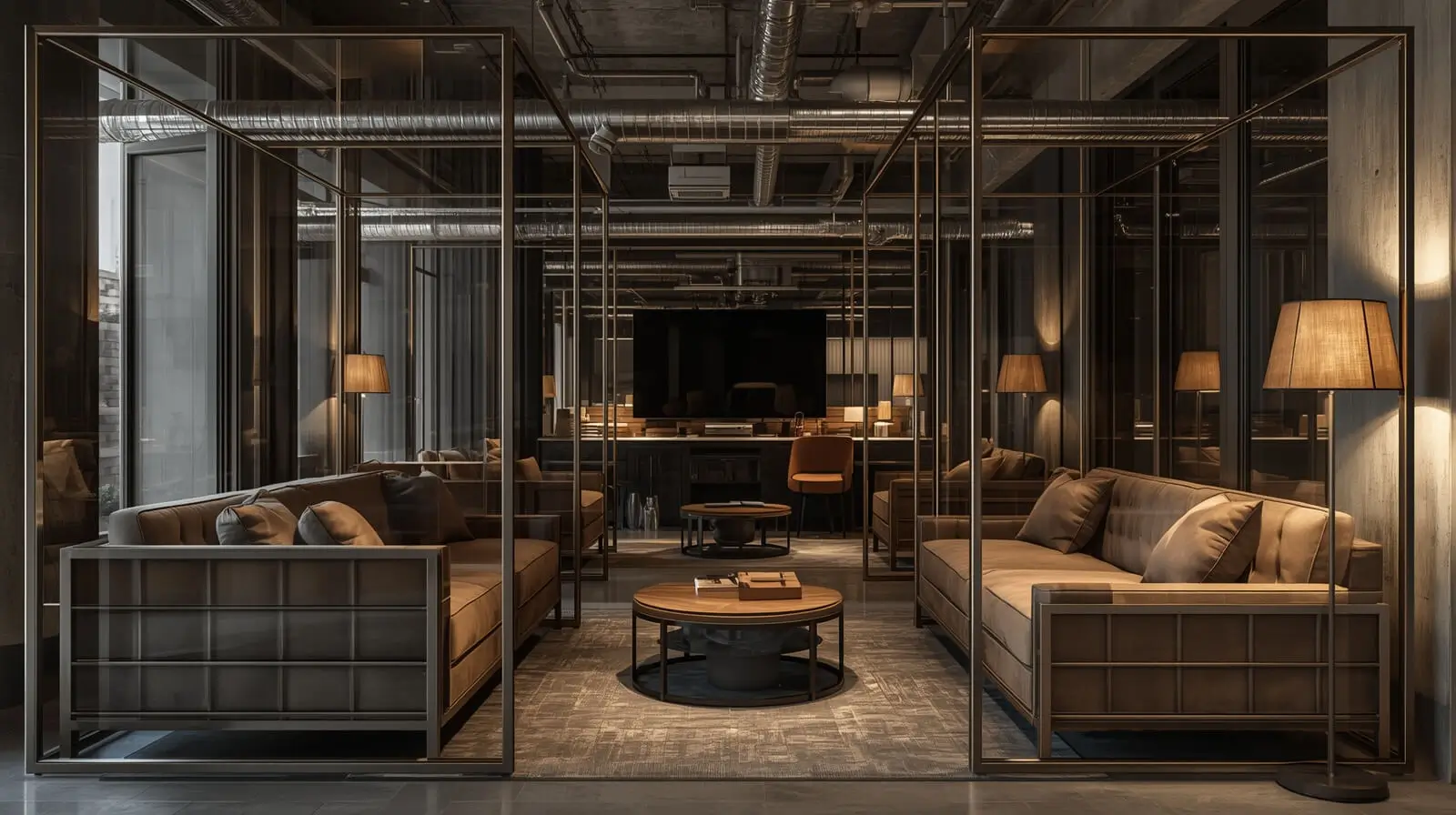
Opposition Rhythm in Wall and Floor Design
Contrasting wall treatments or floor patterns create rhythmic movement. Alternating finishes or tones visually guide occupants through the space.
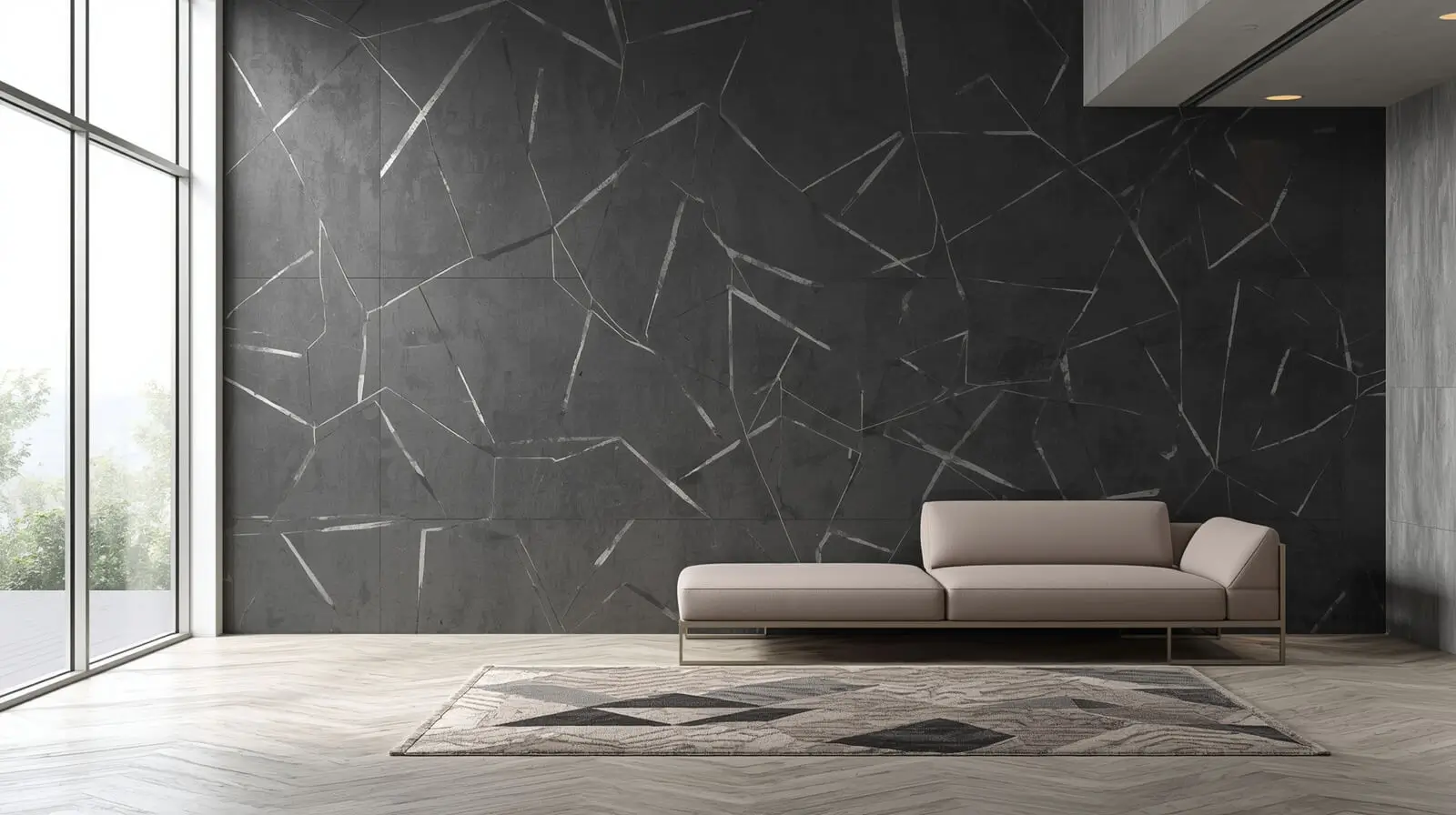
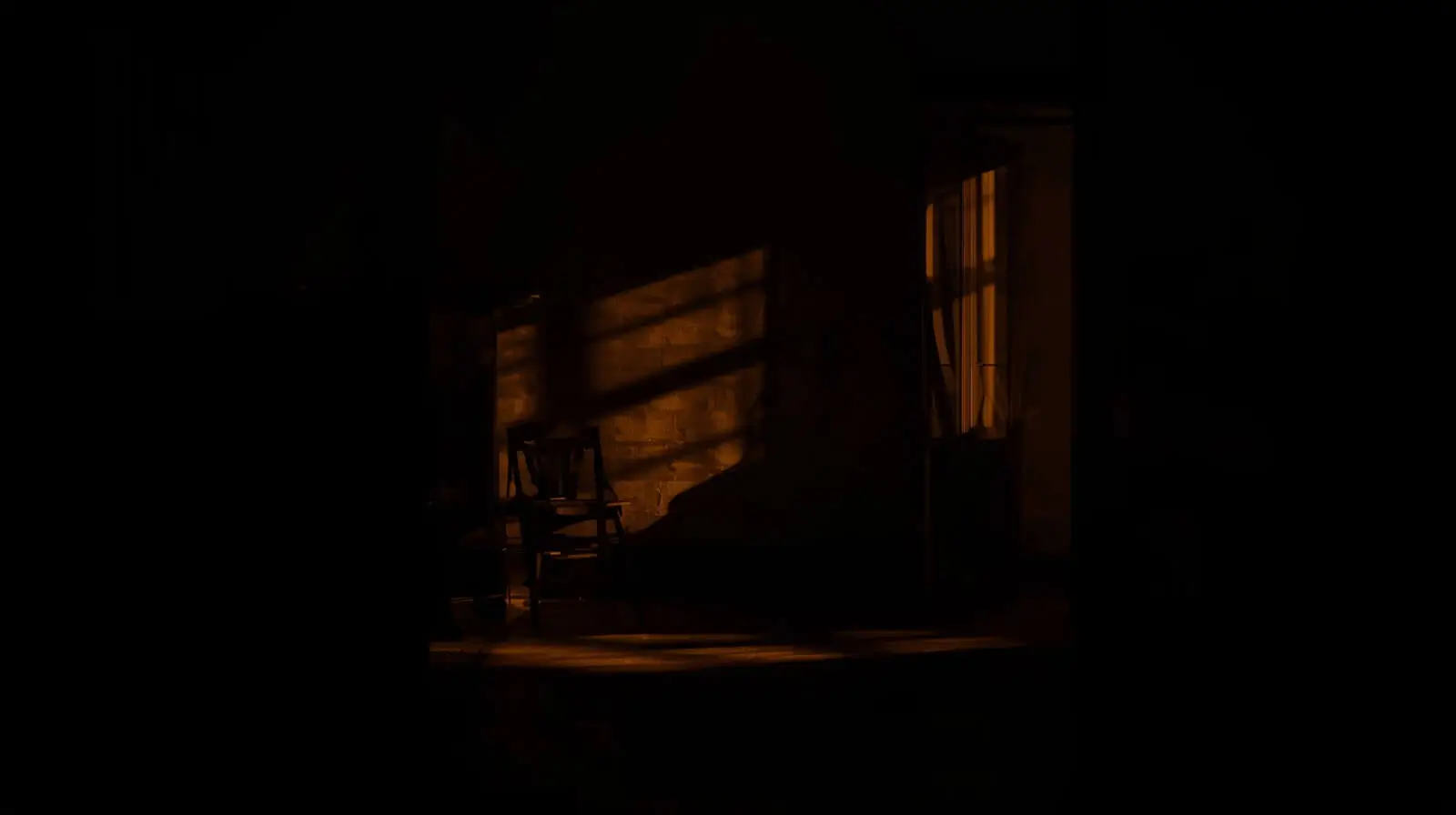
Light and Shadow as Opposition Rhythm
Lighting contrast is a subtle but powerful form of opposition rhythm. Bright zones balanced with shadowed areas create depth and movement without visual clutter.
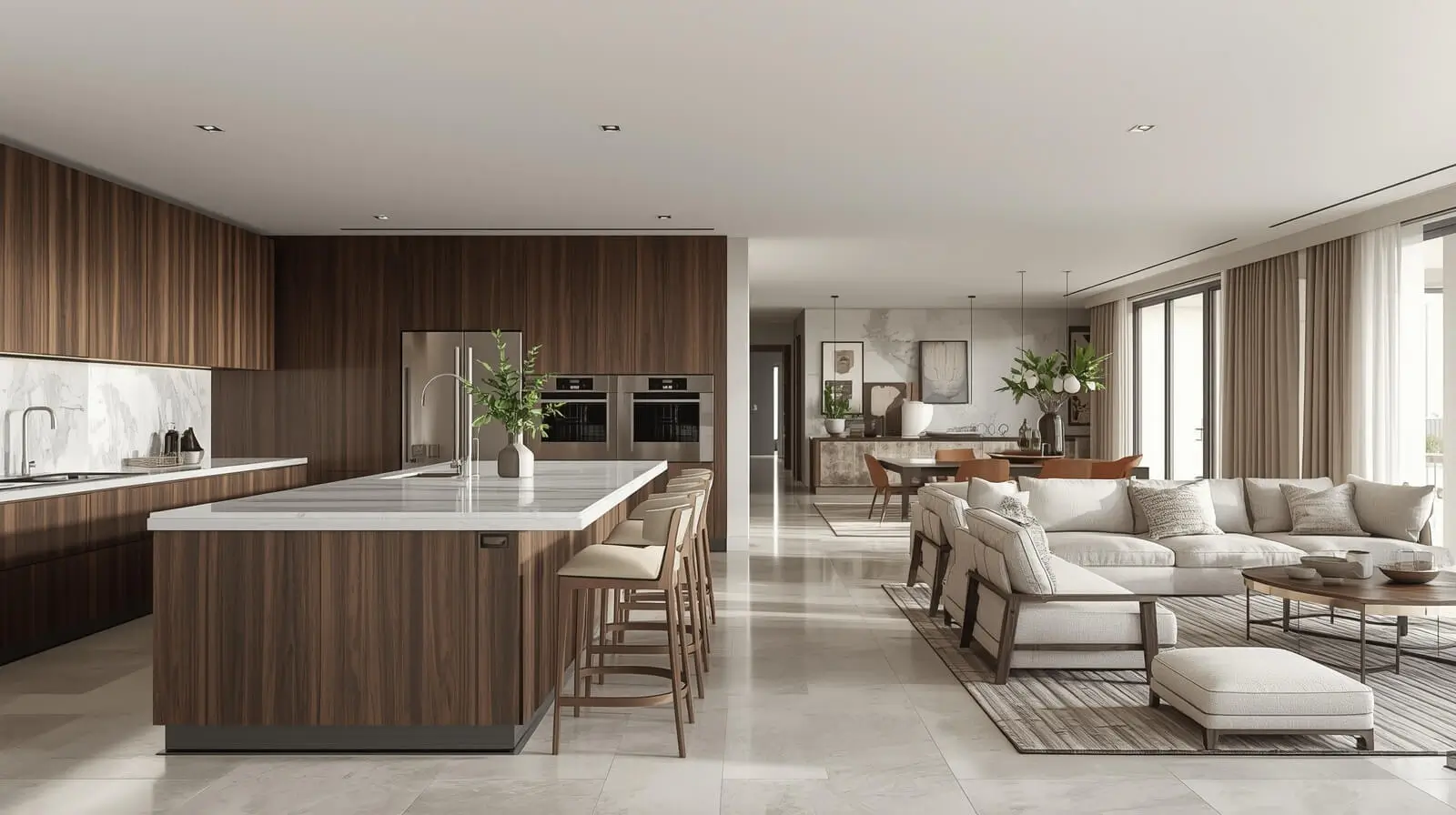
Opposition Rhythm in Open-Plan Interiors
In open layouts, opposition rhythm helps define zones. Contrasting elements visually separate areas while maintaining overall cohesion.
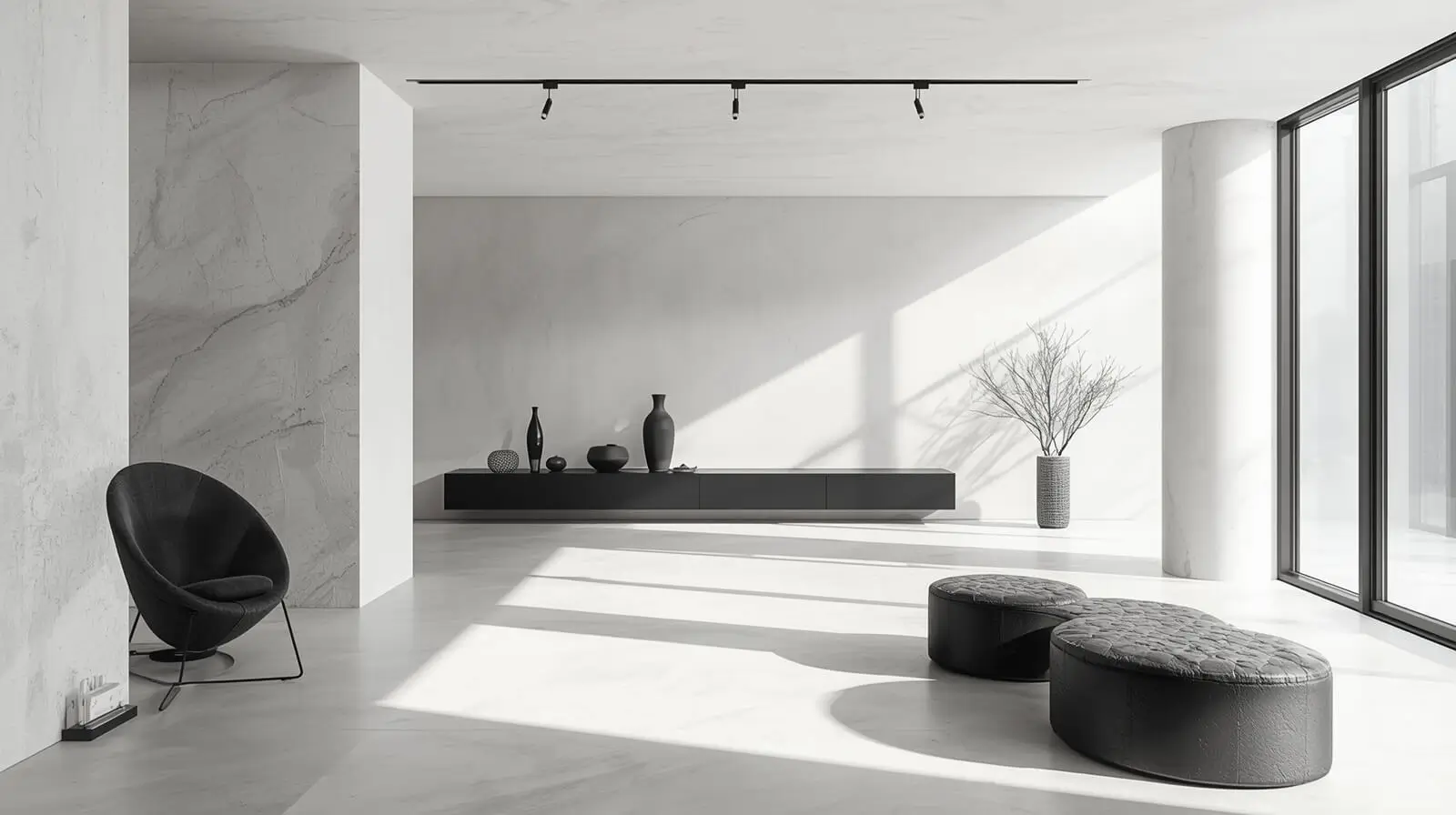
Opposition Rhythm in Minimalist Design
Minimalist interiors benefit from opposition rhythm to avoid flatness. Small but intentional contrasts keep the design visually engaging.
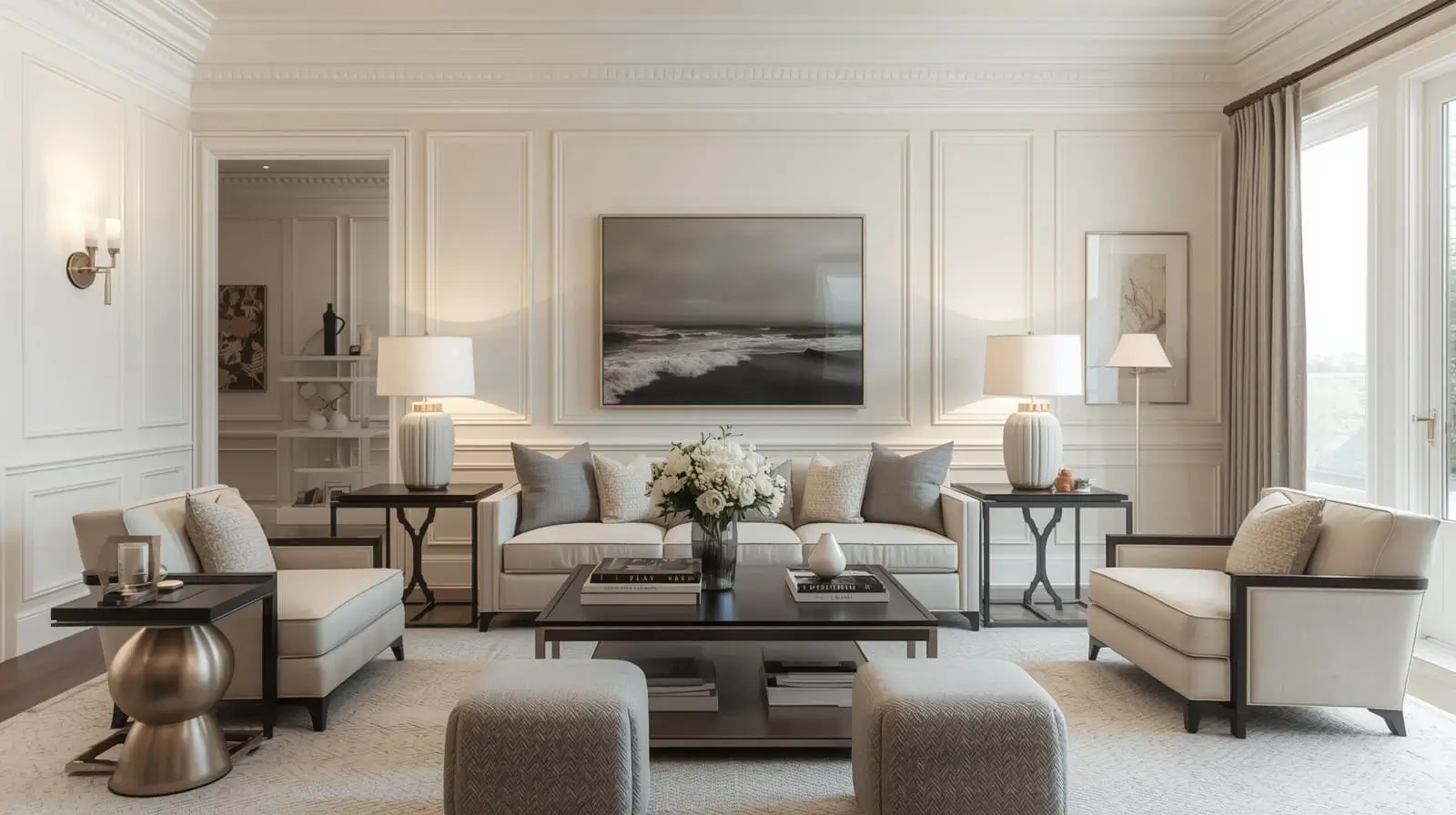
Opposition Rhythm in Transitional Interior Design
Transitional interiors naturally express opposition rhythm by blending traditional and contemporary elements. The contrast feels balanced and timeless.
Opposition Rhythm Using Scale and Proportion
Large and small elements placed rhythmically create visual tension. This scale contrast adds movement and prevents spatial imbalance.
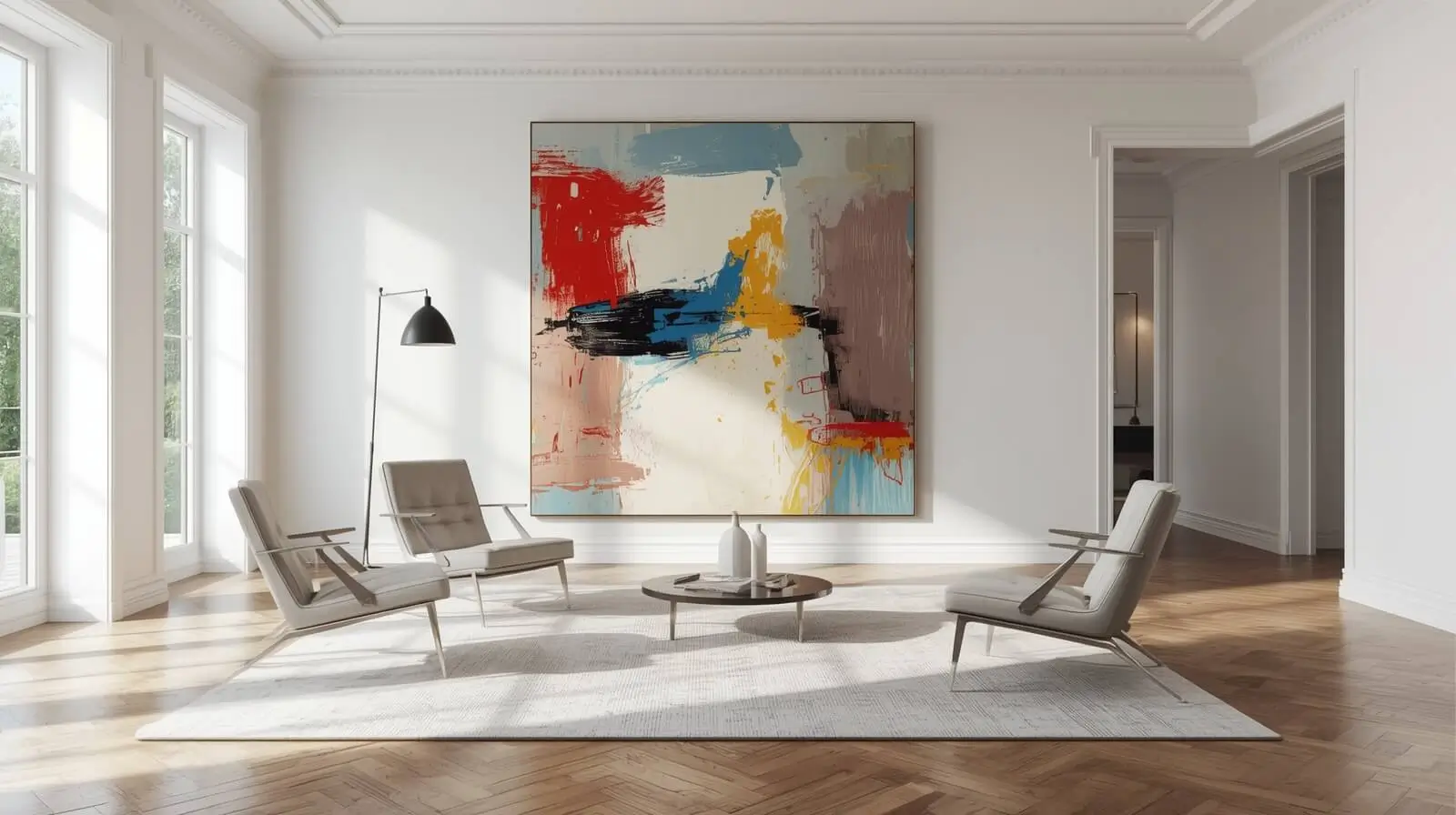
Opposition Rhythm Through Pattern Contrast
Combining bold and subtle patterns creates rhythmic interest. When repeated thoughtfully, pattern opposition feels cohesive rather than busy.
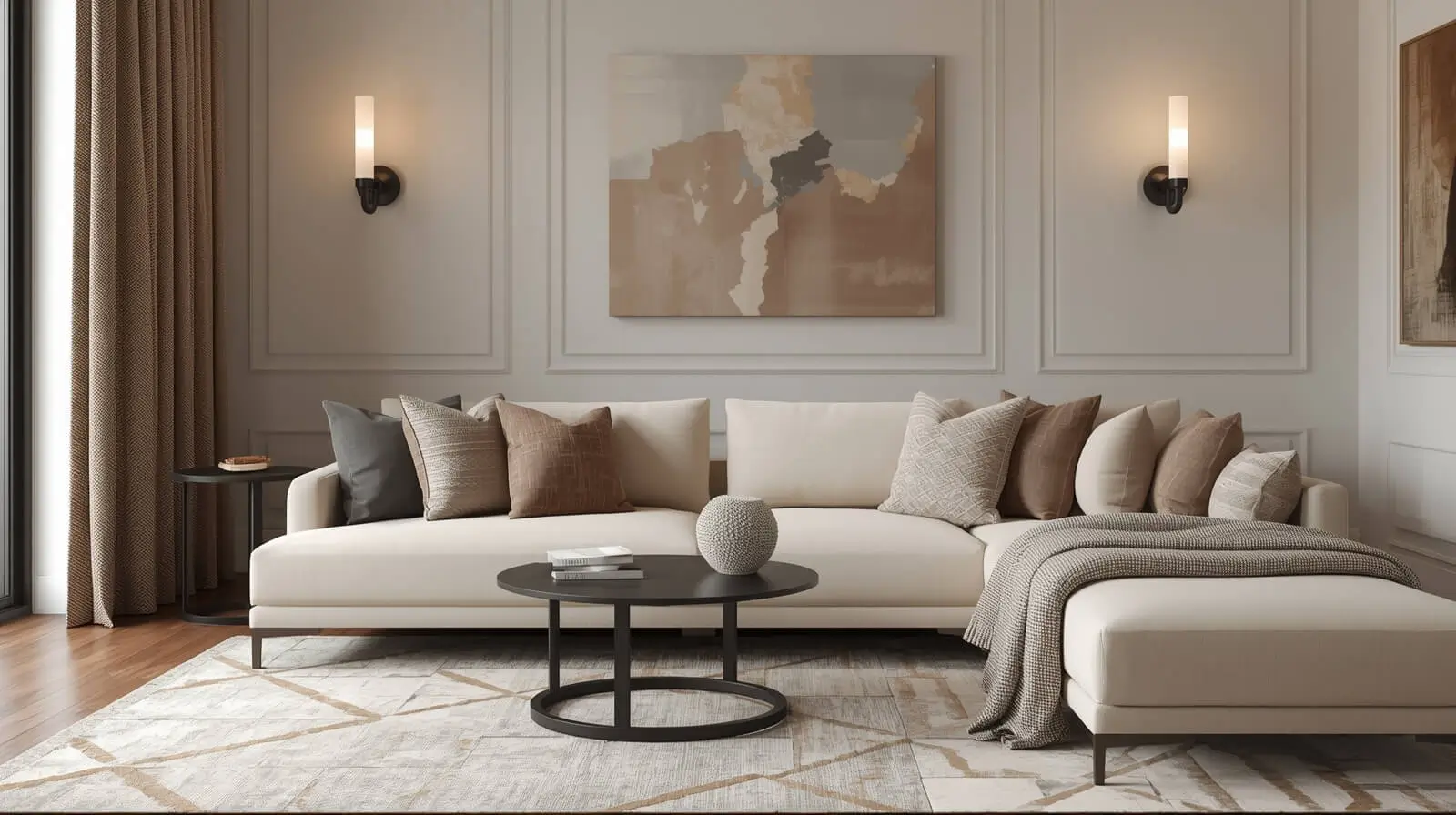
Opposition Rhythm in Decorative Accessories
Accessories offer controlled opportunities for contrast. Repeating opposing finishes or shapes in décor accents reinforces rhythm without overwhelming the space.
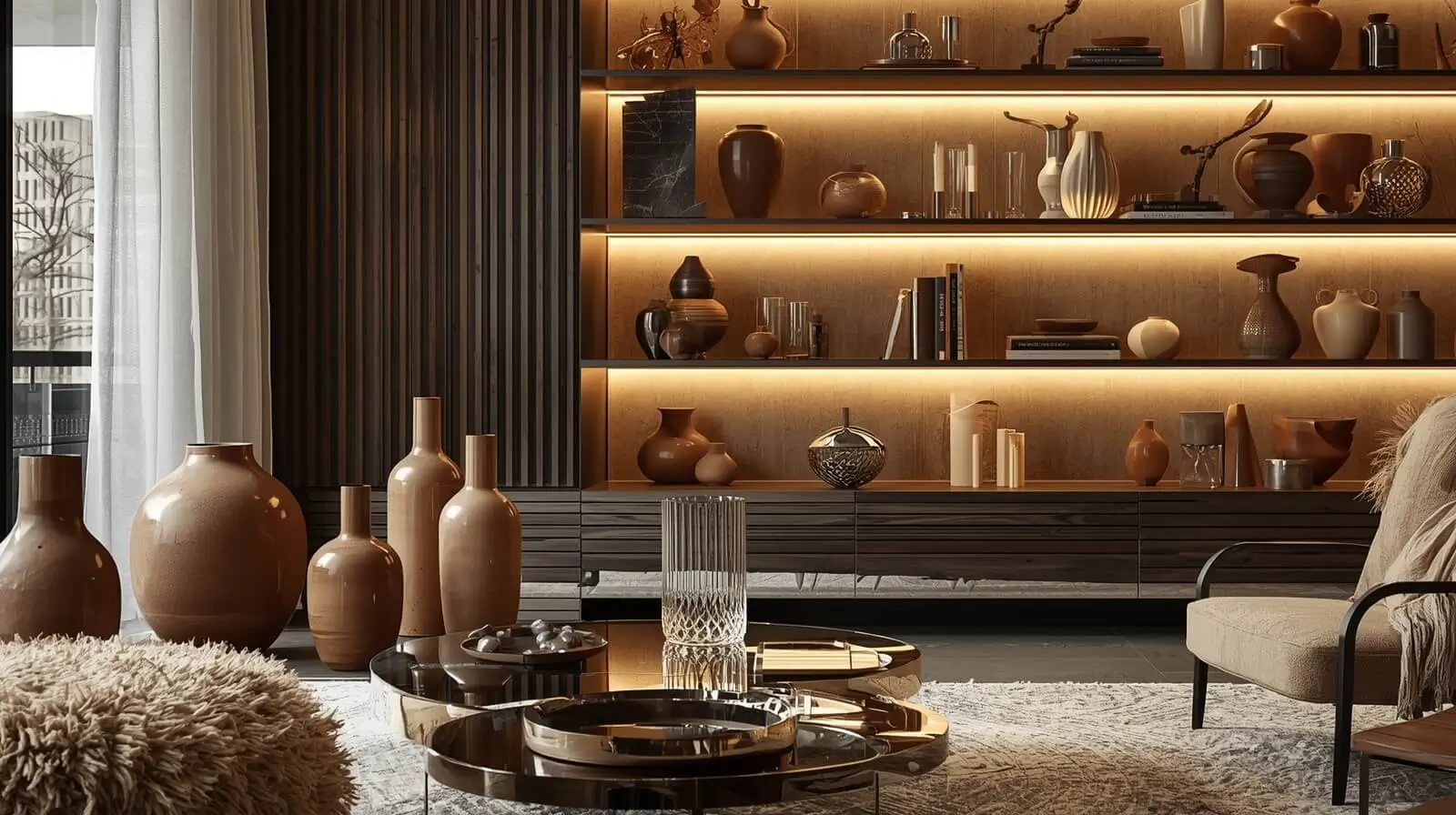
Opposition Rhythm and Emotional Impact
Opposition rhythm influences how a space feels emotionally. Balanced contrast creates excitement while maintaining comfort and visual clarity.
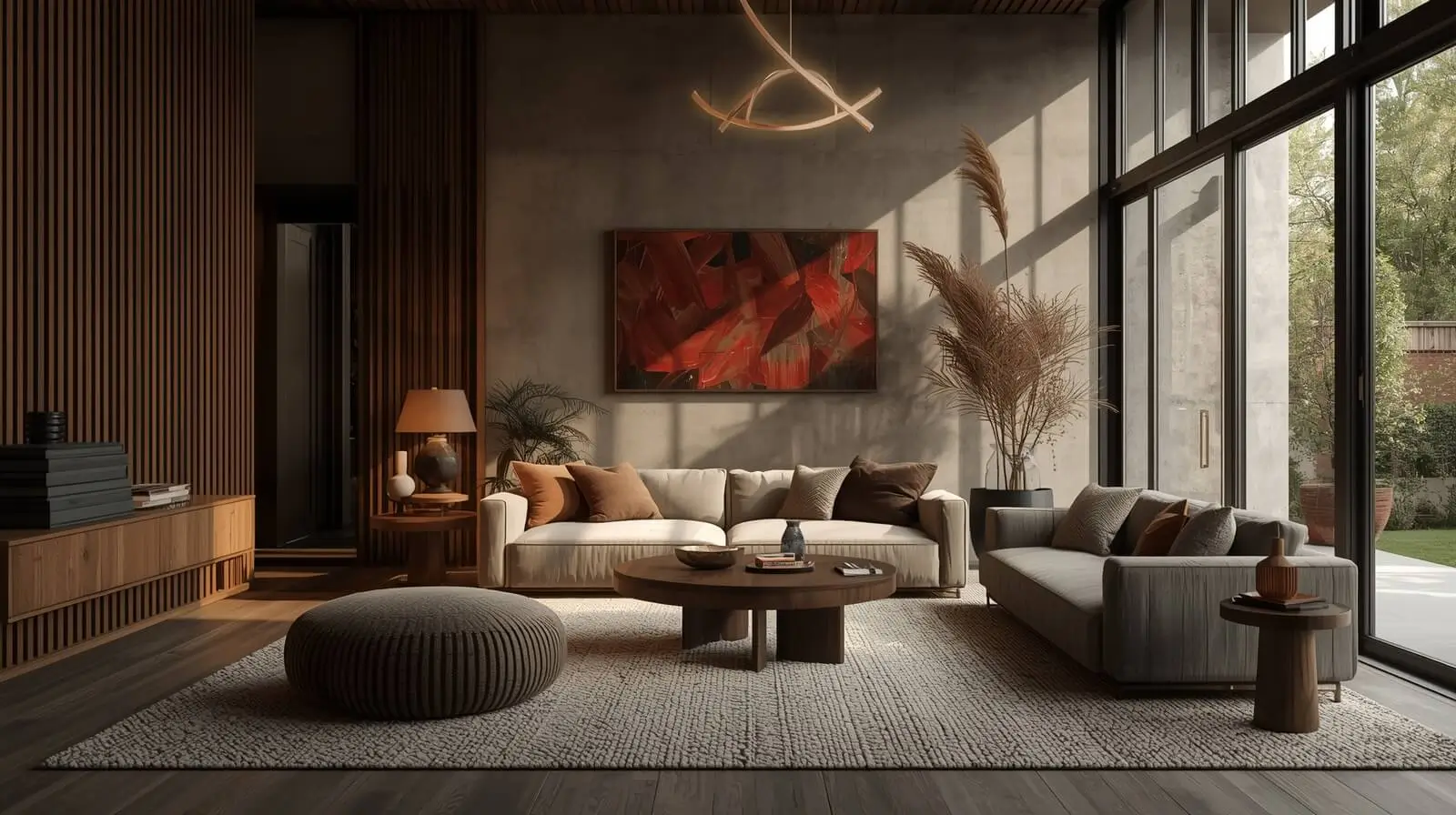
Opposition Rhythm for Visual Flow and Balance
When applied with intention, opposition rhythm directs attention naturally. The eye moves smoothly from one contrast point to another, creating a sense of balance.
Conclusion
Opposition rhythm in interior design works because it mirrors how people naturally experience space—through contrast, variation, and movement. Our eyes don’t linger on sameness for long; they respond to difference. When opposing elements are repeated with intention, they create a visual pulse that keeps a room engaging while still feeling composed and livable.
In real-world interiors, this approach is especially valuable for spaces that need energy without chaos. Homes with open layouts, neutral palettes, or long sightlines benefit most, as contrast helps define zones and guide the eye. Even smaller rooms gain depth when light and dark, smooth and textured, or soft and structured elements are balanced thoughtfully.
What makes this rhythm effective is restraint. Successful interiors don’t rely on dramatic contrasts everywhere—they place opposition strategically, allowing the space to breathe. Whether you’re refining a single room or shaping an entire home, understanding how contrast repeats and interacts gives you clarity in decision-making. It allows you to choose materials, colors, and forms with confidence, knowing they’ll work together rather than compete.
At its core, opposition rhythm is about control and awareness. When you apply it deliberately, your interiors feel intentional, expressive, and grounded—spaces that look designed, not decorated.
Learn more : 10+ Powerful Ways Pattern in Interior Design Transforms Spaces
Frequently Asked Questions
- What makes opposition rhythm different from other types of rhythm in interior design?
Opposition rhythm is driven by contrast rather than similarity. While other rhythms rely on repetition or gradual change, this approach uses opposing elements to create movement, making it ideal for adding energy and visual interest.
- Can opposition rhythm work in calm or minimalist interiors?
Yes—when used subtly. In minimalist spaces, small contrasts in texture, tone, or form prevent the design from feeling flat while preserving a calm, uncluttered atmosphere.
- How do I avoid making a space feel too busy with contrast?
The key is consistency and spacing. Limit your contrasts to a few core elements and repeat them intentionally, allowing neutral areas to balance the visual tension.
- Is opposition rhythm suitable for small rooms?
Absolutely. In compact spaces, contrast can add depth and dimension. The focus should be on scale and proportion rather than boldness, ensuring the room remains comfortable.
- Does opposition rhythm always involve color contrast?
Not necessarily. It can be expressed through materials, lighting, shape, or texture. Color is just one of many tools that can create effective opposition.
- Who benefits most from using opposition rhythm in their home?
Anyone who wants a space to feel dynamic yet cohesive. It’s especially useful for homeowners who appreciate layered design and want their interiors to feel intentional rather than predictable.
- How can I start applying opposition rhythm confidently?
Begin by identifying one clear contrast—such as light and dark or smooth and textured—and repeat it thoughtfully across the space. As you gain comfort, you can layer in additional opposing elements without losing balance.

One Response