
Introduction
Pattern in interior design is one of the most powerful tools for creating visual interest, emotional depth, and spatial harmony. At its core, pattern is about repetition — of shapes, lines, colors, or motifs — arranged in a way that feels intentional rather than chaotic. When used well, pattern brings rhythm and energy to a space while reinforcing its overall design story.
Through years of practical design work, one truth becomes clear: pattern is not decoration alone. It is structure. From subtle tonal repeats to bold geometric statements, pattern guides the eye, defines zones, and connects individual elements into a cohesive whole. Whether designing a calm bedroom or a dynamic living area, understanding how pattern behaves is essential.
This guide explores pattern in interior design through expert-led clusters, showing how it interacts with balance, color, harmony, shape, and space — and how to apply it with confidence in real interiors.
Pattern in Interior Design as Visual Rhythm
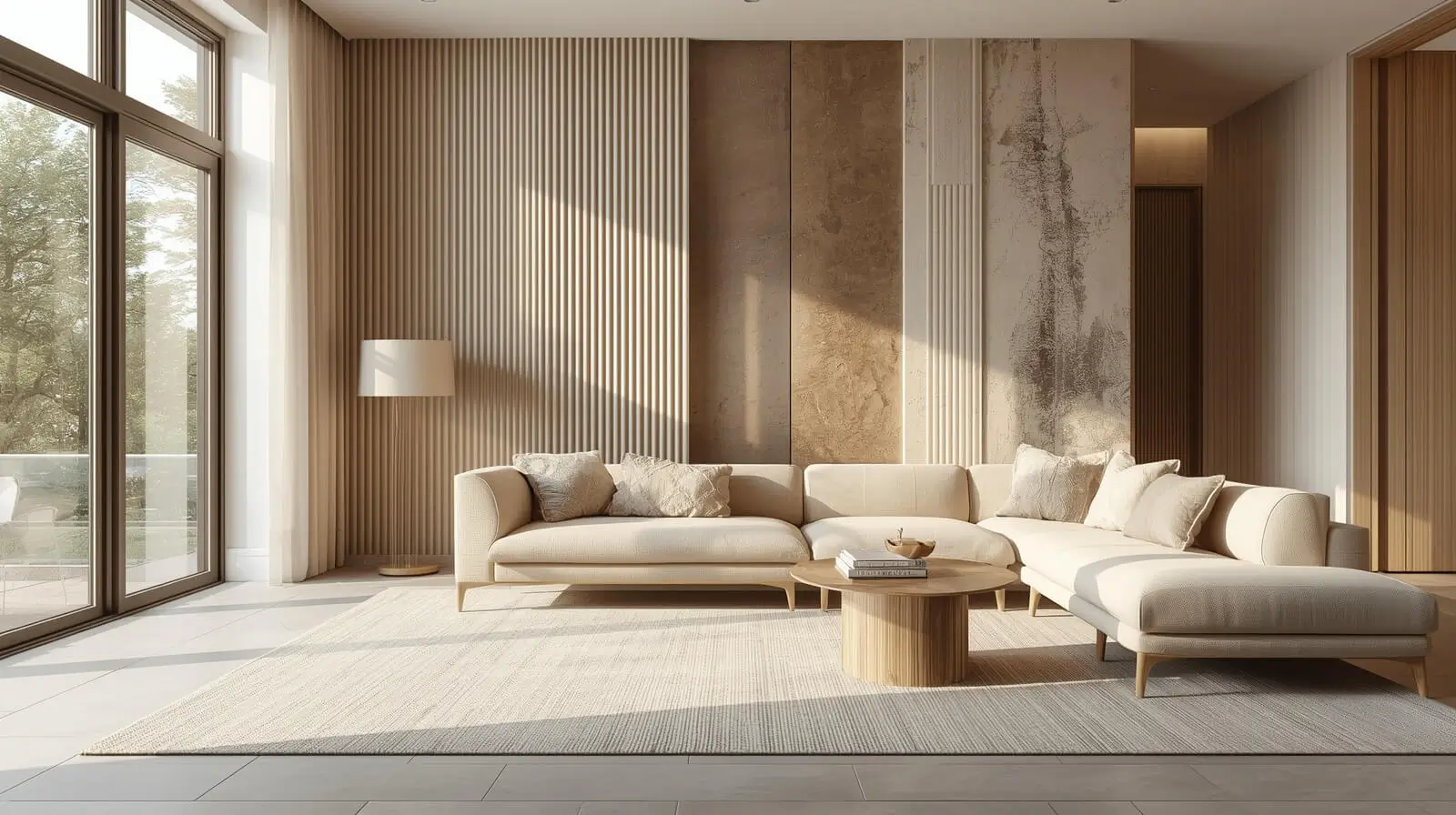
Pattern in interior design creates rhythm by repeating visual elements at intentional intervals. This repetition helps the eye move naturally through a room, preventing visual stagnation or overload. A well-paced rhythm feels comfortable, predictable, and engaging.
Designers often use patterned textiles, tiled surfaces, or architectural details to establish this flow. When rhythm is consistent, the space feels organized rather than busy.
Pattern in Interior Design and Balance
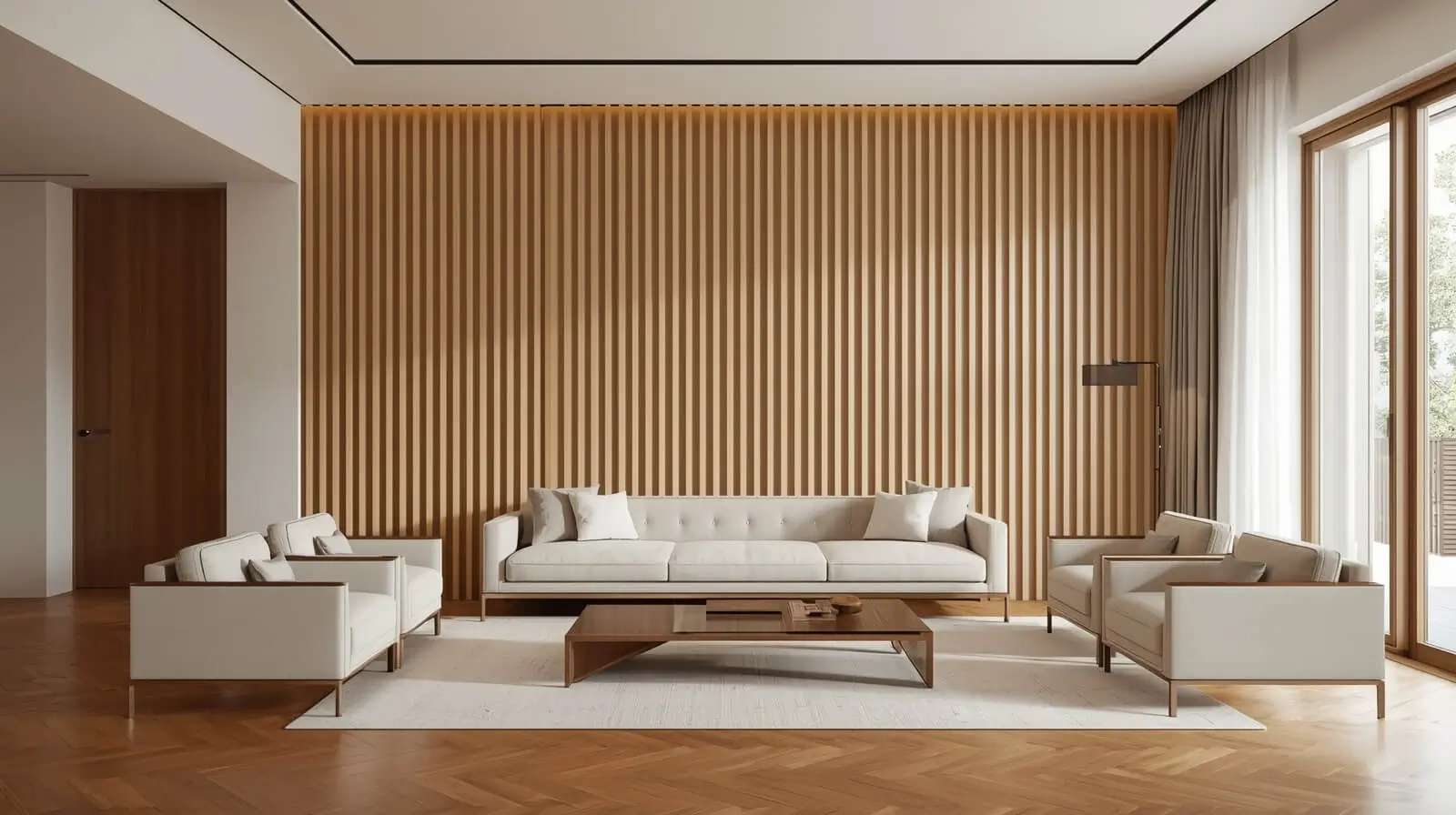
Balanced interiors rely on pattern to distribute visual weight evenly. Large, bold patterns are grounded by smaller or simpler repeats, ensuring no single element overwhelms the space. Balance can be symmetrical or asymmetrical, depending on the design intent.
Thoughtful pattern placement helps stabilize open layouts and visually anchors furniture groupings.
Pattern in Interior Design Through Color Repetition
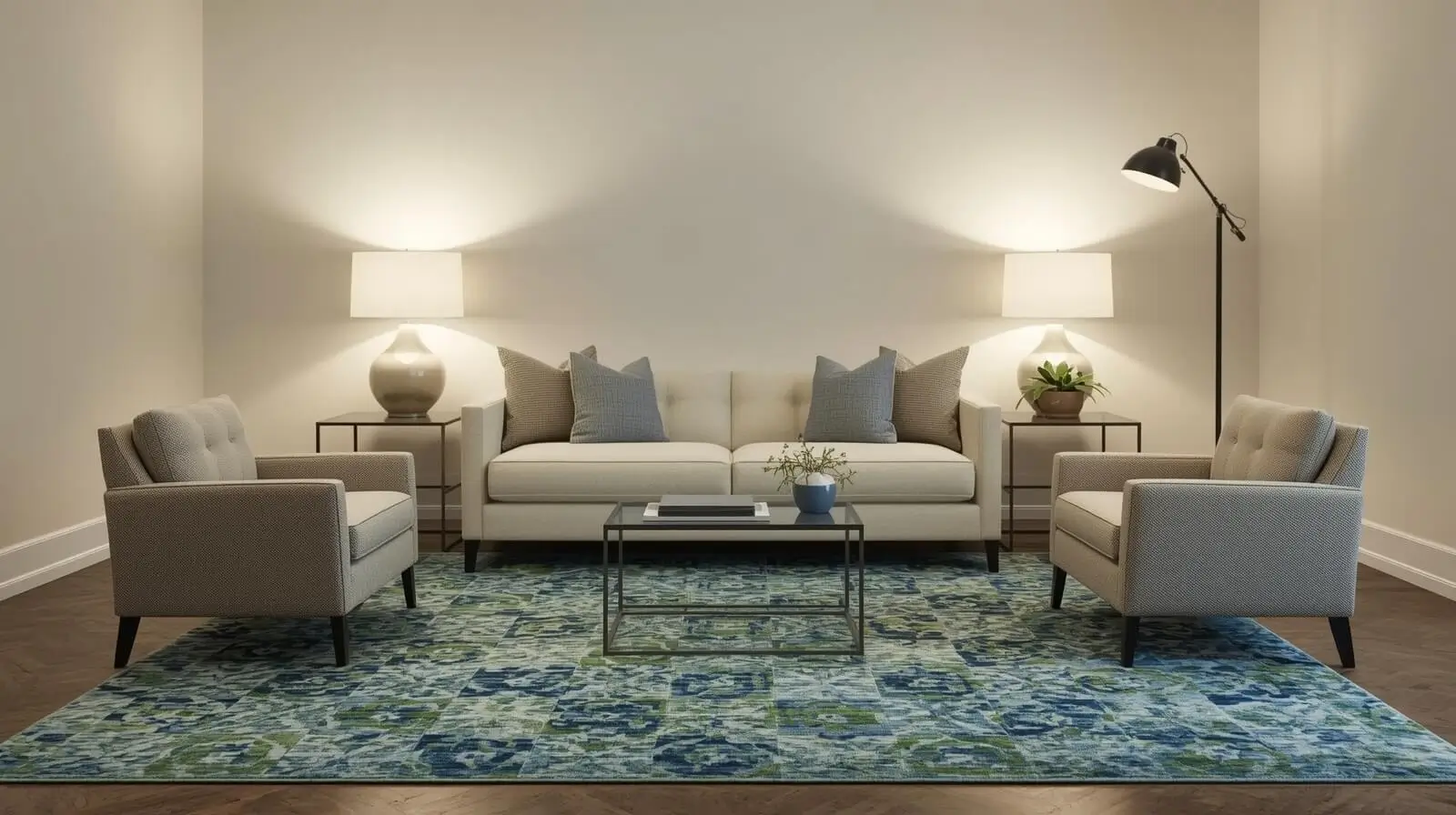
Color-based pattern is often subtle yet highly effective. Repeating the same hue across walls, fabrics, and accessories creates continuity without relying on obvious motifs. This approach works especially well in minimalist and modern interiors.
The result is a space that feels layered, calm, and visually connected.
Pattern in Interior Design Using Geometric Shapes
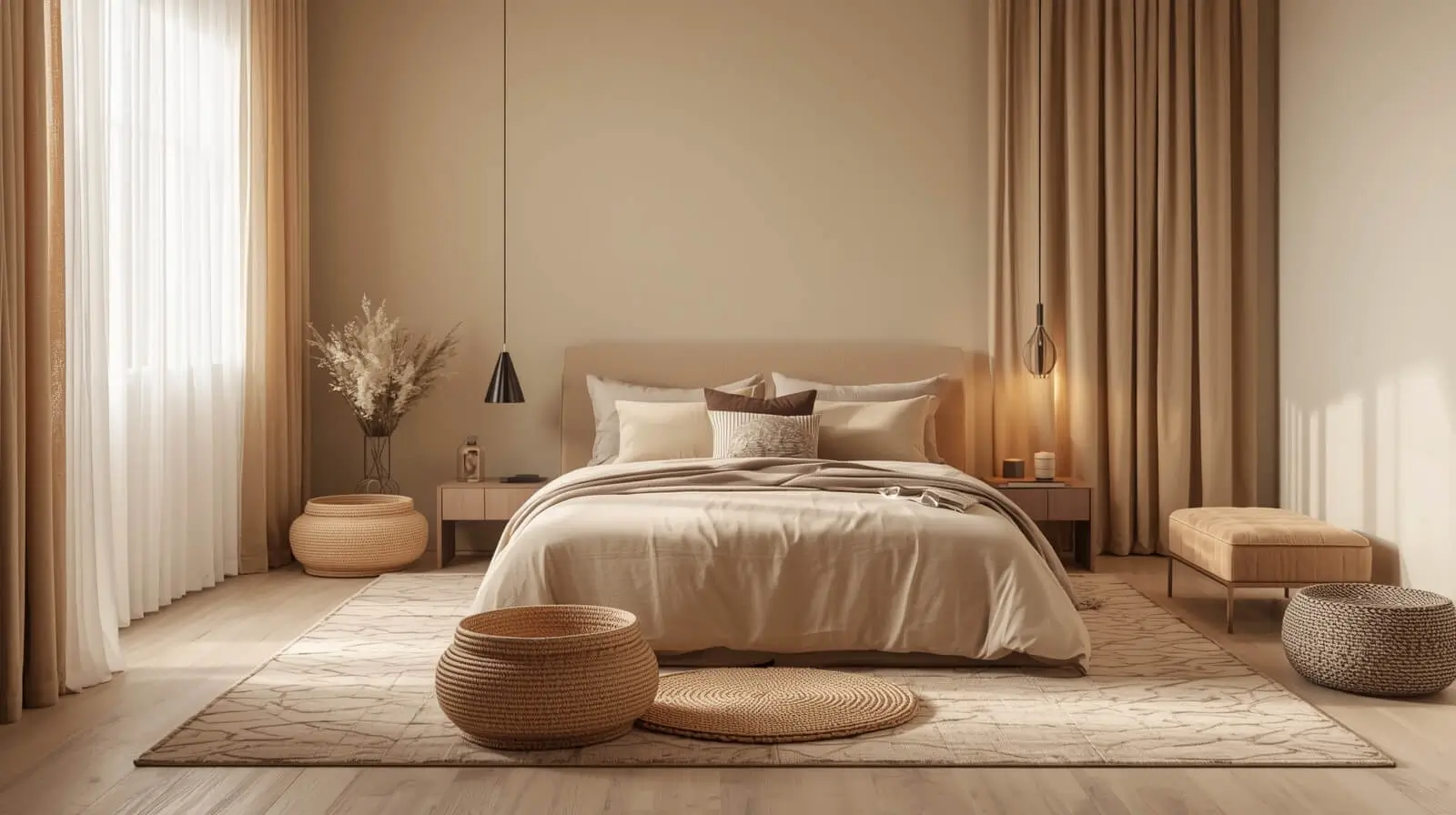
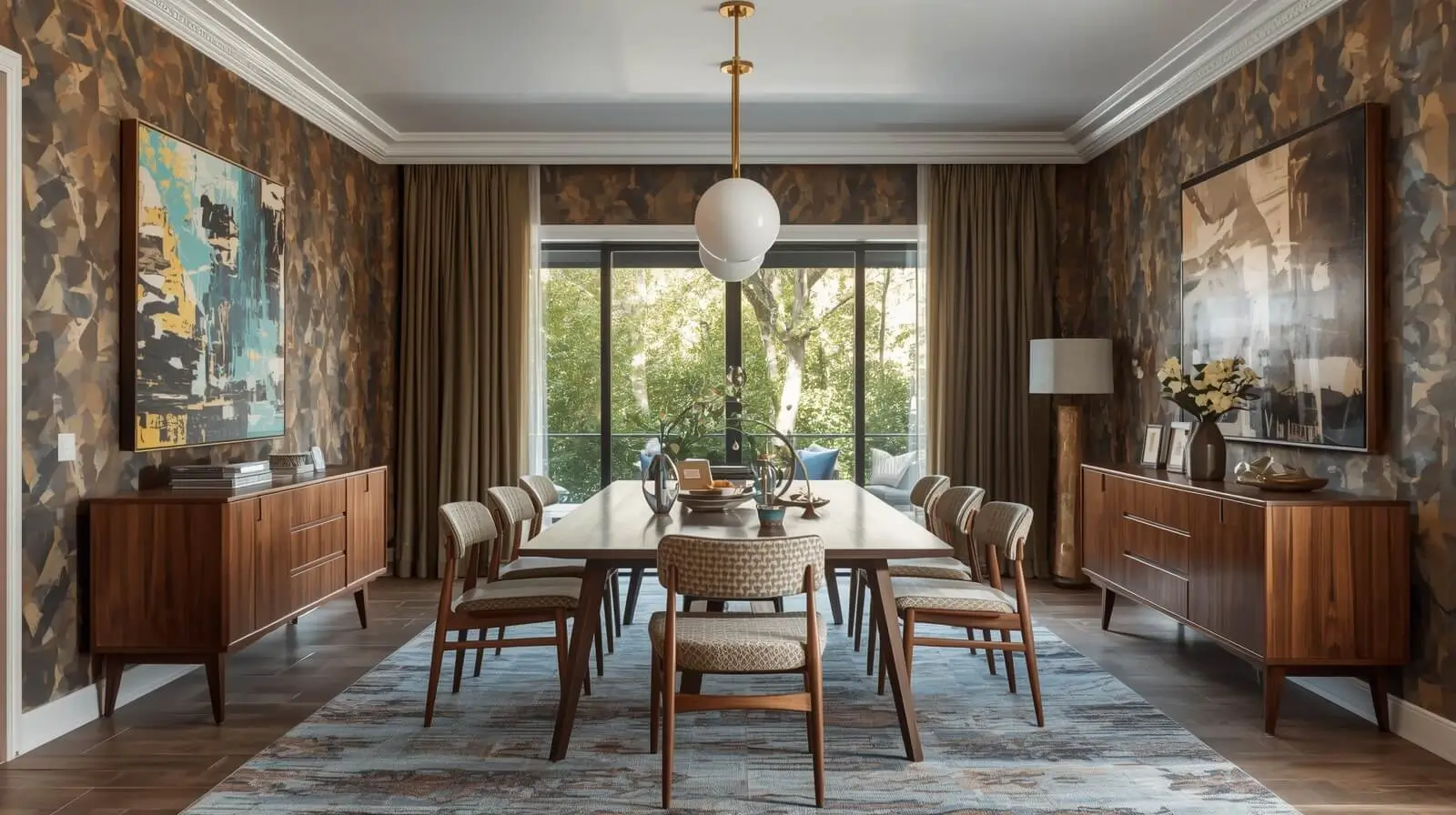
Geometric shapes are a foundational form of pattern in interior design. Squares, circles, hexagons, and lines bring structure and clarity, especially in modern and mid-century spaces. These patterns introduce order while still feeling visually dynamic.
They work best when paired with clean materials and restrained palettes.
Pattern in Interior Design Through Texture
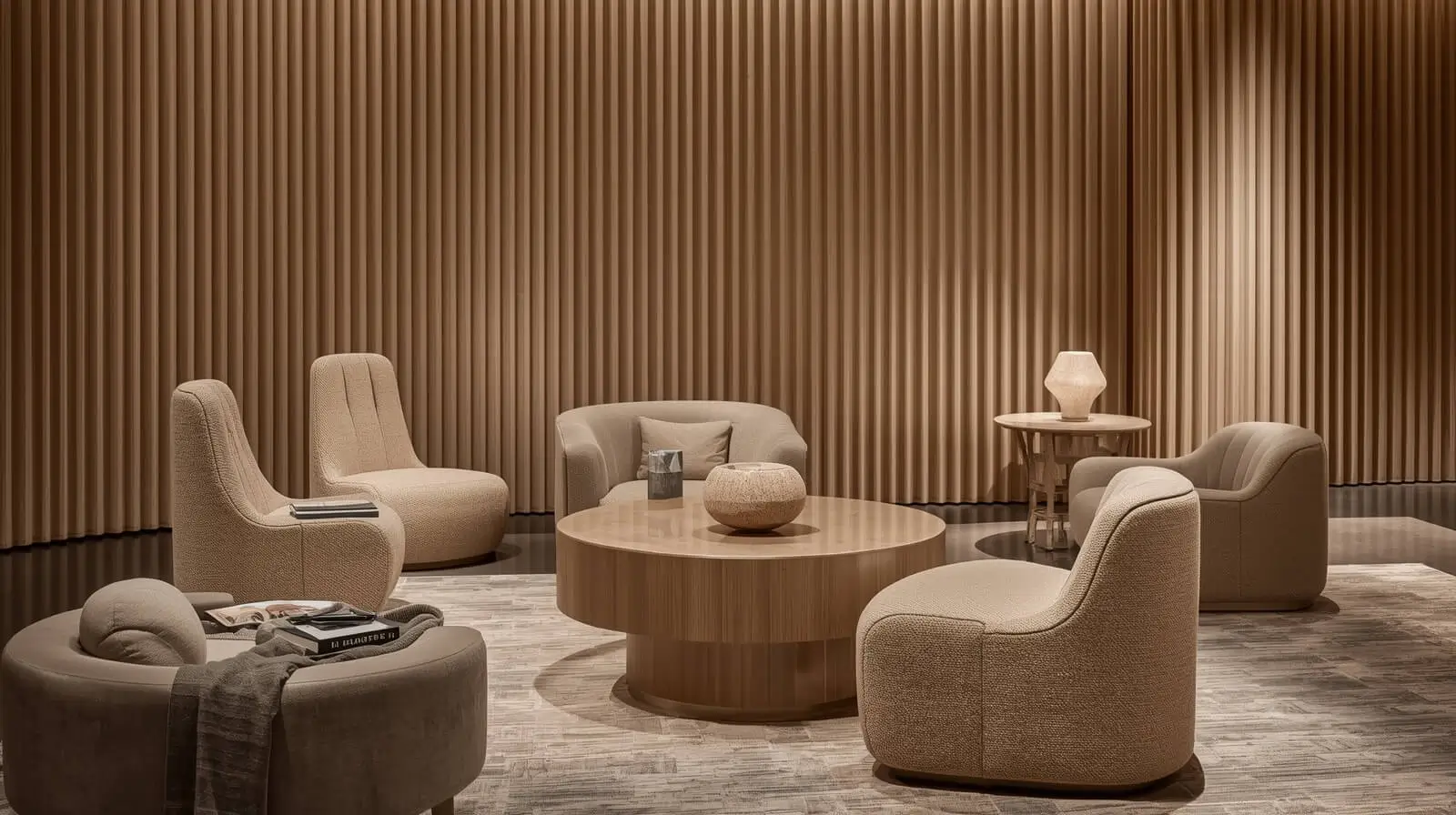
Texture-based pattern relies on tactile repetition rather than visual contrast. Materials like ribbed wood, boucle fabric, fluted stone, or woven fibers add depth while remaining understated. This is ideal for calm, sophisticated interiors.
Texture patterns enhance comfort and warmth without visual clutter.
Pattern in Interior Design and Harmony
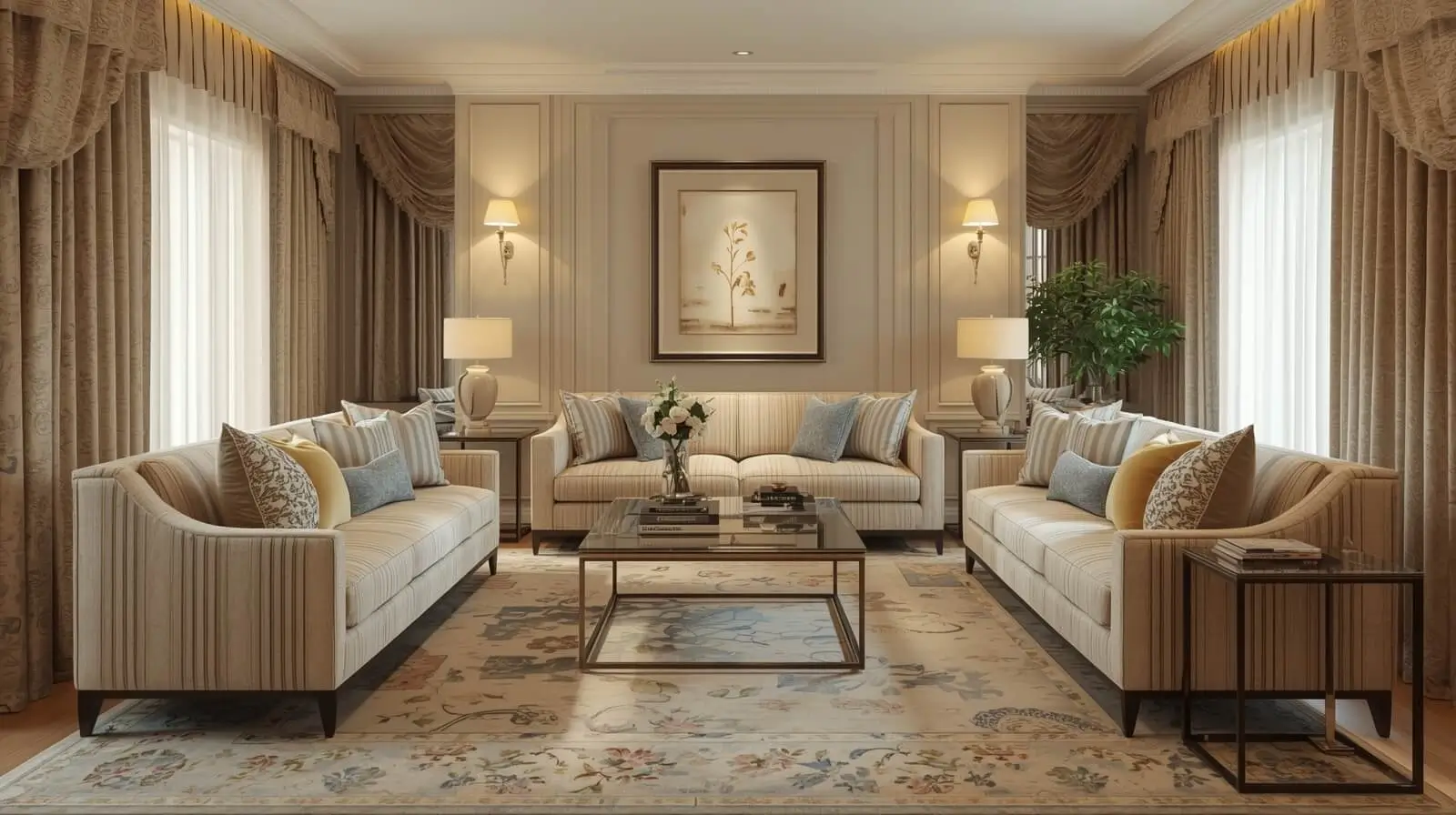
Harmony occurs when patterns feel related rather than competing. This is achieved through shared colors, scales, or shapes across different elements. Harmonious pattern use makes a room feel intentional and complete.
Designers often limit the number of pattern types to maintain visual unity.
Pattern in Interior Design for Defining Space
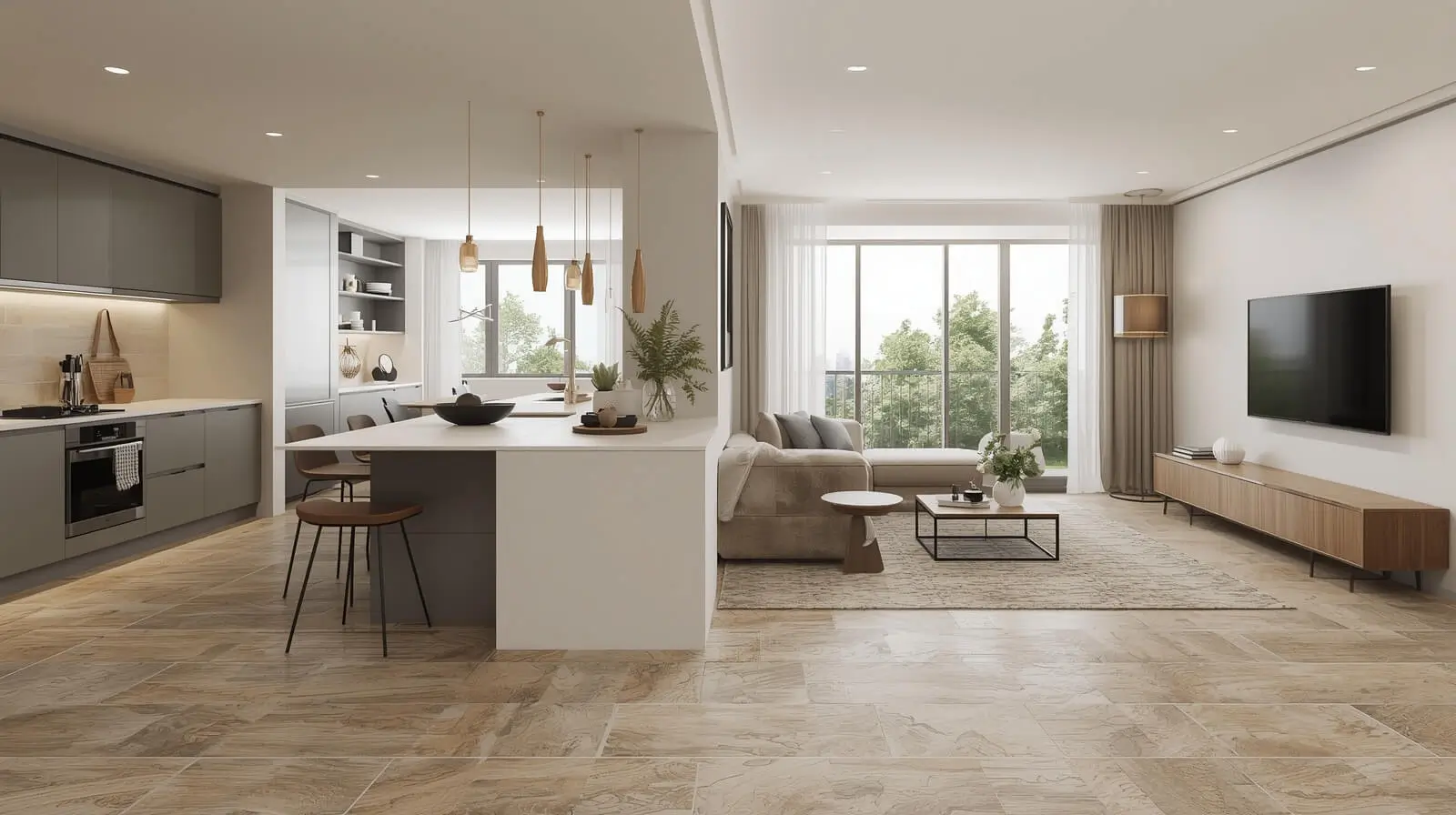
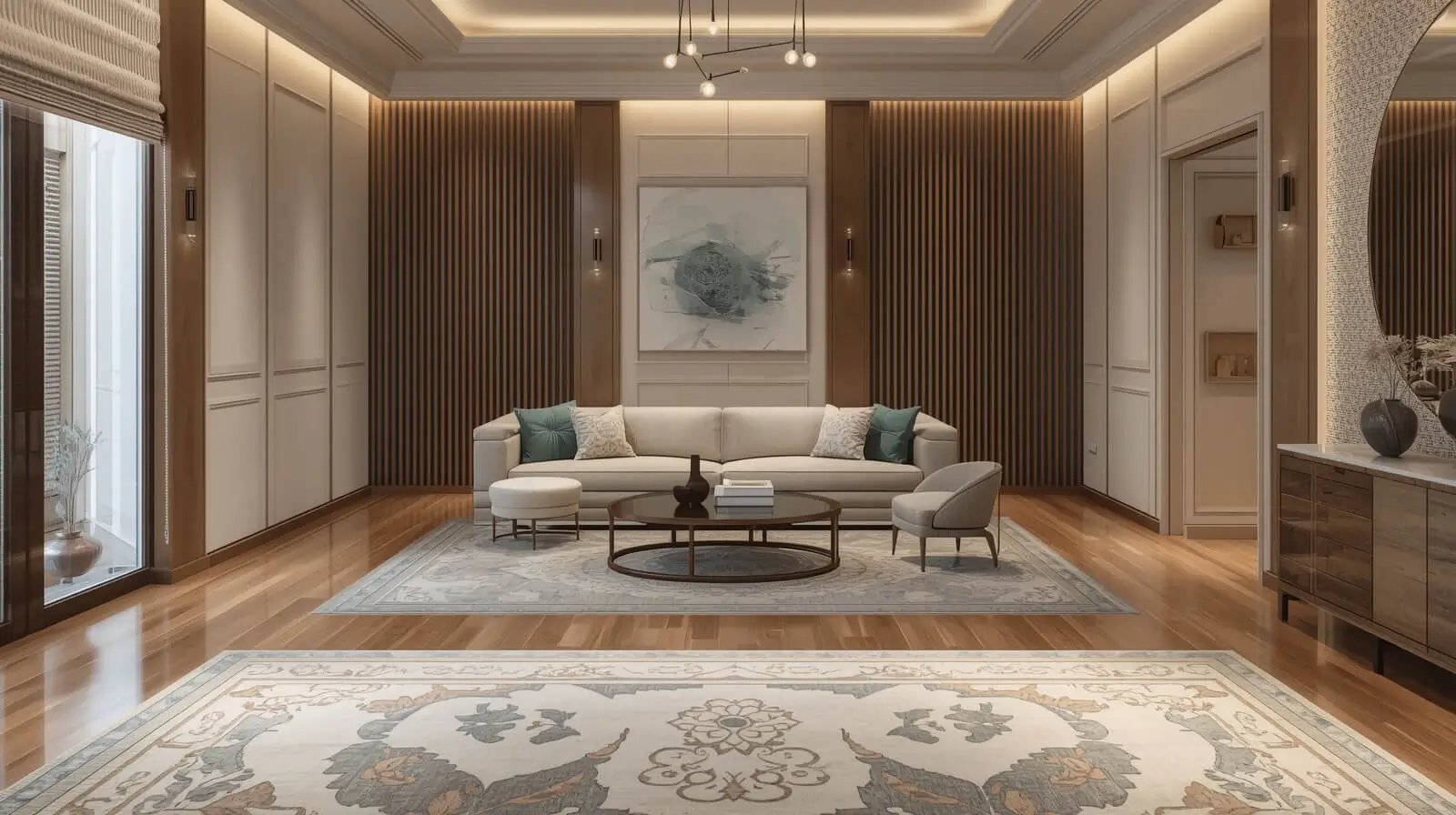
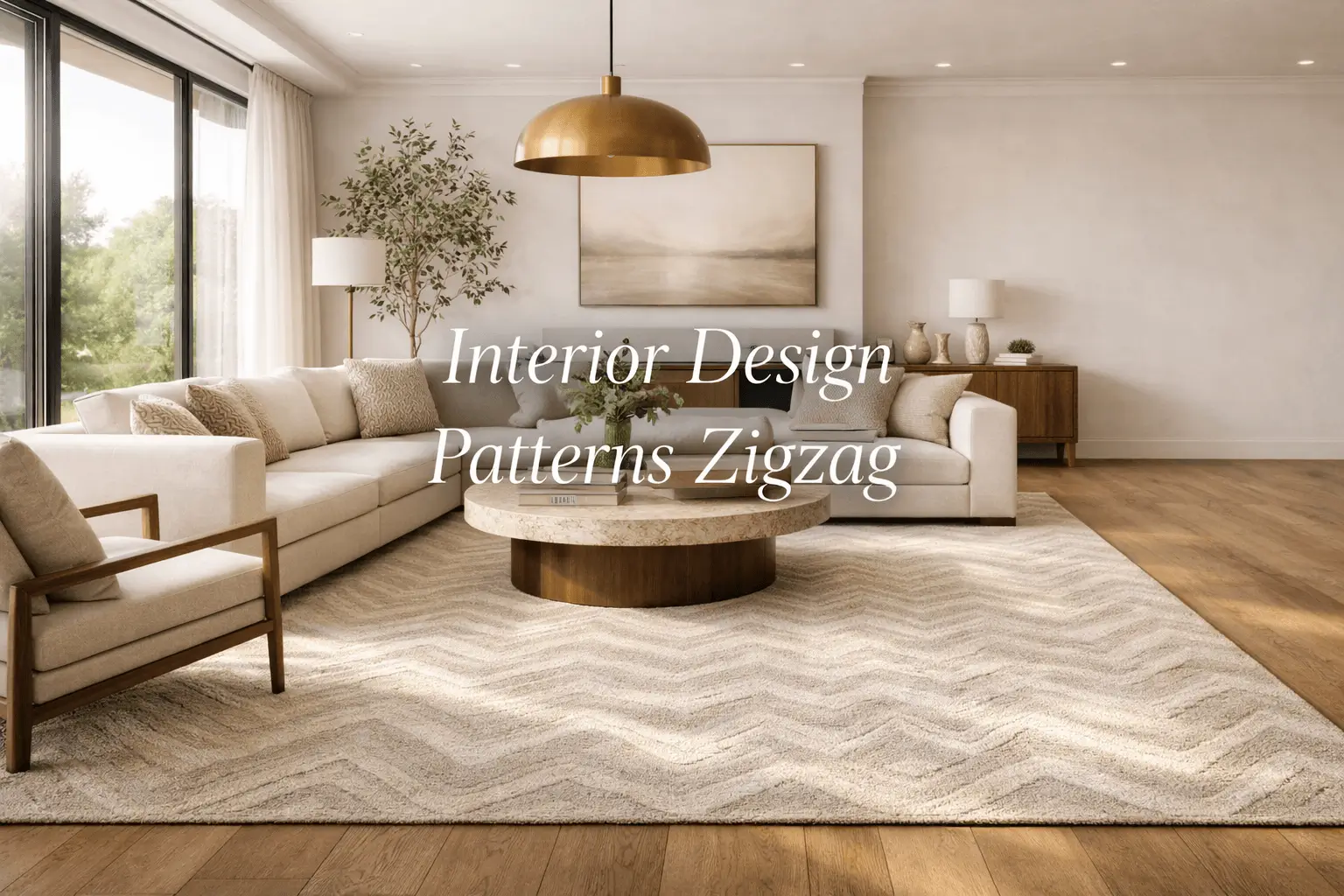
Pattern helps define zones within open-plan interiors. A patterned rug can signal a seating area, while tiled flooring distinguishes kitchens from dining spaces. These visual boundaries guide movement without physical barriers.
This technique is especially useful in modern, open layouts.
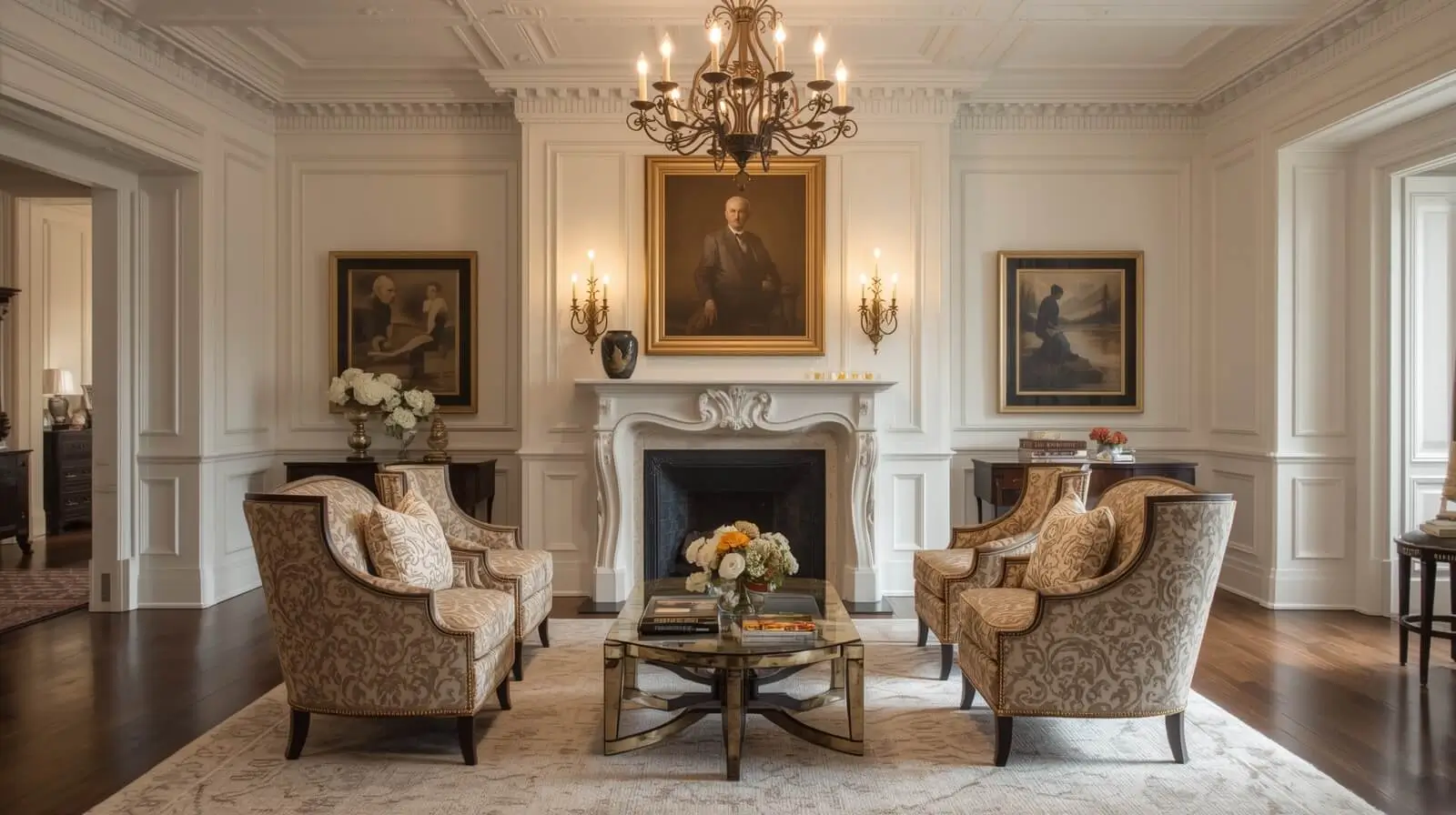
Pattern in Interior Design with Formal Balance
Formal balance uses mirrored patterns on either side of a central axis. This approach feels structured, elegant, and timeless. It’s commonly used in traditional and classic interiors.
Symmetrical pattern placement creates calm and order.
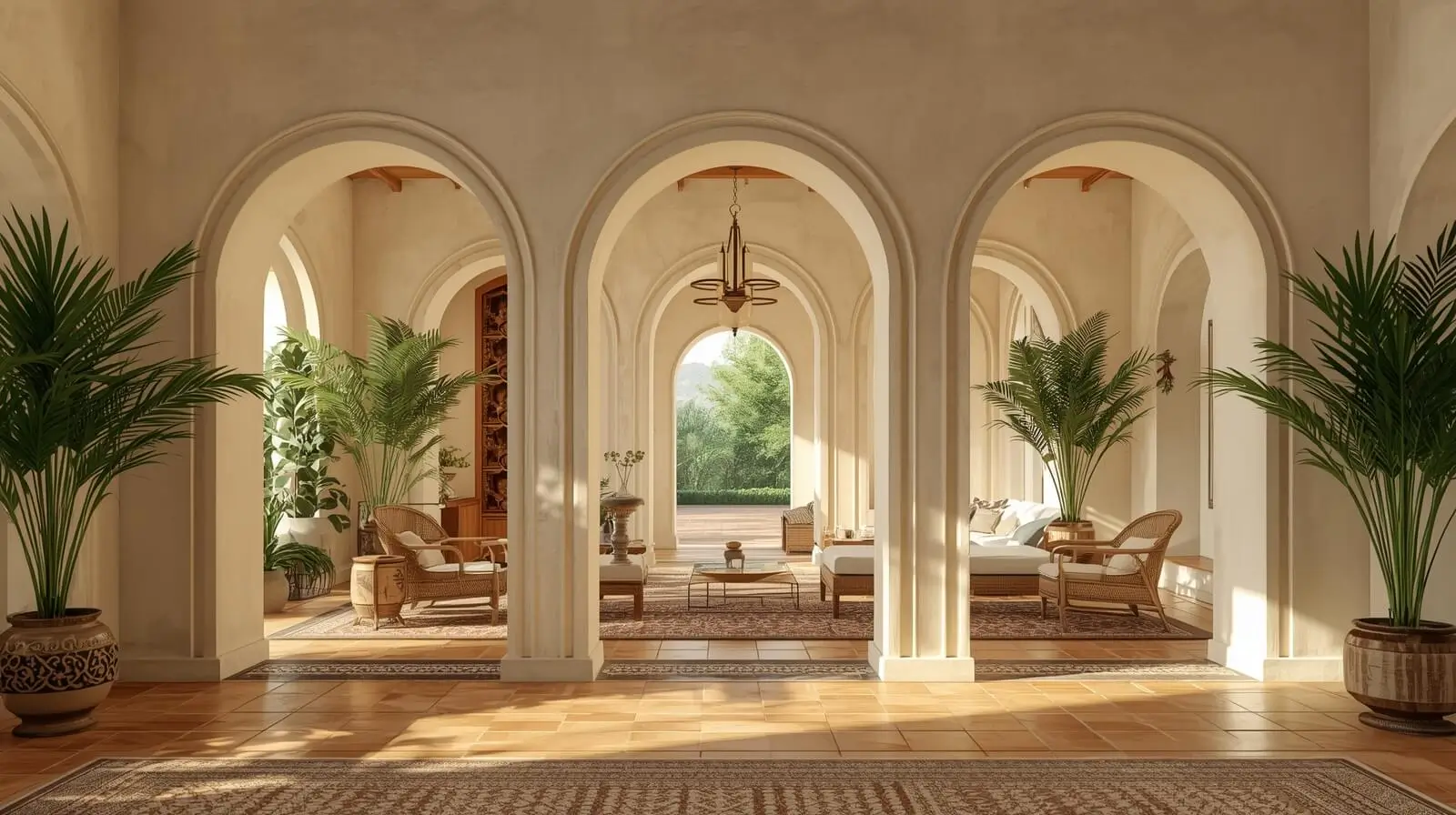
Pattern in Interior Design and Shape Repetition
Repeating shapes — arches, curves, or straight lines — reinforces visual consistency. Shape-based pattern works quietly in architecture, furniture silhouettes, and décor details.
This repetition strengthens the room’s identity without obvious decoration.
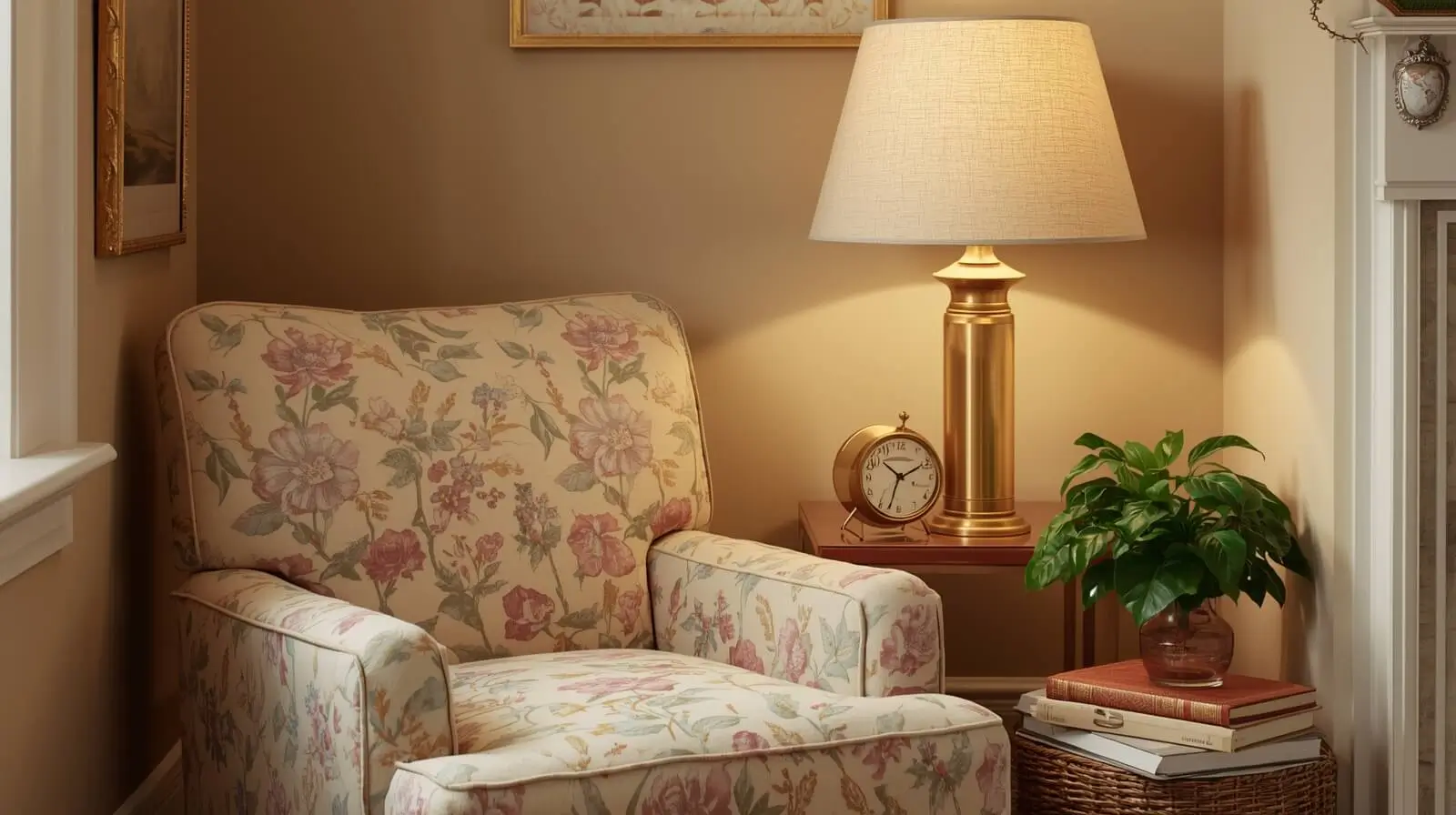
Pattern in Interior Design Through Decorative Motifs
Motifs such as florals, stripes, or abstract prints bring personality to interiors. When scaled and placed carefully, decorative patterns energize spaces without overwhelming them.
They work best when balanced with solid surfaces.
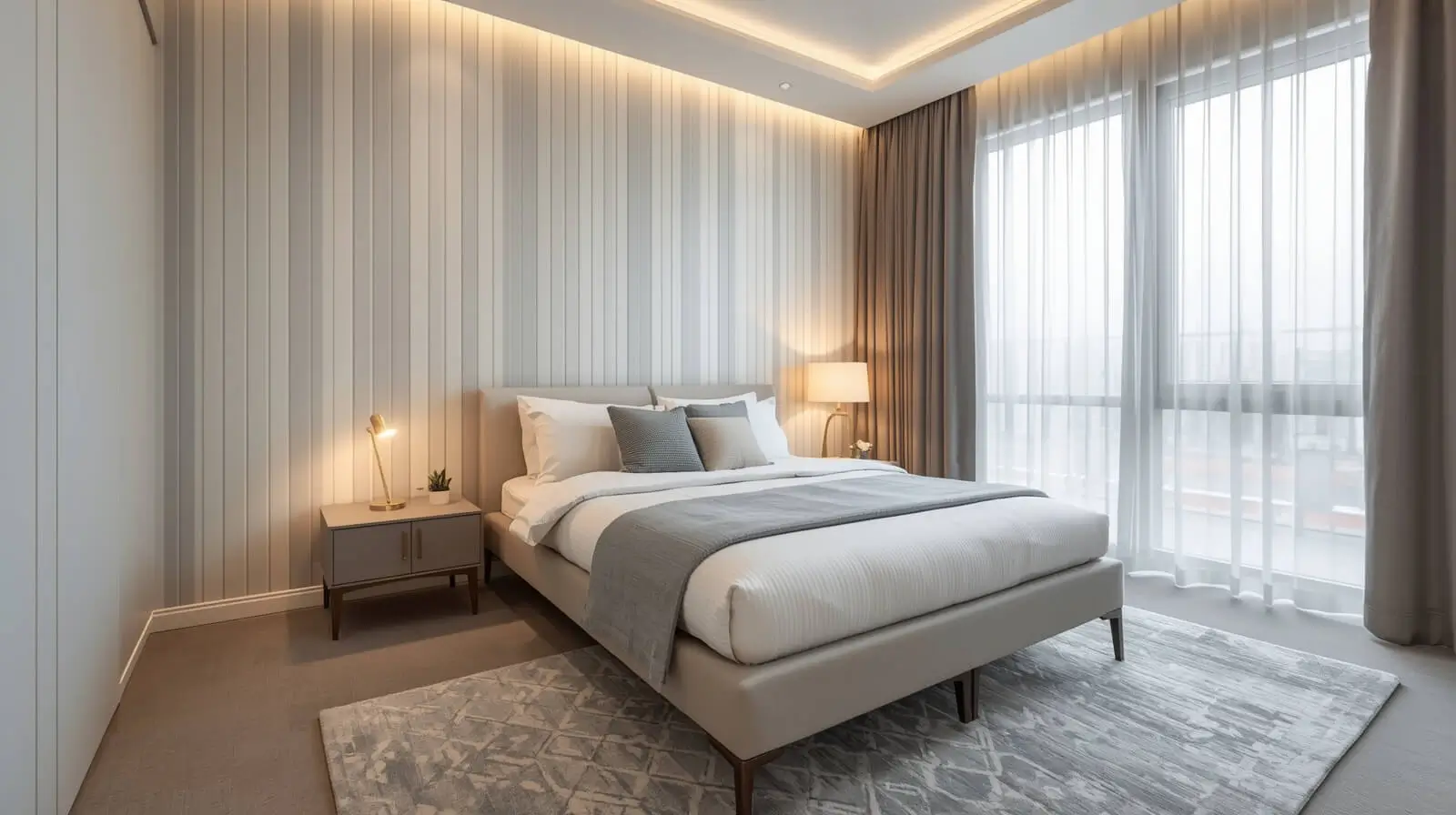
Pattern in Interior Design and Spatial Perception
Pattern can visually expand or compress a room. Vertical patterns add height, horizontal patterns widen spaces, and small-scale repeats create intimacy. Designers use this strategically to correct proportions.
Pattern becomes a spatial tool, not just an aesthetic choice.
Pattern in Interior Design with Layering
Layering multiple patterns adds richness when done with restraint. Successful layering relies on varying scale while maintaining a shared color story. This approach feels curated and lived-in.
It’s commonly seen in eclectic and transitional interiors.
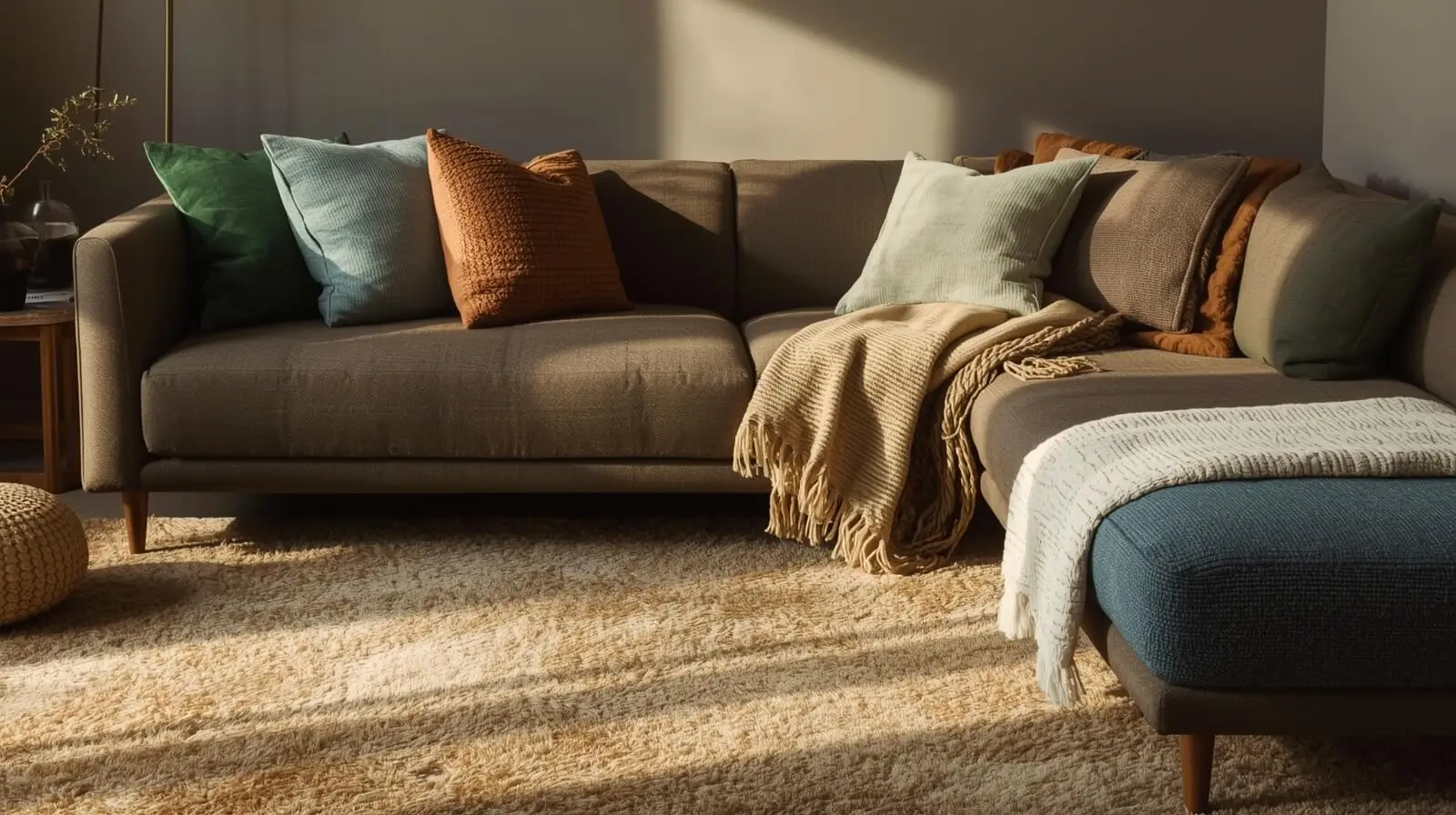
Pattern in Interior Design and Material Consistency
Repeating materials creates pattern through consistency. Wood grain, stone veining, or metal finishes form organic patterns that feel natural and grounded.
This approach suits timeless and organic interiors.
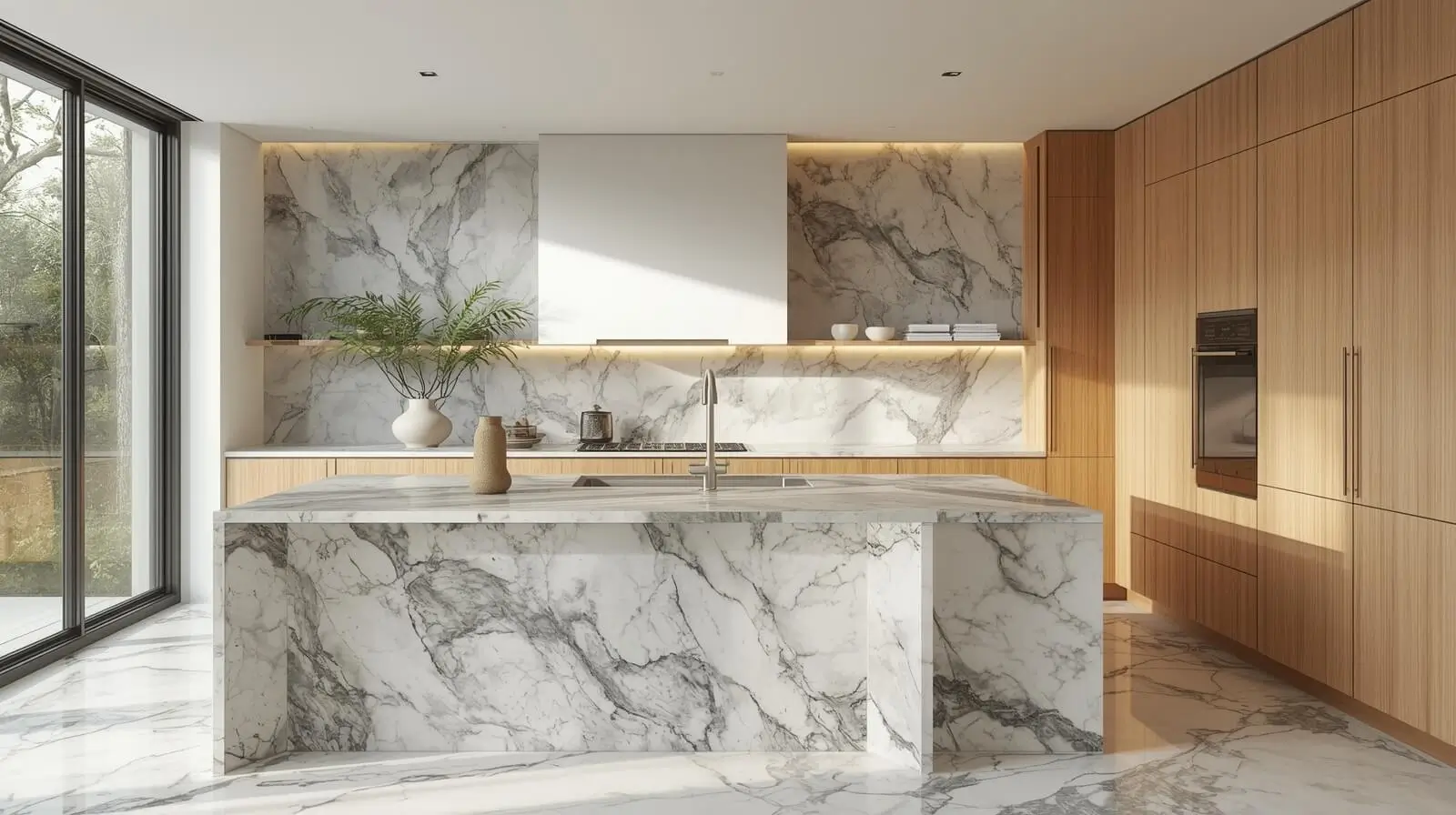
Pattern in Interior Design for Emotional Impact
Patterns influence how a space feels emotionally. Soft, flowing patterns promote calm, while bold contrasts energize. Designers select patterns based on how occupants will use and experience the space.
Emotional alignment is key to successful interiors.
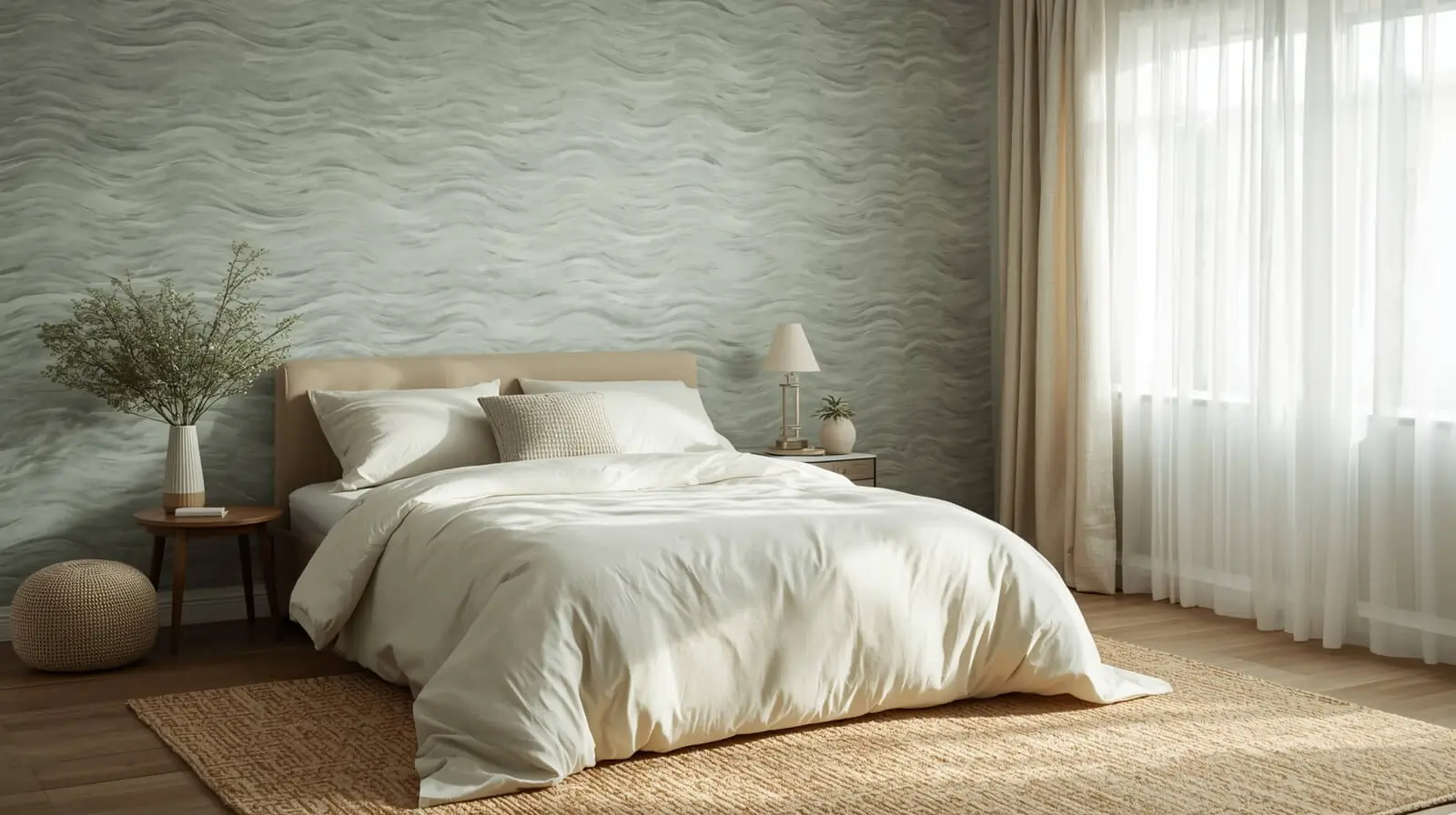
Pattern in Interior Design and Long-Term Timelessness
Timeless pattern use avoids trends and focuses on proportion, quality, and restraint. Neutral palettes, classic geometries, and material-driven patterns age gracefully.
This approach ensures longevity and enduring appeal.
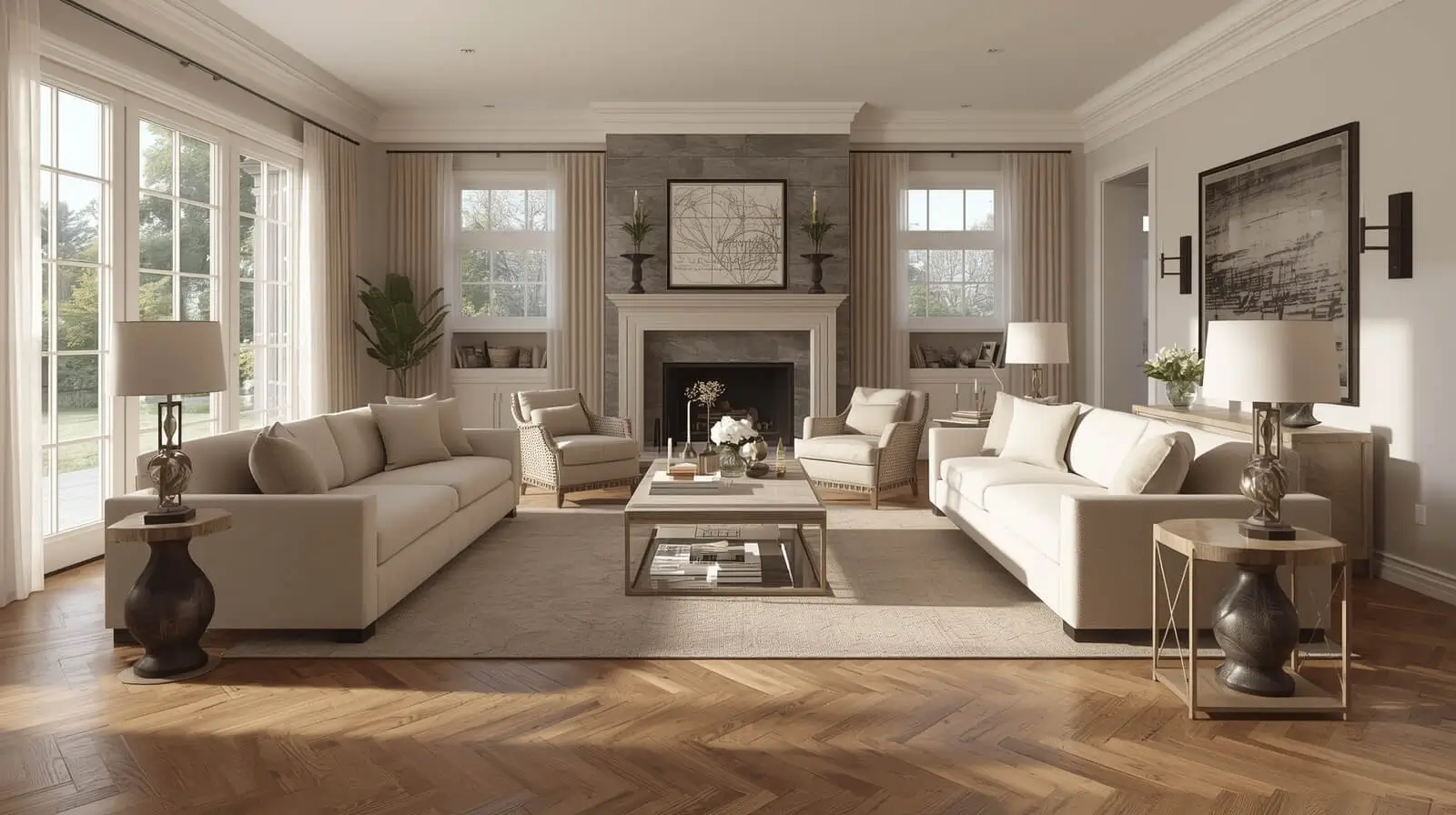
Pattern in Interior Design as a Unifying Element
At its best, pattern ties everything together. It creates relationships between surfaces, furnishings, and architectural details. When thoughtfully applied, pattern becomes the invisible thread that holds a space together.
This is where interiors move from styled to truly designed.
Conclusion: Designing with Pattern That Feels Intentional and Timeless
Pattern in interior design is most effective when it’s approached as a design framework rather than a decorative afterthought. Throughout real projects, one principle consistently proves true: spaces feel more comfortable, cohesive, and livable when pattern is used to create rhythm, balance, and visual continuity. Repetition gives the eye something to follow, while variation keeps the space from feeling flat or predictable.
This approach works because it aligns with how people actually experience interiors. We don’t absorb a room all at once — we move through it, notice details over time, and respond emotionally to what feels ordered versus chaotic. Thoughtful pattern use helps guide that experience. It defines areas without walls, softens transitions, and connects individual elements into a single visual language.
Pattern-driven design benefits anyone who wants a home that feels intentional rather than styled on the surface. It’s especially valuable in open-plan layouts, long-term homes, and spaces meant to feel calm yet expressive. By focusing on scale, repetition, and harmony — rather than trends — designers and homeowners alike can make confident choices that age well and support everyday living. When pattern is applied with clarity and restraint, it becomes one of the most reliable tools for creating interiors that feel both beautiful and deeply functional.
Learn more : 10+ Inspiring Senior Living Interior Design Ideas for Comfort
Frequently Asked Questions About Pattern in Interior Design
- How much pattern is too much in an interior space?
There’s no fixed limit, but imbalance is the warning sign. When patterns compete for attention or vary wildly in scale and color, the space can feel restless. A strong interior usually combines one dominant pattern with quieter supporting repeats to maintain clarity.
- Can pattern work in small or minimalist spaces?
Absolutely. In smaller or minimalist interiors, pattern often works best through texture, subtle color repetition, or architectural details rather than bold prints. These quieter patterns add depth without visually crowding the space.
- How do I mix multiple patterns without creating chaos?
Successful mixing relies on shared elements. Patterns that repeat similar colors, shapes, or proportions naturally relate to one another. Varying the scale — large, medium, and small — also helps maintain visual order.
- Is pattern only about fabrics and wallpapers?
Not at all. Pattern appears in flooring layouts, wall paneling, lighting placement, furniture shapes, and even material grain. Many of the most refined interiors rely on these structural patterns rather than surface decoration.
- How does pattern affect the mood of a room?
Pattern influences emotional response more than people realize. Soft, flowing patterns tend to calm, while sharp contrasts and strong geometry energize. Choosing pattern with the room’s purpose in mind leads to more comfortable and intuitive spaces.
- Should pattern follow trends or stay timeless?
Timeless patterns generally come from proportion, material quality, and thoughtful repetition rather than trend-driven motifs. Trends can be incorporated in small, changeable elements, while core patterns should support long-term use.
- What’s the best way to start using pattern confidently?
Start with one area — a rug, wall treatment, or repeated material — and build outward. When the initial pattern feels grounded and intentional, the rest of the space naturally falls into place.

One Response