Introduction
Period property interior design is about more than decoration—it’s about respecting history while making a home livable for today. Whether you’re working with a Victorian terrace, Georgian townhouse, or Edwardian semi, the goal is to enhance original features rather than erase them. When done well, these homes feel layered, authentic, and deeply personal.
From years of working with older homes, one truth stands out: the best interiors don’t try to “modernize everything.” Instead, they balance preservation and practicality—restoring fireplaces, highlighting cornices, and introducing contemporary elements in a way that feels intentional, not forced.
If you approach decorating period homes with sensitivity to materials, proportions, and light, you can create spaces that feel both elegant and effortlessly functional.
Period Property Interior Design Ideas for Living Rooms
A period living room should anchor the home, often centered around original fireplaces or tall sash windows. Keep layouts symmetrical where possible, and let architectural features lead the arrangement.
Decorating Period Homes with Original Features
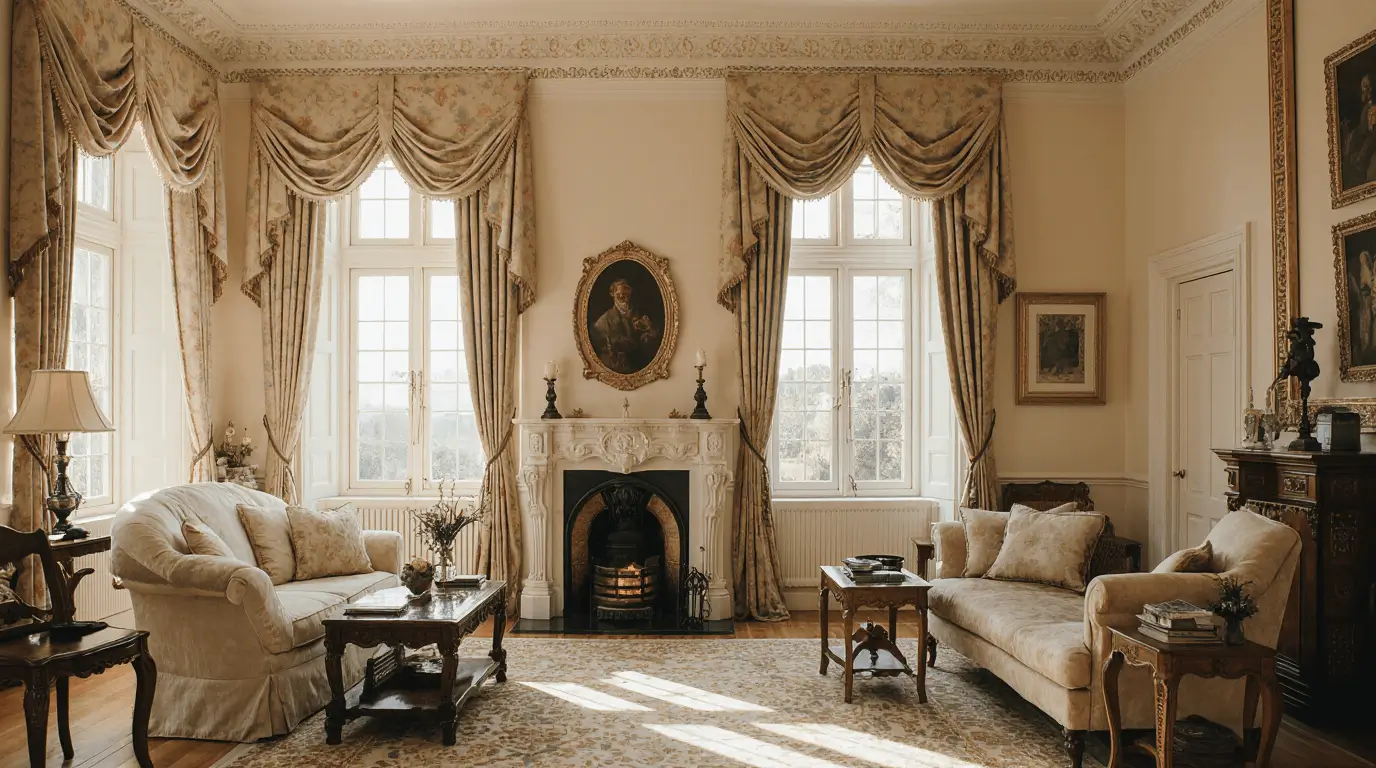
Original elements—like ceiling roses, dado rails, and wood paneling—are the soul of a period property. Instead of covering them, restore and highlight them with subtle contrasts.
Period Property Interior Design with Neutral Palettes
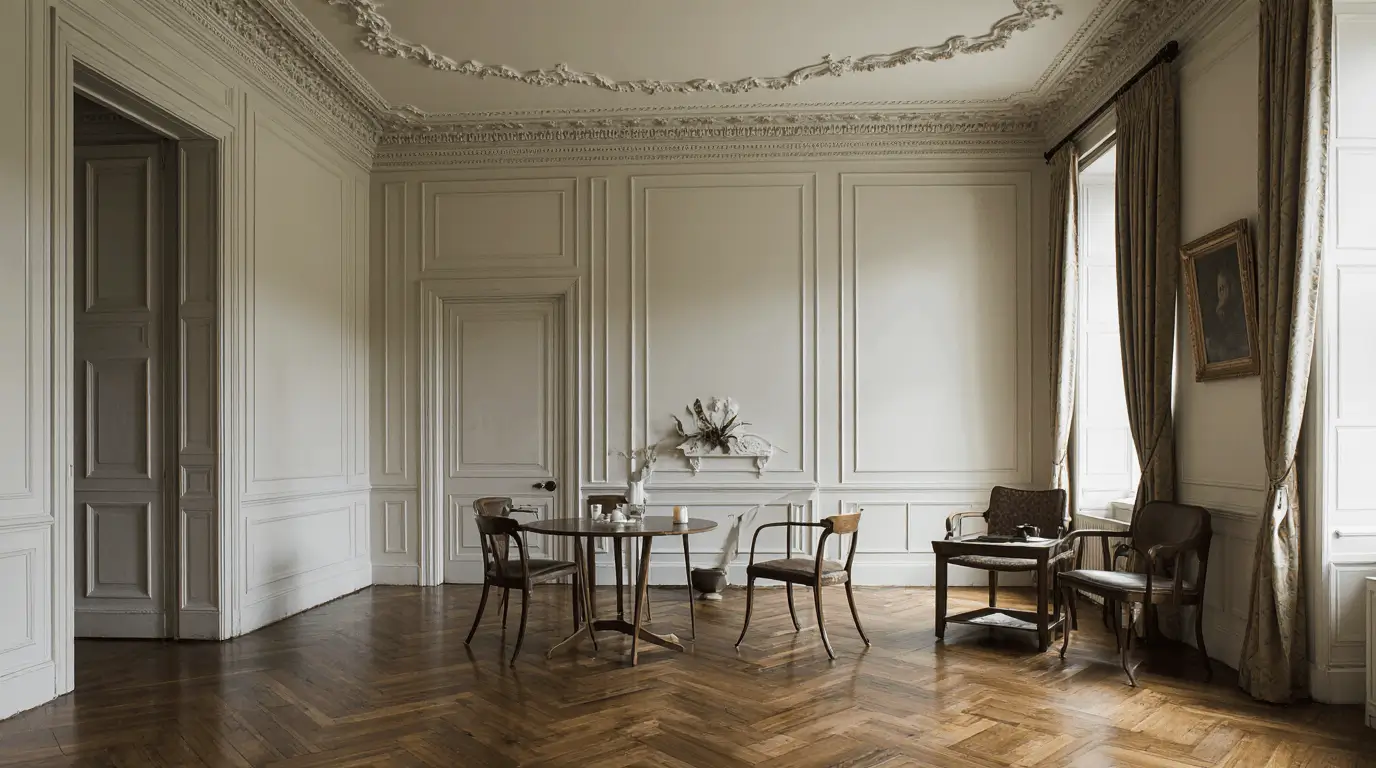
Neutral tones work beautifully in older homes because they allow architectural details to shine. Soft whites, warm greys, and earthy beiges create a calm, timeless base.

Period Property Interior Design Ideas with Bold Colors
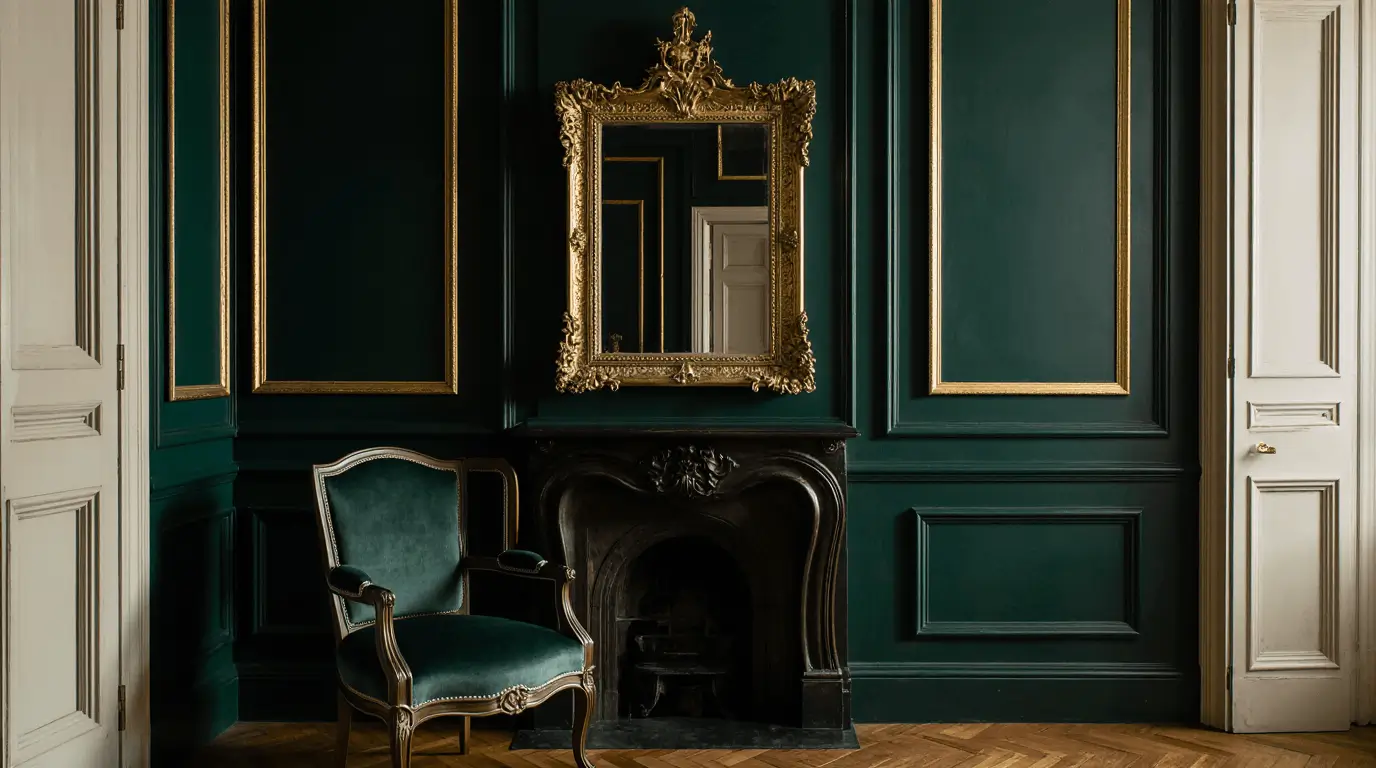
Deep greens, navy blues, and burgundy tones complement the richness of period architecture. These colors enhance depth and create a sense of heritage luxury.
Period Living Room Ideas with Statement Fireplaces
Fireplaces often act as the focal point in period homes. Restoring or enhancing them creates instant character and anchors the entire design.
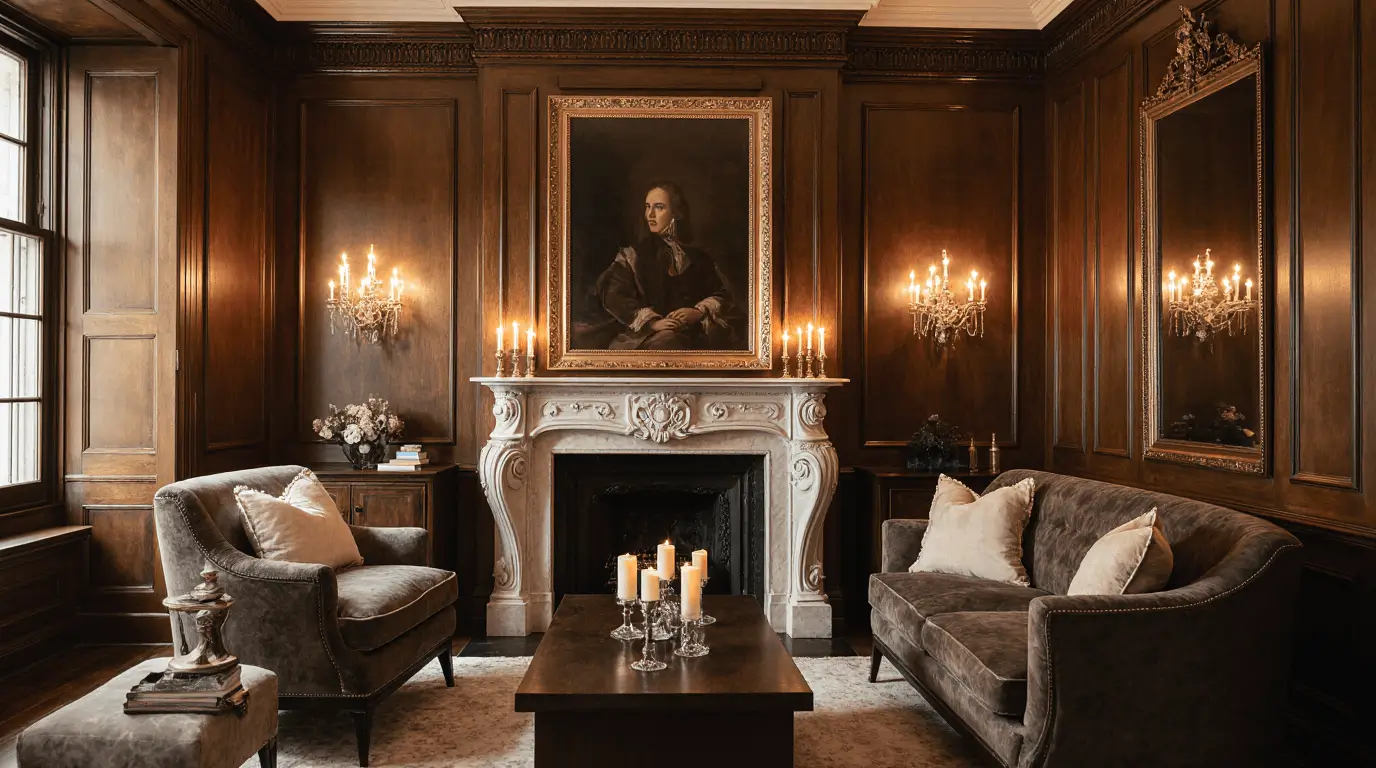
Period Property Interior Design with Layered Textures
Texture adds warmth and prevents traditional interiors from feeling flat. Combine wood, fabric, stone, and metal for a rich, tactile experience.
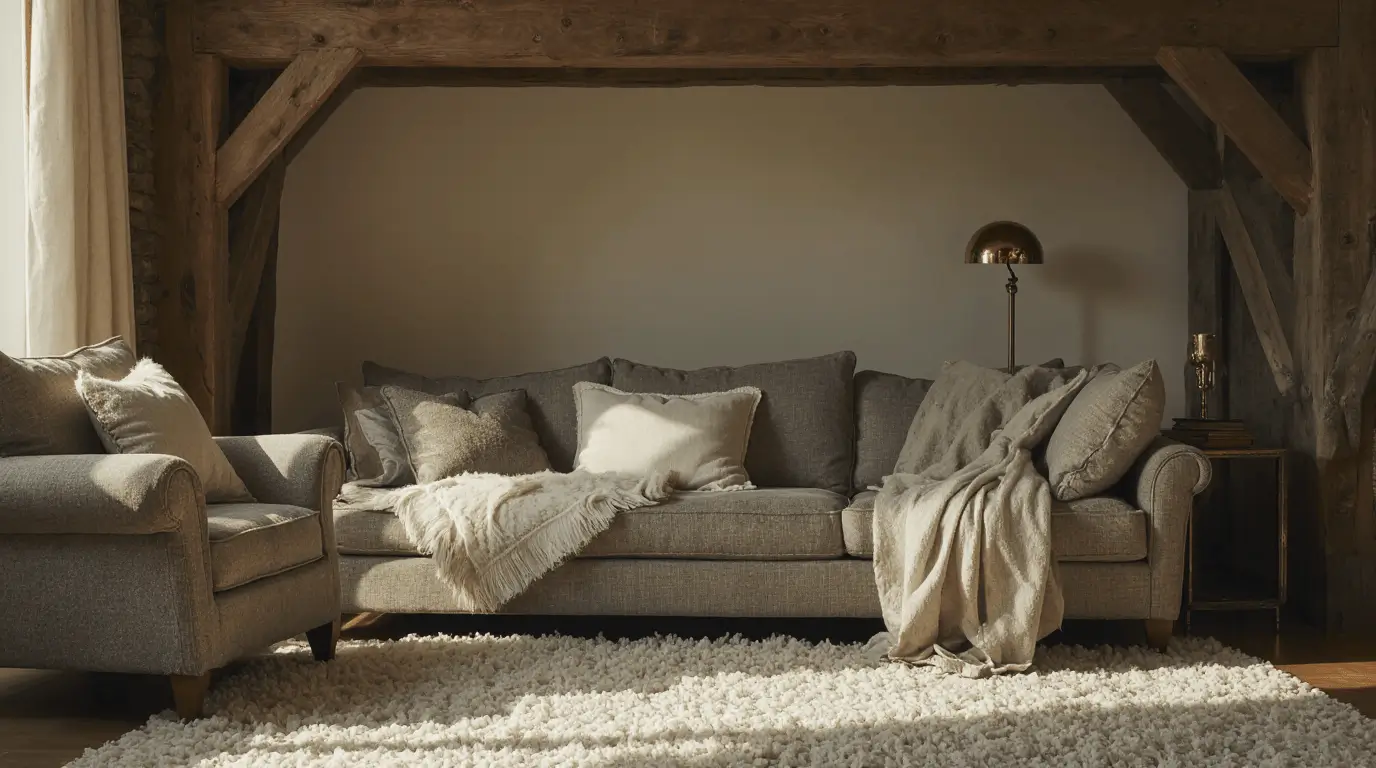
Period Property Interior Design with Vintage Furniture
Mixing antique or vintage pieces with subtle modern elements keeps the space from feeling like a museum while maintaining authenticity.
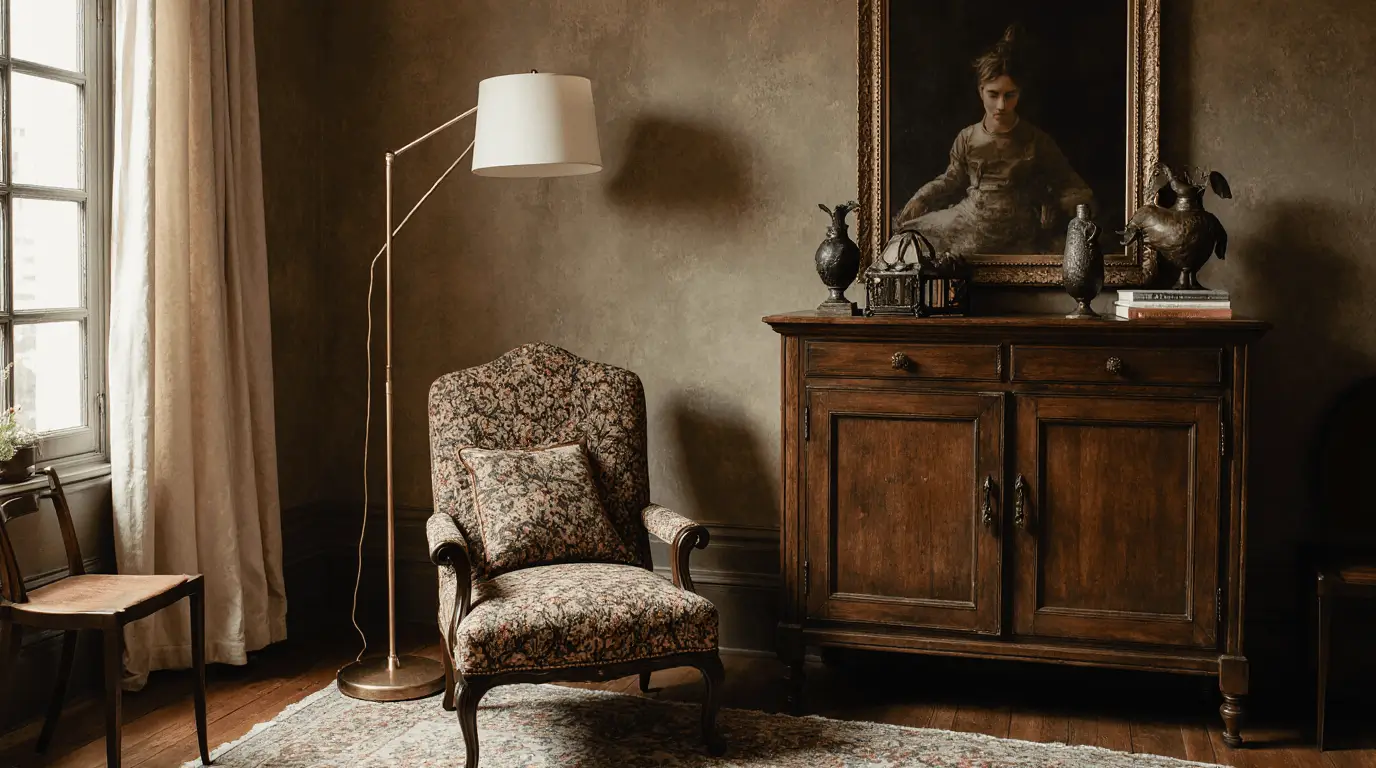
Decorating Period Homes with Modern Lighting
Lighting is where you can introduce contemporary contrast. Use modern fixtures to highlight traditional details without overpowering them.
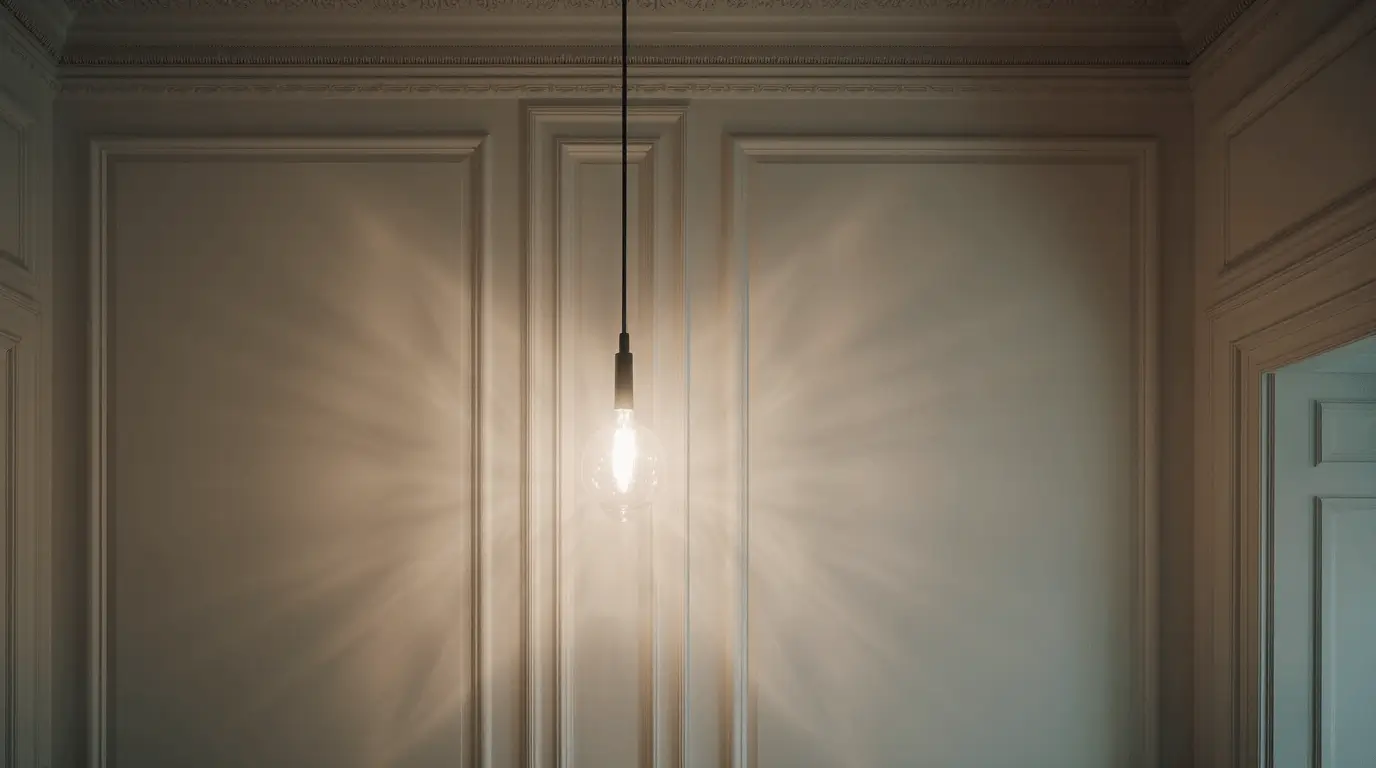
Period Property Interior Design for Small Spaces
Many period homes have compact rooms. Use mirrors, light colors, and multi-functional furniture to maximize space without losing character.
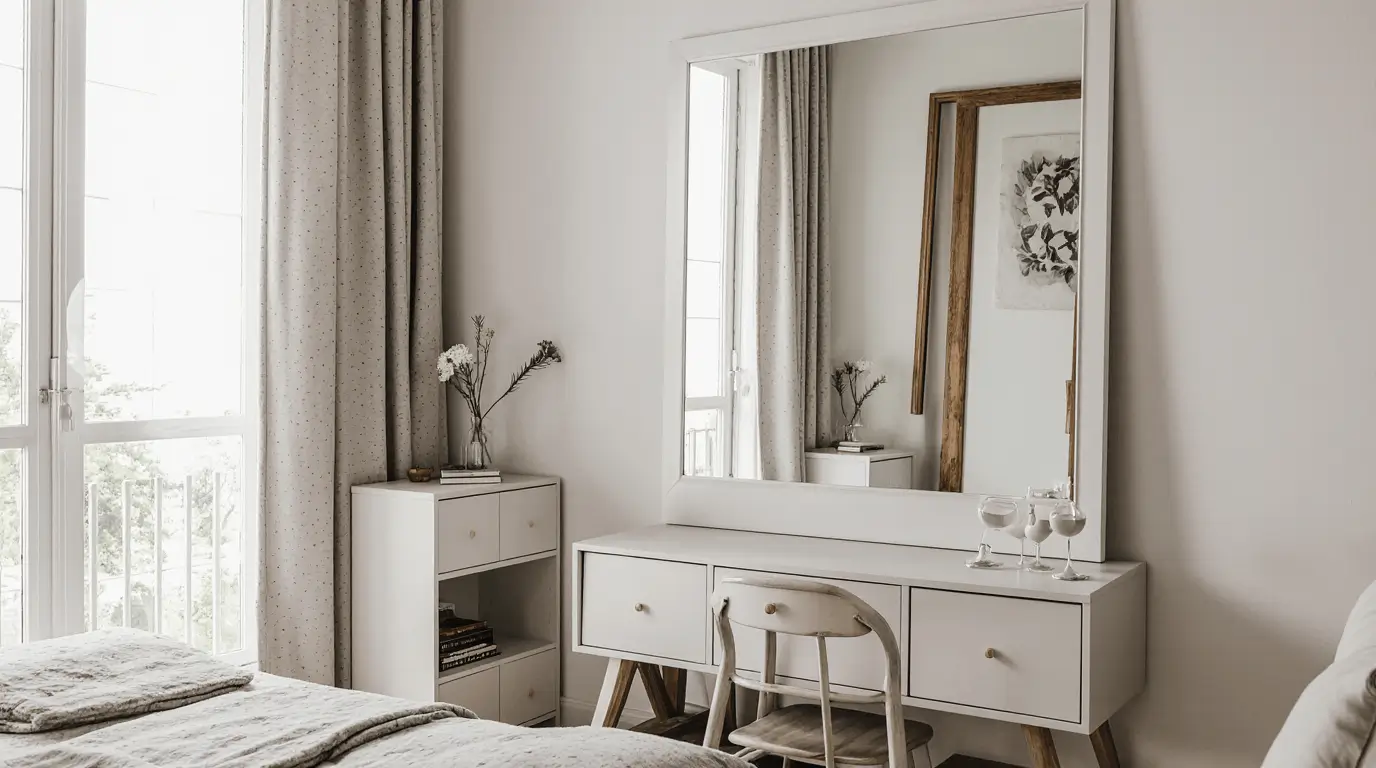
Period Property Interior Design with Statement Walls
Feature walls using wallpaper or bold paint can enhance period charm while adding personality.
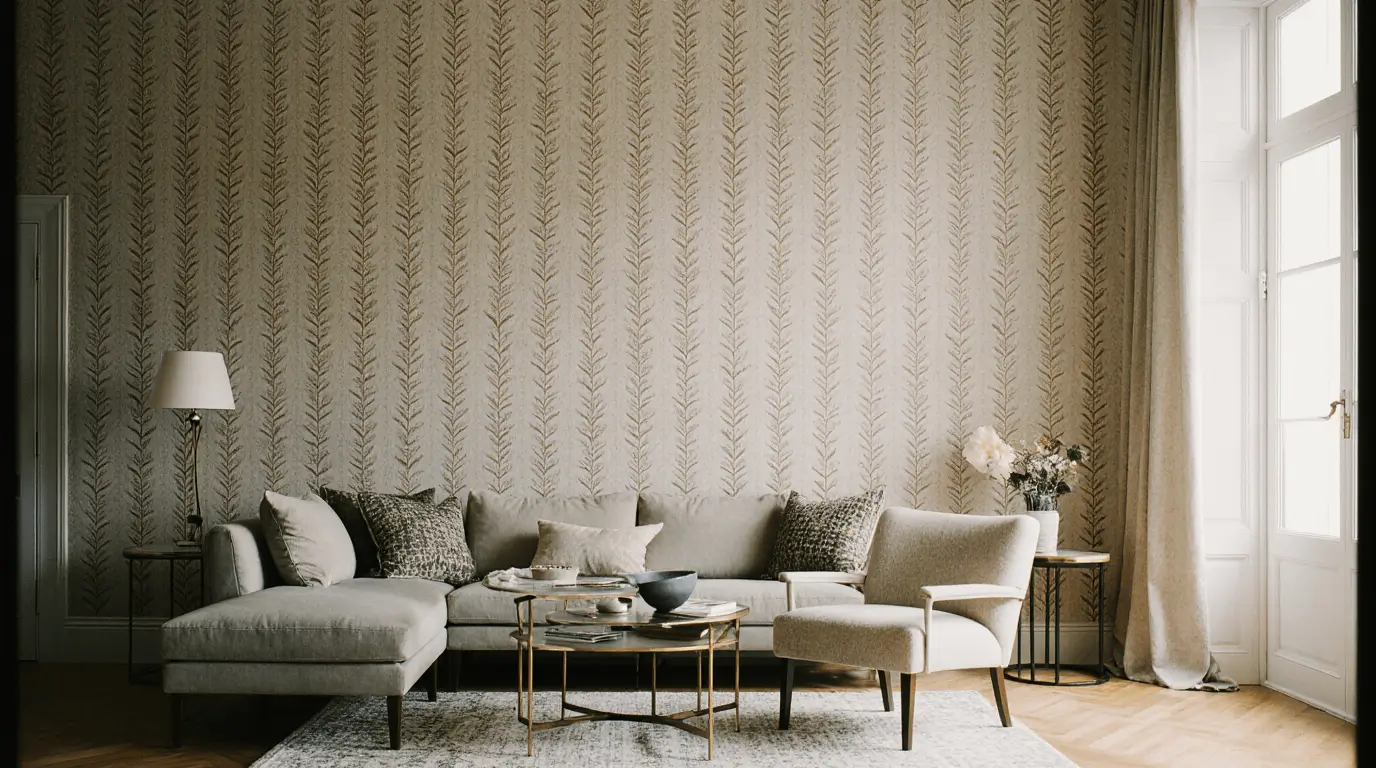
Period Property Interior Design with Natural Materials
Authenticity comes from using materials like wood, stone, and natural fibers that reflect the home’s original era.
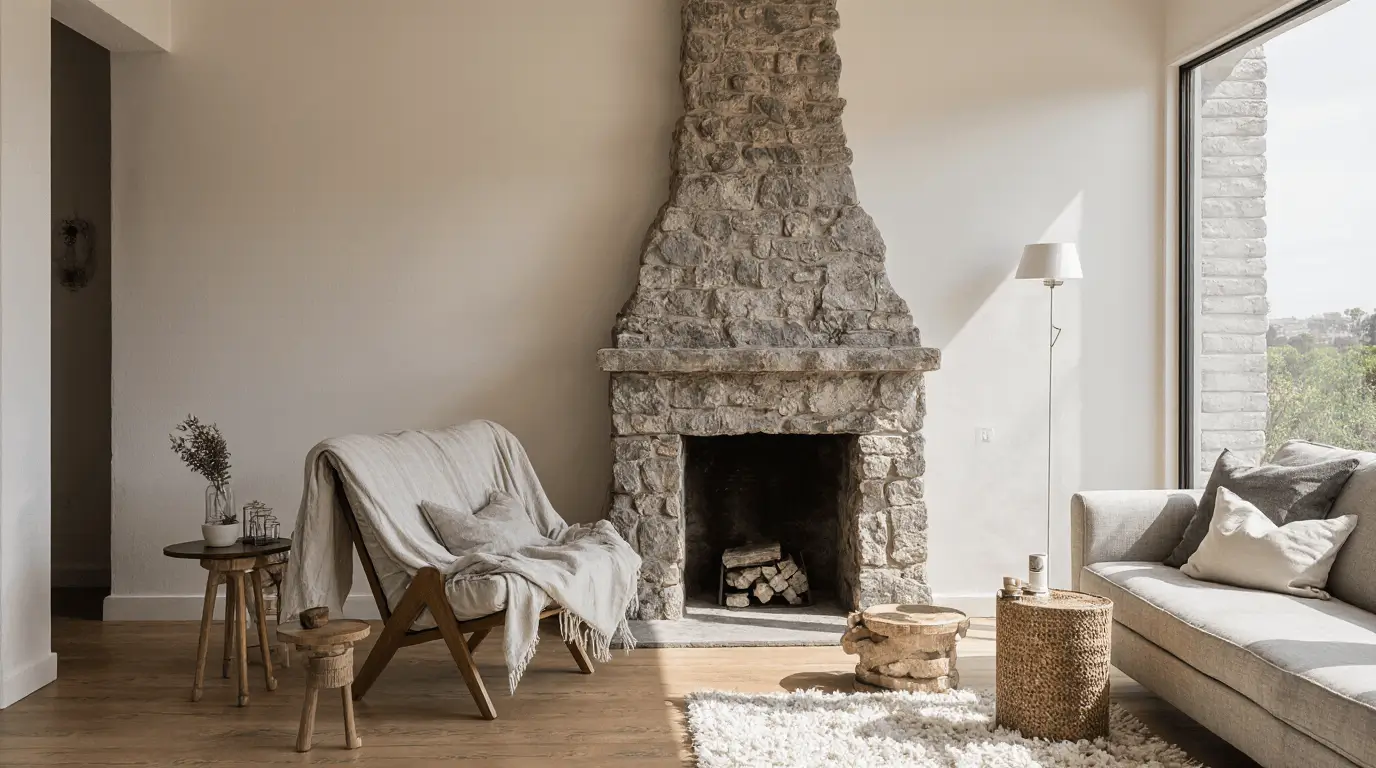
Period Property Interior Design with Symmetry
Symmetry is key in traditional interiors. Balanced layouts create a sense of order and elegance that suits period architecture.
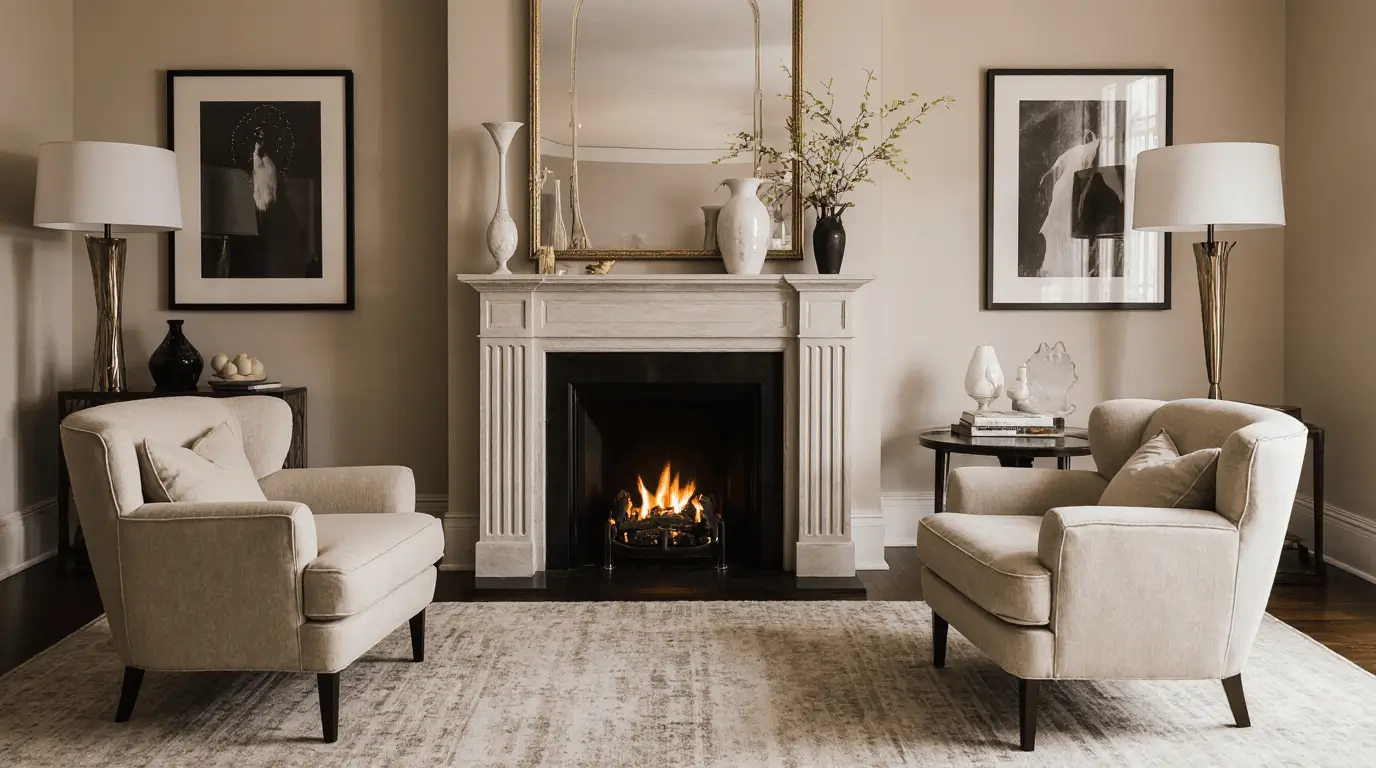
Period Property Interior Design Ideas for Bedrooms
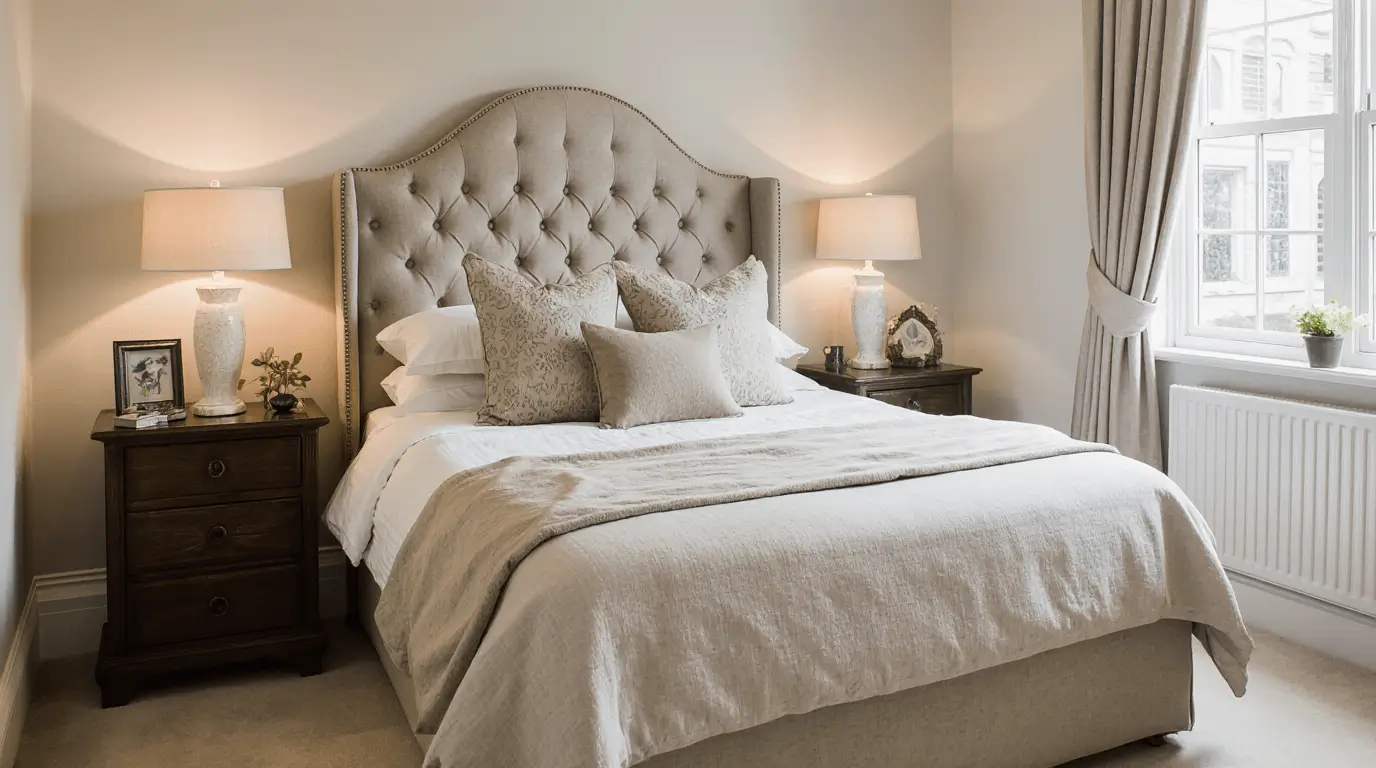
Bedrooms in period homes benefit from soft palettes, classic furniture, and layered textiles for comfort and calm.
Decorating Period Homes with Artwork and Décor
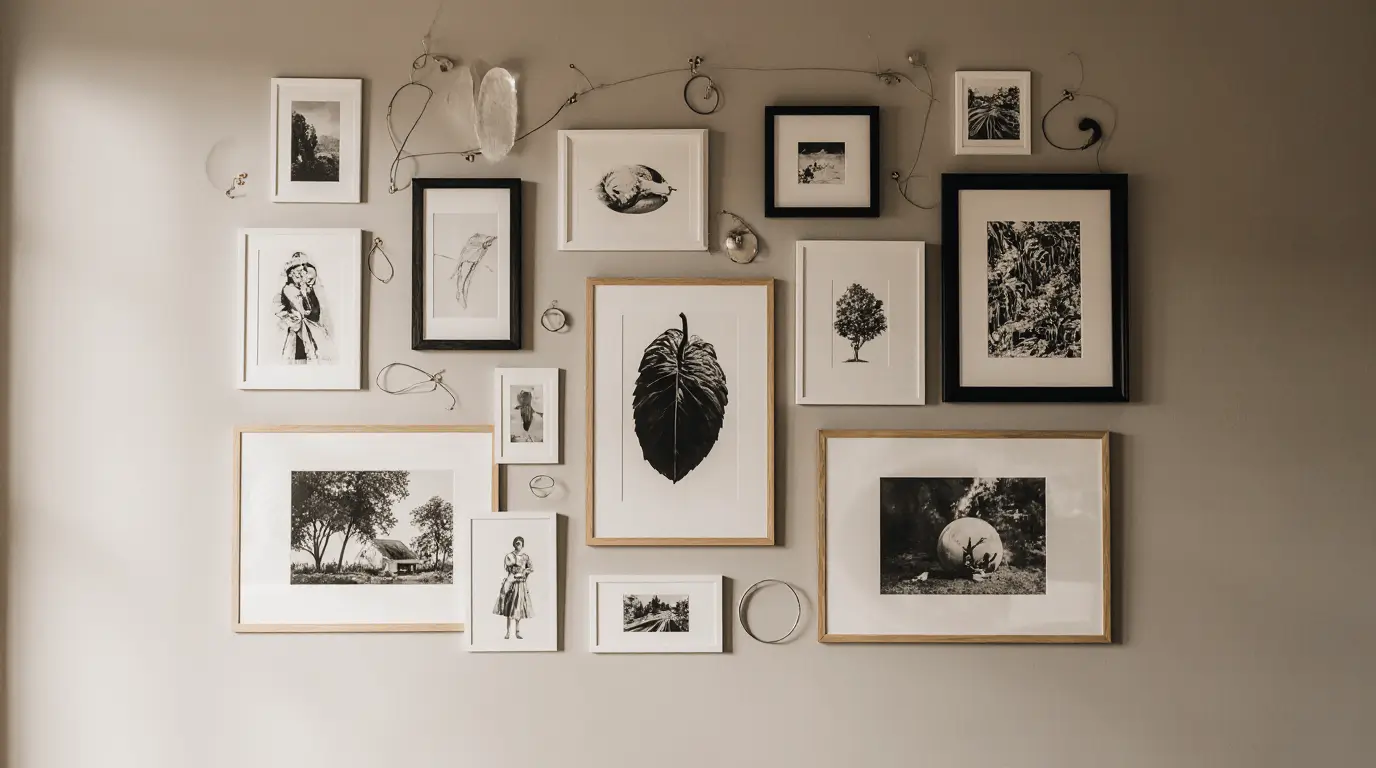
Art and accessories should feel curated, not cluttered. Choose pieces that complement the home’s era while adding personality.
Period Property Interior Design with Open Plan Adaptations
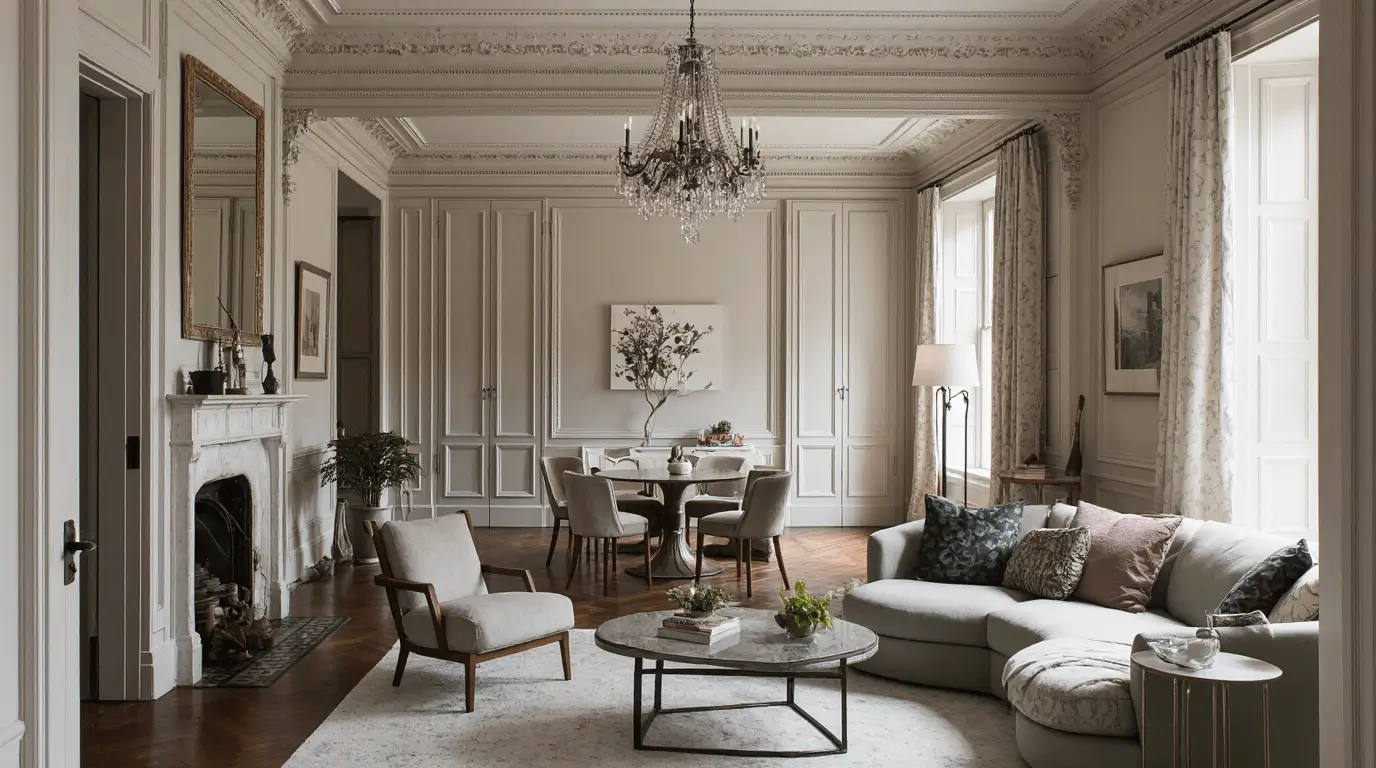
Modern living often requires open spaces. When adapting period homes, maintain subtle divisions using furniture or flooring changes.
Period Property Interior Design with Subtle Modern Touches
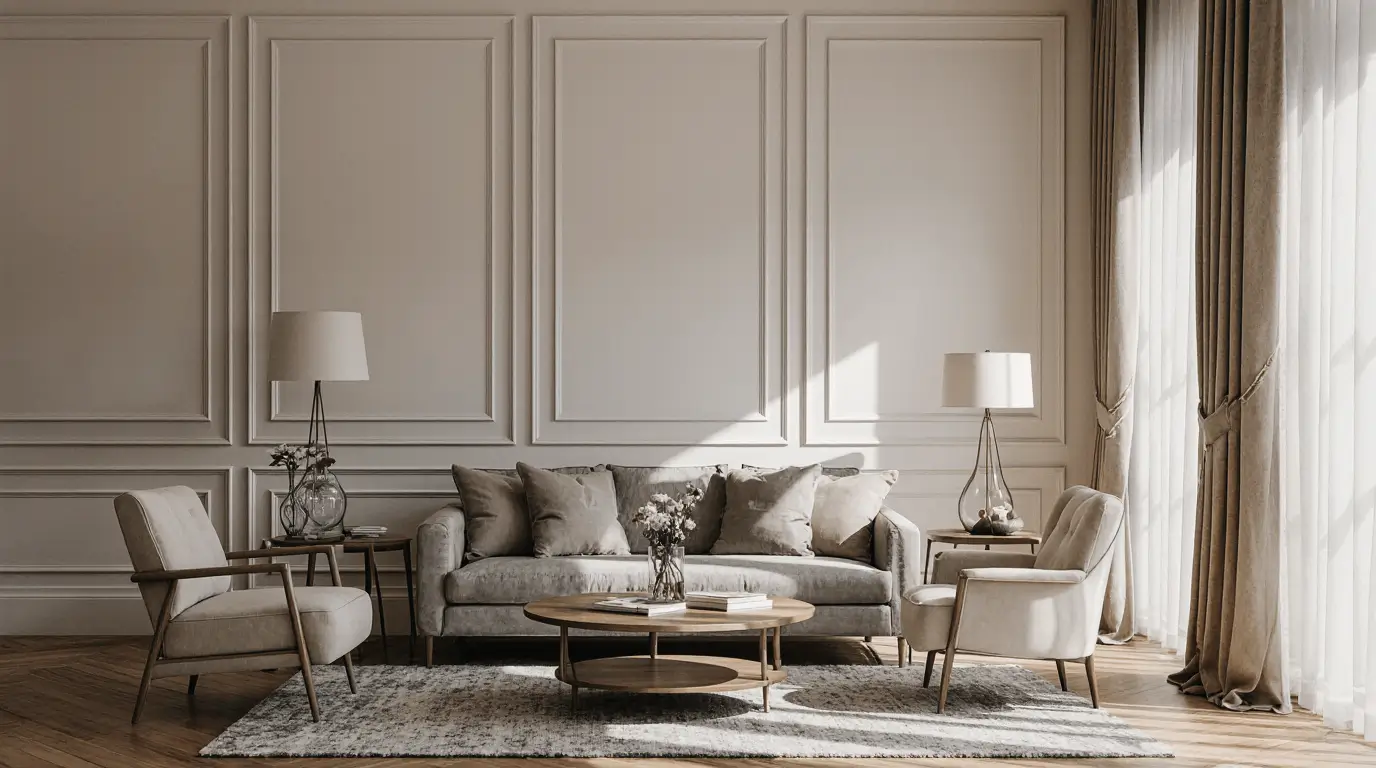
The most successful interiors gently introduce modern elements—clean lines, minimal décor—without overpowering traditional features.
Conclusion: Bringing Period Property Interior Design to Life
Period property interior design works best when it feels intentional rather than overly styled. The most successful homes don’t chase trends—they build on what’s already there. Original features, balanced layouts, and thoughtful material choices create a foundation that naturally supports both comfort and character.
In practice, this means knowing when to step back. You don’t need to fill every space or modernize every detail. A restored fireplace, well-chosen lighting, and a calm, cohesive palette often do more than layers of decoration ever could. This approach not only preserves the integrity of the home but also creates a sense of ease that’s hard to replicate in newer builds.
For homeowners, designers, or renovators, the real value lies in clarity. Once you understand how period property interior design works—respecting proportion, highlighting craftsmanship, and introducing modern elements with restraint—you can make decisions with confidence. The result is a home that feels grounded, functional, and quietly distinctive, adapting to everyday life without losing its history.
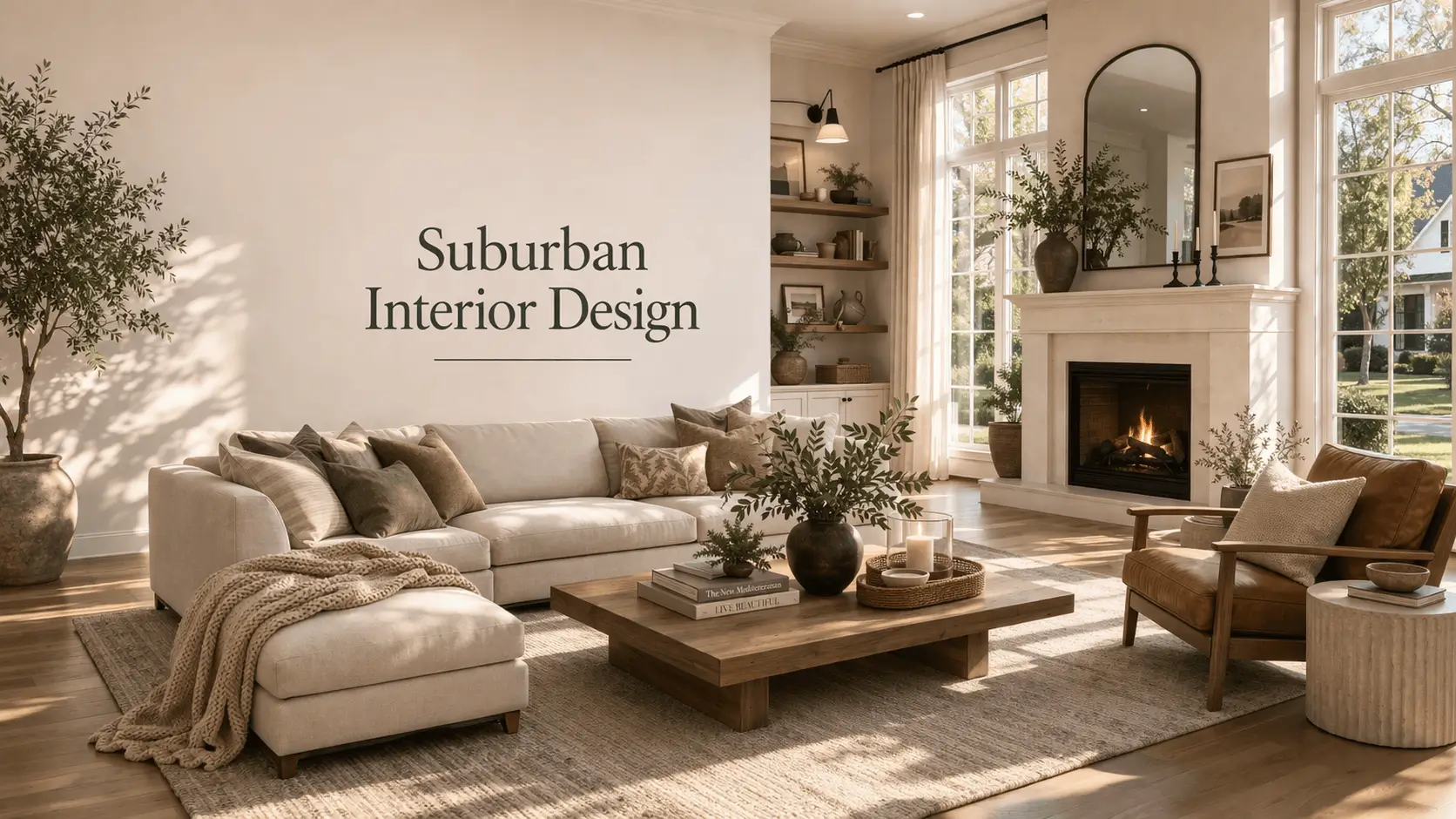
Learn more: Stunning Suburban Interior Design Ideas for Cozy, Modern Homes
FAQs: Period Property Interior Design
- How do I modernize a period property without losing its character?
Focus on subtle upgrades rather than dramatic changes. Keep original features like moldings or fireplaces intact, and introduce modern elements through lighting, furniture, and layout. The key is contrast that feels balanced, not dominant. - What colors work best in period property interior design?
Both neutral and rich tones work well, depending on the space. Soft neutrals highlight architectural details, while deeper shades like green or navy add depth and warmth. Choose colors that complement natural light and the home’s era. - Is it better to use antique furniture or modern pieces?
A mix of both usually creates the most livable result. Antique pieces add authenticity, while modern furniture improves comfort and usability. The combination keeps the space from feeling either too formal or too contemporary. - Can period homes be adapted for open-plan living?
Yes, but it should be done thoughtfully. Instead of fully removing structure, use subtle zoning—like rugs, lighting, or furniture placement—to maintain a sense of definition while improving flow. - How do I make a small period room feel bigger?
Use light colors, mirrors, and minimal furniture. Keep window treatments simple to maximize natural light, and avoid heavy visual clutter. This preserves the room’s character while improving its sense of space. - What materials suit period property interiors best?
Natural materials such as wood, stone, linen, and wool align well with traditional architecture. They add texture and authenticity, and they age gracefully over time, which suits the overall aesthetic. - Where should I start if I’m redesigning a period home?
Begin with what already exists. Assess original features, natural light, and room proportions. Once you understand these elements, build your design around them rather than trying to impose a completely new style.